Caffeine and Aging: a Closer Look into the Benefits and Risks
Kavod Senior Life at Cherry Creek
For more information about the author, click to view their website: https://www.kavodseniorlife.org/
Aug 05, 2025
Colorado - Denver Metro

Email US
Click to Email Us
When most people think of caffeine, they picture coffee, restlessness, and many sleepless nights. For older adults, however, having caffeine can offer more health benefits than just a quick extra boost of energy. While having too much caffeine can come with some negative side effects, growing research showcases it can help aid in cognitive health, reduce inflammation, and improve physical performance.
So what is caffeine, exactly?
Caffeine is a naturally occurring compound called a trimethlxanthine, a stimulant that effects the central nervous system. It is found in a variety of plants and can be produced synthetically. Caffeine is in a lot of common food and beverages such as coffee, tea, energy drinks, and some protein drinks. It also is found in products derived from cacao beans (chocolate), kola nuts, yerba mate, and gaurana berries.
Caffeine helps increase levels of neurotransmitters such as dopamine and norepinephrine. Because of its stimulant capabilities, it is considered a drug, which can have both benefits and risks.
How can caffeine help the aging process?
- Assist in reducing chronic inflammation: A study in the journal Nature Medicine found that older adults who consumed caffeine regularly had lower levels of inflammation. This correlation suggests that caffeine may help the body stay at a healthier level of inflammation.
- Improve alertness and the ability to focus: Those neurotransmitters mentioned above are linked to attention, alertness, and focus. Caffeine also helps block adenosine, a neurotransmitter that makes influences feelings of fatigue.
- Boost physical performance: Caffeine stimulates the central nervous system with neurotransmitters, helping enhance functional performance and manual dexterity.
- Elevate mood and positive feelings: As mood disorders like depression and anxiety can become more prevalent as we age, caffeine can create a short-term mood lift and a greater sense of motivation to accomplish tasks.
- What are the negative effects of caffeine in older individuals?
- Disruption in sleep patterns: As we age our body’s metabolism changes, metabolizing caffeine a lot slower than we once were able to. Even consuming small amounts in the afternoon/evening could interfere with the ability to fall asleep, reducing the quality of sleep and energy levels during the daytime.
- Increased anxiety: Since caffeine stimulates the nervous system, it can often lead to restlessness or even panic-like symptoms in certain individuals.
- Digestive issues: Over time, our digestive tract can become more sensitive to food and drinks we ingest. Caffeine can irritate the stomach lining, increasing acid production, which can trigger heartburn or acid reflux.
- Increased risk of high blood pressure and heart palpitations: When consuming caffeine, blood pressure can temporarily increase as well as heart rate. In turn, this can increase the risk of complications with cardiovascular issues.
- Risk of overconsumption of caffeine: The recommended limit is 200 mg per day for older adults. 400 mg per day is the maximum limit that is safe, including all caffeine consumed–even in chocolate! Consuming more than the recommended amount can increase risk of symptoms such as dizziness, headaches, tremors, or in extreme cases neurological damage and cardiac issues.
Overall, caffeine intake can play an important role in health, whether through its benefits or its risks. It is important to take it in moderation, and check on your health and wellbeing to make sure it is helping – and not harming.
In addition, in the Assisted Living department here at Kavod Senior Life, residents are free to enjoy caffeine as part of our meals or on their own in their apartments, on outings or with their families and friends. Our Care Managers and Wellness Coordinators do keep an eye on resident medications and any possible negative effects of caffeine consumption. They do this to ensure residents are not putting themselves at risk of any negative effects while still enjoying items like coffee, tea and – of course – chocolate.
Check out more information on Assisted Living, https://www.kavodseniorlife.org/assisted-living/, our amenities https://www.kavodseniorlife.org/amenities/, and more!
Sources:
- Caffeine: What It Is, Benefits and Side Effects
- Is Coffee Bad? How Caffeine Might Slow Down Aging | TIME
- Caffeine: How much is too much? – Mayo Clinic
- The Effects of Caffeine on Different Age Groups | Healthfully
- 9 Reasons Why (the Right Amount of) Coffee Is Good for You | Johns Hopkins Medicine
- How Caffeine Affects Digestive Health
Crafted with the help of ChatGPT

- To view the original version of this article visit www.kavodseniorlife.org/caffeine-and-aging-a-closer-look-into-the-benefits-and-risks/
- Seniors Blue Book was not involved in the creation of this content.
Other Articles You May Like
Assisted Living in Lafayette, CO
An older adult may still enjoy their own space even when meals, bathing, or getting ready in the morning take more effort. When visiting an assisted living community, picture how an ordinary day would go. That can tell you whether the help on offer fits the way you want to live. What Is Assisted Living?Assisted living combines a place to live with regular help for daily activities. Depending on the residence and care plan, support can include bathing, dressing, medication management, dining, and housekeeping. It may suit someone who wants their own living space and would benefit from having help nearby. Waneka Park Assisted LivingPhone: 720-410-3889 Waneka Park is at 225 Waneka Parkway in Lafayette. Its brochure describes individualized care plans, staff available around the clock with nurse oversight, an emergency response system, and bathing assistance. Ask how the team would handle a specific routine, such as an evening shower or help getting ready for an early appointment. Meals, Outings, and Short StaysWaneka Park describes three daily meals, activities, outings, and scheduled local transportation to medical appointments. Its brochure also describes respite stays. Ask whether a short stay is currently available if you need temporary support and confirm what is included before booking. Why This Matters in LafayetteIf staying close to friends or keeping a regular visit to the Lafayette Senior Center matters, bring those details on the tour. Ask which outings you can continue, how rides are arranged, and what a weekday visit would look like for family. How to Get Started1. Bring Examples from a Typical DayWrite down the tasks you handle yourself and the ones youd like help with. Include weekends and overnight needs if they affect the decision.2. Tour and Request a Written EstimateCall 720-410-3889. Ask to see an available room, try the route to the dining area, and request a written estimate showing what the monthly rate includes and which services cost extra. Related Seniors Blue Book CategoriesIndependent Living Non-Medical Home Care Respite Care
Signs Families Should Notice
It may be time to consider assisted living when an older adult can no longer handle certain daily tasks safely or consistently, even with occasional help from family. The decision is rarely based on age alone. What matters is whether support with personal care, medications, meals, or supervision would make everyday life more manageable while preserving as much independence as possible. Which Changes Suggest More Support Is Needed? One difficult day does not automatically mean a move is necessary. Patterns, however, deserve attention. Repeated trouble getting dressed, skipping showers because of fall concerns, forgetting medications, or struggling to prepare meals can all suggest that the current arrangement needs to change. Families should also watch for a growing need for reassurance or assistance at night. Someone may be physically capable of many tasks but feel unsafe living alone. Another person may be comfortable at home yet need so much hands-on help that relatives cannot provide it consistently. How Is Assisted Living Different From Other Options? In-home care brings assistance into a persons current home. It can be appropriate when the home remains workable and needed support can be scheduled reliably. Assisted living adds a residential setting with staff availability, shared meals, activities, and help with everyday personal needs. Independent living usually focuses on housing, convenience, and community activities for people who can largely manage personal care themselves. Skilled nursing, by contrast, is intended for people who require a higher level of clinical nursing or rehabilitation services. Assisted living does not replace hospital treatment, and a community must evaluate whether it can meet a prospective residents specific needs. Does Needing Help Mean Losing Independence? Not necessarily. Accepting assistance with a few difficult tasks can leave more energy for the things a person enjoys. Independence can mean choosing when to socialize, deciding how to spend the afternoon, maintaining family relationships, and being included in care decisions. The amount and type of help should be matched to actual needs rather than based on assumptions about age. At Waneka Park Assisted Living Residence in Lafayette, Colorado, the stated approach emphasizes individualized care plans, dignity, privacy, and help with daily activities. The residence lists assistance with bathing and dressing, medication management or oversight, and 24-hour wellness monitoring. These are useful topics for a family discussion, but the care team should confirm whether it can accommodate the persons particular circumstances. What If a Parent Resists the Conversation? Start with observations rather than a conclusion. I noticed the stairs are harder lately is more productive than You cannot live alone anymore. Ask which tasks feel frustrating and what the person would change if help were readily available. When possible, involve the older adult in selecting communities and touring them. Avoid treating the first visit as a commitment to move. It can simply be a chance to learn how care is delivered, what residents do during the day, and what the costs might be. Families can then compare those answers with the amount of help available at home. What Questions Help Families Make the Decision? Which activities of daily living now require regular assistance? Are medication routines reliable, and who currently checks them? Is the person eating regularly and moving around the home safely? Can family caregivers sustain the current schedule without gaps? Would a residence with staff available around the clock address the main concerns? What matters most to the older adult: privacy, activities, location, or familiar routines? A primary care clinician can help families understand whether changes are related to a treatable condition and whether additional medical evaluation is needed. If memory loss, falls, or new confusion are involved, those concerns should be assessed rather than assumed to be an inevitable part of aging. What Should You Look for During a Tour? Ask a community to walk through a realistic day for someone with your family members needs. Explore staffing and overnight response, medication procedures, care-plan updates, meals, visitor policies, activities, and potential added charges. Notice whether explanations are clear and whether the prospective resident feels heard. Waneka Park lists an enclosed courtyard, dining services, planned activities, scheduled transportation, and an onsite nurse among its community features. Those details may help families determine whether the setting supports both daily care and personal interests. Confirm all current terms and service availability during your visit. A Practical Next Step for Lafayette Families Make a brief inventory of what is going well at home and what is no longer working. Then speak with communities about the needs that are most likely to change. A thoughtful decision considers safety, preferences, care capabilities, and family involvement together. Families exploring assisted living can contact Waneka Park Assisted Living Residence in Lafayette at (303) 666-0691 or visit https://wanekapark.com/ to arrange a visit and discuss individualized care options.
Assisted Living in Lafayette, CO
For an older adult who values familiar routines but needs help with bathing, dressing, or medications, assisted living can offer a middle ground between managing alone and receiving more intensive medical care. Families searching for assisted living in Lafayette, Colorado, should look beyond the floor plan. The important questions are what staff can help with, how support changes over time, and whether residents can continue making everyday choices. What Does Assisted Living Include? Assisted living combines housing, daily personal assistance, meals, activities, and supervision in a residential setting. It is generally designed for people who need support with some activities of daily living, often called ADLs, but do not require hospital-level treatment or continuous skilled nursing. Services differ by community, so families should ask precisely what is included and what requires an additional arrangement or fee. Common reasons to explore assisted living include difficulty bathing safely, missed medications, limited mobility, inconsistent meals, or growing concern about being alone overnight. Someone may still enjoy conversation, outings, reading, and hobbies while needing practical help at predictable times during the day. Personal Care and 24-Hour Oversight at Waneka Park Waneka Park Assisted Living Residence, at 225 Waneka Parkway in Lafayette, offers assisted living with staff present 24 hours a day, seven days a week. Its published services include help with bathing and dressing, medication oversight or management, 24-hour wellness monitoring and assistance, and individualized personal care plans. A nurse is available onsite according to the communitys service information. That combination can matter when needs are not identical from one resident to another. A person who is comfortable choosing clothes and eating independently may need help getting into the shower. Another may manage most of the day well but benefit from medication oversight and staff availability. An individual care plan gives families a starting point for discussing those differences with the care team. Daily Life Beyond Personal Assistance A good community fit also depends on what daily life feels like after the essential care needs are met. Waneka Park lists three meals each day in its dining room, planned activities, scheduled transportation, and a beauty/barber shop among its offerings. Its enclosed, park-like courtyard creates outdoor space within the community; the Lafayette neighborhood also provides access to nearby shops and restaurants. Activities should be considered an invitation, not a requirement. Some residents like group games, gardening, or entertainment. Others prefer quiet time, visiting with family, or keeping their own routine. During a visit, ask how staff support both social participation and privacy. Questions to Ask on an Assisted Living Tour in Lafayette A tour is more useful when families bring questions tied to the prospective residents actual needs. Consider asking: Who assesses bathing, dressing, mobility, and medication needs before move-in? How are individualized care plans reviewed when a residents condition changes? What help is available overnight, and what situations require outside medical care? Which services are included in the quoted rate, and which may cost extra? How are families informed about changes in care needs or day-to-day concerns? Ask to see living and common areas, notice how residents and staff interact, and review what a typical day looks like. Confirm current availability, pricing, and eligibility directly with the community rather than assuming information shown online applies to every resident. Why Local Fit Matters in Lafayette Choosing a residence close to familiar people and places can make it easier for family members to visit and stay involved. Lafayette families may also want to consider transportation arrangements, access to appointments, and whether the setting feels comfortable across different seasons. The best option is not necessarily the largest or the one with the longest amenities list; it is the one that can reliably meet the persons care needs while respecting their preferences. How to Get Started Write down the tasks that have become difficult, note any recent falls or medication concerns, and discuss what the older adult wants to preserve in daily life. Bring that information to a conversation with the residence so staff can explain whether its services are appropriate. To learn more about assisted living and schedule a visit, contact Waneka Park Assisted Living Residence at (303) 666-0691 or visit https://wanekapark.com/. Touring the community can help you compare its care approach, living spaces, and day-to-day atmosphere with your familys priorities.
Local Services By This Author

Kavod Senior Life
Independent LivingKavod Senior Life's Independent Living apartments, located in the vibrant Cherry Creek neighborhood of Denver, Colorado, offer a wonderful living experience for older adults seeking independence, comfort, and community. Kavod's 55-year old community is lively and yet private, with a warm, welcoming environment. It's a great choice for older individuals who value their independence while enjoying access to a range of supportive services and engaging activities.Prime Location in Cherry CreekCherry Creek is one of Denver's most desirable neighborhoods, known for its upscale shopping, fine dining, and cultural attractions. Our residents benefit from this prime location, with easy access to the Cherry Creek Shopping Center, restaurants, and beautiful parks. The neighborhood's walkability and extensive public transportation options ensure easy exploration of Denver and its surroundings.Cozy Living SpacesApartments are designed to offer comfort, convenience, and style. The apartments come in various floor plans, including studio and one-bedrooms. Each apartment has a full kitchen, living area, and storage. With three interconnected buildings, residents can move freely from building to building to visit neighbors without having to go outside if inclement weather. A bridge connects the buildings over Adams Street. Amenities and ServicesKavod Senior Life offers a wealth of amenities that promote a healthy, active, and social lifestyle. The on-site amenities include:Fitness Center: A well-equipped fitness center with senior-friendly exercise equipment and regular fitness classes to help residents stay active and healthy.Dining Services: An on-site dining room serves nutritious and delicious meals, catering to various dietary needs and preferences. *Our meal plan is required for residency. Library and Computer Bank: All residents have access to computers and free Wifi, as well as a library onsite and various book stations throughout the East buildingOutdoor Spaces: Our outdoor raised garden beds allow for residents to grow plants and flowers if they wish. Walking paths and outdoor seating areas invite relaxation and fresh air.Social and Recreational Activities: A robust calendar of events, including educational lectures, holiday celebrations, and outings to local attractions, ensures there is always something fun and engaging to do.Health and Wellness ServicesAt Kavod Senior Life, the well-being of our residents is a top priority. We offer a range of health and wellness services, including:On-Site Medical Clinic: In partnership with CU Medicine, our clinic is staffed with geriatric professionals who work with residents' insurances to offer routine check-ups, health screenings, and consultations... right on site! Physical, Occupational & Speech Therapy: Legacy Healthcare Services provide these services both in our Health & Wellness Center, as well as through direct visits to resident apartments. Health Offerings: Other clinics include podiatry, acupuncture, chiropractor, blood pressure clinics and more. All providers are contracted and take various insurances, including Medicaid. Overall Wellness : Ongoing offerings include heart health education as well classes like yoga, dance or stretching.A Strong Sense of CommunityOne of the standout features of Kavod Senior Life is the strong sense of community that pervades the environment. The staff at Kavod are dedicated to fostering a welcoming and inclusive atmosphere where residents feel valued and connected. Social events and activities are designed to bring people together, encouraging friendships and a sense of belonging.Residents can participate in a variety of clubs and interest groups, such as gardening clubs and volunteer opportunities, allowing them to pursue their passions and contribute to the community. The community also celebrates various cultural and religious events, reflecting the diverse backgrounds of its residents. Over 16 languages are spoken on campus! Testimonials and Resident ExperiencesResidents and their families consistently praise Kavod for its excellent facilities, supportive staff, and vibrant community life. Testimonials often highlight the friendly atmosphere, the wide range of activities, and the peace of mind that comes from knowing that help is always available if needed. Kavod maintains a 4.5 star rating on Google. One resident shared, "Moving to Kavod Senior Life was the best decision I ever made. The community here is wonderful, and there's always something fun to do. I love my apartment, and the staff are like family."In summary, Kavod Senior Life offers an exceptional living environment for individuals 62+ seeking a balance of independence and community support. With its prime location, extensive amenities, and commitment to health and wellness, Kavod provides an enriching and fulfilling lifestyle for its residents. Whether you're looking for a vibrant social life, access to top-notch healthcare, or simply a comfortable and secure place to call home, Kavod is an excellent choice for older adults in Denver.
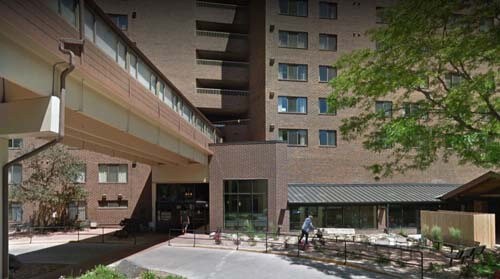
Kavod Assisted Living
Assisted LivingKavod Senior Life Assisted Living Exceptional Care in a Welcoming CommunityKavod Senior Life offers high-quality, affordable Assisted Living in the heart of Cherry Creek, Denver. With over 50 years of experience, we provide a warm, inclusive, and engaging environment where seniors can enjoy independent living with personalized support.We welcome individuals of all faiths, backgrounds, and traditions, creating a diverse and inclusive community where everyone feels at home.Our community features private one-bedroom and studio apartments, giving residents the comfort and privacy they desire. Unlike many senior living facilities, we offer basic pricing less than $50,000 per year and require only a one-year spend down to Medicaid on most unitsmaking quality care accessible and budget-friendly!Pricing per unit size:Studio* (373 square feet) - $3,800 (single occupancy)Small 1 bedroom* (460 square feet) - $3,900 Large 1 bedroom (570 square feet) - $4,100*qualify for a one-year spenddownCosts include daily assistance with activities of daily living (ADLs) such as bathing, dressing, and medication management, as well as all activities and trips with any associated meal costs. We also offer fee-based support services for:Escort assistance for mobility support ($250/mo)Incontinence care for dignity and hygiene ($450/mo)Oxygen management to ensure respiratory wellness ($250/mo)At Kavod Assisted Living, residents experience a lively, engaging lifestyle! From social events and fitness classes to educational programs and cultural activities, there is something for everyone.Our onsite amenities include a Health & Wellness Center staffed with rehabilitation specialists and geriatric doctors, as well as clinics such as podiatry, acupuncture, blood pressure clinics and more. Other highlights include seating areas, raised garden beds for gardeners, library, music programs, educational lectures, cultural celebrations and more. We take pride in being a pet-friendly community, allowing residents to bring their furry companions for comfort and companionship.Located in the sought-after Cherry Creek neighborhood of Denver, Kavod Senior Life offers a beautiful, convenient setting near shopping, dining, and recreational opportunities. Our residents enjoy easy access to the areas attractions while living in a peaceful, secure environment.For over five decades, Kavod Senior Life has been a trusted name in senior housing and assisted living. We invite you to visit us, tour our apartments, and meet our friendly staff. Contact us today to learn more about our affordable pricing, care services, and vibrant lifestyle. Your new home at Kavod Senior Life awaits!

Kavod Senior Life
Affordable-SubsidizedKavod Senior Life is open and welcoming to all community members who qualify and does not discriminate on the basis of race, color, national origin, religion, sex, disability, or familial status. We have 358 HUD-subsidized apartments available to rent for individuals 62+ (head of household); other family members welcome . Our apartment sizes range between 373 (studio) and 590 square feet (large one bedroom).Residents are obligated to participate in a meal program, which includes six meals each week (dinner M-F and brunch on Sunday). A subsidy is available and exemptions will be considered.Rents are calculated based on an applicants total adjusted income.Rent pricing covers electric and water utilities. Applications are available through the website/in our main lobby open 24/7, or contact us to have one faxed, mailed or emailed. Language assistance is available for application completion. Currently there is a waitlist for our subsidized apartments; call to receive an estimate of our current wait time at 303.399.1146. On site amenities include activities, trips (to grocery stores and social outings), health classes and services, music, art, gardening, tech support, free wi fi, computer bank, library, active resident council and more.