Is Using Artificial Intelligence to Plan Your Will Safe
Ashley Day Law
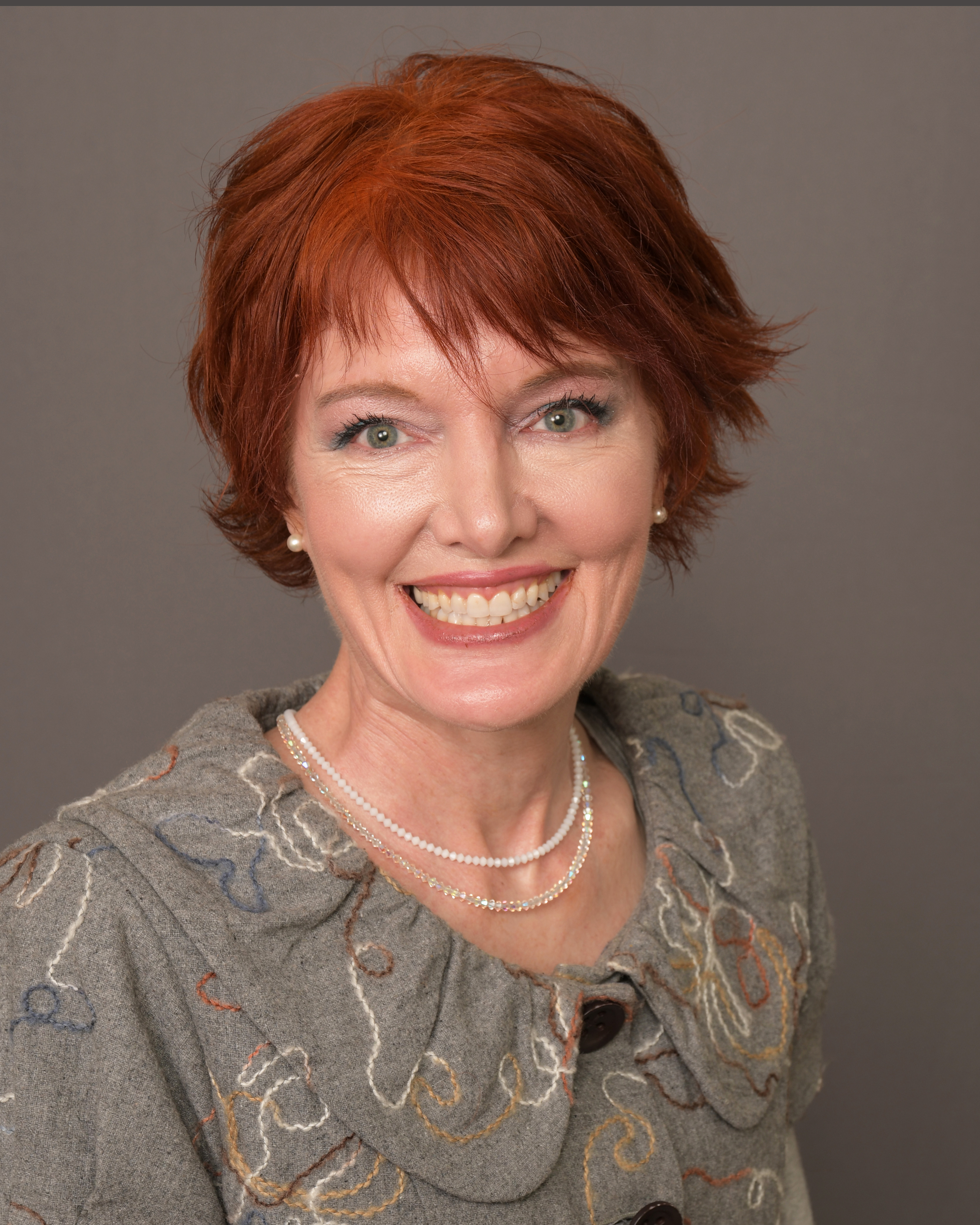
For more information about the author, click to view their website: Ashley Day Law
Jul 22, 2026
Alabama - Gulf Coast

Email US
Click to Email Us
Should You Use Artificial Intelligence to Help Create Your Will?
Artificial intelligence (AI) has become a popular tool for answering questions, organizing information, and simplifying everyday tasks. Many people now turn to AI platforms for guidance on everything from budgeting to travel planning. As its popularity grows, some individuals are even using AI to help with estate planning.
While AI can be a helpful educational resource, relying on it to draft or plan a will comes with significant legal and privacy concerns. Before sharing personal family information or asking AI to prepare legal documents, it's important to understand the potential risks.
Why AI May Not Be the Best Place to Discuss Your Estate Plans
Imagine you've been meaning to update your will but haven't had the opportunity to schedule a meeting with an estate planning attorney. Opening an AI chatbot and asking a few questions seems like an easy first step.
Soon, you may find yourself discussing family relationships, inheritance decisions, financial assets, or even uploading documents from your attorney to receive a simpler explanation. Although this feels convenient, every prompt you submit could become part of a permanent digital record.
Unlike conversations with an attorney, communications with most AI platforms generally are not protected by attorney-client privilege. That means your conversations may not receive the same legal confidentiality.
Understanding Attorney-Client Privilege
Attorney-client privilege is a legal protection that keeps confidential communications between a client and their attorney private. This protection encourages honest conversations and allows attorneys to provide effective legal advice.
AI platforms are not attorneys. They are commercial software services operated by third-party companies. Information shared with these platforms may be stored, analyzed, or used according to the company's privacy policy.
Because of this distinction, information shared with AI may not receive the same legal protections as information shared directly with your lawyer.
Americans Are Increasingly Turning to AI for Estate Planning
The use of AI continues to expand in both professional and personal settings. Surveys show that millions of Americans now use AI regularly, including for financial planning and estate planning.
Although trust in AI has increased in recent years, many users still prefer having an attorney review any documents or recommendations generated by AI. This combination of growing use alongside lingering caution is often referred to as the "AI Trust Paradox."
Even when an attorney reviews the final document, earlier conversations with AI may still exist outside the protected attorney-client relationship.
A Court Case That Changed the Conversation
A recent federal court case, U.S. v. Heppner, highlighted an important issue involving AI and legal confidentiality.
In this case, an individual used generative AI while preparing legal strategies during a criminal investigation. Later, investigators obtained documents that included AI-generated conversations. The court ruled that these communications were not protected by attorney-client privilege because they were created with a third-party AI platform rather than through a licensed attorney.
The ruling also emphasized that simply sharing those AI-generated materials with an attorney afterward did not make them confidential retroactively.
Although the case did not involve wills or trusts, it raised important questions about how AI conversations may be treated during future legal disputes.
How AI Conversations Could Affect Estate Planning
When creating an estate plan, your intentions, decision-making process, and personal circumstances can become important if your will is ever challenged.
Using AI to discuss these matters may unintentionally create evidence that others could attempt to use during legal proceedings.
Potential concerns include:
Sharing Confidential Legal Advice
Uploading emails, legal documents, or attorney correspondence into an AI platform could weaken the confidentiality normally associated with attorney-client communications.
Creating a Digital Record of Confusion
If someone repeatedly asks AI questions that reveal uncertainty about family members, finances, or property ownership, those conversations could potentially be interpreted as evidence regarding the person's mental capacity during estate planning.
Location and Device Information
Some AI platforms collect metadata such as timestamps or device information. If estate documents were prepared while using another person's computer or from a particular location, those details could become relevant in future disputes.
Behavioral Profiles
Many AI services personalize responses based on previous interactions. Over time, they may build user profiles reflecting communication patterns, preferences, or emotional responses that users never intended to preserve.
Incorrect Legal Information
Estate planning laws differ from state to state. AI systems occasionally generate inaccurate or outdated legal information—a phenomenon commonly called an "AI hallucination," where the system confidently provides incorrect information.
A will prepared using inaccurate legal guidance may fail to meet state requirements, potentially leading to delays, legal expenses, or contested probate proceedings.
Conversations About Hiding Assets
Questions asking AI how to conceal money, avoid creditors, or hide assets could later be interpreted as evidence of intent if those financial decisions are challenged in court.
Best Practices for Using AI Safely
AI can still be valuable when used appropriately. Treat it as an educational resource rather than a substitute for legal advice.
If you choose to use AI while learning about estate planning:
Remove names, addresses, account numbers, and other identifying information.
Use general examples instead of real family situations.
Disable memory or personalization features when available.
Opt out of allowing your conversations to be used for AI training if the platform offers that option.
Verify any legal information with a qualified estate planning attorney before making decisions or signing documents.
What You Should Avoid
To better protect your privacy and estate plan, avoid these common mistakes:
Do not upload emails or legal documents received from your attorney.
Avoid using AI as a personal journal to discuss emotional family conflicts.
Never sign a will created solely by AI without professional legal review.
Do not ask AI for advice on hiding assets or avoiding legal obligations.
Remember that deleting a conversation does not always mean it has been permanently erased.
The Bottom Line
Artificial intelligence is changing how people access information, but estate planning remains an area where professional legal guidance is essential.
AI can help explain concepts, define legal terminology, and prepare you for conversations with an attorney. However, it should not replace confidential legal advice or serve as the primary tool for creating your will.
When protecting your family's future, privacy and legal accuracy matter. Before making important estate planning decisions, consult an experienced estate planning attorney who understands your state's laws and can ensure your wishes are documented properly.

Other Articles You May Like
Estate Planning for Every Life Stage in Livingston, NJ
Estate planning is sometimes misunderstood as something only wealthy individuals or retirees need to consider. In reality, important legal planning can benefit adults at many stages of life.A young family may need to name guardians for minor children. A homeowner may want to determine who inherits the family residence. A recently retired couple may wish to review beneficiary designations, healthcare wishes, and arrangements for managing finances if either spouse becomes incapacitated.Other individuals may be navigating a second marriage, caring for an adult child with disabilities, or managing property in multiple states.Each situation can create different legal considerations.For residents of Livingston, New Jersey, estate planning provides an opportunity to prepare important decisions before they become urgent. Estate planning is the process of creating legal arrangements for managing property, documenting personal wishes, authorizing appropriate decision-makers, and transferring assets after death. A comprehensive estate plan may include a will, trusts, powers of attorney, healthcare directives, and beneficiary reviews.The Law Office of Barry E. Janay, P.C. provides wills, trusts, estate planning, asset protection, and related legal services to individuals and families in New Jersey.The firm focuses on developing strategies tailored to each client's personal, family, and financial circumstances.For Essex County families, understanding the components of an estate plan is an important first step toward protecting long-term interests. What Is Estate Planning?Estate planning involves more than determining who receives property after death.It also addresses certain financial and healthcare decisions during life.Common Estate Planning DocumentsA plan may include:Last will and testamentRevocable living trustOther appropriate trust arrangementsDurable power of attorneyHealthcare proxy directiveLiving willBeneficiary designationsProperty ownership arrangementsInstructions concerning dependentsBusiness succession documentsNot every person requires every document.A New Jersey estate planning attorney can help determine which arrangements are appropriate. The Law Office of Barry E. Janay, P.C.The Law Office of Barry E. Janay, P.C. provides estate planning services through its wills, trusts, and estates practice.Founder Barry E. Janay has practiced law in New Jersey and New York for more than two decades.The firm assists individuals, families, and business owners with planning matters.WillsLegal counsel may help clients document intended property distribution and appropriate executor appointments.TrustsAttorneys can evaluate whether a trust serves the client's objectives.Asset ProtectionThe firm advertises planning involving potential risks to family and business assets.Healthcare DirectivesThe practice helps clients prepare appropriate medical decision-making documents.Powers of AttorneyClients may designate trusted individuals to manage specified financial matters.Business SuccessionOwners may need legal planning for transferring or continuing business interests.Estate AdministrationThe firm also handles probate and post-death estate matters. Verified Contact InformationThe Law Office of Barry E. Janay, P.C.Primary New Jersey Office: 354 Eisenhower Parkway, Suite 1250, Livingston, NJ 07039County: Essex County, New JerseyPhone: 844-562-3572 Understanding a Last Will and TestamentA will is one of the most familiar estate planning documents.It generally becomes effective upon death and directs the distribution of property controlled by the will.Naming an ExecutorThe will identifies the person responsible for administering the estate.Distributing AssetsIt describes intended recipients of applicable property.Planning for Minor ChildrenParents may nominate guardians for minor children.Identifying Alternate BeneficiariesA plan may address what happens if a named beneficiary dies first.Family CircumstancesWills can be tailored to different household arrangements.Proper ExecutionNew Jersey has legal requirements governing valid wills.A will does not automatically control every asset a person owns. What Is a Trust?A trust is a legal arrangement involving property held or managed by a trustee for designated beneficiaries or purposes.Different types of trusts serve different objectives.Revocable Living TrustsA revocable trust may allow the creator to retain substantial control during life.Irrevocable TrustsCertain irrevocable trusts involve more significant restrictions and may be used for specific planning purposes.Family TrustsTrust arrangements may address asset management for selected beneficiaries.Special Needs PlanningCertain trusts may help provide for individuals with disabilities while addressing public-benefit considerations.Business InterestsSome plans involve interests in privately held businesses.Individual SuitabilityTrusts are not automatically necessary or beneficial for everyone.The appropriate structure depends on legal, financial, and personal circumstances. Wills Versus TrustsWills and trusts have different legal functions.TimingA will generally governs distribution after death.A trust may operate during life, after death, or both, depending on its terms.ProbateProperty validly transferred to certain trusts may avoid probate administration.AdministrationTrustees have duties defined by the governing document and law.CostsTrusts can involve drafting, funding, maintenance, and administrative expenses.PrivacyCertain properly structured trust arrangements may offer different privacy characteristics from probate proceedings.Legal ReviewAn attorney can help determine whether the benefits justify the complexity.A trust should not be created simply because it is commonly recommended online. Powers of Attorney and Lifetime PlanningEstate planning also involves preparing for situations in which the individual is alive but unable to handle certain matters.Choosing a Financial AgentA power of attorney can authorize a trusted person to act within specified boundaries.Banking and BillsThe agent may be permitted to handle designated transactions.Property MattersCertain documents authorize real estate or other property-related actions.DurabilityA properly drafted durable power of attorney may remain effective after the principal becomes incapacitated.Agent ResponsibilitiesThe agent must respect the authority granted and applicable legal duties.Regular ReviewThe document should reflect current relationships and intentions.A financial power of attorney does not necessarily authorize healthcare decisions. Healthcare Directives and Personal WishesMedical decision-making documents are another important component.In New Jersey, advance directives may include a proxy directive and an instruction directive.Proxy DirectiveThe individual appoints a healthcare representative.Instruction DirectiveThe individual documents relevant treatment preferences.Personal ValuesAn advance directive may help communicate beliefs and priorities.Family CommunicationDiscussing wishes can help the representative understand the person's preferences.Medical CapacityThe documents operate under relevant legal and medical conditions.Updating PreferencesA person may review documents after changes in health, family circumstances, or personal beliefs.Appropriate execution and distribution of copies matter. Reviewing Beneficiary DesignationsA common estate planning mistake is overlooking beneficiary forms.Retirement AccountsCertain retirement plans allow named beneficiaries.Life InsuranceProceeds may transfer directly to designated beneficiaries.Payable-on-Death AccountsCertain accounts may provide for direct transfer.Changes in MarriageMarriage, divorce, or remarriage may affect intended arrangements.Changes in Family CircumstancesBirths, deaths, and estrangement may justify a review.Coordination With the WillBeneficiary designations may control assets even when the will contains different instructions.The plan should be evaluated as a whole. Estate Planning for Blended FamiliesSecond marriages and blended families may create complicated inheritance questions.Children From Previous RelationshipsA person may want to provide for both a spouse and children.Individually Owned PropertyOwnership can affect how assets transfer.Jointly Owned PropertySurvivorship rights may influence distribution.Trust PlanningCertain arrangements may help manage competing needs.Beneficiary ReviewsExisting forms may no longer reflect personal intentions.CommunicationFamilies may benefit from clear discussions and appropriate legal drafting.An attorney should evaluate the specific family structure rather than relying on a generic estate planning template. Business Owners and Estate PlanningA business may represent a substantial portion of an individual's assets.Ownership TransferThe plan should consider what happens to an ownership interest after death.Successor ManagementThe business may need a person authorized to manage operations.Buy-Sell AgreementsCertain companies use contractual arrangements governing ownership transfers.Business ValuationAccurate information may be important for succession planning.Family InvolvementSome relatives may work in the business while others do not.Legal CoordinationEstate planning documents should align with business agreements.The Law Office of Barry E. Janay combines estate planning with business law and succession planning services. Why Estate Planning Matters in Essex CountyResidents of Livingston and nearby Essex County communities may own homes, retirement accounts, investments, or family businesses.Real EstateProperty ownership arrangements can affect inheritance.Retirement BenefitsBeneficiary forms and plan rules may determine distribution.Family Decision-MakingRelatives may need clear authority in an emergency.Multi-State PropertyAssets located in different states may create additional estate administration requirements.Long-Term CareSome residents need to coordinate estate planning with future care costs.New Jersey LawDocuments should be prepared with applicable state requirements in mind. When Should an Estate Plan Be Updated?A plan should not remain unchanged simply because documents have already been signed.MarriageA new spouse may change planning priorities.DivorceExisting documents and designations may require review.Birth or AdoptionNew children or grandchildren may affect intended arrangements.Death of a BeneficiaryAn alternate distribution may become necessary.Financial ChangesProperty sales, inheritances, and new business interests may affect the plan.Health ChangesSome events may prompt a review of decision-making documents.Changes in LawTax or legal developments may justify revisiting existing strategies.A periodic professional review can help identify outdated provisions. Understanding Estate Taxes and Inheritance TaxesTaxes are an important consideration, but not every estate faces the same obligations.Federal Estate TaxFederal rules apply according to estate value and other circumstances.New Jersey Estate TaxNew Jersey no longer imposes a separate estate tax on deaths occurring after the state's repeal became effective.New Jersey Inheritance TaxNew Jersey still has an inheritance tax that can depend on the beneficiary's relationship to the deceased.Income TaxesEstates or trusts may have separate filing requirements.Beneficiary TaxationDifferent assets can carry different tax consequences.Professional CoordinationEstate attorneys and tax professionals may need to work together.Legal strategies should be based on current law and individual financial information. Common Estate Planning MistakesSome problems arise from documents that are incomplete or inconsistent.No Written PlanState law may determine inheritance when no will exists.Outdated BeneficiariesAccounts may identify individuals who are no longer intended recipients.Missing Healthcare DirectivesFamily members may face uncertainty during medical emergencies.Unfunded TrustsAssets not properly transferred into a trust may not receive the intended treatment.Poorly Chosen RepresentativesAn executor or agent may be unwilling or unable to serve.Improperly Executed DocumentsLegal documents must meet applicable validity requirements.Professional review may help identify these issues before they create complications. Expert Tip for Estate PlanningExpert Tip: Before meeting an estate planning attorney, create two lists.The first should identify major assets, including property, financial accounts, retirement plans, life insurance, and business interests.The second should identify the people you trust to serve as executor, trustee, financial agent, and healthcare representative.These lists provide a foundation for discussing your goals and the legal arrangements that may help accomplish them. How to Get Started With the Law Office of Barry E. JanayIdentify your estate planning goals.Gather existing wills, trusts, and beneficiary information.Prepare a general list of assets and important obligations.Consider preferred representatives and alternate choices.Contact the firm at 844-562-3572.Schedule an appropriate estate planning consultation.Discuss recommended documents, costs, and legal requirements.Execute and maintain completed documents according to your attorney's instructions. Frequently Asked Questions About Estate Planning1. Do I need an estate plan if I do not have significant wealth?Estate planning can address healthcare decisions, financial authority, guardianship nominations, and property distribution regardless of wealth.2. Is a will enough for estate planning?A will may be an important document, but some individuals also benefit from powers of attorney, healthcare directives, trusts, and coordinated beneficiary designations.3. Does a living trust always avoid probate?Assets properly transferred to a trust may avoid probate, but a trust does not automatically remove every asset or legal issue from the estate administration process.4. How often should I review my estate plan?Reviewing documents after major life, family, financial, or legal changes is sensible. An attorney can recommend an appropriate review schedule.5. Where can I find estate planning assistance in Livingston, NJ?The Law Office of Barry E. Janay, P.C. is located at 354 Eisenhower Parkway, Suite 1250, Livingston, NJ 07039. Call 844-562-3572 for consultation information. Create a Legal Plan That Reflects Your LifeEstate planning is an opportunity to communicate important wishes and prepare for future responsibilities.A thoughtful plan can address property, financial authority, healthcare decisions, family needs, and business interests.The Law Office of Barry E. Janay, P.C. provides individualized estate planning services for New Jersey families.Contact the firm to discuss wills, trusts, powers of attorney, healthcare directives, and other planning options. Find Estate Planning Resources on Seniors Blue BookExplore estate planning resources and contact the Law Office of Barry E. Janay, P.C. to discuss your legal goals on SeniorsBlueBook.com.
The Best Time to Make an Estate Plan Is Before You Need One
Estate planning is easy to put off. Work is busy. The kids need something. The house needs attention. Everyone is healthy, and there is always something that feels more urgent. So you tell yourself, Ill get to it later. I understand that. Most people are not avoiding estate planning because they do not care about their families. They are busy taking care of those families right now. But that is also why I encourage people to begin before there is an emergency. When life is calm, you have time to ask questions, talk with the people you love, and make choices that feel right to you. At Bellomo & Associates, we want families to have that opportunity, instead of trying to figure everything out beside a hospital bed. Why Do So Many People Put Estate Planning Off?Sometimes people think they are too young. Sometimes they assume they do not own enough to need a plan. And sometimes they believe their spouse or children already know what they would want. Those thoughts are understandable. If you are feeling well and handling your own affairs, documents such as powers of attorney and healthcare directives may seem like something you will need years from now. The trouble is that we do not get to choose when life changes. Estate planning is easier when you can approach it with a clear head and enough time to consider your options. You can talk about what matters to you without asking your family to make every decision in the middle of a crisis. Estate Planning Is About More Than What Happens After DeathWhen people hear estate plan, they often think of a will and who will inherit the house. Those are important questions, but a plan can also help your family while you are living. What if an accident leaves you temporarily unable to manage your bills? What if an illness makes it difficult to speak with your doctors? Who would step in, and would that person have the authority they need? A financial power of attorney can address who may handle financial matters for you. A healthcare power of attorney can name someone to make healthcare decisions when you cannot. A living will can give direction about certain treatment choices. Pennsylvania recognizes these as distinct planning documents, each with its own requirements. These are deeply personal choices. Making them ahead of time gives your loved ones something far more useful than a guess. The Best Time to Choose Someone Is Before You Need ThemThink about the person you would trust to help if you could not manage your finances for a while. You probably have someone in mind. But have you asked whether they would be willing to take on that role? Do they know where to find your important information? Planning gives you time to have that conversation. You can choose someone who understands you, explain what matters most, and name a backup in case your first choice cannot serve. Without appropriate documents, a family may know exactly whom you would have chosen and still have trouble acting on your behalf. Depending on the circumstances, they may need to seek court involvement. That can be stressful for a spouse or child who is already worried about you. My Family Knows What I Want May Not Be EnoughI hear this often: Jeff, my family knows what I want. They might know a great deal about you. They know how you take your coffee, what you think about the holidays, and which stories you will tell whenever everyone is together. Still, a serious medical decision can be different from any conversation you have had before. Picture three adult children trying to decide what Mom would want. One remembers her saying she never wanted to be kept alive by machines. Another remembers her talking about doing everything possible to have more time with her grandchildren. Each believes they are honoring her wishes. A conversation and the right documents can help your family understand your preferences and know who should make decisions if you cannot. That guidance is a gift to the people who love you. Waiting for a Crisis Can Make Planning HarderEstate planning works best when you can take your time. You can ask what a document means, think about whom to name, and decide how the pieces of your plan should fit together. A sudden illness or a change in memory can make those conversations more difficult. A diagnosis alone does not necessarily mean someone can no longer make legal decisions, but capacity questions can arise, and options may become more limited as circumstances change. This is why I encourage people to plan while the choices are clearly theirs to make. There is comfort in knowing you had the chance to think them through. You Do Not Have to Be Wealthy to Need an Estate PlanEstate planning is about people as much as property. A young parent may want to name someone to care for their children. A single adult may want a trusted friend or relative to speak with doctors if needed. A grandparent may want to make sure an inheritance is handled thoughtfully for the next generation. You may also need to consider your home, personal belongings, pets, online accounts, or who would be responsible for settling your affairs. None of those questions depends on having a certain amount of money. If there are people you care about and decisions you would want to make for yourself, there is a reason to think about a plan. Your Will Is Only One Part of the PlanA will matters, but it may not control every asset you own. Retirement accounts and life insurance policies often have beneficiary designations. The way a home or account is owned may also affect what happens to it. That is why an old beneficiary form deserves attention. Perhaps it names someone who has since died. Perhaps your family has grown, but the form has not changed. A plan works better when you review how its parts fit together, rather than assuming the will answers every question. Your Plan Can Change as Your Life ChangesSome people wait because they want to get every decision perfect the first time. You do not need to predict the rest of your life. A plan should reflect your life now. Then, when life changes, you can review it. Marriage, divorce, a new child or grandchild, retirement, a move, or a change in a trusted relationship may all be reasons to take another look. Beginning today does not mean you can never make a different choice. It means your family has guidance based on what you want today. Give Your Family Instructions Instead of QuestionsWhen someone needs help unexpectedly, loved ones often want to do the right thing. They may simply be unsure what that is. Who can speak with the bank? Where are the documents? Who should make a medical decision? What did Dad want to happen to the house? An estate plan cannot spare a family every hard moment. It can give them direction through some of those moments, and it can let you choose the people you trust to help. When things are going well, estate planning may feel easy to postpone. That is also when you may have the most room to think, talk, and decide. Bellomo & Associates welcomes families who want to start that conversation before a crisis makes it urgent.
Estate Planning in Fairhope, AL
A family may know that someone has a will and still be unsure what to do during an illness, who can help with financial matters, or where important instructions are kept. Estate planning is an opportunity to replace those unanswered questions with a plan that reflects the persons wishes and practical circumstances.Estate planning in Fairhope, AL can address both future transfers of property and planning during life. Ashley Day Law provides estate planning services in Fairhope, including documents and implementation guidance. A productive first meeting begins with goals and family circumstances rather than a predetermined list of forms.What estate planning coversAn estate plan is a coordinated legal arrangement for the matters a person wants addressed if they become unable to act or when they die. The appropriate documents depend on the persons assets, family, preferences, and applicable law.Topics to discuss with counsel can include who should handle financial affairs, how healthcare wishes should be documented, who should receive property, and whether a trust serves a particular purpose. A document should be chosen because it fits the plan, not simply because someone else has one.Start with people and responsibilitiesConsider who is willing and able to carry out each role. A trusted relative may live far away, have limited time, or be uncomfortable managing finances. A good planning conversation includes those practical limitations.Ask prospective decision makers whether they are willing to serve before naming them. Discuss backups and how each person could find the information needed. The attorney can explain the legal duties associated with the proposed role. Ashley Day Law in FairhopePhone: 251-277-3377Coordinating documents and assetsThe firm describes reviewing beneficiary designations and advising clients about funding trusts. These services make implementation a useful focus for the consultation.Bring a list of accounts, property, insurance, and existing documents. Ask how each asset fits with the proposed plan and which follow-up tasks will be required. Request a clear division of responsibility between the firm, the client, and any financial institution or other adviser.The goal is to leave with more than signed papers. Ask how you will know that the intended changes have been completed and what records should be retained.Planning for individual family circumstancesAshley Day Law also publishes services involving caregiver and family agreements, advice to fiduciaries, and planning for loved ones with special needs. Its estate planning materials describe working with clients other professional advisers where appropriate. Explain the family situation fully. Mention blended families, a beneficiary who receives public benefits, a closely held business, or property outside Alabama. These circumstances can change the questions the attorney needs to address.Do not assume that a particular trust, transfer, or beneficiary arrangement is suitable before the attorney reviews the details. Ask for an explanation of the proposed approach, alternatives, and implementation requirements.Related legal servicesThe firms website also identifies elder law, special needs planning, and probate and trust administration. Ask whether your matter is part of the estate planning engagement or requires additional work.If the immediate concern involves a care bill, an existing trust, or a recent death, explain that when scheduling. It may call for a different kind of appointment than preparing a new plan.Questions that make a planning meeting more usefulA thoughtful consultation should connect your wishes to specific decisions. Consider asking:Which documents fit my goals, and what does each one do?Who should be named for each responsibility, and who should be the backup?What assets or beneficiary designations need further review?What work must happen after documents are signed?How should my instructions and original documents be stored?What changes should prompt a future review?Ask the attorney to explain unfamiliar terms before you approve a plan. If you want an adult child or another adviser involved, discuss how that participation will work and clarify who the client is.Why estate planning matters locally in FairhopeA Fairhope household may have family nearby, relatives in another state, and property acquired before a move to Alabama. The plan should reflect those connections rather than assuming that every decision-maker and asset is local.For people who have relocated to the Eastern Shore, bring older documents to the attorney instead of discarding them or assuming they need no review. Explain where the documents were prepared and what has changed since then.Also consider practical access. If someone needs to help during an illness, will they know whom to call and where to find current instructions? A plan becomes easier to use when the appropriate people understand the process and can locate the necessary information.How to get started1. Write down your main goals and the concerns you most want resolved.2. Gather existing wills, trusts, powers of attorney, healthcare documents, and beneficiary information.3. Prepare an inventory of property, accounts, debts, and insurance.4. Call Ashley Day Law at 251-277-3377 to request an estate planning consultation.5. Ask for the scope of work, fee arrangement, and required preparation materials.6. Complete the agreed signing and implementation steps, then keep a list of unfinished tasks until each is resolved.Practical tip: Use a one-page planning inventory with contact names and document locations. Keep sensitive account credentials separate and ask the attorney about secure storage and appropriate access. Related categoriesElder Law in FairhopeSpecial Needs Trusts Probate and Trust Administration
Local Services By This Author
Ashley Day Law
Elder Law 8335 Gayfer Road Extension, Fairhope, Alabama, 36532Elder Law - Plan to provide for future needs and preserve your legacy.Planning for the future and ensuring that your wishes will be carried out doesnt have to keep you up at night. If you or your loved one is 60+, now is a good time to plan your legal strategies to receive care in your home as you desire and if you may need expensive long-term care. If you have plans in place, we will review them with you and suggest modifications or additions, if any, for you to accomplish your goals.Elder law and estate planning serve two different, but equally vital, functions. The main difference is that elder law is focused on ensuring your care and preserving your assets during your lifetime, while estate planning concentrates on what happens to your assets after you die.Elder law planning is concerned with ensuring that seniors live long, healthy, and financially secure lives. It usually involves anticipating future medical needs, including long-term care. Elder law services include planning for the expected and the unexpected: pre-need planning and crisis planning. Planning is tailored to each clients concerns, goals, family dynamics, and immediate or potential future care needs and may include planning tools such as:Advance Directive for Health Care (Living Will)Healthcare Power of Attorney with Healthcare PreferencesDurable Power of Attorney for Property with Expanded PowersLong-Term Care Sensitive WillsCertification as to Validity of Power of Attorney and Agents AuthoritySpecial Needs Trusts or Other Asset Protection TrustsMedicaid and SSI PlanningLong Term Care PlanningGuardianships and ConservatorshipsUnderstanding/Protecting Against Elder Abuse and NeglectElder law planning also includes your instructions about living arrangements and priorities when it comes to care, which benefits your entire family. Whats more, it can ensure that you are protected from elder abuse or exploitation when you get older or become incapacitated. For seniors, this means resting assured that you will not be a burden to your children, siblings, or other family members if/when you are not able to care for yourselves. For other family members, your planning manifests your love for them, providing peace of mind and the tools needed to ensure care is provided as planned.Finally, elder law covers assistance with guardianship and conservatorship, if needed. Guardianship and/or conservatorship may be necessary to protect and provide for individuals who are unable to care for themselves or live independently, who are unable to understand or manage money and assets, and who may be at risk of abuse and exploitation. Supported Decision Making may be an alternative to guardianship/conservatorship for individuals with limited abilities to retain their decision-making capacity by choosing supporters to help them make choices.When planning proactively, Ashley Day Law works with you to determine your priorities and what future needs must be met and put together the best course of action based on your income and assets to protect your quality of life and reduce unnecessary stress within the family.When crisis planning, our caring and comprehensive approach can help guide you through a difficult process and relieve you of some of your worries.Having to place a loved one in a skilled nursing facility can be an emotionally wrenching experience. To make matters worse, confusion often reigns supreme when determining how to best use income and assets and when navigating the Medicaid application process. Well-meaning family, friends, and even professional advisers may give conflicting or incomplete advice causing families needlessly to lose their property and assets. At Ashley Day Law, we will help you plan for future care needs and how to pay for them, prepare documents for you to enact your plan, and assist with the administration to ensure plans are implemented and assets distributed as instructed.You want to do what is best for the people you love throughout your lifetime and ensure they are taken care of after you are gone. Give us a call.
Ashley Day Law
Estate Planning 8335 Gayfer Road Extension, Fairhope, Alabama, 36532Estate Planning - Ashley Day Law provides comprehensive planning ot individuals and families.We help our clients prepare for unexpected incapacity or death, to ensure both that their family and loved ones have the ability to care for them and that their assets are transferred at their passing in accordance with their goals and wishes. We design and create proper estate plans for our clients, review beneficiary designations, and advise our clients to ensure trusts are funded.Establishing your estate plan is one of the most important steps you can take to protect yourself and your loved ones during your lifetime, in case of disability, and at your death. A well-thought-out and comprehensive estate plan can prevent the need for someone to obtain guardianship in the future, lessen administrative costs associated with the transfer of assets at death, and help smooth familial relations.Our estate planning services include:Forming Living, Irrevocable Protection TrustsAssisting with Beneficiary Designations and Other Non-Probate TransfersDrafting Wills, Living Trusts, Healthcare Directives, Powers of Attorney, and Other Planning DocumentsAdvising Executors, Administrators, Trustees, and GuardiansDeveloping Caregiver Agreements and Other Family AgreementsPost-Mortem PlanningWhile estate planning often includes a variety of items among those listed above, foundational estate planning includes, at least, wills, durable powers of attorney, advance healthcare directives, HIPAA authorizations, and a stand-alone or testamentary supplemental needs trust if you have a loved one with special needs. These instruments are critical to ensure your wishes are followed. A properly designed and implemented estate plan also can help you accomplish additional goals, such as:Providing financial security for your familyEnsuring your property is preserved and passed on to your beneficiariesAvoiding disputes among family members, business owners, or with third parties (such as the IRS)Providing for your childrens or grandchildrens educationProviding for your favorite charityMaintaining control over or ensuring the competent management of your property in case of incapacityMinimizing tax consequences and other costsAvoiding probateProviding adequate liquidity for the settlement of your estateTransferring ownership of your business to your beneficiariesPassing on your values, sense of responsibility, and work ethic to heirsEvery family situation is unique. We work with you and your other professional advisors, including financial planners, accountants, and/or other attorneys who are familiar with your goals and concerns to determine what options work best for you and your family and ensure their implementation.By protecting your estate and yourself, you are protecting your family and sparing them the expense, delay, and frustration that occurs when family members fail to plan. No estate plan is one size fits all. As priorities change, plans can be modified. Its never too early or too late to plan. Give us a call. Were here to help.
Ashley Day Law
Special Needs Trusts 8335 Gayfer Road Extension, Fairhope, Alabama, 36532SPECIAL NEEDS PLANNINGParents of children with special needs often worry about how their children would survive and be cared for when their parents are no longer alive to support them. If one of your loved ones is living with a disability, you make sure that all their needs are met daily. But what would happen if you were gone?Also, over the years, parents are required to make many decisions in their childrens best interests, and those decisions are only amplified for parents with special needs children. Often, parents of special needs children dont know what questions to ask and are unaware of the many questions that inevitably will come their way. For the greatest success in securing your childrens futures, its important for parents and other family members to be prepared before its too late. Thats the role of special needs planning.Special Needs Planning involves preparing for the current and future care needs of children and adults with intellectual and/or developmental disabilities, neurocognitive disorders, and/or psychiatric illnesses. It is the best way for a parent, grandparent, and/or guardian to proactively protect and provide for children and grandchildren with disabilities both in the near and not-so-near future for care, housing, and quality of life should something unexpectedly happen to you; for 18th birthdays (automatic transfer of parental rights); for eligibility for government benefits; for change in life circumstances; planning for your childs quality of life, and for your peace of mind.Our special needs planning services include:Special (Supplemental) Needs TrustsRevocable Living Trusts with Special (Supplemental) Needs Trust ProvisionsWills with Special Needs & Spousal Trust ProvisionsGuardianships and ConservatorshipsPlanning for Age 18Planning for Eligibility for Government Benefits (SSI, Medicaid, etc.)Government Benefits AdvisementSchool Law/AdvocacyGuardianship/Conservatorship AdministrationSpecial (Supplemental) Needs Trust AdministrationSpecial needs planning is critical because individuals with special needs often are unable to make appropriate financial decisions for themselves and/or are at risk of financial exploitation by others. Equally important is to maintain eligibility for public benefits such as Supplemental Security Income (SSI) and Medicaid and enable children with special needs to have fulfilling lives.SSI is used to pay for food and housing (primary needs), but it is not nearly enough to live on. Medicaid waiver programs enable access to beneficial services and programs not accessible absent Medicaid eligibility. Generally, beneficiaries of SSI or Medicaid can have little income and, at most, $2,000 in assets. Leaving money to loved ones directly to provide for their care would jeopardize their ability to receive any help from these means-tested government programs. On top of that, the money left to them would have to be spent down to pay for primary needs previously covered by SSI instead of being used to improve the care provided and quality of life. A Special (Supplemental) Needs Trust (SNT) manages resources while also maintaining the beneficiarys eligibility for public assistance benefits.For most families, a third-party irrevocable Special SNT is the most effective way to set aside assets and funds to help the person with special needs. Cash, investment accounts, real estate, or proceeds from a life insurance policy are common ways to fund the trust. The trust can provide for the beneficiary during the parents lifetimes and will provide for the beneficiary when parents are no longer around to care for the beneficiary. Because the SNT owns the assets instead of the beneficiary, the assets are excluded from asset limit tests for SSI or Medicaid. Meanwhile, trust funds can be used to pay for quality-of-life improvements for the beneficiary, such as a phone, an iPad, computer games, trips, travel to visit family, entertainment events, and other activities. The SNT also ensures that funds are used for the benefit of your vulnerable family member and that other relatives, such as siblings, are not left with the responsibility and costs of care.Special needs planning can be a complex and confusing area of the law. Ashley Day Law, LLC will work with you to construct a comprehensive plan customized to your situation and provide you with the tools and information necessary to make sure your loved one is protected, so you have peace of mind knowing your loved one will be taken care of just as you wish.How well you do or dont plan for a special needs family member can have tremendous consequences. Give us a call. Let us help you get it right.