Long-Term Skilled Nursing at Villa Pueblo Senior Living Community
Villa Pueblo Senior Living Community
For more information about the author, click to view their website: Villa Pueblo Senior Living Community
Dec 18, 2025
Colorado - Southern Colorado


For some seniors in Southern Colorado, skilled nursing care is not a short chapter—it becomes an essential, long-term source of stability. Chronic illness, complex medical needs, or progressive conditions can make independent living unsafe and place significant strain on family caregivers. When that point arrives, families in Pueblo often face an emotional crossroads: how to ensure ongoing medical care without sacrificing dignity, comfort, or connection to community.
At Villa Pueblo Senior Living Community, long-term skilled nursing is built around consistency, respect, and clinical excellence. Serving Pueblo and surrounding Southern Colorado communities, Villa Pueblo supports residents who require continuous licensed nursing care—while also recognizing the importance of routine, relationships, and quality of life over time.
What Long-Term Skilled Nursing Really Provides
Long-term skilled nursing is designed for individuals who need ongoing medical oversight that cannot be safely delivered at home or in assisted living. Unlike short-term rehabilitation, this level of care focuses on sustained health management and daily support delivered by licensed professionals.
At Villa Pueblo Senior Living Community, long-term skilled nursing may include:
-
24-hour licensed nursing supervision
-
Ongoing medication administration and monitoring
-
Chronic disease management and observation
-
Wound care and specialized treatments
-
Mobility assistance and fall-prevention strategies
-
Coordination with physicians and specialists
A member of the care team shares, “Long-term skilled nursing is about creating a steady foundation. When residents feel safe and cared for consistently, their overall well-being improves.”
When Long-Term Skilled Nursing Becomes the Right Choice
Families often struggle to identify the moment when long-term skilled nursing is appropriate. The decision rarely stems from a single event; instead, it’s usually the result of increasing needs that become difficult to manage without professional support.
Long-term skilled nursing may be the right choice when:
-
Medical conditions require frequent monitoring or intervention
-
Chronic illnesses become difficult to manage at home
-
Mobility challenges significantly increase fall risk
-
Cognitive changes affect safety and judgment
-
Family caregivers experience burnout or health strain
Villa Pueblo works closely with families to help them understand these indicators and approach the decision thoughtfully rather than reactively.
The Importance of Routine and Familiarity
For seniors with complex or ongoing medical needs, routine is more than convenience—it’s comfort. Predictable schedules, familiar caregivers, and a consistent environment can reduce anxiety and improve cooperation with care.
At Villa Pueblo Senior Living Community, long-term residents benefit from:
-
Consistent caregiving teams who know their preferences
-
Regular daily rhythms that create a sense of normalcy
-
An environment designed for safety and ease of movement
This familiarity is especially valuable for residents who have experienced repeated hospitalizations or transitions between care settings.
“Consistency helps residents feel grounded,” a staff member explains. “Knowing what to expect each day brings peace of mind.”
Person-Centered Care Beyond Medical Tasks
While long-term skilled nursing is medically focused, quality care must also address emotional and human needs. Villa Pueblo emphasizes person-centered care—recognizing residents as individuals with histories, routines, and preferences.
Caregivers take time to:
-
Learn residents’ daily habits and comfort preferences
-
Communicate respectfully and patiently
-
Preserve dignity during personal care
-
Encourage appropriate social interaction
This approach helps residents feel valued rather than defined by their medical conditions.
Managing Chronic Conditions with Professional Oversight
Many long-term residents live with chronic conditions such as heart disease, diabetes, respiratory illnesses, or neurological disorders. Skilled nursing staff at Villa Pueblo are trained to manage these conditions proactively.
Proactive management includes:
-
Monitoring for early signs of complications
-
Adjusting care plans as conditions change
-
Coordinating closely with physicians and specialists
-
Reducing unnecessary emergency room visits or hospitalizations
For families, this ongoing oversight provides reassurance that their loved one’s health is being managed attentively and professionally.
Supporting Families Through the Long Journey
Long-term skilled nursing affects entire families, not just residents. Adult children and spouses may feel guilt, grief, or uncertainty after making the decision for ongoing care.
Villa Pueblo Senior Living Community supports families through:
-
Clear, ongoing communication about care and condition changes
-
Opportunities to participate in care discussions
-
Compassionate guidance during emotionally difficult moments
In Pueblo’s close-knit community culture, this partnership between families and care teams is especially meaningful.
Quality of Life Remains a Priority
Even in long-term skilled nursing, quality of life matters. Comfort, respectful interaction, and emotional support shape how residents experience each day.
Villa Pueblo strives to create an environment where residents feel:
-
Safe and supported
-
Known by name and preference
-
Respected in daily interactions
This focus on dignity can positively influence mood, cooperation with care, and overall well-being.
Why Pueblo Families Choose Villa Pueblo for Long-Term Skilled Nursing
Families across Pueblo and Southern Colorado often choose Villa Pueblo Senior Living Community because of:
-
Licensed, experienced nursing staff
-
Stable, long-term care routines
-
Strong communication with families
-
Coordination with local healthcare providers
-
A familiar Pueblo setting that feels accessible and connected
These qualities help families feel confident that their loved one is receiving consistent, compassionate care.
Frequently Asked Questions
Is long-term skilled nursing permanent?
It can be, depending on the resident’s medical needs and condition.
How is long-term skilled nursing different from assisted living?
Skilled nursing provides ongoing medical care by licensed professionals; assisted living focuses on daily personal support.
Are families involved in care planning?
Yes. Family communication and involvement are encouraged.
Does Villa Pueblo manage chronic medical conditions?
Yes. Chronic disease management is a core part of skilled nursing care.
Can residents receive therapy while in long-term care?
Therapy may be provided as appropriate to maintain comfort and function.
Compassionate Care for the Long Road Ahead
Long-term skilled nursing is about more than meeting medical needs—it’s about creating stability, comfort, and dignity over time. Villa Pueblo Senior Living Community provides Southern Colorado seniors with consistent, skilled care while supporting families through an ongoing and emotional journey.
For families exploring long-term skilled nursing options, more information about services, admissions, and care philosophy can be found on Villa Pueblo Senior Living Community’s Seniors Blue Book Listing
Other Articles You May Like
Supporting Long-Term Nursing Needs in Thomasville, AL
When an older adult needs ongoing medical assistance, family members often begin searching for a care environment that can provide appropriate nursing services while supporting daily comfort and personal well-being.For some individuals, the need develops gradually. Chronic medical conditions may make everyday responsibilities increasingly difficult. Others experience a significant illness, injury, or hospitalization that changes their level of independence.A person may require assistance with medications and mobility. Another may need wound treatment, dietary monitoring, or regular nursing assessments. Some individuals also benefit from rehabilitation even when they are receiving long-term residential care.For families in Thomasville, Alabama, understanding the role of skilled nursing can help clarify available care options.Skilled nursing facilities provide licensed nursing services, medical coordination, assistance with daily living, and appropriate rehabilitation for individuals requiring substantial healthcare support.Care should address the person's medical needs while also considering comfort, relationships, recreation, and individual preferences.Crowne Health Care of Thomasville provides short-term rehabilitation and long-term skilled nursing at its Mosley Drive location.The facility offers 24-hour nursing, therapy services, dietary support, social services, and activities designed to encourage resident participation.For older adults throughout Clarke County, learning how long-term nursing care works can help families prepare for an informed decision.What Is Long-Term Skilled Nursing?Long-term skilled nursing provides ongoing residential care for individuals with medical or functional needs that may exceed the capabilities of assisted living or ordinary home care.Common NeedsResidents may require:Licensed nursingMedication managementAssistance with bathing and dressingMobility supportChronic condition monitoringDietary servicesWound careRehabilitationCare coordinationSocial servicesThe level of assistance depends on individual assessment. Skilled Nursing Versus Assisted LivingAssisted living generally emphasizes residential assistance and daily living support.Skilled nursing provides a higher level of professional nursing and clinical care.Long-Term Care Versus RehabilitationSome residents stay for short-term recovery.Others require an extended residential arrangement. Crowne Health Care of ThomasvilleCrowne Health Care of Thomasville is part of Crowne Health Care's family-owned network of Alabama healthcare facilities.The Thomasville location was previously associated with the Thomasville Health Care and Rehabilitation Center name.Its published information describes an 80-bed facility offering professional nursing and rehabilitation services.Twenty-Four-Hour Skilled NursingRegistered nurses, licensed nurses, and certified nursing assistants provide appropriate nursing and personal care.RehabilitationPhysical, occupational, and speech therapy services support individual goals.Wound TherapyThe facility advertises wound-related nursing treatment.IV TherapySelected residents may receive medically appropriate intravenous services.Dementia-Related CareCrowne Thomasville identifies Alzheimer's and dementia support among its services.Dietary SupportA registered dietitian helps oversee nutritional planning.Social ServicesLicensed social work services support residents and families.Recreational ActivitiesThe community provides games, music, social events, and creative programs. Verified Contact InformationCrowne Health Care of ThomasvilleAddress: 1425 Mosley Drive, Thomasville, AL 36784County: Clarke County, AlabamaPhone: 334-636-5614Call to verify admission eligibility, room availability, specific treatment capabilities, and payment arrangements.Personalized Nursing Care PlansResidents have different healthcare needs.A long-term nursing care plan should reflect each person's diagnoses, medications, functional abilities, and preferences.Clinical AssessmentThe care team evaluates relevant medical conditions.Nursing ResponsibilitiesStaff identify required treatments and monitoring.Physician CoordinationNurses communicate with appropriate treating professionals.Medication ReviewMedication schedules are maintained according to medical orders.Daily AssistanceCare plans address bathing, dressing, eating, mobility, and other activities.Regular ReassessmentTreatment plans are updated when needs change.Resident ParticipationIndividuals should have opportunities to express goals and preferences whenever possible. Chronic Conditions and Ongoing MonitoringSome residents live with several medical conditions.DiabetesPatients may require appropriate blood glucose monitoring, medication management, or wound-related care.Heart DiseaseClinical assessment may involve medication management and monitoring for relevant symptoms.Neurological ConditionsStroke-related changes or other disorders may affect mobility and daily functioning.Respiratory ConditionsCertain residents require specialized monitoring or treatment.Complex Medical NeedsThe Thomasville facility also describes care for selected residents with tracheostomy, dialysis-related, or postoperative needs.Confirming CapabilitiesFamilies should describe all clinical requirements before admission.A service mentioned by the provider does not guarantee acceptance of every medical situation. Wound Care and IV ServicesSome individuals require medical treatment that ordinary residential assistance cannot provide.Wound AssessmentQualified clinicians evaluate wounds and follow prescribed treatment plans.Dressing ChangesProfessional care may be necessary for complex wounds.Infection MonitoringConcerning symptoms should be assessed promptly.IV TherapyCertain prescribed treatments may be administered intravenously.Clinical SafetyAppropriate supplies, monitoring, and professional qualifications are essential.Individual EligibilityThe facility determines whether it can safely provide each requested treatment.Rehabilitation During Long-Term CareRehabilitation is not limited to residents preparing for immediate discharge.Some long-term residents may benefit from appropriate therapy.Physical TherapyMay address mobility, strength, and transfers.Occupational TherapyMay support everyday activities and adaptive strategies.Speech TherapyMay address communication or swallowing difficulties.Maintaining AbilitiesCertain treatment plans focus on preserving function.Recovery After IllnessA long-term resident may require rehabilitation after a new medical event.Personalized GoalsThe treatment plan depends on professional assessment and clinical eligibility.Supporting Residents With DementiaSome residents experience changes in memory, judgment, and communication.Familiar RoutinesPredictable activities may help provide structure.Personal CareAssistance may be required for daily responsibilities.CommunicationStaff may adapt communication according to cognitive abilities.SafetyIndividual precautions should reflect the resident's needs.Family ParticipationRelatives may provide valuable information about established habits.Medical ReviewSudden cognitive changes may indicate medical concerns requiring prompt assessment.Crowne Thomasville advertises dementia-related care, but families should discuss supervision requirements and specific capabilities before admission. Nutrition and Individual Dietary NeedsFood is an important part of both health and residential life.Registered DietitianThe facility advertises dietitian oversight of its dining program.Traditional MealsMenus incorporate familiar Southern dishes.Balanced NutritionMeal planning considers nutritional requirements.Special DietsThe provider states that dietary restrictions and requests can be accommodated.Swallowing ConcernsCertain individuals require modified textures or professional swallowing evaluation.Resident PreferencesMeal choices should consider personal likes and dislikes where possible.Social Activities and Everyday Quality of LifeLong-term nursing care involves more than clinical appointments and treatments.Group GamesThe Thomasville facility advertises bingo, dominoes, and other games.MusicMusical activities create opportunities for entertainment.Creative ProgramsSewing and other activities may appeal to residents with familiar hobbies.Seasonal EventsThe facility promotes special events and celebrations.Social InteractionSmall and large group activities support participation.Individual ChoiceResidents should be able to participate according to their interests and abilities.Family RelationshipsVisits and communication with loved ones remain important.Amenities at Crowne ThomasvilleThe provider lists amenities intended to support residential comfort.Private AccommodationsThe facility advertises private rooms.Common Living AreasShared spaces offer places for gathering.Front Porch and PatioOutdoor areas may provide opportunities for recreation when appropriate.LibraryA library offers another option for leisure.Beauty ShopResidents may be able to access grooming services.Therapy RoomRehabilitation services have dedicated space.Visiting ProfessionalsThe facility describes periodic dental and podiatry services.Availability and specific arrangements should be confirmed during a tour.Why Skilled Nursing Matters in Clarke CountyThomasville families may prefer care options within a familiar part of southwest Alabama.Easier Family ContactA nearby facility may make visits more practical.Local RelationshipsResidents may remain connected to their communities. Ongoing Medical SupportSkilled nursing can address needs that exceed ordinary residential assistance.Short-Term RecoveryThe facility also provides rehabilitation for qualifying residents.ContinuitySome individuals need long-term care after an unsuccessful return home.Individual PlanningFamilies should evaluate services based on the resident's specific requirements rather than location alone.Preparing for Long-Term AdmissionFamilies should organize medical and personal information.Medical RecordsPrepare diagnoses, treatment orders, and relevant medical history.Medication ListInclude current prescriptions and allergies.Functional NeedsExplain mobility and daily assistance requirements.Cognitive ConcernsShare relevant communication and behavioral information.Financial InformationReview insurance, Medicaid, private payment, and other resources.Personal BelongingsAsk which furnishings and decorations are permitted.Family ContactsIdentify individuals authorized to receive updates.Understanding Costs and CoveragePayment depends on the level of care and applicable benefits.MedicareOriginal Medicare may cover qualifying short-term skilled nursing care under specific conditions.Long-Term Residential CareMedicare generally does not cover indefinite custodial nursing home residence.MedicaidEligible individuals may qualify for nursing facility benefits.Private InsuranceSome plans provide relevant coverage.Long-Term Care InsuranceCertain policies may help cover qualifying services.Written EstimatesFamilies should request current costs, payment terms, and information about coverage changes. Expert Tip for Long-Term Care DecisionsExpert Tip: During a facility tour, ask how the team balances medical responsibilities with resident preferences.Discuss daily routines, meals, favorite activities, family communication, and care plan reviews.A suitable long-term nursing environment should address clinical safety and quality of daily life together. How to Get StartedDiscuss nursing needs with the responsible healthcare professional.Contact Crowne Health Care of Thomasville at 334-636-5614.Explain diagnoses, medications, and required treatments.Ask about admission criteria and bed availability.Arrange a tour.Discuss nursing, therapy, social services, and dietary needs.Verify insurance and payment arrangements.Review admission and family communication procedures. Frequently Asked Questions1. Where is Crowne Health Care of Thomasville located?The facility is at 1425 Mosley Drive, Thomasville, AL 36784. Call 334-636-5614.2. Does the facility offer long-term skilled nursing?Yes. Crowne Health Care of Thomasville provides long-term nursing care and short-term rehabilitation.3. What rehabilitation services are available?The facility advertises physical therapy, occupational therapy, and speech therapy.4. Does Crowne Thomasville provide wound care?Yes. Wound therapy and selected additional medical treatments are among its advertised services. Suitability depends on clinical assessment.5. Are recreational activities available for long-term residents?Yes. The facility provides games, music, creative activities, and other scheduled social events.Support Medical Needs and Everyday Well-BeingLong-term skilled nursing should address both ongoing healthcare requirements and the resident's quality of daily life.Crowne Health Care of Thomasville offers nursing, rehabilitation, dietary support, social services, and recreation for residents in Clarke County.Families can contact the facility to discuss clinical needs, current availability, and admission procedures.Seniors Blue Book Listing: [https://seniorsbluebook.com/senior-housing/crowne-health-care-of-thomasville]Find Crowne Health Care of Thomasville on Seniors Blue BookExplore skilled nursing resources and contact Crowne Health Care of Thomasville to discuss long-term care and rehabilitation.
Rebuilding Strength After Surgery in Mobile, AL
Surgery can be an important step toward improved health, but recovery often continues long after a patient leaves the hospital. An older adult recovering from a joint replacement may need help walking safely. Someone who experienced a serious injury may require professional nursing and rehabilitation before returning home. Another individual may have difficulty completing ordinary activities after an extended hospitalization. These challenges can affect confidence, mobility, and everyday independence.For patients in Mobile, Alabama, short-term skilled nursing and rehabilitation can provide a structured environment for continued recovery.Skilled nursing rehabilitation combines licensed nursing care with appropriate physical, occupational, and speech therapy to address medical and functional needs. Treatment goals depend on each person's diagnosis, abilities, and recovery expectations.Crowne Health Care of Springhill provides skilled nursing and rehabilitation services on Dauphin Street in Mobile.The facility offers around-the-clock nursing, private accommodations, physical rehabilitation, orthopedic and cardiac rehabilitation, and social services.Its rehabilitation facilities and individualized care planning make it an option for families exploring post-hospital recovery or longer-term nursing support. Understanding Rehabilitation After SurgerySurgery may address an injury or medical condition, but patients often require time and professional assistance to restore function.WeaknessReduced movement during illness or hospitalization can affect muscle strength.Mobility LimitationsCertain procedures require temporary restrictions.Pain and DiscomfortPatients may need prescribed pain management and appropriate activity.Personal Care NeedsBathing, dressing, and other daily tasks may become challenging.Medical MonitoringSome individuals require wound care, medications, or ongoing clinical assessment.Recovery GoalsRehabilitation plans may focus on returning home or reaching the highest practical level of independence. Crowne Health Care of SpringhillCrowne Health Care of Springhill is part of Crowne Health Care, a family-owned network of Alabama senior healthcare facilities.Located in Mobile's Springhill area, the facility combines skilled nursing with professional rehabilitation. Twenty-Four-Hour NursingRegistered nurses, licensed practical nurses, and certified nursing assistants provide appropriate care.Physical TherapyServices may address walking, strength, mobility, and balance.Occupational TherapyResidents may work on daily living activities and appropriate adaptive strategies.Speech TherapyTreatment may address speech, language, or swallowing-related conditions.Orthopedic RehabilitationRehabilitation may be provided for qualifying orthopedic injuries or procedures.Cardiac RehabilitationThe facility advertises cardiac-related rehabilitation services.Individualized Care PlansStaff coordinate care according to the resident's medical and functional requirements. Verified Contact InformationCrowne Health Care of SpringhillAddress: 3712 Dauphin Street, Mobile, AL 36608County: Mobile County, AlabamaPhone: 251-304-3000Contact the facility to confirm current admission availability and insurance arrangements. Physical Therapy and Mobility RecoveryPhysical therapy may help residents work toward safer movement after illness or surgery.WalkingTherapists evaluate appropriate walking goals.TransfersSome residents need practice moving between a bed, chair, and wheelchair.BalanceBalance-related treatment may help address certain mobility difficulties.StrengthExercises are selected according to medical needs.EnduranceResidents may work toward greater activity tolerance.Assistive DevicesTherapists may recommend appropriate equipment.Treatment must follow surgical restrictions and individual medical instructions. Occupational Therapy and Everyday ActivitiesReturning home requires more than being able to walk.Residents may need to manage ordinary activities.DressingOccupational therapists may teach appropriate techniques for clothing and personal care.BathingTreatment can address functional needs related to hygiene.GroomingSome individuals need strategies for using their hands or managing limited mobility.Household ActivitiesTherapists may discuss safe approaches to daily tasks.Adaptive EquipmentCertain residents benefit from recommended assistive devices.Personal GoalsTherapy should reflect activities that matter to the individual.Speech Therapy and Swallowing NeedsSome patients require speech-language pathology as part of rehabilitation.CommunicationCertain conditions affect speech clarity or language.Neurological RecoveryStroke and other neurological conditions may influence communication abilities.SwallowingSome patients need evaluation or treatment for swallowing difficulties.Cognitive CommunicationCertain individuals require support with communication-related thinking skills.Caregiver EducationRelatives may benefit from appropriate strategies.Clinical CoordinationTreatment recommendations depend on professional evaluation.Orthopedic RehabilitationCrowne Springhill identifies orthopedic recovery as one of its rehabilitation areas.After Joint SurgerySome patients need therapy following knee or hip procedures.After FracturesRehabilitation may focus on mobility and activities of daily living.Following InjuryResidents may need a structured recovery plan.Weight-Bearing RestrictionsSurgeon instructions determine permitted activity.Pain ManagementThe healthcare team coordinates treatment according to medical orders.Recovery ProgressFunctional goals should be reviewed regularly.The facility must assess whether it can safely meet each patient's specific needs.Cardiac Rehabilitation and Medical CoordinationSome individuals recovering from cardiac illness may need supervised rehabilitation.Individual AssessmentActivity should be based on cardiovascular status and medical recommendations.Physical EnduranceCertain patients may work toward improved tolerance for activity.Medication ManagementThe nursing team coordinates prescribed medications.MonitoringRelevant symptoms and clinical findings are assessed.Team CommunicationTherapists, nurses, and physicians collaborate.SafetyChest pain, severe breathing difficulties, or other emergency symptoms require immediate medical attention.Private Rooms and Recovery ComfortCrowne Health Care of Springhill emphasizes private accommodations.Private BedroomsThe facility advertises all-private resident rooms.Private BathroomsRooms include private bathrooms with walk-in showers.Familiar BelongingsAppropriate personal items may help make a room comfortable.Family VisitsThe facility encourages appropriate family involvement.Room AmenitiesThe provider describes televisions, Wi-Fi access, telephones, and mini-refrigerators.AccessibilityFamilies should ask about mobility equipment and individualized room requirements.Rehabilitation Facilities and AmenitiesThe Springhill facility advertises a renovated therapy gym.Therapy EquipmentThe gym supports appropriate rehabilitation activities.Coordinated SessionsTherapists establish treatment according to each care plan.Resident ParticipationGoals should reflect medical instructions and abilities.CourtyardThe facility provides outdoor areas for appropriate recreation.Social ActivitiesResidents can participate in organized gatherings and other suitable activities.ChapelAn on-site chapel offers opportunities for spiritual participation. Why Rehabilitation Matters in Mobile CountyPatients in Mobile County may require additional recovery support after treatment at area hospitals.Access to Skilled CareA local facility may help families identify appropriate post-hospital support.Family ParticipationNearby relatives may attend care discussions when permitted.Medical CoordinationNurses and therapists can communicate with treating physicians.Recovery PlanningSome residents are preparing to return home.Other Living ArrangementsCertain individuals may need long-term residential assistance.Local Senior Housing OptionsCrowne Place Assisted Living is located next door, but admission there is separate and depends on eligibility, availability, and individual needs.Preparing to Return HomeDischarge planning should begin early.MobilityCan the resident safely perform appropriate walking and transfers?Personal CareWhat assistance is needed with bathing and dressing?MedicationsAre medication instructions understood?EquipmentWill a walker or other device be necessary?Caregiver SupportCan family members realistically provide required assistance?Follow-Up ServicesWill home health or outpatient rehabilitation be recommended?Returning home should depend on professional assessment rather than a fixed timeline. Understanding Insurance CoverageMedicare may cover qualifying skilled nursing rehabilitation under applicable rules.Clinical EligibilityA patient must meet medical requirements.Medicare Part ACoverage depends on qualifying conditions and benefit-period rules.Medicare AdvantageSeparate authorization and network requirements may apply.Private InsurancePlans differ in covered services and cost sharing.Long-Term CareExtended custodial residential care follows different payment arrangements.Written CostsFamilies should request information about insurance approval and financial responsibility before admission. Expert Tip for Rehabilitation PlanningExpert Tip: Ask the rehabilitation team to identify three measurable recovery goals.Examples might include transferring safely from bed to chair, walking a defined distance with appropriate assistance, and completing a dressing routine.Review progress regularly and ask how each goal relates to the planned discharge destination. How to Get StartedAsk the treating clinician whether skilled rehabilitation is appropriate.Call Crowne Health Care of Springhill at 251-304-3000.Confirm current room and therapy availability.Provide medical records and treatment orders.Discuss rehabilitation goals and restrictions.Review accepted insurance and expected costs.Arrange a tour when appropriate.Ask about family communication and discharge planning. Frequently Asked Questions1. Where is Crowne Health Care of Springhill located?The facility is at 3712 Dauphin Street, Mobile, AL 36608. Phone: 251-304-3000.2. Does Crowne Springhill provide rehabilitation?Yes. It advertises physical, occupational, and speech therapy, including orthopedic and cardiac rehabilitation services.3. Are private rooms available?The facility's official website states that all resident rooms are private and have private bathrooms.4. Does the facility provide 24-hour nursing?Yes. Crowne Health Care of Springhill advertises around-the-clock nursing and appropriate physician oversight.5. Is Crowne Place Assisted Living part of the same facility?Crowne Place is a separate assisted living community located next door. Its services and admission requirements differ from skilled nursing.Take the Next Step Toward RecoveryRecovery after surgery or illness may require ongoing therapy, nursing care, and coordinated planning.Crowne Health Care of Springhill provides rehabilitation and skilled nursing services for residents with short-term or longer-term needs.For families throughout Mobile County, understanding the facility's clinical services and discharge planning approach can help clarify available options.Seniors Blue Book Profile: https://seniorsbluebook.com/senior-housing/crowne-health-care-of-springhill-mobile-alFind Crowne Health Care of Springhill on Seniors Blue BookExplore skilled nursing and rehabilitation services at Crowne Health Care of Springhill in Mobile.
Planning Skilled Nursing Care in Bay Minette, AL
When an older adult requires more care than can be safely provided at home, families often face important decisions about the next stage of healthcare.A recent hospitalization may leave someone needing daily nursing treatment and physical rehabilitation. Another individual may be managing complex medical conditions that require ongoing professional monitoring. Some older adults need assistance with personal activities alongside specialized nursing services.These circumstances can make selecting a skilled nursing facility feel overwhelming.For families in Bay Minette, Alabama, understanding the services available, admission requirements, and differences between short-term and long-term care can help them make informed decisions.Skilled nursing facilities provide medical supervision, licensed nursing services, rehabilitation, and assistance with daily living for individuals whose needs exceed what ordinary residential support can provide.Care may be temporary while someone recovers or ongoing when more extensive assistance is necessary.Crowne Health Care of North Baldwin, located on the North Baldwin Infirmary campus, offers both short-term rehabilitation and long-term skilled nursing care.The 75-bed facility provides around-the-clock nursing, rehabilitation therapies, nutritional support, recreational activities, and services for individuals with dementia-related needs.For older adults throughout Baldwin County, learning how to prepare for admission is an important part of creating a suitable care plan.Understanding Skilled Nursing CareSkilled nursing involves healthcare services that require the expertise or supervision of appropriately qualified professionals.Unlike assisted living, skilled nursing facilities can provide more extensive medical services.Common Skilled Nursing ServicesThese may include:Licensed nursing carePhysician oversightMedication managementRehabilitation therapiesMonitoring chronic conditionsNutrition planningAssistance with daily activitiesMedical care coordinationSocial work servicesDischarge planningThe services provided to each resident depend on medical necessity and the facility's capabilities.Crowne Health Care of North BaldwinCrowne Health Care of North Baldwin is part of Crowne Health Care, a family-owned network of senior care facilities across Alabama.Established in 1991 and later acquired by Crowne Health Care, the North Baldwin facility is located near North Baldwin Infirmary in Bay Minette.Twenty-Four-Hour NursingThe facility provides continuous nursing coverage with physician oversight.Short-Term RehabilitationResidents recovering from qualifying illnesses, injuries, or procedures may receive appropriate rehabilitation services.Long-Term CareSome individuals require ongoing nursing and residential assistance.Therapy ServicesPhysical, occupational, and speech therapy are offered according to individual care plans.Dementia SupportThe facility provides care for individuals experiencing Alzheimer's disease and other forms of dementia.Social ServicesA licensed social worker assists residents and families with personal and care-related needs.Recreational ActivitiesA certified recreational therapist coordinates activities that encourage social participation.Verified Contact InformationCrowne Health Care of North BaldwinAddress: 2010 Medical Center Drive, Bay Minette, AL 36507County: Baldwin County, AlabamaPhone: 251-937-3501Families should call to confirm current bed availability, admission criteria, clinical capabilities, and accepted insurance plans.Short-Term Rehabilitation Versus Long-Term CareAlthough both services may be available in a skilled nursing facility, their objectives can differ.Short-Term RehabilitationShort-term care often follows hospitalization, surgery, or an acute illness.The goal may involve regaining functional abilities and preparing for a safe return home.Long-Term Skilled NursingLong-term care supports individuals who need continuing assistance with medical or personal needs.Different Treatment GoalsA short-term resident may focus on walking and transfers, while someone receiving long-term care may require ongoing nursing and daily support.Individualized AssessmentsThe care team determines the appropriate services based on the resident's condition.Planning for ChangesFamilies should discuss how care needs will be reviewed over time.Preparing for a Skilled Nursing AdmissionAdmissions require coordination between medical professionals, the facility, and the family.Medical RecordsRelevant diagnoses, hospital records, medications, and treatment instructions may be needed.Physician OrdersThe facility may require physician documentation and treatment orders.Medical AssessmentAdmissions staff review whether the facility can meet the person's needs.Insurance VerificationMedicare, Medicaid, Medicare Advantage, and private insurance coverage may have different requirements.Personal InformationFamilies should prepare emergency contacts and relevant identification.Resident PreferencesInformation about daily habits, dietary needs, and communication preferences can be helpful.The facility states that staff can guide families through pre-admission tests, examinations, and physician orders.Nursing Care and Daily AssistanceSkilled nursing residents may require care beyond scheduled medication reminders.Licensed NursesRegistered and licensed nurses provide appropriate clinical services.Certified Nursing AssistantsCNAs assist with approved everyday care responsibilities.Medication ServicesThe facility provides pharmaceutical and medication-related support.Personal CareResidents may need help with bathing, dressing, mobility, or eating.Physician OversightThe facility coordinates necessary medical supervision.Individualized CareTreatment plans should reflect each person's needs.Physical, Occupational, and Speech TherapyRehabilitation can help residents work toward meaningful functional goals.Physical TherapyMay address walking, strength, balance, and transfers.Occupational TherapyMay help residents improve or adapt daily activities.Speech TherapyMay address speech, language, or swallowing needs.Progress ReviewsTherapists evaluate appropriate goals and adjust treatment according to clinical findings.Family ParticipationCaregivers may receive guidance when a return home is planned.Setting ExpectationsTherapy outcomes vary according to the person's diagnosis, abilities, and response to treatment.Dementia-Related Nursing SupportSome residents have cognitive conditions that affect memory, communication, and daily functioning.Crowne Health Care of North Baldwin advertises additional support for residents with Alzheimer's disease and dementia.Familiar RoutinesConsistent activities may help provide structure.Personal AssistanceSome individuals require support with everyday tasks.CommunicationStaff may need to adapt communication to cognitive abilities.Safety PrecautionsThe facility states that it follows established safety procedures.Family InformationRelatives can explain the resident's routines and preferences.Clinical ReviewSudden confusion or significant behavioral changes should receive medical evaluation.Families should ask about specific dementia care capabilities and staffing before admission.Nutrition and Social Well-BeingA skilled nursing facility is also a residential environment.Balanced MealsCrowne North Baldwin provides dietary planning and meals adapted to individual needs.Resident PreferencesThe facility describes incorporating resident feedback into menu planning.Social ActivitiesRecreational therapy encourages participation and connections.OutingsThe provider advertises selected shopping trips and community activities.Emotional SupportLicensed social work services help address personal concerns.Family VisitsAppropriate family involvement can support continuity and comfort.Why Skilled Nursing Matters in Baldwin CountyBay Minette serves residents from northern Baldwin County and nearby communities.Local AccessA nearby facility may make family visits more convenient.Hospital CoordinationThe location on the North Baldwin Infirmary campus may be helpful for identifying the facility and coordinating referrals.Clear Admission PlanningBeing near a hospital does not guarantee admission or automatic transfer arrangements.Family ParticipationRelatives can attend care discussions when appropriate.Long-Term Care OptionsThe facility offers both short-term and long-term care.Community ConnectionsResidents may benefit from maintaining relationships with nearby family and friends.Understanding Medicare and Skilled Nursing CostsSkilled nursing coverage depends on the payer and eligibility.Medicare Part AOriginal Medicare may cover a qualifying skilled nursing facility stay under applicable requirements.Benefit PeriodsCoverage limits and coinsurance rules apply.Medicare AdvantagePlans may have network restrictions, authorization requirements, and different cost-sharing arrangements.MedicaidEligible individuals may qualify for certain long-term nursing facility benefits.Private PaymentResidents may also use private funds or eligible insurance policies.Verify CoverageAsk the facility and insurer about admission authorization, expected charges, and the transition from covered rehabilitation to long-term residential care.Expert Tip for FamiliesExpert Tip: Before admission, write down the resident's immediate healthcare needs and the primary goal of the stay.For example, the goal may be regaining mobility after surgery or receiving continued nursing support for complex conditions.Ask the admissions team how that goal will be reflected in the care plan and when progress will be reviewed.How to Get StartedDiscuss the appropriate care level with the treating clinician.Contact Crowne Health Care of North Baldwin at 251-937-3501.Ask about availability and clinical eligibility.Coordinate medical records and physician orders.Review accommodations and therapy options.Verify insurance, benefits, and possible charges.Schedule a tour when appropriate.Confirm admission instructions and family communication arrangements.Frequently Asked Questions1. Where is Crowne Health Care of North Baldwin located?The facility is located at 2010 Medical Center Drive, Bay Minette, AL 36507. Call 251-937-3501.2. Does the facility offer short-term rehabilitation?Yes. Crowne Health Care of North Baldwin offers short-term rehabilitation and long-term skilled nursing services.3. What rehabilitation therapies are available?The facility advertises physical therapy, occupational therapy, and speech therapy based on individual care requirements.4. Does Crowne North Baldwin offer dementia care?Yes. The facility provides support for individuals with Alzheimer's disease or dementia. Families should confirm specific clinical and supervision needs during the admission assessment.5. Does Medicare cover skilled nursing care?Original Medicare may cover qualifying skilled nursing facility stays when applicable requirements are satisfied. Coverage is not automatic, and limits and cost sharing apply.Find the Right Support for the Next Stage of CareChoosing skilled nursing involves understanding medical needs, personal preferences, rehabilitation goals, and financial requirements.Crowne Health Care of North Baldwin provides professional nursing, rehabilitation, and long-term care in Bay Minette.For families throughout Baldwin County, an informed discussion with the admissions team can help determine whether the facility is an appropriate choice.Seniors Blue Book Profile: https://seniorsbluebook.com/senior-housing/crowne-health-care-of-north-baldwinFind Crowne Health Care of North Baldwin on Seniors Blue BookExplore skilled nursing and rehabilitation services for older adults and families in Bay Minette.
Local Services By This Author

Villa Pueblo Senior Living Community
Assisted Living 855 Hunter Drive, Pueblo, Colorado, 81001The Terrace at Villa Pueblo, is a warm, supportive assisted living where seniors receive the care they need while maintaining their independence. Conveniently located adjacent to Villa Pueblos independent living community, our assisted living facility is designed for individuals who require help with daily activities and 24-hour oversight, ensuring both comfort and peace of mind for residents and their families.At Villa Pueblo Assisted Living, we understand that each resident has unique needs. Our compassionate caregivers provide personalized care plans tailored to enhance the well-being of every individual. Whether assistance is needed with activities of daily living (ADLs) such as bathing, dressing, medication management, or mobility support, our dedicated team is available around the clock to provide professional and respectful assistance.Our assisted living accommodations feature spacious, unfurnished apartments, allowing residents to bring their own furniture and decor to create a familiar, comfortable living space. For those who prefer a furnished apartment, we offer this option for an additional cost. Every apartment is designed with safety and accessibility in mind, ensuring that seniors can navigate their space with ease and security.Social engagement and meaningful activities are at the heart of Villa Pueblos assisted living community. We offer a wide range of recreational, educational, and wellness programs to keep our residents active and connected. From group exercise classes and arts and crafts to live entertainment and cultural outings, there is always something happening to enrich daily life. Our goal is to foster a strong sense of community and belonging for every resident.Proper nutrition is essential for overall health and well-being, which is why Villa Pueblo Assisted Living provides delicious and nutritious meals prepared by our culinary team. Our restaurant-style dining experience offers a diverse menu with well-balanced meals designed to meet the dietary needs and preferences of our residents. Whether enjoying meals in the elegant dining room or requesting room service, residents receive high-quality dining that promotes their health and happiness.Villa Pueblo Assisted Living is committed to ensuring the highest level of care through our comprehensive wellness services. Our staff works closely with residents, families, and healthcare providers to develop individualized care plans that address medical and personal needs. With 24-hour trained caregivers, medication management, regular health assessments, and emergency response systems, we prioritize safety, well-being, and quality of life.Our assisted living facility offers a range of convenient amenities to enhance daily living, including:Housekeeping and laundry servicesScheduled transportation for medical appointments and errandsOn-site beauty and barber salonWellness and fitness programsCozy common areas for socializing and relaxationBeautifully landscaped outdoor spacesChoosing an assisted living community for a loved one is a significant decision, and at Villa Pueblo, we strive to make the transition as smooth as possible. Families can have peace of mind knowing that their loved ones are in a caring, supportive, and secure environment. Our team is always available to provide updates, support, and guidance to ensure the best possible experience for residents and their families.Experienced and compassionate caregivers providing 24-hour support and personalized careSpacious and comfortable apartments that allow residents to create their own home-like environmentEngaging social activities and wellness programs to promote active and fulfilling lifestylesNutritious, restaurant-style dining with meals tailored to dietary needsComprehensive healthcare support including medication management and regular wellness checksConvenient amenities to enhance daily life and promote comfort and easeA strong sense of community where seniors can form meaningful connections and friendshipsVilla Pueblo Assisted Living is more than just a place to liveits a place to thrive. Our compassionate approach, combined with our commitment to providing high-quality senior care, makes us a top choice for assisted living in Pueblo.If you or a loved one is considering assisted living, we invite you to schedule a tour and experience firsthand the warm, welcoming atmosphere of Villa Pueblo. Contact us today to learn more about how we can support you on this journey.

Villa Pueblo Senior Living Community
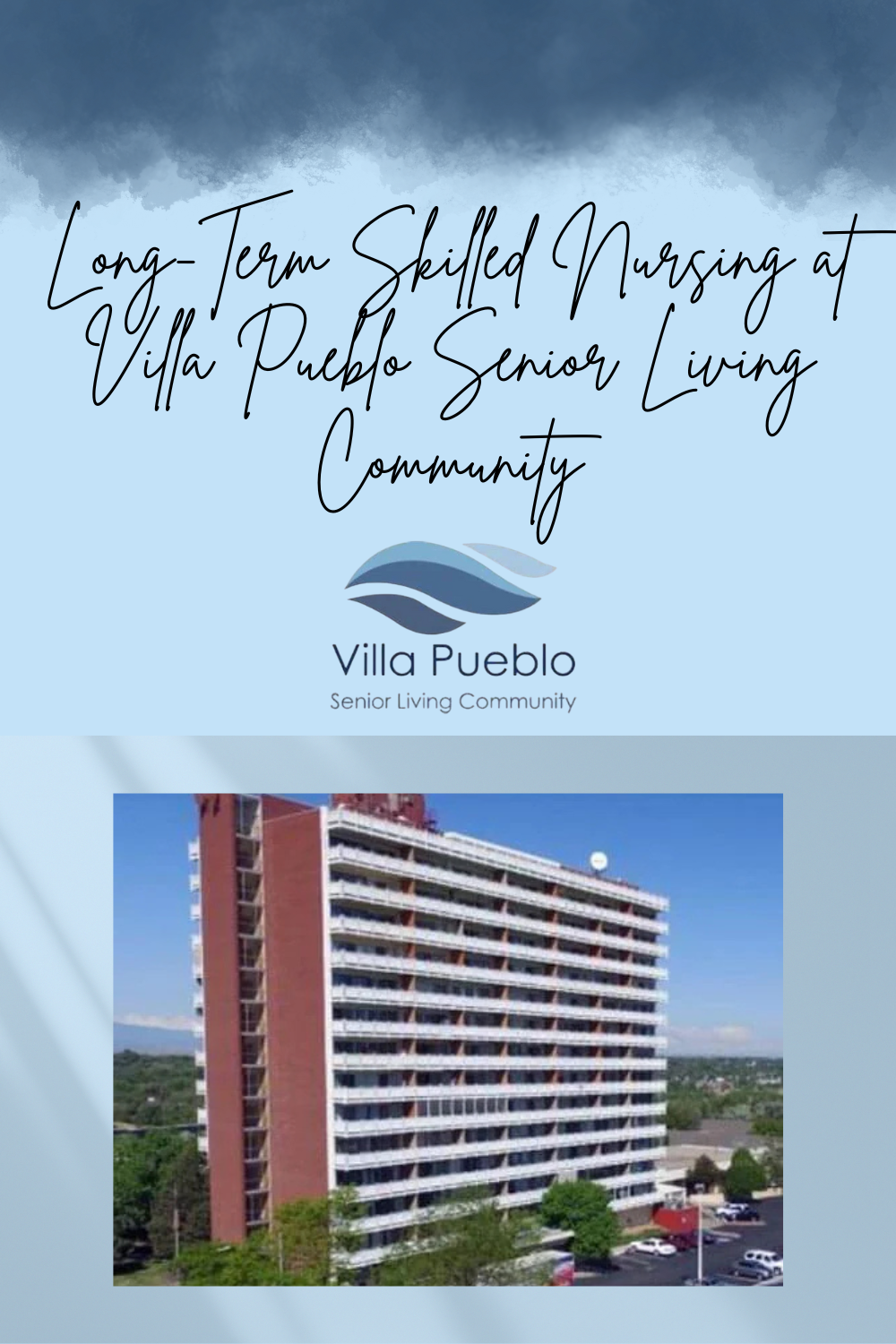
Skilled Nursing 855 Hunter Drive, Pueblo, Colorado, 81001Villa Pueblo Senior Living Community, in Pueblo, offers a comprehensive Skilled Nursing and Rehabilitation facility designed to provide exceptional care for seniors requiring advanced medical attention following hospitalization or illness. As the tallest building in Pueblo, Villa Pueblo not only delivers top-tier healthcare services but also offers residents breathtaking views of the surrounding landscape. At Villa Pueblo, the Skilled Nursing facility operates 24/7, ensuring that residents receive continuous, high-quality medical care. The dedicated team of healthcare professionals is equipped to manage a variety of complex medical needs, including:Wound Care: Specialized treatment plans to promote healing and prevent infection.Management of Clinically Complex Conditions: Expert care for residents with multifaceted health issues.Intravenous (IV) Therapy: Administration of IV medications and fluids as prescribed.These services are tailored to meet the individual needs of each resident, ensuring personalized and effective care plans. Villa Pueblo's rehabilitation program is designed to assist residents in regaining strength, mobility, and independence. The facility offers comprehensive Physical, Occupational, and Speech Therapy services, addressing a wide range of rehabilitation needs, including:General Strengthening and Conditioning: For residents recovering from acute illnesses, focusing on restoring physical capabilities.Neurological Disorder Treatment: Specialized therapies for conditions such as stroke, Parkinson's disease, and spinal disorders.Orthopedic After-Care: Post-surgical rehabilitation to promote recovery and improve function.The rehabilitation team collaborates closely with each resident to develop personalized therapy plans aimed at achieving optimal outcomes. Villa Pueblo's Skilled Nursing facility features a separate, all private-suite rehabilitation unit specifically designed for short-term care and rehabilitation needs. Each spacious private suite includes:Comfortable furnishings42 flat-screen televisionEnsuite bathroom with a spacious showerAdditional amenities within this specialty unit comprise:A separate dining roomA bathing spa with a hydrotherapy tubA private lounge and courtyardWi-Fi accessAn expanded rehabilitation spaceThese thoughtfully designed accommodations aim to create a comfortable and supportive environment conducive to recovery and well-being. To enhance the overall experience for residents, Villa Pueblo offers a variety of supplementary services, including:In-House Podiatry, Dental, and Vision Services: Convenient access to essential healthcare services on-site.Engaging Activities and Entertainment: A diverse schedule of events to promote social interaction and mental stimulation.Courtesy Transportation for New Admissions: Facilitating a smooth transition into the community.24/7 Admissions: Ensuring availability and support whenever needed.These services are designed to provide residents with a holistic and enriching living experience, addressing both medical and personal needs. Beyond the exceptional medical services, Villa Pueblo fosters a comforting sense of community and camaraderie among residents. The facility's unique position as the tallest building in Pueblo offers spectacular views, creating a serene and inspiring environment. With Independent Living, Assisted Living, and Skilled Nursing all conveniently located on one campus, residents can enjoy a continuum of care tailored to their evolving needs. Discover firsthand the exceptional Skilled Nursing and Rehabilitation services at Villa Pueblo Senior Living Community. Experience the compassionate care and vibrant community that make Villa Pueblo a premier choice for senior living in Pueblo..Villa Pueblo Senior Living Community,in Pueblo, offers a comprehensive Skilled Nursing and Rehabilitation facility designed to provide exceptional care for seniors requiring advanced medical attention following hospitalization or illness. As the tallest building in Pueblo, Villa Pueblo not only delivers top-tier healthcare services but also offers residents breathtaking views of the surrounding landscape. At Villa Pueblo, the Skilled Nursing facility operates 24/7, ensuring that residents receive continuous, high-quality medical care. The dedicated team of healthcare professionals is equipped to manage a variety of complex medical needs, including:Wound Care: Specialized treatment plans to promote healing and prevent infection.Management of Clinically Complex Conditions: Expert care for residents with multifaceted health issues.Intravenous (IV) Therapy: Administration of IV medications and fluids as prescribed.These services are tailored to meet the individual needs of each resident, ensuring personalized and effective care plans. Villa Pueblo's rehabilitation program is designed to assist residents in regaining strength, mobility, and independence. The facility offers comprehensive Physical, Occupational, and Speech Therapy services, addressing a wide range of rehabilitation needs, including:General Strengthening and Conditioning: For residents recovering from acute illnesses, focusing on restoring physical capabilities.Neurological Disorder Treatment: Specialized therapies for conditions such as stroke, Parkinson's disease, and spinal disorders.Orthopedic After-Care: Post-surgical rehabilitation to promote recovery and improve function.The rehabilitation team collaborates closely with each resident to develop personalized therapy plans aimed at achieving optimal outcomes. Villa Pueblo's Skilled Nursing facility features a separate, all private-suite rehabilitation unit specifically designed for short-term care and rehabilitation needs. Each spacious private suite includes:Comfortable furnishings42 flat-screen televisionEnsuite bathroom with a spacious showerAdditional amenities within this specialty unit comprise:A separate dining roomA bathing spa with a hydrotherapy tubA private lounge and courtyardWi-Fi accessAn expanded rehabilitation spaceThese thoughtfully designed accommodations aim to create a comfortable and supportive environment conducive to recovery and well-being. To enhance the overall experience for residents, Villa Pueblo offers a variety of supplementary services, including:In-House Podiatry, Dental, and Vision Services: Convenient access to essential healthcare services on-site.Engaging Activities and Entertainment: A diverse schedule of events to promote social interaction and mental stimulation.Courtesy Transportation for New Admissions: Facilitating a smooth transition into the community.24/7 Admissions: Ensuring availability and support whenever needed.These services are designed to provide residents with a holistic and enriching living experience, addressing both medical and personal needs. Beyond the exceptional medical services, Villa Pueblo fosters a comforting sense of community and camaraderie among residents. The facility's unique position as the tallest building in Pueblo offers spectacular views, creating a serene and inspiring environment. With Independent Living, Assisted Living, and Skilled Nursing all conveniently located on one campus, residents can enjoy a continuum of care tailored to their evolving needs. Discover firsthand the exceptional Skilled Nursing and Rehabilitation services at Villa Pueblo Senior Living Community. Experience the compassionate care and vibrant community that make Villa Pueblo a premier choice for senior living in Pueblo. Call us to schedule a tour!