Maintenance-Free Assisted Living in Ocean County, NJ
Mira Vie Ocean/Monmouth Multiple Locations
For more information about the author, click to view their website: Mira Vie Senior Living at Brick, NJ
Oct 15, 2026
New Jersey - Ocean & Monmouth Counties

Email US
Click to Email Us
For many older adults, retirement represents an opportunity to spend more time enjoying life. After years of working, raising families, and maintaining households, seniors may look forward to pursuing favorite interests, spending time with friends, and enjoying a more relaxed daily routine.
However, homeownership and everyday responsibilities do not necessarily become easier with age.
Cleaning, preparing meals, arranging home repairs, maintaining outdoor spaces, and managing other household tasks can require significant time and energy. For individuals experiencing changes in mobility, strength, or overall health, these responsibilities may become increasingly demanding.
Some older adults also find that living alone provides fewer opportunities for regular social interaction.
For seniors and families throughout Ocean County, New Jersey, assisted living offers an opportunity to enjoy a more convenient lifestyle while receiving personalized assistance when necessary.
Mira Vie Senior Living at Brick, NJ provides assisted living designed around comfortable accommodations, individualized daily support, engaging activities, and opportunities for meaningful social connection.
The community combines apartment-style residences, chef-prepared dining, wellness experiences, and shared social spaces to create an environment where residents can spend more time enjoying their interests.
Understanding the benefits of maintenance-free assisted living can help older adults determine whether community living matches their changing needs and personal priorities.
What Is Maintenance-Free Assisted Living?
Maintenance-free assisted living combines residential accommodations with services that reduce everyday household responsibilities.
Rather than managing every aspect of homeownership independently, residents have access to services that make daily living more convenient.
Assisted living also provides individualized support with certain personal care activities.
Common Services May Include
Prepared meals
Routine housekeeping
Maintenance assistance
Social activities
Wellness programming
Personal care support
Medication-related assistance
Access to caregivers
Shared community amenities
Scheduled transportation options
The exact services and associated costs depend on the community and individual care plan.
Why Maintenance-Free Living Appeals to Seniors
Some older adults want to simplify everyday responsibilities without giving up independence.
Others need assistance with selected activities but prefer maintaining control over their schedules.
A maintenance-free lifestyle can help residents focus on experiences they enjoy instead of managing every household task.
Assisted Living at Mira Vie Senior Living at Brick, NJ
Mira Vie Senior Living at Brick, NJ offers an assisted living environment designed around comfort, convenience, and social engagement.
The community has updated its resident accommodations and several shared areas to create refreshed spaces for dining, activities, and relaxation.
Community Features Include
Renovated resident suites
Apartment-style living
Restaurant-style dining
A refreshed bistro
Updated salon amenities
Library spaces
Game rooms
Activity areas
Social events
Personalized daily assistance
Mira Vie also offers memory support and short-term respite care, although those services have different purposes from traditional assisted living.
The Viva La Vie Philosophy
Mira Vie emphasizes a lifestyle philosophy known as Viva La Vie.
The concept encourages residents to enjoy meaningful experiences, maintain social connections, and pursue personal interests.
Rather than defining senior living entirely by healthcare needs, this approach recognizes the importance of enjoyment, friendship, and everyday choice.
Simplifying Everyday Household Responsibilities
Maintaining a home involves many tasks that can become physically demanding.
Even seniors who remain relatively independent may prefer spending less time handling chores.
Responsibilities That May Become Easier
Community living may reduce the burden of:
Routine cleaning
Meal preparation
Certain maintenance tasks
Coordinating household services
Planning daily meals
Organizing recreational activities
More Time for Personal Interests
When everyday responsibilities become more manageable, residents may have additional opportunities to enjoy hobbies, socialize, or relax.
For one person, that may mean reading more frequently.
For another, it may involve participating in group activities or spending time with visiting family members.
Understanding Included Services
Families should ask which housekeeping, laundry, maintenance, and other services are included in the monthly residential agreement.
Not every service is necessarily included in the base price.
Comfortable Apartment-Style Senior Living
A private living space remains important for personal comfort and independence.
Mira Vie at Brick offers apartment-style accommodations with different floor plans.
Available layouts described by the community include assisted living studio apartments with dens and one-bedroom residences.
Benefits of Apartment-Style Living
Residents may enjoy:
Personal privacy
Space for familiar belongings
A comfortable place to relax
Opportunities to welcome visitors
Independence in daily routines
Convenient access to shared amenities
Choosing the Right Floor Plan
Families should consider:
Apartment size
Bathroom accessibility
Storage
Natural lighting
Furniture placement
Mobility equipment access
Personal preferences
Proximity to dining and activity areas
Creating a Familiar Living Space
Moving into a senior community does not mean leaving personal identity behind.
Photographs, favorite furniture, familiar decorations, and meaningful belongings can help create a comfortable environment.
Families should confirm which personal items and furnishings are permitted.
Dining Without the Burden of Cooking
Preparing meals can become increasingly tiring for some older adults.
Shopping, cooking, cleaning, and maintaining adequate food supplies require ongoing effort.
Assisted living can reduce these responsibilities through prepared dining services.
Dining at Mira Vie
Mira Vie at Brick highlights chef-prepared meals, restaurant-style dining, and refreshed dining spaces.
Its community features include a bistro designed for more casual social interaction.
Why Dining Convenience Matters
Having regular access to prepared meals may help residents avoid the burden of cooking every day.
It can also create a more consistent daily routine.
Dining as a Social Experience
Meals often become opportunities for residents to:
Meet neighbors
Share conversations
Develop friendships
Participate in community routines
Enjoy time with others
Questions About Dietary Needs
Families should ask:
Are special diets accommodated?
What meal choices are available?
Can food allergies be addressed?
Is assistance available during meals?
Are snacks available?
How are changes in appetite monitored?
Specific dietary accommodations should be confirmed directly with the community.
Social Connections and Community Living
Social engagement is an important part of senior well-being.
Some older adults experience fewer opportunities for conversation after retirement, changes in mobility, or the loss of longtime companions.
Living in a residential community may create more opportunities for interaction.
Community Activities May Include
Games
Music
Group gatherings
Creative activities
Educational programs
Social celebrations
Recreational events
Organized outings
Wellness activities
Schedules and specific activities may change.
The Value of Everyday Friendships
Meaningful social connections do not always require elaborate events.
Conversations over meals, shared hobbies, and familiar faces can contribute to a sense of belonging.
Participation Should Remain Optional
Some residents enjoy frequent social gatherings.
Others prefer quiet activities or smaller groups.
A supportive community should respect individual personalities and preferences.
Staying Active Through Wellness Opportunities
Appropriate physical activity remains important for many older adults.
Regular movement may support strength, flexibility, balance, and overall well-being.
Mira Vie's senior living lifestyle includes wellness and fitness opportunities.
Wellness Activities May Include
Depending on the current schedule:
Gentle exercise
Seated movement
Stretching
Balance-oriented activities
Group fitness
Recreational movement
Wellness discussions
Matching Activities to Individual Abilities
A resident with arthritis may have different needs than someone recovering from surgery.
Exercise should reflect medical recommendations and current physical abilities.
Why Movement Supports Everyday Life
Strength and balance influence activities such as standing, walking, and moving around a residence.
Wellness activities may provide opportunities to remain appropriately active.
However, exercise cannot eliminate all fall risks or guarantee improvements in health.
Enjoying Hobbies and Leisure Activities
Many older adults have lifelong interests they want to continue pursuing.
Some enjoy reading, while others prefer art, music, games, or social events.
Assisted living communities can provide shared spaces and organized activities that make participation more convenient.
Recreational Opportunities
Depending on availability, residents may enjoy:
Reading
Card games
Board games
Art projects
Music programs
Educational discussions
Holiday celebrations
Social gatherings
Updated Community Spaces
Mira Vie at Brick highlights renovations to its library, game rooms, and activity areas.
These shared spaces are intended to support enjoyable activities and resident interaction.
Supporting Personal Interests
Residents should be encouraged to continue meaningful hobbies.
Families can ask whether specific activities are offered or whether residents can help shape the activity calendar.
Personalized Assistance With Daily Activities
A convenient lifestyle is only one reason older adults explore assisted living.
Some individuals also require help with selected personal care tasks.
Mira Vie at Brick provides assisted living support designed to help residents maintain independence while receiving appropriate assistance.
Daily Support May Address
Bathing
Dressing
Grooming
Mobility
Medication routines
Personal care needs
Accessing community activities
Independence and Assistance Can Coexist
A resident may need help getting ready in the morning but remain independent with social activities.
Another person may require medication-related support while continuing to make most everyday decisions.
An individualized care plan should recognize these differences.
Avoiding Unnecessary Dependence
Assistance should support residents' abilities rather than automatically replace activities they can safely manage.
Personal choice remains important.
Medication Support and Healthcare Coordination
Managing several medications can become complicated.
Some older adults benefit from assistance with medication routines or coordination with healthcare professionals.
Mira Vie's assisted living services include medication-related support and health monitoring within its broader care approach.
Questions Families Should Ask
How are medications managed?
What services are provided by licensed professionals?
How are prescriptions reviewed?
How are medication changes communicated?
Are medication services included in the monthly fee?
How are outside healthcare providers involved?
Understanding the Limits of Assisted Living
Assisted living is not the same as hospital care or skilled nursing.
Individuals with significant medical needs may require services beyond those available in a residential community.
A professional assessment can help determine the appropriate setting.
Safety and Peace of Mind
Some older adults become concerned about managing unexpected situations while living alone.
Others experience mobility challenges or need additional assistance.
Assisted living communities provide access to staff support and emergency response arrangements.
Important Safety Questions
Families should ask about:
Staff availability
Emergency response procedures
Apartment safety features
Mobility assistance
Medication support
Overnight assistance
Resident assessments
Communication with family members
Why Individual Assessment Matters
Two residents may have different safety needs.
One may walk independently.
Another may require assistance with transfers or mobility equipment.
A personalized care plan should consider individual abilities and potential risks.
Review Public Information
Mira Vie at Brick is licensed as an assisted living residence by the New Jersey Department of Health.
Families can review available state licensing and inspection information as part of their research.
Maintaining Privacy and Independence
One concern some seniors have about moving into assisted living is losing personal freedom.
However, appropriate assisted living should preserve opportunities for residents to make meaningful decisions.
Everyday Choices May Include
How to spend free time
Which activities to attend
Personal clothing preferences
Dining choices
Apartment decorations
Visiting family
Preferred hobbies
Social participation
A Balance Between Support and Choice
The purpose of assistance is to address activities that have become difficult.
Residents should continue participating in decisions according to their abilities and applicable care requirements.
The Emotional Benefits of Simplifying Daily Life
Household responsibilities and health concerns can create stress.
For some older adults, knowing that appropriate services are available may make daily routines feel more manageable.
Common Reasons Seniors Appreciate Convenience
These may include:
Less worry about household upkeep
Fewer meal preparation responsibilities
More social opportunities
Access to assistance
Organized activities
A comfortable living environment
Adjustment Takes Time
Even when a move provides practical benefits, leaving a longtime home can be emotional.
Residents may miss familiar surroundings or feel uncertain about new routines.
Families can help by acknowledging these feelings and allowing time for adjustment.
Staying Connected With Family
Moving into assisted living does not replace family relationships.
Visits, telephone calls, and shared activities can remain important parts of everyday life.
Ways Families Can Remain Involved
These may include:
Regular visits
Attending community events
Celebrating special occasions
Sharing meals when permitted
Participating in care discussions
Supporting personal hobbies
Maintaining family traditions
Communication With Staff
Families should understand how care-related updates are shared.
They can ask whom to contact regarding changes in health, assistance needs, or daily routines.
Respecting the Resident's Wishes
Family involvement should reflect the resident's preferences and applicable legal arrangements.
Personal dignity and privacy remain important.
Understanding Additional Care Options
Mira Vie at Brick offers several senior living options, including assisted living, memory support, and respite care.
Although these services are located within the same broader community, they serve different needs.
Assisted Living
Assisted living offers personalized support with everyday activities alongside residential lifestyle amenities.
Memory Support
Memory support provides specialized programming and supervision for individuals experiencing Alzheimer's disease or other significant cognitive changes.
Respite Care
Respite care provides short-term residential support for eligible guests.
It may be considered when a family caregiver needs temporary relief or when someone wants to experience community living for a limited period.
Choosing the Appropriate Service
Families should request an assessment and confirm which services meet the individual's current needs.
Availability and admission requirements may differ among programs.
Financial Planning for Assisted Living in Ocean County
The cost of assisted living depends on accommodations, care needs, and included services.
Mira Vie at Brick advertises starting floor-plan pricing, but rates and availability may change.
Families should request a current written estimate rather than rely on previously published amounts.
Questions About Monthly Costs
Ask:
What is the base monthly rate?
Which meals are included?
Is housekeeping included?
Are there additional personal care fees?
How are care levels determined?
Are there one-time charges?
Are activities and transportation included?
How are price increases communicated?
What happens during hospitalization?
What are the move-out policies?
Medicare and Assisted Living
Original Medicare generally does not cover long-term assisted living room and board.
However, qualifying medical services may be covered separately under applicable Medicare rules.
Long-term care insurance or other financial resources may help some families with eligible expenses.
Coverage and payment arrangements should be verified.
What to Look for During a Community Tour
Visiting an assisted living community can help prospective residents understand its environment and services.
A tour also provides an opportunity to ask detailed questions.
Evaluate the Apartments
Consider:
Accessibility
Layout
Storage
Bathroom design
Lighting
Privacy
Available floor plans
Explore the Shared Spaces
Ask to see:
Dining rooms
Bistro areas
Library
Activity spaces
Lounges
Salon
Outdoor areas
Learn About Daily Services
Find out how meals, housekeeping, activities, and personal assistance are organized.
Discuss Resident Needs
Ask how care plans are developed and updated.
A community should be able to explain whether its available support matches the individual's requirements.
Expert Tip: Compare Convenience With Actual Care Needs
Assisted Living Tip: When researching senior living communities, separate lifestyle preferences from essential care requirements. Create one list covering dining, housekeeping, activities, and apartment amenities, and another covering medication support, mobility, bathing, and other personal care needs. Review both with the community before deciding whether the available services are a good fit.
An enjoyable lifestyle matters, but the community must also be able to meet the resident's practical support requirements.
Frequently Asked Questions About Assisted Living in Ocean County
1. Does Mira Vie Senior Living at Brick, NJ offer assisted living?
Yes. Mira Vie at Brick is a New Jersey-licensed assisted living residence providing apartment-style accommodations, personalized daily assistance, dining services, and community activities.
2. What types of apartments are available?
Mira Vie at Brick advertises assisted living studios with dens and one-bedroom floor plans. Families should confirm current accommodations, pricing, and availability directly with the community.
3. Does the community provide meals and activities?
Yes. Mira Vie at Brick offers chef-prepared dining and opportunities for social engagement, recreation, and wellness. Specific activities and menus may change.
4. Does Mira Vie at Brick offer memory care or short-term stays?
Yes. The community also advertises specialized memory support and respite care. These services have different eligibility and support arrangements from standard assisted living.
5. How can families arrange an assisted living tour?
Families can contact Mira Vie Senior Living at Brick, NJ to discuss resident assessments, apartment availability, monthly costs, lifestyle amenities, and scheduling a personalized visit.
Enjoying a More Convenient Senior Lifestyle in Ocean County
Growing older can create opportunities to rethink how time and energy are spent.
For some seniors, maintaining a large home and managing everyday household responsibilities becomes less appealing.
Others want more social opportunities or access to assistance with selected activities.
Maintenance-free assisted living can provide an alternative that combines residential comfort, convenience, and personalized support.
For older adults and families throughout Ocean County, New Jersey, Mira Vie Senior Living at Brick, NJ offers assisted living designed around comfortable accommodations and an engaging community lifestyle.
With renovated apartments, chef-prepared dining, refreshed activity spaces, wellness opportunities, and personalized daily assistance, the community encourages residents to focus on meaningful experiences.
Choosing assisted living involves evaluating both practical needs and personal preferences.
By comparing accommodations, understanding costs, reviewing care services, and visiting the community, families can make more informed decisions about senior housing.
Learn More About Mira Vie Senior Living at Brick, NJ
Looking for maintenance-free assisted living in Ocean County, New Jersey?
Visit Mira Vie Senior Living at Brick, NJ on SeniorsBlueBook.com to explore its assisted living listing and learn more about resident accommodations, personalized support, dining, community activities, and lifestyle amenities.
Discover how a convenient residential lifestyle, meaningful activities, and appropriate daily support can help older adults spend more time enjoying the people and experiences that matter most.

Other Articles You May Like
Assisted Living in Lafayette, CO
An older adult may still enjoy their own space even when meals, bathing, or getting ready in the morning take more effort. When visiting an assisted living community, picture how an ordinary day would go. That can tell you whether the help on offer fits the way you want to live. What Is Assisted Living?Assisted living combines a place to live with regular help for daily activities. Depending on the residence and care plan, support can include bathing, dressing, medication management, dining, and housekeeping. It may suit someone who wants their own living space and would benefit from having help nearby. Waneka Park Assisted LivingPhone: 720-410-3889 Waneka Park is at 225 Waneka Parkway in Lafayette. Its brochure describes individualized care plans, staff available around the clock with nurse oversight, an emergency response system, and bathing assistance. Ask how the team would handle a specific routine, such as an evening shower or help getting ready for an early appointment. Meals, Outings, and Short StaysWaneka Park describes three daily meals, activities, outings, and scheduled local transportation to medical appointments. Its brochure also describes respite stays. Ask whether a short stay is currently available if you need temporary support and confirm what is included before booking. Why This Matters in LafayetteIf staying close to friends or keeping a regular visit to the Lafayette Senior Center matters, bring those details on the tour. Ask which outings you can continue, how rides are arranged, and what a weekday visit would look like for family. How to Get Started1. Bring Examples from a Typical DayWrite down the tasks you handle yourself and the ones youd like help with. Include weekends and overnight needs if they affect the decision.2. Tour and Request a Written EstimateCall 720-410-3889. Ask to see an available room, try the route to the dining area, and request a written estimate showing what the monthly rate includes and which services cost extra. Related Seniors Blue Book CategoriesIndependent Living Non-Medical Home Care Respite Care
Signs Families Should Notice
It may be time to consider assisted living when an older adult can no longer handle certain daily tasks safely or consistently, even with occasional help from family. The decision is rarely based on age alone. What matters is whether support with personal care, medications, meals, or supervision would make everyday life more manageable while preserving as much independence as possible. Which Changes Suggest More Support Is Needed? One difficult day does not automatically mean a move is necessary. Patterns, however, deserve attention. Repeated trouble getting dressed, skipping showers because of fall concerns, forgetting medications, or struggling to prepare meals can all suggest that the current arrangement needs to change. Families should also watch for a growing need for reassurance or assistance at night. Someone may be physically capable of many tasks but feel unsafe living alone. Another person may be comfortable at home yet need so much hands-on help that relatives cannot provide it consistently. How Is Assisted Living Different From Other Options? In-home care brings assistance into a persons current home. It can be appropriate when the home remains workable and needed support can be scheduled reliably. Assisted living adds a residential setting with staff availability, shared meals, activities, and help with everyday personal needs. Independent living usually focuses on housing, convenience, and community activities for people who can largely manage personal care themselves. Skilled nursing, by contrast, is intended for people who require a higher level of clinical nursing or rehabilitation services. Assisted living does not replace hospital treatment, and a community must evaluate whether it can meet a prospective residents specific needs. Does Needing Help Mean Losing Independence? Not necessarily. Accepting assistance with a few difficult tasks can leave more energy for the things a person enjoys. Independence can mean choosing when to socialize, deciding how to spend the afternoon, maintaining family relationships, and being included in care decisions. The amount and type of help should be matched to actual needs rather than based on assumptions about age. At Waneka Park Assisted Living Residence in Lafayette, Colorado, the stated approach emphasizes individualized care plans, dignity, privacy, and help with daily activities. The residence lists assistance with bathing and dressing, medication management or oversight, and 24-hour wellness monitoring. These are useful topics for a family discussion, but the care team should confirm whether it can accommodate the persons particular circumstances. What If a Parent Resists the Conversation? Start with observations rather than a conclusion. I noticed the stairs are harder lately is more productive than You cannot live alone anymore. Ask which tasks feel frustrating and what the person would change if help were readily available. When possible, involve the older adult in selecting communities and touring them. Avoid treating the first visit as a commitment to move. It can simply be a chance to learn how care is delivered, what residents do during the day, and what the costs might be. Families can then compare those answers with the amount of help available at home. What Questions Help Families Make the Decision? Which activities of daily living now require regular assistance? Are medication routines reliable, and who currently checks them? Is the person eating regularly and moving around the home safely? Can family caregivers sustain the current schedule without gaps? Would a residence with staff available around the clock address the main concerns? What matters most to the older adult: privacy, activities, location, or familiar routines? A primary care clinician can help families understand whether changes are related to a treatable condition and whether additional medical evaluation is needed. If memory loss, falls, or new confusion are involved, those concerns should be assessed rather than assumed to be an inevitable part of aging. What Should You Look for During a Tour? Ask a community to walk through a realistic day for someone with your family members needs. Explore staffing and overnight response, medication procedures, care-plan updates, meals, visitor policies, activities, and potential added charges. Notice whether explanations are clear and whether the prospective resident feels heard. Waneka Park lists an enclosed courtyard, dining services, planned activities, scheduled transportation, and an onsite nurse among its community features. Those details may help families determine whether the setting supports both daily care and personal interests. Confirm all current terms and service availability during your visit. A Practical Next Step for Lafayette Families Make a brief inventory of what is going well at home and what is no longer working. Then speak with communities about the needs that are most likely to change. A thoughtful decision considers safety, preferences, care capabilities, and family involvement together. Families exploring assisted living can contact Waneka Park Assisted Living Residence in Lafayette at (303) 666-0691 or visit https://wanekapark.com/ to arrange a visit and discuss individualized care options.
Assisted Living in Lafayette, CO
For an older adult who values familiar routines but needs help with bathing, dressing, or medications, assisted living can offer a middle ground between managing alone and receiving more intensive medical care. Families searching for assisted living in Lafayette, Colorado, should look beyond the floor plan. The important questions are what staff can help with, how support changes over time, and whether residents can continue making everyday choices. What Does Assisted Living Include? Assisted living combines housing, daily personal assistance, meals, activities, and supervision in a residential setting. It is generally designed for people who need support with some activities of daily living, often called ADLs, but do not require hospital-level treatment or continuous skilled nursing. Services differ by community, so families should ask precisely what is included and what requires an additional arrangement or fee. Common reasons to explore assisted living include difficulty bathing safely, missed medications, limited mobility, inconsistent meals, or growing concern about being alone overnight. Someone may still enjoy conversation, outings, reading, and hobbies while needing practical help at predictable times during the day. Personal Care and 24-Hour Oversight at Waneka Park Waneka Park Assisted Living Residence, at 225 Waneka Parkway in Lafayette, offers assisted living with staff present 24 hours a day, seven days a week. Its published services include help with bathing and dressing, medication oversight or management, 24-hour wellness monitoring and assistance, and individualized personal care plans. A nurse is available onsite according to the communitys service information. That combination can matter when needs are not identical from one resident to another. A person who is comfortable choosing clothes and eating independently may need help getting into the shower. Another may manage most of the day well but benefit from medication oversight and staff availability. An individual care plan gives families a starting point for discussing those differences with the care team. Daily Life Beyond Personal Assistance A good community fit also depends on what daily life feels like after the essential care needs are met. Waneka Park lists three meals each day in its dining room, planned activities, scheduled transportation, and a beauty/barber shop among its offerings. Its enclosed, park-like courtyard creates outdoor space within the community; the Lafayette neighborhood also provides access to nearby shops and restaurants. Activities should be considered an invitation, not a requirement. Some residents like group games, gardening, or entertainment. Others prefer quiet time, visiting with family, or keeping their own routine. During a visit, ask how staff support both social participation and privacy. Questions to Ask on an Assisted Living Tour in Lafayette A tour is more useful when families bring questions tied to the prospective residents actual needs. Consider asking: Who assesses bathing, dressing, mobility, and medication needs before move-in? How are individualized care plans reviewed when a residents condition changes? What help is available overnight, and what situations require outside medical care? Which services are included in the quoted rate, and which may cost extra? How are families informed about changes in care needs or day-to-day concerns? Ask to see living and common areas, notice how residents and staff interact, and review what a typical day looks like. Confirm current availability, pricing, and eligibility directly with the community rather than assuming information shown online applies to every resident. Why Local Fit Matters in Lafayette Choosing a residence close to familiar people and places can make it easier for family members to visit and stay involved. Lafayette families may also want to consider transportation arrangements, access to appointments, and whether the setting feels comfortable across different seasons. The best option is not necessarily the largest or the one with the longest amenities list; it is the one that can reliably meet the persons care needs while respecting their preferences. How to Get Started Write down the tasks that have become difficult, note any recent falls or medication concerns, and discuss what the older adult wants to preserve in daily life. Bring that information to a conversation with the residence so staff can explain whether its services are appropriate. To learn more about assisted living and schedule a visit, contact Waneka Park Assisted Living Residence at (303) 666-0691 or visit https://wanekapark.com/. Touring the community can help you compare its care approach, living spaces, and day-to-day atmosphere with your familys priorities.
Local Services By This Author

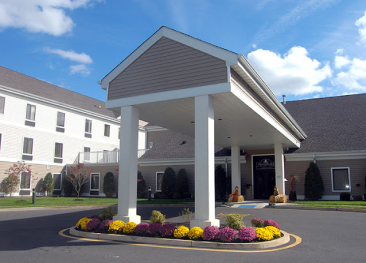
Mira Vie Senior Living at Brick, NJ
Assisted LivingSurrounded by tall trees and beautifully landscaped gardens, Mira Vie at Brick stands out as a leading Senior Living community for seniors that prioritize elevated experiences. Located on the Jersey Shore, our senior housing offers accommodations and amenities for Assisted Living, Memory Support, and Respite Care. We go above and beyond to offer premium dining and lifestyle services to make senior living a true joy. Mira Vies staff and communities have been honored with the Fortune Best Workplaces in Health Care award. Were proud of our teams unwavering commitment to residents and their families. Great Place to Work has been pioneering workplace culture for over 30 years. More than just lists, theyre a celebration of businesses that prioritize their people.
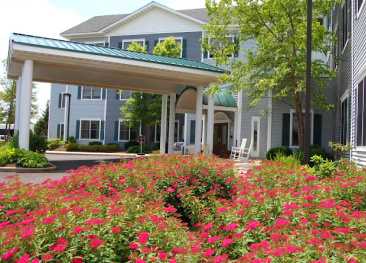
Mira Vie at Toms River
Assisted LivingFramed by luscious walls of trees, Mira Vie at Toms River is a premier Senior Living community for vibrant seniors in Ocean County, New Jersey. Conveniently located on Silverton Road near the Garden State Parkway, our senior housing provides Assisted Living, Memory Support, and Respite Care services in one central location. Live a worry-free, independent life with easy-to-access care when you need it most. You can feel confident in living life to the fullest knowing you have a team behind you that commits to the highest standard of excellence for every resident.
Mira Vie Memory Care
Memory CareOur Memory Support community, known as Moments Matter, is specially designed to provide a friendly, supportive, and secure environment for seniors with memory loss. Our trained professionals at Mira Vie at Manalapan provide a rich, vibrant environment for residents to thrive with housing, care, and lifestyle solutions. For over 20 years, our executive leadership team has been in the senior housing business to help make a difference in the lives of seniors and their families. Weve continued to hone our experience in the field by helping communities grow from small properties to nationwide success stories. In addition to Assisted Living, Mira Vie offers Memory Care, Independent Living, and Respite Care. Today, we continue to implement an expansive program that centers on the five dimensions of wellness: learn, connect, be active, give, and be spiritual.