Meal Tips for Seniors Who Live Alone
CHEFS FOR SENIORS PITTSBURGH
For more information about the author, click to view their website: Chefs for Seniors Pittsburgh
Aug 25, 2025
Pennsylvania - Greater Pittsburgh Area


The journey of preparing meals for yourself after years of
cooking for a family can feel overwhelming. Whether you’ve recently experienced
the loss of a spouse or your household has simply decreased in size, adapting
to solo dining presents unique challenges. Many older adults find themselves
gravitating toward convenience options like takeout or pre-packaged frozen
dinners, but research consistently shows that home-cooked meals offer
substantial health advantages for seniors living independently.
Recent findings from the University of Michigan’s National
Poll on Healthy Aging reveal that older individuals who prepare home-cooked
dinners nearly every evening of the week are significantly more likely to rate
their overall diet as excellent compared to those who rarely cook.
This guide offers practical strategies to make independent meal
preparation both manageable and enjoyable for seniors living on their own.
Understanding Nutritional Needs in Your Golden Years
As we advance in age, our nutritional requirements evolve.
Maintaining awareness of appropriate portion sizes and recommended daily
servings becomes increasingly important for sustaining optimal health.
Nutrition experts suggest that adults over 50 should aim to incorporate
specific amounts from various food groups into their daily eating patterns.
Vegetables should
comprise a significant portion of your diet, with health authorities
recommending between 2-3 cups daily. These colorful plant foods deliver
essential vitamins, minerals, and fiber that support immune function and
digestive health. Similarly, fruits deserve prominent placement on your plate,
with approximately 1½ to 2 cups representing the ideal daily target for most
seniors.
Whole grains provide sustainable energy and important
nutrients, with recommendations suggesting 5-8 ounces daily. When selecting
dairy products, focus on obtaining about 3 cups of low-fat or fat-free options
to support bone health without excessive saturated fat. Protein remains
crucial for muscle maintenance, with 5-6½ ounces representing an appropriate
daily amount for most older adults. Finally, healthy fats from sources like
olive oil should be limited to approximately 5-7 teaspoons daily.
Understanding these nutritional guidelines provides a solid
foundation for planning balanced meals that support your health needs as you
age independently. Rather than viewing these recommendations as restrictions,
consider them helpful frameworks for creating satisfying meals that nourish
your body appropriately.
Strategic Meal Planning for Solo Seniors
Thoughtful meal planning represents perhaps the most
valuable strategy for successful independent dining. Taking time to organize
your weekly menu eliminates daily decision fatigue and helps ensure nutritional
balance across your meals. Begin by exploring recipe sources that inspire
you—whether online culinary websites, library cookbooks, or treasured family
recipes shared by loved ones.
Before shopping, document your intended meals for the
upcoming week. This practice not only streamlines grocery shopping but also
helps minimize food waste. When planning, consider incorporating a variety of
proteins, vegetables, and whole grains to create nutritionally balanced plates.
Remember to include breakfast and lunch options in your planning process, as
these meals are equally important for maintaining consistent energy levels
throughout the day.
Don’t overlook the importance of planning for between-meal
nourishment. Nutritious snack options might include fresh vegetable sticks with
bean-based dips, small portions of unsalted nuts, whole grain crackers with
cheese, or custom-created trail mix combining dried fruits and seeds. Having
these healthful options readily available helps prevent impulsive
less-nutritious choices when hunger strikes between mealtimes.
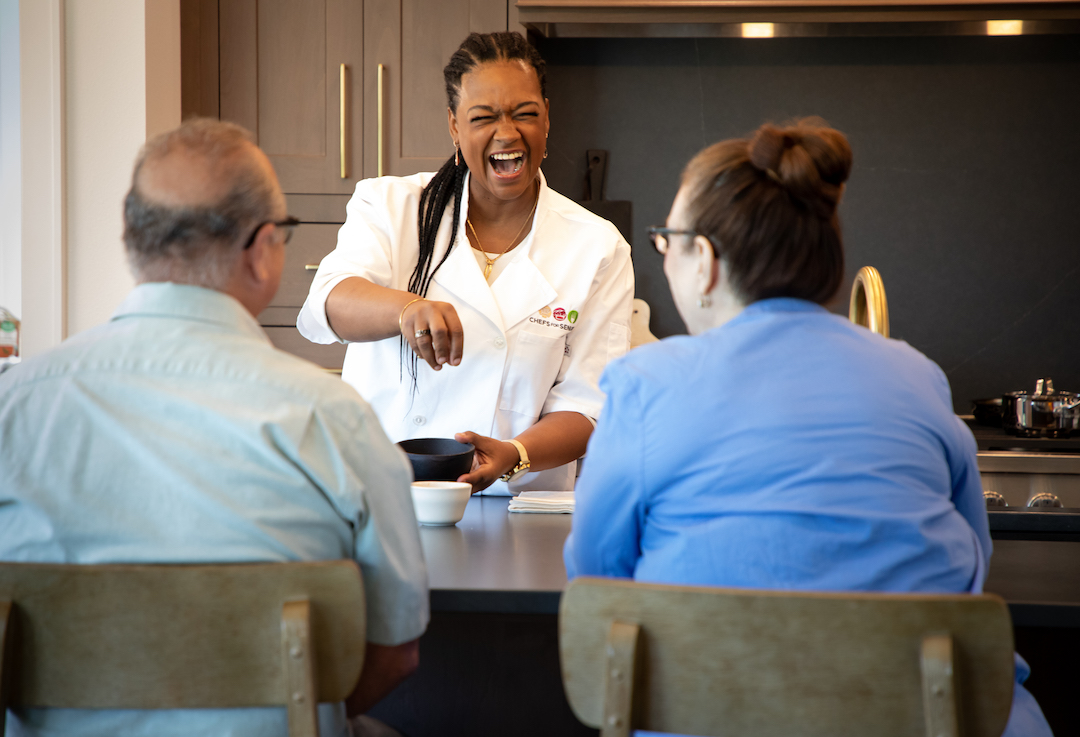
Many seniors who live independently find convenience in
using meal services like Chefs for
Seniors, where a chef comes into the home and prepares meals for the week.
Chefs for Seniors saves time and energy while supporting dietary needs, such as
low-sodium, diabetic-friendly, etc. It also offers meaningful social
interaction, reduces food waste, and is a cost-effective alternative to dining
out.
Mastering Portion Control and Leftovers Management
Many published recipes yield multiple servings, which can
present challenges when cooking for one. Learning to adjust recipes downward
represents an essential skill for solo diners. Before shopping, consider
halving or even quartering recipe ingredients to create appropriate portions
that won’t result in excessive leftovers.
Alternatively, embrace the efficiency of batch cooking by
intentionally preparing larger quantities of freezer-friendly dishes. Soups,
stews, casseroles, and grain-based dishes typically freeze exceptionally well.
After cooking, portion these meals into individual containers clearly labeled
with contents and preparation date. This approach creates a personal frozen
meal collection that offers convenience without sacrificing nutritional
quality.
Invest in quality food storage containers that seal
effectively and stack efficiently in your refrigerator and freezer. Clear
containers allow you to easily identify contents, while portion-sized
containers eliminate guesswork about appropriate serving sizes. Remember that
most cooked leftovers remain safe when refrigerated for 3-4 days, while
properly frozen items typically maintain quality for 2-3 months.
Prioritizing Kitchen Safety for Independent Living
Creating a secure cooking environment becomes increasingly
important as we age. Thoughtful organization of your kitchen space can
significantly reduce accident risks while making meal preparation more
enjoyable. Begin by evaluating your kitchen layout with safety as
the primary consideration.
Keep frequently used items within comfortable reach to
eliminate the need for stretching or climbing. Rearrange cabinets if necessary
to ensure everyday cooking tools, dishes, and pantry staples remain easily
accessible. Consider installing pull-out shelving in lower cabinets to improve
visibility and reduce the need for uncomfortable bending or kneeling.
Maintain clear pathways throughout your kitchen by removing
unnecessary furniture or decorative items that might create obstacles. Secure
area rugs with non-slip backing, or consider removing them entirely to
eliminate tripping hazards. Adequate lighting represents another crucial safety
element—ensure work areas remain well-illuminated, perhaps adding under-cabinet
lighting to eliminate shadows on countertops.
Never leave cooking food unattended, particularly when using
the stovetop. Kitchen fires often begin when heating elements remain active
without supervision. Additionally, verify that your refrigerator maintains
appropriate temperature (below 40°F) to prevent foodborne illness. A simple
refrigerator thermometer provides peace of mind regarding safe food storage
conditions.
Simplifying Grocery Shopping Strategies
Efficient grocery shopping forms an essential component of
successful independent meal management. Begin by creating a detailed shopping
list organized according to your store’s layout. This approach minimizes
backtracking and reduces the likelihood of forgetting important items. Consider
scheduling your shopping trips during less crowded periods when stores
typically offer a more relaxed experience.
Many supermarkets now offer delivery or curbside pickup
services that can significantly simplify grocery acquisition for seniors. These
services allow you to select items online and either have them brought directly
to your home or prepared for easy collection without navigating store aisles.
The modest service fee often proves worthwhile for the convenience provided.
When shopping, focus on selecting foods with extended shelf
life to reduce waste. While fresh produce remains important, consider
supplementing with frozen fruits and vegetables that maintain nutritional value
while remaining usable for months. Similarly, canned beans, fish, and other
protein sources provide convenient meal components with extended storage
potential.
Purchase perishable items in quantities appropriate for
single-person households. Many stores now offer smaller packaging options
specifically designed for individuals living alone. When these aren’t
available, consider whether the item can be properly portioned and frozen upon
returning home. Building relationships with butchers or deli counter staff can
facilitate purchasing precisely the amount needed rather than pre-packaged
quantities.
Creating a Senior-Friendly Kitchen Environment
Thoughtful kitchen organization can transform meal
preparation from challenging to enjoyable. Begin by evaluating your kitchen
tools and equipment, keeping only items that truly serve your current cooking
needs. Streamlining your collection reduces clutter while making necessary
items more accessible.
Consider whether adaptive kitchen tools might enhance your
cooking experience. Options like ergonomic utensils with cushioned grips,
electric can openers, or lightweight cookware can significantly reduce physical
strain during meal preparation. Similarly, a sturdy step stool with handrails
provides safe access to higher storage areas when necessary.
Arrange your refrigerator and pantry with accessibility in
mind. Store frequently used items at eye level, with heavier items positioned
where minimal lifting is required. Transparent storage containers allow easy
identification of contents, while label systems help maintain organization.
Consider using turntables or “lazy Susans” in cabinets and refrigerators to
bring items from the back into easy reach.
Evaluate your seating options for meal consumption. Many
seniors find that a comfortable, properly sized dining chair with supportive
armrests enhances mealtime enjoyment. Position your dining area near natural light,
when possible, as pleasant surroundings contribute significantly to the overall
dining experience when eating alone.
Conclusion
Adapting to preparing meals for yourself represents a
significant transition, but with thoughtful strategies, it can become a
satisfying aspect of independent living. By understanding your nutritional
needs, planning effectively, managing portions appropriately, and creating a
safe cooking environment, you establish the foundation for healthful solo
dining.
Remember that cooking for yourself represents an investment
in your wellbeing. Research consistently demonstrates that seniors who
regularly prepare home-cooked meals generally maintain better nutritional
status and report greater satisfaction with their overall diet quality. While
the adjustment period requires patience, many older adults ultimately discover
unexpected pleasure in preparing meals tailored precisely to their preferences.
If you find certain aspects of independent meal management
challenging, remember that support resources exist in most communities. From
grocery delivery services to personal chef services, options are available to
help you maintain nutritional independence while aging in place. The goal
remains finding the right balance that allows you to enjoy nourishing meals
while preserving your autonomy and quality of life!

- To view the original version of this article visit chefsforseniors.com/blog/meal-tips-for-seniors-who-live-alone/
- Seniors Blue Book was not involved in the creation of this content.
Other Articles You May Like
Facing a Cancer Diagnosis? How a Patient Advocate Can Help.
Facing a Cancer Diagnosis in Western Pennsylvania? How a Patient Advocate Can Help Understanding your diagnosis, navigating cancer treatment, and making important healthcare decisions can feel overwhelming. Discover how a healthcare patient advocate can help you find clarity, confidence, and support when you need it most. Hearing the words "You have cancer" can change your world in an instant. Suddenly, everyday life takes a back seat to medical appointments, unfamiliar terminology, treatment decisions, insurance questions, and concerns about what the future may hold. Whether you've recently received a cancer diagnosis, are undergoing treatment, or are helping a loved one navigate their healthcare journey, it's natural to feel overwhelmed. You may have excellent doctors and a supportive family, yet still find yourself wondering: Am I asking the right questions? Do I understand all my options? What if I'm missing something important? The good news is that you don't have to navigate a cancer diagnosis alone. A healthcare patient advocate can help you better understand medical information, prepare for important conversations, and feel more confident making decisions about your care. For individuals and families throughout Pittsburgh and Western Pennsylvania, Vital Voice, led by Wendy, provides personalized healthcare advocacy, clarity, and compassionate guidance during some of life's most challenging moments. Cancer in Pennsylvania: Why Patient Advocacy Matters More Than Ever Cancer affects thousands of Pennsylvania families every year. According to the American Cancer Society, an estimated 90,240 new cancer cases were projected to be diagnosed in Pennsylvania in 2025. Behind every statistic is a person trying to understand a diagnosis, a spouse worried about their partner, or an adult child helping an aging parent make important healthcare decisions. Western Pennsylvania is also home to a substantial population of older adults. According to the U.S. Census Bureau, approximately 21.9% of Allegheny County residents are age 65 or older. Because the risk of developing many types of cancer increases with age, older adults represent an important population when discussing cancer care, treatment decisions, and healthcare navigation. For seniors, a cancer diagnosis can bring additional challenges, particularly when they are already managing chronic health conditions, taking multiple medications, or trying to maintain their independence. And while the Pittsburgh region offers access to hospitals, oncology specialists, cancer treatment centers, and community resources, knowing where to turn and what questions to ask isn't always easy. That's why having someone who can help you navigate the healthcare system can be so valuable. What Is a Cancer Patient Advocate, and How Can One Help? A cancer patient advocate is someone who helps individuals better understand and navigate the medical, practical, and emotional challenges that can accompany a cancer diagnosis. Think of a healthcare advocate as an additional person in your corner. Your oncologist focuses on diagnosing and treating your cancer. Your nurses and other healthcare professionals provide essential medical care. A patient advocate helps you become a more informed, organized, and confident participant in the process. Healthcare advocacy isn't about replacing your medical team or making medical decisions for you. It's about helping you understand what's happening, identify the questions that matter, and feel comfortable speaking up about your needs and concerns. Depending on your situation, a healthcare advocate may help you: Understand medical information and unfamiliar terminology. Prepare questions for oncology appointments. Organize information about treatment options and recommendations. Identify concerns to discuss with your healthcare providers. Prepare for conversations about second opinions. Better understand the next steps in your care. Identify questions about insurance, treatment costs, or available resources. Feel supported during difficult healthcare decisions. Sometimes, simply having someone help you sort through everything can make an overwhelming situation feel much more manageable. Seven Ways a Healthcare Advocate Can Help During Your Cancer Journey 1. Understanding a New Cancer Diagnosis When you're first diagnosed with cancer, your mind may be racing. Your physician might explain pathology reports, imaging results, cancer staging, and recommended treatments, but absorbing that information while processing the emotional impact of a diagnosis can be difficult. You may leave the appointment realizing you didn't fully understand what was discussed. A healthcare advocate can help you review the information you've received, identify what needs clarification, and prepare questions for your medical team. For example: What type and stage of cancer do I have? Has the cancer spread? What additional tests are needed? What treatment options should I consider? How soon do I need to make a decision? What is the goal of the recommended treatment? Understanding your diagnosis is the first step toward feeling more empowered in your healthcare journey. You don't need to become a medical expert. You simply deserve information presented in a way you can understand. 2. Preparing for Oncology Appointments and Asking the Right Questions Have you ever walked out of a doctor's appointment and suddenly remembered everything you meant to ask? Now imagine doing that while navigating a cancer diagnosis. Oncology appointments often involve complicated conversations, unfamiliar information, and significant decisions. Even patients who are normally organized and confident may struggle to remember everything. A healthcare advocate can help you prepare by organizing your concerns, developing a list of questions, and identifying what information you need before your appointment. Keeping a notebook with your medications, symptoms, appointments, test results, and questions can also be helpful. You may want to bring a trusted family member, take notes, or ask your provider whether recording the conversation is permitted. Being prepared can help you leave appointments with a clearer understanding of what comes next. 3. Making Sense of Cancer Treatment Options Cancer treatment is rarely one-size-fits-all. Depending on the type and stage of cancer, your medical team may recommend surgery, chemotherapy, radiation therapy, immunotherapy, targeted therapy, hormone therapy, or a combination of treatments. Each approach can involve different benefits, risks, side effects, and schedules. For older adults, treatment decisions may also involve considerations such as existing medical conditions, mobility, medications, independence, and quality of life. You may wonder: What are the benefits and risks of this treatment? How will it affect my everyday activities? What side effects should I expect? Are there other treatment options worth discussing? Should I seek a second opinion? What happens if I choose not to pursue a particular treatment? A healthcare advocate can help you organize these questions and better understand the information provided by your medical professionals. The ultimate goal is to help ensure that your treatment decisions reflect your medical needs, personal preferences, and what matters most to you. 4. Helping Older Adults Maintain Independence During Cancer Treatment For many seniors in Pittsburgh and Western Pennsylvania, maintaining independence is a major concern when facing cancer treatment. Some older adults live alone. Others have spouses who may also be managing health challenges. Many worry about becoming a burden to their adult children. Cancer treatment can sometimes affect energy levels, mobility, appetite, and the ability to manage everyday responsibilities. In addition to medical treatment, patients may need to consider: Transportation to oncology appointments. Help with meals, housekeeping, or personal care. Home care or home health services when appropriate. Medication management and organization. Physical or occupational therapy. Nutrition support. Cancer support groups and counseling. Palliative care to help manage symptoms and improve quality of life. Palliative care is not the same as hospice care. It focuses on relief from symptoms and the stress of serious illness and can be provided alongside cancer treatment. A healthcare advocate can help patients and families recognize important support needs and prepare questions about available services. The earlier these conversations happen, the easier it may be to plan for changes before they become urgent. 5. Supporting Spouses, Adult Children, and Family Caregivers A cancer diagnosis doesn't affect only the person receiving treatment. It often changes the lives of everyone who loves them. Spouses may suddenly become primary caregivers. Adult children may find themselves coordinating appointments, managing paperwork, arranging transportation, and communicating with multiple healthcare providers. For families living in different parts of Western Pennsylvaniaor adult children living outside the regionthese responsibilities can become especially challenging. It's common for caregivers to feel overwhelmed, uncertain, or worried about making the wrong decision. A healthcare advocate can provide additional guidance by helping families organize their concerns, identify questions, and communicate more effectively with healthcare professionals. This support can be particularly helpful when family members have different opinions about treatment or when an older adult wants to maintain independence while accepting necessary assistance. The goal is to support the patient's wishes while helping loved ones feel better prepared for the journey ahead 6. Understanding Medicare, Insurance, and Cancer Treatment Costs A serious medical diagnosis often brings financial questions along with medical concerns. Patients may receive bills from hospitals, oncology specialists, laboratories, imaging centers, and treatment facilities. Even with Medicare or private health insurance, understanding deductibles, copayments, coinsurance, prior authorizations, and out-of-pocket expenses can be confusing. Some treatments or medications may require additional insurance approvals, and coverage can vary depending on the individual's plan. Important questions to ask include: Is my oncologist or cancer treatment center covered by my insurance? Does my treatment require prior authorization? What expenses might I be responsible for? Are financial assistance programs available? Does my cancer treatment center have a financial navigator or social worker? Who can help me understand an unexpected medical bill? A healthcare advocate can help you identify questions and determine which professionals or departments may be able to provide answers. For specialized insurance guidance, patients should also consult their insurance provider, hospital financial counselor, or a qualified Medicare counselor. Understanding potential costs and available resources early can help reduce unnecessary stress. 7. Having Someone to Turn to When Everything Feels Overwhelming Not every challenge associated with cancer involves a medical decision. Sometimes, it's simply the emotional weight of the experience. You may feel exhausted from appointments, frustrated by conflicting information, or anxious about what comes next. You may not want to worry your family with another question or concern. Even when surrounded by people who care about you, navigating a serious illness can feel isolating. This is where the personal side of healthcare advocacy becomes especially meaningful. Having someone who listens, helps you organize your thoughts, and encourages you to speak up can provide an important sense of support. You deserve to feel heard, respected, and involved in decisions about your own health. And sometimes, knowing you have someone in your corner can make a difficult day feel a little less overwhelming. Do You Need a Healthcare Advocate If You Already Have a Good Doctor? This is a question many patients and families ask. The answer is that even individuals with excellent physicians and compassionate medical teams may benefit from additional advocacy support. Doctors, nurses, oncology social workers, and hospital patient navigators play essential roles in cancer care. However, patients may still need help organizing information, preparing questions, or understanding what to do between appointments. An independent healthcare advocate can complement the support provided by your existing healthcare team. Think of it this way: Your medical team focuses on your cancer treatment. Your healthcare advocate helps you stay informed, organized, and confident as you navigate the experience. It's not about questioning the expertise of your physicians. It's about ensuring you feel comfortable participating in your care. Five Important Questions Every Cancer Patient Should Ask Whether you've recently been diagnosed or are already undergoing treatment, consider bringing these five questions to your next oncology appointment. 1. What is the goal of my treatment? Understanding whether treatment is intended to eliminate cancer, control its growth, relieve symptoms, or achieve another goal can help you evaluate your options. 2. What side effects should I expect, and when should I call my doctor? Ask which symptoms are common, which require a call to your treatment team, and which may require immediate medical attention. 3. How might treatment affect my daily life? Discuss fatigue, nutrition, transportation, mobility, caregiving responsibilities, and your ability to remain independent. 4. What additional support services are available? Ask about oncology social workers, nutrition specialists, financial counselors, rehabilitation services, support groups, and other community resources. 5. Who should I contact when I have questions between appointments? Knowing whom to call can provide reassurance when new symptoms, concerns, or questions arise. Remember, there is no such thing as a foolish question when it comes to your health. If something doesn't make sense, ask for clarification. If you need more time to understand your options, communicate that to your healthcare team. Your voice matters. When you're facing a serious health challenge, it's easy to feel like you're just another patient trying to make sense of a complicated healthcare system. Wendy, through Vital Voice, believes that every individual deserves personalized attention, clear information, and compassionate support throughout their healthcare journey. Based in Western Pennsylvania, Vital Voice provides individualized healthcare advocacy and guidance for people facing a wide range of medical challenges, including cancer diagnoses, upcoming surgeries, ongoing treatments, and uncertainty about their medical care. Wendy serves as a healthcare advocate, clarity coach, and supportive companion, helping individuals take a fresh look at their circumstances, organize their concerns, and feel more prepared to communicate with healthcare professionals. Her approach recognizes that no two healthcare journeys are exactly alike. Some individuals may need a conversation to help sort through their thoughts and prepare for an important appointment. Others may benefit from ongoing guidance while navigating a complicated medical situation. Whether you're an older adult facing cancer treatment, a spouse supporting a loved one, or an adult child helping an aging parent, Vital Voice provides personalized support based on your needs. For individuals searching for a cancer patient advocate in Pittsburgh or healthcare advocacy services in Western Pennsylvania, Vital Voice offers a local connection and a compassionate approach to navigating difficult healthcare experiences. Because behind every diagnosis is a real person with questions, concerns, hopes, and decisions that deserve thoughtful attention. You Have a Voice in Your Cancer Care. Don't Be Afraid to Use It. A cancer diagnosis can bring uncertainty, but it doesn't take away your right to ask questions, understand your options, express your preferences, and participate in decisions about your health. You don't have to understand every medical term. You don't have to remember every detail from every appointment. And you certainly don't have to pretend you have everything figured out. What matters is knowing that support is available. Whether you're newly diagnosed with breast cancer, prostate cancer, lung cancer, colorectal cancer, or another serious illness, or you're helping a loved one navigate treatment, a healthcare advocate can help you approach the next step with greater clarity and confidence. You Don't Have to Navigate Cancer Alone: If you or someone you love is facing a cancer diagnosis or another challenging healthcare situation in Pittsburgh or Western Pennsylvania, consider connecting with Wendy at Vital Voice to learn more about personalized healthcare advocacy and support. Because when it comes to your health, understanding your options, asking the right questions, and having someone in your corner can make all the difference. Your health matters. Your questions matter. Your voice matters. Vital Voice provides healthcare advocacy and guidance, not medical diagnosis or treatment. Always consult qualified healthcare professionals regarding medical decisions and treatment.
Building a Bucket Strategy for Your Retirement Income
Retirement income planning doesn't have to feel overwhelming and our bucket strategy can give you a powerful framework to make it manageable. In this course, we'll walk through how to design, fund, and maintain a customized bucket strategy that aligns asset allocation with your time horizons, spending priorities, and risk tolerance. You'll come away ready to address sequence-of-returns risk and the behavioral challenges that can derail even the best retirement income plans.For a quick, informative course click: https://tinyurl.com/NestEgg-Buckets .
Hearing Loss in Older Adults: What Families Should Know
Hearing loss is common as we get older, but that doesn't mean it should be ignored. For many older adults, hearing changes happen gradually. They may not realize how much their hearing has changed, or they may become accustomed to asking people to repeat themselves, turning up the television, or avoiding conversations in noisy environments.Family members are often among the first people to notice that an older loved one may be having difficulty hearing. Recognizing the signs and approaching the subject with patience and understanding can make it easier for a senior to receive the hearing care they need.Understanding Hearing Loss in Older AdultsAge-related hearing loss can develop slowly over time. Rather than suddenly losing the ability to hear, an older adult may gradually have more difficulty understanding certain voices, following conversations, or hearing higher-pitched sounds.Hearing loss can affect more than the ability to hear words. It can make communication more challenging and may cause an older adult to miss important information or feel frustrated during conversations.Because hearing loss often develops gradually, a person may not realize that others are speaking normally while their ability to hear and understand has changed.Signs Your Loved One May Have Hearing LossFamily members may notice signs of hearing loss before an older adult recognizes them.Some common signs include: Frequently asking others to repeat themselves Turning the television or radio volume up very high Having difficulty following conversations Struggling to hear in restaurants or other noisy environments Frequently misunderstanding what people say Having difficulty hearing on the telephone Watching people's faces closely while they speak Complaining that everyone seems to mumble Avoiding social gatherings or group conversations Responding inappropriately because they misunderstood a question If several of these behaviors sound familiar, it may be worthwhile to encourage your loved one to have their hearing evaluated.Hearing Loss Can Affect More Than CommunicationIt can be easy to think of hearing loss as simply a problem with hearing conversations. However, communication difficulties can affect many areas of an older adult's daily life.Someone who struggles to hear may become frustrated when talking with family and friends. They may stop participating in group conversations because they cannot follow what is being said.Over time, an older adult may begin avoiding restaurants, community activities, family gatherings, or other social situations where hearing is difficult.Helping a loved one address hearing difficulties can make it easier for them to remain engaged with the people and activities they enjoy.Why Some Seniors Resist Hearing CareIt isn't unusual for an older adult to be reluctant to acknowledge hearing loss.They may believe that their hearing is "good enough," feel embarrassed about needing hearing aids, or worry that others will view them differently. Some people may also assume that hearing loss is simply an unavoidable part of aging.Family members should approach the conversation with compassion rather than criticism.Instead of saying, "You can't hear anything anymore," try explaining how better hearing could make everyday conversations easier and help your loved one stay connected with family and friends.Start the Conversation With UnderstandingTalking about hearing loss can be sensitive. Choose a quiet, comfortable time to discuss your concerns rather than bringing up the subject during a frustrating conversation.You might explain that you've noticed they are having difficulty hearing and that you would like to help them find out why.It can also help to make the conversation about their quality of life rather than focusing on what they are doing wrong.For example, you can point out that a hearing evaluation could help them hear conversations more comfortably at family gatherings, restaurants, or other activities they enjoy.Encourage a Hearing EvaluationIf you or your loved one notices signs of hearing difficulty, the next step is a professional hearing evaluation.A hearing evaluation can help determine whether hearing loss is present and provide information about the type and degree of hearing difficulty.Depending on the results, a hearing professional can discuss available options and help determine what may be appropriate for the individual's hearing needs and lifestyle.It's important not to purchase hearing aids simply because someone else has had success with a particular model. Hearing needs vary from person to person, so professional guidance is valuable.Hearing Aids May HelpFor some people with hearing loss, hearing aids can make communication easier.Modern hearing aids come in a variety of styles and features. A hearing professional can help determine which options may be appropriate based on an individual's hearing loss, lifestyle, comfort, and personal preferences.It can take some time for a person to adjust to wearing hearing aids. Family members can support the process by being patient and encouraging their loved one as they become comfortable with their devices.How Family Members Can Improve CommunicationEven when an older adult is receiving treatment for hearing loss, family members can make conversations easier.Try these simple communication strategies:Get Their Attention FirstMake sure your loved one knows you are speaking to them before beginning a conversation.Face Them When You SpeakFacing the person can make communication easier and allows them to see your facial expressions and other visual cues.Reduce Background NoiseTurn off the television or move to a quieter area when having an important conversation.Speak ClearlySpeak at a natural pace and avoid shouting. Speaking louder does not always make speech easier to understand.Be PatientGive your loved one time to process what you've said and respond. If they don't understand, try rephrasing the statement rather than simply repeating the same words louder.Don't Ignore Sudden Hearing ChangesWhile gradual hearing loss is common, sudden changes in hearing should not be ignored.If an older adult experiences sudden hearing loss, particularly in one ear, they should seek prompt medical attention. Sudden hearing changes can have different causes and may require urgent evaluation.Other symptoms such as dizziness, severe ear pain, drainage, or sudden neurological symptoms should also be evaluated by a healthcare professional.Hearing Care Can Help Older Adults Stay ConnectedHearing is an important part of maintaining relationships and participating in everyday life. When an older adult has difficulty hearing, the effects can extend beyond conversations.Families can play an important role by recognizing potential signs of hearing loss, approaching the subject with compassion, and encouraging professional hearing care.If you suspect that a parent, grandparent, spouse, or another loved one is experiencing hearing loss, don't wait until communication becomes extremely difficult. A professional hearing evaluation can provide valuable information and help your loved one understand their options.Darrell M. Sipe Opticians & Hearing Aids provides hearing care services designed to help individuals better understand their hearing needs and explore appropriate solutions.Better hearing can mean more meaningful conversations, greater participation, and more opportunities to stay connected with the people who matter most.If you're concerned about a loved one's hearing, start the conversation today. A hearing evaluation can be an important first step toward better communication and a better quality of life.
Local Services By This Author
Chefs for Seniors Pittsburgh
Meal Preparation 108 Copperwood Drive, Bethel Park, Pennsylvania, 15102Chefs for Seniors is a premium in-home meal preparation service tailored to meet the dietary and lifestyle needs of seniors, especially in the Pittsburgh area. With a focus on health, convenience, and personalized service, this unique offering connects clients with professional chefs who come directly to their homes to prepare nutritious and delicious meals.A Personalized Approach to Healthy LivingOne of the standout features of Chefs for Seniors is the customization it provides. Seniors often face specific dietary challenges due to health conditions like diabetes, hypertension, or heart disease, and Chefs for Seniors ensures that meals are not only delicious but also meet the unique needs of each individual. Whether you're following a low-sodium, diabetic-friendly, gluten-free, or heart-healthy diet, Chefs for Seniors prepares meals that align with these restrictions, giving clients peace of mind that their meals are both tasty and nutritious.Chefs for Seniors understands that as we age, cooking can become a difficult and tiring task, leading many seniors to resort to frozen meals or unhealthy fast food. The service is designed to bridge this gap, providing fresh, home-cooked meals without the hassle. This allows seniors to maintain independence while enjoying meals that promote health and well-being. No longer do Pittsburgh seniors have to worry about grocery shopping, cooking, or cleaning upChefs for Seniors handles it all.Meal Planning Tailored to Your TasteAnother remarkable aspect of the service is its flexibility and range of meal options. With over 175 meal choices, seniors can select dishes that suit their personal tastes, from classic comfort foods to more adventurous dishes. Whether you love roasted chicken, grilled fish, or a hearty vegetable stir-fry, theres something for everyone. This wide variety of choices ensures that meals remain exciting and prevent the monotony often associated with meal planning for seniors.In addition to taste and variety, the chefs also ensure that meals are balanced, offering a mix of proteins, vegetables, grains, and healthy fats to help maintain energy levels and promote long-term health. This focus on proper nutrition is important for seniors who may struggle to meet their dietary needs through traditional meals.Professional Chefs with a Personal TouchThe team behind Chefs for Seniors is made up of professional chefs who are not only skilled in the culinary arts but also trained to work with seniors and understand their unique needs. Each chef undergoes a thorough background check, ensuring peace of mind for families who want the best for their loved ones. These chefs are dedicated to providing a personal, in-home dining experience that goes beyond mere meal prepthey take the time to get to know their clients, their preferences, and their health requirements, building a relationship that fosters trust and satisfaction.The chefs visit clients homes on a bi-weekly or weekly basis, depending on the client's needs, and prepare meals right in the kitchen. This means no frozen, pre-packaged meals are involved, ensuring that every meal is fresh, wholesome, and free from preservatives or artificial ingredients. After cooking, the chef cleans up the kitchen, leaving the space spotless and the meals ready to be enjoyed throughout the week.Affordable and Convenient ServiceChefs for Seniors offers an affordable alternative to other meal options available to seniors. Traditional meal delivery services often come with a high price tag, especially when dietary customization is involved. In comparison, Chefs for Seniors provides a high-quality, personalized service at competitive rates. Seniors in Pittsburgh can access this invaluable service without breaking the bank, ensuring that good nutrition and delicious food remain within reach.This level of affordability, combined with the exceptional quality of service, makes Chefs for Seniors a valuable investment for seniors who wish to maintain their independence while enjoying restaurant-quality meals in the comfort of their own home. The service eliminates the need for costly restaurant meals, takeout, or pre-packaged meal kits that might not be tailored to specific health needs.Benefits Beyond NutritionWhile the primary focus of Chefs for Seniors is preparing healthy meals, the service offers much more than just food. It provides seniors with the opportunity to maintain their independence, enjoy the pleasures of home-cooked meals, and experience a sense of normalcy. The act of having a personal chef come into ones home provides a sense of dignity and comfort, especially for those who may be feeling isolated or have difficulty performing daily tasks like cooking and shopping.The service also frees up time for seniors to focus on other activities they enjoy. Instead of spending hours cooking, they can spend that time reading, exercising, socializing, or pursuing hobbiesactivities that are essential for maintaining both mental and physical well-being as we age.Furthermore, Chefs for Seniors offers more than just mealsits a way to reconnect with food, flavor, and life. Meals become an experience again, not just a necessity, which contributes to an overall improved quality of life.A Solution for Family CaregiversFor family members who are serving as caregivers, Chefs for Seniors is a game-changer. Caregivers often juggle many responsibilities, and meal preparation can become a stressful and time-consuming task. With Chefs for Seniors, family caregivers can rest easy knowing that their loved one is receiving nutritious, tailored meals without the need to spend additional hours in the kitchen.This service provides relief for caregivers, allowing them to focus on other aspects of caregiving, such as companionship, medical appointments, and emotional support. It also ensures that seniors are receiving meals that support their health and dietary needs, reducing the burden on caregivers who may not have the expertise to manage complex nutrition.How It WorksThe process begins with an initial consultation, during which the chefs get to know the client, their dietary needs, preferences, and lifestyle. From there, a meal plan is developed, and the chef will come to the home at a scheduled time to prepare the meals. These meals are then stored in the refrigerator or freezer, ready to be enjoyed throughout the week.Seniors can adjust their meal preferences over time, allowing the service to evolve with changing tastes or dietary needs. This flexibility ensures that Chefs for Seniors continues to meet the needs of its clients, providing a long-term solution that grows with them.Chefs for Seniors is more than just a meal delivery service, it is a life-changing service for seniors in Pittsburgh that makes healthy eating convenient, affordable, and personalized. With professional chefs, a variety of meal options, and a focus on nutrition, Chefs for Seniors is the perfect solution for seniors who want to enjoy home-cooked meals without the effort. Whether you are a senior looking for more independence or a caregiver seeking relief, Chefs for Seniors offers a reliable and high-quality service that enhances the lives of Pittsburghs senior community.