Men’s Health Month: The Importance of Preventive Care
HomeWell Care Services
For more information about the author, click to view their website: Homewell Care Services
Jun 09, 2026
Florida - Sarasota, Bradenton & Charlotte Counties

Email US
Click to Email Us
When it comes to health, many men feel an unspoken pressure to power through symptoms rather than speak up. Too often, routine checkups get postponed, health concerns get brushed off, and conversations about mental health are avoided altogether. While this tendency may seem harmless in the moment, it can contribute to what experts call the “men’s health gap,” or the reality that men experience higher rates of chronic conditions and shorter life expectancies than women.
This article will explore common men’s health problems, the reasons behind their increased risk for certain conditions, and the importance of preventive care and self-checks.
Note: While this blog offers general guidance about men’s health, it does not replace advice from a medical professional. Please consult your healthcare provider for personalized recommendations and before starting any new treatment.
Key Takeaways
- Men are at higher risk for several serious health conditions, including heart disease and Parkinson’s, making preventive care and early detection especially important for long-term wellness.
- Routine screenings, self-checks, and regular doctor’s visits can help identify potential health concerns earlier when they’re more manageable.
- Addressing men’s health disparities means focusing on research-backed strategies that encourage healthier habits and proactive care.
Explaining the men’s health gap
The “men’s health gap” refers to a pattern in which men are more likely to face serious health challenges and, on average, live shorter lives than women. This phenomenon is seen across the globe in all male demographics—in no country do men have a higher average life expectancy than women.1
Despite technological advancements in the medical field and better overall access to care, men in the U.S. live an average of about six years less than women.2 This gap reflects a complex mix of biological, social, cultural, and environmental factors that influence how men engage with their health and well-being.
Why are men at higher risk of certain conditions?
The truth is that there is no single factor causing men to face a higher risk for a range of serious health conditions. Rather, a combination of biological, behavioral, and other factors is at play.
According to research, these can include:
- Greater overall levels of occupational exposure to physical and chemical hazards and risk-taking behaviors. For example, in Europe, men experience 95% of fatal accidents and 76% of non-fatal accidents in the workplace. And in the U.S., far more men than women work in occupations with the highest risk of fatal occupational injury, including mining, fishing, and agriculture.3
- Men’s tendency to delay doctor’s visits or report symptoms when they’re ill. Many men underutilize resources like preventive screenings, routine checkups at the doctor’s office, and early conversations about symptoms that they’re experiencing, leading to later diagnoses and more advanced diseases.3
- Higher likelihood of developing serious conditions at younger ages. This is partly because of the differences between men’s and women’s hormones, as some experts believe higher testosterone levels are related to worse heart health. But just as significant are lifestyle patterns. For instance, men are more likely than women to smoke and drink excessively, and some studies have indicated 60-80% of heart-related problems could have been prevented by limiting alcohol and cigarettes.2
Which health conditions affect men more than women?
Understanding which conditions are more common in men than women can help encourage healthier habits and more proactive conversations about long-term wellness. While there are several conditions that typically impact men’s health more than women, the following are some of the most common:
- Heart disease: Although this is a leading cause of death in both men and women, men typically develop heart disease around ten years earlier than women, in part due to elevated cholesterol levels. Men with a family history of heart disease should ensure they’re keeping up with routine checkups, eating well, and managing their stress.
- Parkinson’s disease: Men are 1.5 times more likely to develop Parkinson’s disease than women. While the main cause of this is unclear, a healthy diet and regular exercise may help prevent it.
- Melanoma: Melanoma is a type of skin cancer, which is more common in men over 50. The good news is that skin cancer is highly preventable with broad-spectrum sunscreen of at least 30 SPF, protective clothing, and regular skin checkups.
- Pancreatic cancer: Pancreatitis and pancreatic cancer is slightly more common in men than women. However, only about 10% of pancreatic cancers are connected to genetic causes. This type of cancer isn’t fully preventable, but a nutritious diet and limiting alcohol consumption may help.
- Gout: Gout is a type of arthritis that can cause needle-like pain in the joints and, in some cases, increase the risk of kidney stones. It most commonly develops in men between the ages of 30 and 50. Eating a low-sugar diet, staying hydrated, and managing your weight can help prevent gout from developing.4
The importance of self-checks and preventive care
When it comes to health, waiting can come at a serious cost. Serious men’s health problems, such as those listed above, often become more common with age, and many can gradually develop without noticeable symptoms.
Self-checks and awareness also play an important role in healthy aging and can help detect any health issues before they become more serious. Older men and their loved ones can better recognize when something may need attention by paying closer attention to their energy levels, sleep patterns, weight, mobility, skin changes, and urinary habits. Over time, taking on simple habits like monitoring blood pressure, doing skin checks, and keeping up with recommended screenings can make a truly impactful difference.
Remember, preventive care isn’t simply keeping a watchful eye out for signs of illness. It’s about protecting your independence, staying active, and continuing to live the life you want to live for the long haul.
Closing the gap starts with small steps
It’s important to note that casual conversations about men’s health problems can sometimes lean heavily on oversimplified stereotypes, reducing a complex public health issue to assumptions that men are simply unwilling to seek help.
We can all help the men in our lives take steps to better health by encouraging routine doctor’s visits and normalizing conversations with them about preventive care and long-term wellness. A great way for families and caregivers to support the men in their lives is by focusing on credible research to foster more productive dialogue and avoid potentially harmful generalizations.
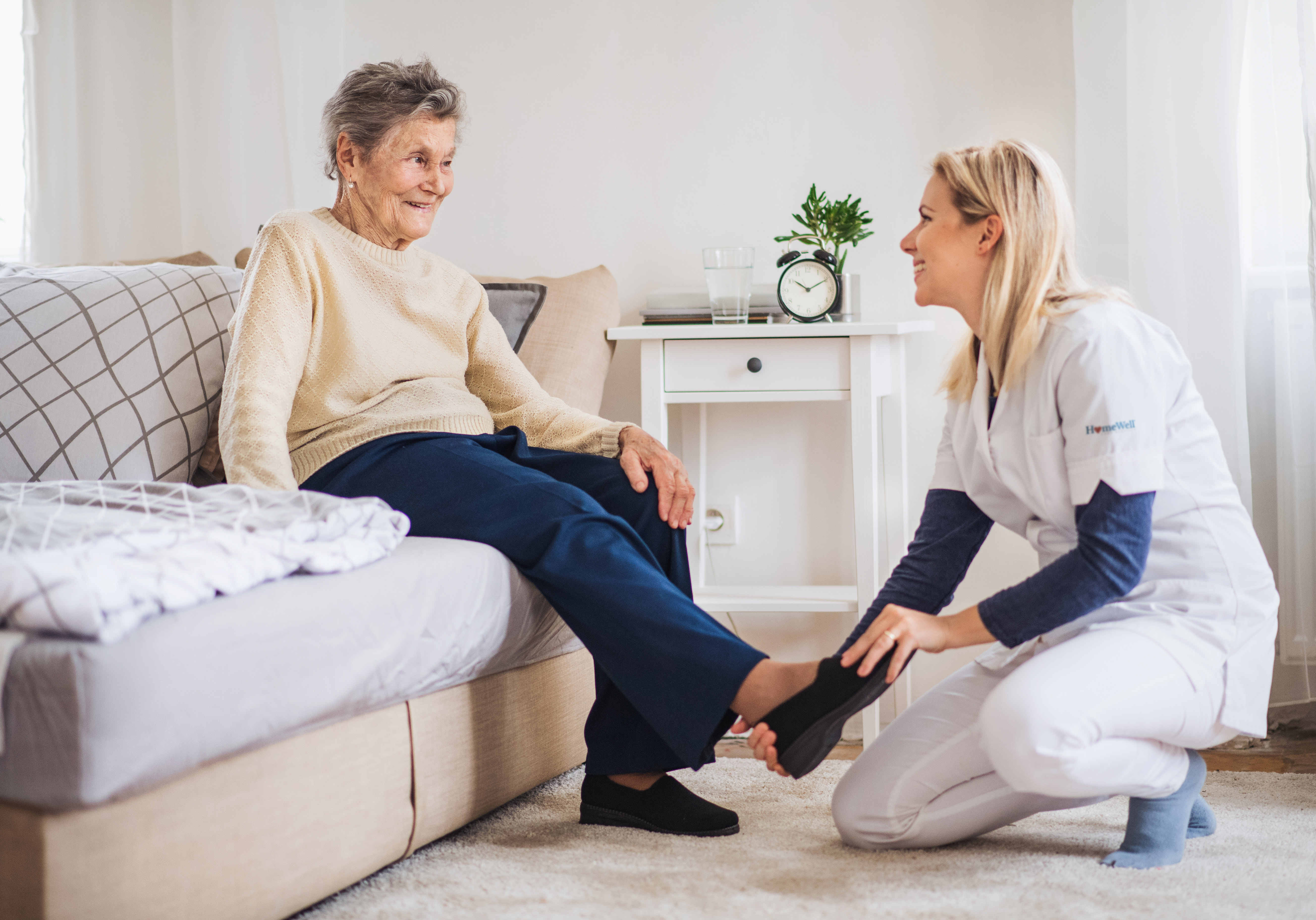
If you or an aging loved one needs help maintaining a healthy lifestyle, getting to doctor’s appointments, or general day-to-day support, HomeWell is here to help. Our caregivers can serve as a reliable extension of your family, keeping a watchful eye and helping with everyday tasks for a healthier, happier life at home.
Disclaimer: The content provided in this blog is for informational purposes only and is not intended as medical advice, diagnosis, or treatment. Always seek the guidance of a qualified healthcare professional with any questions you may have regarding a medical condition.
Sources
- Zhao, E., Crimmins, E. M. (2022, June 14). “Mortality and morbidity in ageing men: Biology, lifestyle, and environment.” Reviews in Endocrine and Metabolic Disorders. https://link.springer.com/article/10.1007/s11154-022-09737-6#Sec5
- Giorgianni, S. J., & Henry, R. K. (2025, December 6). “A Window of Opportunity to Address the Critical Issue of U.S. Male Longevity and Disease Burden Gaps: A Call for U.S. Federal Oversight.” American Journal of Men’s Health. https://pmc.ncbi.nlm.nih.gov/articles/PMC12682996/
- Baker, P., Dworkin, S. L., Tong, S., Banks, I., Shand, T., & Yamey, G. (2014, March 6). “The men’s health gap: men must be included in the global health equity agenda.” Bulletin of the World Health Organization. https://pmc.ncbi.nlm.nih.gov/articles/PMC4147416/
- Olsson, R. (2023, January 19). “6 Conditions That Affect Men More Than Women.” Banner Health. https://www.bannerhealth.com/healthcareblog/teach-me/men-vs-women-how-gender-affects-health

- To view the original version of this article visit homewellcares.com/in-home-care-fl-sarasota-fl180/blogs/mens-health-month-the-importance-of-preventive-care/
- Seniors Blue Book was not involved in the creation of this content.
Other Articles You May Like
How to Choose the Right Senior Living Option for Your Changing Needs
Choosing a senior living community is an important decision. For some older adults, the move may be driven by a desire for a more active social lifestyle, while others may be looking for additional support with everyday tasks or healthcare needs.The right senior living option today may not necessarily be the right option several years from now. As we age, our health, mobility, interests, and care needs can change. Planning for those changes can make the transition easier and help seniors maintain a fulfilling lifestyle.Understanding the different types of senior living and thinking about both current and future needs can help seniors and their families make a confident decision.Start by Assessing Your Current NeedsBefore visiting senior living communities, take some time to consider what kind of support is needed right now.Ask questions such as: Is the senior comfortable managing a home independently? Are household chores becoming difficult? Is transportation becoming a concern? Can the senior safely prepare meals? Is assistance needed with bathing, dressing, or medications? Are there concerns about falls or mobility? Would more opportunities for social interaction be beneficial? Are there memory or cognitive concerns? Being honest about current challenges can help narrow down the most appropriate options.Consider Independence and LifestyleNot every senior who moves into a retirement community needs daily assistance. Some older adults choose community living because they want fewer household responsibilities, more social opportunities, or convenient access to activities and amenities.Independent or residential living may be a good choice for seniors who can manage most daily activities on their own but would enjoy: Maintenance-free living Dining options Fitness and wellness activities Social events Clubs and interest groups Educational programs Outdoor spaces Opportunities to meet new friends The goal is to find a lifestyle that supports independence while providing opportunities to remain active and engaged.Understand Personal Care and Assisted LivingAs everyday tasks become more difficult, a senior may benefit from personal care or assisted living.These settings can provide assistance with activities of daily living while still encouraging residents to remain as independent as possible.Depending on the community, support may include assistance with: Bathing and grooming Dressing Personal hygiene Medication management Mobility Meals Other everyday activities Personal care may be appropriate when a senior needs more support than independent living can provide but does not require the intensive medical care offered in a healthcare setting.Know When Memory Care May Be AppropriateFor seniors living with Alzheimer's disease or another form of dementia, specialized memory care may be an important consideration.Memory care communities are designed around the unique needs of individuals experiencing cognitive changes. They may offer structured routines, specialized activities, secure environments, and staff trained to support people living with dementia.Signs that a senior may need more specialized memory support can include: Increasing confusion Getting lost or wandering Difficulty managing medications Problems with everyday tasks Significant changes in behavior Increased safety concerns Difficulty living independently Families should discuss concerns with appropriate healthcare professionals when determining what level of support is needed.Rehabilitation May Be Part of the JourneySenior living needs can change temporarily as well as permanently.An illness, surgery, injury, or hospital stay may leave an older adult needing rehabilitation before returning home or resuming their previous routine.Rehabilitation may include physical, occupational, or speech therapy depending on the individual's needs.When evaluating a senior living community, families may want to ask whether rehabilitation services are available and how the community supports residents following an illness or injury.Think About Future Healthcare NeedsOne of the most important questions to ask is not simply, "What do I need today?" but also, "What might I need in the future?"A senior may currently live independently but eventually need personal care, memory support, rehabilitation, or skilled healthcare.A community that offers multiple levels of care can provide greater flexibility if needs change. Instead of having to search for a completely new community during a stressful time, residents may have access to additional services within the same organization or campus.This type of planning can be particularly valuable for couples whose care needs may develop at different rates.Look at the Community's Approach to IndependenceThe amount of support provided is important, but so is the way that support is provided.A good senior living community should recognize that residents are individuals with their own preferences, routines, interests, and goals.Ask how the community encourages residents to remain independent. Find out whether residents have choices about meals, activities, schedules, and social opportunities.The goal should be to provide assistance where it is needed without taking away opportunities for independence.Consider Social and Emotional Well-BeingSenior living is about much more than housing and healthcare. Social and emotional well-being are important parts of quality of life.Look for a community that offers opportunities for residents to build relationships and remain involved.Activities may include: Exercise and fitness programs Arts and crafts Music Educational classes Games Group outings Volunteer opportunities Clubs Social gatherings Community events During a visit, pay attention to whether residents appear engaged and whether the atmosphere feels welcoming.Evaluate Dining and NutritionGood nutrition becomes increasingly important as we age. However, shopping for groceries, preparing meals, and cleaning up can become challenging for some seniors.When touring a community, ask about dining options and how meals are handled.Consider: Variety of menu choices Nutritional options Special dietary needs Dining schedules Private or communal dining Snacks and beverages Flexibility for individual preferences Mealtimes can also provide valuable opportunities for social connection.Think About LocationLocation is another important consideration. A community that is close to family and friends may make it easier for loved ones to visit regularly.Consider proximity to: Family members Friends Healthcare providers Shopping Places of worship Favorite restaurants Cultural and recreational activities A convenient location can help seniors maintain connections with the people and places that are important to them.Tour More Than One CommunityPhotos and websites can provide useful information, but nothing replaces an in-person visit.When touring a senior living community, pay attention to the overall atmosphere. Are residents interacting with one another? Do staff members seem friendly and attentive? Are common areas clean and comfortable?Ask questions and take notes. If possible, visit at different times of day to get a better understanding of the community's daily routine.Ask About Costs and ContractsFinancial considerations are an essential part of choosing senior living.Costs can vary significantly depending on the type of residence, services, care level, and contract structure.Before making a decision, ask for a clear explanation of: Entrance fees, if applicable Monthly fees Additional care costs Dining costs Transportation Healthcare services Therapy or rehabilitation What happens if care needs increase What services are included in the agreement Understanding the financial commitment ahead of time can help prevent surprises later.Consider a Community With Multiple Levels of CareFor many families, a community that offers several levels of living and care can provide an added sense of security.A senior may enter as an independent resident and later receive additional assistance if needed. Having different services available in one community can make future transitions more manageable.This is one reason Continuing Care Retirement Communities, also known as Life Plan Communities, can be attractive to seniors who want to plan for changing needs while maintaining a familiar home and community environment.Make the Decision With the Senior, Not Just For ThemPerhaps the most important part of choosing senior living is making sure the older adult has a voice in the decision.Whenever possible, involve the senior in conversations, tours, financial planning, and decisions about lifestyle and care.Discuss what matters most to them. They may prioritize privacy, activities, dining, location, gardening, fitness, friendships, or being close to family.A senior living decision is much more likely to feel positive when the individual feels heard and involved.Planning Today Can Make Tomorrow EasierChoosing the right senior living option doesn't have to mean predicting exactly what will happen in the future. Instead, it means understanding current needs, considering potential changes, and choosing an environment that provides appropriate options.The right community can offer independence, social connection, wellness opportunities, and access to additional support when it is needed.Whether you're considering independent living, personal care, memory care, rehabilitation, or a community offering multiple levels of care, taking time to research your choices can help you and your family feel more prepared.Landis Homes provides a range of living and care options designed to support older adults through different stages of life. Exploring senior living options early allows you to focus not only on where you may live today, but also on how a community can support your changing needs in the years ahead.
The Benefits of Living in a Continuing Care Retirement Community
Planning for the future is an important part of enjoying retirement. While many older adults begin retirement in good health and with an active lifestyle, their needs may change over time. One of the challenges of planning ahead is determining where to live and how future care needs will be addressed.A Continuing Care Retirement Community (CCRC), also known as a Life Plan Community, can provide a solution by offering multiple levels of senior living and care within one community.Rather than having to move to a completely different location if care needs change, residents may have access to additional services and care options within the same community. This can provide convenience, flexibility, and peace of mind for seniors and their families.What Is a Continuing Care Retirement Community?A Continuing Care Retirement Community is a senior living community designed to provide different levels of housing and care as a person's needs change.Depending on the community, services may include: Independent or residential living Personal care or assisted living Memory or dementia care Skilled nursing or healthcare Rehabilitation and therapy Wellness and supportive services The specific services and financial arrangements vary from one community to another. However, the overall goal is to create a setting where seniors can remain part of the same community while receiving an appropriate level of support as their circumstances change.Plan for the Future While Enjoying Retirement TodayOne of the biggest advantages of a CCRC is the ability to plan.Many seniors move into a continuing care community while they are still independent and active. They can enjoy the lifestyle, amenities, activities, and social opportunities available today while knowing that additional care options may be available in the future.Planning ahead can be less stressful than waiting until a health crisis or urgent care need forces a family to make a quick decision.Maintain IndependenceMoving into a CCRC does not necessarily mean giving up independence.Many residents begin in independent or residential living, where they maintain their own routines and make decisions about how they spend their time.They may enjoy: Private residences or apartments Dining options Fitness and wellness programs Social activities Clubs and interest groups Educational opportunities Outdoor spaces Community events Residents can remain active and independent while having additional resources available when they need them.Access to Multiple Levels of CareAnother significant benefit is having access to different types of care within the same overall community.A senior may be completely independent when they move in but eventually require additional assistance with everyday activities. Later, they may need rehabilitation or a higher level of healthcare.Having these options available within one community can make transitions easier for both residents and their families.It is important to understand that not every CCRC offers the same services, so prospective residents should ask about the levels of care available and how transitions between them are handled.Less Need for Major MovesMoving can be physically and emotionally challenging, particularly for older adults.A change in health may sometimes require a senior to leave a longtime home and relocate to an assisted living community, memory care facility, or skilled nursing facility.A continuing care community can reduce the likelihood of needing to relocate to an entirely different organization when care needs change.Remaining within a familiar community may allow seniors to maintain relationships with friends, staff, and neighbors even if their living arrangements or level of care changes.Opportunities for Social ConnectionSocial connection is an important part of a fulfilling retirement. Living in a community with other older adults can create many opportunities to meet people and develop friendships.Residents may participate in: Group meals Fitness activities Arts and crafts Educational programs Games and social gatherings Clubs and special-interest groups Volunteer opportunities Community events Having activities and social opportunities close to home can make it easier for residents to remain engaged and active.Wellness Can Be Part of Everyday LifeMany continuing care communities emphasize wellness rather than focusing only on healthcare.Wellness programs may include exercise, fitness classes, educational programs, recreational activities, nutrition resources, and opportunities for social engagement.This holistic approach recognizes that healthy aging involves more than medical care. Physical activity, mental stimulation, meaningful relationships, and enjoyable experiences can all contribute to quality of life.Peace of Mind for FamiliesA CCRC can provide peace of mind not only for residents but also for their families.Adult children often worry about what will happen if their parents' needs change. Knowing that additional care options may be available within the community can make future planning easier.Families can also feel more comfortable knowing that their loved one is living in an environment designed specifically for older adults and that additional support may be available if circumstances change.Couples May Have More OptionsCouples sometimes face a difficult situation when one spouse needs more care than the other.In a continuing care community, there may be opportunities for spouses to remain connected even if their individual care needs are different.One spouse may continue living independently while the other receives additional assistance or healthcare. The specific options depend on the community, but having multiple levels of care in one location can provide greater flexibility for couples.A Sense of CommunityA continuing care retirement community can offer more than housing and healthcare. It can become a place where residents build relationships and develop a sense of belonging.Neighbors may become friends. Staff members may become familiar faces. Shared meals, activities, celebrations, and everyday interactions can create a strong community atmosphere.For many seniors, this sense of connection is one of the most meaningful aspects of community living.What Should You Consider When Choosing a CCRC?Not every continuing care retirement community is the same. Before making a decision, seniors and their families should take time to learn about the community and its services.Consider asking: What levels of living and care are available? What services are included in the monthly fees? How are additional care services priced? What types of residences are available? What happens if a resident's care needs change? Are healthcare and rehabilitation services available? What activities and wellness programs are offered? What dining options are available? How does the community support social engagement? What financial arrangements and contracts are offered? Taking a tour and talking with residents can also provide valuable insight into what daily life is really like.Planning Ahead Can Make the Future EasierOne of the most important advantages of a Continuing Care Retirement Community is the opportunity to think about tomorrow while still enjoying today.Seniors can choose a community that fits their current lifestyle while considering how their needs may change over time. Instead of making decisions during a crisis, families can have a plan in place before additional care becomes necessary.A CCRC can provide a combination of independence, community, wellness, and access to different levels of careall within one setting.For seniors looking for a retirement lifestyle that offers both freedom today and options for tomorrow, a Continuing Care Retirement Community may be worth considering.Landis Homes offers a community where older adults can experience the benefits of senior living while having access to a continuum of services and care. Exploring your options early can help you make an informed decision about the next chapter of your life.
Why Social Connection Is So Important for Seniors
As we age, staying socially connected can become just as important as staying physically active. Friendships, family relationships, community involvement, and regular social activities can bring joy and purpose to everyday life.Retirement and other life changes can sometimes reduce opportunities for social interaction. Children may live farther away, friends may move or pass away, and health or mobility changes may make it harder to participate in activities outside the home.For these reasons, finding meaningful ways to stay connected is an important part of healthy aging. Social connection can support emotional well-being, encourage an active lifestyle, and help seniors continue to feel a strong sense of belonging.Social Connection Can Help Reduce LonelinessLoneliness can affect anyone, but older adults may experience changes in their social networks as they age. Spending too much time alone can leave a senior feeling disconnected from family, friends, and the community around them.Regular social interaction provides opportunities to talk, laugh, share experiences, and simply enjoy another person's company.Even simple activities such as having coffee with a friend, eating a meal with others, attending a group activity, or taking a walk together can help a senior feel more connected.Friendships Give Seniors a Sense of BelongingFriendships remain important throughout life. Having people to talk with and share experiences with can provide comfort and companionship.Senior living communities can provide opportunities to develop new friendships while maintaining existing relationships. Shared meals, social gatherings, clubs, classes, and recreational activities give residents natural opportunities to meet people with similar interests.Making new friends can help a senior feel that they are part of a community rather than living in isolation.Social Activities Can Provide a Sense of PurposeHaving something to look forward to can make a meaningful difference in a person's daily life. Social activities give seniors opportunities to participate, contribute, and remain involved.For example, a senior might: Volunteer in the community Participate in a hobby group Attend an educational class Help organize an activity Join an exercise or walking group Enjoy music, games, or crafts with others Participate in community events These activities can provide structure while encouraging seniors to continue exploring their interests.Staying Connected Can Encourage Physical ActivitySocial interaction and physical activity often go hand in hand. Seniors may be more motivated to take a walk, attend an exercise class, or participate in an outdoor activity when they know friends will be joining them.Being active with others can make exercise more enjoyable and less like a chore.Regular movement is an important part of maintaining strength, balance, mobility, and independence as we age. Social activities that incorporate movement can provide both physical and social benefits.Social Engagement Keeps the Mind ActiveConversations, games, classes, hobbies, and other social activities can provide opportunities for seniors to think, learn, communicate, and solve problems.Trying something new or participating in a discussion with others can help keep everyday life interesting and mentally stimulating.Lifelong learning can also be an enjoyable way for older adults to meet people while exploring new interests or continuing to develop existing ones.Family Connections Remain ImportantWhile friendships and community involvement are valuable, family relationships can also provide an important source of social connection.Regular phone calls, video chats, visits, shared meals, and family activities can help seniors maintain close relationships with children, grandchildren, siblings, and other loved ones.When family members live nearby, visiting in person can be especially meaningful. When distance makes regular visits difficult, technology can help families stay connected between visits.Senior Living Communities Can Create Opportunities for ConnectionOne benefit of a senior living community is the opportunity to live among other people in a similar stage of life.Instead of having to arrange every social interaction, seniors may have activities and opportunities for connection close to home. Dining areas, common spaces, walking paths, fitness programs, educational opportunities, clubs, and community events can make socializing a natural part of daily life.Residents can choose the level of participation that feels right for them. Some may enjoy a busy schedule filled with activities, while others may prefer smaller gatherings and quiet conversations with friends.Staying Connected Can Help Seniors Maintain IndependenceSocial connection is also part of maintaining an active and fulfilling lifestyle. Seniors who remain engaged with others may be more likely to continue participating in hobbies, community activities, exercise, and other interests.Having friends and neighbors nearby can also provide an informal support network. Someone may notice when a friend isn't feeling well, offer encouragement, or simply check in after a difficult day.This sense of community can be especially valuable as circumstances change.It's Never Too Late to Build New RelationshipsSome seniors may hesitate to meet new people after moving to a new community or experiencing major changes in their lives. It can take time to feel comfortable in a new environment.Starting small can help. Saying hello to a neighbor, joining one activity, having a meal with others, or attending a class based on a personal interest can be a good first step.Over time, these small interactions can develop into meaningful friendships.How Families Can Encourage Social ConnectionFamily members can play an important role in helping an older loved one remain socially active.Consider encouraging a senior to: Stay in regular contact with family and friends Participate in activities they enjoy Explore new hobbies Attend community events Volunteer when possible Join an exercise or walking group Try a class or educational program Consider a senior living community if living alone has become isolating Most importantly, listen to what the senior wants. Social connection should be meaningful to the individual rather than simply adding more activities to their schedule.A Connected Life Can Be a Fulfilling LifeGrowing older brings many opportunities to enjoy new experiences, relationships, hobbies, and interests. Staying socially connected can help seniors maintain a sense of belonging and purpose while making everyday life more enjoyable.Whether through family, friendships, volunteering, lifelong learning, hobbies, or a senior living community, there are many ways older adults can remain connected.At Landis Homes, opportunities for community, friendship, wellness, learning, and meaningful engagement can be an important part of the senior living experience. Finding the right environment can help older adults continue living an active and connected life while building relationships and enjoying each new chapter.
Local Services By This Author

Homewell Care Services Manatee County
Home Health 415 Manatee Ave East, Bradenton, Florida, 34208We know there is no place like home. That's why we bring the highest quality of care right to your front door. With a personalized care management approach and a dedicated team of compassionate caregivers, you can expect more from HomeWell. Please call us at 941-303-5642 for more information.
Homewell Care Services
Non-Medical 2650 Bahia Vista St STE 205,, Sarasota, Florida, 34239At HomeWell, we address the immediate needs of our clients while anticipating future challenges to bolster and protect their well-being as they age. We are dedicated to the long-term effects of a masterfully crafted care planone that is both purposeful and proactive. HomeWell is not your average home care agency. With innovative Signature Programs, highly personalized and specialized services, and a culture that prioritizes your peace of mind, you can count on us to bring exceptional care and companionship right to your front door. As we age or face an injury, disability, or chronic condition, simple responsibilities around the home and taking care of our physical health can sometimes become too much to handle alone. However, with the right support, many of these everyday tasks can still be manageable and less overwhelming.HomeWells Personal Care services are designed specifically to meet the needs of individuals who can function on their own but require extra assistance with certain aspects of daily life. Our personalized care plans take into account the emotional and social needs of aging in place while providing additional support for activities of daily living. This approach alleviates the burdens of solitude, enhances safety, and offers assistance in navigating the complexities of life at home. Please call us at 941-303-5642 for more information. Please call us at 941-303-5642 for more information.

Homewell Care Services Manatee County
Non-Medical 415 Manatee Ave East, Bradenton, Florida, 34208We know there is no place like home. That's why we bring the highest quality of care right to your front door. With a personalized care management approach and a dedicated team of compassionate caregivers, you can expect more from HomeWell. Please call us at 941-303-5642 for more information.