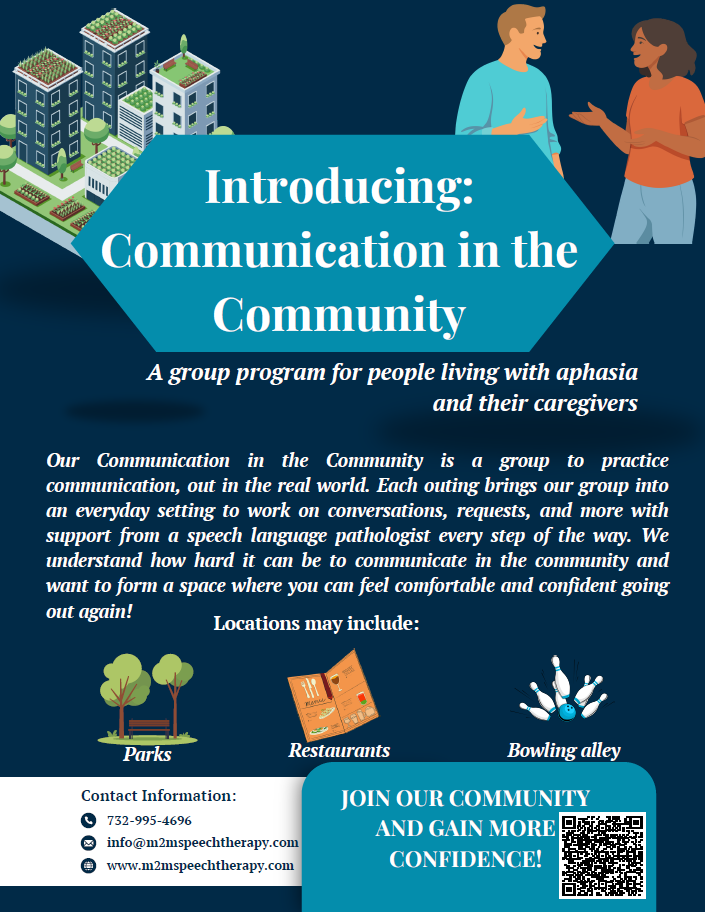
Mind2Mouth Speech Therapy Launches a New Aphasia Program for Adults
Mind2Mouth Speech Therapy
For more information about the author, click to view their website: Mind2Mouth Speech Therapy
Aug 25, 2026
New Jersey - Ocean & Monmouth Counties

Email US
Click to Email Us
Other Articles You May Like
Personalized Senior Service in Mobile, AL
For an older driver, a vehicle repair can affect the entire week. Without the car, it may be harder to reach appointments, buy groceries, or visit family. The concern is often as much about understanding the repair and planning transportation as it is about the mechanical problem itself. What personalized service means for vehicle carePersonalized service involves clear discussion of the customers vehicle, priorities, schedule, and decisions. For an older adult, that can mean asking for an explanation in everyday language or involving a trusted family member with permission.The listing category does not establish a medical service, driving assessment, or special senior benefit. Ask directly about any accommodation, transportation arrangement, or discount rather than assuming one is available.Begin with the problem you have noticedWrite down the vehicles year, make, model, and the concern. Describe when a noise, warning light, or performance issue occurs and whether the problem is constant or intermittent.You do not need to diagnose the cause. A specific description helps the shop understand what to investigate. Include recent repairs and maintenance records when available, especially if the current issue may relate to earlier work. Gulf Coast AutoTech in MobilePhone: 251-345-6470 Location: 3742 Halls Mill Road, Mobile, AL 36693The shops website describes diagnostic work and repairs involving check-engine concerns, brakes, engine performance, drivetrain issues, and other vehicle systems. It also discusses diagnostic equipment for Ford vehicles and tools for other makes. Ask whether the shop handles your specific vehicle and concern. An organizations broad service description does not establish that every repair, warranty situation, or specialized system can be addressed there.Understand diagnosis before approving repairsThe official website describes scheduling diagnosis and repair separately to manage time without the vehicle. Ask how that process would apply to your appointment and whether diagnostic charges are separate from repair charges.Request an explanation of what the inspection found, what further work is proposed, and what remains uncertain. If the issue requires additional investigation, ask how that will be approved and priced.Questions to ask include:What is the diagnosis or next diagnostic step?What work is included in the estimate?Are parts, labor, fees, and taxes clearly identified?Who must authorize changes or additional work?What completion time is currently expected?Make communication work for the customerTell the shop how you prefer to receive updates and ask whether important information can be provided in writing. If a family member will help discuss the estimate, clarify who owns the vehicle and who may authorize work.Avoid having several people give separate instructions. Choose one primary contact and a backup so approval, payment, and pickup arrangements remain clear.If you need more time to review an estimate, say so and ask what options exist. Request clarification of unfamiliar terms rather than approving work you do not understand.Plan transportation before leaving the carAsk whether diagnosis requires leaving the vehicle and how long the initial visit may take. Confirm whether the schedule is an estimate and how delays are communicated.Arrange a ride that fits the actual drop-off and pickup plan. Do not assume the shop provides a shuttle, loaner vehicle, or pickup service unless it confirms that arrangement.Ask about the vehicles use while waitingIf parts must be ordered or a later repair is recommended, ask the technician what instructions apply to using the vehicle in the meantime. Do not assume that scheduling a later appointment means continued driving is appropriate.If you are unsure whether the vehicle can be brought in normally, describe the concern when calling and ask how to arrange arrival. Follow professional instructions for transport rather than trying to test the problem yourself.Review the finished work and recordsAt pickup, request an explanation of completed work, any remaining concerns, and any follow-up instructions. Review the invoice against the approved estimate and ask about differences before leaving.Ask what warranty terms apply to the parts and labor and how to report a recurring concern. Keep the invoice with the vehicles service history so another family member or future technician can see what was done.For recommended maintenance, ask which items are urgent, which are preventive, and what information supports the recommendation. Use the vehicles records and manufacturer guidance in the discussion rather than relying on memory alone.Why personalized vehicle service matters locally in MobileFor many Mobile households, the family vehicle supports healthcare visits, shopping, and social connections. A repair plan that includes communication and transportation is easier to manage than an unexpected period without a car.Relatives helping an older driver should consider the actual travel involved, including appointments in different parts of the county or across Mobile Bay. Identify the trips that need a backup while service is underway.Gulf Coast weather can affect schedules. Confirm how the shop communicates changes, keep contact information available, and avoid planning an essential appointment around an unconfirmed repair completion time.How to get started1. Record the vehicle details, symptoms, and relevant service history.2. Call Gulf Coast AutoTech at 251-345-6470 to discuss the concern.3. Confirm whether the shop handles the vehicle and how diagnosis is scheduled.4. Ask about charges, estimates, authorization, and expected timing.5. Arrange transportation and identify the authorized contact.6. Review the completed work, invoice, and follow-up instructions at pickup.Practical tip: Keep a small vehicle folder with service invoices and a note showing preferred contacts. Bring it to appointments so explanations and past repairs are easier to review. Related categoriesSenior TransportationPersonalized Senior Services Transportation Planning Resources
Care Management - Nonprofit in Mobile, AL
When several people help an older adult, an important task can still fall through the cracks. One relative handles groceries, another schedules appointments, and a neighbor checks in. The family may have plenty of goodwill but no shared understanding of what support is needed or which services might be available.Care management can help organize those questions. For people exploring nonprofit care management in Mobile, AL, AgeSouth offers a route into public aging and disability resources, including program-specific case management. The first step is learning what assistance fits the persons needs and what requirements apply.What care management meansCare management generally involves identifying needs, planning support, coordinating services, and reviewing whether arrangements remain appropriate. Organizations use the term differently, so ask what a particular program provides and who will be responsible for follow-up.Public and nonprofit resource systems may offer screening, options counseling, or case management through specific programs. Those services should not be assumed to include continuous personal assistance, medical treatment, or an unrestricted private care manager for every caller.Recognize when coordination is the missing pieceA family may need coordination when tasks overlap, instructions are unclear, or support changes from week to week. Start by listing the responsibilities involved: meals, personal care, household needs, transportation, medicines, and communication with healthcare professionals.Mark which tasks are covered reliably and which are not. Include the older adults priorities and willingness to accept help. This gives a resource professional a clearer picture than a general statement that the family is overwhelmed. AgeSouths role in care coordinationPhone: 251-706-4680 AgeSouths official Medicaid waiver information describes the Elderly and Disabled Waiver as serving eligible older adults and people with disabilities at risk of nursing facility placement. Case managers develop person-centered plans based on medical needs. Depending on the plan, services may include personal care, homemaker assistance, respite, adult day health, companion services, or home-delivered frozen meals. The same page describes the Alabama Community Transition program for qualifying people leaving nursing facilities for home or community settings, and Personal Choices as a self-directed service option. Ask which program, if any, warrants screening for your situation. A service mentioned in a program description is not automatically available to every applicant.Clarify eligibility and the path to enrollmentAgeSouth states that its Medicaid waiver services require financial and medical eligibility and are provided at no cost to qualifying clients. [3] Request current requirements directly rather than applying a general income figure to your household.Ask who completes the assessment, what records are needed, and whether a physician or another professional must provide information. Confirm whether a referral, screening, or application has actually been initiated.Useful questions include:Which program are we discussing?What financial and medical criteria apply?Who completes each part of the review?What happens if the person is not eligible?Are approved services subject to availability or a waiting list?Establish who does whatIf the person enrolls in a program, ask how the plan identifies responsibilities. Clarify what the case manager coordinates, what a service provider delivers, and what remains the familys responsibility.Request instructions for reporting a missed visit, a change in needs, or a concern about the plan. Ask who handles questions outside ordinary office hours and which issues should go directly to the treating healthcare professional.Keep a current list of the organizations involved. Record the service, contact person, schedule, and method for reporting changes. This reduces the chance that family members assume someone else has made a necessary call.Build a plan around the persons dayCoordination works best when it reflects actual routines. Explain when assistance is most important and whether the person is alone during certain periods. Mention access issues, such as steps, pets, or instructions for entering the home.Include what the person can and wants to do independently. A support plan should describe where help is needed without overlooking abilities, preferences, and familiar ways of doing things.Review the arrangement when circumstances changeHospital care, a caregivers illness, or a change in mobility may affect the plan. Ask how reassessment works and what information the program needs when circumstances change.Avoid treating the original service schedule as permanent. Keep notes about uncovered needs and discuss them with the responsible professional. Ask what alternatives can be explored if a requested change is not available through the program.Why this matters locally in MobileFor Mobile households, a coordinated plan may need to fit relatives work schedules, travel across the county, and appointments at different offices. Identify who can respond locally if the usual caregiver cannot be there.Give AgeSouth the address where services would occur and explain transportation limitations. If the older adult is moving between a facility and home, describe the proposed destination and the help that will actually be present there.Weather disruptions can also affect schedules. Ask each organization how cancellations and changes are communicated, then create a family backup plan for tasks that cannot wait.How to get started1. List the older adults daily needs, preferences, and current sources of help.2. Call AgeSouth at 251-706-4680 and ask about screening for appropriate coordination or waiver services.3. Request current program requirements and the document checklist.4. Clarify whether your request is an inquiry, assessment, application, or enrollment.5. Review who will coordinate and deliver any approved support.6. Keep the plan and contact information current as circumstances change.Practical tip: Use a weekly calendar to show existing help and uncovered periods. Share it during planning so the discussion focuses on specific needs rather than a general request for more support. Related categoriesArea Agencies on Aging in MobileNon-Medical Home Care Adult Day Services
Stay or Move? How Ocean County Homeowners Over 50 Plan for the Future
Stay or Move? How Ocean County Homeowners Over 50 Can Plan for the FutureFor many adults over 50, home is more than a place to live. It is a connection to neighbors, familiar routines, favorite local businesses, and years of memories. In Ocean County, those connections may also include a favorite stretch of Long Beach Island, a boating community, a neighborhood gathering place, or easy access to family.As retirement approaches or household needs change, homeowners may begin asking an important question: Should I stay where I am, or would another home make life easier?There is no universal answer. Some homeowners can remain comfortably in their existing homes with a few modifications and additional help. Others discover that moving to a smaller property, relocating closer to family, or choosing a different neighborhood better supports their goals.For people considering a move in Manahawkin, Stafford Township, Barnegat, Long Beach Island, and surrounding communities, Carol Grinbaum, Realtor with Better Homes and Gardens Real Estate Murphy & Co., can be a resource for exploring the real estate side of this decision.Aging in Place: When Staying Makes SenseAging in place means remaining in your current home and community as you grow older, adapting the property and arranging services as needed.For homeowners who love their neighborhood, staying may preserve important social connections and reduce the disruption associated with moving.It may also be financially practical, particularly when the mortgage is paid off and the home is in good condition. However, a mortgage-free home is not necessarily inexpensive to maintain. Property taxes, utilities, repairs, insurance, and exterior upkeep can still represent substantial expenses.Evaluate the home itselfWalk through your property with an eye toward present and future convenience.Are the frequently used rooms on one level? Is the entrance easy to navigate? Are the stairs comfortable? Is the bathroom practical? Could better lighting, improved railings, or grab bars make everyday activities easier?A qualified home-modification or accessibility professional can help identify potential improvements.Consider the support you may needRemaining at home can involve more than physical modifications. Homeowners may eventually need assistance with transportation, shopping, housekeeping, meal preparation, or personal care.Think about whether family, friends, community programs, or paid providers could meet those needs if they arise.Ocean County's Office of Senior Services offers information about resources for older residents and caregivers, including transportation and housing-related assistance. Exploring available services can help homeowners understand their options before making a major decision.Review the long-term costPrepare a realistic annual budget for repairs, maintenance, insurance, utilities, and any services you anticipate needing.Compare that figure with the cost of moving to a smaller home. Staying may be the better option, but the comparison should account for both financial costs and the amount of time and effort required to maintain the property.When Moving May Be Worth ConsideringFor some homeowners, the advantages of a new property gradually become more compelling.Perhaps a large yard has become difficult to maintain. Maybe the stairs are inconvenient, the house feels too large, or driving to everyday appointments is no longer appealing.Other homeowners simply want a change. They may be ready to travel more, spend less time on household responsibilities, or live closer to adult children and grandchildren.A move can be a positive lifestyle decision rather than a response to a crisis.Explore a smaller homeA smaller single-family property, condominium, or townhome may reduce certain maintenance responsibilities. Before choosing, investigate what the homeowner remains responsible for and whether any association fees or restrictions apply.Consider a different Ocean County locationA homeowner who loves the Shore may not need to leave the region to find a better-fitting property.Manahawkin and Stafford Township offer mainland locations near Long Beach Island. Barnegat and Waretown may also be worth considering, depending on the buyer's budget, preferred surroundings, and daily routine.The most suitable community will depend on individual priorities. Some people want coastal access; others prefer a quieter residential setting or proximity to family and services.Look at adult communitiesSome adult communities offer shared amenities, recreational facilities, and opportunities to meet neighbors. These features can be attractive to people who want to simplify homeownership while remaining independent.However, an age-restricted residential community is not the same as assisted living or a continuing care retirement community. Buyers should understand the actual services, eligibility requirements, fees, and responsibilities before purchasing.How to Compare Staying and MovingRather than making the decision based on one concern, compare the two options across several areas. Consideration Staying in your current home Moving to another property Familiarity Preserves established routines and neighborhood connections Requires time to adjust to a new environment Maintenance May involve ongoing repairs and yard work May reduce some responsibilities, depending on the property Accessibility May require home modifications Offers an opportunity to choose a more suitable layout Finances Retains existing housing arrangements but requires ongoing upkeep Involves selling and purchasing expenses, plus new ownership costs Location Keeps you close to familiar places May improve access to family, services, or preferred activities Lifestyle Maintains current routines Creates an opportunity to reshape daily life There is no need to decide immediately. Gathering information about both choices can reveal whether a move would provide meaningful benefits.The Role of a Realtor in Future PlanningHomeowners sometimes hesitate to speak with a real estate agent until they are ready to sell. In reality, an early conversation can help them understand the possibilities without committing to a transaction.Carol Grinbaum can be a starting point for discussing a home's potential market value, identifying alternative property types, and exploring neighborhoods throughout Ocean County.A useful conversation might include: What might the current home sell for in today's market? Which repairs or improvements, if any, could be worthwhile before listing? What smaller properties are available in the preferred area? How do the costs of different housing options compare? What timeline would allow the homeowner to move comfortably? Suggested quote for Carol's approval: Planning ahead gives homeowners more choices. Whether you decide to stay or move, understanding your real estate options can help you make a decision that reflects your priorities and the lifestyle you want.A Realtor can provide real estate guidance, but other professionals may be needed to assess specific questions. Financial and tax professionals can help evaluate the financial implications of selling, while healthcare and aging-services professionals can assist with questions about support needs.Make the Decision Before It Becomes UrgentOne of the advantages of planning early is that homeowners can evaluate their options while they have time to make thoughtful choices.Consider these steps: Discuss your priorities. Identify what you most want to preserve about your current home and what you would change. Assess the property. Review maintenance, accessibility, repair needs, and future expenses. Research alternatives. Explore smaller homes and different communities without assuming you must move. Understand your finances. Estimate the cost of staying versus selling and purchasing another property. Build a flexible timeline. Allow time to gather information, consult professionals, and make decisions without unnecessary pressure. For couples, adult children, and other family members, open communication can make planning easier. The homeowner's preferences should remain central, and discussions should focus on practical choices rather than assumptions about age.Frequently Asked QuestionsHow do I know whether to age in place or move?Consider the home's condition, accessibility, maintenance requirements, finances, support network, and preferred lifestyle. Compare the cost and practicality of remaining at home with those of moving.Can I make my current Ocean County home easier to live in?Potential modifications include improved lighting, grab bars, safer entrances, better railings, and other accessibility improvements. A qualified professional can help assess the property and identify suitable changes.Where should I look if I want to move but stay near Long Beach Island?Explore Manahawkin, Stafford Township, Barnegat, Waretown, and other Ocean County communities based on your budget, desired property type, and access to daily services.Will selling my home necessarily reduce my expenses?No. Selling may reduce maintenance or other costs, but the next property could have higher taxes, insurance, association fees, or other expenses. Compare the complete financial picture before deciding.Can I speak with a Realtor before I am ready to sell?Yes. An exploratory conversation can help you understand potential property values, available alternatives, and the steps involved in a future move. You can gather information without committing to a sale.Your Home Should Support the Life You Want to LiveWhether you remain in your longtime home or move to a new property, planning ahead can give you greater flexibility and confidence. For Ocean County homeowners over 50, the decision is an opportunity to consider not only where to live, but how to make the next chapter comfortable, connected, and fulfilling.Visit Carol Grinbaum's Seniors Blue Book listing to learn more about her real estate services and explore options for buying or selling a home in Ocean County, New Jersey.More information: Carol Grinbaum, Realtor Seniors Blue Book Listing
Local Services By This Author

Mind2Mouth At Home Speech Therapy
Home Health , , New Jersey,Mind2Mouth Speech Therapy is a trusted provider of in-home adult speech therapy in Monmouth County, NJ, and parts of Ocean County, specializing in helping seniors and adults improve communication, cognition, swallowing, and independence in the comfort of home. Unlike pediatric-focused practices, Mind2Mouth is dedicated exclusively to adults, making them a valuable resource for older adults recovering from stroke, living with Parkinsons disease, experiencing memory decline, or managing voice and swallowing disorders. Mind2Mouth Speech TherapyTheir personalized services begin with comprehensive speech-language evaluations to assess speech clarity, language skills, memory, attention, swallowing safety, and voice concerns. Every care plan is customized to the clients medical history, daily needs, goals, and lifestyle to create meaningful progress and practical results. Specialized Services Include:Stroke Rehabilitation & Aphasia TherapySupport for adults recovering from stroke with speech, language, reading, writing, and cognitive challenges. Therapy focuses on restoring communication skills and confidence in daily life. Parkinsons Speech TherapyEvidence-based therapy to improve vocal strength, speech clarity, swallowing safety, and communication confidence for individuals living with Parkinsons disease. Owner Alexa Martucci is certified in the SPEAK OUT! Parkinsons program. Cognitive-Communication TherapyTreatment for memory loss, attention deficits, executive functioning, organization, medication management, and problem-solving skills to help seniors remain independent longer. Swallowing Therapy (Dysphagia)Therapy to improve swallowing safety, strengthen muscles used for eating and drinking, and reduce choking risks so clients can enjoy meals with greater confidence.Voice TherapyCare for hoarseness, vocal weakness, vocal fold paralysis, age-related voice changes, and other voice disorders to improve vocal quality, endurance, and strength. Why Families Choose Mind2Mouth Speech Therapy:In-home therapy for convenience and comfortAdult and senior-focused expertisePersonalized one-on-one careFunctional therapy built around real-life goalsMedicare, Horizon BCBS, and Aetna acceptedFree 15-minute consultation available If your loved one is struggling with communication, memory, swallowing, or speech changes after illness or aging, Mind2Mouth Speech Therapy can help.Call today for a free consultation: (732) 995-4696Website: Mind2MouthSpeechTherapy.comServing Monmouth County and surrounding communities.
Mind2Mouth Speech Therapy
Home Health , , New Jersey,Mind2Mouth Speech Therapy is a trusted provider of in-home adult speech therapy in Monmouth County, NJ, and parts of Ocean County, specializing in helping seniors and adults improve communication, cognition, swallowing, and independence in the comfort of home. Unlike pediatric-focused practices, Mind2Mouth is dedicated exclusively to adults, making them a valuable resource for older adults recovering from stroke, living with Parkinsons disease, experiencing memory decline, or managing voice and swallowing disorders. Mind2Mouth Speech TherapyTheir personalized services begin with comprehensive speech-language evaluations to assess speech clarity, language skills, memory, attention, swallowing safety, and voice concerns. Every care plan is customized to the clients medical history, daily needs, goals, and lifestyle to create meaningful progress and practical results. Specialized Services Include:Stroke Rehabilitation & Aphasia TherapySupport for adults recovering from stroke with speech, language, reading, writing, and cognitive challenges. Therapy focuses on restoring communication skills and confidence in daily life. Parkinsons Speech TherapyEvidence-based therapy to improve vocal strength, speech clarity, swallowing safety, and communication confidence for individuals living with Parkinsons disease. Owner Alexa Martucci is certified in the SPEAK OUT! Parkinsons program. Cognitive-Communication TherapyTreatment for memory loss, attention deficits, executive functioning, organization, medication management, and problem-solving skills to help seniors remain independent longer. Swallowing Therapy (Dysphagia)Therapy to improve swallowing safety, strengthen muscles used for eating and drinking, and reduce choking risks so clients can enjoy meals with greater confidence.Voice TherapyCare for hoarseness, vocal weakness, vocal fold paralysis, age-related voice changes, and other voice disorders to improve vocal quality, endurance, and strength. Why Families Choose Mind2Mouth Speech Therapy:In-home therapy for convenience and comfortAdult and senior-focused expertisePersonalized one-on-one careFunctional therapy built around real-life goalsMedicare, Horizon BCBS, and Aetna acceptedFree 15-minute consultation available If your loved one is struggling with communication, memory, swallowing, or speech changes after illness or aging, Mind2Mouth Speech Therapy can help.Call today for a free consultation: (732) 995-4696Website: Mind2MouthSpeechTherapy.comServing Monmouth County and surrounding communities.

Mind2Mouth Speech Therapy- NJ
Speech Therapy , , New Jersey,Mind2Mouth Speech Therapy is a trusted provider of in-home adult speech therapy in Monmouth County, NJ, and parts of Ocean County, specializing in helping seniors and adults improve communication, cognition, swallowing, and independence in the comfort of home. Unlike pediatric-focused practices, Mind2Mouth is dedicated exclusively to adults, making them a valuable resource for older adults recovering from stroke, living with Parkinsons disease, experiencing memory decline, or managing voice and swallowing disorders. M2Mspeechtherapy.comTheir personalized services begin with comprehensive speech-language evaluations to assess speech clarity, language skills, memory, attention, swallowing safety, and voice concerns. Every care plan is customized to the clients medical history, daily needs, goals, and lifestyle to create meaningful progress and practical results. Specialized Services Include:Stroke Rehabilitation & Aphasia TherapySupport for adults recovering from stroke with speech, language, reading, writing, and cognitive challenges. Therapy focuses on restoring communication skills and confidence in daily life. Parkinsons Speech TherapyEvidence-based therapy to improve vocal strength, speech clarity, swallowing safety, and communication confidence for individuals living with Parkinsons disease. Owner Alexa Martucci is certified in the SPEAK OUT! Parkinsons program. Cognitive-Communication TherapyTreatment for memory loss, attention deficits, executive functioning, organization, medication management, and problem-solving skills to help seniors remain independent longer. Swallowing Therapy (Dysphagia)Therapy to improve swallowing safety, strengthen muscles used for eating and drinking, and reduce choking risks so clients can enjoy meals with greater confidence. Voice TherapyCare for hoarseness, vocal weakness, vocal fold paralysis, age-related voice changes, and other voice disorders to improve vocal quality, endurance, and strength. Why Families Choose Mind2Mouth Speech Therapy:In-home therapy for convenience and comfortAdult and senior-focused expertisePersonalized one-on-one careFunctional therapy built around real-life goalsMedicare, Horizon BCBS, and Aetna acceptedFree 15-minute consultation available If your loved one is struggling with communication, memory, swallowing, or speech changes after illness or aging, Mind2Mouth Speech Therapy can help.Call today for a free consultation: (732) 995-4696Website: Mind2MouthSpeechTherapy.comServing Monmouth County and surrounding communities.