Personalized Skilled Nursing Care in Ocean County, NJ
Complete Care - Ocean/Monmouth/Middlesex Multiple Locations
For more information about the author, click to view their website: Complete Care at Shorrock Gardens
Oct 14, 2026
New Jersey - Ocean & Monmouth Counties

Email US
Click to Email Us
Personalized Skilled Nursing Care in Ocean County, NJ
As older adults experience changing health needs, families may begin exploring care options that offer more medical support than can be provided at home. Chronic illnesses, mobility limitations, complex medication schedules, and ongoing nursing requirements can make everyday activities increasingly difficult.
For some seniors, occasional assistance is enough. Others require consistent medical monitoring, professional nursing care, and help with activities such as bathing, dressing, and moving safely.
For families in Ocean County, New Jersey, understanding skilled nursing services can make an important difference when planning appropriate long-term care.
Complete Care at Shorrock Gardens is a skilled nursing facility serving individuals who need professional nursing services, personalized assistance, and a supportive residential care environment.
When evaluating skilled nursing, families should consider not only medical needs but also daily comfort, dignity, communication, and opportunities for meaningful activities.
Understanding how skilled nursing facilities operate can help older adults and their families make informed decisions about healthcare and residential support.
What Is Skilled Nursing Care?
Skilled nursing care refers to medical and nursing services delivered or supervised by appropriately licensed healthcare professionals.
These services are generally intended for individuals who require more extensive clinical support than ordinary residential assistance can provide.
Some people receive skilled nursing temporarily while recovering from an illness or medical procedure. Others need ongoing nursing services because of chronic conditions, disabilities, or significant functional limitations.
Common Skilled Nursing Services
Depending on the facility's capabilities and individual care plans, services may include:
Nursing assessments and monitoring
Medication administration
Chronic condition management
Assistance with personal care
Mobility support
Nutritional services
Wound care when available and medically indicated
Coordination with physicians
Rehabilitation services when appropriate
Long-term residential assistance
Care planning and reassessment
The specific services provided should reflect the resident's medical condition and individualized needs.
Why Skilled Nursing Matters in Ocean County
Ocean County, New Jersey, is home to a substantial population of older adults.
Many residents have established close relationships with family members, friends, healthcare professionals, and community organizations.
As people age, some eventually need a higher level of medical supervision or ongoing assistance with everyday activities.
Skilled nursing facilities help address these needs by combining residential support with professional nursing services.
The Benefits of Local Skilled Nursing
Choosing a skilled nursing facility within Ocean County may make it easier for families to:
Visit regularly
Participate in care planning discussions
Communicate with healthcare professionals
Attend important meetings
Monitor changes in care needs
Maintain family relationships
Provide emotional support
Coordinate ongoing healthcare decisions
Remaining in the same county can be especially meaningful for residents who value familiar relationships and family involvement.
When Should Families Consider Skilled Nursing?
Determining whether skilled nursing is appropriate requires careful consideration.
Not every older adult with a chronic illness needs residential nursing care.
Some individuals can remain safely at home with appropriate services, while others need more consistent medical support.
Signs a Higher Level of Care May Be Needed
Families may notice:
Increasing difficulty managing medications
Frequent changes in medical condition
Significant mobility limitations
Ongoing nursing treatment needs
Difficulty completing personal care
Complex chronic illnesses
Repeated hospitalizations
Increased supervision requirements
Greater dependence on family caregivers
These concerns do not automatically mean someone needs nursing home placement.
A healthcare professional should evaluate medical needs, functional abilities, safety, and available support.
The Importance of Individualized Care Planning
Every resident has different healthcare needs.
Two people with similar medical diagnoses may require different levels of assistance.
For example, one individual with arthritis may need help bathing and dressing, while another remains physically independent but requires regular nursing assessments.
A personalized care plan considers the complete situation.
What a Care Plan May Include
Medical history
Current diagnoses
Medication requirements
Nursing treatments
Mobility and balance
Nutrition
Personal care needs
Cognitive abilities
Emotional well-being
Rehabilitation goals
Resident preferences
Why Regular Assessments Matter
Health conditions can change over time.
A resident may develop new symptoms, recover from an illness, or experience changes in mobility.
Care plans should be reviewed and updated as needed.
Families can ask Complete Care at Shorrock Gardens how assessments are performed, how often care plans are discussed, and how residents participate in decisions.
Nursing Care and Medical Monitoring
Professional nursing services are a central part of skilled nursing care.
Licensed nurses may provide assessments, administer prescribed treatments, and monitor residents for changes in condition.
Nursing Responsibilities May Include
Monitoring vital signs
Administering medications
Observing changes in symptoms
Coordinating prescribed treatments
Communicating with physicians
Addressing nursing concerns
Supporting personal care
Documenting clinical observations
Families should confirm the facility's licensed nursing coverage, staffing arrangements, and ability to manage their loved one's specific medical needs.
Why Communication Between Professionals Matters
A resident's health can be affected by several conditions at once.
For example, medications prescribed for one illness may influence balance, appetite, or alertness.
Coordinated communication helps healthcare professionals consider how different treatments and conditions interact.
Managing Chronic Health Conditions
Many older adults entering skilled nursing facilities have medical conditions that require ongoing treatment.
Managing several chronic illnesses simultaneously can be especially challenging.
Diabetes
Diabetes may require medication administration, blood glucose monitoring, nutritional planning, and regular medical evaluation.
Heart Disease
Individuals with heart conditions may need symptom monitoring, medication management, and coordination with healthcare providers.
Arthritis
Arthritis can affect mobility, comfort, and everyday tasks such as bathing, dressing, and walking.
Neurological Conditions
Some neurological illnesses affect movement, communication, cognition, or coordination.
Respiratory Conditions
Certain respiratory illnesses require prescribed treatments, monitoring, or assistance with managing symptoms.
A skilled nursing care plan should address each condition while considering the resident's overall health and functional abilities.
Medication Management and Safety
Medication management is an important consideration for older adults with complex healthcare needs.
Some residents take several prescriptions throughout the day.
Others require medications with specific administration or monitoring requirements.
Questions Families Should Ask
Who administers medications?
How are prescriptions reviewed?
What happens when a medication changes?
How are potential side effects monitored?
How are missed doses handled?
Who coordinates with prescribing providers?
How are family members informed about significant concerns?
Medication administration should follow professional standards and the resident's prescribed treatment plan.
Residents and family members should not independently change medication schedules without appropriate healthcare guidance.
Personal Care Assistance in Skilled Nursing
Healthcare needs often overlap with difficulties completing everyday activities.
A person may have several medical conditions while also needing assistance bathing, dressing, or moving safely.
Skilled nursing facilities can provide personal care support as part of an individualized care plan.
Activities of Daily Living
These commonly include:
Bathing
Assistance with personal hygiene and bathing routines.
Dressing
Support with clothing and grooming.
Eating
Assistance when physical or cognitive limitations affect mealtime activities.
Toileting
Help with bathroom routines and personal hygiene.
Mobility
Support with walking, transferring, and using appropriate mobility equipment.
Preserving Resident Independence
Even when substantial assistance is required, residents should be encouraged to participate in activities they can manage.
Someone who needs help dressing may still choose preferred clothing.
Another resident may require assistance walking while remaining capable of making personal decisions.
Respecting these abilities can help preserve dignity and a sense of control.
Nutrition and Hydration in Long-Term Care
Nutrition is essential to overall health, particularly for older adults managing chronic conditions.
Some residents have dietary restrictions, swallowing difficulties, changes in appetite, or limitations that affect their ability to eat independently.
Nutritional Considerations
Care teams may address:
Individual dietary requirements
Food allergies
Diabetes-related nutritional needs
Hydration
Weight changes
Swallowing concerns
Meal assistance
Personal food preferences
Families should ask how Complete Care at Shorrock Gardens evaluates nutritional needs and coordinates dietary services.
Why Mealtime Comfort Matters
Meals also provide daily structure and opportunities for social interaction.
Residents should have appropriate assistance while maintaining personal preferences whenever medically possible.
Mobility and Fall Prevention
Mobility limitations can affect an older adult's safety and independence.
Reduced strength, balance concerns, medication effects, and certain medical conditions may increase fall risk.
Helpful Safety Considerations
A care plan may include:
Mobility assessments
Appropriate assistive devices
Safe transfer techniques
Supervised movement when needed
Environmental safety measures
Medication reviews
Rehabilitation recommendations
A fall prevention plan should reflect the resident's abilities rather than apply the same restrictions to everyone.
No facility can eliminate every fall risk, but individualized assessment and appropriate assistance are important.
Emotional Well-Being and Social Connection
Older adults receiving skilled nursing care still have interests, relationships, and personal goals.
Medical treatment is only one part of daily life.
Meaningful interaction can support emotional comfort and help residents maintain connections with others.
Activities That May Be Appropriate
Depending on the resident's abilities and the facility's programming, these may include:
Music
Arts and crafts
Reading
Group conversations
Games
Holiday celebrations
Spiritual activities
Familiar hobbies
Family visits
Families should ask about current recreational programming and whether activities can be adapted for residents with mobility or cognitive limitations.
Respecting Personal Preferences
Some people enjoy group activities.
Others prefer quiet conversations or individual hobbies.
A supportive residential environment should recognize these differences.
Supporting Residents With Cognitive Changes
Some skilled nursing residents also experience memory loss or other cognitive challenges.
These conditions may affect communication, orientation, judgment, and daily routines.
Supportive approaches may include:
Familiar schedules
Clear explanations
Appropriate supervision
Assistance with personal care
Calm communication
Meaningful activities
Monitoring changes in behavior
Sudden confusion should always receive prompt medical attention because it may indicate an acute health problem rather than ordinary aging.
Families should confirm whether Complete Care at Shorrock Gardens can meet the specific cognitive and supervision needs of their loved one.
How Skilled Nursing Supports Family Caregivers
Family members often provide extensive assistance before considering residential nursing care.
A spouse may manage medications, meals, mobility, and personal hygiene.
An adult child may coordinate appointments, transportation, and household responsibilities.
As medical needs increase, these tasks may become difficult to manage consistently.
Common Family Caregiving Challenges
Physical exhaustion
Interrupted sleep
Difficulty balancing work and caregiving
Managing several prescriptions
Responding to changes in medical condition
Providing mobility assistance
Concerns about personal safety
Professional nursing care may reduce the amount of direct medical and personal assistance relatives need to provide.
Family Relationships Remain Important
Families can continue participating through:
Regular visits
Telephone calls
Care planning discussions
Sharing personal preferences
Celebrations
Familiar activities
Emotional support
Family involvement should respect the resident's wishes, consent, and privacy rights.
Understanding Short-Term and Long-Term Care
Skilled nursing facilities may serve individuals with different care goals.
Short-Term Skilled Care
Some patients need skilled nursing temporarily following hospitalization, surgery, or acute illness.
Their care may involve nursing treatments and rehabilitation with the goal of returning to a less intensive setting.
Long-Term Residential Care
Other individuals require ongoing support because of chronic medical conditions, disabilities, or significant limitations in daily functioning.
Long-term care may involve continuing nursing oversight, personal assistance, nutritional services, and care planning.
Families should ask which programs and admission options are currently available at Complete Care at Shorrock Gardens.
Skilled Nursing Costs and Insurance Coverage
Understanding payment arrangements is essential before admission.
Costs depend on the type of care, length of stay, medical needs, insurance coverage, and individual eligibility.
Medicare
Original Medicare Part A may cover qualifying short-term skilled nursing facility services when applicable eligibility requirements are satisfied.
However, Medicare generally does not cover long-term custodial care when that is the only service needed.
Medicaid
Medicaid may help pay for qualifying nursing facility care for eligible individuals, subject to financial and medical requirements.
Private Insurance and Other Payment Options
Some residents use private insurance, long-term care insurance, or personal funds.
Coverage depends on individual policies.
Questions About Costs
Families should ask:
Which insurance plans are accepted?
Is prior authorization necessary?
What services are included?
Are there deductibles or copayments?
What happens when coverage changes?
Are additional services billed separately?
What is the current private-pay rate?
Request written information about charges and coverage before making admission arrangements.
What to Ask During a Skilled Nursing Facility Tour
Visiting a facility provides an opportunity to better understand the environment and available services.
The visit should focus on clinical suitability, resident comfort, communication, and daily life.
Questions Worth Asking
Nursing care
What nursing services are available throughout the day and night?
Care planning
How are residents assessed, and how often are plans reviewed?
Medical needs
Can the facility manage the individual's specific health conditions?
Personal assistance
How are bathing, dressing, mobility, and other daily needs supported?
Communication
How are family members informed about significant changes?
Dining
How are nutritional needs and personal preferences addressed?
Activities
What opportunities are available for social engagement?
Costs
What is included in the rate, and what additional charges may apply?
Families can also review publicly available licensing and inspection information when comparing nursing facilities.
Expert Tip: Consider Medical Needs and Daily Comfort
Skilled Nursing Tip: Before selecting a skilled nursing facility, prepare a written summary of your loved one's medical conditions, medications, mobility needs, and personal routines. Discuss both clinical services and everyday comfort during the admission process.
A thoughtful care plan should support the whole person, not only address medical diagnoses.
Frequently Asked Questions About Skilled Nursing in Ocean County, NJ
1. What is skilled nursing care?
Skilled nursing care involves medical and nursing services delivered or supervised by licensed healthcare professionals for individuals requiring ongoing clinical support.
2. How is skilled nursing different from assisted living?
Assisted living generally focuses on housing and personal assistance. Skilled nursing provides more extensive nursing and medical oversight for individuals with complex healthcare needs.
3. Can someone receive skilled nursing temporarily?
Yes. Some individuals receive skilled nursing for a limited period after hospitalization or illness. Others need long-term residential care.
4. Does Medicare cover skilled nursing?
Original Medicare may cover qualifying short-term skilled nursing services when eligibility conditions are met. It generally does not cover long-term custodial care alone.
5. What should families ask Complete Care at Shorrock Gardens before admission?
Families should confirm nursing services, staffing, admission requirements, medical capabilities, current availability, insurance participation, and costs.
Explore Skilled Nursing at Complete Care at Shorrock Gardens
Choosing skilled nursing is an important decision that requires attention to medical needs, personal comfort, safety, and quality of life.
For families throughout Ocean County, New Jersey, Complete Care at Shorrock Gardens is a skilled nursing option to consider when exploring professional nursing services and residential support.
Understanding the available care arrangements, admission requirements, and ongoing services can help families make informed decisions.
Learn More About Complete Care at Shorrock Gardens
Looking for skilled nursing care in Ocean County, New Jersey?
Visit Complete Care at Shorrock Gardens on SeniorsBlueBook.com to explore its skilled nursing listing and connect with the facility.
Taking time to ask questions and review the available options can help families find a care arrangement that reflects their loved one's individual needs, dignity, and well-being.
Other Articles You May Like
Personalized Skilled Nursing Care in Monmouth County, NJ
Personalized Skilled Nursing Care in Monmouth County, NJAs people grow older, their healthcare needs may change in ways that make everyday life more challenging. Some seniors continue living independently with occasional assistance, while others require professional nursing services, medical monitoring, and help with daily activities.Managing chronic health conditions, coordinating medications, and responding to changes in mobility or physical abilities can become increasingly difficult for older adults and their families.When care needs become more complex, skilled nursing facilities may provide an appropriate environment for ongoing medical attention and residential support.For families throughout Monmouth County, New Jersey, understanding skilled nursing services is an important part of making informed decisions about long-term healthcare.Complete Care at Ocean Grove NJ provides skilled nursing and long-term care services designed to support individuals with medical conditions, functional limitations, and ongoing personal care needs.Through nursing services, individualized care planning, assistance with daily activities, and access to rehabilitation when appropriate, the facility focuses on supporting residents' comfort, dignity, and quality of life.Understanding how skilled nursing works can help families determine whether this level of care may be suitable for their loved one's needs.What Is Skilled Nursing Care?Skilled nursing care involves medical services delivered or supervised by licensed healthcare professionals.These services are intended for individuals whose health conditions require professional nursing assessment, treatment, or monitoring.Unlike assisted living, which generally emphasizes personal assistance and residential support, skilled nursing facilities can provide more extensive medical services for residents with complex healthcare needs.Common Skilled Nursing ServicesDepending on the individual's condition and treatment plan, services may include:Nursing assessments and monitoringMedication administrationChronic disease managementAssistance with daily activitiesNutritional supportWound careMobility assistanceCoordination with physiciansRehabilitation services when appropriateOngoing medical oversightLong-term residential careIndividualized care planningThe appropriate level of assistance varies according to each resident's medical needs and functional abilities.Why Skilled Nursing Matters in Monmouth CountyMany older adults throughout Monmouth County have established homes, family connections, and familiar daily routines.As health conditions become more complicated, family members may begin exploring residential care options that provide consistent medical attention.Some seniors require additional nursing care because of chronic illness, significant mobility limitations, or ongoing treatment needs.Others may need long-term assistance because they can no longer safely complete essential daily activities without professional support.Benefits of Choosing Local Skilled NursingSelecting a facility within Monmouth County may make it easier for families to:Visit regularlyParticipate in care discussionsCommunicate with healthcare professionalsAttend important care planning meetingsMaintain meaningful family relationshipsRespond to changing healthcare needsSupport emotional well-beingRemain involved in long-term care decisionsComplete Care at Ocean Grove offers a skilled nursing option for families evaluating residential medical care in Monmouth County.When Might Skilled Nursing Be Appropriate?Not every older adult with a chronic illness needs residential skilled nursing.Some individuals can remain safely at home with appropriate assistance, home health services, and medical follow-up.However, more intensive care may become necessary when medical and functional needs exceed what can be consistently managed in the current environment.Signs Additional Nursing Support May Be NeededFamilies may notice:Increasing difficulty managing chronic conditionsComplex medication requirementsSignificant mobility limitationsFrequent changes in medical conditionOngoing nursing treatment needsDifficulty completing personal careGreater dependence on caregiversRepeated hospitalizationsIncreased supervision needsDifficulty coordinating medical servicesA healthcare professional should help evaluate whether skilled nursing is appropriate.The decision should consider medical needs, safety, functional abilities, personal preferences, and available support.Individualized Skilled Nursing at Complete Care at Ocean GroveEvery resident has a different combination of healthcare needs and personal preferences.Someone managing diabetes and arthritis may need different services than another individual with a neurological condition and significant mobility limitations.A personalized care plan helps address these differences.Complete Care at Ocean Grove provides skilled nursing and long-term care services based on individual clinical requirements.Important Areas of Care PlanningA comprehensive assessment may consider:Medical historyCurrent diagnosesPrescribed medicationsNursing treatment requirementsMobility and balanceNutritional needsPersonal care abilitiesCognitive functioningEmotional well-beingSafety concernsRehabilitation needsPersonal preferencesWhy Care Plans Should Be ReviewedHealthcare needs do not always remain the same.A resident may develop a new medical condition, experience changes in mobility, or require additional assistance with everyday activities.Regular reassessment helps the care team determine whether adjustments are necessary.Families should ask how Complete Care at Ocean Grove reviews individualized care plans and communicates significant changes.Around-the-Clock Nursing SupportAccess to professional nursing care is a defining feature of skilled nursing facilities.Residents with complex medical needs may require clinical attention throughout the day and night.Complete Care at Ocean Grove offers around-the-clock nursing services.Nursing Care May IncludeMonitoring vital signsAdministering prescribed medicationsAssessing changes in conditionProviding ordered treatmentsCoordinating with physiciansMonitoring chronic illnessesAddressing nursing concernsSupporting personal careDocumenting clinical observationsWhy Nursing Availability MattersA resident's medical condition may change unexpectedly.Professional nursing staff can assess concerns and determine when further medical evaluation is necessary.Families should discuss the facility's nursing arrangements, clinical capabilities, and procedures for responding to urgent health changes.Managing Multiple Chronic Health ConditionsMany residents receiving skilled nursing services live with more than one chronic medical condition.Managing several illnesses simultaneously can become complicated because treatments may affect different aspects of health.Diabetes ManagementResidents with diabetes may require:Blood glucose monitoringMedication administrationNutritional planningSkin and foot assessments when indicatedCoordination with healthcare providersThe care plan should reflect the individual's diagnosis and prescribed treatment.Heart DiseaseHeart-related conditions may require medication management, monitoring, and communication with physicians.Arthritis and Mobility ConditionsArthritis may affect physical comfort, dressing, walking, and other daily activities.Appropriate assistance and medical treatment can help address these limitations.Neurological ConditionsSome neurological disorders affect strength, movement, cognition, and communication.Residents may require several types of professional support.Chronic Respiratory ConditionsCertain respiratory illnesses require ongoing symptom monitoring or prescribed treatments.An individualized approach considers how these conditions interact and influence everyday functioning.Medication Management and CoordinationMedication management is especially important for residents with multiple medical conditions.Some older adults take several prescriptions with different dosing schedules and monitoring requirements.Managing these medications independently can become difficult when physical or cognitive abilities change.Skilled Nursing Medication ServicesNursing staff may assist with:Administering prescribed medicationsFollowing established dosing schedulesMonitoring for potential side effectsDocumenting medication administrationCommunicating medication changesCoordinating with prescribing providersReporting concerns about treatmentQuestions Families Should AskWho administers medications?How are prescriptions reviewed?What happens when medications change?How are side effects monitored?Who coordinates prescription refills?How are significant concerns communicated?Medication adjustments should always follow appropriate professional guidance.Personalized Assistance With Daily ActivitiesMedical treatment is only one part of everyday life in skilled nursing.Residents may also need help completing essential personal care activities.These are commonly referred to as activities of daily living.Bathing and Personal HygieneSome residents require assistance with bathing, grooming, and maintaining personal hygiene.Support should respect privacy and individual preferences.DressingPhysical limitations may make dressing difficult.Caregivers may assist while encouraging residents to participate in tasks they can still manage.EatingCertain medical or functional conditions may affect a person's ability to eat independently.Appropriate mealtime assistance can be included in an individualized care plan.MobilityResidents may need assistance walking, transferring, or using recommended mobility equipment.ToiletingSome individuals require help with bathroom routines and personal hygiene.Preserving IndependenceEven when significant assistance is necessary, residents should remain involved in personal decisions whenever possible.Meaningful choices about clothing, daily activities, and familiar routines can help support dignity.Wound Care and Skin HealthSome residents require specialized attention to skin integrity and wound healing.Wounds may develop because of surgery, injury, pressure, or complications associated with chronic medical conditions.Complete Care at Ocean Grove identifies wound care among its clinical services.Wound Care May InvolveRegular assessmentsPrescribed dressing changesMonitoring for complicationsSkin protectionPositioning recommendationsCoordination with medical providersSpecialized treatment when appropriateWhy Skin Monitoring MattersOlder adults with reduced mobility may face increased risks related to prolonged pressure.Certain medical conditions can also affect wound healing.Families should ask how the care team evaluates skin health and manages the individual's specific wound care needs.Rehabilitation Services Within Skilled NursingSome skilled nursing residents may benefit from rehabilitation services.The goal may be to improve functional abilities, maintain certain skills, or address limitations after illness or injury.Complete Care at Ocean Grove offers physical therapy, occupational therapy, and speech therapy according to individual needs.Physical TherapyPhysical therapy may address:StrengthBalanceWalkingEnduranceMobilitySafe transfersOccupational TherapyOccupational therapy may focus on:DressingBathingGroomingEveryday tasksAdaptive equipmentFunctional independenceSpeech TherapySpeech-language therapy may address:CommunicationSpeech clarityLanguage difficultiesCognitive-communication needsSwallowing concernsDifferent Residents Have Different GoalsSome patients receive rehabilitation with the goal of returning home.Others participate in therapy while receiving long-term residential care.Treatment goals depend on medical needs, functional abilities, and realistic expectations.Nutrition and Dietary SupportNutrition plays an important role in maintaining overall health.Older adults with chronic conditions may require dietary modifications, assistance during meals, or monitoring of nutritional intake.Important Nutrition ConsiderationsCare plans may address:Dietary restrictionsDiabetes-related nutritional needsHydrationChanges in appetiteFood allergiesWeight managementSwallowing safetyMealtime assistancePersonal food preferencesFamilies should ask how nutritional needs are assessed and how dietary recommendations are coordinated.The Importance of Comfortable MealtimesMeals provide opportunities for both nourishment and daily routine.Whenever medically appropriate, residents should be encouraged to maintain personal food preferences and participate in dining according to their abilities.Mobility Support and Fall PreventionMobility limitations are common among older adults receiving skilled nursing services.Reduced strength, balance difficulties, medication effects, and certain health conditions may increase the risk of falls.Fall Prevention ConsiderationsAn individualized plan may involve:Mobility assessmentsAppropriate walking aidsSafe transfer techniquesAssistance with movementEnvironmental safety measuresMedication reviewsRehabilitation recommendationsNo care environment can eliminate every fall risk.However, appropriate assessment, supervision, and assistance may help address individual safety concerns.Supporting Residents With Cognitive ChangesSome residents receiving skilled nursing care experience dementia or other cognitive limitations.These conditions may affect memory, communication, judgment, and everyday functioning.Supportive Care ApproachesDepending on individual needs, care may include:Familiar daily routinesClear communicationAppropriate supervisionAssistance with personal careMeaningful activitiesMedication supportMonitoring changes in behaviorSudden confusion or significant changes in mental status should receive prompt medical evaluation.Families should confirm the facility's ability to accommodate specific cognitive or behavioral care needs.Emotional Well-Being and Quality of LifeResidents receiving skilled nursing care still have personal interests, relationships, and emotional needs.A supportive residential environment should recognize these aspects of life.Meaningful Activities May IncludeDepending on the facility's current programming and resident abilities:MusicReadingArts and craftsGroup conversationsGamesRecreational activitiesFamily visitsHoliday celebrationsFamiliar hobbiesSpiritual activitiesRespecting Individual PreferencesSome residents enjoy group activities.Others prefer quiet time, reading, or conversations with family members.Care should reflect these differences.Persistent sadness, withdrawal, or emotional distress should be discussed with appropriate healthcare professionals.Supporting Dignity in Long-Term CareA skilled nursing facility may become a long-term home for some residents.For these individuals, everyday comfort and dignity are especially important.Respectful Care May IncludeUsing preferred namesProtecting privacyExplaining care proceduresOffering appropriate choicesRespecting cultural traditionsSupporting personal grooming preferencesListening to concernsMaintaining meaningful family connectionsEven individuals requiring extensive assistance should be treated as active participants in their care whenever possible.How Skilled Nursing Supports Family CaregiversFamily members often provide significant support before considering residential skilled nursing.A spouse may assist with medications, meals, mobility, and personal hygiene.Adult children may coordinate appointments, transportation, and household responsibilities.As medical needs become more complex, these responsibilities may become difficult to manage at home.Common Family Caregiving ChallengesPhysical exhaustionInterrupted sleepComplex medication routinesResponding to medical concernsProviding mobility assistanceBalancing employment and caregivingCoordinating appointmentsConcerns about safetyProfessional nursing care may reduce some of these demands.Family Involvement Remains ImportantFamilies can continue supporting their loved ones through:Regular visitsTelephone conversationsParticipation in care planningSharing personal preferencesCelebrating important occasionsProviding emotional encouragementCommunicating with healthcare professionalsResident consent and privacy requirements should guide involvement in medical decisions.Understanding Short-Term and Long-Term Skilled NursingSkilled nursing facilities may serve individuals with different treatment goals.Short-Term Skilled NursingSome patients require professional nursing services temporarily after hospitalization, illness, or surgery.Their care may include medical treatment and rehabilitation.Long-Term Skilled NursingOther residents require ongoing support because of chronic illnesses, disabilities, or significant functional limitations.Long-term care may include continuing nursing oversight, personal assistance, nutritional services, and individualized assessments.Complete Care at Ocean Grove provides skilled nursing and long-term care options.Families should discuss the appropriate program for their loved one's needs.Medicare, Medicaid, and Skilled Nursing CostsUnderstanding financial arrangements is an important part of long-term care planning.Coverage varies according to the type of care, medical necessity, insurance requirements, and individual eligibility.Medicare CoverageOriginal Medicare Part A may cover qualifying short-term skilled nursing facility care when specific eligibility requirements are met.However, Medicare generally does not pay for long-term custodial care when that is the only service required.Medicaid CoverageMedicaid may help cover qualifying nursing facility care for eligible individuals who meet applicable medical and financial requirements.Private Insurance and Other Payment OptionsSome residents use private insurance, long-term care insurance, or personal funds.Coverage depends on individual policies and arrangements.Questions About CostsFamilies should ask:Which insurance plans are accepted?Is prior authorization required?What services are covered?Are deductibles or copayments involved?What happens when coverage ends?What is the private-pay rate?Are additional clinical services billed separately?Request written financial information before admission.What to Ask During a Skilled Nursing Facility TourA facility tour provides an opportunity to understand the environment, clinical services, and everyday experience.Important QuestionsNursing availabilityWhat nursing professionals are available during different shifts?Medical servicesCan the facility manage the individual's specific medical conditions?Care planningHow are assessments completed and reviewed?Personal careHow are bathing, dressing, mobility, and daily needs addressed?Medication managementHow are prescriptions administered and monitored?RehabilitationAre therapy services available when appropriate?CommunicationHow are families informed about changes in condition?Resident activitiesWhat opportunities exist for recreation and social connection?Financial arrangementsWhat services are included in the rate, and what additional charges may apply?Families may also review publicly available licensing, inspection, and quality information when comparing facilities.Expert Tip: Evaluate the Whole PersonSkilled Nursing Tip: Before choosing a skilled nursing facility, prepare a detailed summary of your loved one's medical conditions, medications, mobility limitations, daily routines, and personal preferences. Discussing both clinical needs and quality-of-life goals can help support a more individualized care plan.The right approach should consider medical requirements alongside comfort, dignity, and meaningful daily experiences.Frequently Asked Questions About Skilled Nursing in Monmouth County, NJ1. What skilled nursing services does Complete Care at Ocean Grove provide?Complete Care at Ocean Grove provides professional nursing services, long-term care, medical monitoring, personal assistance, and access to rehabilitation services according to individual needs.2. What is the difference between skilled nursing and assisted living?Assisted living generally focuses on housing and help with everyday activities. Skilled nursing provides more extensive medical and nursing services for individuals with complex healthcare needs.3. Can skilled nursing residents receive rehabilitation?Yes. Rehabilitation may be included when medically appropriate. Complete Care at Ocean Grove offers physical, occupational, and speech therapy.4. Does Medicare cover long-term skilled nursing care?Medicare may cover qualifying short-term skilled nursing services but generally does not cover long-term custodial care alone. Other payment arrangements may apply based on eligibility.5. Can families contact Complete Care at Ocean Grove to discuss admission?Yes. Families can contact the facility to ask about nursing services, medical requirements, insurance, accommodations, current availability, and opportunities to visit.Explore Skilled Nursing at Complete Care at Ocean GroveChoosing skilled nursing is an important decision that involves understanding medical requirements, personal care needs, safety, and everyday quality of life.For families throughout Monmouth County, New Jersey, Complete Care at Ocean Grove offers skilled nursing and long-term residential care options for individuals who require professional healthcare support.Its services include nursing care, chronic condition management, personal assistance, and access to rehabilitation and specialized clinical services.A personalized approach can help residents receive appropriate care while maintaining dignity and meaningful connections with family and loved ones.Learn More About Complete Care at Ocean Grove NJLooking for skilled nursing care in Monmouth County, New Jersey?Visit Complete Care at Ocean Grove NJ on SeniorsBlueBook.com to explore its skilled nursing listing and connect with the facility.Taking time to understand the available services and ask detailed questions can help families make informed decisions while prioritizing their loved one's health, comfort, and quality of life.
Personalized Skilled Nursing Care in Shrewsbury, NJ
Personalized Skilled Nursing Care in Shrewsbury, NJAs older adults experience changes in health and daily functioning, their need for medical attention and personal assistance may increase. Some individuals can manage chronic conditions at home with occasional support, while others require more consistent nursing care, professional monitoring, and help with everyday activities.For families, recognizing when a loved one needs skilled nursing care can be a difficult decision. Concerns about medication management, ongoing medical conditions, physical limitations, and personal safety often become central to the conversation.When care needs exceed what family members or home-based services can reasonably provide, a skilled nursing facility may offer an appropriate alternative.For seniors and families in Shrewsbury, Red Bank, Eatontown, Tinton Falls, Little Silver, Middletown, and surrounding Monmouth County communities, understanding skilled nursing services can help make long-term care planning more manageable.Complete Care at Shrewsbury, located in Shrewsbury, New Jersey, provides skilled nursing, medical oversight, rehabilitation, and long-term residential care designed to support individuals with complex healthcare needs.Through personalized care planning, around-the-clock nursing services, and coordination among healthcare professionals, the facility focuses on supporting residents' medical needs while respecting their comfort, dignity, and everyday preferences.What Is Skilled Nursing Care?Skilled nursing care involves healthcare services delivered by licensed nurses and other qualified medical professionals.These services may be necessary when an individual requires ongoing medical assessment, prescribed treatments, rehabilitation, or close monitoring of complex health conditions.Unlike residential settings that primarily provide help with daily living activities, skilled nursing facilities are equipped to manage a broader range of medical needs.Common Skilled Nursing ServicesDepending on the patient's condition and care plan, services may include:Around-the-clock nursing careMedication administrationChronic disease managementMedical monitoringWound careAssistance with personal careNutritional supportRehabilitation therapiesPrimary care coordinationSpecialized clinical treatmentsLong-term residential assistanceDischarge and transition planningThe appropriate services depend on each person's health, abilities, and medical recommendations.Why Skilled Nursing Matters in Monmouth CountyMonmouth County includes many established communities where older adults have lived for decades.From Shrewsbury and Red Bank to Eatontown, Tinton Falls, Long Branch, and Middletown, families often want their loved ones to remain close to familiar relationships and local support systems.When complex medical needs develop, choosing a skilled nursing facility within the community may make family involvement easier.Benefits of Choosing Local Skilled NursingA nearby facility can help relatives:Visit regularlyParticipate in care discussionsCommunicate with healthcare professionalsMonitor changing care needsMaintain meaningful relationshipsAttend important appointments and meetingsSupport emotional well-beingPlan future care arrangementsComplete Care at Shrewsbury offers a local skilled nursing option for residents throughout Monmouth County and surrounding areas.Its location at 89 Avenue at the Commons provides access for families in nearby communities.When Might Skilled Nursing Be Necessary?Not every older adult with a chronic condition requires skilled nursing.Some people can remain at home with appropriate medical appointments, home health services, or personal care assistance.However, more intensive medical needs may require professional nursing support in a residential setting.Situations That May Require Skilled NursingAn individual may need additional care when experiencing:Complex chronic illnessesFrequent changes in medical conditionExtensive medication needsSignificant mobility limitationsDifficulty completing daily activitiesSpecialized treatment requirementsOngoing nursing assessmentsRecovery needs after hospitalizationMedical complications requiring professional monitoringA healthcare professional should evaluate whether skilled nursing is appropriate.The decision should reflect medical necessity, functional abilities, safety, and available support.Around-the-Clock Nursing SupportOne of the primary features of skilled nursing is the availability of nursing care throughout the day and night.Older adults with complex medical conditions may need ongoing assessments or assistance that cannot be scheduled only during regular business hours.Complete Care at Shrewsbury provides 24-hour nursing services.Why Nursing Availability MattersNursing professionals may help with:Monitoring vital signsAdministering prescribed medicationsRecognizing changes in conditionProviding ordered treatmentsCoordinating with physiciansSupporting personal careAddressing medical concernsCommunicating with families and other providersIndividualized Nursing NeedsNot every resident requires the same level of medical attention.One person may need regular medication administration and health monitoring.Another may require more extensive nursing treatments.Care planning should reflect the individual's medical condition and functional needs rather than assuming everyone requires identical services.Primary Care Coordination at Complete Care at ShrewsburySkilled nursing residents often have several healthcare needs occurring at the same time.For example, an older adult may experience diabetes, arthritis, heart disease, and mobility limitations.Managing these conditions requires coordination among healthcare professionals.Complete Care at Shrewsbury describes an in-house primary care team that may include physicians, nurse practitioners, or physician assistants.Primary Care Services May AddressChronic health conditionsNew medical symptomsMedication monitoringMedical assessmentsCoordination with specialistsCommunication with nursing staffTreatment planningPreventive healthcare when appropriateWhy Coordinated Primary Care HelpsWhen healthcare professionals communicate regularly, treatment decisions can consider how different conditions affect one another.For example, medication changes may influence balance or appetite.Mobility limitations may affect an individual's ability to participate in daily activities.A coordinated approach helps the care team evaluate the complete clinical picture.Managing Chronic Health ConditionsMany individuals entering long-term skilled nursing care have chronic illnesses that require ongoing attention.These conditions may affect physical abilities, energy, nutrition, medications, and personal care needs.Diabetes ManagementDiabetes may require blood glucose monitoring, medication administration, nutritional guidance, and ongoing medical assessments.Heart DiseaseIndividuals with heart disease may need medication management, symptom monitoring, and coordination with medical specialists.Arthritis and Mobility LimitationsArthritis can affect comfort, walking, dressing, and other everyday activities.Appropriate treatment may include medication, assistance, and rehabilitation recommendations.Neurological ConditionsCertain neurological conditions can affect mobility, cognition, communication, and coordination.These needs may require several types of professional support.Chronic Respiratory ConditionsSome individuals need prescribed respiratory treatments, symptom monitoring, or specialized medical attention.Complete Care at Shrewsbury offers long-term care programs with medical oversight and nursing support for residents with chronic illnesses and disabilities.Personalized Long-Term Residential CareSome patients enter a skilled nursing facility for a relatively short period after hospitalization.Others require ongoing residential care because their medical and functional needs are unlikely to be met safely in a less intensive setting.Complete Care at Shrewsbury provides long-term care services for individuals who require consistent support.Long-Term Care May IncludeNursing supervisionMedication managementPersonal care assistanceMedical monitoringNutritional supportAssistance with mobilitySocial engagementRegular care assessmentsCoordination with healthcare providersSupporting Quality of LifeLong-term care involves more than medical treatment.Residents also have personal interests, relationships, preferences, and daily routines.A thoughtful care plan should consider both clinical needs and quality of life.Assistance With Activities of Daily LivingSome individuals receiving skilled nursing care need substantial help with everyday activities.These are commonly called activities of daily living, or ADLs.They include bathing, dressing, eating, toileting, and moving safely.Areas Where Personal Assistance May Be NeededBathing and hygieneResidents may require help with bathing and maintaining personal hygiene.Dressing and groomingCaregivers may assist with clothing and familiar grooming routines.MobilityIndividuals may need assistance walking, transferring, or using mobility equipment.Mealtime activitiesSome residents need physical assistance during meals.ToiletingSupport may be necessary for personal hygiene and bathroom routines.Preserving Remaining IndependenceEven when someone requires extensive assistance, personal choices remain meaningful.A resident may need help dressing but still choose preferred clothing.Another may require mobility assistance while continuing to enjoy hobbies and social activities.The goal is to provide appropriate support while recognizing individual abilities.Rehabilitation Services Within Skilled NursingSkilled nursing and rehabilitation services often work together.Some residents require therapy after surgery, hospitalization, or changes in functional abilities.Complete Care at Shrewsbury offers physical therapy, occupational therapy, and speech therapy as part of its post-acute services.Physical TherapyPhysical therapy may help individuals work on:StrengthBalanceWalkingMobilityEnduranceSafe transfersFunctional movementOccupational TherapyOccupational therapy focuses on activities used in everyday life.These may include:DressingBathingGroomingFine motor activitiesUsing adaptive equipmentCompleting functional tasksSpeech TherapySpeech-language therapy may address communication, speech clarity, language difficulties, and swallowing concerns.Different Goals for Different ResidentsSome patients receive rehabilitation with the goal of returning home.Others participate in therapy to maintain or improve specific abilities during long-term care.Treatment plans should reflect individual medical needs and realistic goals.Specialized Clinical CareCertain individuals require more complex medical treatments.Complete Care at Shrewsbury describes advanced clinical programs through its PathForward initiative.These programs focus on structured medical services and coordinated care for patients with specialized needs.Questions About Advanced Clinical ServicesFamilies should ask:Can the facility manage the specific diagnosis?Which specialized treatments are available?What medical professionals oversee the care?Are outside specialists involved?What equipment is required?How are complications handled?Does the patient meet admission criteria?The availability of specialized care should always be confirmed directly with the clinical team.Not every service is appropriate for every patient.Medication Management and SafetyOlder adults with multiple medical conditions may take several prescription medications.These medications may have different dosing schedules, monitoring requirements, and potential side effects.Medication management can become particularly complicated when someone experiences cognitive changes or physical limitations.Skilled Nursing Medication SupportNursing professionals may assist with:Administering prescribed medicationsMonitoring for possible side effectsDocumenting medication administrationCommunicating changesCoordinating with prescribing providersReviewing treatment concernsComplete Care at Shrewsbury's primary care and nursing teams work together to monitor medications and coordinate healthcare.Why Communication MattersFamily members should provide accurate medication histories during admission.They should also ask how new prescriptions and changes are communicated.Medications should only be adjusted under appropriate medical direction.Nutrition and Everyday WellnessNutrition plays an important role in managing chronic illness and supporting overall health.Older adults may have dietary needs associated with diabetes, heart disease, swallowing difficulties, or other medical conditions.Some individuals also require assistance eating.Important Nutrition ConsiderationsCare plans may address:Dietary restrictionsFood allergiesHydrationChanges in weightAppetite concernsSwallowing safetyMealtime assistancePersonal food preferencesFamilies should discuss specific dietary needs with the facility.The Importance of Familiar RoutinesMealtimes may also provide daily structure and opportunities for social interaction.Residents' preferences should be considered whenever medically appropriate.Cognitive Support in Long-Term CareSome residents receiving skilled nursing services also experience cognitive impairment.Changes in memory, communication, judgment, or orientation can affect everyday activities.Complete Care at Shrewsbury's long-term care programs include support for individuals living with cognitive impairments.Supportive Care May InvolveFamiliar routinesClear communicationAppropriate supervisionAssistance with personal careMeaningful activitiesMedication managementMonitoring changes in behaviorRecognizing Changes in ConditionSudden confusion should not automatically be attributed to dementia or aging.It may be associated with infection, medication effects, or another medical concern.Prompt assessment is important when a resident experiences an abrupt change in mental status.Social Engagement and Emotional Well-BeingMedical needs are important, but residents also benefit from personal relationships and meaningful activities.A skilled nursing facility is not simply a place where treatments are provided.For many long-term residents, it becomes their everyday living environment.Meaningful Activities May IncludeDepending on current programming and individual abilities:MusicGamesArts and craftsReadingGroup conversationsCommunity celebrationsFamily visitsFamiliar hobbiesRecreational activitiesComplete Care at Shrewsbury includes social engagement within its long-term care approach.Why Personal Preferences MatterSome residents enjoy group activities.Others prefer quieter experiences.An individualized approach should recognize different interests, cultural backgrounds, and physical abilities.Maintaining Dignity in Skilled Nursing CareDignity is an essential part of long-term residential care.Residents should be treated respectfully and involved in decisions whenever possible.Everyday Practices That Support DignityThese may include:Using a resident's preferred nameRespecting privacyExplaining care proceduresOffering appropriate choicesMaintaining personal grooming preferencesListening to concernsSupporting family relationshipsRecognizing cultural traditionsComplete Care at Shrewsbury emphasizes comfort, dignity, and functional independence within its long-term care services.How Family Members Can Stay InvolvedChoosing skilled nursing does not mean families stop participating in their loved one's care.Relatives often remain important sources of emotional support.They may also provide information about medical history, personal preferences, and familiar routines.Ways Families Can ParticipateVisit regularlyCommunicate with the care teamAttend care planning meetingsAsk about treatment goalsShare important personal informationDiscuss changes in healthParticipate in celebrationsSupport meaningful activitiesFamily involvement should reflect the resident's consent and privacy rights.Questions About Medicare and Medicaid CoverageUnderstanding skilled nursing costs is an important part of care planning.Complete Care at Shrewsbury's Seniors Blue Book listing identifies Medicare and Medicaid as payment methods.However, eligibility and payment arrangements depend on the resident's circumstances.Medicare CoverageOriginal Medicare Part A may cover qualifying skilled nursing facility care when specific conditions are met.Coverage is generally intended for medically necessary skilled services and is subject to benefit limitations and cost-sharing.Medicare does not generally pay for long-term custodial care when that is the only care required.Medicaid CoverageMedicaid may cover qualifying nursing facility care for eligible individuals who meet financial and medical requirements.Rules vary according to the applicable program.Questions Families Should AskIs the facility in the patient's insurance network?Is prior authorization required?What services are covered?Are there copayments or deductibles?What happens when short-term coverage ends?Is Medicaid accepted for long-term care?What expenses are the family's responsibility?Request current written financial information before admission.How to Choose a Skilled Nursing FacilitySelecting skilled nursing care requires more than comparing locations.Families should consider clinical capabilities, personal care services, staffing, communication, and overall resident experience.Important Questions During a TourNursing careWhat nursing services are available throughout the day and night?Medical oversightHow are physicians and advanced practice providers involved?Care planningHow are individual needs assessed and reviewed?Clinical servicesCan the facility manage the person's specific medical condition?Personal careHow are bathing, dressing, mobility, and daily needs addressed?RehabilitationAre physical, occupational, and speech therapies available when appropriate?CommunicationHow are families informed about changes in condition?CostsWhat services and expenses are included?Review Public Facility InformationFamilies can also review information from the New Jersey Department of Health and Medicare's Care Compare.These resources provide licensing, inspection, staffing, and quality information that can help inform a decision.It is useful to consider public records alongside the person's medical needs and the family's observations during a visit.Expert Tip: Review Medical Needs and Daily PreferencesSkilled Nursing Tip: Before choosing a facility, prepare a list of your loved one's medical conditions, medication requirements, mobility needs, and everyday preferences. Discussing both clinical care and quality-of-life priorities can help the team develop a more personalized care plan.A strong care plan should recognize the resident as an individual, not simply a collection of diagnoses.Frequently Asked Questions About Skilled Nursing in Shrewsbury, NJ1. What skilled nursing services does Complete Care at Shrewsbury provide?Complete Care at Shrewsbury offers 24-hour nursing care, primary care coordination, post-acute rehabilitation, long-term residential care, and specialized clinical programs.2. Does Complete Care at Shrewsbury provide long-term care?Yes. The facility provides long-term care for individuals with chronic illnesses, disabilities, or cognitive impairments who require ongoing assistance and medical oversight.3. Are rehabilitation services available?Yes. Complete Care at Shrewsbury offers physical therapy, occupational therapy, and speech therapy according to individual treatment needs.4. Does Complete Care at Shrewsbury accept Medicare or Medicaid?Its Seniors Blue Book listing identifies Medicare and Medicaid as payment methods. Coverage and eligibility must be verified for each individual.5. Can families schedule a tour?Yes. Families can contact Complete Care at Shrewsbury to ask about skilled nursing services, admission requirements, accommodations, insurance, and tour availability.Explore Skilled Nursing at Complete Care at ShrewsburyChoosing skilled nursing care is an important decision for older adults and their families.When complex medical conditions, mobility limitations, or ongoing personal care needs require professional support, a skilled nursing facility may provide an appropriate care environment.For families throughout Shrewsbury, Red Bank, Eatontown, Tinton Falls, Middletown, Little Silver, and surrounding Monmouth County communities, Complete Care at Shrewsbury offers skilled nursing and long-term care services designed around individual needs.With around-the-clock nursing, primary care coordination, rehabilitation services, and personalized assistance, the facility provides options for individuals who need consistent clinical and residential support.Looking for skilled nursing care in Shrewsbury, New Jersey?Visit Complete Care at Shrewsbury on SeniorsBlueBook.com to explore the facility's skilled nursing listing and connect with the team.You can also call 732-676-5800 to ask about nursing services, long-term care options, admission requirements, insurance coverage, and current availability.Understanding the available services can help families make informed decisions while keeping their loved one's health, dignity, comfort, and quality of life at the center of care.
Understanding Skilled Nursing Care in Wall Township, NJ
Understanding Skilled Nursing Care in Wall Township, NJAs older adults experience changes in health, mobility, and daily functioning, their care needs may become more complex. Some seniors can continue living independently with occasional assistance, while others require ongoing medical attention, nursing supervision, and help with everyday activities.For families, recognizing when a loved one needs a higher level of care can be challenging. Questions may arise about medication management, chronic health conditions, personal safety, mobility limitations, and whether enough support is available at home.For seniors and families throughout Wall Township, Spring Lake, Belmar, Manasquan, Neptune, Howell, and surrounding Monmouth County communities, skilled nursing facilities provide an important option for individuals requiring consistent medical and personal care.Complete Care at Wall, located at 1725 Meridian Trail in Wall Township, New Jersey, offers skilled nursing and long-term care services designed to address complex healthcare needs while supporting comfort, dignity, and quality of life.Through around-the-clock nursing care, medical oversight, personal assistance, and specialized long-term care programs, the facility provides support for individuals whose needs extend beyond traditional assisted living.Understanding skilled nursing services can help families make informed decisions about their loved one's healthcare and long-term living arrangements.What Is Skilled Nursing Care?Skilled nursing care involves medical and nursing services provided by licensed healthcare professionals.These services may be necessary when a person has complex medical conditions, requires ongoing monitoring, or needs treatments that cannot be safely managed through ordinary personal assistance alone.Skilled nursing facilities can also provide long-term residential services for individuals who require substantial daily support.Common Skilled Nursing ServicesDepending on individual needs, services may include:Around-the-clock nursing careMedication administrationMedical monitoringChronic disease managementWound careAssistance with daily activitiesNutritional supportMobility assistanceRehabilitation services when appropriateCare planning and coordinationSpecialized medical treatmentsThe type and frequency of services depend on the resident's medical condition and individualized care plan.At Complete Care at Wall, skilled nursing services are combined with long-term care programs for individuals who require ongoing support.Why Skilled Nursing Matters in Monmouth CountyMonmouth County includes a substantial population of older adults, many of whom have longstanding connections to local neighborhoods and family members.Communities such as Wall Township, Spring Lake, Belmar, Manasquan, Sea Girt, Neptune, and Howell are home to families navigating changing senior healthcare needs.As older adults develop chronic illnesses or functional limitations, they may eventually require services beyond those available through independent living, home care, or assisted living.The Importance of Local Skilled NursingChoosing a skilled nursing facility close to home may help families:Visit more frequentlyParticipate in care discussionsMaintain personal relationshipsCommunicate with healthcare professionalsAttend important meetingsSupport emotional well-beingRemain involved in long-term planningComplete Care at Wall provides a local skilled nursing option within Monmouth County.Its location also offers access for families traveling from nearby Ocean County communities.Understanding the Difference Between Skilled Nursing and Assisted LivingAssisted living and skilled nursing both support older adults, but they serve different levels of need.Assisted LivingAssisted living generally serves individuals who need assistance with everyday activities such as bathing, dressing, meals, or medication routines.Residents typically do not require the same level of continuous nursing care provided in a skilled nursing facility.Skilled NursingSkilled nursing facilities can provide more extensive medical services, nursing supervision, and assistance for individuals with complex health conditions.Residents may require frequent clinical monitoring, specialized treatments, or substantial support with daily functioning.When Skilled Nursing May Be AppropriateSkilled nursing may be worth considering when an individual:Requires frequent nursing assessmentsHas complex medication needsNeeds specialized wound careExperiences significant functional limitationsRequires extensive personal assistanceHas multiple chronic conditionsNeeds ongoing medical supervisionCannot be safely supported in a less intensive settingA healthcare professional should help evaluate the appropriate level of care.Around-the-Clock Nursing CareOne of the defining features of skilled nursing facilities is access to nursing support throughout the day and night.Older adults with complex conditions may experience changes in their health that require timely professional assessment.Complete Care at Wall offers 24-hour nursing care as part of its skilled nursing and long-term care services.Why Continuous Nursing Availability MattersNursing staff may help with:Monitoring changes in conditionAdministering medicationsAssessing symptomsProviding prescribed treatmentsSupporting personal careCommunicating with physiciansCoordinating clinical servicesResponding to medical concernsIndividual Needs VaryNot every resident requires the same intensity of nursing services.Some may need regular medication management and monitoring.Others may require more specialized treatments.Care plans should reflect the individual's condition, medical recommendations, and functional abilities.Managing Chronic Health ConditionsMany older adults live with chronic medical conditions that require ongoing attention.These may include diabetes, heart disease, chronic respiratory conditions, neurological disorders, arthritis, and other illnesses.Managing several conditions at the same time can become complicated.Chronic Care Needs May IncludeRegular health monitoringMedication administrationNutritional planningSymptom assessmentCoordination with physiciansMobility supportPersonal care assistanceMonitoring for changes in conditionComplete Care at Wall includes chronic disease management and proactive health monitoring within its geriatric long-term care services.Why Coordinated Care Is ImportantA medical condition can affect several aspects of daily life.For example, someone with diabetes may also have mobility limitations or require wound care.A person with heart disease may need careful medication coordination and monitoring.A comprehensive care plan considers these interconnected needs.Specialized Wound Care ServicesSome individuals require professional care for wounds that are difficult to manage at home.Wounds can develop after surgery, injury, pressure, or complications associated with certain chronic conditions.Appropriate wound care may involve regular assessments, dressing changes, and specialized treatment.When Wound Care May Be NeededExamples include:Pressure injuriesSurgical woundsCertain chronic woundsSkin injuries requiring professional treatmentWounds associated with complex medical conditionsComplete Care at Wall identifies specialized wound care among its clinical capabilities.Why Professional Monitoring MattersSome wounds require close attention because of infection risks or delayed healing.Healthcare professionals may evaluate wound progression, skin condition, and treatment response.Families should ask about the facility's specific wound care capabilities and how specialist recommendations are coordinated.Advanced Clinical Services for Complex NeedsSome residents need medical support beyond routine nursing care.Complete Care at Wall describes advanced clinical capabilities for individuals requiring specialized services.The New Jersey Collaborating Center for Nursing identifies services such as wound vacuum therapy, total parenteral nutrition, and certain complex infusion treatments among the facility's reported capabilities.Understanding Complex Clinical CareSpecialized infusion therapySome conditions require medication delivered through prescribed intravenous or other infusion arrangements.Nutritional supportCertain patients may require specialized nutrition when ordinary eating or digestion cannot adequately meet their needs.Advanced wound managementSpecialized equipment and clinical treatments may be appropriate for certain wounds.Important Questions for FamiliesAvailability of a listed clinical service does not mean every treatment is appropriate or available for every patient.Families should ask:Can the facility manage the specific medical condition?What staff training is required?Which treatments are currently available?Is physician authorization needed?What equipment is used?How is the resident monitored?Are outside specialists involved?Clinical eligibility should be evaluated individually.Long-Term Care for Ongoing Support NeedsSome individuals require skilled nursing or residential assistance for an extended period.Long-term care may be appropriate when chronic illness, disability, or cognitive limitations create ongoing support needs.Complete Care at Wall offers long-term care programs designed for individuals who require consistent medical oversight and personal assistance.Long-Term Services May IncludeNursing careMedication managementPersonal assistanceMobility supportNutritional servicesSocial engagementOngoing assessmentsChronic condition monitoringCare coordinationSupporting Functional IndependenceEven when someone requires extensive care, it is important to recognize their remaining abilities.A resident may need help with dressing but still enjoy selecting clothing.Another person may need mobility assistance while continuing to participate in conversations and favorite activities.Long-term care should support meaningful personal choices whenever possible.Personal Care Assistance in Skilled NursingMedical treatment is only part of everyday life in a skilled nursing facility.Residents may also need help with activities of daily living.These activities include bathing, dressing, eating, toileting, and moving safely.Personalized Daily AssistanceCare teams may provide support with:Bathing and hygieneHelping residents maintain personal cleanliness and comfort.Dressing and groomingProviding assistance appropriate to physical and cognitive abilities.MobilityHelping residents move safely according to care plans.Mealtime needsProviding assistance when residents have difficulty eating independently.ToiletingSupporting residents who need assistance with personal hygiene and bathroom routines.The amount of help should be determined through individual assessments.The Importance of Individualized Care PlanningTwo people with similar diagnoses may require very different services.One resident may have significant mobility limitations but remain cognitively independent.Another may walk independently while needing supervision because of cognitive impairment.A personalized care plan considers these differences.Areas a Care Plan May AddressMedical diagnosesMedicationsNursing treatmentsNutritionMobilityPersonal careCognitive abilitiesSafety concernsRehabilitation needsEmotional well-beingPersonal preferencesCare Plans Should Change With NeedsHealth conditions can improve, worsen, or fluctuate.Residents should be reassessed when meaningful changes occur.Families can ask how the care team reviews treatment goals and communicates updates.Supporting Residents With Cognitive ChangesSome individuals receiving long-term skilled nursing care experience memory loss or other cognitive limitations.These changes can affect communication, orientation, decision-making, and everyday safety.Complete Care at Wall's long-term care services include support for residents with cognitive impairments.Helpful Care ApproachesDepending on individual needs, support may involve:Familiar routinesClear communicationAppropriate supervisionAssistance with daily activitiesMeaningful engagementPersonal comfort measuresMonitoring changes in behaviorSudden Changes Require AttentionConfusion should not automatically be attributed to aging or dementia.Sudden changes in mental status may indicate infection, medication effects, or another serious condition.These changes require prompt medical assessment.Nutrition and Everyday WellnessNutrition is an important part of long-term health.Older adults may have dietary needs associated with diabetes, heart disease, swallowing difficulties, or other medical conditions.Some individuals also require assistance eating.Nutrition ConsiderationsAn appropriate care plan may include attention to:Dietary requirementsHydrationWeight changesFood preferencesSwallowing safetyMealtime assistanceNutritional supplementation when prescribedFamilies should ask how the facility evaluates nutritional needs and coordinates care with appropriate professionals.Mealtime as Part of Daily LifeMeals are not only about nutrition.They may also provide familiar routines and opportunities for social connection.Residents' dietary needs and personal preferences should both be considered whenever possible.Social Engagement in Long-Term CareOlder adults receiving skilled nursing care still benefit from meaningful activities and relationships.Medical needs may limit certain forms of participation, but many residents can continue enjoying appropriate recreational experiences.Complete Care at Wall includes social engagement within its long-term care programs.Meaningful Activities May IncludeDepending on the facility's current programming and individual abilities:MusicGamesGroup conversationsArts and craftsReadingCelebrationsRecreational programsFamiliar hobbiesFamily visitsActivities should be adapted to residents' physical and cognitive abilities.Why Individual Preferences MatterSome residents enjoy group activities.Others prefer quiet conversations or independent interests.Respecting those preferences can help preserve personal identity and comfort.Maintaining Dignity and ComfortA skilled nursing facility is both a healthcare setting and, for long-term residents, a place where everyday life unfolds.Residents should be treated with respect and included in decisions to the extent possible.Dignity in Daily CareRespectful care may involve:Explaining proceduresRespecting privacyUsing preferred namesRecognizing cultural preferencesOffering appropriate choicesEncouraging remaining abilitiesListening to concernsSupporting meaningful family relationshipsComplete Care at Wall emphasizes dignity, comfort, and functional independence within its long-term care approach.How Skilled Nursing Supports Family CaregiversFamily members may provide years of assistance before considering residential skilled nursing.An adult child may coordinate medical appointments, medications, meals, and household responsibilities.A spouse may help with mobility and personal care.When medical needs increase, these responsibilities may become difficult to manage at home.Common Family Caregiving ChallengesManaging complicated medication routinesProviding physical assistanceResponding to nighttime needsCoordinating medical appointmentsMonitoring chronic conditionsAddressing safety concernsBalancing employment and caregivingA skilled nursing facility can provide professional services that may be difficult to arrange consistently in a private home.Family Relationships Remain ImportantRelatives can continue supporting residents through:VisitsTelephone callsCare planning discussionsSharing personal preferencesFamily celebrationsEmotional encouragementCommunication with the care teamParticipation should respect the resident's consent and privacy rights.Respite Care and Temporary SupportNot every family needs permanent residential care.Some caregivers require short-term assistance because of travel, illness, work demands, or other responsibilities.Complete Care at Wall also lists respite care among its services.What Is Respite Care?Respite care provides temporary support while a regular caregiver is unavailable.It may offer assistance with personal care, nursing needs, and other services, depending on the individual's requirements.Questions About Respite AvailabilityFamilies should ask:Are short-term stays currently available?What admission assessments are required?Can the facility manage the person's medical needs?How long can a respite stay last?What services are included?What payment arrangements are accepted?Availability and eligibility should be confirmed directly with the facility.Understanding Hospice and Comfort-Focused CareSome individuals living with serious illness may eventually need care focused primarily on comfort and quality of life.Complete Care at Wall identifies hospice care among its long-term service offerings.Hospice services are intended for people who meet applicable eligibility requirements and choose a care approach emphasizing comfort rather than curative treatment of the terminal illness.Comfort-Focused Support May AddressPain and symptom managementEmotional needsPersonal careFamily communicationSpiritual concernsComfort and dignityHospice arrangements and providers should be discussed with healthcare professionals and the facility.Not every long-term care resident needs or qualifies for hospice.What Families Should Know About Skilled Nursing CostsSkilled nursing expenses depend on the type of care, length of stay, insurance coverage, and individual eligibility.Complete Care at Wall's Seniors Blue Book listing identifies Medicare and Medicaid as payment methods.However, coverage requirements differ considerably.MedicareOriginal Medicare Part A may help pay for a qualifying short-term skilled nursing facility stay when specific eligibility conditions are met.It generally does not pay for long-term custodial care when that is the only care required.MedicaidMedicaid may help cover qualifying long-term nursing facility care for eligible individuals, subject to financial, medical, and program requirements.Private Payment and Other CoverageSome residents may use private funds, long-term care insurance, or other available coverage.Families should review their specific circumstances with the admissions and financial team.Questions About CostsWhat is the daily or monthly rate?What services are included?Are there additional clinical charges?Does the facility accept the resident's insurance?What documentation is required?Is prior authorization necessary?What happens when insurance coverage changes?How is Medicaid eligibility handled?Request current written information before making an admission decision.What to Look for During a Skilled Nursing Facility TourA facility visit can help families understand the care environment and ask important questions.Areas to EvaluateNursing availabilityWhat licensed nursing staff are available during different shifts?Medical capabilitiesCan the facility manage the individual's specific clinical needs?Personal careHow are bathing, dressing, mobility, and other needs addressed?Resident comfortAre rooms and common areas appropriate for the individual?CommunicationHow are families informed about changes in condition?ActivitiesWhat opportunities exist for meaningful engagement?CostsAre rates and services explained clearly?Review Public InformationFamilies may also review available licensing, inspection, and quality information.The New Jersey Department of Health maintains facility records, and Medicare's Care Compare provides information about federally certified nursing homes.Quality and inspection data should be considered alongside clinical suitability, personal preferences, and discussions with the care team.Skilled Nursing Tip: Ask About Long-Term GoalsSenior Care Planning Tip: When choosing skilled nursing care, ask how the facility will support both medical needs and everyday quality of life. Discuss comfort, personal preferences, activities, family involvement, and realistic functional goalsnot only diagnoses and treatments.A comprehensive plan should recognize the resident as a person with individual priorities.Frequently Asked Questions About Skilled Nursing in Wall Township, NJ1. What skilled nursing services does Complete Care at Wall provide?Complete Care at Wall offers 24-hour nursing care, long-term care, chronic condition management, wound care, and specialized clinical services according to individual needs.2. What is the difference between skilled nursing and rehabilitation?Skilled nursing focuses on professional nursing and medical care for individuals with complex needs. Rehabilitation focuses on therapy intended to improve functional abilities. The two services can overlap, depending on the patient's condition.3. Does Complete Care at Wall offer long-term residential care?Yes. The facility provides long-term care for individuals requiring ongoing assistance because of chronic illnesses, disabilities, or cognitive impairments.4. Does Complete Care at Wall accept Medicare or Medicaid?Its Seniors Blue Book listing identifies Medicare and Medicaid as payment methods. Individual eligibility and coverage must be verified.5. How can families inquire about skilled nursing availability?Families can contact Complete Care at Wall directly to discuss medical needs, admission requirements, insurance, current availability, and opportunities to visit the facility.Explore Skilled Nursing at Complete Care at WallChoosing skilled nursing care is an important decision for older adults and their families.When chronic health conditions, mobility limitations, or complex medical needs require professional attention, a skilled nursing facility may provide the services and supervision necessary for ongoing support.For families throughout Wall Township, Spring Lake, Belmar, Manasquan, Neptune, Howell, and surrounding Monmouth County communities, Complete Care at Wall offers 24-hour nursing care, long-term residential support, and specialized clinical services.Its approach emphasizes individualized care, medical oversight, personal assistance, dignity, and everyday comfort.Looking for skilled nursing care in Wall Township, New Jersey?Visit Complete Care at Wall on SeniorsBlueBook.com to explore the facility's skilled nursing listing and learn more about available services.You can also contact Complete Care at Wall at 732-312-1800 to ask about skilled nursing care, long-term care options, admission requirements, insurance, and current availability.Understanding the available care options can help families make informed decisions while prioritizing their loved one's health, comfort, and quality of life.
Local Services By This Author
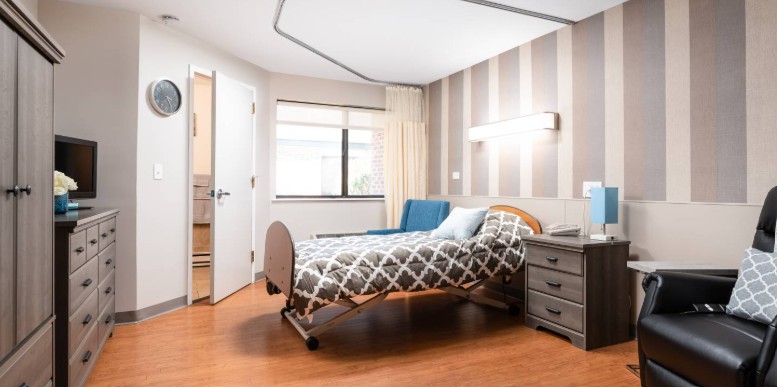
Complete Care at Laurelton
Skilled Nursing 475 Jack Martin Boulevard, Brick Township, New Jersey, 08724At Complete Care at Laurelton, we provide post-acute rehabilitation programs to help patients recover from illness, injury, or surgery, regain their strength, and transition home as soon as possible. We also provide advanced clinical specialties for those who require more time and assistance, in addition to around-the-clock nursing care, in a welcoming setting that feels like home.
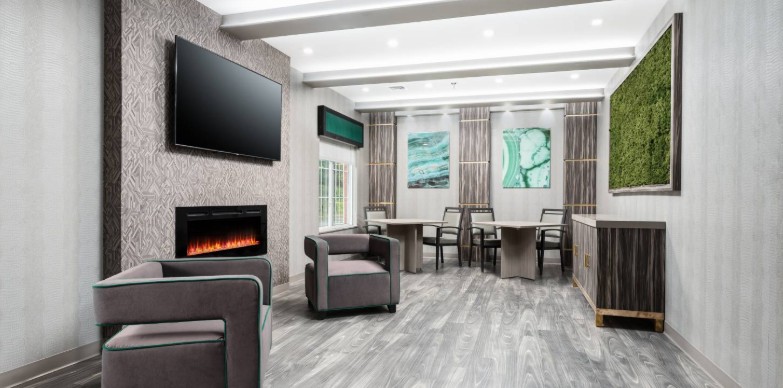
Complete Care at Green Acres, Toms River
Inpatient Rehab Facilities 1931 Lakewood Road, Toms River, New Jersey, 08755At Complete Care at Green Acres, we provide post-acute rehabilitation programs to help patients recover from illness, injury, or surgery, regain their strength, and transition home as soon as possible. We also provide advanced clinical specialties for those who require more time and assistance, in addition to around-the-clock nursing care, in a welcoming setting that feels like home.
Complete are at Bea Lea - Toms River
Skilled Nursing 1351 Old Freehold Road, Toms River, New Jersey, 08753At Complete Care at Bey Lea Assisted Living, we offer an experience that is completely yours. We tailor our services and support so the time you spend with us is comfortable, enriching, and engaging. In addition to beautifully appointed living spaces, we provide personal care, meals, medication assistance, and supervision. Our long-term care programs provide 24/7 support for individuals with chronic illnesses, disabilities, or cognitive impairments who require ongoing assistance with activities of daily living. These programs offer comprehensive medical oversight, nursing care, personal care services, and social engagement to support residents health, safety, and quality of life. We provide long-term care in a homelike environment, with a focus on maintaining dignity, comfort, and functional independence for as long as possible.