Providing Living Assistance without Intruding
ST BARNABAS HEALTH SYSTEM
For more information about the author, click to view their website: https://stbarnabashealthsystem.com
Jul 23, 2025
Pennsylvania - Greater Pittsburgh Area


If you or a loved one needs more hands-on care, living
assistance can help put your mind at ease. Living assistance is flexible,
personalized, and fosters a safe home environment while maintaining a sense of
independence and privacy. It can give you or your loved one the freedom to make
everyday choices and receive a helping hand whenever needed.
At St. Barnabas, we understand that the transition from full
to partial independence isn’t easy and how important it is to ensure your needs
and preferences are both addressed. Here are a few ways living
assistance is provided without intruding.
Receiving Help As Needed
Encouraging independence is one way to foster non-intrusive
assistance. At a senior living assistance campus, the staff is always available
to lend a hand without eliminating decision-making. You or your loved one can
retain a sense of autonomy by participating in the daily tasks and chores and
receiving help on an as-needed basis. Intervention comes in varying degrees,
depending on individual ability. A personalized care plan may include:
- Incontinence
support
- Wheelchair
assistance
- Medication
management
- Help
with grooming, dressing, and bathing
- Wound,
ostomy, or catheter care
Care staff is attentive and sensitive to your needs, and
they can offer a little help throughout the day or when needed. By
participating in daily activities, you or your loved one can plan your day
based on your personal preferences.
Collaborative Scheduling
As an alternative to making a pre-set schedule and asking
the resident to stick to it, working together to create a personal care plan
that suits everyone can be beneficial. When it comes to weekly
meals, exercise routines, and social
activities, residents have the freedom to choose. Maybe they enjoy hearty,
home-cooked meals, or perhaps they like to do stretching exercises versus
walks. Wherever passions lie, the staff can incorporate those into the regular
daily routine to help encourage healthy living and socialization in ways that
suit personal preferences.
Collaborating with staff can also ensure that activities are
both enjoyable and safe. When a resident can’t do an activity they love, the
team can work with them to find ways to feel that same sense of joy without
putting them in danger.
Respecting Boundaries and Private Spaces
Spending time alone gives us a chance to relax, decompress,
and gather our thoughts. In a living assistance care center, it’s imperative
that residents still have some time for themselves. Caregivers respect
boundaries and private spaces. Before entering a room, they knock on the door
and wait for the resident to respond. Designating a private area for residents
to turn to when they feel overwhelmed also aids in creating independence and
ultimately gives them a space to de-stress and unwind.
Places like the bathroom or shower are understandably
uncomfortable areas for intrusion, so caregivers are sure to give residents the
space they need to complete these tasks in private. The staff still makes sure
the resident is safe by remaining nearby and listening for signs that something
may be wrong.
Learn More about Living Assistance at St. Barnabas
Serving the Greater Pittsburgh, Pennsylvania area, including Allegheny, Beaver, and Butler counties, St. Barnabas is here to give you the support you need. With a dedication to providing comfortable and compassionate living assistance services, you can count on us for all of your care requirements. To learn more about our senior living assistance program, contact us today.

- To view the original version of this article visit stbarnabashealthsystem.com/blog/providing-living-assistance-without-intruding/
- Seniors Blue Book was not involved in the creation of this content.
Other Articles You May Like
Facing a Cancer Diagnosis? How a Patient Advocate Can Help.
Facing a Cancer Diagnosis in Western Pennsylvania? How a Patient Advocate Can Help Understanding your diagnosis, navigating cancer treatment, and making important healthcare decisions can feel overwhelming. Discover how a healthcare patient advocate can help you find clarity, confidence, and support when you need it most. Hearing the words "You have cancer" can change your world in an instant. Suddenly, everyday life takes a back seat to medical appointments, unfamiliar terminology, treatment decisions, insurance questions, and concerns about what the future may hold. Whether you've recently received a cancer diagnosis, are undergoing treatment, or are helping a loved one navigate their healthcare journey, it's natural to feel overwhelmed. You may have excellent doctors and a supportive family, yet still find yourself wondering: Am I asking the right questions? Do I understand all my options? What if I'm missing something important? The good news is that you don't have to navigate a cancer diagnosis alone. A healthcare patient advocate can help you better understand medical information, prepare for important conversations, and feel more confident making decisions about your care. For individuals and families throughout Pittsburgh and Western Pennsylvania, Vital Voice, led by Wendy, provides personalized healthcare advocacy, clarity, and compassionate guidance during some of life's most challenging moments. Cancer in Pennsylvania: Why Patient Advocacy Matters More Than Ever Cancer affects thousands of Pennsylvania families every year. According to the American Cancer Society, an estimated 90,240 new cancer cases were projected to be diagnosed in Pennsylvania in 2025. Behind every statistic is a person trying to understand a diagnosis, a spouse worried about their partner, or an adult child helping an aging parent make important healthcare decisions. Western Pennsylvania is also home to a substantial population of older adults. According to the U.S. Census Bureau, approximately 21.9% of Allegheny County residents are age 65 or older. Because the risk of developing many types of cancer increases with age, older adults represent an important population when discussing cancer care, treatment decisions, and healthcare navigation. For seniors, a cancer diagnosis can bring additional challenges, particularly when they are already managing chronic health conditions, taking multiple medications, or trying to maintain their independence. And while the Pittsburgh region offers access to hospitals, oncology specialists, cancer treatment centers, and community resources, knowing where to turn and what questions to ask isn't always easy. That's why having someone who can help you navigate the healthcare system can be so valuable. What Is a Cancer Patient Advocate, and How Can One Help? A cancer patient advocate is someone who helps individuals better understand and navigate the medical, practical, and emotional challenges that can accompany a cancer diagnosis. Think of a healthcare advocate as an additional person in your corner. Your oncologist focuses on diagnosing and treating your cancer. Your nurses and other healthcare professionals provide essential medical care. A patient advocate helps you become a more informed, organized, and confident participant in the process. Healthcare advocacy isn't about replacing your medical team or making medical decisions for you. It's about helping you understand what's happening, identify the questions that matter, and feel comfortable speaking up about your needs and concerns. Depending on your situation, a healthcare advocate may help you: Understand medical information and unfamiliar terminology. Prepare questions for oncology appointments. Organize information about treatment options and recommendations. Identify concerns to discuss with your healthcare providers. Prepare for conversations about second opinions. Better understand the next steps in your care. Identify questions about insurance, treatment costs, or available resources. Feel supported during difficult healthcare decisions. Sometimes, simply having someone help you sort through everything can make an overwhelming situation feel much more manageable. Seven Ways a Healthcare Advocate Can Help During Your Cancer Journey 1. Understanding a New Cancer Diagnosis When you're first diagnosed with cancer, your mind may be racing. Your physician might explain pathology reports, imaging results, cancer staging, and recommended treatments, but absorbing that information while processing the emotional impact of a diagnosis can be difficult. You may leave the appointment realizing you didn't fully understand what was discussed. A healthcare advocate can help you review the information you've received, identify what needs clarification, and prepare questions for your medical team. For example: What type and stage of cancer do I have? Has the cancer spread? What additional tests are needed? What treatment options should I consider? How soon do I need to make a decision? What is the goal of the recommended treatment? Understanding your diagnosis is the first step toward feeling more empowered in your healthcare journey. You don't need to become a medical expert. You simply deserve information presented in a way you can understand. 2. Preparing for Oncology Appointments and Asking the Right Questions Have you ever walked out of a doctor's appointment and suddenly remembered everything you meant to ask? Now imagine doing that while navigating a cancer diagnosis. Oncology appointments often involve complicated conversations, unfamiliar information, and significant decisions. Even patients who are normally organized and confident may struggle to remember everything. A healthcare advocate can help you prepare by organizing your concerns, developing a list of questions, and identifying what information you need before your appointment. Keeping a notebook with your medications, symptoms, appointments, test results, and questions can also be helpful. You may want to bring a trusted family member, take notes, or ask your provider whether recording the conversation is permitted. Being prepared can help you leave appointments with a clearer understanding of what comes next. 3. Making Sense of Cancer Treatment Options Cancer treatment is rarely one-size-fits-all. Depending on the type and stage of cancer, your medical team may recommend surgery, chemotherapy, radiation therapy, immunotherapy, targeted therapy, hormone therapy, or a combination of treatments. Each approach can involve different benefits, risks, side effects, and schedules. For older adults, treatment decisions may also involve considerations such as existing medical conditions, mobility, medications, independence, and quality of life. You may wonder: What are the benefits and risks of this treatment? How will it affect my everyday activities? What side effects should I expect? Are there other treatment options worth discussing? Should I seek a second opinion? What happens if I choose not to pursue a particular treatment? A healthcare advocate can help you organize these questions and better understand the information provided by your medical professionals. The ultimate goal is to help ensure that your treatment decisions reflect your medical needs, personal preferences, and what matters most to you. 4. Helping Older Adults Maintain Independence During Cancer Treatment For many seniors in Pittsburgh and Western Pennsylvania, maintaining independence is a major concern when facing cancer treatment. Some older adults live alone. Others have spouses who may also be managing health challenges. Many worry about becoming a burden to their adult children. Cancer treatment can sometimes affect energy levels, mobility, appetite, and the ability to manage everyday responsibilities. In addition to medical treatment, patients may need to consider: Transportation to oncology appointments. Help with meals, housekeeping, or personal care. Home care or home health services when appropriate. Medication management and organization. Physical or occupational therapy. Nutrition support. Cancer support groups and counseling. Palliative care to help manage symptoms and improve quality of life. Palliative care is not the same as hospice care. It focuses on relief from symptoms and the stress of serious illness and can be provided alongside cancer treatment. A healthcare advocate can help patients and families recognize important support needs and prepare questions about available services. The earlier these conversations happen, the easier it may be to plan for changes before they become urgent. 5. Supporting Spouses, Adult Children, and Family Caregivers A cancer diagnosis doesn't affect only the person receiving treatment. It often changes the lives of everyone who loves them. Spouses may suddenly become primary caregivers. Adult children may find themselves coordinating appointments, managing paperwork, arranging transportation, and communicating with multiple healthcare providers. For families living in different parts of Western Pennsylvaniaor adult children living outside the regionthese responsibilities can become especially challenging. It's common for caregivers to feel overwhelmed, uncertain, or worried about making the wrong decision. A healthcare advocate can provide additional guidance by helping families organize their concerns, identify questions, and communicate more effectively with healthcare professionals. This support can be particularly helpful when family members have different opinions about treatment or when an older adult wants to maintain independence while accepting necessary assistance. The goal is to support the patient's wishes while helping loved ones feel better prepared for the journey ahead 6. Understanding Medicare, Insurance, and Cancer Treatment Costs A serious medical diagnosis often brings financial questions along with medical concerns. Patients may receive bills from hospitals, oncology specialists, laboratories, imaging centers, and treatment facilities. Even with Medicare or private health insurance, understanding deductibles, copayments, coinsurance, prior authorizations, and out-of-pocket expenses can be confusing. Some treatments or medications may require additional insurance approvals, and coverage can vary depending on the individual's plan. Important questions to ask include: Is my oncologist or cancer treatment center covered by my insurance? Does my treatment require prior authorization? What expenses might I be responsible for? Are financial assistance programs available? Does my cancer treatment center have a financial navigator or social worker? Who can help me understand an unexpected medical bill? A healthcare advocate can help you identify questions and determine which professionals or departments may be able to provide answers. For specialized insurance guidance, patients should also consult their insurance provider, hospital financial counselor, or a qualified Medicare counselor. Understanding potential costs and available resources early can help reduce unnecessary stress. 7. Having Someone to Turn to When Everything Feels Overwhelming Not every challenge associated with cancer involves a medical decision. Sometimes, it's simply the emotional weight of the experience. You may feel exhausted from appointments, frustrated by conflicting information, or anxious about what comes next. You may not want to worry your family with another question or concern. Even when surrounded by people who care about you, navigating a serious illness can feel isolating. This is where the personal side of healthcare advocacy becomes especially meaningful. Having someone who listens, helps you organize your thoughts, and encourages you to speak up can provide an important sense of support. You deserve to feel heard, respected, and involved in decisions about your own health. And sometimes, knowing you have someone in your corner can make a difficult day feel a little less overwhelming. Do You Need a Healthcare Advocate If You Already Have a Good Doctor? This is a question many patients and families ask. The answer is that even individuals with excellent physicians and compassionate medical teams may benefit from additional advocacy support. Doctors, nurses, oncology social workers, and hospital patient navigators play essential roles in cancer care. However, patients may still need help organizing information, preparing questions, or understanding what to do between appointments. An independent healthcare advocate can complement the support provided by your existing healthcare team. Think of it this way: Your medical team focuses on your cancer treatment. Your healthcare advocate helps you stay informed, organized, and confident as you navigate the experience. It's not about questioning the expertise of your physicians. It's about ensuring you feel comfortable participating in your care. Five Important Questions Every Cancer Patient Should Ask Whether you've recently been diagnosed or are already undergoing treatment, consider bringing these five questions to your next oncology appointment. 1. What is the goal of my treatment? Understanding whether treatment is intended to eliminate cancer, control its growth, relieve symptoms, or achieve another goal can help you evaluate your options. 2. What side effects should I expect, and when should I call my doctor? Ask which symptoms are common, which require a call to your treatment team, and which may require immediate medical attention. 3. How might treatment affect my daily life? Discuss fatigue, nutrition, transportation, mobility, caregiving responsibilities, and your ability to remain independent. 4. What additional support services are available? Ask about oncology social workers, nutrition specialists, financial counselors, rehabilitation services, support groups, and other community resources. 5. Who should I contact when I have questions between appointments? Knowing whom to call can provide reassurance when new symptoms, concerns, or questions arise. Remember, there is no such thing as a foolish question when it comes to your health. If something doesn't make sense, ask for clarification. If you need more time to understand your options, communicate that to your healthcare team. Your voice matters. When you're facing a serious health challenge, it's easy to feel like you're just another patient trying to make sense of a complicated healthcare system. Wendy, through Vital Voice, believes that every individual deserves personalized attention, clear information, and compassionate support throughout their healthcare journey. Based in Western Pennsylvania, Vital Voice provides individualized healthcare advocacy and guidance for people facing a wide range of medical challenges, including cancer diagnoses, upcoming surgeries, ongoing treatments, and uncertainty about their medical care. Wendy serves as a healthcare advocate, clarity coach, and supportive companion, helping individuals take a fresh look at their circumstances, organize their concerns, and feel more prepared to communicate with healthcare professionals. Her approach recognizes that no two healthcare journeys are exactly alike. Some individuals may need a conversation to help sort through their thoughts and prepare for an important appointment. Others may benefit from ongoing guidance while navigating a complicated medical situation. Whether you're an older adult facing cancer treatment, a spouse supporting a loved one, or an adult child helping an aging parent, Vital Voice provides personalized support based on your needs. For individuals searching for a cancer patient advocate in Pittsburgh or healthcare advocacy services in Western Pennsylvania, Vital Voice offers a local connection and a compassionate approach to navigating difficult healthcare experiences. Because behind every diagnosis is a real person with questions, concerns, hopes, and decisions that deserve thoughtful attention. You Have a Voice in Your Cancer Care. Don't Be Afraid to Use It. A cancer diagnosis can bring uncertainty, but it doesn't take away your right to ask questions, understand your options, express your preferences, and participate in decisions about your health. You don't have to understand every medical term. You don't have to remember every detail from every appointment. And you certainly don't have to pretend you have everything figured out. What matters is knowing that support is available. Whether you're newly diagnosed with breast cancer, prostate cancer, lung cancer, colorectal cancer, or another serious illness, or you're helping a loved one navigate treatment, a healthcare advocate can help you approach the next step with greater clarity and confidence. You Don't Have to Navigate Cancer Alone: If you or someone you love is facing a cancer diagnosis or another challenging healthcare situation in Pittsburgh or Western Pennsylvania, consider connecting with Wendy at Vital Voice to learn more about personalized healthcare advocacy and support. Because when it comes to your health, understanding your options, asking the right questions, and having someone in your corner can make all the difference. Your health matters. Your questions matter. Your voice matters. Vital Voice provides healthcare advocacy and guidance, not medical diagnosis or treatment. Always consult qualified healthcare professionals regarding medical decisions and treatment.
Building Senior Friendships in Monmouth and Ocean Counties, NJ
Building Senior Friendships in Monmouth and Ocean Counties, NJLife changes at every age, but transitions later in life can significantly affect familiar routines, personal relationships, and everyday confidence.Retirement may change how often an older adult interacts with other people. Moving into a new residence can mean leaving longtime neighbors behind. The loss of a spouse may transform ordinary household routines, while health challenges can make previously enjoyable outings more difficult.Even positive changes can require adjustment.An older adult who has recently retired may look forward to more free time but feel uncertain about how to structure the week. Someone recovering from an illness may want to return to community activities but feel hesitant about going alone.During these transitions, consistent and meaningful companionship can provide a valuable source of encouragement.For older adults throughout Monmouth County and Ocean County, New Jersey, having a dependable companion can help create familiar routines, encourage participation in everyday activities, and support continued social connections.Seniors Helping Seniors Jersey Shore North (NJ) offers personalized companion care through a distinctive peer-to-peer caregiving approach.The organization matches older adults with mature caregivers, many of whom are seniors themselves, to provide meaningful social interaction and practical assistance at home.Through consistent relationships, respectful communication, and individualized support, Seniors Helping Seniors Jersey Shore North helps older adults maintain familiar interests while adapting to life's changing circumstances.Understanding the value of dependable companionship can help families create an environment where seniors continue to feel connected, involved, and confident.Why Consistent Companionship Matters as We AgeFriendships are built through repeated experiences, mutual understanding, and trust.A meaningful relationship rarely develops during a single conversation.Instead, familiarity grows over time as people learn about one another's personalities, preferences, and experiences.The Value of Familiar FacesFor an older adult receiving in-home care, seeing a familiar caregiver can help establish a comfortable routine.The individual may begin looking forward to regular visits and familiar conversations.Predictability Can Create ComfortKnowing when a caregiver is expected can make the week easier to organize.A person may plan a preferred activity or outing around a scheduled visit.Meaningful Relationships Require AttentionGood companion care should involve more than physical presence.It should encourage conversation, participation, and respect for the older adult's interests.Independence Remains ImportantThe goal of companionship is not to make someone dependent on another person for every activity.Appropriate support can help seniors maintain personal choices while participating in everyday life.The Peer-to-Peer Approach at Seniors Helping Seniors Jersey Shore NorthSeniors Helping Seniors Jersey Shore North uses a caregiving model centered on relationships between older adults and mature caregivers.Many caregivers are seniors themselves, allowing clients to interact with people who may understand similar life experiences.What Makes Peer Companionship Different?People from similar generations may share references to past events, familiar traditions, or experiences involving work, retirement, and family life.These common perspectives can create natural opportunities for conversation.Caregiver Matching MattersThe organization considers individual needs, interests, personality, and lifestyle when matching caregivers with clients.Respect for Personal PreferencesA successful relationship should reflect the older adult's comfort level.Some individuals appreciate frequent conversation, while others prefer quiet companionship and occasional activities.Relationships Develop GraduallyAs a caregiver becomes familiar with a client's routines, visits may feel increasingly natural.The older adult can communicate preferences more comfortably, while the caregiver gains a better understanding of what makes each visit enjoyable.Adjusting to Retirement With Meaningful Social RoutinesRetirement can bring greater freedom, but it may also change the structure of everyday life.Someone who spent decades following a work schedule may suddenly have fewer regular commitments.Changes Retirement May BringThese can include:Less interaction with former colleaguesFewer scheduled activitiesChanges in daily transportation needsMore unstructured free timeDifferent family responsibilitiesA desire to explore new interestsCreating a New Weekly RhythmCompanion care may provide scheduled opportunities for conversation, activities, and outings.Building Around Personal InterestsA retiree may enjoy visiting a library, attending a community program, or going out for a meal.A companion can provide appropriate assistance that makes participation easier.Maintaining Control Over the ScheduleThe older adult should remain involved in deciding how visits are spent.A companion caregiver provides support without replacing personal choice.Rebuilding Confidence After RelocationMoving later in life may involve adjusting to unfamiliar surroundings.An older adult may relocate to a smaller home, move closer to relatives, or choose a different residential environment.Even when the move is welcome, established social routines may be disrupted.Common Challenges After MovingThese may include:Missing former neighborsLearning new transportation routesFinding community activitiesBecoming comfortable with unfamiliar placesEstablishing new routinesAdjusting to a different household layoutHow Companion Care May HelpA familiar caregiver can accompany the older adult on suitable outings or provide company while new routines are established.Exploring Community OpportunitiesDepending on the care arrangement, a caregiver may accompany a senior to a community gathering, shopping trip, or recreational activity.Progress at a Comfortable PaceSome individuals adapt quickly.Others prefer gradual changes.A respectful companionship arrangement allows time for adjustment.Finding a New Daily Rhythm After Losing a SpouseThe death of a spouse can profoundly affect everyday life.A person who shared meals, conversations, and routines with a partner may suddenly face unfamiliar responsibilities and changes in social patterns.Everyday Changes May IncludePreparing meals for one personManaging household errands independentlyAttending activities without a partnerAdjusting to a quieter homeReorganizing weekly routinesThe Role of Dependable CompanionshipRegular visits can provide opportunities for familiar activities and respectful conversation.Understanding Personal GriefEveryone experiences bereavement differently.Some older adults want to discuss their spouse frequently.Others prefer quiet company or activities that provide a change of pace.Support Without PressureA companion should avoid forcing conversations or encouraging activities before the person feels ready.When Professional Help Is NeededCompanion care is not grief counseling or mental health treatment.An older adult experiencing significant or persistent emotional distress should receive appropriate professional support.Regaining Confidence After Illness or RecoveryA medical event can affect more than physical functioning.An older adult recovering from hospitalization, surgery, or another illness may feel uncertain about resuming familiar activities.Common ConcernsThese may involve:Reduced staminaChanges in mobilityFear of becoming overly tiredDifficulty arranging transportationLess confidence leaving homeChanges in daily routinesStarting With Manageable ActivitiesA companion may provide conversation at home before the older adult feels ready for outings.Later, appropriate activities may be introduced gradually.Following Medical GuidancePhysical activities should reflect the recommendations of qualified healthcare professionals.Caregivers should not independently prescribe rehabilitation exercises or provide medical treatment.Recognizing Small AchievementsReturning to a familiar social gathering or completing a planned outing may represent meaningful progress.Families can encourage participation without creating unnecessary pressure.Creating Reliable Weekly Social RoutinesA consistent schedule can give older adults something to anticipate.It also allows families to coordinate companionship with appointments, existing activities, and family visits.A Weekly Companionship Plan May IncludeA regular morning visitConversation over a preferred beverageA planned shopping tripAccompaniment to a social gatheringTime spent reviewing upcoming activitiesA scheduled visit before a family eventStart With Existing PreferencesA successful schedule should build on activities the older adult already enjoys.Avoid OverschedulingHaving too many planned activities may be tiring or stressful.The number and length of visits should reflect the individual's needs.Remain FlexibleEnergy levels, appointments, and preferences can change.Families should confirm scheduling adjustments with the provider.Encouraging Confidence in Community ParticipationSome older adults want to remain active in their communities but feel hesitant about attending events alone.They may worry about transportation, accessibility, or not knowing anyone at a gathering.Ways Companion Care May HelpA caregiver may provide appropriate assistance with:TransportationPreparing for outingsAccompanimentNavigating unfamiliar surroundingsParticipating in social activitiesReturning home after an eventStart With Familiar ActivitiesAn existing club or regular gathering may feel more comfortable than an entirely new activity.Introduce New Opportunities GraduallySomeone interested in a community class may prefer attending once before making a longer commitment.Support Independent ParticipationThe companion's role may gradually become less involved as the older adult becomes more comfortable.This approach can help preserve personal independence.Maintaining Longtime FriendshipsProfessional companionship should complement existing relationships rather than replace them.For many older adults, longtime friends remain an important source of identity and connection.Practical ChallengesMaintaining friendships can become more difficult when:Driving decreasesMobility changesFriends live farther apartPersonal schedules differTransportation is unavailableSupporting Existing ConnectionsCompanion care may help with everyday arrangements that allow seniors to maintain contact.Examples include planning appropriate outings, organizing a social visit, or preparing for a scheduled gathering.Respecting PrivacyCaregivers should follow the individual's wishes regarding personal relationships and communications.Encouraging Personal ChoiceOlder adults should decide which relationships they wish to maintain and how they prefer to communicate.Helping Seniors Feel Comfortable Accepting AssistanceSome older adults are hesitant to arrange companion care.They may associate caregiving with serious illness or feel uncomfortable having a new person in their home.Understanding the HesitationA person may wonder:Will I lose independence?Will someone make decisions for me?Will my routines change?Will I feel uncomfortable with a stranger?Do I really need assistance?Introduce Companionship RespectfullyFamilies can explain that visits may focus on familiar activities, conversation, or outings rather than constant supervision.Involve the Older Adult in DecisionsAsk about preferred visit times, activities, and caregiver characteristics.Allow the Relationship to DevelopA comfortable first meeting may involve simple conversation rather than a full schedule of activities.Building Trust Through Consistent CommunicationTrust is an important part of companionship.Older adults should feel comfortable expressing preferences and asking questions.Elements of a Respectful Caregiving RelationshipThese include:Listening attentivelyKeeping appropriate boundariesRespecting privacyArriving according to agreed schedulesExplaining activitiesFollowing care arrangementsCommunicating concerns appropriatelyWhy Familiarity HelpsOver time, caregivers may learn which activities the older adult enjoys and which situations cause discomfort.Avoid Making AssumptionsA caregiver should not assume that a person wants the same activity every visit.Preferences can change.Feedback Is ValuableFamilies and older adults should feel comfortable discussing whether the arrangement meets expectations.The Importance of Choice in Emotional Well-BeingMaintaining independence involves being able to make meaningful everyday decisions.These decisions may seem small, but they can influence how much control someone feels over daily life.Everyday Choices May IncludeWhen to schedule visitsWhich activities to pursueWhether to attend an outingWhat to discussHow much time to spend with othersWhen to enjoy quiet timeAvoid Unnecessary PressureCompanion care should encourage opportunities, not require participation.Respect Personal BoundariesAn older adult may decline an activity or change plans.Caregivers should respond appropriately and respect individual preferences.Support Existing StrengthsA person who remains capable of arranging appointments or communicating with friends should be encouraged to continue those tasks when appropriate.Companion Care and Changing Family SchedulesAdult children and other relatives may want to visit more frequently but have competing responsibilities.Work, caregiving for children, travel, and other commitments can affect availability.Professional Companionship Can Help Fill Scheduling GapsScheduled visits may provide regular social interaction during periods when family members are unavailable.Family Relationships Remain CentralThe caregiver is not a substitute for the older adult's relatives.Coordinating VisitsFamilies may find it helpful to establish a calendar that includes companion visits, family gatherings, and existing activities.Clear Communication MattersThe provider should understand relevant scheduling preferences and the appropriate family contacts.The Role of Mature Caregivers During Life TransitionsMature caregivers may have personal experience with retirement, relocation, changing social roles, or other transitions associated with aging.These experiences can create opportunities for understanding.Relatability Can Help Conversations Feel NaturalA caregiver and client may recognize similar changes in everyday routines or family responsibilities.Shared Experience Is Not the Same as Professional CounselingA peer caregiver can offer companionship and practical support.Mental health treatment, bereavement counseling, and medical assessment require appropriately qualified professionals.Every Experience Is DifferentCaregivers should avoid assuming that their experiences are identical to those of the person receiving care.Listening Remains EssentialThe most useful support often begins with understanding how the older adult views their own circumstances.Encouraging Engagement Without Creating DependenceCompanion care should help seniors participate in everyday life while maintaining abilities and confidence.Supporting ParticipationA caregiver may accompany an older adult to a community event without taking over every part of the experience.Encouraging Familiar SkillsIf a client enjoys organizing a calendar or planning an outing, the caregiver can provide assistance only where needed.Recognizing Different Levels of SupportSome individuals need transportation and accompaniment.Others appreciate conversation before deciding to attend activities independently.Reassessing the ArrangementAs confidence or circumstances change, families may consider adjusting the schedule or type of assistance.How Seniors Helping Seniors Matches CaregiversThe Seniors Helping Seniors Jersey Shore North approach emphasizes compatibility between caregivers and older clients.The organization describes learning about needs, lifestyle, personality, and preferences before selecting a caregiver.Matching Considerations May IncludePersonal interestsCommunication styleDaily routinesRequired assistancePreferred activitiesScheduling availabilityRelevant caregiver experiencePersonality compatibilityWhy Matching Matters for Long-Term RelationshipsA comfortable relationship may encourage older adults to look forward to visits and communicate their needs openly.What if the Match Is Not Suitable?Families should discuss concerns with the local office.The organization describes working to find an appropriate match when necessary.Consistency Should Be DiscussedFamilies interested in regular visits with a familiar caregiver should ask about staffing arrangements, scheduling continuity, and backup coverage.Developing a Transition-Focused Companionship PlanThe best companionship plan should reflect what the older adult is experiencing.A recently retired individual may have different goals from someone adjusting to a move or recovering from illness.Step 1: Identify the Life ChangeDiscuss the transition and how it has affected daily routines.Step 2: Understand Current PreferencesAsk which activities and relationships the person wants to maintain.Step 3: Set Realistic GoalsPossible goals may include attending an existing gathering, establishing a comfortable weekly routine, or becoming familiar with a new community.Step 4: Arrange Suitable VisitsDiscuss the desired schedule, activities, and support requirements with the provider.Step 5: Review the ExperienceAsk the older adult how they feel about the visits and whether changes would be helpful.Step 6: Adapt Over TimeAn appropriate companionship plan can change as the individual's interests, abilities, and confidence evolve.Understanding Companion Care CostsCompanion care fees generally depend on the services requested, scheduling arrangements, and number of care hours.Cost Factors May IncludeVisit lengthNumber of weekly visitsTransportation requirementsEvening or weekend coverageAdditional home care needsMinimum scheduling requirementsInsurance and Payment ConsiderationsOriginal Medicare generally does not cover standalone companion care.Certain long-term care insurance policies or other benefits may provide assistance depending on their terms and eligibility requirements.Ask for Current InformationFamilies should confirm rates, minimum visit lengths, cancellation policies, and available schedules directly with Seniors Helping Seniors Jersey Shore North.Questions to Ask About Long-Term Companion CareBefore arranging companionship, families should ask how the provider supports consistent relationships.Important QuestionsHow are caregivers matched with older adults?Can visits be scheduled regularly?Is caregiver consistency a priority?What happens if a caregiver becomes unavailable?Can caregivers accompany seniors to community activities?How are interests and preferences incorporated?Can the care plan change after a major life transition?How are concerns communicated?What transportation assistance is available?What are the current scheduling requirements and rates?Include the Older Adult in the ConversationWhenever possible, the person receiving care should participate in the selection process.Focus on Personal CompatibilityA dependable relationship can be an important part of a successful companionship arrangement.Expert Tip: Build a Routine Around One Meaningful GoalSenior Companion Care Tip: After a major life change, help your loved one choose one social activity or routine they would like to maintain or restart. It might be a regular community gathering, a familiar outing, or a scheduled visit with friends. Discuss how a companion caregiver could provide appropriate support and gradually build confidence without taking over the activity.Small, consistent steps may be more comfortable than introducing several unfamiliar activities at once.Frequently Asked Questions About Consistent Senior Companionship1. How can Seniors Helping Seniors Jersey Shore North support seniors after major life changes?Seniors Helping Seniors Jersey Shore North provides personalized companion care and practical assistance. Regular visits may help older adults establish new routines, participate in familiar activities, and maintain social connections following retirement, relocation, or other transitions.2. Can older adults develop ongoing relationships with their companion caregivers?The organization's peer-to-peer model emphasizes personal compatibility and meaningful relationships between older clients and mature caregivers. Families should ask about regular scheduling and caregiver continuity when arranging services.3. Can companion care help seniors feel more confident participating in community activities?Companion caregivers may provide appropriate encouragement, transportation, or accompaniment to activities. This support can make some outings more manageable, although the individual's comfort, physical abilities, and preferences should guide participation.4. Does Seniors Helping Seniors Jersey Shore North serve both Monmouth County and Ocean County?Yes. The provider's Seniors Blue Book listings identify service coverage in Monmouth County and Ocean County, New Jersey. Families should confirm availability for their specific location and requested schedule.5. How can families arrange personalized companion care?Families can contact Seniors Helping Seniors Jersey Shore North to discuss the older adult's circumstances, preferences, and support needs. The provider offers a consultation and caregiver-matching process to help develop an appropriate arrangement.Helping Older Adults Stay Connected Through Life's ChangesAging can involve important changes in personal routines, relationships, and everyday responsibilities.Retirement, relocation, illness, and the loss of a loved one may affect how an older adult participates in familiar activities and maintains social connections.However, these transitions do not have to eliminate opportunities for meaningful relationships and personal engagement.Consistent companion care can provide familiar visits, appropriate encouragement, and practical assistance as older adults adjust to changing circumstances.For seniors throughout Monmouth County and Ocean County, New Jersey, Seniors Helping Seniors Jersey Shore North (NJ) offers a peer-to-peer companionship approach built around mature caregivers and individualized relationships.Its caregiving model emphasizes personal compatibility, relatable experiences, and support that reflects the older adult's interests and routines.Through dependable visits and appropriate assistance, seniors may find it easier to maintain established activities, explore community opportunities, and develop confidence in new routines.Families can support this process by remaining involved, respecting personal preferences, and discussing care needs openly.Meaningful companionship is not simply about having someone nearby.It is about creating opportunities for connection, familiarity, choice, and continued participation in everyday life.Learn More About Seniors Helping Seniors Jersey Shore North (NJ)Looking for dependable senior companion care in Monmouth County or Ocean County, New Jersey?Visit Seniors Helping Seniors Jersey Shore North (NJ) on SeniorsBlueBook.com to learn more about personalized companion care, caregiver matching, and peer-to-peer in-home support.Whether an older adult is adjusting to retirement, settling into a new home, or rebuilding familiar routines after a major life change, dependable companionship can help support meaningful connections and personal independence.
Senior Companion Care in Monmouth and Ocean Counties, NJ
Senior Companion Care in Monmouth and Ocean Counties, NJGrowing older brings many changes, but the need for meaningful relationships remains important throughout life. Conversations with friends, shared hobbies, familiar activities, and time spent with people who understand our experiences can contribute to a fulfilling daily routine.For some older adults, however, opportunities for social interaction become less frequent over time.Retirement may reduce everyday conversations with colleagues. Longtime friends may relocate, experience health changes, or become less available. Some seniors lose a spouse or experience mobility limitations that make participating in social activities more difficult.Adult children and other relatives may visit regularly, but employment and family responsibilities can limit how often they are available.As a result, an older adult who once enjoyed an active social life may begin spending more time alone.For seniors throughout Monmouth County and Ocean County, New Jersey, personalized companion care offers opportunities for friendship, shared experiences, and meaningful engagement while remaining in familiar surroundings.Seniors Helping Seniors Jersey Shore North (NJ) offers companionship services through a distinctive peer-to-peer caregiving model.The organization pairs older adults with mature caregivers, many of whom are seniors themselves, creating opportunities for connection through shared interests, personal experiences, and everyday activities.Rather than focusing solely on completing household tasks, this relationship-centered approach emphasizes the value of companionship and mutual understanding.For families exploring senior companion care, understanding how meaningful relationships develop can help identify an arrangement that supports emotional well-being and personal independence.What Is Companion Care for Seniors?Companion care is a form of non-medical home support that focuses on social interaction, shared activities, and meaningful personal engagement.Companion caregivers spend time with older adults while encouraging participation in activities that reflect their interests and preferences.Common Companion Care ActivitiesDepending on the individual's needs and service arrangements, companionship may include:Friendly conversationsPlaying cardsWorking on puzzlesReading togetherListening to musicSharing storiesLooking through photographsGardeningEnjoying arts and craftsTaking appropriate walksPreparing meals togetherAccompanying seniors on outingsParticipating in hobbiesAttending community activitiesMore Than Simply Spending Time TogetherMeaningful companionship involves listening, engaging, and building a comfortable relationship.A successful visit may include a favorite activity, but it can also involve an enjoyable conversation or quiet company.Personal Preferences MatterSome older adults enjoy social gatherings and lively conversation.Others prefer quieter activities.Companion care should reflect the individual's personality rather than require participation in predetermined activities.The Peer-to-Peer Approach at Seniors Helping Seniors Jersey Shore NorthSeniors Helping Seniors Jersey Shore North offers a distinctive caregiving approach by matching older adults with mature caregivers.Many of its caregivers are seniors themselves.Why Shared Life Experiences MatterPeople who have experienced similar life stages may find common ground through:Retirement experiencesFamily traditionsCultural interestsFavorite musicHistorical eventsLongtime hobbiesTravel memoriesCommunity experiencesBuilding Comfortable ConnectionsA mature caregiver may understand the value of familiar routines and the importance of maintaining personal independence.These shared perspectives can create opportunities for natural conversation.A Relationship-Centered PhilosophyThe organization emphasizes companionship that feels personal and respectful.Its matching process considers client interests, personality, lifestyle, and needs.Friendship Develops Through ConsistencyMeaningful relationships rarely develop instantly.Regular visits can allow older adults and caregivers to become familiar with one another and establish comfortable routines.Understanding Loneliness in Older AdultsLoneliness can affect individuals of different ages and living arrangements.Someone may live independently and enjoy being alone without experiencing loneliness.Another person may live near family yet still wish for more meaningful interactions.What Is Loneliness?Loneliness refers to the unpleasant feeling that occurs when a person's relationships do not provide the connection they desire.What Is Social Isolation?Social isolation generally means having limited social contact or interaction.Although these experiences are related, they are not identical.Why Seniors May Experience Social ChangesContributing circumstances may include:RetirementChanges in healthLoss of a spouseReduced mobilityDifficulty drivingHearing limitationsFewer social opportunitiesDistance from relativesChanges in longtime friendshipsThe Importance of Meaningful InteractionSocial connection can support emotional well-being and provide opportunities for participation in everyday life.Companion care may help create additional interactions, but it is not a replacement for clinical mental healthcare when that is needed.Recognizing When Additional Companionship May HelpFamily members sometimes notice changes in an older adult's social routines.A parent who once enjoyed regular outings may begin spending most days at home.Another individual may repeatedly mention having no one to talk to.Signs Worth NoticingThese may include:Reduced contact with friendsLoss of interest in favorite activitiesSpending long periods aloneDifficulty arranging social outingsExpressions of boredomIncreased dependence on occasional family visitsLess participation in community programsA desire for more frequent conversationConsider the Individual's PreferencesNot everyone wants a busy social calendar.Some older adults enjoy quiet routines and limited social activity.The important question is whether the person feels satisfied with their level of connection.Begin With a Respectful ConversationAsk which activities they miss and whether they would enjoy having someone visit regularly.Understanding their preferences helps families avoid arranging services that feel unwanted or intrusive.The Power of Everyday ConversationConversation can be one of the most meaningful parts of a companion care visit.An older adult may appreciate discussing current interests, family memories, or experiences from earlier decades.Conversation Topics May IncludeFavorite childhood memoriesFamily celebrationsPrevious occupationsTravel experiencesMusicBooksRecipesHobbiesPersonal accomplishmentsEveryday interestsListening Is Just as Important as TalkingMeaningful conversations require attention and genuine interest.A companion caregiver should allow the older adult to guide topics and share experiences at a comfortable pace.Respecting Personal BoundariesSome subjects may be private or emotionally difficult.Caregivers should respect the individual's preferences and avoid pressuring them to discuss uncomfortable topics.Building Familiarity Over TimeRegular conversations may help the caregiver better understand the person's interests, humor, and communication style.Storytelling and Preserving Personal MemoriesOlder adults often have decades of experiences worth sharing.Stories about family, careers, travel, friendships, and important life events can provide opportunities for connection.Storytelling ActivitiesA caregiver and senior might:Review family photographsDiscuss childhood memoriesOrganize photo albumsTalk about family recipesRecord stories with permissionIdentify meaningful keepsakesShare favorite traditionsPreserving Family HistoryWith the older adult's permission, stories may be written down or recorded for family members.The Experience MattersStorytelling does not need to produce a finished book or formal project.The conversation itself can be meaningful.Following the Senior's LeadSome individuals enjoy discussing earlier years.Others prefer focusing on current interests and future plans.Both preferences should be respected.Music as a Shared ExperienceMusic can bring enjoyment and create natural opportunities for conversation.Favorite songs may be associated with personal milestones or important relationships.Musical Companion ActivitiesThese may include:Listening to favorite recordingsSinging familiar songsDiscussing musiciansWatching musical performancesCreating playlistsRemembering concertsExploring different genresFinding Common InterestsMature caregivers and older clients may recognize music from similar periods.Shared musical interests can create comfortable conversation.Music and Memory ChangesSome individuals living with dementia respond positively to familiar music.However, preferences and reactions differ.Activities should be adapted to the person's needs and comfort.Music Is Not a Substitute for Medical CareEnjoying music can be part of companionship, but it should not be presented as treatment for dementia or other medical conditions.Games and Puzzles for Meaningful EngagementGames can provide enjoyable ways to interact.Many older adults have favorite games they have played for years.Possible ActivitiesThese include:Card gamesBoard gamesCrossword puzzlesJigsaw puzzlesWord searchesTriviaMatching gamesSimple strategy gamesChoosing Suitable ActivitiesA game should match the individual's interests and abilities.Some people enjoy competitive activities.Others prefer cooperative games or puzzles.Keep the Experience EnjoyableThe goal is not necessarily to win or complete a difficult task.Shared participation and conversation are valuable parts of the activity.Adjust When NeededIf an activity becomes frustrating or tiring, the caregiver can suggest an alternative.Gardening and Outdoor CompanionshipFor many older adults, gardening is a familiar and rewarding hobby.Physical limitations may make certain gardening tasks more difficult, but the interest can remain.Gardening Activities May IncludeWatering plantsArranging flowersPlanting container gardensCaring for herbsOrganizing seed packetsDiscussing favorite plantsEnjoying outdoor spacesAdapting to Physical AbilitiesSomeone who cannot comfortably kneel may still enjoy gardening at a table or caring for indoor plants.Shared Activities Create ConversationGardening offers opportunities to discuss seasons, memories, and favorite plants.Outdoor SafetyCaregivers should consider weather, mobility, hydration, and any relevant medical recommendations.Activities should remain within the individual's care plan.Creative Activities and HobbiesRetirement can provide time to enjoy activities that were difficult to fit into earlier schedules.However, hobbies sometimes become less appealing when older adults have no one to share them with.Companion care can provide encouragement and participation.Creative Activities May IncludePaintingDrawingKnittingScrapbookingWritingPhotographyCraft projectsBakingDecoratingOrganizing collectionsRespect Established InterestsA person who has enjoyed knitting for decades may appreciate someone who understands the hobby.Another may enjoy trying a new creative activity.Encourage IndependenceCaregivers can help prepare supplies or organize materials while allowing the older adult to complete tasks independently when possible.The Goal Is EnjoymentCreative activities do not need to produce perfect results.The process can be a source of enjoyment and conversation.Shared Meals and Social ConnectionEating alone may feel less enjoyable for some older adults.A companion caregiver can provide conversation during meal preparation or mealtimes.Meal-Related ActivitiesThese may include:Planning favorite mealsDiscussing recipesPreparing food togetherSetting the tableSharing conversationOrganizing a grocery listCleaning after mealsFood and Family TraditionsRecipes can lead to conversations about family celebrations, cultural traditions, and meaningful experiences.Preserving Personal PreferencesThe older adult should remain involved in selecting meals whenever possible.Medical Dietary NeedsSpecial diets should follow recommendations from qualified healthcare professionals.Companion caregivers can assist with appropriate food preparation according to the care plan.Walking and Recreational OutingsSome older adults enjoy walking or participating in community activities but prefer having another person accompany them.Shared outings can provide opportunities for both activity and conversation.Possible Companion OutingsDepending on mobility, care needs, and provider arrangements:Short walksShopping tripsCommunity eventsVisits to appropriate recreational spacesHobby activitiesScheduled social gatheringsPersonal errandsThe Value of ParticipationContinuing familiar outings may help older adults maintain relationships and enjoyable routines.Transportation ArrangementsSeniors Helping Seniors Jersey Shore North offers transportation-related assistance among its services.Families should confirm availability, scheduling requirements, and any additional charges.Safety and AccessibilityActivities should reflect the older adult's physical abilities and relevant healthcare recommendations.Helping Seniors Stay Connected With FamilyFamily relationships remain important even when relatives cannot visit regularly.Companion caregivers may help older adults participate in everyday communication with loved ones.Activities May IncludePreparing for scheduled video callsOrganizing family photographsHelping locate contact informationSupporting everyday phone useWriting greeting cardsPreparing for family visitsDiscussing upcoming celebrationsTechnology Can HelpVideo calls and messaging services may provide additional opportunities for connection.Privacy Should Be RespectedCaregivers should protect personal information and follow appropriate agency policies.They should not access financial accounts or sensitive information without proper authorization.Companionship Complements Family RelationshipsProfessional visits provide additional social opportunities.They do not replace the emotional importance of family and longtime friendships.Companionship After the Loss of a SpouseThe death of a spouse can significantly change an older adult's daily routine.Activities once shared with a partner may now feel unfamiliar or difficult to enjoy alone.Everyday Changes May IncludeEating meals aloneReduced conversationFewer shared activitiesChanges in social plansDifficulty maintaining familiar routinesHow Companion Care May HelpRegular visits can provide opportunities for conversation, activities, and everyday engagement.Respecting the Grieving ProcessSome individuals want to discuss their loss.Others prefer quiet company.A companion should respect the person's preferences rather than force conversation.Recognizing When Additional Help Is NeededGrief is a personal experience.Severe or persistent emotional distress may require support from a qualified healthcare or mental health professional.Companion care is not grief counseling.Peer Companionship for Seniors Living With DementiaSome older adults living with Alzheimer's disease or other forms of dementia may benefit from familiar activities and patient companionship.Memory changes can affect communication, attention, and participation.Meaningful Activities May IncludeListening to familiar musicLooking through photographsSimple gamesGentle conversationFamiliar household routinesAppropriate sensory activitiesEnjoying preferred hobbiesFocus on Individual AbilitiesA person living with dementia may continue to enjoy many activities even when certain skills change.Communication Should Be AdaptedCaregivers may use simple instructions, allow extra response time, and avoid unnecessary corrections.Safety Remains ImportantIndividuals with significant confusion, wandering, or supervision needs may require additional services.Families should discuss these needs openly with the provider and appropriate healthcare professionals.Why Caregiver Compatibility MattersCompanion care is particularly dependent on personal relationships.A caregiver may be reliable and appropriately qualified but still have a different personality from the client.Important Matching ConsiderationsThese may include:Personal interestsCommunication stylePersonalityHobbiesDaily routinesPhysical abilitiesCultural preferencesSchedulingCare needsSeniors Helping Seniors' Matching ProcessThe organization describes beginning with an in-home consultation to learn about each client's preferences, personality, lifestyle, and needs.A caregiver is then selected based on compatibility and relevant qualifications.When a Match Needs AdjustmentFamilies can discuss concerns with the local office.The organization states that it works to find a more suitable match if the initial pairing is not appropriate.Encourage Honest FeedbackOlder adults should feel comfortable sharing whether they enjoy visits and activities.Creating a Personalized Companionship ScheduleThe right amount of companion care depends on the older adult's preferences and existing social opportunities.Some people may appreciate a few visits each week.Others may prefer more frequent companionship.Scheduling ConsiderationsFamilies should think about:Time spent alonePreferred activitiesFamily visiting schedulesMobility limitationsTransportation needsDaily energy levelsSocial interestsCaregiver availabilityA Sample Companionship RoutineA weekly arrangement might include:First visit: Conversation, favorite music, and sharing stories.Second visit: A card game, puzzle, or creative activity.Third visit: Meal preparation and an appropriate outing.Keep Plans FlexibleAn older adult may feel differently from one day to the next.Caregivers should adapt activities to the person's energy and preferences.Confirm Current Scheduling OptionsFamilies should discuss available visit lengths, minimum hours, and scheduling requirements with the local office.How Families Can Encourage ParticipationIntroducing a companion caregiver may require a thoughtful conversation.Some older adults initially resist assistance because they do not see themselves as needing care.Focus on Enjoyable ActivitiesInstead of emphasizing limitations, families can discuss opportunities for conversation, hobbies, and social outings.Involve the Older AdultAsk which activities they would enjoy and what kind of companion would feel comfortable.Begin GraduallyA first visit may focus on conversation and becoming acquainted.More activities can be introduced as the relationship develops.Respect Personal BoundariesCompanionship should be welcomed, not imposed.Companion Care Versus Personal CareFamilies sometimes use the terms companion care and personal care interchangeably.However, the services are different.Companion CareCompanion care primarily focuses on:Social engagementConversationShared activitiesRecreational outingsMeaningful companionshipEveryday non-medical supportPersonal CarePersonal care focuses on hands-on assistance with activities such as:BathingDressingGroomingToiletingMobilityTransfersWhy the Difference MattersSome personal care activities require specific caregiver qualifications.Seniors Helping Seniors Jersey Shore North offers additional home care services, but the appropriate caregiver and care plan depend on individual needs.Confirm Available ServicesFamilies should ask which tasks are included in the proposed companion care arrangement.Understanding the Cost of Companion CareCompanion care expenses depend on the amount of assistance requested and scheduling arrangements.Factors That May Affect CostThese include:Hours per visitNumber of visitsScheduling requirementsTransportation assistanceAdditional daily supportMinimum visit requirementsWeekend or extended visitsInsurance ConsiderationsOriginal Medicare generally does not cover standalone companion care when no qualifying skilled healthcare services are required.Other insurance policies or benefit programs may offer assistance depending on eligibility and coverage.Request Current PricingFamilies should contact Seniors Helping Seniors Jersey Shore North to discuss rates, availability, and written service terms.Questions to Ask Before Arranging Companion CareChoosing a companion care provider involves finding an appropriate match for an older adult's needs and personality.Helpful QuestionsHow are caregivers matched with clients?Are caregivers mature adults or seniors themselves?What companionship activities are available?Can visits include favorite hobbies?Is transportation offered?How are caregiver backgrounds reviewed?What happens when a caregiver is unavailable?Can schedules be adjusted?How are client preferences communicated?What costs and minimum visit requirements apply?Evaluate the RelationshipAfter care begins, families can ask whether the senior enjoys the visits and feels comfortable with the caregiver.Focus on Long-Term ComfortA successful arrangement should feel respectful, consistent, and personalized.Expert Tip: Start With Shared Interests, Not a List of ChoresSenior Companion Care Tip: Before arranging companion care, identify three hobbies, experiences, or conversation topics that your loved one genuinely enjoys. Share these interests during the caregiver-matching process. A relationship built around familiar activities and common interests may help visits feel more natural and create opportunities for meaningful engagement.The value of companionship often comes from ordinary moments rather than elaborate plans.A familiar song, a shared memory, or an enjoyable conversation can provide a positive experience.Frequently Asked Questions About Senior Companion Care1. Does Seniors Helping Seniors Jersey Shore North provide companion care?Yes. Seniors Helping Seniors Jersey Shore North offers companionship and socialization services that include conversation, shared activities, meaningful engagement, and other non-medical support based on individual needs.2. What makes the organization's companion care approach different?The organization uses a peer-to-peer caregiving model that matches older adults with mature caregivers, many of whom are seniors themselves. Shared interests, relatable experiences, and personal compatibility are important parts of its approach.3. Can companion care help reduce loneliness for older adults?Companion care can provide regular opportunities for conversation, activities, and social interaction. These experiences may help address unwanted isolation, although they do not replace professional mental healthcare when it is needed.4. Does Seniors Helping Seniors Jersey Shore North serve Monmouth County and Ocean County?The organization identifies services in Monmouth County and Ocean County, New Jersey, in its published Seniors Blue Book materials. Families should contact the local office to confirm availability in their particular area.5. How can families arrange companion care services?Families can contact Seniors Helping Seniors Jersey Shore North to schedule an in-home consultation. The provider reviews needs, preferences, personality, and routines before developing a care plan and matching the older adult with a compatible caregiver.Creating Meaningful Friendships and Connections at HomeSocial connection is an important part of daily life at every age.For older adults experiencing retirement, changing family schedules, mobility limitations, or the loss of familiar relationships, opportunities for meaningful interaction may become less frequent.Companion care offers a personalized way to create additional opportunities for conversation, shared activities, and connection.For seniors throughout Monmouth County and Ocean County, New Jersey, Seniors Helping Seniors Jersey Shore North (NJ) provides companionship through its peer-to-peer caregiving approach.By matching older adults with mature caregivers who may share similar interests and life experiences, the organization emphasizes personal relationships alongside practical everyday support.Companion visits can include favorite hobbies, music, games, storytelling, shared meals, and appropriate outings.However, the most important part of companionship is not the activity itself.It is the opportunity for an older adult to feel heard, respected, and engaged in meaningful interaction.Families can help create successful arrangements by discussing their loved one's preferences, encouraging participation, and maintaining communication with the care provider.With the right caregiver match and an appropriate schedule, companion care can become an enjoyable part of everyday life while supporting independence at home.Learn More About Seniors Helping Seniors Jersey Shore North (NJ)Looking for senior companionship services in Monmouth County or Ocean County, New Jersey?Visit Seniors Helping Seniors Jersey Shore North (NJ) on SeniorsBlueBook.com to explore its Companion Care listing and learn more about peer-to-peer caregiving, meaningful activities, and personalized in-home companionship.Discover how meaningful conversations, familiar interests, and supportive relationships can help older adults enjoy more engaging days while remaining in the comfort of home.
Local Services By This Author

St Barnabas Arbors Gibsonia
Assisted Living 5827 Meridian Road, Gibsonia, Pennsylvania, 15044Supportive Assisted Living at Arbors of Gibsonia: A Safe, Engaging Environment for SeniorsFinding a trusted and compassionate environment for aging loved ones is one of the most important decisions families will make. Arbors of Gibsonia offers a warm, welcoming, and professional assisted living community where seniors can enjoy independence with the confidence of 24/7 support.Comfortable Senior Housing Designed for Safety and EaseResidents at Arbors of Gibsonia enjoy thoughtfully designed private and semi-private accommodations. Each space is tailored to meet the needs of older adults, with accessible layouts, cozy finishes, and a home-like atmosphere. As a pet-friendly senior living community, residents can also bring their furry companions, helping ease the transition into community living.Personalized Care for Every ResidentEvery resident at Arbors of Gibsonia receives a custom-tailored care plan based on their individual needs. With multiple levels of assistance available, the care team ensures support with:Activities of daily living (ADLs) like bathing, dressing, and groomingMedication reminders and managementIncontinence care and personal hygieneDaily wellness and safety checksTransportation coordination and appointment supportOn-site access to physical, occupational, and speech therapyBy delivering person-centered care, Arbors of Gibsonia empowers residents to live independently while providing peace of mind for families.Enriching Activities and Social EngagementLife at Arbors of Gibsonia is about more than just care its about thriving. Residents enjoy a vibrant schedule of senior-focused activities that promote physical, mental, and emotional well-being. Each day brings new opportunities, including:Gentle group exercise and fitness classesArt workshops, games, and music eventsFaith-based programs and spiritual careSocial outings to local restaurants and storesThemed parties, holiday celebrations, and live entertainmentThis engaging environment fosters strong social connections, reduces isolation, and enhances quality of life for every resident.Nutritious Dining That Feels Like HomeDining at Arbors of Gibsonia is a highlight of the day. Residents are treated to three delicious, chef-prepared meals daily, served in a welcoming, restaurant-style dining room. Menus are crafted with senior nutrition in mind and accommodate a variety of dietary needs and preferences. Meals are more than nourishment theyre a time to connect and enjoy the community.Safe and Secure Living With Compassionate SupportFamilies trust Arbors of Gibsonia because of its strong commitment to safety, compassion, and resident well-being. With 24/7 staff support, emergency call systems, and professional oversight, seniors live in a secure environment thats as supportive as it is comfortable.The community is perfect for those transitioning from independent living or who may not yet require nursing care but need help with certain tasks. Its the ideal blend of freedom, support, and reliability.Respite Care for Family CaregiversIn addition to full-time residence, Arbors of Gibsonia also offers short-term respite care. Whether for a few days or a few weeks, respite guests receive the same attentive support and access to amenities giving family caregivers the time they need to rest, travel, or manage lifes demands with peace of mind.Why Families Choose Arbors of GibsoniaWhen searching for a trusted senior living community, families turn to Arbors of Gibsonia for its:Welcoming, home-like atmospherePersonalized care that adjusts to individual needsDedicated, compassionate team membersVibrant lifestyle and daily engagementBeautiful surroundings and pet-friendly accommodationsConsistent focus on dignity, respect, and senior independenceThis is more than a place to live its a place to thrive, grow, and feel part of a caring community.

St Barnabas Arbors Valencia
Memory Care 85 Charity Place, Valencia, Pennsylvania, 16059St. Barnabas Arbors Valencia: Compassionate Memory Care in a Secure, Supportive CommunityWhen a loved one begins to experience memory loss, dementia, or Alzheimers disease, the need for specialized care becomes crucial. At St. Barnabas Arbors Valencia, families will find a nurturing, secure, and professionally guided memory care program that offers comfort, dignity, and peace of mind. Situated within a warm and welcoming assisted living environment, this community offers both personalized daily support and advanced cognitive carecreating a place where seniors feel safe and families feel supported.Purpose-Driven Memory Care Tailored to the IndividualAt the heart of St. Barnabas Arbors Valencias Memory Care services is the understanding that every persons journey through dementia or Alzheimers is different. Thats why each resident receives a customized care plan, built around their personal routines, preferences, health needs, and cognitive abilities.Memory care at Arbors Valencia includes:Assistance with daily activities (bathing, grooming, mobility, toileting, and dressing)Medication management and health monitoringSupervised mealtimes with nutritional supportRoutine check-ins and behavioral support from trained dementia care staffPersonalized therapeutic activities designed to stimulate memory and enhance emotional well-beingResidents are cared for by professionals with specialized training in Alzheimers and dementia support, ensuring compassionate, responsive care at every stage.A Secure, Calm Environment Designed for Memory SupportThe Memory Care program at St. Barnabas Arbors Valencia offers a secure and thoughtfully designed environment where seniors with memory loss can thrive with confidence. The layout is easy to navigate and encourages independence while minimizing confusion and disorientation.Safety and comfort are prioritized through:24/7 supervision and secured living spacesEmergency call systems and safety monitoringEnclosed outdoor areas for fresh air and gentle movementFamiliar, home-like surroundings to reduce anxietyThis safe setting allows residents to explore, interact, and engage in daily routines with confidence and dignitywhile family members gain peace of mind knowing their loved one is cared for in a protected environment.Cognitive Enrichment Through Therapeutic ProgrammingMemory care at St. Barnabas Arbors Valencia goes beyond meeting physical needsit actively supports cognitive health and emotional connection. Daily activities are grounded in proven dementia care techniques and focus on stimulating memory, building routine, and sparking joy.Enrichment offerings include:Reminiscence therapy and life-story activitiesMusic and art therapy for emotional expressionPet therapy, tactile stimulation, and sensory experiencesLight physical movement and chair exercisesSocial events, group discussions, and celebration of personal milestonesSeasonal events and holiday observances for continuity and familiarityEach activity is designed to preserve identity, strengthen engagement, and encourage positive moments throughout the day.Integrated Living Assistance in a Comfortable SettingResidents receiving memory care at Arbors Valencia also benefit from the broader living assistance services available in the community. Seniors enjoy a warm, comfortable setting with access to the support they need to live as independently as possible.Community amenities include:Private and semi-private rooms designed for accessibility and comfortDaily housekeeping and laundry servicesThree chef-prepared meals served in a structured dining settingWellness programs and mobility supportBeauty salon/barber services on sitePastoral care and spiritual wellness optionsEverything about life at St. Barnabas Arbors Valencia is designed to help residents feel at home while receiving the support and specialized attention they need.Support for Families and CaregiversMemory care is a journey that affects the whole family. At Arbors Valencia, families are included in the care process through regular communication, support, and education. The staff works closely with families to adapt care plans as residents needs change and to provide emotional reassurance every step of the way.Support services for families include:Regular updates and care plan reviewsGuidance from memory care professionalsRespite care options for short-term supportHelp navigating transitions and future planningA Community That Cares, A Team That UnderstandsWhether your loved one is in the early stages of memory loss or living with advanced dementia, St. Barnabas Arbors Valencia provides a safe haven of compassionate care. The dedicated team is committed to enhancing each residents quality of life with a combination of professional expertise, heartfelt connection, and holistic well-being.Why Families Trust St. Barnabas Arbors Valencia for Memory CareSecure memory care environment with 24/7 supervisionSpecialized Alzheimers and dementia care teamPersonalized care plans and cognitive therapiesHome-like atmosphere with assisted living supportDaily activities designed for memory stimulation and joyFaith-based services and emotional supportComfortable accommodations and community amenitiesFamily communication, guidance, and respite options
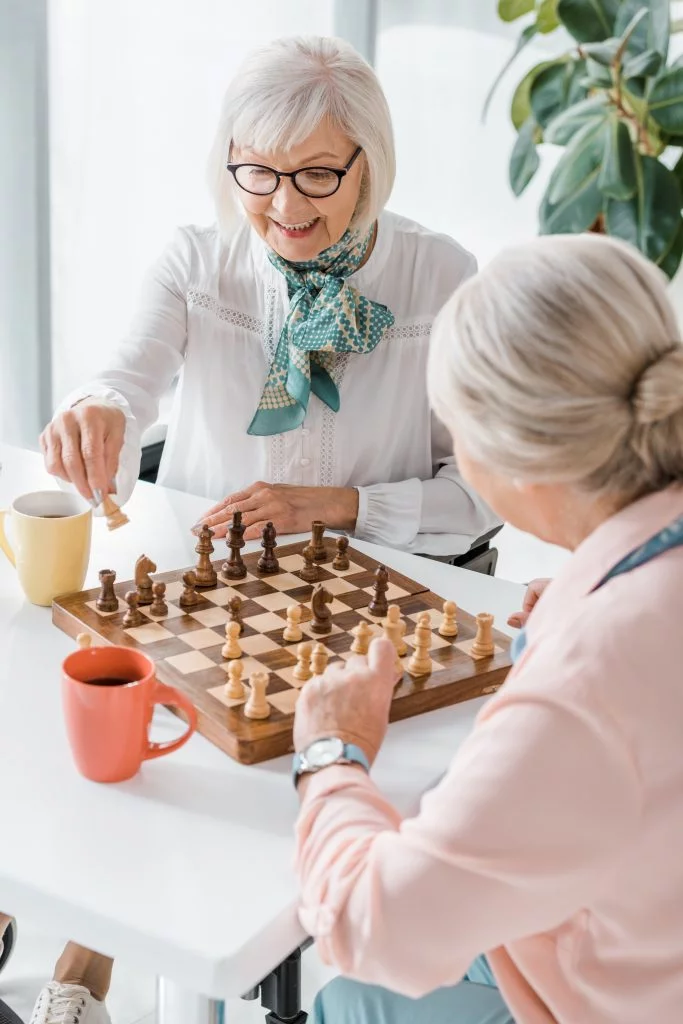
St Barnabas Arbors Gibsonia
Memory Care 5827 Meridian Road, Gibsonia, Pennsylvania, 15044Compassionate Memory Care at Arbors of Gibsonia: Supportive Living for Seniors with Alzheimers and DementiaCaring for a loved one with memory loss is a journey filled with emotional and physical challenges. Families looking for a safe, enriching, and compassionate solution turn to Arbors of Gibsoniaa trusted assisted living and memory care community offering specialized support for seniors with Alzheimers disease, dementia, and other memory impairments.Located in a beautiful, welcoming setting in Gibsonia, Pennsylvania, this dedicated memory care program is part of the larger Arbors of Gibsonia senior living community, making it an ideal option for families seeking continuum of care in one location.Secure and Structured Memory Care LivingThe memory care program at Arbors of Gibsonia provides a secure, structured environment tailored to the unique needs of individuals experiencing memory loss. The setting is designed to minimize confusion and maximize comfort, with thoughtful layouts, secure access, and tranquil surroundings that help residents feel safe and at ease.Each resident enjoys the privacy of their own personal living space while benefiting from access to cozy, supervised common areas for social interaction, meals, and daily activities. Families gain peace of mind knowing their loved one is in a safe, supportive setting with 24/7 care.Specialized Care for Alzheimers and DementiaThe dedicated memory care team at Arbors of Gibsonia is trained in the latest best practices for dementia care, offering a compassionate and individualized approach. Each resident receives a customized care plan that addresses their stage of memory loss, physical abilities, and cognitive needs. Services include:Gentle assistance with daily living activities like bathing, dressing, and grooming24/7 supervision and safety monitoringMedication management and health coordinationCognitive stimulation and memory-strengthening programsEncouraging emotional connection through validation therapy and reminiscenceFamily communication and support resourcesBy focusing on dignity, familiarity, and routine, this community helps residents feel calm, engaged, and valued each day.Engaging Daily Activities for Memory SupportAt Arbors of Gibsonia, the memory care team understands that mental stimulation and social interaction are key to enhancing the quality of life for seniors with dementia. Residents are invited to participate in a wide variety of memory-enhancing activities, including:Music therapy and art therapySensory-based experiencesPet therapy and calming nature walksGentle fitness and movement classesStorytelling, reminiscing sessions, and puzzlesOne-on-one interaction and small-group programsActivities are structured to match each residents abilities and interests, fostering a sense of accomplishment and purpose.Whole-Person Wellness in a Familiar EnvironmentUnlike institutional settings, Arbors of Gibsonia promotes a warm, homelike atmosphere where residents can feel comfortable and secure. With consistent staffing, familiar routines, and a calming ambiance, residents form meaningful relationships with caregivers and fellow residentsbuilding trust and emotional well-being.Meals are carefully prepared to promote nutrition and hydration, and dining is made easy through hands-on assistance and encouragement. The environment promotes physical, emotional, and spiritual well-being, with access to faith-based services, family visitation, and holistic care.A Seamless Continuum of Care Under One RoofBecause the memory care neighborhood is part of the larger Arbors of Gibsonia assisted living campus, seniors can transition smoothly between levels of care as their needs evolve. Whether beginning with personal care services or moving directly into memory care, families never need to relocate their loved one to a different facility. This consistency fosters peace of mind and continuity of care.Support for Family CaregiversFamilies caring for a loved one with Alzheimers or dementia often experience burnout, stress, and uncertainty. Arbors of Gibsonia provides respite care options for temporary stays, along with ongoing communication and education for family members. The memory care team becomes a trusted partner in the caregiving journeyoffering support, resources, and reassurance every step of the way.Why Families Choose Arbors of Gibsonia for Memory CareDedicated memory care neighborhood within a trusted assisted living communitySecure, supportive setting for residents with Alzheimers and dementia24/7 caregiving staff trained in memory care best practicesIndividualized care plans for every stage of memory lossFull calendar of enriching, therapeutic activitiesBeautiful, homelike environment with outdoor spacesSeamless access to higher levels of care as needs changePet-friendly accommodations and family-friendly policies