Regaining Strength With Rehabilitation in Wall Township, NJ
Complete Care - Ocean/Monmouth/Middlesex Multiple Locations
For more information about the author, click to view their website: Complete Care at Wall NJ
Oct 14, 2026
New Jersey - Ocean & Monmouth Counties

Email US
Click to Email Us
Regaining Strength With Rehabilitation in Wall Township, NJ
Recovering from surgery, a serious illness, or an injury can be challenging, especially for older adults. Even after leaving the hospital, patients may need additional support to regain strength, improve mobility, and return to everyday activities.
Tasks that once felt simple, such as getting dressed, walking across a room, preparing meals, or climbing stairs, can become difficult during recovery.
For seniors and families in Wall Township, Spring Lake, Belmar, Manasquan, Howell, and surrounding Monmouth County communities, choosing the right rehabilitation facility can be an important step toward a safer return home.
Complete Care at Wall NJ, located at 1725 Meridian Trail in Wall Township, provides post-acute rehabilitation services designed to support individuals recovering from illness, injury, or surgery.
Through individualized treatment plans, physical therapy, occupational therapy, speech therapy, and skilled nursing support, the facility focuses on helping patients rebuild functional abilities and prepare for the next stage of recovery.
Understanding what rehabilitation involves can help families make informed decisions when planning care after hospitalization.
What Is Post-Acute Rehabilitation?
Post-acute rehabilitation refers to therapy and supportive medical services provided after a hospitalization, surgery, or significant illness.
Some individuals can return home immediately after leaving the hospital.
Others need additional therapy or nursing care before they can safely manage everyday responsibilities.
Common Reasons for Rehabilitation
Patients may need rehabilitation following:
Joint replacement surgery
Orthopedic injuries
Falls and fractures
Stroke
Serious illness
Prolonged hospitalization
Significant weakness
Mobility limitations
Changes in daily functioning
Recovery needs differ depending on the person's medical condition, physical abilities, and goals.
A healthcare team evaluates these factors to determine which services are appropriate.
Why Rehabilitation Matters for Seniors in Monmouth County
Monmouth County is home to a significant population of older adults.
Many residents have spent decades building lives in communities such as Wall Township, Spring Lake, Belmar, Sea Girt, Manasquan, Neptune, and Howell.
When an older adult experiences a major health event, remaining close to family can be an important consideration.
The Benefits of Local Rehabilitation
Choosing a rehabilitation facility in Monmouth County may help families:
Visit more conveniently
Participate in care discussions
Communicate with healthcare professionals
Prepare for a return home
Coordinate follow-up appointments
Maintain family connections
Understand ongoing care needs
Complete Care at Wall offers a local rehabilitation option for patients and families throughout the area.
Its location in Wall Township also provides access for families in nearby Ocean County communities.
Understanding the Recovery Process After Hospitalization
Leaving the hospital does not always mean a person has fully recovered.
A patient may be medically stable but still experience weakness, pain, fatigue, or difficulty completing everyday activities.
These limitations can create challenges when returning home.
Common Post-Hospitalization Concerns
An individual may experience:
Reduced strength
Difficulty walking
Balance problems
Trouble getting dressed
Limited endurance
Changes in communication
Swallowing difficulties
Ongoing medication needs
Difficulty moving safely between surfaces
Post-acute rehabilitation helps address functional limitations through appropriate treatment and support.
The goal is to improve abilities when possible and help patients prepare for a suitable discharge setting.
Personalized Rehabilitation at Complete Care at Wall
Every recovery journey is different.
Some individuals require a relatively short period of therapy following surgery.
Others need additional time because of multiple health conditions or significant functional limitations.
Complete Care at Wall develops rehabilitation plans based on each patient's abilities, treatment needs, and recovery goals.
An Individualized Approach
Personalized rehabilitation considers:
Medical history
Current physical abilities
Rehabilitation goals
Strength and mobility
Pain or discomfort
Endurance
Cognitive or communication needs
Personal care requirements
Anticipated discharge setting
The facility describes adjusting therapy according to patients' abilities and tolerance.
This approach is important because rehabilitation should challenge individuals appropriately without ignoring medical limitations.
Physical Therapy: Rebuilding Strength and Mobility
Physical therapy is a major component of post-acute rehabilitation.
It focuses on movement, strength, balance, coordination, and physical function.
After an illness or surgery, patients may struggle with activities that require the arms, legs, and torso.
Physical Therapy May Address
Walking
Standing
Sitting and rising from chairs
Balance
Strength
Coordination
Endurance
Stair navigation
Safe transfers
Mobility equipment use
Rehabilitation After Surgery
An older adult recovering from knee or hip surgery may need help improving movement and walking ability.
Physical therapy can address functional goals based on the surgeon's recommendations and the patient's condition.
Rehabilitation After Illness
Someone recovering from a serious illness may experience weakness because of reduced activity during hospitalization.
Therapy may focus on gradually improving strength, endurance, and mobility.
The Importance of Appropriate Progression
Recovery is not always linear.
Some days may be more difficult than others.
Therapists adjust activities according to medical recommendations, progress, and tolerance.
At Complete Care at Wall, rehabilitation services may be available up to seven days per week, depending on the individual's needs and treatment plan.
Occupational Therapy: Returning to Everyday Activities
Occupational therapy focuses on the skills people need to participate in daily life.
Although physical therapy often emphasizes larger movements and mobility, occupational therapy addresses functional activities such as dressing, bathing, grooming, and other daily tasks.
Everyday Activities Occupational Therapy May Support
Dressing
Bathing
Grooming
Toileting
Preparing simple meals
Using utensils
Managing household tasks
Fine motor coordination
Using adaptive equipment
Regaining Everyday Independence
Consider an older adult recovering from a wrist injury.
They may experience difficulty buttoning clothing, holding utensils, or using a phone.
Occupational therapy may help address these challenges through appropriate exercises, task practice, and adaptive strategies.
Preparing for Home
Occupational therapists may also help patients learn safer ways to complete activities at home.
Depending on individual needs, this can involve recommendations for mobility aids, bathroom equipment, or other adjustments.
Complete Care at Wall includes occupational therapy within its rehabilitation program.
Speech Therapy: Supporting Communication and Swallowing
Speech therapy is sometimes misunderstood as a service only for speaking difficulties.
Speech-language professionals also address communication, language, cognition-related communication skills, and swallowing disorders.
These challenges may occur after a stroke, neurological condition, surgery, or serious illness.
Speech Therapy May Help With
Speech clarity
Understanding spoken language
Expressing thoughts
Communication strategies
Certain cognitive-communication difficulties
Swallowing safety
Appropriate eating and drinking strategies
Communication After a Stroke
Some individuals experience difficulties speaking or understanding language after a stroke.
Speech-language therapy may help patients work toward improved communication or develop alternative strategies.
Swallowing Concerns
Difficulty swallowing can create important medical risks.
A speech-language professional may evaluate swallowing and recommend appropriate treatment strategies or dietary modifications in coordination with the medical team.
Complete Care at Wall offers speech therapy as part of its post-acute rehabilitation services.
Skilled Nursing Support During Rehabilitation
Rehabilitation often involves more than therapy appointments.
Some patients also require ongoing medical monitoring, medication administration, or nursing services.
Complete Care at Wall provides skilled nursing services and round-the-clock nursing care.
Nursing Support May Involve
Depending on individual needs:
Monitoring health conditions
Medication administration
Assessing changes in condition
Supporting treatment plans
Coordinating with physicians
Assisting with personal care
Addressing medical concerns
Supporting discharge planning
Why Nursing and Rehabilitation Work Together
A patient's medical condition can affect their ability to participate in therapy.
For example, pain, fatigue, blood pressure changes, or other health concerns may influence treatment tolerance.
Communication among healthcare professionals helps align therapy with the patient's medical needs.
Rehabilitation After an Orthopedic Injury
Falls, fractures, and joint problems can significantly affect mobility.
After orthopedic surgery or an injury, older adults may need time to rebuild functional abilities.
Common Rehabilitation Goals
Depending on the injury and medical instructions, goals may include:
Improving walking ability
Rebuilding strength
Increasing endurance
Practicing safe transfers
Improving balance
Learning to use mobility equipment
Completing personal care activities
Therapy plans should follow medical restrictions and the patient's individual recovery needs.
Not everyone will return to their previous level of function, but rehabilitation can help determine achievable goals.
Recovery After a Stroke
A stroke may affect movement, speech, swallowing, cognition, or coordination.
Rehabilitation needs vary considerably.
Some people require extensive assistance, while others have more limited impairments.
Rehabilitation Services That May Be Helpful
Physical therapy
May address strength, balance, walking, and mobility.
Occupational therapy
May help with dressing, bathing, hand use, and everyday functioning.
Speech therapy
May address communication and swallowing problems.
Skilled nursing
May support ongoing medical care and monitoring.
An interdisciplinary approach can help address several functional needs.
Families should ask whether a facility can meet the patient's specific medical and rehabilitation requirements.
The Role of Emotional Support During Recovery
Recovering from a significant health event can be emotionally difficult.
Patients may feel frustrated when simple tasks require assistance.
Others may experience anxiety about returning home or uncertainty about their future abilities.
Common Emotional Challenges
Frustration
Fear of falling
Loss of confidence
Changes in daily independence
Fatigue
Uncertainty about recovery
Concern about family responsibilities
Complete Care at Wall describes an approach that considers emotional well-being alongside physical rehabilitation.
Why Encouragement Matters
Supportive communication and realistic goals may help patients remain engaged in rehabilitation.
However, persistent sadness, anxiety, or significant behavioral changes should be discussed with healthcare professionals.
Emotional needs deserve attention just as physical limitations do.
Preparing for a Safe Return Home
For many patients, returning home is an important rehabilitation goal.
However, discharge planning should begin before the actual discharge date.
Families need to understand what the patient will be able to manage and what additional support may be necessary.
Important Questions Before Discharge
Can the patient walk safely?
Is assistance needed with bathing or dressing?
Can the patient manage stairs?
Are mobility devices required?
What medications are prescribed?
Will continued therapy be necessary?
Is home care appropriate?
Are follow-up appointments scheduled?
Does the home need modifications?
A discharge plan should reflect the individual's functional abilities and healthcare requirements.
Home Safety Considerations After Rehabilitation
Some older adults return home with temporary or permanent mobility limitations.
An environment that was previously manageable may now present challenges.
Home Safety Improvements May Include
Removing loose rugs
Keeping walking paths clear
Improving lighting
Installing appropriate grab bars
Using recommended mobility equipment
Making frequently used items accessible
Reviewing stair safety
Arranging additional assistance when needed
Recommendations should be tailored to the person's abilities.
A therapist or other qualified professional may help identify suitable modifications.
The Importance of Family Involvement
Family members often provide valuable information about the patient's previous routines and living environment.
They may also help coordinate appointments, transportation, and ongoing support.
Ways Families Can Participate
Relatives may:
Discuss rehabilitation goals
Attend care planning meetings
Ask about progress
Share information about the home environment
Learn recommended safety techniques
Prepare for discharge
Coordinate follow-up services
Offer emotional encouragement
Participation should follow the patient's consent and privacy preferences.
Understanding Different Recovery Timelines
One of the most common questions families ask is how long rehabilitation will take.
There is no universal timeline.
Recovery depends on factors such as:
Type of injury or illness
Previous functional abilities
Medical complexity
Individual response to treatment
Rehabilitation goals
Available home support
Ongoing healthcare needs
Some individuals progress quickly.
Others require longer periods of rehabilitation or additional care.
Realistic Recovery Goals
A thoughtful rehabilitation plan focuses on measurable functional improvements rather than promising complete recovery.
For one patient, success may mean walking independently.
For another, the goal may be transferring safely with assistance or improving the ability to complete personal care.
Progress should be evaluated against individual circumstances.
Rehabilitation Versus Long-Term Care
Post-acute rehabilitation and long-term care serve different purposes.
Post-Acute Rehabilitation
Post-acute care focuses on recovery and improving functional abilities after an illness, injury, or hospitalization.
Treatment often includes therapy and skilled nursing services.
Long-Term Care
Long-term care supports individuals who need ongoing assistance because of chronic conditions, disabilities, or functional limitations.
Complete Care at Wall offers both post-acute rehabilitation and long-term care.
Families should discuss the patient's needs to determine which program is appropriate.
Understanding Rehabilitation Costs and Coverage
Financial considerations are an important part of selecting a rehabilitation facility.
Coverage may depend on Medicare, Medicaid, private insurance, medical necessity, eligibility requirements, and the specific services being provided.
Questions About Coverage
Families should ask:
Does the facility accept the patient's insurance?
Is prior authorization required?
What rehabilitation services are covered?
Are there deductibles or copayments?
What happens if the approved stay ends?
Are additional services billed separately?
Who can explain the financial arrangements?
Original Medicare Part A may cover qualifying skilled nursing facility care for eligible individuals, subject to applicable conditions, benefit limits, and cost-sharing.
Coverage is not guaranteed simply because a physician recommends rehabilitation.
Families should verify individual benefits with the facility and insurance provider.
What to Ask When Choosing a Rehabilitation Facility
Selecting a post-acute rehabilitation facility involves understanding both its clinical services and everyday environment.
Questions to Consider
What rehabilitation therapies are available?
How often are therapy sessions scheduled?
Are nursing services provided around the clock?
How are treatment plans developed?
How is progress evaluated?
How do therapists adjust treatment?
What happens if medical needs change?
How are families kept informed?
When does discharge planning begin?
What assistance is available when transitioning home?
Complete Care at Wall offers physical, occupational, and speech therapy, as well as skilled nursing services.
Families should discuss the patient's specific needs with the admissions and clinical team.
Rehabilitation Tip: Prepare for Life After Therapy
Senior Rehabilitation Tip: Before discharge, ask the care team to explain which activities the patient can complete independently, which require assistance, and what equipment or services may be needed at home. A clear transition plan can make the next stage of recovery easier to manage.
The goal is not simply to finish rehabilitation but to prepare for everyday life after leaving the facility.
Frequently Asked Questions About Rehabilitation in Wall Township, NJ
1. What rehabilitation services does Complete Care at Wall provide?
Complete Care at Wall offers post-acute rehabilitation, including physical therapy, occupational therapy, and speech therapy, along with skilled nursing services.
2. How often are rehabilitation services available?
The facility states that rehabilitation services may be provided up to seven days per week, depending on individual needs, goals, and tolerance.
3. Who may benefit from post-acute rehabilitation?
Individuals recovering from surgery, illness, injury, hospitalization, or changes in functional abilities may benefit from rehabilitation when medically appropriate.
4. Does Complete Care at Wall provide skilled nursing?
Yes. The facility provides skilled nursing and round-the-clock nursing care for patients requiring appropriate medical and supportive services.
5. Can families contact Complete Care at Wall to discuss rehabilitation?
Yes. Families can contact the admissions team to ask about rehabilitation services, medical requirements, insurance coverage, availability, and facility tours.
Explore Rehabilitation Services at Complete Care at Wall
Recovering from surgery, illness, or injury can require patience, professional guidance, and individualized support.
For seniors and families throughout Wall Township, Spring Lake, Belmar, Manasquan, Howell, Neptune, and surrounding Monmouth County communities, Complete Care at Wall offers post-acute rehabilitation designed to help patients rebuild functional abilities and prepare for the next stage of care.
Through physical therapy, occupational therapy, speech therapy, skilled nursing, and individualized rehabilitation planning, the facility supports patients with a range of recovery needs.
Looking for post-acute rehabilitation in Wall Township, New Jersey?
Visit Complete Care at Wall NJ on SeniorsBlueBook.com to explore the facility's services and connect with the team.
You can also call 732-312-1800 to ask about rehabilitation programs, admission requirements, insurance coverage, and current availability.
A personalized rehabilitation plan can help patients and families prepare for recovery with appropriate medical support and realistic goals for returning to everyday activities.
Other Articles You May Like
Rebuilding Mobility After a Hospital Stay in Ocean County, NJ
Rebuilding Mobility After a Hospital Stay in Ocean County, NJAfter an injury, surgery, stroke, or difficult hospital stay, the next step may be a rehabilitation program rather than an immediate return to everyday routines. People can be medically ready to leave the hospital yet still struggle with walking, bathing, speaking, or completing ordinary tasks. Therapy and appropriate nursing support can help them work toward functional goals.For residents and families in Ocean County, New Jersey, Complete Care at Shorrock Gardens NJ is a rehabilitation facility option worth exploring. This guide explains the questions to ask and the care principles to look for when assessing services in the county. Specific clinical capabilities, staffing arrangements, insurance participation, and admission requirements should be confirmed with the facility.Choosing rehabilitation involves understanding what needs to improve, which professionals will be involved, and what must happen before discharge. A thoughtful plan also considers the home environment and the help that will be available afterward.A useful starting point is recovering after hospitalization. Looking closely at mobility and balance rehabilitation can help families identify the right questions for the treating team and understand what realistic progress or ongoing support could involve. Choices should reflect individual medical recommendations, preferences, and the ability to meet needs safely.Rebuilding Confidence With MovementAfter hospitalization, fear of falling may make patients avoid movement even when activity is recommended. Rehabilitation can help patients practice specific movements in a supervised environment, beginning with abilities they can manage and building gradually. The goal is safe function, not speed.Before discharge, discuss walking surfaces, stair use, footwear, equipment, and help needed for transfers. A person who can walk in a therapy gym may still need additional planning for a crowded home or uneven entrance.What Rehabilitation Aims to AchieveRehabilitation helps a person work toward practical functional goals after surgery, injury, hospitalization, or serious illness. The goal is not simply to complete a certain number of therapy sessions. It is to improve safe participation in everyday life when possible.For one patient, that may mean getting out of bed more independently; for another, it may mean walking to the bathroom, using stairs, or learning a safer way to dress.Recovery varies with diagnosis, pre-hospital abilities, pain, fatigue, and other conditions. The treatment team should identify measurable priorities and explain how they will review progress. No reputable program can promise complete recovery or a fixed discharge date for every patient.Physical Therapy and Functional MobilityPhysical therapy may work on balance, strength, endurance, safe transfers, and walking with or without recommended equipment.A person weakened by a hospital stay might begin with brief supervised movement before progressing toward longer distances. Someone recovering from orthopedic surgery may have precautions that influence which activities are appropriate.Therapists adjust treatment to medical restrictions and individual tolerance. Families can ask what movements are safe between sessions, whether an assistive device is recommended, and which skills must improve before discharge.Progress may be gradual and is not always the same from one day to the next.Occupational Therapy and Daily RoutinesOccupational therapy focuses on meaningful everyday tasks such as bathing, dressing, toileting, grooming, and using household items.For a patient with limited hand function, practicing buttons or adapted utensils may be important. For someone with balance limitations, a safer sequence for getting dressed may help reduce risk.Therapy may also identify equipment or home-environment changes worth discussing before discharge.The objective is not to make every person perform tasks identically; it is to find safe, achievable ways to participate in personal routines. Patients and families should describe the real demands of the intended home environment.Setting Meaningful Rehabilitation GoalsBefore treatment begins, describe the patient's usual life: whether there are entry steps, whether they live alone, how far they normally walk, and which activities they most want to resume.Functional goals should be individualized and achievable. A patient may prioritize getting to the bathroom safely before attempting longer outdoor walks.Ask therapists to explain how goals will be measured and how often progress is discussed. Fatigue, pain, medical restrictions, and changing symptoms may require adjustments; these are reasons for reassessment, not automatic signs of failure.Speech, Communication and Swallowing NeedsSpeech-language therapy may be appropriate after a stroke, neurological event, or illness affecting communication or swallowing.Treatment can address speech clarity, understanding language, memory-related communication strategies, or swallowing safety, depending on professional assessment.Not every rehabilitation patient needs speech therapy.Swallowing concerns should be handled by qualified professionals because inappropriate food textures or unapproved changes in diet may increase risk.Families can ask how recommendations are communicated to nursing and dietary staff and whether they will receive instructions for home.Nursing Support During RecoveryTherapy is only one part of post-acute recovery.Some patients also require medication administration, symptom monitoring, wound care, help with personal needs, or coordination with prescribing clinicians.A change in pain, alertness, breathing, or blood pressure may affect the ability to participate safely in rehabilitation.Communication between nursing staff and therapists helps align activities with the patient's medical condition.Ask who should be contacted about new symptoms, how appointments are coordinated, and what happens if the patient is unable to participate in therapy on a particular day.Discharge Planning Starts EarlyA safe transition home depends on more than a discharge date.The care team should consider whether the patient can move through the home, manage essential self-care, take medications correctly, and reach follow-up appointments.The availability of a family caregiver, home health services, transportation, or equipment can also influence the plan.Families should describe entry stairs, bathroom layout, sleeping arrangements, and who will be present after discharge.Ask for clear written instructions about:Warning signs that require medical attentionMedication changesRecommended mobility equipmentActivity restrictionsFollow-up appointmentsHome health or outpatient therapy needsIf home is not yet safe, the team should discuss realistic alternatives.Costs and Coverage for RehabilitationCoverage depends on the specific setting, insurance plan, medical necessity, and benefit rules.A stay in a skilled nursing rehabilitation program is not the same insurance category as an inpatient rehabilitation hospital.Under Original Medicare, qualifying skilled nursing facility coverage has defined eligibility conditions, benefit periods, and potential cost-sharing. Other insurance plans may require authorization or impose network restrictions.Before admission, confirm the facility's designation, the services being requested, expected patient responsibilities, and what happens if the insurer ends coverage.The admission or billing team should provide details for the patient's particular plan rather than relying on generalized advertising.Preparing the Family for the Next StepRelatives can help by describing the home layout and identifying who can provide support after discharge.If a caregiver will help with transfers or medications, they may benefit from training before the patient leaves.An honest description of available assistance is essential; promising more support than a household can provide may create avoidable risk.Request written instructions about equipment, follow-up visits, activity limits, symptoms that need urgent attention, and any recommended home health or outpatient services.The team should explain the plan in language the patient and family understand.How to Compare Rehabilitation OptionsAsk whether the program can meet the specific therapy and medical needs, not only whether it uses the term "rehabilitation."Review the rehabilitation setting, clinical staffing, typical scheduling process, transfer arrangements, and discharge-planning approach.Services and frequency depend on evaluations, medical need, and insurance requirements.Talk about costs early and verify authorization with the payer.Public quality information may offer additional context, but the individual patient's condition, goals, and ability to participate should guide the ultimate planning conversation.Rehabilitation Planning TipExpert Tip: Before a rehabilitation admission, list the everyday tasks the patient must manage after discharge, along with stairs, bathroom features, and available caregiver support. Use this information to discuss practical therapy goals and a safer transition plan.Frequently Asked Questions About Rehabilitation1. Who may need rehabilitation after hospitalization?A patient may benefit when illness, surgery, injury, or a neurological event has affected walking, self-care, communication, or other functional skills, and appropriate clinicians recommend therapy.2. Is rehabilitation the same as skilled nursing?Not exactly. Rehabilitation emphasizes functional recovery through appropriate therapies. Some rehabilitation programs operate within skilled nursing facilities, where medical and nursing support may also be available.3. How long does rehabilitation take?The length varies according to diagnosis, prior abilities, treatment response, medical stability, and discharge needs. A care team should discuss realistic goals rather than guarantee a fixed timeline.4. Will therapy continue after discharge?Some patients may need home health, outpatient rehabilitation, or continued exercises prescribed by clinicians. Recommendations depend on function, insurance rules, and the discharge plan.5. What should families discuss before admission?Ask which therapy disciplines are available, how evaluations work, what nursing support is provided, how progress is tracked, when discharge planning begins, and how insurance coverage is verified.Moving Forward With a Rehabilitation PlanRehabilitation is a process of working toward meaningful daily abilities.The right plan connects medical stability, therapy goals, personal preferences, and a practical discharge destination. Even small improvements can matter when they help someone complete a task with greater comfort or safety.Before choosing a program, ask the care team which therapies are appropriate, how progress will be reviewed, and what support may still be needed afterward.Clear expectations make it easier for patients and families to participate in recovery planning.Learn More About Complete Care at Shorrock Gardens NJTo explore Complete Care at Shorrock Gardens NJ and ask about rehabilitation services in Ocean County, New Jersey, visit the community's Seniors Blue Book profile.Contact the facility directly to confirm services, assessments, insurance participation, pricing, and availability before making care arrangements.
Rehabilitation Facilities in Boise, ID
After a stroke, surgery, serious injury, or complicated illness, leaving an acute-care hospital does not always mean a person is ready to return home. Many older adults still need coordinated therapy, rehabilitation nursing, medical oversight, and practical training before safely managing daily activities.Saint Alphonsus Regional Rehabilitation Hospital, an affiliate of Encompass Health, provides hospital-level inpatient rehabilitation in Boise for people working to recover function and independence.What Rehabilitation Facilities IncludeRehabilitation facilities provide therapy and clinical support for people recovering from conditions that affect movement, communication, thinking, endurance, or everyday activities.Rehabilitation may take place in an inpatient hospital, skilled nursing facility, outpatient clinic, home health program, or another setting. The appropriate setting depends on medical stability, therapy tolerance, functional goals, caregiver support, insurance requirements, and nursing needs.Saint Alphonsus Regional Rehabilitation HospitalPhone: 208-605-3000Saint Alphonsus Regional Rehabilitation Hospital is located at 711 North Curtis Road in Boise. The hospital is an affiliate of Encompass Health and focuses on inpatient rehabilitation for conditions such as: Stroke Brain injury Hip fracture Spinal cord injury Neurological conditions Orthopedic conditions An Interdisciplinary Treatment TeamThe hospitals published information describes a team that may include physicians, rehabilitation nurses, physical therapists, occupational therapists, speech therapists, dietitians, pharmacists, and case managers.Physical therapy may focus on movement and balance. Occupational therapy may address daily activities. Speech therapy may help with communication, cognition, or swallowing when clinically appropriate.Therapy Intensity and Medical SupportThe provider states that its program includes three hours of therapy five days per week, 24-hour rehabilitation nursing, and frequent physician visits. Actual schedules are individualized according to each patients medical needs and tolerance.Families should ask how therapy time is organized, how progress is measured, and what happens when a patient cannot complete a scheduled session.Preparing for the Next SettingRehabilitation should include planning for discharge. Case managers and therapists may help identify needed equipment, caregiver training, home modifications, outpatient therapy, home health services, or another level of care.Why This Matters Locally in BoiseReceiving rehabilitation in Boise can keep a patient close to relatives, physicians, and other Treasure Valley services. Family participation can be important when caregivers need training involving transfers, mobility equipment, communication strategies, or home safety.Admission depends on clinical criteria, the patients ability to participate, insurance authorization, and bed availability.How to Get Started Ask the hospital or physician whether inpatient rehabilitation is clinically appropriate. Request a referral and gather medical records, therapy notes, and insurance information. Call Saint Alphonsus Regional Rehabilitation Hospital at 208-605-3000. Ask about therapy intensity, nursing coverage, physician involvement, visitation, and expected length of stay. Confirm insurance authorization and possible out-of-pocket costs. Begin planning for equipment, transportation, follow-up care, and caregiver training. Related Seniors Blue Book Categories Rehabilitation Hospitals-Inpatient in Boise, ID Physical Therapy in Boise, ID Occupational Therapy in Boise, ID
4 Best Rehabilitation Services in Sarasota, FL
Finding the Right Path Back to IndependenceRecovery rarely follows a straight line. One day a parent is recovering from hip surgery; the next, a stroke changes everything about how a family thinks of "getting back to normal." Or maybe it's slower and quieter a gradual loss of balance, a Parkinson's diagnosis, a shoulder that never quite came back after a fall. Whatever the starting point, families in Sarasota are often left asking the same question: who can actually help my loved one recover, safely and as fully as possible?That's where rehabilitation services come in. Rehab isn't one thing it spans everything from intensive inpatient hospital care after a major medical event to physical therapy at a neighborhood clinic to occupational therapy delivered right in a client's living room. Sarasota happens to have an unusually strong bench of options across that entire spectrum. Below, we walk through four established rehabilitation providers serving the Sarasota area, so families can understand what each one actually offers and find the right fit for where their loved one is in their recovery.What Are Rehabilitation Services, and Who Are They For?Rehabilitation services help people recover physical function, mobility, and independence after an illness, injury, surgery, or the onset of a progressive condition. Depending on the provider and setting, rehab can include: Physical therapy (PT) restoring strength, mobility, balance, and movement after injury or surgery Occupational therapy (OT) rebuilding the skills needed for daily living, such as dressing, cooking, and safely navigating the home Inpatient rehabilitation hospital-level care combined with intensive daily therapy, typically following a serious medical event like a stroke or major surgery Outpatient rehabilitation clinic-based therapy for people who don't require hospitalization but need structured, ongoing treatment Mobile/in-home rehabilitation therapy delivered directly in a client's home, useful for those with limited mobility or transportation Specialized programs including balance and vestibular therapy, lymphedema treatment, and condition-specific programs like LSVT BIG for Parkinson's disease Rehabilitation is for anyone recovering from a stroke, hip fracture, joint replacement, or other surgery; anyone managing a progressive neurological condition such as Parkinson's disease; and anyone whose balance, strength, or daily functioning has declined and who wants structured support to regain as much independence as possible. Some people need the intensity of an inpatient hospital stay; others do well with weekly outpatient visits; and some are better served by a therapist who comes to them.The 4 Best Rehabilitation Services in Sarasota, FL1. Encompass Health Rehabilitation Hospital of SarasotaPhone: (941) 921-8600Encompass Health Rehabilitation Hospital of Sarasota, located at 6400 Edgelake Drive, is a 96-licensed-bed, Medicare-certified inpatient rehabilitation hospital. It's the most intensive level of rehab care on this list, designed for patients recovering from serious medical events who need a hospital level of care combined with focused daily therapy.Services offered: The hospital provides comprehensive medical rehabilitation for stroke, brain injury, spinal cord injury, complex orthopedic conditions such as hip fracture and amputation, and neurological conditions including Parkinson's disease and multiple sclerosis. Patients receive at least three hours of customized therapy a day, five days a week, backed by 24/7 nursing care and frequent physician visits. The hospital is accredited by the Joint Commission specifically in Stroke Rehabilitation, Hip Fracture Rehabilitation, and Spinal Cord Rehabilitation, and accepts VA Community Care Network (VA CCN) and TRICARE benefits for eligible veterans.What families should know: This is inpatient care, meaning patients stay at the hospital during their rehabilitation, distinguishing it clearly from the outpatient and in-home options elsewhere on this list. Families and physicians can initiate a referral by phone, and the admissions team can complete screenings either at the bedside or remotely a helpful option when a family is coordinating a transfer directly from an acute care hospital.Best for: Patients recovering from a major medical event stroke, significant orthopedic surgery, spinal cord or brain injury who need intensive, hospital-level rehabilitation before returning home. 2. FYZICAL Therapy & Balance CentersPhone: (941) 951-0170FYZICAL Therapy & Balance Centers is headquartered in Sarasota and operates several clinic locations throughout the area, reflecting how deeply rooted the brand is in this specific community. FYZICAL clinics provide outpatient physical therapy along with specialized balance and vestibular care, using advanced training and technology to treat dizziness and balance disorders.Services offered: FYZICAL's Sarasota-area locations offer physical therapy, aquatic therapy, and specialized programs addressing orthopedic recovery, vestibular and balance disorders, and post-surgical rehabilitation. Clinics feature amenities like heated therapy pools and water treadmills, and design individualized treatment plans rather than one-size-fits-all protocols. The organization's clinical team includes physical therapists, otolaryngology physicians, and audiologists working together on dizziness and balance disorders specifically.What families should know: Because FYZICAL has multiple locations across Sarasota including clinics on Mound Street, South Tamiami Trail, Cattleridge Drive, and Second Street families can often find a clinic conveniently close to home. Balance and fall-risk assessment is a particular area of strength here, which makes FYZICAL worth a look even for seniors who haven't had a recent injury but are concerned about instability or dizziness.Best for: Seniors needing outpatient physical therapy, especially those dealing with balance issues, dizziness, vertigo, or fall risk, who want a full-service clinic environment with specialized equipment. 3. Functional Transformation Mobile RehabPhone: (941) 830-3749Functional Transformation Mobile Rehab is a Sarasota-based practice, led by occupational therapist and certified lymphedema therapist James Ferrara, that brings therapy directly to clients rather than requiring them to travel to a clinic. The practice serves Sarasota, Manatee, Charlotte, and Hillsborough counties, and operates a lymphedema-focused clinic location at 2201 Cantu Court in Sarasota in addition to its mobile services.Services offered: The practice specializes in occupational therapy, lymphedema therapy (including cancer-related lymphedema treatment), and LSVT BIG/LSVT LOUD programs specifically designed for people with Parkinson's disease. Occupational therapy sessions focus on restoring the skills needed for daily living from dressing and showering safely to fine motor tasks like buttoning a shirt or using a computer. The practice is a Medicare Part B-approved provider, and clients do not need to be officially homebound to use its services. Its lymphedema program uses SOZO bioimpedance technology to detect early fluid buildup, supporting earlier intervention for at-risk patients.What families should know: Because therapy happens in the client's own home, this option removes the transportation barrier that can be a real obstacle for seniors with limited mobility. The practice specifically emphasizes a low-caseload, unhurried approach therapists intentionally avoid over-scheduling so each client gets a personalized pace.Best for: Seniors with limited mobility or transportation challenges, or those managing lymphedema or Parkinson's disease, who would benefit from therapy delivered directly at home. 4. Smile Home TherapyPhone: (941) 557-5073Smile Home Therapy is a licensed occupational therapy practice serving Manatee and Sarasota counties, operating under a Florida Department of Health occupational therapy license. The practice focuses specifically on helping clients maintain independence in daily life at home, rather than in a traditional clinic setting.Services offered: Smile Home Therapy builds customized treatment plans addressing functional mobility, meal preparation, medication management, bed mobility, social participation, and everyday tasks like pet care and laundry. The practice also works on home management skills including home cleaning, maintenance, emergency preparedness, and general safety and runs a home modification program that provides recommendations and hands-on assistance with additions like grab bars, ramps, and lifts for people with disabilities or chronic conditions.What families should know: Smile Home Therapy's emphasis on home modification and safety makes it a particularly strong fit for families focused on fall prevention or adapting a home for long-term aging in place, rather than recovery from a single acute event. It's worth asking how the practice's services might complement, rather than duplicate, other therapy a client is already receiving.Best for: Seniors focused on home safety, fall prevention, and maintaining independence in daily activities, especially those looking to modify their living space for long-term aging in place. Why This Matters Locally in SarasotaSarasota's large and growing senior population means the need for quality rehabilitation care here is significant and ongoing, not occasional. A few local factors are worth keeping in mind: A full continuum of care exists locally. Sarasota is somewhat unusual in offering everything from an accredited inpatient rehabilitation hospital to specialized outpatient balance clinics to home-based occupational therapy, all within the same community meaning families rarely need to travel far, even as a loved one's needs shift from one level of care to another. Fall risk is a serious local concern. With such a large senior population, balance-related injuries are common, which is part of why specialized vestibular and balance therapy programs have taken root here. Snowbird scheduling can complicate continuity of care. Seasonal residents recovering from surgery or managing a chronic condition should ask providers how they handle care coordination for patients who split time between Florida and another state. Coordination between providers matters. Because rehab often spans multiple providers a hospital stay followed by outpatient PT, for example, or occupational therapy paired with home modifications ask how each provider communicates with your loved one's broader care team, including their physician. How to Get StartedGetting a loved one connected to the right rehabilitation care doesn't have to be complicated. Here's a straightforward path forward: Identify what triggered the need for rehab. A recent hospitalization, a scheduled surgery, a fall, or a gradual decline in balance and mobility each point toward different starting points inpatient, outpatient, or in-home care. Talk to your physician about a referral. Inpatient rehabilitation, like Encompass Health's program, typically requires a physician referral, and outpatient and mobile therapy providers often benefit from one as well, especially for Medicare billing purposes. Call the provider directly to ask about fit. Every provider on this list offers a way to reach an admissions or intake team directly by phone use that call to ask about caseload, typical session length, and what a first visit looks like. Ask about insurance and Medicare coverage. Coverage varies by provider and service type; confirm details directly, particularly for Medicare Part B outpatient and in-home services. Consider the setting that fits your loved one's life. A homebound senior with limited transportation may do best with mobile or in-home therapy, while someone who can travel independently might prefer the equipment and specialized staff available at an outpatient clinic. Reassess as recovery progresses. Many people move through more than one type of rehab over the course of a recovery for example, from inpatient care to outpatient physical therapy to in-home occupational therapy so it's worth revisiting the plan as needs change.
Local Services By This Author

Complete Care at Brick
Skilled Nursing 415 Jack Martin Boulevard, Brick Township, New Jersey, 08724At Complete Care at Brick, we provide post-acute rehabilitation programs to help patients recover from illness, injury, or surgery, regain their strength, and transition home as soon as possible. We also provide advanced clinical specialties for those who require more time and assistance, in addition to around-the-clock nursing care, in a welcoming setting that feels like home.
Complete Care at Shrewsbury NJ
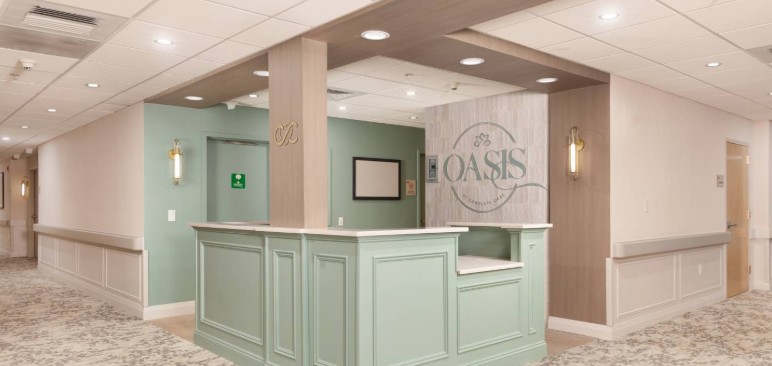
Hospice 555 Shrewsbury Avenue, Shrewsbury, New Jersey, 07702Our approach to hospice emphasizes effective management of symptoms and side effects related to both the disease and its treatment, while also addressing emotional, psychological, and spiritual needs. We provide compassionate, end-of-life care focused on comfort, dignity, and quality of life for patients with terminal illnesses. Our team works closely with patients and their loved ones to ensure peace of mind during this challenging time, helping to create a supportive and peaceful environment.
Complete Care at Monmouth
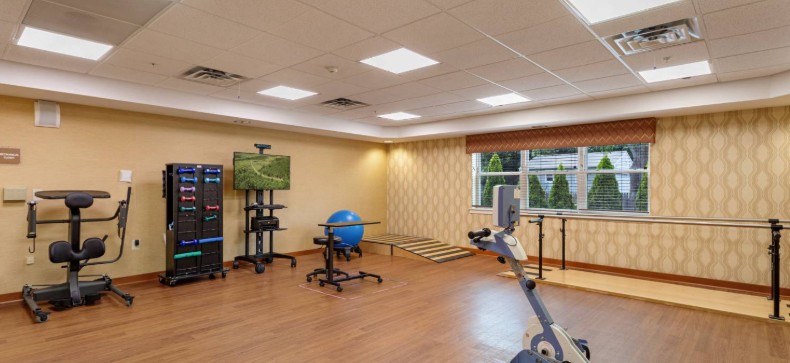
Skilled Nursing 229 Bath Avenue, Long Branch, New Jersey, 07740At Complete Care at Monmouth, we provide post-acute rehabilitation programs to help patients recover from illness, injury, or surgery, regain their strength, and transition home as soon as possible. We also provide advanced clinical specialties for those who require more time and assistance, in addition to around-the-clock nursing care, in a welcoming setting that feels like home.