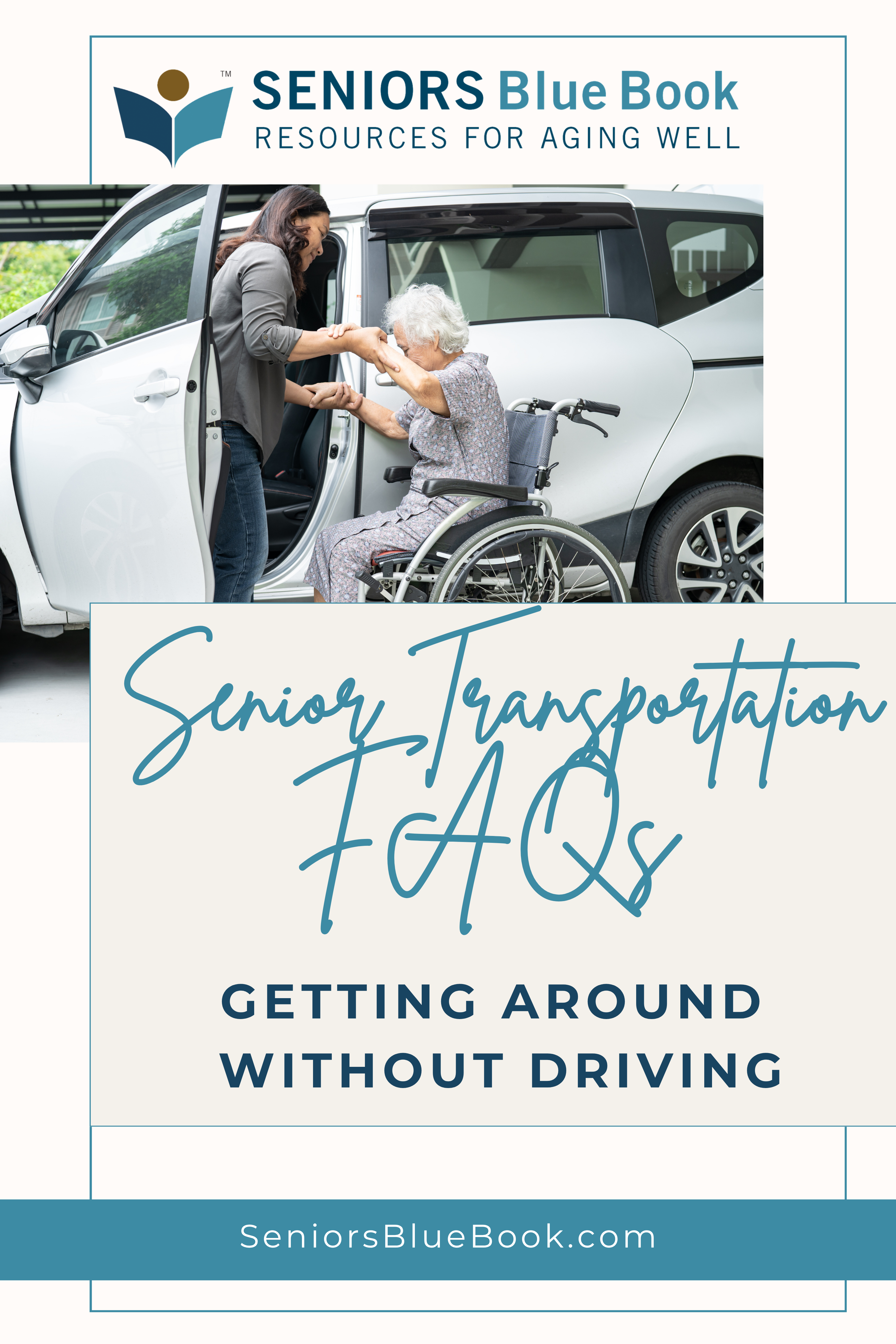
Senior Transportation FAQs: Getting Around Without Driving
Seniors Blue Book
For more information about the author, click to view their website: Seniors Blue Book
Oct 12, 2026
National

Email US
Click to Email Us
Transportation keeps older adults connected to medical care,
food and friends. Here are the most common questions.
What transportation options exist for seniors who don't
drive?
Options include public transit with senior discounts, ADA
paratransit, volunteer driver programs, senior center shuttles, non-emergency
medical transportation (NEMT), taxis and rideshare services. Availability
varies by community.
What is paratransit?
Paratransit is door-to-door transit service for people whose
disabilities prevent them from using regular buses or trains. Riders typically
apply, and trips must be scheduled in advance, often a day ahead.
Does Medicare or Medicaid cover rides to medical
appointments?
Original Medicare covers ambulance transport only in limited
emergencies. Medicaid generally covers non-emergency medical transportation,
and some Medicare Advantage plans include ride benefits. Check your plan.
Are there low-cost or free rides for seniors?
Yes. Area Agencies on Aging, senior centers, faith groups
and volunteer programs such as ITNAmerica or local volunteer driver networks
often offer free or low-cost rides. Call the Eldercare Locator at
1-800-677-1116 to find local programs.
Is rideshare a good option for older adults?
It can be, especially with senior-friendly services that let
family members book rides or support phone-based booking. Some seniors may need
help with apps or mobility, so test a ride together first.
How do I know when it's time to stop driving?
Warning signs include new dents or scrapes, getting lost on
familiar routes, slowed reaction time, near-misses, and concern from family or
doctors. A driving evaluation by an occupational therapist can offer an
objective assessment.
How can families talk about giving up the keys?
Choose a calm moment, focus on safety and keeping independence, and present alternatives before asking someone to stop driving. Involving their doctor often helps.
Other Articles You May Like
Transportation & Mobility FAQs for Seniors
1. When Should a Senior Stop Driving?There is no set age to stop driving. A senior should consider limiting or stopping when health, vision, reaction time, or memory make driving unsafe, such as frequent close calls, new dents, getting lost on familiar routes, or concerns from family and doctors.Warning Signs It May Be Time Frequent near misses, tickets, or unexplained dents and scrapes. Getting lost on familiar routes. Difficulty seeing signs, pedestrians, or lane markings, especially at night. Slow reactions, trouble turning the head, or stiffness that limits steering and braking. Confusion at intersections or mixing up the gas and brake. Feeling anxious, stressed, or exhausted after driving. Medication side effects such as drowsiness or dizziness. Family, friends, or a doctor expressing concern. Steps Before Giving Up the Keys Get a medical review. Ask your doctor about vision, medications, and conditions that affect driving. Take a driving evaluation. Occupational therapists and certified driver rehabilitation specialists can assess skills objectively. Adapt your driving. Avoid night driving, rush hour, highways, and bad weather. Programs such as CarFit help adjust the vehicle for safety. Make a plan. Line up alternative transportation before you need it. 2. How Seniors Can Maintain Mobility SafelySeniors can maintain mobility by staying active with strength, balance, and flexibility exercises, keeping up with vision and medical checkups, wearing supportive footwear, making the home safer, and using assistive devices when needed.Build Strength, Balance, and Flexibility Walking: Aim for about 150 minutes a week of moderate activity if your doctor approves. Strength training: Two or more days a week for legs, hips, and core. Balance practice: Tai chi, yoga, or simple exercises such as standing on one foot near a counter. Stretching: Gentle daily stretches for hips, calves, and shoulders. Daily Habits That Protect Mobility Get up and move at least once an hour. Wear closed-back, low-heel, non-slip shoes. Stay hydrated and eat enough protein to support muscle. Have eyes and hearing checked regularly. Review medications that may cause dizziness. Make Your Environment EasierImprove lighting, remove loose rugs, add handrails, and keep frequently used items within easy reach.When to Get Professional HelpSee a doctor or physical therapist if you notice new pain, stiffness, unsteadiness, or fear of falling. A physical therapist can create a personalized plan and recommend the right devices. 3. Devices That Help With Walking and BalanceCommon walking and balance aids include canes, walkers, rollators, and wheelchairs or mobility scooters for longer distances. The best choice depends on strength, balance, and where you will use it, and a physical therapist can help you pick and fit it.Common Devices Standard cane: For mild balance concerns or one weaker leg. Quad cane: A four-point base for added stability. Standard walker: Offers the most stability but must be lifted with each step. Two-wheeled walker: Glides more easily, suited to those who need support with smoother movement. Rollator: Four wheels, hand brakes, and often a seat, best for people with steadier balance who need rest breaks. Mobility scooter or wheelchair: For limited stamina or longer distances. Other Helpful Items Grab bars and shower seats. Raised toilet seats. Stair lifts or handrails. Non-slip shoes, insoles, and shoe horns. Reacher grabbers and long-handled tools. How to Choose and Fit a Device Get advice from a doctor or physical therapist. Check the height: elbows should bend about 15 to 30 degrees when holding the grip. Practice indoors and outdoors, including curbs and doorways. Inspect rubber tips, brakes, and wheels regularly. CoverageMedicare Part B may cover medically necessary canes, walkers, and wheelchairs when a doctor prescribes them and a participating supplier is used. Other plans vary, so confirm before purchasing. 4. Transportation Services for Medical AppointmentsSeniors can get rides to medical appointments through non-emergency medical transportation (NEMT) covered by Medicaid, some Medicare Advantage plans, local Area Agencies on Aging, volunteer driver programs, hospital shuttles, and paratransit services.Where to Find Medical Rides Medicaid NEMT: Covers rides to covered medical visits for eligible people. Call your state Medicaid office or health plan to schedule. Medicare Advantage plans: Some include ride benefits. Original Medicare generally does not cover routine non-emergency rides. Area Agencies on Aging: Can connect you to local senior transportation. Volunteer driver programs: Often free or low cost, run by nonprofits and faith groups. Hospital and clinic services: Some offer shuttles or ride assistance. Paratransit: For eligible riders who cannot use regular transit. Veterans: The VA may offer transportation to VA appointments. Ambulance and wheelchair vans: For those who need medical equipment or monitoring during transport. Tips for Booking Schedule rides as early as possible, often several days ahead. Confirm pickup windows and ask about wait and return rides. Tell the service about mobility devices or oxygen. Ask whether a caregiver can ride along. Keep a backup option for urgent appointments. When to Call Emergency ServicesFor chest pain, stroke symptoms, severe injury, or other emergencies, call emergency services instead of arranging a ride. Disclaimer: This content is for general information and does not replace professional medical or legal advice. Programs and benefits vary by location and plan.
Veteran Benefits in Sarasota, FL
Veterans and surviving spouses may qualify for valuable federal benefits, yet knowing which programs apply can be difficult.A family may have questions about VA pension, Aid and Attendance, disability benefits, survivor benefits, long-term care, or how VA programs interact with Medicaid. Eligibility can depend on military service, discharge status, health needs, income, assets, and the specific benefit being considered.For families searching for veteran benefits in Sarasota, FL, Platinum Benefit Services, Inc. provides government-benefit and long-term-care application guidance, including assistance navigating issues involving VA and Medicaid benefits.What Are Veterans Benefits?The U.S. Department of Veterans Affairs administers numerous programs for qualifying veterans and family members.These may include: VA disability compensation Veterans Pension Aid and Attendance Housebound benefits Healthcare benefits Dependency and Indemnity Compensation Survivors Pension Burial and memorial benefits Other veteran programs Each benefit has different eligibility requirements.Veterans PensionVA Veterans Pension provides monthly payments to certain qualified wartime veterans who meet applicable age or disability, service, income, and net-worth requirements.Financial thresholds are periodically adjusted.For the period from December 1, 2025 through November 30, 2026, VA lists the Veterans Pension net-worth limit as $163,699, although actual pension eligibility depends on the complete claim and applicable exclusions and deductions.Families should always use current VA guidance rather than relying on older benefit limits.Aid and AttendanceAid and Attendance is an additional amount added to a qualifying VA pension for eligible veterans or survivors who meet certain care-related criteria.VA states that a person may qualify when, for example: Another person is needed to help with activities such as bathing, feeding, or dressing The person is largely bedridden because of illness The person is in a nursing home because of physical or mental incapacity Certain severe vision limitations are present Aid and Attendance is not a separate benefit that everyone who needs assisted living automatically receives. Basic pension eligibility and other requirements also apply.Survivor BenefitsSurviving spouses and certain dependents may qualify for benefits such as: Survivors Pension Dependency and Indemnity Compensation Additional Aid and Attendance or Housebound amounts when eligible VA states that Survivors Pension is available to certain qualified surviving spouses and dependent children of wartime veterans who meet applicable service, income, and net-worth criteria.Platinum Benefit Services, Inc.Phone: 941-993-0087Platinum has worked with families since 1996 and specializes primarily in government-benefit and application issues associated with long-term care. Its Sarasota-area materials identify Hilary Hayes as a Medicaid, VA, SSI/SSDI Benefit Specialist for Long Term Care.Coordinating VA and Medicaid QuestionsVeterans needing long-term care may potentially encounter several programs at once.Questions can involve: VA pension Aid and Attendance Medicaid Assisted living Nursing-home care Home care Income and asset requirements Platinum's Seniors Blue Book veteran-services materials focus on helping older veterans and their families understand government benefits within the larger long-term-care picture.Medicaid Is a Separate ProgramVA benefits and Medicaid are not interchangeable.A veteran could potentially receive VA benefits while also needing to evaluate Florida Medicaid eligibility for long-term care.Platinum's core expertise is Medicaid application preparation and processing, and the company works with appropriate legal counsel when Medicaid matters involve legal planning.Verify VA Accreditation Before Claim RepresentationThere is an important consumer-protection point when seeking help with VA claims.The VA states that only VA-accredited attorneys, claims agents, and Veterans Service Organization representatives are authorized to provide representation in the preparation, presentation, or prosecution of VA benefit claims.Consumers can verify accreditation through VA's Office of General Counsel search.Platinum's public materials describe benefit-navigation and long-term-care application support, but families who want someone to formally represent them before VA should independently confirm that the specific individual handling that representation is VA accredited.Veterans Benefits and Long-Term CareOlder veterans may begin exploring benefits when they need: Home care Assisted living Memory care Nursing-home care Aid and Attendance can potentially increase pension payments for eligible people who need significant assistance with daily activities.However, families should not assume that one benefit will automatically pay the entire cost of care.A broader financial plan may include: VA benefits Social Security Savings Insurance Medicaid Other income Avoid Benefit ScamsVeterans should be cautious about anyone who: Guarantees benefit approval Claims VA accreditation without proof Pressures the veteran to transfer assets immediately Charges unclear fees Promises unusually rapid approval The VA maintains an official accreditation database specifically so veterans can verify authorized representatives.Why Veteran Benefits Matter Locally in SarasotaSarasota has a substantial retiree population, including many veterans and surviving spouses.For older veterans, benefits can become particularly important when health declines and the cost of: Personal care Assisted living Home care Nursing care begins to strain retirement resources.Knowing which programs may apply can help families make better long-term care decisions.How to Get Started1. Gather Military Records 2. Identify the Benefit Question 3. Call Platinum Benefit Services4. Use VA.gov5. Verify Anyone Representing a Claim6. Consult Legal Counsel When Needed7. Keep Copies of All ApplicationsRelated CategoriesVeteran Services Veterans Benefits Attorney Medicaid Planning
Moving an Aging Parent to NJ: Senior Care Options by Parker Can Help
Moving an Aging Parent to NJ: How Senior Care Options by Parker Can Help With a Long-Distance MoveMoving an aging parent is rarely just a matter of packing boxes.There may be medical records to organize, medications to transfer, doctors to identify, housing to arrange, finances to review, transportation to coordinate, and an older adult's emotions to consider.When the move crosses state lines, the process can feel even more complicated.Perhaps Mom is moving from Florida to New Jersey to be closer to her children.Maybe Dad is leaving Pennsylvania to live near grandchildren in Monmouth County.Perhaps an older adult who has been living independently in another state now needs additional support and the family wants to bring them closer to home.Whatever the reason, a long-distance move involving an older adult requires planning.Senior Care Options by Parker provides state-to-state move assistance designed to help families manage these transitions. The organization serves Monmouth, Ocean, and Middlesex counties and describes its move service as door-to-door travel planning based on the individual's needs. (Senior Care Options Inc.)Why Moving an Older Adult Is DifferentMoving is stressful at any age.For an older adult, it can involve much more than logistics.A move may mean leaving a home where someone has lived for decades.It may mean saying goodbye to neighbors.It may mean changing doctors.It may mean moving farther away from familiar places.And if the move is connected to changing health or care needs, emotions can be especially strong.Families should therefore plan for both the practical and emotional sides of the transition.Start With the Reason for the MoveBefore making arrangements, clarify why the move is happening.Is the goal to: Be closer to family? Reduce isolation? Receive additional care? Move into assisted living? Move into nursing care? Be closer to medical specialists? Transition from a home to a more manageable residence? Move closer to grandchildren? The answer will influence nearly every other decision.A move designed to bring a parent closer to family may look very different from a move into a senior living community because of increasing care needs.Choose the New Jersey Community FirstIf the move is to New Jersey, families should consider where the older adult will actually live.Monmouth, Ocean, and Middlesex counties each offer a variety of communities and housing options.An older adult might move to: Atlantic Highlands Red Bank Middletown Freehold Howell Toms River Brick Manchester Jackson Monroe Township East Brunswick Old Bridge Edison Other nearby communities The right location may depend on where family members live, access to healthcare, transportation, housing, and the older adult's personal preferences.Coordinate Healthcare Before the MoveMedical care is one of the most important pieces of a long-distance senior move.Families should begin gathering: Current medication lists Medical records Insurance information Physician contact information Specialist information Recent test results Care plans Emergency contacts Once the destination is established, families can begin identifying appropriate healthcare providers in the new community.A professional care manager can help families organize the many moving pieces and identify questions that need to be addressed.Think About the Level of Support NeededA move is an opportunity to reassess whether the older adult's current living arrangement still works.For example, a parent who previously lived independently in another state may now need: Home care Transportation Medication assistance Household help Meal support Companionship Care management Assisted living Nursing care Senior Care Options by Parker provides care management and home-care assessments, helping families understand an older adult's needs and develop a plan. (Senior Care Options Inc.)That can be particularly valuable when the adult child has not been living nearby and may not have a complete picture of the parent's current situation.Don't Underestimate the Emotional SideA parent may agree that moving closer to family makes sense and still feel sad about leaving home.That is normal.The move can represent a major transition.Families can help by involving the older adult in decisions whenever possible.Ask:What is most important to you?Which belongings do you want to bring?What would make the new home feel familiar?What neighborhood would you prefer?Who do you want to stay connected with?What activities would you like to continue?The goal isn't to make every decision for the older adult.It is to help them remain part of the decision.Plan the Move ItselfLong-distance moves can involve many details.Transportation is an obvious concern.But families also need to think about: Who will accompany the older adult? What medications need to be carried? What medical information should travel with them? What happens if the trip is long? Where will they stay if the move takes more than one day? Who will meet them at the destination? How will mobility equipment be transported? Who will handle belongings? What happens to the previous residence? Senior Care Options by Parker specifically offers state-to-state move assistance, including travel arrangements designed around the individual's needs. (Senior Care Options Inc.)That can take some of the logistical burden away from family members.Moving Closer to Family Can Change CaregivingOne of the biggest reasons families move older parents to New Jersey is proximity.Being closer can make it easier for adult children to: Attend appointments Visit regularly Help with shopping Coordinate services Respond to emergencies Participate in care planning Spend more time together But proximity does not necessarily mean the adult child should become the sole caregiver.A sustainable plan can include professional services and clearly defined responsibilities.That is where care management can be valuable.What If the Parent Is Moving Into Senior Living?If the move involves assisted living or nursing care, families should coordinate the transition with the receiving community.Ask about: Admission requirements Medical records Medication information Arrival procedures Room setup Personal belongings Mobility equipment Family communication Care planning For a move involving specialized care, it is particularly important to ensure the receiving community understands the older adult's medical, physical, and cognitive needs.What If the Parent Is Moving Into Your Home?This is another situation families should think through carefully.Before a parent moves into an adult child's home, consider: Bedroom location Bathroom accessibility Stairs Transportation Medication management Privacy Caregiving responsibilities Home maintenance Future changes in care needs The arrangement may work very well, but families should discuss expectations before the move rather than after problems arise.Planning Doesn't End When the Boxes Are UnpackedA successful senior move does not end when the moving truck leaves.The first several weeks are important.Is the older adult settling in?Are they eating normally?Are they sleeping well?Have they connected with family or neighbors?Are medical appointments established?Are additional services needed?Is the new home working?A care manager can continue helping families evaluate whether the plan is actually meeting the older adult's needs.Senior Care Options by Parker provides ongoing support and coordination as part of its care management services. (Senior Care Options Inc.)Frequently Asked Questions1. Does Senior Care Options by Parker help with moves from another state to New Jersey?Yes. State-to-state move assistance is one of the services offered by Senior Care Options by Parker. (Senior Care Options Inc.)2. What does state-to-state move assistance include?Senior Care Options describes its service as planning the trip from door to door, including travel arrangements based on the individual's needs. (Senior Care Options Inc.)3. What counties does Senior Care Options by Parker serve?The organization serves Ocean, Monmouth, and Middlesex counties in New Jersey. (Senior Care Options Inc.)4. Can Senior Care Options help determine what care a parent needs after moving?Its care management and home-care assessment services are designed to help families understand an older adult's needs and develop personalized care plans. (Senior Care Options Inc.)5. Where is Senior Care Options by Parker located?The office is located at 20 Center Avenue, Suite 2, Atlantic Highlands, NJ 07716. (Senior Care Options Inc.)A New Jersey Move Can Be a New BeginningMoving an aging parent across state lines can seem overwhelming.But with careful planning, it can also provide an opportunity to create a stronger support system.A parent may be closer to children and grandchildren.Healthcare may become easier to coordinate.Services can be organized around current needs.And family members may gain greater peace of mind knowing that their loved one is nearby.Senior Care Options by Parker helps families navigate the practical and emotional challenges of aging, including care management, home-care assessments, placement coordination, Medicaid applications, counseling, and state-to-state move assistance.For families bringing an aging parent to Monmouth, Ocean, or Middlesex County, professional guidance can make the transition more manageable.The first step is simply to start planning.Explore Senior Care Options by Parker through its SeniorsBlue Book listing. Bottom of Form