Senior Transportation That Keeps Mobile Connected
Via! Community Center
For more information about the author, click to view their website: VIA! Health Fitness and Enrichment Center
Oct 22, 2026
Alabama - Gulf Coast


For many older adults, driving represents freedom. It allows them to visit friends, attend appointments, shop for groceries, and participate in activities that make everyday life enjoyable.
However, transportation needs can change with age.
A senior may become uncomfortable driving at night. Another may experience vision changes, mobility limitations, or a medical condition that affects driving ability. Someone else may no longer own a vehicle but still want to remain active in the community.
For older adults in Mobile, Alabama, losing access to reliable transportation can make even simple plans feel complicated.
Without a dependable way to travel, people may miss community events, postpone appointments, or become increasingly isolated.
This is why senior transportation services are an important part of maintaining independence.
VIA! Health Fitness and Enrichment Center, located on Dauphin Street in Mobile, is a nonprofit organization offering community programs and services for mature adults.
Transportation is one of the services included in VIA!'s community needs outreach initiatives.
The organization also provides transportation arrangements for eligible participants in its GrandFriends Adult Day Program.
Understanding how transportation support works can help older adults and families make more informed decisions about staying connected to their communities.
Why Transportation Matters for Healthy Aging
Transportation is about more than moving between two locations.
It affects access to healthcare, community resources, recreation, and meaningful relationships.
An older adult who cannot drive may still be physically active and capable of making independent decisions.
However, limited transportation can restrict opportunities.
Access to Healthcare
Routine medical appointments may be important for managing chronic conditions.
Reliable transportation helps people attend scheduled visits and follow-up care.
Access to Community Activities
Fitness classes, educational programs, and social gatherings can provide opportunities for engagement.
Transportation challenges may prevent participation.
Everyday Errands
Grocery shopping, pharmacy visits, and other essential activities often require travel.
Maintaining Relationships
Older adults may want to visit family members, attend community events, or spend time with friends.
Preserving Independence
Having transportation options can reduce the need to rely entirely on relatives for every trip.
What Are Senior Transportation Services?
Senior transportation services help older adults travel to approved destinations when driving or using conventional transportation is difficult.
These services may be offered by nonprofit organizations, public transportation providers, community agencies, or private businesses.
Common Transportation Options
Depending on the provider, services may include:
- Scheduled transportation
- Transportation to community centers
- Adult day program transportation
- Nonemergency medical transportation
- Door-to-door services
- Accessible transportation
- Shared rides
- Volunteer driver programs
- Public transit assistance
Not every organization provides all these options.
Families should verify service areas, accessibility accommodations, eligibility, and costs before arranging transportation.
VIA! Health Fitness and Enrichment Center in Mobile
VIA! Health Fitness and Enrichment Center is a nonprofit organization dedicated to promoting active, healthy, and independent lifestyles.
The organization serves mature adults through recreational programs, fitness opportunities, continuing education, social activities, and community outreach.
VIA! operates from the Arlene F. Mitchell Campus at 1717 Dauphin Street in Mobile.
In addition to its fitness and enrichment programs, VIA! identifies transportation as part of its community needs services.
Transportation Through VIA!
VIA! maintains a dedicated transportation contact number for individuals seeking information about available services.
Transportation Department: 251-470-5238
The organization includes transportation in its published community outreach programs.
Its funding information also identifies transportation to and from the VIA! Center among the services supported by program funding.
Because transportation arrangements can vary, interested individuals should contact the department to confirm current eligibility, schedules, destinations, and fees.
Supporting Participation in Community Programs
VIA! offers fitness, educational, recreational, and social activities.
For older adults who no longer drive, transportation access may make participation more practical.
Families should ask whether a particular VIA! program includes transportation or requires separate arrangements.
Transportation for GrandFriends Participants
VIA! operates the GrandFriends Adult Day Program, which supports adults living with dementia and other individuals who qualify for the program.
GrandFriends provides structured activities, social engagement, and supervised daytime care.
VIA!'s published GrandFriends information identifies transportation to and from the program for eligible participants living within a 15-mile radius of the VIA! Center.
The published rate is $3 per one-way trip.
Families should confirm current pricing, availability, pickup arrangements, and eligibility.
An Important Distinction About Transportation Services
The transportation rate published for GrandFriends should not be interpreted as a universal VIA! transportation fare.
Likewise, the organization's general transportation listing does not establish that unrestricted rides are available to every destination.
Individuals should call the transportation department to discuss their specific needs.
Verified VIA! Transportation Contact Information
VIA! Health Fitness and Enrichment Center
Address: 1717 Dauphin Street, Mobile, AL 36604
Main Phone: 251-478-3311
Transportation Department: 251-470-5238
Community Needs Services: 251-470-5222
GrandFriends Adult Day Program: 251-470-5228
Website: https://viamobile.org/
Published Center Hours:
- Monday: 7:00 AM to 6:00 PM
- Tuesday: 7:00 AM to 6:00 PM
- Wednesday: 7:00 AM to 6:00 PM
- Thursday: 7:00 AM to 6:00 PM
- Friday: 7:00 AM to 1:00 PM
- Saturday: 8:00 AM to 12:00 PM
- Sunday: Closed
These are the center's operating hours, not a guaranteed transportation schedule.
Transportation services and pickup times must be confirmed separately.
Why Senior Transportation Matters in Mobile County
Mobile County includes established neighborhoods, residential communities, and older adults with different transportation needs.
Some seniors drive independently.
Others depend on relatives, public transportation, or community programs.
Because daily activities often require traveling between locations, transportation can influence the ability to remain involved in community life.
Supporting Older Adults Who No Longer Drive
Stopping driving does not mean someone must stop participating in activities.
Alternative transportation arrangements may provide opportunities to remain engaged.
Connecting Residents With Community Resources
Community centers, educational activities, and outreach programs can provide important opportunities for older adults.
Transportation support may reduce barriers to participation.
Helping Family Caregivers
Relatives frequently assist with transportation.
However, employment schedules and other responsibilities may limit their availability.
Appropriate community transportation services may help families coordinate some trips.
Supporting Participation in Adult Day Programs
Adult day services may provide structured daytime activities and supervision for eligible individuals.
Transportation can be particularly important when participants are unable to travel independently.
Recognizing When Driving May Become Difficult
Driving abilities can change because of health conditions, medication effects, or physical limitations.
However, age alone does not determine whether someone can drive safely.
Vision Changes
Reduced visual clarity, difficulty seeing at night, or other vision problems may affect driving.
Hearing Concerns
Some hearing changes may influence awareness of traffic or emergency signals.
Mobility Limitations
Difficulty turning the head, moving the legs, or responding quickly may make certain driving tasks harder.
Medication Effects
Some medications can cause dizziness, drowsiness, or reduced alertness.
Cognitive Changes
Conditions affecting attention, memory, or judgment may influence driving ability.
Discussing Driving Safety
When concerns arise, an older adult should speak with an appropriate healthcare professional.
A formal driving evaluation may be recommended in certain circumstances.
Transportation alternatives can be discussed without assuming that everyone of a particular age should stop driving.
Transportation and Social Isolation
Transportation difficulties can contribute to reduced social interaction.
An older adult who cannot travel easily may begin declining invitations or attending fewer community activities.
Over time, this may limit opportunities to connect with others.
Community Centers as Gathering Places
VIA! provides a variety of social and educational programs.
These offer opportunities for participants to spend time with others who share similar interests.
Fitness and Movement
Regular physical activity can support strength, mobility, and general well-being.
Transportation may help some older adults access organized fitness programs.
Continuing Education
Learning new skills and exploring interests can provide meaningful engagement.
Recreational Activities
Games, celebrations, and community gatherings offer opportunities for participation.
Access to transportation can be an important consideration when deciding whether these activities are practical.
Transportation and Family Caregiving
Transportation is often one of the first responsibilities family caregivers assume.
A relative may begin by driving an older parent to occasional appointments.
Eventually, transportation needs may become more frequent.
Common Caregiver Transportation Responsibilities
These may include:
- Medical appointments
- Pharmacy visits
- Grocery shopping
- Community activities
- Adult day programs
- Family gatherings
- Other essential errands
Why Planning Matters
Unexpected scheduling conflicts can make transportation difficult.
A backup arrangement may help families avoid missed appointments or other disruptions.
Questions for Families
Consider:
- Which trips occur regularly?
- Does the older adult need assistance entering or exiting a vehicle?
- Is wheelchair-accessible transportation necessary?
- Who can provide backup transportation?
- Which community programs offer eligible transportation support?
- How much advance notice is required?
Answering these questions can help create a more reliable transportation plan.
GrandFriends Transportation and Adult Day Support
VIA!'s GrandFriends Adult Day Program serves adults requiring structured daytime supervision and engagement.
The program supports individuals living with dementia and offers activities designed around participant abilities.
Why Transportation Is Important for Adult Day Care
Some participants cannot travel independently.
Family caregivers may also need to coordinate drop-off and pickup around employment or household responsibilities.
Program transportation may help make attendance more practical.
Published GrandFriends Transportation Details
VIA!'s Seniors Blue Book information identifies:
- Transportation within a 15-mile radius of the VIA! Center
- A published fare of $3 for each one-way trip
- Transportation associated with GrandFriends Adult Day Program participation
These details should be confirmed because service availability and rates can change.
GrandFriends Program Hours
The published adult day program schedule is Monday through Friday, 7:30 AM to 5:30 PM.
These are program hours and do not necessarily represent transportation pickup or drop-off times.
What Families Should Confirm
Before arranging transportation, ask:
- Is the participant's address within the service area?
- Is transportation currently available?
- How are pickup times determined?
- Is assistance available during boarding?
- What is the current fare?
- Are there registration or scheduling requirements?
- What happens if a ride must be canceled?
Transportation Accessibility Considerations
Older adults have different mobility needs.
Some can walk independently.
Others use canes, walkers, or wheelchairs.
The appropriate transportation arrangement depends on the individual.
Boarding Assistance
A person may need help entering or exiting a vehicle.
Families should ask what assistance drivers are authorized to provide.
Mobility Equipment
Not every vehicle can accommodate every type of mobility device.
Wheelchair or mobility aid needs should be discussed before scheduling.
Walking Distance
A passenger may find it difficult to walk from the pickup location to the vehicle.
Cognitive Support
Some individuals with dementia or other cognitive conditions may require additional supervision.
Medical Needs
Community transportation should not be assumed to provide emergency medical services or skilled medical monitoring.
A different transportation provider may be necessary when medical assistance is required during travel.
How to Prepare for a Scheduled Ride
Good preparation can help make transportation arrangements more predictable.
Confirm the Pickup Location
Provide an accurate address and any useful directions.
Review the Schedule
Ask about pickup and return times.
Prepare Important Belongings
Depending on the destination, bring identification, necessary personal supplies, and other essentials.
Discuss Mobility Needs
Tell the transportation provider about walkers, wheelchairs, or boarding assistance requirements.
Keep Contact Information Available
Passengers and caregivers should have the transportation department's telephone number.
Understand Cancellation Rules
Ask how much notice is required when plans change.
What to Ask a Senior Transportation Provider
Before choosing any transportation service, families should understand how it operates.
Service Area
Which neighborhoods or communities are included?
Destinations
What types of trips are permitted?
Scheduling
How far in advance should transportation be requested?
Cost
Are fees charged per trip, distance, or another method?
Accessibility
Can the service accommodate mobility devices?
Assistance
What help is available during pickup and drop-off?
Availability
Does the service operate during evenings or weekends?
Emergency Procedures
What happens if a passenger becomes ill or cannot complete the trip?
These questions are particularly important because transportation programs differ considerably.
Community Transportation Versus Medical Transportation
Senior transportation can include different types of services.
Community Transportation
Community transportation generally supports travel to approved everyday destinations or programs.
Nonemergency Medical Transportation
This may be arranged for patients who need transportation to medical appointments.
Eligibility and service levels vary.
Wheelchair Transportation
Some specialized providers offer vehicles equipped for wheelchair users.
Ambulance Transportation
Ambulances provide medical transportation when a patient's condition requires the appropriate level of medical care.
Understanding VIA!'s Role
VIA! lists community transportation services and specifically advertises transportation for its GrandFriends program.
Families should confirm whether a proposed trip is eligible rather than assuming VIA! provides all transportation categories.
Creating a Weekly Transportation Plan
A simple weekly schedule can help older adults and caregivers organize travel needs.
List Regular Activities
Identify recurring appointments, classes, or programs.
Prioritize Essential Trips
Determine which appointments or services cannot easily be rescheduled.
Confirm Available Transportation
Contact the relevant provider to understand eligibility and scheduling.
Arrange Backup Options
A family member, trusted contact, or alternate transportation provider may be useful when a regular arrangement is unavailable.
Review Accessibility
Ensure the selected service can accommodate individual mobility needs.
Update the Plan
Transportation requirements may change as health conditions, activities, or family schedules change.
Expert Tip for Senior Transportation Planning
Expert Tip: Before arranging senior transportation, prepare a list of regular destinations, preferred travel times, and any mobility assistance needed. Ask the provider whether each trip is eligible, what it costs, and how far in advance it must be scheduled.
Confirming these details in advance can help prevent last-minute transportation problems.
How to Get Started With VIA! Transportation
Step 1: Identify the Transportation Need
Determine whether the goal is attending VIA! activities, accessing the GrandFriends program, or another type of eligible trip.
Step 2: Contact the Transportation Department
Call 251-470-5238.
Step 3: Confirm Eligibility
Ask whether the passenger qualifies for the service and whether the destination is included.
Step 4: Discuss Accessibility
Explain any need for a walker, wheelchair, boarding assistance, or additional supervision.
Step 5: Ask About Pricing
Confirm the current fare for the specific program.
Step 6: Review Scheduling Requirements
Find out when rides must be requested and how pickup times are arranged.
Step 7: Confirm the Reservation
Review the pickup address, destination, date, and contact information.
Step 8: Keep a Backup Plan
Arrange another transportation option when necessary.
Frequently Asked Questions About Senior Transportation in Mobile
1. Does VIA! Health Fitness and Enrichment Center offer transportation services?
Yes. VIA! identifies transportation among its community needs outreach programs and provides a dedicated transportation contact number, 251-470-5238.
2. Does VIA! provide transportation to the GrandFriends Adult Day Program?
Yes. Published GrandFriends information identifies transportation for eligible participants within a 15-mile radius of the VIA! Center, subject to program arrangements.
3. How much does VIA! transportation cost?
The published GrandFriends transportation rate is $3 per one-way trip. This rate should not be assumed to apply to all VIA! transportation services. Contact the organization for current pricing.
4. Can VIA! accommodate seniors who use wheelchairs or walkers?
Specific vehicle accessibility and boarding assistance arrangements were not confirmed in the public information reviewed. Passengers should contact the transportation department before scheduling to discuss mobility needs.
5. Is VIA! transportation available for medical appointments and grocery shopping?
VIA! lists transportation among its community services, but publicly available information does not establish unrestricted service to every type of destination. Families should contact VIA! to confirm which trips qualify.
Staying Connected Starts With Transportation Access
The ability to leave home and participate in everyday activities can have a meaningful impact on quality of life.
Transportation supports more than mobility. It can help older adults access community programs, maintain relationships, and continue enjoying activities that matter to them.
For seniors and families in Mobile County, VIA! Health Fitness and Enrichment Center offers community transportation resources alongside fitness, enrichment, outreach, and adult day services.
Its transportation department can explain current service availability, eligibility, scheduling requirements, and appropriate arrangements.
Whether you are exploring transportation for community activities or a loved one's participation in the GrandFriends Adult Day Program, contacting VIA! is a practical first step.
Call VIA! to learn about available transportation options and how they may support your family's needs.
Find VIA! Transportation on Seniors Blue Book
Looking for senior transportation services in Mobile, Alabama?
Explore VIA! Health Fitness and Enrichment Center through Seniors Blue Book on SeniorsBlueBook.com.
Review its community programs, transportation information, and contact details. Connect with the transportation department to discuss eligibility, scheduling, and available support.

Other Articles You May Like
Transportation in Boulder, CO
Giving up driving can make a familiar trip to the grocery store or a medical office feel complicated. For some riders, the hardest part is getting from the front door to the vehicle. For others, its finding a ride that can accommodate a wheelchair or getting home after an appointment that might run late. The details of the trip can help you choose the right transportation service. What Accessible Transportation OffersAccessible transportation helps people who face barriers to using other travel options. Paratransit often uses accessible vehicles and shared rides. Programs differ in who qualifies, where they travel, and how much assistance drivers provide. Ask how a service would handle your particular trip, including boarding and reaching the entrance at your destination. Via Mobility ServicesPhone: 303-444-3043 Via Paratransit serves older adults and people with disabilities. Via describes a shared-ride service in which drivers assist riders between doors and help them board and exit the vehicle. Via says a family member or caregiver can complete the interview and request rides for you. What to Know Before Requesting a RideVia says registered riders can request rides by phone or online. Its published scheduling window is one to seven days ahead, with some same-day rides potentially available. Ask whether your trip can be confirmed, what pickup window to expect, and how to arrange the return leg. Why This Matters in BoulderShare the exact pickup and drop-off addresses, since service availability depends on location. For a trip to a large Boulder clinic, also give the building name and entrance. If you already use RTD Access-a-Ride, check which program applies to the trip youre planning. RTD publishes its own eligibility and service-area rules. How to Get Started1. Describe the Whole TripCall 303-444-3043 with the destination, appointment time, and any mobility equipment you use. Mention steps, building access instructions, and whether someone will travel with you.2. Confirm Pickup and Return ArrangementsAsk where to wait, how early to be ready, and what to do if your appointment ends earlier or later than expected. Keep the ride number handy on the day of travel. Related Seniors Blue Book Categories Area Agencies on Aging Senior Organizations & Services Non-Medical Home Care
Transportation in Mobile, AL
A calendar full of useful activities means little if getting there is uncertain. An older adult may have a destination in mind but need to understand who can provide a ride, how to schedule it, and whether assistance is available along the way. Families often need those details before committing to a program.For people exploring transportation in Mobile, AL, VIA! Health Fitness and Enrichment Center lists transportation among its community outreach services. The appropriate first step is to ask how that service currently works and whether it fits the particular rider and trip.What senior transportation planning involvesTransportation services differ in who they serve, where they travel, and what assistance they provide. A ride to a program may have different requirements from a trip to a medical appointment, shopping, or another destination.Do not assume that a general transportation listing means open service to every address or destination. Confirm eligibility, routes, accessibility, scheduling, costs, and the return trip directly with the provider.Begin with the whole journeyIdentify the starting address, destination, appointment or activity time, and expected return. Explain whether the rider uses mobility equipment, needs help transferring, or requires another person to accompany them.Think beyond reaching the curb. The rider may need assistance getting out of the home, finding an entrance, checking in, or returning after an appointment. Ask exactly which parts the transportation service can support. VIA! transportation resourcesPhone: 251-478-3311Location: 1717 Dauphin Street, Mobile, AL 36604The current outreach page does not specify general routes, fares, booking lead times, or eligibility rules. Ask VIA! which transportation program is available and whether it is tied to participation in a particular center service.Avoid relying on an older brochure for a current radius or price. A historical description can explain that transportation has existed without establishing todays schedule or availability.Questions for the first call include:Who is eligible for this transportation service?Which starting addresses and destinations are covered?Is enrollment in another VIA! program required?How far ahead must a ride be requested?What fees or other conditions apply?Explain accessibility needs specificallyDescribe the mobility device and the assistance the rider actually needs. Ask whether the vehicle and staff arrangements can accommodate those needs for the requested trip.Clarify whether service is curbside or includes another level of assistance. Ask about steps, entrances, transfers, and whether an accompanying person is required or permitted.If medical assistance, continuous supervision, or specialized transport is needed, discuss that before booking. Do not assume a community transportation service can provide clinical support or emergency transport.Make the return trip explicitA one-way arrangement may leave the most difficult part unresolved. Ask how return pickup is scheduled and what happens when an appointment runs longer than expected.Confirm who should call when the rider is ready, where they should wait, and how changes are communicated. If a family member will meet the rider at home, include that person in the agreed plan.Keep the service contact accessible to the rider and authorized helper. A written trip note can include the destination, timing, pickup instructions, and whom to call if the plan changes.Fit transportation to the activityBefore registering for a class or appointment, check whether the transportation schedule can support the time involved. Building hours and ride availability should not be treated as the same thing.If the ride is connected to a particular program, ask how attendance changes affect transportation. Confirm cancellation instructions and whether a missed trip creates any charge or other consequence.Coordinate with family respectfullyAsk the older adult how they want information shared. A person may want to manage bookings independently while asking a relative to serve as backup.Choose one main contact for changes when appropriate. Multiple people calling with different instructions can make the trip harder to coordinate. Keep the current plan in one place and tell the service when authorized contacts change.Have an alternative for essential tripsIf VIA! cannot provide the requested ride, ask whether staff can identify another resource to contact. Verify the alternative providers terms directly.For time-sensitive appointments, establish a backup before the day of travel. Do not treat an inquiry or unconfirmed request as a booked ride. Ask for confirmation and any instructions needed to maintain the reservation. Why transportation matters locally in MobileThe practical challenge in Mobile is often matching a persons actual neighborhood and destination with a services coverage. A citywide listing does not establish that every trip within Mobile County is available.The same applies to trips across Mobile Bay or beyond the city. Give the complete addresses and ask about both directions before making plans around a ride.Weather disruptions can affect travel. Ask how cancellations are announced, whether rescheduling is possible, and how the rider will be notified. A backup contact should know the arrangement and be available when needed.How to get started1. Write down the complete trip and the riders assistance needs.2. Call VIA! at 251-478-3311 and ask about current transportation services.3. Confirm eligibility, service area, destinations, and program connections.4. Review accessibility, companion, cost, and booking requirements.5. Confirm both the outward and return arrangements.6. Keep contact information and a backup plan available on the travel day.Practical tip: Prepare a reusable trip information sheet with the riders preferred contact, mobility needs, and common destinations. Update it whenever the arrangements change. Related categoriesHome Safety & WellnessAging in Place Area Agencies on Aging
Transportation & Mobility FAQs for Seniors
1. When Should a Senior Stop Driving?There is no set age to stop driving. A senior should consider limiting or stopping when health, vision, reaction time, or memory make driving unsafe, such as frequent close calls, new dents, getting lost on familiar routes, or concerns from family and doctors.Warning Signs It May Be Time Frequent near misses, tickets, or unexplained dents and scrapes. Getting lost on familiar routes. Difficulty seeing signs, pedestrians, or lane markings, especially at night. Slow reactions, trouble turning the head, or stiffness that limits steering and braking. Confusion at intersections or mixing up the gas and brake. Feeling anxious, stressed, or exhausted after driving. Medication side effects such as drowsiness or dizziness. Family, friends, or a doctor expressing concern. Steps Before Giving Up the Keys Get a medical review. Ask your doctor about vision, medications, and conditions that affect driving. Take a driving evaluation. Occupational therapists and certified driver rehabilitation specialists can assess skills objectively. Adapt your driving. Avoid night driving, rush hour, highways, and bad weather. Programs such as CarFit help adjust the vehicle for safety. Make a plan. Line up alternative transportation before you need it. 2. How Seniors Can Maintain Mobility SafelySeniors can maintain mobility by staying active with strength, balance, and flexibility exercises, keeping up with vision and medical checkups, wearing supportive footwear, making the home safer, and using assistive devices when needed.Build Strength, Balance, and Flexibility Walking: Aim for about 150 minutes a week of moderate activity if your doctor approves. Strength training: Two or more days a week for legs, hips, and core. Balance practice: Tai chi, yoga, or simple exercises such as standing on one foot near a counter. Stretching: Gentle daily stretches for hips, calves, and shoulders. Daily Habits That Protect Mobility Get up and move at least once an hour. Wear closed-back, low-heel, non-slip shoes. Stay hydrated and eat enough protein to support muscle. Have eyes and hearing checked regularly. Review medications that may cause dizziness. Make Your Environment EasierImprove lighting, remove loose rugs, add handrails, and keep frequently used items within easy reach.When to Get Professional HelpSee a doctor or physical therapist if you notice new pain, stiffness, unsteadiness, or fear of falling. A physical therapist can create a personalized plan and recommend the right devices. 3. Devices That Help With Walking and BalanceCommon walking and balance aids include canes, walkers, rollators, and wheelchairs or mobility scooters for longer distances. The best choice depends on strength, balance, and where you will use it, and a physical therapist can help you pick and fit it.Common Devices Standard cane: For mild balance concerns or one weaker leg. Quad cane: A four-point base for added stability. Standard walker: Offers the most stability but must be lifted with each step. Two-wheeled walker: Glides more easily, suited to those who need support with smoother movement. Rollator: Four wheels, hand brakes, and often a seat, best for people with steadier balance who need rest breaks. Mobility scooter or wheelchair: For limited stamina or longer distances. Other Helpful Items Grab bars and shower seats. Raised toilet seats. Stair lifts or handrails. Non-slip shoes, insoles, and shoe horns. Reacher grabbers and long-handled tools. How to Choose and Fit a Device Get advice from a doctor or physical therapist. Check the height: elbows should bend about 15 to 30 degrees when holding the grip. Practice indoors and outdoors, including curbs and doorways. Inspect rubber tips, brakes, and wheels regularly. CoverageMedicare Part B may cover medically necessary canes, walkers, and wheelchairs when a doctor prescribes them and a participating supplier is used. Other plans vary, so confirm before purchasing. 4. Transportation Services for Medical AppointmentsSeniors can get rides to medical appointments through non-emergency medical transportation (NEMT) covered by Medicaid, some Medicare Advantage plans, local Area Agencies on Aging, volunteer driver programs, hospital shuttles, and paratransit services.Where to Find Medical Rides Medicaid NEMT: Covers rides to covered medical visits for eligible people. Call your state Medicaid office or health plan to schedule. Medicare Advantage plans: Some include ride benefits. Original Medicare generally does not cover routine non-emergency rides. Area Agencies on Aging: Can connect you to local senior transportation. Volunteer driver programs: Often free or low cost, run by nonprofits and faith groups. Hospital and clinic services: Some offer shuttles or ride assistance. Paratransit: For eligible riders who cannot use regular transit. Veterans: The VA may offer transportation to VA appointments. Ambulance and wheelchair vans: For those who need medical equipment or monitoring during transport. Tips for Booking Schedule rides as early as possible, often several days ahead. Confirm pickup windows and ask about wait and return rides. Tell the service about mobility devices or oxygen. Ask whether a caregiver can ride along. Keep a backup option for urgent appointments. When to Call Emergency ServicesFor chest pain, stroke symptoms, severe injury, or other emergencies, call emergency services instead of arranging a ride. Disclaimer: This content is for general information and does not replace professional medical or legal advice. Programs and benefits vary by location and plan.
Local Services By This Author

VIA! Health Fitness and Enrichment Center
Senior Organizations & ServicesToday's mature adults are living longer and focusing on meaningful, healthy and active lifestyles rich with recreation, socialization and continuing education. Via provides healthy living opportunities, activities and resources that encourage all adults in the Mobile Community to live life to the fullest.The Via Health, Fitness and Enrichment Center is located on the Arlene F. Mitchell Campus at 1717 Dauphin Street. The Via Center offers recreational programs, continuing education and training, and a premier gymnasium and fitness center.Via Services, located within the Center, provides adult day care, emergency food assistance, home care, transportation, information and referral, and outreach programs to local housing sites.Thank you for visiting our website. For more information, please call us at 251.478.3311, e-mail us at [email protected] or stop by the Welcome Center desk for a tour of our facility.
VIA! Health Fitness and Enrichment Center
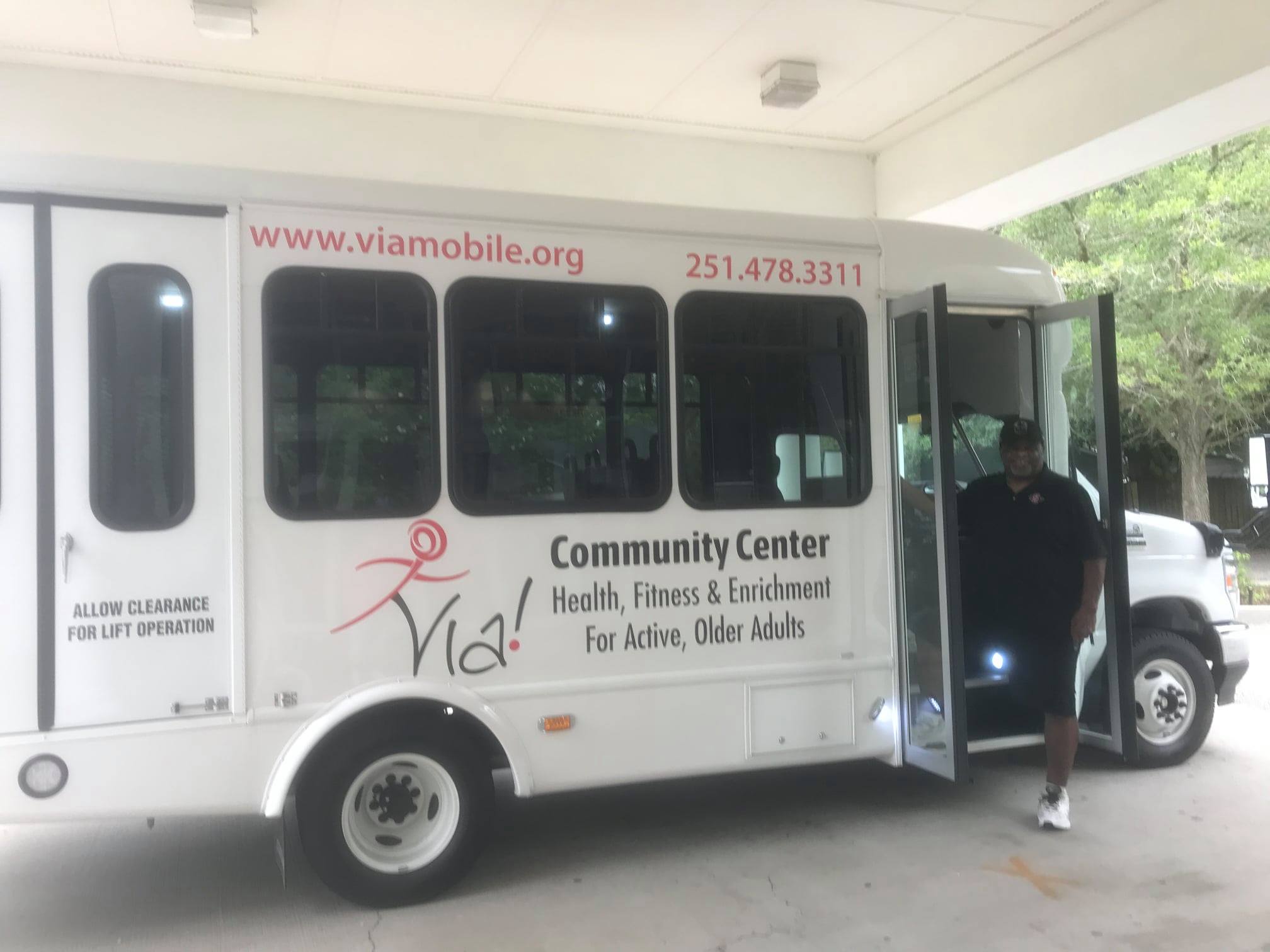
TransportationToday's mature adults are living longer and focusing on meaningful, healthy and active lifestyles rich with recreation, socialization and continuing education. Via provides healthy living opportunities, activities and resources that encourage all adults in the Mobile Community to live life to the fullest.The Via Health, Fitness and Enrichment Center is located on the Arlene F. Mitchell Campus at 1717 Dauphin Street. The Via Center offers recreational programs, continuing education and training, and a premier gymnasium and fitness center.Via Services, located within the Center, provides adult day care, emergency food assistance, home care, transportation, information and referral, and outreach programs to local housing sites.Thank you for visiting our website. For more information, please call us at 251.478.3311, e-mail us at [email protected] or stop by the Welcome Center desk for a tour of our facility.
VIA! Health Fitness and Enrichment Center
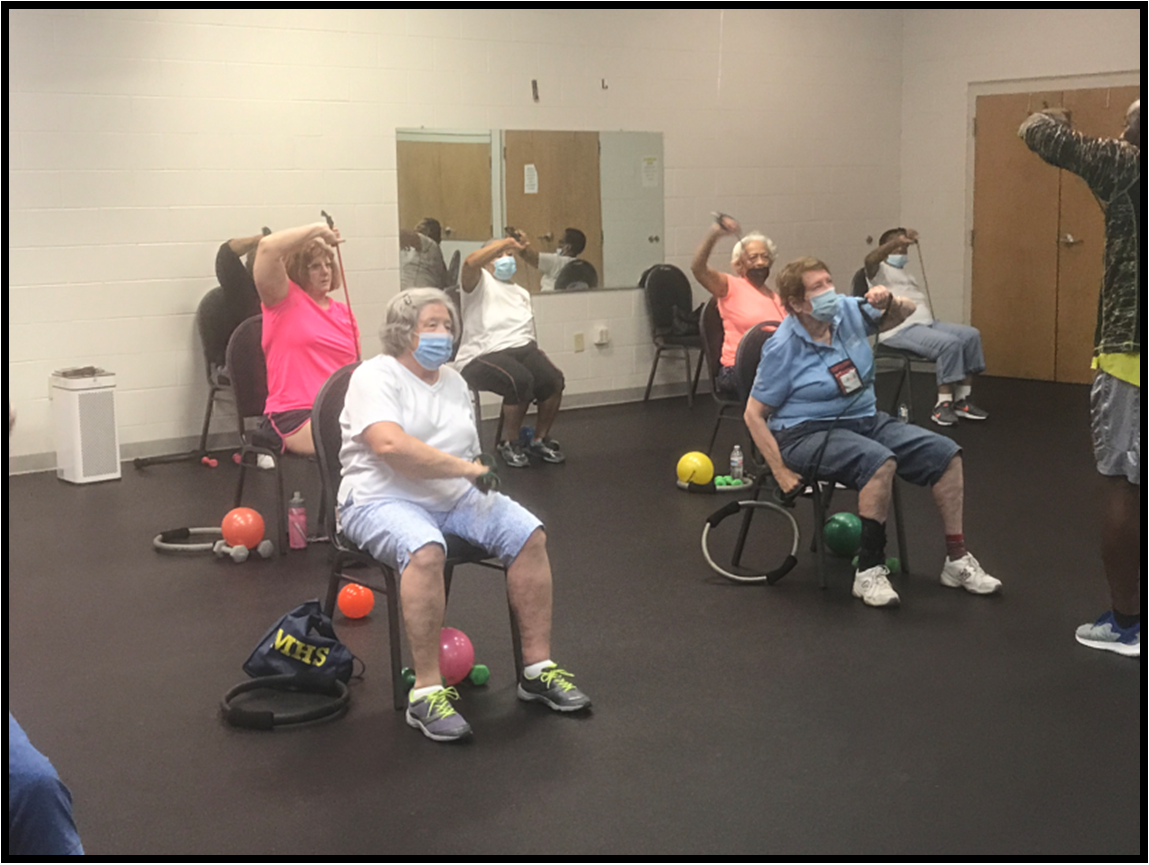
Fitness & WellnessToday's mature adults are living longer and focusing on meaningful, healthy and active lifestyles rich with recreation, socialization and continuing education. Via provides healthy living opportunities, activities and resources that encourage all adults in the Mobile Community to live life to the fullest.The Via Health, Fitness and Enrichment Center is located on the Arlene F. Mitchell Campus at 1717 Dauphin Street. The Via Center offers recreational programs, continuing education and training, and a premier gymnasium and fitness center.Via Services, located within the Center, provides adult day care, emergency food assistance, home care, transportation, information and referral, and outreach programs to local housing sites.Thank you for visiting our website. For more information, please call us at 251.478.3311, e-mail us at [email protected] or stop by the Welcome Center desk for a tour of our facility.