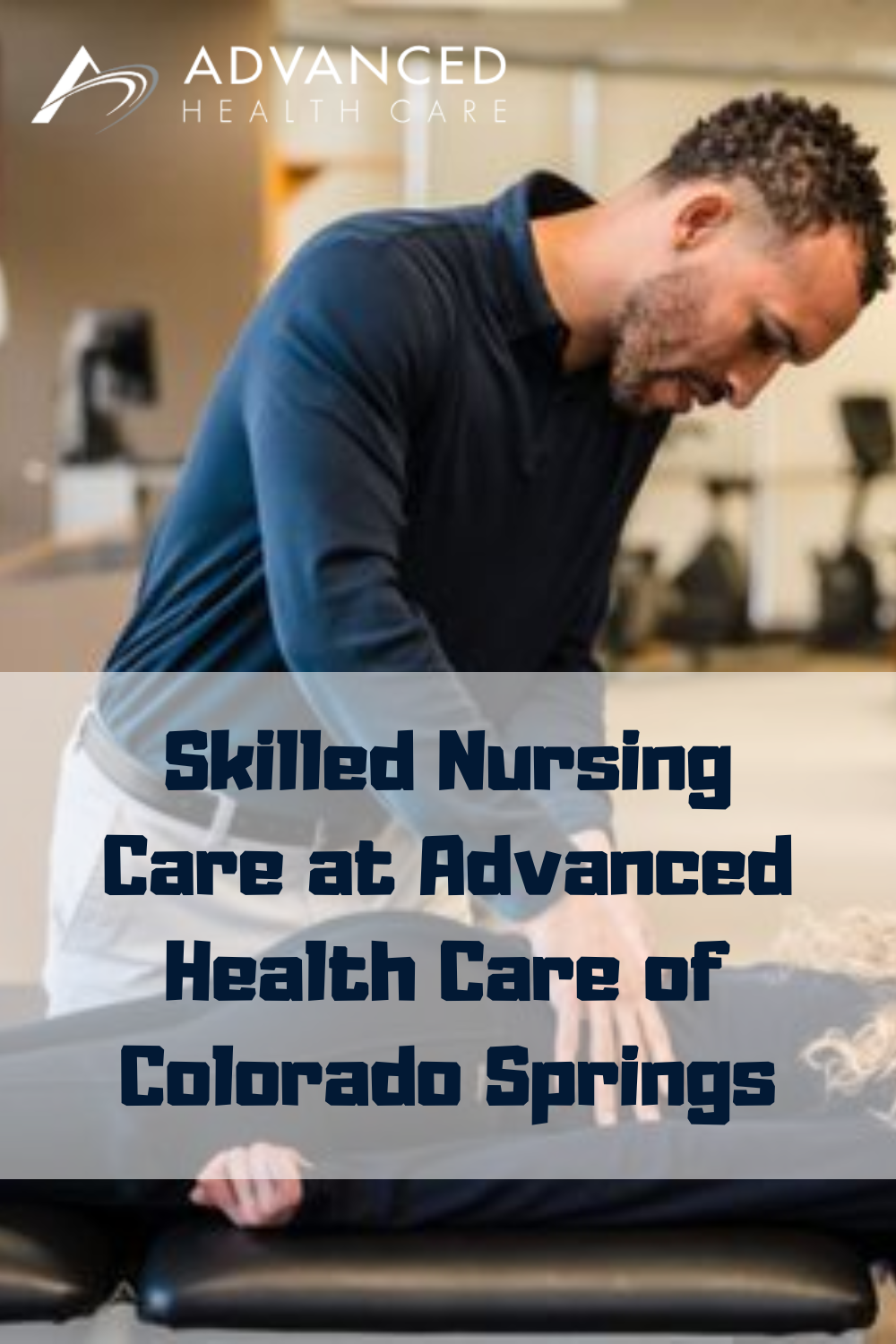
Skilled Nursing Care at Advanced Health Care of Colorado Springs
Advanced Health Care of Colorado Springs
For more information about the author, click to view their website: Advanced Health Care of Colorado Springs
Mar 24, 2026
Colorado - Colorado Springs


Skilled Nursing Care at Advanced Health Care of Colorado Springs
When a loved one requires a higher level of medical care after a hospital stay or during a chronic condition, families often face one of the most critical decisions in their caregiving journey: choosing the right skilled nursing facility. In Colorado Springs, where healthcare options are abundant, finding a place that combines clinical excellence with compassionate care can make all the difference.
Advanced Health Care of Colorado Springs provides that balance — offering expert medical support in an environment designed to promote healing, comfort, and dignity.
What Is Skilled Nursing — and When Is It Needed?
Skilled nursing facilities (SNFs) provide short-term rehabilitation and long-term medical care for individuals who require daily supervision by licensed healthcare professionals.
Common Reasons for Skilled Nursing Care:
- Recovery after surgery (hip replacement, cardiac procedures, etc.)
- Stroke or neurological rehabilitation
- Chronic illness management
- Wound care and complex medical needs
- Post-hospital transitional care
Unlike assisted living, skilled nursing offers 24/7 clinical oversight — making it essential for patients who need ongoing medical attention.
A Local Perspective: Healthcare in Colorado Springs
Colorado Springs is home to leading hospitals and healthcare providers, including facilities near Powers Boulevard, downtown medical centers, and specialized rehabilitation clinics.
However, after hospitalization, the transition to recovery is just as important as the treatment itself.
That’s where facilities like Advanced Health Care of Colorado Springs play a vital role — bridging the gap between hospital care and returning home.
A Patient-Centered Approach to Recovery
At Advanced Health Care of Colorado Springs, care is built around the individual — not just the diagnosis.
Each patient receives a personalized care plan designed to support:
- Physical recovery
- Emotional well-being
- Long-term health outcomes
Ryan Beckman of Advanced Health Care of Colorado Springs shares:
“Recovery is more than just medical treatment. It’s about helping each patient regain confidence, independence, and quality of life in a supportive environment.”
Rehabilitation Services That Make a Difference
One of the defining features of a high-quality skilled nursing facility is its rehabilitation program.
Therapy Services Often Include:
- Physical therapy to restore strength and mobility
- Occupational therapy for daily living skills
- Speech therapy for communication and swallowing challenges
These therapies are delivered by licensed professionals who work closely with patients to set realistic goals and track progress.
A Healing Environment Designed for Comfort
The physical environment plays a significant role in recovery. Advanced Health Care of Colorado Springs focuses on creating a setting that feels less clinical and more like home.
Features That Support Healing:
- Private or semi-private rooms
- Comfortable, welcoming interiors
- Quiet spaces for rest and recovery
- Areas for family visits and connection
This thoughtful design helps reduce stress and promotes faster, more positive recovery outcomes.
The Importance of Skilled Nursing Staff
Behind every successful recovery is a dedicated team of healthcare professionals.
At Advanced Health Care of Colorado Springs, patients benefit from:
- Licensed nurses available 24/7
- Experienced caregivers trained in specialized care
- Coordination with physicians and specialists
This team-based approach ensures that every aspect of a patient’s health is monitored and supported.
Family Involvement and Communication
For families, placing a loved one in skilled nursing care can be an emotional experience. Open communication and involvement are essential.
Advanced Health Care of Colorado Springs encourages families to:
- Stay informed about care plans
- Participate in recovery milestones
- Visit and support their loved ones
This partnership between staff and families creates a more holistic care experience.
Transitioning Back Home
For many patients, skilled nursing care is a temporary step on the path to independence.
The Goal of Short-Term Rehabilitation:
- Regain strength and mobility
- Improve daily functioning
- Safely transition back home
The care team works closely with patients and families to ensure a smooth and safe discharge process.
Long-Term Care with Compassion
While many patients are short-term residents, some require long-term skilled nursing care.
In these cases, the focus shifts to:
- Maintaining quality of life
- Managing chronic conditions
- Providing consistent, compassionate support
Advanced Health Care of Colorado Springs ensures that long-term residents receive the same level of attention and respect as those in rehabilitation.
Choosing the Right Skilled Nursing Facility
Selecting a skilled nursing provider is a major decision. Families should consider:
- Quality of care and staff experience
- Availability of rehabilitation services
- Cleanliness and comfort of the facility
- Communication and transparency
Advanced Health Care of Colorado Springs consistently meets these standards — making it a trusted choice in the local community.
Take the Next Step Toward Recovery
If you or a loved one needs skilled nursing care in Colorado Springs, having the right support can make all the difference.
Advanced Health Care of Colorado Springs offers a compassionate, professional environment where recovery is prioritized and patients are treated with dignity.
👉 Visit their Seniors Blue Book listing to learn more and connect with their team today.
FAQs About Skilled Nursing in Colorado Springs
1. How long do patients typically stay in skilled nursing care?
Stays can range from a few weeks for rehabilitation to longer-term care, depending on individual needs.
2. Is skilled nursing covered by insurance or Medicare?
Many skilled nursing services are covered by Medicare for a limited time, as well as private insurance plans.
3. Can family members visit regularly?
Yes, most facilities encourage family visits and involvement in the recovery process.
4. What’s the difference between rehab and skilled nursing?
Rehabilitation is a service provided within skilled nursing facilities, which also offer 24/7 medical care.
5. How do I know if skilled nursing is the right choice?
A physician or hospital discharge planner typically recommends skilled nursing based on medical needs.
Other Articles You May Like
Recovery and Skilled Nursing Care in Brewton, AL
Recovery and Skilled Nursing Care in Brewton, ALReturning home after a hospital stay is not always as simple as packing a bag and leaving the hospital.An older adult recovering from surgery may still struggle to walk safely. Someone who experienced a stroke may need rehabilitation to regain everyday skills. Another patient may require nursing attention, medication management, or assistance completing basic activities before returning home becomes realistic.For families in Brewton, Alabama, these situations often raise an important question: What happens when a loved one is ready to leave the hospital but is not yet ready to manage safely at home?A skilled nursing facility can help bridge that gap.Skilled nursing communities combine licensed nursing services with rehabilitation and personal assistance. Depending on the individual's needs, care may focus on short-term recovery, ongoing medical support, or long-term residential assistance.West Gate Village, located in Brewton in Escambia County, provides skilled nursing and rehabilitation services through Crowne Health Care.The facility offers nursing care, physical therapy, occupational therapy, speech therapy, dietary support, and social services within a residential environment.For families planning care after hospitalization, understanding skilled nursing services can make the transition easier to manage and help establish realistic recovery goals.What Is Skilled Nursing Care?Skilled nursing care involves medically necessary services provided or supervised by licensed healthcare professionals.It may be appropriate when someone has healthcare needs that cannot be managed safely through ordinary personal assistance alone.Common Reasons Someone May Need Skilled NursingThese include:Recovery after surgeryRehabilitation following a strokeMobility limitations after hospitalizationComplex medication managementChanges in physical functioningMedical conditions requiring nursing monitoringDifficulties completing daily activitiesOngoing health needs requiring residential supportThe appropriate setting depends on the individual's condition, treatment goals, and professional assessment.Skilled Nursing Versus Assisted LivingAssisted living generally focuses on help with everyday activities, meals, housing, and personal support.Skilled nursing facilities provide more extensive nursing services and may offer rehabilitation programs.The distinction matters when an older adult requires professional clinical care beyond ordinary assistance with daily routines.When a Hospital Discharge Requires Additional CareHospitals primarily focus on diagnosing and treating acute medical conditions.Once a patient is medically stable, the hospital team determines an appropriate discharge plan.Sometimes, returning home immediately may present challenges.Difficulty WalkingA patient may have lost strength during hospitalization or require assistance walking.Reduced Ability to Complete Daily ActivitiesBathing, dressing, using the bathroom, or transferring between a bed and chair may be difficult.Ongoing Nursing NeedsA medical condition may require continued professional monitoring or treatment.Rehabilitation NeedsPatients may benefit from therapy to address functional changes caused by surgery, injury, stroke, or illness.Limited Home SupportEven when a patient is medically stable, family members may not be able to provide the level of assistance required.These circumstances may lead the discharge team to recommend evaluation for a skilled nursing facility.West Gate Village in Brewton, AlabamaWest Gate Village is a skilled nursing and physical rehabilitation facility associated with Crowne Health Care.Located at 100 Pineview Street and Third in Brewton, the community provides nursing services and rehabilitation programs for residents with different care needs.Crowne Health Care describes West Gate Village as a family-owned facility focused on personal attention, resident independence, and maintaining a welcoming residential environment.The facility is federally and state licensed and participates in Medicare and Medicaid.Professional Nursing ServicesWest Gate Village identifies registered nurses, licensed practical nurses, and certified nursing assistants as members of its care team.Nursing professionals help provide appropriate care based on resident needs.Services may involve monitoring health conditions, supporting medication routines, and coordinating clinical care.The exact nursing services provided depend on medical orders and the resident's care plan.Physical RehabilitationWest Gate Village offers physical rehabilitation services to help residents work toward functional recovery.Rehabilitation may be appropriate following surgery, an injury, stroke, or another medical event.The therapy team develops goals according to the individual's condition.Occupational TherapyOccupational therapy helps people work on skills required for everyday living.Treatment may focus on dressing, bathing, transfers, or other functional activities.Speech TherapySpeech therapy may address communication or swallowing difficulties when appropriate.This can be particularly important for certain patients recovering from neurological conditions.Social Work ServicesWest Gate Village identifies a licensed social worker who works with residents and their families.Social work support can help address medical, emotional, and practical concerns related to care.Dietary SupportThe facility's registered dietitian develops menus and helps accommodate special dietary needs.West Gate Village describes its dining program as featuring Southern-style meals inspired by traditional home cooking.Recreational ProgrammingThe facility offers activities intended to encourage social interaction.These may include group recreation, opportunities to exercise, and other organized activities.Participation depends on resident interests, abilities, and health needs.Verified West Gate Village Contact InformationWest Gate VillageAddress: 100 Pineview Street and Third, Brewton, AL 36427Phone: 251-867-6077Fax: 251-867-5675Website: https://crownehealthcare.com/west-gateOrganization: Crowne Health CareFacility Type: Skilled Nursing and RehabilitationAdmissions Contact: Letha HarrisonAdmissions Email: [email protected] should contact the facility to discuss bed availability, admission requirements, therapy services, and current payment arrangements.Physical Therapy After HospitalizationPhysical therapy can be an important part of recovery when illness or injury affects mobility.A person who previously walked independently may experience weakness following a hospital stay.Others may struggle with balance, endurance, or transferring safely.Common Physical Therapy GoalsDepending on individual needs, goals may include:Improving walking abilityStrengthening appropriate muscle groupsPracticing transfersWorking on balanceImproving functional movementIncreasing enduranceLearning to use mobility aidsIndividualized RehabilitationNot every patient follows the same recovery schedule.Therapy recommendations depend on medical conditions, functional abilities, tolerance, and progress.Understanding Recovery ExpectationsFamilies should ask which goals are realistic and how progress will be evaluated.Recovery may be gradual, and some individuals may continue requiring assistance even after completing rehabilitation.Occupational Therapy and Everyday IndependenceMedical stability does not automatically mean someone can safely manage daily responsibilities.An older adult may feel better physically but still struggle with bathing, dressing, or moving around the home.Occupational therapy focuses on helping people participate in these daily activities.Dressing and GroomingTherapists may work on methods that make dressing or personal grooming easier.Bathing and Bathroom RoutinesCertain individuals benefit from strategies or equipment that support safer daily routines.TransfersMoving between a bed, chair, or bathroom fixture may require practice and assistance.Adaptive EquipmentSome residents may benefit from appropriate assistive devices.Preparing for HomeOccupational therapy can help identify functional challenges that may affect discharge planning.The objective is to support the greatest practical level of independence for the individual.Speech Therapy After a Stroke or IllnessSpeech therapy is not limited to improving speech clarity.It may also address language, communication, cognition-related communication skills, and swallowing.Communication DifficultiesA stroke or neurological condition may affect a person's ability to express or understand language.Speech ChangesSome individuals develop difficulty producing clear speech.Swallowing ProblemsChanges in swallowing can create concerns about eating and drinking safely.Individualized AssessmentSpeech-language pathologists evaluate specific difficulties and develop appropriate interventions.Not every resident requires speech therapy.Services are provided according to clinical needs and treatment plans.Why Skilled Nursing Matters Locally in Escambia CountyFamilies in Escambia County may need to coordinate hospital care, rehabilitation, transportation, and household assistance for an older relative.Having a skilled nursing and rehabilitation facility in Brewton gives local families an option to evaluate when residential medical support is necessary.Remaining Connected to FamilyA facility located within the community may make visits more practical for relatives living nearby.Supporting Post-Hospital RecoveryPatients may require a period of rehabilitation before returning to their previous living arrangement.Coordinating Medical and Personal NeedsSkilled nursing facilities can address clinical concerns alongside personal assistance and daily routines.Planning for Long-Term SupportSome individuals need ongoing residential care rather than a short-term rehabilitation stay.Families can discuss different care arrangements with the admissions and clinical teams.Questions to Ask Before Choosing a Skilled Nursing FacilitySelecting a skilled nursing facility requires more than checking its location.Families should evaluate the care environment and determine whether it can meet the patient's specific needs.Questions About NursingWhat nursing services are available?How are changes in health monitored?How are medications managed?What happens during a medical emergency?How are families informed about significant changes?Questions About RehabilitationWhich therapy disciplines are available?How are rehabilitation goals established?How often will the resident receive therapy?How is progress measured?What happens if recovery is slower than expected?Questions About Daily LivingHow is bathing and dressing assistance arranged?Are special diets available?What activities are offered?How are resident preferences considered?Questions About AdmissionWhat records are needed?Is a physician order required?Does the facility have an appropriate available bed?Which insurance plans are accepted?How are discharge arrangements coordinated?Getting answers in writing can help families compare care options.Skilled Nursing Care Versus Short-Term RehabilitationSkilled nursing and rehabilitation frequently occur within the same facility, but the terms do not mean exactly the same thing.Short-Term RehabilitationA short-term rehabilitation stay generally focuses on recovery after an illness, injury, or procedure.The goal may be to improve functional abilities enough for a safe transition to home or another setting.Ongoing Skilled NursingSome residents require continuing nursing services because of complex health needs.Long-Term Residential CareOther individuals need ongoing assistance and supervision in a nursing facility.Long-term care may involve a different payment arrangement from a short-term Medicare-covered skilled nursing stay.Understanding Individual GoalsFamilies should clarify whether the expected stay is short-term rehabilitation, long-term residential care, or another arrangement.Plans can change as the resident's condition develops.The Role of Family During RehabilitationFamilies can provide valuable support during a skilled nursing stay.However, they should also understand the responsibilities of the healthcare team.Share Important Background InformationTell staff about medical history, personal routines, communication preferences, and mobility needs.Participate in Care PlanningWhen appropriate, attend care conferences or communicate with the team.Encourage Appropriate ParticipationResidents may benefit from encouragement to follow professional rehabilitation recommendations.Avoid Unrealistic ExpectationsRecovery can vary according to age, medical conditions, complications, and previous abilities.Discuss Discharge EarlyFamilies should ask what assistance, equipment, or follow-up care might be needed after the resident leaves.How Medicare Covers Skilled Nursing Facility CareMedicare Part A may cover a qualifying skilled nursing facility stay when specific requirements are met.Coverage is not automatic simply because a person enters a nursing home.General Coverage RequirementsMedicare usually requires:A qualifying inpatient hospital stay of at least three consecutive days, excluding the discharge dayAdmission to a Medicare-certified skilled nursing facility within the applicable timeframeA need for daily skilled care related to the qualifying conditionOther applicable Medicare coverage requirementsCertain Medicare Advantage plans or special arrangements may have different rules.Coverage PeriodOriginal Medicare may cover up to 100 days of skilled nursing facility care per benefit period.This is a maximum, not a guarantee of 100 covered days.Coverage lasts only while eligibility requirements continue to be met.Cost SharingFor Original Medicare in 2026, eligible beneficiaries generally pay:Days 1 through 20: $0 daily coinsuranceDays 21 through 100: $217 daily coinsuranceAfter day 100: All costsThese amounts and rules may change in future years.What Medicare Generally Does Not CoverMedicare does not normally cover long-term custodial nursing home care when skilled services are no longer medically necessary.Families should discuss coverage with the facility, hospital discharge planner, and insurer before admission.Other Payment Options at West Gate VillageWest Gate Village states that it accepts several payment arrangements.These include:MedicareMedicaidPrivate or self-paymentMost private insurance policiesCertain HMOsSupplemental insuranceLong-term care insuranceAcceptance of an insurance company does not guarantee coverage under every individual policy.Families should verify:Whether the facility is in-networkWhether prior authorization is necessaryWhich services are coveredExpected copayments or coinsuranceWhether coverage is limited to rehabilitationHow long-term care charges are handledAn admissions representative can help explain the facility's procedures.Understanding Nursing Facility Quality InformationFamilies can use Medicare's Care Compare website to review information about certified nursing homes.The information may include:Health inspection resultsStaffing measuresQuality measuresOverall ratingsReported deficienciesThese resources may help families compare facilities.However, a rating should not replace a personal tour or a discussion about specific care needs.Why Quality Data Should Be Reviewed CarefullyNursing home performance data can change over time.Staffing, inspection findings, and quality measures may be updated as new information becomes available.Families should check the latest official information before making a decision.What to Observe During a VisitPay attention to the environment, resident interactions, cleanliness, and how staff respond to questions.Also consider whether the facility can provide the medical and rehabilitation services your loved one requires.Preparing for Admission to West Gate VillageAdmission planning may begin while the patient is still hospitalized.Step 1: Discuss Discharge RecommendationsAsk the hospital care team why skilled nursing or rehabilitation is recommended.Step 2: Contact West Gate VillageCall 251-867-6077 to speak with the facility.Step 3: Confirm Available ServicesExplain the patient's diagnosis, nursing needs, and rehabilitation goals.Step 4: Review Insurance CoverageDetermine whether the facility participates in the patient's insurance plan and whether authorization is necessary.Step 5: Gather Medical InformationPrepare medication lists, discharge instructions, insurance documentation, and relevant medical records.Step 6: Ask About Personal BelongingsFind out which clothing, personal care items, and familiar possessions may be brought to the facility.Step 7: Review the Care PlanDiscuss nursing support, rehabilitation, nutrition, and personal care needs.Step 8: Begin Discharge PlanningAsk what milestones will help determine the next appropriate care setting.Planning the Return Home After RehabilitationFor some residents, returning home is the primary recovery goal.However, successful discharge requires more than completing therapy.Assess MobilityDetermine whether the person can move safely within the expected home environment.Review Daily Living AbilitiesConsider bathing, dressing, meal preparation, and bathroom routines.Identify Medical NeedsSome patients need continued nursing visits, medication support, or outpatient therapy.Review Home AccessibilityThe home may require appropriate safety modifications or equipment.Arrange Follow-Up ServicesHealthcare appointments and recommended rehabilitation services should be coordinated.Confirm Caregiver AvailabilityFamilies should identify who will assist with responsibilities the resident cannot yet manage independently.Expert Tip for Families Comparing Skilled NursingExpert Tip: Before choosing a skilled nursing facility, ask the discharge planner and admissions coordinator to identify three specific recovery goals. These might include walking safely with a mobility aid, completing transfers with less assistance, or managing personal care more independently.Then ask how the rehabilitation team will measure progress toward those goals.Clear expectations can help families understand the purpose of the stay and prepare for the next stage of care.Frequently Asked Questions About Skilled Nursing in Brewton1. Does West Gate Village provide skilled nursing and rehabilitation?Yes. West Gate Village provides skilled nursing services and rehabilitation, including physical therapy, occupational therapy, and speech therapy.2. Where is West Gate Village located?West Gate Village is located at 100 Pineview Street and Third, Brewton, AL 36427, in Escambia County. The telephone number is 251-867-6077.3. Does West Gate Village accept Medicare and Medicaid?Yes. West Gate Village states that it is Medicare- and Medicaid-certified. Individual coverage depends on eligibility, medical necessity, insurance terms, and the services required.4. Can someone stay at West Gate Village temporarily after surgery?West Gate Village provides rehabilitation services for individuals recovering from surgery, injury, stroke, and other conditions. Admission and length of stay depend on clinical needs, bed availability, and payment arrangements.5. Does West Gate Village offer long-term nursing care?Yes. West Gate Village describes itself as a rehabilitation and long-term care facility. Families should contact admissions to discuss the resident's needs, availability, and current payment options.Building a Safer Path From Hospital to HomeA hospital discharge is an important milestone, but recovery does not always end when acute treatment is complete.Some older adults require additional nursing services, rehabilitation, or daily assistance before returning to their previous living arrangement.Choosing an appropriate skilled nursing facility involves understanding medical needs, rehabilitation goals, insurance coverage, and the support available during recovery.For families in Escambia County, West Gate Village provides skilled nursing and rehabilitation services in Brewton through Crowne Health Care.Its nursing staff, therapy professionals, dietary services, social work support, and recreational programming address different aspects of residential care and rehabilitation.Whether a loved one requires short-term recovery services or ongoing skilled nursing support, speaking with the facility's admissions team can help clarify available options.Contact West Gate Village to discuss care needs, insurance requirements, bed availability, and how its team approaches rehabilitation and resident support.Featured Seniors Blue Book ListingWest Gate VillageRecommended Main SBB Category: Skilled NursingAddress: 100 Pineview Street and Third, Brewton, AL 36427County: Escambia County, AlabamaPhone: 251-867-6077Fax: 251-867-5675Organization: Crowne Health CareServices: Skilled nursing, short-term rehabilitation, long-term care, physical therapy, occupational therapy, speech therapy, dietary support, medication-related nursing services, social work, recreational therapy, and personal assistance.Admissions Coordinator: Letha HarrisonAdmissions Email: [email protected]: Medicare- and Medicaid-certified facilityPayment Options: Medicare, Medicaid, private pay, selected private insurance plans, some HMOs, and eligible supplemental or long-term care insurance.Availability Note: Contact the facility for current bed availability, services, insurance participation, and admission requirements.Find West Gate Village on Seniors Blue BookLooking for skilled nursing and rehabilitation in Brewton, Alabama?Explore West Gate Village through Seniors Blue Book on SeniorsBlueBook.com.Learn about the facility's skilled nursing services, rehabilitation programs, and available residential support. Contact West Gate Village to discuss admission requirements and appropriate care options.
Beyond the Hospital: A Path to Skilled Nursing Recovery
Beyond the Hospital: A Path to Skilled Nursing RecoveryLeaving the hospital after a serious illness, surgery, or injury can be an important milestone. However, hospital discharge does not always mean an older adult is ready to return to their previous daily routine.Some patients need continued medical supervision, assistance with medications, specialized nursing treatments, or rehabilitation before they can safely manage at home.For families, this transition can raise many questions.Who will oversee medications after discharge? What happens if a loved one requires continued monitoring for a chronic medical condition? How can families determine whether short-term skilled nursing or long-term residential care is appropriate?These decisions can feel particularly complicated when an older adult has several medical conditions or requires more assistance than relatives can realistically provide.For seniors and families throughout Ocean County, New Jersey, understanding skilled nursing services is an important part of planning for safe, appropriate care after hospitalization.Complete Care at Arbors provides post-acute skilled nursing, primary care services, specialized clinical programs, and long-term residential nursing support.Its clinical services are designed to address medical recovery, ongoing health needs, and assistance with daily living.Whether a patient is preparing to return home or needs continued residential support, the goal is to establish a care plan that reflects their current condition and healthcare needs.What Is Skilled Nursing Care?Skilled nursing refers to healthcare services that require qualified nursing or other licensed clinical professionals.Unlike ordinary household assistance, these services involve medical assessment, treatment, and monitoring.Skilled Nursing Services May IncludeNursing assessmentsMedication administrationMonitoring of medical conditionsWound careIntravenous treatment when clinically indicatedCoordination with physiciansChronic disease managementAssistance with daily activitiesClinical observationRehabilitation coordinationThe exact services provided depend on medical orders, facility capabilities, and the patient's individualized care plan.Who May Benefit From Skilled Nursing?Skilled nursing may be appropriate for individuals recovering from serious illness, injury, or surgery.It may also support residents with ongoing medical needs that require professional oversight.Skilled Nursing Is Not the Same as Assisted LivingAssisted living primarily provides residential support with personal activities such as bathing and dressing.Skilled nursing facilities provide a higher level of medical and nursing support for individuals whose conditions require it.Skilled Nursing at Complete Care at ArborsComplete Care at Arbors is a licensed long-term care facility offering post-acute care, skilled nursing, and long-term residential services.Its published programs address both recovery following hospitalization and continuing support for people with chronic illnesses or functional limitations.Verified Clinical Services IncludePost-acute skilled nursingIn-house primary careMedication monitoringChronic illness managementOrthopedic and post-surgical careCardiac-related careNeurological and stroke carePulmonary careRenal-related servicesWound managementCertain intravenous therapiesSpecialized infectious disease servicesRehabilitation therapiesLong-term nursing careThe facility's clinical capabilities also identify access to various medical and specialty professionals.Not every specialized treatment is appropriate or available for every patient. Admission decisions depend on clinical requirements and the facility's ability to meet them.Understanding the Hospital-to-Skilled-Nursing TransitionAn older adult may be medically stable enough to leave the hospital but still require additional healthcare services.This period is often called post-acute care.Common Reasons for Post-Acute Skilled NursingThese may include:Recovery after surgeryComplications from chronic illnessReduced mobility after hospitalizationRecovery from infectionsWound treatmentNeurological changesComplex medication needsContinued nursing supervisionThe Purpose of Post-Acute CarePost-acute care supports recovery or stabilization after the initial hospital treatment.For some people, the next goal is returning home.For others, the care team may determine that ongoing residential assistance is more appropriate.Individualized Planning MattersThe patient's medical condition, previous abilities, current functional status, and available support should guide the care plan.Preparing for Discharge From the HospitalHospital discharge planning should begin before the patient leaves the hospital.Families can help by understanding which services will be necessary and whether a receiving facility can provide them.Information to ReviewCurrent diagnosesRecent proceduresMedication listAllergiesNursing requirementsMobility limitationsDietary restrictionsRehabilitation recommendationsFollow-up appointmentsSpecial equipment needsConfirm the Receiving Facility's CapabilitiesA particular medical service should never be assumed available simply because a facility offers skilled nursing.The admissions and clinical teams should review complex needs before acceptance.Communication Between Care TeamsAccurate transfer information helps the receiving clinicians understand recent treatment and ongoing requirements.Families should ask how the hospital and skilled nursing team coordinate this process.What Happens During Admission to Skilled Nursing?Entering a nursing facility can be unfamiliar for someone who has recently experienced hospitalization.An organized admission process can help establish immediate care priorities.Initial Admission Activities May IncludeReviewing medical recordsVerifying medicationsCompleting nursing assessmentsEvaluating personal care needsReviewing dietary requirementsAssessing mobilityIdentifying rehabilitation needsEstablishing family contactsExplaining daily routinesAdmission at Complete Care at ArborsThe facility describes welcoming new patients, reviewing medications and care requirements, and helping them settle into their accommodations.Its published information also states that a staff member contacts family during the first 24 hours after admission to provide an update and answer questions.Establishing a Care PlanThe clinical team develops services based on the patient's current needs.Families should ask when the initial care plan is reviewed and how changes are communicated.The Role of In-House Primary CareOne distinctive aspect of Complete Care at Arbors is its in-house primary care service.The facility describes a primary care team that may include physicians, nurse practitioners, and physician assistants.Primary Care Responsibilities May IncludeEvaluating new medical concernsManaging chronic conditionsReviewing medicationsMonitoring changes in healthCoordinating specialist referralsWorking with nursing staffCommunicating treatment needsWhy Coordination MattersOlder adults may have several healthcare conditions requiring attention from different professionals.A coordinated primary care approach can help align everyday medical management with the resident's treatment plan.Clinical Oversight Remains IndividualizedThe level and frequency of provider visits depend on the patient's condition and clinical requirements.Families should confirm how physician or advanced practice provider services are arranged.Medication Management After HospitalizationMedication changes are common during a hospital stay.A physician may prescribe a new medication, discontinue an older prescription, or adjust dosage instructions.These changes need to be communicated accurately during the transition to skilled nursing.Potential Medication ConcernsNewly prescribed medicationsChanges in dosageDuplicate prescriptionsDrug interactionsAllergiesMissed dosesSide effectsDifferent administration schedulesMedication ReconciliationMedication reconciliation involves reviewing the current medication list and resolving relevant discrepancies during a care transition.Complete Care at Arbors' ApproachThe facility describes medication monitoring as part of its in-house primary care services.Its nursing and primary care teams coordinate treatment according to medical orders.Family QuestionsAsk who reviews medication changes, how concerns are reported, and what happens when a patient is discharged to another setting.Managing Chronic Conditions in Skilled NursingMany older adults recovering from hospitalization also live with ongoing medical conditions.Managing these conditions is important for both short-term recovery and long-term residential health.Conditions That May Require MonitoringThese include:DiabetesHeart diseaseHigh blood pressureChronic respiratory diseaseNeurological conditionsKidney-related conditionsComplex mobility limitationsCertain cognitive impairmentsRegular AssessmentClinical teams may monitor symptoms, treatment response, vital signs, and changes in everyday functioning.Coordination With SpecialistsSome residents require evaluation or treatment by specialists in addition to the facility's primary care team.Avoid Assuming Every Condition Is Managed IdenticallyCare requirements vary, and certain clinical services may require outside treatment or hospital-level care.Specialized Cardiac and Pulmonary SupportComplete Care at Arbors advertises specialized clinical services for certain heart and respiratory conditions.Its published capabilities include cardiac monitoring resources and selected pulmonary services.Cardiac Needs May IncludeMonitoring after a cardiac eventMedication managementObservation of symptomsCoordination with cardiology providersRehabilitation planningPulmonary Needs May IncludeOxygen-related supportRespiratory monitoringAssistance with prescribed treatmentsCoordination with pulmonary professionalsExamples of Listed CapabilitiesThe facility's clinical information identifies selected services involving CPAP, BiPAP, respiratory therapy, and other advanced interventions.Medical Assessment Is EssentialSuch services must be ordered when appropriate and matched to the patient's condition.Families should discuss specific equipment, monitoring, and staffing needs before admission.Wound Care and Skin HealthSome older adults require professional wound management following surgery, injury, or complications associated with chronic conditions.Wound-Related Concerns May IncludePost-surgical woundsPressure injuriesCertain diabetic woundsSkin breakdownDelayed healingWounds requiring ongoing assessmentWhy Skilled Oversight MattersWound treatment may require nursing procedures, monitoring, and coordination with medical professionals.Complete Care at Arbors' ServicesThe facility identifies wound care among its clinical capabilities.Individual Treatment PlansAppropriate treatment depends on the cause and characteristics of the wound.Families should ask how the wound care team documents progress, addresses complications, and communicates concerns.Supporting Patients After Orthopedic SurgeryJoint replacement or other orthopedic procedures can temporarily affect mobility and personal independence.A patient may require nursing supervision along with appropriate rehabilitation.Post-Surgical Support May AddressPain managementMedication routinesMobility restrictionsSurgical wound monitoringAssistance with personal careTransfersRehabilitation coordinationFollowing Medical InstructionsActivity restrictions should reflect the surgeon's and treating team's recommendations.Preparing for the Next SettingThe care team should consider whether the person can manage stairs, bathrooms, and other features of their intended home.Different Recovery TimelinesProgress varies according to the procedure, medical condition, and individual response to treatment.Stroke and Neurological CareNeurological conditions can affect movement, communication, cognition, and everyday functioning.Complete Care at Arbors identifies neurological and stroke-related services among its clinical specialties.Potential Support NeedsThese may include:Nursing observationMedication administrationMobility assistanceFall risk managementCommunication supportSwallowing-related evaluationRehabilitation servicesAssistance with personal routinesA Coordinated Care TeamNursing staff, medical providers, and therapists may address different aspects of recovery.Supporting FamiliesRelatives may need guidance about changes in communication, functional ability, or supervision.Recovery Is IndividualThe care plan should reflect actual needs and clinically appropriate goals rather than assume a predictable outcome.Infection Management and Clinical PrecautionsSome patients entering skilled nursing require continued monitoring or treatment following an infection.Complete Care at Arbors identifies specialized infectious disease services within its clinical capabilities.Important ConsiderationsThese may include:Prescribed treatmentMedication monitoringInfection prevention proceduresNursing assessmentCoordination with cliniciansAppropriate precautionsFacility Policies MatterInfection-control procedures should follow clinical standards and applicable regulatory requirements.Family CommunicationFamilies can ask how visiting arrangements and resident activities are managed when specific precautions are necessary.Specialized Services Require AssessmentThe appropriate setting depends on the individual's medical needs and the facility's capabilities.Rehabilitation as Part of Skilled Nursing RecoveryPost-acute skilled nursing often includes rehabilitation services when clinically indicated.Complete Care at Arbors offers physical, occupational, and speech therapy.Physical TherapyPhysical therapy may address walking, strength, balance, transfers, and mobility.Occupational TherapyOccupational therapy may address dressing, bathing, coordination, and other everyday functional activities.Speech TherapySpeech-language pathology may address communication, cognitive-communication needs, and swallowing difficulties.Therapy SchedulesThe facility's published clinical capabilities identify therapy services seven days a week.Individual treatment frequency and duration depend on assessment, orders, clinical needs, and applicable coverage.A Coordinated ApproachNursing and therapy professionals work toward goals suited to the patient's health and functional abilities.Why Nursing and Rehabilitation Work TogetherMedical recovery and functional improvement are closely related.A patient may have difficulty participating in rehabilitation when pain, fatigue, infection, or another medical concern is not adequately managed.Nursing May Support Rehabilitation ByAdministering prescribed medicationsMonitoring health changesCoordinating physician instructionsHelping with personal careManaging clinical treatmentsObserving patient toleranceCommunicating relevant concernsTherapy Supports Functional GoalsTherapists focus on mobility, everyday activities, communication, or swallowing as appropriate.Shared Information MattersThe rehabilitation plan should reflect the patient's current medical status.Realistic Recovery GoalsNot every patient will regain their previous level of functioning.A suitable plan focuses on clinically appropriate and achievable goals.Planning a Return Home After Skilled NursingFor many post-acute patients, returning home is an important goal.However, discharge planning should address the practical requirements of everyday life.Home Readiness QuestionsCan the patient move safely between rooms?Is assistance needed for bathing or dressing?Are stairs manageable?Can medications be handled appropriately?Are follow-up appointments arranged?Is rehabilitation still needed?What family support is available?Is the home accessible?Identify Needed ServicesSome individuals may require home healthcare, personal care assistance, outpatient therapy, or mobility equipment.Confirm Medical Follow-UpThe discharge plan should include necessary medication instructions and follow-up care information.Avoid RushingA planned discharge should reflect the patient's actual abilities and available support.What if Returning Home Is Not Appropriate?Some patients experience ongoing limitations that make a return to independent living difficult.A person may require regular nursing support, extensive assistance with personal care, or supervision that cannot be consistently arranged at home.Possible Next Care OptionsThese may include:Additional home supportAssisted living, when appropriateLong-term residential nursing careOther medically suitable arrangementsUnderstanding the DecisionThe appropriate setting depends on medical needs, functional abilities, finances, and personal preferences.Family ParticipationWith proper authorization, relatives may participate in discussions about available options.Care Transitions Require PlanningA move to long-term care is not simply an extension of a short rehabilitation stay.Admissions, payment arrangements, and care plans may change.Long-Term Nursing Care at Complete Care at ArborsComplete Care at Arbors offers long-term residential nursing services for individuals who require ongoing support.Its long-term care program provides round-the-clock assistance for people with chronic illnesses, disabilities, or cognitive impairments.Long-Term Services May IncludeNursing careMedical oversightMedication managementAssistance with activities of daily livingChronic condition managementPersonal careRecreational engagementNutritional supportOngoing care planningThe Goal of Long-Term CareLong-term nursing care focuses on meeting continuing needs while supporting dignity, comfort, and the best practical level of independence.Individualized Residential SupportResidents may have different medical requirements and daily routines.Care plans should consider both clinical needs and personal preferences.Supporting Independence in Long-Term Nursing CareEven when someone requires extensive nursing assistance, meaningful choices remain important.Residents May Continue Participating InSelecting clothingExpressing meal preferencesChoosing suitable activitiesCommunicating daily routinesEnjoying visitorsMaintaining personal interestsIndependence Can Take Different FormsFor one resident, independence may mean walking with appropriate assistance.For another, it may mean making decisions about daily activities despite physical limitations.Respect and DignityCaregivers should encourage appropriate participation without compromising safety.Functional Goals May ChangeResidents' capabilities should be reviewed as medical and personal care needs evolve.Chronic Illness Care Over TimeResidents receiving long-term nursing care may require management of several ongoing conditions.Important Care PrioritiesThese may include:Preventing avoidable complicationsMonitoring symptomsReviewing medication effectivenessMaintaining nutritionSupporting mobilityRecognizing changes in cognitionManaging skin healthCoordinating specialist careThe Role of Geriatric CareComplete Care at Arbors advertises geriatric specialty care focused on the needs of older adults.Its program emphasizes chronic disease management, falls prevention, wound care, and proactive monitoring.Personalization MattersThe care plan should reflect the resident's conditions, treatment goals, and preferences.Dining, Activities, and Residential ComfortSkilled nursing facilities also serve as living environments.Meals, activities, personal space, and social relationships contribute to residents' daily experience.Complete Care at Arbors AmenitiesThe facility advertises:Chef-inspired diningMeals served in communal areas or resident roomsSocial eventsFitness activitiesEducational programsRecreational outingsComfortable living environmentsParticipation Based on AbilityActivities should reflect medical conditions, mobility, and personal preferences.Daily RoutinesA predictable routine may help residents feel more comfortable during both short-term and long-term stays.Family VisitsFamilies should ask about current visiting policies and available spaces for spending time together.The Importance of Family CommunicationWhen a loved one enters skilled nursing care, family members may be uncertain about medical updates and planning responsibilities.Clear communication can help everyone understand the care arrangement.Questions to Ask the Care TeamWho oversees medical treatment?How are medication changes communicated?Who provides rehabilitation updates?When are care meetings held?What happens if health changes suddenly?How are discharge plans developed?Who handles billing questions?Designate Appropriate ContactsThe facility should have accurate information about authorized family members and decision-makers.Respect Patient RightsResidents retain legal rights concerning privacy, participation in decisions, and appropriate communication.Ask Questions EarlyFamilies should understand how to raise concerns and receive information about the care plan.Understanding Medicare Coverage for Skilled NursingMedicare may cover certain skilled nursing facility services when eligibility requirements are satisfied.However, coverage is limited and conditional.Original Medicare RequirementsFor many covered skilled nursing facility stays, Original Medicare requires:A qualifying inpatient hospital stayAdmission within the applicable timeframeA need for qualifying skilled nursing or therapyCare in a Medicare-certified facilityOther applicable coverage conditionsSome Medicare Advantage arrangements operate under different coverage and authorization rules.Benefit LimitsOriginal Medicare has limits on covered skilled nursing facility days per benefit period and may involve coinsurance.Not All Residential Care Is CoveredMedicare generally does not cover ongoing custodial nursing home care when personal assistance is the only care needed.Confirm BenefitsFamilies should verify eligibility, prior authorizations, coverage dates, and costs with the insurer and facility.Medicaid and Long-Term Nursing CareFor individuals needing extended nursing facility care, Medicaid may be a potential source of coverage.New Jersey administers Medicaid through NJ FamilyCare.Important Eligibility FactorsThese may include:IncomeFinancial resourcesResidencyMedical and functional needsApplicable program requirementsMedicaid Coverage Is Not AutomaticA person does not qualify solely because they require nursing home care.Financial and clinical requirements must be met.Verify Facility ParticipationNew Jersey records identify Complete Care at Arbors as participating in Medicare and Medicaid.Families should still confirm current participation, bed availability, and the specific payment arrangement.Seek Appropriate GuidanceA Medicaid planning professional, social worker, or elder law attorney may help families understand different aspects of eligibility and payment.Planning for Long-Term Care ExpensesCare costs can vary according to the level of service, insurance coverage, and length of stay.Questions About CostsFamilies should ask:What is the current daily or monthly rate?Which services are included?How are medications billed?Are therapy services billed separately?What insurance plans are accepted?What happens if coverage ends?How are long-term care payments handled?Understand the Transition From RehabilitationA person whose short-term Medicare-covered stay ends may need another payment arrangement if care continues.Obtain Written InformationBilling policies and service agreements should be reviewed carefully.Plan for Future ChangesLong-term care needs and financial circumstances can change.Families should periodically review available resources and coverage.How to Evaluate a Skilled Nursing FacilityChoosing a skilled nursing provider involves both clinical and residential considerations.Clinical QuestionsWhat nursing coverage is available?What medical providers are on-site?Which specialty services are offered?How are medications reviewed?What therapies are available?How are chronic conditions managed?Residential QuestionsWhat dining options are available?How are personal preferences respected?Are activities offered?How does the facility communicate with families?What accommodations are available?Review Public InformationFamilies may consult New Jersey Department of Health licensing and inspection records and Medicare nursing facility comparison resources.Tour When PossibleA visit can help families understand the physical environment and ask questions relevant to their loved one's needs.Expert Tip: Ask About the Care Plan Beyond Hospital DischargeSkilled Nursing Tip: Before a loved one transfers from the hospital, ask the receiving facility to explain the expected nursing services, medication oversight, rehabilitation goals, and possible next living arrangements. Understanding both the immediate care plan and potential discharge options can help families prepare for changes rather than responding to them at the last minute.The most useful transition plans consider medical treatment, functional abilities, family support, and financial arrangements together.Frequently Asked Questions About Complete Care at Arbors Skilled Nursing1. Does Complete Care at Arbors provide skilled nursing after hospitalization?Yes. Complete Care at Arbors offers post-acute skilled nursing and rehabilitation services for eligible patients recovering after illness, injury, or surgery. Individual admissions depend on medical needs and facility capabilities.2. What types of clinical care are available at Complete Care at Arbors?The facility advertises in-house primary care, medication monitoring, chronic disease management, wound care, cardiac and pulmonary services, neurological and stroke-related programs, and other specialized clinical capabilities. Specific services should be confirmed before admission.3. Does Complete Care at Arbors offer rehabilitation services?Yes. The facility offers physical therapy, occupational therapy, and speech therapy. Its published clinical capabilities identify therapy services available seven days a week, with treatment schedules determined by individual needs.4. Can a patient transition from rehabilitation to long-term nursing care?Potentially. Complete Care at Arbors provides both post-acute and long-term nursing services. A transition depends on clinical assessment, eligibility, available accommodations, and payment arrangements.5. Does Complete Care at Arbors accept Medicare and Medicaid?New Jersey facility records identify Medicare and Medicaid participation. However, coverage depends on the patient's eligibility, applicable program rules, authorized services, and current facility arrangements. Families should verify details before admission.Supporting Recovery and Ongoing Care After HospitalizationThe period following hospitalization can be an important stage in an older adult's healthcare journey.Some individuals need professional nursing supervision and rehabilitation before returning home.Others require continuing medical treatment or personal assistance that may be better provided within a residential nursing facility.For seniors and families throughout Ocean County, New Jersey, Complete Care at Arbors offers post-acute skilled nursing and long-term residential support.Its services include in-house primary care, specialized clinical programs, medication management, rehabilitation services, and ongoing nursing care.The facility's approach addresses both immediate medical needs and longer-term considerations involving mobility, chronic conditions, and everyday functioning.Families can make better-informed decisions by asking about the care plan, available clinical services, insurance coverage, discharge preparation, and possible long-term care arrangements.No single nursing or rehabilitation plan is appropriate for every patient.The best decisions are based on professional assessment, accurate information, and the individual's medical condition and personal goals.Learn More About Complete Care at ArborsLooking for skilled nursing and post-hospital care in Ocean County, New Jersey?Visit Complete Care at Arbors on SeniorsBlueBook.com to explore its Skilled Nursing listing and learn more about nursing supervision, clinical services, and post-acute care.The admissions team can explain current availability, required medical information, and how the facility evaluates the care needs of prospective patients.
The Road to Recovery: Skilled Nursing and Rehabilitation Support
The Road to Recovery: Skilled Nursing and Rehabilitation SupportRecovering from a serious illness, injury, or surgery often requires more than rest. Older adults may need medical supervision, physical rehabilitation, assistance with daily activities, and a carefully coordinated plan before they can safely return home.A hospital discharge does not always mean that someone is ready to resume their previous routine.An older adult recovering from a fracture may have difficulty walking independently. Someone who experienced a stroke may need assistance with speech, swallowing, or everyday tasks. A person recovering from an extended hospital stay may feel weak and require time to rebuild strength and endurance.For families, these situations can bring important questions about the next level of care.Where can a loved one receive nursing supervision after hospitalization? What is the difference between skilled nursing and short-term rehabilitation? Which therapies may be needed? What happens when a person requires ongoing nursing support rather than a temporary recovery stay?For seniors and families throughout Monmouth County, New Jersey, understanding these services can make healthcare transitions easier to navigate.Sunnyside Manor - Skilled Nursing provides short-term rehabilitation and long-term nursing care within an established senior living community.Its services include around-the-clock registered nursing, physical therapy, occupational therapy, speech therapy, on-site physician services, and individualized rehabilitation support.The community's approach combines medical oversight with residential comfort, helping older adults receive appropriate assistance based on their needs.Whether the goal is recovering after hospitalization or receiving ongoing nursing care, understanding the available options is an important first step toward choosing a suitable care setting.What Is Skilled Nursing Care?Skilled nursing care involves healthcare services that require licensed nursing professionals or other appropriately qualified clinical personnel.These services differ from ordinary household assistance or non-medical caregiving.Skilled Nursing Services May IncludeNursing assessmentsMedication administrationClinical monitoringWound careAssistance with complex medical needsCoordination with physiciansRehabilitation supportNutritional monitoringCare planningAssistance with activities of daily livingThe exact services depend on the resident's condition, medical orders, and individualized care plan.Who May Need Skilled Nursing?Skilled nursing may be appropriate for older adults recovering from illness, surgery, or injury, as well as those requiring ongoing medical supervision.A professional assessment helps determine the appropriate level of care.Skilled Nursing Is Different From Assisted LivingAssisted living generally focuses on support with personal activities and daily routines.Skilled nursing addresses more extensive clinical needs and provides nursing care within a licensed healthcare facility.Skilled Nursing Services at Sunnyside ManorSunnyside Manor offers a skilled nursing and rehabilitation neighborhood designed for older adults who need professional nursing support.The community provides both short-term rehabilitation and long-term care.Verified Services IncludeRegistered nurses available 24 hours a dayPhysical therapyOccupational therapySpeech therapyOn-site physician servicesPrivate accommodationsTherapeutic diets approved by a licensed nutritionistA Medicare-approved rehabilitation gymShort-term rehabilitationLong-term nursing careRespite staysA Licensed Nursing FacilitySunnyside Manor is licensed by the New Jersey Department of Health as a long-term care facility.Its official information also identifies Medicare and Medicaid certification.Individualized ServicesThe nursing and rehabilitation team evaluates each person's condition and support needs to determine appropriate services.Families should discuss specific medical requirements directly with the admissions and clinical staff.Understanding Short-Term RehabilitationShort-term rehabilitation is designed for individuals who need additional therapy or nursing services during recovery from a medical event.The focus is generally on restoring or improving functional abilities and preparing for the next living environment.Common Reasons for RehabilitationThese may include:Joint replacement surgeryHip fracturesOther orthopedic injuriesStrokeSerious illnessProlonged hospitalizationReduced mobilityPhysical deconditioningCertain neurological conditionsRecovery Goals Are IndividualizedOne person may work toward walking with a mobility aid.Another may focus on dressing independently after surgery.A patient recovering from a stroke may require several different therapy services.Rehabilitation Does Not Guarantee Complete RecoveryProgress depends on the individual's diagnosis, overall health, response to therapy, and other clinical factors.Goals should be developed and reviewed by qualified healthcare professionals.From Hospital to RehabilitationLeaving the hospital can involve an important transition.The patient may no longer need hospital-level treatment but still require skilled services that cannot be safely provided at home.Hospital Discharge Planning May ConsiderCurrent medical conditionNursing needsMobility limitationsMedication requirementsTherapy recommendationsAbility to complete daily activitiesHome accessibilityAvailable family supportWhy Communication MattersThe hospital and receiving rehabilitation facility need relevant information about the patient's condition, medications, and treatment requirements.The Role of FamiliesWith appropriate authorization, relatives may help explain the person's previous abilities, living arrangements, and support system.This information can help the rehabilitation team develop practical goals.Rehabilitation Services at Sunnyside ManorSunnyside Manor provides physical, occupational, and speech therapy, advertising access to these services seven days a week.The appropriate frequency and duration of treatment depend on professional assessment, the care plan, and applicable coverage arrangements.Rehabilitation ResourcesThe community identifies:A Medicare-approved rehabilitation gymTherapy professionalsIndividualized rehabilitation plansNursing supervisionOn-site medical resourcesPrivate accommodationsA Recovery-Focused EnvironmentRehabilitation combines clinical support with opportunities to practice everyday activities.Therapy programs should address the abilities needed for the patient's intended next living environment.Progress ReviewsFamilies may ask how rehabilitation goals are measured, how progress is communicated, and when discharge planning begins.Physical Therapy: Rebuilding Strength and MobilityPhysical therapy helps individuals address movement limitations and improve functional mobility.After surgery or hospitalization, even ordinary activities can become challenging.Physical Therapy May AddressMuscle strengthWalkingBalanceEnduranceTransfersCoordinationMobility aid useFunctional movementFall risk factorsRecovering After an InjurySomeone recovering from a fracture may need assistance regaining the ability to walk safely.Rebuilding EnduranceA person who spent an extended period in a hospital bed may have reduced strength and stamina.Therapy Must Be IndividualizedPhysical therapists evaluate functional abilities and develop appropriate treatment goals.Patients should follow professional recommendations rather than attempt exercises beyond their current abilities.Occupational Therapy: Returning to Everyday ActivitiesOccupational therapy focuses on helping individuals participate in meaningful daily activities.These services can be particularly important when a medical event affects personal care or functional independence.Activities May IncludeDressingBathingGroomingEatingToiletingTransfersFine motor activitiesHousehold tasksUse of adaptive equipmentWhy Occupational Therapy MattersSomeone may regain the ability to walk but still struggle with buttons, bathing, or preparing a simple meal.Occupational therapy addresses these practical challenges.Preparing for HomeTherapists may recommend adaptive equipment or changes to daily routines.The Goal Is Functional ParticipationTherapy should consider which activities the individual wants or needs to perform in everyday life.Speech Therapy: Communication and Swallowing SupportSpeech-language pathology addresses conditions involving communication, cognition, voice, and swallowing.Some older adults require these services after a stroke, neurological illness, or other medical event.Speech Therapy May AddressSpeech clarityLanguage expressionLanguage comprehensionWord retrievalVoiceCognitive-communication abilitiesSwallowing difficultiesSupporting CommunicationA patient may learn strategies that make conversations with relatives and caregivers more effective.Swallowing ConcernsDifficulty swallowing can create medical risks and requires appropriate clinical evaluation.Personalized TreatmentA qualified speech-language pathologist determines suitable assessments and therapy based on individual needs.The Importance of 24-Hour Nursing SupervisionSome rehabilitation patients have medical needs that require ongoing nursing attention.Sunnyside Manor provides registered nursing coverage around the clock.Nursing Responsibilities May IncludeMonitoring medical conditionsAdministering ordered medicationsRecognizing changes in healthCoordinating with physiciansProviding prescribed nursing treatmentsSupporting individualized care plansResponding to clinical concernsCommunication With PhysiciansThe community also identifies on-site physician services.Families should ask how medical consultations are scheduled and how urgent changes are handled.An Important DistinctionRound-the-clock nursing availability does not mean that every patient receives continuous one-to-one supervision.Care arrangements depend on assessed needs and available services.Recovery After SurgerySurgery can temporarily affect an older adult's ability to manage everyday tasks.Mobility restrictions, pain, fatigue, and other recovery considerations may make immediate return home difficult.Post-Surgical Needs May IncludeNursing observationMedication supportMobility assistanceRehabilitationPersonal careNutritional supportCoordination of follow-up appointmentsRehabilitation GoalsTherapy may focus on improving the ability to walk, transfer, and complete personal activities.Following Surgical InstructionsRestrictions and rehabilitation protocols should reflect the treating healthcare team's recommendations.Preparing for DischargeFamilies should clarify which activities can be performed independently and which still require assistance.Rehabilitation After a StrokeA stroke can affect movement, speech, communication, swallowing, cognition, and everyday functioning.Rehabilitation needs vary considerably.Possible Therapy GoalsThese may include:Improving mobilityPracticing transfersStrengthening functional movementAddressing communication difficultiesImproving daily activity participationEvaluating swallowing safetyA Coordinated TeamPhysical, occupational, and speech therapists may address related goals from different perspectives.Nursing and Medical SupportSome patients also require ongoing monitoring or assistance with medical treatment.Recovery Is IndividualThe rehabilitation team should establish realistic goals and update them according to progress.Nutritional Support During RecoveryAdequate nutrition can be an important consideration during illness recovery.Some older adults experience changes in appetite or have dietary requirements associated with medical conditions.Nutritional Concerns May IncludeReduced appetiteDifficulty eatingWeight changesHydrationTherapeutic dietsSwallowing precautionsSunnyside Manor's Dietary ServicesThe community identifies therapeutic diets approved by a licensed nutritionist as part of its rehabilitation services.Dining ComfortA comfortable meal environment can support routine and enjoyment during a residential stay.Clinical Dietary NeedsMedical diets and swallowing recommendations should be directed by appropriately qualified healthcare professionals.Creating a Personalized Rehabilitation PlanA rehabilitation plan should reflect the patient's current condition and goals.Important Information May IncludeMedical diagnosisPrevious mobilityCurrent physical abilitiesEveryday care needsCommunication concernsHome layoutAvailable caregiver supportPersonal prioritiesEstablishing Realistic GoalsA person who previously lived independently may hope to return home with limited assistance.Another may need substantial ongoing support.Reviewing ProgressThe care team should evaluate how the patient responds to therapy.Adjusting the PlanTreatment goals may change when recovery is slower or faster than anticipated.Preparing for a Safe Return HomeRehabilitation often includes preparing for the next phase of recovery.A patient may make progress in therapy but still need assistance with certain activities after discharge.Home Readiness ConsiderationsThese may include:Walking abilityTransfersBathroom accessibilityStairsMedication arrangementsMeal preparationMobility equipmentFollow-up therapyFamily assistanceHome ModificationsSome individuals may benefit from grab bars, improved lighting, or other appropriate accessibility changes.Professional RecommendationsAn occupational or physical therapist may help identify equipment or environmental adjustments that should be considered.Do Not Rush Discharge PlanningThe next care setting should be appropriate for the individual's actual abilities and needs.Continuing Rehabilitation After DischargeLeaving a rehabilitation facility does not always mean therapy is complete.Some individuals may require additional support.Follow-Up Services May IncludeOutpatient physical therapyOccupational therapySpeech therapyHome-based therapy when eligibleMedical follow-up appointmentsPersonal care assistanceSunnyside Manor's Rehabilitation GuidanceThe community describes a personalized training program intended to help patients continue appropriate exercises after returning home.Follow Professional InstructionsExercise recommendations should come from the treating therapy team.Family ParticipationWith appropriate authorization, relatives may receive instruction about safe mobility assistance and follow-up arrangements.Understanding Long-Term Nursing CareNot every older adult entering a skilled nursing facility is preparing for a short rehabilitation stay.Some individuals require ongoing nursing care because of chronic medical conditions or significant functional limitations.Who May Need Long-Term Nursing Care?Older adults may require extended support because of:Complex chronic illnessExtensive personal care needsSignificant mobility limitationsOngoing nursing treatmentsMedical supervision requirementsFunctional impairmentMultiple healthcare conditionsThe Goal May Differ From RehabilitationShort-term rehabilitation often emphasizes recovery and discharge.Long-term nursing care focuses on continuing support, comfort, medical management, and quality of life.Individualized Care Remains EssentialResidents should receive services reflecting their medical condition and personal preferences.Long-Term Nursing Services at Sunnyside ManorSunnyside Manor offers long-term nursing care in a residential environment supported by nursing professionals.Its official skilled nursing information emphasizes a homelike setting, medical supervision, nutritious meals, and resident activities.Important ComponentsThese may include:Ongoing nursing carePhysician coordinationMedication supportAssistance with personal activitiesNutritional servicesAppropriate rehabilitationRecreational programmingFamily involvementQuality of Life MattersLong-term residential care should consider personal routines, social interaction, and individual comfort in addition to medical needs.Care Plans May ChangeResidents may require reassessment as their health conditions evolve.Short-Term Rehabilitation Versus Long-Term CareFamilies may hear these services discussed together, but they have different purposes.Short-Term RehabilitationGenerally focuses on improving abilities after illness, injury, surgery, or hospitalization.The care plan often includes measurable therapy goals and planning for discharge.Long-Term Nursing CareProvides ongoing residential support for individuals whose health and functional needs require more extensive care.Can Someone Receive Both?Long-term nursing residents may receive therapy when clinically indicated.A short-term rehabilitation patient may also require nursing services during recovery.Placement Depends on AssessmentThe appropriate arrangement should reflect the person's needs rather than a predetermined length of stay.Respite Stays and Temporary Nursing SupportSunnyside Manor also identifies respite stays among its skilled nursing services.Respite arrangements may provide temporary residential support when an individual's needs and the facility's admission criteria are compatible.Reasons Families May Explore RespiteThese may include:Temporary caregiver unavailabilityA family emergencyPlanned caregiver time awayA short period of additional assistanceConfirm EligibilityRespite arrangements depend on the individual's medical needs, facility capacity, and current admission policies.Understand the CostsFamilies should request current information about minimum stays, included services, and payment requirements.Skilled Nursing Within a Continuum of CareSunnyside Manor offers several levels of senior living and healthcare support within its broader community.These include:Independence 'Plus' Assisted LivingRecollections Memory CareSkilled NursingRehabilitationWhy Multiple Care Levels MatterAn older adult's needs may change over time.Having several care options within one community can simplify certain conversations about future support.A Transition Is Not AutomaticMoving from one level of care to another depends on clinical assessment, availability, admission requirements, and financial arrangements.Ask About CoordinationFamilies should understand how the community manages care transitions and communicates changes.Supporting Family Relationships During Skilled Nursing CareFamily involvement can remain important during rehabilitation and long-term residential care.Relatives may provide emotional support and share information about the person's normal routines.Families Can Help ByAttending authorized care discussionsAsking about rehabilitation goalsProviding personal historyVisiting appropriatelyEncouraging suitable activitiesClarifying discharge plansReporting relevant observationsCommunication With StaffAsk who provides clinical updates and how questions can be addressed.Respect PrivacyMedical information should be shared according to applicable privacy requirements and legal authorization.Understanding Medicare and Medicaid CoverageSkilled nursing care and long-term residential care may have different payment arrangements.Medicare and RehabilitationOriginal Medicare Part A may cover qualifying skilled nursing facility care when applicable conditions are satisfied.Requirements can include a qualifying inpatient hospital stay and a need for covered skilled services.Coverage is subject to benefit limits and possible cost sharing.Medicare Does Not Cover All Long-Term CareOriginal Medicare generally does not pay for ongoing custodial nursing home care when personal assistance is the only care required.MedicaidEligible individuals may qualify for certain long-term nursing facility benefits through New Jersey Medicaid.Financial and clinical requirements apply.Verify Coverage Before AdmissionFamilies should discuss insurance participation, authorizations, estimated charges, and benefits with the facility and relevant insurance providers.Evaluating a Skilled Nursing FacilityChoosing a rehabilitation or nursing care setting requires careful review.Families should consider clinical services, staffing, therapy, residential comfort, and communication.Questions to Ask About NursingIs registered nursing available around the clock?How are medications managed?What physician services are offered?How are changes in health addressed?What treatments can the facility provide?Questions About RehabilitationWhich therapies are available?How often is therapy scheduled?How are goals established?How is progress measured?When does discharge planning begin?Questions About Residential LifeAre private accommodations available?What meals are provided?How are personal preferences respected?What activities are offered?How are families involved?Review Public RecordsFamilies can consult New Jersey Department of Health licensing and inspection information and Medicare's nursing home comparison resources.Expert Tip: Begin Discharge Planning at AdmissionSkilled Nursing and Rehabilitation Tip: When a loved one enters short-term rehabilitation, ask the care team about discharge planning from the beginning. Discuss the person's previous abilities, home layout, available caregivers, and likely equipment needs. Early planning can help families identify what must be arranged before a return home.An effective rehabilitation plan should address both recovery goals and the practical needs of everyday life after discharge.Frequently Asked Questions About Skilled Nursing and Rehabilitation1. Does Sunnyside Manor provide short-term rehabilitation?Yes. Sunnyside Manor provides short-term rehabilitation for individuals recovering from illness, injury, surgery, or hospitalization. Its rehabilitation program includes physical, occupational, and speech therapy.2. What nursing services are available at Sunnyside Manor?The community advertises 24-hour registered nursing, on-site physician services, individualized nursing care, and medical supervision appropriate to the resident's care plan.3. How often are rehabilitation therapies available?Sunnyside Manor advertises physical, occupational, and speech therapy services seven days a week. Individual therapy schedules depend on clinical assessment, treatment needs, and applicable coverage.4. Does Sunnyside Manor offer long-term nursing care?Yes. Sunnyside Manor provides long-term residential nursing care for older adults who require ongoing medical supervision and assistance. Admission depends on individual needs and facility availability.5. How can families find out about rehabilitation costs and admission requirements?Families can contact Sunnyside Manor to discuss current availability, clinical assessments, insurance participation, Medicare or Medicaid considerations, fees, and the admission process.Supporting Recovery and Long-Term Well-BeingRecovering from a serious medical event often involves several stages.An older adult may require nursing supervision, rehabilitation therapies, nutritional support, and help with daily activities before returning to a familiar living arrangement.For some individuals, recovery leads back to independent living.Others may require ongoing residential nursing care because of chronic illness or functional limitations.For families throughout Monmouth County, New Jersey, Sunnyside Manor - Skilled Nursing provides both short-term rehabilitation and long-term nursing services within an established senior living community.Its services include 24-hour registered nursing, physical therapy, occupational therapy, speech therapy, on-site physician resources, and individualized residential care.Families can benefit from asking questions about recovery goals, rehabilitation schedules, nursing capabilities, insurance coverage, and discharge planning.The right care setting should reflect an older adult's current medical needs while supporting comfort, dignity, and meaningful participation in everyday life.By understanding the differences between rehabilitation and long-term nursing care, families can make better-informed decisions about the next stage of support.Learn More About Sunnyside Manor - Skilled NursingLooking for skilled nursing, rehabilitation, or long-term nursing care in Monmouth County, New Jersey?Visit Sunnyside Manor - Skilled Nursing on SeniorsBlueBook.com to explore its Skilled Nursing listing and learn more about professional nursing supervision, therapy services, rehabilitation, and residential care.Whether your loved one is recovering after hospitalization or requires ongoing nursing support, understanding the available care options can help your family prepare for the next step.
Local Services By This Author

Advanced Home Health & Hospice of Colorado Springs
Hospice 55 South Parkside Drive, Colorado Springs, Colorado, 80910Advanced Home Health and Hospice of Colorado Springs provides comprehensive home health nursing and rehabilitation services, specializing in post-surgical rehabilitation. We are the industry leader in providing the in-home nursing and therapy services necessary to increase and promote healthy and independent living with focus on medication management, wound care, gait training, balance, and overall well-being. We now offer hospice and palliative care in addition to home health and are happy to meet with you any time and help you pick the level of care most appropriate for you or your loved one!

Advanced Home Health & Hospice of Colorado Springs
Home Health 55 South Parkside Drive, Colorado Springs, Colorado, 80910Advanced Home Health of Colorado Springs provides comprehensive home health nursing and rehabilitation services, specializing in post-surgical and post-hospital rehabilitation. We are the industry leader in providing the in-home nursing and therapy services necessary to increase and promote healthy and independent living with focus on medication management, wound care, gait training, balance, and overall well-being.

Advanced Health Care of Colorado Springs
Rehabilitation Facilities 55 South Parkside Drive, Colorado Springs, Colorado, 80910The goal of our specialized rehab program is to help patients attain their maximum potential and restore the functional abilities and confidence necessary for independent living. Our inpatient and outpatient rehab teams offer Physical, Occupational, and Speech therapies which are often critical components of a patient's plan of care. The therapists at all Advanced Health Care locations evaluate the needs of each patient and develop an outcome-oriented program.