Social Wellness and Senior Independence With PACE
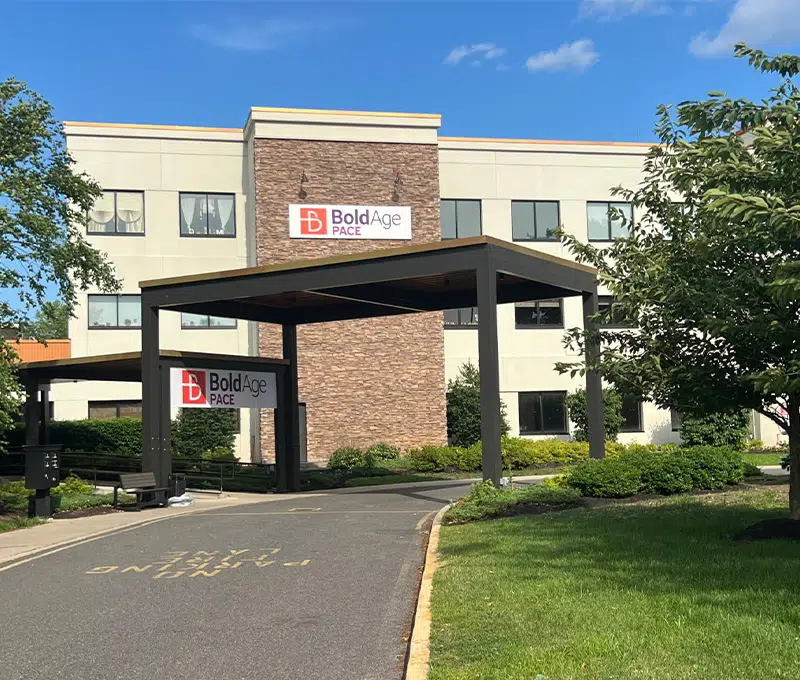
BoldAge PACE of Oceanport
For more information about the author, click to view their website: BoldAge PACE of Oceanport NJ
Oct 13, 2026
New Jersey - Ocean & Monmouth Counties

Email US
Click to Email Us
Social Wellness and Senior Independence With PACE
Growing older often brings changes in everyday routines. Retirement may provide more free time, but it can also mean fewer daily interactions with coworkers and friends.
Health conditions, reduced mobility, and limited transportation may make it harder to participate in familiar activities.
For some older adults, these changes gradually lead to social isolation.
A person who once enjoyed community gatherings may begin spending most days at home. Someone who no longer drives might depend on family members for every outing.
Although medical care remains important, social connection and meaningful activities also contribute to overall well-being.
For seniors in Oceanport, Long Branch, Tinton Falls, Eatontown, and surrounding Monmouth County communities, finding accessible opportunities for social engagement can make a difference.
BoldAge PACE of Oceanport combines coordinated healthcare with social activities, transportation, nutritional services, and other support designed to help eligible older adults remain active in their communities.
Why Social Wellness Matters as We Age
Social wellness refers to the quality of a person's relationships, social connections, and opportunities to interact with others.
It involves more than attending events or having a busy calendar.
Meaningful social wellness can include conversations with friends, participation in hobbies, family relationships, and feeling connected to a community.
Potential Benefits of Social Engagement
Maintaining social connections may support:
Emotional well-being
A sense of belonging
Opportunities for enjoyment
Personal motivation
Continued participation in interests
Cognitive stimulation
More satisfying daily routines
Individual preferences differ.
Some seniors enjoy large gatherings, while others prefer small groups or one-on-one interactions.
The goal is meaningful connection rather than constant activity.
Understanding Social Isolation in Older Adults
Social isolation occurs when someone has limited social contact or relationships.
Loneliness is the personal feeling of lacking desired connection.
These experiences are related but not identical.
A person may live alone without feeling lonely.
Another may live with family but still feel disconnected.
Common Reasons Seniors Become Isolated
These may include:
Retirement
Loss of a spouse or close friend
Mobility limitations
Changes in health
Transportation barriers
Hearing difficulties
Reduced participation in hobbies
Difficulty attending community events
Recognizing these circumstances can help families identify opportunities for support.
Social Wellness in Monmouth County
Monmouth County is home to a large population of older adults.
According to the U.S. Census Bureau, 21.4% of residents are age 65 or older.
Communities such as Oceanport, Red Bank, Long Branch, Neptune, Middletown, and Freehold offer different opportunities for older adults to remain engaged.
However, community resources may be difficult to access when someone no longer drives or requires personal assistance.
For individuals with substantial healthcare needs, participation in social activities may require coordinated support.
PACE can help address both healthcare and social needs.
What Is PACE?
PACE stands for Program of All-Inclusive Care for the Elderly.
It provides comprehensive healthcare and supportive services to eligible individuals age 55 and older who meet nursing facility level-of-care requirements and can remain safely in the community with PACE support.
Unlike programs that focus only on medical appointments, PACE addresses a broader range of needs.
These may include:
Medical care
Nursing
Rehabilitation
Personal care
Nutrition
Transportation
Social services
Recreational activities
Services are arranged through an interdisciplinary care team.
The Role of the BoldAge PACE Center
BoldAge PACE operates a center at 1075 Stephenson Avenue, Suite B, in Oceanport, New Jersey.
The center provides a setting where eligible participants can receive coordinated healthcare services and participate in activities.
What a PACE Center May Offer
Depending on each person's care plan, a visit may involve:
Medical appointments
Nursing assessments
Rehabilitation services
Meals
Social activities
Group programs
Time with other participants
Care coordination
Participants do not necessarily attend every day.
Schedules are based on individual needs and program arrangements.
Building Friendships and Community Connections
Regular opportunities to meet others can help create a sense of familiarity.
A senior who rarely leaves home may enjoy sharing a meal or participating in a game with other participants.
Over time, these interactions may develop into meaningful relationships.
Ways Social Activities Encourage Connection
Shared experiences
People can enjoy familiar activities with others who have similar interests.
Conversation
Daily interactions provide opportunities to exchange ideas and stories.
Routine
Scheduled activities can help create structure in the week.
Participation
Seniors may discover activities they enjoy or return to hobbies they previously practiced.
Belonging
Feeling recognized and included can contribute to emotional comfort.
No single activity appeals to everyone, so individual choice remains important.
Staying Active Through Appropriate Programs
Physical activity can support strength, mobility, and general well-being.
However, older adults with complex health conditions may require activities adapted to their abilities.
PACE can coordinate rehabilitation and appropriate movement-related services.
Examples of Suitable Activities
Depending on health and mobility, these may include:
Gentle movement programs
Seated exercises
Stretching
Balance activities
Supervised walking
Rehabilitation exercises
Other adapted physical activities
Participation should follow healthcare recommendations.
A person with substantial mobility limitations may require different activities than someone who can walk independently.
Cognitive Engagement and Meaningful Activities
Mental stimulation can be part of an enjoyable daily routine.
Reading, conversation, music, and creative activities provide opportunities to use different skills and interests.
Ideas for Cognitive Engagement
Word games
Music appreciation
Arts and crafts
Storytelling
Group discussions
Puzzles adapted to ability
Familiar hobbies
Cultural or educational activities
These activities should be enjoyable rather than treated as tests of memory or intelligence.
They do not prevent or cure dementia, but can provide meaningful engagement.
Nutrition and the Social Value of Meals
Meals can serve two important purposes: supporting nutrition and creating opportunities for conversation.
Older adults who live alone may sometimes lose interest in cooking or preparing meals.
Others have dietary restrictions that make meal planning more complicated.
PACE may provide meals and nutritional guidance based on individual care needs.
Why Shared Meals Can Matter
A shared dining environment may encourage:
Regular mealtime routines
Social interaction
Conversation
A sense of community
Enjoyment of food
Families should ask how dietary needs, food preferences, and swallowing concerns are addressed.
Transportation Helps Reduce Barriers
A social activity is only useful if the individual can access it.
Transportation difficulties can prevent seniors from attending community programs or healthcare appointments.
BoldAge PACE provides transportation to its center and authorized medical appointments.
How Transportation Supports Participation
Reliable transportation may help older adults:
Attend scheduled center activities
Receive healthcare services
Participate in rehabilitation
Maintain routine attendance
Reduce reliance on relatives for every trip
Transportation is coordinated through program arrangements.
Supporting Independence Beyond the Home
Independence does not necessarily mean completing every task alone.
For someone managing chronic illness or mobility limitations, independence may involve having greater control over how daily life is structured.
Receiving appropriate assistance can make certain activities more accessible.
Examples of Supported Independence
A participant may:
Enjoy activities outside the home
Attend medical appointments
Participate in chosen programs
Maintain personal relationships
Receive support with difficult tasks
Continue living in a familiar residence
The amount of assistance varies according to individual needs.
The Emotional Benefits of Familiar Routines
Older adults often find comfort in predictable routines.
Knowing when transportation will arrive, where meals take place, and which activities are available can make participation feel more manageable.
Routine may also help individuals who experience anxiety about unfamiliar situations.
Creating Positive Routines
Helpful elements may include:
Regular center attendance when appropriate
Familiar staff relationships
Preferred activities
Scheduled meals
Consistent transportation arrangements
Time for rest
Opportunities for family contact
Programs should remain flexible enough to respect individual preferences.
Family Involvement Remains Important
Participation in PACE does not replace relationships with family and friends.
Relatives often remain an important source of emotional support.
Families can encourage social wellness by asking about activities and showing interest in the participant's experiences.
Ways Families Can Help
Ask about favorite programs.
Encourage activities that match personal interests.
Maintain regular visits or telephone calls.
Share information about familiar hobbies.
Respect preferences for quiet time.
Communicate concerns to the care team.
Help identify meaningful goals.
Supporting social engagement should never become pressure to participate in activities the person dislikes.
Recognizing Emotional Health Concerns
Sometimes reduced participation reflects depression, anxiety, pain, fatigue, or another health concern.
Families should pay attention when an older adult experiences persistent sadness, withdrawal, loss of interest, or significant changes in behavior.
These symptoms deserve professional evaluation.
Social activities can contribute to well-being but do not replace mental health assessment or treatment when needed.
PACE can coordinate appropriate healthcare evaluations as part of the participant's care.
Why Individualized Activities Matter
Older adults have diverse backgrounds, cultures, interests, and physical abilities.
An activity that one participant enjoys may not appeal to another.
A thoughtful wellness plan considers the individual's history and preferences.
Questions Worth Asking
What hobbies have you always enjoyed?
Do you prefer group activities or quiet conversations?
Are there activities you would like to try?
What makes you feel connected to others?
What physical activities feel comfortable?
Which daily routines matter most to you?
These conversations can help shape more satisfying participation.
Expert Tip: Meaningful Connection Comes First
Senior Wellness Tip: Social engagement should reflect the older adult's interests and abilities. A short conversation, favorite song, or shared meal can be just as meaningful as a large group activity.
The goal is connection, dignity, and enjoyment.
Frequently Asked Questions About PACE Social Programs
1. Does PACE include social activities?
Yes. PACE programs include social and recreational opportunities as part of comprehensive care, with participation based on the person's needs and care plan.
2. Do participants have to attend the center every day?
No. Attendance schedules vary according to individualized care arrangements.
3. Is transportation available to the Oceanport center?
BoldAge PACE provides transportation to its center and approved medical appointments through its program arrangements.
4. Can participants receive healthcare during center visits?
Yes. PACE centers coordinate various healthcare and supportive services, including medical assessments and rehabilitation as appropriate.
5. Can someone living alone qualify for PACE?
Potentially. Living alone does not automatically prevent eligibility. The individual must meet program requirements and be able to live safely in the community with available PACE support.
Stay Connected With BoldAge PACE of Oceanport
Social wellness is an important part of a fulfilling life.
For eligible older adults managing complex healthcare needs, opportunities for meaningful activities and community connection can complement medical and personal care.
BoldAge PACE of Oceanport provides coordinated services that support healthcare, social engagement, nutrition, transportation, and community living.
Interested in learning how PACE can support an active senior lifestyle?
Visit BoldAge PACE of Oceanport on SeniorsBlueBook.com to learn more and connect with the team.
For program and enrollment questions, call 732-592-3400.
The right combination of care and connection can help older adults remain engaged in the communities they call home.
Other Articles You May Like
Managing Senior Healthcare With PACE in NJ
Managing Senior Healthcare With PACE in NJManaging healthcare can become increasingly complicated as people grow older. What begins as an occasional doctor's appointment may eventually involve several specialists, medications, rehabilitation services, transportation arrangements, and personal care needs.For older adults with multiple health conditions, keeping everything organized can be challenging.Family members often step in to schedule appointments, communicate with healthcare providers, manage paperwork, and help loved ones follow treatment recommendations.Over time, these responsibilities may become difficult to balance with work and family life.For residents of Oceanport, Monmouth County, and surrounding New Jersey communities, coordinated senior healthcare offers an alternative to managing every service separately.BoldAge PACE of Oceanport provides comprehensive medical and supportive services through the Program of All-Inclusive Care for the Elderly, commonly known as PACE.Its interdisciplinary approach helps eligible older adults receive individualized care while continuing to live safely in the community.Why Senior Healthcare Coordination MattersMany older adults live with several chronic conditions.For example, someone may have diabetes, arthritis, and heart disease.Each condition may require different medications, monitoring, specialists, or lifestyle recommendations.Without effective communication between providers, care can become fragmented.Common Healthcare Coordination ChallengesFamilies may struggle with:Scheduling multiple appointmentsKeeping track of medicationsArranging transportationUnderstanding treatment plansCommunicating with specialistsCoordinating rehabilitationManaging follow-up after hospitalizationIdentifying necessary home supportUnderstanding insurance arrangementsThese responsibilities can consume considerable time.A coordinated care model helps bring services together.What Is the PACE Model?PACE stands for Program of All-Inclusive Care for the Elderly.It is a Medicare and Medicaid program designed for individuals age 55 and older who require nursing facility level of care but can remain safely in the community with appropriate support.PACE provides comprehensive healthcare and supportive services through an interdisciplinary team.Rather than requiring families to organize every service independently, the PACE team develops an individualized plan.Who May Be Eligible?Applicants generally must:Be at least 55 years oldReside in an approved PACE service areaMeet nursing facility level-of-care requirementsBe able to live safely in the community with PACE services at enrollmentBoldAge PACE of Oceanport serves all Monmouth County ZIP codes.Eligibility is determined through the applicable assessment and enrollment process.The Role of the Interdisciplinary Care TeamThe interdisciplinary team is central to PACE.Its members work together to evaluate participants and coordinate appropriate services.Professionals May IncludePrimary care providersNursesSocial workersPhysical therapistsOccupational therapistsDietitiansPersonal care staffActivity coordinatorsTransportation personnelOther healthcare specialistsEach professional contributes expertise to the care planning process.Why Team Communication MattersA participant's medical conditions can affect mobility, nutrition, daily activities, and medication needs.When care professionals communicate, they can consider these interactions while developing treatment recommendations.For example, an older adult experiencing balance problems may need medication review, physical therapy, and adjustments to everyday routines.A coordinated care team can assess these needs together.Primary Healthcare CoordinationPrimary care provides an important foundation for ongoing health management.PACE participants receive primary healthcare through the program's approved arrangements.Services May IncludeRoutine examinationsEvaluation of new symptomsPreventive careMonitoring chronic conditionsMedication reviewsRecommended laboratory testingCoordination with specialistsThe care team determines what services are medically necessary.Specialist Care and ReferralsSome older adults require treatment from several specialists.A person with heart disease may need cardiology services.Someone with complex joint problems may need orthopedic evaluation.A participant with neurological symptoms may require additional specialty care.PACE coordinates necessary specialist services through its authorized healthcare arrangements.Questions Families Should AskWhich specialists are available?How are appointments scheduled?Can existing providers be used?How does the PACE team receive specialist recommendations?Who coordinates transportation?What happens when urgent specialty care is needed?Understanding the referral process is important before enrollment.PACE generally requires care through its network or authorized providers, subject to applicable program exceptions.Medication CoordinationManaging several prescriptions can be challenging.A person may need to take different medications throughout the day.New prescriptions may also affect existing treatments.How Coordinated Medication Review HelpsHealthcare professionals can evaluate:Current prescriptionsPotential medication interactionsSide effectsDosing schedulesNew or worsening symptomsChanges in medical conditionsPACE coordinates covered medications as part of the overall care plan.Families should understand the program's pharmacy arrangements and how medication changes are communicated.Managing Chronic Health ConditionsChronic conditions can affect several aspects of daily life.Diabetes may require dietary planning and blood glucose management.Arthritis may influence mobility and personal care.Heart disease may require ongoing monitoring and medication adjustments.PACE helps coordinate appropriate treatment for these needs.A Whole-Person ApproachInstead of focusing only on an individual diagnosis, the care team considers how medical conditions affect:MobilityNutritionPersonal careRehabilitationTransportationEmotional healthEveryday activitiesThis approach can help align different services with the participant's overall goals.Rehabilitation and Functional SupportSome older adults require rehabilitation after surgery, hospitalization, or changes in mobility.PACE can coordinate medically necessary therapies.Physical TherapyPhysical therapy may address strength, balance, walking, and endurance.Occupational TherapyOccupational therapy may support everyday tasks such as dressing, bathing, and using adaptive equipment.Speech-Language TherapySpeech-language professionals may address communication or swallowing concerns.Rehabilitation plans should reflect individual goals and medical needs.Personal Care AssistanceHealthcare needs often overlap with difficulties completing daily activities.An individual may require assistance bathing, dressing, or moving around the home.PACE may provide personal care and home-based support when the interdisciplinary team determines these services are necessary.Questions About Personal CareFamilies may ask:What assistance is available?How are service hours determined?What happens when needs increase?How are caregivers coordinated?Are services available at home?How are urgent concerns addressed?The type and amount of support depend on the participant's care plan.Coordinating Care After HospitalizationA hospital stay can create new needs.A person may return home with changed medications, additional mobility limitations, or rehabilitation requirements.Without coordination, families may find discharge instructions difficult to manage.PACE can arrange approved follow-up services through the care team.Important Post-Hospital NeedsThese may include:Follow-up medical appointmentsMedication reconciliationPhysical or occupational therapyNursing supportPersonal care assistanceTransportationMonitoring of new symptomsThe care team can evaluate the participant's needs and adjust the plan.Transportation and Access to Medical CareTransportation is often a significant challenge for seniors who do not drive.Frequent appointments can place additional demands on family caregivers.BoldAge PACE coordinates transportation to its Oceanport center and authorized medical appointments.Potential BenefitsTransportation support may help participants:Attend scheduled healthcare visitsAccess rehabilitationParticipate in center activitiesMaintain regular medical follow-upReduce reliance on relatives for routine transportationFamilies should ask how transportation is arranged and what assistance is available.The Role of Social WorkersMedical care is only part of comprehensive senior support.Older adults may also experience concerns involving housing, family relationships, financial stress, social isolation, or access to community resources.Social workers can help assess psychosocial needs and coordinate appropriate support.Areas Social Workers May AddressCare planning concernsFamily communicationAccess to resourcesAdjustment to changing health needsEmotional supportCommunity living challengesTheir role complements the work of medical and rehabilitation professionals.Nutritional Services and Care PlanningNutrition can affect chronic disease management, strength, recovery, and everyday well-being.PACE may provide meals and nutritional counseling according to individual needs.Common Nutrition ConcernsDiabetes-related dietary needsHeart-health recommendationsWeight changesDifficulty preparing mealsHydrationFood preferencesSwallowing difficultiesThe care team may include dietary recommendations in the participant's care plan.How Families Participate in Coordinated CareFamily caregivers often notice changes in a loved one's health or daily functioning.Their observations can provide valuable information.With appropriate consent and respect for privacy, families may participate in care discussions.Helpful Family ContributionsReporting new symptomsSharing medication concernsDiscussing mobility changesAsking questions about care plansProviding information about daily routinesIdentifying safety concernsSupporting social engagementA good communication process helps everyone understand their responsibilities.Why Ongoing Reassessment Is ImportantHealthcare needs can change over time.A person may develop a new medical condition, experience a fall, or require additional assistance.PACE teams reassess needs and make appropriate changes to approved services.Changes Worth ReportingIncreased weaknessFrequent fallsNew confusionChanges in appetiteMedication difficultiesHospitalizationsReduced mobilityChanges in daily living abilitiesFamilies should contact the care team when meaningful changes occur.PACE Costs and CoveragePACE costs depend on the participant's Medicare, Medicaid, and other coverage circumstances.Eligible Medicaid participants generally do not pay a monthly PACE premium.Participants with Medicare but without Medicaid may be responsible for monthly premiums.PACE does not impose deductibles, copayments, or coinsurance for services approved by the care team.However, families should understand provider authorization rules and any applicable premiums before enrollment.Why Local Care Coordination MattersBoldAge PACE of Oceanport is located in Monmouth County and serves residents throughout the county.For families in Oceanport, Long Branch, Eatontown, Tinton Falls, Red Bank, Middletown, Freehold, and surrounding communities, local access to coordinated services can be valuable.The Oceanport PACE CenterThe center is located at:1075 Stephenson Avenue, Suite BOceanport, NJ 07757The program's regular center hours are Monday through Friday, 8:00 AM to 4:30 PM.Participants and families can call the local number for program questions and after-hours assistance.Expert Tip: Organize Care Around Individual GoalsSenior Care Planning Tip: Start by identifying what matters most to the older adult. Whether the goal is remaining at home, managing chronic illness, maintaining mobility, or participating in favorite activities, healthcare coordination should support meaningful personal priorities.Medical care and everyday living needs should be considered together.Frequently Asked Questions About PACE Care Coordination1. How does PACE coordinate healthcare?PACE uses an interdisciplinary team to assess participant needs and arrange approved medical, rehabilitation, personal care, and supportive services.2. Can someone keep their current doctor after enrolling?PACE generally requires healthcare through its own providers or authorized network. Families should ask whether a current provider can participate before enrolling.3. Does PACE cover hospitalization?Yes. Medically necessary hospital services are included in the comprehensive PACE benefit, subject to program requirements and applicable emergency-care rules.4. Can PACE help manage medications?Yes. Medication management and approved prescription medications are included in PACE's coordinated healthcare services.5. How do families contact BoldAge PACE of Oceanport?Families can call 732-592-3400 or connect through the organization's Seniors Blue Book listing.Find Coordinated Senior Care With BoldAge PACE of OceanportManaging several healthcare needs can be difficult for older adults and their families.A coordinated approach can bring medical treatment, rehabilitation, medication management, transportation, and personal support together.BoldAge PACE of Oceanport offers comprehensive services for eligible older adults throughout Monmouth County.Interested in learning how PACE can simplify senior healthcare coordination?Visit BoldAge PACE of Oceanport on SeniorsBlueBook.com to learn more about the program and connect with the team.You can also call 732-592-3400 for information about eligibility, enrollment, and available services.Understanding the available options can help families develop a more organized and supportive approach to long-term care.
Staying Healthy With BoldAge PACE in Oceanport
Staying Healthy With BoldAge PACE in OceanportStaying healthy as we age involves more than scheduling an annual doctor's appointment. It means paying attention to chronic conditions, taking medications appropriately, maintaining mobility, eating well, and staying connected with others.For seniors managing several healthcare needs, organizing all these responsibilities can become complicated.A person may need to see multiple specialists, complete regular laboratory tests, attend physical therapy, and manage prescriptions.Family members may spend hours coordinating appointments and arranging transportation.For older adults in Oceanport, Long Branch, Red Bank, Eatontown, and surrounding Monmouth County communities, comprehensive healthcare coordination can help make these routines more manageable.BoldAge PACE of Oceanport, New Jersey, provides medical care and supportive services through the Program of All-Inclusive Care for the Elderly, commonly known as PACE.Its interdisciplinary approach connects preventive healthcare, chronic condition management, rehabilitation, and everyday support into an individualized care plan.Why Preventive Care Matters for Older AdultsPreventive healthcare focuses on identifying risks, monitoring health, and addressing concerns before they become more serious.As people age, healthcare needs often become more complex.Older adults may develop conditions that require ongoing treatment, regular monitoring, or adjustments to medication and daily activities.Preventive care can help healthcare professionals identify changes and recommend appropriate interventions.Important Components of Preventive CareThese may include:Routine medical examinationsRecommended vaccinationsAge-appropriate screeningsMedication reviewsBlood pressure monitoringDiabetes managementNutrition assessmentsFall-risk evaluationsMobility assessmentsMonitoring of chronic conditionsNot every screening or intervention is appropriate for every individual.Healthcare recommendations should reflect personal medical history, goals, and clinical needs.Senior Healthcare Needs in Monmouth CountyAccording to the U.S. Census Bureau, approximately 21.4% of Monmouth County residents are age 65 or older.For communities including Oceanport, Tinton Falls, Middletown, Freehold, Long Branch, and Neptune, access to coordinated healthcare is an important consideration.Many older adults live with more than one chronic condition.For example, an individual may manage hypertension, arthritis, and diabetes simultaneously.Each condition may involve separate treatment recommendations.This creates a need for clear communication among healthcare providers.How PACE Brings Healthcare Services TogetherPACE is a Medicare and Medicaid program for eligible individuals age 55 and older who meet their state's nursing facility level-of-care requirements and can remain safely in the community with program support.The PACE model coordinates healthcare and long-term services through an interdisciplinary team.The Role of the Care TeamThe team may include:PhysiciansNursesSocial workersRehabilitation professionalsDietitiansPersonal care professionalsActivity staffOther healthcare specialistsTogether, team members develop and review individualized care plans.Instead of expecting participants to manage separate arrangements independently, the team coordinates authorized services.Regular Primary Care and Health MonitoringPrimary care serves as an important foundation for maintaining health.A primary care provider evaluates symptoms, manages ongoing conditions, and helps determine when additional services are needed.Through PACE, participants receive coordinated primary care as part of their individual treatment plans.Why Regular Monitoring HelpsA healthcare professional may identify changes in blood pressure, weight, mobility, or medication tolerance.These observations can guide adjustments to care.For example, a participant experiencing dizziness may need a medication review and further evaluation.Someone with declining mobility may benefit from rehabilitation or additional support.The care team can consider how these concerns relate to the participant's overall health.Managing Chronic ConditionsChronic health conditions are common among older adults.Some require daily medication, while others involve therapy, nutritional changes, or ongoing monitoring.DiabetesDiabetes care may involve medication management, nutritional guidance, blood glucose monitoring, and regular medical follow-up.Heart DiseaseIndividuals with heart conditions may need careful medication review, monitoring, and specialist care.ArthritisArthritis can affect comfort, movement, and everyday activities.Treatment may include medication, physical therapy, and recommendations for maintaining appropriate activity.Chronic Respiratory ConditionsSome individuals need regular monitoring, medication, or additional respiratory care.Neurological ConditionsConditions affecting movement, memory, or coordination may require several types of professional support.PACE can coordinate medically necessary care for these conditions according to each participant's needs.Medication Management and SafetyTaking several medications can make daily routines confusing.Some medications need to be taken at specific times, with food, or under particular conditions.Others may interact with medications used for different health problems.Why Medication Reviews MatterHealthcare professionals can review:Current prescriptionsPotential interactionsSide effectsChanges in medical conditionsAppropriate dosing schedulesMedication adherence concernsPACE coordinates prescribed medications and related services through its approved care arrangements.What Families Should KnowParticipants generally receive their covered medications through the PACE program.Families should ask how prescriptions are ordered, supplied, reviewed, and changed.Medications should never be discontinued or adjusted without appropriate healthcare guidance.Rehabilitation as Part of Healthy AgingPhysical ability can change because of illness, injury, surgery, or chronic health conditions.Rehabilitation may help individuals maintain or improve specific functional abilities.PACE can coordinate medically necessary physical, occupational, and speech-language therapies.Physical TherapyPhysical therapy may address balance, strength, walking, endurance, and mobility.Occupational TherapyOccupational therapy may help people manage daily activities such as dressing, bathing, and using everyday equipment.Speech-Language TherapySpeech-language professionals may assist with communication and swallowing concerns.These therapies complement medical care by addressing functional needs that affect everyday living.Preventing Falls and Supporting MobilityFalls are a significant concern for older adults.Balance problems, muscle weakness, vision changes, medication effects, and environmental hazards can contribute to fall risks.Fall Prevention StrategiesHealthcare professionals may recommend:Appropriate balance exercisesStrength training within individual abilitiesMedication reviewsVision examinationsSuitable mobility equipmentHome safety evaluationsPhysical therapy when indicatedA person's fall-risk management plan should reflect their health and mobility needs.PACE can coordinate appropriate clinical and supportive services.Nutrition and Healthy EatingNutrition is another important part of senior healthcare.Older adults may experience changes in appetite, chewing or swallowing difficulties, or dietary requirements associated with chronic conditions.PACE may provide nutritional counseling and meals according to individual care needs.Common Nutrition ConsiderationsAppropriate calorie intakeSufficient proteinHydrationDietary restrictionsDiabetes managementWeight monitoringSwallowing safetyPersonal food preferencesA dietitian or other qualified professional can help develop suitable recommendations.Why Mealtime MattersMeals also provide opportunities for routine and social engagement.At PACE centers, shared dining may help participants connect with others while receiving appropriate nutritional support.Mental and Emotional Well-BeingHealthy aging includes emotional wellness and social connection.Retirement, changing health, loss of loved ones, and reduced mobility can affect an individual's emotional well-being.Some older adults may begin spending more time alone because they no longer drive or have difficulty accessing community activities.PACE centers can provide opportunities for meaningful social engagement.Helpful Activities May IncludeGroup conversationsGamesMusicRecreational programsCreative activitiesAppropriate movement classesShared mealsCommunity celebrationsActivities are tailored to participants' interests and abilities.Transportation and Healthcare AccessA carefully developed medical plan is only useful if the person can access the necessary services.Transportation can be a major challenge for older adults who no longer drive.BoldAge PACE provides transportation to its center and approved medical appointments.This can help participants attend scheduled services and reduce some transportation responsibilities for family caregivers.Important Transportation QuestionsFamilies may ask:How are rides scheduled?What assistance is available during transportation?Can mobility equipment be accommodated?How are medical appointments coordinated?What happens if a participant cannot attend?Understanding these arrangements helps families plan more effectively.Healthcare After an Illness or Hospital StayOlder adults may need additional services after hospitalization.Medication changes, new mobility limitations, and rehabilitation requirements can make returning home challenging.PACE can coordinate approved services after a hospital stay.Services That May Be ConsideredMedical follow-upMedication reconciliationRehabilitationPersonal care assistanceNursing supportTransportationOther necessary servicesThe interdisciplinary team evaluates needs and coordinates the care plan.The Importance of Ongoing Care AssessmentsHealthcare needs rarely remain exactly the same.A participant may develop a new condition, recover from an injury, or experience changes in daily functioning.PACE teams reassess needs and adjust care plans as appropriate.Changes Families Should ReportNew or worsening symptomsRecent fallsChanges in appetiteMedication concernsIncreased confusionMobility difficultiesChanges in personal care needsHospitalizationsPrompt communication helps the care team evaluate whether adjustments are needed.Expert Tip: Look at the Whole PictureSenior Wellness Tip: When discussing healthcare for an older adult, consider medical conditions alongside nutrition, mobility, emotional wellness, medication routines, and transportation. Each can influence the person's overall ability to function safely at home.This whole-person perspective is a central feature of the PACE model.Frequently Asked Questions About Preventive Care and PACE1. Does PACE include preventive healthcare?Yes. PACE coordinates medically necessary preventive services and routine healthcare through an individualized care plan.2. Can PACE help manage several chronic conditions?Yes. The interdisciplinary care team coordinates care for participants with complex health needs.3. Does BoldAge PACE provide physical therapy?PACE includes medically necessary rehabilitation, including physical therapy, occupational therapy, and speech-language services when appropriate.4. Are medications included in PACE?Covered prescription medications approved through the PACE program are included in its coordinated services, subject to program requirements.5. Who can join BoldAge PACE of Oceanport?Individuals must be at least 55, reside in its approved Monmouth County service area, meet nursing facility level-of-care requirements, and be able to live safely in the community with PACE services at enrollment.Explore Coordinated Senior Healthcare With BoldAge PACEStaying healthy in later life often requires attention to several interconnected needs.Medical treatment, rehabilitation, nutrition, medication management, transportation, and emotional wellness can all influence quality of life.BoldAge PACE of Oceanport provides coordinated healthcare and support for eligible older adults throughout Monmouth County.Looking for a more integrated approach to senior healthcare?Visit BoldAge PACE of Oceanport on SeniorsBlueBook.com to learn more about available services and connect with the organization.For questions about eligibility and enrollment, call 732-592-3400.A personalized care plan can help bring essential services together while supporting the goal of remaining safely at home.
Aging at Home With PACE in Monmouth County
Aging at Home With PACE in Monmouth CountyFor many older adults in Monmouth County, New Jersey, the idea of remaining in their own homes is deeply important. Home is where familiar routines, treasured memories, neighbors, and family connections come together.But as healthcare needs change, continuing to live independently may become more challenging.An older adult might need assistance managing medications, preparing meals, attending medical appointments, or completing personal care activities. Family members may find themselves coordinating several different healthcare providers while balancing their own responsibilities.When these needs become more complex, families often begin exploring long-term care options.Fortunately, moving into a nursing facility is not always the only possibility.BoldAge PACE of Oceanport, New Jersey, offers comprehensive healthcare and supportive services designed to help eligible older adults remain safely in their homes and communities.Through the Program of All-Inclusive Care for the Elderly, commonly known as PACE, seniors can receive coordinated services based on their individual needs.What Does Aging in Place Mean?Aging in place means continuing to live in a familiar home or community as physical abilities, healthcare needs, and daily routines change.For some older adults, this requires relatively little assistance.Others need more comprehensive support involving healthcare, rehabilitation, transportation, and personal care.The goal is to create an appropriate living arrangement that supports independence while addressing medical and practical needs.Why Seniors Want to Remain at HomeOlder adults often value:Familiar surroundingsEstablished daily routinesRelationships with neighborsProximity to family and friendsPersonal privacyIndependence in making decisionsConnections to local activitiesThe comfort of a familiar communityFor someone who has lived in Monmouth County for decades, remaining close to established relationships may provide meaningful emotional benefits.However, aging at home must also involve realistic planning for safety and healthcare needs.The Importance of Senior Care in Monmouth CountyMonmouth County has a significant older adult population.According to the U.S. Census Bureau's 2025 population estimates, the county had approximately 651,000 residents, with 21.4% age 65 or older.That means more than one in five residents is an older adult.Communities such as Oceanport, Long Branch, Eatontown, Red Bank, Tinton Falls, Middletown, Freehold, and Neptune include families navigating retirement, chronic health conditions, and changing long-term care needs.For some residents, staying at home requires more than occasional assistance.They may need healthcare coordination, rehabilitation, transportation, and daily support working together.This is where PACE may become an important option.What Is the PACE Program?PACE stands for Program of All-Inclusive Care for the Elderly.It is a Medicare and Medicaid program that provides comprehensive healthcare and long-term supportive services to eligible individuals.PACE is intended for people who require a nursing facility level of care but can continue living safely in the community with appropriate support.Who May Qualify?To participate, individuals generally must:Be at least 55 years oldLive in an approved PACE service areaMeet state nursing facility level-of-care requirementsBe able to live safely in the community with PACE services at enrollmentA person does not need to be living in a nursing home to qualify.Eligibility is determined through the applicable assessment process.How BoldAge PACE Helps Seniors Remain at HomeBoldAge PACE brings medical care and supportive services together through an interdisciplinary team.Instead of having families arrange every service independently, the care team develops a plan based on each participant's needs.Services May IncludePrimary medical careNursing servicesPrescription medication managementRehabilitation therapiesPersonal care assistanceNutritional counselingTransportationSocial activitiesHome-based supportive servicesHospital and specialist care when necessaryThe specific services a participant receives depend on their individualized care plan.PACE does not automatically provide every service to every participant.Personalized Healthcare CoordinationOlder adults with several chronic health conditions often work with multiple healthcare professionals.For example, someone may visit a primary care provider for diabetes, a specialist for heart disease, and a rehabilitation therapist for mobility problems.Managing these appointments can be exhausting.PACE offers a more coordinated approach.The Interdisciplinary Care TeamDepending on program needs, the team may include physicians, nurses, social workers, rehabilitation professionals, dietitians, personal care staff, and other specialists.Together, they evaluate the participant's medical and everyday needs.This approach helps connect different aspects of care rather than treating each concern in isolation.Why Coordination MattersWhen services are coordinated, families may have a clearer understanding of treatment plans and available support.The team can also reassess needs when a participant experiences changes in health or mobility.Personal Care Support at HomeMedical care is only one part of aging in place.Older adults may also need help completing essential daily tasks.For example, arthritis might make dressing difficult, while balance concerns may create challenges during bathing.PACE may authorize personal care services according to the participant's assessed needs.Common Daily ActivitiesSupport may address:BathingDressingGroomingMobilityToiletingOther essential personal care routinesThe amount and frequency of assistance vary.Families should discuss their loved one's specific needs with the BoldAge PACE care team.Rehabilitation That Supports IndependenceMobility limitations can affect someone's ability to remain at home.An older adult recovering from surgery may need physical therapy.Another person may struggle with daily activities because of arthritis or a neurological condition.PACE can coordinate medically necessary rehabilitation.Physical TherapyPhysical therapy may address strength, endurance, balance, and mobility.Occupational TherapyOccupational therapy may help individuals adapt everyday activities to their functional abilities.Speech-Language TherapySpeech-language services may address communication or swallowing difficulties when appropriate.These therapies are integrated into the participant's overall care plan.Transportation for Monmouth County SeniorsTransportation is a major consideration for older adults who no longer drive.Medical appointments, rehabilitation sessions, and social activities may become difficult to attend without assistance.BoldAge PACE provides transportation to its center and authorized medical appointments.Why Transportation Support MattersTransportation can help participants:Attend healthcare appointmentsReceive rehabilitationVisit the PACE centerParticipate in scheduled activitiesReduce reliance on family members for every tripTransportation services are coordinated according to program arrangements.Social Connection and Community ParticipationRemaining at home does not mean spending every day alone.PACE centers provide opportunities for participants to meet other people, enjoy activities, and receive care.At BoldAge PACE of Oceanport, center-based services complement support delivered at home.Depending on individual care plans, participants may attend programs involving meals, wellness activities, social engagement, and rehabilitation.These opportunities can help older adults stay connected to the community.How PACE Supports Family CaregiversFamily members often provide assistance long before considering formal care programs.They may handle medication reminders, transportation, meals, and household responsibilities.As care needs increase, these responsibilities can become difficult to manage.PACE may help by coordinating appropriate services and providing a professional care team.Potential Benefits for FamiliesMore organized medical careTransportation assistanceAccess to care professionalsCoordinated rehabilitationPersonal care support when authorizedInformation about changing care needsFamilies remain important partners, but do not necessarily have to organize every service independently.Understanding PACE CostsPACE participation costs depend on Medicare, Medicaid, and other coverage circumstances.Eligible participants with Medicaid generally do not pay a monthly PACE premium.Individuals who have Medicare without Medicaid may pay monthly premiums.There are no deductibles, copayments, or coinsurance for services approved by the PACE care team.Families should review their specific insurance situation with the program before enrollment.PACE generally coordinates healthcare through its own network and authorized providers, subject to program exceptions.Expert Tip: Think Beyond Medical AppointmentsAging-in-Place Tip: A safe plan for remaining at home should consider more than medical treatment. Transportation, rehabilitation, nutrition, social connection, and assistance with everyday activities can all influence whether community living remains appropriate.PACE is designed around this broader understanding of senior care.Frequently Asked Questions About PACE1. Can PACE help seniors remain at home?Yes. PACE is designed to provide coordinated healthcare and supportive services that help eligible individuals continue living safely in their communities.2. Does someone need to be 65 to qualify?No. PACE enrollment begins at age 55, provided the individual meets the remaining requirements.3. Does BoldAge PACE serve all of Monmouth County?Yes. The New Jersey Division of Aging Services identifies BoldAge PACE of Oceanport as serving all Monmouth County ZIP codes.4. Can PACE provide care inside the home?Yes. Home-based support may be included when the interdisciplinary team determines it is appropriate.5. Is PACE the same as a nursing home?No. PACE is a coordinated care program that supports community living, although nursing facility services may be covered when medically necessary.Explore Aging-in-Place Support With BoldAge PACERemaining at home can be an important goal for seniors and their families.When healthcare and daily support needs increase, having access to coordinated services may help make that goal more achievable.BoldAge PACE of Oceanport provides comprehensive care for eligible individuals throughout Monmouth County.Interested in learning whether PACE is right for you or a loved one?Visit BoldAge PACE of Oceanport on SeniorsBlueBook.com to explore the program and connect with the team.You can also call 732-592-3400 to ask about eligibility, services, and enrollment.A conversation about available options can be the first step toward creating a coordinated care plan that supports independent living at home.