Specialized Rehabilitation Care in Johnstown
Northern Colorado Rehabilitation Hospital
For more information about the author, click to view their website: Northern Colorado Rehabilitation Hospital
Jan 29, 2026
Colorado - Northern Colorado


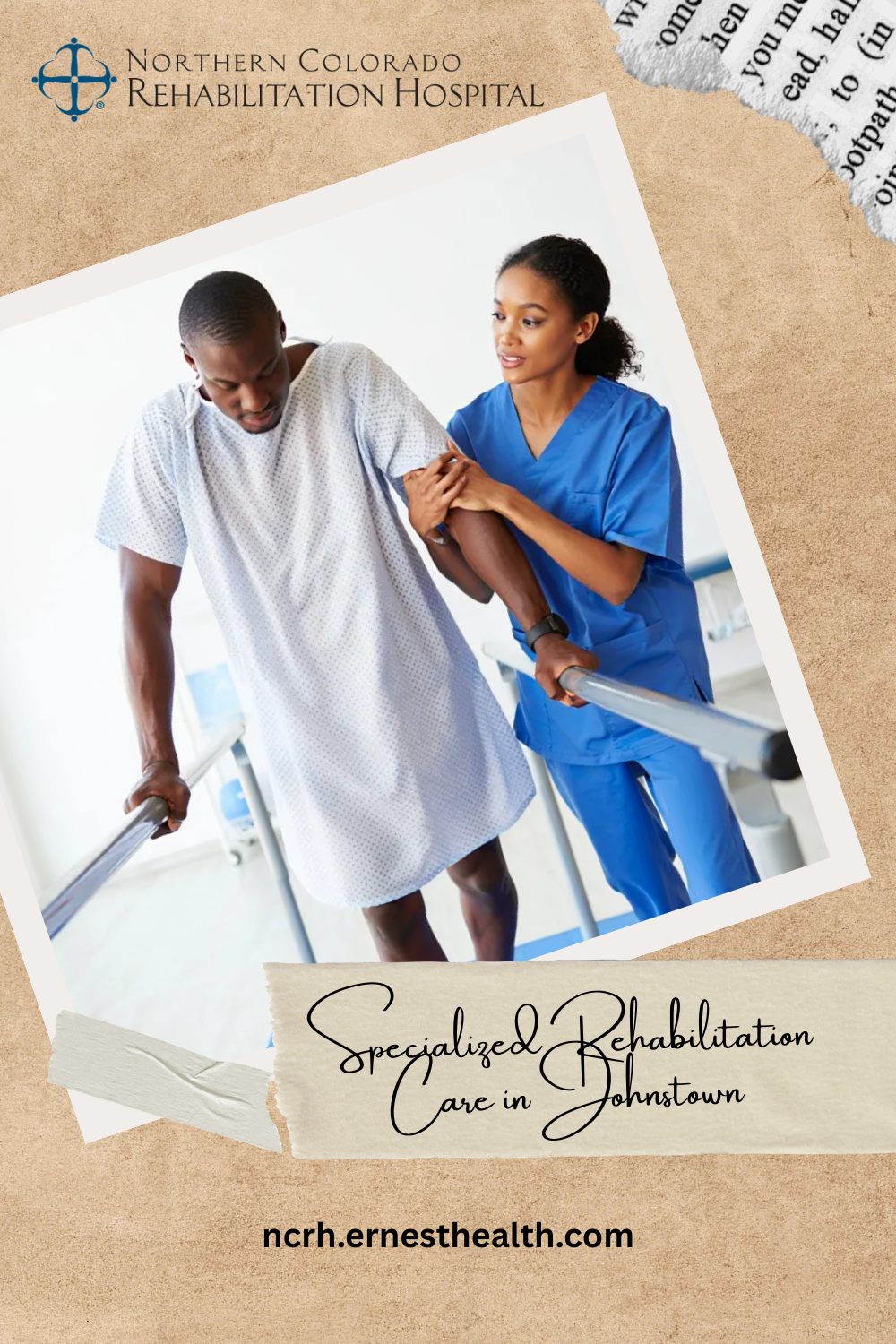
Specialized Rehabilitation Care in Johnstown
A serious illness, injury, or surgery can change life in an instant. One day independence feels natural; the next, everyday movements require intention, patience, and support. For individuals and families in Johnstown and across Northern Colorado, rehabilitation hospitals play a critical role in helping people regain function, confidence, and momentum after these setbacks.
Rehabilitation is not about rushing recovery—it’s about restoring ability safely and sustainably.
Northern Colorado Rehabilitation Hospital provides inpatient rehabilitation services designed to help patients rebuild strength, relearn skills, and prepare for life beyond the hospital. Their care focuses on progress, encouragement, and personalized recovery plans tailored to each individual’s goals.
Why Rehabilitation Hospitals Matter in Northern Colorado
Northern Colorado continues to grow, and with that growth comes increased demand for specialized post-acute care. After hospitalization, many patients need more intensive therapy than what outpatient services or home care can provide.
Rehabilitation hospitals serve as a vital bridge by offering:
-
Focused, goal-driven therapy
-
Medical oversight during recovery
-
Structured environments that promote healing
-
Preparation for a safe return home or to the next level of care
For patients in Johnstown and surrounding communities, having access to a dedicated rehabilitation hospital close to home allows families to stay involved throughout the recovery journey.
What Makes Inpatient Rehabilitation Different
Rehabilitation hospitals are designed specifically for recovery. Unlike general hospital units or skilled nursing settings, inpatient rehab focuses intensively on restoring function.
Care often includes:
-
Physical therapy to rebuild strength, balance, and mobility
-
Occupational therapy to support daily living skills
-
Speech or cognitive therapy when needed
-
Ongoing medical monitoring to support safe progress
Patients participate in structured therapy schedules, helping them make consistent gains while building confidence in their abilities.
A Personalized Path to Recovery
No two recoveries look the same. Age, diagnosis, prior health, and personal goals all influence how rehabilitation should be approached.
At Northern Colorado Rehabilitation Hospital, care teams collaborate to:
-
Set realistic, meaningful recovery goals
-
Adjust therapy plans based on progress
-
Encourage independence while ensuring safety
This individualized approach helps patients stay motivated and engaged—two key factors in successful rehabilitation.
As Arba Boci from Northern Colorado Rehabilitation Hospital shares:
“Recovery is deeply personal. Our role is to meet patients where they are, support their progress, and help them regain confidence in what their bodies can do again.”
That philosophy reinforces a care environment built on respect, patience, and possibility.
Supporting Both Patients and Families
Rehabilitation doesn’t affect just the patient—it impacts the entire family. Loved ones often carry questions, concerns, and uncertainty about what recovery will look like long-term.
Northern Colorado Rehabilitation Hospital supports families by:
-
Communicating progress and goals clearly
-
Educating caregivers on next steps and expectations
-
Preparing everyone for a safe transition after discharge
This collaboration helps families feel informed rather than overwhelmed and ensures continuity once formal rehabilitation ends.
Preparing for Life After Rehabilitation
One of the most important aspects of inpatient rehabilitation is planning for what comes next. Recovery doesn’t stop at discharge—it continues at home and in the community.
Rehabilitation teams help patients:
-
Practice real-life skills needed at home
-
Build endurance and confidence for daily routines
-
Understand follow-up care and therapy recommendations
This forward-looking focus reduces setbacks and helps patients maintain progress long after leaving the hospital.
Local Care With Regional Expertise
Located in Johnstown, Northern Colorado Rehabilitation Hospital serves patients from across the region, offering a centralized option for advanced rehabilitation care. Local access reduces travel strain for families and supports stronger coordination with referring hospitals and providers.
Regional familiarity also means understanding the lifestyles and expectations of Northern Colorado residents—many of whom want to return to active, independent lives as quickly and safely as possible.
Experience, Structure, and Accountability
Effective rehabilitation requires more than good intentions. It demands structured programs, experienced clinicians, and consistent follow-through.
Patients and families value:
-
Clear therapy schedules and expectations
-
Interdisciplinary care teams working together
-
A focused environment dedicated entirely to recovery
This structure helps patients stay engaged and see tangible progress over time.
Who Benefits Most From Inpatient Rehabilitation?
Northern Colorado Rehabilitation Hospital is well-suited for individuals who:
-
Are recovering from stroke, injury, or surgery
-
Need intensive therapy before returning home
-
Require medical oversight during rehabilitation
-
Are motivated to regain independence and function
Early placement in a rehabilitation hospital often leads to stronger outcomes and smoother transitions.
Frequently Asked Questions About Rehabilitation Hospitals in Johnstown
What is an inpatient rehabilitation hospital?
It’s a specialized hospital focused on intensive therapy and recovery following illness, injury, or surgery.
How is rehabilitation different from skilled nursing?
Rehabilitation hospitals emphasize higher-intensity therapy and functional recovery, while skilled nursing often focuses on medical stability and longer-term care.
How long do patients usually stay?
Length of stay varies based on diagnosis, progress, and goals.
Are families involved in the rehabilitation process?
Yes. Education, communication, and discharge planning often include family members.
What happens after discharge?
Patients typically transition to home, outpatient therapy, or another level of care with a clear plan in place.
Moving Forward With Strength and Confidence
Recovery is rarely linear—but with the right support, progress is possible. For patients and families in Johnstown and Northern Colorado, Northern Colorado Rehabilitation Hospital offers specialized rehabilitation care grounded in expertise, encouragement, and individualized planning.
👉 Visit their Seniors Blue Book listing to learn more about Northern Colorado Rehabilitation Hospital and explore rehabilitation services designed to help patients move forward with confidence.
Other Articles You May Like
Hospital-Level Rehabilitation for Complex Recovery Needs in Monmouth
Hospital-Level Rehabilitation for Complex Recovery Needs in Monmouth County, NJRecovering from a serious illness, major surgery, or life-changing injury can involve more than regaining physical strength. Some patients also need ongoing medical monitoring, medication management, rehabilitation nursing, and coordinated therapy before they are ready to return to everyday life.For older adults, the recovery process can become particularly complicated when several health conditions occur at the same time. A person may be recovering from an orthopedic injury while also managing diabetes, heart disease, or respiratory concerns. Another individual may be medically stable after hospitalization but still require significant assistance with walking, dressing, bathing, or communication.In these situations, determining the appropriate level of rehabilitation is an important part of recovery planning.For seniors and families throughout Monmouth County, New Jersey, understanding hospital-level inpatient rehabilitation can help clarify which services are available and what patients may expect during their recovery.Encompass Health Rehabilitation Hospital of Tinton Falls provides comprehensive inpatient rehabilitation for individuals recovering from serious illnesses, injuries, and medical conditions that affect everyday functioning.The hospital combines intensive therapy, 24-hour rehabilitation nursing, frequent physician visits, and coordinated support from healthcare professionals.Its goal is to help eligible patients work toward meaningful improvements in mobility, personal care, communication, and functional independence while receiving appropriate medical oversight.Understanding Hospital-Level Inpatient RehabilitationInpatient rehabilitation hospitals provide intensive therapeutic services along with hospital-level medical care.Patients typically enter these programs after an acute illness, injury, surgery, or hospitalization that has affected their ability to complete everyday activities.An inpatient rehabilitation hospital differs from a general hospital because its treatment program places significant emphasis on functional recovery.It also differs from a skilled nursing facility because rehabilitation hospitals typically provide a more intensive therapy program with specific medical admission requirements.What Makes Inpatient Rehabilitation Different?An inpatient rehabilitation program may include:Intensive physical therapyOccupational therapySpeech-language therapyRehabilitation nursingPhysician evaluationsMedication managementFunctional assessmentsCare coordinationPatient and caregiver educationDischarge planningThe exact combination of services depends on the patient's condition and rehabilitation goals.Understanding the Difference From Long-Term Acute CareA long-term acute care hospital primarily serves patients requiring extended hospital-level treatment for serious, medically complex conditions.An inpatient rehabilitation hospital focuses on helping medically appropriate patients participate in intensive therapy while receiving necessary clinical support.These are different hospital classifications, with different admission criteria and treatment priorities.Encompass Health Rehabilitation Hospital of Tinton Falls operates as an inpatient rehabilitation hospital.Families should work with healthcare professionals to determine which type of hospital care is appropriate for the patient's medical condition.Why Coordinated Rehabilitation Matters in Monmouth CountyMany older adults throughout Monmouth County value maintaining independence and staying connected to familiar family relationships.A serious medical event can interrupt these routines by affecting strength, balance, communication, or everyday functioning.For some patients, the greatest concern is not simply recovering from the original illness. It is understanding how to manage ongoing medical conditions while regaining the ability to participate in daily life.Benefits of Local Rehabilitation ServicesReceiving care within Monmouth County may make it easier for families to:Visit regularlyParticipate in care discussionsCommunicate with rehabilitation professionalsLearn about medical and therapy goalsPrepare for dischargeCoordinate continued careProvide emotional supportUnderstand changes in functional abilitiesAn informed family can help communicate the patient's previous abilities, personal preferences, and home environment to the rehabilitation team.Rehabilitation for Patients With Multiple Health ConditionsSome individuals entering inpatient rehabilitation have more than one medical concern.For example, a patient recovering from a hip fracture may also have diabetes or heart disease.Another patient recovering from a serious illness may experience fatigue, reduced endurance, or ongoing medication needs.These additional health concerns can influence rehabilitation participation.Why Medical Complexity MattersThe rehabilitation team may need to consider:Current diagnosesMedication requirementsCardiovascular healthRespiratory functionPainNutritional needsMobility limitationsCognitive functioningMedical stabilityAbility to participate in therapyUnderstanding these factors helps healthcare professionals determine appropriate treatment strategies.Individualized Treatment Is EssentialTwo patients with similar injuries may have different rehabilitation needs.One may tolerate a more demanding activity schedule.Another may require additional rest, symptom monitoring, or changes in how therapy is organized.Treatment should reflect the patient's actual condition rather than rely on a single approach for everyone.The Rehabilitation Team at Encompass HealthEncompass Health Rehabilitation Hospital of Tinton Falls uses a coordinated approach involving several healthcare disciplines.Patients may receive support from rehabilitation physicians, nurses, physical therapists, occupational therapists, speech-language pathologists, dietitians, pharmacists, and case managers.Each professional contributes a different perspective to the overall treatment plan.Rehabilitation PhysiciansPhysicians evaluate medical concerns, monitor treatment needs, and help coordinate clinical care.Their involvement helps ensure that medical needs are considered alongside rehabilitation goals.Rehabilitation NursesNurses provide clinical assessments, medication administration, prescribed treatments, and ongoing support.They may also help patients practice appropriate safety strategies throughout the day.Physical TherapistsPhysical therapists work with patients experiencing limitations in walking, strength, balance, coordination, or functional movement.Occupational TherapistsOccupational therapists address everyday activities, including dressing, bathing, grooming, and using adaptive equipment.Speech-Language PathologistsSpeech-language professionals evaluate and treat communication, cognitive-communication, and swallowing concerns when appropriate.Case ManagersCase managers help coordinate aspects of discharge planning and the transition to the next care setting.Intensive Therapy With Medical OversightEncompass Health Rehabilitation Hospital of Tinton Falls offers an intensive inpatient rehabilitation program.Its standard therapy model generally involves three hours of therapy per day, five days per week, with treatment individualized according to the patient's medical needs and tolerance.This structured approach provides opportunities for patients to practice functional skills while receiving hospital-level clinical support.Therapy May AddressWalking and mobilityMuscle strengthBalanceTransfersPersonal careCommunicationCognitive-communication skillsSwallowingAdaptive equipmentFunctional independenceWhy Treatment Tolerance MattersSome patients experience fatigue, pain, or other symptoms during recovery.Healthcare professionals must consider whether the patient can safely participate in intensive rehabilitation.Treatment plans may require adjustments to accommodate individual needs.The goal is meaningful therapeutic participation rather than simply completing a schedule.Physical Therapy for Strength and MobilityPhysical limitations are common after serious illnesses, injuries, and prolonged hospitalization.A patient may experience difficulty standing, walking, transferring, or maintaining balance.Physical therapy helps address these concerns through appropriate movement and exercise.Common Physical Therapy GoalsThese may include:Improving walking abilityRebuilding muscle strengthIncreasing balancePracticing safe transfersImproving enduranceUsing mobility equipmentNavigating stairs when appropriatePerforming functional movementsRecovery After Prolonged HospitalizationExtended periods of illness or inactivity can contribute to muscle weakness and reduced endurance.Some patients need structured rehabilitation to rebuild activity tolerance.Progress depends on medical stability, previous abilities, and individual treatment response.Supporting Safe MovementTherapists may recommend walking aids, transfer techniques, or other strategies appropriate for the patient's condition.Patients should follow clinical recommendations rather than attempting movements that exceed their current abilities.Occupational Therapy for Everyday ActivitiesRecovering physical strength does not automatically restore the ability to complete daily routines.A person may walk with assistance but continue to struggle with dressing, bathing, or preparing for everyday activities.Occupational therapy focuses on functional skills that support personal independence.Occupational Therapy May AddressDressingBathingGroomingToiletingEatingHand coordinationFine motor skillsAdaptive equipmentEveryday routinesWhy Daily Living Skills MatterFor many patients, an important recovery goal is being able to participate in familiar activities with less assistance.Occupational therapists may recommend adapted techniques or equipment to help patients manage functional limitations.Preparing for the Next Care SettingTherapy should also consider the environment where the patient expects to live after discharge.Someone with stairs or limited bathroom accessibility may have different preparation needs than someone living in a more accessible setting.Speech Therapy and Swallowing SupportSome patients recovering from neurological illness, brain injury, or other medical conditions experience communication or swallowing difficulties.Speech-language therapy can help address these challenges through individualized assessment and treatment.Therapy May Focus OnSpeech clarityExpressive languageLanguage comprehensionCommunication strategiesCognitive-communication abilitiesSwallowing safetyAppropriate eating techniquesWhy Communication Is ImportantPatients need ways to communicate symptoms, preferences, questions, and personal needs.When speech or language difficulties occur, therapy may help identify appropriate strategies.Swallowing ConcernsSome medical conditions affect swallowing function.A speech-language pathologist may evaluate these difficulties and recommend appropriate treatment.Families should follow prescribed swallowing precautions and dietary recommendations.The Role of 24-Hour Rehabilitation NursingPatients receiving intensive rehabilitation may still require ongoing medical attention.Encompass Health Rehabilitation Hospital of Tinton Falls provides 24-hour nursing care, including nurses who specialize in rehabilitation.Nursing Support May IncludeMedication administrationMonitoring medical conditionsAssessing changes in symptomsProviding prescribed treatmentsSupporting personal careCoordinating with physiciansReinforcing mobility precautionsCommunicating with therapistsWhy Continuous Nursing MattersA patient's condition may change between scheduled therapy sessions.For example, pain, dizziness, abnormal blood pressure, or another new symptom may affect the next treatment activity.Nursing professionals can assess concerns and coordinate additional medical evaluation when necessary.Managing Medications During RehabilitationMedication management is important when patients have several medical conditions.A person may take prescriptions for blood pressure, diabetes, pain, or other healthcare needs.These treatments can affect alertness, appetite, balance, or endurance.Medication Coordination May InvolveReviewing medication listsAdministering prescriptionsMonitoring treatment responsesIdentifying potential side effectsCommunicating changesCoordinating with prescribing professionalsQuestions Families Can AskHow are medications reviewed during admission?Who administers prescriptions?How are changes communicated?What happens if side effects occur?How are medications coordinated with therapy?Medication changes should follow appropriate professional medical guidance.Managing Fatigue During RecoveryFatigue is common following serious illness or prolonged hospitalization.Patients may feel physically exhausted even after relatively small activities.Factors That May Contribute to FatigueThese can include:Muscle weaknessReduced enduranceOngoing illnessPainMedication effectsPoor sleepNutritional concernsEmotional stressWhy Pacing MattersRehabilitation activities should reflect individual medical recommendations.Healthcare professionals may adjust the timing of therapy or incorporate rest to support appropriate participation.Patients should communicate unusual fatigue or new symptoms rather than attempt to push through concerning changes.Nutrition and RecoveryNutrition can influence energy, strength, healing, and participation in rehabilitation.Some patients experience reduced appetite after hospitalization.Others require dietary modifications because of medical conditions.Nutrition ConsiderationsThese may include:Dietary restrictionsHydrationWeight changesFood allergiesDiabetes managementSwallowing safetyNutritional intakeAppropriate meal assistanceDietitians and other healthcare professionals may help coordinate nutritional recommendations.Patients and families should discuss specific dietary needs with the treatment team.Setting Realistic Functional GoalsAn important part of rehabilitation is establishing goals that reflect the patient's abilities and priorities.The purpose of therapy is not simply to increase activity. It is to support improvements that matter in everyday life.Examples of Rehabilitation GoalsA patient may work toward:Walking with less assistanceStanding safelyGetting out of bedDressing more independentlyCompleting personal hygieneCommunicating needsIncreasing enduranceUsing recommended equipmentNavigating everyday environmentsWhy Measurable Goals HelpA broad goal such as regaining strength may be difficult to evaluate.A specific goal involving walking distance, transfer assistance, or dressing ability gives the care team a clearer way to assess progress.Recovery Is IndividualNot every patient returns to the same level of function they had before illness.Some achieve substantial improvements.Others focus on adapting routines and learning strategies that support independence despite lasting limitations.Monitoring Rehabilitation ProgressRecovery may occur gradually, and progress is not always consistent.A patient may improve in one area while continuing to need assistance in another.Progress May Be Measured ThroughWalking distanceBalanceTransfer abilityEndurancePersonal care participationCommunication skillsUse of adaptive equipmentSafety awarenessQuestions Families Should AskWhat are the current treatment goals?How often is progress evaluated?Which abilities have improved?What challenges remain?What happens if progress slows?How is the discharge plan adjusted?Clear communication can help patients and families understand realistic expectations.Emotional Challenges During RecoveryA serious illness or injury can affect emotional well-being.Patients may feel frustrated by reduced mobility, dependence on others, or uncertainty about returning home.Common Emotional ConcernsThese may include:AnxietyFear of fallingReduced confidenceFrustrationChanges in independenceDifficulty adjusting to limitationsWorry about the futureSupporting Emotional Well-BeingFamily encouragement and clear communication may help patients feel supported.Realistic goals and recognition of meaningful progress can also contribute to motivation.Persistent emotional distress should be discussed with qualified healthcare professionals.The Importance of Discharge PlanningInpatient rehabilitation is generally one stage of a larger recovery process.Discharge planning helps determine the appropriate next care setting and what support will be needed.For some patients, returning home is realistic.Others require continued rehabilitation, additional medical services, or residential assistance.Discharge Planning May AddressMobilityPersonal care needsMedication managementRecommended equipmentHome accessibilityCaregiver availabilityFollow-up appointmentsContinued therapyTransportationSafety concernsWhy Early Planning MattersFamilies may need time to arrange home modifications, medical equipment, transportation, or caregiving assistance.Discussing these needs early can support a more organized transition.Preparing Family CaregiversFamily members often become important sources of support after discharge.They may assist with medications, mobility, appointments, or everyday tasks.Caregiver Education May IncludeSafe transfer techniquesRecommended mobility equipmentMedication instructionsHome safetyCommunication strategiesActivity precautionsFollow-up careBe Realistic About SupportA discharge plan should reflect the assistance that will actually be available.Families should communicate openly about their ability to provide physical help or medical support.If additional services are required, the team can discuss appropriate options.Understanding Inpatient Rehabilitation Insurance CoverageCoverage for inpatient rehabilitation depends on medical necessity, insurance arrangements, and applicable eligibility requirements.MedicareOriginal Medicare Part A may cover medically necessary inpatient rehabilitation hospital care when the relevant criteria are satisfied.Coverage may involve deductibles and other cost-sharing requirements.Private InsurancePrivate insurance plans may require prior authorization or use specific provider networks.Important Financial QuestionsFamilies should ask:Is the hospital covered by the insurance plan?Is prior authorization necessary?What medical criteria apply?Which services are included?Are deductibles or copayments involved?What happens if coverage changes?Are additional services billed separately?Coverage should be verified before admission whenever possible.Choosing the Appropriate Hospital for RecoveryNot every patient requires the same type of hospital care after a serious medical event.Some individuals need continued acute medical treatment.Others are medically appropriate for intensive rehabilitation.A healthcare professional should help determine which setting best matches the individual's current needs.Questions to Ask About Rehabilitation EligibilityIs the patient medically stable for rehabilitation?Can the patient participate in intensive therapy?What functional limitations need treatment?Which medical services are required?How will the rehabilitation team coordinate care?What recovery goals are realistic?What discharge arrangements may be needed?These questions can help families understand why an inpatient rehabilitation hospital may or may not be appropriate.Expert Tip: Match the Care Setting to the Recovery GoalHospital Rehabilitation Tip: Before choosing a post-hospital care setting, ask the treating team whether the patient needs continued acute medical treatment, intensive inpatient rehabilitation, or a different level of support. Understanding the primary treatment goal can help families evaluate the appropriate hospital services and prepare for the next stage of care.The right setting depends on medical stability, clinical requirements, functional abilities, and the patient's ability to participate in treatment.Frequently Asked Questions About Hospital-Level Rehabilitation1. Is Encompass Health Rehabilitation Hospital of Tinton Falls a long-term acute care hospital?No. It is an inpatient rehabilitation hospital. Its services emphasize intensive rehabilitation combined with hospital-level medical care rather than extended acute care treatment in an LTACH.2. What services does Encompass Health Rehabilitation Hospital of Tinton Falls provide?The hospital provides physical therapy, occupational therapy, speech-language therapy, 24-hour rehabilitation nursing, frequent physician visits, and coordinated care for eligible patients recovering from serious illnesses or injuries.3. Can patients with multiple medical conditions receive inpatient rehabilitation?Some patients with multiple conditions may qualify if they meet medical and rehabilitation admission criteria. The clinical team must evaluate whether the hospital can safely meet the patient's needs.4. How intensive is inpatient rehabilitation?The hospital's standard intensive rehabilitation program generally involves three hours of therapy per day, five days per week, individualized according to medical needs and tolerance.5. How can families learn whether inpatient rehabilitation is appropriate?Families can discuss rehabilitation eligibility with the treating physician and contact the hospital's admissions team for information about referrals, clinical requirements, insurance, and current availability.Making Informed Decisions About Post-Hospital RecoveryRecovering from a serious illness, injury, or surgery can involve medical, physical, and emotional challenges.Some patients require additional hospital-level care before they are ready to participate in intensive therapy.Others can begin rehabilitation while continuing to receive appropriate medical monitoring and nursing support.For seniors and families throughout Monmouth County, New Jersey, Encompass Health Rehabilitation Hospital of Tinton Falls offers intensive inpatient rehabilitation designed to support functional recovery.Its coordinated approach includes rehabilitation physicians, nursing professionals, physical therapists, occupational therapists, speech-language pathologists, and other healthcare team members.The hospital focuses on helping medically appropriate patients regain or adapt everyday abilities while preparing for their next care setting.Understanding the differences between inpatient rehabilitation and other hospital services can help patients and families make informed decisions about recovery.Learn More About Encompass Health Rehabilitation Hospital of Tinton FallsLooking for hospital-level inpatient rehabilitation in Monmouth County, New Jersey?Visit Encompass Health Rehabilitation Hospital of Tinton Falls on SeniorsBlueBook.com to explore its hospital listing and learn more about available rehabilitation services.Choosing an appropriate recovery setting can help patients and families focus on meaningful progress, coordinated treatment, and a safer transition to everyday life.
Inpatient Stroke Rehabilitation and Neurological Recovery in Monmouth
Inpatient Stroke Rehabilitation and Neurological Recovery in Monmouth County, NJA stroke or serious neurological condition can change everyday life in unexpected ways. Activities that once felt natural, such as walking, speaking, getting dressed, eating, or remembering instructions, may suddenly require additional effort or assistance.For older adults and their families, recovery often involves learning how to manage these changes while working toward greater independence.Although emergency hospital treatment is essential, it is frequently only the beginning of the recovery process. Some patients need intensive rehabilitation after their medical condition has stabilized.For individuals throughout Monmouth County, New Jersey, an inpatient rehabilitation hospital can offer coordinated medical care and therapeutic services designed to address the physical, cognitive, and communication challenges associated with neurological conditions.Encompass Health Rehabilitation Hospital of Tinton Falls provides inpatient rehabilitation services for individuals recovering from stroke, brain injuries, neurological disorders, and other serious medical conditions.Its rehabilitation approach combines physical therapy, occupational therapy, speech therapy, rehabilitation nursing, and physician oversight to help patients work toward meaningful functional goals.Understanding the role of inpatient rehabilitation can help families make informed decisions about treatment, recovery expectations, and long-term support.Understanding Stroke and Neurological RehabilitationNeurological rehabilitation focuses on helping individuals improve or adapt abilities affected by conditions involving the brain, spinal cord, or nervous system.These conditions can influence several areas of everyday functioning.Common Challenges After a StrokeDepending on the location and severity of a stroke, a person may experience:Weakness or paralysisDifficulty walkingReduced balanceCoordination problemsSpeech difficultiesTrouble understanding languageSwallowing problemsChanges in memory or attentionDifficulty completing personal careEmotional or behavioral changesNot every patient experiences all these challenges.The effects of stroke vary widely, which is why rehabilitation must be tailored to individual needs.Other Conditions That May Require Neurological RehabilitationInpatient rehabilitation may also be appropriate for certain patients recovering from:Traumatic brain injuriesSpinal cord injuriesNeurological illnessesComplex medical conditions affecting mobilityMultiple sclerosis-related functional changesParkinson's disease-related limitationsA rehabilitation physician and clinical team determine whether intensive inpatient treatment is medically appropriate.Why Stroke Rehabilitation Matters in Monmouth CountyFor older adults throughout Monmouth County, maintaining meaningful relationships and participating in everyday life can be important personal goals.A stroke may interrupt these activities by affecting mobility, communication, or independence.Some individuals require assistance completing tasks that they previously managed without difficulty.Others experience more subtle changes involving balance, attention, or problem-solving.The Value of Coordinated RehabilitationStroke recovery may require several healthcare professionals working toward common goals.Physical therapists address movement and mobility.Occupational therapists focus on practical daily activities.Speech-language pathologists address communication and swallowing.Rehabilitation nurses and physicians provide necessary medical support.Coordinating these services helps the healthcare team consider the patient's overall needs.Benefits of Local RehabilitationReceiving rehabilitation within Monmouth County may help families:Visit regularlyParticipate in care discussionsUnderstand rehabilitation goalsCommunicate with healthcare professionalsLearn recommended assistance techniquesPrepare for dischargeMaintain important family connectionsFamily involvement can support recovery planning while respecting the patient's preferences and privacy.Stroke Rehabilitation at Encompass HealthEncompass Health Rehabilitation Hospital of Tinton Falls provides inpatient rehabilitation for patients recovering from serious illnesses and injuries, including stroke.Its care model includes intensive therapy, rehabilitation nursing available around the clock, and regular physician involvement.The hospital's standard intensive rehabilitation program generally involves three hours of therapy per day, five days per week, with treatment individualized to medical needs and tolerance.Why Individualized Treatment MattersTwo patients who experience strokes may have very different rehabilitation needs.One may have difficulty walking but communicate clearly.Another may regain physical mobility while continuing to experience language difficulties.A third may require assistance with both movement and everyday personal care.Individualized treatment allows the rehabilitation team to establish goals that reflect each patient's abilities, medical needs, and priorities.The Role of Physical Therapy After StrokePhysical therapy is an important part of neurological rehabilitation.A stroke can affect strength, balance, coordination, and movement.Some patients experience weakness on one side of the body, while others have difficulty walking or maintaining stability.Physical Therapy May AddressWalking abilityMuscle strengthBalanceCoordinationEnduranceStanding toleranceSafe transfersStair navigationMobility equipment useRelearning Functional MovementFollowing a stroke, familiar movements may require additional concentration and practice.For example, a patient may need to work on standing from a chair or transferring safely from a bed.Therapists may recommend exercises and movement strategies appropriate for the patient's condition.Improving Walking ConfidenceSome individuals become hesitant to walk after experiencing weakness or balance problems.Supervised rehabilitation provides opportunities to practice movement while receiving professional guidance.The goal is to improve function when possible while emphasizing safety.Occupational Therapy and Everyday IndependencePhysical mobility is only one part of neurological recovery.A person may be able to stand or walk but still have difficulty with everyday activities.Occupational therapy focuses on helping patients participate in meaningful daily tasks.Occupational Therapy May AddressDressingBathingGroomingToiletingEatingHand coordinationFine motor skillsUsing adaptive equipmentFunctional daily routinesRecovering Personal Care AbilitiesAfter a stroke, weakness or coordination difficulties may make dressing challenging.Occupational therapists can help patients practice appropriate techniques or learn adapted methods.For some individuals, the goal is performing activities with less assistance.For others, treatment may focus on safer ways to participate in daily routines with ongoing support.Adapting to Changes in FunctionNot every neurological impairment resolves completely.Rehabilitation may also teach patients how to use adaptive tools, simplify tasks, or change routines to accommodate remaining limitations.These strategies can be important for maintaining dignity and meaningful participation in everyday life.Speech Therapy and Communication RecoveryStroke and other neurological conditions can affect the ability to speak, understand language, or communicate effectively.These changes can be frustrating for patients and families.Speech-language therapy can help address communication challenges through individualized evaluation and treatment.Common Communication DifficultiesSome patients experience:Difficulty finding wordsReduced speech clarityProblems understanding conversationsDifficulty expressing thoughtsSlower processing of informationChanges in cognitive-communication skillsSupporting Communication After StrokeA speech-language pathologist may help patients practice language and communication strategies.The approach depends on the type and severity of the impairment.Family members may also benefit from learning techniques that make conversations easier.Helpful Communication StrategiesDepending on professional recommendations, families may:Speak clearlyAllow additional response timeReduce background distractionsUse short, understandable questionsOffer appropriate communication aidsConfirm understanding without rushingCommunication difficulties do not necessarily indicate reduced intelligence or an inability to make decisions.Patients should be treated respectfully and included in conversations whenever possible.Addressing Swallowing DifficultiesSome neurological conditions affect the muscles and coordination involved in swallowing.These difficulties may increase the risk of food or liquid entering the airway.A speech-language pathologist may evaluate swallowing function and recommend appropriate treatment.Swallowing Rehabilitation May InvolveProfessional swallowing assessmentsIndividualized treatment strategiesRecommended eating techniquesAppropriate food texturesLiquid consistency recommendationsCoordination with nursing and dietary staffWhy Following Medical Guidance MattersSwallowing recommendations should be followed carefully.Families should not independently change prescribed food textures or liquid consistency.Any coughing, choking, or other concerning symptoms during eating or drinking should be reported to the healthcare team.Rehabilitation Nursing and Medical OversightPatients recovering from neurological conditions may need continued medical monitoring alongside therapy.Encompass Health Rehabilitation Hospital of Tinton Falls provides around-the-clock rehabilitation nursing.Rehabilitation nurses work with physicians and therapists to support patients' medical and functional needs.Nursing Services May IncludeMedication administrationMonitoring health conditionsAssessing changes in symptomsProviding prescribed treatmentsSupporting personal careCoordinating clinical servicesReinforcing safety recommendationsCommunicating with physiciansWhy Medical Monitoring MattersStroke survivors may also manage conditions such as high blood pressure, diabetes, or heart disease.These conditions can influence rehabilitation and ongoing health.Medical oversight helps address clinical concerns while patients participate in appropriate therapy.Setting Realistic Stroke Recovery GoalsRecovery after stroke is different for every person.The type of stroke, extent of neurological injury, previous abilities, and overall health can influence progress.Some patients experience substantial improvements.Others continue living with functional limitations that require adapted strategies or assistance.Examples of Meaningful Rehabilitation GoalsA patient may work toward:Sitting independentlyStanding with less assistanceWalking safely with equipmentImproving balanceGetting dressedEating more independentlyCommunicating basic needsCompleting personal careFollowing everyday routinesWhy Small Improvements MatterProgress does not always involve dramatic changes.Being able to transfer from a bed more safely or communicate a personal need may represent an important achievement.Rehabilitation goals should focus on abilities that matter to the individual.Reviewing ProgressThe healthcare team should regularly evaluate treatment response and adjust goals when necessary.Families can ask which abilities have improved, which remain challenging, and what level of assistance may be needed after discharge.Cognitive Changes Following Neurological InjuryNeurological conditions can affect more than physical movement.Some patients experience changes in attention, memory, judgment, or problem-solving.These difficulties may influence everyday safety and independence.Common Cognitive ChallengesPatients may have difficulty with:Remembering instructionsMaintaining attentionOrganizing tasksProcessing informationFollowing complex routinesRecognizing certain safety concernsRehabilitation and Cognitive FunctionOccupational therapy and speech-language therapy may address functional cognitive challenges when appropriate.Treatment may involve practicing daily routines, developing compensatory strategies, and identifying ways to improve safety.The specific approach depends on professional assessment.Emotional Well-Being During Neurological RecoveryRecovering from a stroke or brain injury can be emotionally difficult.Patients may feel frustrated when familiar abilities become challenging.Some individuals experience anxiety, sadness, or fear about their future independence.Common Emotional ConcernsThese may include:Frustration with physical limitationsFear of fallingReduced confidenceAnxiety about returning homeChanges in independenceDifficulty adjusting to new routinesConcern about family responsibilitiesSupporting Emotional AdjustmentPatients may benefit from:Clear communicationRealistic rehabilitation goalsFamily encouragementParticipation in care decisionsRecognition of progressAppropriate mental health supportPersistent depression, anxiety, or significant behavioral changes should be discussed with qualified healthcare professionals.The Importance of Family EducationFamily members may play a major role in supporting someone after neurological rehabilitation.Understanding the patient's abilities and limitations can help relatives prepare for everyday care.Family Education May AddressSafe mobility techniquesRecommended equipmentCommunication strategiesMedication routinesSwallowing precautionsHome safetyFollow-up appointmentsSigns requiring medical attentionWhy Caregiver Training MattersA family member may need to assist with transfers, walking, or personal care.These activities can involve safety risks when performed without proper instruction.Families should ask the rehabilitation team what training is appropriate before discharge.Respecting Patient IndependenceCaregivers should provide necessary support while allowing patients to complete tasks they can safely manage.The goal is to balance assistance with meaningful opportunities for independence.Preparing for Life After Inpatient RehabilitationDischarge planning is an important part of stroke and neurological rehabilitation.Not every patient returns home immediately after inpatient treatment.The appropriate next setting depends on medical needs, functional abilities, and available support.Discharge Planning May IncludeMobility assessmentsPersonal care requirementsCommunication needsMedication instructionsRecommended equipmentHome accessibilityCaregiver availabilityFollow-up appointmentsContinued therapySafety considerationsWhy Planning Should Begin EarlyFamilies may need time to prepare the home, arrange transportation, or coordinate additional services.Discussing the discharge plan early can help everyone understand the patient's anticipated needs.Home Safety After a StrokeStroke survivors may face new challenges in their home environment.Weakness, reduced balance, or changes in coordination can make certain activities more difficult.Home Safety ConsiderationsDepending on professional recommendations, changes may include:Removing loose rugsImproving lightingClearing walking pathsInstalling suitable grab barsUsing recommended mobility equipmentMaking frequently used items accessibleReviewing stair safetyArranging personal care assistanceIndividualized Recommendations MatterNot every patient requires the same home modifications.The rehabilitation team can help identify changes appropriate to the patient's abilities and living environment.Continued Rehabilitation After DischargeSome patients require additional rehabilitation after leaving an inpatient hospital.The next stage may involve outpatient therapy, home health services, or continued exercises recommended by healthcare professionals.Possible Continued Care OptionsOutpatient rehabilitationPatients may attend therapy appointments to continue working on functional goals.Home health servicesEligible individuals may receive medically necessary services in their homes.Caregiver assistanceSome patients require support with mobility, meals, personal care, or transportation.Adaptive equipmentRecommended devices may help patients manage certain daily activities.Recovery Is an Ongoing ProcessNeurological recovery does not always end when the inpatient rehabilitation stay is complete.Some individuals continue making progress over time.Others focus on maintaining abilities, adapting routines, and managing ongoing limitations.Follow-up care should reflect individual medical recommendations.Understanding Inpatient Rehabilitation CoverageInsurance coverage is an important consideration when choosing a rehabilitation hospital.Encompass Health Rehabilitation Hospital of Tinton Falls is an inpatient rehabilitation hospital rather than a skilled nursing facility.These settings have different clinical and insurance requirements.Medicare CoverageOriginal Medicare Part A may cover medically necessary inpatient rehabilitation hospital services when applicable eligibility conditions are met.Coverage may involve deductibles, benefit periods, and other cost-sharing requirements.Private InsuranceSome insurance plans require prior authorization or participation in specific provider networks.Important Financial QuestionsFamilies should ask:Is the hospital included in the insurance network?Is prior authorization required?What medical criteria must be satisfied?Which services are covered?Are deductibles or copayments involved?What happens if coverage changes?Are additional services billed separately?Coverage should be verified before admission whenever possible.Questions to Ask About Neurological RehabilitationChoosing a rehabilitation hospital involves understanding whether the available services match the individual's medical and functional needs.Important QuestionsDoes the hospital treat the patient's specific neurological condition?What therapy services are included?How are rehabilitation goals established?What medical oversight is provided?How is nursing care coordinated?How are swallowing and communication concerns addressed?How is progress evaluated?Can families participate in education and discharge planning?What continued services may be needed after discharge?Which insurance plans are accepted?A direct conversation with the rehabilitation team can help families understand treatment expectations.Expert Tip: Prepare for Both Recovery and AdaptationNeurological Rehabilitation Tip: Before beginning inpatient rehabilitation, identify the activities that matter most to the patient, such as walking safely, communicating with family, dressing independently, or returning to familiar hobbies. Discuss these priorities with the rehabilitation team so treatment goals reflect both functional recovery and practical adaptations.Recovery is not always about returning to exactly the same abilities a person had before an illness.Sometimes meaningful progress involves developing new strategies that support everyday independence and quality of life.Frequently Asked Questions About Inpatient Stroke Rehabilitation1. Does Encompass Health Rehabilitation Hospital of Tinton Falls provide stroke rehabilitation?Yes. Encompass Health Rehabilitation Hospital of Tinton Falls provides inpatient rehabilitation for individuals recovering from stroke and other neurological conditions.2. What therapies are used during stroke rehabilitation?Depending on individual needs, rehabilitation may include physical therapy for mobility, occupational therapy for everyday activities, and speech-language therapy for communication or swallowing concerns.3. How intensive is inpatient rehabilitation?The hospital's standard intensive rehabilitation program generally includes three hours of therapy per day, five days per week. Individual treatment is based on medical recommendations and tolerance.4. Can family members participate in rehabilitation planning?Families may participate in discussions, education, and discharge preparation with the patient's permission and according to hospital policies and privacy requirements.5. Does everyone return home after inpatient stroke rehabilitation?No. Discharge recommendations depend on medical stability, functional abilities, personal care needs, and available support. Some individuals return home, while others require additional services or a different care setting.Moving Forward With Neurological RehabilitationA stroke or neurological injury can affect many aspects of life, including movement, communication, personal care, and emotional well-being.Inpatient rehabilitation provides an opportunity for eligible patients to receive coordinated therapy and medical support while working toward meaningful recovery goals.For seniors and families throughout Monmouth County, New Jersey, Encompass Health Rehabilitation Hospital of Tinton Falls offers inpatient rehabilitation services for individuals recovering from stroke, brain injury, and other serious neurological conditions.Its multidisciplinary care approach includes physical therapy, occupational therapy, speech therapy, rehabilitation nursing, and physician oversight.The rehabilitation process also emphasizes individualized goals, family education, and planning for the next stage of care.Although recovery varies from person to person, understanding the available services and asking detailed questions can help families make informed decisions.Learn More About Encompass Health Rehabilitation Hospital of Tinton FallsLooking for inpatient stroke rehabilitation or neurological recovery services in Monmouth County, New Jersey?Visit Encompass Health Rehabilitation Hospital of Tinton Falls on SeniorsBlueBook.com to explore its inpatient rehabilitation listing and learn more about available programs.Taking time to understand the rehabilitation process can help patients and families prepare for recovery while focusing on meaningful goals, personal independence, and quality of life.
Regaining Strength and Independence Through Rehabilitation
Regaining Strength and Independence Through Rehabilitation in Monmouth County, NJRecovering from a stroke, serious injury, surgery, or complex illness can be a challenging experience, especially for older adults. Even after receiving hospital treatment, some individuals experience weakness, mobility limitations, communication difficulties, or reduced independence in everyday activities.Tasks that once felt routine, such as walking, getting dressed, preparing meals, or safely moving around the home, may require additional assistance.For seniors and families throughout Monmouth County, New Jersey, inpatient rehabilitation can provide an important step toward improving functional abilities and preparing for the next stage of recovery.Encompass Health Rehabilitation Hospital of Tinton Falls offers comprehensive inpatient rehabilitation services designed to help individuals regain strength, mobility, confidence, and independence following significant health events.Through physical therapy, occupational therapy, speech therapy, specialized rehabilitation nursing, and coordinated medical oversight, the hospital provides individualized treatment programs based on each patient's condition and recovery goals.Understanding what an inpatient rehabilitation hospital offers can help families make informed decisions when planning care after hospitalization.What Is an Inpatient Rehabilitation Hospital?An inpatient rehabilitation hospital provides intensive therapy and medical care for individuals recovering from serious illnesses, injuries, or surgeries.Unlike rehabilitation services delivered through occasional outpatient appointments, inpatient rehabilitation involves staying at a hospital while receiving coordinated medical and therapeutic support.The goal is to help patients improve functional abilities and prepare for a safe transition to the most appropriate next care setting.Who May Benefit From Inpatient Rehabilitation?Patients may require inpatient rehabilitation following:StrokeTraumatic brain injurySpinal cord injuryComplex orthopedic surgeryHip fracturesAmputationNeurological conditionsCertain cardiac eventsSerious illness causing significant weaknessTraumatic injuries affecting mobilityA rehabilitation physician and clinical team help determine whether the individual is medically appropriate for intensive inpatient therapy.Why Rehabilitation Matters in Monmouth CountyMany older adults throughout Monmouth County value maintaining independence, familiar routines, and meaningful relationships with family members.A serious medical event can temporarily or permanently affect the ability to complete everyday tasks.For example, someone recovering from a stroke may have difficulty walking or communicating. Another individual may require assistance after a complicated orthopedic injury.Inpatient rehabilitation focuses on addressing these challenges through coordinated therapy and medical care.Benefits of Choosing Rehabilitation Within Monmouth CountyLocal rehabilitation services may make it easier for families to:Visit regularlyParticipate in treatment discussionsCommunicate with rehabilitation professionalsUnderstand therapy goalsPrepare for dischargeCoordinate follow-up careMaintain important family relationshipsFor individuals recovering from serious health conditions, having family involvement can be an important part of the overall recovery experience.Personalized Rehabilitation at Encompass HealthEvery patient begins rehabilitation with different medical needs, physical abilities, and treatment goals.Encompass Health Rehabilitation Hospital of Tinton Falls develops individualized rehabilitation plans through a coordinated team of healthcare professionals.The hospital's approach includes intensive therapy, 24-hour rehabilitation nursing, and frequent physician visits.Members of the Rehabilitation TeamDepending on the patient's needs, the team may include:Rehabilitation physiciansRehabilitation nursesPhysical therapistsOccupational therapistsSpeech-language pathologistsDietitiansPharmacistsCase managersThese professionals collaborate to address medical conditions, functional limitations, and discharge planning.Why Coordinated Care MattersA patient recovering from a serious illness may experience several challenges simultaneously.For example, someone may need assistance with walking while also managing medications, swallowing concerns, or cognitive changes.Coordinated care allows different professionals to consider how these needs affect one another.Intensive Therapy Designed Around Individual NeedsOne of the defining features of inpatient rehabilitation is the intensity of treatment.Encompass Health Rehabilitation Hospital of Tinton Falls provides an intensive rehabilitation program that generally includes three hours of therapy per day, five days per week.Therapy activities are customized according to the patient's medical condition, abilities, and treatment goals.What Intensive Rehabilitation May InvolveDepending on individual needs, treatment may include:Physical therapyOccupational therapySpeech therapyFunctional mobility trainingBalance exercisesPersonal care activitiesCommunication therapyCognitive-communication exercisesAdaptive equipment trainingTherapy may be distributed throughout the day to allow appropriate rest.The rehabilitation team evaluates each patient's medical stability and ability to participate.Physical Therapy: Rebuilding Mobility and StrengthPhysical therapy helps individuals address movement-related challenges following illness or injury.Patients recovering from stroke, surgery, or neurological conditions may experience weakness, impaired coordination, or difficulty walking.Physical Therapy May Focus OnMuscle strengthBalanceWalkingCoordinationEnduranceSafe transfersStair navigationMobility equipment useFunctional movementRegaining Walking AbilitySome patients need to relearn or adapt walking techniques after serious medical events.Therapists may use appropriate equipment and supervised exercises to help improve mobility.Improving Balance and StabilityBalance difficulties can increase the risk of falling.Physical therapy may help patients practice safer movement and improve stability.Building EnduranceProlonged hospitalization and medical illness may reduce physical stamina.Rehabilitation can help patients gradually increase activity according to their medical condition.Occupational Therapy: Restoring Everyday SkillsOccupational therapy focuses on the activities people need and want to perform in everyday life.Following a significant illness or injury, patients may struggle with bathing, dressing, grooming, or completing household tasks.Occupational Therapy May AddressBathingDressingGroomingToiletingEatingFine motor coordinationHand functionAdaptive equipmentFunctional daily routinesWhy Occupational Therapy MattersA patient may improve walking ability but still have difficulty dressing independently.Another person may experience limited hand movement or coordination.Occupational therapists help patients practice appropriate techniques and develop strategies for completing everyday activities.Preparing for Life After RehabilitationTherapy may also address adaptive equipment and practical methods for managing activities after discharge.The goal is to promote the highest realistic level of functional independence.Speech Therapy: Communication and Swallowing SupportSome individuals need speech-language therapy after stroke, brain injury, or neurological illness.Speech therapy can address several challenges beyond speaking clearly.Speech Therapy May Help WithSpeech clarityLanguage comprehensionExpressing thoughtsCommunication strategiesCognitive-communication difficultiesMemory-related communication skillsSwallowing safetyCommunication After StrokeA stroke may affect an individual's ability to understand or express language.Speech-language therapy may help patients develop strategies to communicate more effectively.Swallowing DifficultiesSome neurological conditions can affect the ability to swallow safely.A qualified speech-language pathologist may evaluate swallowing and recommend appropriate treatment.Families should follow professional recommendations regarding swallowing precautions and dietary modifications.Stroke RehabilitationStroke rehabilitation is an important service provided by Encompass Health Rehabilitation Hospital of Tinton Falls.A stroke may affect movement, coordination, communication, cognition, or everyday functioning.The effects vary significantly from person to person.Rehabilitation After Stroke May IncludePhysical therapyTo address mobility, balance, strength, and walking.Occupational therapyTo support dressing, bathing, grooming, and daily tasks.Speech therapyTo address communication and swallowing concerns.Rehabilitation nursingTo provide medical monitoring and support prescribed treatments.Setting Realistic Stroke Recovery GoalsSome patients work toward walking with less assistance.Others focus on communication, personal care, or adapting to lasting physical changes.Rehabilitation goals should reflect individual medical needs and functional abilities.Brain Injury RehabilitationBrain injuries may affect movement, cognition, communication, behavior, and emotional functioning.These effects can complicate everyday activities and personal independence.Encompass Health Rehabilitation Hospital of Tinton Falls provides rehabilitation for individuals recovering from brain injuries.Rehabilitation May AddressMobility limitationsBalance problemsCoordination difficultiesCognitive-communication concernsPersonal care abilitiesFunctional movementAdaptive techniquesSafety awarenessA coordinated rehabilitation team helps develop goals based on the patient's medical condition and recovery needs.Spinal Cord Injury RehabilitationSpinal cord injuries can affect mobility, sensation, strength, and everyday functioning.The impact depends on the location and severity of the injury.Encompass Health Rehabilitation Hospital of Tinton Falls offers spinal cord injury rehabilitation.Treatment Goals May IncludeImproving or adapting mobilityLearning transfer techniquesBuilding strength where appropriateUsing assistive equipmentAddressing personal care needsDeveloping functional strategiesPreparing for dischargeRehabilitation does not guarantee restoration of function.Instead, treatment focuses on realistic goals that support safety, independence, and quality of life.Orthopedic RehabilitationSome patients require intensive therapy after fractures, complex orthopedic injuries, or surgical procedures.These conditions may affect walking, balance, strength, and the ability to complete everyday activities.Common Orthopedic Rehabilitation GoalsImproving mobilityRebuilding strengthPracticing safe transfersImproving balanceIncreasing enduranceUsing mobility equipmentManaging everyday activitiesPreparing for homeTreatment must follow the recommendations of the treating physician, including any movement or weight-bearing restrictions.Rehabilitation for Neurological ConditionsSome neurological conditions affect movement, coordination, balance, cognition, or communication.Encompass Health Rehabilitation Hospital of Tinton Falls provides rehabilitation for individuals with neurological disorders, including Parkinson's disease and multiple sclerosis.Rehabilitation May Focus OnMovement strategiesBalanceWalkingFunctional strengthCommunicationPersonal care activitiesAdaptive equipmentSafety awarenessParkinson's-Related Speech SupportThe hospital offers SPEAK OUT! and The LOUD Crowd programs, which focus on speech and voice skills for individuals with Parkinson's disease.These programs involve structured exercises guided by speech-language professionals.Families should discuss eligibility and current program availability with the hospital.The Importance of 24-Hour Rehabilitation NursingIntensive therapy is only one part of inpatient rehabilitation.Some patients also require ongoing medical monitoring, medication administration, or specialized nursing assistance.Encompass Health Rehabilitation Hospital of Tinton Falls provides 24-hour nursing care, including nurses with rehabilitation-focused expertise.Rehabilitation Nursing May SupportMedication administrationMonitoring medical conditionsAssessing changes in symptomsProviding prescribed treatmentsSupporting personal careCoordinating with physiciansMonitoring treatment responsesReinforcing appropriate safety strategiesWhy Nursing and Therapy Coordination MattersMedical conditions can affect rehabilitation participation.For example, pain, fatigue, blood pressure changes, or medication side effects may influence a patient's ability to complete therapy.Communication among healthcare professionals helps ensure treatment remains appropriate.Frequent Physician InvolvementInpatient rehabilitation hospitals provide medical oversight alongside intensive therapy.Encompass Health Rehabilitation Hospital of Tinton Falls includes frequent physician visits as part of its care model.Why Medical Oversight Is ImportantPatients recovering from serious illnesses may have ongoing medical needs.These can include:Chronic condition managementMedication adjustmentsMonitoring symptomsTreatment coordinationMedical complication assessmentRehabilitation progress reviewsPhysician involvement helps align medical treatment with rehabilitation goals.Measuring Rehabilitation ProgressRehabilitation progress should be evaluated according to meaningful functional improvements.Not every patient experiences recovery at the same pace.Progress May Be Measured ThroughWalking abilityBalanceStrengthTransfer independencePersonal care participationCommunicationEnduranceUse of adaptive equipmentSafety awarenessWhy Recovery Timelines VaryRecovery depends on factors such as:Type of illness or injuryPrevious functional abilitiesMedical stabilityChronic health conditionsPainFatigueCognitive functioningTreatment responseA rehabilitation team should discuss realistic goals rather than guarantee a particular outcome.Preparing for Discharge From RehabilitationDischarge planning is an important part of inpatient rehabilitation.For many patients, returning home is a primary goal.However, the appropriate discharge destination depends on the patient's abilities, medical needs, and available assistance.Discharge Planning May AddressWalking and mobilityPersonal care needsMedication managementRecommended equipmentHome accessibilityFamily caregiver availabilityFollow-up appointmentsContinued rehabilitation needsTransportationSafety concernsWhy Early Planning MattersFamilies may need time to prepare the home, arrange equipment, or coordinate additional services.Discussing discharge needs early can help make the transition more manageable.Supporting Recovery at HomeSome individuals need continued services after inpatient rehabilitation.These may include outpatient therapy, home health services, or assistance with personal care.Home Safety ConsiderationsDepending on professional recommendations, families may consider:Removing loose rugsImproving lightingClearing walking pathsInstalling suitable grab barsUsing prescribed mobility equipmentReviewing stair safetyMaking frequently used items accessibleArranging appropriate caregiver assistanceA qualified healthcare professional can help identify suitable modifications.How Families Can Participate in RehabilitationFamily involvement can help patients feel connected and supported during recovery.Relatives can also provide important information about the patient's previous abilities, personal preferences, and home environment.Helpful Ways to ParticipateFamilies may:Attend care discussionsAsk about therapy goalsCommunicate with rehabilitation professionalsDescribe the home environmentLearn recommended assistance techniquesCoordinate transportationPrepare necessary equipmentArrange follow-up appointmentsProvide emotional encouragementFamily involvement should respect the patient's consent and privacy rights.Understanding Insurance and Rehabilitation CostsInsurance coverage is an important part of rehabilitation planning.Inpatient rehabilitation hospital coverage differs from skilled nursing facility coverage.MedicareOriginal Medicare Part A may cover medically necessary inpatient rehabilitation hospital services when applicable eligibility and coverage requirements are satisfied.Benefit rules and cost-sharing depend on the patient's circumstances.Private InsuranceSome private insurance plans require prior authorization or participation in approved provider networks.Questions About CostsFamilies should ask:Is the hospital covered by the insurance plan?Is prior authorization required?What services are included?Are deductibles or copayments involved?What happens if coverage changes?Are any professional services billed separately?What financial responsibilities may apply?Confirm current coverage and obtain written information before admission.What to Ask When Choosing a Rehabilitation HospitalChoosing an inpatient rehabilitation hospital requires evaluating clinical services, therapy intensity, medical oversight, and discharge planning.Important QuestionsWhat medical conditions does the hospital treat?Which therapies are available?How is therapy scheduled?What rehabilitation nursing support is provided?How frequently are physicians involved?How are rehabilitation goals established?How is progress measured?How are families kept informed?When does discharge planning begin?Which insurance plans are accepted?The answers can help families determine whether the hospital is appropriate for their loved one's medical and functional needs.Expert Tip: Focus on Meaningful Recovery GoalsRehabilitation Tip: Before beginning inpatient rehabilitation, identify the everyday activities that matter most to the patient. Whether the goal is walking more safely, dressing with less assistance, improving communication, or returning home with appropriate support, specific functional goals can help guide treatment and discharge planning.Rehabilitation should focus on meaningful abilities that support the patient's daily life and personal priorities.Frequently Asked Questions About Rehabilitation Hospitals in Monmouth County, NJ1. What services does Encompass Health Rehabilitation Hospital of Tinton Falls provide?The hospital provides intensive inpatient rehabilitation, including physical therapy, occupational therapy, speech therapy, 24-hour rehabilitation nursing, and frequent physician visits.2. How much therapy do patients receive?The hospital's standard intensive rehabilitation program provides approximately three hours of therapy per day, five days per week. Treatment is individualized according to medical needs and tolerance.3. What conditions are treated?The hospital provides rehabilitation for individuals recovering from stroke, brain injury, spinal cord injury, complex orthopedic conditions, neurological disorders, and other serious illnesses or injuries.4. Is inpatient rehabilitation the same as skilled nursing?No. Inpatient rehabilitation hospitals provide hospital-level medical oversight and intensive therapy. Skilled nursing facilities serve individuals with different medical and rehabilitation needs and typically have different therapy schedules and coverage requirements.5. Can families contact the hospital about admission?Yes. Families can contact Encompass Health Rehabilitation Hospital of Tinton Falls to discuss referral procedures, eligibility, rehabilitation services, insurance participation, and current availability.Explore Inpatient Rehabilitation in Monmouth CountyRecovering from a stroke, injury, surgery, or serious illness can involve physical, emotional, and practical challenges.An appropriate inpatient rehabilitation program can help individuals work toward improving mobility, communication, personal care abilities, and functional independence.For seniors and families throughout Monmouth County, New Jersey, Encompass Health Rehabilitation Hospital of Tinton Falls offers hospital-based rehabilitation services designed around individual recovery needs.Its coordinated approach includes intensive therapy, specialized rehabilitation nursing, medical oversight, and discharge planning.Understanding the available services can help patients and families make informed decisions while preparing for the next stage of recovery.Learn More About Encompass Health Rehabilitation Hospital of Tinton FallsLooking for a rehabilitation hospital in Monmouth County, New Jersey?Visit Encompass Health Rehabilitation Hospital of Tinton Falls on SeniorsBlueBook.com to explore its rehabilitation hospital listing and learn more about available services.Taking time to understand rehabilitation options can help patients and families make informed decisions while working toward greater independence, improved functional abilities, and a safer transition to everyday life.
Local Services By This Author

Northern Colorado Rehabilitation Hospital
Rehabilitation Hospitals 4401 Union Street, Johnstown, Colorado, 80534Top 10% in the United States for Rehabilitative Care It Matters!For more than 15 years, Northern Colorado Rehabilitation Hospital (NCRH) in Johnstown, Colorado has been ranked among the top 10% of inpatient rehabilitation facilities in the nation. This prestigious recognition comes from the Uniform Data System for Medical Rehabilitation (UDSMR), the most widely used medical rehabilitation database in the world.Being named among the nations top facilities is not just a statisticit reflects a commitment to patient-centered, effective, efficient, and timely care. For our patients and their families, it means receiving the highest level of rehabilitative care available, close to home.What the Top 10% Ranking MeansThe UDSMR is a not-for-profit corporation originally developed with support from the National Institute on Disability and Rehabilitation Research, a branch of the U.S. Department of Education. The organization ranks rehabilitation hospitals based on outcomes and quality standards, offering an objective and reliable way to measure performance.This ranking confirms that patients at Northern Colorado Rehabilitation Hospital consistently achieve better outcomes compared to similar facilities nationwide. By tracking progress and outcomes through UDSMRs data, our hospital ensures that every patient benefits from the latest research, best practices, and evidence-based treatment strategies.Through this collaboration with peer hospitals across the country, we continuously refine our care, share knowledge, and raise the bar for rehabilitation nationwide.Why Inpatient Rehabilitation Care MattersRehabilitation is more than just physical recoveryit is about restoring independence, hope, and quality of life. National research highlights the critical difference inpatient rehabilitation makes in long-term outcomes compared to other post-acute care settings.Studies show that patients treated in inpatient rehabilitation facilities, like NCRH, experience:Earlier returns home an average of two weeks sooner than those in skilled nursing facilities.Longer periods at home nearly two months longer before needing additional care.Improved survival rates living nearly two months longer on average.Lower mortality rates 8% lower compared to similar patients.Fewer ER visits about 5% fewer annually.These results reflect our teams dedication to giving every patient the best chance at recovery. At Northern Colorado Rehabilitation Hospital, the goal isnt just dischargeits lasting independence and improved quality of life.Nationally Recognized CertificationsWhile the Top 10% ranking speaks to overall excellence, NCRH also holds disease-specific certifications that demonstrate advanced expertise in treating complex conditions. These recognitions, awarded by The Joint Commission, highlight our hospitals specialized programs for both stroke rehabilitation and brain injury rehabilitation.Advanced Stroke CertificationNorthern Colorado Rehabilitation Hospital is proud to have earned the Joint Commissions Disease-Specific Certification in Stroke Rehabilitation. This award signifies our commitment to helping stroke patients achieve better outcomes through specialized care.Certification requirements address:Compliance with national standards of stroke care.Effective use of evidence-based treatment guidelines.A structured approach to ongoing performance improvement.Patients recovering from strokes at NCRH receive coordinated care from a multidisciplinary team that includes physical therapists, occupational therapists, speech-language pathologists, nurses, and physicians. With stroke recovery, time and intensity matter. At our hospital, patients typically participate in three or more hours of therapy daily, supported by continuous nursing care and daily physician oversight.For stroke survivors and their families, this certification reflects our promise to provide not only rehabilitation but also renewed hope for the future.Brain Injury CertificationNorthern Colorado Rehabilitation Hospital has also received The Joint Commissions Gold Seal of Approval for Brain Injury Rehabilitation. This recognition is reserved for hospitals that meet the highest standards of care for patients with traumatic or acquired brain injuries.Certification requirements focus on:National consensus-based standards.Clinical guidelines proven to optimize recovery.Continuous measurement and improvement of outcomes.This certification underscores our commitment to innovation, research-driven therapies, and compassionate care. Treating brain injuries requires a highly coordinated, patient-specific approach, and our team is trained to address not only the physical but also the cognitive and emotional challenges that accompany recovery.For patients and families facing the overwhelming impact of brain injury, this certification is a sign that NCRH provides care grounded in excellence, safety, and compassion.A Patient-Centered ApproachAt Northern Colorado Rehabilitation Hospital, every patients recovery journey is unique. Our philosophy centers on treating the whole person, not just the condition. That means:Developing individualized treatment plans tailored to each patients goals and needs.Engaging families and caregivers as active members of the care team.Providing therapies that address not only physical recovery but also cognitive, emotional, and social well-being.Our rehabilitation professionals include physicians, nurses, therapists, case managers, and dietitiansall working together to ensure patients progress toward independence in a safe, supportive environment.Local Access to Nationally Ranked CareOne of the greatest benefits of Northern Colorado Rehabilitation Hospital is its location. Patients in Johnstown and the surrounding Northern Colorado region do not have to travel far to access care ranked among the nations best.This combination of local convenience and national excellence means patients can recover close to home, surrounded by family and community support, while still benefiting from care that meets the highest standards in the country.Why Choose Northern Colorado Rehabilitation Hospital?National Recognition Ranked in the top 10% of rehabilitation hospitals in the U.S. for 15 consecutive years.Specialized Certifications Advanced Stroke Rehabilitation Certification and Brain Injury Rehabilitation Certification from The Joint CommissionProven Outcomes Better survival rates, earlier returns home, and fewer complications for patients compared to other care settings.Patient-Centered Philosophy Focused on individualized care that empowers patients and families.Community Commitment Providing world-class care while remaining deeply rooted in the Northern Colorado community.Conclusion: Excellence That Makes a DifferenceFor patients recovering from stroke, brain injury, or other serious conditions, choosing the right rehabilitation hospital is one of the most important decisions they will make. At Northern Colorado Rehabilitation Hospital, our record of success, national recognitions, and specialized certifications speak for themselves.But beyond the awards and data, what truly defines us is our mission: to help patients regain independence, restore quality of life, and find renewed hope for the future.For 15 years and counting, NCRH has been a leader in rehabilitationnot just in Northern Colorado, but in the entire nation. And every day, our dedicated team continues to raise the standard of care, proving that top 10% truly matters when it comes to recovery.