The Benefits of a Nurse-Owned and Operated Assisted Living Home
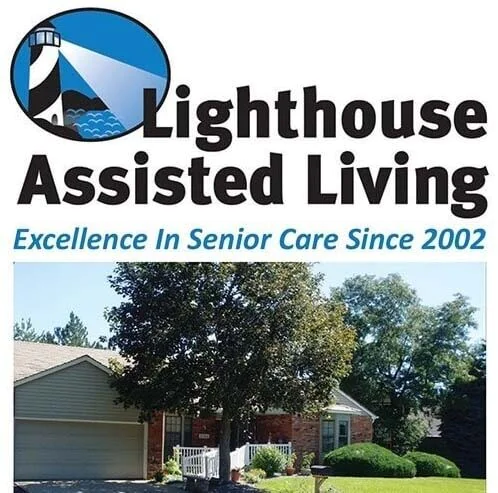
Lighthouse Assisted Living
For more information about the author, click to view their website: Lighthouse Assisted Living
Aug 27, 2025
Colorado - Denver Metro


When families begin searching for assisted living for a loved one, the choices can feel overwhelming. From large corporate facilities to smaller community residences, each option presents its own promises. But one type of home consistently stands out for its exceptional standard of care: the nurse-owned and operated assisted living home.
These homes blend professional medical expertise with the intimacy of a family-centered environment, creating a safe and supportive space for seniors. At Lighthouse Assisted Living, this philosophy is embodied by Liz and Tom, the husband-and-wife team who have dedicated their careers—and their lives—to ensuring seniors receive the dignity, compassion, and medical attention they deserve.
A Nurse’s Calling: Liz’s Journey
For Liz, a Registered Nurse with over 22 years of experience, caring for people has never been just a profession—it has been a calling. With a Master’s degree and certification as a Clinical Nurse Specialist, Liz has worked across a broad spectrum of nursing, from Pediatric Intensive Care Units to Hospice Nursing.
It was in hospice care, however, where she discovered her true passion: helping patients and families navigate end-of-life care with compassion, respect, and love. During her years as a hospice nurse, Liz frequently visited patients living in group homes and private residences. She saw firsthand the comfort that came from being in a warm, home-like setting rather than an impersonal institution.
Her vision for Lighthouse Assisted Living was also deeply influenced by her childhood. As a teenager, Liz often accompanied her father, a physician, on house calls to nursing homes. She couldn’t help but notice that many people seemed lost in the crowd of large facilities, yearning for more personal attention. She wondered: why couldn’t seniors who needed support live in smaller homes, where they would feel more like family than patients?
That question stayed with her for decades—until she realized these homes did exist. And with her expertise, passion, and drive, she could help create one that set a new standard for care.
A Businessman’s Heart: Tom’s Role
While Liz brought the nursing expertise, her husband Tom contributed his own unique skills. With a Master of Business Administration and a passion for entrepreneurship, Tom always aspired to operate a business that served a meaningful purpose.
When he and Liz began discussing the needs of the aging community, Tom recognized an opportunity to combine Liz’s medical expertise with his business leadership. Together, they envisioned a better way to care for seniors—one that reduced costs, eased stress on families, and offered residents the respect and attention they deserved.
Tom oversees the business, facilities, and marketing aspects of Lighthouse Assisted Living, but his role doesn’t stop there. He is deeply engaged with residents and their families, often spending time in the homes, ensuring not just that operations run smoothly but that every resident feels valued and cared for.
A Family Mission
For Liz and Tom, Lighthouse Assisted Living is not simply a career—it is a family mission. Their four children are part of the journey, often visiting the homes and sharing time with residents. This family involvement creates a special energy that radiates through the entire community, reminding everyone that Lighthouse is more than a care provider—it is a family.
Their partnership highlights one of the most powerful benefits of a nurse-owned assisted living home: the combination of professional medical oversight with genuine, family-driven compassion.
Why Nurse-Owned Homes Make a Difference
The story of Liz and Tom illustrates why nurse-led homes like Lighthouse offer distinct advantages over traditional assisted living options.
1. Expert Medical Oversight
Liz’s nursing background ensures residents receive medically informed care every day. From accurate medication management to early recognition of health changes, having a nurse at the helm provides a level of safety and expertise that families deeply value.
2. Personalized Care Plans
Because of her clinical training, Liz understands that every senior has unique needs. Residents benefit from individualized plans that evolve as health conditions change, whether that means extra support with daily living or specialized memory care services.
3. Compassionate End-of-Life Care
With her hospice background, Liz brings a depth of compassion and understanding for families facing end-of-life decisions. Residents and families receive not just medical guidance but also emotional support, ensuring dignity and peace during life’s most challenging stages.
4. Smaller, Homelike Environment
Instead of the overwhelming scale of large facilities, nurse-owned homes like Lighthouse create an intimate, residential setting. Seniors live in true homes, surrounded by familiar comforts and caregivers who know them personally.
5. Family-Centered Philosophy
Because Lighthouse is run by a family, it extends that same philosophy to residents and their loved ones. Families are encouraged to be active participants in care, visit often, and build lasting relationships with staff and residents alike.
Beyond Care: Enriching Life
Nurse-owned homes go beyond physical care by focusing on holistic wellness. At Lighthouse, residents enjoy:
-
Nutritious, home-cooked meals tailored to individual dietary needs
-
Social and recreational activities that keep minds active and spirits high
-
Gentle exercise and movement programs to promote strength and mobility
-
Creative and engaging pastimes such as music, art, and gardening
-
Community outings and celebrations to foster joy and connection
These activities reflect Liz and Tom’s shared vision: that seniors deserve not just safety and support but also opportunities for growth, laughter, and fulfillment.
Peace of Mind for Families
Perhaps the greatest benefit of a nurse-owned and operated assisted living home is the peace of mind it brings to families. Knowing that a medical professional is guiding care—and that a compassionate team is treating loved ones like family—helps ease the uncertainty that often accompanies the transition to assisted living.
At Lighthouse, Liz and Tom provide more than services. They provide reassurance, trust, and the promise that residents will always be treated with the respect and love they deserve.
A New Standard in Assisted Living
The combination of Liz’s decades of nursing experience and Tom’s business expertise has allowed Lighthouse Assisted Living to flourish. Together, they have created a model that represents the future of senior care: intimate, nurse-led homes where residents thrive and families feel supported.
In a world where large corporate facilities often dominate, nurse-owned assisted living homes remind us of the power of personal connection, medical expertise, and family values. They are places where seniors are not just cared for—but truly cared about.
Final Thoughts
Choosing an assisted living home is one of the most important decisions a family can make. By selecting a nurse-owned and operated residence, families gain the confidence of professional oversight, the comfort of a homelike environment, and the assurance that their loved one is more than a resident—they are part of a family.
For Liz and Tom, Lighthouse Assisted Living is the fulfillment of a lifelong passion: to create a place where seniors are safe, respected, and surrounded by love. And for families in the South Metro Denver area, it represents a beacon of hope, compassion, and excellence in senior care.
Other Articles You May Like
What to Do When a Loved One with Dementia Refuses Help
Are you noticing resistance or refusal in a loved one with dementia? Maybe theyre refusing to use a walker, dont want help getting dressed, or insist they are able to live independently. This can be a frustrating time for you as a family member or caregiver, but it can also be confusing and upsetting for your loved one.The goal of providing help, whether with activities of daily living or eventually moving into senior living, is not to take away a persons independence. Its to find ways to support their freedom and autonomy while also keeping them safe. In order to do this, you have to understand why they may be refusing help in the first place and also how to approach these situations with patience and care.Why Might Someone with Dementia Refuse Help?There are various reasons that a person with dementia may refuse help. And before trying to convince your loved one to just accept the help, it can be especially helpful to understand the why behind their refusal.They May Not Realize They Need HelpSome people with dementia experience anosognosia, a condition that can make it difficult to recognize or understand changes in their own abilities. They may genuinely believe they can still do something independently, even when others can clearly see that theyre struggling.Fear or Loss of ControlAccepting any sort of help can feel like a terrifying loss of independence and dignity for someone with dementia. Maintaining independence and having control over everyday decisions can be especially important to older adults. When that is stripped away, it can trigger feelings of sadness, fear, and anxiety.Overstimulation or DiscomfortUnfamiliar routines, loud environments, hunger, or fatigue can sometimes contribute to resistance. Feelings of confusion or discomfort can also make it more difficult to accept help.How to Approach Helping a Loved One with DementiaWhen offering help, its important to focus on maintaining your loved ones independence and not on what they cant do. Say to yourself: How can we help them complete this task safely?You dont want to disrupt their routine or every aspect of their daily life, as it can cause confusion and difficulty adjusting. If your loved one is struggling with household tasks, let them continue doing the parts that they can safely manage themselves. Or if theyre resistant to personal care (bathing, grooming, etc.), look for ways to make the task more comfortable and less intrusive.Independence doesnt always mean doing everything alone. You must find a balance between maintaining your loved ones independence and giving them the support they need, rather than taking everything over. Whether youre helping with medications, personal hygiene, household tasks, or something else, try to offer support only where its needed. Giving your loved one opportunities to make choices throughout the day can help them maintain a sense of control.Start Small and Give Them ChoicesIntroduce one change at a timeYou dont want to suddenly switch several parts of your loved ones routine. When possible, introduce one new change at a time and give them an opportunity to adjust.Offer choicesGive your loved one the opportunity to choose from two reasonable options instead of deciding for them.Find a different way to offer helpSometimes, changing how you offer help can make a difference. Instead of focusing on what your loved one cannot do, explain how your support can make the task easier for them.Know When to Step in for SafetyAlthough maintaining independence and autonomy is important, you must also consider your loved ones safety. Yes, some disagreements arent worth turning into battles over, but when it comes to their health and safety, there are times that you may have to step in.Situations such as unsafe driving, getting lost, medication mistakes, difficulty managing hygiene, or trouble preparing or eating meals can be major areas of concern where you may need to step in. Maybe they are not remembering to turn off kitchen appliances, or they have fallen repeatedly by not using their walker. These are situations where their health and safety are in danger.If youre noticing that your loved ones refusal of help is putting them or someone else at risk, it may be time to talk with a professional about what additional support may be appropriate.When Is It Time to Consider Memory Care?Sometimes, the question isnt whether your loved one wants help. Its whether the level of support they need can still be safely provided at home. If your loved one can no longer get the support they need at home, it may be time to explore additional care options such as memory care.Refusal isnt the only sign its time for memory care, though. Some additional signs include:Their care needs have increased significantlySafety concerns are becoming more frequentFrequent supervision is needed throughout the dayTheyre struggling with activities of daily livingCaregivers feel overwhelmed or burned outThey need a consistent routine and additional supportLooking into memory care doesnt mean that a move has to happen immediately. It can simply be a part of planning ahead, in case situations of refusal or their care needs evolve significantly. Visiting communities, asking questions, and understanding care options can help families feel more prepared if their loved ones needs continue to change.You Dont Have to Figure It Out AloneIf your loved one resists help, youre not failing by trying a different approach or asking others to step in. Dementia can change over time, and the goal is to provide the right amount of support while preserving your loved ones independence and quality of life.At Northland Heights, we know that a dementia diagnosis affects the entire family. Our memory care team provides personalized support in a safe, home-like environment while helping residents maintain their independence and enjoy meaningful moments each day. We believe every resident should feel seen, heard, and valued, and our team approaches care with patience, kindness, and respect.If youre considering memory care for a loved one, learn more about Northland Heights or schedule a tour to see how we can support your family.
Helping a Loved One Adjust to Memory Care
Moving a loved one with dementia into a memory care community can be an emotional and challenging experience for both the individual and their family. Adjusting to a new environment, routine, and group of caregivers takes time, but there are ways families can help make the transition feel more comfortable and familiar. From having important conversations before the move to staying involved afterward, small steps can make a meaningful difference.Supporting Your Loved One Through the Transition to Memory CareHave a Conversation Before the MoveBefore a transition to memory care, it may be beneficial to have a conversation about the move with your loved one. Start by sitting down with them one-on-one in a calm and quiet space when you feel the time is right. Explain what they can expect from their move and new day-to-day in a simple, reassuring way and give them the opportunity to express any thoughts or concerns. Also try to involve them in decisions where possible.Make Their New Space Feel Like HomeYou dont want to move your loved one into a space that feels unfamiliar and cold. Not every piece of furniture or decor has to be brand new either. They want to feel comfortable and at home, and there are plenty of ways to do that for them. During the move, bring familiar furniture with them, their beloved photographs, knick-knacks, artwork, and other meaningful items.Another way to make their space feel like home is to incorporate familiar scents or items that remind them of home. Familiarity can be especially comforting for individuals with dementia, as recognizable belongings, surroundings, and even scents can give them a sense of security in an unfamiliar environment.You can also maintain that sense of familiarity by implementing their everyday routines into new daily life. Whether its enjoying morning coffee, listening to their favorite music, or enjoying daily walks, these familiar routines can help make the new environment feel a little more like home. Routines help to promote independence and reduce stress for individuals with dementia.Stay InvolvedStaying involved after a move provides a variety of emotional and situational benefits for both you and your loved one. For your loved one, seeing a familiar face regularly will help reduce feelings of anxiety and unease. Additionally, regular visits will help them feel valued, comforted, and connected to the people they know and love.For you, visiting your loved one and their community will allow you to build a relationship with staff. This can allow you to get to know the people who take care of your loved one day to day as well as share your own insight into your loved ones unique personality, habits, preferences, and history. You also will be able to get regular updates on how your loved one is doing and adjusting and receive updates on changes to their care plan.Your visits dont have to be lengthy, but ensure that youre getting the most out of them. You can participate in activities or community events or just drop in whenever youd like. Bring photos, your loved ones favorite snacks, or something you can do together like a game or craft.Give Them Time to AdjustA new environment, daily routine, and unfamiliar faces can feel overwhelming for someone with dementia. It may take time for them to become comfortable with their new surroundings and to recognize the people around them. If you experience a particularly difficult transition initially, its important to keep in mind that it doesnt mean you made the wrong decision. There may be good days and difficult days as your loved one adjusts, and thats okay.Let the Care Team HelpYou dont have to navigate a transition alone.From Executive Directors and nursing staff to the culinary and activities teams, your loved ones care team is there to support you both throughout the transition. The team will learn your loved ones preferences, routines, unique personality, and needs in order to make their experience lively and comfortable. Additionally, you should share any information with the care team that you think is relevant, whether its what comforts your loved one, what they enjoy, or what might cause frustration or discomfort with them. You can also check in with the staff whenever you feel the need.At Northland Heights, our team takes the time to get to know each resident as an individual and wants each resident to feel comfortable, valued, and at home every day.Give Yourself GraceLastly, as a caregiver and family member, its vital to give yourself some grace in the process.Its normal to experience guilt, sadness, or uncertainty during a transition to memory care. It can be difficult to let someone else take on some of the responsibilities of taking care of your loved one, and because of that your role may look different now. Choosing memory care for your loved one doesnt mean that youve stopped caring. Youre still a huge source of comfort, familiarity, and connection for them.If youre struggling with feelings of guilt as a caregiver, remember youre not alone. Learn more about caregiver guilt and overcoming these feelings in our recent blog post.Adjustment Takes TimeTransitioning to memory care is a big change, and its completely normal for both you and your loved one to take time to adjust.Its crucial to remember that you dont have to navigate any of it alone. By creating a familiar environment, staying involved, maintaining routines, and keeping in the loop with your loved ones care team, you can make the process feel more comfortable and reassuring. There may be challenges, but with time, patience, and support, your loved one can begin to feel comfortable, connected, and at home in their new community.
Dementia Care in Monroe Township: Questions Families Should Ask Before
When a parent or spouse is diagnosed with dementia, families often begin searching for memory care in Monroe Township, New Jersey, without knowing exactly what they should be looking for.The word "memory care" can mean different things from one community to another.Some programs are designed primarily for people in the earlier stages of dementia. Others support people with more advanced cognitive changes or significant physical needs.The environment, staffing approach, activities, safety measures, and philosophy of care can all make a difference.For families in Monroe Township and surrounding Middlesex County communities, asking the right questions can help make the search for dementia care more focused and productive.Parker at Monroe provides memory care for individuals with all stages of dementia who may also have complex physical needs, using a Small Home model and person-directed approach. (Parker Life)Start by Understanding Your Loved One's Current NeedsDementia is not the same for everyone.Two people can have the same diagnosis and require very different types of support.Before visiting memory care communities, think about your loved one's current abilities.Can they: Manage medications? Prepare meals? Dress independently? Bathe safely? Navigate the home? Communicate their needs? Recognize family members? Sleep through the night? Safely leave the house? Participate in familiar activities? Also consider physical needs.Does your loved one use a walker or wheelchair?Do they need assistance with transfers?Are there fall concerns?Do they need help with toileting?Understanding these needs can help families identify which memory care environments may be appropriate.Ask How the Community Handles Different Stages of DementiaOne of the most important questions is whether the community's program is designed for your loved one's current stage of dementia.A person in the early stages may still be relatively independent.Someone with more advanced dementia may need extensive assistance with daily activities and communication.Parker at Monroe's Small Home model includes specialized environments for different resident needs.The Oaks is designed for residents with early- to mid-stage dementias who may require limited physical support. The Willows is for residents with moderate later-stage dementia who may require significant physical support. (Parker Life)That type of specialization is important because dementia care should evolve with the individual.Ask What a Typical Day Looks LikeA dementia care program should be more than a secure place to live.Ask what residents actually do during the day.Are there opportunities for: Music? Exercise? Art? Social interaction? Outdoor time? Cooking or dining activities? Sensory experiences? Family visits? Educational programs? Spiritual activities? Parker's memory care philosophy emphasizes recreation and activities using technology, games, art, and music to encourage engagement and socialization in a home-like environment. (Parker Life)At Parker at Monroe, residents also have access to Community Center amenities including dining venues, outdoor space, wellness services, therapy, and gathering areas. (Parker Life)Ask How Staff Get to Know ResidentsDementia can affect memory, communication, and the ability to explain preferences.That makes familiarity especially important.Ask prospective communities:How do you learn who my loved one is?Do staff members know residents' histories?Do they know their preferred foods?Do they understand what makes them anxious?Do they know what activities they enjoy?Do they recognize changes in behavior?Parker's person-directed philosophy emphasizes resident choice, dignity, purpose, and meaning in daily life. (Parker Life)That approach recognizes that dementia may change someone's abilities without erasing the person's identity.Look at the Physical EnvironmentThe physical environment matters greatly in dementia care.During a tour, look at: Hallways Lighting Signage Common areas Dining spaces Outdoor areas Bathrooms Bedrooms Places for quiet time Places for social activity Ask yourself whether the environment seems easy to understand and navigate.Does it feel calm?Are there places where residents can gather?Are there places where someone can step away from a busy activity?Parker at Monroe's Small Homes are residential environments connected to a central Community Center. The Small Homes include kitchens, dining areas, living spaces, accessible bathrooms, and family areas. (Parker Life)Ask About Physical Care Along With Memory CareDementia and physical needs can develop together.A person may begin with primarily cognitive concerns and later need significant assistance with mobility, transfers, bathing, eating, or other daily activities.Families should therefore ask whether the community can address both.At Parker at Monroe, specialized Small Homes serve residents with dementia and different levels of physical support. The Willows, for example, supports residents with later-stage dementia who may require significant physical support. (Parker Life)This is an important question for families thinking about long-term care rather than only the immediate future.Ask About Therapy and WellnessPhysical movement can remain important for people living with dementia.Ask whether therapy services are available and how wellness is incorporated into daily life.Parker at Monroe's Community Center includes physical, occupational, and speech therapies as well as a Health and Wellness Center. (Parker Life)Families can ask how those services are incorporated based on an individual's abilities and goals.Ask How Families Are IncludedDementia care affects the entire family.The older adult may be the person receiving care, but spouses, children, grandchildren, siblings, and close friends are also adjusting.Ask: How are families included in care planning? How are changes in condition communicated? Can family members visit regularly? Are there family events? Are there comfortable places to spend time together? Parker's nursing care philosophy emphasizes that family members and friends are welcome to visit within reason. (Parker Life)For families in Monroe Township, East Brunswick, Old Bridge, Jamesburg, Spotswood, and surrounding areas, proximity can make that involvement easier.Don't Forget About the FutureOne of the most important questions families can ask is:What happens if my loved one's needs change?Dementia is progressive.The care environment that works today must be able to respond as needs evolve.Ask: Can residents remain in the community as dementia progresses? What happens if physical needs increase? How are changes in behavior handled? What happens if communication becomes more difficult? How does the care plan change? Planning for the future can prevent another disruptive move later.Pay Attention to How You Feel During the TourFamilies often focus so heavily on asking questions that they forget to observe.Watch the interactions.Do staff members speak to residents respectfully?Do residents appear comfortable?Does the environment feel hurried?Are people engaged?Do staff seem to know the residents?Does the community feel like somewhere your loved one could call home?Your observations matter.Frequently Asked Questions1. What should I ask when touring memory care in Monroe Township?Ask about the stages of dementia served, staffing, activities, physical care, therapy, safety, family involvement, meals, changing needs, and how individualized care plans are developed.2. Does Parker at Monroe provide memory care for advanced dementia?Parker at Monroe has specialized Small Homes serving residents at different stages of dementia, including residents with later-stage dementia and significant physical support needs. (Parker Life)3. Does Parker at Monroe provide therapy?Yes. Physical, occupational, and speech therapies are available through the Community Center. (Parker Life)4. What makes the Small Home model different?Parker's Small Home approach places residents with similar needs and cognitive levels into smaller residential environments connected to a central Community Center. (Parker Life)5. Where is Parker at Monroe?Parker at Monroe is located at 395 Schoolhouse Road in Monroe Township, New Jersey. (Parker Life)Finding the Right Dementia Care EnvironmentChoosing dementia care is about more than finding an available room.Families want to know that their loved one will be safe, respected, engaged, and understood.They want professional nursing support when it is needed.They want an environment that recognizes the person behind the diagnosis.And they want to know that the community can adapt as needs change.For families searching for dementia care and memory care in Monroe Township and Middlesex County, Parker at Monroe offers specialized Small Homes, 24/7 nursing care, therapy services, wellness opportunities, and a person-directed philosophy.A tour can help families determine whether the environment feels right for their loved one.Explore Parker at Monroe through its Seniors Blue Booklisting.
Local Services By This Author

Lighthouse Assisted Living
Assisted Living 7 Locations, Littleton/Centennial/Englewood, Colorado, 80111Lighthouse Assisted Living is a premier provider of residential assisted living in the South Metro Denver area, offering compassionate and personalized care for seniors in a warm, home-like environment. With seven nurse-owned assisted living homes, Lighthouse Assisted Living is committed to enhancing the quality of life for residents by fostering a supportive, family-centered atmosphere. Our dedicated caregivers provide expert assistance with daily activities, ensuring that each resident receives the highest level of care tailored to their individual needs.At Lighthouse Assisted Living, we understand that every senior has unique requirements. Whether an individual is largely independent but seeks companionship and supervision, or requires more extensive assistance with daily living activities, we offer a loving and secure environment that promotes dignity and well-being. Our trained caregivers assist with personal care tasks such as bathing, dressing, medication management, and mobility support, always with compassion and respect.One of the key aspects that set Lighthouse Assisted Living apart is our nurse-owned and operated approach. Our skilled nursing oversight ensures that residents receive professional, medically-informed care in a setting that feels like home. This allows us to accommodate residents with varying levels of care needs, including those living with Alzheimers disease, dementia, or other memory-related conditions. Our specialized memory care services provide a structured yet nurturing environment designed to enhance cognitive function and emotional well-being.Safety and security are top priorities at Lighthouse Assisted Living. Our residential homes are designed to offer a secure yet comfortable setting, giving families peace of mind knowing their loved ones are well cared for. Each home features 24/7 staff availability, emergency call systems, and a personalized care approach to meet the evolving needs of our residents. We also provide nutritious, home-cooked meals tailored to dietary needs, encouraging a healthy and enjoyable dining experience.Beyond the essential care services, we believe in the importance of social engagement and mental stimulation. Lighthouse Assisted Living offers a variety of recreational and social activities designed to keep residents active, engaged, and connected. From group outings and arts and crafts to music therapy and gentle exercise programs, our goal is to create an enriching lifestyle that enhances overall well-being.Family involvement is a core value at Lighthouse Assisted Living. We encourage families to be active participants in their loved ones care journey, whether through regular visits, participation in activities, or ongoing communication with our caregiving team. We believe strong relationships and a sense of community contribute significantly to the happiness and health of our residents.Located in the South Metro Denver area, our assisted living homes provide a convenient and serene setting for seniors seeking high-quality residential care. Each home is thoughtfully designed to create a welcoming and comfortable atmosphere, with spacious common areas, cozy bedrooms, and beautifully landscaped outdoor spaces.If you are looking for a compassionate, professional, and home-like assisted living solution for your loved one, Lighthouse Assisted Living is here to help. Our commitment to excellence in senior care ensures that residents receive the support they need while enjoying a fulfilling and enriched lifestyle. Contact us today to learn more about our assisted living services and schedule a tour of one of our welcoming homes.