The Benefits of Living in a Continuing Care Retirement Community
Landis Homes
For more information about the author, click to view their website: Landis Homes
Oct 05, 2026
Pennsylvania - South Central PA


Planning for the future is an important part of enjoying
retirement. While many older adults begin retirement in good health and with an
active lifestyle, their needs may change over time. One of the challenges of
planning ahead is determining where to live and how future care needs will be
addressed.
A Continuing Care Retirement Community (CCRC), also known as
a Life Plan Community, can provide a solution by offering multiple levels of
senior living and care within one community.
Rather than having to move to a completely different
location if care needs change, residents may have access to additional services
and care options within the same community. This can provide convenience,
flexibility, and peace of mind for seniors and their families.
What Is a Continuing Care Retirement Community?
A Continuing Care Retirement Community is a senior living
community designed to provide different levels of housing and care as a
person's needs change.
Depending on the community, services may include:
- Independent
or residential living
- Personal
care or assisted living
- Memory
or dementia care
- Skilled
nursing or healthcare
- Rehabilitation
and therapy
- Wellness
and supportive services
The specific services and financial arrangements vary from
one community to another. However, the overall goal is to create a setting
where seniors can remain part of the same community while receiving an
appropriate level of support as their circumstances change.
Plan for the Future While Enjoying Retirement Today
One of the biggest advantages of a CCRC is the ability to plan.
Many seniors move into a continuing care community while
they are still independent and active. They can enjoy the lifestyle, amenities,
activities, and social opportunities available today while knowing that
additional care options may be available in the future.
Planning ahead can be less stressful than waiting until a
health crisis or urgent care need forces a family to make a quick decision.
Maintain Independence
Moving into a CCRC does not necessarily mean giving up
independence.
Many residents begin in independent or residential living,
where they maintain their own routines and make decisions about how they spend
their time.
They may enjoy:
- Private
residences or apartments
- Dining
options
- Fitness
and wellness programs
- Social
activities
- Clubs
and interest groups
- Educational
opportunities
- Outdoor
spaces
- Community
events
Residents can remain active and independent while having
additional resources available when they need them.
Access to Multiple Levels of Care
Another significant benefit is having access to different
types of care within the same overall community.
A senior may be completely independent when they move in but
eventually require additional assistance with everyday activities. Later, they
may need rehabilitation or a higher level of healthcare.
Having these options available within one community can make
transitions easier for both residents and their families.
It is important to understand that not every CCRC offers the
same services, so prospective residents should ask about the levels of care
available and how transitions between them are handled.
Less Need for Major Moves
Moving can be physically and emotionally challenging,
particularly for older adults.
A change in health may sometimes require a senior to leave a
longtime home and relocate to an assisted living community, memory care
facility, or skilled nursing facility.
A continuing care community can reduce the likelihood of
needing to relocate to an entirely different organization when care needs
change.
Remaining within a familiar community may allow seniors to
maintain relationships with friends, staff, and neighbors even if their living
arrangements or level of care changes.
Opportunities for Social Connection
Social connection is an important part of a fulfilling
retirement. Living in a community with other older adults can create many
opportunities to meet people and develop friendships.
Residents may participate in:
- Group
meals
- Fitness
activities
- Arts
and crafts
- Educational
programs
- Games
and social gatherings
- Clubs
and special-interest groups
- Volunteer
opportunities
- Community
events
Having activities and social opportunities close to home can
make it easier for residents to remain engaged and active.
Wellness Can Be Part of Everyday Life
Many continuing care communities emphasize wellness rather
than focusing only on healthcare.
Wellness programs may include exercise, fitness classes,
educational programs, recreational activities, nutrition resources, and
opportunities for social engagement.
This holistic approach recognizes that healthy aging
involves more than medical care. Physical activity, mental stimulation,
meaningful relationships, and enjoyable experiences can all contribute to
quality of life.
Peace of Mind for Families
A CCRC can provide peace of mind not only for residents but
also for their families.
Adult children often worry about what will happen if their
parents' needs change. Knowing that additional care options may be available
within the community can make future planning easier.
Families can also feel more comfortable knowing that their
loved one is living in an environment designed specifically for older adults
and that additional support may be available if circumstances change.
Couples May Have More Options
Couples sometimes face a difficult situation when one spouse
needs more care than the other.
In a continuing care community, there may be opportunities
for spouses to remain connected even if their individual care needs are
different.
One spouse may continue living independently while the other
receives additional assistance or healthcare. The specific options depend on
the community, but having multiple levels of care in one location can provide
greater flexibility for couples.
A Sense of Community
A continuing care retirement community can offer more than
housing and healthcare. It can become a place where residents build
relationships and develop a sense of belonging.
Neighbors may become friends. Staff members may become
familiar faces. Shared meals, activities, celebrations, and everyday
interactions can create a strong community atmosphere.
For many seniors, this sense of connection is one of the
most meaningful aspects of community living.
What Should You Consider When Choosing a CCRC?
Not every continuing care retirement community is the same.
Before making a decision, seniors and their families should take time to learn
about the community and its services.
Consider asking:
- What
levels of living and care are available?
- What
services are included in the monthly fees?
- How
are additional care services priced?
- What
types of residences are available?
- What
happens if a resident's care needs change?
- Are
healthcare and rehabilitation services available?
- What
activities and wellness programs are offered?
- What
dining options are available?
- How
does the community support social engagement?
- What
financial arrangements and contracts are offered?
Taking a tour and talking with residents can also provide
valuable insight into what daily life is really like.
Planning Ahead Can Make the Future Easier
One of the most important advantages of a Continuing Care
Retirement Community is the opportunity to think about tomorrow while still
enjoying today.
Seniors can choose a community that fits their current
lifestyle while considering how their needs may change over time. Instead of
making decisions during a crisis, families can have a plan in place before
additional care becomes necessary.
A CCRC can provide a combination of independence, community,
wellness, and access to different levels of care—all within one setting.
For seniors looking for a retirement lifestyle that offers
both freedom today and options for tomorrow, a Continuing Care Retirement
Community may be worth considering.
Landis Homes offers a community where older adults can experience the benefits of senior living while having access to a continuum of services and care. Exploring your options early can help you make an informed decision about the next chapter of your life.
Other Articles You May Like
How to Organize After the Holidays
Hey there! Do you already have your holiday decorations put away, or will your Christmas tree be up until February? To be honest, I can be either person, depending on the year. This year, Ive been a little slow to pack up my garlands and lights, but thats ok. Organization doesnt mean being perfect all the time.The holiday season can bring fun and joy, but it can also bring chaos to the systems in your home. Theres a proliferation of stuff -- cards, packages, gifts of all kinds, decorations, wrapping paper, social engagements, emotions. After all the partying is over, we can be left with a feeling of overwhelm. As a professional organizer, here are my tips for how to handle all of the stuff that came into your house over the holidays and bring (a little more) peace to your home and heart: Decide what to keepThis is really the first (and most critical) thing to do as soon as youre ready to move on from the holidays. Take a look at everything that came into your house during the season and keep only what you truly want to have. I dont recommend keeping anything you dont love, need, or want, even if it was a gift (more on that below). If you shove that ugly sweater in a closet, forget about it, and discover it two years later, youll still have to make the same decisions about what to do with it. Decide what to do as soon as you can. Find a home for everything youre keeping (and put it there right away). If you are keeping a newer/different version of something you already own (for example, you got a nicer coffee maker for Christmas), consider donating or discarding your old item. In other words, follow the one-in, one-out rule if its appropriate.Let go of unwanted gifts Something I hear all of the time from clients is I dont really like this, but it was a gift and I feel guilty about giving it away.I know that gifts can be tricky. I think honoring the intention of the gift given to us is actually more important than holding onto the actual physical object. Usually, someone gives you a gift to show you that they care about you or because they hope youll enjoy it, not because they expect you to become the permanent caretaker of that object. (And if someone gives you a gift receipt, they dont mind if you return it dont feel guilty!)So how do I handle gifts I dont love? I go out of my way to thank the giver in a way thats sincere. I dont tell someone I loved a particular gift if I didnt, but I do thank them for thinking of me and for their generosity. If I dont want or cant use a gift, I pass it on to someone who can enjoy it more than me. That may mean donating it to a charity, giving it away through my local Buy Nothing group, or regifting to someone who I know would appreciate it. Sort the trash and recyclingYou probably ended up with lots of boxes after Black Friday. Go through any extra packaging and recycle, throw away, or give away what you cant use immediately. My clients often have a ton of empty boxes they are saving for someday, but those boxes can take up a lot of space (and its likely that more will come into your home soon). Getting them out is one of the easiest ways you can make your home feel less cluttered immediately. If you have boxes in good condition, you can post them on your local Buy Nothing or neighborhood social media group for someone who is moving. Take another look at your holiday cardsBefore you shove them into a box, look at each card individually. Is this specific card something that will be meaningful to you in a year? 10 years? If its not, appreciate the person who sent it to you and recycle the card. If it truly is a keepsake, save it in an album or memory box. Evaluate your holiday decorMany of my clients struggle with accumulating and storing holiday decor. I recommend thinking about any decor you didnt put out this year will you put it out next year, or are you over it? Do you have more than you can use? Set aside anything you no longer love or want to donate next fall before the holidays (generally, thrift shops do not have space to store out-of-season items for long periods of time). And make sure to carefully store the items you do love and so you can enjoy them next year
6 Factors To Consider When Choosing a CCRC
Are you planning for retirement and trying to find a suitable senior living community? When trying to plan for retirement, choosing where to live is an important decision. You may want to find a home that is easy to maintain, makes it easy to find friends who share your interests, and supports you no matter what health conditions or care needs might arise. A continuing care retirement community (CCRC), also known as a life plan community, checks every item on the list and gives you the best way to plan for the future. In this article, we will share some factors to consider when you choose a CCRC.What is a CCRC?A continuing care retirement community (CCRC) is a senior living community that offers a continuum of different care types, from independent or assisted living to skilled nursing, on one campus. The benefits of living in a CCRC include access to luxury amenities and resources, as well as peace of mind in knowing that should you ever need additional support, you wont have to find a new community to meet those needs. Instead, youll be able to stay in the community, just moving to another level of care, either short-term or long-term.Choosing a CCRC can feel overwhelming. Here are a few considerations to keep in mind as you begin researching online and in person.LocationAs with any real estate decision, your choice begins with finding a location. You might choose an area that is close to family so they can easily visit, or you might choose a location based on your favorite neighborhood. Keep in mind that CCRCs, while popular and common, are not necessarily in every town. You might have to widen your radius in order to find a community that you love.Costs and future expensesOnce you narrow your options based on location preference, its time to look at finances. Its important to know if you can afford a CCRC now and in the future.First, determine the types of contracts available at the CCRCs you are researching. In general, CCRCs offer the following main contract types:- Type A (life care contract): Residents pay a large upfront cost for their home, which is on par with local real estate rates. They also pay a monthly fee that does not increase as care needs grow. - Type B (modified contract): Residents pay a lower entrance and monthly fee for a set amount of care. Once that limit is passed, the monthly fee increases to reflect the greater care provided.- Type C (fee-for-service contract): Residents pay a lower buy-in fee and monthly fees. As additional care is needed, that fee will increase to reflect the additional care provided.There are additional options for contracts as well, and not every CCRC community offers every type of contract. Work with a financial advisor to talk about your CCRC goals and how you can best fit expenses into your budget.Types of homes availableMost adults who move to a CCRC start out in the independent living area of the campus. Youll want to find a home that suits your preferences. For example, you might choose to skip looking at a carriage home or duplex because you dont want to maintain a larger space, or you might look for a two-bedroom apartment because youd like to transform the second bedroom into an office or craft space. Consider what you need, and remember that downsizing possessions and space can help to clear your mind, reduce time spent cleaning, and leave more time for enjoying amenities.Waitlist timeframeEarly planning becomes important when considering a move to a CCRC, as many have waitlists. When you are researching your options, talk with a community representative about waitlists, including how long the current wait is estimated to be and how that timeframe changes based on the type of home or contract you prefer.Amenities and servicesLiving in a continuing care retirement community is like living in a small town that is focused on hospitality and amenities. You want to be able to take advantage of services and amenities that you find enjoyable and that will help you meet your wellness goals. If you love to golf, look for a community that sits on a golf course, has a putting green, or has discounted fees at a nearby course. If you are a gardener, look for a community with community garden plots and a gardening club. Youll find that just like other small towns, each CCRC has its own culture and atmosphere. Look for a community that highlights your interests and preferences.Medical support and resourcesLiving at a continuing care retirement community should help you feel your best. One way a community can accomplish that is by providing easy access to education and support for medical issues.Consider looking for a community that offers:- An on-site nurse for questions or consultation.- Health and wellness fairs and lectures.- Support groups for specific medical conditions or situations.- Easy pharmacy delivery.- Durable medical equipment rental and return.- Home care services.If you need additional care, youll move to assisted living, memory care, or skilled nursing to benefit from around-the-clock caregiver support. Remember to tour these buildings on campus as well as any independent living homes. You want to ensure every part of the community is clean and well cared for.A senior advisor can help as you choose a CCRCIf youre not sure how to get started as you choose a CCRC, contact Oasis Senior Advisor Carrollton-Frisco. Your local experts know the local area, have relationships with senior living communities, and know how to match your needs and budget with a solution. Your local advisor, Holly DeLisi, can be reached at (682) 375-9604.The rules and requirements of senior care facilities vary based on company policies and state regulations. The contents of this article represent common guidelines, but may differ from a particular facility's policies or requirements. Oasis can help you learn about the regulations in your state.
Navigating Senior Care in Minnesota: Where Do You Begin?
When an aging parent begins needing additional assistance, families often find themselves entering unfamiliar territory.Perhaps Mom has recently returned home from the hospital and needs help managing daily activities. Dad is becoming less comfortable driving. Or a spouse is experiencing mobility challenges that make everyday routines more difficult.Suddenly, questions begin piling up.What type of care is available? How much assistance is really necessary? Does Medicare pay for home care? What programs are available in Minnesota? And perhaps most importantly, where should the family begin?For many families, navigating senior care can feel overwhelming, especially when decisions need to be made quickly.Understanding the available options is the first step toward making confident, informed decisions that support independence, safety, and quality of life.Understanding the Different Types of Senior CareOne of the most confusing aspects of senior care is understanding the terminology.Home care, home health care, assisted living, and skilled nursing are sometimes used interchangeably, but they provide different levels of support.Knowing the differences can help families identify services that best match their loved one's needs.Non-Medical In-Home CareNon-medical home care focuses on helping individuals manage everyday activities while remaining in their own homes.Depending on the provider's license and authorized services, assistance may include personal care, companionship, meal preparation, light housekeeping, transportation, and respite care.This type of support can be particularly beneficial for older adults who want to maintain independence but need help with certain daily routines.Services may be arranged for a few hours each week or more frequently as needs change.Skilled Home Health CareSkilled home health care involves medical services provided by appropriately licensed healthcare professionals.These services may include nursing care, physical therapy, occupational therapy, speech-language pathology, and certain medical treatments.Skilled home health services are often recommended following hospitalization, surgery, illness, or a significant change in health.Medicare may cover qualifying home health services when specific eligibility requirements are met.However, Medicare generally does not cover ongoing custodial assistance when that is the only care needed.Assisted Living CommunitiesAssisted living communities provide housing and supportive services for individuals who need help with daily activities but do not necessarily require continuous skilled nursing care.Services vary by community and may include meals, personal care assistance, medication-related services, housekeeping, and social activities.For some seniors, assisted living provides an appealing combination of independence, convenience, and available support.Others prefer to remain in their own homes with assistance from an in-home care provider.Skilled Nursing FacilitiesSkilled nursing facilities provide a higher level of medical and personal care for individuals with more complex needs.Some offer short-term rehabilitation following hospitalization, while others provide longer-term residential nursing care.The appropriate setting depends on the individual's medical condition, functional abilities, preferences, and available support.Start by Evaluating Your Loved One's NeedsBefore selecting a senior care provider, families should consider what assistance is actually needed.A thoughtful assessment begins with everyday activities.Can your loved one prepare meals independently? Are bathing and dressing becoming difficult? Is transportation a concern? Are medications being taken as prescribed?It's also important to consider social and emotional needs.Does your parent spend long periods alone? Have they stopped participating in favorite activities? Are family caregivers struggling to keep up with responsibilities?Discussing these questions with your loved one can help identify priorities and preferences.When medical concerns are involved, a healthcare professional can help determine whether a clinical evaluation or skilled services are appropriate.The goal should be to provide the right level of assistancenot more care than necessary, but enough support to address important needs.Understanding How Senior Care Is Paid ForCost is often one of the first concerns families raise when exploring care options.Unfortunately, payment arrangements can be complicated.Different services may be covered by Medicare, Medicaid, private insurance, long-term care insurance, or personal funds.MedicareMedicare may cover certain medically necessary home health services when eligibility requirements are satisfied.However, Medicare generally does not pay for long-term non-medical home care, routine housekeeping, or ongoing personal assistance when these are the only services required.Families should review their specific Medicare coverage before assuming a service will be reimbursed.Minnesota Medical AssistanceMinnesota's Medicaid program, known as Medical Assistance, may help eligible individuals pay for certain long-term services and supports.Programs such as the Elderly Waiver can help qualifying older adults receive services in community settings rather than nursing facilities.Eligibility depends on factors including age, financial circumstances, assessed care needs, and program requirements.Long-Term Care InsuranceSome long-term care insurance policies provide benefits for qualifying in-home care services.Coverage varies significantly depending on the policy.Families should review benefit limits, elimination periods, covered services, and requirements for receiving reimbursement.Private PayMany families pay directly for non-medical home care.Private-pay arrangements may offer flexibility in scheduling and selecting services.Before beginning care, ask providers about hourly rates, minimum visit requirements, cancellation policies, and any additional fees.Minnesota Resources That Can Help FamiliesFortunately, Minnesota offers several resources designed to help older adults and their families understand available services.Minnesota's Senior LinkAge LineThe Senior LinkAge Line is a free statewide resource that helps older adults and families explore Medicare questions, prescription drug coverage, community services, and long-term care options.It is operated through Minnesota's aging network and can be a helpful starting point for families unfamiliar with available programs.Minnesota Board on AgingThe Minnesota Board on Aging provides information and resources related to aging services, caregiver support, and programs that help older adults remain connected to their communities.Disability Hub MNFor individuals with disabilities, Disability Hub MN offers information about benefits, services, housing, employment, and community resources.These programs can help families better understand their options and identify additional support.Why Care Navigation Can Make a DifferenceEven after learning about available services, families may struggle to determine which options are appropriate.This is where care navigation can become especially valuable.Care navigation helps individuals and families understand their needs, identify relevant services, and explore available resources.For example, a family may need assistance coordinating non-medical home care after a hospitalization.Another may be trying to understand community-based support programs or determine whether additional caregiving assistance is necessary.A knowledgeable care navigator can help organize information, clarify options, and guide families toward appropriate resources.Care navigation does not replace medical advice or official eligibility determinations, but it can make the decision-making process more manageable.For adult children who live outside Minnesota, this additional guidance can be particularly reassuring.Planning Ahead Can Prevent Difficult DecisionsMany families begin researching senior care only after an unexpected event.A fall, hospitalization, or sudden decline in mobility may create an urgent need for assistance.While some situations cannot be anticipated, planning ahead can reduce confusion.Families can begin by discussing their loved one's preferences.Would they prefer to remain at home as long as possible? What activities are becoming difficult? Who should be involved in future care decisions?It's also helpful to organize important documents, review insurance coverage, and identify trusted healthcare professionals and community resources.These conversations may feel uncomfortable initially, but they can help preserve the older adult's voice in future decisions.How Northern Lights Living Helps Minnesota FamiliesBased in Savage, Minnesota, Northern Lights Living understands that navigating senior care involves more than selecting a caregiver.Families often need guidance, reassurance, and a clear understanding of their options.Northern Lights Living provides personalized, non-medical in-home care services designed to support seniors and individuals with disabilities who wish to remain in familiar surroundings.The company emphasizes caregiver compatibility, individualized routines, meaningful companionship, and communication with families.In addition to home care, Northern Lights Living offers care navigation services to help families better understand available support options and community resources.Whether a family is beginning to explore assistance for an aging parent or adjusting to changing care needs, having a compassionate and knowledgeable partner can make the process less overwhelming.Taking the First Step Toward Better SupportThere is no single solution that works for every senior or family.Some older adults benefit from a few hours of companionship each week. Others need regular assistance with personal care or daily household activities.Still others may require skilled medical services or a different living arrangement.The most important step is understanding the individual's needs, respecting personal preferences, and exploring available options before making major decisions.Senior care doesn't have to be navigated alone.With reliable information, thoughtful planning, and the right support, Minnesota families can make decisions that protect independence, promote dignity, and provide greater peace of mind.About Northern Lights LivingNorthern Lights Living is a Savage, Minnesota-based provider of personalized, non-medical in-home care and care navigation services for seniors, adults with disabilities, and their families throughout the Twin Cities metropolitan area.The company focuses on individualized caregiving, caregiver compatibility, family communication, and helping individuals navigate changing care needs.Northern Lights LivingSavage, MinnesotaPhone: 651-329-3526Website: www.northernlightsliving.comHelping Minnesota Families Find the Right Care, Support, and Peace of Mind.
Local Services By This Author

Landis Homes
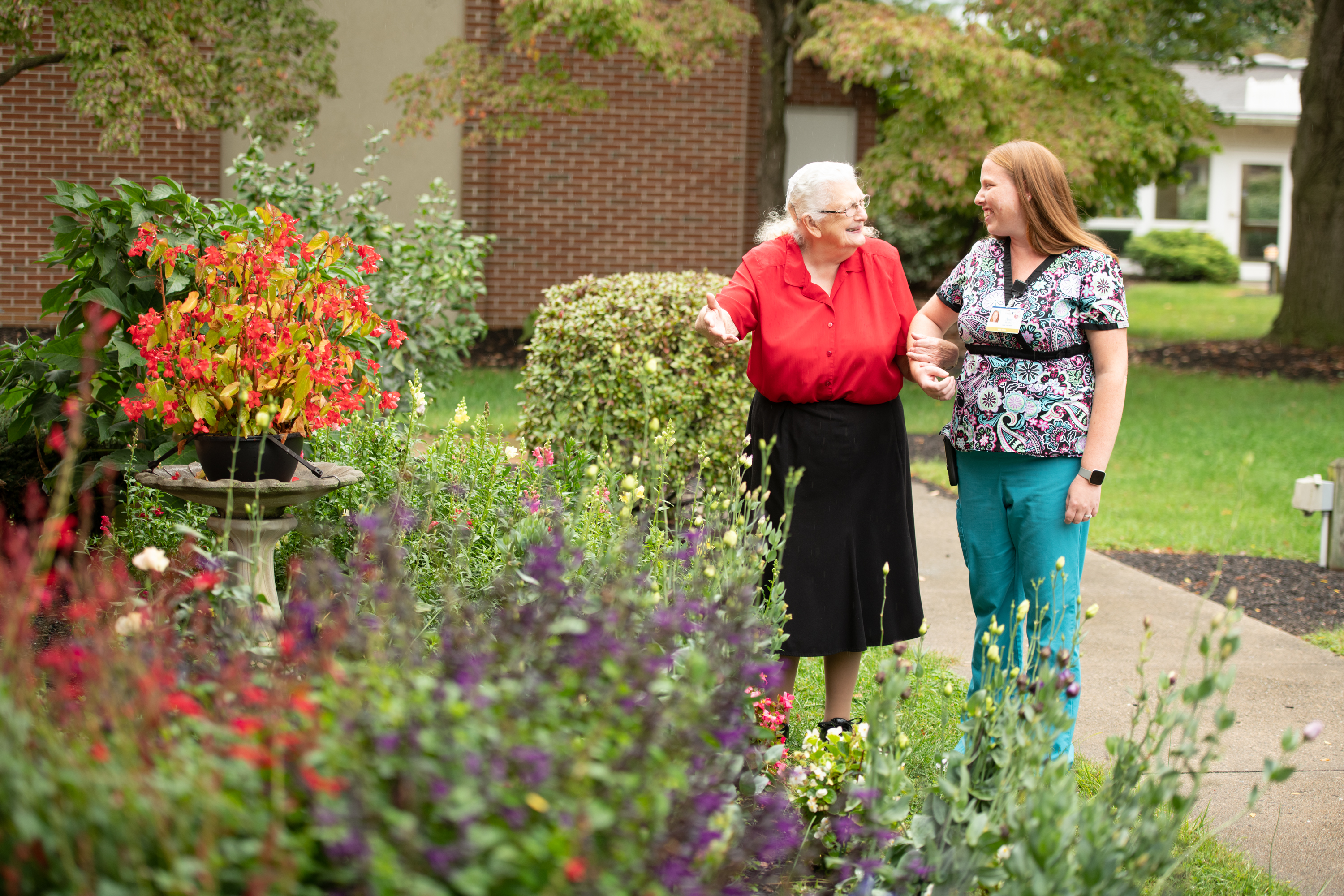
Assisted LivingPersonal Care at Landis Homes1001 E. Oregon Rd, Lititz PA 17543Personal Care at Landis Homes offers multiple levels of care priced according to degree of assistance needed with activities of daily living. For inquiries about Personal Care or Healthcare, contact the Admissions Office at 717-381-3548.Dedicated StaffOur team approach to care seeks to honor lives. Our staff of RNs, LPNs, CNAs, and med techs are focused, compassionate, and caring.Features included in the daily fee:Standard, large or apartment-style residencesAll MealsHousekeeping, Laundry & Maintenance servicesUtilities*and cable TV serviceAssistance with activities of daily living, including skilled clinical nursing needsScheduled Trips off campus, such as ice cream excursions, bus trips, or Barnstormers baseball gamesPastoral ServicesSocial & Recreational ActivitiesPriority Access to HealthcareSocial ServicesWiFi Access*Telephone services and direct Internet connection not included. For more information, click here: https://www.landishomes.org/live/personal-care/