The Conversations That Matter Most Before Goodbye
The Final Chapter Project
Oct 15, 2026
New Jersey - Ocean & Monmouth Counties

Email US
Click to Email Us
The Conversations That Matter Most Before Goodbye
Some of the most important conversations in life are also the ones people find hardest to begin.
Families may discuss retirement plans, holiday gatherings, and everyday healthcare decisions without ever asking what a loved one would want if they became seriously ill or could no longer communicate their preferences.
When an unexpected medical event occurs, those unanswered questions can become difficult.
Adult children may have different understandings of a parent's wishes. A spouse may feel uncertain about making decisions. Loved ones may worry about whether they are honoring what the person truly wanted.
These challenges illustrate why conversations about personal values and end-of-life preferences matter.
For individuals and families throughout New Jersey, advance care conversations can provide an opportunity to share wishes, clarify priorities, and prepare for future healthcare decisions.
The Final Chapter Project: Kellie Larsen End of Life Doula and Advocate provides non-medical guidance that helps individuals and families approach these discussions with greater confidence and understanding.
Kellie Larsen, an INELDA-certified end-of-life doula, offers emotional support, conversation facilitation, advance care planning guidance, and advocacy centered on the individual's expressed wishes.
Her role is not to draft legal documents or make medical decisions.
Instead, she helps create a supportive environment where people can discuss what matters most and identify questions for the appropriate professionals.
Why End-of-Life Conversations Are Important
A person may have strong preferences about healthcare, family involvement, spiritual practices, and daily comfort but never communicate those wishes clearly.
When decisions become urgent, loved ones may be left guessing.
Conversations Can Help Clarify
Personal values
Preferred healthcare decision-makers
Treatment priorities
Comfort preferences
Family involvement
Cultural traditions
Spiritual beliefs
Important relationships
Personal concerns
Unfinished conversations
Planning Is Not About Predicting Every Situation
No one can anticipate every medical development.
The purpose is to help trusted people understand the individual's values so they have better guidance when unexpected decisions arise.
What Is End-of-Life Advocacy?
End-of-life advocacy focuses on helping individuals express their needs and ensuring those preferences are communicated appropriately.
In a non-medical doula setting, advocacy may involve listening, facilitating conversations, and helping families organize questions.
Advocacy May Include
Encouraging the individual to express priorities
Helping relatives listen to one another
Clarifying non-medical comfort preferences
Preparing questions for healthcare professionals
Identifying personal concerns
Supporting communication around difficult subjects
Important Professional Boundaries
An end-of-life doula cannot override medical decisions, determine legal capacity, or act as an attorney.
The person's lawful decision-making authority and applicable medical requirements remain essential.
How Kellie Larsen Supports Difficult Conversations
Through The Final Chapter Project, Kellie offers guidance grounded in presence, respect, and personal understanding.
Families may seek her assistance when they want to discuss end-of-life wishes but do not know how to begin.
A Nonjudgmental Setting
Different relatives may hold different perspectives.
An effective conversation should allow the individual to speak without unnecessary pressure.
Thoughtful Preparation
Kellie may help individuals identify the subjects they want to address and the people they want involved.
Respecting Timing
Some people prefer short conversations over several meetings.
Others wish to address several decisions at once.
The pace should reflect the person's comfort.
Start With Values, Not Forms
Advance planning is sometimes treated as a paperwork exercise.
Although legal and medical documents can be important, the underlying conversation begins with personal values.
Questions Worth Exploring
What makes life meaningful to me?
What am I most concerned about?
Who understands my preferences?
What does dignity mean in my circumstances?
How important is staying in familiar surroundings?
What relationships do I want to prioritize?
The answers can help guide later conversations with healthcare professionals.
Give Space for Uncertainty
Individuals are allowed to be unsure.
Preferences may evolve as health conditions and personal circumstances change.
Understanding Advance Healthcare Directives
Advance healthcare directives are legal documents that may express treatment preferences or identify a person authorized to make healthcare decisions.
In New Jersey, individuals can use advance directives according to applicable state laws and requirements.
Common Planning Topics
These include:
Choosing a healthcare representative
Communicating treatment preferences
Discussing life-sustaining interventions
Identifying personal values
Reviewing preferences with medical professionals
A Doula's Role
Kellie can provide general education and help individuals prepare for discussions.
Legal Documents Require Appropriate Expertise
A licensed attorney or another qualified resource should provide individualized legal advice concerning document preparation, validity, and interpretation.
Choosing a Healthcare Representative
Selecting someone to speak on your behalf can be a significant decision.
The ideal choice is not necessarily the oldest child or the relative who lives closest.
Qualities to Consider
A suitable representative may be someone who:
Understands your wishes
Can communicate clearly
Is willing to ask questions
Can manage difficult conversations
Respects your choices
Understands the responsibilities involved
Talk Before Naming Someone
The person being considered should understand the role and be willing to accept it.
Communicate With Other Relatives
Sharing the decision appropriately may reduce confusion later.
The legal appointment itself must follow applicable requirements.
When Family Members Disagree
End-of-life conversations may reveal different family expectations.
One relative may prioritize every available treatment.
Another may believe comfort-focused care reflects the patient's wishes.
These disagreements can be emotionally difficult.
Helpful Principles
Return to the individual's expressed values
Allow each person to share concerns
Distinguish medical facts from personal opinions
Ask clinicians to explain available options
Respect lawful decision-making authority
Avoid pressuring the patient
The Doula's Contribution
Kellie may help facilitate a calmer discussion and identify questions that need professional answers.
She is not a mediator with legal authority to resolve disputes.
Preparing Questions for the Medical Team
Families sometimes leave appointments feeling overwhelmed by unfamiliar terms.
A written list of questions can help.
Questions May Include
What is the current medical condition?
What are the realistic treatment goals?
What benefits might a proposed intervention provide?
What burdens or side effects should we consider?
What comfort measures are available?
When might palliative care be appropriate?
Is a hospice evaluation relevant?
Who should we contact after hours?
Organizing the Conversation
A doula can help families think through what they want to ask, but only qualified healthcare professionals can provide individualized clinical guidance.
Understanding Palliative Care and Hospice Discussions
Advance care planning may lead to questions about palliative care or hospice.
These services have different purposes.
Palliative Care
Palliative care addresses symptoms and stress associated with serious illness and may accompany disease-directed treatment.
Hospice Care
Hospice provides specialized services for qualifying individuals who elect hospice care under applicable eligibility rules.
Complementary Doula Support
A non-medical doula can help families understand what questions to ask and provide emotional support as decisions are discussed.
The doula does not determine hospice eligibility.
Respecting Cultural and Spiritual Preferences
Not every person approaches serious illness in the same way.
Family customs, spiritual beliefs, and personal traditions may influence how someone wants to discuss death or receive support.
Preferences May Involve
Prayer or reflection
Religious leaders
Cultural rituals
Privacy
Family presence
Music
Personal traditions
Nonreligious practices
Avoid Assumptions
Even relatives who share a background may have different preferences.
The most reliable approach is to ask the individual.
Making Practical Preferences Known
Some important wishes are not formal medical decisions.
A person may want a particular relative present, a beloved pet nearby when permitted, or a favorite song played.
A Personal Preferences Guide May Include
Preferred visitors
Meaningful music
Comfort objects
Daily routines
Family contacts
Rituals
Personal messages
Spiritual or cultural requests
Such a guide does not replace legal healthcare documents, but it may provide useful information for loved ones and caregivers.
Keeping Conversations Current
An individual's wishes may change after a diagnosis, hospitalization, or other significant event.
Reasons to Revisit Planning
Changes in health
A new living arrangement
Changes in family relationships
A healthcare representative becoming unavailable
New treatment options
Changes in personal priorities
Conversations should be updated as needed rather than treated as a one-time task.
How to Begin a Family Conversation
A good beginning can be simple.
Choose a quiet time when the person is comfortable and not under immediate pressure.
Explain that the purpose is to understand their preferences, not to make decisions for them.
Helpful Preparation
Ask permission to discuss the subject
Start with values and concerns
Listen before suggesting solutions
Avoid demanding every answer at once
Write down important questions
Follow up with qualified professionals
Some individuals may prefer a trusted non-family professional to help facilitate these discussions.
Expert Tip: Make Wishes Easier to Understand
Advance Care Conversation Tip: After discussing an important preference, ask the person to explain why it matters to them. Understanding the reason behind a wish can help loved ones interpret future decisions more faithfully when circumstances are different from anything the family anticipated.
Frequently Asked Questions About End-of-Life Advocacy
1. Can Kellie Larsen help families discuss end-of-life wishes?
Yes. The Final Chapter Project offers non-medical support for meaningful conversations, family communication, and advance care planning guidance.
2. Does an end-of-life doula prepare legally binding advance directives?
An end-of-life doula can provide general guidance and help organize conversations, but legal document preparation and individualized legal advice should come from qualified professionals.
3. What is the difference between advocacy and medical decision-making?
Non-medical advocacy helps individuals communicate preferences and questions. Medical treatment decisions remain with the patient or appropriate legal decision-maker and qualified healthcare professionals.
4. Can a doula help when family members disagree?
A doula may help facilitate respectful conversations and clarify expressed wishes. She does not have legal authority to settle disputes or override decisions.
5. Is advance care planning useful before someone becomes seriously ill?
Yes. Early conversations can help individuals explain values and preferences while there is more time to reflect, consult professionals, and share information with loved ones.
Letting Personal Wishes Guide the Conversation
End-of-life planning is about more than documents or medical terminology.
It involves understanding what a person values, helping loved ones communicate, and identifying the people best prepared to support future decisions.
Through The Final Chapter Project, Kellie Larsen provides non-medical guidance that helps families approach these discussions thoughtfully.
For individuals throughout New Jersey, beginning conversations before an emergency may create more opportunities for personal choice and mutual understanding.
Learn More About The Final Chapter Project
Visit The Final Chapter Project: Kellie Larsen End of Life Doula and Advocate on SeniorsBlueBook.com for information about non-medical end-of-life advocacy and planning support.
Other Articles You May Like
Supporting the Family Through Life's Final Moments
Supporting the Family Through Life's Final MomentsWhen someone is approaching the end of life, time can begin to feel different.Days may revolve around visits, phone calls, healthcare updates, and important conversations. Family members may spend long hours at a loved one's bedside while trying to understand changes in their condition.Even when medical professionals provide appropriate treatment and guidance, relatives may experience uncertainty about what they should do.Some worry about leaving the room. Others are concerned about saying the wrong thing or failing to recognize an important need.During this period, practical responsibilities often continue alongside emotional demands.Meals still need to be arranged. Other family members need updates. Important decisions may arise unexpectedly, and caregivers may struggle to find time for rest.For families throughout New Jersey, non-medical end-of-life doula support can provide an additional source of presence, emotional reassurance, and practical guidance.The Final Chapter Project: Kellie Larsen End of Life Doula and Advocate offers support centered on individuals and their loved ones during life's final chapter.Kellie Larsen provides bedside presence, family communication assistance, emotional support, and guidance through meaningful personal moments.Her work complements the services of healthcare professionals without replacing medical treatment or clinical supervision.Understanding the Final-Days ExperienceEvery end-of-life experience is different.Some individuals remain able to communicate and interact for an extended period.Others experience substantial changes in energy, responsiveness, or physical functioning.Families May EncounterIncreasing care responsibilitiesChanges in communicationEmotional uncertaintyConcern about comfortQuestions about visitorsDifficulty understanding medical updatesDisrupted family routinesDo Not Assume a Predictable TimelineOnly qualified clinicians should assess medical changes and discuss prognosis.A non-medical doula can provide emotional and practical support as families navigate uncertainty.Bedside Presence and End-of-Life Doula SupportBedside presence is one of the services Kellie Larsen identifies through The Final Chapter Project.It involves providing calm, respectful, non-medical companionship during a deeply personal period.Bedside Support May IncludeQuiet companionshipListening to concernsSupporting meaningful conversationsHelping family members communicateDiscussing preferred surroundingsFacilitating non-medical ritualsProviding emotional reassuranceHelping organize questions for cliniciansPresence Does Not Require Constant ConversationSome individuals prefer quiet companionship.Others may want stories, music, or conversations with loved ones.Respecting Personal WishesSupport should follow the individual's preferences and the requirements of the clinical care setting.What Is an End-of-Life Vigil?An end-of-life vigil generally refers to the period when loved ones gather or remain present as a person approaches death.The experience may be spiritual, cultural, or secular.A Vigil May IncludeQuiet bedside visitsFamiliar musicPrayer or reflectionPersonal readingsFamily storiesMeaningful objectsMoments of silenceOther personally important ritualsThere Is No Single Correct FormatSome people want several relatives nearby.Others prefer a quiet room with limited visitors.Professional SupportA non-medical doula may help families think through the experience they wish to create.She does not provide medical monitoring or replace the hospice or nursing team.Preparing for a Bedside VigilPreparation can help families feel less uncertain about practical arrangements.Consider DiscussingVisitor preferencesContact informationFamily schedulingCultural or religious practicesPreferred musicPersonal comfort objectsFacility visiting policiesWho will communicate with the care teamUnderstand the Medical PlanFamilies should ask the clinical team whom to contact about symptoms or changes in condition.Keep Plans FlexibleThe person's needs may change, and relatives may need to adjust schedules.Supporting Different Family EmotionsRelatives may respond very differently when a loved one is nearing death.One person may want to talk.Another may prefer quiet activity.Someone else may find the experience overwhelming.Common FeelingsThese may include:SadnessAnxietyFatigueFrustrationGratitudeUncertaintyFearReliefAnticipatory griefNo Universal ResponseFamilies should avoid comparing how each person handles the experience.The Doula's RoleKellie can offer nonjudgmental listening and help relatives navigate emotional conversations.Severe or persistent psychological distress should be addressed by qualified mental health professionals.Helping Family Members Share ResponsibilitiesA single relative may become responsible for most communication and caregiving tasks.Over time, this arrangement can become exhausting.Responsibilities May IncludeCommunicating with cliniciansUpdating relativesCoordinating visitorsManaging household needsOrganizing mealsCaring for petsHandling practical questionsA Shared PlanFamilies may benefit from distributing tasks according to each person's availability.Avoid Unspoken ExpectationsSome relatives may be unable to visit in person or provide the same type of support.Contribution can take different forms.Managing Visitors ThoughtfullyMany people wish to visit a loved one during serious illness.However, frequent visits can sometimes become tiring for the patient or difficult for caregivers.Questions to ConsiderDoes the individual want visitors?How many people are comfortable at once?Are quiet periods needed?Should visits be scheduled?Are children welcome?What facility rules apply?The Individual's Wishes Come FirstRelatives should not assume that every possible visitor is welcome.Communicate ClearlyA shared visiting plan may help reduce unnecessary disruptions.What Families Can Say at the BedsideSome relatives are unsure whether to speak openly, share memories, or remain silent.There is no required script.Meaningful Communication May IncludeExpressing loveSharing gratitudeRecalling favorite memoriesOffering reassuranceAcknowledging important relationshipsSaying something left unsaidSpending quiet time togetherAvoid Forcing ConversationsA loved one may not wish to discuss every topic.Communication Beyond WordsGentle presence or familiar music may be meaningful when verbal interaction becomes difficult.Always follow the person's comfort and the care team's guidance.Understanding Medical Changes Without GuessingDuring the final phase of illness, families may observe changes in alertness, eating, breathing, or physical activity.These developments can be unsettling.Questions for Healthcare ProfessionalsWhat changes should we report?How is comfort being assessed?Who manages symptoms?What should we do if the person appears distressed?Who is available after hours?When should we contact the hospice or nursing team?The Doula's ScopeKellie can help families organize questions and process information but cannot determine the medical meaning of symptoms.Seek Clinical GuidanceNew, severe, or concerning symptoms should be reported promptly to the responsible healthcare team.The Relationship Between Hospice and Doula SupportHospice and non-medical doula services may work alongside one another.Hospice ProfessionalsMay provide nursing, symptom management, medical equipment, social work, and other covered care for eligible patients.End-of-Life DoulasProvide emotional presence, personal support, family communication, legacy work, and non-medical guidance.Coordinating ResponsibilitiesFamilies should understand who handles medication, clinical concerns, and urgent medical needs.A doula should never be treated as a substitute for licensed clinical staff.Creating a Personal Bedside EnvironmentSmall environmental choices may help make a room feel familiar.ConsiderPhotographsFavorite musicMeaningful keepsakesComfortable lightingReligious or spiritual objectsFamiliar bedding when permittedA preferred quiet atmosphereConfirm Safety RequirementsHealthcare equipment and facility rules may affect what can be placed in the room.Follow the IndividualSome people enjoy music and conversation.Others prefer silence or fewer sensory distractions.Spiritual and Cultural SupportFamilies may observe traditions that carry special meaning at the end of life.ExamplesPrayerSacred readingsMusicFamily blessingsMoments of reflectionCultural customsQuiet nonreligious ritualsRespect Different BeliefsEven members of the same family may have different spiritual perspectives.The Role of the DoulaKellie can help families explore meaningful rituals without imposing particular beliefs.When specific religious guidance is needed, families may involve their preferred spiritual advisor.Preparing Children and Younger RelativesChildren may be affected by the serious illness of a grandparent or other loved one.Their questions and emotional responses often differ from those of adults.Helpful ConsiderationsUse age-appropriate explanationsWelcome reasonable questionsAvoid unnecessary pressureLet children choose appropriate forms of participationMaintain familiar routines where possibleSeek additional guidance when neededVisits Should Be IndividualizedSome children want to visit.Others may prefer writing a note or drawing a picture.Support Is AvailableFamilies may consult hospice social workers, counselors, or child grief specialists for developmentally appropriate guidance.Family Caregiver Rest and Well-BeingA family member may feel that leaving the bedside means abandoning their loved one.This concern can make it difficult to eat, sleep, or take necessary breaks.Practical Caregiver NeedsThese include:RestMealsHydrationEmotional supportTime to contact relativesHelp with household tasksSharing the ResponsibilityWhen possible, families may coordinate visits or ask the hospice team about available caregiving support.Do Not Promise Continuous Doula CoverageBedside support schedules, duration, and availability should be discussed directly with Kellie.A doula is not automatically a round-the-clock caregiver.Planning for the Hours After a DeathFamilies may worry about what happens immediately after their loved one dies.The appropriate next steps depend on the setting and existing arrangements.Questions to Clarify in AdvanceWho should be contacted?What procedures does the facility follow?Has a funeral provider been selected?Are there cultural or religious wishes?Who will notify relatives?Are there important personal belongings?Medical and Legal ResponsibilitiesThe appropriate professionals handle death pronouncement, certification, and other required procedures.The Doula's RoleKellie may provide emotional presence and general non-medical guidance while families follow the instructions of the responsible professionals.Understanding Anticipatory GriefGrief can begin before a loved one dies.This experience is sometimes called anticipatory grief.Possible FeelingsRelatives may experience sadness, fear, uncertainty, and concern about future changes.Allow Different ResponsesNot everyone processes grief in the same way.Connection Still MattersTime together, meaningful conversations, and familiar routines may remain important.Professional ResourcesHospice bereavement services and qualified grief counselors can provide additional assistance when needed.How to Prepare for a Doula ConsultationAn initial conversation with The Final Chapter Project can clarify what type of support may be appropriate.Topics to DiscussCurrent family circumstancesWhether hospice is involvedThe individual's preferencesBedside support needsFamily communication concernsSpiritual or cultural considerationsSchedulingService feesSupport after a deathAsk About Practical AvailabilityFamilies should confirm whether meetings are in person or offered through another arrangement.Define ExpectationsA clear understanding of the doula's non-medical responsibilities helps prevent confusion with nursing or hospice services.Expert Tip: Create a Family Presence PlanFamily Support Tip: Before the final days become overwhelming, identify who will communicate with the clinical team, who will update relatives, and who can help with practical responsibilities. A flexible plan can reduce confusion and allow family members more time to focus on meaningful presence.Frequently Asked Questions About Bedside Doula Support1. Does Kellie Larsen provide bedside presence?Yes. The Final Chapter Project identifies bedside presence and vigil-related emotional support among its non-medical end-of-life services.2. Is an end-of-life doula the same as a hospice nurse?No. A hospice nurse provides licensed clinical care. An end-of-life doula offers complementary non-medical presence, family support, and personal guidance.3. Can a doula support several family members?Yes. Family communication and emotional support are part of The Final Chapter Project's approach, with services tailored to individual circumstances.4. Can a doula help families prepare for the period immediately after a death?A doula may provide general non-medical guidance and emotional support. Legal, medical, and funeral-related procedures remain the responsibility of the appropriate professionals.5. How can families request end-of-life vigil support?Contact Kellie Larsen directly to discuss the situation, current availability, scheduling, service scope, and fees.Finding Support During the Final ChapterThe final days of a loved one's life can involve profound connection alongside uncertainty and emotional strain.Families may need help communicating, coordinating responsibilities, respecting personal wishes, and making room for meaningful time together.Medical and hospice professionals remain essential for clinical care and symptom management.An end-of-life doula provides complementary support focused on presence, understanding, and personal connection.Through The Final Chapter Project, Kellie Larsen helps individuals and families throughout New Jersey approach this time with respect for dignity, preferences, and relationships.There is no single correct way to experience a final goodbye.Thoughtful planning and appropriate support can help families respond to what matters most to the person at the center of the experience.Learn More About The Final Chapter ProjectVisit The Final Chapter Project: Kellie Larsen End of Life Doula and Advocate on SeniorsBlueBook.com to explore its non-medical end-of-life support listing.
Preserving a Lifetime of Stories, Love, and Legacy
Preserving a Lifetime of Stories, Love, and LegacyEvery person carries a lifetime of stories.Some are remembered through family photographs, meaningful keepsakes, and favorite traditions. Others live in everyday expressions, shared jokes, recipes, personal advice, and the ways someone has influenced the people around them.When an individual begins thinking about the end of life, these experiences may take on renewed importance.A parent may want children to understand the values that shaped their decisions. A grandparent may wish to record family history. Someone may want to express gratitude to a lifelong friend or leave a written message for future generations.These wishes are part of what is often called legacy work.Legacy does not have to involve financial assets, a formal memoir, or elaborate projects.It can be as simple as a handwritten letter, a favorite photograph with a recorded story, or a conversation that someone has wanted to have for years.For families throughout New Jersey, legacy planning can create meaningful opportunities for connection and reflection during the final chapter of life.The Final Chapter Project: Kellie Larsen End of Life Doula and Advocate offers personalized, non-medical legacy and memory-keeping support.Kellie Larsen helps individuals and loved ones explore meaningful stories, personal wishes, family traditions, and opportunities to create lasting memories.Her approach emphasizes honoring each person's unique identity rather than following a predetermined idea of what a legacy should look like.What Is End-of-Life Legacy Work?Legacy work involves preserving or expressing the experiences, values, and relationships that make a person's life meaningful.It may include written, recorded, visual, or symbolic projects.Examples of Legacy ProjectsPersonal lettersRecorded family storiesPhoto albumsMemory boxesFamily recipesAudio messagesCollections of meaningful objectsWritten reflectionsPersonal ritualsMessages for loved onesLegacy Is Not Only About the PastSomeone may also wish to express hopes for family members or share what they have learned throughout life.A Personal ProcessNot everyone wants to create a formal keepsake.For some individuals, sharing stories in conversation is enough.Legacy Support at The Final Chapter ProjectKellie Larsen includes legacy and memory work among her services through The Final Chapter Project.Her role is to help individuals identify what matters most and explore ways of expressing those values.A Thoughtful ApproachLegacy work should respect the person's preferences, energy, and emotional comfort.Family ParticipationSome projects involve relatives.Others may be private or intended for particular people.Respecting BoundariesIndividuals should control what they wish to share and with whom, to the extent they are able.Start With the Stories That Matter MostA lifetime can contain too many stories to document completely.Legacy work becomes more manageable when it begins with meaningful moments.Story Prompts May IncludeWhat childhood memory still makes you smile?Who influenced your life most?What accomplishment are you proud of?Which tradition do you hope continues?What would you like younger relatives to know?What advice would you give your younger self?Follow Natural ConversationsA brief story may lead to another memory.The process does not need to follow a strict order.Allow Difficult MemoriesNot every meaningful experience is joyful.Individuals may wish to acknowledge loss, hardship, growth, or reconciliation.Writing Letters to Loved OnesA letter can become a personal expression of love, gratitude, guidance, or reflection.Letters May Be Written ForSpouses or partnersChildrenGrandchildrenSiblingsFriendsCaregiversOther meaningful peopleWhat Might a Letter Include?The content may involve favorite memories, appreciation, words of encouragement, or a personal message.Keep It AuthenticA letter does not need perfect grammar or elaborate language.Simple, recognizable words often feel most personal.Alternative MethodsIf writing is physically difficult, an individual may prefer dictating a letter with appropriate assistance.Recording Personal StoriesAudio or video recordings can preserve someone's voice, expressions, and storytelling style.Possible Recording TopicsHow family members metCareer experiencesChildhood traditionsFavorite celebrationsLessons learnedPersonal beliefsMemorable friendshipsKeep Sessions ComfortableShort recordings may be more manageable than lengthy interviews.Permission and PrivacyRecordings should be made with appropriate consent and stored securely.Technology Should Remain SimpleThe value of a recording comes from the person's message, not professional production quality.Creating a Family Memory BookA memory book can combine photographs, stories, captions, and personal reflections.Possible SectionsChildhoodFamily relationshipsImportant milestonesFavorite placesCelebrationsPersonal interestsWords of adviceA Collaborative ProjectRelatives may contribute photographs or ask questions.Preserve the Individual's VoiceThe person creating the legacy should have meaningful control over what is included.It Does Not Need to Be CompleteA small collection of important memories can be valuable without documenting every stage of life.Everyday Objects Can Carry MeaningCertain belongings become meaningful because of the stories associated with them.An old recipe card may remind family members of gatherings.A well-used garden tool may represent years spent outdoors.A favorite piece of artwork may reflect a lifelong interest.Memory Objects May IncludeJewelryBooksPhotographsHandmade itemsLettersSmall souvenirsRecipesPersonal keepsakesExplain the StoryA short note describing why the item matters may be more valuable than the object alone.Legal Ownership Is SeparateGiving away valuable property or changing ownership may involve legal or financial considerations.An end-of-life doula does not replace estate planning professionals.Honoring Favorite TraditionsLegacy can also involve experiences that families continue after someone's death.ExamplesPreparing a favorite mealPlaying meaningful musicContinuing a holiday traditionSharing a family storyPlanting a gardenSupporting a cause the person valuedChoose What Feels GenuineNot every family wants a formal remembrance ceremony.A quiet tradition may be more appropriate.Invite Participation Without PressureRelatives may experience different emotions about continuing traditions.Their responses should be respected.Meaningful Rituals and Personal PreferencesThe Final Chapter Project offers assistance with personal rituals and memory-keeping experiences.A ritual may be spiritual, cultural, symbolic, or entirely personal.Ideas Families May ExploreReading a favorite poemSharing photographsListening to meaningful songsLighting an appropriate symbolic candle where permittedGathering for a family mealCreating a message bookSharing words of gratitudeFollow the Individual's ValuesRituals should reflect what the person wants rather than what others assume is meaningful.Consider Facility RulesAny activity should comply with healthcare, safety, and residential requirements.Legacy Planning With Children and GrandchildrenYounger family members may appreciate having something personal to revisit over time.Age-Appropriate KeepsakesThese may include:Short lettersFamily storiesFavorite recipesPhotographsRecorded greetingsStories about earlier generationsAvoid PressureChildren should not be required to participate in emotionally difficult activities.Explain the Purpose GentlyAge-appropriate communication can help younger relatives understand why stories and memories are being preserved.Families may seek guidance from qualified counselors when needed.What if Someone Does Not Want to Talk About Death?Legacy work does not always require direct conversations about dying.An individual may enjoy sharing memories without wanting to discuss prognosis or future loss.Begin With Everyday QuestionsAsk about a favorite vacation, a treasured friendship, or a meaningful accomplishment.Respect the AnswerSome people may prefer not to participate.Allow the Process to ChangeA person may want to talk one day and rest the next.Presence Still MattersLegacy support can include simply listening when stories arise naturally.The Role of Pets in Family LegacyFor many older adults, pets are important companions and family members.The Final Chapter Project also recognizes the meaningful relationship between people and beloved animals.Pet-Related Legacy IdeasPhotographs togetherStories about a pet's personalityA favorite walking memoryA small keepsakeWritten care preferencesFamily conversations about future pet carePractical Pet PlanningIf an individual's illness affects their ability to care for a pet, they may wish to discuss who will assume those responsibilities.Legal arrangements or veterinary decisions should be addressed with the appropriate professionals.Preserving Digital MemoriesFamily memories are increasingly stored on phones, computers, and online accounts.Important Materials May IncludeDigital photographsVoice recordingsPersonal videosEmailsWritten reflectionsFamily documentsPlan for Secure StorageFamilies should consider privacy, appropriate consent, backups, and access arrangements.Avoid Sharing Without PermissionNot every message or photograph is intended for public distribution.Digital Estate IssuesAccess to online accounts and digital assets may involve legal terms or estate planning questions beyond an end-of-life doula's role.How Legacy Work Can Support ConnectionA legacy project may create opportunities for conversations that otherwise would not happen.Family members might discover previously untold stories or learn more about an individual's values.Possible BenefitsShared attentionMeaningful conversationOpportunities for gratitudeFamily history preservationPersonal reflectionConnection across generationsAvoid Promising Emotional OutcomesLegacy work does not eliminate grief or guarantee closure.Its value lies in the experiences and expressions meaningful to the participants.Planning a Manageable Legacy ProjectLarge projects may become tiring during serious illness.Starting small can help.A Simple ApproachChoose one topic, one format, and one manageable session.For example, record a short story about an important family tradition.Later, the person may decide whether to continue.Keep Expectations FlexiblePhysical energy and emotional readiness can change.Celebrate What Is CreatedA single meaningful message may be enough.Expert Tip: Capture the Meaning Behind the MemoryLegacy Planning Tip: When someone shares an important story, ask why that moment mattered to them. The meaning behind an experience often provides the most valuable insight for loved ones who will remember it.Frequently Asked Questions About Legacy Work1. Does The Final Chapter Project offer legacy and memory-keeping support?Yes. Kellie Larsen identifies legacy work and memory projects among her non-medical end-of-life doula services.2. What kinds of legacy projects can families create?Projects may include letters, recordings, family stories, memory books, photographs, personal rituals, and meaningful keepsakes, depending on individual preferences.3. Does legacy work require someone to be near death?No. Individuals may begin preserving stories or sharing personal wishes well before the final stages of life.4. Can family members participate in creating memories?Yes, when the individual wishes. Relatives may help gather photographs, listen to stories, or participate in meaningful rituals.5. Is legacy work the same as estate planning?No. Legacy work focuses on personal memories, values, and relationships. Wills, trusts, property transfers, and other legal matters require appropriate legal guidance.Keeping Meaningful Stories CloseA person's legacy is not measured only by financial achievements or the possessions they leave behind.It also lives in stories, relationships, traditions, and the ways they have influenced other people.Through The Final Chapter Project, Kellie Larsen helps individuals and families explore ways to preserve those connections.For families throughout New Jersey, legacy work may provide an opportunity to celebrate a life while creating meaningful expressions for loved ones to cherish.Learn More About The Final Chapter ProjectVisit The Final Chapter Project: Kellie Larsen End of Life Doula and Advocate on SeniorsBlueBook.com to learn about personalized legacy support and non-medical end-of-life services.
A Meaningful Goodbye Begins With Being Heard
A Meaningful Goodbye Begins With Being HeardThe final stage of life can bring important conversations, personal reflections, and questions that families may never have expected to face.For someone living with a serious or life-limiting illness, the experience involves more than medical appointments and treatment decisions. There may be concerns about unfinished conversations, personal dignity, family relationships, and how loved ones will remember this chapter.Family members often want to provide reassurance but may not know what to say or how to help.Some people are comfortable discussing death openly. Others prefer quiet companionship, familiar routines, or time to consider what matters most.Every individual's experience is different.For individuals and families throughout New Jersey, non-medical end-of-life doula support offers an additional source of understanding, guidance, and personal presence.The Final Chapter Project: Kellie Larsen End of Life Doula and Advocate helps individuals and loved ones navigate the emotional, practical, and personal dimensions of life's final chapter.Kellie Larsen is an INELDA-certified end-of-life doula whose approach emphasizes listening, dignity, informed conversations, and respect for individual wishes.Her role is not to replace healthcare professionals or provide medical treatment.Instead, she offers non-medical support that helps people explore their needs, communicate preferences, and feel accompanied during a deeply personal experience.What Is an End-of-Life Doula?An end-of-life doula, sometimes called a death doula, is a non-medical support professional who accompanies individuals and families as they prepare for the end of life.The role is similar in spirit to the support a birth doula provides at the beginning of life.Rather than directing medical treatment, an end-of-life doula focuses on presence, education, emotional support, and personal meaning.End-of-Life Doula Support May IncludeListening to concerns and personal wishesEmotional reassuranceFacilitating family conversationsExploring comfort preferencesNon-medical bedside companionshipPreparing meaningful ritualsLegacy or memory projectsPractical guidance about next stepsHelping families communicate questions to appropriate professionalsServices are personalized to the individual's circumstances.A doula may provide support well before the final days, allowing families time to prepare.Meet Kellie Larsen of The Final Chapter ProjectKellie Larsen is the co-founder of The Final Chapter Project and a certified end-of-life doula through the International End of Life Doula Association, known as INELDA.Her professional background includes leadership, operations, and supporting people through complex experiences.Through The Final Chapter Project, she brings these skills into deeply personal end-of-life conversations.A Listening-First ApproachKellie's philosophy emphasizes understanding the individual rather than following a predetermined script.Some people need help organizing their thoughts.Others need someone who can listen without judgment.Supporting the Whole FamilyAlthough the person nearing the end of life remains central, relatives may also need guidance and reassurance.Respect for Personal BeliefsSupport should reflect the individual's values, relationships, cultural background, and spiritual or nonreligious beliefs.Why Being Heard Matters at the End of LifeDuring serious illness, conversations can become dominated by diagnoses, medications, appointments, and practical responsibilities.These topics are important, but they do not necessarily capture the person's full experience.Questions That May Matter DeeplyWhat brings me comfort?What am I most proud of?Is there something I want my family to understand?Who would I like to spend time with?What traditions would I like respected?Are there important words I still want to say?A non-medical doula can help create space for such conversations.Listening Without RushingNot every concern requires an immediate answer.Sometimes a person benefits from being able to express fear, uncertainty, gratitude, or sadness without feeling pressured to change those emotions.Maintaining Dignity and Personal ChoiceDignity is an important part of end-of-life care.For many individuals, dignity includes having personal preferences respected even when physical independence changes.Personal Choices May InvolvePreferred visitorsQuiet timeFavorite musicFamily photographsDaily ritualsSpiritual practicesCultural traditionsMeaningful personal belongingsA doula can help communicate these preferences to family members and, when appropriate, the clinical care team.The Individual Remains CentralFamilies may have different opinions about what would be best.The person's own wishes and lawful decision-making rights should remain central whenever possible.Emotional Support During UncertaintyFacing the end of life can bring many emotions.Some individuals feel sadness or fear.Others experience relief, acceptance, anger, or a desire to reflect.These feelings may change over time.Ways a Doula May Provide Emotional SupportA doula may offer thoughtful conversation, quiet companionship, help identifying concerns, or a calm environment for reflection.The Final Chapter Project emphasizes nonjudgmental support tailored to each person.Emotional Support Is Not Clinical TherapyAn end-of-life doula does not diagnose mental health conditions or replace licensed counselors.Persistent or severe emotional distress may require appropriate mental health or medical assistance.A doula can help families recognize when an additional professional resource may be valuable.The Difference Between Hospice and an End-of-Life DoulaHospice and end-of-life doula support can complement each other, but they are not interchangeable.Hospice CareHospice is a specialized healthcare service for eligible individuals with terminal illness.A hospice team may provide medical symptom management, nursing, social work, counseling, equipment, and other covered services.End-of-Life Doula CareA doula offers non-medical presence, emotional support, personal planning, and help facilitating meaningful conversations.Working TogetherA doula may help an individual articulate a preference while hospice professionals determine how clinical care should be provided.Families should continue directing medical questions, symptom changes, and treatment decisions to qualified healthcare professionals.When Should a Family Contact an End-of-Life Doula?Some families first reach out after receiving a serious diagnosis.Others wait until a loved one is nearing the final days.There is no universal starting point.Reasons to Seek Support EarlyBeginning conversations in advance may allow more time to discuss personal wishes, complete meaningful projects, and clarify family concerns.Support During the Final DaysA doula may also offer bedside presence and emotional support when a family is navigating an immediate end-of-life situation.Availability should be confirmed directly.Preparation Is a Personal DecisionNot everyone wishes to discuss every aspect of dying.A respectful approach meets people where they are.Creating a Comfortable EnvironmentA meaningful environment is not necessarily elaborate.Often, small personal choices matter most.Comforting Elements May IncludeFamiliar photographsFavorite musicSoft lightingQuiet companionshipMeaningful objectsPersonal ritualsVisits from loved onesThese choices should reflect the individual's comfort and any applicable medical or facility requirements.The Role of the DoulaKellie can help families discuss preferences and consider how to create a setting that feels personal.Clinical equipment, medication, positioning, and symptom-management decisions remain the responsibility of healthcare professionals.Helping Families Find the Right WordsFamily members sometimes worry about saying the wrong thing.They may avoid difficult subjects because they do not want to upset their loved one.A Gentle ApproachInstead of assuming what the person wants to discuss, a family member might ask whether they feel like talking or simply spending time together.Important ConversationsSome individuals may wish to express gratitude, apologize, offer reassurance, share memories, or communicate important wishes.Silence Can Also Be MeaningfulBeing together does not always require conversation.Quiet presence can be a meaningful expression of care.Supporting Family AdvocatesWhen several family members are involved, communication can become complicated.Different opinions, emotional reactions, and practical responsibilities may arise.A Doula Can Help byEncouraging respectful listeningHelping clarify the individual's stated preferencesOrganizing questions for the clinical teamSupporting emotionally difficult conversationsIdentifying unresolved practical concernsImportant Professional LimitsA doula does not make medical decisions on behalf of the individual or replace a legally authorized healthcare representative.What to Expect During an Initial ConversationAn introductory consultation can help determine whether The Final Chapter Project is the right fit.Topics to DiscussWho needs supportCurrent circumstancesPersonal wishesFamily concernsExpected type of assistanceIn-person or other meeting arrangementsFees and schedulingCoordination with existing care professionalsFamilies should ask about the specific scope of services before beginning.Expert Tip: Ask What Matters TodayEnd-of-Life Doula Tip: Rather than opening every conversation with future medical decisions, ask your loved one what would make today meaningful or comfortable. Their answer may reveal an important need for connection, quiet, reassurance, or personal choice.Small conversations can become the foundation for larger discussions when the individual is ready.Frequently Asked Questions About End-of-Life Doulas1. What does Kellie Larsen do as an end-of-life doula?Kellie Larsen provides non-medical emotional support, bedside presence, guidance through personal conversations, legacy work, and practical preparation through The Final Chapter Project.2. Does an end-of-life doula replace hospice care?No. Hospice provides medical and clinical services for eligible individuals, while an end-of-life doula offers complementary non-medical support.3. Is end-of-life doula support only for the final days?No. Families may seek support earlier to discuss preferences, prepare meaningful experiences, and address emotional or practical concerns.4. Can family members receive support too?Yes. The Final Chapter Project supports both the individual approaching the end of life and loved ones navigating this experience.5. Does The Final Chapter Project serve families throughout New Jersey?Its Seniors Blue Book listing identifies service coverage throughout New Jersey. Families should confirm current availability and meeting arrangements directly.Finding Meaning Through Presence and UnderstandingThe end of life involves personal relationships, cherished memories, difficult conversations, and choices that deserve respect.Medical professionals play an essential role in treating symptoms and coordinating healthcare.Non-medical end-of-life doula support provides a different but complementary form of care: focused attention to the human experience.Through The Final Chapter Project, Kellie Larsen helps individuals and families approach this time with opportunities for meaningful communication, preparation, and connection.Her work recognizes that each person's final chapter should reflect their own values and wishes.For families throughout New Jersey, reaching out for guidance can be a way to begin conversations that may otherwise feel difficult to start.Learn More About The Final Chapter ProjectVisit The Final Chapter Project: Kellie Larsen End of Life Doula and Advocate on SeniorsBlueBook.com to learn more about non-medical end-of-life support.
Local Services By This Author
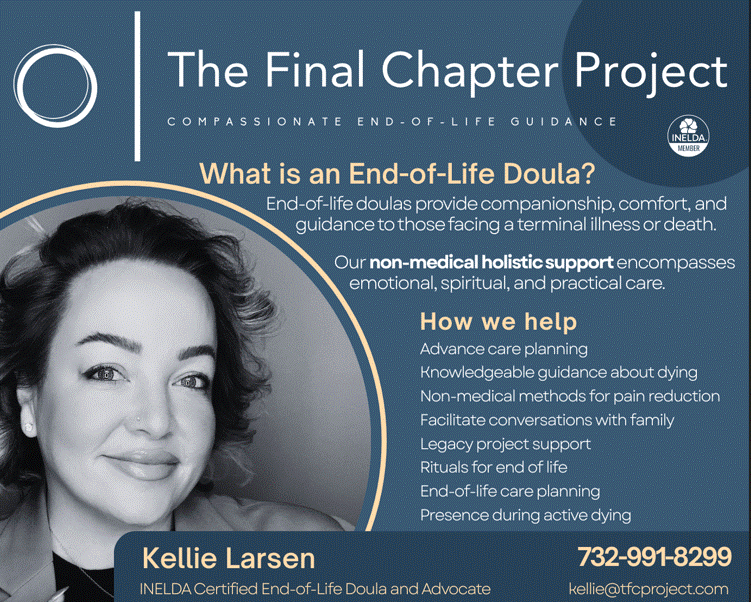
The Final Chapter Project: Kellie Larsen End of Life Doula and Advocate
Non-Medical , , ,Kellie is a compassionate EndofLife Doula dedicated to helping individuals and families navigate the emotional, practical, and spiritual aspects of lifes final chapter. Through The Final Chapter Project, she provides calm, grounded support that honors each persons unique story, values, and wishes. Kellies work centers on creating a peaceful, meaningful experience for both the individual and their loved ones, offering guidance that reduces fear, increases clarity, and brings comfort during one of lifes most vulnerable transitions.Kellies approach blends education, emotional support, legacy work, and personalized planning, ensuring families feel informed, empowered, and never alone. She assists with advance care planning, vigil support, family communication, and the creation of rituals or memorykeeping projects that reflect what matters most to the individual. Her presence is steady and reassuring, helping families navigate uncertainty with dignity and compassion. Kellie believes deeply in the importance of being seen, heard, and supported at the end of life, and she brings that philosophy into every interaction.Serving individuals and families throughout New Jersey, Kellie offers a safe, nonjudgmental space where questions are welcomed, emotions are honored, and each persons journey is respected. Whether providing guidance long before a diagnosis or offering bedside support in the final days, she helps families move through this time with greater peace, connection, and understanding. Learn more about her mission and services at The Final Chapter Project