The Importance of Safe and Accessible Housing for Aging Adults in Colo
May 22, 2026
Colorado - Denver Metro


The Importance of Safe and Accessible Housing for Aging Adults in Colorado
As people grow older, the home environment becomes increasingly important to overall health, comfort, and independence. Features that once seemed minor — stairs, slippery bathrooms, poor lighting, or difficult maintenance tasks — can gradually become serious safety concerns for seniors.
Across Colorado, families are recognizing that safe and accessible housing is essential for healthy aging. Senior housing communities provide environments specifically designed to support mobility, reduce hazards, and create a more manageable daily lifestyle for older adults.
In Lakewood, communities like Carmel Oaks help seniors enjoy stable housing while benefiting from accessibility features and community-centered living.
Why Home Safety Matters More With Age
Falls remain one of the leading causes of injury among older adults.
Traditional homes may contain hidden risks such as:
- Steep staircases
- Narrow hallways
- Poor bathroom accessibility
- Uneven flooring
- Inadequate lighting
- Difficult outdoor maintenance
Even small obstacles can increase injury risks as mobility and balance change over time.
Accessible housing helps seniors move more confidently and safely throughout daily life.
Aging in Place Requires the Right Environment
Many seniors hope to remain independent as long as possible. However, independence often depends heavily on whether housing is appropriate for aging-related needs.
Senior-focused housing communities may provide:
- Step-free access
- Grab bars
- Elevators
- Emergency response systems
- Accessible layouts
- Reduced maintenance responsibilities
These features allow residents to age more comfortably while lowering physical strain.
Lakewood’s Senior-Friendly Atmosphere Supports Aging Adults
Lakewood offers a welcoming environment for retirees and older adults seeking both convenience and community.
Residents enjoy access to:
- Parks and walking trails
- Shopping and dining
- Public transportation
- Healthcare facilities
- Cultural attractions
The city’s proximity to Denver medical systems also provides important healthcare accessibility for seniors.
Housing Stability Supports Emotional Wellness
Safe housing provides emotional security in addition to physical safety.
Older adults who feel secure in their living environment often experience:
- Reduced anxiety
- Better sleep
- Greater confidence
- Increased social engagement
Stable housing can also reduce fears about financial uncertainty or future relocation.
Michelle Kiser shares:
“A supportive housing environment helps seniors feel more comfortable and confident in everyday life. Safe housing creates peace of mind for both residents and families.”
That sense of reassurance can significantly improve overall wellbeing.
Community Living Encourages Social Interaction
Isolation can negatively affect senior health, particularly for older adults living alone.
Community housing creates natural opportunities for social engagement through:
- Shared gathering spaces
- Activities and events
- Neighbor interactions
- Wellness programs
These connections help residents remain emotionally engaged and active.
Accessibility Helps Prevent Falls
Fall prevention is a major benefit of senior-focused housing.
Helpful accessibility features may include:
- Handrails
- Walk-in showers
- Non-slip flooring
- Wide doorways
- Better lighting
- Elevator access
Reducing environmental hazards helps seniors maintain mobility and independence longer.
Financial Predictability Helps Retirees
Many retirees live on fixed incomes and benefit from housing options that provide more stable monthly expenses.
Affordable senior housing may help reduce concerns related to:
- Property taxes
- Unexpected repairs
- Home maintenance costs
- Utility unpredictability
Financial stability contributes to reduced stress and better long-term planning.
Transportation Access Remains Essential
Transportation challenges can affect healthcare access and daily independence for aging adults.
Lakewood’s convenient location helps residents remain connected to:
- Medical appointments
- Grocery stores
- Pharmacies
- Recreation opportunities
- Family and friends
Accessible transportation options help seniors remain engaged in community life.
Families Gain Peace of Mind
Family caregivers often worry about aging parents living alone in homes that may no longer be safe.
Senior housing communities can reduce concerns regarding:
- Falls
- Isolation
- Emergency response
- Household maintenance
- Accessibility limitations
Knowing loved ones live in supportive environments often eases family stress significantly.
Healthy Aging Involves More Than Healthcare
Wellness during retirement depends on many interconnected factors, including:
- Housing safety
- Social connection
- Financial stability
- Physical accessibility
- Emotional wellbeing
The right living environment can positively influence every aspect of aging.
Questions Seniors Should Ask About Housing Accessibility
When evaluating senior housing, important questions may include:
- Are apartments wheelchair accessible?
- Are elevators available?
- What emergency systems are in place?
- Are maintenance services included?
- How is resident safety prioritized?
- What community activities are offered?
Touring communities helps families better understand what environment best fits their needs.
Safe Housing Helps Seniors Maintain Independence and Dignity
Accessible and affordable housing creates opportunities for older adults to age comfortably while remaining active and socially connected.
Carmel Oaks continues supporting Lakewood seniors through housing designed to prioritize safety, accessibility, comfort, and community engagement.
To learn more about senior housing options and aging resources, visit their Seniors Blue Book listing today.
FAQs
Why is accessible housing important for seniors?
Accessible housing helps reduce falls, improve mobility, and support independence as people age.
What safety features are common in senior housing?
Features may include grab bars, elevators, emergency systems, better lighting, and step-free entryways.
Does community living help reduce loneliness?
Yes. Social opportunities and shared spaces encourage interaction and emotional connection.
Why do seniors choose affordable housing communities?
Affordable housing provides financial stability, maintenance-free living, and supportive environments.
Is Lakewood a good city for retirees?
Lakewood offers healthcare access, recreation, transportation, and a welcoming community atmosphere.
Other Articles You May Like
Time to Downsize? A Guide to Right-Sizing Your Home in Ocean County
For many adults approaching retirement or entering their 50s and 60s, the family home represents decades of memories. It may be where children grew up, holidays were celebrated, and neighbors became lifelong friends. Yet as life changes, the home that once fit perfectly may begin to feel like more responsibility than freedom.For homeowners in Ocean County, New Jersey, deciding whether to stay, sell, or move to a smaller property can open the door to a new chapter. From the coastal communities of Long Beach Island (LBI) to Manahawkin, Barnegat, Stafford Township, and beyond, there are many lifestyle factors to consider when choosing where to live next.Working with a knowledgeable local real estate professional such as Carol Grinbaum, Realtor with Better Homes and Gardens Real Estate Murphy & Co., can help homeowners evaluate their options and make informed decisions about their next move.What Does Downsizing Really Mean?Downsizing is often associated with moving into a smaller house. However, for today's active adults over 50, the process is better understood as right-sizing: choosing a home that better matches current priorities, financial goals, and plans for the future.That might mean moving from a four-bedroom colonial to a two-bedroom ranch, trading a large yard for a condominium, or relocating closer to shopping, healthcare providers, family, and recreational activities.Some homeowners may even decide that a smaller property is not the right choice. They may prefer to remain in their current home and make practical improvements instead.The goal is not necessarily to have less space. It is to have a home that supports the life you want to live.Why Ocean County Homeowners Consider a Move After 50Less maintenance, more freedomA large property can require considerable time and money. Lawn care, snow removal, exterior painting, roof repairs, and landscaping may become increasingly burdensome when homeowners would rather spend their time traveling, golfing, visiting family, or enjoying the Jersey Shore.A smaller home may reduce some of those responsibilities, although maintenance obligations vary by property type and community.A different financial pictureSelling a longtime residence may provide an opportunity to access home equity, reduce monthly housing costs, or redirect money toward retirement priorities.However, the financial outcome depends on more than the sale price. Buyers should account for closing costs, moving expenses, property taxes, homeowners insurance, association fees, and potential renovations. Coastal properties may also require additional attention to flood insurance and storm-related risks.A real estate agent can help estimate a property's market value and compare potential alternatives. Financial, legal, and tax professionals can provide guidance on the broader implications of selling.A location that fits the next chapterSome residents want to remain close to the beaches and familiar neighborhoods they love. Others may want to move closer to adult children or choose a community with convenient access to daily services.Manahawkin offers a useful starting point for exploring the mainland near Long Beach Island, while Barnegat, Waretown, Toms River, and other Ocean County communities offer different property types and lifestyles.The best location depends on individual priorities, including transportation, social activities, healthcare access, and the amount of driving a homeowner is comfortable doing.What Housing Options Should You Explore?Ocean County offers several types of homes worth considering. Ranch-style homes: Single-level living may reduce the need to navigate stairs and can make daily routines more convenient. Condominiums: Some offer shared exterior maintenance, although buyers should carefully review association fees, rules, reserves, and responsibilities. Adult communities: Depending on the community, residents may find organized activities, recreational amenities, and opportunities to connect with neighbors. Age requirements and services differ. Smaller single-family homes: These can provide privacy and outdoor space without the upkeep of a larger property. Coastal properties: A home near LBI may support a beach-oriented lifestyle, but buyers should investigate flood exposure, insurance costs, evacuation considerations, and seasonal traffic. No single housing choice works for everyone. Touring different options can help clarify what feels comfortable and practical.How a Realtor Can Help You Make the TransitionSelling a longtime home is both a financial transaction and a personal milestone. A local Realtor can help break the process into manageable steps.Carol Grinbaum can be a starting point for discussing the local real estate market, evaluating a potential sale, and identifying properties that align with a homeowner's goals.A thoughtful moving plan should include: Clarifying priorities. Decide what matters most: fewer stairs, less maintenance, proximity to family, a particular community, or access to coastal recreation. Understanding the property's value. Review comparable sales and current competition rather than relying solely on online estimates. Estimating the full cost of moving. Consider selling expenses, purchasing costs, taxes, insurance, repairs, and monthly carrying costs. Planning the timeline. Determine whether you need to sell before buying, whether temporary housing might be necessary, and how much time you need to sort belongings. Preparing the property. Focus on repairs, decluttering, and presentation that make sense for the home's likely market. Suggested quote for Carol's approval: Downsizing is about finding the right fit for the next stage of life. Understanding what matters most to you helps guide the search toward a home that supports your lifestyle, comfort, and long-term plans.Don't Overlook the Emotional Side of DownsizingLeaving a family home can bring unexpected emotions. A dining room may hold memories of celebrations, while a backyard may represent years of watching children play.Rather than rushing the process, homeowners can begin by identifying the belongings they most want to preserve. Family photographs, heirlooms, and meaningful furniture can be prioritized while duplicate items and things no longer needed are gradually sorted.Adult children may want to help, but the homeowner should remain central to decisions whenever possible. The process is more likely to feel positive when it reflects the person's own preferences.For homeowners who need additional support, professional organizers, movers, and trusted family members can help make the transition more manageable.Frequently Asked QuestionsWhen should I start planning to downsize in Ocean County?Starting several months or even a year before a desired move can give you time to understand the market, compare housing options, organize belongings, and coordinate finances. The right timeline depends on your circumstances.Is Manahawkin a good place to consider when moving closer to LBI?Manahawkin is located on the mainland near Long Beach Island and may appeal to people who want access to Shore activities without living directly on the barrier island. Individual commute times, property costs, and lifestyle preferences should guide the decision.Should I buy my next home before selling my current one?That depends on your finances, available equity, lending options, and local market conditions. Discuss the risks and logistics with your real estate agent and lender before deciding.Are adult communities the same as assisted living?No. Adult communities generally provide residential housing, sometimes with age restrictions and shared amenities. Assisted living provides support services for eligible residents who need help with daily activities. Confirm the specific services and requirements of any property.How do I find a Realtor familiar with Ocean County?Review the agent's service area, communication approach, and experience with the property type and transaction you are considering. Carol Grinbaum's Seniors Blue Book listing provides a place to start.Take the First Step Toward Your Next ChapterWhether you are preparing to sell a longtime family home, exploring a smaller property, or considering a move closer to the Jersey Shore, thoughtful planning can make the transition easier.Visit Carol Grinbaum, Realtor's Seniors Blue Book listing to learn more about her real estate services and explore whether she is the right resource for your Ocean County housing plans. More information: Carol Grinbaum, Realtor Seniors Blue Book Listing
Housing Placement & Resource Specialists in Fairhope, AL
A family searching for senior housing can quickly accumulate a long list of names without feeling any closer to a decision. One community may suit the budget but not the assistance needed. Another may look appealing online yet be inconvenient for visits or appointments. Comparing those details takes time, especially during a sudden change in circumstances.Housing placement and resource specialists in Fairhope, AL help families organize that search. Prime Senior Placement Mobile and Baldwin County provides local senior living guidance, including support with identifying options and navigating a move. The value of the process begins with a clear description of the person who will live in the community.What housing placement specialists doA placement specialist helps turn preferences, budget, location, and support needs into a more focused housing search. Families can use that assistance to identify questions, arrange visits, and compare the information they receive.The specialist does not replace a communitys admission assessment or make every decision for the family. Ask how information is gathered, what options are considered, and how the final choice remains with the older adult and the authorized decision-makers.Identify the decision before choosing the addressStart by clarifying whether the person wants a different lifestyle, needs more daily help, or is facing a care transition. Those are related concerns, but they do not necessarily lead to the same setting.Describe the current routine, what has become difficult, and which priorities are nonnegotiable. A useful search brief might include proximity to family, an accessible bathroom, a comfortable monthly budget, and the assistance the person needs now.Prime Senior Placement serving FairhopePhone: 251-277-3338A process built around the householdPrimes official local page describes beginning with preferences, budget, lifestyle, and community fit. It then outlines narrowing the search, helping coordinate introductions and tours, supporting comparisons, and assisting through the transition and later questions. Ask how that process would apply to your situation. If there is a short timeline, explain the deadline. If you are planning ahead, ask which steps can be completed now without committing to a move.The local page identifies Jennifer Scott as a senior placement specialist serving Baldwin and Mobile counties. When calling, ask who will handle the search and how the family will receive updates.Understanding the no-cost servicePrime describes its placement guidance as free to families. That refers to the guidance, not the cost of housing or care.Ask how the service is compensated, which communities are included in its referral network, and whether options outside that network will be discussed. Request a clear explanation before sharing information or arranging tours so the family understands the scope of the recommendations.Turn recommendations into a useful comparisonAfter receiving suggested communities, request the reasons each option was included. Ask what has been confirmed directly and what still needs to be established through a tour or admission assessment.Useful comparison points include:Ability to meet the persons current support needsWritten costs and potential additional chargesAvailable apartment or room layoutLocation and transportation arrangementsPolicies for changing needs or a future moveThe residents own comfort with the settingKeep notes using the same questions for each visit. A consistent comparison makes it easier to see meaningful differences rather than choosing solely on first impressions.Why local placement guidance matters in FairhopeFor families on the Eastern Shore, a housing choice can affect how often relatives visit and how appointments are managed. A Fairhope location may be important, but some households may want to compare options in Daphne, Spanish Fort, or another part of Baldwin or Mobile County.Discuss those boundaries early. Explain which trips the family can realistically make, whether the resident relies on someone else to drive, and what connections they want to maintain.Local guidance is most useful when it translates those preferences into questions about actual daily life. Ask how a suggested community fits the persons routines, budget, and support network instead of relying only on a broad description of amenities.How to get started1. Prepare a short summary of current needs, preferred location, budget, and timeline.2. Call Prime Senior Placement at the Seniors Blue Book number, 251-277-3338.3. Explain who is involved in the decision and how the prospective resident wants to participate.4. Ask about the services scope, compensation, community network, and communication process.5. Review recommendations, visit appropriate communities, and request written costs directly.6. Confirm admission suitability with the selected community and review its agreement before committing.7. Ask what transition support and follow-up Prime will provide.Practical tip: Separate essential requirements from preferences. That helps the specialist narrow the search while preserving the features that matter most to the resident. Related categoriesAssisted Living in Fairhope Independent Living in Baldwin County
55+ Communities in Monmouth and Ocean: What Should Seniors Look For?
55+ Communities in Monmouth and Ocean Counties: What Seniors Should Look For Beyond the AmenitiesA swimming pool.A clubhouse.A fitness center.A golf course.Those features may appear prominently in advertisements for 55+ communities across New Jersey, but choosing the right community involves much more than checking off a list of amenities.For older adults considering an active-adult or 55+ community in Monmouth or Ocean County, the most important question may be:Will this community fit the way I actually want to live?That requires looking beyond the brochure.Start With Your LifestyleImagine an ordinary Tuesday rather than a Saturday afternoon open house.Where will you have coffee?Where will you grocery shop?How far will you drive to see your children?Will you participate in clubs?Do you want neighbors who are socially active?Would you use a pool or fitness center?How important is golf?Do you want easy access to restaurants?These questions can reveal more than a list of amenities.Monica Reddin specializes in working with buyers age 55 and older and holds the Seniors Real Estate Specialist designation.Not All 55+ Communities Are the SameThe term 55+ community covers a wide variety of housing environments.Some are large developments with extensive amenities and hundreds or thousands of residents.Others are smaller neighborhoods.Some emphasize golf.Others focus on clubs, pools, fitness or social activities.There are communities where homeowners own single-family homes, while others offer condominiums, villas or attached residences.Homeowners should compare the details carefully.Five Questions to Ask Before Buying1. What Are the Monthly Costs?The purchase price is only one piece of the financial picture.Ask about: HOA fees Community fees Property taxes Special assessments Maintenance responsibilities Recreation fees Transfer fees Other recurring expenses Understand what is included before making a decision.2. What Does the HOA Cover?A lower-maintenance lifestyle can be a major reason for moving to an active-adult community.But low maintenance can mean different things in different communities.Find out who handles landscaping, exterior maintenance, snow removal, roofs, roads and other responsibilities.3. What Is the Community Actually Like?Visit when residents are actually there.Talk to people.Observe whether neighbors gather outdoors.Ask about clubs and activities.Look at community calendars.A community can have dozens of amenities, but if they do not align with your interests, they may not add much value to your lifestyle.4. How Close Is Everything Else?A clubhouse may be five minutes away, but what about the grocery store?What about restaurants?Healthcare?Family?Places of worship?Golf?The beach?Shopping?Theater?Location outside the community matters just as much as what is inside it.5. What Happens If Your Needs Change?No one can predict exactly what life will look like 10 years from now.That does not mean buyers should make decisions based on worst-case scenarios.But it is reasonable to consider future flexibility.Is the home easy to navigate?Are there stairs?Could a first-floor bedroom work?How accessible are bathrooms?Could the home accommodate changing mobility needs?Monmouth and Ocean County Offer Different Lifestyle ChoicesThe Central Jersey and Jersey Shore region gives prospective buyers many options.A senior who loves Red Bank's restaurants, shops and cultural atmosphere may have different priorities from someone who wants a quieter community near golf.Someone who wants to remain near Middletown may prioritize proximity to family and familiar services.Another buyer may prefer Freehold, Howell, Toms River, Brick or Jackson.Monica's professional experience throughout Monmouth and Ocean Counties can help buyers compare communities based on both property characteristics and lifestyle priorities.Consider the Social SideOne of the potential benefits of an active-adult community is having built-in opportunities to meet people.That can matter significantly after retirement or following a move.Look at the actual activities available: Card groups Fitness classes Pickleball Golf Walking groups Book clubs Arts and crafts Volunteer opportunities Dining groups Holiday events Educational programs But remember that a schedule on a website does not necessarily tell the whole story.Ask residents what they actually participate in.A REALTOR Can Help Compare the Whole PictureSearching online can provide a tremendous amount of information, but it can also make the process confusing.A senior-focused real-estate professional can help organize the search around the buyer's priorities.Monica's professional background includes extensive experience in business and finance, followed by her real-estate career. Her current professional credentials include SRES and ABR designations.Her approach is centered on understanding the client's needs rather than simply matching a buyer with a property.As Monica says:Understanding the challenges that come with moving to a new town, not just a new home, I work closely with my clients to ensure their transition is smooth and enjoyable.Frequently Asked QuestionsWhat should seniors look for in a 55+ community?Look beyond amenities. Consider monthly costs, maintenance responsibilities, location, social opportunities, home design, accessibility and proximity to family and services.Are all 55+ communities in New Jersey the same?No. Communities vary substantially in size, housing styles, amenities, HOA structures, fees, activities and location.Is a 55+ community appropriate for someone who wants to stay active?It can be an option for people seeking an active-adult lifestyle, but each community should be evaluated individually based on its amenities and social environment.What questions should I ask before buying in a 55+ community?Ask about HOA fees, maintenance, taxes, assessments, community rules, amenities, activities, resale considerations and what is included in the monthly costs.How can I find a REALTOR who understands 55+ communities?Look for a REALTOR with experience working with older adults and specialized credentials such as the Seniors Real Estate Specialist designation.Learn MoreThinking about a move to a 55+ or active-adult community? Learn more about Monica Reddin's senior real-estate services through her Seniors Blue Book Listing: Homepage - MonicaReddin
Local Services By This Author
Carmel Oaks
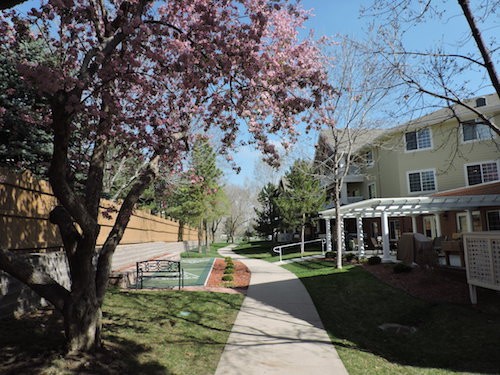
Housing - Other Types 1811 South Harlan Circle, Lakewood, Colorado, 80232Are you seeking a vibrant and engaging retirement lifestyle? Carmel Oaks in Lakewood is the perfect destination for active adults aged 55 and older who want to embrace independent living with ease and comfort. Our welcoming community is designed to support a fulfilling and carefree lifestyle, giving you the freedom to pursue your passions while enjoying the convenience of modern amenities and services.Experience Independent Living at Its BestAt Carmel Oaks, independent living means having the best of both worldsfreedom from home maintenance and the opportunity to engage in a lively community. With 81 thoughtfully designed residences and 15 unique floor plans to choose from, you can select the perfect space that suits your needs. Whether you prefer a cozy one-bedroom or a spacious two-bedroom, every home at Carmel Oaks features full-size kitchens, private patios or balconies, washers and dryers, and a welcoming atmosphere.A Vibrant Community for Active AdultsLiving at Carmel Oaks means embracing an active lifestyle filled with engaging activities and social opportunities. Our community fosters wellness, independence, and personal growth, offering a variety of events, clubs, and programs to suit diverse interests. Whether you enjoy fitness classes, arts and crafts, group outings, or simply socializing with like-minded neighbors, there is always something happening at Carmel Oaks.Carefree Living with Exceptional AmenitiesAs a premier active adult rental community, Carmel Oaks provides a host of amenities and services that make everyday living effortless. Included with your residence are:Weekday Continental Breakfast Start your day with a delicious, hassle-free breakfast.Four Dinners included each month - Select four dinners of your choice with the option to add additional dinners for $16 each.Utilities Included Enjoy peace of mind with essential utilities covered in your rental package.Limited Monthly Housekeeping Keep your home fresh and tidy without lifting a finger.Maintenance-Free Living No need to worry about home repairs or yard workour team handles it for you.A Prime Location in LakewoodLocated in the heart of Lakewood, Carmel Oaks offers easy access to everything you need. Whether you want to explore local parks, dine at nearby restaurants, or shop at convenient retail centers, youll find it all just minutes away. The communitys prime location also provides easy access to cultural attractions, healthcare facilities, and recreational opportunities, making it an ideal place for active seniors who want to stay connected to the surrounding area.Why Choose Carmel Oaks?Active Adult Lifestyle Engage in activities that promote physical, social, and emotional well-being.Spacious Floor Plans Choose from a variety of residences with modern designs and ample space.Convenient Services Enjoy the ease of included utilities, housekeeping, and maintenance.Sense of Community Build lasting friendships and connections with like-minded neighbors.Prime Location Experience the best of Lakewoods shopping, dining, and entertainment options.Schedule a Visit Today!Come see for yourself why Carmel Oaks is the premier choice for active adult independent living in Lakewood. Our friendly team is happy to provide a tour, answer your questions, and help you envision the lifestyle you deserve.Embrace freedom, convenience, and vibrant living at Carmel Oaksyour perfect home for an active and independent lifestyle!
Carmel Oaks
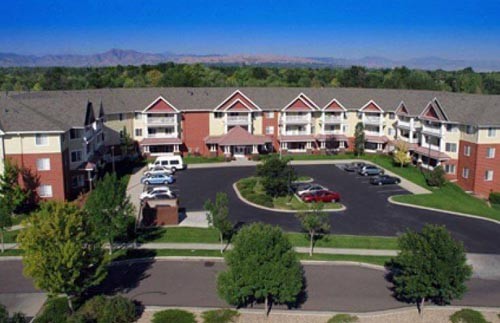
Independent Living 1811 South Harlan Circle, Lakewood, Colorado, 80232Carmel Oaks offers a premier independent living experience tailored for active adults aged 55 and over. As a thriving rental community, Carmel Oaks provides a maintenance-free lifestyle, allowing residents to embrace the joys of retirement without the burdens of homeownership.Exceptional Independent Living in LakewoodCarmel Oaks is more than just a place to liveits a vibrant community designed to support an engaging and fulfilling lifestyle. Whether youre looking to downsize, enjoy new social opportunities, or simply relax in a welcoming environment, Carmel Oaks delivers everything you need for a worry-free, independent living experience.Spacious and Comfortable Apartment HomesOur beautifully designed apartments offer a blend of comfort and convenience, featuring open layouts, modern kitchens, and ample storage space. Each residence is designed with safety and ease of living in mind, ensuring you feel at home from the moment you arrive.Maintenance-Free LivingOne of the greatest benefits of choosing independent living at Carmel Oaks is the maintenance-free lifestyle. Say goodbye to the hassles of home repairs, lawn care, and shoveling snow. Our dedicated team takes care of these tasks, giving you more time to focus on what truly mattersenjoying life to the fullest.A Community Built for Social ConnectionAt Carmel Oaks, we believe that social engagement is a vital part of healthy aging. Our community offers a dynamic calendar of events, activities, and clubs designed to foster friendships and create meaningful experiences. From group outings and fitness classes to arts and crafts, theres always something exciting happening right outside your door.Amenities Designed for Your EnjoymentOur independent living community is designed with thoughtful amenities that enhance everyday living. Residents at Carmel Oaks enjoy:A beautifully maintained courtyard and outdoor spacesA cozy community lounge for social gatheringsFitness and wellness programsA library filled with books for leisure readingOn-site dining options and meal servicesScheduled transportation for shopping, medical appointments, and local outingsConvenient Location in LakewoodCarmel Oaks is perfectly situated in Lakewood, offering easy access to a variety of local attractions, shopping centers, and healthcare facilities. Whether you want to explore the vibrant arts scene, visit nearby parks and walking trails, or enjoy fine dining, everything you need is just minutes away. Plus, the communitys close proximity to Denver ensures that residents can take advantage of all the cultural and entertainment opportunities the city has to offer.Personalized Support and a Caring StaffOur team at Carmel Oaks is dedicated to ensuring residents feel comfortable, valued, and supported. We pride ourselves on fostering a welcoming atmosphere where residents can create lasting friendships and enjoy a sense of belonging. From friendly staff members to a community of like-minded individuals, Carmel Oaks offers a warm and inviting environment.A Lifestyle of Freedom and FlexibilityIndependent living at Carmel Oaks provides the perfect balance of autonomy and community support. Without the responsibilities of home maintenance, residents have the flexibility to travel, pursue hobbies, and spend more time doing what they love. Whether youre an outdoor enthusiast, a lifelong learner, or someone who enjoys social gatherings, our community is designed to support your lifestyle and interests.Experience Carmel Oaks for YourselfIf youre looking for a premier independent living community in Lakewood, CO, Carmel Oaks is the perfect place to call home. Schedule a tour today and discover how our welcoming community, outstanding amenities, and commitment to resident satisfaction can enhance your retirement lifestyle. Come experience the comfort, convenience, and camaraderie that make Carmel Oaks a truly exceptional independent living community.