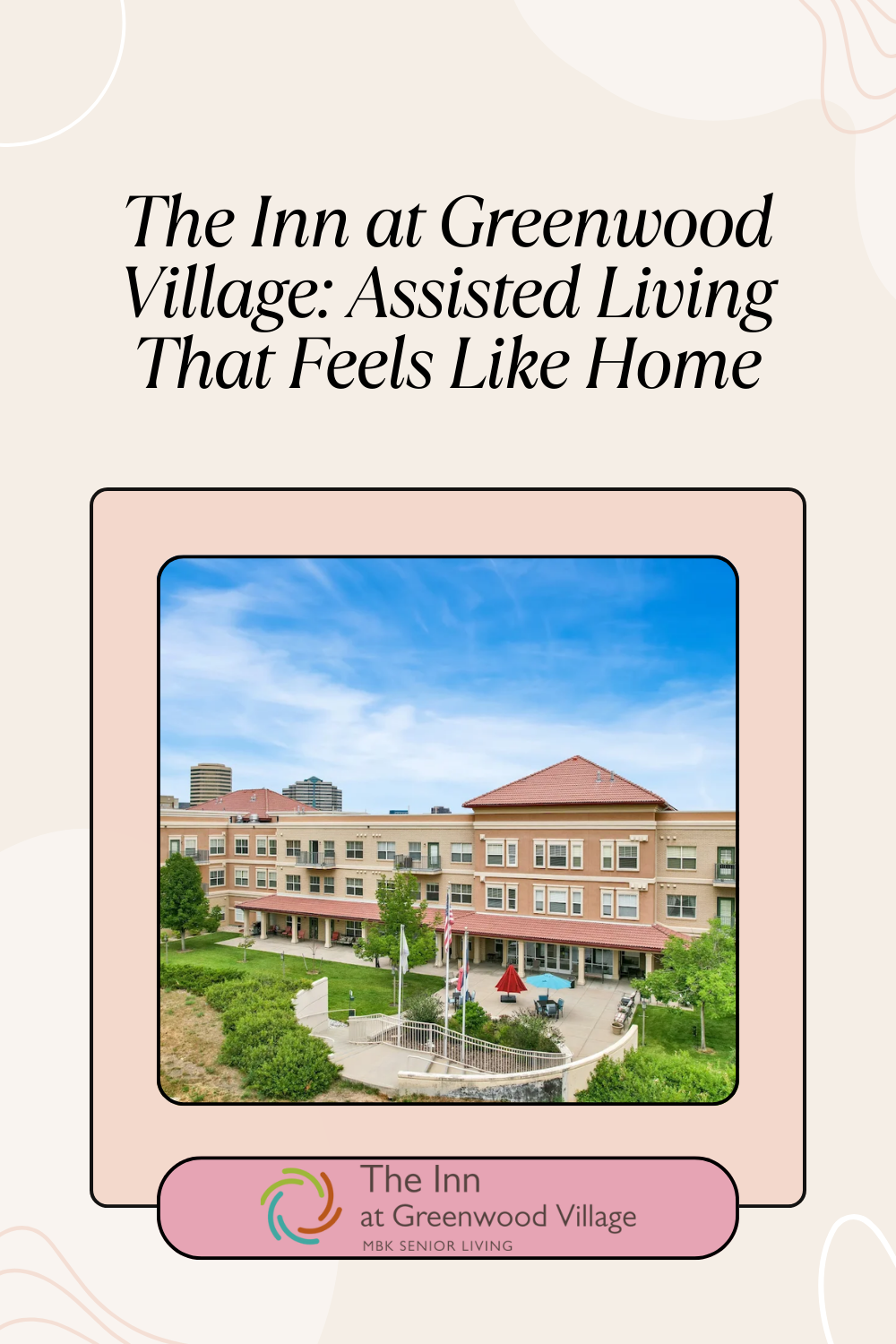
The Inn at Greenwood Village: Assisted Living That Feels Like Home
The Inn at Greenwood Village
For more information about the author, click to view their website: The Inn at Greenwood Village
Aug 26, 2025
Colorado - Denver Metro

Email US
Click to Email Us
The Inn at Greenwood Village: Assisted Living That Feels Like Home
For families searching for a senior living community that balances comfort, care, and connection, The Inn at Greenwood Village stands out as a trusted choice. Located in the peaceful Denver Tech Center neighborhood, this community offers a lifestyle that blends independence with support, creating a safe and vibrant environment where residents feel truly at home.
A Residence Designed with You in Mind
From the moment you step into The Inn, you’re welcomed by elegant interiors, inviting common spaces, and the warmth of a home-like atmosphere. Residents enjoy thoughtfully designed apartments, available in studio, one-bedroom, or two-bedroom layouts. Each space includes features such as kitchenettes, private bathrooms with safety enhancements, and climate control—allowing residents to live independently while still benefiting from personalized care and community support.
Living Well, With Everyday Convenience
One of the greatest advantages of living at The Inn is the freedom from daily chores. Services like housekeeping, laundry, and maintenance allow residents to spend more time doing what they love. Whether it’s relaxing with friends, enjoying community activities, or exploring new hobbies, residents gain peace of mind knowing that everyday tasks are taken care of.
Dining That Nourishes Body and Spirit
At The Inn, mealtime is more than nutrition—it’s an experience. Residents enjoy restaurant-style dining with menus prepared to support both health and taste. Special meals, themed dining events, and social gatherings around the table help create an atmosphere where food becomes a source of connection and joy. For those who prefer a quick bite, casual dining options are also available, ensuring flexibility and choice every day.
A Vibrant Calendar of Activities
Life at The Inn is lively and engaging, with a calendar filled with opportunities for connection, learning, and fun. Residents can participate in activities such as:
-
Fitness and wellness programs, including yoga and balance training
-
Arts, crafts, and quilting groups
-
Book clubs and current events discussions
-
Music, cultural events, and live entertainment
-
Social outings to nearby shops, restaurants, and attractions
Technology and engagement tools are also available, ensuring residents can stay connected to loved ones and participate in innovative activities.
Comfort in Every Corner
The community is designed to encourage both relaxation and connection. Amenities include:
-
A welcoming sunroom filled with natural light
-
A cozy parlor lounge with a fireplace for socializing
-
A beauty salon and barbershop for on-site convenience
-
Outdoor courtyards and walking paths for fresh air and exercise
-
Pet-friendly spaces to welcome beloved companions
Every detail is thoughtfully planned to create a warm, safe, and inviting atmosphere.
Location That Offers the Best of Both Worlds
The Inn at Greenwood Village offers the tranquility of a suburban neighborhood with the convenience of nearby city amenities. Residents enjoy easy access to medical offices, shopping centers, and cultural experiences. Families also appreciate the community’s proximity to highways and major services, making visits easy and enjoyable.
Personalized Care, Delivered with Respect
At the heart of The Inn is a commitment to person-centered care. Each resident receives a customized care plan designed to support their independence while addressing their specific needs. This includes:
-
Assistance with daily living activities
-
Medication reminders and monitoring
-
Scheduled transportation for medical appointments, errands, and outings
-
Ongoing communication with families to ensure peace of mind
The dedicated staff builds meaningful relationships with residents, ensuring that every interaction is guided by respect, empathy, and compassion.
Building a True Community
The Inn at Greenwood Village is more than just a residence—it’s a community where friendships thrive. Residents are encouraged to participate in group activities, share meals, and celebrate milestones together. Family members are always welcome to join in events, creating an environment where loved ones feel involved and connected.
Why Families Choose The Inn at Greenwood Village
Families consistently choose The Inn because it offers:
-
Comfortable apartments designed for independence and safety
-
Engaging lifestyle programs that inspire connection and fulfillment
-
Nutritious, chef-prepared meals that bring people together
-
Personalized care plans that adapt to changing needs
-
Beautiful community spaces that encourage relaxation and socialization
-
Convenient location close to healthcare, shopping, and cultural opportunities
These qualities create an assisted living experience that balances independence with peace of mind.
At a Glance: Community Features
| Feature | Benefits for Residents |
|---|---|
| Spacious Apartments | Privacy and comfort with home-like features |
| Housekeeping & Maintenance | Freedom from chores and daily worries |
| Dining Services | Nutritious meals in a welcoming, social setting |
| Activities & Programs | Opportunities for engagement, wellness, and fun |
| Community Amenities | Safe, inviting spaces for connection and relaxation |
| Personalized Care | Dignity-focused support tailored to individual needs |
A Place to Call Home
Ultimately, The Inn at Greenwood Village is a place where seniors can thrive. It offers the security of supportive care, the joy of meaningful engagement, and the comfort of a true home. Residents experience a community where every day brings new opportunities for connection, relaxation, and fulfillment.
Conclusion: Living Well at The Inn
Choosing the right senior living community is a significant decision—for both seniors and their families. The Inn at Greenwood Village makes that choice easier by providing a warm, welcoming environment where residents are supported, engaged, and respected.
If you’re seeking a community that blends independence with care, elegance with comfort, and activity with relaxation, The Inn at Greenwood Village is ready to welcome you. Schedule a personal tour today and see how this assisted living community can make each day brighter.
Other Articles You May Like
Choosing Assisted Living With Confidence in Mobile, AL
Choosing Assisted Living With Confidence in Mobile, ALChoosing an assisted living community is one of the most important housing decisions an older adult and their family may make.The process often begins with a simple realization. Perhaps preparing meals has become difficult, household responsibilities are becoming overwhelming, or an older parent needs more assistance than relatives can consistently provide.For families in Mobile, Alabama, the next step involves comparing available senior living communities and deciding which environment offers the right combination of independence, personal assistance, comfort, and affordability.But how can families determine which community is the best fit?A welcoming appearance is important, but so are caregiver availability, apartment choices, activities, dining arrangements, and the ability to accommodate changing needs.Kauhale Port City, located on Morrison Drive in Mobile, provides assisted living and memory care in a residential setting focused on personalized assistance and meaningful daily experiences.The community offers multiple apartment layouts, around-the-clock caregiver staffing, chef-prepared dining, scheduled transportation, and opportunities for social engagement.For older adults considering a transition from independent living at home, understanding what to look for and which questions to ask can help make the decision less stressful.What Is Assisted Living?Assisted living is a residential senior housing option for adults who need support with certain everyday activities but do not necessarily require continuous skilled nursing care.Residents maintain a degree of independence while having access to assistance based on their individual needs.Common Services in Assisted LivingThese may include:Assistance with bathing and dressingGrooming and personal careMedication administrationMobility supportPrepared mealsHousekeepingLaundry servicesScheduled transportationRecreational programmingSocial activitiesEmergency assistance systemsAccess to caregivers throughout the day and nightAssisted living communities vary in the services they provide.Families should confirm exactly which types of assistance are available and whether additional charges apply.When Should Families Start Exploring Assisted Living?Waiting until an emergency occurs may limit housing choices and make the transition more difficult.Beginning the conversation early allows older adults to participate in decisions about their future.Household Responsibilities Are Becoming DifficultCleaning, shopping, cooking, and maintaining a home may require increasing effort.A community that provides meals and housekeeping can reduce some of these responsibilities.Personal Assistance Is Needed More FrequentlyAn older adult may begin needing help with bathing, dressing, medication routines, or moving safely around the home.Social Opportunities Have DecreasedRetirement, transportation challenges, or the loss of friends may limit opportunities for social interaction.A senior living community may offer more consistent access to group activities and companionship.Family Caregiving Has Become More DemandingRelatives may find it difficult to balance caregiving with employment, household responsibilities, and their own health.Professional assistance can help meet the older adult's needs while allowing family members to focus on their relationships.The Older Adult Wants a Simpler LifestyleSome seniors choose assisted living because they want fewer household responsibilities and more opportunities to enjoy daily activities.The decision does not always begin with a major health concern.Kauhale Port City in Mobile, AlabamaKauhale Port City is an assisted living and memory care community located at 4720 Morrison Drive in Mobile.The community is managed by Kauhale Health and provides residential services designed to support older adults with different daily living needs.Its approach emphasizes individualized assistance, maintenance-free living, and opportunities for meaningful engagement.Twenty-Four-Hour Caregiver StaffingKauhale Port City advertises trained caregiver staffing 24 hours a day, seven days a week.Residents can receive appropriate assistance with personal care, mobility, and other everyday tasks according to their needs.The community also provides an emergency call system.Families should ask how residents request assistance, what staffing looks like overnight, and how emergencies are handled.Personalized Personal CareAssisted living residents may require different levels of assistance.One resident may need occasional help getting dressed.Another may need more consistent support with medications or mobility.Kauhale Port City advertises personal care assistance, medication administration, and mobility support.A resident assessment can help determine which services are appropriate.Comfortable Apartment OptionsKauhale Port City offers several assisted living floor plans.The community's official website lists:Studio apartmentsOne-bedroom apartments, Layout AOne-bedroom apartments, Layout BTwo-bedroom apartmentsThese choices may help residents select accommodations suited to their belongings, preferences, and budget.Apartment availability and accessibility features should be confirmed during a tour.Dining and NutritionThe community provides three chef-prepared meals daily.Residents can enjoy meals in a shared dining environment, and guest dining is available.Kauhale Port City also advertises dietician support and the ability to accommodate individual dietary preferences and medical needs.Families should discuss allergies, dietary restrictions, and any assistance required during meals.Housekeeping and MaintenanceA maintenance-free lifestyle allows residents to reduce routine responsibilities such as yardwork and household upkeep.The community also provides personal laundry services.Families should confirm which housekeeping and laundry services are included in the monthly rate.Activities and Social EngagementKauhale Port City offers a calendar of activities designed to encourage interaction and personal enjoyment.Residents may choose opportunities that reflect their interests and abilities.Social programming can be especially appealing to seniors who previously spent much of the day alone.Outings and TransportationThe community advertises arranged transportation and group outings.These may include shopping, restaurants, community events, and medical appointments.Families should ask how transportation is scheduled and whether certain trips involve additional fees.Salon ServicesOnsite salon services are available for hair care, manicures, and pedicures.These services may involve additional charges.Pet-Friendly LivingKauhale Port City welcomes pets under its community policies.For older adults who have lived with a beloved animal for years, this can be an important consideration.The official website lists a one-time pet fee of $350.Families should confirm current pet policies and applicable charges.Respite and Short-Term StaysKauhale Port City advertises vacation and respite stays.These may be useful when a family needs temporary residential support for an older adult.Its published assisted living information lists respite pricing of $200 per day.Availability, minimum stay requirements, and services included should be verified directly.Verified Kauhale Port City Contact InformationKauhale Port CityAddress: 4720 Morrison Drive, Mobile, AL 36609Phone: 251-380-0053Website: https://kauhaleportcity.com/Living Options: Assisted Living and Memory CareApartment Options: Studio, one-bedroom, and two-bedroomServices: Personal care assistance, medication administration, mobility support, meals, transportation, activities, laundry, and other residential services.Families can contact the community to request current pricing and arrange a tour.Why Assisted Living Matters Locally in Mobile CountyMobile County includes a variety of residential neighborhoods and an established older adult population.Some residents have lived in their homes for decades, while others have relocated to be closer to family.As healthcare needs and household responsibilities change, assisted living can provide an alternative to remaining alone at home.Remaining Close to Familiar CommunitiesKauhale Port City's Morrison Drive location offers a residential senior housing option within Mobile.For families living in the city and surrounding communities, local placement may make visits and regular communication more convenient.Reducing Transportation ChallengesSome older adults eventually stop driving or become less comfortable traveling independently.A community offering arranged transportation can help residents participate in outings and attend scheduled appointments.Encouraging Community ConnectionsMobile residents may enjoy shopping, dining, cultural events, and opportunities to spend time with family.Organized activities and transportation may help senior living residents remain engaged.Supporting Changing Care NeedsOlder adults may initially require limited assistance but develop additional needs over time.Families should ask how the community evaluates changes and whether continued residence remains appropriate.Choosing the Right Apartment in Assisted LivingSelecting an apartment involves more than deciding how much space is needed.A suitable floor plan should support comfort, accessibility, and personal preferences.Studio ApartmentsA studio combines living and sleeping space.This may appeal to residents who prefer a compact layout and minimal housekeeping responsibilities.One-Bedroom ApartmentsOne-bedroom accommodations generally provide separate sleeping and living areas.They may suit individuals who prefer more privacy between different activities.Two-Bedroom ApartmentsA two-bedroom layout may appeal to residents who want additional space for personal belongings or other permitted arrangements.Families should confirm occupancy rules and available configurations.What to Check During a TourMeasure or review:Doorway widthsBathroom accessibilityStorage spaceLightingWalking pathsLocation of emergency call systemsFurniture placementDistance to dining and activity areasAn apartment should feel comfortable while supporting safe movement.How to Compare Assisted Living CostsThe advertised monthly rate is only one part of the financial picture.Families should understand how each community calculates charges.Published Starting PriceKauhale Port City's Seniors Blue Book assisted living listing advertises a starting price of approximately $3,152 per month.This is a published reference rate, not a guaranteed current quote.Actual pricing depends on apartment availability and the resident's care needs.One-Time Community FeeThe official assisted living webpage lists a one-time community fee of $2,500.Second Resident FeeThe community publishes a second-resident fee of $850.Families should ask how this applies to shared occupancy and whether recurring charges are also assessed.Optional ChargesAdditional fees may apply for:Salon servicesCertain activities or outingsContinence managementRespite staysPet accommodationsAsk for a Written EstimateRequest a detailed explanation of:Base monthly rentPersonal care chargesMedication-related feesCommunity feesOptional servicesRefund policiesRate increasesContract termination termsClear financial information can help families compare communities more effectively.Understanding Assisted Living Payment OptionsAssisted living is commonly funded through private resources.Some individuals may also qualify for assistance from long-term care insurance or other applicable programs.Kauhale Port City's Seniors Blue Book listing identifies private pay and long-term care insurance as payment options.Does Medicare Pay for Assisted Living?Medicare generally does not cover assisted living room and board.However, certain medically necessary healthcare services may be covered separately when eligibility requirements are met.Long-Term Care InsuranceSome policies provide benefits for assisted living.Coverage depends on the policy's terms and the resident's eligibility.Reviewing the Full Household BudgetFamilies should compare the cost of assisted living with current housing expenses.Consider utilities, groceries, maintenance, transportation, and any paid assistance already being used at home.A qualified financial professional may help when decisions involve complex assets or long-term planning.Why Social Activities Matter in Assisted LivingMoving into assisted living introduces opportunities for regular interaction.Social engagement may help residents feel connected to the people around them.Dining With NeighborsShared meals can offer daily conversation and companionship.Organized ActivitiesResidents may participate in crafts, games, celebrations, and other activities according to their preferences.Community OutingsScheduled trips provide opportunities to remain connected with the broader community.Maintaining Personal InterestsSome residents enjoy group activities, while others prefer quieter hobbies.A supportive community should recognize individual preferences.Family ParticipationVisits and shared experiences can help residents maintain relationships with loved ones.Assisted Living and Future Memory Care NeedsKauhale Port City offers both assisted living and memory care.These are different levels of residential support.Assisted LivingAssisted living focuses primarily on helping older adults with daily activities while encouraging independence.Memory CareMemory care is designed for individuals living with Alzheimer's disease and related dementias who need specialized support.Kauhale Port City offers the ASAP memory care program, which stands for Awakening the Subconscious of the Alzheimer's Patient.Families whose loved ones have early cognitive concerns should ask how the community assesses suitability for assisted living and how transitions between care settings are handled.Availability of both services does not guarantee that every future care need can be accommodated.Questions to Ask During an Assisted Living TourA community tour should provide an opportunity to gather information, not simply view the building.Questions About StaffingAre caregivers available overnight?How do residents request help?What training do caregivers receive?How are emergencies handled?Questions About Daily LivingHow are personal care plans developed?Can residents maintain their preferred routines?What assistance is included in the monthly fee?How are changes in care needs evaluated?Questions About ApartmentsWhich layouts are currently available?Are apartments accessible for walkers or wheelchairs?What furnishings can residents bring?Are pets permitted?Questions About Community LifeMay families join residents for meals?What activities are offered?How are outings scheduled?Can residents choose whether to participate?Questions About Financial ArrangementsWhat is the total estimated monthly cost?Which services cost extra?Are there move-in fees?How are future rate changes communicated?Writing down the answers can make comparing communities easier.Planning a Successful Move to Assisted LivingA thoughtful moving plan can help reduce uncertainty.Include the Older Adult in DecisionsWhenever possible, the future resident should participate in selecting the apartment, furniture, and personal belongings.Measure the New SpaceReview the floor plan before deciding which furniture to move.Bring Familiar ItemsPhotographs, favorite bedding, decorations, and meaningful possessions can help personalize the apartment.Organize Medical InformationPrepare medication lists, healthcare contacts, emergency information, and relevant records.Communicate Personal PreferencesShare daily routines, food preferences, mobility needs, and favorite activities with the care team.Allow Time for AdjustmentA new living environment may feel unfamiliar initially.Families should offer reassurance and remain involved during the transition.Expert Tip for Families Comparing Assisted LivingExpert Tip: Ask every community you tour to prepare an estimated monthly cost based on your loved one's actual needs, not just the advertised apartment rate. Compare the total price, caregiver assistance, medication services, and additional fees before making a decision.This approach can help prevent misunderstandings and make the comparison more meaningful.How to Get Started With Kauhale Port CityStep 1: Review Current Care NeedsIdentify the daily tasks that have become difficult and how much assistance may be necessary.Step 2: Establish Housing PreferencesConsider preferred apartment size, location, social activities, dietary needs, and pet accommodations.Step 3: Contact Kauhale Port CityCall 251-380-0053 to discuss assisted living availability.Step 4: Schedule a TourVisit the community at 4720 Morrison Drive in Mobile.Step 5: Ask About the Assessment ProcessLearn how the community determines which services a resident needs.Step 6: Review Apartment OptionsAsk to see available studio, one-bedroom, and two-bedroom layouts.Step 7: Request a Current Written QuoteClarify all monthly fees, one-time charges, and optional services.Step 8: Review the Residency AgreementUnderstand payment terms, resident responsibilities, care changes, and move-out provisions.Frequently Asked Questions About Assisted Living in Mobile1. What services does Kauhale Port City provide?Kauhale Port City offers assisted living with 24-hour caregiver staffing, personal care assistance, medication administration, meals, activities, transportation, laundry, and other residential services.2. What apartment options are available at Kauhale Port City?The community advertises studio, one-bedroom, and two-bedroom floor plans. Families should contact the office to confirm current availability.3. Is Kauhale Port City pet-friendly?Yes. The community allows pets under its policies and lists a one-time pet fee. Contact staff to confirm restrictions and current charges.4. Does Kauhale Port City offer short-term respite stays?Yes. The official assisted living webpage advertises respite stays, with a published rate of $200 per day. Families should confirm availability, eligibility, and current pricing.5. How much does assisted living cost at Kauhale Port City?Its Seniors Blue Book listing advertises a starting price of approximately $3,152 per month. Actual charges depend on accommodations and care needs. Request a current written estimate before making a decision.Make an Informed Choice About Assisted LivingChoosing an assisted living community requires careful consideration of personal needs, daily routines, available services, and financial responsibilities.The right environment should provide practical assistance without unnecessarily limiting independence.For older adults and families in Mobile County, Kauhale Port City offers assisted living with personalized support, multiple apartment options, dining services, planned activities, transportation, and maintenance-free accommodations.Taking time to tour the community, meet staff, review costs, and ask detailed questions can help families decide whether the setting is appropriate.Contact Kauhale Port City to discuss assisted living availability, request current pricing, and schedule a personal tour.Featured Seniors Blue Book ListingKauhale Port CityRecommended Main Category: Assisted LivingAddress: 4720 Morrison Drive, Mobile, AL 36609County: Mobile County, AlabamaPhone: 251-380-0053Services: Assisted living, personal care assistance, medication administration, mobility assistance, chef-prepared dining, dietician support, housekeeping, laundry, planned activities, transportation, salon services, and respite stays.Payment Options: Private pay and eligible long-term care insurancePricing Note: Rates depend on accommodations and care needs. Confirm all charges directly with the community.Find Kauhale Port City on Seniors Blue BookLooking for assisted living in Mobile, Alabama?Explore Kauhale Port City through its Seniors Blue Book business listing on SeniorsBlueBook.com.Review the community's accommodations, services, and contact information. Connect with the team to discuss personal assistance needs, apartment availability, current pricing, and tour appointments.
Assisted Living That Feels Like Home in Mobile, AL
Assisted Living That Feels Like Home in Mobile, ALFor many older adults, home represents independence, familiar routines, and the freedom to make everyday decisions. It is where they have created memories, welcomed family members, and enjoyed years of personal experiences.However, there may come a time when maintaining a home becomes more challenging. Cooking, cleaning, managing medications, and completing everyday activities can require additional effort.For seniors and families in Mobile, Alabama, these changes often lead to an important question: Is it time to consider assisted living?Moving into an assisted living community does not have to mean giving up independence. The right environment can provide personalized assistance while allowing residents to continue enjoying their interests, relationships, and preferred routines.Kauhale Heritage Woods, located in Mobile County, offers assisted living and memory care services in a residential community designed to support older adults.With trained caregivers available around the clock, personalized assistance, dining services, social activities, and maintenance-free accommodations, Kauhale Heritage Woods focuses on helping residents enjoy everyday life with appropriate support.Understanding what assisted living offers can help families make informed decisions about the next chapter of senior living.What Is Assisted Living?Assisted living is a residential senior housing option designed for individuals who need help with certain daily activities but do not necessarily require continuous skilled nursing care.Residents typically have private or semi-private accommodations, access to shared amenities, and assistance based on their individual needs.The purpose is to create a balance between personal independence and practical support.Common Assisted Living ServicesDepending on the community and the resident's care plan, services may include:Assistance with bathing and dressingPersonal grooming supportMedication administration or managementMobility assistanceDaily mealsHousekeepingLaundry servicesScheduled transportationRecreational activitiesSocial eventsEmergency call systemsAccess to caregivers throughout the day and nightAssisted living is not intended to replace every level of medical care.Individuals who require ongoing hospital-level treatment or intensive skilled nursing services may need a different setting.Recognizing When Assisted Living May Be HelpfulThe decision to explore assisted living is often influenced by gradual changes rather than one major event.A family member may notice that an older adult is having more difficulty completing household tasks or maintaining a consistent medication schedule.Everyday Activities Are Becoming DifficultActivities such as dressing, bathing, preparing meals, or moving around the home may become physically demanding.Assistance with these responsibilities can help reduce frustration and improve everyday comfort.Maintaining the Home Requires More EffortHousekeeping, yard maintenance, repairs, and laundry can become overwhelming.A maintenance-free living arrangement may help residents devote more time to activities they enjoy.Medication Management Has Become ComplicatedSome seniors take several medications with different instructions.A community offering appropriate medication assistance may help residents follow their prescribed treatment plans.Social Opportunities Have Become LimitedLiving alone can sometimes reduce opportunities for daily conversation and participation in group activities.A residential senior living community may provide structured opportunities to interact with others.Family Caregivers Need Additional SupportRelatives may provide valuable assistance but struggle to manage every responsibility.Assisted living can offer professional support while allowing family members to remain actively involved.Kauhale Heritage Woods in Mobile, AlabamaKauhale Heritage Woods is an assisted living and memory care community located at 3440 Hillcrest Road in Mobile.Managed by Kauhale Healthcare, the community emphasizes personalized senior care, individual choice, dignity, and quality of life.Its residential setting combines practical support with opportunities for social engagement, recreation, and personal enjoyment.The community's guiding message is that residents should feel welcomed and comfortable in their living environment.Around-the-Clock Caregiver AvailabilityKauhale Heritage Woods advertises trained caregiver staffing 24 hours a day, seven days a week.This provides access to assistance for residents who need support with daily activities.Available assisted living services include:Personal care assistanceMobility assistanceMedication administrationEmergency call systemsPersonal laundryArranged transportationOther assistance according to resident needsThe specific level of assistance should be discussed during the assessment and care-planning process.Personalized Assistance That Encourages IndependenceNot every assisted living resident needs the same amount of support.One person may need occasional help with bathing or dressing.Another may require more consistent assistance with mobility and medications.Kauhale Heritage Woods emphasizes helping residents maintain their independence while receiving appropriate support.Families should discuss how individual care plans are developed and reviewed as needs change.Comfortable Apartment OptionsKauhale Heritage Woods offers several assisted living floor plans.Its official website identifies:ApartmentApproximate SizeDauphin Studio270 sq. ft.Oakleigh Studio335 sq. ft.Ashland One-Bedroom435 sq. ft.Finley Two-Bedroom435 sq. ft.Apartment availability may vary.Families should request current floor plans and confirm the layout, accessibility features, and available accommodations before making a decision.Dining and Nutritional SupportNutrition plays an important role in healthy aging.Kauhale Heritage Woods offers chef-prepared meals three times a day, with opportunities for residents to dine together.The community also advertises dietician support.Meals may be adapted to individual dietary preferences and needs as part of an appropriate care plan.Families should discuss allergies, medical dietary restrictions, and other nutritional concerns before moving in.Activities and Social OpportunitiesOne advantage of assisted living is the availability of planned activities.Kauhale Heritage Woods advertises a calendar of events designed to encourage social interaction and personal interests.Activities can provide opportunities for residents to develop friendships, discover hobbies, and remain involved in community life.Participation should reflect each resident's preferences and abilities.Scheduled Outings and TransportationTransportation can become challenging when an older adult no longer drives or prefers not to manage regular trips independently.Kauhale Heritage Woods offers arranged transportation and group outings.These may include shopping, restaurant visits, community activities, and transportation arrangements for appointments.Families should confirm scheduling procedures, destinations, accessibility, and any additional transportation charges.Salon ServicesThe community offers onsite salon services, including hair care, manicures, and pedicures.For some residents, having these services nearby can reduce the need for outside travel.Salon fees may be separate from standard residential charges.Pet-Friendly AccommodationsPets are important companions for many older adults.Kauhale Heritage Woods advertises a pet-friendly environment and allows pets and pet visits under its policies.Families should ask about animal size restrictions, care responsibilities, fees, and other requirements.Maintenance-Free LivingThe community's services are intended to reduce routine household responsibilities.Residents can spend less time managing chores and more time participating in activities or enjoying personal interests.This arrangement may be particularly appealing to seniors who want to simplify their living environment.Why Assisted Living Matters in Mobile CountyMobile County includes established neighborhoods, retirement households, and older adults with a wide range of living preferences.Some seniors have lived in the area for decades.Others have moved closer to relatives or are considering downsizing from larger homes.For these individuals, assisted living may offer a practical housing option when remaining at home becomes increasingly difficult.Staying Connected to FamilyKauhale Heritage Woods is located along Hillcrest Road in West Mobile.For families living in Mobile and surrounding communities, a local assisted living residence may make visits and involvement in care more manageable.Regular family connections can play an important role in emotional well-being.Access to Community ActivitiesMobile offers opportunities for recreation, cultural experiences, and community involvement.Senior living communities with organized outings and transportation can help residents remain connected to local activities.Reducing Household ResponsibilitiesMaintaining a private residence involves expenses and responsibilities such as utilities, repairs, yard care, cleaning, and meal preparation.Assisted living can combine several household services into one residential arrangement.Families should compare the complete cost of assisted living with the actual expenses associated with remaining at home.Planning for Changing Support NeedsSome older adults begin with limited assistance and require additional support over time.Choosing a community that offers personalized care planning can help families discuss how changing needs may be addressed.The Importance of Social Connection in Senior LivingSocial relationships contribute to emotional well-being and overall quality of life.After retirement, relocation, or the loss of a spouse, older adults may experience fewer opportunities for regular social interaction.Shared Dining ExperiencesEating with others provides opportunities for conversation and daily connection.For some older adults, shared meals are an enjoyable alternative to preparing and eating meals alone.Recreational ActivitiesGroup activities may provide opportunities to learn new skills, revisit favorite hobbies, or meet residents with similar interests.Community EventsOrganized celebrations and outings can help residents remain engaged with their surroundings.Personal ChoiceNot every resident enjoys the same activities.A good assisted living experience should allow individuals to choose how they spend their time.Families should ask how staff encourage participation without pressuring residents.How Assisted Living Supports Daily IndependenceIndependence does not necessarily mean completing every activity without assistance.It can also mean retaining control over personal decisions while receiving help with tasks that have become difficult.Choosing Daily RoutinesResidents may have preferences regarding waking times, meals, recreation, and personal activities.Families should ask how the community accommodates individual routines.Receiving Appropriate Personal AssistanceCaregivers may help with bathing, dressing, grooming, and mobility while encouraging residents to participate according to their abilities.Remaining Socially EngagedHaving access to neighbors and activities can make everyday life more enjoyable.Maintaining Personal InterestsResidents may continue reading, crafting, spending time outdoors, or participating in other meaningful activities.The objective is to support the person's lifestyle, not replace it with a completely unfamiliar routine.Understanding Assisted Living CostsCost is one of the most important factors families consider.Kauhale Heritage Woods' Seniors Blue Book listing advertises an assisted living starting price of approximately $3,040 per month.Its official assisted living webpage also lists a one-time community fee of $2,500.These published figures should be treated as reference points rather than guaranteed current pricing.What May Affect the Monthly Cost?Pricing may depend on:Apartment typeAvailabilityPersonal assistance needsMedication servicesAdditional care requirementsOptional amenitiesContract termsAdditional Charges to Ask AboutKauhale Heritage Woods lists potential additional charges for certain salon services, crafts or outings, and continence management.Families should ask for a current written rate sheet and clarify which services are included.Questions About Payment OptionsAssisted living is often paid through private funds, long-term care insurance when eligible, or other applicable resources.The community's Seniors Blue Book listing identifies private pay, long-term care insurance, and Veterans Administration payment options.Actual eligibility and reimbursement should be confirmed with the community and the relevant benefits administrator.Families should not assume that Medicare pays for assisted living room and board.Assisted Living Versus Memory CareKauhale Heritage Woods provides both assisted living and memory care.However, these services are designed for different needs.Assisted LivingAssisted living generally serves older adults who need help with daily activities while retaining substantial independence.Memory CareMemory care offers specialized support for people living with Alzheimer's disease or other forms of dementia.Kauhale Heritage Woods offers a memory care program called ASAP, which stands for Awakening the Subconscious of the Alzheimer's Patient.The program emphasizes individual identity, emotional well-being, physical health, social engagement, and familiar daily activities.Families considering either setting should ask which level of care is appropriate for their loved one's current needs.What to Look for During an Assisted Living TourVisiting a community can provide valuable information beyond brochures and websites.Observe the EnvironmentConsider whether common areas, hallways, and apartments appear clean, comfortable, and accessible.Meet the Care TeamAsk about caregiver availability, training, and how assistance is provided.Review Dining ServicesFind out how meals are prepared and whether dietary restrictions can be accommodated.Ask About ActivitiesRequest a current activity calendar.Consider whether the programming reflects your loved one's interests.Understand Emergency ProceduresAsk how residents request help, how staff respond, and what happens during medical emergencies.Review CostsRequest a written explanation of monthly charges, care fees, optional services, and refund policies.Discuss Care TransitionsAsk what happens when a resident's needs become more complex.Consider Family InvolvementFind out how relatives receive updates and participate in care planning with the resident's consent.Helping a Loved One Adjust to Assisted LivingMoving into a new community may involve mixed emotions.Some residents feel relieved to receive additional support.Others may miss their previous home or feel uncertain about unfamiliar routines.Include the Older Adult in DecisionsWhenever possible, allow the individual to participate in choosing the community, apartment, and personal belongings.Bring Familiar ItemsPhotographs, favorite bedding, furniture, and decorations can help make the new apartment feel comfortable.Allow Time for AdjustmentAdapting to a new environment may take time.Families should remain patient and maintain regular communication.Encourage Activities Without PressureSocial opportunities can be beneficial, but participation should reflect the resident's interests.Maintain Family ConnectionsVisits, phone calls, and shared activities can help preserve familiar relationships.Expert Tip for Choosing Assisted LivingExpert Tip: During a community tour, ask staff to explain exactly how they would assist your loved one with three common daily tasks, such as bathing, medication administration, and getting to meals. Specific examples can reveal more about the care approach than general descriptions.Also request a written breakdown of services and additional fees before signing an agreement.How to Get Started With Kauhale Heritage WoodsStep 1: Identify Current Support NeedsMake a list of tasks that have become difficult, including bathing, dressing, medication routines, cooking, or housekeeping.Step 2: Discuss Housing PreferencesConsider preferred apartment size, social activities, dietary needs, transportation, and family visitation.Step 3: Contact Kauhale Heritage WoodsCall 251-665-9063 to discuss assisted living availability.Step 4: Schedule a Community TourVisit the community at 3440 Hillcrest Road in Mobile.Step 5: Review the Care Assessment ProcessAsk how the community determines the appropriate level of assistance.Step 6: Request Current PricingConfirm apartment rates, community fees, care-related charges, and optional services.Step 7: Review the Residency AgreementRead the contract carefully and ask about payment terms, service changes, and moving procedures.Step 8: Plan the TransitionIf the community is a good fit, work with staff and family members to prepare for moving day and establish familiar routines.Frequently Asked Questions About Assisted Living in Mobile1. What services does Kauhale Heritage Woods provide?Kauhale Heritage Woods offers assisted living with 24-hour caregiver staffing, personal care assistance, medication administration, dining, laundry, mobility assistance, activities, scheduled transportation, and other residential services.2. Does Kauhale Heritage Woods offer different apartment sizes?Yes. The official website lists studio, one-bedroom, and two-bedroom assisted living floor plans. Availability and specific apartment features should be confirmed directly.3. Is Kauhale Heritage Woods pet-friendly?Yes. The community advertises pet-friendly accommodations. Families should contact staff to review applicable rules and responsibilities.4. Does Kauhale Heritage Woods provide memory care?Yes. In addition to assisted living, Kauhale Heritage Woods offers specialized memory care, including its ASAP program for residents living with Alzheimer's disease and related dementias.5. How much does assisted living cost at Kauhale Heritage Woods?Its Seniors Blue Book profile advertises starting assisted living pricing of approximately $3,040 per month, and the official community website lists a one-time community fee. Prices and additional care charges may change, so families should request a current written quote.Discover a More Supportive Way to Enjoy Senior LivingChoosing assisted living is an important decision, but it can also create opportunities for greater comfort, convenience, and social connection.The right community can provide assistance with everyday responsibilities while respecting the independence and preferences of each resident.For older adults and families in Mobile County, Kauhale Heritage Woods offers a residential environment combining personalized assistance, 24-hour caregiver availability, dining, social activities, and maintenance-free living.Whether a loved one needs occasional help with personal care or a more supportive daily routine, learning about available options is an important first step.Contact Kauhale Heritage Woods to schedule a tour, review apartment availability, and discuss personalized assisted living services.Featured Seniors Blue Book ListingKauhale Heritage WoodsRecommended Main Category: Assisted LivingAddress: 3440 Hillcrest Road, Mobile, AL 36695County: Mobile County, AlabamaPhone: 251-665-9063Services: Assisted living, personal care assistance, medication administration, mobility support, chef-prepared meals, dietician support, laundry, activities, salon services, scheduled transportation, and respite stay options.Apartment Options: Studio, one-bedroom, and two-bedroom accommodations.Additional Living Option: Memory CarePricing Note: Published starting rates and fees are subject to change. Contact the community for current pricing.Find Kauhale Heritage Woods on Seniors Blue BookLooking for assisted living in Mobile, Alabama?Explore Kauhale Heritage Woods through its Seniors Blue Book business listing on SeniorsBlueBook.com.Review the community's accommodations, available services, and contact information. Connect with the team to discuss personal care needs, apartment availability, current pricing, and tour appointments.
Assisted Living in Monroeville, AL
When a parent is still making their own decisions but needs more help with daily routines, the next move can be difficult to judge. Family members may be filling gaps with visits, reminders, and rides while wondering whether those arrangements will remain manageable.Assisted living in Monroeville, AL offers a housing option to explore when regular support and a shared community setting may be helpful. The Meadows of Monroeville is one local provider families can contact to discuss care needs, daily life, and the admission process.Understanding Assisted LivingAssisted living combines a residential setting with assistance and services suited to the community's capabilities. It is different from independent apartment living and from a nursing facility providing skilled medical care. The appropriate setting depends on an assessment of the person's needs, preferences, and available support.Start with concrete questions. Does your loved one need help organizing medications, getting to appointments, or managing personal routines? Are meals and social opportunities becoming harder to arrange? Bring those concerns to the discussion rather than choosing a setting based only on its name.Who should participate in the decisionInclude the prospective resident from the beginning. Ask what they want to keep doing, what help they would welcome, and what makes a place feel comfortable. A clinician's input can help clarify whether assisted living is appropriate or another level of care is needed. The Meadows of MonroevillePhone: 251-575-3001 Location: 600 Highway 21 Bypass, Monroeville, AL 36460The provider describes private bedrooms and bathrooms, medication assistance, monthly wellness checks by a licensed nurse, respite care, and local transportation to appointments. It also describes coordinating home health, hospice, or therapy when needed. Confirm the services appropriate to the individual and any separate charges. The website lists meals, activities, and common spaces for socializing. Published activities include music, crafts, exercise, gatherings, and occasional outings. Residents may bring personal belongings to furnish their rooms. Turn the service list into a practical conversationAsk what medication assistance involves and how changes in prescriptions are communicated. Monthly wellness checks should not be interpreted as continuous skilled nursing care. Find out who is available when a resident needs help and what happens when health needs increase.For transportation, ask about advance notice, destinations, escort assistance, and any limits or fees. If an outside home health or therapy provider becomes involved, ask how services are coordinated and billed.Questions for a tourWhat needs can the community support at admission and over time?Which services are included in the monthly charge?What is the process if a resident needs more assistance?How are preferences, meals, and activities incorporated into daily life?How do families receive updates with the resident's permission?Why This Matters LocallyRemaining in Monroeville can help a person preserve familiar relationships and routines. When touring The Meadows, think about the trip for relatives, access to usual appointments, and the activities the resident hopes to continue.A nearby community does not remove the need for planning. Decide who will attend care discussions, help with paperwork, and remain the primary family contact. Ask how the community handles communication with relatives living farther away. How to Get StartedGather a realistic picture of support needsMake a list of the help currently provided at home. Include medications, mobility, meals, personal routines, and transportation. Share relevant medical recommendations so staff can evaluate whether the setting is suitable.Plan the transition togetherAsk about furniture, belongings, move-in paperwork, and the first week's routine. Discuss how the resident can stay connected to meaningful activities and how staff will learn their preferences.Practical tip: Bring a short description of an ordinary weekday at home. It can reveal needs that a general checklist misses, such as help at a particular time or a preferred meal routine. Frequently Asked QuestionsIs assisted living the same as skilled nursing?No. They serve different needs. Ask the healthcare team which level of care is appropriate. Does The Meadows advertise private accommodations?Its website describes private bedrooms and bathrooms. Confirm availability and room details directly. Is respite care listed?Yes. Ask about current eligibility, minimum stay, availability, and cost. Can residents receive outside healthcare services?The provider describes coordination of home health, hospice, or therapy when needed. Individual arrangements require confirmation. What if care needs increase after moving in?Ask how reassessment works and which changes might require additional services or a different setting. Related CategoriesIndependent Living Home Health Skilled Nursing
Local Services By This Author

The Inn at Greenwood Village
Assisted Living 5565 South Yosemite Street, Greenwood Village, Colorado, 80111Nestled in the residential area of The Denver Technological Center with easy freeway access, The Inn at Greenwood Village is a warm, intimate assisted living community with high-quality personalized care and an active service enriched lifestyle. The Inn is conveniently located adjacent to Orchard Hills Park, and easily accessible to local golf and country clubs, shops, restaurants and a variety of medical services.