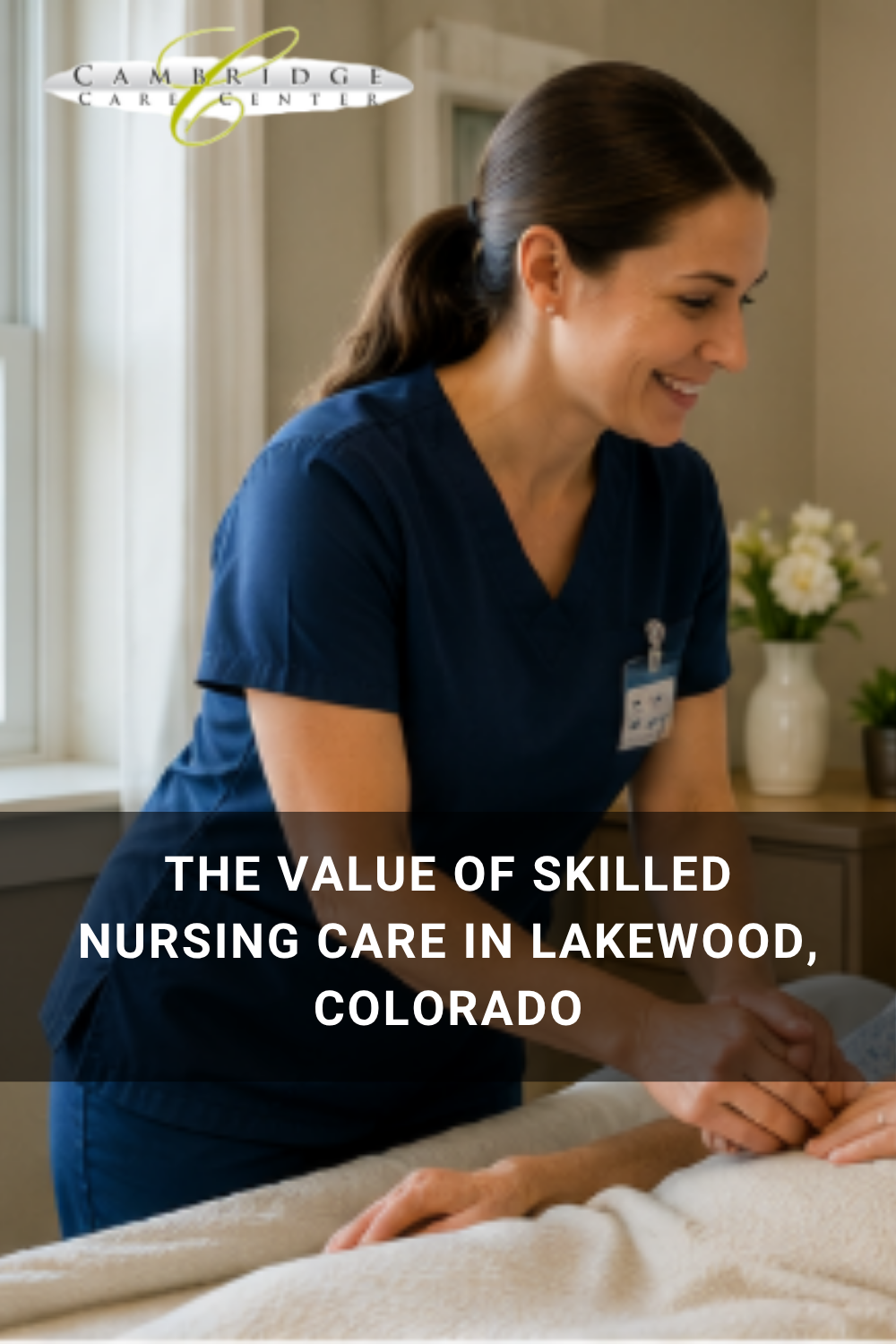
The Value of Skilled Nursing Care in Lakewood, Colorado
Cambridge Care Center - Vivage
For more information about the author, click to view their website: Cambridge Care Center - Vivage Beecan
Jun 15, 2026
Colorado - Denver Metro


The Value of Skilled Nursing Care in Lakewood, Colorado
A hospital discharge is often viewed as the finish line of a medical event. In reality, for many older adults, it marks the beginning of another important phase: recovery. Whether healing from surgery, recovering after an illness, rebuilding strength following a fall, or managing a complex medical condition, seniors often require additional support before they can safely return to everyday life.
This is where skilled nursing care plays a vital role.
For families in Lakewood, Colorado, communities like Cambridge Care Center - Vivage Beecan provide the specialized care, rehabilitation services, and medical oversight needed to help older adults regain confidence and independence. Skilled nursing bridges the gap between hospital treatment and a successful return home, offering a level of support that promotes both recovery and peace of mind.
Understanding Skilled Nursing Care
Many families hear the term "skilled nursing" but are not always sure what it means.
A skilled nursing facility provides short-term rehabilitation and long-term medical care for individuals who need professional healthcare services that cannot be managed independently at home.
These services often include:
- 24-hour nursing care
- Physical therapy
- Occupational therapy
- Speech therapy
- Medication management
- Wound care
- Pain management
- Chronic disease monitoring
- Post-surgical recovery support
- Specialized rehabilitation programs
Unlike a hospital, a skilled nursing community focuses on helping residents recover, rebuild abilities, and improve their overall quality of life.
Why Recovery Requires Professional Support
After a hospitalization, seniors frequently face challenges that can affect their ability to function independently.
Common concerns include:
- Muscle weakness
- Reduced mobility
- Balance problems
- Medication complications
- Fatigue
- Difficulty performing daily activities
Without proper rehabilitation and supervision, these issues can increase the risk of falls, hospital readmissions, and delayed recovery.
Skilled nursing care provides structured support that helps residents progress safely while addressing both medical and rehabilitation needs.
Lakewood: A Community Focused on Wellness
Lakewood offers an ideal setting for recovery.
Located just west of Denver, the city is known for its beautiful parks, access to healthcare services, and strong sense of community. Seniors living in Lakewood benefit from a combination of urban convenience and natural beauty.
Highlights include:
- Easy access to healthcare providers
- Scenic outdoor spaces
- Community wellness programs
- Senior-friendly resources
- Convenient transportation options
Families appreciate that their loved ones can receive quality care close to home while remaining connected to familiar surroundings.
Physical Therapy: Regaining Strength and Mobility
One of the primary goals of skilled nursing rehabilitation is helping residents regain physical strength.
Physical therapy programs are often customized to address each resident's unique recovery goals.
Common rehabilitation objectives include:
Improving Mobility
Therapists help residents improve walking ability, balance, and coordination.
Building Strength
Targeted exercises focus on rebuilding muscle strength that may have been lost during hospitalization or illness.
Preventing Falls
Fall prevention strategies are essential for maintaining safety and confidence.
Through consistent therapy, residents can often achieve meaningful improvements that support greater independence.
Occupational Therapy: Restoring Daily Function
While physical therapy focuses on movement, occupational therapy helps residents regain the skills necessary for everyday life.
Occupational therapists assist residents with:
- Dressing
- Bathing
- Grooming
- Meal preparation
- Household activities
- Safe mobility within the home
The goal is to help residents perform daily tasks more comfortably and confidently.
These practical improvements often make a significant difference when transitioning back home.
Speech Therapy and Cognitive Recovery
Some health conditions affect communication, swallowing, or cognitive abilities.
Speech-language pathologists may help residents recover from:
- Stroke-related challenges
- Swallowing difficulties
- Memory concerns
- Communication impairments
- Neurological conditions
By addressing these issues early, therapy can improve both safety and quality of life.
The Importance of Clinical Oversight
Recovery is not only about rehabilitation.
Many residents require ongoing medical monitoring to ensure their health remains stable.
Skilled nursing teams provide support for:
- Medication administration
- Blood pressure monitoring
- Diabetes management
- Infection prevention
- Wound treatment
- Coordination with physicians
This clinical oversight allows potential issues to be identified and addressed before they become serious complications.
Personalized Care Plans Lead to Better Outcomes
Every resident enters a skilled nursing facility with a unique medical history and recovery journey.
Personalized care plans ensure that treatment is tailored to each individual's needs and goals.
Factors often considered include:
- Current health status
- Functional abilities
- Rehabilitation objectives
- Physician recommendations
- Personal preferences
This individualized approach helps maximize recovery potential while supporting overall well-being.
Supporting Families Through the Recovery Process
Recovery affects entire families.
Adult children, spouses, and caregivers often experience significant stress while helping a loved one navigate medical challenges.
Skilled nursing communities provide valuable support through:
- Regular communication
- Care planning meetings
- Progress updates
- Discharge preparation
- Educational resources
These services help families remain informed and involved while reducing the burden of managing complex care needs alone.
Creating an Environment for Healing
The recovery environment itself can influence outcomes.
Residents often benefit from surroundings that promote comfort, motivation, and engagement.
Positive environments may encourage:
- Participation in therapy
- Social interaction
- Emotional well-being
- Confidence-building
- Greater satisfaction with care
When residents feel supported and respected, they are often more motivated to achieve their rehabilitation goals.
Insight from Kara Gibson
Kara Gibson of Cambridge Care Center - Vivage Beecan believes successful recovery involves both clinical excellence and compassionate care.
"Every resident deserves a care plan that reflects their unique goals and circumstances. Recovery is about more than medical treatment—it's about helping people regain confidence, independence, and the ability to enjoy life again."
This philosophy reflects the personalized approach that many families seek when evaluating skilled nursing options.
Questions Families Should Ask
When considering a skilled nursing facility, families may want to ask:
- What rehabilitation services are available?
- How frequently are therapy sessions provided?
- How are care plans developed?
- What medical services are offered onsite?
- How are families involved in care decisions?
- What support is available during discharge planning?
These conversations can help families make informed decisions about their loved one's care.
Preparing for a Safe Return Home
One of the most important aspects of skilled nursing care is discharge planning.
Successful transitions home often include:
- Home safety recommendations
- Ongoing therapy referrals
- Medication education
- Follow-up care coordination
- Family caregiver training
Planning ahead helps reduce complications and supports continued recovery after discharge.
Why Skilled Nursing Matters in Lakewood
As Colorado's senior population continues to grow, access to quality rehabilitation and skilled nursing services becomes increasingly important.
Communities like Cambridge Care Center - Vivage Beecan help seniors recover from illness, injury, and surgery while maintaining dignity and maximizing independence.
For families facing important healthcare decisions, skilled nursing care offers a pathway toward recovery that combines medical expertise, rehabilitation services, and compassionate support.
Frequently Asked Questions
What is the difference between skilled nursing and assisted living?
Skilled nursing provides medical care and rehabilitation services, while assisted living primarily offers help with daily activities and personal care.
How long do residents stay in skilled nursing?
Length of stay varies depending on individual recovery goals and medical needs. Some residents stay for several weeks, while others require longer-term care.
Does Medicare cover skilled nursing services?
Medicare may cover qualifying skilled nursing care following a hospital stay. Coverage depends on specific eligibility requirements.
What conditions commonly require skilled nursing care?
Common reasons include surgery recovery, stroke rehabilitation, fractures, cardiac events, respiratory illnesses, and complex wound care.
Can family members participate in care planning?
Yes. Most skilled nursing facilities encourage family involvement through care conferences, updates, and discharge planning meetings.
Learn More About Cambridge Care Center - Vivage Beecan
If you are exploring skilled nursing or rehabilitation options in Lakewood, Cambridge Care Center - Vivage Beecan may be an excellent resource for your family. Visit their Seniors Blue Book listing to learn more about available services, rehabilitation programs, and personalized care options.
Seniors Blue Book proudly helps families connect with trusted senior care resources throughout Lakewood, Colorado, and beyond.
Other Articles You May Like
What Families Should Expect
What Families Should ExpectA hospital discharge does not always mean someone is ready to return home.An older adult may still need wound care after surgery. Another person may need physical therapy after a fall or joint replacement. Someone recovering from pneumonia, a stroke, or another serious illness may require nursing oversight, medication management, rehabilitation, and help rebuilding strength before living independently again.Other families face a different situation.Their loved one may need ongoing nursing care for a chronic health condition that can no longer be safely managed at home or in assisted living.In both situations, skilled nursing can provide a higher level of clinical support.For families in Boise, Idaho, The Terraces of Boise provides both short-term rehabilitation and long-term skilled nursing care within its nonprofit HumanGood Life Plan Community. The skilled nursing center is located at 5301 East Warm Springs Avenue in Boise and accepts both current Terraces residents and people from the wider community through direct admission.What Is Skilled Nursing?Skilled nursing is different from ordinary personal assistance.According to Medicare, skilled care involves nursing or therapy services that must be safely and effectively performed by, or under the supervision of, qualified healthcare professionals. Skilled nursing facilities may provide nursing care, physical therapy, occupational therapy, speech-language pathology, meals, and other medically necessary services.Skilled nursing may be appropriate when someone needs:Nursing oversightRehabilitation after hospitalizationWound careMedication managementRespiratory treatmentAssistance recovering from surgeryPhysical, occupational, or speech therapyOngoing long-term nursing careThe level of care is generally more medically intensive than assisted living.Family Tip: When comparing senior care options, ask whether the person primarily needs help with everyday activities or whether they require ongoing clinical nursing and rehabilitation services. That distinction can help determine whether assisted living or skilled nursing is the more appropriate setting.Skilled Nursing Is Different From Assisted LivingFamilies sometimes use the terms interchangeably, but assisted living and skilled nursing serve different needs.Assisted living generally helps older adults who need support with daily activities such as:BathingDressingMedication routinesMobilityMealsHousekeepingSkilled nursing is designed for people who require more intensive medical monitoring or rehabilitation.Medicare describes nursing homes as facilities for people who typically require 24-hour care and notes that they may provide both short-term rehabilitation and long-term assistance.At The Terraces of Boise, assisted living and skilled nursing are both available on the same Life Plan campus, but they are separate levels of care.Short-Term Rehabilitation Can Help Bridge the Gap Between Hospital and HomeOne of the most common reasons someone enters skilled nursing is short-term rehabilitation following hospitalization.A person may be medically stable enough to leave the hospital but still not strong or independent enough to return home safely.The Terraces of Boise provides post-acute rehabilitation designed around helping patients regain function and return home as quickly and confidently as possible. HumanGood describes the program as individualized around each person's recovery goals, including physical and emotional needs.Short-term rehabilitation may be appropriate after:SurgeryIllnessInjuryHospitalizationA significant decline in mobilityThe goal is not necessarily long-term residence.For many patients, skilled nursing is a temporary step between the hospital and home.Physical Therapy Can Help Rebuild Strength and MobilityPhysical therapy is one of the primary rehabilitation services offered at The Terraces of Boise.The program includes customized therapy intended to improve:Muscular strengthCoordinationBalanceConfidenceMobilityThe Terraces also maintains multiple therapy gyms and state-of-the-art rehabilitation equipment.Physical therapy may be especially helpful following:Hip or knee surgeryA fallExtended hospitalizationStrokeGeneral weakness after illnessThe goal is individualized.For one person, success may mean safely walking with a walker.For another, it may mean navigating stairs or transferring independently from bed to chair.Occupational Therapy Focuses on Everyday IndependenceOccupational therapy is another important part of rehabilitation.While physical therapy often focuses heavily on strength and mobility, occupational therapy can help people regain the skills needed for everyday life.The Terraces of Boise includes occupational therapy within its skilled nursing program and provides an occupational therapy environment for practicing daily activities before returning home.Therapy may address tasks such as:DressingGroomingTransfersHousehold activitiesOther daily routinesThis can be particularly important when a person is physically improving but still lacks confidence completing practical tasks independently.Speech Therapy Can Address More Than SpeechSpeech-language pathology can help with communication, cognition, and swallowing.The Terraces currently includes speech therapy among its rehabilitation services, with care aimed at cognitive skills as well as the muscles involved in eating and speaking.A speech-language pathologist may become part of recovery after conditions such as:StrokeNeurological illnessCertain surgeriesOther health events affecting communication or swallowingFamilies should ask the rehabilitation team which therapies are included in the individual's treatment plan and what goals are being addressed.Registered Nurses and Physicians Are Available Around the ClockThe Terraces of Boise currently states that its skilled nursing program includes 24/7 physician and registered nurse availability.This can be particularly important for people recovering from complex medical events or managing ongoing health needs.Round-the-clock professional support may help address:Changes in conditionMedication needsTreatment concernsPost-surgical recoveryOther clinical needsFamilies should still ask who is physically on-site at different times of day and how physicians are involved in care planning.Medication Management and Monitoring Are IncludedMedication regimens can become complicated following hospitalization.New prescriptions may be added.Other medications may be discontinued.Dosages may change.The Terraces includes medication management and monitoring among its skilled nursing services.This can help ensure that the treatment plan established by physicians is followed consistently during recovery.Medication questions, side effects, and treatment changes should still be discussed with the appropriate healthcare professionals.Wound Care and Surgical Recovery Are AvailableSome patients leave the hospital still requiring wound care.The Terraces of Boise currently lists wound management and surgical recovery among its skilled nursing services.This may be relevant for people recovering from:Major surgeryOrthopedic proceduresChronic woundsOther medical conditions requiring professional treatmentFamilies should discuss the specific wound-care requirements with the clinical team before admission to make sure the facility can meet the person's needs.Respiratory Treatments May Also Be ProvidedThe Terraces' skilled nursing program currently lists respiratory services including:Oxygen therapySuctioningBiPAPCPAPThese services can be important for people with respiratory conditions or those recovering from certain illnesses.Because respiratory needs vary considerably, families should verify whether the facility can accommodate the specific equipment and treatment plan required.Restorative Nursing Can Help Maintain FunctionThe Terraces also lists restorative nursing among its skilled nursing services.Restorative nursing is intended to help patients maintain or improve physical function and support continued independence following formal therapy.This can be especially valuable when a person has completed more intensive rehabilitation but still needs encouragement and structured support to maintain progress.The "House Model" Creates a More Residential EnvironmentSkilled nursing environments do not all look the same.The Terraces of Boise uses what HumanGood calls a house model.Its skilled nursing center consists of smaller household-style areas built around open living rooms, dining rooms, and kitchens. Each house contains only 16 private suites, and each suite has a private bathroom.The Seniors Blue Book skilled nursing profile currently lists 48 total beds, consistent with three 16-suite households.This smaller-scale layout is intended to create a more home-like environment rather than a traditional institutional feeling.Families touring skilled nursing may want to look beyond the clinical services and ask:How private are the rooms?Where do residents eat?Are there comfortable places for visitors?Does the setting feel calm?Can patients spend time outside their rooms?The environment can have a meaningful impact on the recovery experience.All Skilled Nursing Suites Are PrivateThe Terraces currently states that all skilled nursing accommodations are private suites with private bathrooms.This can provide additional comfort during both short-term rehabilitation and long-term care.Private rooms may give patients:More privacyA quieter recovery environmentBetter space for visitorsGreater comfort during personal careFamilies should confirm current room availability when discussing admission.Meals Are Prepared in the Household KitchenDining can be another way a skilled nursing environment feels more residential.The Terraces states that meals are prepared fresh in open-concept kitchens and served in each household dining area.The current Seniors Blue Book profile also notes that meals can be customized for certain dietary needs, including vegetarian and gluten-free options.Patients with medically prescribed diets should have those requirements reviewed by the clinical and dietary team.Families may want to ask about:Texture-modified dietsFood allergiesSodium restrictionsDiabetes-related needsIndividual preferencesLong-Term Skilled Nursing Is Available TooNot every skilled nursing admission is temporary.Some older adults require ongoing care because their medical needs are too complex for home or assisted living.The Terraces provides long-term skilled nursing care in addition to short-stay rehabilitation. HumanGood describes its approach as person-centered and intended for both short- and long-term needs.Long-term residents may need ongoing support with:Nursing careMedication managementPersonal careMobilityChronic health conditionsMedical treatmentsThe clinical team works with residents and families to develop personalized care plans.The Terraces Works With Boise Health SystemsThe Terraces of Boise states that it is a preferred post-acute partner of both St. Luke's and Saint Alphonsus Health System for rehabilitation and skilled nursing care.HumanGood also lists a partnership with St. Luke's Medical Group as part of the post-acute program.These relationships can help support continuity as patients transition from hospital care into rehabilitation.Families should still ask how medical information, discharge instructions, appointments, and follow-up needs are communicated between providers.Skilled Nursing Is Open to the PublicA person does not need to live at The Terraces before using its skilled nursing center.The current Seniors Blue Book profile specifically states that The Village at The Terraces is open to the public, with no entrance fee or community fee required for skilled nursing admission.That means someone can be admitted directly after a hospital stay even if they have never lived in the independent or assisted living portions of the campus.Medicare Coverage Depends on EligibilityThe Terraces skilled nursing center is Medicare-certified according to the current Seniors Blue Book profile.However, Medicare does not automatically pay for every nursing home stay.Medicare Part A may cover skilled nursing facility care for a limited period when specific eligibility requirements are met and the skilled services are medically necessary. Medicare does not generally pay for long-term custodial nursing home care when skilled care is not required.Families should verify coverage directly with Medicare, their insurance plan, and The Terraces before admission.Current Skilled Nursing PricingThe current Seniors Blue Book skilled nursing listing for The Terraces of Boise shows rates beginning at approximately $469 per day. It also lists payment options including Medicare, private insurance, and Veterans Administration benefits.Rates, coverage, and benefit eligibility can change.Families should request a current written estimate that explains:Daily room rateTherapy chargesTreatment costsInsurance coverageMedicare coverageOut-of-pocket responsibilityLong-term care pricingDo not rely only on an advertised starting rate.Why the Life Plan Community Model MattersThe Terraces of Boise is more than a skilled nursing center.It is a nonprofit Life Plan Community offering:Independent livingAssisted livingMemory supportSkilled nursingShort-term rehabilitationFor existing residents, having skilled nursing on the same campus may provide continuity if a health event occurs.For example, an independent living resident who undergoes surgery may temporarily receive rehabilitation in the skilled nursing center and later return to their independent residence when ready.Long-term nursing is also available when needs become more permanent.The Terraces of Boise Contact InformationThe Terraces of Boise5301 East Warm Springs AvenueBoise, Idaho 83716Main Phone: 208-336-5550Skilled Nursing / Rapid Response: 208-504-2990Sales Office: 208-795-3405The campus is located in Southeast Boise near Harris Ranch and the Boise River Greenbelt.The Terraces is operated by nonprofit affiliates of HumanGood, a nonprofit organization serving older adults since 1949.Questions to Ask Before Choosing Skilled NursingWhat Medical Needs Can the Facility Manage?Discuss wound care, respiratory needs, medications, mobility, and other treatments.Which Therapies Will Be Provided?Ask whether physical, occupational, and speech therapy are included in the plan.How Often Will Therapy Occur?Frequency depends on the person's condition, goals, and insurance authorization.Who Is Available Overnight?The Terraces currently lists physician and registered nurse availability around the clock.Is the Goal Short-Term Recovery or Long-Term Care?Make sure the family and care team have the same expectations.How Will Discharge Planning Work?For short-term rehabilitation, ask what milestones need to be achieved before returning home.What Will Insurance Pay?Verify Medicare and insurance benefits before admission.Frequently Asked Questions About Skilled Nursing at The Terraces of BoiseDoes The Terraces offer both rehabilitation and long-term skilled nursing?Yes. The community provides short-term post-acute rehabilitation as well as long-term skilled nursing care.Are the rooms private?Yes. HumanGood currently states that all skilled nursing suites are private and include private bathrooms.Is rehabilitation available after hospitalization?Yes. Short-term rehabilitation is specifically designed for people recovering from illness, injury, surgery, or another health event.What rehabilitation therapies are available?Current services include physical therapy, occupational therapy, and speech-language pathology.Can someone who does not already live at The Terraces be admitted?Yes. The skilled nursing center accepts direct admissions from the community and is open to nonresidents.Find The Terraces of Boise Through Seniors Blue BookFamilies researching skilled nursing in Boise, Idaho can also review The Terraces of Boise on SeniorsBlueBook.com.The current skilled nursing profile lists:48 skilled nursing bedsPrivate roomsShort-term rehabilitationLong-term carePhysical, occupational, and speech therapyRespiratory treatmentWound managementSkilled nursing servicesMedicare certificationCurrent starting daily pricingBecause availability, pricing, insurance coverage, and clinical needs vary, families should contact The Terraces directly before making an admission decision.Skilled Nursing Can Be a Bridge or a Long-Term SolutionSome people come to skilled nursing because they are working toward home.They need therapy.Time.Nursing support.A safe place to rebuild strength.Others need an ongoing level of care that can no longer be provided safely in a less intensive setting.At The Terraces of Boise, the skilled nursing program supports both situations through 24-hour professional care, individualized rehabilitation, private suites, therapy services, medication management, wound and respiratory care, and long-term nursing options.For Boise families, the most important question is not simply:Does my loved one need a nursing home?A better question is:What level of clinical care, rehabilitation, and daily support does this person need right now, and what setting can safely provide it?Sometimes skilled nursing is the bridge between the hospital and home.Sometimes it becomes the right long-term setting.Either way, understanding the purpose of skilled nursing can help families make the next decision with greater clarity.
Preparing to Go Home After Inpatient Rehabilitation in Boise
Preparing to Go Home After Inpatient Rehabilitation in BoiseLeaving an inpatient rehabilitation hospital is a major milestone.After days or weeks of physical therapy, occupational therapy, nursing care, physician visits, and repeated practice, a patient may finally be ready for the next stage of recovery.But discharge does not necessarily mean everything has returned to the way it was before the illness or injury.A patient may still use a walker.Bathing may require new equipment.Family members may need to help with certain transfers.Medications may have changed.Physical or occupational therapy may continue after discharge.For families in Boise and Ada County, Idaho, preparing for these changes before the patient leaves inpatient rehabilitation can make the transition home safer and considerably less stressful.Saint Alphonsus Regional Rehabilitation Hospital, an affiliate of Encompass Health, located at 711 North Curtis Road in Boise, combines intensive rehabilitation with 24-hour nursing, frequent physician visits, and coordinated support from therapists, dietitians, pharmacists, and case managers. Encompass Health states that discharge preparation begins during the rehabilitation stay, with the case manager helping patients and families identify equipment, services, and community resources needed for the next stage of recovery.Discharge Planning Should Begin Before Discharge DayOne of the biggest mistakes families can make is waiting until the final day of rehabilitation to ask what will happen at home.Good discharge planning begins much earlier.Encompass Health states that patients are assigned a case manager who begins preparing for discharge during the rehabilitation stay. The care team works with patients and families to determine what resources, equipment, follow-up care, and support may be needed after leaving the hospital.That preparation might involve questions such as:Can the patient walk independently?Is a walker or wheelchair required?Can the person safely get in and out of bed?Can they use the bathroom without assistance?Is help needed with dressing or bathing?Are stairs part of the home environment?Will family members provide assistance?Is home health appropriate?Will outpatient therapy be needed?The earlier these questions are discussed, the more time families have to prepare.Discharge Tip: Ask the rehabilitation team what the patient will realistically be able to do on the first day home, not just what you hope they may be able to do several weeks later.Understand What Has Changed Since the HospitalizationA serious illness or injury can change everyday abilities.The patient returning home may not function exactly as they did before.After a stroke, someone may have communication or balance difficulties.After a hip fracture, walking may require a mobility device.After a brain injury, supervision or cognitive strategies may be needed.After a spinal cord injury, equipment and home modifications may become important.Before discharge, families should understand the patient's current abilities rather than relying on assumptions based on how they functioned previously.Saint Alphonsus Regional Rehabilitation Hospital provides physical, occupational, and speech therapy designed around individual diagnoses and recovery goals, with treatment aimed at helping patients reach their highest practical level of independence.Caregiver Training Can Make the Return Home SaferFamily caregivers often play an important role after inpatient rehabilitation.They may help with:TransfersWalkingTransportationMedication organizationMealsExercisesPersonal careFollow-up appointmentsBut family members should not be expected to automatically know how to perform these tasks safely.Encompass Health provides caregiver education and training and notes that caregivers may participate in therapy. Its patient resources also include home assessments, access to community resources, support groups, and tools for following rehabilitation progress.If a spouse or adult child will be helping after discharge, ask to practice important tasks before leaving the hospital.Watching a therapist assist with a transfer is not the same as doing it yourself.Ask:Can you show me how to help safely?Then practice while the rehabilitation team is present.Know Which Mobility Device the Patient Should UseA patient may leave rehabilitation using:A caneA walkerA wheelchairA braceAnother assistive deviceFamilies should understand exactly what the rehabilitation team recommends.Do not substitute an old walker from the garage simply because it is already available.Equipment should match the patient's current needs.Ask:What device should be used?Is the height adjusted correctly?When must it be used?Can the patient walk without it for short distances?Is wheelchair use temporary or ongoing?Who arranges the equipment?Encompass Health's discharge resources state that the case manager helps patients obtain appropriate medical equipment and community resources before leaving inpatient rehabilitation.Look at the Home Through a Rehabilitation LensA house that worked perfectly well before an illness may feel very different after one.Consider the route from the front door to the bedroom.Are there steps?Can a walker fit through the hallway?Is there enough room beside the bed?Can the patient reach the bathroom safely?The rehabilitation team may recommend a home assessment or specific adjustments before discharge. Encompass Health lists home assessments among its caregiver support resources.Areas to review include:EntranceLook at steps, handrails, thresholds, and whether the patient can enter safely.BathroomConsider grab bars, shower seating, toilet height, and flooring.BedroomMake sure the patient can safely approach and get in and out of bed.Living AreasRemove unnecessary clutter and create clear walking paths.Rugs and CordsLoose rugs and electrical cords can become fall hazards.LightingMake sure hallways, bathrooms, and nighttime routes are well lit.Small changes may significantly improve safety.Think About the First Night HomeFamilies often concentrate on daytime needs.But nighttime can reveal additional challenges.Ask:Can the patient get to the bathroom safely?Will they need help during the night?Is the bedroom close enough to the bathroom?Is a bedside commode recommended?Can the patient safely get out of bed?Is someone available if assistance is needed?If the patient requires more nighttime support than the family can provide, discuss that with the discharge team before leaving the rehabilitation hospital.Review Medications CarefullyHospitalization and rehabilitation can result in medication changes.A prescription may be added.A dosage may change.A previous medication may be discontinued.That can create confusion if older medication bottles are still at home.Before discharge, ask for a current medication list.Make sure the family understands:What each medication is forWhen it should be takenWhich older medications should no longer be usedWhether prescriptions need to be filled before dischargeWho should be contacted with medication questionsEncompass Health includes pharmacists as part of its coordinated inpatient rehabilitation team.A simple written or printed medication list can help reduce confusion when the patient first returns home.Know Whether Therapy Continues After DischargeLeaving inpatient rehabilitation does not necessarily mean rehabilitation is finished.The patient may continue with:Home health therapyOutpatient physical therapyOccupational therapySpeech therapyHome exercise programsThe appropriate option depends on mobility, medical needs, transportation, and the rehabilitation plan.Encompass Health states that the case manager and rehabilitation team work with patients and families to plan the safest next setting and connect them with community resources.Ask before discharge:What therapy should happen next?And:Who is arranging it?Do not assume follow-up therapy happens automatically.Learn the Home Exercise ProgramPatients often leave rehabilitation with exercises designed to continue progress.Family members should understand:Which exercises are recommendedHow often they should be performedWhether supervision is neededWhich symptoms mean the exercise should stopWhat equipment is requiredEncompass Health's caregiver portal can provide access to therapy documentation, clinical summaries, home exercise information, discharge instructions, and upcoming appointments.Consistency can help patients maintain the gains achieved during inpatient rehabilitation.Prepare for Follow-Up AppointmentsRecovery may involve appointments with several providers.Depending on the diagnosis, these may include:Primary careOrthopedic surgeryNeurologyCardiologyRehabilitation medicinePhysical therapyOccupational therapySpeech therapyBefore discharge, ask which appointments are already scheduled and which still need to be arranged.Write them down.Include transportation plans.A patient who is newly using a wheelchair or walker may need more time and assistance getting to appointments than they did previously.Set Realistic Expectations About RecoveryGoing home is progress.It is not necessarily the end of recovery.A patient may still become tired easily.Activities may take longer.Someone who walked independently before hospitalization may temporarily need a walker.A person recovering from stroke may continue working on speech or coordination.Families should avoid making recovery feel like a test the patient has to pass.Progress can include small milestones.Getting dressed with less help.Walking farther.Completing exercises.Preparing a snack.Using stairs safely.Recovery is often gradual.Boise Families May Have a Significant Role in Post-Rehabilitation CareBoise's 2025 population was estimated at 238,429, with approximately 16.2% of residents age 65 or older.That means a substantial number of local families may encounter decisions involving hospitalization, rehabilitation, mobility changes, and recovery support.Having inpatient rehabilitation available in Boise can make it easier for relatives from Boise, Meridian, Eagle, and other Ada County communities to participate in caregiver education and discharge planning.Family involvement can make the transition home smoother, but families should also be realistic about how much care they can safely provide.Ask Whether the Patient Can Safely Be Left AloneOne of the most important discharge questions is also one of the simplest:Can this person safely stay home alone?The answer may depend on:Walking abilityBalanceCognitionMedication managementToiletingEmergency awarenessCommunicationFall riskA patient may be physically stronger but still require supervision because of cognitive changes.Another patient may walk safely but be unable to manage medications independently.Do not base the decision only on mobility.Consider Whether Home Health Is NeededSome patients can return home but still need skilled nursing or therapy.Home health may provide:NursingPhysical therapyOccupational therapySpeech therapyOther qualifying servicesThe rehabilitation case manager can help determine whether home health should be part of the discharge plan.A patient who is not yet ready to travel easily to outpatient appointments may especially benefit from having appropriate therapy or nursing delivered at home.Know When Another Care Setting May Be SaferReturning home is often an important goal.But it is not always the safest immediate destination.Some patients may require:Skilled nursingAssisted livingAdditional rehabilitationAnother supportive environmentA discharge plan should reflect what the patient can safely manage, not simply where they want to go.Encompass Health states that its case managers work with the care team, patients, and families to develop a discharge plan that fits the patient's needs and next setting of care.Sometimes the best path home includes another step first.Medicare and Inpatient RehabilitationMedicare Part A may cover medically necessary inpatient rehabilitation when eligibility requirements are met, while Part B covers physician services provided during the rehabilitation stay. Covered inpatient rehabilitation services can include physical therapy, occupational therapy, speech-language pathology, nursing, medications, meals, and hospital services and supplies.For 2026, Medicare lists a $1,736 Part A deductible per benefit period, followed by specific daily cost-sharing rules depending on length of stay. Individual costs can differ depending on prior hospitalization, benefit-period status, supplemental coverage, Medicare Advantage plans, and other insurance.Families should verify individual benefits before or during the rehabilitation stay.Saint Alphonsus Regional Rehabilitation Hospital in BoiseSaint Alphonsus Regional Rehabilitation Hospital, an affiliate of Encompass Health, is located at:711 North Curtis RoadBoise, Idaho 83706Phone: 208-605-3000The hospital provides rehabilitation for stroke, brain injury, spinal cord injury, orthopedic conditions, and other serious illnesses and injuries. Patients receive three hours of therapy daily, five days per week, along with 24/7 rehabilitation nursing and frequent physician visits.The hospital also emphasizes coordinated care among therapists, nurses, physicians, pharmacists, dietitians, and case managers.Questions to Ask Before Leaving Inpatient RehabilitationBefore discharge, families should have clear answers to questions such as:What can the patient safely do alone?What activities still require assistance?Which mobility device should be used?What equipment is needed at home?Are home modifications recommended?Who will help with bathing or dressing?Can the patient safely be alone?What medications should be taken?Which prescriptions changed?What therapy comes next?Are follow-up appointments scheduled?Who should we call if something changes?Do not worry about asking too many questions.Discharge is exactly the time to make sure everyone understands the plan.Frequently Asked Questions About Estate Planning, Conservatorship, and Elder LawShould legal documents be reviewed after a major illness or injury?It can be a practical time to review them, especially if health or care needs have changed. Families may want an Idaho attorney to review wills, trusts, financial powers of attorney, healthcare directives, and beneficiary information.Does needing help after rehabilitation mean someone has lost legal independence?No. A person may need physical assistance with walking, bathing, transportation, or household tasks while remaining fully capable of making their own medical, financial, and legal decisions.What is conservatorship?Conservatorship generally involves a court appointing someone to manage financial or property matters for an individual who cannot adequately manage those responsibilities independently.Does discharge to home require a power of attorney?No. A power of attorney is not automatically required because someone returns home after rehabilitation. However, some adults choose to establish financial or healthcare powers of attorney as part of broader planning.When may an elder-law attorney be helpful?An elder-law attorney may assist with estate planning, powers of attorney, long-term-care planning, Medicaid issues, guardianship, conservatorship, housing decisions, and other legal matters that arise after significant health changes.A Safe Discharge Is Part of RehabilitationThe goal of inpatient rehabilitation is not simply to help someone perform well inside a therapy gym.The real goal is to help the person function more safely in everyday life.That is why discharge planning matters.A walker must work at home.The bathroom must be accessible.Family caregivers need to understand what help is required.Medications must be clear.Follow-up therapy needs to be arranged.For patients and families seeking inpatient rehabilitation in Boise and Ada County, Saint Alphonsus Regional Rehabilitation Hospital, an affiliate of Encompass Health, combines intensive therapy with coordinated discharge planning aimed at helping patients return to the community with appropriate support. Encompass Health reports that more than 80% of patients at its Boise rehabilitation hospital return to their communities after inpatient rehabilitation.Families can learn more and connect through the Saint Alphonsus Regional Rehabilitation Hospital profile on SeniorsBlueBook.com and the hospital's Boise rehabilitation team.Going home is an important milestone, but successful recovery depends on what happens after the hospital doors close. With thoughtful preparation, caregiver education, appropriate equipment, and continued rehabilitation support, families can create a safer path from inpatient care back to everyday life.
Hip Fracture Recovery in Boise: How Inpatient Rehabilitation Helps
Hip Fracture Recovery in Boise: How Inpatient Rehabilitation HelpsA hip fracture can turn an ordinary day into a major medical event.For an older adult, the injury may happen after a fall in the bathroom, on a sidewalk, beside the bed, or while navigating stairs. What follows can include emergency care, surgery, pain, weakness, uncertainty, and a sudden loss of confidence in everyday movement.Even after the fracture has been repaired and the patient is medically stable, returning directly home may not be realistic.Walking may require assistance.Getting out of bed may feel difficult.Using the bathroom safely can become a challenge.A person who previously managed independently may suddenly need help dressing, bathing, climbing stairs, or getting into a car.For patients and families in Boise and Ada County, Idaho, inpatient rehabilitation can provide an important step between acute hospital care and returning home.Saint Alphonsus Regional Rehabilitation Hospital, an affiliate of Encompass Health, provides hospital-level rehabilitation at 711 North Curtis Road in Boise for people recovering from hip fractures, joint replacements, amputations, and other complex orthopedic conditions. Patients receive intensive therapy, 24-hour rehabilitation nursing, frequent physician visits, and coordinated care focused on restoring mobility and independence.Why Hip Fracture Recovery Can Be Challenging for Older AdultsA hip fracture affects much more than the hip itself.After surgery and hospitalization, an older adult may experience:PainMuscle weaknessReduced balanceDifficulty walkingFear of falling againLow enduranceDifficulty getting in and out of bedTrouble dressing or bathingProblems using stairsReduced confidenceRecovery can also be complicated by chronic medical conditions, medications, or the physical effects of spending several days in a hospital bed.Encompass Health notes that people recovering from hip fractures may benefit from therapy and medical support in an inpatient rehabilitation hospital, where the treatment plan is based on the person's weight-bearing status, overall medical condition, abilities, and recovery goals.Recovery Tip: After a hip fracture, the goal is not simply to make the repaired bone heal. Rehabilitation also needs to rebuild the strength, balance, confidence, and everyday skills required to function safely again.What Is Inpatient Orthopedic Rehabilitation?Inpatient orthopedic rehabilitation combines intensive therapy with continued hospital-level medical and nursing care.Encompass Health describes orthopedic rehabilitation as a personalized program designed for people recovering from conditions such as hip fractures, joint replacement, amputations, and other orthopedic injuries or surgeries. Treatment may include physical therapy, occupational therapy, pain management, education, and coordinated discharge planning.At Saint Alphonsus Regional Rehabilitation Hospital, patients receive:At least three hours of customized therapy a dayTherapy five days per week24-hour nursing careFrequent physician visitsPhysical therapyOccupational therapySpeech therapy when clinically appropriateSupport from case managers, dietitians, pharmacists, and other professionalsThis setting may be appropriate when a person needs more intensive rehabilitation and clinical oversight than outpatient therapy or a less intensive setting can provide.Physical Therapy Helps Patients Walk Again SafelyOne of the primary goals after a hip fracture is restoring mobility.Physical therapists may work with patients on:Standing safelyWalkingBalanceStrengthRange of motionGetting in and out of chairsGetting in and out of bedUsing a walker or other mobility deviceClimbing stairs when appropriateEncompass Health's hip rehabilitation program emphasizes standing, walking, safe transfers, strengthening the hips and legs, and learning safer ways to move after surgery or injury.Progress often happens gradually.A patient may begin by standing with assistance.Then they may walk a few feet with a walker.Later, therapy may focus on longer distances, turns, uneven surfaces, or stairs.Every milestone builds toward safer independence.Occupational Therapy Focuses on Everyday LifeWalking is only part of returning home.A patient also needs to be able to perform daily activities.Occupational therapists can help patients relearn or adapt how they:DressPut on shoesBatheUse the toiletPrepare simple mealsMove around the homeUse adaptive equipmentComplete household tasksEncompass Health lists daily activities such as bathing, dressing, meal preparation, and household tasks among the areas addressed in orthopedic rehabilitation.This type of therapy is especially important because orthopedic precautions may temporarily change how a patient performs normal routines.Someone may need to learn a different way to put on socks.A raised toilet seat may become necessary.A shower chair may improve safety.Occupational therapy helps turn medical recovery into practical independence.Hip Precautions May Be Part of RehabilitationSome patients recovering from hip replacement or hip fracture surgery receive movement precautions from their surgeon.Depending on the specific surgery and medical instructions, the patient may need to avoid certain positions or movements while healing.Encompass Health notes that hip rehabilitation may include education about movement restrictions, weight-bearing precautions, and fall prevention.Families should never assume every patient has the same restrictions.The surgeon and rehabilitation team should explain exactly what applies.Fall Prevention Is a Major Part of RecoveryAfter a hip fracture, fear of falling can be almost as limiting as weakness.A patient may become hesitant to stand or walk because they are afraid of another injury.Rehabilitation can address this through:Balance trainingStrengtheningSafe transfer techniquesMobility-device trainingEducationHome-safety planningEncompass Health identifies uneven flooring, stairs, unsecured rails, low lighting, and other environmental hazards among factors that may contribute to falls and fractures.Families should begin thinking about the home environment before discharge.A successful therapy session inside the hospital does not automatically mean the home is ready.Preparing the Home for ReturnBefore a patient returns home, families may need to consider:StairsLoose rugsBathroom accessShower safetyBed heightFurniture placementHandrailsLightingWalker clearanceGrab barsThe patient's rehabilitation team and case manager can help identify equipment or modifications that may support a safer transition.The goal is to reduce obstacles that could make recovery unnecessarily difficult.Joint Replacement Rehabilitation Can Have Similar GoalsSaint Alphonsus Regional Rehabilitation Hospital also treats patients recovering from joint replacement and other orthopedic procedures.Encompass Health's orthopedic program includes rehabilitation after hip, knee, or shoulder replacement, with therapy focused on mobility, flexibility, balance, strength, and everyday function.Not every joint replacement patient needs inpatient rehabilitation.Some recover safely at home or with outpatient therapy.Others may have multiple medical conditions, limited family support, mobility concerns, or more complex rehabilitation needs that make inpatient rehabilitation appropriate.Admission should be based on the patient's clinical situation.Intensive Therapy Is Balanced With RestThree hours of therapy does not necessarily mean a patient performs therapy continuously for three hours.Saint Alphonsus Regional Rehabilitation Hospital explains that therapy can be spread throughout the day to allow rest and recovery. For some patients, treatment may begin at bedside and become more active as strength improves.This can be particularly important after orthopedic surgery.The person may need intensive rehabilitation but still experience fatigue or pain.A customized schedule allows therapy to remain challenging without ignoring recovery needs.Medical Needs Continue During RehabilitationHip fracture patients are often older adults with additional health concerns.Someone may also have:DiabetesHeart diseaseHigh blood pressureKidney diseaseWoundsMedication changesSaint Alphonsus Regional Rehabilitation Hospital provides 24-hour nursing and frequent physician visits and can manage medically complex rehabilitation patients, including needs involving wound care, IV therapy, and medication management.This hospital-level support is one of the features that distinguishes inpatient rehabilitation from less medically intensive settings.Saint Alphonsus Expanded Its Boise Rehabilitation Capacity in 2026Saint Alphonsus Regional Rehabilitation Hospital expanded in April 2026, adding 20 private patient beds and increasing the hospital's total capacity to 60 beds.The expansion also added approximately 14,000 square feet and a four-chair hemodialysis suite, allowing qualifying rehabilitation patients to receive dialysis onsite rather than being transported elsewhere for treatment.The hospital treats patients recovering from orthopedic conditions in addition to stroke, brain injury, spinal cord injury, amputation, and other complex medical conditions.For Boise and Treasure Valley families, additional capacity may help keep rehabilitation closer to home.Why This Matters in BoiseBoise had an estimated 238,429 residents in 2025, and approximately 16.2% were age 65 or older.As Boise's older-adult population grows, falls, fractures, joint replacements, and orthopedic recovery remain important issues for families throughout Ada County.A local inpatient rehabilitation hospital can make it easier for relatives to:VisitParticipate in caregiver trainingAttend discharge planningLearn mobility techniquesPrepare the homeStay involved in recoverySaint Alphonsus Regional Rehabilitation Hospital serves Boise and the broader Treasure Valley from its location on North Curtis Road.How Long Does Hip Fracture Rehabilitation Take?Recovery timelines vary significantly.Encompass Health notes that a typical inpatient rehabilitation stay after hip fracture may be around 7 to 14 days, with some hip fracture patients averaging roughly 10 to 12 days in inpatient rehabilitation. Additional home health or outpatient therapy may continue afterward depending on the person's progress.These figures are general.One patient may progress faster.Another may require more time.Age, health conditions, surgery type, weight-bearing status, strength, home environment, and recovery goals all affect the timeline.Discharge Planning Begins Before Recovery Is FinishedLeaving inpatient rehabilitation does not necessarily mean rehabilitation is over.A patient may continue recovery through:Home exercisesHome healthOutpatient physical therapyOccupational therapyPhysician follow-upCase managers help coordinate discharge planning and identify equipment, services, and community resources that may be needed after leaving the hospital.Families should ask:What will the patient still need help with when they go home?That question helps avoid assuming everything will immediately return to normal.Caregiver Training Can Make Home SaferFamily members may need to learn how to assist without injuring themselves or the patient.Training may include:Safe transfersWalker useGetting into a carNavigating stepsFollowing hip precautionsUsing equipmentHelping with dressingFall preventionDo not be afraid to practice.Watching a therapist perform a transfer is different from doing it yourself.Families should ask whether they can participate in training before discharge.How Is Someone Referred to Saint Alphonsus Regional Rehabilitation Hospital?The hospital's clinical liaisons can evaluate patients at the bedside or by phone to determine whether inpatient rehabilitation is appropriate. Patients may be referred for diagnoses including hip fracture, amputation, stroke, brain injury, spinal cord injury, neurological conditions, and other qualifying medical problems.Families can begin by:Asking the acute-care hospital team whether inpatient rehabilitation is appropriate.Requesting relevant therapy evaluations.Gathering insurance and medical information.Calling Saint Alphonsus Regional Rehabilitation Hospital at 208-605-3000.Asking about admission criteria, coverage, and bed availability.The hospital is located at 711 North Curtis Road, Boise, Idaho 83706.Does Medicare Cover Inpatient Rehabilitation?Medicare may cover medically necessary inpatient rehabilitation when the patient meets applicable eligibility requirements.Coverage generally depends on the need for intensive rehabilitation, continued medical supervision, and coordinated rehabilitation care.Families should verify the patient's specific benefits and any applicable deductibles or cost-sharing directly with Medicare, the health plan, and the rehabilitation hospital.Private insurance coverage can also vary by plan.Questions Families Should Ask Before Orthopedic RehabilitationWhat Is the Patient Allowed to Put Weight On?Weight-bearing instructions can significantly affect therapy after hip surgery or fracture.What Equipment Will Be Needed?Ask about walkers, wheelchairs, shower equipment, or other devices.What Are the Main Discharge Goals?Understand which abilities the rehabilitation team wants the patient to regain.Can Family Participate in Training?Caregiver education can make the return home much safer.Will Therapy Continue After Discharge?Ask whether home health or outpatient therapy is likely to be recommended.What Changes Are Needed at Home?Plan for stairs, bathrooms, rugs, and other safety issues before the patient arrives.Frequently Asked Questions About Estate Planning, Conservatorship, and Elder LawShould estate planning be reviewed after a serious fall or hip fracture?A major injury can be a useful reason to review existing legal documents. Families may want to confirm that financial powers of attorney, healthcare directives, wills, trusts, and beneficiary information still reflect the older adult's wishes.Does a hip fracture mean someone can no longer make legal decisions?No. Physical disability and legal decision-making capacity are different issues. A person may need significant rehabilitation assistance while remaining fully capable of making their own financial, healthcare, and personal decisions.What is conservatorship?Conservatorship generally involves a court appointing someone to manage financial or property matters for a person who cannot adequately manage those responsibilities independently.Does inpatient rehabilitation require guardianship?No. Admission to an inpatient rehabilitation hospital does not mean guardianship is required. Many rehabilitation patients remain fully involved in their own medical and legal decisions.When might an elder-law attorney be helpful?An elder-law attorney may assist with powers of attorney, estate planning, long-term-care planning, Medicaid issues, guardianship, conservatorship, property matters, and other legal concerns after a serious injury or health change.Recovery Means Returning to Everyday LifeFor a person recovering from a hip fracture or orthopedic surgery, success is not measured only by an X-ray.It may mean standing without fear.Walking into the bathroom safely.Getting dressed independently.Climbing the front steps.Preparing a simple meal.Returning to a familiar home.For patients and families looking for inpatient orthopedic rehabilitation in Boise and Ada County, Saint Alphonsus Regional Rehabilitation Hospital, an affiliate of Encompass Health, provides intensive rehabilitation for hip fractures, joint replacements, amputations, and other complex orthopedic conditions. Its program combines physical and occupational therapy with 24-hour rehabilitation nursing, physician involvement, and coordinated discharge planning.Families can learn more and connect through the Saint Alphonsus Regional Rehabilitation Hospital listing on SeniorsBlueBook.com.A hip fracture can temporarily change what someone is able to do. Inpatient rehabilitation helps turn recovery into practical goals, giving patients the therapy, support, and confidence needed to work toward independence one step at a time.
Local Services By This Author
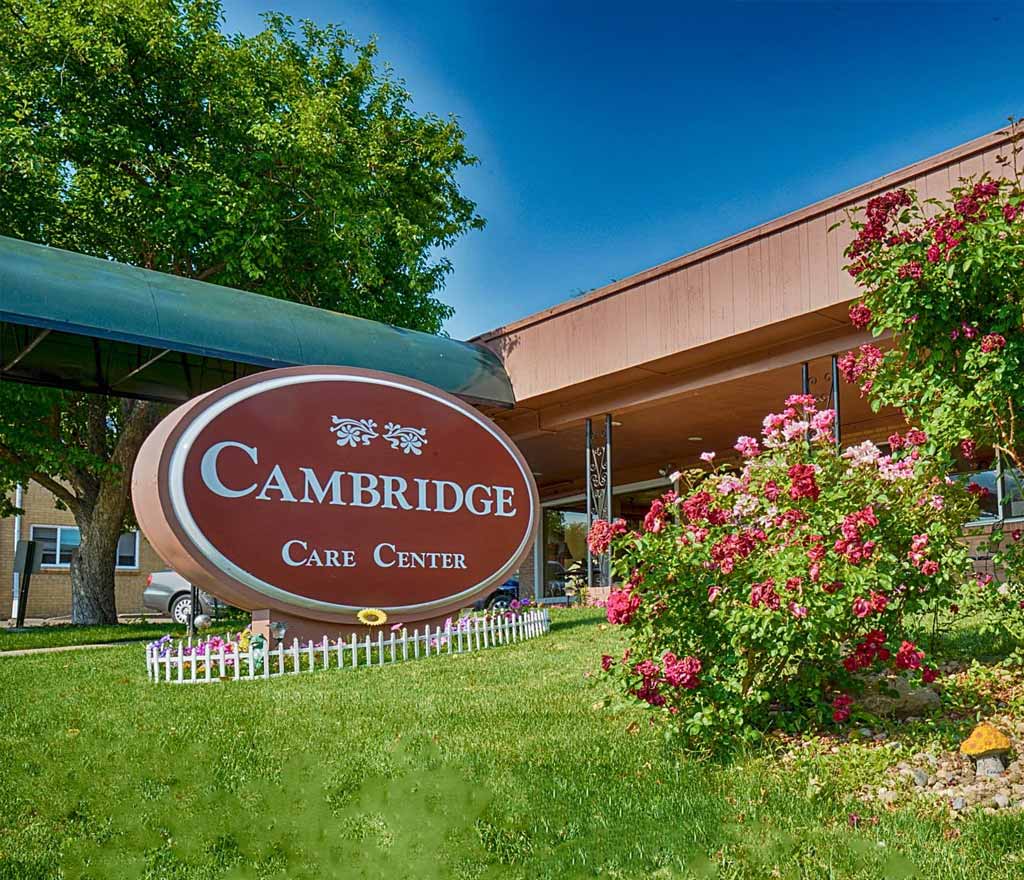
Cambridge Care Center - Vivage Beecan
Skilled Nursing 1685 Eaton Street, Lakewood, Colorado, 80214Cambridge Care Center: Expert Skilled Nursing, Rehabilitation, and Behavioral Health Services in Lakewood, ColoradoCambridge Care Center is a trusted and compassionate skilled nursing facility in Lakewood, Colorado, offering high-quality short-term rehabilitation and long-term care services. With a strong focus on individualized, person-centered care, Cambridge is committed to meeting the unique medical, emotional, and psychological needs of every resident. Whether you or a loved one is recovering from surgery, illness, or injury, or in need of ongoing long-term support, Cambridge Care Center is dedicated to promoting healing, wellness, and overall well-being in a supportive, nurturing environment.Skilled Nursing Services with a Personalized ApproachAt Cambridge Care Center, skilled nursing is more than just medical careits a holistic commitment to each resident's quality of life. Our skilled nursing team includes licensed nurses, certified nursing assistants, therapists, and care coordinators who provide 24/7 professional medical care. This includes medication management, wound care, pain management, chronic disease monitoring, IV therapy, and post-operative support. Our goal is to ensure comfort, safety, and optimal health outcomes through tailored care plans designed for each individuals physical and emotional needs.Our skilled nursing care is ideal for individuals recovering from surgery or illness, managing complex medical conditions, or those in need of continuous clinical oversight. With state-of-the-art equipment, modern facilities, and a compassionate, well-trained team, we offer peace of mind for families and the highest standards of care for residents.Comprehensive Rehabilitation Services: Physical, Occupational, and Speech TherapyCambridge Care Center is proud to be a leader in short-term rehabilitation in Lakewood, CO. Our in-house therapy team provides individualized rehabilitation plans designed to restore strength, mobility, and independence. Whether a resident needs post-acute rehabilitation following a hospital stay or is working toward regaining everyday skills, we offer physical therapy, occupational therapy, and speech-language therapy in a supportive, goal-driven setting.Physical Therapy helps residents improve strength, balance, coordination, and mobility to reduce fall risk and regain independence.Occupational Therapy focuses on enhancing the ability to perform daily activities such as dressing, bathing, and cooking.Speech-Language Therapy addresses speech, communication, cognitive challenges, and swallowing disorders that may result from stroke, neurological conditions, or injury.Cambridge Care Center also offers Outpatient Therapy Services, allowing individuals to continue their rehabilitation journey after returning home. This continuity of care is essential for long-term recovery, and our experienced therapists work closely with patients and their families to ensure ongoing success.Specialized Behavioral Health SupportUnderstanding the increasing need for skilled nursing care that addresses mental and behavioral health, Cambridge Care Center has developed a comprehensive approach to support individuals with behavioral health challenges. Our behavioral health program is person-directed, meaning that care plans are customized to reflect each individual's mental, emotional, and psychological needs.We provide a safe, structured, and therapeutic environment that supports residents experiencing mood disorders, anxiety, depression, schizophrenia, bipolar disorder, and other psychiatric conditions. Our interdisciplinary teamincluding nurses, therapists, social workers, and mental health professionalscollaborates to promote stability, coping skills, and quality of life through therapeutic activities, medication management, and psychosocial support.By integrating behavioral health services with medical and rehabilitative care, Cambridge Care Center ensures a well-rounded, respectful, and dignified experience for all residents. We are committed to helping individuals achieve their highest level of function while nurturing their sense of purpose and belonging.A Person-Centered Philosophy of CareAt the core of Cambridge Care Center is a philosophy grounded in person-centered care. This means we honor each residents choices, preferences, and individuality. From the clinical team to the support staff, we strive to build meaningful relationships with residents and their families to provide not only excellent care but also a sense of connection and community.Our holistic model addresses all aspects of well-beingemotional, psychological, intellectual, physical, spiritual, and social. This comprehensive approach helps us meet the ever-changing needs of our residents and allows us to adapt services as their journey progresses.A Skilled Nursing Community That Feels Like HomeLocated in the heart of Lakewood, Colorado, Cambridge Care Center is more than a healthcare facilityits a place where healing begins and lives are enriched. Our welcoming environment includes comfortable accommodations, nutritious meals, engaging social activities, and a dedicated team that treats every resident like family.Whether you're seeking short-term skilled nursing, comprehensive rehabilitation, or long-term behavioral health support, Cambridge Care Center is here to provide the expert care and compassion you deserve.Experience skilled nursing with a human touch at Cambridge Care Centerwhere care, healing, and wellness come together in one supportive community.