Traditional IRA vs Roth IRA: When Not to Convert
Nova Wealth Management - SWFL
For more information about the author, click to view their website: Nova Wealth Management
Nov 06, 2026
Florida - Southwest

Email US
Click to Email Us
Roth conversions have become an increasingly common topic in retirement planning conversations. The idea of paying taxes today in exchange for potentially tax-free withdrawals later can sound appealing.
But here’s an important question: What if keeping your traditional IRA is actually the better financial decision?
While Roth IRAs offer meaningful tax advantages, converting retirement savings isn’t automatically appropriate for everyone.
In fact, depending on your current tax bracket, future income, charitable giving plans, and estate planning goals, maintaining some or all of your savings in a traditional IRA may make more sense.
At Nova Wealth Management, we believe the traditional IRA vs Roth IRA decision should be evaluated within your overall retirement income strategy rather than based on general assumptions about future tax rates.
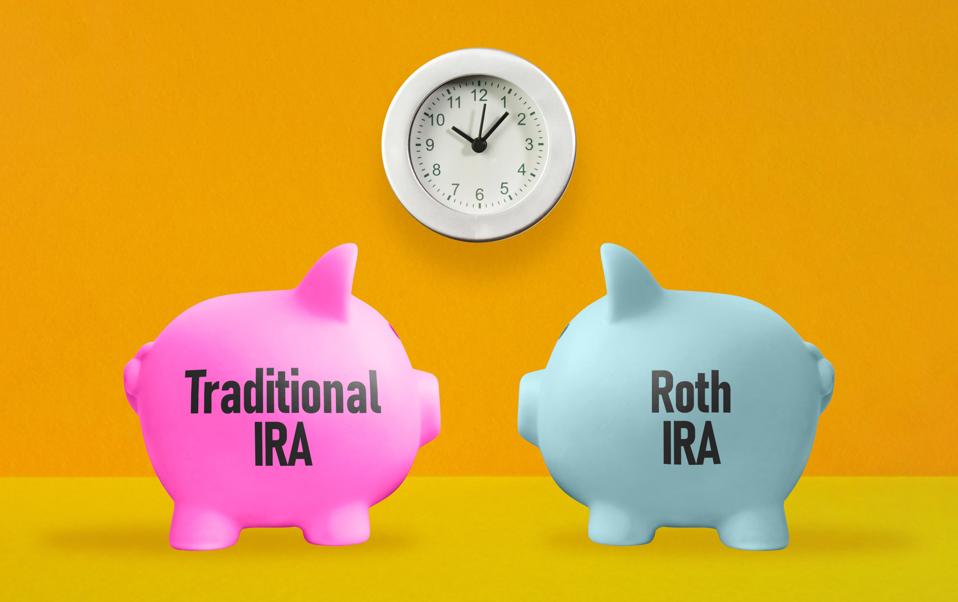
TRADITIONAL IRA VS ROTH IRA: UNDERSTANDING THE DIFFERENCE
Both traditional and Roth IRAs provide tax advantages, but those advantages generally occur at different times.
Traditional IRA: Contributions may be tax-deductible depending on eligibility and income. Investments generally grow tax-deferred, and withdrawals are typically subject to ordinary income tax, except for amounts attributable to previously taxed contributions.
Roth IRA: Contributions are made with after-tax dollars. Investments may grow tax-free, and qualified withdrawals are generally tax-free.
A Roth conversion involves transferring funds from a traditional retirement account into a Roth account. The taxable portion of the converted amount is generally included in income for the year of conversion.
That creates an important trade-off: Pay taxes now or potentially pay them later.
The appropriate choice depends on more than whether tax-free withdrawals sound attractive.
1. YOUR CURRENT TAX BRACKET MAY MAKE A ROTH CONVERSION EXPENSIVE
One of the first considerations is the tax cost of converting.
Imagine you’re still working and earning a substantial income. Converting a large traditional IRA balance could increase your taxable income and potentially move some of that income into a higher marginal tax bracket.
The additional income could also affect other tax-related calculations.
Depending on your circumstances, a Roth conversion may influence:
- The taxation of Social Security benefits
- Medicare Part B and Part D income-related premiums (IRMAA)
- Eligibility for certain deductions or tax benefits
- The net investment income tax calculation
If you anticipate being in a lower tax bracket during retirement, paying taxes on a conversion today may not be advantageous.
However, future tax rates and personal circumstances are uncertain, which is why individual tax projections matter.
2. CHARITABLE GIVING MAY FAVOR KEEPING A TRADITIONAL IRA
For retirees who regularly support charitable organizations, traditional IRAs can provide an important planning opportunity.
Individuals age 70½ or older may be eligible to make qualified charitable distributions (QCDs) directly from an IRA to qualifying charities.
When applicable requirements are satisfied, these distributions can be excluded from taxable income and may count toward required minimum distributions.
For someone planning significant charitable gifts, maintaining traditional IRA assets may preserve opportunities that would otherwise be reduced by converting those funds to a Roth IRA.
QCDs are subject to eligibility requirements, annual limits, and other rules.
A Roth conversion shouldn’t be evaluated without considering how charitable giving fits into your retirement and estate planning goals.
3. PAYING CONVERSION TAXES REQUIRES CAREFUL PLANNING
A Roth conversion creates a tax obligation even though the converted money remains invested in a retirement account.
Many individuals prefer to pay conversion taxes using funds outside their retirement accounts.
Using outside funds may preserve more money inside the Roth IRA for potential future tax-free growth.
However, paying the taxes from other assets can reduce available liquidity and may create additional tax consequences if investments must be sold.
If you don’t have sufficient accessible assets to cover the conversion taxes, the financial trade-offs deserve particularly careful consideration.
And unlike in the past, a completed Roth conversion generally cannot be reversed through recharacterization.
That makes evaluating the potential tax consequences before converting especially important.
4. YOUR BENEFICIARIES’ TAX BRACKETS COULD CHANGE THE EQUATION
Roth conversions can also affect what beneficiaries eventually receive.
Inherited traditional IRA distributions are generally taxable to beneficiaries, except for any applicable after-tax basis. Qualified distributions from inherited Roth IRAs are generally tax-free.
However, that doesn’t automatically mean converting is better for your heirs.
Consider a retiree who is currently in a relatively high tax bracket but expects to leave retirement assets to adult children in lower tax brackets.
Paying conversion taxes at the parent’s higher rate may create a different family-wide tax outcome than leaving traditional IRA assets for beneficiaries to withdraw later.
Many non-spouse beneficiaries must empty inherited IRAs within 10 years, although annual distribution requirements and exceptions depend on individual circumstances.
Estate planning should consider both the value of inherited assets and how those assets may be taxed.
5. THE YEARS BETWEEN RETIREMENT AND RMDS MAY OFFER OPPORTUNITIES
For some retirees, the period after leaving the workforce but before required minimum distributions begin may provide opportunities to evaluate Roth conversions.
During these years, employment income may have stopped while Social Security benefits or RMDs have not yet begun.
That could create comparatively lower-income years.
However, RMD starting ages vary based on birth year, and Roth conversions can affect other financial considerations even during lower-income periods.
Rather than converting an entire account at once, some individuals may benefit from evaluating partial conversions over multiple years.
The appropriate approach depends on projected taxes, income needs, Medicare considerations, and the broader retirement plan.
6. HEALTH SAVINGS ACCOUNTS MAY DESERVE ATTENTION TOO
For eligible individuals, a Health Savings Account (HSA) may provide another tax-advantaged savings opportunity.
HSAs can offer tax-deductible or pretax contributions, tax-deferred growth, and tax-free withdrawals for qualified medical expenses.
However, eligibility requirements apply, and individuals enrolled in Medicare generally cannot make additional HSA contributions.
HSAs serve a different purpose than IRAs, so the appropriate contribution strategy depends on healthcare needs, eligibility, and overall financial circumstances.
FREQUENTLY ASKED QUESTIONS ABOUT TRADITIONAL AND ROTH IRAS
IS A ROTH IRA ALWAYS BETTER THAN A TRADITIONAL IRA?
No. Roth IRAs offer potential tax-free qualified withdrawals, but traditional IRAs may be advantageous when current tax rates are higher than expected future rates or when certain charitable giving strategies are important.
CAN A ROTH CONVERSION INCREASE MEDICARE PREMIUMS?
Yes. Taxable Roth conversions may increase modified adjusted gross income used to calculate Medicare IRMAA. Medicare generally uses income information from two years earlier when determining these additional premiums.
SHOULD I CONVERT MY ENTIRE TRADITIONAL IRA TO A ROTH IRA?
Not necessarily. A full conversion can create substantial taxable income. Partial conversions may be worth evaluating, but the appropriate strategy depends on your individual tax situation and retirement objectives.
INVESTMENT TYPES AND ACCOUNTS TO CONSIDER
When evaluating traditional and Roth IRA strategies, several accounts may be relevant:
- Traditional IRA: Tax-deferred retirement savings with generally taxable withdrawals.
- Roth IRA: After-tax retirement savings with potentially tax-free qualified withdrawals.
- Traditional and Roth 401(k): Employer-sponsored retirement accounts with different tax treatments.
- Health Savings Account (HSA): Tax-advantaged savings for eligible healthcare expenses.
- Brokerage Account: Taxable investments that may provide liquidity for retirement expenses or conversion taxes.
NEXT STEPS: SHOULD YOU KEEP YOUR TRADITIONAL IRA OR CONSIDER A ROTH CONVERSION?
The decision isn’t simply about whether Roth IRAs or traditional IRAs are better.
It’s about understanding which approach may be appropriate for your retirement income, tax situation, charitable goals, and estate plan.
At Nova Wealth Management, we help individuals and families in Bonita Springs, Naples, Estero, Fort Myers, Dallas, and throughout the country evaluate retirement income strategies and tax-aware financial planning.
Before making a Roth conversion, consider reviewing how the decision could affect your broader financial plan.
Schedule your planning session with Nova Wealth Management.
Contact Nova Wealth Management:
Toll-Free: 1-888-677-9910
Bonita Springs: 239-444-1794
Dallas: 214-272-2336
Source: Forbes, Bob Carlson, October 29, 2026. Licensed through AdvisorStream.
Disclosure: This material is provided for general educational and informational purposes only and does not constitute individualized investment, tax, or legal advice. Roth conversions are generally taxable and cannot be reversed through recharacterization. Retirement account rules and tax laws may change. Consult qualified tax and financial professionals before making retirement account decisions. Investing involves risk, including possible loss of principal. Nova Wealth Management, Inc. is a Registered Investment Advisor.
- To view the original version of this article visit novawealthmanagement.com/traditional-ira-vs-roth-ira-when-not-to-convert/
- Seniors Blue Book was not involved in the creation of this content.
Other Articles You May Like
Adding a Child to Your House Deed?
A parent may spend considerable time deciding how a home should be divided among children in a will or trust, then make one seemingly simple change that alters the entire plan: adding one child to the deed. The reason is easy to miss. A will and a deed do different jobs. Your will controls certain property that remains part of your probate estate when you die. A deed establishes ownership of real estate during your lifetime and can determine what happens to an ownership interest at death, depending on how the property is titled. Entrusted Legacy Law's overview of estate planning in Pennsylvania explains why an effective plan needs to address both legal documents and the way assets are actually owned.This distinction matters when a parent adds one child to a house deed because the goal is often innocent: make the transfer easier, avoid probate, reduce taxes, or give a responsible child authority to help with the property. The result, however, may be very different from what the parent intended. Before changing a deed, Pennsylvania homeowners need to understand what they are giving away, how the new ownership fits with their will or trust, and what tax, long-term care, and family consequences may follow. Your Will Doesn't Necessarily Control Everything You Own One of the most important estate planning concepts is the difference between probate and non-probate property. A will generally directs the distribution of property that becomes part of your probate estate. Other assets may transfer according to their title, beneficiary designation, trust ownership, or another legal arrangement instead. Entrusted Legacy Law's explanation of the Pennsylvania probate process notes that individually owned property may be subject to probate, while properly structured jointly owned property can transfer through title rather than through the will. That means the sentence in your will that says, for example, "I leave my estate equally to my three children" does not necessarily mean every asset you own will ultimately be divided three ways. Imagine a mother named Linda has three adult children: Claire, Michael, and Sarah. Her will says her estate should be divided equally among them. Linda later adds Claire to the deed to her house because Claire lives nearby and helps manage repairs and household matters. Linda assumes the house will still be divided among all three children because that is what her will says. That assumption may be wrong. What happens depends on exactly how the deed is written. Certain forms of joint ownership can include survivorship rights, meaning the surviving owner receives the deceased owner's interest through the title arrangement. Other forms of co-ownership do not work that way. The important point is not that every joint deed produces the same result. It is that the deed itself matters, and changing ownership without reviewing the estate plan can produce a transfer that differs from the parent's expectations. Adding a Child to a Deed Is an Ownership Decision Families sometimes describe this transaction casually: "I am just putting her name on the house." Legally, the word "just" can hide a significant change. A properly completed transfer can give the child a present ownership interest in the real estate. The property is no longer owned solely by the parent. Exactly what rights each person receives depends on the language of the deed and the form of ownership created. That distinction matters because an estate plan should answer two separate questions: Who owns the property now? Who should own it after the current owner dies? A will primarily addresses the second question for probate property. A deed can change the answer to the first question immediately. For a family whose primary goal is simply to make administration easier after death, transferring ownership during life may be a much larger legal step than necessary. One Child on the Deed Can Affect the Intended Division Among Siblings A common concern arises when a parent intends to treat several children equally but adds only one child to the deed. Often, the child being added is not intended to receive a larger inheritance. That child may simply live nearby, help with the home, or be viewed as the family member who will handle practical matters later. The parent may assume that child will "do the right thing" and divide the property with siblings. That is not the same as having an estate plan that legally produces the intended result. Family relationships can also change. A child may die before the parent. Siblings may disagree about whether the deed was intended as a gift. Financial circumstances may change. The child on the deed may develop different expectations about the property after contributing toward repairs, taxes, or maintenance. Good estate planning does not depend on everyone remembering an informal conversation the same way years later. The ownership documents, will, trust, and overall distribution plan should tell the same story. The Child's Financial Life Can Become Relevant to the Property Transferring an ownership interest also means the parent's house is no longer connected only to the parent's legal and financial circumstances. The child's interest is now an asset belonging to the child. Depending on the circumstances, legal claims involving that child may affect that interest. That can include creditor problems or litigation. Divorce can also require additional analysis. Pennsylvania law generally excludes property acquired by gift from the definition of marital property, but the law specifically addresses increases in the value of certain nonmarital property, and the outcome of a divorce depends on the facts and how the property has been treated. The Pennsylvania statute governing marital property illustrates why a simple statement that a gifted property interest is either completely "safe" or automatically divided in divorce would be too broad. This is one reason families benefit from discussing the child's circumstances before making the transfer. An ownership change designed to simplify one problem can introduce another set of variables that did not exist while the parent owned the home alone. Adding a Child to the Deed Does Not Automatically Eliminate Pennsylvania Inheritance Tax Taxes are another frequent motivation for deed changes. Pennsylvania imposes an inheritance tax on many transfers occurring at death. The rate generally depends on the relationship between the person who died and the recipient. The Pennsylvania Department of Revenue's inheritance tax guidance currently lists a 4.5 percent rate for transfers to direct descendants and lineal heirs. Transfers to a surviving spouse are generally taxed at zero percent. Adding a child to a deed should not be treated as a simple method for making Pennsylvania inheritance tax disappear. The timing of a transfer, the ownership structure, how the property passes at death, and other facts can affect the analysis. Families who are concerned primarily about inheritance tax can learn more through Entrusted Legacy Law's guide to Pennsylvania inheritance tax planning. A revocable living trust, for example, may help property avoid probate when properly funded, but it does not by itself eliminate Pennsylvania inheritance tax. The tax question therefore needs to be considered as one part of the estate plan rather than as the sole reason for changing ownership of the home. Lifetime Transfers Can Also Change Federal Income Tax Considerations Pennsylvania inheritance tax is not the only tax issue worth reviewing. When property is given during the owner's lifetime, federal tax basis rules can differ from the rules that generally apply to property acquired from someone who has died. The Internal Revenue Service guidance on the basis of gifted property explains that determining a recipient's basis in gifted property can require consideration of the donor's adjusted basis, the property's fair market value at the time of the gift, and, when applicable, gift tax paid. That matters because basis is used when calculating gain or loss if property is later sold. For a home that has appreciated substantially over decades, transferring an interest during life without considering basis could create a different tax outcome from allowing property to pass at death. This does not mean every lifetime transfer produces a large tax bill. It means tax consequences should be calculated rather than assumed. An estate planning attorney may also coordinate with the family's certified public accountant or other tax professional when the numbers warrant additional tax analysis. A Deed Transfer Can Matter for Future Medicaid Planning For older homeowners, long-term care planning adds another important consideration. Pennsylvania's Department of Human Services reviews certain asset transfers made during the 60 months before an applicant seeks Medicaid coverage for long-term care. According to the state's Medical Assistance guidance for long-term care, assets transferred, sold, or given away during that look-back period must be reviewed. When fair market value was not received, a period of ineligibility may result, subject to applicable rules and exceptions. A parent who gives a child an ownership interest in a home may therefore be making more than an estate planning decision. The transfer may also become relevant if long-term care is needed later. There are important exceptions and planning strategies under Medicaid rules, so families should not assume that every deed transfer is prohibited or that every home must remain untouched. The appropriate strategy depends on factors such as health, marital status, other assets, timing, and long-term goals. Entrusted Legacy Law's elder law and Medicaid planning services focus on evaluating those issues together rather than treating the house, Medicaid eligibility, and the estate plan as separate problems. The Deed Can Affect Your Ability to Change Course Later Another question homeowners sometimes overlook is what happens if they change their minds. A parent who remains the sole owner generally has significant control over decisions involving the property. Once another person receives an ownership interest, changing that arrangement can require the cooperation of the other owner and additional legal documentation. That matters because life rarely stays exactly as it was when an estate plan was first created. A parent may later want to sell the house and downsize. -The child may move away. -The parent may remarry. -One sibling may become the primary caregiver. -The home may need to be sold to help fund care. -Family relationships may change. A planning decision that seemed appropriate at age 65 may be inconvenient at 78. Preserving appropriate flexibility is therefore an important part of evaluating any lifetime transfer. Avoiding Probate Is a Goal, Not a Complete Estate Plan Some parents add a child to a deed for one reason: they do not want their home to go through probate. That is a legitimate planning goal, but the method matters. Entrusted Legacy Law's probate guidance explains that property can sometimes pass outside probate through title, and assets properly owned by a trust may also avoid probate. The question is not simply whether a strategy avoids probate. The better question is what else the strategy changes. An option that avoids probate but creates an unintended gift, changes the inheritance among children, complicates long-term care planning, or produces unfavorable tax consequences may not accomplish the family's larger objectives. Estate planning works best when probate avoidance is considered alongside control, taxes, creditor concerns, long-term care, family relationships, and the eventual distribution of property. What Should You Review Before Adding a Child to Your Deed? Before signing a new deed, it helps to be clear about the problem you are trying to solve. Ask yourself: Am I trying to avoid probate? Am I trying to reduce inheritance tax? Do I want my child to own part of the property now? Do I simply want someone to help manage financial matters? Do I intend this child to receive the entire home after my death? Should the home's value be divided among several beneficiaries? Could I need long-term care in the next several years? How would this transfer fit with my existing will or trust? What happens if my child dies before me? What happens if I later want to sell or change the plan? The answers may point toward very different planning tools. Someone who needs assistance managing finances may need a properly drafted financial power of attorney rather than a new co-owner. Someone whose primary concern is probate may need to review trust planning and asset titling. Someone focused on nursing home costs may need elder law and Medicaid planning. Someone who wants several children to benefit from the property may need a structure that clearly defines how and when each person's interest is received. There is no universal deed arrangement that solves every estate planning problem. Why Coordinating the Deed, Will, and Trust Matters An estate plan is not merely a collection of signed documents. A beautifully drafted will cannot accomplish its intended purpose if major assets pass according to ownership arrangements that were never reviewed. A trust cannot govern real estate that was meant to be placed into the trust but was never properly transferred. A tax strategy can fail if it addresses one tax while ignoring another consequence. The more useful approach is to review the family, the documents, and the assets together. For a homeowner, that means looking at the actual deed rather than relying on memory about how the property is titled. It also means comparing the deed with the will or trust and asking whether each document produces the same intended result. For parents with several children, the question becomes especially important. If one child appears on the deed and all children appear in the will, there should be a clear reason for that difference. Before You Sign a New Deed, Understand What It Changes Adding a child to a deed is not automatically wrong. There are situations in which a carefully planned property transfer can serve a legitimate purpose. The risk comes from treating the deed as harmless paperwork. Changing a deed can affect present ownership, the way property passes at death, the relationship between the home and the will, potential tax treatment, future Medicaid planning, and the legal interests of other family members. The right answer depends on what the family is actually trying to accomplish. If you are considering adding a child to your Pennsylvania property, or you already made a deed change and want to know whether it still matches your estate plan, Entrusted Legacy Law can help you review the entire picture. Schedule an introductory consultation to discuss your goals before making another change. This article is for educational purposes and is not legal or tax advice. The effect of a deed depends on its language and the facts of the individual situation. In Pennsylvania, a will does not necessarily control what happens to a house. The result depends on how the property is titled. Adding a child to a deed can create a present ownership interest and may affect inheritance, taxes, Medicaid planning, and family rights, so the deed should be reviewed with the complete estate plan. Frequently Asked Questions Does a will override a deed in Pennsylvania? Generally, a will does not simply override an existing property ownership arrangement. A will governs property that passes through the probate estate, while certain ownership arrangements can determine how property transfers outside probate. The language of the deed needs to be reviewed to determine what happens to the property. If I add one child to my deed, do my other children still inherit part of the house? Not necessarily. The result depends on the type of ownership created by the deed and your overall estate plan. A provision dividing your estate among several children may not control an interest that transfers through a different ownership arrangement. Can adding my child to my deed avoid probate in Pennsylvania? Certain forms of joint ownership can cause a property interest to pass outside probate, but avoiding probate does not by itself mean the strategy is appropriate. The transfer can also affect control, taxes, long-term care planning, and the intended inheritance of other family members. Does adding a child to a deed avoid Pennsylvania inheritance tax? It should not be assumed that adding a child eliminates inheritance tax. Pennsylvania's inheritance-tax rules depend on the relationship between the deceased person and the recipient and on how property is transferred. Direct descendants are generally subject to a 4.5 percent rate on taxable transfers. Can adding a child to my house affect Medicaid eligibility? It can. Pennsylvania reviews certain asset transfers made during the 60 months before an application for Medicaid long-term care. A transfer for less than fair market value can create an eligibility penalty, although exceptions and specialized planning rules may apply. Can my child's divorce affect a house I added them to? Potentially, but the answer is fact-specific. Pennsylvania generally excludes property acquired by gift from marital property, while increases in value of certain nonmarital property can be treated differently. Ownership, contributions, timing, and other circumstances should be reviewed before assuming the property is unaffected by a divorce. Is a trust better than adding my child to the deed? It depends on the goal. A properly designed and funded trust can be useful when a family wants to coordinate property management and transfer while maintaining a structured estate plan. Medicaid planning, tax planning, probate avoidance, and family circumstances can require different types of trusts or other strategies.
Adding a Child to Your Bank Account
Adding an adult child to your checking or savings account can seem like an easy way to get help with bills, keep an eye on transactions, or make sure someone can step in if you are unable to manage things yourself. The problem is that adding someone as a joint owner can do more than give them access to the account. It can also affect who owns the money and what happens to it after you die.That distinction matters, especially if you have more than one child and intend for your estate to be divided equally.Joint Owner Is More Than Someone Who Helps With BillsMany parents add a son or daughter to an account for convenience. The child may live nearby, help with monthly expenses, or monitor the account for unusual activity. The parent may think of the arrangement as simple permission to help.Legally, joint ownership can mean something more.Under Pennsylvania law governing multiple-party accounts, the balance remaining in a joint account generally belongs to the surviving party after one owner dies, unless there is sufficient evidence showing a different intent.That means an account you intended to make easier to manage could end up passing differently than the rest of your estate.What If You Have Three Children?Imagine you have three adult children and want everything divided equally among them.One child lives nearby and helps you pay bills, so you add that child to your checking account. Your will still says your estate should be divided equally among all three children.You may assume the money in the checking account will also be divided three ways. If the account is owned jointly with survivorship rights, the remaining balance may pass directly to the surviving joint owner instead of becoming part of the estate distributed under your will.The child on the account may end up receiving more than the others, even though that was never your intention. This does not necessarily mean anyone did anything wrong. It means the account ownership and the estate plan were not working together.Your Will Does Not Control Every AssetA will is an important part of an estate plan, but it does not automatically control everything you own.Some assets pass outside probate because of the way they are titled or because a beneficiary has already been named.Joint accounts are one example. Retirement accounts and life insurance policies can also pass according to beneficiary designations rather than the instructions in a will.This is why good estate planning involves looking at the full picture. Your accounts, beneficiary designations, will, trust, and other planning documents need to support the same goals.Entrusted Legacy Law explains more about this distinction on its Pennsylvania probate page and in its guidance on beneficiary designations and probate.You May Need Authority, Not OwnershipThere is an important question to ask before adding a child to an account:Do you actually want your child to own the account, or do you simply want them to be able to help you?Those are two different goals.If your main concern is giving someone the ability to pay bills or manage finances for you, a financial power of attorney may be worth considering.The Consumer Financial Protection Bureau explains that a power of attorney can allow a trusted person to assist with banking without necessarily making that person a joint owner of the account.A financial power of attorney allows you to name someone to act on your behalf within the authority provided in the document.That can be especially helpful if you become sick, have difficulty managing finances, or simply want someone you trust to assist you.Entrusted Legacy Law also explains the role of this document in Why a Financial Power of Attorney Is More Important Than a Will. Trusting Your Child Does Not Eliminate the ProblemParents sometimes respond to this concern by saying, I trust my daughter. She knows she is supposed to divide the money with her brothers.That trust may be completely justified. The issue is that the family is now depending on an informal conversation instead of a legal plan.Years later, questions can arise.Was the daughter supposed to divide everything equally? Was she supposed to receive something extra because she provided care? Were bills supposed to be paid first? Did the parent change their mind at some point?Even close families can remember conversations differently. Clear planning removes as much uncertainty as possible so your children are not left trying to interpret your wishes after you are gone.What If You Added a Child to Monitor for Fraud?Some parents add a child to an account because they want another set of eyes watching for unusual transactions.That can be a reasonable concern, especially as people get older. Joint ownership, however, may not be the only option.Some financial institutions offer account alerts, limited-access arrangements, trusted contacts, or other ways to involve another person. Options vary from one institution to another.Before changing ownership of an account, ask the bank what alternatives are available and consider how each option fits into your estate plan. Review Accounts You Already Own JointlyThis issue is not limited to people thinking about opening a new account.If you already have an adult child listed on a checking or savings account, it is worth reviewing the arrangement.Ask yourself why that person was originally added and whether the account still reflects what you want today.You should also make sure you understand what happens to the account when you die and whether that result matches your will or trust.An arrangement that made sense ten years ago may no longer fit your family or your estate plan.Make Sure Your Accounts Match Your Estate PlanAdding an adult child to a bank account is not automatically a bad decision. In some families, joint ownership may be intentional and appropriate.The key is understanding what you are creating.If you want your child to own the money with you and potentially receive the account after your death, joint ownership may fit your goals.If you only want someone to help manage bills or finances, another option may make more sense.Entrusted Legacy Law helps Pennsylvania families review how bank accounts, wills, trusts, powers of attorney, and beneficiary designations work together. If you are unsure whether your accounts match the plan you have in mind, you can schedule an introductory consultation.This article is for general educational purposes and is not legal advice. The right approach depends on your account documents, family circumstances, and overall estate plan.
Which Assets May Transfer Without Probate?
Probate planning is not only about signing a will. It also requires understanding how each asset is owned, whether a beneficiary has been named, and what legal process will apply after the owner dies.Pennsylvania provides several ways for property to transfer without opening a full probate estate. Certain bank accounts may qualify for a simplified release. Vehicles may sometimes be transferred through a Pennsylvania Department of Transportation procedure. Jointly owned property, accounts with beneficiary designations, and assets properly titled in a trust may also pass outside probate.Each method has limits. An account that appears to have a beneficiary may contain an outdated designation. Joint ownership may create unintended consequences. A trust cannot control property that was never transferred into it. Avoiding probate also does not necessarily eliminate Pennsylvania inheritance tax.The most useful approach is an asset-by-asset review. Instead of asking only whether you have a will, ask how every account, vehicle, property interest, and financial asset would legally move to the next owner. What Does It Mean for an Asset to Avoid Probate?Probate is the legal process used to appoint an executor or administrator, identify estate property, address debts and taxes, and distribute assets controlled by a will or Pennsylvania intestacy law.An asset commonly becomes part of the probate estate when it is owned in the deceased persons individual name and does not have another effective transfer mechanism. Entrusted Legacy Laws overview of the Pennsylvania probate process explains how individually owned property may require estate administration.A non-probate asset transfers through another legal arrangement. That arrangement may be: A surviving owner named on the title A beneficiary designation A payable-on-death or transfer-on-death registration Ownership by a properly funded trust A limited statutory procedure for a particular type of asset The existence of a will does not convert an individually owned asset into a non-probate asset. A will generally directs what happens to probate property after death. It does not override every beneficiary designation or joint ownership arrangement.This is why a complete Pennsylvania estate planning review should address ownership and beneficiary designations in addition to legal documents.Small Bank and Credit Union AccountsPennsylvania law allows certain financial institutions to release a deceased persons deposit accounts without requiring the appointment of a personal representative when the statutory conditions are satisfied.Under Section 3101 of Pennsylvanias Probate, Estates and Fiduciaries Code, the total standing to the deceased persons credit at that institution must not exceed $20,000. The statute gives preference to a surviving spouse, child, father or mother, and sister or brother, in that order. A receipted funeral bill or an affidavit from a licensed funeral director confirming satisfactory payment arrangements must also be presented. The full requirements appear in 20 Pa. C.S. Section 3101.This is a limited release procedure, not a blanket rule that every estate worth $20,000 or less avoids probate.The limit applies to the total held for the deceased person at a particular institution. For example, a checking account and savings account at the same bank may need to be considered together. Other property, such as real estate, personal belongings, investment accounts, or a vehicle, is not automatically covered by the bank-account provision.Entrusted Legacy Law has a separate explanation of the 2026 Pennsylvania probate update for small bank accounts, including the eligibility order and documentation requirements.Families should contact the institution before assuming the funds will be released. A bank or credit union may require identification, proof of relationship, a certified death certificate, and its own internal forms in addition to the documents identified by statute.Vehicles That May Be Transferred Without Opening an EstateA vehicle titled in the deceased owners name does not always require a full probate proceeding. Pennsylvania provides several vehicle-transfer procedures, but the correct procedure depends on the title, the will, the surviving family members, and whether an executor or administrator has already been appointed.The Pennsylvania Department of Transportation uses Form MV-39, titled Notification of Assignment or Correction of Vehicle Title Upon Death of Owner, for several post-death transfers.For a vehicle titled jointly with a right of survivorship, the surviving owner may apply for a corrected title. Pennsylvanias official instructions state that the survivor generally should not complete an assignment on the reverse side of the existing title. Form MV-39 and acceptable proof of death are required.A different procedure may apply when the vehicle was owned solely by the deceased person and no executor or administrator has been appointed. For example, the official instructions describe a process when an unprobated will leaves the vehicle to a surviving spouse, child, or parent. They also provide procedures for certain situations involving no will, a surviving spouse, adult heirs, or minor heirs.The Pennsylvania Department of Transportation vehicle-transfer fact sheet explains the documents required for each situation. Depending on the facts, those documents may include the original title, Form MV-39, Form MV-4ST, proof of death, a copy of the will, signatures from heirs, insurance information, and applicable fees.The availability of a vehicle-transfer procedure should not be interpreted as permission for one family member to sign for everyone else or take possession without confirming legal authority. The family structure matters. The presence of a minor heir, a disagreement among adult heirs, an unclear will, or a missing title can change the process.Accounts With Beneficiary DesignationsMany financial assets are controlled by a beneficiary designation rather than by the owners will. Common examples may include: Life insurance policies Individual retirement accounts Employer-sponsored retirement plans Annuities Certain investment accounts Payable-on-death bank accounts Transfer-on-death securities Pennsylvania law expressly recognizes beneficiary registration for eligible securities. A security may be registered using wording such as transfer on death, pay on death, or the corresponding designation offered by the institution. When the owner dies, ownership may pass to a surviving beneficiary after proof of death and compliance with the institutions requirements. Pennsylvanias transfer-on-death securities law appears in Chapter 64 of Title 20.A beneficiary designation works only when it is valid and current. Problems can arise when: The named beneficiary died before the account owner A former spouse remains listed A minor is named without an appropriate management plan The designation conflicts with the owners current intentions The account has no contingent beneficiary The designation form was never accepted or recorded by the institution The beneficiary is receiving means-tested government benefits The owner expected the will to override the designation Beneficiary forms should be reviewed after marriage, divorce, the birth or adoption of a child, the death of a beneficiary, a significant change in wealth, or a change in the owners planning goals.Jointly Owned PropertySome jointly owned assets pass to a surviving owner by operation of law. The result depends on the form of ownership.An account or property held with a right of survivorship may pass to the surviving owner after one owner dies. Property held as tenants in common does not carry the same automatic survivorship feature. The deceased owners share may instead become part of the probate estate or pass under another applicable planning arrangement.Married couples may also own certain property as tenants by the entireties. This form of ownership generally includes survivorship rights, although the legal effect can depend on the property and the circumstances.Joint ownership can simplify a transfer, but adding another person to an asset is not a risk-free substitute for estate planning. It may give the new owner immediate rights during the original owners lifetime. It can also create questions involving control, creditors, taxes, family expectations, and unequal treatment among children.For example, a parent may add one adult child to an account merely to help pay bills. After the parents death, the account documentation may indicate that the child owns the account through survivorship. Other children may believe the account was supposed to be divided equally. That mismatch can create conflict even when the parent had a will stating that the estate should be divided among all children.Before changing an account or deed, the owner should understand whether the new ownership is intended only for convenience, creates a present ownership interest, or includes a survivorship right.Assets Held in a Revocable Living TrustA revocable living trust can help assets avoid probate when the trust is properly created and the relevant property is transferred into it.Signing a trust document is only the first step. The plan may also require changing ownership records for real estate, accounts, or other property. This process is often called trust funding.A trust that owns no assets may not accomplish the owners probate-avoidance goal. If a house, investment account, or business interest remains solely in the individuals name without an effective beneficiary designation, that property may still require probate even though the person signed a trust years earlier.Trust funding also requires judgment. Some assets should not automatically be retitled without considering tax rules, loan terms, insurance coverage, retirement-account restrictions, and other legal consequences. Retirement accounts, for example, are generally coordinated through beneficiary designations rather than retitled into a revocable living trust during the owners lifetime.A useful trust review asks: Which assets are currently titled in the trusts name? Which assets transfer through beneficiary designations? Does the trust contain instructions for the intended beneficiaries? Are successor trustees still appropriate? Were newly acquired assets coordinated with the plan? Do financial institutions have the documentation they need? Does the plan still reflect the owners family and financial circumstances? Avoiding Probate Does Not Necessarily Avoid Pennsylvania Inheritance TaxProbate and inheritance tax are separate legal issues. An asset may transfer directly to a beneficiary or surviving joint owner without passing through probate and still be relevant for Pennsylvania inheritance-tax purposes. The Pennsylvania Department of Revenue states that inheritance tax can apply to transfers by will, intestacy, and operation of law. The applicable rate generally depends on the recipients relationship to the deceased person.Current published rates include zero percent for transfers to a surviving spouse, 4.5 percent for transfers to direct descendants and lineal heirs, 12 percent for transfers to siblings, and 15 percent for many other beneficiaries. Specific exemptions and special rules may apply. Pennsylvanias inheritance-tax guidance provides the current rates and filing information.This distinction is important because families sometimes assume that non-probate means non-taxable. It does not. Probate status, income-tax consequences, inheritance tax, creditor rights, and beneficiary rights should be evaluated separately.A Practical Asset-by-Asset Probate CheckupAn estate plan is more likely to work as intended when each asset has a clear transfer path.Start by preparing a current inventory that includes: Real estate Bank and credit union accounts Investment accounts Retirement benefits Life insurance Annuities Vehicles Business interests Valuable personal property Digital assets Property located outside Pennsylvania For each asset, record the current owner, approximate value, beneficiary designation, contingent beneficiary, and intended recipient.Next, identify the transfer mechanism. Will the asset pass through a beneficiary form, survivorship ownership, trust ownership, the will, or a statutory procedure? Avoid writing family or children without confirming what the legal documents and account records actually say.Review whether the arrangement still fits the family. A designation that was appropriate ten years ago may no longer reflect the owners relationships, concerns, or financial circumstances.Check for gaps. Common gaps include an account with no beneficiary, a trust that was never funded, a deceased beneficiary, real estate owned in another state, or a vehicle title that does not match the owners assumptions.Finally, coordinate the plan rather than evaluating each document in isolation. A will, trust, deed, account registration, and beneficiary form can each be legally valid while still producing an inconsistent overall result.When a Simplified Transfer May Not Be EnoughA probate shortcut may resolve one asset without resolving the entire estate.Legal guidance may be helpful when: The deceased person owned real estate individually The combined accounts at one institution exceed the statutory limit The beneficiary designation is missing or disputed Family members disagree about ownership A beneficiary died before the account owner Minor children may inherit property A beneficiary has a disability or receives public benefits The deceased person owned property in multiple states The estate may have significant debts or tax obligations A business interest is involved A trust exists, but assets were not transferred into it Someone may need legal authority to pursue a claim, sell property, or deal with creditors Opening an estate is not always a planning failure. In some cases, probate provides the legal authority needed to collect assets, resolve claims, transfer title, and complete administration properly. The goal is not to avoid probate at any cost. The goal is to create the most appropriate, efficient, and understandable plan for the family.Review How Your Assets Would TransferA thoughtful estate plan connects legal documents with the real-world ownership of your property. Small bank-account procedures, vehicle-transfer forms, beneficiary designations, joint ownership, and trusts can each play a role, but none should be considered in isolation.Entrusted Legacy Law helps Pennsylvania families review how their assets are titled, identify potential probate gaps, and create plans designed around the people and responsibilities that matter to them. The firms educational approach emphasizes planning that works for the family, not merely producing documents.To discuss how your accounts, property, and beneficiary designations fit together, schedule an introductory consultation with Entrusted Legacy Law.This article is for educational purposes only and is not legal advice. The correct process depends on the asset, title, family circumstances, governing documents, and law in effect at the relevant time.Assets that may avoid probate in Pennsylvania include property held with survivorship rights, accounts with valid beneficiary designations, transfer-on-death securities, and assets properly owned by a trust. Certain deposit accounts totaling $20,000 or less at one institution and some vehicles may also qualify for simplified transfer procedures when all legal requirements are satisfied.Frequently Asked QuestionsWhat assets usually avoid probate in Pennsylvania?Assets may avoid probate when they transfer through survivorship ownership, a valid beneficiary designation, transfer-on-death registration, or trust ownership. Certain small deposit accounts and vehicles may also qualify for specific Pennsylvania procedures. The title and account records must be reviewed before determining whether probate is required.Does a will help my assets avoid probate?A will generally does not prevent probate. It provides instructions for distributing probate property and can name an executor, guardians, and other fiduciaries. Assets that transfer through beneficiary designations, survivorship rights, or trust ownership generally pass under those arrangements rather than under the will.Can a Pennsylvania bank release money without an executor?A bank, credit union, or similar institution may release deposit accounts when the total held for the deceased person at that institution does not exceed $20,000 and the requirements of Pennsylvania law are met. Eligible relatives, funeral documentation, identification, and institutional forms may be required.Can a car be transferred in Pennsylvania without probate?Sometimes. The available procedure depends on how the vehicle was titled, whether there is a will, who the heirs are, and whether an executor or administrator has been appointed. Pennsylvania Department of Transportation forms and supporting documentation must be completed correctly.Do beneficiary designations override a will in Pennsylvania?A valid beneficiary designation generally controls the transfer of the asset covered by that designation. A will usually does not redirect an account that has an effective named beneficiary. Conflicts, invalid designations, deceased beneficiaries, and other complications may require legal review.Does jointly owned property always avoid probate?No. Property with a valid right of survivorship may pass to the surviving owner, while a deceased tenant in commons share may require probate. The exact title language and applicable law determine the result.Does avoiding probate eliminate Pennsylvania inheritance tax?No. Non-probate property may still be subject to Pennsylvania inheritance tax. Tax treatment depends on the asset, ownership, recipients relationship to the deceased person, available exemptions, and other circumstances.Can a trust avoid probate if nothing was transferred into it?A trust generally controls only the assets legally connected to it. Property that remains individually owned without another transfer mechanism may still require probate. Trust funding and beneficiary coordination are therefore important parts of the planning process.
Local Services By This Author

Nova Wealth Management
Financial AdvisorNova Wealth Management is an independent, fee based Registered Investment Advisor dedicated to helping individuals, families, retirees, and high-net-worth clients build, protect, and preserve their wealth. With a personalized, fiduciary-focused approach, the firm develops comprehensive financial strategies designed around each client's unique goals, lifestyle, risk tolerance, and long-term vision.Nova Wealth Management offers a wide range of services, including comprehensive financial planning, investment management, retirement planning, retirement income strategies, tax-aware planning, healthcare and long-term care planning, estate and legacy coordination, charitable giving strategies, and family office services for families with complex and multi-generational wealth needs. The firm also provides specialized guidance for federal employees navigating FERS, TSP, and other retirement benefits.With offices in Bonita Springs and Naples, Florida, as well as Dallas, Texas, Nova Wealth Management serves clients throughout Southwest Florida and beyond. Its experienced team works to simplify complex financial decisions and provide ongoing guidance as clients' lives and financial needs evolve. Whether planning for retirement, managing investments, preparing for future healthcare costs, coordinating an estate plan, or creating a lasting family legacy, Nova Wealth Management is committed to helping clients move forward with greater clarity and confidence.
Nova Wealth Management
Accounting & Tax ServicesNova Wealth Management is an independent, fee based Registered Investment Advisor dedicated to helping individuals, families, retirees, and high-net-worth clients build, protect, and preserve their wealth. With a personalized, fiduciary-focused approach, the firm develops comprehensive financial strategies designed around each client's unique goals, lifestyle, risk tolerance, and long-term vision.Nova Wealth Management offers a wide range of services, including comprehensive financial planning, investment management, retirement planning, retirement income strategies, tax-aware planning, healthcare and long-term care planning, estate and legacy coordination, charitable giving strategies, and family office services for families with complex and multi-generational wealth needs. The firm also provides specialized guidance for federal employees navigating FERS, TSP, and other retirement benefits.With offices in Bonita Springs and Naples, Florida, as well as Dallas, Texas, Nova Wealth Management serves clients throughout Southwest Florida and beyond. Its experienced team works to simplify complex financial decisions and provide ongoing guidance as clients' lives and financial needs evolve. Whether planning for retirement, managing investments, preparing for future healthcare costs, coordinating an estate plan, or creating a lasting family legacy, Nova Wealth Management is committed to helping clients move forward with greater clarity and confidence.
Nova Wealth Management
Income Tax FilingNova Wealth Management is an independent, fee based Registered Investment Advisor dedicated to helping individuals, families, retirees, and high-net-worth clients build, protect, and preserve their wealth. With a personalized, fiduciary-focused approach, the firm develops comprehensive financial strategies designed around each client's unique goals, lifestyle, risk tolerance, and long-term vision.Nova Wealth Management offers a wide range of services, including comprehensive financial planning, investment management, retirement planning, retirement income strategies, tax-aware planning, healthcare and long-term care planning, estate and legacy coordination, charitable giving strategies, and family office services for families with complex and multi-generational wealth needs. The firm also provides specialized guidance for federal employees navigating FERS, TSP, and other retirement benefits.With offices in Bonita Springs and Naples, Florida, as well as Dallas, Texas, Nova Wealth Management serves clients throughout Southwest Florida and beyond. Its experienced team works to simplify complex financial decisions and provide ongoing guidance as clients' lives and financial needs evolve. Whether planning for retirement, managing investments, preparing for future healthcare costs, coordinating an estate plan, or creating a lasting family legacy, Nova Wealth Management is committed to helping clients move forward with greater clarity and confidence.