Understanding Breast Cancer Surgery Options in Mobile, AL
Southern Cancer Center
For more information about the author, click to view their website: Southern Cancer Center-Mobile Providence Breast Surgery
Oct 22, 2026
Alabama - Gulf Coast

Email US
Click to Email Us
A breast cancer diagnosis can bring many questions about the future, especially when surgery is being considered. Patients may wonder how much breast tissue must be removed, whether additional treatment will be necessary, and how surgery could affect their appearance, comfort, and everyday activities.
For older adults in Mobile, Alabama, these questions may become more complicated when other health conditions, medications, or mobility concerns are involved.
Some patients are diagnosed after an abnormal mammogram. Others discover a breast lump or experience changes that require additional testing. Certain individuals have a strong family history of breast cancer and want to understand their personal risk.
Regardless of how the concern begins, the goal is to obtain accurate information and develop a treatment plan suited to the individual's circumstances.
Breast surgical oncology focuses on the diagnosis and surgical treatment of breast cancer and other complex breast conditions.
Treatment may involve breast-conserving surgery, mastectomy, lymph node evaluation, or other procedures. The appropriate approach depends on the diagnosis, disease characteristics, patient preferences, and recommendations from the healthcare team.
Southern Cancer Center-Mobile Providence Breast Surgery provides specialized breast surgical oncology services on the Providence Hospital campus in Mobile.
Led by Dr. Lindsey W. Beakley, the breast surgery team works alongside Southern Cancer Center's medical oncology, radiation oncology, genetic counseling, and supportive care professionals.
For patients throughout Mobile County, understanding available surgical options can help make conversations about treatment more informed and productive.
What Is Breast Surgical Oncology?
Breast surgical oncology is a medical specialty focused on evaluating and surgically treating breast cancer and certain other breast conditions.
Breast surgical oncologists receive specialized training in procedures involving breast tissue and related lymph nodes.
Common Reasons to See a Breast Surgeon
These may include:
- A newly diagnosed breast cancer
- An abnormal mammogram requiring further evaluation
- A suspicious breast lump
- Certain non-cancerous breast conditions
- Nipple discharge requiring evaluation
- Atypical breast tissue findings
- A family history suggesting increased cancer risk
- Questions about breast-conserving surgery
- Consideration of mastectomy
- Follow-up after previous breast surgery
Not every breast concern requires an operation.
The surgeon's role also includes evaluating findings and helping patients understand whether surgery is appropriate.
Southern Cancer Center-Mobile Providence Breast Surgery
Southern Cancer Center is a community-based multidisciplinary oncology practice established in 2007.
Its breast surgical oncology services are designed to address both malignant and non-malignant breast conditions.
The Providence Breast Surgery office is located in Building B, Suite 222, on the Providence Hospital campus.
Dedicated Breast Surgical Oncology
The practice provides specialized surgical consultations and treatment planning for breast conditions.
Breast-Conserving Surgery
Southern Cancer Center advertises lumpectomy and other breast-conserving procedures.
Mastectomy Options
The breast surgery program includes selected nipple-sparing and skin-sparing mastectomy techniques.
Lymph Node Surgery
Specialized procedures may be used to evaluate or treat certain lymph nodes.
High-Risk Assessment
Patients with relevant personal or family histories may benefit from risk evaluation and genetic counseling.
Multidisciplinary Care
Breast surgeons collaborate with medical oncologists, radiation oncologists, genetic professionals, and supportive care specialists.
Individualized Treatment
Recommendations depend on each patient's diagnosis, medical history, and treatment goals.
Meet the Breast Surgery Team
The Providence breast surgical oncology team includes:
Dr. Lindsey W. Beakley
Dr. Lindsey Beakley is a board-certified surgeon who completed fellowship training in breast surgical oncology.
She joined Southern Cancer Center in April 2022.
Her clinical interests include breast-conserving surgery, oncoplastic procedures, nipple-sparing mastectomy, and lymph node assessment.
She evaluates patients with breast cancer, abnormal mammograms, benign breast disease, and high-risk breast conditions.
Sydney Meaux, PA-C
Sydney Meaux is a physician assistant associated with Southern Cancer Center's breast surgical oncology service.
Physician assistants may help support clinical evaluations, patient education, and appropriate follow-up under the practice's care arrangements.
The clinic should confirm the responsibilities and appointment availability of individual team members.
Verified Contact Information
Southern Cancer Center-Mobile Providence Breast Surgery
Address: 6701 Airport Boulevard, Building B, Suite 222, Mobile, AL 36608
County: Mobile County, Alabama
Dedicated Breast Surgery Phone: 251-633-0663
Fax: 251-266-3601
Southern Cancer Center Main Phone: 251-625-6896
Website: https://www.southerncancercenter.com/
Breast Surgery Services: https://www.southerncancercenter.com/breast-surgery/
Providence Breast Surgery Office: https://www.southerncancercenter.com/contact-us/providence-hospital-campus-breast-surgery/
Office Hours: Monday through Friday, 8:00 AM to 5:00 PM
Medical Team: Dr. Lindsey W. Beakley and Sydney Meaux, PA-C
Primary Category: Cancer Treatment Centers
Patients should verify appointment availability, insurance requirements, and the correct office suite before arriving.
What Happens After an Abnormal Mammogram?
An abnormal mammogram does not automatically mean someone has cancer.
Screening images may identify changes that require additional evaluation.
Additional Imaging
A physician may recommend diagnostic mammography, ultrasound, or other imaging.
Breast Examination
A healthcare professional may assess symptoms or areas of concern.
Biopsy
Certain suspicious findings require tissue sampling.
Pathology Results
A pathologist examines tissue to identify whether the findings are benign, atypical, or malignant.
Specialist Consultation
A breast surgeon may review the results and discuss the need for additional testing or treatment.
Understanding the Next Steps
Patients should ask what the findings mean and whether surgical evaluation is necessary.
Southern Cancer Center's breast surgery program evaluates abnormal imaging results and complex breast concerns.
Understanding Lumpectomy
A lumpectomy is a breast-conserving surgical procedure.
It generally removes the cancerous area and a surrounding margin of tissue while preserving much of the breast.
Why Lumpectomy May Be Recommended
For certain patients with early-stage breast cancer, breast-conserving treatment is an appropriate option.
Evaluating the Tumor
Factors may include tumor size, location, disease characteristics, and the amount of breast tissue involved.
Surgical Margins
The surgeon aims to remove the cancer with an appropriate margin of surrounding tissue.
Additional Treatment
Radiation therapy is commonly recommended after lumpectomy for many invasive breast cancers, although treatment depends on individual circumstances.
Considering Appearance
The surgeon may discuss how the operation could affect breast shape or symmetry.
Long-Term Outcomes
For appropriately selected patients, breast-conserving surgery followed by recommended treatment can provide survival outcomes comparable to mastectomy.
Treatment decisions should be based on a detailed oncology assessment.
Understanding Mastectomy
A mastectomy removes breast tissue as part of treatment or risk reduction.
There are several types of mastectomy, and the appropriate procedure depends on individual circumstances.
Total Mastectomy
A total mastectomy generally removes the breast tissue, including the nipple-areolar complex.
Skin-Sparing Mastectomy
A skin-sparing procedure preserves selected breast skin to support reconstruction when appropriate.
Nipple-Sparing Mastectomy
A nipple-sparing procedure preserves the nipple-areolar complex in suitable patients.
Why Mastectomy May Be Considered
Factors may include:
- The extent of cancer
- Multiple areas of disease
- Prior radiation treatment
- Genetic risk
- Patient preference
- Other clinical considerations
Reconstruction Decisions
Some patients choose breast reconstruction.
Others prefer a flat closure or an external breast prosthesis.
Each option deserves an informed discussion.
Nipple-Sparing and Skin-Sparing Surgery
Southern Cancer Center advertises specialized mastectomy options, including nipple-sparing and skin-sparing procedures.
Nipple-Sparing Surgery
The surgeon preserves the nipple-areolar complex when clinically appropriate.
Skin-Sparing Surgery
Selected skin is preserved while the required breast tissue is removed.
Patient Selection
Not every patient is a candidate.
Factors may include the location and extent of disease, breast anatomy, circulation, and previous treatment.
Reconstruction Planning
These techniques may be discussed in coordination with reconstructive specialists.
Understanding Risks
Skin or nipple tissue may have healing complications or other risks.
Individualized Recommendations
The surgeon determines which procedures are medically appropriate based on diagnostic findings and patient preferences.
Oncoplastic Breast Surgery
Oncoplastic surgery combines cancer-related breast surgery with techniques intended to improve or preserve breast appearance.
The goal is to address the cancer while considering the cosmetic effects of treatment.
Breast Shape
Removing breast tissue may change the appearance of the breast.
Surgical Planning
Oncoplastic techniques may involve rearranging remaining tissue.
Breast Symmetry
Some patients may discuss options for improving symmetry.
Cancer Treatment Remains the Priority
Cosmetic considerations must not compromise appropriate cancer treatment.
Individual Eligibility
Not every patient requires or qualifies for an oncoplastic approach.
Southern Cancer Center Services
Dr. Beakley's published areas of interest include oncoplastic breast surgery.
Lymph Node Evaluation During Breast Cancer Treatment
Some breast cancers can spread to nearby lymph nodes.
Evaluating lymph nodes may help determine the extent of disease and guide treatment decisions.
Sentinel Lymph Node Biopsy
This procedure identifies and removes selected lymph nodes most likely to receive drainage from the affected breast area.
Why It Matters
Results may help determine whether cancer has spread to regional lymph nodes.
Other Lymph Node Procedures
Additional surgery may be considered in certain circumstances.
Risks and Side Effects
Lymph node surgery can involve discomfort, numbness, changes in shoulder movement, or lymphedema risk.
Planning the Procedure
The appropriate approach depends on the diagnosis and other clinical findings.
Discussing Recovery
Patients should ask which symptoms are expected and when to report concerns.
Genetic Risk Assessment and Breast Cancer
Some breast cancers are associated with inherited genetic variants.
Individuals with certain family histories may benefit from genetic counseling.
Family History
Important factors may include breast, ovarian, pancreatic, prostate, or other related cancers among relatives.
Genetic Counseling
A trained professional helps explain whether testing is appropriate.
Genetic Testing
Testing may identify inherited changes associated with increased cancer risk.
Treatment Planning
Certain genetic findings may influence discussions about surgery or other treatments.
Family Considerations
Results may also have implications for biological relatives.
Southern Cancer Center Resources
The organization provides a genetic counseling and high-risk cancer assessment program.
Genetic testing is not necessary for every patient, and a result does not automatically determine which operation should be performed.
Coordinating Breast Surgery With Other Cancer Treatments
Breast surgery is often one part of a broader treatment plan.
Different specialists may contribute at different stages.
Medical Oncology
Medical oncologists may recommend chemotherapy, immunotherapy, hormonal therapy, or targeted treatment when appropriate.
Radiation Oncology
Radiation therapy may be recommended after certain surgeries or in other clinical situations.
Genetic Services
Genetic counseling may help patients understand inherited risk and selected treatment considerations.
Reconstruction
A reconstructive specialist may discuss options when relevant.
Supportive Care
Patients may need help addressing emotional, nutritional, or practical concerns.
Coordinated Treatment Planning
Southern Cancer Center's multidisciplinary model helps patients access several specialties through one practice network.
However, not every treatment or surgical procedure takes place in the same office.
Why Specialized Breast Surgery Matters in Mobile County
Patients throughout Mobile County may need several appointments before and after breast surgery.
A local surgical oncology service can help reduce some travel-related challenges.
Access to Breast Specialists
Patients can discuss complex breast conditions with a surgeon whose practice focuses on breast disease.
Coordination With Oncology Providers
Medical treatment may involve multiple specialists.
Family Participation
Local appointments may make it easier for appropriate relatives to attend discussions.
Follow-Up Visits
Surgery often requires postoperative assessments.
Additional Treatment
Certain patients need medical oncology or radiation oncology after surgery.
Continued Healthcare Relationships
Primary care physicians and other clinicians remain important partners in overall health management.
Preparing for a Breast Surgery Consultation
A consultation is an opportunity to review information and discuss treatment options.
Gather Medical Records
Bring or arrange access to imaging reports, biopsy results, and relevant medical records.
Prepare a Medication List
Include prescription medications, over-the-counter products, and supplements.
Review Medical Conditions
Discuss heart disease, diabetes, previous surgeries, and other relevant concerns.
Write Down Questions
Important questions may include:
- What operation is recommended?
- Why is this procedure appropriate?
- Are alternatives available?
- Will lymph nodes be evaluated?
- What additional treatment may be necessary?
- What are the expected risks?
- What is the recovery process?
Consider Bringing a Support Person
A trusted family member or friend may help remember information.
Discuss Personal Preferences
Patients should feel comfortable discussing treatment goals and concerns about breast appearance, recovery, and quality of life.
Preparing for Breast Cancer Surgery
Preparation depends on the selected procedure and the patient's medical circumstances.
Preoperative Testing
Certain individuals need laboratory tests or other medical evaluations.
Medication Review
The surgical team should explain which medications to continue or temporarily adjust.
Transportation
Patients generally need an appropriate transportation plan after procedures involving anesthesia or sedation.
Household Support
Some individuals may need help with everyday activities during early recovery.
Work and Responsibilities
The surgeon can explain anticipated activity restrictions and recovery expectations.
Written Instructions
Patients should obtain and review preoperative instructions.
Do not stop prescribed medications without direction from an appropriate healthcare professional.
Recovery After Breast Surgery
Recovery varies according to the operation, medical history, and whether additional procedures were performed.
Pain Management
The surgical team provides appropriate instructions for managing postoperative discomfort.
Incision Care
Patients should follow the prescribed wound care plan.
Drain Management
Some surgeries involve temporary surgical drains.
The team should explain when and how to manage them if used.
Arm and Shoulder Movement
Certain procedures may affect comfort or movement.
Activity Restrictions
Lifting, driving, exercise, and return-to-work decisions should follow surgical guidance.
Emotional Recovery
Changes in body appearance or treatment expectations may affect emotional well-being.
Follow-Up Visits
Postoperative appointments allow clinicians to review healing and discuss pathology results.
Recognizing Postoperative Warning Signs
Patients should understand which symptoms require urgent follow-up.
Contact the Surgical Team for
- Increasing redness
- Unexpected swelling
- Worsening pain
- Concerning wound drainage
- Fever
- Problems with surgical drains
- Other symptoms identified in discharge instructions
Seek Emergency Care for
- Significant difficulty breathing
- Chest pain
- Uncontrolled bleeding
- Loss of consciousness
- Other severe or life-threatening symptoms
When symptoms suggest an emergency, call 911.
Patients should follow the specific return precautions provided by their healthcare team.
Emotional and Practical Support During Breast Cancer Care
A breast cancer diagnosis can affect more than physical health.
Patients may experience concern about surgery, recovery, future treatments, family responsibilities, or body image.
Patient Education
Understanding treatment choices can help patients participate in decisions.
Social Services
Southern Cancer Center provides social work support and resource information.
Genetic Counseling
Appropriate counseling can help families understand inherited cancer risk.
Support Groups
Southern Cancer Center offers Bell Ringers cancer support groups.
Caregiver Involvement
Family members may benefit from education and clear expectations about recovery support.
Survivorship Resources
Follow-up care can include monitoring, rehabilitation referrals, and survivorship planning.
Understanding Insurance and Surgical Costs
Breast surgery may involve several separate charges.
These can include surgical professional fees, facility costs, anesthesia, pathology, imaging, and follow-up services.
Medicare
Medicare may cover medically necessary breast cancer surgery when applicable requirements are met.
Medicare Advantage
Plan-specific network, authorization, and cost-sharing rules apply.
Private Insurance
Coverage depends on the policy and services provided.
Breast Reconstruction
Certain health insurance protections apply to reconstruction following mastectomy, subject to relevant federal and state requirements.
Financial Questions
Patients should ask about:
- Surgeon network participation
- Facility participation
- Anesthesia coverage
- Prior authorization
- Expected out-of-pocket costs
- Reconstruction-related benefits
Written estimates can help patients understand financial responsibilities.
Expert Tip for Breast Surgery Consultations
Expert Tip: Ask your breast surgeon to explain the treatment plan in three stages: before surgery, during surgery, and after surgery.
This helps clarify which tests are needed, what procedure is recommended, whether lymph nodes will be evaluated, and what additional treatment or follow-up may be necessary.
Bring a written list of questions and ask for an explanation of the alternatives.
The goal is to understand the reasoning behind the recommendation and make an informed decision with your care team.
How to Get Started With Southern Cancer Center Providence Breast Surgery
Step 1: Gather Breast Health Information
Prepare available mammogram reports, ultrasound results, biopsy findings, and relevant medical history.
Step 2: Contact the Dedicated Breast Surgery Office
Call 251-633-0663.
Step 3: Confirm Referral Requirements
Ask whether a referral or transfer of medical records is necessary.
Step 4: Verify Insurance Participation
Discuss network requirements, authorization, and consultation costs.
Step 5: Confirm the Office Location
The breast surgery clinic is in Building B, Suite 222, not the Terrace Level medical oncology clinic.
Step 6: Attend the Consultation
Review findings and available treatment options.
Step 7: Discuss the Treatment Plan
Ask about the recommended procedure, risks, recovery, and additional oncology services.
Step 8: Arrange Follow-Up
Follow the individualized recommendations and scheduled appointments.
Frequently Asked Questions About Breast Surgery in Mobile
1. What services does Southern Cancer Center-Mobile Providence Breast Surgery provide?
The clinic evaluates breast cancer and complex breast conditions and offers surgical planning involving lumpectomy, mastectomy, selected nipple-sparing and skin-sparing procedures, lymph node surgery, and coordination with oncology and genetic counseling services.
2. Where is Southern Cancer Center's Providence Breast Surgery office located?
The office is located at 6701 Airport Boulevard, Building B, Suite 222, Mobile, AL 36608. The dedicated telephone number is 251-633-0663.
3. Who is the breast surgeon at Southern Cancer Center Providence?
The practice identifies Dr. Lindsey W. Beakley, a board-certified surgeon with fellowship training in breast surgical oncology, as part of its dedicated breast surgery team. Sydney Meaux, PA-C, is also listed at the Providence Breast Surgery location.
4. Does every breast cancer patient need a mastectomy?
No. Some patients may be eligible for breast-conserving surgery followed by recommended additional treatment. The appropriate approach depends on the cancer, breast anatomy, medical history, and other individual factors.
5. Does Southern Cancer Center offer genetic testing and other cancer treatments?
Yes. Southern Cancer Center provides genetic risk evaluation and counseling, medical oncology, radiation oncology, and supportive services through its broader practice. The location of each appointment or treatment should be confirmed.
Make Informed Decisions About Breast Cancer Surgery
Breast cancer surgery is an important decision that deserves careful discussion, individualized evaluation, and clear communication.
Patients may have several options depending on their diagnosis and personal circumstances.
Understanding the differences between lumpectomy, mastectomy, lymph node procedures, and reconstruction planning can help make those decisions less overwhelming.
For residents throughout Mobile County, Southern Cancer Center-Mobile Providence Breast Surgery provides specialized breast surgical oncology services led by Dr. Lindsey W. Beakley.
The clinic works within a multidisciplinary oncology practice that also offers medical oncology, radiation oncology, genetic counseling, clinical research resources, and supportive care.
Whether you are responding to an abnormal mammogram, reviewing a breast cancer diagnosis, or discussing available surgical options, professional evaluation can help clarify the next steps.
Contact Southern Cancer Center Providence Breast Surgery to request consultation information and discuss your breast health needs.
Important Location Distinction: The Providence Breast Surgery office is Building B, Suite 222. The separate medical oncology and infusion clinic is on the Terrace
Level.
Seniors Blue Book Business Profile: [SBB Listing URL]
Find Southern Cancer Center Providence Breast Surgery on Seniors Blue Book
Looking for specialized breast cancer surgery in Mobile, Alabama?
Explore Southern Cancer Center-Mobile Providence Breast Surgery through Seniors Blue Book.
Learn about breast surgical oncology, treatment planning, surgical consultations, and multidisciplinary cancer services.
Contact the dedicated Breast Surgery office at 251-633-0663 to discuss appointment scheduling and available services.

Other Articles You May Like
Medicare/Medicaid/Insurance in Lafayette, CO
When an older adult needs help at home and sees several clinicians, a coverage decision can affect everything from prescription refills to rides. If youre considering TRU PACE in Lafayette, start by asking how enrollment would change the care and coverage you already use. How Medicare and Medicaid Fit Into PACEPACE is the Program of All-Inclusive Care for the Elderly. It coordinates healthcare and support for eligible adults who meet a state standard for nursing home-level care and can live safely in the community with PACE support at enrollment. Applicants must also be 55 or older and live in the programs service area. TRU PACE and Your Current CoveragePhone: 303-665-0115Medicare says people with Medicaid pay no monthly PACE premium. Medicare beneficiaries without Medicaid pay premiums for the long-term care portion and Medicare Part D drugs. Medicare also says participants owe no deductible, copayment, or coinsurance for drugs, services, or care approved by their PACE team. Ask TRU PACE for an estimate based on your individual coverage before enrolling. Doctors, Prescriptions, and Existing ServicesTRU PACE says it becomes the participants insurance provider at enrollment. Participants generally receive care through the programs provider network. Bring a list of your doctors, medications, and scheduled services. Ask which providers are in the network and how the team would coordinate any changes. Why This Matters in LafayetteIf you regularly see a clinician near home or have a specialist visit scheduled outside Lafayette, give the enrollment team the names and dates. Ask which appointments can continue and what to do about any refill due around the enrollment date. How to Get Started1. Gather Your Coverage InformationHave your Medicare and Medicaid information, if applicable, along with details of any current plan. List the appointments and prescriptions you rely on most.2. Ask for an Enrollment and Cost ReviewCall TRU PACE and ask for your expected monthly cost, when any coverage change would take effect, and who would help coordinate the transition. Related Seniors Blue Book CategoriesPACE Adult Day Services Care Management
Funeral Cremation & Mortuary Services in Lafayette, CO
After a death, families may have to make several decisions in a short time. Others prefer to talk through their wishes ahead of time. In either situation, it helps to separate the practical arrangements from the decisions about how to gather, remember, and say goodbye. What Funeral and Mortuary Services CoverA funeral home can help arrange transportation and care of the person who died, assist with paperwork, and coordinate burial or cremation. A family may also arrange a viewing, funeral, memorial, or private gathering. Ask which decisions need to be made immediately and which can wait. The Natural Funeral in LafayettePhone: 720-515-2344The Natural Funeral lists natural burial, flame cremation, water cremation, and terramation, also called natural organic reduction. Water cremation uses an alkaline water process, and terramation transforms remains into soil. If one of these options interests you, ask what the process involves, how long it typically takes, and what the family receives afterward. Planning a Gathering and Reviewing CostsThe Lafayette funeral home is at 102 W Chester Street in Old Town. Ask what can take place at the Lafayette location and which parts would involve another venue or a cemetery. Request a General Price List and a written breakdown of your choices so you can see which fees cover the funeral homes work and which come from outside providers. Why This Matters in LafayetteIf relatives are coming from out of town or some guests have limited mobility, ask about parking, step-free access, and how many people the gathering space can accommodate. If you plan to hold a service and burial at different locations, check how much time guests will need between them. How to Get Started1. Write Down the Persons WishesLook for written instructions and note any cultural or religious preferences. If youre planning ahead, tell a trusted person where you keep your instructions and whom to call.2. Ask for a Written PlanCall 720-515-2344 and ask what is needed on the first call. Once youve discussed options, request the expected timeline and itemized costs before approving arrangements. Related Seniors Blue Book CategoriesCounseling Hospice Advance Care Planning
Adult Day Services in Lafayette, CO
When an older adult spends most weekdays alone, families may need more than a place for them to go. They may also be juggling transportation, appointments, and help at home. TRU PACE in Lafayette offers a day center as part of a program that coordinates those needs for eligible older adults. What Are Adult Day Services?Adult day services offer daytime support outside the home. Depending on the program, participants may spend time with peers, eat a meal, take part in activities, or receive help with daily needs. Some centers accept people directly. The Lafayette TRU PACE center serves people enrolled in its broader Program of All-Inclusive Care for the Elderly. TRU PACE in LafayettePhone: 303-665-0115TRU PACEs Lafayette center is at 2593 Park Lane. The program coordinates medical and social services and arranges transportation to the day center and medical visits as needed. Ask the enrollment team what a typical center day includes, how often a participant might attend, and how the team decides what support to arrange at home. Who May QualifyPACE applicants must be at least 55, live in the programs service area, meet the states standard for nursing home-level care, and be able to live safely in the community with PACE support at enrollment. Ask how enrollment would affect access to current doctors and prescription coverage before making a decision. Why This Matters in LafayetteWhen family members already drive someone to several appointments a week, a coordinated schedule can change who needs to be available and when. Ask how pickup would work at the persons Lafayette address and who to call if a ride or appointment changes. How to Get Started1. Ask for an Eligibility ReviewCall TRU PACE. Have the participants ZIP code, current coverage, and a short list of the help they need. 2. Ask to Visit the CenterFind out what the participant might do on a center day, how transportation works, and what changes to their current care arrangements enrollment would involve. Related Seniors Blue Book CategoriesCare Management Transportation Respite Care
Local Services By This Author
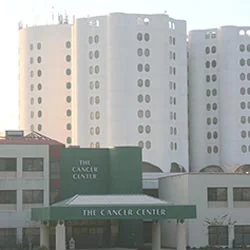
Southern Cancer Center-Mobile Providence Breast Surgery
Cancer Treatment CentersSouthern Cancer CenterEstablished in 2007, Southern Cancer Center is the areas only community-based multidisciplinary oncology practice. Through an integrated, team-based approach, we are dedicated to finding and providing the most advanced therapies and innovative treatment options for the patients we serve fighting cancer and diseases of the blood.Our practice is committed to treating the whole patient, not just their disease. Patients need more than medicine, they need collaborative support in every aspect of their care. We offer drug, disease and dietary education, social services and support groups for patients and caregivers. We have a certified genetic counseling and high-risk cancer assessment program, an in-house specialty pharmacy, advanced laboratory services and access to cutting-edge clinical trials through our partnership with The US Oncology Network. Our providers work closely with our patients and their families to create personalized treatment plans that address both physical and emotional health.Treatment OptionsMedical Oncologyo Chemotherapyo Immunotherapyo Targeted Therapyo Hormonal TherapyRadiation TherapySurgeryo Breast Surgical Oncologyo General Surgeryo Hematologyo Genetic Testing & Risk Evaluationo Clinical TrialsServices ProvidedComprehensive oncology treatment centero Medical Oncology, Radiation Oncology, Surgical Oncology Patient education on disease treatment, side effects and device carePatient education on survivorship care plansHematology ServicesGeneral Surgery ServicesGenetic risk assessment and testing Research program with cutting-edge clinical trialsAdvance Care Planning Social Worker & Social ServicesOn-site pharmacy to dispense oral chemotherapy and select other medicationsNext generation sequencing/tumor testingOn-site laboratory services, including flow cytometryOnline patient portal for access to your medical recordsPrescription voicemail available to leave prescription refill requests to be called in to the pharmacy of your choice (Note: we do not call in prescriptions for narcotics)Genetic Risk Evaluation and Testing ProgramWe don't just treat cancer, we manage the risk. About 10% of all cancers are hereditary, and there are more than 50 hereditary cancer syndromes that are associated with specific gene mutations. Genetic risk evaluation and testing can help patients understand their cancer risk and make informed decisions about lifestyle alterations, medication, screening, surgery and other preventative measures that could reduce their risk and lead to early detection. We offer comprehensive counseling and genetic testing for patients with a significant family and/or personal history of cancer.Leading the Way in Cancer ResearchAt Southern Cancer Center, we play an active and leading role in cancer research through collaboration with The US Oncology Network. We offer clinical trials through Sarah Cannon Research Institute (SCRI), one of the worlds leading oncology research organizations conducting community-based clinical trials. SCRI has contributed to pivotal research that has led to the majority of new cancer therapies approved by the FDA today. These studies help to find better ways to treat cancer and give patients who are eligible to participate access to new investigational therapies that are otherwise not yet generally available. Every cancer is different for each patient and so is our approach to treatment. Our clinical research team evaluates the latest advances and treatments that meet the patients individual needs.Simply put, our patients come first. Its our mission and our culture. A provider is always available 24 hours a day, 7 days a week. Our focus is patient care Navigating You from Patient to Survivor. Call the Southern Cancer Center at 251-625-6896 for more information.

Southern Cancer Center-Foley Radiation
Cancer Treatment CentersSouthern Cancer CenterEstablished in 2007, Southern Cancer Center is the areas only community-based multidisciplinary oncology practice. Through an integrated, team-based approach, we are dedicated to finding and providing the most advanced therapies and innovative treatment options for the patients we serve fighting cancer and diseases of the blood.Our practice is committed to treating the whole patient, not just their disease. Patients need more than medicine, they need collaborative support in every aspect of their care. We offer drug, disease and dietary education, social services and support groups for patients and caregivers. We have a certified genetic counseling and high-risk cancer assessment program, an in-house specialty pharmacy, advanced laboratory services and access to cutting-edge clinical trials through our partnership with The US Oncology Network. Our providers work closely with our patients and their families to create personalized treatment plans that address both physical and emotional health.Treatment OptionsMedical Oncologyo Chemotherapyo Immunotherapyo Targeted Therapyo Hormonal TherapyRadiation TherapySurgeryo Breast Surgical Oncologyo General Surgeryo Hematologyo Genetic Testing & Risk Evaluationo Clinical TrialsServices ProvidedComprehensive oncology treatment centero Medical Oncology, Radiation Oncology, Surgical Oncology Patient education on disease treatment, side effects and device carePatient education on survivorship care plansHematology ServicesGeneral Surgery ServicesGenetic risk assessment and testing Research program with cutting-edge clinical trialsAdvance Care Planning Social Worker & Social ServicesOn-site pharmacy to dispense oral chemotherapy and select other medicationsNext generation sequencing/tumor testingOn-site laboratory services, including flow cytometryOnline patient portal for access to your medical recordsPrescription voicemail available to leave prescription refill requests to be called in to the pharmacy of your choice (Note: we do not call in prescriptions for narcotics)Genetic Risk Evaluation and Testing ProgramWe don't just treat cancer, we manage the risk. About 10% of all cancers are hereditary, and there are more than 50 hereditary cancer syndromes that are associated with specific gene mutations. Genetic risk evaluation and testing can help patients understand their cancer risk and make informed decisions about lifestyle alterations, medication, screening, surgery and other preventative measures that could reduce their risk and lead to early detection. We offer comprehensive counseling and genetic testing for patients with a significant family and/or personal history of cancer.Leading the Way in Cancer ResearchAt Southern Cancer Center, we play an active and leading role in cancer research through collaboration with The US Oncology Network. We offer clinical trials through Sarah Cannon Research Institute (SCRI), one of the worlds leading oncology research organizations conducting community-based clinical trials. SCRI has contributed to pivotal research that has led to the majority of new cancer therapies approved by the FDA today. These studies help to find better ways to treat cancer and give patients who are eligible to participate access to new investigational therapies that are otherwise not yet generally available. Every cancer is different for each patient and so is our approach to treatment. Our clinical research team evaluates the latest advances and treatments that meet the patients individual needs.Simply put, our patients come first. Its our mission and our culture. A provider is always available 24 hours a day, 7 days a week. Our focus is patient care Navigating You from Patient to Survivor. Call the Southern Cancer Center at 251-625-6896 for more information.

Southern Cancer Center-Mobile Springhill
Cancer Treatment CentersSouthern Cancer CenterEstablished in 2007, Southern Cancer Center is the areas only community-based multidisciplinary oncology practice. Through an integrated, team-based approach, we are dedicated to finding and providing the most advanced therapies and innovative treatment options for the patients we serve fighting cancer and diseases of the blood.Our practice is committed to treating the whole patient, not just their disease. Patients need more than medicine, they need collaborative support in every aspect of their care. We offer drug, disease and dietary education, social services and support groups for patients and caregivers. We have a certified genetic counseling and high-risk cancer assessment program, an in-house specialty pharmacy, advanced laboratory services and access to cutting-edge clinical trials through our partnership with The US Oncology Network. Our providers work closely with our patients and their families to create personalized treatment plans that address both physical and emotional health.Treatment OptionsMedical Oncologyo Chemotherapyo Immunotherapyo Targeted Therapyo Hormonal TherapyRadiation TherapySurgeryo Breast Surgical Oncologyo General Surgeryo Hematologyo Genetic Testing & Risk Evaluationo Clinical TrialsServices ProvidedComprehensive oncology treatment centero Medical Oncology, Radiation Oncology, Surgical Oncology Patient education on disease treatment, side effects and device carePatient education on survivorship care plansHematology ServicesGeneral Surgery ServicesGenetic risk assessment and testing Research program with cutting-edge clinical trialsAdvance Care Planning Social Worker & Social ServicesOn-site pharmacy to dispense oral chemotherapy and select other medicationsNext generation sequencing/tumor testingOn-site laboratory services, including flow cytometryOnline patient portal for access to your medical recordsPrescription voicemail available to leave prescription refill requests to be called in to the pharmacy of your choice (Note: we do not call in prescriptions for narcotics)Genetic Risk Evaluation and Testing ProgramWe don't just treat cancer, we manage the risk. About 10% of all cancers are hereditary, and there are more than 50 hereditary cancer syndromes that are associated with specific gene mutations. Genetic risk evaluation and testing can help patients understand their cancer risk and make informed decisions about lifestyle alterations, medication, screening, surgery and other preventative measures that could reduce their risk and lead to early detection. We offer comprehensive counseling and genetic testing for patients with a significant family and/or personal history of cancer.Leading the Way in Cancer ResearchAt Southern Cancer Center, we play an active and leading role in cancer research through collaboration with The US Oncology Network. We offer clinical trials through Sarah Cannon Research Institute (SCRI), one of the worlds leading oncology research organizations conducting community-based clinical trials. SCRI has contributed to pivotal research that has led to the majority of new cancer therapies approved by the FDA today. These studies help to find better ways to treat cancer and give patients who are eligible to participate access to new investigational therapies that are otherwise not yet generally available. Every cancer is different for each patient and so is our approach to treatment. Our clinical research team evaluates the latest advances and treatments that meet the patients individual needs.Simply put, our patients come first. Its our mission and our culture. A provider is always available 24 hours a day, 7 days a week. Our focus is patient care Navigating You from Patient to Survivor. Call the Southern Cancer Center at 251-625-6896 for more information.