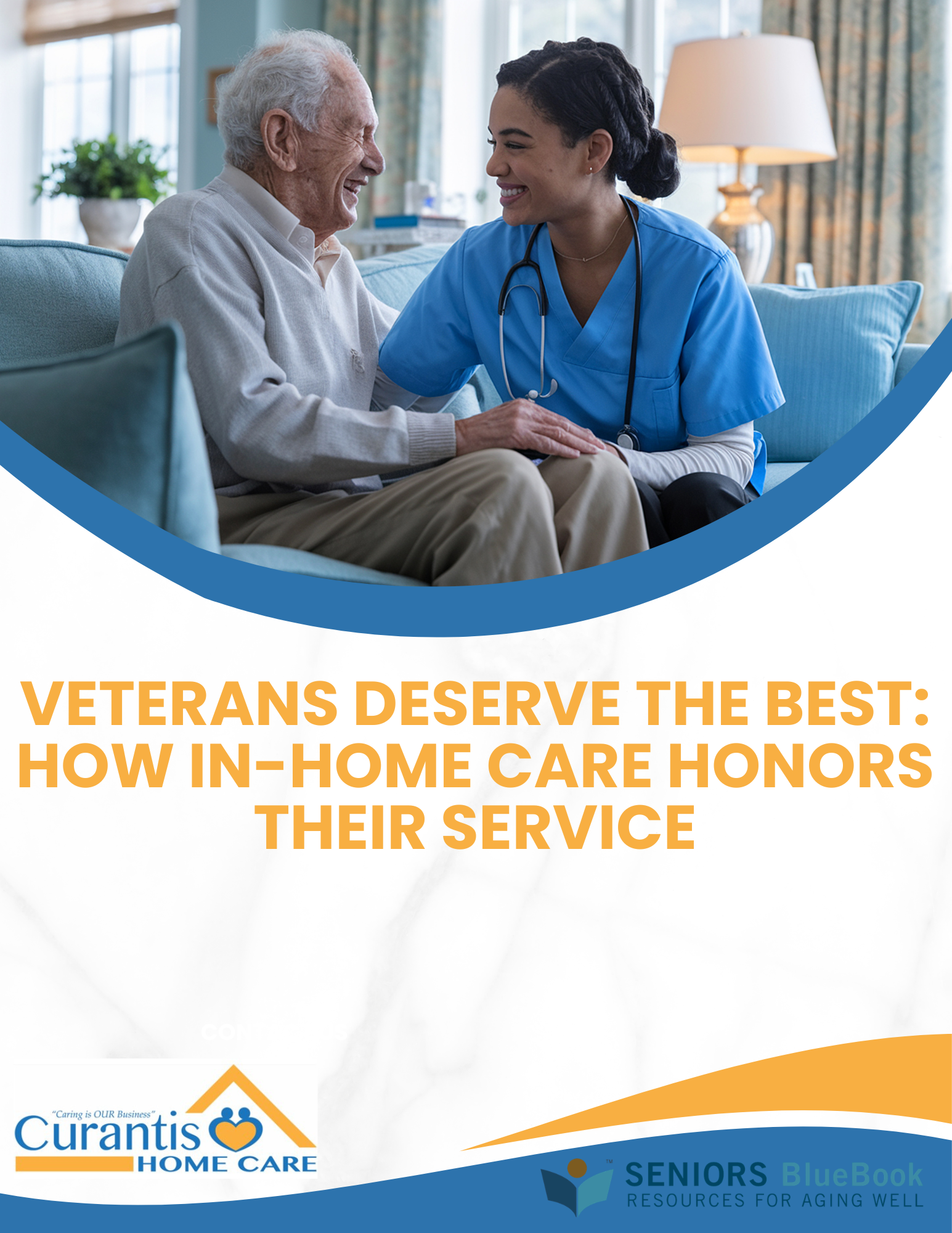
Veterans Deserve the Best: How In-Home Care Honors Their Service
Curantis Home Care, Inc.
For more information about the author, click to view their website: Curantis Home Care
Aug 11, 2026
Pennsylvania - South Central PA


A lifetime of service deserves more than basic support.
Veterans in York, PA often look for care that respects their independence while
meeting their evolving daily needs. In-home care bridges that gap by delivering
structured, respectful assistance directly within familiar surroundings,
helping veterans continue their routines with confidence and dignity.
A Closer Look at What Veterans Home Care Includes
Veterans’ care is not limited to one type of service. It
blends physical assistance with emotional support to ensure everyday life
remains stable and comfortable. Each service is designed to fit naturally into
the veteran’s routine, allowing them to maintain control over their environment
while receiving help where needed.
Personal assistance: Helps with bathing,
grooming, and mobility while preserving comfort and dignity at home
Companionship support: Provides regular interaction that reduces
isolation and keeps daily routines engaging
Memory care support: Assists veterans with cognitive challenges
through structured and consistent care
Routine management: Supports meal schedules, medication reminders,
and daily organization
Why In-Home Care Matters for Veterans in York, PA
York, PA, offers a strong sense of community, and many
veterans prefer to stay connected to their local environment rather than
relocate. Receiving care at home allows veterans to remain in familiar
surroundings while still accessing the support they need to maintain
independence.
Familiar surroundings: Staying at home reduces
stress and supports emotional stability
Local caregiver knowledge: Caregivers understand York County
resources and healthcare access
Family involvement: Loved ones can remain actively involved in
daily care decisions
Reduced disruption: Eliminates the need for major life transitions
into facilities
Common Challenges Veterans Face Without Structured Care
Daily routines can become difficult over time, especially
when mobility or memory begins to decline. These changes are often gradual but
impactful. Without structured care, small challenges can turn into safety
risks, affecting both the veteran and their family.
Mobility limitations: Difficulty moving safely
increases the likelihood of falls and injuries
Isolation: Limited interaction can affect emotional well-being and
engagement
Cognitive decline: Memory issues can disrupt routines and create
confusion
Caregiver strain: Family members may struggle to manage care
alongside other responsibilities
How Veterans Home Care Services Are Set Up Step by Step
Starting care should feel manageable, not overwhelming. A
clear process helps families move forward with confidence and clarity. Each
step is designed to create a care plan that adapts to the veteran’s lifestyle
while remaining flexible as needs change.
Initial consultation: Reviews health conditions,
preferences, and daily routines
Customized care plan: Defines the type and level of care required
Caregiver matching: Ensures compatibility between caregiver and
veteran
Flexible scheduling: Allows care to fit around existing routines
Ongoing adjustments: Update services as needs evolve over time
Comparing Veterans Care With Other Home Care Services
Not all care services serve the same purpose, and
understanding the differences helps families choose the right support without
overlap. Veterans’ care focuses on specific needs related to service history
while integrating with other home care services when required.
Veterans care: Tailored support aligned with VA
benefits and service-related needs
Personal care: Hands-on help with hygiene, dressing, and mobility
Companion care: Focuses on social interaction and emotional support
Memory care: Provides structured routines for dementia and
Alzheimer’s care
Explore specialized support through veterans home care
services that align with real-life needs and routines.
Cost Factors for Veterans Home Care in York, PA
Planning for care involves understanding how pricing works
and what influences overall costs. In York, PA, pricing reflects the level of
support required, duration of care, and service complexity.
Care duration: More hours increase cost but
provide consistent support
Care complexity: Advanced care needs require trained caregivers
Service type: Specialized services can impact pricing
Scheduling needs: Weekend or overnight care may affect the total
cost
VA Benefits That Support In-Home Care Services
Many veterans are eligible for financial assistance programs
that can significantly reduce care expenses. These benefits are designed to
ensure veterans receive the support they need without unnecessary financial
strain.
Aid and Attendance: Provides financial support
for veterans needing daily assistance
Housebound benefits: Supports veterans with limited mobility
VA coordination: Helps connect veterans with approved care
providers
For official details, review the VA
benefits resource to understand eligibility and application steps.
Essential Tools and Home Adjustments for Safer Living
A safe home environment supports both independence and
effective caregiving. Small adjustments can make a significant difference.
These improvements help reduce risks while allowing caregivers to provide
support more efficiently.
Grab bars installation: Adds stability in
bathrooms and stairways
Mobility aids: Supports safer movement throughout the home
Non-slip flooring: Reduces fall risks in frequently used areas
Lighting upgrades: Improves visibility and navigation
Mistakes Families Should Avoid When Choosing Veterans
Care
Choosing care without a clear plan can lead to gaps in
support. Being aware of common mistakes helps families make better decisions.
Avoiding these issues ensures long-term care remains consistent, effective, and
adaptable.
Delaying care: Waiting too long increases risks
and complications
Cost-only decisions: Lower cost may reduce the quality of care
Ignoring flexibility: Needs often change and require adaptable
plans
Overlooking specialization: Veterans may require service-specific
care
How In-Home Care Fits Into Everyday Life for Veterans
The true value of care becomes visible in daily routines.
Small, consistent support can make a major difference in comfort and
independence. In York households, caregivers often assist with morning
routines, meals, and light activities while keeping veterans engaged.
This balance supports independence without removing control
from the veteran’s daily life.
Practical Ways to Maximize the Benefits of Home Care
Care becomes more effective when routines, communication,
and expectations are aligned. Consistency plays a key role in long-term
outcomes. Simple adjustments can improve both the experience and effectiveness
of in-home care services.
Consistent scheduling: Builds trust and
predictable routines
Family communication: Keeps everyone informed and aligned
Activity engagement: Encourages participation in daily life
Regular reviews: Ensures care plans remain relevant
Veterans Home Care Services Available Across York, PA
Access to reliable local care ensures consistency and peace
of mind for families. Services are designed to fit the needs of York residents.
Curantis Home Care provides structured in-home support throughout the region,
helping veterans maintain independence in their homes.
Explore coverage through the York, PA service areas
page to understand availability and local reach. You can also explore
helpful insights through the home
care blog resources to stay informed about care decisions.
Frequently Asked Questions About Veterans Home Care
Families often want clear answers before making care
decisions. These common questions help clarify how veterans’ home care works in
York, PA.
What does veterans’ home care in York, PA include?
Veterans’ home care includes personal assistance, companionship, and
structured support. You can explore personal
care services to see how daily support is provided.
How can veterans qualify for in-home care benefits?
Eligibility depends on service history and care needs. Reviewing veterans care services helps
families understand available support options.
Is memory care available for veterans at home?
Yes, structured support is available for cognitive conditions. Learn more
through memory
care services designed for safety and consistency.
When should families consider veterans’ home care?
Care should begin when daily tasks become difficult. Starting with companion
care services can ease the transition into full support.
- To view the original version of this article visit curantishomecare.com/veterans-home-care-york-pa-in-home-support/
- Seniors Blue Book was not involved in the creation of this content.
Other Articles You May Like
Veterans Benefits for Seniors FAQs
Many older veterans and surviving spouses qualify for benefits they never claim. These answers outline the major options.What VA benefits are available to senior veterans?Senior veterans may qualify for VA health care, disability compensation, VA pension, Aid and Attendance or Housebound allowances, home-based care, and burial benefits. Eligibility depends on service history, disability status, income and assets.What is VA Aid and Attendance?Aid and Attendance is an additional monthly amount added to a VA pension for veterans or surviving spouses who need help with daily activities or are bedridden, in a nursing home, or have very limited eyesight. It can help pay for in-home care or assisted living.Who qualifies for the VA pension?Generally, a veteran must have served at least 90 days of active duty with at least one day during a wartime period, have a discharge other than dishonorable, and meet limits on income and net worth. Age or disability requirements also apply. Check current limits on VA.gov.Can the VA help pay for assisted living?The VA does not directly pay for assisted living, but Aid and Attendance benefits can help cover the cost. The VA also offers community living centers, State Veterans Homes and home-based programs.Does the VA offer caregiver support?Yes. The Program of General Caregiver Support Services serves caregivers of veterans of all eras, and the Program of Comprehensive Assistance for Family Caregivers offers stipends and training for eligible caregivers. Respite care may also be available.How do I apply for VA benefits?Apply online at VA.gov, by mail, or in person at a regional office. A Veterans Service Officer (VSO) can help for free. Gather your discharge papers (DD-214), financial records and medical documentation first.Can surviving spouses receive benefits? Yes. Surviving spouses may qualify for Survivors Pension, Dependency and Indemnity Compensation (DIC), health care through CHAMPVA in some cases, and Aid and Attendance.
How to Choose the Right Senior Living Option for Your Changing Needs
Choosing a senior living community is an important decision. For some older adults, the move may be driven by a desire for a more active social lifestyle, while others may be looking for additional support with everyday tasks or healthcare needs.The right senior living option today may not necessarily be the right option several years from now. As we age, our health, mobility, interests, and care needs can change. Planning for those changes can make the transition easier and help seniors maintain a fulfilling lifestyle.Understanding the different types of senior living and thinking about both current and future needs can help seniors and their families make a confident decision.Start by Assessing Your Current NeedsBefore visiting senior living communities, take some time to consider what kind of support is needed right now.Ask questions such as: Is the senior comfortable managing a home independently? Are household chores becoming difficult? Is transportation becoming a concern? Can the senior safely prepare meals? Is assistance needed with bathing, dressing, or medications? Are there concerns about falls or mobility? Would more opportunities for social interaction be beneficial? Are there memory or cognitive concerns? Being honest about current challenges can help narrow down the most appropriate options.Consider Independence and LifestyleNot every senior who moves into a retirement community needs daily assistance. Some older adults choose community living because they want fewer household responsibilities, more social opportunities, or convenient access to activities and amenities.Independent or residential living may be a good choice for seniors who can manage most daily activities on their own but would enjoy: Maintenance-free living Dining options Fitness and wellness activities Social events Clubs and interest groups Educational programs Outdoor spaces Opportunities to meet new friends The goal is to find a lifestyle that supports independence while providing opportunities to remain active and engaged.Understand Personal Care and Assisted LivingAs everyday tasks become more difficult, a senior may benefit from personal care or assisted living.These settings can provide assistance with activities of daily living while still encouraging residents to remain as independent as possible.Depending on the community, support may include assistance with: Bathing and grooming Dressing Personal hygiene Medication management Mobility Meals Other everyday activities Personal care may be appropriate when a senior needs more support than independent living can provide but does not require the intensive medical care offered in a healthcare setting.Know When Memory Care May Be AppropriateFor seniors living with Alzheimer's disease or another form of dementia, specialized memory care may be an important consideration.Memory care communities are designed around the unique needs of individuals experiencing cognitive changes. They may offer structured routines, specialized activities, secure environments, and staff trained to support people living with dementia.Signs that a senior may need more specialized memory support can include: Increasing confusion Getting lost or wandering Difficulty managing medications Problems with everyday tasks Significant changes in behavior Increased safety concerns Difficulty living independently Families should discuss concerns with appropriate healthcare professionals when determining what level of support is needed.Rehabilitation May Be Part of the JourneySenior living needs can change temporarily as well as permanently.An illness, surgery, injury, or hospital stay may leave an older adult needing rehabilitation before returning home or resuming their previous routine.Rehabilitation may include physical, occupational, or speech therapy depending on the individual's needs.When evaluating a senior living community, families may want to ask whether rehabilitation services are available and how the community supports residents following an illness or injury.Think About Future Healthcare NeedsOne of the most important questions to ask is not simply, "What do I need today?" but also, "What might I need in the future?"A senior may currently live independently but eventually need personal care, memory support, rehabilitation, or skilled healthcare.A community that offers multiple levels of care can provide greater flexibility if needs change. Instead of having to search for a completely new community during a stressful time, residents may have access to additional services within the same organization or campus.This type of planning can be particularly valuable for couples whose care needs may develop at different rates.Look at the Community's Approach to IndependenceThe amount of support provided is important, but so is the way that support is provided.A good senior living community should recognize that residents are individuals with their own preferences, routines, interests, and goals.Ask how the community encourages residents to remain independent. Find out whether residents have choices about meals, activities, schedules, and social opportunities.The goal should be to provide assistance where it is needed without taking away opportunities for independence.Consider Social and Emotional Well-BeingSenior living is about much more than housing and healthcare. Social and emotional well-being are important parts of quality of life.Look for a community that offers opportunities for residents to build relationships and remain involved.Activities may include: Exercise and fitness programs Arts and crafts Music Educational classes Games Group outings Volunteer opportunities Clubs Social gatherings Community events During a visit, pay attention to whether residents appear engaged and whether the atmosphere feels welcoming.Evaluate Dining and NutritionGood nutrition becomes increasingly important as we age. However, shopping for groceries, preparing meals, and cleaning up can become challenging for some seniors.When touring a community, ask about dining options and how meals are handled.Consider: Variety of menu choices Nutritional options Special dietary needs Dining schedules Private or communal dining Snacks and beverages Flexibility for individual preferences Mealtimes can also provide valuable opportunities for social connection.Think About LocationLocation is another important consideration. A community that is close to family and friends may make it easier for loved ones to visit regularly.Consider proximity to: Family members Friends Healthcare providers Shopping Places of worship Favorite restaurants Cultural and recreational activities A convenient location can help seniors maintain connections with the people and places that are important to them.Tour More Than One CommunityPhotos and websites can provide useful information, but nothing replaces an in-person visit.When touring a senior living community, pay attention to the overall atmosphere. Are residents interacting with one another? Do staff members seem friendly and attentive? Are common areas clean and comfortable?Ask questions and take notes. If possible, visit at different times of day to get a better understanding of the community's daily routine.Ask About Costs and ContractsFinancial considerations are an essential part of choosing senior living.Costs can vary significantly depending on the type of residence, services, care level, and contract structure.Before making a decision, ask for a clear explanation of: Entrance fees, if applicable Monthly fees Additional care costs Dining costs Transportation Healthcare services Therapy or rehabilitation What happens if care needs increase What services are included in the agreement Understanding the financial commitment ahead of time can help prevent surprises later.Consider a Community With Multiple Levels of CareFor many families, a community that offers several levels of living and care can provide an added sense of security.A senior may enter as an independent resident and later receive additional assistance if needed. Having different services available in one community can make future transitions more manageable.This is one reason Continuing Care Retirement Communities, also known as Life Plan Communities, can be attractive to seniors who want to plan for changing needs while maintaining a familiar home and community environment.Make the Decision With the Senior, Not Just For ThemPerhaps the most important part of choosing senior living is making sure the older adult has a voice in the decision.Whenever possible, involve the senior in conversations, tours, financial planning, and decisions about lifestyle and care.Discuss what matters most to them. They may prioritize privacy, activities, dining, location, gardening, fitness, friendships, or being close to family.A senior living decision is much more likely to feel positive when the individual feels heard and involved.Planning Today Can Make Tomorrow EasierChoosing the right senior living option doesn't have to mean predicting exactly what will happen in the future. Instead, it means understanding current needs, considering potential changes, and choosing an environment that provides appropriate options.The right community can offer independence, social connection, wellness opportunities, and access to additional support when it is needed.Whether you're considering independent living, personal care, memory care, rehabilitation, or a community offering multiple levels of care, taking time to research your choices can help you and your family feel more prepared.Landis Homes provides a range of living and care options designed to support older adults through different stages of life. Exploring senior living options early allows you to focus not only on where you may live today, but also on how a community can support your changing needs in the years ahead.
The Benefits of Living in a Continuing Care Retirement Community
Planning for the future is an important part of enjoying retirement. While many older adults begin retirement in good health and with an active lifestyle, their needs may change over time. One of the challenges of planning ahead is determining where to live and how future care needs will be addressed.A Continuing Care Retirement Community (CCRC), also known as a Life Plan Community, can provide a solution by offering multiple levels of senior living and care within one community.Rather than having to move to a completely different location if care needs change, residents may have access to additional services and care options within the same community. This can provide convenience, flexibility, and peace of mind for seniors and their families.What Is a Continuing Care Retirement Community?A Continuing Care Retirement Community is a senior living community designed to provide different levels of housing and care as a person's needs change.Depending on the community, services may include: Independent or residential living Personal care or assisted living Memory or dementia care Skilled nursing or healthcare Rehabilitation and therapy Wellness and supportive services The specific services and financial arrangements vary from one community to another. However, the overall goal is to create a setting where seniors can remain part of the same community while receiving an appropriate level of support as their circumstances change.Plan for the Future While Enjoying Retirement TodayOne of the biggest advantages of a CCRC is the ability to plan.Many seniors move into a continuing care community while they are still independent and active. They can enjoy the lifestyle, amenities, activities, and social opportunities available today while knowing that additional care options may be available in the future.Planning ahead can be less stressful than waiting until a health crisis or urgent care need forces a family to make a quick decision.Maintain IndependenceMoving into a CCRC does not necessarily mean giving up independence.Many residents begin in independent or residential living, where they maintain their own routines and make decisions about how they spend their time.They may enjoy: Private residences or apartments Dining options Fitness and wellness programs Social activities Clubs and interest groups Educational opportunities Outdoor spaces Community events Residents can remain active and independent while having additional resources available when they need them.Access to Multiple Levels of CareAnother significant benefit is having access to different types of care within the same overall community.A senior may be completely independent when they move in but eventually require additional assistance with everyday activities. Later, they may need rehabilitation or a higher level of healthcare.Having these options available within one community can make transitions easier for both residents and their families.It is important to understand that not every CCRC offers the same services, so prospective residents should ask about the levels of care available and how transitions between them are handled.Less Need for Major MovesMoving can be physically and emotionally challenging, particularly for older adults.A change in health may sometimes require a senior to leave a longtime home and relocate to an assisted living community, memory care facility, or skilled nursing facility.A continuing care community can reduce the likelihood of needing to relocate to an entirely different organization when care needs change.Remaining within a familiar community may allow seniors to maintain relationships with friends, staff, and neighbors even if their living arrangements or level of care changes.Opportunities for Social ConnectionSocial connection is an important part of a fulfilling retirement. Living in a community with other older adults can create many opportunities to meet people and develop friendships.Residents may participate in: Group meals Fitness activities Arts and crafts Educational programs Games and social gatherings Clubs and special-interest groups Volunteer opportunities Community events Having activities and social opportunities close to home can make it easier for residents to remain engaged and active.Wellness Can Be Part of Everyday LifeMany continuing care communities emphasize wellness rather than focusing only on healthcare.Wellness programs may include exercise, fitness classes, educational programs, recreational activities, nutrition resources, and opportunities for social engagement.This holistic approach recognizes that healthy aging involves more than medical care. Physical activity, mental stimulation, meaningful relationships, and enjoyable experiences can all contribute to quality of life.Peace of Mind for FamiliesA CCRC can provide peace of mind not only for residents but also for their families.Adult children often worry about what will happen if their parents' needs change. Knowing that additional care options may be available within the community can make future planning easier.Families can also feel more comfortable knowing that their loved one is living in an environment designed specifically for older adults and that additional support may be available if circumstances change.Couples May Have More OptionsCouples sometimes face a difficult situation when one spouse needs more care than the other.In a continuing care community, there may be opportunities for spouses to remain connected even if their individual care needs are different.One spouse may continue living independently while the other receives additional assistance or healthcare. The specific options depend on the community, but having multiple levels of care in one location can provide greater flexibility for couples.A Sense of CommunityA continuing care retirement community can offer more than housing and healthcare. It can become a place where residents build relationships and develop a sense of belonging.Neighbors may become friends. Staff members may become familiar faces. Shared meals, activities, celebrations, and everyday interactions can create a strong community atmosphere.For many seniors, this sense of connection is one of the most meaningful aspects of community living.What Should You Consider When Choosing a CCRC?Not every continuing care retirement community is the same. Before making a decision, seniors and their families should take time to learn about the community and its services.Consider asking: What levels of living and care are available? What services are included in the monthly fees? How are additional care services priced? What types of residences are available? What happens if a resident's care needs change? Are healthcare and rehabilitation services available? What activities and wellness programs are offered? What dining options are available? How does the community support social engagement? What financial arrangements and contracts are offered? Taking a tour and talking with residents can also provide valuable insight into what daily life is really like.Planning Ahead Can Make the Future EasierOne of the most important advantages of a Continuing Care Retirement Community is the opportunity to think about tomorrow while still enjoying today.Seniors can choose a community that fits their current lifestyle while considering how their needs may change over time. Instead of making decisions during a crisis, families can have a plan in place before additional care becomes necessary.A CCRC can provide a combination of independence, community, wellness, and access to different levels of careall within one setting.For seniors looking for a retirement lifestyle that offers both freedom today and options for tomorrow, a Continuing Care Retirement Community may be worth considering.Landis Homes offers a community where older adults can experience the benefits of senior living while having access to a continuum of services and care. Exploring your options early can help you make an informed decision about the next chapter of your life.
Local Services By This Author
Curantis Home Care
Non-Medical 235 East Market Street, York, Pennsylvania, 17403Curantis Home Care is a trusted provider of in-home care services based in York, Pennsylvania, offering personalized care to seniors and adults in need. The company is veteran-owned, which means it is led by individuals who have a deep understanding of the challenges that many people face as they grow older. We take great pride in delivering high-quality care that supports our clients' independence and well-being. At Curantis, the mission is simple: to offer compassionate, reliable care that helps individuals stay in their homes, where they feel most comfortable. We provide a variety of services that are designed to meet the specific needs of each client. These services include personal care, companion care, memory care, and veterans care. Each type of care is focused on ensuring that clients receive the support they need to live fulfilling, dignified lives. Personal CarePersonal care is a key service provided by Curantis Home Care. This includes assistance with activities of daily living such as bathing, dressing, grooming, and toileting. The goal is to help individuals maintain their independence, while also providing the support they need to perform tasks that might be challenging due to age or health conditions. Caregivers are trained to respect each client's dignity and privacy, ensuring they feel comfortable and cared for at all times. Companion CareCompanion care focuses on emotional and social support for seniors. Many older adults experience loneliness or isolation, especially if they are no longer able to get out as much as they used to. Curantis helps to address this by providing companions who engage in meaningful conversations, offer companionship, and assist with light activities like reading, playing games, or taking walks. This type of care is important because it helps improve the emotional well-being of seniors and keeps them connected to their communities. Memory CareMemory care is another important service provided by Curantis, specifically designed for individuals who are dealing with Alzheimers disease, dementia, or other memory-related conditions. The care team at Curantis is trained to create a safe and supportive environment for people with memory loss, helping them manage daily routines while ensuring they remain as independent as possible. Caregivers assist with everything from managing medications to ensuring that the clients living environment is safe and free of hazards. Veterans CareAs a veteran-owned agency, Curantis Home Care has a special focus on providing care for veterans and their spouses. Veterans may face unique challenges as they age, and Curantis is committed to ensuring that these individuals receive the respect and care they deserve. The agency works closely with veterans and their families to create care plans that cater to their specific needs, including assistance with daily activities, transportation, and emotional support. By focusing on veterans, Curantis honors the sacrifices these individuals have made for the country and ensures they get the best possible care in their later years. High Standards of CareCurantis Home Care is a licensed and insured agency, which means it meets all the necessary requirements to provide safe and professional care. The caregivers undergo thorough background checks and receive training to ensure they can provide the highest quality of care. The company also values continuous improvement, regularly evaluating our services and making adjustments based on feedback from clients and their families. This commitment to quality helps Curantis maintain its reputation as a trusted and reliable home care provider. Flexibility and CustomizationOne of the standout features of Curantis Home Care is its flexibility. The company offers both short-term and long-term care options, so whether someone needs assistance for a few days or for several months, Curantis can tailor a plan that fits the clients needs. We understand that each person is different, and we work closely with families to create care plans that are customized to the individuals situation. This makes it easier for families to find the right level of support without feeling overwhelmed by the process. Serving Multiple CountiesCurantis Home Care provides services in York and surrounding areas, including Adams, Cumberland, Dauphin, Lancaster, Lebanon, and Schuylkill counties. This broad service area ensures that many families in the region have access to high-quality in-home care, making it easier for people to get the help they need without having to travel long distances. Why Choose Curantis? Choosing a home care provider is a big decision, and families want to make sure they are selecting the best possible option for their loved ones. Curantis Home Care stands out because of its commitment to compassionate care, its focus on veterans, and its personalized approach to meeting the unique needs of each client. Whether you are looking for help with everyday tasks, companionship, or specialized care for a loved one with memory loss, Curantis is dedicated to providing exceptional service that improves the lives of seniors and adults in the community. For those seeking home care services in York, PA, and the surrounding areas, Curantis Home Care offers a solution that is both professional and personal. The care team is ready to help families find the support they need, ensuring that their loved ones can live at home with dignity and comfort. If you are interested in learning more about the services provided by Curantis, we offer a free consultation where you can discuss your needs and learn about the different care options available. Reach out to us today to get started on finding the best care solution for your family.
Curantis Home Care
Caregiver Support Services 235 East Market Street, York, Pennsylvania, 17403Curantis Home Care is a trusted provider of in-home care services based in York, Pennsylvania, offering personalized care to seniors and adults in need. The company is veteran-owned, which means it is led by individuals who have a deep understanding of the challenges that many people face as they grow older. We take great pride in delivering high-quality care that supports our clients' independence and well-being. At Curantis, the mission is simple: to offer compassionate, reliable care that helps individuals stay in their homes, where they feel most comfortable. We provide a variety of services that are designed to meet the specific needs of each client. These services include personal care, companion care, memory care, and veterans care. Each type of care is focused on ensuring that clients receive the support they need to live fulfilling, dignified lives. Personal CarePersonal care is a key service provided by Curantis Home Care. This includes assistance with activities of daily living such as bathing, dressing, grooming, and toileting. The goal is to help individuals maintain their independence, while also providing the support they need to perform tasks that might be challenging due to age or health conditions. Caregivers are trained to respect each client's dignity and privacy, ensuring they feel comfortable and cared for at all times. Companion CareCompanion care focuses on emotional and social support for seniors. Many older adults experience loneliness or isolation, especially if they are no longer able to get out as much as they used to. Curantis helps to address this by providing companions who engage in meaningful conversations, offer companionship, and assist with light activities like reading, playing games, or taking walks. This type of care is important because it helps improve the emotional well-being of seniors and keeps them connected to their communities. Memory CareMemory care is another important service provided by Curantis, specifically designed for individuals who are dealing with Alzheimers disease, dementia, or other memory-related conditions. The care team at Curantis is trained to create a safe and supportive environment for people with memory loss, helping them manage daily routines while ensuring they remain as independent as possible. Caregivers assist with everything from managing medications to ensuring that the clients living environment is safe and free of hazards. Veterans CareAs a veteran-owned agency, Curantis Home Care has a special focus on providing care for veterans and their spouses. Veterans may face unique challenges as they age, and Curantis is committed to ensuring that these individuals receive the respect and care they deserve. The agency works closely with veterans and their families to create care plans that cater to their specific needs, including assistance with daily activities, transportation, and emotional support. By focusing on veterans, Curantis honors the sacrifices these individuals have made for the country and ensures they get the best possible care in their later years. High Standards of CareCurantis Home Care is a licensed and insured agency, which means it meets all the necessary requirements to provide safe and professional care. The caregivers undergo thorough background checks and receive training to ensure they can provide the highest quality of care. The company also values continuous improvement, regularly evaluating our services and making adjustments based on feedback from clients and their families. This commitment to quality helps Curantis maintain its reputation as a trusted and reliable home care provider. Flexibility and CustomizationOne of the standout features of Curantis Home Care is its flexibility. The company offers both short-term and long-term care options, so whether someone needs assistance for a few days or for several months, Curantis can tailor a plan that fits the clients needs. We understand that each person is different, and we work closely with families to create care plans that are customized to the individuals situation. This makes it easier for families to find the right level of support without feeling overwhelmed by the process. Serving Multiple CountiesCurantis Home Care provides services in York and surrounding areas, including Adams, Cumberland, Dauphin, Lancaster, Lebanon, and Schuylkill counties. This broad service area ensures that many families in the region have access to high-quality in-home care, making it easier for people to get the help they need without having to travel long distances. Why Choose Curantis? Choosing a home care provider is a big decision, and families want to make sure they are selecting the best possible option for their loved ones. Curantis Home Care stands out because of its commitment to compassionate care, its focus on veterans, and its personalized approach to meeting the unique needs of each client. Whether you are looking for help with everyday tasks, companionship, or specialized care for a loved one with memory loss, Curantis is dedicated to providing exceptional service that improves the lives of seniors and adults in the community. For those seeking home care services in York, PA, and the surrounding areas, Curantis Home Care offers a solution that is both professional and personal. The care team is ready to help families find the support they need, ensuring that their loved ones can live at home with dignity and comfort. If you are interested in learning more about the services provided by Curantis, we offer a free consultation where you can discuss your needs and learn about the different care options available. Reach out to us today to get started on finding the best care solution for your family.