What Is an ADA Shower Head and Why It Matters for Safe Bathing
SENIORSAFE HOME SOLUTIONS LLC
For more information about the author, click to view their website: SeniorSafe Home Solutions LLC
May 01, 2026
Pennsylvania - Greater Pittsburgh Area


For homeowners and caregivers in Beaver Falls, PA, and
beyond, bathroom safety isn’t just about non-slip mats or grab
bars—accessibility starts at the fixture level. An ADA-compliant shower head is
specifically designed to meet accessibility standards set forth by the
Americans with Disabilities Act (ADA), ensuring ease of use for individuals
with mobility challenges, aging adults, or those recovering from injury. These
standards govern aspects like height placement, spray control, hose length, and
operability with minimal hand strength, making bathing safer and more
independent.
Unlike standard shower heads, ADA-compliant models
prioritize user-centered design, such as handheld units with adjustable height
settings and pressure-balanced valves to prevent sudden temperature changes.
These features are not just beneficial—they’re essential in minimizing fall
risks and supporting safe, dignified bathing experiences. In regions where
winter conditions may limit access to professional care, having an accessible
bathroom setup at home becomes even more critical.
Understanding ADA guidelines helps homeowners make informed
upgrades that go beyond aesthetics—focusing on function, longevity, and safety.
Whether planning a bathroom remodel or enhancing accessibility for a loved one,
selecting the right fixtures lays the foundation for a truly inclusive space.
What Makes a Shower Head ADA-Compliant? Key Features
Explained
An ADA-compliant shower head is designed with accessibility
and safety in mind, ensuring individuals with mobility or dexterity challenges
can use it independently and comfortably. These shower heads adhere to specific
standards that address multiple functional elements critical for ease of use.
Height is a primary factor—showers must allow for both
seated and standing access, with the shower arm typically mounted between 27
and 36 inches from the floor to accommodate transfers from a wheelchair. This
ensures the spray reaches the user effectively without requiring awkward
stretching or lifting.
The spray pattern must be adjustable, offering options like
handheld wands with lockable positions and multiple settings such as massage,
mist, or steady flow. This adaptability helps users control water direction and
intensity with minimal effort.
Ease of use is non-negotiable: controls should be operable
with one hand, require no tight grasping or twisting, and feature large,
tactile levers or buttons. Installation must also support secure mounting and
proper water pressure regulation to prevent scalding or sudden changes in
temperature.
For homes in areas like Beaver Falls, PA, where
aging-in-place is common, these features aren’t just convenient—they’re
essential for maintaining independence and reducing fall risks in the bathroom.
5 Key Benefits of Installing an ADA Shower Head in Your Home
- Enhanced
Safety for At-Risk Individuals
An ADA-compliant shower head significantly reduces slip and fall risks by delivering water at a controlled flow and adjustable height. For aging adults or those with limited mobility in areas like Beaver Falls, PA, this design supports safer bathing routines by minimizing sudden water surges and allowing hands-free operation when used with a handheld wand and wall mount. - Greater
Independence in Daily Hygiene
With easy-to-reach controls and ergonomic design, ADA shower heads empower users to bathe without constant assistance. The single-lever handles and intuitive positioning reduce physical strain, making it easier for individuals with arthritis or muscular weakness to manage their own care—promoting dignity and self-sufficiency. - Injury
Prevention Through Thoughtful Design
These shower heads are built with scald protection and balanced pressure to prevent abrupt temperature changes. This is especially critical for users with sensitive skin or reduced sensation, common among diabetic or senior populations, helping avoid accidental burns during use. - Long-Term
Accessibility Upgrades
Installing an ADA shower head is a proactive measure for aging-in-place. As mobility needs evolve, homes equipped with accessible fixtures require fewer future modifications, saving time and expense while ensuring continuous usability. - Increased
Property Value and Market Appeal
Homes featuring universal design elements like ADA-compliant fixtures attract a broader range of buyers, including families with elderly members or individuals with disabilities. In local real estate markets, these thoughtful upgrades can enhance resale potential and position a home as modern, inclusive, and forward-thinking.
Transform Your Shower into an Accessible Oasis: A
Step-by-Step Guide
Upgrading your shower for ADA compliance isn’t just about
meeting standards—it’s about enhancing safety, independence, and comfort for
all users. Whether you're retrofitting an existing bathroom or planning a
renovation, follow these essential steps to ensure your shower head meets
accessibility needs.
- Assess
Your Bathroom Layout
Measure the shower space to confirm there's a clear 30x48-inch access area for mobility devices. Ensure the shower pan is level or features a zero-threshold design. Note the location of existing plumbing, electrical outlets, and grab bars to avoid conflicts. - Choose
the Right ADA-Compliant Shower Head
Select a handheld model with a fixed mounting bracket between 38 and 48 inches from the floor. Look for pressure-balancing valves to prevent scalding and a pause feature to conserve water during use. - Turn
Off Water Supply and Remove Old Fixture
Shut off the main water line and drain pressure by opening the shower valve. Use a wrench to detach the existing shower head and clean the pipe threads. - Install
the New Shower Arm and Mounting Bracket
Attach a flexible hose and secure the adjustable bracket to the wall using anchors if tiling. Ensure the bracket allows the handheld unit to be used from a seated position. - Connect
and Test the Shower Head
Screw on the new shower head, hand-tightening to avoid damage. Turn the water back on and check for leaks. Test all spray settings and verify ease of reach from various positions.
For residents in Beaver Falls, PA, working with a licensed
contractor ensures code compliance and proper integration with existing
systems. Always verify local plumbing regulations before beginning work.
Frequently Asked Questions About ADA Shower Heads
Are ADA shower heads only for people with disabilities?
No, ADA-compliant shower heads are designed to enhance accessibility and safety
for everyone, not just individuals with mobility challenges. While
they meet the standards set by the Americans with Disabilities Act for
accessible design, their features—such as easy-to-reach controls, adjustable
height, and reduced water pressure—benefit older adults, caregivers, and anyone
seeking a safer, more comfortable shower experience.
How do ADA shower heads differ from standard models?
ADA shower heads are specifically engineered for accessibility. Key differences
include lower water pressure to prevent scalding, ergonomic hand-held wands
with swivel nozzles, and mounts placed between 38 and 48 inches from the floor
to accommodate seated users. These models often include anti-scald protection
and are mounted on slide bars for vertical adjustment, supporting a wide range
of users.
Will an ADA shower head work with my existing plumbing?
In most cases, yes. ADA-compliant shower heads are designed to replace standard
shower fixtures using common plumbing connections (½-inch NPT threads). Many
models are retrofit-friendly, meaning they can be installed without major
renovations. As long as water pressure and valve alignment meet basic
standards, upgrading is typically straightforward.
Are ADA shower heads more expensive than regular ones?
Pricing varies, but ADA shower heads are competitively priced with high-end
standard models. Basic hand-held ADA options start around the same range as
premium non-compliant fixtures. The added safety and accessibility features
often justify the cost, especially in homes with aging adults or mobility
concerns.
Can I install an ADA shower head myself?
DIY installation is possible for those with basic plumbing skills. You’ll need
to remove the old shower head, apply Teflon tape to the threads, and
hand-tighten the new unit. However, if you're adjusting the mount height or
adding a slide bar, professional help may be needed to ensure it meets ADA
height and reach requirements.
Are ADA upgrades only for commercial or public buildings?
No. While ADA regulations primarily apply to public spaces, the design
principles are increasingly used in residential bathrooms—especially in areas
like Beaver Falls, PA, where aging-in-place modifications are in demand.
Installing ADA-compliant fixtures at home improves safety, increases resale
value, and supports long-term independence.
Creating Inclusive Bath Spaces for Everyone
Accessibility isn’t just a convenience—it’s a necessity in
modern home design, and ADA-compliant shower heads play a pivotal role in
fostering safe, inclusive environments. These fixtures are engineered to meet
universal design standards, ensuring ease of use for individuals with limited
mobility, aging adults, and even children. By delivering consistent water flow,
easy-to-reach controls, and adjustable settings, ADA shower heads reduce fall
risks and promote independent living. Their thoughtful design benefits a broad
spectrum of users, from those recovering from surgery to caregivers supporting
loved ones in communities like Beaver Falls, PA. Beyond compliance, installing
an ADA shower head is a proactive step toward future-proofing your bathroom,
enhancing comfort, and eliminating barriers to daily routines.
To get started, assess your current shower setup: Is the
shower head within reachable range? Can it be operated with minimal grip
strength? Look for models with features like handheld sprayers, ergonomic
levers, and anti-scald protection. Pairing an ADA-compliant fixture with other
safety elements—such as grab bars and slip-resistant flooring—amplifies overall
bathroom safety.
Take action today by planning a bathroom evaluation, prioritizing modifications that support long-term accessibility. Your home should be a sanctuary of independence—every upgrade you make brings you closer to that goal.
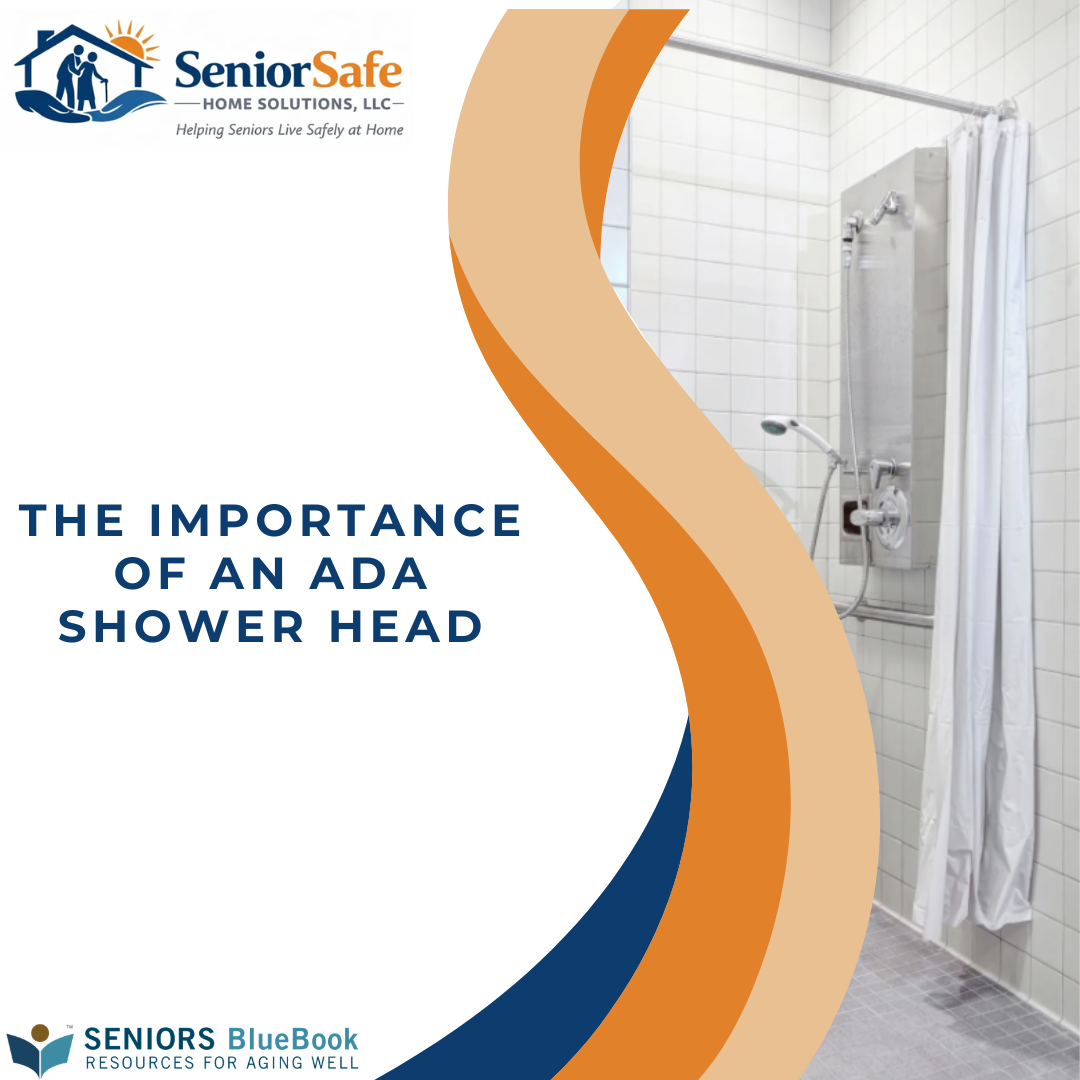
- To view the original version of this article visit seniorsafehomesolutions.com/blog-posts/f/the-importance-of-an-ada-shower-head
- Seniors Blue Book was not involved in the creation of this content.
Other Articles You May Like
Facing a Cancer Diagnosis? How a Patient Advocate Can Help.
Facing a Cancer Diagnosis in Western Pennsylvania? How a Patient Advocate Can Help Understanding your diagnosis, navigating cancer treatment, and making important healthcare decisions can feel overwhelming. Discover how a healthcare patient advocate can help you find clarity, confidence, and support when you need it most. Hearing the words "You have cancer" can change your world in an instant. Suddenly, everyday life takes a back seat to medical appointments, unfamiliar terminology, treatment decisions, insurance questions, and concerns about what the future may hold. Whether you've recently received a cancer diagnosis, are undergoing treatment, or are helping a loved one navigate their healthcare journey, it's natural to feel overwhelmed. You may have excellent doctors and a supportive family, yet still find yourself wondering: Am I asking the right questions? Do I understand all my options? What if I'm missing something important? The good news is that you don't have to navigate a cancer diagnosis alone. A healthcare patient advocate can help you better understand medical information, prepare for important conversations, and feel more confident making decisions about your care. For individuals and families throughout Pittsburgh and Western Pennsylvania, Vital Voice, led by Wendy, provides personalized healthcare advocacy, clarity, and compassionate guidance during some of life's most challenging moments. Cancer in Pennsylvania: Why Patient Advocacy Matters More Than Ever Cancer affects thousands of Pennsylvania families every year. According to the American Cancer Society, an estimated 90,240 new cancer cases were projected to be diagnosed in Pennsylvania in 2025. Behind every statistic is a person trying to understand a diagnosis, a spouse worried about their partner, or an adult child helping an aging parent make important healthcare decisions. Western Pennsylvania is also home to a substantial population of older adults. According to the U.S. Census Bureau, approximately 21.9% of Allegheny County residents are age 65 or older. Because the risk of developing many types of cancer increases with age, older adults represent an important population when discussing cancer care, treatment decisions, and healthcare navigation. For seniors, a cancer diagnosis can bring additional challenges, particularly when they are already managing chronic health conditions, taking multiple medications, or trying to maintain their independence. And while the Pittsburgh region offers access to hospitals, oncology specialists, cancer treatment centers, and community resources, knowing where to turn and what questions to ask isn't always easy. That's why having someone who can help you navigate the healthcare system can be so valuable. What Is a Cancer Patient Advocate, and How Can One Help? A cancer patient advocate is someone who helps individuals better understand and navigate the medical, practical, and emotional challenges that can accompany a cancer diagnosis. Think of a healthcare advocate as an additional person in your corner. Your oncologist focuses on diagnosing and treating your cancer. Your nurses and other healthcare professionals provide essential medical care. A patient advocate helps you become a more informed, organized, and confident participant in the process. Healthcare advocacy isn't about replacing your medical team or making medical decisions for you. It's about helping you understand what's happening, identify the questions that matter, and feel comfortable speaking up about your needs and concerns. Depending on your situation, a healthcare advocate may help you: Understand medical information and unfamiliar terminology. Prepare questions for oncology appointments. Organize information about treatment options and recommendations. Identify concerns to discuss with your healthcare providers. Prepare for conversations about second opinions. Better understand the next steps in your care. Identify questions about insurance, treatment costs, or available resources. Feel supported during difficult healthcare decisions. Sometimes, simply having someone help you sort through everything can make an overwhelming situation feel much more manageable. Seven Ways a Healthcare Advocate Can Help During Your Cancer Journey 1. Understanding a New Cancer Diagnosis When you're first diagnosed with cancer, your mind may be racing. Your physician might explain pathology reports, imaging results, cancer staging, and recommended treatments, but absorbing that information while processing the emotional impact of a diagnosis can be difficult. You may leave the appointment realizing you didn't fully understand what was discussed. A healthcare advocate can help you review the information you've received, identify what needs clarification, and prepare questions for your medical team. For example: What type and stage of cancer do I have? Has the cancer spread? What additional tests are needed? What treatment options should I consider? How soon do I need to make a decision? What is the goal of the recommended treatment? Understanding your diagnosis is the first step toward feeling more empowered in your healthcare journey. You don't need to become a medical expert. You simply deserve information presented in a way you can understand. 2. Preparing for Oncology Appointments and Asking the Right Questions Have you ever walked out of a doctor's appointment and suddenly remembered everything you meant to ask? Now imagine doing that while navigating a cancer diagnosis. Oncology appointments often involve complicated conversations, unfamiliar information, and significant decisions. Even patients who are normally organized and confident may struggle to remember everything. A healthcare advocate can help you prepare by organizing your concerns, developing a list of questions, and identifying what information you need before your appointment. Keeping a notebook with your medications, symptoms, appointments, test results, and questions can also be helpful. You may want to bring a trusted family member, take notes, or ask your provider whether recording the conversation is permitted. Being prepared can help you leave appointments with a clearer understanding of what comes next. 3. Making Sense of Cancer Treatment Options Cancer treatment is rarely one-size-fits-all. Depending on the type and stage of cancer, your medical team may recommend surgery, chemotherapy, radiation therapy, immunotherapy, targeted therapy, hormone therapy, or a combination of treatments. Each approach can involve different benefits, risks, side effects, and schedules. For older adults, treatment decisions may also involve considerations such as existing medical conditions, mobility, medications, independence, and quality of life. You may wonder: What are the benefits and risks of this treatment? How will it affect my everyday activities? What side effects should I expect? Are there other treatment options worth discussing? Should I seek a second opinion? What happens if I choose not to pursue a particular treatment? A healthcare advocate can help you organize these questions and better understand the information provided by your medical professionals. The ultimate goal is to help ensure that your treatment decisions reflect your medical needs, personal preferences, and what matters most to you. 4. Helping Older Adults Maintain Independence During Cancer Treatment For many seniors in Pittsburgh and Western Pennsylvania, maintaining independence is a major concern when facing cancer treatment. Some older adults live alone. Others have spouses who may also be managing health challenges. Many worry about becoming a burden to their adult children. Cancer treatment can sometimes affect energy levels, mobility, appetite, and the ability to manage everyday responsibilities. In addition to medical treatment, patients may need to consider: Transportation to oncology appointments. Help with meals, housekeeping, or personal care. Home care or home health services when appropriate. Medication management and organization. Physical or occupational therapy. Nutrition support. Cancer support groups and counseling. Palliative care to help manage symptoms and improve quality of life. Palliative care is not the same as hospice care. It focuses on relief from symptoms and the stress of serious illness and can be provided alongside cancer treatment. A healthcare advocate can help patients and families recognize important support needs and prepare questions about available services. The earlier these conversations happen, the easier it may be to plan for changes before they become urgent. 5. Supporting Spouses, Adult Children, and Family Caregivers A cancer diagnosis doesn't affect only the person receiving treatment. It often changes the lives of everyone who loves them. Spouses may suddenly become primary caregivers. Adult children may find themselves coordinating appointments, managing paperwork, arranging transportation, and communicating with multiple healthcare providers. For families living in different parts of Western Pennsylvaniaor adult children living outside the regionthese responsibilities can become especially challenging. It's common for caregivers to feel overwhelmed, uncertain, or worried about making the wrong decision. A healthcare advocate can provide additional guidance by helping families organize their concerns, identify questions, and communicate more effectively with healthcare professionals. This support can be particularly helpful when family members have different opinions about treatment or when an older adult wants to maintain independence while accepting necessary assistance. The goal is to support the patient's wishes while helping loved ones feel better prepared for the journey ahead 6. Understanding Medicare, Insurance, and Cancer Treatment Costs A serious medical diagnosis often brings financial questions along with medical concerns. Patients may receive bills from hospitals, oncology specialists, laboratories, imaging centers, and treatment facilities. Even with Medicare or private health insurance, understanding deductibles, copayments, coinsurance, prior authorizations, and out-of-pocket expenses can be confusing. Some treatments or medications may require additional insurance approvals, and coverage can vary depending on the individual's plan. Important questions to ask include: Is my oncologist or cancer treatment center covered by my insurance? Does my treatment require prior authorization? What expenses might I be responsible for? Are financial assistance programs available? Does my cancer treatment center have a financial navigator or social worker? Who can help me understand an unexpected medical bill? A healthcare advocate can help you identify questions and determine which professionals or departments may be able to provide answers. For specialized insurance guidance, patients should also consult their insurance provider, hospital financial counselor, or a qualified Medicare counselor. Understanding potential costs and available resources early can help reduce unnecessary stress. 7. Having Someone to Turn to When Everything Feels Overwhelming Not every challenge associated with cancer involves a medical decision. Sometimes, it's simply the emotional weight of the experience. You may feel exhausted from appointments, frustrated by conflicting information, or anxious about what comes next. You may not want to worry your family with another question or concern. Even when surrounded by people who care about you, navigating a serious illness can feel isolating. This is where the personal side of healthcare advocacy becomes especially meaningful. Having someone who listens, helps you organize your thoughts, and encourages you to speak up can provide an important sense of support. You deserve to feel heard, respected, and involved in decisions about your own health. And sometimes, knowing you have someone in your corner can make a difficult day feel a little less overwhelming. Do You Need a Healthcare Advocate If You Already Have a Good Doctor? This is a question many patients and families ask. The answer is that even individuals with excellent physicians and compassionate medical teams may benefit from additional advocacy support. Doctors, nurses, oncology social workers, and hospital patient navigators play essential roles in cancer care. However, patients may still need help organizing information, preparing questions, or understanding what to do between appointments. An independent healthcare advocate can complement the support provided by your existing healthcare team. Think of it this way: Your medical team focuses on your cancer treatment. Your healthcare advocate helps you stay informed, organized, and confident as you navigate the experience. It's not about questioning the expertise of your physicians. It's about ensuring you feel comfortable participating in your care. Five Important Questions Every Cancer Patient Should Ask Whether you've recently been diagnosed or are already undergoing treatment, consider bringing these five questions to your next oncology appointment. 1. What is the goal of my treatment? Understanding whether treatment is intended to eliminate cancer, control its growth, relieve symptoms, or achieve another goal can help you evaluate your options. 2. What side effects should I expect, and when should I call my doctor? Ask which symptoms are common, which require a call to your treatment team, and which may require immediate medical attention. 3. How might treatment affect my daily life? Discuss fatigue, nutrition, transportation, mobility, caregiving responsibilities, and your ability to remain independent. 4. What additional support services are available? Ask about oncology social workers, nutrition specialists, financial counselors, rehabilitation services, support groups, and other community resources. 5. Who should I contact when I have questions between appointments? Knowing whom to call can provide reassurance when new symptoms, concerns, or questions arise. Remember, there is no such thing as a foolish question when it comes to your health. If something doesn't make sense, ask for clarification. If you need more time to understand your options, communicate that to your healthcare team. Your voice matters. When you're facing a serious health challenge, it's easy to feel like you're just another patient trying to make sense of a complicated healthcare system. Wendy, through Vital Voice, believes that every individual deserves personalized attention, clear information, and compassionate support throughout their healthcare journey. Based in Western Pennsylvania, Vital Voice provides individualized healthcare advocacy and guidance for people facing a wide range of medical challenges, including cancer diagnoses, upcoming surgeries, ongoing treatments, and uncertainty about their medical care. Wendy serves as a healthcare advocate, clarity coach, and supportive companion, helping individuals take a fresh look at their circumstances, organize their concerns, and feel more prepared to communicate with healthcare professionals. Her approach recognizes that no two healthcare journeys are exactly alike. Some individuals may need a conversation to help sort through their thoughts and prepare for an important appointment. Others may benefit from ongoing guidance while navigating a complicated medical situation. Whether you're an older adult facing cancer treatment, a spouse supporting a loved one, or an adult child helping an aging parent, Vital Voice provides personalized support based on your needs. For individuals searching for a cancer patient advocate in Pittsburgh or healthcare advocacy services in Western Pennsylvania, Vital Voice offers a local connection and a compassionate approach to navigating difficult healthcare experiences. Because behind every diagnosis is a real person with questions, concerns, hopes, and decisions that deserve thoughtful attention. You Have a Voice in Your Cancer Care. Don't Be Afraid to Use It. A cancer diagnosis can bring uncertainty, but it doesn't take away your right to ask questions, understand your options, express your preferences, and participate in decisions about your health. You don't have to understand every medical term. You don't have to remember every detail from every appointment. And you certainly don't have to pretend you have everything figured out. What matters is knowing that support is available. Whether you're newly diagnosed with breast cancer, prostate cancer, lung cancer, colorectal cancer, or another serious illness, or you're helping a loved one navigate treatment, a healthcare advocate can help you approach the next step with greater clarity and confidence. You Don't Have to Navigate Cancer Alone: If you or someone you love is facing a cancer diagnosis or another challenging healthcare situation in Pittsburgh or Western Pennsylvania, consider connecting with Wendy at Vital Voice to learn more about personalized healthcare advocacy and support. Because when it comes to your health, understanding your options, asking the right questions, and having someone in your corner can make all the difference. Your health matters. Your questions matter. Your voice matters. Vital Voice provides healthcare advocacy and guidance, not medical diagnosis or treatment. Always consult qualified healthcare professionals regarding medical decisions and treatment.
A Guide to Safer, More Accessible Living
Home Modifications for Seniors in New Jersey: A Guide to Safer, More Accessible LivingA home that once felt easy to navigate can become more challenging as mobility needs change.A few steps at the entrance may become difficult for someone using a walker. A narrow bathroom may make wheelchair access complicated. Stairs that once seemed manageable may now require more strength and balance than before.For older adults living in Bergen County and throughout New Jersey, these challenges can affect everyday comfort, safety, and independence.But changing physical abilities do not always mean a family must consider moving.Thoughtful home modifications can address accessibility barriers and help make familiar living spaces more functional.Amramp Accessibility of Northern & Southern NJ provides home accessibility solutions, including wheelchair ramps, stair lifts, vertical platform lifts, bathroom safety modifications, and professional accessibility assessments.Understanding how different modifications work can help families identify improvements that fit their homes and changing needs.What Are Home Modifications?Home modifications are changes made to a living environment to improve accessibility, usability, or safety.They may involve installing specialized equipment, adjusting existing features, or changing the layout of certain spaces.Some improvements are relatively simple, while others require more extensive planning and installation.Common Home Modifications for SeniorsExamples include:Wheelchair rampsStair liftsVertical platform liftsGrab barsAccessible shower arrangementsBathroom transfer supportsImproved lightingAdjusted door thresholdsWider doorways where feasibleAccessible entrywaysChanges to frequently used living areasThe appropriate improvements depend on the resident's mobility, abilities, and home environment.Why Home Accessibility Matters in New JerseyMany New Jersey homes were designed around traditional layouts rather than universal accessibility.Raised entrances, narrow doorways, multi-level floor plans, and high-sided bathtubs can create difficulties for individuals with mobility limitations.These challenges are particularly relevant for older homeowners hoping to remain in their communities.Bergen County's Aging PopulationAccording to U.S. Census Bureau estimates, approximately 19.8% of Bergen County residents are age 65 or older.This represents a substantial population for whom accessible housing and aging-in-place planning may become increasingly relevant.In communities such as Englewood, Hackensack, Fort Lee, Ridgewood, Teaneck, and Paramus, homeowners may need to adapt existing properties rather than move to different housing.The same consideration applies to families throughout Northern, Central, and Southern New Jersey.For many households, improving the home's accessibility is an important part of long-term planning.Home Modification 1: Accessible Entrances and Wheelchair RampsOne of the first areas to evaluate is the home's entrance.Even one or two steps can create barriers for individuals who use wheelchairs, walkers, or other mobility aids.How Wheelchair Ramps HelpA wheelchair ramp creates a sloped route between elevations, allowing compatible mobility equipment to travel along the pathway.Amramp offers modular and portable wheelchair ramp options, including rental solutions for qualifying short-term needs.When a Ramp May Be AppropriateA ramp may be considered when:A resident uses a wheelchair.Entrance steps have become difficult.Someone is returning home after surgery.A caregiver needs improved mobility access.A family is preparing for future accessibility needs.The design must account for the entrance height, available space, suitable slope, landings, and appropriate safety features.Why Custom Planning MattersAn entrance with several steps may require more ramp length than homeowners initially expect.Limited outdoor space can also affect the design.Professional planning helps determine whether a ramp is practical and which configuration may be suitable.Home Modification 2: Stair Lifts for Multi-Level HomesStaircases are another common source of mobility difficulties.Older adults with arthritis, weakness, or balance limitations may find climbing stairs physically demanding.A stair lift provides a motorized seated travel option between levels.Benefits of Stair LiftsFor an appropriate user, a stair lift may:Reduce the need to climb stairsMake upstairs rooms easier to reachDecrease physical effortSupport daily routinesAllow continued use of a multi-story homeChoosing the Right Stair LiftDifferent staircase configurations require different equipment.Straight staircases may accommodate straight stair lifts, while stairs with turns may require curved systems.The user must also be able to transfer safely and operate the lift.A professional assessment is necessary to determine suitability.Home Modification 3: Vertical Platform LiftsSometimes a ramp is not the most practical solution for a raised entrance.For example, a home may have a significant height difference between the driveway and porch but limited space for a long ramp.A vertical platform lift may be an alternative.How Platform Lifts WorkA vertical platform lift carries the user and compatible mobility equipment between designated elevations.It can provide access to raised entrances or other appropriate areas without requiring a long sloped path.When to Consider a Platform LiftA vertical platform lift may be worth evaluating when:The entrance has substantial elevation.Outdoor space is limited.A wheelchair user requires access between levels.A ramp configuration is impractical.A professional assessment identifies the lift as a suitable option.Platform lifts require appropriate installation, safeguards, power access, and maintenance.Families should also plan for emergencies and electrical outages.Home Modification 4: Bathroom Safety ImprovementsBathrooms deserve special attention in an accessible home.Wet surfaces, limited space, and frequent changes in position can make bathing and toileting difficult for people with reduced mobility.Grab Bar InstallationGrab bars provide designated support points during movements such as entering a shower or rising from a toilet.Their effectiveness depends on proper placement and secure installation.Accessible Shower FeaturesPotential changes include:Shower seatingLower shower thresholdsHandheld showerheadsAppropriate slip-resistant surfacesBetter lightingAccessible transfer arrangementsImproving Toilet AccessSome individuals may benefit from toilet-area grab bars or changes to fixture height.Recommendations should reflect the person's strength, balance, and transfer ability.Amramp provides bathroom safety upgrades as part of its home modification services.Home Modification 5: Improving Everyday MovementNot every accessibility improvement involves large equipment.Changes to the home's layout can also help.Hallways and DoorwaysFamilies should check whether hallways and doorways provide appropriate clearance for the resident's mobility equipment.Furniture may need to be rearranged to improve movement.LightingGood lighting helps users recognize obstacles and changes in flooring.Consider lighting near:StaircasesBathroomsHallwaysBedroomsEntrywaysFlooringLoose rugs, damaged flooring, and slippery surfaces can contribute to fall hazards.Appropriate repairs and maintenance can improve the walking environment.Frequently Used ItemsEssential household items should be stored where they can be reached without unsafe stretching, bending, or climbing.These adjustments can complement larger home accessibility projects.Temporary Versus Long-Term Home ModificationsFamilies often wonder whether they should invest in permanent equipment or choose temporary arrangements.The answer depends on the individual's expected needs.Temporary Accessibility NeedsTemporary solutions may be appropriate following:Joint replacement surgeryAn injuryA rehabilitation stayA short-term mobility restrictionA temporary caregiving arrangementFor example, a ramp rental may help someone navigate the entrance while recovering.Long-Term Accessibility NeedsMore lasting modifications may be appropriate when mobility limitations are expected to continue.These may involve permanently installed equipment or changes to several areas of the home.Questions to AskHow long is the equipment expected to be needed?Could the person's mobility improve?Are future changes likely?What are the rental and purchase costs?Will the equipment require maintenance?Can the modification be removed if no longer needed?A professional evaluation can help families make practical decisions.Home Modifications After Hospital DischargeReturning home after surgery, illness, or rehabilitation can be a major transition.A person who previously walked without assistance may now need a wheelchair, walker, or caregiver support.The home should be evaluated before discharge whenever possible.Preparing the HomeFamilies should consider:Entrance accessCan the individual enter the home using the prescribed mobility equipment?Sleeping arrangementsIs the bedroom accessible without difficult stair climbing?Bathroom accessCan the person safely use the toilet and bathing facilities?Caregiver supportIs there enough space for necessary assistance?Emergency planningCan the individual leave the home safely during an emergency?Equipment readinessWill needed devices and accessibility modifications be available when the person returns?Discharge planners and rehabilitation professionals can help identify mobility requirements.Amramp's accessibility services may help address recommended changes to the home environment.Understanding Home Modification CostsCosts vary widely depending on the equipment, property, and installation requirements.A simple improvement may cost substantially less than an extensive modification involving specialized equipment or construction.Factors That Affect PricingType of accessibility equipmentProperty layoutInstallation complexityMaterials and finishesCustomization requirementsPermit and inspection requirementsElectrical workMaintenance needsRental versus purchase arrangementsFamilies should request a written explanation of what is included before approving work.What About Insurance Coverage?Coverage depends on the insurance plan, type of equipment, and reason for the modification.Original Medicare generally does not cover most structural home modifications, although some other programs and benefits may have different eligibility requirements.Families should confirm available benefits directly with the relevant insurer or program administrator.Local aging services organizations may also be able to identify community resources or potential assistance programs.How Home Modifications Can Support Family CaregiversCaregivers often help older adults with walking, bathing, transfers, and daily activities.When the home is difficult to navigate, these tasks can create additional physical demands.Appropriate modifications may reduce some environmental barriers.For example:A wheelchair ramp may improve entrance access.Grab bars may provide designated support during certain movements.A stair lift may reduce stair-climbing demands for an eligible user.Better bathroom layouts may provide additional space for assistance.However, modifications do not replace professional guidance on safe lifting or transfer techniques.Families should seek appropriate healthcare advice when a loved one requires significant physical assistance.Why a Home Accessibility Assessment Is Worth ConsideringOne of the challenges in home modification planning is knowing where to begin.A family may recognize that the front steps are difficult but overlook bathroom hazards or narrow interior pathways.A home accessibility assessment takes a broader view.What an Assessment May IdentifyEntrance and exit barriersStaircase challengesBathroom safety concernsMobility equipment clearanceUnsafe walking routesEnvironmental fall hazardsAppropriate modification optionsPotential needs associated with changing mobilityThe goal is to create a plan that addresses the individual's actual difficulties.Amramp Accessibility of Northern & Southern NJ offers professional home accessibility assessments and equipment solutions for a range of mobility needs.Expert Tip: Focus on the Whole HomeHome Modification Tip: The most effective accessibility plan considers the complete route through the homefrom the driveway and front door to the bedroom, bathroom, and everyday living areas. Improving one space is helpful, but accessibility works best when the entire environment supports the resident's needs.This approach may help families prioritize improvements and avoid overlooking important barriers.Frequently Asked Questions About Home Modifications1. What are the most common home modifications for seniors?Common improvements include wheelchair ramps, stair lifts, grab bars, bathroom safety upgrades, vertical platform lifts, and adjustments to walking routes and lighting.2. Do I need to remodel my entire home to improve accessibility?Not necessarily. Many accessibility concerns can be addressed through targeted improvements. The extent of the work depends on the property and the individual's needs.3. Can home modifications help after surgery?Yes. Temporary or long-term accessibility improvements may make a home easier to navigate after surgery or rehabilitation. The appropriate changes should reflect healthcare recommendations.4. How do I determine which modifications are necessary?A professional home accessibility assessment can identify barriers and help families evaluate equipment and modification options.5. Can wheelchair ramps and accessibility equipment be removed later?Some modular ramps and other products may be removable or adjustable. Removal requirements depend on the specific equipment and installation. Ask the provider before purchasing or renting.Make Your Home More Accessible With Amramp Accessibility of Northern & Southern NJA safer, more accessible home can help older adults maintain familiar routines and participate more comfortably in everyday life.Whether a family needs wheelchair ramp installation, bathroom safety improvements, stair lift solutions, or a broader home accessibility plan, choosing appropriate modifications begins with understanding the person's needs.Amramp Accessibility of Northern & Southern NJ provides home modification solutions for seniors, individuals with disabilities, caregivers, and families throughout New Jersey.Ready to explore ways to make your home safer and more accessible?Visit Amramp Accessibility of Northern & Southern NJ on SeniorsBlueBook.com to learn more about home modification solutions and connect with the team.Taking a proactive approach to home accessibility can help create a living environment that supports safety, comfort, and independence for years to come.
Simple Changes That Help Prevent Falls
Bathroom Safety for Seniors in New Jersey: Simple Changes That Help Prevent FallsThe bathroom is one of the most frequently used rooms in any home, but it can also present significant challenges for older adults.Slippery surfaces, high bathtub walls, limited space, and a lack of sturdy handholds can turn everyday activities into potential safety concerns.For seniors living in Englewood, Bergen County, and surrounding New Jersey communities, making the bathroom more accessible can be an important step toward maintaining independence.Many families do not consider bathroom modifications until a loved one has experienced a fall or begins struggling with bathing.However, making improvements before an emergency occurs may help reduce risks and make daily routines more comfortable.Amramp Accessibility of Northern & Southern NJ offers bathroom safety solutions, including grab bar installation, shower accessibility improvements, and home safety assessments.Understanding common bathroom hazards and available modifications can help families make informed decisions.Why Bathroom Safety Is Important for Older AdultsBathrooms combine several conditions that can contribute to falls.Floors become wet, movements often require bending or turning, and stepping into a bathtub can challenge someone with limited strength or balance.According to the Centers for Disease Control and Prevention, more than one in four Americans age 65 and older reports falling each year.Falls can cause injuries, reduce mobility, and affect a person's confidence in managing daily activities.Not every fall occurs in the bathroom, but this room deserves special attention because routine activities may involve slippery surfaces and changes in body position.Common Bathroom Safety ConcernsOlder adults may experience difficulty with:Entering and exiting bathtubsStanding for extended periods in the showerRising from a low toiletWalking across wet flooringReaching for towels or toiletriesMaintaining balance while bathingUsing fixtures that are difficult to gripNavigating narrow bathroom spaces with mobility equipmentAddressing these challenges can make bathing and personal care more manageable.The Importance of Accessible Bathrooms in Bergen CountyBergen County has a large population of older adults, with U.S. Census Bureau estimates indicating that approximately 19.8% of residents are age 65 or older.In communities such as Englewood, Teaneck, Hackensack, Fort Lee, and Ridgewood, families may live in homes that were built before modern accessibility features became common.Traditional bathrooms often include high-sided bathtubs, limited floor space, and towel bars that are not designed to support a person's weight.These features may work well for someone without mobility limitations but become less practical as needs change.For older homeowners planning to remain in their properties, bathroom accessibility improvements can be an important part of long-term home planning.Common Signs a Bathroom Needs Safety ImprovementsBathroom accessibility needs do not always appear suddenly.Some changes develop gradually.Warning Signs Families Should NoticeHolding onto towel bars for supportTowel bars are generally not designed to support body weight.Using one for balance can be dangerous.Difficulty stepping over the bathtub wallReduced hip flexibility, knee pain, or poor balance may make entering a traditional tub challenging.Avoiding showersAn older adult may begin bathing less frequently because the process feels physically demanding or unsafe.Needing help standing from the toiletDifficulty rising may indicate that additional support or changes to fixture height should be considered.Experiencing slips or near-fallsEven when no injury occurs, a near-fall can signal that modifications are needed.Increased caregiver assistanceIf a family member must frequently provide physical support during bathing, a professional assessment may help identify safer techniques and equipment.Grab Bars: A Practical Bathroom Safety ImprovementGrab bars are among the most widely recognized bathroom accessibility features.They provide a designated handhold that may help users maintain balance during specific movements.Unlike ordinary towel racks, properly selected and installed grab bars are designed for support.Where Grab Bars May Be UsefulGrab bars may be considered:Near the shower entranceAlong shower wallsBeside a bathtubNear the toiletIn locations where users change positionAt transfer points identified during an accessibility assessmentTheir placement should reflect the user's reach, strength, and movement patterns.Why Professional Grab Bar Installation MattersInstalling grab bars requires more than choosing a convenient wall location.Proper installation must account for the wall structure, mounting method, intended loading, and fixture requirements.A poorly secured grab bar can become dangerous if it detaches when someone relies on it for support.Amramp Accessibility of Northern & Southern NJ provides grab bar installation as part of its bathroom safety services.Families should ask about suitable placement, materials, and installation requirements before proceeding.Creating a Safer Shower EnvironmentShowers can be difficult for individuals who experience fatigue, joint pain, or balance limitations.Improving accessibility may involve a combination of equipment and environmental changes.Shower SeatingA properly selected shower chair or bench can allow some individuals to bathe while seated.This may reduce fatigue associated with standing.However, seating must be stable, properly sized, and appropriate for the shower environment.Handheld ShowerheadsHandheld showerheads can make rinsing easier for individuals who need to remain seated.They may also assist caregivers who provide bathing support.Accessible Shower EntryHigh shower thresholds can make entry difficult for people using walkers or wheelchairs.Depending on the bathroom layout, lower-threshold or roll-in shower configurations may be worth evaluating.Non-Slip SurfacesAppropriate slip-resistant flooring and shower surfaces can improve traction.Families should avoid loose mats that may shift underfoot.Improved LightingAdequate lighting helps users identify fixtures, flooring changes, and obstacles.Lighting should illuminate the shower entrance, toilet area, and walking route.Making Toilet Use EasierToilet transfers can become challenging for older adults with reduced leg strength or joint mobility.An individual may struggle to lower themselves onto the toilet or rise afterward.Potential improvements include:Properly positioned support barsSuitable toilet heightAdequate clearance for mobility aidsImproved lightingClear pathwaysA layout that permits safe transfersThe appropriate arrangement depends on the user's abilities.A healthcare professional or occupational therapist may recommend additional equipment or techniques when transfers are difficult.How Bathroom Modifications Support Aging in PlaceAging in place involves making the home better suited to the person's needs.Because bathing and toileting are essential daily activities, bathroom accessibility has a direct connection to independence.Benefits of a More Accessible BathroomGreater confidenceAn older adult may feel more comfortable using a bathroom designed around their mobility needs.Reduced physical effortSupport bars, seating, and accessible fixtures may make certain movements less demanding.More convenient caregiver assistanceA better layout can provide safer working space for caregivers, although individual transfer and assistance needs must still be assessed.Improved everyday routinesAccessible bathrooms may allow users to participate more actively in personal care.Long-term adaptabilityModifications can be incorporated into a larger aging-in-place strategy as needs change.Bathroom Safety After Surgery or RehabilitationA bathroom may become unexpectedly difficult to use after a hospital stay.Someone recovering from a hip replacement, knee surgery, or another procedure may temporarily experience restrictions on bending, standing, or bearing weight.Before discharge, families should discuss mobility limitations with the healthcare team.Questions to Ask Before Returning HomeCan the person safely enter the shower?Is assistance required during transfers?Would shower seating be appropriate?Are grab bars needed?Can the person reach the toilet safely?Is there room for a walker?Are temporary modifications appropriate during recovery?Planning these details before returning home may help avoid unnecessary difficulties.Amramp's home accessibility services can be useful when families need to evaluate modifications for short-term recovery or ongoing mobility concerns.Bathroom Safety and Family CaregiversHelping someone bathe can involve physical strain, especially when the person has limited balance or mobility.Caregivers may feel pressure to lift or steady their loved one without appropriate equipment.This can create risks for both individuals.Bathroom modifications may help make some tasks more manageable.However, equipment does not replace safe transfer training.Caregivers should seek appropriate professional instruction when substantial physical assistance is required.Expert Tip: Do Not Wait for a FallBathroom Safety Tip: If an older adult is using towel racks, countertops, or shower doors to maintain balance, it may be time for a professional bathroom safety assessment. Everyday fixtures are not necessarily designed to provide dependable physical support.Early evaluation can help families identify concerns before they become emergencies.A Whole-Home Approach to Fall PreventionBathroom improvements are valuable, but other areas of the home also deserve attention.Families should evaluate:Entry steps and outdoor walkwaysStairwaysHallway lightingLoose rugsBedroom accessibilityDoorway clearanceFrequently used furnitureKitchen storage arrangementsAmramp provides broader accessibility services, including ramps, stair lifts, vertical platform lifts, and home modifications.Considering the complete home can help create a more coordinated accessibility plan.Frequently Asked Questions About Bathroom Safety1. Where should grab bars be installed in a bathroom?Placement depends on how the person enters, exits, stands, sits, and transfers. Common locations include the shower, bathtub, and toilet area. A professional assessment can identify appropriate positions.2. Are towel bars safe to use as grab bars?No. Ordinary towel bars generally are not designed to support a person's body weight. Properly installed grab bars should be used where physical support is needed.3. Can bathroom modifications help seniors age in place?Yes. Appropriate modifications may make essential daily activities more manageable and support continued living at home.4. Do bathroom safety improvements require complete remodeling?Not always. Some improvements, such as professionally installed grab bars, may be completed without a full renovation. More extensive changes depend on the bathroom and individual needs.5. When should families arrange a bathroom safety assessment?An assessment is worth considering when someone has difficulty bathing, experiences near-falls, requires increased assistance, or is returning home with new mobility limitations.Create a Safer Bathroom With Amramp Accessibility of Northern & Southern NJBathroom accessibility is an important part of creating a home that supports safety, comfort, and independence.Small improvements may help address everyday challenges, while more extensive modifications can accommodate changing mobility needs.For families in Englewood, Bergen County, and throughout Northern and Southern New Jersey, professional guidance can help determine which options are most appropriate.Amramp Accessibility of Northern & Southern NJ offers bathroom safety installation, grab bars, and other home accessibility solutions tailored to individual circumstances.Interested in making your bathroom easier and safer to use?Visit Amramp Accessibility of Northern & Southern NJ on SeniorsBlueBook.com to learn more about bathroom safety services and connect with the team.A thoughtful bathroom safety plan can help protect independence and make everyday routines more comfortable.
Local Services By This Author
SeniorSafe Home Solutions LLC
Aging in Place Home Modifications 3566 37th Street Extension, Beaver Falls, Pennsylvania, 15010Families searching for grab bar installation, fall prevention services, or home safety modifications for seniors in Pittsburgh often begin looking for ways to help aging parents remain safe and independent at home. SeniorSafe Home Solutions provides professional home safety assessments and aging-in-place modifications designed specifically for older adults. By identifying fall risks and installing practical safety solutions such as grab bars and accessibility upgrades, the company helps seniors live confidently at home while giving families peace of mind.SeniorSafe Home Solutions specializes in non-medical home safety services that focus on fall prevention and creating safer living environments for older adults. Many seniors want to remain in the homes they love, but everyday hazardssuch as slippery bathroom floors, poorly lit hallways, loose rugs, or difficult stairwayscan increase the risk of injury. Falls remain one of the leading causes of hospitalization among older adults, and many occur inside the home. By proactively identifying potential risks and making thoughtful modifications, SeniorSafe Home Solutions helps families reduce fall risks while supporting independence.Located in Beaver Falls, Pennsylvania, SeniorSafe Home Solutions serves seniors and families throughout the greater Pittsburgh region and surrounding Western Pennsylvania communities. Their services are designed to support aging in place by creating homes that are easier to navigate and safer for seniors experiencing mobility changes, balance concerns, or other physical challenges. Through practical improvements and safety upgrades, older adults can continue living comfortably in familiar surroundings while lowering the likelihood of accidents.One of the most valuable services offered by SeniorSafe Home Solutions is a comprehensive home safety assessment for seniors. During this evaluation, trained professionals review the entire home environment to identify potential fall hazards and areas where safety improvements may be beneficial. Assessments typically examine lighting, flooring, bathroom safety, stairways, entryways, and general accessibility throughout the home. After evaluating the property, the team provides personalized recommendations that help families prioritize the most important safety upgrades.Bathrooms are often one of the highest-risk areas in the home for seniors. Slippery surfaces, stepping in and out of tubs, and limited support for transfers can create dangerous situations. SeniorSafe Home Solutions provides professional grab bar installation for seniors in Pittsburgh and surrounding communities, helping improve stability when entering or exiting showers and using the toilet. Properly installed grab bars provide reliable support and significantly reduce fall risks in one of the most frequently used areas of the home.In addition to grab bar installation, the company helps families improve bathroom accessibility through a variety of safety upgrades. These may include improvements to showers or tubs, non-slip flooring solutions, better lighting, and accessibility adjustments that make daily routines safer and more manageable. These improvements are especially helpful for seniors who want to maintain independence but may require additional support when bathing or moving around the bathroom.Beyond bathroom safety, SeniorSafe Home Solutions evaluates the entire home to reduce fall risks and improve accessibility. Trip hazards such as loose rugs, cluttered walkways, uneven flooring, and poorly lit staircases can significantly increase the risk of injury. Through whole-home fall prevention services, the team helps identify these hazards and recommend practical solutions that improve safety throughout the home.Many families researching aging-in-place home modifications in Pittsburgh are looking for ways to help loved ones remain at home longer. Aging in place refers to the ability to live safely and comfortably in ones own home regardless of age or mobility changes. SeniorSafe Home Solutions provides modifications designed to support this goal, helping seniors maintain independence while improving safety and accessibility.Lighting improvements are another important part of fall prevention for seniors. Dimly lit hallways, stairways, and entryways can make navigation difficult, especially for individuals experiencing vision changes or balance issues. Improving lighting throughout the home can significantly reduce fall risks and help seniors move more confidently from room to room.Home safety services can be especially helpful for adult children caring for aging parents. Many families begin searching for solutions after noticing early warning signs such as difficulty climbing stairs, trouble getting in and out of the bathtub, or increasing concerns about falling. Addressing these issues early can prevent injuries and help seniors maintain independence longer. A proactive home safety evaluation allows families to identify risks before they become serious problems.SeniorSafe Home Solutions also works with families who want to prepare a home for future needs. Even seniors who are currently independent may benefit from safety upgrades that anticipate mobility changes later in life. Installing grab bars, improving lighting, and removing trip hazards today can help prevent accidents tomorrow and create a home environment that supports long-term safety.For families navigating senior care decisions, home safety improvements are often part of a broader aging-in-place strategy. Families may also explore additional services such as home care providers, caregiver support programs, senior transportation services, or healthcare planning resources. By improving safety within the home, seniors can remain independent while receiving the support they need from caregivers and family members.SeniorSafe Home Solutions has become a trusted resource for families throughout the Pittsburgh region who want to create safer living environments for aging loved ones. Their approach focuses on practical, personalized solutions that are tailored to each home and each individuals needs. Rather than recommending unnecessary renovations, the team prioritizes effective modifications that make the greatest difference in safety and accessibility.Service Area: SeniorSafe Home Solutions serves seniors and families throughout Pittsburgh and surrounding communities including Beaver Falls, Cranberry Township, Wexford, Sewickley, Butler, and other Western Pennsylvania areas.Families often begin researching fall prevention services or grab bar installation when they notice a loved one experiencing difficulty navigating stairs, stepping into a bathtub, or maintaining balance at home. Professional home safety assessments can identify hazards, recommend improvements, and create a safer environment that allows seniors to remain independent while aging in place.For seniors and caregivers searching for grab bar installation in Pittsburgh, fall prevention services for seniors, or aging-in-place home safety solutions in Western Pennsylvania, SeniorSafe Home Solutions provides experienced guidance and practical support that helps older adults live safely and confidently at home.