When Home Repairs Can’t Wait: Protecting Your Home
Rebuilding Together Minnesota
For more information about the author, click to view their website: Rebuilding Together Minnesota
Sep 05, 2026
Minnesota - Twin Cities Metro Area

Email US
Click to Email Us
For many Minnesotans, a home represents much more than four walls and a roof. It may be the place where children were raised, holidays were celebrated, neighbors became lifelong friends, and decades of memories were made.
But homes age right along with the people who live in them.
A leaking roof, failing furnace, plumbing problem, deteriorating steps, or electrical concern can quickly turn from an inconvenience into a serious problem. For older adults and homeowners living on limited incomes, finding the money—or the physical ability—to make essential repairs can be overwhelming.
Rebuilding Together Minnesota helps eligible homeowners address critical home repairs so they can continue living in homes that are safe, healthy, and secure.
When a Small Problem Becomes a Big Expense
Home maintenance has a way of arriving at the worst possible time.
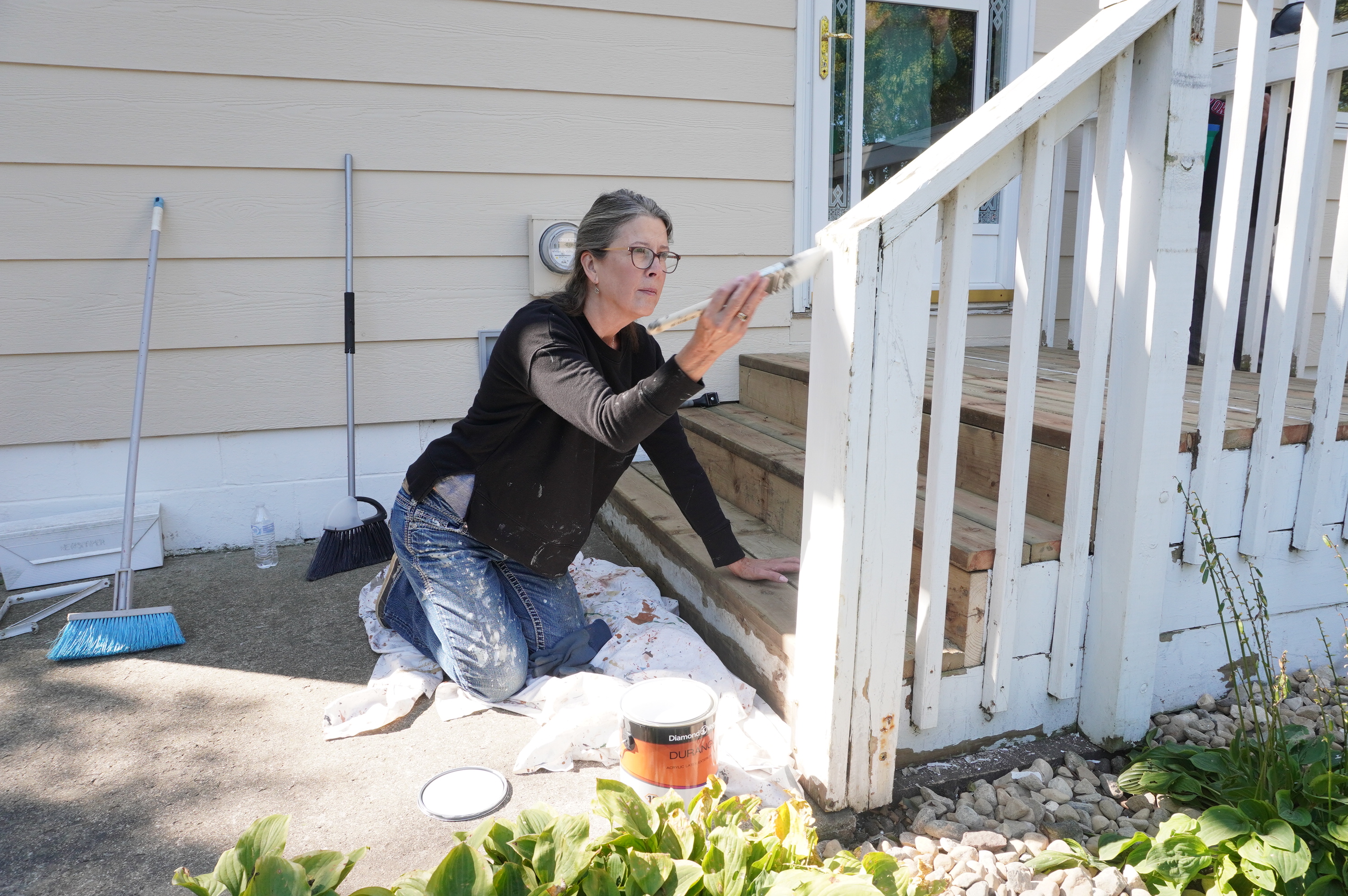
A small roof leak may seem manageable until moisture damages insulation, ceilings, or walls. A furnace nearing the end of its life may continue operating until a freezing Minnesota night. A loose stair or deteriorating railing may not seem urgent until someone falls.
Putting off repairs isn't necessarily a matter of neglect. For many homeowners, particularly older adults on fixed incomes, there simply may not be enough money available after paying for property taxes, utilities, food, medications, insurance, and other everyday expenses.
The choice can become painfully simple: Which bill gets paid first?
Unfortunately, delaying an essential home repair can sometimes make the eventual problem more expensive and potentially more dangerous.
The Financial Challenge of Maintaining an Older Home
Homeownership can provide valuable financial stability over a lifetime, but owning a home does not mean a homeowner has cash readily available for major repairs.
An older Minnesotan may own the home where they have lived for 30, 40, or even 50 years and still struggle to pay thousands of dollars for an unexpected repair.
That distinction is important.
Someone can have significant emotional and financial investment in a home while living on a relatively modest monthly income. Selling the property or taking on additional debt may not be an attractive—or realistic—solution.
This is where nonprofit home-repair organizations can fill an important gap.
Rebuilding Together Minnesota provides home repair and accessibility services for qualifying homeowners, helping address conditions that affect the safety and health of the people living there.
Critical Repairs Protect More Than the House
When we think about home repair, it is easy to focus on the physical improvement: fixing a roof, repairing plumbing, improving electrical systems, replacing unsafe flooring, or addressing heating problems.
But the impact goes much further.
A functioning heating system helps make a Minnesota home livable during winter. Repairing a water problem may prevent additional damage and unhealthy conditions. Fixing deteriorated flooring can reduce safety hazards. Exterior repairs can help protect the structure from Minnesota's demanding weather.
In other words, maintaining the home helps protect the homeowner.
For an older adult, that can also mean maintaining independence.
A safe and functioning home can make it more realistic to remain connected to familiar neighbors, nearby friends, local healthcare providers, churches, stores, and community resources.
Minnesota Weather Doesn't Give Homeowners Much Leeway
Minnesota homes face challenges that homeowners in many other parts of the country do not.
Snow, ice, freezing temperatures, spring thaw, heavy rain, humidity, and dramatic temperature changes can all take a toll on a house.
A roof problem in August can become much more serious after a Minnesota winter. Poorly functioning heating equipment is more than uncomfortable when temperatures fall below zero. Water intrusion followed by freezing and thawing can worsen damage to a structure.
For homeowners who cannot physically inspect or maintain their property as easily as they once did, these issues may be especially difficult to manage.
Addressing critical problems before they grow can help preserve both the safety and long-term condition of the home.
Helping Homeowners Preserve What They Have Built
There is another important side to home repair: preserving housing stability and generational wealth.
For many families, a home is their largest financial asset.
Allowing necessary repairs to go unaddressed can gradually reduce the condition and value of that asset. A problem that might have been repairable can eventually become extensive enough to threaten the homeowner's ability to remain there.
Helping someone repair a home is therefore about more than fixing a physical structure. It can help protect years—or even generations—of investment.
That benefits individual homeowners, but it also benefits neighborhoods.
Homes that are maintained contribute to stable blocks and stronger communities. Longtime residents provide continuity, relationships, history, and a sense of connection that cannot easily be replaced.
Knowing When to Ask for Help
Many older adults are accustomed to taking care of things themselves. Asking for assistance doesn't always come naturally.
But there are some home problems that should not simply be ignored.
Warning signs may include water stains on ceilings or walls, unreliable heat, recurring plumbing problems, unsafe stairs, loose railings, damaged flooring, electrical concerns, deteriorating exterior surfaces, or other conditions that affect the safety or basic function of the home.
Family members can help by paying attention, too.
When visiting an older parent, relative, friend, or neighbor, look beyond whether the house appears tidy. Is the home warm enough? Are the stairs secure? Is there evidence of water damage? Are doors and windows functioning? Are there repairs the homeowner keeps saying they'll “get to eventually”?
Sometimes a conversation is the first step toward finding help.
Rebuilding Homes—and Protecting Independence
The mission behind Rebuilding Together Minnesota recognizes a simple but important truth: everyone deserves to live in a safe and healthy home.
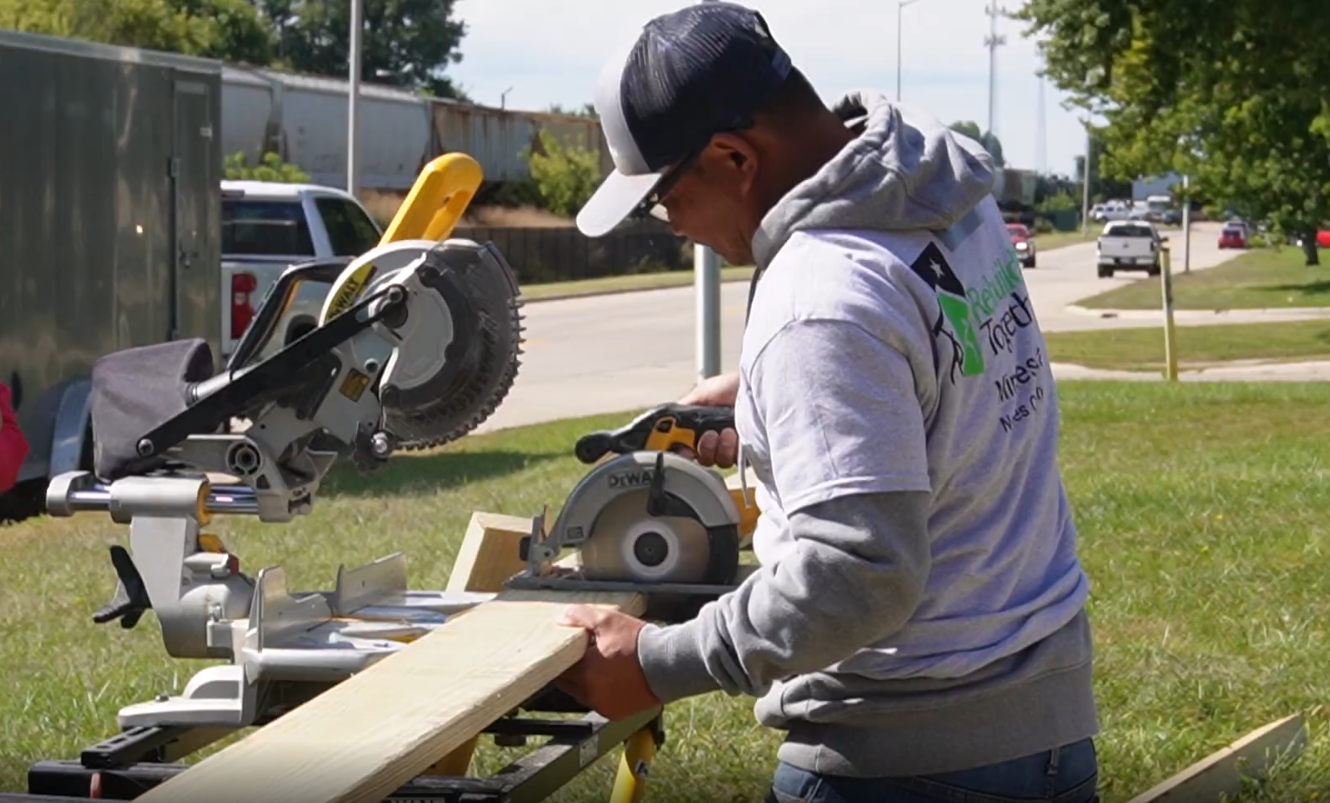
Through home repairs, accessibility modifications, volunteers, community partnerships, and financial support, the organization helps Minnesota homeowners address needs they may not be able to handle alone.
For an older homeowner, the result can be profound.
It may mean another winter spent safely in a familiar home. It may mean preserving an important financial asset. It may mean remaining close to friends and neighbors. And it may provide family members with greater peace of mind.
A home built over a lifetime deserves to be protected.
And sometimes, helping a neighbor make one essential repair can help protect much more than the house itself.
To learn more about Rebuilding Together Minnesota, available programs, eligibility, volunteering, or ways to support its mission, visit Rebuilding Together Minnesota. Call 651-776-4273 for more information or visit our website at www.rtmn.org

Other Articles You May Like
Choosing Medicare Advantage Coverage in Mobile, AL
Choosing Medicare Advantage Coverage in Mobile, ALChoosing Medicare coverage can feel complicated, especially when several health insurance plans advertise different premiums, prescription benefits, provider networks, and additional services.For older adults in Mobile, Alabama, the challenge is not simply finding a Medicare Advantage plan. It is determining which plan best matches personal healthcare needs, preferred physicians, medications, and financial circumstances.One plan may advertise a $0 monthly plan premium but have higher costs for certain specialist appointments. Another may offer additional benefits for dental, vision, or hearing services. A third may provide access to a preferred hospital system but have different pharmacy coverage.Understanding these differences is essential before making an enrollment decision.Viva Health Medicare, commonly known as Viva Medicare, offers Medicare Advantage plans for eligible residents of Mobile County and other Alabama communities.The organization provides HMO-based Medicare Advantage coverage, with plan options that may include prescription drugs, preventive healthcare, dental services, vision benefits, hearing coverage, and wellness programs.With a local office on Dauphin Street in Mobile, Viva Medicare also provides opportunities to ask questions about available coverage.For individuals reviewing Medicare options, a careful comparison can help identify the coverage that meets their needs for the coming year.What Is Medicare Advantage?Medicare Advantage, also called Medicare Part C, is an alternative way to receive Medicare-covered healthcare benefits.These plans are offered by private insurance companies approved by Medicare.Individuals enrolled in Medicare Advantage generally receive their Medicare Part A and Part B benefits through their selected plan instead of through Original Medicare.Medicare Advantage Plans May IncludeDepending on the specific plan, coverage may include:Hospital servicesPrimary care appointmentsSpecialist visitsPreventive healthcarePrescription medicationsDental servicesVision careHearing servicesFitness benefitsTelehealth servicesOther supplemental benefitsNot every plan offers the same coverage.The amount a member pays and the conditions for using particular services vary according to the plan's official benefit documents.Medicare Advantage Versus Original MedicareUnderstanding the differences between Medicare Advantage and Original Medicare is an important first step.Original MedicareOriginal Medicare includes:Part A: Hospital insurancePart B: Medical insurancePeople with Original Medicare can generally visit any healthcare provider who accepts Medicare.They may purchase a separate Part D prescription drug plan and, when eligible, a Medicare Supplement Insurance policy.Medicare AdvantageMedicare Advantage combines Medicare Part A and Part B coverage through a private plan.Many Medicare Advantage plans also include Part D prescription coverage.These plans may use provider networks and have specific rules governing certain services.Important Differences to CompareBefore choosing coverage, consider:Monthly premiumsProvider network restrictionsPrescription drug coverageCopayments and coinsuranceDeductiblesAnnual out-of-pocket limitsReferral requirementsPrior authorization requirementsCoverage when travelingSupplemental benefitsNeither option is automatically the best choice for everyone.The appropriate selection depends on personal circumstances.Viva Health Medicare in Mobile, AlabamaViva Medicare is offered by Viva Health, an Alabama-based health insurance organization.Viva Medicare provides Medicare Advantage HMO plans and has a contract with Medicare and the Alabama Medicaid Agency.The organization offers eligible plans in Mobile County.Its official website allows individuals to review coverage based on their county of residence and Medicaid status.A Local Mobile OfficeViva Medicare maintains a Mobile location at:3059 Dauphin Street, Mobile, AL 36606Local Phone: 251-380-2222The office provides an option for residents who prefer speaking with an Alabama-based representative.Individuals should confirm whether an appointment is necessary before visiting.Available Medicare Advantage PlansViva Medicare offers several Medicare Advantage plan types in Alabama.Its published plan information includes options such as:Viva Medicare PlusViva Medicare PremierViva Medicare SelectViva Medicare ClassicViva Medicare Extra ValueViva Medicare Extra CareViva Medicare Infirmary Health AdvantageOther plan options identified in current-year materialsSome plans are designed for individuals with specific eligibility requirements.Plan names, service areas, premiums, and benefits may change annually.Residents should use the official plan selection tool to verify which options are available in Mobile County for the coverage year they are considering.Why Provider Networks MatterOne of the most important factors when choosing a Medicare Advantage plan is the provider network.A plan may offer attractive benefits, but those benefits may be less useful if preferred healthcare professionals are not included.Primary Care ProvidersMany older adults have established relationships with primary care physicians.Before enrolling, determine whether your doctor participates in the specific Viva Medicare plan you are considering.SpecialistsIndividuals managing chronic conditions may regularly see:CardiologistsOrthopedic specialistsEndocrinologistsNeurologistsOphthalmologistsUrologistsOther medical professionalsConfirm that necessary specialists are in-network.Hospitals and Health SystemsViva Medicare advertises an Infirmary Health Advantage plan with access to the Infirmary Health system.However, this does not mean every Viva Medicare plan provides identical hospital access.Provider participation should be verified for the exact plan and coverage year.Referral RequirementsCertain HMO arrangements may have rules about specialist visits.Viva's published provider information describes specialist access within selected provider systems, but requirements can vary by plan.Ask whether referrals or authorizations are necessary for the services you commonly use.Why Annual Verification MattersHealthcare provider networks can change.A physician who participated in one year's network may have a different status the following year.Verify network participation directly with the plan and provider before enrollment.Understanding Medicare Advantage CostsA $0 monthly premium can be appealing.However, the monthly premium is only one part of a plan's total cost.Monthly PremiumSome Viva Medicare plans advertise $0 monthly plan premiums.Other options may have separate premiums.Members generally must continue paying their Medicare Part B premium unless an applicable assistance arrangement changes their responsibility.Primary Care CopaymentsSome plans advertise $0 primary care visits.However, specific cost-sharing arrangements depend on the selected plan.Specialist CopaymentsMembers may pay a fixed amount when visiting certain specialists.Prescription CostsMedication expenses depend on drug coverage, pharmacy selection, and the applicable formulary.Hospital CostsPlans may charge copayments or other cost sharing for hospital care.Maximum Out-of-Pocket AmountMedicare Advantage plans have an annual maximum out-of-pocket limit for covered Part A and Part B services.This limit can provide important financial protection, but it does not include every possible expense, such as premiums and most Part D prescription drug costs.Evaluating Total CostsConsider how frequently you expect to use:Primary careSpecialist servicesLaboratory testsDiagnostic imagingHospital servicesPhysical therapyPrescription medicationsA plan with a low premium may not be the least expensive option for someone who frequently uses medical services.Prescription Drug Coverage and Pharmacy NetworksPrescription medications are especially important for many Medicare beneficiaries.A person managing diabetes, hypertension, heart disease, or another chronic condition may take several medications every day.Before choosing a Medicare Advantage plan, review the prescription drug benefit carefully.Check the FormularyA formulary is the list of medications covered by a prescription drug plan.Confirm that each medication appears on the specific plan's current formulary.Review Drug TiersPlans may assign medications to different cost-sharing tiers.Generic drugs may have different costs from preferred or nonpreferred brand-name medications.Confirm Pharmacy ParticipationDetermine whether your preferred pharmacy participates in the network.Review Medication RestrictionsSome medications may require prior authorization, step therapy, or quantity limits.Compare Annual Medication CostsA useful comparison considers the expected annual cost of prescriptions, not just the price of one medication.Viva Medicare publishes pharmacy directories and prescription-related documents to help members review these details.Additional Benefits Available Through Viva MedicareViva Medicare advertises supplemental benefits through certain plan options.However, benefits vary by plan and coverage year.Dental BenefitsSome plans include dental coverage.Ask whether the coverage includes routine examinations, cleanings, restorative services, or other treatments.Also confirm annual limits and participating dentists.Vision CoverageCertain Viva Medicare plans advertise vision benefits and eyewear allowances.Review the available allowance, covered services, and provider network.Hearing BenefitsSome plans include hearing examinations or hearing aid benefits.Coverage restrictions and allowances may apply.Fitness MembershipsViva Medicare advertises fitness-related benefits through selected plans.These may help qualifying members participate in approved fitness programs.Over-the-Counter BenefitsSome plans provide allowances for eligible over-the-counter healthcare items.Ask which products are covered, where the allowance can be used, and whether unused amounts expire.Telehealth ServicesSome plans include access to telehealth services.These options may allow members to communicate with healthcare professionals remotely when clinically appropriate.Nurse Advice ServicesViva Medicare advertises a 24-hour nurse line through selected coverage.Members should confirm the availability and terms of this benefit.Why Medicare Advantage Matters in Mobile CountyMobile County residents have different medical needs, healthcare preferences, and financial circumstances.Some beneficiaries rely primarily on preventive care and occasional physician visits.Others require regular specialty appointments or prescription medications.Access to Local HealthcareHaving appropriate access to nearby physicians and hospitals can be particularly important for individuals with chronic conditions.Coordinating Ongoing TreatmentPeople managing multiple health concerns may benefit from understanding how a plan coordinates primary care, specialty care, and prescriptions.Planning for TransportationTransportation to medical appointments may influence healthcare access.If a plan advertises transportation benefits, members should confirm the exact eligibility, destinations, and trip limits.Maintaining Coverage While TravelingSome older adults travel outside Mobile County or spend time in other states.Review how the plan covers emergencies, urgent care, and nonemergency services outside its usual network.Managing Retirement ExpensesHealthcare costs are an important part of retirement budgeting.Comparing premiums, medication costs, and expected medical expenses can help families plan more effectively.Understanding HMO Medicare Advantage PlansViva Medicare describes its products as HMO plans.HMO stands for Health Maintenance Organization.These plans generally use networks of participating healthcare professionals and facilities.In-Network CareRoutine covered services are generally obtained through network providers according to plan rules.Out-of-Network CareNonemergency out-of-network services may not be covered unless specific exceptions or authorizations apply.Emergency and urgently needed care are treated differently under applicable Medicare rules.Primary Care CoordinationHMO plans may emphasize coordination through a primary care provider.Plan-Specific RulesReferral and prior authorization requirements vary.Members should review the Evidence of Coverage rather than relying on general descriptions of HMO insurance.When Can You Enroll in Medicare Advantage?Enrollment generally occurs during designated Medicare enrollment periods.Initial Enrollment PeriodMany individuals first become eligible for Medicare around age 65.The initial enrollment timing depends on individual circumstances.Annual Medicare Open EnrollmentMedicare's annual Open Enrollment Period runs from October 15 through December 7.During this period, eligible beneficiaries can review and change Medicare Advantage or prescription drug coverage.Changes generally take effect January 1 of the following year.For example, changes selected during October 15 through December 7, 2026, generally begin January 1, 2027.Medicare Advantage Open EnrollmentFrom January 1 through March 31, individuals already enrolled in Medicare Advantage generally have an opportunity to make one eligible plan change or return to Original Medicare.This is not a general enrollment period for everyone with Original Medicare to enter Medicare Advantage.Special Enrollment PeriodsCertain circumstances may create additional enrollment opportunities.Examples can include moving, losing qualifying coverage, or changes in eligibility for assistance programs.The applicable rules depend on the situation.Reviewing Medicare Coverage Before December 7Annual enrollment is a useful opportunity to review changes in healthcare needs.Review the Annual Notice of ChangeCurrent Medicare Advantage members should examine the plan's Annual Notice of Change.This document explains important changes affecting the next coverage year.Confirm Your DoctorsVerify that primary care providers, specialists, and relevant healthcare facilities remain in-network.Check Your PrescriptionsReview the new formulary and pharmacy arrangements.Compare CostsConsider premiums, copayments, deductibles, and expected out-of-pocket expenses.Evaluate Additional BenefitsDetermine whether supplemental services match your needs.Consider Personal ChangesA new diagnosis, medication, or treatment plan may influence which coverage is appropriate.How to Compare Viva Medicare PlansA structured comparison can make Medicare Advantage decisions more manageable.Step 1: List Current Healthcare ProvidersInclude primary care physicians, specialists, and preferred hospitals.Step 2: Prepare a Medication ListRecord medication names, strengths, and prescribed frequencies.Step 3: Estimate Medical VisitsConsider expected appointments and other healthcare services.Step 4: Review Monthly CostsInclude plan premiums and the applicable Medicare Part B premium.Step 5: Check Annual Financial ExposureReview the maximum out-of-pocket amount and other potential expenses.Step 6: Compare Supplemental BenefitsConsider dental, vision, hearing, fitness, and other services.Step 7: Review Enrollment RulesConfirm that you qualify for the plan and are within an eligible enrollment period.Step 8: Request Written Plan InformationUse the official Summary of Benefits and Evidence of Coverage before making a final selection.Expert Tip for Choosing Medicare Advantage CoverageExpert Tip: When comparing Medicare Advantage plans, prioritize the healthcare services you already use before evaluating extra benefits. Confirm your doctors, hospitals, pharmacies, and prescriptions first, then compare premiums and supplemental coverage.An attractive benefit has limited value if the plan does not provide suitable access to essential healthcare services.How to Get Started With Viva Health MedicareStep 1: Confirm Medicare EligibilityMedicare Advantage enrollment generally requires enrollment in Medicare Part A and Part B.Step 2: Review Available County PlansVisit https://www.vivahealth.com/medicare/plans to review plans available in Mobile County.Step 3: Contact Viva MedicareCall 1-888-830-8482 to speak with a representative about Medicare Advantage options.Step 4: Visit the Mobile OfficeViva Medicare has an office at 3059 Dauphin Street, Mobile, AL 36606.Local office phone: 251-380-2222.Step 5: Check Provider ParticipationVerify your healthcare professionals and hospitals for the specific plan.Step 6: Review Medication CoverageCheck the plan's current formulary and pharmacy directory.Step 7: Compare Financial ResponsibilitiesReview premiums, cost sharing, annual limits, and supplemental benefit restrictions.Step 8: Complete Enrollment During an Eligible PeriodUse the plan's official enrollment process or Medicare.gov, and confirm the effective date.Frequently Asked Questions About Viva Medicare1. Does Viva Medicare offer Medicare Advantage plans in Mobile County?Yes. Viva Medicare offers HMO Medicare Advantage coverage in Mobile County. Available plans depend on the coverage year, county of residence, and individual eligibility.2. Where is the Viva Medicare office in Mobile, Alabama?The Mobile office is located at 3059 Dauphin Street, Mobile, AL 36606. The published local telephone number is 251-380-2222.3. Does Viva Medicare offer $0 monthly premium plans?Yes. Viva Medicare advertises certain plans with $0 monthly plan premiums. However, benefits and availability vary, and members generally remain responsible for the applicable Medicare Part B premium unless assistance or a plan benefit applies.4. Does Viva Medicare include prescription drug coverage?Many Viva Medicare Advantage plans include Part D prescription drug coverage. Members should review the exact plan formulary, cost-sharing amounts, pharmacy network, and medication restrictions.5. When can I change my Medicare Advantage plan?Medicare's annual Open Enrollment Period runs from October 15 through December 7. Individuals already enrolled in Medicare Advantage may also qualify to make a change during the January 1 through March 31 Medicare Advantage Open Enrollment Period. Other enrollment opportunities may apply in special circumstances.Choose Coverage That Matches Your Healthcare NeedsMedicare Advantage plans can offer different combinations of medical coverage, prescription benefits, provider networks, and supplemental services.However, the right plan is not necessarily the one with the lowest advertised premium or the longest list of additional benefits.A useful Medicare comparison considers the healthcare professionals you trust, the medications you need, expected medical expenses, and the financial responsibilities involved.For eligible residents throughout Mobile County, Viva Health Medicare offers Medicare Advantage options supported by Alabama-based representatives and a local Mobile office.By reviewing official plan documents, confirming provider participation, and asking detailed questions, beneficiaries can make more informed coverage decisions.Contact Viva Medicare to explore available Mobile County plans, discuss eligibility, and request current benefit information.Featured Seniors Blue Book ListingViva Health MedicareRecommended Main SBB Category: Medicare Advantage PlansAddress: 3059 Dauphin Street, Mobile, AL 36606County: Mobile County, AlabamaMobile Office Phone: 251-380-2222Medicare Sales Information: 1-888-830-8482Toll-Free Medicare Plan Assistance: 1-833-544-3163Member Services: 1-800-633-1542TTY: 711Medicare Plan Information: https://www.vivahealth.com/medicare/plansLocal Office Hours: Monday through Friday, 8:00 AM to 5:00 PMInsurance Type: Medicare Advantage HMO plansPossible Benefits: Hospital and medical coverage, prescription drug coverage, preventive care, dental, vision, hearing, fitness benefits, telehealth services, and other plan-specific supplemental services.Service Area: Mobile County and other eligible Alabama counties.Plan Availability: Depends on county, coverage year, and eligibility.Coverage Note: Premiums, provider networks, prescription benefits, and cost-sharing arrangements vary by plan.Find Viva Medicare on Seniors Blue BookLooking for Medicare Advantage plans in Mobile, Alabama?Explore Viva Health Medicare through Seniors Blue Book on SeniorsBlueBook.com.Learn about Medicare Advantage coverage, available plan options, and the importance of comparing provider networks, prescriptions, and costs before enrolling.Contact Viva Medicare to review available Mobile County plans and request current enrollment information.
Senior Fitness Classes for Active Aging in Mobile, AL
Senior Fitness Classes for Active Aging in Mobile, ALStaying physically active can become more challenging with age, but it remains one of the most valuable ways to support everyday health and independence.For some older adults, physical activity means taking a morning walk or working in the garden. Others enjoy swimming, dancing, stretching, or participating in group fitness classes.However, as people grow older, changes in strength, flexibility, balance, and endurance may make familiar activities feel more difficult.A senior may notice that climbing stairs requires more effort. Another may feel less steady when walking across an uneven surface. Someone else may want to exercise regularly but feel uncomfortable joining a traditional gym.For older adults in Mobile, Alabama, finding fitness programs designed around different abilities can make physical activity more approachable and enjoyable.VIA! Health Fitness and Enrichment Center, located on Dauphin Street in Mobile, offers exercise classes, fitness equipment, recreational sports, and wellness programming for mature adults.The nonprofit organization provides opportunities for participants to develop healthier routines while connecting with others who share similar interests.From chair-based exercise and gentle stretching to strength training, yoga, and pickleball, VIA! offers several ways for older adults to remain active.Understanding the benefits of senior fitness and how to choose appropriate activities can help make exercise a sustainable part of everyday life.Why Fitness Matters for Healthy AgingPhysical activity contributes to several important areas of health.Regular movement may help support strength, flexibility, balance, cardiovascular health, and emotional well-being.The most appropriate activities depend on individual abilities and medical conditions.Maintaining Muscle StrengthMuscle strength can decline with age.This may make everyday activities, such as carrying groceries or standing from a chair, more challenging.Appropriate resistance exercises can help maintain muscle function.Supporting BalanceBalance involves coordination among muscles, vision, the nervous system, and other body systems.Balance-oriented activities may help improve stability and confidence.Improving FlexibilityGentle stretching can help maintain joint movement and comfort.Supporting Cardiovascular HealthAppropriate aerobic exercise can support heart and lung health.Encouraging Social ConnectionGroup fitness classes provide opportunities for conversation and shared activities.Supporting IndependenceMaintaining physical abilities can help older adults continue participating in activities that matter to them.What Makes Senior Fitness Different?Senior-focused fitness programs consider factors that may influence exercise participation later in life.These include changes in mobility, chronic medical conditions, joint health, balance, and previous exercise experience.Different Fitness LevelsNot every older adult begins at the same fitness level.Some participants have exercised regularly for decades.Others are returning to physical activity after a long break.Adapted MovementsCertain exercises can be modified for different abilities.For example, a stretching activity may be performed while seated or standing, depending on the participant's needs.Emphasis on Functional MovementFunctional exercises support movements used in everyday life.These may include standing, reaching, walking, turning, and lifting.Appropriate PacingParticipants should be able to progress gradually rather than feeling pressured to keep up with others.Safety and Medical ConsiderationsPeople with significant cardiovascular conditions, recent surgery, dizziness, or other medical concerns should discuss appropriate exercise with their healthcare provider.VIA! Health Fitness and Enrichment Center in MobileVIA! Health Fitness and Enrichment Center is a nonprofit community organization dedicated to promoting healthy, active, and independent lifestyles.The organization traces its history to 1970, when Senior Citizens Services began supporting older adults in the Mobile community.Today, VIA! operates from the Arlene F. Mitchell Campus on Dauphin Street.Its facilities include a fitness center, gymnasium, aerobics space, and areas used for educational and recreational programming.Fitness Designed for Mature AdultsVIA! offers specialized fitness classes for participants with different activity levels.Its programming includes strength, flexibility, balance, cardio, movement, and recreational activities.Classes are led by certified or specially trained fitness instructors, according to the organization's membership information.Fitness Equipment and FacilitiesThe VIA! fitness center advertises equipment including:TreadmillsElliptical machinesStationary bicyclesRecumbent bicyclesResistance machinesFree weightsThe organization also provides fitness orientations and assessments.New members can ask how to use equipment appropriately and which activities may suit their experience.Senior FitSenior Fit is a low-impact exercise class designed to improve cardiovascular and muscular endurance.The program uses alternating activity intervals.It may appeal to participants who want a structured class without the demands of high-impact exercise.SilverSneakers ClassesVIA! offers SilverSneakers programming.These classes emphasize physical abilities important for everyday activities, including:StrengthRange of motionBalanceCoordinationAgilityEligible insurance-sponsored memberships may help some participants access these programs.Silver&Fit ExcelSilver&Fit Excel focuses on flexibility, joint stability, balance, muscular strength, and cardiovascular endurance.This combination may be useful for participants interested in maintaining several aspects of physical function.Stretch & FlexStretch & Flex is a low-impact, seated fitness class.It emphasizes flexibility, endurance, and mindfulness.Chair-based exercise may be appealing to older adults who prefer seated activities or need additional support.Participants should confirm whether the class is appropriate for their physical abilities.Stretch & BalanceThe Stretch & Balance program combines elements of Pilates, yoga, and athletic stretching.Its goals include improving flexibility, posture, and balance.Participants can ask instructors about appropriate modifications.Tai Chi for BeginnersTai chi uses controlled movements, balance, and focused attention.VIA! advertises a beginner program emphasizing fluid movement and mindfulness.For some older adults, tai chi provides an enjoyable way to combine movement with concentration.Yoga for EveryoneVIA! offers yoga programming emphasizing breathing, meditation, and physical movement.Yoga can be adapted to different abilities.Participants should discuss limitations or concerns with the instructor.Rhythm & MovementRhythm & Movement incorporates exercise designed to support joint health, physical strength, and circulation.Movement-based classes may appeal to people who enjoy exercising with music or rhythmic activity.Body SculptingVIA! also offers Body Sculpting classes.These incorporate resistance-training movements using equipment such as weights or bands.Resistance exercises can help maintain strength when performed appropriately.Stability Ball TrainingStability Ball Training focuses on core muscles and may involve resistance bands, light weights, and other movements.Because stability exercises can be challenging, participants should select activities suited to their balance and physical abilities.Recreational SportsVIA! provides opportunities for recreational activities such as:PickleballBilliardsLine dancingThe organization also advertises gymnasium space and other group sports activities.Recreational programs can provide enjoyable alternatives to conventional workouts.Verified VIA! Contact InformationVIA! Health Fitness and Enrichment CenterAddress: 1717 Dauphin Street, Mobile, AL 36604Phone: 251-478-3311Website: https://viamobile.org/Center Hours:Monday: 7:00 AM to 6:00 PMTuesday: 7:00 AM to 6:00 PMWednesday: 7:00 AM to 6:00 PMThursday: 7:00 AM to 6:00 PMFriday: 7:00 AM to 1:00 PMSaturday: 8:00 AM to 12:00 PMSunday: ClosedAvailable Facilities: Fitness center, gymnasium, exercise equipment, and group fitness spaces.Class schedules may change, so participants should check the current calendar before visiting.Why Senior Fitness Matters Locally in Mobile CountyMobile County has an established older adult population with different activity preferences and healthcare needs.Some residents enjoy walking, gardening, or outdoor recreation.Others prefer structured indoor programs.The Gulf Coast climate can also influence how people plan physical activities throughout the year.Indoor Fitness OptionsMobile's warm and humid weather may make outdoor exercise uncomfortable at certain times.Indoor fitness classes and equipment provide alternatives when outdoor conditions are unsuitable.Opportunities for Community ConnectionGroup activities can help residents meet people while maintaining physical activity.Supporting Long-Term IndependenceMaintaining physical abilities can help older adults continue participating in familiar routines.Accessible Program ChoicesA center offering seated exercise, low-impact classes, strength training, and recreational activities may appeal to people with different preferences.Understanding Balance and Fall PreventionFalls are an important health concern among older adults.Several factors may influence fall risk.These include:Muscle weaknessBalance problemsVision changesCertain medicationsNeurological conditionsFootwearEnvironmental hazardsPrevious fallsFitness activities may address some physical factors, but exercise does not eliminate every fall risk.Why Balance Training MattersBalance training challenges the body's ability to maintain stability.Appropriate activities may help improve coordination and confidence.Why Strength Training HelpsLeg and core strength contribute to everyday movement.Maintaining strength may make activities such as standing and walking easier.Combining Different Types of ExerciseA balanced fitness routine may include strength, flexibility, aerobic movement, and balance activities.Know When to Seek Medical AdviceAnyone experiencing repeated falls, unexplained dizziness, fainting, or sudden changes in balance should seek medical evaluation.Strength Training for Older AdultsStrength training is not limited to lifting heavy weights.Many exercises use light resistance, bands, or body weight.Everyday BenefitsAppropriate resistance exercise may help support:Getting out of a chairClimbing stairsCarrying household itemsMaintaining postureWalkingCompleting personal activitiesStarting GraduallyBeginners should use manageable resistance and focus on proper movement.Rest and RecoveryMuscles require adequate recovery.ModificationsExercises may need adaptation for joint pain, physical limitations, or medical conditions.Professional GuidanceA qualified instructor can explain equipment use and class expectations.Cardiovascular Fitness and Senior WellnessAerobic activity involves movement that increases breathing and heart rate.Examples include walking, cycling, dancing, and certain group exercise classes.Why Aerobic Activity MattersAppropriate cardiovascular activity can support heart and lung health, endurance, and general well-being.Choosing Suitable ActivitiesSome participants enjoy stationary bicycles.Others prefer low-impact group classes.Monitoring Exercise IntensityMany older adults can use the talk test as a general guide, meaning they can still speak while exercising at a moderate intensity.However, people with complex medical conditions should follow individualized recommendations.When to StopChest pain, severe breathlessness, faintness, or other concerning symptoms require stopping the activity and seeking appropriate medical attention.Flexibility and Joint MobilitySome older adults experience stiffness in the morning or after sitting for long periods.Gentle movement may help maintain joint flexibility.Stretching ClassesVIA!'s Stretch & Flex and Stretch & Balance programs offer structured ways to participate in stretching activities.YogaYoga combines movement, breathing, and flexibility.Tai ChiTai chi incorporates controlled movements that may support balance and coordination.Avoiding OverstretchingStretching should not cause sharp pain.Participants should avoid forcing joints beyond comfortable limits.Finding Motivation Through Group ExerciseMaintaining a fitness routine can be difficult when exercising alone.Group classes may offer structure and encouragement.Regular SchedulesA scheduled class can help create a consistent routine.Social AccountabilitySeeing familiar participants may encourage continued attendance.Shared ProgressParticipants may enjoy noticing gradual improvements in endurance or confidence.VarietyTrying different activities can prevent routines from becoming repetitive.EnjoymentExercise is more sustainable when the activity feels worthwhile and enjoyable.VIA! Membership and Fitness CostsVIA! publishes Fit Pass membership rates.The organization states that membership is open to adults age 21 and older, although many programs are particularly suited to mature adults.Published Membership Pricing for Ages 50 and OlderMembership PeriodPublished RateThree months$60Six months$120Twelve months$240These are published rates and may change.Membership for Ages 21 to 49The official website lists:Three months: $70Six months: $140Twelve months: $280Insurance-Sponsored MembershipsVIA! states that certain insurance plans may cover membership costs.Programs may include SilverSneakers and Silver&Fit.Coverage depends on the individual's specific insurance benefits and eligibility.Income-Based ScholarshipsVIA! also advertises income-based membership scholarships for qualifying individuals.Applicants should contact the center to learn about eligibility and availability.Questions to Ask Before JoiningIs my insurance plan accepted?What activities are included?Are there additional class fees?Do I need to register?Is a fitness assessment required?Are scholarships available?What is the cancellation policy?How to Choose the Right VIA! Fitness ClassThe best class is not necessarily the most challenging.It is one that matches the participant's current abilities, interests, and goals.For BeginnersLow-impact or introductory activities may provide an approachable starting point.For Balance ConcernsAsk about classes emphasizing controlled movement, strength, and balance.For FlexibilityStretching or yoga programs may be appropriate.For StrengthResistance-based classes or suitable fitness equipment may support strength goals.For Social EnjoymentLine dancing, pickleball, or group fitness may provide additional opportunities for interaction.For Limited MobilityAsk whether seated activities or other modifications are available.A healthcare professional can help identify appropriate exercise limitations when necessary.Planning a Sustainable Weekly Fitness RoutineConsistency often matters more than intensity.Older adults may benefit from a routine that includes different types of movement.Begin With Realistic GoalsSomeone returning to exercise may start with one or two classes per week.Include VarietyCombining movement, stretching, and strength activities may address different fitness needs.Schedule RestRest and recovery should be part of the plan.Listen to Your BodyUnusual pain, dizziness, or persistent fatigue should not be ignored.Review ProgressParticipants may notice improvements in comfort, balance, endurance, or confidence over time.Results vary.Wellness Beyond ExerciseVIA! also provides health and wellness education.Its membership information identifies:Annual Healthy Living ExpoWellness WednesdaysHealth screeningsMedication counselingNutrition educationWellness seminarsThese services support learning about health-related topics in a community setting.Participants should verify event schedules, registration requirements, and the type of services available.Educational programs and screenings do not replace ongoing medical care.Expert Tip for Starting Senior FitnessExpert Tip: Choose a fitness class you can realistically attend every week rather than starting with an overly ambitious schedule. Ask the instructor about modifications, begin at a comfortable level, and gradually increase participation according to your abilities and medical guidance.Consistency and enjoyment can help make physical activity a lasting part of your routine.How to Get Started With VIA! Fitness and WellnessStep 1: Identify Your Fitness GoalsConsider whether you want to improve strength, flexibility, endurance, balance, or social engagement.Step 2: Review Your Health NeedsIf you have significant medical conditions or new symptoms, discuss appropriate exercise with your healthcare provider.Step 3: Contact VIA!Call 251-478-3311 to learn about classes and membership.Step 4: Check Insurance BenefitsAsk whether your health plan includes SilverSneakers, Silver&Fit, or another eligible fitness benefit.Step 5: Review the Current ScheduleVisit https://viamobile.org/schedules/ for current fitness and activity information.Step 6: Visit the CenterVIA! is located at 1717 Dauphin Street in Mobile.Step 7: Ask About OrientationFind out whether a fitness orientation or assessment would be appropriate.Step 8: Begin With a Comfortable RoutineChoose activities that fit your interests, schedule, and physical abilities.Frequently Asked Questions About Senior Fitness in Mobile1. Does VIA! offer fitness classes specifically for older adults?Yes. VIA! provides senior-focused programs including Senior Fit, SilverSneakers, Silver&Fit Excel, Stretch & Flex, yoga, tai chi, and other fitness activities.2. Can beginners join VIA! fitness classes?VIA! advertises programs for different ability levels. Beginners should ask which classes are appropriate and whether modifications are available.3. Does VIA! accept SilverSneakers or Silver&Fit?Yes. VIA! lists SilverSneakers and Silver&Fit programs among its membership and fitness offerings. Participants should confirm eligibility through their insurance plans.4. How much does VIA! membership cost?The published Fit Pass rate for adults age 50 and older is $60 for three months, $120 for six months, or $240 annually. Rates may change, and eligible participants may qualify for insurance-sponsored membership or scholarships.5. Does VIA! offer activities beyond traditional exercise classes?Yes. VIA! advertises recreational sports, line dancing, wellness education, health screenings, and other community programs in addition to its fitness facilities.Find Your Fitness Routine and Enjoy the Benefits of MovementHealthy aging does not require becoming an athlete or following an intense exercise program.For many older adults, meaningful progress begins with small, consistent activities that support strength, flexibility, confidence, and enjoyment.A suitable fitness routine should reflect personal goals, medical needs, and individual abilities.For residents throughout Mobile County, VIA! Health Fitness and Enrichment Center offers fitness classes, exercise equipment, recreational sports, and wellness programming designed to help mature adults remain active.Whether you are beginning a fitness routine, returning to exercise, or looking for a more social way to stay healthy, VIA! provides several opportunities to explore.Contact VIA! to learn about membership, review class schedules, and find a program that fits your lifestyle.Featured Seniors Blue Book ListingVIA! Health Fitness and Enrichment CenterRecommended Main SBB Category: Fitness & WellnessAddress: 1717 Dauphin Street, Mobile, AL 36604County: Mobile County, AlabamaPhone: 251-478-3311Website: https://viamobile.org/Center Hours: Monday through Thursday, 7:00 AM to 6:00 PM; Friday, 7:00 AM to 1:00 PM; Saturday, 8:00 AM to 12:00 PMFitness Programs: Senior Fit, SilverSneakers, Silver&Fit Excel, Stretch & Flex, Stretch & Balance, Tai Chi, Yoga for Everyone, Rhythm & Movement, Body Sculpting, Stability Ball Training, and other activities.Facilities: Fitness center, cardiovascular equipment, resistance machines, free weights, gymnasium, and activity spaces.Additional Services: Wellness screenings, fitness orientations, nutrition education, health seminars, recreational sports, and enrichment programs.Published Membership Rate for Ages 50+: $60 for three months, $120 for six months, or $240 annually.Insurance Benefits: Eligible SilverSneakers, Silver&Fit, and other participating plans may cover membership.Scholarships: Income-based assistance may be available to qualifying individuals.Membership Note: Confirm current fees, class schedules, and eligibility before enrolling.Seniors Blue Book Business Profile: [SBB Listing URL]Find VIA! Fitness and Wellness on Seniors Blue BookLooking for senior fitness classes and wellness activities in Mobile, Alabama?Explore VIA! Health Fitness and Enrichment Center through Seniors Blue Book on SeniorsBlueBook.com.Learn about its fitness center, group classes, recreational activities, and wellness programs. Contact VIA! to discuss memberships, insurance-sponsored fitness benefits, and current class schedules.
Whole-Person Senior Wellness in Mobile, AL
Whole-Person Senior Wellness in Mobile, ALHealthy aging involves more than attending medical appointments or taking prescribed medications. It also means staying socially connected, eating nutritious meals, maintaining physical abilities, and finding activities that bring enjoyment to everyday life.For older adults in Mobile, Alabama, these aspects of wellness become especially important when chronic medical conditions or mobility limitations make daily routines more challenging.A senior may be managing diabetes while also experiencing reduced strength. Another may need physical therapy following an illness but struggle with transportation. Someone else may feel isolated after retirement or the loss of a spouse.Although these situations are different, they share an important connection: physical, emotional, and social health influence one another.This is why a whole-person approach to wellness can be valuable.Mercy LIFE of Alabama, located on Springhill Avenue in Mobile, provides comprehensive healthcare and wellness support through the Program of All-Inclusive Care for the Elderly, commonly known as PACE.The program combines medical care, rehabilitation therapy, nutrition planning, recreational activities, social services, and home-based assistance through one coordinated healthcare team.For eligible older adults who require a nursing facility level of care but wish to remain safely in their communities, Mercy LIFE offers an approach that considers much more than individual medical diagnoses.What Does Whole-Person Wellness Mean for Seniors?Whole-person wellness involves addressing different areas of health and recognizing how they work together.A person may have well-managed blood pressure but still struggle with loneliness, poor nutrition, or limited mobility.Another individual may enjoy social activities but need help managing medications or recovering strength after an illness.Important Dimensions of Senior WellnessThese include:Physical healthNutritionEmotional well-beingSocial connectionCognitive engagementMobility and functional abilitiesPreventive healthcareSpiritual or personal well-beingDaily living supportNo single activity or treatment addresses every area.A comprehensive wellness plan considers the person's medical needs, abilities, preferences, and everyday circumstances.Why Wellness Needs Change With AgeAs people grow older, health priorities often become more complex.Some individuals manage several chronic conditions.Others notice changes in balance, strength, stamina, or appetite.These changes may influence independence and quality of life.Chronic Medical ConditionsConditions such as diabetes, cardiovascular disease, and arthritis may require ongoing monitoring.Reduced MobilityPhysical limitations can make it difficult to remain active.Nutritional ChallengesChanges in appetite, medications, swallowing, or food access may affect nutrition.Social IsolationRetirement, transportation limitations, and changes in family circumstances may reduce opportunities for social interaction.Emotional ConcernsManaging a serious illness or increasing dependence on others can create stress.A coordinated wellness approach addresses these concerns as connected parts of a person's overall health.Mercy LIFE of Alabama in MobileMercy LIFE of Alabama is part of Trinity Health PACE.PACE stands for Program of All-Inclusive Care for the Elderly.The program provides comprehensive medical and supportive services to eligible older adults who meet nursing facility level-of-care requirements but can remain safely in the community with appropriate assistance.Mercy LIFE operates through its LIFE Health Center in Mobile and an interdisciplinary healthcare team.The organization emphasizes helping participants remain connected to their homes, families, and communities.A Team-Based Approach to WellnessMercy LIFE's interdisciplinary team includes professionals from several healthcare disciplines.These include:Primary care providersRegistered nursesHome care registered nursesPhysical therapistsOccupational therapistsRecreational therapistsSocial workersRegistered dietitiansAdditional professionals, including personal care aides, drivers, and spiritual support personnel, may contribute to participant care.The team reviews individual needs and develops personalized care plans.Primary Medical CareMercy LIFE provides primary care through its healthcare team.Services may involve routine evaluations, chronic disease management, medication review, preventive care, and coordination with specialists.Rather than requiring participants to independently manage multiple healthcare relationships, the PACE program organizes covered care through its team and authorized network.Preventive HealthcarePrevention is an important part of Mercy LIFE's care model.Preventive services may include appropriate medical evaluations, screenings, vaccinations, and monitoring based on individual health needs.The team considers each participant's medical history and current condition.Nursing ServicesNursing professionals support ongoing medical assessment and care coordination.They may monitor changes in health and assist with treatment planning.The specific nursing services provided depend on the participant's care plan.Recreational Therapy and the Importance of EnjoymentWellness is not limited to medical treatment.Activities that encourage movement, creativity, and interaction may contribute to emotional and social well-being.Mercy LIFE provides recreational therapy through its LIFE Center.Its published activity examples include:Arts and craftsComputer classesGentle movementPet therapyBingoTriviaHoliday celebrationsCultural activitiesThese activities offer opportunities for participants to remain engaged according to their interests and abilities.Creative ActivitiesArts and crafts may encourage self-expression and provide opportunities for group participation.The activity can be adapted to different physical and cognitive abilities.Gentle MovementAppropriate movement activities can encourage participation without requiring strenuous exercise.Participants should follow recommendations suited to their medical needs.Games and TriviaGames may provide opportunities for conversation, enjoyment, and mental engagement.Pet TherapyAnimal-assisted activities may offer enjoyable interactions for participants who appreciate animals.Seasonal CelebrationsHoliday and cultural events may help participants maintain familiar traditions and community connections.Not every participant is expected to attend every activity.Programming should reflect the individual's preferences and care plan.Nutrition as a Foundation of Healthy AgingNutrition can become complicated when older adults manage chronic conditions or experience changes in appetite.A person may need dietary guidance for diabetes.Another may have difficulty chewing or swallowing.Someone living alone may struggle to prepare regular meals.Mercy LIFE includes registered dietitians as part of its interdisciplinary team.Individualized Nutrition AssessmentsThe program evaluates factors such as:Medical conditionsWeight changesMedication effectsSwallowing abilitiesFood availabilityDietary requirementsIndividual preferencesNutrition recommendations are developed according to the participant's needs.Meals at the LIFE CenterMercy LIFE provides breakfast and lunch to participants when they attend the center.These meals are part of the program's organized daytime services.Home-Delivered MealsThe organization also states that home-delivered meals may be arranged when appropriate.Availability depends on the participant's care plan.Why Nutritional Guidance MattersAdequate nutrition supports:EnergyMuscle functionGeneral healthRecoveryAppropriate weight maintenanceManagement of certain chronic conditionsPeople with diabetes, kidney disease, heart failure, or other complex conditions may require individualized recommendations.Physical Therapy and Maintaining MobilityPhysical mobility can influence whether an older adult can safely complete everyday activities.Difficulty walking, standing, or transferring may affect independence.Mercy LIFE provides physical therapy as part of its rehabilitation services.Common Physical Therapy GoalsDepending on the participant's condition, therapy may address:Muscle strengthBalanceWalking abilityFunctional movementMobility limitationsRecovery after illnessAppropriate use of assistive devicesWhy Strength MattersMuscle weakness may make everyday activities more difficult.An appropriate therapy program can help participants work toward realistic goals.Balance and Fall ConcernsFalls can affect confidence and independence.A qualified therapist may assess balance and recommend exercises or strategies appropriate for the participant.Individualized TreatmentNot every older adult can safely perform the same exercises.Therapy recommendations must reflect medical conditions, functional abilities, and professional assessment.Occupational Therapy and Everyday IndependenceOccupational therapy focuses on helping people participate in meaningful everyday activities.For older adults, these activities may include bathing, dressing, cooking, and moving safely around their environment.Mercy LIFE includes occupational therapy in its rehabilitation services.Daily Living SkillsA therapist may help evaluate challenges involving personal care or household routines.Adaptive StrategiesSome individuals benefit from learning different ways to complete familiar tasks.Assistive EquipmentAppropriate equipment may help with selected activities.Supporting Existing AbilitiesThe goal is to promote participation and function according to the person's abilities.Occupational therapy services are prescribed and coordinated according to individual clinical needs.Emotional Wellness and Social ConnectionSocial relationships contribute to quality of life.However, some older adults experience fewer opportunities for daily interaction because of mobility limitations, transportation challenges, or medical conditions.Mercy LIFE's center-based activities provide structured opportunities for participants to interact with others.Shared ExperiencesParticipating in games, creative activities, or celebrations may encourage conversation and connection.Emotional SupportSocial workers are part of Mercy LIFE's interdisciplinary team.They may help participants and families address emotional, practical, and social concerns.Maintaining Personal IdentityWellness programs should recognize that older adults have individual interests, experiences, and preferences.A retired musician, gardener, teacher, or business owner may enjoy different activities.Meaningful engagement is more valuable when it reflects those personal interests.Recognizing Emotional ChangesPersistent sadness, anxiety, withdrawal, or changes in behavior should be discussed with a qualified healthcare professional.Social activities can complement appropriate treatment but do not replace medical or mental health care when needed.Spiritual Wellness and Personal MeaningFor some older adults, spiritual practices or personal beliefs provide comfort and purpose.For others, meaningful activities may involve family relationships, creativity, or community involvement.Mercy LIFE identifies spiritual support within its comprehensive care approach.The organization's services include access to spiritual care and support for participants who wish to receive it.Participation should reflect individual preferences and beliefs.Whole-person care respects that spiritual wellness is personal and does not mean the same thing to everyone.Why Whole-Person Wellness Matters in Mobile CountyMobile County includes older adults with different healthcare needs, living arrangements, and family circumstances.Some residents live independently but require support managing medical conditions.Others rely on caregivers for transportation, personal care, or other daily activities.For eligible seniors with substantial health needs, coordinating medical and wellness services can be particularly valuable.Helping Seniors Stay ConnectedThe LIFE Center provides opportunities for social interaction and participation in organized activities.These experiences may complement time spent at home.Reducing Transportation BarriersMercy LIFE provides transportation to and from the center and authorized medical appointments.This may help participants access services without arranging every trip independently.Supporting Home-Based IndependenceThe program combines healthcare with approved in-home assistance.This can help eligible participants address medical and daily living needs while remaining in familiar surroundings.Supporting Family CaregiversFamilies may struggle to coordinate appointments, medications, meals, therapy, and daily assistance.A comprehensive care team can help organize authorized services and communicate care plans.A Typical Day at the Mercy LIFE CenterMercy LIFE's official frequently asked questions describe what participants may experience during a day at the center.Schedules vary according to individual care plans.Morning TransportationParticipants may be transported from home to the LIFE Center.Breakfast and Social TimeA nutritious breakfast and opportunities for conversation may begin the day.Healthcare AppointmentsParticipants may meet with medical professionals, nurses, or therapists according to their schedules.Wellness ActivitiesAvailable activities may include gentle movement, social groups, creative programs, or recreational therapy.LunchThe center provides a midday meal.Afternoon Activities and TransportationParticipants may continue scheduled services before returning home through program transportation.This structured combination of healthcare, nutrition, and social engagement is part of Mercy LIFE's coordinated model.Center attendance frequency depends on the participant's individualized plan.How Wellness Activities Are Adapted to Individual NeedsNot every participant has the same physical abilities or medical conditions.A successful wellness program considers these differences.Mobility LimitationsAn individual may require seated activities or rehabilitation support.Cognitive ChangesInstructions or activities may need to be simplified or adapted.FatigueSome participants may need shorter activity periods and additional rest.Personal InterestsActivities should reflect what the person enjoys whenever possible.Medical ConsiderationsCertain exercises or activities may not be appropriate for participants with specific conditions.Mercy LIFE's care team helps identify suitable services according to individual needs.The Importance of Preventive CarePreventive healthcare aims to identify risks and address appropriate concerns before complications develop.For older adults with complex medical needs, preventive care often includes ongoing monitoring.Chronic Disease MonitoringHealthcare professionals may evaluate conditions such as diabetes and cardiovascular disease.Medication ReviewRegular reviews can help identify questions about treatment effectiveness and side effects.Vaccination PlanningAppropriate immunizations may help protect against certain illnesses.Functional AssessmentChanges in mobility or daily activities may require further evaluation.Nutritional AssessmentChanges in weight, appetite, or swallowing may affect treatment planning.Preventive recommendations should reflect each participant's medical history and current health status.Why Wellness Planning Should Include the Home EnvironmentMany older adults spend most of their time at home.Even when medical services are available at a center, the home environment remains important.Safe MobilityWalking paths, bathroom access, and transfer needs may influence daily safety.Medication OrganizationParticipants should understand how medications are managed and whom to contact with questions.Meal AccessFood availability and preparation abilities can affect nutrition.Household AssistanceSome individuals require approved personal care or light housekeeping support.Emergency PlanningFamilies should understand how to contact Mercy LIFE and when emergency medical services are necessary.The interdisciplinary team considers appropriate home-based support as part of the overall care plan.Who Qualifies for Mercy LIFE of Alabama?Mercy LIFE is available to individuals who meet specific PACE enrollment requirements.Age RequirementApplicants must be 55 years of age or older.Service AreaApplicants must live within an eligible service-area ZIP code.Mercy LIFE serves approved communities in Mobile and Baldwin Counties.Nursing Facility Level of CareApplicants must be assessed by the state as needing nursing home care.Community SafetyApplicants must be able to live safely in the community with services provided through the program.Enrollment AssessmentThe team determines eligibility through an assessment process.Meeting basic criteria does not automatically guarantee enrollment.Understanding PACE CostsPACE payment arrangements depend on Medicare and Medicaid eligibility.Participants With MedicaidEligible participants who have Medicaid, with or without Medicare, generally have no out-of-pocket charges for covered and authorized PACE services.Participants With Medicare OnlyParticipants who do not qualify for Medicaid may be responsible for a monthly program premium.Private-Pay ParticipantsEligible individuals without Medicare or Medicaid may have private-payment options.Important Coverage ConsiderationsMercy LIFE coordinates covered healthcare through its team and authorized providers.Except for emergency care and other applicable exceptions, outside services generally require program authorization.Families should discuss enrollment consequences, participating providers, and payment responsibilities before making a decision.Building a Personalized Wellness PlanA useful wellness plan should consider more than a list of diagnoses.Review Medical ConditionsIdentify chronic illnesses, medications, and ongoing treatment needs.Evaluate Physical FunctionConsider strength, mobility, balance, and ability to complete daily activities.Discuss NutritionReview eating habits, dietary restrictions, and food access.Identify Social InterestsAsk what activities the person enjoys.Consider Emotional Well-BeingDiscuss loneliness, stress, mood, and available support.Review Home SafetyIdentify potential challenges involving mobility or daily routines.Establish Realistic GoalsGoals might involve participating in a favorite activity, maintaining mobility, improving meal consistency, or managing a chronic condition more effectively.The appropriate goals depend on the person's circumstances.Expert Tip for Whole-Person Senior WellnessExpert Tip: When discussing wellness with an older adult, ask three questions: What daily activity matters most to you? What makes that activity difficult? What kind of support would help you continue doing it?These answers can reveal priorities that may not appear in a medical chart.Sharing this information with the healthcare team may help connect treatment recommendations with the person's everyday goals.How to Get Started With Mercy LIFE of AlabamaStep 1: Review Current Health NeedsIdentify medical conditions, mobility limitations, nutrition concerns, and daily support requirements.Step 2: Consider Wellness GoalsDiscuss which activities, routines, and relationships are most important to the older adult.Step 3: Contact Mercy LIFECall 251-287-8420 to learn about the program.For enrollment referrals, call 855-287-8427.Step 4: Confirm EligibilityAsk about age, service area, nursing facility level-of-care requirements, and community safety criteria.Step 5: Review Insurance and CostsDiscuss Medicare, Medicaid, or private-payment arrangements.Step 6: Complete the Assessment ProcessThe program can explain the evaluations required for enrollment.Step 7: Discuss Available Wellness ServicesAsk about rehabilitation therapy, nutrition planning, social activities, preventive healthcare, and appropriate home-based support.Step 8: Develop an Individualized PlanIf approved for enrollment, work with the care team to establish suitable healthcare and wellness goals.Frequently Asked Questions About Senior Health and Wellness1. Does Mercy LIFE of Alabama provide health and wellness programs?Yes. Mercy LIFE includes recreational therapy, nutrition planning, rehabilitation, preventive healthcare, social services, and other wellness-related support through its comprehensive PACE program.2. Can seniors attend Mercy LIFE for activities without enrolling in PACE?Mercy LIFE's center-based activities are part of its healthcare program for eligible enrolled participants. It is not advertised as a general-public recreation or fitness center.3. Does Mercy LIFE provide physical therapy and exercise activities?Yes. The program offers physical therapy and recreational programming, including gentle movement. Services and participation depend on individual needs and care plans.4. Does Mercy LIFE help seniors with nutrition?Yes. Registered dietitians assess nutritional needs, the LIFE Center provides breakfast and lunch for attending participants, and home-delivered meals may be arranged when appropriate.5. Who qualifies for Mercy LIFE of Alabama?Applicants generally must be at least 55, live within the eligible service area, meet the state's nursing facility level-of-care criteria, and be able to remain safely in the community with PACE services.Wellness Is About Living Well Every DayHealthy aging involves much more than managing symptoms or attending appointments.Nutrition, physical movement, emotional well-being, social relationships, and personal interests all contribute to everyday quality of life.For older adults with complex medical and functional needs, coordinating these different areas of wellness can be challenging.Mercy LIFE of Alabama brings medical care, rehabilitation therapy, nutrition planning, recreational activities, and practical support together through its comprehensive PACE program.For eligible seniors in Mobile County, this approach may help address healthcare needs while preserving important connections to home and community.Families interested in whole-person senior wellness can contact Mercy LIFE to discuss eligibility, available services, and how individualized care planning works.Featured Seniors Blue Book ListingMercy LIFE of AlabamaArticle Category: Health & WellnessRecommended Main SBB Category: PACEProgram Type: Program of All-Inclusive Care for the ElderlyAddress: 2900 Springhill Avenue, Mobile, AL 36607County: Mobile County, AlabamaPhone: 251-287-8420Referral Phone: 855-287-8427Office Hours: Monday through Friday, 8:00 AM to 4:30 PMParticipant Support: 24/7 on-call assistanceServices: Medical and preventive care, physical therapy, occupational therapy, speech therapy, recreational therapy, nutrition counseling, LIFE Center meals, social services, approved in-home support, transportation, and spiritual care.Eligibility: Adults age 55 and older who meet the program's geographic, nursing facility level-of-care, and community safety requirements.Service Note: Wellness activities and healthcare services are provided to enrolled PACE participants according to individualized care plans.Find Mercy LIFE of Alabama on Seniors Blue BookLooking for senior health and wellness services in Mobile, Alabama?Explore Mercy LIFE of Alabama through its Seniors Blue Book listing on SeniorsBlueBook.com.Learn how its coordinated PACE program combines healthcare, nutrition, rehabilitation, activities, and everyday support to help eligible older adults remain connected to their communities.Contact Mercy LIFE to discuss eligibility and learn more about its whole-person approach to senior wellness.
Local Services By This Author
Rebuilding Together Minnesota
Ramps 2550 University Avenue West, Saint Paul, Minnesota, 55114Keeping Minnesota Homes Safe and Healthy: How Rebuilding Together Minnesota Helps Older AdultsAccording to regional aging data, more Twin Cities residents are choosing to age in place rather than move into senior housing. Staying home offers comfort and familiarity, but only if the home remains safe and functional. With rising home values and limited affordable housing, many older adults feel house rich, cash poor. Selling isnt always realistic, renting can be more expensive than owning, and assisted living may be financially out of reach. Home repair assistance fills a critical gap. It allows older adults to remain part of their communities close to churches, doctors, grocery stores, and longtime friends. This stability helps preserve neighborhood character and generational ties. Rebuilding Together Minnesota helps make that possible.What Rebuilding Together Minnesota DoesRebuilding Together Minnesota provides no-cost, essential home repairs to income-qualified homeowners. Their work focuses on health, safety, and accessibilitynot cosmetic upgrades.Core Services Include:Fall prevention modificationsGrab barsRailingsNon-slip flooringAccessibility improvementsRampsWidened doorwaysBathroom modificationsCritical RepairsRoof and window fixesFurnace and electrical safetyPlumbing repairsTypical Qualifications Include:Proof of homeownershipHousehold income of 80% AMI or lessAge 60+ or disability status (program-specific)RTMN works closely with applicants to guide them through the process and connect them with additional resources if needed.Real Impact for Seniors and CaregiversFor older adults, a small repair can mean everything. Consider what happens when:A broken step is replacedA bathroom becomes wheelchair-accessibleA ramp allows one to come and go as they pleaseA handrail is installed along the stairwellSuddenly, daily life feels manageable. For family caregivers, these repairs provide peace of mind. They know their loved ones home is safer, reducing the risk of falls, hospitalizations, and emergency relocations.Benefits for Older Adults Include:Greater independenceReduced injury riskImproved comfortAccess to communityIncreased confidence at homeLower long-term housing costsHow Seniors Blue Book Helps You Find Trusted SupportNavigating home repair resources can feel overwhelming. Seniors Blue Book simplifies the process by connecting older adults and caregivers with vetted local organizations like Rebuilding Together Minnesota. Through Seniors Blue Book, families can:Compare servicesFind nonprofit supportAccess trusted providersLearn about eligibilityGet help faster
Rebuilding Together Minnesota
Home Improvements & Modifications 2550 University Avenue West, Ste 200N, Saint Paul, Minnesota, 55114Keeping Minnesota Homes Safe and Healthy: How Rebuilding Together Minnesota Helps Older AdultsAccording to regional aging data, more Twin Cities residents are choosing to age in place rather than move into senior housing. Staying home offers comfort and familiarity, but only if the home remains safe and functional. With rising home values and limited affordable housing, many older adults feel house rich, cash poor. Selling isnt always realistic, renting can be more expensive than owning, and assisted living may be financially out of reach. Home repair assistance fills a critical gap. It allows older adults to remain part of their communities close to churches, doctors, grocery stores, and longtime friends. This stability helps preserve neighborhood character and generational ties. Rebuilding Together Minnesota helps make that possible.What Rebuilding Together Minnesota DoesRebuilding Together Minnesota provides no-cost, essential home repairs to income-qualified homeowners. Their work focuses on health, safety, and accessibilitynot cosmetic upgrades.Core Services Include:Fall prevention modificationsGrab barsRailingsNon-slip flooringAccessibility improvementsRampsWidened doorwaysBathroom modificationsCritical RepairsRoof and window fixesFurnace and electrical safetyPlumbing repairsTypical Qualifications Include:Proof of homeownershipHousehold income of 80% AMI or lessAge 60+ or disability status (program-specific)RTMN works closely with applicants to guide them through the process and connect them with additional resources if needed.Real Impact for Seniors and CaregiversFor older adults, a small repair can mean everything. Consider what happens when:A broken step is replacedA bathroom becomes wheelchair-accessibleA ramp allows one to come and go as they pleaseA handrail is installed along the stairwellSuddenly, daily life feels manageable. For family caregivers, these repairs provide peace of mind. They know their loved ones home is safer, reducing the risk of falls, hospitalizations, and emergency relocations.Benefits for Older Adults Include:Greater independenceReduced injury riskImproved comfortAccess to communityIncreased confidence at homeLower long-term housing costsHow Seniors Blue Book Helps You Find Trusted SupportNavigating home repair resources can feel overwhelming. Seniors Blue Book simplifies the process by connecting older adults and caregivers with vetted local organizations like Rebuilding Together Minnesota. Through Seniors Blue Book, families can:Compare servicesFind nonprofit supportAccess trusted providersLearn about eligibilityGet help faster

Rebuilding Together Minnesota
Grab Bars 2550 University Avenue West, Ste 200N, Saint Paul, Minnesota, 55114Keeping Minnesota Homes Safe and Healthy: How Rebuilding Together Minnesota Helps Older AdultsAccording to regional aging data, more Twin Cities residents are choosing to age in place rather than move into senior housing. Staying home offers comfort and familiarity, but only if the home remains safe and functional. With rising home values and limited affordable housing, many older adults feel house rich, cash poor. Selling isnt always realistic, renting can be more expensive than owning, and assisted living may be financially out of reach. Home repair assistance fills a critical gap. It allows older adults to remain part of their communities close to churches, doctors, grocery stores, and longtime friends. This stability helps preserve neighborhood character and generational ties. Rebuilding Together Minnesota helps make that possible.What Rebuilding Together Minnesota DoesRebuilding Together Minnesota provides no-cost, essential home repairs to income-qualified homeowners. Their work focuses on health, safety, and accessibilitynot cosmetic upgrades.Core Services Include:Fall prevention modificationsGrab barsRailingsNon-slip flooringAccessibility improvementsRampsWidened doorwaysBathroom modificationsCritical RepairsRoof and window fixesFurnace and electrical safetyPlumbing repairsTypical Qualifications Include:Proof of homeownershipHousehold income of 80% AMI or lessAge 60+ or disability status (program-specific)RTMN works closely with applicants to guide them through the process and connect them with additional resources if needed.Real Impact for Seniors and CaregiversFor older adults, a small repair can mean everything. Consider what happens when:A broken step is replacedA bathroom becomes wheelchair-accessibleA ramp allows one to come and go as they pleaseA handrail is installed along the stairwellSuddenly, daily life feels manageable. For family caregivers, these repairs provide peace of mind. They know their loved ones home is safer, reducing the risk of falls, hospitalizations, and emergency relocations.Benefits for Older Adults Include:Greater independenceReduced injury riskImproved comfortAccess to communityIncreased confidence at homeLower long-term housing costsHow Seniors Blue Book Helps You Find Trusted SupportNavigating home repair resources can feel overwhelming. Seniors Blue Book simplifies the process by connecting older adults and caregivers with vetted local organizations like Rebuilding Together Minnesota. Through Seniors Blue Book, families can:Compare servicesFind nonprofit supportAccess trusted providersLearn about eligibilityGet help faster