Where Personalized Support Meets the Heart of a Vibrant, Active Community
Good Samaritan Society - Fort Collins Village
For more information about the author, click to view their website: Good Samaritan Society - Fort Collins Village
Nov 17, 2025
Colorado - Northern Colorado


Where Personalized Support Meets the Heart of a Vibrant, Active Community
Fort Collins is widely recognized as one of the best places to live in Colorado—and for good reason. With its tree-lined neighborhoods, miles of walking and biking paths, thriving arts and culture scene, and easy access to both natural beauty and urban amenities, it has become a sought-after destination for people of all ages, including older adults looking for a more supported lifestyle without sacrificing independence.
For seniors who want to enjoy Fort Collins’ welcoming atmosphere while receiving personalized daily support, Good Samaritan Society – Fort Collins Village Assisted Living stands out as one of Northern Colorado’s most trusted and compassionate care communities. With a long history of service, a dedicated team, and a philosophy rooted in dignity and respect, Fort Collins Village provides the right balance of independence, safety, and connection.
This article explores how assisted living enhances senior life in Fort Collins, what makes this community unique, and why so many families continue to trust Good Samaritan Society for exceptional senior care.
A Supportive Lifestyle That Still Preserves Independence
Assisted living is often misunderstood as a loss of independence, when in reality, it offers seniors the freedom to live life more fully. Fort Collins Village provides residents with the support they need—when they need it—while empowering them to make their own choices and maintain their preferred routines.
Residents benefit from:
-
Private apartments designed for comfort and accessibility
-
Assistance with personal care tasks such as bathing, dressing, and grooming
-
Medication administration and management
-
Nutritious chef-prepared meals
-
Daily activities that promote social engagement
-
Safety protocols and 24/7 staffing
-
Housekeeping and laundry services
This combination of practical support and personal autonomy allows seniors to relax, enjoy life, and focus on the people and activities they love.
Why Fort Collins Is an Ideal Setting for Assisted Living
Fort Collins isn’t just a college town—it’s a thriving, multigenerational city where older adults remain active, engaged, and socially connected. With more than 50 parks, beautiful open spaces like Horsetooth Reservoir, and numerous cultural institutions, the city offers endless opportunities for exploration and enjoyment.
Residents of Fort Collins Village appreciate the community’s proximity to:
-
UCHealth Poudre Valley Hospital
-
Grocery stores, shopping, and pharmacies
-
The Lincoln Center performing arts venue
-
CSU’s Osher Lifelong Learning Institute programs
-
Local restaurants, breweries, and cafés
-
Beautiful outdoor walking paths and greenbelt systems
The community’s location in the southern part of the city provides easy access to both quiet residential areas and vibrant urban offerings, giving seniors the best of both worlds.
“We’re Here to Help Families Feel Confident.”
The heart of Fort Collins Village is its compassionate and highly experienced team. Every staff member—from caregivers to management—works toward a common goal: enriching the lives of seniors with dignity and individualized care.
As David Duvall emphasizes:
“Our goal is to help residents feel safe, supported, and connected—while helping families feel confident that their loved one is receiving the care and attention they deserve.”
This commitment to both seniors and their families sets the tone for the community’s warm, person-centered approach.
A Holistic Approach to Wellness and Engagement
Fort Collins Village provides far more than daily support—it fosters a lifestyle rooted in wellness, purpose, and community.
Physical Wellness
-
Fitness classes
-
Movement programs
-
Strength and balance activities
-
Walking groups and outdoor time
Fitness classes
Movement programs
Strength and balance activities
Walking groups and outdoor time
Emotional & Social Wellness
-
Group activities
-
Movie nights, music, and live entertainment
-
Crafts, educational programs, and hobby groups
-
Holiday celebrations and special events
Group activities
Movie nights, music, and live entertainment
Crafts, educational programs, and hobby groups
Holiday celebrations and special events
Spiritual Wellness (Optional)
-
Faith-based services
-
Chaplain support
-
Quiet spaces for reflection
Faith-based services
Chaplain support
Quiet spaces for reflection
This holistic approach helps residents stay active and engaged, reducing feelings of isolation and boosting overall health.
Dining That Nourishes Body and Community
Meals are an essential part of daily life—not only for nutrition but also for social connection. At Fort Collins Village:
-
Menus are carefully prepared with attention to dietary needs
-
Residents enjoy homestyle meals in a relaxed, communal dining environment
-
Special meals, themed dinners, and holiday events add variety and joy
Dining becomes a meaningful social experience rather than a routine task.
Safety, Support, and Peace of Mind for Families
One of the primary reasons families choose assisted living is reassurance. Fort Collins Village provides:
-
24-hour staffing
-
Emergency response systems
-
Medication oversight
-
Regular wellness checks
-
Secure and supportive environments
This ensures residents are safe while still enjoying the freedom and independence they value.
A Community Designed to Feel Like Home
The physical design of Fort Collins Village plays an important role in its appeal. Spaces are elegant, warm, and functional—encouraging comfort while supporting accessibility. The community includes:
-
Cozy lounges and gathering areas
-
Outdoor patios and greenery
-
Activity and recreational spaces
-
Bright dining areas
-
Private apartments personalized by residents
It’s a place where seniors feel at ease the moment they walk through the doors.
Who Benefits Most from Assisted Living?
Assisted living can be especially helpful for seniors who:
-
Want to maintain independence with light daily support
-
No longer want to live alone
-
Have mobility or balance challenges
-
Need medication reminders
-
Prefer not to manage home upkeep or cooking
-
Desire social engagement but lack access at home
Families often report that their loved ones experience improved mood, nutrition, activity levels, and overall wellbeing after transitioning to assisted living.
Why Families Trust Good Samaritan Society
With decades of service across the country, Good Samaritan Society is known for:
-
Compassionate, faith-inspired care
-
Experienced and dedicated staff
-
Transparent communication with families
-
A commitment to improving senior quality of life
-
Strong community presence and reputation
Being part of this broader network adds long-term security and confidence for residents.
Your Next Step: Explore the Listing on SeniorsBlueBook.com
If you're considering assisted living in Fort Collins or the surrounding Northern Colorado region, you can explore Fort Collins Village’s full profile, contact details, and community information here:
FAQs About Assisted Living in Fort Collins
1. What is included in monthly assisted living costs?
Typically, housing, meals, care services, housekeeping, utilities, and programming.
2. Can residents bring personal furniture?
Yes—bringing personal items helps create a familiar, comfortable home environment.
3. What if care needs change?
Care plans are adjusted regularly, and the Good Samaritan Society network offers additional support if higher levels of care ever become necessary.
4. Are pets allowed?
Pet policies vary—ask during your tour for current guidelines.
5. Do residents need a car?
Many choose not to drive. Transportation services may be available to support outings and appointments.

Other Articles You May Like
Living Well With the Right Daily Support
Living Well With the Right Daily SupportGrowing older does not mean giving up independence, personal interests, or the ability to enjoy meaningful everyday experiences. For many seniors, maintaining control over their routines and lifestyle remains a priority, even when certain daily activities become more challenging.An older adult may still enjoy spending time with friends, participating in community events, or relaxing with a favorite book but require assistance with bathing, dressing, medications, or household responsibilities.These changes can create important questions for families.How can an older loved one receive dependable daily support while maintaining personal freedom? What type of residential care is appropriate? Which amenities and activities contribute to a fulfilling retirement lifestyle?For seniors and families throughout Ocean County, New Jersey, assisted living offers an opportunity to combine comfortable residential accommodations with personalized assistance and convenient services.Complete Care at Bey Lea Assisted Living provides a supportive residential environment where older adults can receive personal care, meals, medication assistance, and supervision according to their individual needs.The community emphasizes personalized services, comfortable accommodations, social engagement, and a resident experience that prioritizes dignity and everyday enjoyment.Understanding how assisted living works can help families determine whether this combination of support and independence is appropriate for their loved one.Understanding Assisted Living and Personal CareAssisted living is intended for older adults who need support with certain everyday activities but do not necessarily require the continuous medical treatment provided in a skilled nursing facility.Residents can maintain personal routines while receiving assistance with activities that have become difficult.Common Assisted Living ServicesDepending on individual needs, these may include:Bathing and personal hygieneDressing and groomingMedication assistanceMobility supportDaily supervisionMeal preparation and diningHousekeepingLaundryRecreational activitiesSocial engagementThe amount of assistance varies from person to person.Independence Remains ImportantA resident may need help with one activity but continue managing several others independently.For example, someone who requires assistance with bathing may still choose their clothing, participate in activities, and maintain a preferred daily schedule.Personal Choice MattersAppropriate assistance should support the resident's abilities rather than unnecessarily replace them.The goal is to balance comfort, supervision, and individual preferences.Assisted Living at Complete Care at Bey LeaComplete Care at Bey Lea Assisted Living is a licensed comprehensive personal care home in Ocean County, New Jersey.The community provides residential personal care services along with amenities designed to support daily comfort and engagement.Verified Community FeaturesThese include:Personal care assistanceMedication supportResident supervisionPrivate suitesRestaurant-style diningDietitian-approved mealsHousekeeping and laundryCourtyard gardensComfortable gathering spacesSocial eventsLive entertainmentEducational activitiesRecreational programmingBeauty and barber servicesAccess to nearby therapy resourcesA Personalized Care PhilosophyComplete Care at Bey Lea emphasizes tailoring services to residents' individual needs.This approach allows families to discuss specific daily challenges and appropriate support arrangements.Understanding the Licensed SettingNew Jersey identifies the assisted living operation as a Comprehensive Personal Care Home.Although the broader Bey Lea property also includes skilled nursing and rehabilitation services, assisted living is a separate residential care offering.Families should clarify which services belong to each program.Recognizing When Daily Assistance May Be HelpfulOlder adults may begin needing additional assistance gradually.An individual who previously handled household responsibilities independently may notice that some tasks require more energy or concentration.Signs Worth DiscussingThese may include:Difficulty getting dressedProblems maintaining personal hygieneForgotten medication dosesReduced ability to prepare mealsIncreasing household clutterDifficulty keeping up with laundryChanges in mobilityConcerns about living aloneGreater dependence on family caregiversLook at Everyday PatternsAn occasional difficult day does not automatically mean residential care is necessary.However, repeated challenges with essential activities may indicate that an assessment would be useful.Discuss Preferences RespectfullyFamilies should ask their loved ones which responsibilities they would welcome assistance with and which activities they want to continue managing independently.Personalized Assistance With Activities of Daily LivingActivities of daily living, often called ADLs, are essential self-care tasks.These activities may become difficult because of arthritis, weakness, mobility limitations, or other health changes.Daily Activities May IncludeBathingDressingToiletingEatingGroomingMoving between positionsWalking or other mobility needsIndividualized SupportOne resident may need reminders or supervision.Another may require hands-on assistance with several activities.The appropriate arrangement should be based on an assessment of the individual's needs.Supporting DignityCaregivers should explain assistance clearly, respect personal boundaries, and allow residents to participate when possible.Encouraging Existing AbilitiesAn older adult who can complete part of a daily routine independently should have opportunities to continue doing so safely.The Importance of a Personalized Care PlanResidents do not all have the same abilities, preferences, or healthcare requirements.A personalized care plan helps identify appropriate assistance.Areas to Discuss During an AssessmentThese may include:Bathing and dressing needsMobilityMedication routinesNutritional requirementsCognitive considerationsPersonal preferencesDaily schedulesExisting medical conditionsFamily involvementCare Needs Can ChangeAn older adult recovering from an illness may temporarily need additional assistance.Another resident may gradually require more support over time.Reviewing the PlanFamilies should ask how the community reassesses care requirements, communicates changes, and determines whether additional services are appropriate.Clear ExpectationsA written care plan can help residents, families, and staff understand which tasks are included in the agreed assistance.Medication Assistance and Everyday ConfidenceManaging medications can become more complicated when an older adult takes several prescriptions.Different medications may have different schedules, instructions, and refill requirements.Common ChallengesThese may include:Forgetting scheduled dosesConfusing medication instructionsDifficulty opening packagingKeeping track of refillsManaging prescription changesCoordinating multiple healthcare providersMedication Support at Complete Care at Bey LeaThe community confirms that it offers medication assistance and has in-house medication technicians.Questions Families Should AskHow are medications stored? Who assists with administration? How are prescription changes handled? What happens if a dose is missed?Clinical ResponsibilitiesMedication administration and treatment decisions must follow applicable professional requirements.Families should confirm how the community addresses medication needs that exceed routine assistance.Comfortable Private Residential AccommodationsA personal living space plays an important role in maintaining independence.Residents may appreciate having a comfortable area where they can relax, enjoy familiar belongings, and spend time with visitors.Accommodations at Bey LeaThe assisted living community advertises spacious private suites with complimentary Wi-Fi.Personalizing the SpaceResidents may wish to include:Family photographsFavorite beddingArtworkBooksComfortable furnishingsMeaningful keepsakesAccessibility ConsiderationsFamilies should review the bathroom layout, storage, walking areas, and available space for mobility equipment.Understanding Residence OptionsProspective residents should request current information about available suites, permitted furnishings, and applicable accommodation fees.A personal tour can help families evaluate comfort and practicality.Restaurant-Style Dining and NutritionPreparing meals can become tiring when grocery shopping, cooking, or cleanup requires more effort than before.Assisted living dining services can simplify these responsibilities.Dining at Complete Care at Bey LeaThe community advertises chef-inspired, restaurant-style dining with dietitian-approved meals.Dining PreferencesResidents may enjoy meals in the community dining room or choose to eat in the privacy of their rooms, according to the community's arrangements.Benefits of Shared MealsCommunity dining can provide opportunities for:ConversationSocial interactionFamiliar routinesMeeting neighborsEnjoying special occasionsIndividual Dietary NeedsOlder adults may require adjustments for allergies, medical conditions, or other nutritional concerns.Families should ask how dietary requirements are evaluated and accommodated.Medical diets should follow appropriate healthcare guidance.Making Mealtimes Part of an Enjoyable RoutineFor many people, food is closely connected to family traditions, memories, and personal preferences.A favorite meal may provide comfort, while eating with others can create opportunities for meaningful conversation.Questions About Dining ServicesFamilies may want to ask:What meals are included?Can residents choose among menu options?Are meals available at flexible times?Is assistance provided when needed?Can family members join residents?How are dietary restrictions handled?Respecting PreferencesA resident who enjoys social dining may prefer eating with neighbors.Another may appreciate occasional quiet meals in a private suite.Daily Enjoyment MattersDining should support nutrition while remaining a comfortable part of the resident's lifestyle.Housekeeping and Laundry ServicesMaintaining a home involves responsibilities that may become burdensome over time.Cleaning, laundry, and organizing personal spaces can require physical effort.Complete Care at Bey Lea provides housekeeping and laundry assistance as part of its resident services.Everyday BenefitsThese services may help reduce the need for residents to manage:Routine cleaningLaundryLinen changesCertain household tasksCoordination of cleaning assistanceMore Time for Personal InterestsReducing chores may allow older adults to spend more time reading, participating in activities, visiting with family, or relaxing.Maintaining Personal ChoiceResidents can continue arranging their personal belongings and following familiar habits when appropriate.Confirm the Service ScheduleFamilies should ask about housekeeping frequency, laundry arrangements, and any additional charges.Wellness and Staying ActivePhysical and recreational activities can contribute to an enjoyable daily routine.Older adults have different interests and abilities, so an appropriate wellness program should offer meaningful choices.Opportunities at Bey LeaThe community advertises fitness classes, social activities, educational workshops, and other recreational programming.Wellness Activities May EncourageAppropriate physical movementSocial participationIntellectual engagementEnjoymentRegular routinesPersonal interestsA Personalized ApproachSomeone with mobility limitations may require a different activity from a resident who enjoys regular exercise.Medical Guidance MattersResidents should consult qualified healthcare professionals about exercise restrictions and rehabilitation needs.Community fitness activities are not substitutes for prescribed physical therapy.Access to Therapy ResourcesSome older adults may benefit from rehabilitation or other clinical services because of changes in mobility, strength, or functioning.Complete Care at Bey Lea Assisted Living identifies access to a nearby therapy gym among its amenities.Possible Therapy NeedsThese may include:Balance difficultiesReduced strengthWalking limitationsRecovery after illnessChanges in everyday functioningRehabilitation Is a Separate ServicePhysical, occupational, and speech therapy must be prescribed or recommended as appropriate and provided by qualified professionals.Understand the ArrangementsFamilies should ask whether therapy is offered directly to assisted living residents, whether separate referrals are required, and how services are paid for.Avoid Assuming CoverageAccess to rehabilitation facilities does not mean that all therapies are included in assisted living fees.Social Engagement and Meaningful ActivitiesOpportunities for connection can be an important part of residential life.Some older adults find that social activities become more difficult when transportation, mobility, or household responsibilities interfere.Assisted living can place organized activities closer to home.Bey Lea's Published ActivitiesThese include:Social eventsLive entertainmentFitness classesEducational workshopsRecreational programsCommunity outingsSpecial celebrationsActivities for Different PersonalitiesOne resident may enjoy attending group events regularly.Another may prefer a smaller gathering or occasional participation.Participation Is a ChoiceResidents should have opportunities for meaningful engagement without feeling pressured to attend every event.Keeping Existing InterestsFamilies can ask whether the community provides activities related to a loved one's established hobbies and preferences.Courtyard Gardens and Relaxing Common SpacesComfortable shared spaces give residents opportunities to enjoy time outside their private accommodations.Complete Care at Bey Lea advertises courtyard gardens and relaxing common areas.Possible UsesResidents may enjoy:Quiet conversationSitting outdoorsReadingSpending time with visitorsObserving seasonal changesParticipating in suitable recreationAccessibility ConsiderationsWalking routes and seating arrangements should reflect each resident's mobility needs.Weather and Personal HealthOutdoor activities should be appropriate for the weather and individual health conditions.A Balance of Socializing and PrivacyResidents may benefit from having both private space and comfortable areas for spending time with others.Beauty, Barber, and Personal Wellness ServicesPersonal grooming can be an enjoyable part of maintaining familiar routines.Complete Care at Bey Lea identifies beauty and barber services among its residential amenities.Why These Services May MatterOlder adults may appreciate convenient access to familiar grooming routines without arranging outside transportation.Personal ChoiceResidents should retain preferences regarding haircuts, grooming, and appearance.Important QuestionsAsk whether appointments are required, which services are available, and whether charges apply.Supporting Individual IdentityPersonal appearance and grooming preferences are meaningful aspects of independence.Family Involvement in Assisted LivingFamilies often remain closely involved after a loved one moves into assisted living.A residential care arrangement changes how daily assistance is delivered, but it does not replace the importance of family relationships.Ways Families Can ParticipateThese may include:Visiting regularlySharing personal preferencesAttending appropriate care discussionsCelebrating birthdaysJoining community eventsCommunicating health concernsSupporting familiar traditionsBey Lea's Resident ExperienceThe community highlights hospitality touches, birthday celebrations, and attention to family visits.Supporting RelationshipsFamiliar interactions and celebrations can help residents maintain important connections.Privacy and AuthorizationMedical information and formal care decisions must follow applicable privacy and consent requirements.Communicating With the Care TeamClear communication helps families understand what assistance is being provided.Questions Worth AskingWho is the primary family contact?How are changes in health reported?Who updates care plans?How are medication concerns communicated?How can families raise questions?What happens during an emergency?How are resident preferences documented?Share Useful Personal InformationFamilies can explain favorite routines, dietary preferences, hobbies, and activities that bring comfort.Keep Information CurrentEmergency contacts and relevant healthcare information should be reviewed when circumstances change.Understanding Different Levels of Senior CareThe broader Complete Care at Bey Lea property offers more than one type of care.Its licensed assisted living operation is distinct from its skilled nursing and long-term care operation.Assisted LivingPrimarily focuses on residential personal care, medication assistance, meals, supervision, and everyday services.Skilled NursingProvides clinical nursing care and treatment for residents who require a higher level of medical services.RehabilitationMay involve medically appropriate physical, occupational, or other therapies designed to address functional limitations.Why the Difference MattersA resident's needs may change over time.Families should understand which services are provided within assisted living and which require separate assessments, admission, or coverage arrangements.Planning for Changing Care NeedsAn older adult may enter assisted living with limited personal care requirements and later need additional support.Changes May InvolveMobility limitationsMedication complexityIncreased personal care needsCognitive changesNew medical conditionsRecovery after hospitalizationImportant QuestionsFamilies should ask how the community evaluates changing needs and whether certain services require another care setting.Avoid Assuming Automatic TransfersAccess to skilled nursing or rehabilitation at the same property does not guarantee admission to those services.Eligibility, availability, and financial arrangements must be reviewed.Reassess RegularlyCare planning should reflect actual functioning and health rather than an outdated assessment.Understanding Assisted Living CostsThe financial commitment for assisted living depends on accommodations, services, and individual needs.Expenses to ReviewThese may include:Monthly accommodation chargesPersonal care servicesMedication assistanceDiningHousekeepingLaundryOptional amenitiesHealthcare servicesAdditional support requirementsAsk for Written PricingThe community should explain what is included and what may involve separate charges.Medicare ConsiderationsOriginal Medicare generally does not cover ongoing assisted living room, board, and custodial care.Certain medically necessary services may be covered separately when applicable conditions are met.Other Funding OptionsSome individuals may explore long-term care insurance, private resources, or qualifying public benefits.Availability and eligibility depend on the specific program and individual circumstances.What to Look for During an Assisted Living TourA community tour is one of the most useful ways to evaluate whether a residential setting fits an older adult's preferences and needs.Areas to ExplorePrivate suitesDining spacesCourtyard gardensCommon roomsRecreation areasAccessibility featuresAvailable wellness amenitiesQuestions About Daily CareAsk how assistance is arranged, what medication support is available, and how supervision needs are assessed.Questions About LifestyleRequest information about activities, dining flexibility, housekeeping, family visits, and recreational programming.Questions About CostsReview current rates, the service agreement, and any additional care-related charges.Consider the Resident's PreferencesThe appropriate residence should feel comfortable to the person who will live there.Expert Tip: Focus on What the Senior Can Still DoAssisted Living Tip: Before choosing a senior living community, create two lists: everyday activities your loved one manages independently and tasks where additional assistance would be valuable. Use both lists during the care assessment. The right support should reduce unnecessary challenges while preserving meaningful choices, familiar routines, and personal abilities.Assisted living works best when support is tailored to the individual's needs rather than assuming every resident requires the same level of assistance.Frequently Asked Questions About Complete Care at Bey Lea Assisted Living1. Does Complete Care at Bey Lea offer assisted living?Yes. Complete Care at Bey Lea operates a licensed comprehensive personal care home that provides assisted living services. Its offerings include personal care, meals, medication assistance, and supervision based on resident needs.2. What personal care services are available?The community provides personalized assistance and supervision. Families should discuss specific needs involving bathing, dressing, grooming, mobility, or other activities of daily living during the admission assessment.3. Does Complete Care at Bey Lea provide meals and housekeeping?Yes. The community advertises chef-inspired, dietitian-approved meals, restaurant-style dining, housekeeping, and laundry services. Residents may have the option of dining in a shared dining room or their private suites.4. What wellness and recreational activities are offered?Complete Care at Bey Lea offers fitness classes, social gatherings, live entertainment, educational programs, recreational activities, and outings. It also advertises courtyard gardens, common spaces, and access to nearby therapy resources.5. How can families learn about assisted living prices and availability?Families can contact Complete Care at Bey Lea Assisted Living to request current pricing, available accommodations, information about personal care services, and a community tour. Admission and service arrangements depend on individual needs and current availability.Finding the Right Balance of Independence and SupportChoosing assisted living involves more than determining whether an older adult needs help with everyday activities.Families also want a comfortable environment where their loved ones can maintain privacy, enjoy meaningful relationships, participate in activities, and continue making personal choices.Personalized care can help residents manage challenges involving hygiene, dressing, medication routines, and household responsibilities without unnecessarily limiting their independence.For older adults throughout Ocean County, New Jersey, Complete Care at Bey Lea Assisted Living offers a residential setting combining personal assistance, dining, wellness opportunities, and social engagement.The community provides private suites, medication assistance, housekeeping, laundry, comfortable common spaces, and recreational programming intended to enhance everyday living.Its broader senior care property also offers separate skilled nursing and rehabilitation services, giving families additional options to explore when healthcare needs change.An appropriate assisted living decision should begin with a clear assessment of the older adult's needs and personal preferences.Families can benefit from visiting the community, reviewing current care arrangements, asking questions about staffing and services, and understanding the financial agreement.With the right support, older adults may continue enjoying familiar interests and daily routines while receiving assistance where it is needed most.Learn More About Complete Care at Bey Lea Assisted LivingLooking for personalized assisted living in Ocean County, New Jersey?Visit Complete Care at Bey Lea Assisted Living on SeniorsBlueBook.com to explore its Assisted Living listing and learn more about residential accommodations, personal care, medication assistance, dining, and community amenities.Discover how a residential environment that balances everyday assistance with individual choice can help older adults continue living comfortably and meaningfully.
Where Independence Meets Everyday Support
Where Independence Meets Everyday SupportGrowing older does not mean giving up the freedom to make personal choices, enjoy favorite activities, or maintain a meaningful daily routine. For many seniors, independence remains one of the most important aspects of quality of life.However, everyday responsibilities can gradually become more difficult.An older adult who once managed every household task may begin needing help with meal preparation, laundry, or cleaning. Someone who enjoys an active social life may find transportation increasingly challenging. Physical changes may make dressing, bathing, or managing medications more complicated.These challenges do not necessarily mean a person requires intensive medical treatment or must abandon their preferred lifestyle.Instead, the right amount of assistance can make everyday life more manageable while allowing older adults to continue doing the things they enjoy.For seniors and families throughout Monmouth County, New Jersey, assisted living offers an opportunity to combine comfortable residential accommodations with personalized daily support.Sunnyside Manor provides assisted living through its Independence Plus Assisted Living program.The program is designed around an important principle: residents should retain as much personal independence as possible while receiving appropriate assistance with activities that have become difficult.With individualized care, nursing resources, flexible dining, wellness opportunities, and social amenities, Sunnyside Manor offers a residential environment where older adults can continue enjoying meaningful routines with additional support.What Is Independence Plus Assisted Living?Independence Plus Assisted Living is Sunnyside Manor's personalized approach to residential senior care.The program emphasizes independence first, adding supportive services according to each resident's needs.What Does the Plus Mean?The Plus represents additional assistance that helps residents manage everyday activities without unnecessarily limiting their freedom.Some individuals may require help with medication routines.Others may need assistance getting dressed, bathing, or moving comfortably through the residence.Assistance Is IndividualizedNot every resident needs the same services.A person may require support during morning routines but remain independent throughout much of the day.Another may benefit from medication management and mobility assistance while continuing to participate actively in community events.Independence Remains CentralThe goal is to support residents' abilities while providing practical help when needed.This balance allows older adults to maintain personal choice and participate in daily life.Assisted Living Services at Sunnyside ManorSunnyside Manor offers a combination of residential services, personal assistance, and recreational opportunities.Verified Assisted Living ServicesThese include:Assistance with dressingBathing supportMedication managementAccess to nursing staff 24 hours a dayEmergency call systemsAll-day diningWeekly housekeepingLaundry and linen servicesTransportationEducational activitiesFitness and recreational programmingAccess to rehabilitation resourcesCare That Reflects Individual NeedsSunnyside Manor evaluates residents before admission to identify the appropriate level of support.The community also reviews care needs after admission and periodically throughout the resident's stay.A Residential ApproachAssisted living at Sunnyside Manor combines everyday assistance with the privacy of an individual apartment and opportunities to socialize with neighbors.Recognizing When Assisted Living May Be HelpfulFamilies sometimes struggle to determine when an older loved one needs more daily support.Changes may happen gradually, making them easy to overlook.Signs Worth DiscussingThese may include:Difficulty maintaining personal hygieneTrouble getting dressedMissed medication dosesReduced ability to prepare mealsChallenges completing household choresIncreasing fatigueMobility limitationsDifficulty arranging transportationGreater reliance on family caregiversConcerns about living aloneLook for PatternsAn occasional difficult day does not automatically mean residential care is necessary.However, recurring problems with essential activities may suggest that a professional assessment would be useful.Include the Older AdultWhenever possible, the person considering assisted living should participate in discussions about personal needs and preferred living arrangements.Personalized Care AssessmentsA thoughtful assisted living plan begins with understanding what an older adult can do independently and where assistance is needed.Sunnyside Manor's published information confirms that a trained staff member conducts a comprehensive pre-admission assessment.Assessments May ConsiderPersonal care needsMobilityMedication routinesOverall healthDaily functioningCognitive considerationsSafety needsIndividual preferencesCare Needs Can ChangeAn older adult recovering from an illness may temporarily need more assistance.Another resident may experience gradual changes in mobility or daily functioning.Ongoing ReviewsSunnyside Manor states that care levels are reviewed approximately 30 days after acceptance and regularly thereafter.Families should ask how the assessment affects services and related charges.Assistance With Dressing and GroomingGetting ready for the day involves several activities that can become challenging as physical abilities change.Arthritis, reduced flexibility, fatigue, or balance difficulties may make dressing and grooming more demanding.Personal Care Assistance May IncludeSelecting appropriate clothingHelp with buttons or fastenersAssistance with socks and shoesGrooming supportPersonal hygieneMorning preparationEvening routinesSupporting Personal PreferencesResidents should retain opportunities to choose clothing, hairstyles, and other aspects of their appearance whenever appropriate.Assistance Without Taking OverSomeone who can select clothing independently may only need help with physically difficult steps.Caregivers should support existing abilities rather than automatically performing every task.Respecting DignityPersonal care should be delivered with privacy, clear communication, and respect.Bathing and Personal Hygiene SupportBathing can become challenging for older adults who experience balance limitations, reduced strength, or mobility changes.Some individuals may avoid bathing because they worry about slipping or falling.Bathing Assistance May InvolvePreparing necessary suppliesSupport with shower routinesHelp entering or leaving the bathing areaAssistance with washingDrying and dressing supportOther approved personal care tasksIndividual Needs MatterSome residents require supervision or reminders.Others need hands-on assistance.Privacy and ComfortCaregivers should understand personal preferences and provide support in a respectful manner.Additional Healthcare NeedsSignificant skin concerns, wounds, or other medical issues should be evaluated by qualified healthcare professionals.Medication Management With Personal ChoiceMany older adults manage several prescriptions.Different medications may need to be taken at specific times or according to particular instructions.Keeping track of these routines can become complicated.Common Medication ChallengesThese may include:Forgetting scheduled dosesDifficulty organizing prescriptionsConfusing instructionsTrouble opening medication packagingManaging prescription changesCoordinating multiple healthcare providersMedication Options at Sunnyside ManorSunnyside Manor states that assisted living residents may have the option to self-administer medications or receive medication administration from trained medical staff, according to their needs and applicable requirements.Pharmacy PreferencesResidents who self-administer may be able to continue using their preferred pharmacy or choose a delivery option.Questions Families Should AskHow are medication needs assessed? Who administers medications? How are new orders handled? What additional charges may apply?Clinical decisions and medication administration must follow applicable professional requirements.Around-the-Clock Nursing AccessOne important feature of Sunnyside Manor's assisted living program is access to nursing staff throughout the day and night.The community confirms that a nurse is available on-site 24 hours a day, seven days a week.Why Nursing Access MattersOlder adults may experience unexpected changes in health or need assistance outside ordinary daytime hours.Emergency Call SystemsSunnyside Manor provides emergency call arrangements, including resident pendants and call bells within apartments.Understanding the Level of CareNursing availability does not mean every resident receives continuous individual medical supervision.Services are determined by assessment, care plans, and the facility's capabilities.When More Extensive Treatment Is NeededResidents requiring specialized nursing or rehabilitation may need another level of care.Sunnyside Manor offers additional healthcare services within its broader community, subject to clinical eligibility and availability.Apartment Living That Feels Like HomePersonal space is an important part of maintaining independence.An assisted living apartment should provide privacy and allow residents to enjoy familiar belongings.Residential Options at Sunnyside ManorThe community advertises:Studio apartmentsOne-bedroom apartmentsTwo-bedroom apartmentsApartments feature kitchenette arrangements, with a refrigerator/freezer and microwave identified in the community's published information.Personalizing the ResidenceResidents can bring their own approved furniture and decorations.Family photographs, familiar artwork, favorite chairs, and meaningful possessions can help create a comfortable home.Accessibility ConsiderationsFamilies should review bathroom layouts, walking space, storage, and mobility needs when comparing apartments.Confirm AvailabilityFloor plans and current residence availability should be requested directly from Sunnyside Manor.All-Day Dining and Everyday EnjoymentFood is more than a practical necessity.Shared meals can be enjoyable social experiences and help establish familiar daily routines.Sunnyside Manor offers all-day dining as part of its Independence Plus Assisted Living program.Dining FeaturesThe community describes:Freshly prepared mealsChef-created menu optionsFlexible dining opportunitiesCustomized dietary accommodationsRestaurant-style diningSocial mealtimesDining FlexibilityResidents may enjoy meals in community dining areas or, according to community arrangements, choose to dine in their apartments.Supporting Individual PreferencesAn older adult may have favorite foods or established mealtime habits.Families should ask how preferences are accommodated.Dietary RequirementsA registered dietitian is available to discuss dietary needs, including certain therapeutic diets, food allergies, and other nutritional concerns.Medical dietary instructions should remain under appropriate professional oversight.Sharing Meals With Family and FriendsMaintaining family relationships is an important part of residential life.Sunnyside Manor states that family members and guests are welcome to join residents for complimentary meals, subject to applicable community policies.Why Shared Meals MatterDining together may provide opportunities for:Family celebrationsRegular visitsMeaningful conversationsFamiliar traditionsTime with grandchildrenMaintaining personal relationshipsA Natural Setting for VisitsSome residents may prefer enjoying a meal together rather than participating in a formal activity.Confirm Current ArrangementsFamilies should ask about reservations, guest policies, and any temporary restrictions.A Maintenance-Free Daily RoutineTraditional homeownership can involve frequent household responsibilities.These may become tiring or inconvenient as older adults age.Responsibilities That Can Be ReducedAt Sunnyside Manor, assisted living includes services such as:Weekly housekeepingLaundryLinen serviceDiningProperty maintenanceTransportationMore Time for Enjoyable ActivitiesWith fewer routine chores, residents may choose to spend more time reading, socializing, attending activities, or relaxing.Maintaining Personal ChoiceResidents can still organize their private spaces and follow preferred routines as appropriate.Understand Included ServicesFamilies should clarify housekeeping frequency, laundry arrangements, and any optional service charges.Social Engagement and Community ConnectionsSome older adults experience fewer social opportunities as driving becomes difficult or longtime friendships change.Assisted living can provide convenient opportunities to meet people and participate in enjoyable activities.Sunnyside Manor's Activity ProgramThe community advertises:Social gatheringsEducational programsRecreational activitiesArts and craftsEntertainmentFitness activitiesClubsHoliday celebrationsOrganized outingsActivities for Different InterestsSomeone who enjoys learning may appreciate educational discussions.Another resident may prefer music, creative projects, or games.Social Participation Is OptionalResidents should be able to enjoy quiet time in their own apartments as well as community activities.The goal is to provide opportunities, not require constant participation.Supporting Physical WellnessAppropriate movement can play an important role in maintaining everyday function.Sunnyside Manor offers access to fitness and rehabilitation-related resources.Verified Wellness AmenitiesThese include:Access to an on-site Medicare-certified physical therapy gymPersonalized training opportunitiesOrganized recreational programsTransportation to fitness-related activitiesAtlantic Club MembershipSunnyside Manor advertises complimentary membership to the Atlantic Club for assisted living residents, with scheduled transportation several times per week.Current arrangements should be confirmed with the community.Exercise Should Be IndividualizedAn older adult recovering from surgery may need a different activity program from someone who exercises regularly.Qualified healthcare professionals should advise residents about appropriate activity levels.Rehabilitation Is a Separate Clinical ServicePhysical therapy and other prescribed rehabilitation treatments require professional assessment and may involve separate coverage or service arrangements.Intellectual Wellness and Lifelong LearningRetirement does not eliminate curiosity.Many older adults continue enjoying opportunities to learn, discuss ideas, and explore interests.Possible Intellectual ActivitiesThese may include:Educational presentationsReading groupsCurrent-events discussionsGamesTechnology activitiesCreative artsMusic appreciationLibrary and Computer ResourcesSunnyside Manor lists a library and a Digital Den computer room among its amenities.Supporting Personal InterestsResidents can continue enjoying familiar hobbies while discovering new activities.Individual ParticipationA person with vision, hearing, or mobility limitations may require adjustments to participate comfortably.Families can ask how the community accommodates different needs.Community Amenities That Support ConvenienceSunnyside Manor offers amenities that extend beyond residential accommodations and personal care.Published Community AmenitiesThese include:LibraryDigital Den computer roomFull-service dining roomPrivate dining roomSalon and barber shopCommunity storeTransportationRehabilitation gymWhy Convenience MattersOn-site amenities can reduce the need to travel for certain activities and services.Supporting IndependenceResidents may be able to manage personal routines more conveniently when services are available within the community.Ask About FeesSome amenities or optional services may involve additional costs.Families should confirm current arrangements.Transportation and Staying ConnectedTransportation can become a challenge when older adults reduce or stop driving.Reliable access to appointments and activities may help residents maintain familiar routines.Transportation May SupportMedical appointmentsShoppingRecreational activitiesSocial outingsFitness programsOther scheduled destinationsSunnyside Manor's Transportation ServicesThe community advertises complimentary transportation and organized outings.Its FAQ also identifies transportation to certain medical appointments within a specified service radius.Confirm SchedulingFamilies should ask about reservations, vehicle accessibility, destination limits, and availability.Transportation Supports ChoiceConvenient transportation can help older adults continue participating in activities outside the residential community.A Continuum of Care Within Sunnyside ManorAn important consideration when selecting assisted living is what happens if healthcare needs change.Sunnyside Manor offers several levels of residential and clinical support within its broader community.Available Care OptionsThese include:Independence Plus Assisted LivingRecollections Memory CareSkilled NursingRehabilitationWhy This MattersA resident who develops additional rehabilitation or nursing needs may be able to receive appropriate services within the same broader community.Understanding TransitionsAccess to another care level is based on medical needs, admission requirements, availability, and financial arrangements.Planning for the FutureFamilies should ask how changing needs are assessed and how potential transitions are coordinated.Supporting Family CaregiversMany older adults receive assistance from spouses, adult children, or other relatives before moving into assisted living.Over time, these responsibilities may increase.Family Caregiving Tasks May IncludeMeal preparationHousehold cleaningTransportationMedication remindersPersonal careScheduling appointmentsDaily check-insHow Assisted Living May HelpProfessional staff can provide appropriate daily assistance according to the care plan.Preserving Family RelationshipsRelatives may have more opportunities to spend time together enjoying visits and shared activities rather than handling every household responsibility.Continued Family InvolvementFamily members can remain involved in authorized care discussions and meaningful residential experiences.Understanding Assisted Living CostsAssisted living expenses vary depending on accommodations and individual support requirements.Families should request current written pricing rather than rely on generalized estimates.Important Cost ConsiderationsThese include:Monthly apartment feesPersonal care servicesMedication managementMealsHousekeepingTransportationAdditional amenitiesHealthcare servicesPotential care-level changesMedicare CoverageOriginal Medicare generally does not pay for ongoing assisted living room, board, and custodial care.Certain medical services provided to eligible beneficiaries may be covered separately under applicable Medicare rules.Other Possible ResourcesDepending on eligibility and individual circumstances, families may explore private resources, long-term care insurance, or other applicable benefit programs.Review the AgreementUnderstand included services, additional charges, payment requirements, and policies concerning changing care needs.Choosing an Assisted Living CommunityA personal tour can help families understand the environment and determine whether available services fit the prospective resident.Areas to ExploreApartmentsDining roomsCommunity gathering spacesRecreation areasLibraryWellness facilitiesOutdoor surroundingsAccessible walking routesCare-Related QuestionsAsk how assistance is assessed, who provides medication support, how nursing is organized, and what happens during emergencies.Lifestyle QuestionsRequest a current activities calendar and discuss dining, transportation, and opportunities for family visits.Financial QuestionsAsk for current fees, service inclusions, and written care-related charges.Expert Tip: Choose Assistance That Preserves Existing AbilitiesAssisted Living Tip: Before arranging assisted living, identify the tasks your loved one can still manage independently and the activities where assistance would be helpful. Share both lists during the care assessment. A personalized plan should provide support where needed while preserving meaningful opportunities for independence and personal choice.The most appropriate assisted living arrangement supports the person's abilities rather than assuming that every daily activity requires assistance.Frequently Asked Questions About Sunnyside Manor Assisted Living1. What is Independence Plus Assisted Living at Sunnyside Manor?Independence Plus is Sunnyside Manor's assisted living program that combines private residential accommodations with personalized assistance. Services may include help with bathing, dressing, medication management, and other daily activities while encouraging residents to maintain independence.2. Does Sunnyside Manor have nurses available around the clock?Yes. Sunnyside Manor states that licensed nursing staff are available on-site 24 hours a day, seven days a week. Residents also have access to emergency call systems. The specific level of nursing care depends on individual needs and available services.3. What dining services are included in assisted living?Sunnyside Manor advertises all-day dining with freshly prepared meals, menu choices, and customized dietary accommodations. Family members and guests may also be able to join residents for meals under the community's current policies.4. What amenities and activities are available?The community offers social, recreational, and educational activities along with amenities such as a library, computer room, salon and barber shop, community store, rehabilitation gym, and transportation. Residents can choose activities according to their interests.5. How can families arrange an assisted living tour?Families can contact Sunnyside Manor to request information about current apartment availability, personalized care assessments, pricing, and scheduling a tour. The community advertises tours seven days a week, subject to scheduling arrangements.Supporting Independence Through Everyday AssistanceAssisted living can provide an important balance between personal independence and reliable daily support.For older adults who need help with medication routines, bathing, dressing, household responsibilities, or mobility, a supportive residential environment may make everyday life more manageable.However, choosing assisted living involves more than evaluating personal care services.Privacy, comfortable accommodations, dining, social activities, family relationships, wellness opportunities, and future healthcare options also contribute to a fulfilling residential experience.For seniors and families throughout Monmouth County, New Jersey, Sunnyside Manor offers its Independence Plus Assisted Living program as an option for personalized care within an established senior living community.The program provides access to nursing professionals, individualized personal assistance, all-day dining, housekeeping, transportation, and recreational amenities.Residents can maintain private apartments, enjoy family visits, participate in activities, and receive appropriate support based on their needs.Sunnyside Manor's broader continuum of care also gives families opportunities to discuss memory care, rehabilitation, and skilled nursing services should circumstances change.The right assisted living decision begins with understanding the older adult's abilities, preferences, healthcare needs, and financial circumstances.By asking detailed questions and reviewing available services, families can make more informed decisions about a residential environment that supports both independence and everyday comfort.Learn More About Sunnyside ManorLooking for personalized assisted living in Monmouth County, New Jersey?Visit Sunnyside Manor on SeniorsBlueBook.com to explore its Assisted Living listing and learn more about Independence Plus services, private apartments, nursing support, dining, and community amenities.Discover how the right combination of independence, convenient amenities, and everyday assistance can help older adults continue enjoying meaningful routines and personal choice.
The Right Support at the Right Time: Choosing Senior Care
The Right Support at the Right Time: Choosing Senior CareDeciding when an older adult should consider assisted living is rarely straightforward. A person may continue enjoying an active social life while quietly struggling with household responsibilities or personal care.Family members may notice that medication routines are becoming difficult, meals are being skipped, or mobility challenges are making everyday activities more demanding.These concerns often lead to important conversations about the future.Is additional help at home sufficient? Would a residential community provide more consistent support? How much care is actually needed? What happens if those needs change over time?For seniors and families throughout Monmouth County, New Jersey, understanding assisted living options before an emergency can make the decision-making process more manageable.Springpoint Living at Manalapan offers personalized assisted living in a residential environment supported by trained caregivers, wellness programming, dining services, and community amenities.The community also provides information about an optional Lifecare arrangement through Springpoint's broader network, which may be relevant when families are considering future healthcare needs.A thoughtful decision starts with understanding today's requirements while preparing for changes that may occur later.When Is Assisted Living Worth Considering?Assisted living may be appropriate when an older adult requires regular help with everyday activities but does not necessarily need ongoing skilled nursing treatment.Signs That Support Needs Are ChangingThese may include:Difficulty bathingTrouble getting dressedMissed medication dosesIncreasing fatigueMobility concernsDifficulty preparing mealsReduced housekeeping abilityIncreased reliance on relativesLess participation in social activitiesOne isolated incident does not necessarily indicate a need to move.Repeated patterns may suggest that an assessment would be useful.Understanding Activities of Daily LivingActivities of daily living, or ADLs, are fundamental tasks involved in everyday self-care.Common ADLsBathingDressingToiletingEatingTransferringMobility-related activitiesDifficulty with one or more of these activities may indicate a need for additional support.An Individualized AssessmentThe level of assistance needed differs from person to person.A healthcare professional or senior living care team can help evaluate functional abilities.Assisted Living at Springpoint Living at ManalapanSpringpoint Living at Manalapan provides customized care arrangements and assistance with activities of daily living.The community emphasizes personal dignity, individual choice, and practical daily support.Published Assisted Living FeaturesPersonal care assistanceMedication managementAround-the-clock staff supportResidential accommodationsDining servicesHousekeepingMaintenanceTransportationWellness programmingCommunity activitiesIndividual Needs MatterSome residents may require assistance several times per day.Others may need limited support while managing most routines independently.Care plans should reflect actual needs.The Difference Between Assisted Living and Home CareFamilies often consider whether to arrange additional assistance at home or move into a residential community.Home Care May Be Appropriate WhenThe home remains accessibleNecessary supervision is availableCaregiver schedules can meet daily needsThe older adult strongly prefers remaining at homeEssential services can be coordinated safelyAssisted Living May Be Appropriate WhenDaily assistance is needed more consistentlyHousehold responsibilities have become burdensomeSocial opportunities are limitedMeals and transportation are difficult to manageFamily caregiving arrangements are becoming unsustainableNeither option is automatically better for everyone.The appropriate decision depends on individual circumstances.Assisted Living Versus Memory CareSpringpoint Living at Manalapan offers both assisted living and specialized memory care.Understanding the difference is important.Assisted LivingAssisted living generally supports older adults needing help with daily activities who can maintain an appropriate level of independence within the residence.Memory CareMemory care addresses cognitive conditions such as Alzheimer's disease and dementia through specialized programming, supervision, and environmental safeguards.Springpoint's memory care services are delivered through Connections.Choosing the Right ProgramAn older adult's diagnosis, abilities, safety needs, and supervision requirements should guide the assessment.Families should not assume that assisted living and memory care offer identical services.Planning Before a Health CrisisSome families wait until hospitalization or a serious incident before exploring residential care.However, gathering information earlier can provide more time to compare options.Benefits of Early PlanningMore time to tour communitiesOpportunity to review costsBetter understanding of care needsLess pressure during decision-makingMore time to discuss preferencesGreater ability to organize belongingsOpportunity to review contracts carefullyBegin With a ConversationAsk the older adult what responsibilities have become difficult and what aspects of daily life they want to preserve.Their answers can help guide the search.Preparing for a Care ConsultationBefore contacting an assisted living community, organize relevant information.Useful DetailsCurrent medical conditionsMedication listMobility needsPersonal care abilitiesCognitive concernsDietary requirementsEmergency contactsPreferred routinesFinancial questionsBe Specific About AssistanceInstead of saying that a parent needs general help, explain which tasks are difficult and how frequently support is needed.This can help the care team understand the situation.Understanding the Care PlanSpringpoint Living at Manalapan describes individualized care plans as an important part of assisted living.A Care Plan May AddressPersonal hygieneDressingMobilityMedication supportNutritionHealthcare coordinationDaily routinesSafetyWellness interestsAsk About ReassessmentNeeds can change following illness or rehabilitation.Families should understand when care plans are reviewed and how additional assistance affects costs.Medication Management and Changing Care NeedsManaging prescriptions can become more complicated when an older adult has multiple health conditions.Springpoint includes medication support in its assisted living services.Questions to AskWho administers medications?What is included in the standard care fee?Are certain medications handled differently?How are physician orders received?How are changes communicated?What happens during a medical emergency?Springpoint's published pricing information distinguishes simple medication management from certain more complex services that may involve additional charges.Families should confirm current terms.Understanding Springpoint's Pricing StructureSpringpoint Living at Manalapan describes two tiers of all-inclusive rates, with pricing influenced by the level of care and type of accommodation.Factors Affecting CostThese may include:Assisted living versus memory carePrivate or shared residencesApartment sizeIndividual care requirementsMedication-related needsAdditional servicesRequest a Personalized EstimateFamilies should obtain current pricing based on the prospective resident's needs.Review Written AgreementsVerbal estimates are helpful for initial planning, but the actual financial commitment depends on written terms.Budgeting for Senior LivingA financial comparison should consider the full cost of living rather than only the monthly residence fee.Current Home Expenses May IncludeProperty taxesInsuranceUtilitiesMaintenanceHousekeepingGroceriesTransportationHome careEmergency repairsAssisted Living Expenses May IncludeMonthly residence chargesCare servicesAdditional medication supportPersonal spendingTransportation beyond included servicesMedical expensesMove-in costsConsider Retirement ResourcesFamilies may wish to discuss retirement savings, pensions, home equity, insurance, and other resources with qualified advisors.Understanding the Optional Lifecare ArrangementSpringpoint Living at Manalapan describes an optional Lifecare plan available through the broader Springpoint network.The community states that the plan involves a one-time optional fee and provides certain financial protections and access to higher levels of care through participating Springpoint communities, subject to the applicable agreement.Why Families May Explore LifecareSome older adults worry about the financial consequences of requiring more extensive care later.A Lifecare arrangement may be worth evaluating as part of long-term planning.Important QuestionsWhat is the current one-time fee?Which care settings are covered?What eligibility requirements apply?How are future monthly charges calculated?What are the availability conditions?Are there exceptions?What happens if the resident leaves the program?Read the Contract CarefullyMarketing descriptions do not replace the detailed agreement.Families should obtain written terms and consider independent financial or legal advice before making a significant commitment.Planning for Future Health ChangesAn older adult's needs may evolve over several years.Some individuals remain stable with limited assistance, while others eventually require more extensive clinical services.Possible ChangesIncreased mobility limitationsNew medication requirementsCognitive declineNeed for rehabilitationMore intensive personal careSkilled nursing requirementsClarify the Care PathwayFamilies should ask which services are offered directly at Springpoint Living at Manalapan and which are provided through separate Springpoint communities or outside providers.The local community does not offer every level of skilled healthcare within its assisted living residence.Choosing a Suitable ApartmentSpringpoint Living at Manalapan offers studio, one-bedroom, and shared-suite arrangements.ConsiderPrivacy preferencesBudgetBathroom accessibilityStorageFurniture layoutMobilityProximity to activitiesPersonal comfortTour Different LayoutsA residence that looks spacious in photographs may feel different when furnished.Families should review dimensions and availability directly.Planning a Move From a Longtime HomeMoving into assisted living can involve emotional and practical challenges.Organizing BelongingsFamilies may sort items into:KeepBring to the new residenceGive to relativesDonateSellStorePreserve Important MemoriesFavorite photographs, artwork, and personal belongings can help create familiarity.Allow Enough TimeRushed downsizing can make the transition unnecessarily stressful.Coordinating Admission and Moving DayAn assisted living move may involve care assessments, paperwork, transportation, and household arrangements.A Practical ChecklistConfirm the residenceComplete required assessmentsReview financial documentsArrange moversOrganize medication informationConfirm emergency contactsPrepare personal belongingsDiscuss first-day routinesSchedule family visitsCommunicate With StaffThe community should be aware of relevant mobility and care requirements before arrival.Supporting Emotional AdjustmentMoving can bring relief and uncertainty at the same time.Some older adults appreciate convenient dining and reduced chores but still miss their previous home.Supportive Family ApproachesListen to concernsBring familiar possessionsEncourage preferred activitiesMaintain regular contactRespect quiet timeAllow gradual adjustmentAvoid Comparing ResidentsSome individuals settle in quickly.Others need more time.The transition should reflect the resident's personality and preferences.Dining and Community LifeSpringpoint Living at Manalapan offers restaurant-style dining, chef-prepared meals, and social activities.These services may help older adults establish familiar routines in the new setting.Lifestyle OpportunitiesShared mealsCreative artsFitness activitiesGardeningEducational programsSocial groupsMusicAppropriate outingsResidents should be able to choose activities suited to their interests.Questions to Ask During a TourA tour should cover both care services and everyday living.Questions About CareHow are assistance needs assessed?What support is available overnight?How are medications managed?What happens after a health change?Questions About LifestyleWhat meals are included?What activities are offered?How does transportation work?Can residents maintain personal schedules?Questions About FinancesWhat is the current monthly fee?Which services cost extra?How do rates change?What are the optional Lifecare terms?Request written details whenever possible.Avoiding Common Senior Care Decision MistakesFamilies can make more informed choices by avoiding several common problems.Potential MistakesRelying only on website photographsChoosing without a care assessmentIgnoring medication service costsAssuming all healthcare services are includedFailing to review financial agreementsOverlooking apartment accessibilityRushing downsizingExcluding the older adult from decisionsNot planning for changing needsCareful preparation can reduce uncertainty.Expert Tip: Compare Care Today With Care TomorrowSenior Care Planning Tip: During an assisted living consultation, ask two separate questions: "What assistance would my loved one receive based on today's needs?" and "What would change if those needs increased?" Request specific examples involving staffing, services, costs, and possible care transitions. This can help families evaluate both immediate suitability and long-term planning considerations.Frequently Asked Questions About Choosing Assisted Living1. When should families consider assisted living?Assisted living may be appropriate when an older adult needs recurring assistance with daily activities, medication routines, meals, or mobility and the existing arrangement no longer meets those needs reliably.2. Does Springpoint Living at Manalapan provide personalized care assessments?Yes. Its assisted living program uses individualized care planning to match assistance with resident needs and preferences.3. How does Springpoint determine assisted living costs?The community describes different all-inclusive pricing tiers based on the level of care, residence type, and other service requirements. Current personalized estimates should be requested.4. Does Springpoint offer options for future higher-level care?Springpoint Living at Manalapan advertises an optional Lifecare arrangement through the Springpoint network. Eligibility, fees, access, and other conditions are governed by the specific agreement.5. How can families begin the assisted living process?Contact Springpoint Living at Manalapan to discuss care needs, available accommodations, financial information, admission requirements, and scheduling a tour.Making an Informed Senior Living DecisionChoosing assisted living involves more than determining whether an older adult needs help with daily activities.Families should also consider residential comfort, personal preferences, financial commitments, social opportunities, and the possibility of changing care needs.For seniors throughout Monmouth County, New Jersey, Springpoint Living at Manalapan offers personalized assisted living supported by residential amenities, wellness programming, and care planning.The community also provides information about optional future-care arrangements through the broader Springpoint network.By planning early, reviewing written agreements, and discussing both current and potential future needs, families can make decisions with greater clarity.Learn More About Springpoint Living at ManalapanConsidering assisted living for yourself or an older loved one in Monmouth County, New Jersey?Visit Springpoint Living at Manalapan on SeniorsBlueBook.com to explore its Assisted Living listing and learn more about residential support.
Local Services By This Author

Good Samaritan Society - Fort Collins Village
Skilled Nursing 508 West Trilby Road, Fort Collins, Colorado, 805254054Established in 1973, the Fort Collins Village has been dedicated to serving seniors for 45 years, providing dignity in care, in living and in spirit. We are a not-for-profit, faith based continuum of care community, offering post-acute rehab, skilled nursing care, assisted living apartments and senior housing with services.Good Samaritan Society Fort Collins Village is nestled in the foothills of the majestic Rocky Mountains. We are committed to providing an unprecedented level of quality service, compassionate care and range of amenities to ensure our residents enjoy a care-free, fulfilling lifestyle that is tailored to their needs.Our friendly, professional staff is dedicated to enhancing your life, bringing you joy and creating opportunities that care for your whole person - body, mind and spirit

Good Samaritan Society - Fort Collins Village
Assisted Living 508 West Trilby Road, Fort Collins, Colorado, 805254054Fort Collins Village offers senior housing with services, Assisted Living, long-term Skilled Nursing Care, and short-term Post-Acute Rehabilitation services & therapies - all offered in the same building if care needs change. The Good Samaritan Society is a not-for-profit, faith-based community that welcomes people of all faiths and backgrounds.Good Samaritan Society Fort Collins Village is nestled in the foothills of the majestic Rocky Mountains. We are committed to providing an unprecedented level of quality service, compassionate care and range of amenities to ensure our residents enjoy a care-free, fulfilling lifestyle that is tailored to their needs.Our friendly, professional staff is dedicated to enhancing your life, bringing you joy and creating opportunities that care for your whole person - body, mind and spirit
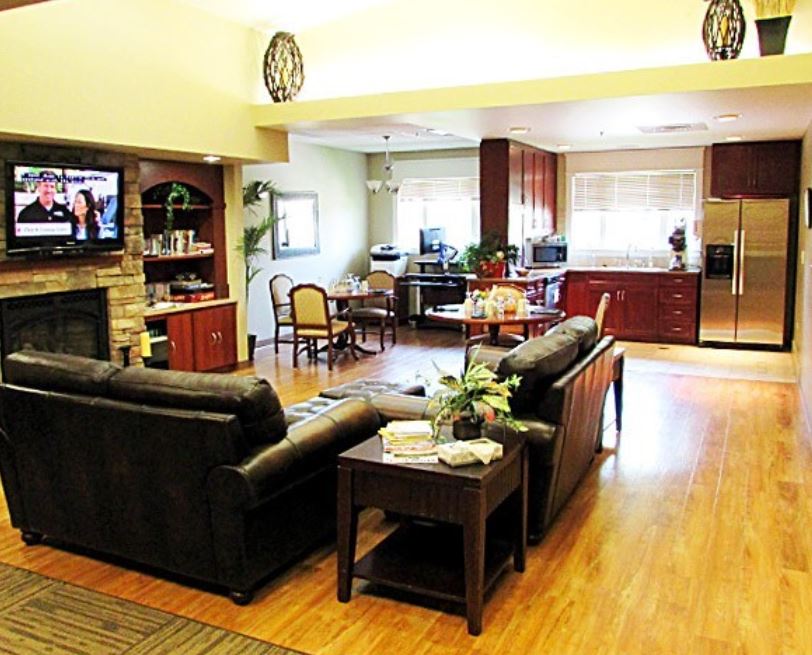
Good Samaritan Society - Fort Collins Village
Independent Living 508 West Trilby Road, Fort Collins, Colorado, 805254054Fort Collins Village offers senior housing with services, along with and health and wellness programs. Also, Assisted Living, long-term Skilled Nursing Care, and short-term Post-Acute Rehabilitation services & therapies are all offered in the same building if care needs change. The Good Samaritan Society is a not-for-profit, faith-based community that welcomes people of all faiths and backgrounds.Good Samaritan Society Fort Collins Village is nestled in the foothills of the majestic Rocky Mountains. We are committed to providing an unprecedented level of quality service, compassionate care and range of amenities to ensure our residents enjoy a care-free, fulfilling lifestyle that is tailored to their needs.Our friendly, professional staff is dedicated to enhancing your life, bringing you joy and creating opportunities that care for your whole person - body, mind and spirit.