Why Activities Matter in a Memory Care Facility
VINCENTIAN
For more information about the author, click to view their website: Vincentian Home
Mar 02, 2026
Pennsylvania - Greater Pittsburgh Area


When families begin exploring memory care options for a
loved one living with Alzheimer’s disease or another form of dementia, safety
and medical support are often top priorities. While these are essential, one of
the most important — and sometimes overlooked — components of quality memory
care is a strong, purposeful activity program.
Activities in a memory care facility are not simply ways to
fill the day. They are carefully designed opportunities to promote dignity,
connection, cognitive engagement, and overall well-being.
Providing Structure and Security
Individuals living with dementia often experience confusion
and anxiety, particularly when days feel unpredictable. A structured schedule
of meaningful activities creates a rhythm to the day. Knowing what comes next
helps reduce stress and agitation.
Consistent routines — such as morning exercise, afternoon
crafts, and evening music — provide reassurance and a sense of normalcy. This
structure can significantly improve mood and decrease behavioral challenges.
Supporting Cognitive Function
While dementia affects memory and reasoning, many abilities
remain intact — especially long-term memory and emotional memory. Activities
that stimulate the brain can help residents maintain function longer and
encourage meaningful engagement.
Examples include:
- Reminiscence
discussions about childhood, careers, or family life
- Music
programs featuring familiar songs
- Simple
puzzles and matching games
- Guided
storytelling or reading
Even when residents may not recall details later, the act of
participation stimulates neural pathways and fosters a sense of accomplishment.
Encouraging Physical Health
Physical movement is just as important as mental
stimulation. Regular activity can improve circulation, sleep patterns,
appetite, and overall mobility. It also helps reduce restlessness and
agitation.
Memory care communities often offer:
- Music therapy sessions
- Cognitive exercises
- Art and craft projects
- Sensory
programs for memory stimulation
Activities are adapted to each resident’s ability level to
ensure safety while promoting independence.
Fostering Social Connection
Isolation can worsen confusion and depression. Group
activities provide opportunities for residents to connect with peers, laugh
together, and build relationships. Even small interactions — sharing a craft
table or singing along to a favorite song — create meaningful moments of
belonging.
Social engagement also helps families feel reassured when
they see their loved one participating in and forming connections within the
community.
Preserving Identity and Purpose
One of the greatest losses individuals experience with
dementia is a sense of purpose. In a well-designed memory care program,
activities are tailored to residents’ life histories and interests.
A former homemaker may enjoy baking projects or folding
towels. A retired teacher might light up during reading groups. A gardener may
find peace in tending flowers. These familiar tasks reinforce identity and
provide dignity.
Purpose-driven activities remind residents that they are
still capable, valued individuals.
Reducing Behavioral Symptoms
Engagement is one of the most effective non-medication
approaches to managing common dementia-related behaviors such as wandering,
agitation, and sundowning. When residents are meaningfully occupied, they are
less likely to become restless or frustrated.
Well-trained activity professionals understand how to
redirect energy positively and use sensory tools, music, or calming projects to
soothe anxiety.
Enhancing Quality of Life
Ultimately, activities matter because they bring joy. A
smile during a sing-along, laughter during a group game, or calm during a
sensory session are powerful indicators of quality care.
Memory care is not only about keeping someone safe — it is about helping them live fully in each moment.

Other Articles You May Like
Memory Care in Mobile, AL
It often starts small. A parent repeats the same question three times in an hour. A spouse gets lost driving a route they have known for decades. Over time, the worry grows, and so does the exhaustion that comes with trying to keep someone safe around the clock. If you are a family member facing Alzheimers disease or another form of dementia, you may be wondering whether home care is still enough, and what a good alternative would look like.This guide explains what memory care is, who it is for, and how to begin the search in Mobile. It also profiles two memory care communities, Kauhale Heritage Woods and Kauhale Port City, so you can see what each offers and know what to ask when you call.What Is Memory Care?Memory care is a form of residential senior living designed for people with Alzheimers disease, other forms of dementia, and significant memory loss. Residents typically have a private or shared apartment, meals, help with daily activities, medication support, and round-the-clock staff. What sets memory care apart is the environment and the training. Layouts are designed to be easy to navigate and secure, routines are consistent to reduce confusion and anxiety, and activities are chosen to engage people at their current abilities.Who Is Memory Care For?Memory care is generally a good fit when a loved one needs more supervision and support than home or standard assisted living can provide. Common signs include: Wandering, getting lost, or leaving the house at unsafe times Increasing confusion about time, place, or familiar people Difficulty with bathing, dressing, eating, or taking medications safely Sleep changes, agitation, or evening restlessness A family caregiver who is exhausted, isolated, or struggling with their own health Memory Care vs. Assisted LivingAssisted living supports people who need help with daily tasks but can still manage most of the day on their own. Memory care adds secure spaces, staff trained in dementia care, and programming built around memory loss. Many communities offer both on one campus, which can help if a residents needs change over time. Both communities featured below offer assisted living and memory care.What to Look For Staff training in dementia care and clear staffing levels, including overnight A secure, comfortable layout that supports independence while keeping residents safe Daily activities that match different stages of memory loss Dining that supports good nutrition and is flexible when appetite or abilities change A clear plan for when care needs increase Transparent pricing, including what is and is not included in the monthly fee Memory Care Communities in Mobile, ALThe two communities below are both part of Kauhale Health and both offer assisted living and memory care in the Mobile area. They are located on different sides of the city, so location, apartment style, and the feel of each community may help guide your decision.Kauhale Heritage WoodsPhone: 251-665-9063 Address: 3440 Hillcrest Rd, Mobile, AL 36695Kauhale Heritage Woods is an assisted living and memory care community on Hillcrest Road in west Mobile. The community offers both private and shared apartments, which gives families flexibility in how they plan for comfort and budget. Online listings may also show the community under its earlier names, including SummerHouse Heritage Woods, so do not be surprised if you see more than one name in your research.The memory care program at Heritage Woods is built for people living with Alzheimers disease and other forms of dementia. The communitys photos show a welcoming lobby, comfortable common areas, a dining room, and an exercise room with seating, along with accessible bathrooms that include grab bars. These touches matter in memory care, where familiar, uncluttered, easy-to-use spaces help residents feel at ease.Because Heritage Woods offers assisted living and memory care in one place, it can be a practical choice for families who want a single community to grow with a loved one, or for couples whose needs differ.Good to know about Kauhale Heritage Woods Assisted living and memory care in one community Private and shared apartment options Memory care program for Alzheimers disease and other dementias Located in the Hillcrest Road area of west Mobile Tip: Ask how the memory care area is set up, how staffing changes overnight, and what happens if a resident moves from assisted living to memory care.Kauhale Port CityPhone: 251-380-0053 Address: 4720 Morrison Dr, Mobile, AL 36609Kauhale Port City provides assisted living and memory care in a homelike setting on Morrison Drive. The community is near local shops, parks, and medical centers, which can make everyday visits easier for family members and help with appointments. Port City joined the Kauhale Health family after a change in management, and the community describes its focus as dignity, independence, and safety.The memory care program at Port City is designed for residents with Alzheimers disease and other forms of dementia, with personalized care for each person. Residents can also get help with personal care tasks, and the community offers respite stays, which are short-term stays that give family caregivers a break or a safe place for a loved one during a trip, a recovery, or a trial run before a long-term move. Pets are welcome at Port City, which can be a comfort for residents who have always had an animal in the home.Port City also shows apartment options for assisted living, including studio and one-bedroom floor plans, and has outdoor spaces such as a patio for fresh air and visits.Good to know about Kauhale Port City Assisted living and memory care on one campus Respite care available for short stays Pet-friendly community Convenient to shops, parks, and medical centers Tip: If you are not sure a move is right yet, ask about a respite stay. It can give your loved one and your family a real feel for daily life in the community.Why This Matters LocallyMobile is a city where family ties run deep, and many adult children live close enough to visit often. That makes location one of the most important parts of a memory care decision. A community that is only a short drive from your home, your workplace, or your loved ones doctor makes it easier to stay involved. Frequent, familiar visits can be reassuring for someone living with dementia, and they give you a chance to see how care looks on different days and at different times.The Mobile and Baldwin County area has a range of senior living options, from large campuses to smaller communities. Taking time to tour more than one, at different times of day, helps you compare staffing, atmosphere, and how residents spend their time. Being close to local hospitals and medical offices also matters, since people with dementia often have other health conditions that need regular attention.Finally, Gulf Coast weather is a real consideration. Hurricane season is part of life here, so ask any community about its emergency plan, including how it handles evacuations, power outages, and communication with families.How to Get Started With Memory Care in Mobile1. Talk with your loved ones doctorAsk the doctor about the diagnosis, how the condition is expected to progress, and what level of care is recommended. A physicians assessment is often needed for admission, and it helps you understand whether assisted living with memory support or a dedicated memory care setting fits best.2. Define your priorities and budgetMake a short list of what matters most, such as location, private or shared apartment, pet policy, and how close the community is to family. Then review what you can afford each month. Options may include long-term care insurance, veterans benefits, and personal funds. Ask each community to explain its pricing in writing, including what could raise the monthly cost as care needs increase.3. Call and tour at least two communitiesReach out to Kauhale Heritage Woods at 251-665-9063 and Kauhale Port City at 251-380-0053. Visit in person if you can, and try to stop by during an activity or mealtime. Helpful questions include: What training does your memory care staff receive, and how often? What are staffing levels during the day, evening, and overnight? How do you handle wandering, agitation, or difficult moments? What does a typical day look like for a resident? How do you assess residents, and how often is the care plan updated? What is included in the monthly fee, and what costs extra? Do you offer respite stays so we can try the community first? What is your plan for severe weather and emergencies? 4. Verify licensingConfirm that the community holds the appropriate license for assisted living and memory care with the Alabama Department of Public Health, and ask to see the most recent inspection information.5. Plan the transitionMoving day can be emotional. Bring familiar items such as photos, a favorite blanket, and furniture that feels like home. Share your loved ones life story, routines, likes, and dislikes with the care team so they can build a plan around the person, not just the diagnosis. Plan to visit often in the first few weeks, and keep in close contact with staff.Related Categories Assisted Living in Mobile, AL Skilled Nursing in Mobile, AL
Memory Care in Gulf Shores, AL
When a parent needs repeated reminders, a spouse becomes uneasy when left alone, or familiar routines no longer feel manageable, families face a difficult question: what support will make daily life more workable? Choosing memory care involves understanding the persons needs, the communitys capabilities, and how family members will stay involved.For families researching memory care in Gulf Shores, AL, Haven Memory Care is a local option to explore. This guide explains its published services and offers practical questions for evaluating a possible move. The goal is a thoughtful decision based on the individual, with enough information to plan beyond move-in day.What memory care providesMemory care is residential support designed for people living with Alzheimers disease or other forms of dementia. Its focus includes daily assistance, routines, supervision, and engagement suited to a persons cognitive abilities. Families should ask each community to explain its staffing, environment, admission criteria, and limits of care.A memory care search is also a good time to bring concerns to the persons healthcare professional. A housing decision does not establish a diagnosis or replace medical evaluation. Describe specific changes and ask what information will help a community assess the person accurately.Look at daily life rather than a label aloneTwo people with the same diagnosis may need different kinds of help. One may need prompting to begin meals; another may need hands-on assistance with personal care or more support at night. Make a simple record of a typical day, including the tasks that go well and those that require help.Include preferences as carefully as challenges. A favorite breakfast, quiet morning routine, familiar music, or preferred way of being addressed can help others understand the person behind the paperwork. Haven Memory Care in Gulf ShoresPhone: 251-923-2800Address: 6848 State Highway 59, Gulf Shores, AL 36542Haven Memory Care is part of Community Senior Life. Published amenities include meals, medication management, laundry, housekeeping, private and semi-private apartments, transportation assistance, and a Vigil monitoring system. These details create a useful starting point for a tour. Ask which services are included in the proposed rate, what assistance means in practice, and whether the available room arrangement fits the persons preferences.Personalized planning and ongoing supportHavens memory care service page describes individualized plans developed with the resident and family, with its Director of Nursing involved in welcoming each resident and planning care. It also describes around-the-clock assistance and physical, educational, and social activities. Ask how that process would work for your relative. Who completes the assessment? When is the plan reviewed? How are new concerns communicated? Request an example of how staff would approach a real situation your family already encounters, such as reluctance to bathe or confusion during a change in routine.The most useful conversation connects a published program to a particular need. Ask how staff learn a residents communication preferences and how family observations become part of the plan.Tour with specific questionsObserve how staff approach residents and explain activities. Ask how someone can participate when a group setting feels overwhelming, and whether quieter alternatives are available. Look at the route between a bedroom, bathroom, dining area, and shared spaces.Discuss the monitoring system directly. Ask what it monitors, who responds, and what additional procedures support residents who may become disoriented. A named technology does not explain the entire approach to supervision.Questions to bring include:What needs can the community support at admission?Who is present overnight, and how are requests for help handled?How are medicines coordinated with prescribers and pharmacies?What changes could require a different care setting?How are families notified about concerns or changes in the care plan?Build a sustainable financial planRequest a written, itemized estimate for the assessed level of care and room type. Ask about deposits, recurring fees, additional services, rate changes, and notice requirements. Discuss what happens financially if the resident goes to the hospital or needs to move.Avoid comparing a quoted monthly amount with another communitys base rate alone. Compare the actual services and terms each proposal includes. If a benefit or insurance policy may help, verify eligibility and payment arrangements with the responsible organization.Why memory care matters locally in Gulf ShoresA Gulf Shores location may make it easier for nearby family members to remain part of everyday life. Relatives in Orange Beach, Foley, or elsewhere in Baldwin County should consider the practical schedule for visits, appointments, and family meetings.Think about who can visit consistently, who can attend a care conference, and who should receive updates when others are traveling. Assigning those roles early can reduce confusion after a move.Coastal planning deserves a place in the conversation. Ask Haven about its current severe-weather procedures, family notification process, transportation arrangements, and plans if residents must temporarily relocate. Request instructions for keeping emergency contacts current.How to get started1. Write a one-page summary of the persons routines, current assistance, preferences, and concerns.2. Call Haven Memory Care at 251-923-2800 to discuss an assessment and tour.3. Ask which records and decision-making documents the team needs.4. Tour with a focused question list and discuss the persons actual daily needs.5. Review the proposed care plan, itemized charges, and admission agreement.6. Make a transition plan covering belongings, medicines, family communication, and follow-up.Practical tip: Choose a few meaningful belongings with the person whenever possible. Ask the community how to arrange them within its room and safety policies before bringing furniture or other large items. Related categoriesRespite Care in Gulf ShoresSupport Groups and Services Elder Law and Estate Planning
Facing a Cancer Diagnosis? How a Patient Advocate Can Help.
Facing a Cancer Diagnosis in Western Pennsylvania? How a Patient Advocate Can Help Understanding your diagnosis, navigating cancer treatment, and making important healthcare decisions can feel overwhelming. Discover how a healthcare patient advocate can help you find clarity, confidence, and support when you need it most. Hearing the words "You have cancer" can change your world in an instant. Suddenly, everyday life takes a back seat to medical appointments, unfamiliar terminology, treatment decisions, insurance questions, and concerns about what the future may hold. Whether you've recently received a cancer diagnosis, are undergoing treatment, or are helping a loved one navigate their healthcare journey, it's natural to feel overwhelmed. You may have excellent doctors and a supportive family, yet still find yourself wondering: Am I asking the right questions? Do I understand all my options? What if I'm missing something important? The good news is that you don't have to navigate a cancer diagnosis alone. A healthcare patient advocate can help you better understand medical information, prepare for important conversations, and feel more confident making decisions about your care. For individuals and families throughout Pittsburgh and Western Pennsylvania, Vital Voice, led by Wendy, provides personalized healthcare advocacy, clarity, and compassionate guidance during some of life's most challenging moments. Cancer in Pennsylvania: Why Patient Advocacy Matters More Than Ever Cancer affects thousands of Pennsylvania families every year. According to the American Cancer Society, an estimated 90,240 new cancer cases were projected to be diagnosed in Pennsylvania in 2025. Behind every statistic is a person trying to understand a diagnosis, a spouse worried about their partner, or an adult child helping an aging parent make important healthcare decisions. Western Pennsylvania is also home to a substantial population of older adults. According to the U.S. Census Bureau, approximately 21.9% of Allegheny County residents are age 65 or older. Because the risk of developing many types of cancer increases with age, older adults represent an important population when discussing cancer care, treatment decisions, and healthcare navigation. For seniors, a cancer diagnosis can bring additional challenges, particularly when they are already managing chronic health conditions, taking multiple medications, or trying to maintain their independence. And while the Pittsburgh region offers access to hospitals, oncology specialists, cancer treatment centers, and community resources, knowing where to turn and what questions to ask isn't always easy. That's why having someone who can help you navigate the healthcare system can be so valuable. What Is a Cancer Patient Advocate, and How Can One Help? A cancer patient advocate is someone who helps individuals better understand and navigate the medical, practical, and emotional challenges that can accompany a cancer diagnosis. Think of a healthcare advocate as an additional person in your corner. Your oncologist focuses on diagnosing and treating your cancer. Your nurses and other healthcare professionals provide essential medical care. A patient advocate helps you become a more informed, organized, and confident participant in the process. Healthcare advocacy isn't about replacing your medical team or making medical decisions for you. It's about helping you understand what's happening, identify the questions that matter, and feel comfortable speaking up about your needs and concerns. Depending on your situation, a healthcare advocate may help you: Understand medical information and unfamiliar terminology. Prepare questions for oncology appointments. Organize information about treatment options and recommendations. Identify concerns to discuss with your healthcare providers. Prepare for conversations about second opinions. Better understand the next steps in your care. Identify questions about insurance, treatment costs, or available resources. Feel supported during difficult healthcare decisions. Sometimes, simply having someone help you sort through everything can make an overwhelming situation feel much more manageable. Seven Ways a Healthcare Advocate Can Help During Your Cancer Journey 1. Understanding a New Cancer Diagnosis When you're first diagnosed with cancer, your mind may be racing. Your physician might explain pathology reports, imaging results, cancer staging, and recommended treatments, but absorbing that information while processing the emotional impact of a diagnosis can be difficult. You may leave the appointment realizing you didn't fully understand what was discussed. A healthcare advocate can help you review the information you've received, identify what needs clarification, and prepare questions for your medical team. For example: What type and stage of cancer do I have? Has the cancer spread? What additional tests are needed? What treatment options should I consider? How soon do I need to make a decision? What is the goal of the recommended treatment? Understanding your diagnosis is the first step toward feeling more empowered in your healthcare journey. You don't need to become a medical expert. You simply deserve information presented in a way you can understand. 2. Preparing for Oncology Appointments and Asking the Right Questions Have you ever walked out of a doctor's appointment and suddenly remembered everything you meant to ask? Now imagine doing that while navigating a cancer diagnosis. Oncology appointments often involve complicated conversations, unfamiliar information, and significant decisions. Even patients who are normally organized and confident may struggle to remember everything. A healthcare advocate can help you prepare by organizing your concerns, developing a list of questions, and identifying what information you need before your appointment. Keeping a notebook with your medications, symptoms, appointments, test results, and questions can also be helpful. You may want to bring a trusted family member, take notes, or ask your provider whether recording the conversation is permitted. Being prepared can help you leave appointments with a clearer understanding of what comes next. 3. Making Sense of Cancer Treatment Options Cancer treatment is rarely one-size-fits-all. Depending on the type and stage of cancer, your medical team may recommend surgery, chemotherapy, radiation therapy, immunotherapy, targeted therapy, hormone therapy, or a combination of treatments. Each approach can involve different benefits, risks, side effects, and schedules. For older adults, treatment decisions may also involve considerations such as existing medical conditions, mobility, medications, independence, and quality of life. You may wonder: What are the benefits and risks of this treatment? How will it affect my everyday activities? What side effects should I expect? Are there other treatment options worth discussing? Should I seek a second opinion? What happens if I choose not to pursue a particular treatment? A healthcare advocate can help you organize these questions and better understand the information provided by your medical professionals. The ultimate goal is to help ensure that your treatment decisions reflect your medical needs, personal preferences, and what matters most to you. 4. Helping Older Adults Maintain Independence During Cancer Treatment For many seniors in Pittsburgh and Western Pennsylvania, maintaining independence is a major concern when facing cancer treatment. Some older adults live alone. Others have spouses who may also be managing health challenges. Many worry about becoming a burden to their adult children. Cancer treatment can sometimes affect energy levels, mobility, appetite, and the ability to manage everyday responsibilities. In addition to medical treatment, patients may need to consider: Transportation to oncology appointments. Help with meals, housekeeping, or personal care. Home care or home health services when appropriate. Medication management and organization. Physical or occupational therapy. Nutrition support. Cancer support groups and counseling. Palliative care to help manage symptoms and improve quality of life. Palliative care is not the same as hospice care. It focuses on relief from symptoms and the stress of serious illness and can be provided alongside cancer treatment. A healthcare advocate can help patients and families recognize important support needs and prepare questions about available services. The earlier these conversations happen, the easier it may be to plan for changes before they become urgent. 5. Supporting Spouses, Adult Children, and Family Caregivers A cancer diagnosis doesn't affect only the person receiving treatment. It often changes the lives of everyone who loves them. Spouses may suddenly become primary caregivers. Adult children may find themselves coordinating appointments, managing paperwork, arranging transportation, and communicating with multiple healthcare providers. For families living in different parts of Western Pennsylvaniaor adult children living outside the regionthese responsibilities can become especially challenging. It's common for caregivers to feel overwhelmed, uncertain, or worried about making the wrong decision. A healthcare advocate can provide additional guidance by helping families organize their concerns, identify questions, and communicate more effectively with healthcare professionals. This support can be particularly helpful when family members have different opinions about treatment or when an older adult wants to maintain independence while accepting necessary assistance. The goal is to support the patient's wishes while helping loved ones feel better prepared for the journey ahead 6. Understanding Medicare, Insurance, and Cancer Treatment Costs A serious medical diagnosis often brings financial questions along with medical concerns. Patients may receive bills from hospitals, oncology specialists, laboratories, imaging centers, and treatment facilities. Even with Medicare or private health insurance, understanding deductibles, copayments, coinsurance, prior authorizations, and out-of-pocket expenses can be confusing. Some treatments or medications may require additional insurance approvals, and coverage can vary depending on the individual's plan. Important questions to ask include: Is my oncologist or cancer treatment center covered by my insurance? Does my treatment require prior authorization? What expenses might I be responsible for? Are financial assistance programs available? Does my cancer treatment center have a financial navigator or social worker? Who can help me understand an unexpected medical bill? A healthcare advocate can help you identify questions and determine which professionals or departments may be able to provide answers. For specialized insurance guidance, patients should also consult their insurance provider, hospital financial counselor, or a qualified Medicare counselor. Understanding potential costs and available resources early can help reduce unnecessary stress. 7. Having Someone to Turn to When Everything Feels Overwhelming Not every challenge associated with cancer involves a medical decision. Sometimes, it's simply the emotional weight of the experience. You may feel exhausted from appointments, frustrated by conflicting information, or anxious about what comes next. You may not want to worry your family with another question or concern. Even when surrounded by people who care about you, navigating a serious illness can feel isolating. This is where the personal side of healthcare advocacy becomes especially meaningful. Having someone who listens, helps you organize your thoughts, and encourages you to speak up can provide an important sense of support. You deserve to feel heard, respected, and involved in decisions about your own health. And sometimes, knowing you have someone in your corner can make a difficult day feel a little less overwhelming. Do You Need a Healthcare Advocate If You Already Have a Good Doctor? This is a question many patients and families ask. The answer is that even individuals with excellent physicians and compassionate medical teams may benefit from additional advocacy support. Doctors, nurses, oncology social workers, and hospital patient navigators play essential roles in cancer care. However, patients may still need help organizing information, preparing questions, or understanding what to do between appointments. An independent healthcare advocate can complement the support provided by your existing healthcare team. Think of it this way: Your medical team focuses on your cancer treatment. Your healthcare advocate helps you stay informed, organized, and confident as you navigate the experience. It's not about questioning the expertise of your physicians. It's about ensuring you feel comfortable participating in your care. Five Important Questions Every Cancer Patient Should Ask Whether you've recently been diagnosed or are already undergoing treatment, consider bringing these five questions to your next oncology appointment. 1. What is the goal of my treatment? Understanding whether treatment is intended to eliminate cancer, control its growth, relieve symptoms, or achieve another goal can help you evaluate your options. 2. What side effects should I expect, and when should I call my doctor? Ask which symptoms are common, which require a call to your treatment team, and which may require immediate medical attention. 3. How might treatment affect my daily life? Discuss fatigue, nutrition, transportation, mobility, caregiving responsibilities, and your ability to remain independent. 4. What additional support services are available? Ask about oncology social workers, nutrition specialists, financial counselors, rehabilitation services, support groups, and other community resources. 5. Who should I contact when I have questions between appointments? Knowing whom to call can provide reassurance when new symptoms, concerns, or questions arise. Remember, there is no such thing as a foolish question when it comes to your health. If something doesn't make sense, ask for clarification. If you need more time to understand your options, communicate that to your healthcare team. Your voice matters. When you're facing a serious health challenge, it's easy to feel like you're just another patient trying to make sense of a complicated healthcare system. Wendy, through Vital Voice, believes that every individual deserves personalized attention, clear information, and compassionate support throughout their healthcare journey. Based in Western Pennsylvania, Vital Voice provides individualized healthcare advocacy and guidance for people facing a wide range of medical challenges, including cancer diagnoses, upcoming surgeries, ongoing treatments, and uncertainty about their medical care. Wendy serves as a healthcare advocate, clarity coach, and supportive companion, helping individuals take a fresh look at their circumstances, organize their concerns, and feel more prepared to communicate with healthcare professionals. Her approach recognizes that no two healthcare journeys are exactly alike. Some individuals may need a conversation to help sort through their thoughts and prepare for an important appointment. Others may benefit from ongoing guidance while navigating a complicated medical situation. Whether you're an older adult facing cancer treatment, a spouse supporting a loved one, or an adult child helping an aging parent, Vital Voice provides personalized support based on your needs. For individuals searching for a cancer patient advocate in Pittsburgh or healthcare advocacy services in Western Pennsylvania, Vital Voice offers a local connection and a compassionate approach to navigating difficult healthcare experiences. Because behind every diagnosis is a real person with questions, concerns, hopes, and decisions that deserve thoughtful attention. You Have a Voice in Your Cancer Care. Don't Be Afraid to Use It. A cancer diagnosis can bring uncertainty, but it doesn't take away your right to ask questions, understand your options, express your preferences, and participate in decisions about your health. You don't have to understand every medical term. You don't have to remember every detail from every appointment. And you certainly don't have to pretend you have everything figured out. What matters is knowing that support is available. Whether you're newly diagnosed with breast cancer, prostate cancer, lung cancer, colorectal cancer, or another serious illness, or you're helping a loved one navigate treatment, a healthcare advocate can help you approach the next step with greater clarity and confidence. You Don't Have to Navigate Cancer Alone: If you or someone you love is facing a cancer diagnosis or another challenging healthcare situation in Pittsburgh or Western Pennsylvania, consider connecting with Wendy at Vital Voice to learn more about personalized healthcare advocacy and support. Because when it comes to your health, understanding your options, asking the right questions, and having someone in your corner can make all the difference. Your health matters. Your questions matter. Your voice matters. Vital Voice provides healthcare advocacy and guidance, not medical diagnosis or treatment. Always consult qualified healthcare professionals regarding medical decisions and treatment.
Local Services By This Author

Terrace Place at Vincentian
Independent Living 9399 Babcock Boulevard, McCandless, Pennsylvania, 15101Vincentian Terrace Place: Designed for YouBuilt in 2019, Vincentian Terrace Place is an independent living senior community in Pittsburghs North Hills that was intentionally designed for active adults 55+, with hassle-free maintenance and an on-site property manager. Leave the maintenance, groundskeeping and snow shoveling to us, and spend your time enjoying all that life has to offer, with peace of mind and all the amenities you need.Terrace Place is situated on a park-like campus on over 9 acres in the heart of McCandless. All 91 open concept apartments feature master bedroom suites each with a private bathroom and spacious closet, along with a den and powder room. Granite countertops, stainless steel appliances, and private patios/ balconies are just the beginning of apartment and community offerings that await you.Terrace Place is situated on a park-like campus on over 9 acres in the heart of McCandless. All 91 open concept apartments feature master bedroom suites each with a private bathroom and spacious closet, along with a den and powder room. Granite countertops, stainless steel appliances, and private patios/ balconies are just the beginning of apartment and community offerings that await you.Terrace Place residents enjoy maintenance-free living, free transportation, and an active social calendar in a beautiful, modern complex.Vincentians Independent Living is a Type C Fee-for-Service Continuing Care Retirement Community (CCRC). In a CCRC, residents pay a one-time entrance fee as well as a monthly fee for priority access to personal care, memory care, rehabilitation services and long-term care. Electric, gas, water, sewer & garbage disposal are included in the monthly fee. Meal plans are available at an extra cost to the resident. This type of CCRC provides the lowest monthly fees and often the lowest entrance fees. Residents pay the rate for each level of care as it becomes necessary. For those who do not wish to join the CCRC, there is a rental option available which requires an initial term of 12 months and then 60-day notice to vacate thereafter. Future residents may also come into Vincentian at any level of care on a monthly contract basis.Contact us to schedule a Tour Today!Campus AmenitiesBeautiful Community SpacesCommunity LitchenSmart and Secure CampusGuest SuiteWi-Fi ThroughoutPet FriendlyOrganized Activities and Social Outings24/7 MaintenanceFree Transportation (within 5 miles)On-Site ManagerAccess to Vincentian Continuum of CareLaRoche Students in Residence Program

Vincentian Villa
Independent Living 911 Vincent Way, Pittsburgh, Pennsylvania, 15237Vincentian Villa: Designed for YouVincentian Villa is an independent living retirement community located in the center of Pittsburghs bustling North Hills. Live close to all of lifes conveniences shopping, dining, healthcare services, and social activities while nestled in a peaceful, friendly senior community.Leave the maintenance, groundskeeping and snow shoveling to us, and spend your time enjoying all that life has to offer, with peace of mind and all the amenities you need. Independent Living provides amenities like maintenance-free living, transportation, access to purchase of daily meals, and life enrichment programming for active older adults.A senior living community for residents ages 55 and older, Vincentian Villa is part of Vincentian Homes continuing care retirement community, or CCRC. Our campus features two-bedroom apartments and patio homes. At Vincentian Villa, our independent living community is designed to be flexible, adaptable spaces to help each resident enjoy the fullness of their experience with us.Community amenities include:Beautiful Community SpaceCommunity KitchenSmart & Secure CampusQuest Suites with WiFiPet FriendlyOrganized Life Enrichment Outings24/7 Maintenance ServicesFree Transportation (within 5 miles)Meal Service AvailableAccess to Vincentian Continuum of Care
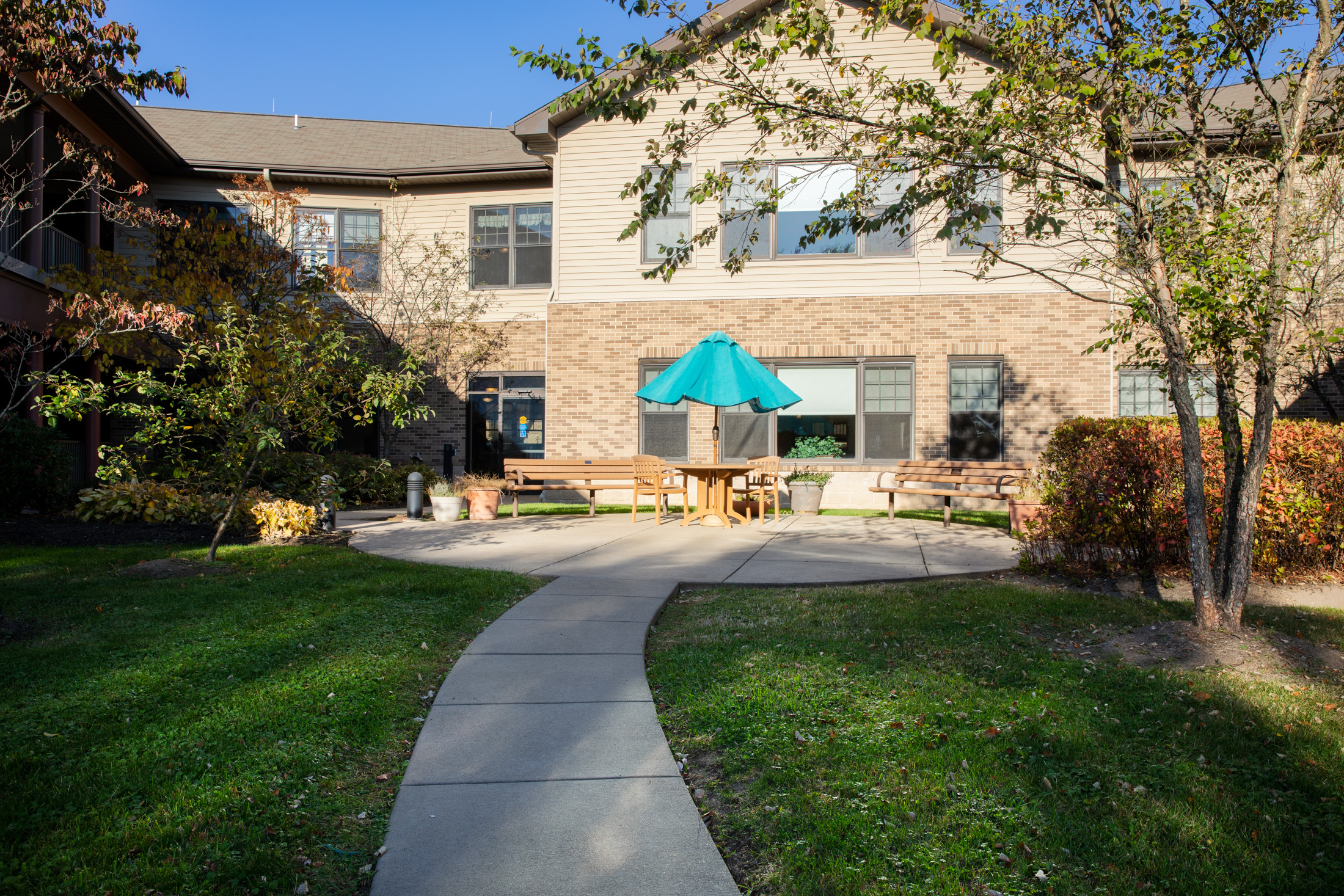
Vincentian Home
Assisted Living 111 Perrymont Road, Pittsburgh, Pennsylvania, 15237Vincentian Home Personal Care: A Rich Tradition. Located off of McKnight Road in McCandless, Vincentian Home Personal Care combines all the benefits of catered, suburban living with a campus known for its proud tradition of care.Personal Care at VincentianAt Vincentian we prioritize the mobility and independence of our residents by providing them assistance with getting around, whether it's within our community or participating in activities outside. We create a warm and nurturing environment where residents feel valued and cared for, while receiving the personalized attention they deserve.Connecting with residents in mind, body, and spirit, our dedicated staff at Vincentian is committed to providing exceptional care and assistance with daily tasks, ensuring that residents can enjoy a comfortable and fulfilling lifestyle. From helping with bathing, dressing, and using the bathroom to managing medications, promoting personal hygiene, and assisting with cooking, eating, and housekeeping, our compassionate team is there to support residents in their everyday needs.Personalized HousekeepingDining and Food DeliveryLimo and Shuttle ServicesOpt-In-Motion Detection Check In FeatureOrganized Activities & Outgoings24-Hour ReceptionMedical Team on CallBabysitting ServiceFree WiFi in The Building