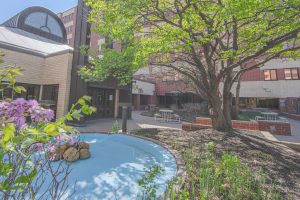
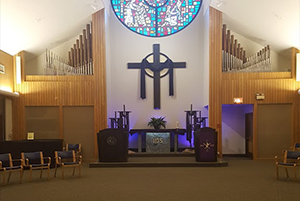
Caring for a loved one with a cognitive impairment — dementia, Alzheimer’s disease, or another form of memory loss — requires a facility that offers more than standard senior living. It calls for purpose-built design, trained staff, tailored programming, and a compassionate environment designed to promote safety, dignity and connection. At Lakehouse Healthcare & Rehabilitation Center in Minneapolis, the memory care services are carefully crafted to meet exactly these needs.
Why Memory Care Is Unique
Memory care differs significantly from other senior services. Residents may exhibit changes in cognition, behavior, communication, safety awareness and mood. The environment must reduce risk (falls, wandering, anxiety) while still supporting engagement, socialization, meaningful routines and the human dignity of each person. Lakehouse's memory care program recognizes this and positions itself accordingly. (Website: “Memory Care: Our dedicated staff provides specialized care for individuals with dementia and cognitive impairments.”) Lakehouse Rehab Center
Personalized, Specialized Care Planning
From the moment a resident enters the memory care unit, Lakehouse emphasizes individualized care. Licensed nursing staff, certified nursing assistants, social workers and therapists collaborate to create a care plan tailored to a resident’s:
-
Cognitive status (memory, orientation, reasoning)
-
Functional ability (mobility, self-care, transfers)
-
Emotional and behavioral needs (anxiety, agitation, social withdrawal)
-
Safety risks (falls, wandering, confusion)
-
Life story and personal preferences (important for memory-engagement)
By aligning clinical supports (24/7 nursing, medication management, behavioral strategies) with proven dementia care best practices (person-centered care, small-group settings, purposeful activity), Lakehouse aims to help residents maximize their quality of life. Lakehouse Rehab Center
Secure Environment & Thoughtful Design
One hallmark of quality memory care is an environment designed to support residents with cognitive impairments. At Lakehouse:
-
The memory care neighborhood is configured to reduce wandering risks and provide safe, supervised movement.
-
Residents live in a homelike setting, often in smaller neighborhoods rather than large, institutional wings, which helps with orientation and reduces anxiety.
-
Common areas and private/semi-private rooms are arranged to promote visibility for staff, ease of supervision, and connection.
-
Features such as secure outdoor spaces, multiple activity zones, and signage or cues support resident independence.
These design details help ensure residents feel comfortable and safe while still engaged.
Therapeutic & Meaningful Engagement
Memory care at Lakehouse is not only about safety and support — it also emphasizes meaningful daily living. Key elements include:
-
Life-enrichment programming: Activities tailored to cognitive and functional level (music therapy, reminiscence groups, art, light exercise)
-
Social connection: Group and one-on-one opportunities to reduce isolation, promote mood and meaning
-
Purposeful routines: Structured daily schedules that balance familiarity, stimulation and rest (helpful for dementia cognition)
-
Therapy supports: While memory care isn’t therapy-intensive like rehab, residents often still benefit from occupational or physical therapy modifications, speech interventions (especially if aphasia or swallowing issues are present)
-
Family involvement: Engagement invitations, education for families about changes in dementia, support groups and transparency on resident progress
By emphasizing the person behind the diagnosis, Lakehouse fosters dignity, identity and a sense of belonging rather than simply “care.”
Skilled Nursing & Clinical Oversight
Memory care residents often have medical and safety needs beyond the scope of assisted living, including:
-
Frequent medication review and administration (psychotropic medications, memory-related treatments, comorbidities)
-
Nursing oversight for behaviors, falls, infections, skin integrity
-
Coordination with specialists (neurology, psychiatry, geriatric medicine)
-
Structured monitoring of nutrition, hydration, weight loss — common concerns for dementia populations
-
Fall-prevention strategies, safe toileting programs, non-pharmacologic behavioral management
Lakehouse’s broader expertise in skilled nursing and long-term care means that memory care residents benefit from staff experienced in complex medical and behavioral needs. Their website notes that memory care is one of their core services alongside skilled nursing and long-term care. Lakehouse Rehab Center
Transition & Continuum of Care
An advantage of having memory care within a broader nursing/rehab community (like Lakehouse) is the ability to transition as needs change. Some residents may begin in assisted living memory care and require a higher level of nursing; others may come from rehab and need long-term memory support. Lakehouse facilitates:
-
Seamless transitions to higher or lower levels of care without changing campus
-
Visibility of the entire care continuum: transitional care, skilled nursing, long-term care, memory care
-
Familiarity for families of the campus, making changes less disruptive
This integrated model is valuable in dementia care, where gradual changes in mobility, cognition or health can require rapid adaptation.
Partnering with Families
Memory care isn’t just about residents—it’s about families and care partners. At Lakehouse:
-
Families receive education on dementia progression, behavior management, communication strategies and what to expect.
-
Staff communicate regularly about resident changes, goals, daily routines and meaningful progress.
-
Visiting policies and communal spaces encourage family participation in daily life.
-
Emotional support is available for families as they navigate evolving challenges of dementia.
This partnership helps families feel included, informed and supported.
Assessing Quality & Asking the Right Questions
When evaluating memory care services, families should ask:
-
What is the staff-to-resident ratio in the memory neighborhood and what training do they receive?
-
How are behaviors (agitation, wandering) managed non-pharmacologically, and how often are medications used?
-
What is the turnover rate for memory care staff (continuity of care matters)?
-
What design features support cognitive impairment (secure outdoor space, cues, small neighborhood)?
-
How many residents successfully engage in meaningful programs regularly?
-
How are diet, mobility, skin, falls and illnesses managed in the memory unit?
-
Are there examples or case outcomes where residents’ quality of life improved or remained stable with minimal hospitalizations?
-
How will the community transition if the resident’s medical needs increase or decrease?
While publicly available data show some clinical deficiencies at Lakehouse (such as an average nurse-staffing hours of 3.44 compared to state average of 4.2) ProPublica families should still follow up with tours, staff interviews and resident/family feedback to assess fit.
The Takeaway
For families looking for memory care in the Minneapolis area, Lakehouse Healthcare & Rehabilitation Center offers a comprehensive program that blends the warmth of a dedicated dementia neighborhood with the clinical depth of a skilled nursing facility. The hallmarks include personalized care planning, a secure and thoughtfully designed environment, meaningful activity programming, and integrated nursing oversight.
By locating memory care within a campus that also offers transitional, skilled nursing and long-term care, Lakehouse brings flexibility, continuity and educational support to families. While dementia care always demands careful evaluation and fits individual needs, the Lakehouse memory care service line is positioned to support residents with dignity, safety, meaning and engagement.
If you’d like, I can pull up current activity calendars from the memory care unit, resident-family testimonials, or do a side-by-side comparison with other memory care facilities in the region. Would you like me to do that?