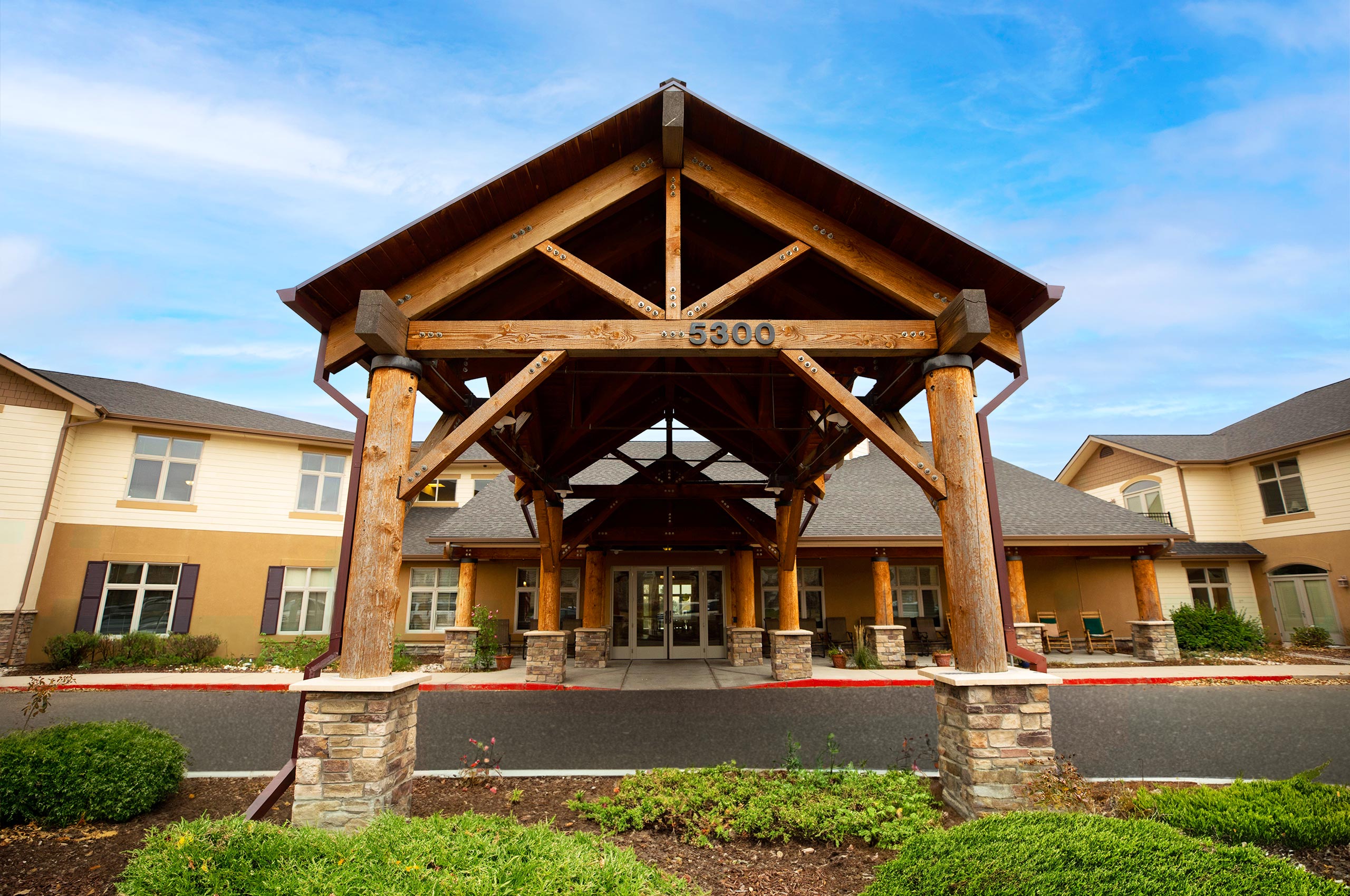
Why Memory Care Matters in Greeley, CO

Author

MeadowView of Greeley

For more information about the author, click to view their website: MeadowView of Greeley

Posted on

Oct 06, 2025

share-this
Share This

If you’re researching memory care for a loved one, you already know it’s not just about finding a “place to live.” Memory care is a specialized level of care for people with Alzheimer’s disease, dementia, or other cognitive impairments. It combines safe environments, therapeutic programs, and compassionate staff to support memory, cognition, and quality of life.

In Greeley, Colorado—a city now home to around 109,000 residents Wikipedia—the need for memory care is growing. Across Colorado, the over-65 population is one of the fastest-growing demographics agewisecolorado.org+1. That means more families are seeking trustworthy, locally rooted memory care communities in Weld County and the Front Range.

MeadowView of Greeley is one of those communities. On SeniorsBlueBook.com, their profile is listed under MeadowView of Greeley, Greeley CO (senior housing / memory care). See their listing here:
MeadowView of Greeley on SeniorsBlueBook

Below, you’ll find an in-depth overview of memory care in Greeley, what makes MeadowView a strong local option, and guidance for families making this important decision.


Local Snapshot: Seniors & Memory Care in Greeley

Demographics & Demand

  • Roughly 11.4% of Greeley’s population is age 65 or older Wikipedia.

  • Statewide, approximately 15% of Coloradans are 65+ and this age group is among the fastest growing. agewisecolorado.org

  • As seniors live longer, rates of Alzheimer’s and dementia are increasing—creating higher demand for memory care services in local communities.

  • In Colorado, memory care costs have been climbing steadily. In 2023, the average memory care cost was about $5,958/month (up from $5,326 in 2022) MemoryCare.com. Prices are projected to rise further, underscoring the importance of planning ahead.

Local Assisted Living & Memory Care Landscape

  • In Greeley, average assisted living costs are approximately $4,768/month, with memory care often falling somewhat higher depending on needs. SeniorLiving.org

  • MeadowView of Greeley operates an assisted living + memory care model, offering a continuum of services depending on residents’ evolving needs Legend Senior Living+1.

  • Their listing on SeniorsBlueBook notes that the community has 51 units and a lowest monthly price of $3,995 (for some level of care) Seniors Blue Book.

Given this backdrop, families in Greeley are actively seeking memory care that is both geographically accessible and designed for dementia needs. MeadowView meets that local need.


What Does Quality Memory Care Include?

When evaluating a memory care community, here are the essential features that separate good from great:

1. Secure, Supportive Environment

Memory care facilities should have secure entry/exit systems, safe wandering paths, clear wayfinding, and layouts designed for residents with cognitive decline.

2. Specialized Care & Staff Training

Staff should be trained in dementia care, behavioral interventions, and communication techniques geared to memory loss. Regular observation and adjustment of care plans is critical.

3. Person-Centered Programming

Programs that focus on reminiscence, sensory engagement, cognitive stimulation, music and art therapy, and routines that balance structure with flexibility.

4. Medical & Daily Living Support

Memory care should include assistance with ADLs (activities of daily living: bathing, dressing, eating), medication management, health monitoring, and coordination with physicians.

5. Comfortable, Homelike Setting

Residents benefit from private or semi-private rooms, common gathering spaces, outdoor areas, gardens, and a sense of community—while still being secure.

6. Family Involvement & Communication

Open lines of communication with family, updates on changes in condition, and opportunities for family to participate in memory care life and events.


MeadowView of Greeley: A Local Choice for Memory Care

Let’s zoom in on what MeadowView of Greeley offers and how it aligns with quality memory care principles.

Location & Access

  • MeadowView is located at 5300 W 29th St., Greeley, CO 80634 Legend Senior Living+1.

  • It is conveniently accessible from U.S. Highway 34 and well positioned within Southwest Greeley. Legend Senior Living+1

  • That means families can easily visit, stay close to home, and maintain local ties.

Services & Care Levels

  • MeadowView offers both assisted living and memory care services in a unified structure, allowing residents to remain in place even if their level of cognitive care needs evolve. Legend Senior Living+2Where You Live Matters+2

  • Their staff are geared to support those with Alzheimer’s and other dementia forms, ensuring tailored care plans and safety in a memory care wing.

Capacity & Pricing

  • Their SeniorsBlueBook listing notes 51 total units, indicating a moderate community size (not too large, which can help maintain personal attention) Seniors Blue Book.

  • The listing also gives a “lowest monthly price” of $3,995, though that likely corresponds to a base assisted living level or lower memory care need; actual memory care pricing may be higher depending on care needs.

Reputation & Reviews

  • In community directories and reviews, MeadowView receives mention as a local option with both assisted living and memory care service lines alternativesforseniors.com+2senioradvisor.com+2.

  • As with any community, we encourage families to read recent reviews, check licensing records, and tour personally.


Why Families Choose MeadowView for Memory Care

Here are a few reasons local families in Greeley might choose MeadowView as their memory care provider:

  • Continuity of care: Because they offer both assisted living and memory care, residents may avoid disruptive transfers if their needs change.

  • Local proximity: Staying near home means easier visits, maintaining community ties, and less transition stress.

  • Manageable scale: With about 51 units, the community isn’t too large—helping staff maintain more personal relationships.

  • Reputable listing & visibility: Their presence on platforms like SeniorsBlueBook gives families access to up-to-date information, photos, and contact details.

Still, vigilance is essential: families should tour, ask about staffing ratios in the memory care wing, see example programs, and request sample care plans.


How to Evaluate Memory Care Options (Using MeadowView as a Benchmark)

When visiting MeadowView or comparing alternatives, you can use this checklist to assess memory care quality:

What to Look ForWhy It MattersQuestions to Ask
Secure designEnsures resident safety“How is your memory care wing secured? Are there exit alarms or controlled doors?”
Staff training & turnoverDetermines consistency of care“What training do your caregivers receive for dementia? What is your turnover rate?”
Daily programmingStimulates cognition & quality of life“Can you walk me through a typical day of programming for memory care?"
Care plan flexibilityAllows adapting as needs change“How often do you reassess and update a resident’s care plan?”
Family communicationHelps relatives stay informed“How do you update families about health changes or incidents?”
Transition supportReduces stress in moves“Do you coordinate move-in and orientation for memory care residents?”
Cost transparencyPrevents surprises“Do you provide full breakdown of base and add-on charges for memory care?”

By using that kind of line of questioning, it’s easier to compare MeadowView with other Greeley-area memory care communities.


Memory Care Trends & Challenges in Colorado

Understanding the pressures and trends in memory care in Colorado can help families make better plans:

  • Memory care costs in Colorado are on an upward trend, with average monthly rates surpassing $5,900 in recent years MemoryCare.com.

  • Statewide, Medicaid (Health First Colorado) will not typically cover room and board in memory care facilities, though the Elderly, Blind & Disabled (EBD) waiver may cover some services. MemoryCare.com

  • Inflation, staffing shortages, and higher regulatory standards are pushing rates upward across the industry.

  • Communities that can maintain financial transparency, strong staffing, and local trust are in high demand.

In Greeley and Weld County, these statewide trends echo locally. Families appreciate memory care communities with strong reputations and local credibility—traits that MeadowView, by virtue of being locally based and well listed, can leverage.


Final Thoughts & Next Steps

Choosing a memory care community is never easy. You’re seeking safety, compassion, dignity, and engagement for a loved one facing cognitive decline. In Greeley, MeadowView of Greeley is positioned as a worthy local option—one that balances memory care and assisted living services, has a visible online presence, and serves families close to home.

Because every individual’s needs differ, here are your best next steps:

  1. Visit MeadowView in person. Observe the memory care wing, staff interactions, dining, programming, and safety features.

  2. Ask tough questions. Use the checklist above to compare if MeadowView meets or exceeds expectations.

  3. Compare alternatives. Look at other Greeley-area memory care communities, but always refer back to your checklist.

  4. Consult their SeniorsBlueBook listing. MeadowView’s profile on SeniorsBlueBook gives direct contact, photos, and updates:
    MeadowView of Greeley on SeniorsBlueBook

  5. Talk with current residents or families (if permitted). Their feedback is priceless.


Call to Action (CTA)

If you or a loved one is considering memory care in Greeley, Colorado, I encourage you to start by exploring MeadowView of Greeley’s full profile on SeniorsBlueBook:

MeadowView of Greeley – Memory Care & Assisted Living Profile

Use that listing as your first point of contact—request a tour, ask for memory care program details, and compare with other communities in Greeley. MeadowView deserves consideration as a local, trustable option for families seeking memory care that feels closer to home.

Let me know if you’d like help comparing MeadowView with other memory care communities in Weld County or building a side-by-side comparison sheet.


Other Articles You May Like

A Family Transition Guide

A Family Transition GuideMoving a parent, spouse, or other loved one into memory care is rarely just a moving day.It is an emotional transition for the entire family.There may be relief that professional support will be available around the clock. At the same time, family members may feel sadness, uncertainty, guilt, or concern about how their loved one will adjust to unfamiliar surroundings.For the person living with Alzheimer's disease or another form of dementia, the transition can be confusing too. Their home may represent decades of routines and memories. Even when moving to memory care is the safest choice, suddenly waking up in a different environment can take time to understand.That is why preparation matters.For families searching for memory care in Meridian and Ada County, Idaho, Care Moore Homes Memory Care at Settlers offers a smaller residential option at 3336 North Meridian Road in Meridian. The community is dedicated specifically to memory care and is licensed for 12 residents. It offers private rooms, around the clock care, Registered Nurse oversight, a secured courtyard, activities, home cooked meals, and a caregiver to resident ratio listed as 1:6 or better.A thoughtful transition cannot remove every difficult emotion, but it can help create greater familiarity, comfort, and continuity during an important change.Why Memory Care Transitions Are Becoming More Relevant in MeridianMeridian continues to grow rapidly.The U.S. Census Bureau estimated the city's population at 142,988 residents in 2025, an increase of approximately 21.4% from its 2020 population estimates base. Adults age 65 and older represent about 14.8% of Meridian residents.As more families settle in Meridian and throughout the Treasure Valley, more households will eventually face decisions involving aging, dementia, caregiving, and long term care.Some people with dementia can remain at home successfully for many years with family and professional support.Others eventually need greater supervision, security, help with personal care, medication oversight, meals, and structured daily routines.When that happens, memory care may become the next step.Begin Preparing Before Moving DayWhenever possible, families should avoid treating the move as a single event that begins and ends on one day.Preparation can begin several weeks beforehand.Start by collecting information that will help the memory care team understand who your loved one is.Consider writing down:Preferred morning and evening routinesFavorite foodsFoods they dislikeFormer occupationImportant family membersFavorite musicHobbies and interestsReligious or spiritual traditionsTypical bedtimeFavorite television programsActivities that bring comfortSituations that commonly cause anxietyWords or approaches that help calm themMobility concernsPersonal care preferencesThis history matters because dementia does not erase the person's identity.A resident is more than a diagnosis.Someone may have been a teacher, farmer, nurse, parent, mechanic, business owner, musician, gardener, or lifelong sports fan. Knowing these details gives caregivers more opportunities to communicate meaningfully.Memory Care Transition Tip: Give caregivers a short "About Me" page with important routines, preferences, family names, favorite activities, and calming strategies. Small personal details can help staff create familiarity more quickly.Choose Familiar Belongings CarefullyIt can be tempting to buy completely new furniture and decorations for a memory care room.Sometimes familiar belongings are more valuable.Care Moore Homes Memory Care at Settlers lists private rooms, giving residents a personal space that families can help make recognizable.Consider bringing:Familiar beddingFamily photographsA favorite blanketArtwork from homeA comfortable chair if permittedA familiar clockReligious itemsFavorite booksSmall keepsakesFamiliar decorative objectsAvoid overcrowding the room.Too many objects can create unnecessary visual clutter for someone experiencing cognitive changes.Instead, select items that are easily recognized and emotionally meaningful.A photograph of children or grandchildren may be more valuable than several new decorative pieces.Use Photographs to Create Familiar Visual CuesPhotographs can be especially useful.Consider placing clearly visible photographs of important family members where the resident can see them easily.Families may even choose simple labels such as:"Sarah, Daughter""Michael, Son""Emily, Granddaughter"This can help caregivers start conversations and may occasionally support recognition.Another idea is to create a small photo album showing:Family membersFormer homesPetsVacationsWeddingsHolidaysFavorite placesCareer photographsEven when someone does not remember every name or event, looking through photographs can still create enjoyable moments.Keep Moving Day Calm and SimpleA complicated moving day can be overwhelming for anyone.For someone with dementia, too many people, boxes, conversations, and changes may create additional confusion.Whenever possible:Complete most of the room setup before the resident arrives.Keep the number of people involved relatively small.Avoid lengthy emotional conversations about the move.Bring familiar objects first.Follow guidance from the memory care community about the best arrival time.Keep explanations short and reassuring.Families sometimes feel pressure to repeatedly explain exactly why the person is moving.Depending on the person's cognitive abilities, that explanation may cause distress without creating lasting understanding.The focus can instead remain on reassurance:"This is a comfortable place where people are here to help.""We're going to have lunch together.""Your room is ready."The appropriate approach will depend on the individual, so families can also ask community staff for guidance.Understand That Adjustment Takes TimeFamilies naturally want immediate confirmation that they made the right decision.After a few days, they may ask:Why does Mom keep asking to go home?Why is Dad more confused?Why is she calling me repeatedly?Does this mean the move was a mistake?Not necessarily.A new environment requires adjustment.The resident is learning new faces, spaces, sounds, routines, and expectations while already coping with memory loss.Some individuals adjust relatively quickly.Others require significantly more time.Families can stay in close communication with staff and evaluate patterns over time rather than judging the transition entirely by the first few days.A Smaller Setting May Help Create FamiliarityCare Moore Homes at Settlers uses a smaller residential model.The home is licensed for 12 residents, is dedicated specifically to memory care, and lists a caregiver to resident ratio of 1:6 or better.For some people with dementia, a smaller environment may feel easier to understand than a large campus.There may be:Fewer unfamiliar facesShorter distances between roomsSmaller social groupsFewer complicated hallwaysMore recognizable common spacesGreater opportunity for caregivers to learn personal routinesCare Moore Homes also describes its model as providing individualized experiences rather than requiring every resident to follow the same rigid schedule.That flexibility can be valuable when someone has lifelong habits that still provide comfort.Keep Daily Routines as Familiar as PossibleRoutine can provide structure when memory is uncertain.If your loved one has always eaten breakfast early, tell staff.If Dad enjoys coffee immediately after waking, mention it.If Mom has listened to music every afternoon for years, include that information.Other important routines may include:Preferred bathing timeUsual bedtimeFavorite snacksAfternoon napsTelevision habitsPrayer or spiritual routinesWalking after mealsEvening phone calls with familyCare Moore Homes reports that a Registered Nurse creates and oversees an individualized care plan for each resident, with modifications as needs change.Sharing detailed information with the team can help make that plan more personal.Do Not Disappear After Move InSome families worry that frequent visits will prevent their loved one from adjusting.Others visit constantly because they feel guilty about leaving.There is no universal visiting schedule that works for every resident.The better approach is to work with staff and observe how the resident responds.Family involvement can remain an important part of life after memory care begins.Visits might include:Sharing lunchLooking through photographsTaking a walkListening to familiar musicSitting outdoorsWatching a favorite programCelebrating birthdaysBringing favorite snacks when appropriateParticipating in simple activities togetherThe relationship does not end because professional caregivers now handle more of the daily care.In fact, families may find that visits become less focused on bathing, medications, cooking, and safety supervision and more focused on simply being together.Let Caregivers Learn Their Own Relationship With the ResidentFamilies often know exactly what has worked at home.That knowledge is valuable.At the same time, professional caregivers need opportunities to develop their own relationship with the resident.A person with dementia may respond differently to staff than to a spouse or adult child.That does not mean one approach is better.It means relationships differ.Give staff useful background information, then allow them to learn:Which tone of voice works wellWhat activities the resident enjoysWhen the resident needs quiet timeWhat causes frustrationWhat helps during personal careHow the resident communicates discomfortRegular collaboration between the family and care team can help everyone respond more consistently.Outdoor Space Can Remain Part of Daily LifeMoving into memory care should not mean losing access to fresh air and outdoor time.Care Moore Homes at Settlers includes a secured courtyard and ADA compliant walking paths, along with security measures that include sensors on doors and gates.For residents, outdoor space may offer opportunities for:WalkingSitting in the sunshineVisiting with familyWatching birdsEnjoying flowersObserving seasonal changesSimply getting fresh airFor someone who previously spent significant time gardening or outdoors, these experiences may remain especially meaningful.Families touring the community can ask how often residents use the outdoor space and how it is incorporated into daily routines.Meals Can Help Establish a Familiar RhythmBreakfast, lunch, and dinner provide natural structure to the day.Care Moore Homes describes meals at Settlers as home cooked, prepared from scratch with fresh ingredients, and designed around residents' needs and preferences.Families should share information about favorite foods whenever possible.A resident may no longer remember what they ate yesterday, but familiar tastes and smells can still provide comfort.Ask the community:How are food preferences recorded?What happens when a resident refuses a meal?Are snacks available?Is assistance available when eating becomes difficult?Can dietary needs be accommodated?Mealtime is also social time.A smaller household dining environment may feel more familiar to someone who spent decades eating around a family table.Expect Your Own Emotional AdjustmentThe resident is not the only person going through a transition.Family caregivers may suddenly have free time they have not experienced in years.That can feel strange.Someone who spent every evening supervising a spouse may feel guilty sitting at home alone.An adult child who received multiple calls each day may find the quiet unsettling.Caregiver responsibilities become part of a person's identity.When those responsibilities change, families may experience:ReliefGuiltSadnessExhaustionGriefUncertaintyA sense of lost purposeSeveral of these emotions can exist at the same time.Moving a loved one into memory care does not erase years of caregiving.It changes the family's role.Instead of providing every hour of supervision and personal care, family members can become advocates, companions, visitors, historians, and important members of the resident's extended care team.Ask How Communication With Families WorksBefore move in, families should understand how communication will happen.Ask:Who is the primary family contact?Who should families call with questions?How are health changes communicated?How often are care plans reviewed?How can families share new information?What happens after a fall or other incident?When does the nurse contact the family?How are medication changes communicated?Clear communication can prevent unnecessary confusion and help families remain meaningfully involved.Consider Short Term or Respite Care When AppropriateSome families are not immediately ready for a permanent move.Care Moore Homes at Settlers lists respite or short term stay services among its property offerings.Depending on current availability and admission requirements, respite care may be useful when:A family caregiver is travelingA spouse needs surgeryA caregiver needs temporary reliefThe usual caregiving arrangement changesA family needs time to explore longer term optionsFamilies should speak directly with the community about availability, requirements, pricing, and whether a short term stay is appropriate for their loved one's needs.Frequently Asked Questions About Moving Into Memory CareWhat should we bring when a loved one moves into memory care?Focus on familiar, meaningful items rather than filling the room with new belongings. Photographs, favorite bedding, keepsakes, artwork, books, and other recognizable objects can help make a private room feel more personal. Ask the community about furniture and safety guidelines before moving larger items.How long does it take someone to adjust to memory care?There is no universal timeline. Some residents become comfortable relatively quickly, while others need more time to become familiar with their new environment and caregivers. Families should stay in communication with the care team and evaluate the transition over time.Does Care Moore Homes Memory Care at Settlers offer private rooms?Yes. The Seniors Blue Book listing identifies private rooms among the community's property features.Is nursing oversight available at Settlers?Yes. Care Moore Homes states that a Registered Nurse creates personalized care plans and provides ongoing oversight, adjusting care as residents' needs evolve.Where is Care Moore Homes Memory Care at Settlers located?The community is located at 3336 North Meridian Road, Meridian, Idaho 83646. Its current Seniors Blue Book profile lists 208-520-1111 as the contact number.Helping a New Place Begin to Feel Like HomeA successful memory care transition is not about convincing someone that nothing has changed.A great deal has changed.Instead, families and caregivers can work together to create continuity within that change.Familiar photographs can travel with the resident.Favorite foods can remain part of the day.Music can continue.Family traditions can continue.Outdoor walks can continue.Most importantly, relationships can continue.For families exploring memory care in Meridian and Ada County, Care Moore Homes Memory Care at Settlers provides a smaller, dedicated residential memory care environment with 12 units, private rooms, Registered Nurse oversight, around the clock care, secured outdoor areas, home cooked meals, activities, and a caregiver to resident ratio listed at 1:6 or better.Families can learn more, request current information, and connect with the community through the Care Moore Homes Memory Care at Settlers profile on SeniorsBlueBook.com.A memory care move represents a new chapter, but it does not erase the life that came before it. Bringing familiar routines, meaningful belongings, family stories, and continued involvement into that new chapter can help the person remain connected to what matters most.

Understanding the Next Step in Meridian, Idaho

Understanding the Next Step in Meridian, IdahoCaring for someone with Alzheimer's disease or another form of dementia often begins with small adjustments.A spouse starts reminding their partner about appointments. An adult child organizes medications. Family members prepare meals, make additional phone calls, or stop by more frequently to make sure everything is okay.For a while, those changes may be enough.As dementia progresses, however, families may find themselves providing far more care than they expected. Someone may begin wandering, waking throughout the night, struggling with personal hygiene, forgetting meals, becoming confused about familiar surroundings, or requiring supervision for much of the day.At that point, families may begin asking a difficult but important question:Can we continue providing the level of care our loved one now needs at home?For families in Meridian and Ada County, Idaho, specialized memory care can provide another option when safety, supervision, personal care, and daily routines become increasingly difficult to manage.Care Moore Homes Memory Care at Settlers, located at 3336 North Meridian Road in Meridian, is a dedicated residential memory care home licensed for 12 residents. Seniors Blue Book lists the community as memory-care-only, with private rooms, nursing oversight, secured outdoor areas, activities, respite or short-term stays, and a caregiver-to-resident ratio of 1:6 or better.Understanding the signs that a loved one's needs are changing can help families explore memory care before an emergency forces a rushed decision.Dementia Care Needs Often Change GraduallyDementia does not usually move from mild forgetfulness to full-time care overnight.Changes often happen in stages.At first, a person may need reminders.Later, they may require help completing certain tasks.Eventually, supervision may become necessary because the person no longer recognizes risks that once seemed obvious.Families adapt each time.That adaptability is valuable, but it can also make it difficult to recognize how much the caregiving situation has changed.A family member who initially stopped by twice a week may eventually be visiting every day.A spouse may begin waking several times each night.Adult children may rearrange work schedules because someone cannot safely be left alone.The question is not whether the family loves the person enough to continue helping.The more useful question is whether the current arrangement is still safe and sustainable for everyone involved.Meridian Families Are Navigating Aging in a Rapidly Growing CommunityMeridian has grown considerably in recent years.The U.S. Census Bureau estimated the city's population at 142,988 residents in 2025, up approximately 21.4% from its 2020 population estimates base. About 14.8% of Meridian residents are age 65 or older.As the population of Meridian and the surrounding Treasure Valley continues to grow, more local families will encounter questions involving aging, dementia, caregiving, and long-term care.Some older adults with dementia may remain at home successfully with family support and professional caregiving.Others eventually require a setting specifically designed around cognitive impairment.Knowing when that transition may be appropriate begins with understanding how dementia is affecting everyday life.Sign #1: Your Loved One Can No Longer Be Safely Left AloneThis is one of the biggest turning points for many families.A person who once spent several hours safely at home may begin doing things that create significant risk.Families may notice:Leaving exterior doors openForgetting that the stove is onWalking outside without telling anyoneBecoming confused after waking from a napLetting unfamiliar people into the homeForgetting how to use household appliances safelyBecoming unable to respond appropriately during an emergencyOnce someone requires near-constant supervision, caring for them at home becomes much more demanding.A family may be able to cover mornings, evenings, and weekends, but continuous supervision can become difficult when caregivers also have jobs, children, appointments, and other responsibilities.Memory care provides an environment where supervision is built into everyday life.Sign #2: Wandering Has Become a Safety ConcernWandering is one of the most difficult dementia-related behaviors for families to manage.A person may believe they need to go to work despite having retired decades ago.They may want to "go home" even while sitting in their own living room.Someone might walk out looking for a spouse or parent who is no longer living.The challenge is that the person usually has a reason for leaving that feels completely logical to them at that moment.Simply telling them not to leave may not solve the problem.A secured memory care environment can allow residents to move around while helping prevent unsafe exits.At Care Moore Homes Memory Care at Settlers, the environment includes a secured courtyard, ADA-compliant walking paths, movement sensors, external cameras, and sensors on doors and gates, according to the community's Seniors Blue Book profile.These features are intended to support resident movement while helping staff respond when assistance may be needed.Memory Care Tip: Wandering should not automatically mean preventing all movement. Walking can still be meaningful and enjoyable. Look for a memory care environment where residents can move around safely rather than spending the day being constantly redirected away from activity.Sign #3: Personal Care Has Become DifficultDementia can affect a person's ability to complete familiar tasks in the correct sequence.Someone may understand that they need to get dressed but forget which clothing goes on first.A person may resist bathing because they no longer understand why someone is asking them to remove clothing.Someone else may forget whether they have already showered.Families may begin providing increasing help with:BathingDressingGroomingToiletingEatingMobilityChanging clothesNighttime routinesThese tasks can become physically and emotionally demanding.They may also create tension between the person with dementia and the family caregiver.Sometimes receiving personal assistance from professional caregivers can help families return to a relationship based less entirely on caregiving tasks.Sign #4: Nights Have Become Increasingly DifficultDementia does not follow a nine-to-five schedule.Nighttime confusion can be particularly exhausting for family caregivers.A person may wake in the middle of the night believing it is morning.They might dress for work.They may walk through the house, attempt to leave, or become anxious because they do not recognize the bedroom.A spouse caring for that person may begin sleeping very lightlyor barely sleeping at all.Eventually, the caregiver may become exhausted.Care Moore Homes at Settlers provides a transition to 24/7 care, with individualized care planning and ongoing Registered Nurse oversight.Families comparing memory care should ask exactly how overnight staffing works and how staff respond when residents wake during the night.Sign #5: Meals and Hydration Require Increasing AttentionDementia can affect eating in several ways.Someone may forget that they have not eaten.Another person may say they just finished lunch even though no meal occurred.Food preparation may become unsafe.A person might also lose the ability to independently organize a meal from beginning to end.Over time, family members may realize they are preparing nearly every meal and monitoring whether it was actually eaten.Care Moore Homes describes meals at Settlers as home-cooked, prepared from scratch with fresh ingredients, and tailored to residents' wants and needs.In a small residential setting, meals can also become part of a familiar household rhythm.Breakfast happens.Lunch follows.Dinner brings people together again.These repeated routines may provide structure even when someone does not remember what happened earlier in the day.Sign #6: The Person Is Becoming Increasingly Anxious or Confused at HomeHome is often the most familiar place someone knows.But eventually, dementia can affect even that familiarity.A person may ask where the bathroom is in the house where they have lived for 30 years.They may insist strangers moved the furniture.They may become frightened by a room that suddenly feels unfamiliar.A carefully designed memory care environment cannot eliminate dementia-related confusion, but it can reduce environmental complexity.Care Moore Homes at Settlers uses a small residential model with only 12 units rather than operating as a large memory care wing.For some residents, a smaller number of rooms, caregivers, and shared spaces may be easier to navigate.Sign #7: Family Caregivers Are Constantly WorriedSometimes the biggest sign that care needs have changed is not something the person with dementia does.It is how the family feels.Ask yourself:Can you leave the house without worrying?Can you go to work without checking your phone constantly?Can you sleep through the night?Can you attend a family event?Can you take a day off?If the answer is consistently no, the caregiving arrangement may no longer be sustainable.Families sometimes feel guilty acknowledging this.But memory care is not necessarily about doing less for someone.It may be about building a larger care team around them.Professional caregivers provide daily support while family members continue offering emotional connection, advocacy, visits, traditions, and love.The Importance of Individualized CareA memory care community should not assume that everyone with dementia needs the same routine.One resident may have been a teacher.Another may have worked outdoors.Someone may have always preferred waking early.Another may enjoy sleeping late.A person who loved gardening may still enjoy touching plants or watching flowers grow.At Settlers, a Registered Nurse creates a customized care plan for each resident and provides ongoing oversight, with modifications as the person's needs evolve.Families can help make that plan more personal by sharing information about:Daily routinesFavorite foodsPast occupationsMusic preferencesHobbiesImportant family membersSleep habitsSpiritual traditionsThings that cause distressActivities that create comfortMemory care becomes more meaningful when staff know the person's history as well as their diagnosis.A Small Setting May Support More Familiar Daily RhythmsLarge facilities often need relatively structured schedules because many residents are eating, participating in programs, and receiving care.A smaller home can potentially offer greater flexibility.Care Moore Homes describes its residential approach as allowing residents to have an individualized experience on their own schedule rather than following the rigid structure of a large facility.That may mean allowing someone additional time with breakfast.Another resident may prefer a quiet morning.Someone else may enjoy participating in household-style activities.The goal is not to eliminate routine.Routine is often helpful in dementia care.Instead, the goal is to create predictable days that still recognize individual preferences.Meaningful Activities Still MatterWhen memory declines, people sometimes assume activities are no longer important.They are.A person may forget completing a puzzle an hour later but still enjoy the experience while it is happening.Someone may not remember the name of a song but still sing along.Another resident might enjoy helping fold towels, watering plants, walking outside, or looking through photographs.Care Moore Homes lists activities as part of the services available at Settlers and describes each small home as developing its own personality around the residents who live there.Meaningful activity does not have to produce a measurable result.A pleasant moment is valuable even if the person does not remember it later.Private Rooms Can Provide a Familiar RetreatSettlers offers private rooms, according to Seniors Blue Book.A private room gives families an opportunity to create a personal environment using recognizable belongings.Consider bringing:Family photographsFamiliar beddingA favorite chairArtwork from homeReligious itemsA familiar clockKeepsakesFavorite booksDecorative objects the person recognizesWhen memory is uncertain, familiar visual cues may help the space feel more personal.Families should ask what items are appropriate and safe to bring before move-in.What Should Families Ask During a Memory Care Tour?Touring is one of the best ways to determine whether a community feels right.Try not to spend the entire visit focused on flooring, furniture, and dcor.Ask about everyday care.StaffingHow many residents does each caregiver support?Is staff available around the clock?What happens overnight?Settlers lists a caregiver-to-resident ratio of 1:6 or better.NursingWho develops care plans?How often are they reviewed?What happens if health or mobility needs change?Dementia SupportHow does staff respond to wandering?How are anxiety and confusion handled?How does staff approach personal care when a resident resists assistance?Daily LifeCan residents follow individualized routines?How are activities selected?Can residents spend time outdoors?MealsWhere is food prepared?How are food preferences handled?Is eating assistance available when needed?Family CommunicationWho contacts families about changes?How often are updates provided?How can relatives participate in care planning?Answers to these questions can reveal much more about everyday life than a brochure alone.Consider Respite Care Before Making a Permanent DecisionSometimes families know they need additional help but are not immediately ready for a permanent move.Settlers lists respite and short-term stays among its property services.Depending on current availability and admission requirements, short-term memory care may be useful when:A caregiver is travelingA spouse is having surgeryA family needs temporary supportA caregiving arrangement changes unexpectedlyFamilies want to explore whether a residential setting is appropriateFamilies should contact the community directly regarding current respite availability, pricing, and requirements.Frequently Asked Questions About Memory Care in MeridianHow do I know when home dementia care is no longer enough?Consider safety, supervision needs, wandering, personal care, nighttime behaviors, nutrition, and caregiver exhaustion. If someone cannot safely remain alone or the family must provide nearly continuous supervision, specialized memory care may be worth exploring.Is Care Moore Homes Memory Care at Settlers a dedicated dementia community?Yes. Seniors Blue Book identifies Settlers as a memory-care-only community for Alzheimer's and dementia residents with 12 units.Does the community provide around-the-clock care?Care Moore Homes states that its model provides a transition to an environment with 24/7 care, along with ongoing Registered Nurse oversight.Is the outdoor area secured?Yes. Settlers lists a secured courtyard, along with ADA-compliant walking areas and security features such as sensors on doors and gates.Where is Care Moore Homes Memory Care at Settlers?The community is located at 3336 North Meridian Road, Meridian, Idaho 83646. Seniors Blue Book currently lists 208-520-1111 as its contact number.Finding the Right Next Step for Your FamilyThere is rarely a perfect moment to move someone into memory care.Families may wonder whether they are acting too soon.Others wait until a fall, wandering incident, hospitalization, or caregiver emergency forces the decision.Learning about memory care before reaching that point gives families more time to evaluate what their loved one truly needs.For families exploring memory care in Meridian and Ada County, Care Moore Homes Memory Care at Settlers offers a small residential model with 12 units, private rooms, 24/7 care, personalized Registered Nurse oversight, secured outdoor areas, activities, home-cooked meals, and a caregiver-to-resident ratio listed at 1:6 or better.The community is designed specifically for residents living with Alzheimer's disease and other forms of dementia.Families can learn more, review current community information, and connect directly through the Care Moore Homes Memory Care at Settlers profile on SeniorsBlueBook.com.Choosing memory care does not mean family care ends.It means the family no longer has to provide every hour of care aloneand can focus more of its energy on remaining present as spouses, children, grandchildren, and loved ones.

Why a Smaller Memory Care Setting Can Feel More Like Home in Meridian,

Why a Smaller Memory Care Setting Can Feel More Like Home in Meridian, IdahoFor someone living with Alzheimer's disease or another form of dementia, the environment around them can have a powerful effect on the day.A crowded hallway may feel confusing. Too many unfamiliar faces can become overwhelming. A complicated floor plan may make it difficult to find the dining room, bathroom, or a favorite sitting area.At the same time, familiar routines and recognizable surroundings can provide reassurance.That is one reason some families searching for memory care in Meridian, Idaho consider smaller residential settings rather than larger senior living communities.Care Moore Homes Memory Care at Settlers, located at 3336 North Meridian Road in Meridian, follows this small-home approach. Seniors Blue Book identifies Settlers as a dedicated memory care residence licensed for 12 residents, with private rooms, secured outdoor space, activities, nursing oversight, home-cooked meals, and a caregiver-to-resident ratio of 1:6 or better.For families in Meridian and Ada County, understanding how a smaller memory care environment works can help when comparing options for a loved one experiencing dementia.Dementia Can Change How a Person Experiences Their SurroundingsMost of us move through familiar places without thinking about it.We know where the kitchen is.We recognize the hallway leading to the bedroom.We remember which door opens to the backyard.Dementia can gradually make those simple environmental cues harder to interpret.A person may become confused by:Long or complicated hallwaysToo many doorsLarge groups of unfamiliar peopleLoud or busy common areasFrequent changes in routineMoving between many different spacesDifficulty finding familiar roomsThat does not mean everyone with dementia needs the smallest possible environment.Some people enjoy active, larger communities.The question families should consider is whether a particular environment feels understandable and comfortable for the individual person.Meridian's Growing Senior Population Makes Memory Care an Important Local ResourceMeridian continues to grow rapidly.According to the U.S. Census Bureau, Meridian's estimated population reached 142,988 residents in 2025, representing approximately 21.4% growth from its 2020 population estimates base. About 14.8% of Meridian residents are age 65 or older.As more families make Meridian and Ada County home, more households will eventually encounter questions surrounding Alzheimer's disease, dementia, caregiving, and senior living.Some families will successfully provide care at home for many years.Others may eventually reach a point when the person needs more supervision, structure, assistance, or security than the household can realistically provide.Memory care offers another option.What Makes Residential Memory Care Different?Memory care communities come in different sizes and designs.Some are dedicated wings within large senior living campuses.Others are stand-alone communities.Residential memory care uses a smaller household-style model.Care Moore Homes at Settlers is a memory-care-only residential home with 12 units. Rather than functioning as one part of a large senior complex, the home is specifically designed for people living with Alzheimer's disease and other forms of dementia.Potential benefits of a smaller environment may include:Fewer unfamiliar facesShorter distances between roomsSmaller activity groupsFamiliar common areasA more consistent household routineMore opportunities for caregivers to learn individual preferencesLess environmental stimulation for people who become overwhelmed easilySmaller is not automatically better for everyone.But for some people living with dementia, fewer environmental variables can make everyday life feel more manageable.Memory Care Tip: When touring a community, spend time watching everyday interactions. Do residents appear comfortable approaching caregivers? Do staff members seem familiar with residents' routines? The atmosphere can tell families more than dcor alone.Familiar Faces Can Be ImportantDementia often affects short-term memory before emotional recognition disappears.A resident may not always remember a caregiver's name, but they may still respond to a familiar voice, expression, routine, or reassuring presence.Care Moore Homes describes a caregiver-to-resident ratio of 1:6 or better within its small-home model.In a setting with fewer residents, caregivers may have more opportunities to become familiar with details such as:How someone prefers to start the morningFavorite foodsMusic preferencesTypical sleep habitsWhat causes anxietyWhat usually provides reassurancePreferred activitiesCommunication styleFamily namesPast occupations and interestsThese details can become especially meaningful when verbal communication becomes more difficult.Individualized Routines Can Help Reduce StressLarge senior communities often rely on fixed schedules because many residents need to move through meals, activities, and services at approximately the same time.Care Moore Homes describes its smaller setting as allowing residents to experience a more individualized daily routine rather than following the rigid structure sometimes necessary in larger environments.For someone with dementia, that flexibility may be helpful.A resident who historically wakes early may feel more comfortable keeping an early routine.Another person may need more time before breakfast.Someone who becomes tired in the afternoon may benefit from a quieter period rather than being encouraged into a group activity.The goal should not be removing structure entirely.Predictability can be reassuring in dementia care.The benefit comes from balancing consistency with the individual person's habits and needs.A Registered Nurse Helps Guide Personalized CareMemory care needs often change over time.Someone who currently needs reminders may later require greater assistance with personal care, mobility, eating, or communication.Seniors Blue Book reports that at Care Moore Homes, a Registered Nurse develops a customized care plan for each resident and provides ongoing oversight, with adjustments made as needs change.Families comparing memory care communities should ask how individualized care works in practice.Useful questions include:Who develops the resident's care plan?How often is it reviewed?How are changes communicated to family members?What happens if mobility changes?How is medication support handled?How does the community respond to behavioral changes?What happens as dementia progresses?A personalized care plan should evolve with the person rather than remain static.Private Rooms Can Help Create FamiliarityMoving into memory care can be disorienting.One way families can make the transition easier is by creating a recognizable personal space.Care Moore Homes Memory Care at Settlers offers private rooms, according to its Seniors Blue Book profile.Families can ask what belongings residents may bring and consider incorporating familiar items such as:Family photographsA favorite comforterFamiliar artworkA treasured chairReligious itemsBooksKeepsakesA favorite clockDecorative items from homeIt may be tempting to completely redesign the person's new room.But familiar objects often have greater emotional value than new dcor.Even when someone cannot explain why an object is meaningful, it may still provide recognition and comfort.Safety Can Be Designed Into Everyday LifeSafety is one of the most common reasons families begin exploring memory care.Dementia can affect judgment, orientation, balance, and awareness of risk.Care Moore Homes at Settlers includes a secured courtyard, ADA-compliant walking paths, door and gate sensors, movement sensors, and external cameras, according to its Seniors Blue Book information. The environment is also described as designed to reduce fall risk.This type of design can provide an important balance.Residents still need freedom to move.Walking can be enjoyable, calming, and familiar.The goal is to create spaces where residents can move around while reducing the likelihood of becoming lost or entering an unsafe area.Families touring memory care may want to ask:Can residents move freely through common areas?How are exits secured?What happens when someone approaches a door?Is outdoor space available?Are walking routes easy to understand?How are falls addressed?Outdoor Space Can Support Familiar Daily MomentsBeing in memory care does not mean spending every day indoors.Care Moore Homes at Settlers includes a secured courtyard and accessible walking paths.Outdoor spaces can offer opportunities for:WalkingSitting in the sunshineWatching birdsGardeningEnjoying fresh airVisiting with familyObserving seasonal changesFor some residents, spending time outdoors may connect with routines they enjoyed throughout their lives.Someone who spent decades gardening may still enjoy touching plants or sitting near flowers.A person who always took an afternoon walk may find that routine reassuring.The activity does not have to be complicated to be meaningful.Activities Should Be About the Person, Not Just the CalendarA long activity calendar can look impressive.But what matters in memory care is whether activities are appropriate and meaningful to the residents participating in them.Care Moore Homes lists activities as part of its Settlers memory care services and describes each home as developing its own personality around the people who live there.This creates an opportunity for activities to reflect residents' backgrounds and preferences.For example:A former homemaker may enjoy folding towels or helping arrange a table.Someone who loved music may respond strongly to familiar songs.A former gardener may enjoy outdoor activities.A person who worked with their hands may enjoy simple sorting or building tasks.Someone who raised children may enjoy looking through family photographs.The objective is not necessarily teaching a new skill.It is creating moments of engagement, familiarity, purpose, and enjoyment.Home-Cooked Meals Can Add to a Residential AtmosphereFood is closely connected to home.The smell of something cooking can be comforting even when short-term memory has changed.Care Moore Homes describes meals at Settlers as home-cooked and made from scratch using fresh ingredients, with individual resident needs and preferences considered.A smaller dining environment may also feel more familiar than a large dining hall.Families touring memory care can ask:Where are meals prepared?Are residents able to see or smell food being prepared?How are food preferences handled?What happens if someone does not want the scheduled meal?Is eating assistance available?Are snacks provided?Changes in appetite and eating habits can accompany dementia, so families should discuss any specific nutritional concerns before move-in.Family Involvement Still MattersMoving someone into memory care does not mean family involvement ends.Family members can help caregivers understand who the resident is beyond the diagnosis.Share stories.Explain routines.Tell staff which songs your loved one enjoys.Mention what they did for work.Explain which foods have always been favorites.Share what tends to cause anxiety and what usually helps.These details can make care more personal.Families can also continue familiar traditions whenever possible.A regular Sunday visit, favorite birthday dessert, familiar music, or afternoon walk can help maintain continuity between the person's past and current life.What to Look for During a Small Memory Care TourWhen touring a residential memory care community, look beyond the room itself.Consider:The EnvironmentDoes the home feel easy to navigate?Are common areas comfortable?Is the atmosphere calm or overly busy?Residents and StaffDo caregivers appear to know residents personally?Are interactions respectful?Do residents seem comfortable approaching staff?SafetyAre exits secured?Can residents safely access outdoor areas?Are pathways easy to navigate?Daily LifeDoes the routine feel flexible?Are activities personalized?Can residents participate at their own pace?MealsDo dining areas feel welcoming?Are meals prepared on-site?Care PlanningWho oversees care?How are changes communicated?What happens as needs increase?Families should also ask about current availability, pricing, respite options, policies, and admission requirements.Frequently Asked Questions About Residential Memory Care in MeridianHow many residents live at Care Moore Homes Memory Care at Settlers?Seniors Blue Book lists Settlers as a 12-unit memory care residence.Is Settlers dedicated specifically to memory care?Yes. The community is identified as a memory-care-only residential home for people living with Alzheimer's disease and other forms of dementia.Does Care Moore Homes at Settlers have private rooms?Yes. Private rooms are listed among the property's features.Is nursing oversight available?Yes. A Registered Nurse develops personalized care plans and provides ongoing oversight, adjusting those plans as residents' needs change.Where is Care Moore Homes Memory Care at Settlers located?The community is located at 3336 North Meridian Road, Meridian, Idaho 83646. Seniors Blue Book currently lists 208-520-1111 as the contact number.Explore a Smaller Approach to Memory Care in MeridianMemory care is not only about supervision.It is also about creating an environment where someone living with dementia can continue experiencing familiar routines, human connection, meaningful activity, comfortable meals, outdoor time, and personal attention.For some families, a smaller residential setting may offer the type of atmosphere their loved one responds to best.Care Moore Homes Memory Care at Settlers provides a dedicated 12-resident memory care environment in Meridian with private rooms, individualized nursing oversight, a caregiver-to-resident ratio of 1:6 or better, secured outdoor space, activities, and home-cooked meals.Families considering memory care should tour the home, ask detailed questions, discuss their loved one's routines and care needs, and think carefully about which environment feels most comfortable for that particular person.To learn more, connect with Care Moore Homes Memory Care at Settlers through their SeniorsBlueBook.com business profile.Dementia may change how someone remembers the day. It does not change the importance of feeling safe, comfortable, known, and at home.

Local Services By This Author

MeadowView of Greeley

Assisted Living 5300 West 29th Street, Greeley, Colorado, 80634

With MeadowView assisted living, we are dedicated to providing just the right amount of support and assistance that enhances the independence of the residents we serve. Residents know there is always a friendly caregiver to offer a helping hand any time of day or night with dressing, bathing, and more, giving them confidence and peace of mind. But it goes beyond personalized assistance from expert caregivers at MeadowView of Greeley. Residents also enjoy three meals per day in our bright and social dining room. Our Gold Leaf dining experience ensures everyone wants a delicious meal with good company around the table. Thanks to our vibrant life enrichment program, it is always easy to find something new to do. Associates work hard to create an event calendar full of social events, live concerts, excursions to local destinations, unique learning opportunities, and more. We are always looking for resident input, so be sure to tell us if you have a suggestion or idea for a new event! Not all assisted living in Greeley, CO, offers the same services, amenities, and resources as we do here at MeadowView. We are thrilled to serve residents in such a personalized way.

MeadowView of Greeley

Memory Care 5300 West 29th Street, Greeley, Colorado, 80634

MeadowView of Greeley offers memory care services. We designed our memory care residence intentionally to meet the challenges of Alzheimer's disease or other types of dementia. We have designed every detail, from the natural lighting to the outdoor spaces to the caregiver training, to ensure the residents who live here are living in the most comfortable environment with plenty of home-like touches.We train our expert caregivers in the best practices of dementia care, including communicating and building relationships with those we serve. Beyond that, residents enjoy dining experiences with great food and great friends, a vibrant life enrichment program, and family involvement.