Why Smaller Residential Assisted Living Homes Offer a Better Alternative
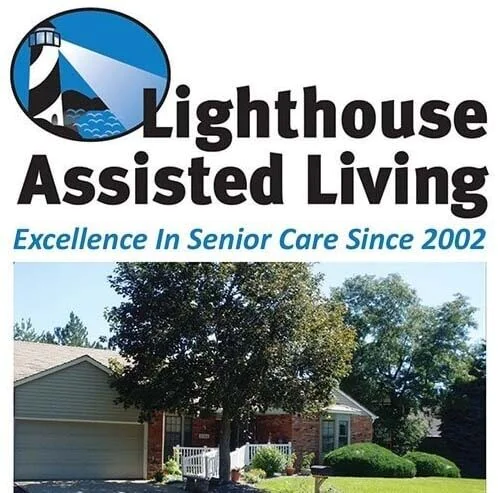
Lighthouse Assisted Living
For more information about the author, click to view their website: Lighthouse Assisted Living
Aug 27, 2025
Colorado - Denver Metro


When families begin exploring senior care options for their loved ones, one of the first questions that arises is: What kind of environment will provide the best quality of life? While large-scale assisted living facilities may seem like the default choice, more and more families are discovering the unique benefits of smaller, residential-style assisted living homes.
At Lighthouse Assisted Living in Denver, our philosophy is simple: seniors thrive when they live in a small, home-like environment where care is personal, relationships are genuine, and dignity is preserved. We believe that one-on-one attention and a comfortable, non-institutional setting not only improve quality of life but also help seniors feel at peace as they age.
Let’s explore why a smaller residential assisted living home is often a better option than large-scale facilities—and how Lighthouse Assisted Living embodies this philosophy.
1. A True Home-Like Environment
Large assisted living facilities often resemble hospitals, hotels, or institutions. While they may provide extensive amenities, they can feel overwhelming and impersonal.
By contrast, residential assisted living homes like Lighthouse offer a warm, intimate setting. With fewer residents under one roof, the environment feels less like a facility and more like a home. Seniors can enjoy cozy living rooms, shared meals in a family-style dining area, and familiar routines that mirror the rhythms of home life.
This home-like setting makes the transition to assisted living smoother, especially for those who may feel anxious about leaving their longtime residence. It helps seniors maintain a sense of normalcy and comfort, reducing stress during what can be an emotional life change.
2. Personalized, One-on-One Care
One of the biggest advantages of smaller residential homes is the caregiver-to-resident ratio. In larger facilities, caregivers are often stretched thin, responsible for dozens of residents at once. This can result in rushed interactions, delayed assistance, and a lack of meaningful connection.
At Lighthouse, our smaller size allows caregivers to provide true one-on-one attention. Staff get to know each resident personally—their routines, preferences, health needs, and personalities. This familiarity not only builds trust but also enables caregivers to spot changes in health or behavior more quickly, leading to better outcomes.
In essence, residents aren’t just patients or room numbers. They are family.
3. Cost-Effective Without Sacrificing Quality
Families are often surprised to learn that residential assisted living homes can be more cost-effective than larger facilities. Big operations have high overhead—expansive buildings, corporate staff, and extensive amenities—that often translate into higher fees for residents.
Smaller homes like Lighthouse focus resources directly on care and comfort. By avoiding the institutional model, we keep costs more manageable without compromising the quality of service. Families find reassurance knowing that their loved one is not only receiving attentive care but doing so in an environment that doesn’t impose unnecessary financial strain.
4. Stronger Sense of Community and Belonging
In large facilities, seniors may feel lost in the crowd. With dozens—or even hundreds—of residents, it’s easy for individuals to become isolated.
Smaller homes naturally foster tight-knit communities. At Lighthouse, residents share meals together, participate in group activities, and form real friendships. Caregivers are part of this community too, engaging with residents daily in meaningful ways.
This sense of belonging is vital. Numerous studies show that seniors who feel socially connected experience less depression, maintain better cognitive function, and enjoy longer, healthier lives.
5. A Peaceful End-of-Life Experience
One of the most important aspects of Lighthouse’s philosophy is supporting residents through every stage of aging—including end-of-life care.
We believe that people are most comfortable when they can stay in their home environment as their body declines, surrounded by familiar faces and compassionate caregivers. In a smaller home, it is possible to provide hospice support seamlessly, allowing residents to pass peacefully without the fear of being transferred to a hospital or unfamiliar facility.
This approach not only preserves dignity but also provides families with comfort, knowing their loved one is at peace in a caring environment.
6. Flexibility and Responsiveness
Smaller assisted living homes are inherently more flexible. In a large-scale facility, care often follows rigid schedules and protocols that may not align with an individual’s needs or preferences.
At Lighthouse, we can adapt quickly. Whether it’s adjusting mealtimes, creating personalized activity schedules, or responding immediately to a resident’s health concern, our caregivers have the ability to pivot without bureaucracy. This responsiveness makes life more comfortable for residents and less stressful for families.
7. Safety Without the “Institutional” Feel
Safety is always a top concern for families when choosing assisted living. While large facilities often tout their extensive resources, smaller homes provide equal safety with a gentler touch.
Lighthouse homes are designed with seniors in mind—featuring wide hallways, open spaces, and easy accessibility—without feeling clinical. With fewer residents, staff can monitor individuals more closely, preventing falls, addressing needs quickly, and maintaining a safe environment.
8. Family Integration and Involvement
Families often feel more welcomed and involved in smaller residential homes. In a large facility, visiting can feel intimidating, with rules, regulations, and large lobbies creating barriers.
At Lighthouse, families are encouraged to be part of the home. Visits feel natural and personal—more like dropping by a family member’s house than visiting an institution. Families can share meals, join activities, or simply spend time together in a relaxed atmosphere.
This level of integration strengthens bonds and reassures families that their loved one is truly cared for.
9. Residents Often Thrive in Smaller Settings
Ultimately, the greatest testament to the benefits of smaller residential assisted living homes is the residents themselves.
At Lighthouse, we’ve seen time and again how seniors thrive once they settle into our home-like environment. With personalized care, close relationships, and reduced stress, many residents experience improved health, greater happiness, and a renewed sense of purpose.
Instead of feeling like they are “declining,” residents often discover they can enjoy this chapter of life in meaningful and fulfilling ways.
Why Lighthouse Assisted Living in Denver?
Our mission at Lighthouse is simple but powerful:
-
To provide seniors with a small, home-like environment that avoids the institutional feel of large facilities.
-
To offer more one-on-one care so every resident feels valued and supported.
-
To create a cost-effective option that prioritizes dignity, safety, and quality of life.
-
To ensure that residents can remain at home—even through the final stages of life—passing peacefully and with dignity.
For families seeking an alternative to large-scale assisted living, Lighthouse Assisted Living offers a model that is compassionate, personal, and deeply human.
Final Thoughts
Choosing the right assisted living option is one of the most important decisions families will ever make. While large facilities may appear to offer convenience and scale, the reality is that many seniors flourish in smaller, residential-style homes where care is personalized, relationships are real, and dignity is honored.
At Lighthouse Assisted Living in Denver, we believe that a smaller home isn’t just an alternative—it’s often the better choice. By creating an environment where residents feel truly at home, we help them not only live comfortably but thrive with peace, purpose, and joy.
Other Articles You May Like
The Different Types of Senior Care Explaned
Are you having trouble figuring out what level of senior care would be best for your loved one? As people age, they gradually lose the ability to take care of themselves - they might need help with such tasks as cooking, cleaning, and even using the bathroom. Fortunately, there are a variety of options for senior care that can meet every need one might have. In this article, we'll go through the various types of senior care, and what you can expect from each.Know your area's specific senior care regulationsIt's important to know that the rules and requirements for senior care facilities can vary based on regulations from state to state, and even from facility to facility. While the information in this article is common to many states, it might vary in your specific area. To learn more about the rules and regulations of your state and of whatever facilities you're interested in, contact your local Oasis Senior Advisor.Understanding the spectrum of senior careSenior care can best be viewed as a spectrum, ranging from minimal in-home support to full intensive medical care. In each setting, the care provided is influenced both by the senior's needs and the exact type of community. In some cases, as the senior's care needs increase, they must move from one type of community to another. However, some communities provide multiple levels of care, meaning the senior won't have to move.Below, we'll explain the different types of senior care.Types of senior careIndependent living"Independent living" can refer to any situation where a senior lives without support, most often in their own home. In this specific context, however, we're focusing on specialized living wings and communities that offer services to improve seniors' quality of life, helping them remain independent for longer.Who it's for: Seniors who are either largely or entirely independent, and can meet their own needs.Level of support: Minimal.Care setting: A stand-alone independent living community, or a specialized independent living wing of a much larger senior care community.Key services: - Maintenance, grounds upkeep, and potentially housekeeping.- Emergency responsive services and security features.- Organized social events, classes, and wellness programs.Costs and funding: Independent living wings and communities have fees for accommodation and services used. These fees are generally paid out of pocket, with home sales and loans sometimes being used to cover the costsHome careHome care, as the name implies, brings care services to the senior's home, offering support with personal care and some practical tasks.Who it's for: Seniors who want to remain where they are, and need some support with personal care or housework.Care setting: Home care is most relevant for seniors who still live in their own homes, but it can also be provided in some senior care communities, depending on their rules.Key services: - Assistance with personal care, including such tasks as eating, bathing, and using the bathroom.- Light housework.- Companionship.- Meal preparation.- Transportation, if offered by both the agency and the aide.Level of support: Only non-medical support.Costs and funding: Often out of pocket, as Medicare doesn't cover home care. However, financial support through Medicaid is sometimes possible, depending on the state and on the senior's needs.Assisted livingAssisted living is the first type of facility-based care for many people. It supports seniors' daily tasks while offering a variety of activities and promoting independence.Who it's for: Seniors who need assistance with some daily tasks, but are otherwise relatively independent.Care setting: Specialized assisted living communities and facilities.Key services: - Support with activities of daily living.- Housekeeping, maintenance, and laundry.- Medication reminders.- Social activities.- Transportation.Level of support: Assists with some daily tasks, but medical support is limited. Seniors might also be unable to enter or remain in assisted living if their care needs become too great.Costs and funding: Typically paid for privately, or sometimes through long-term care insurance.Home health careHome health care, similarly to home care, provides its services in the senior's own home. The core difference with home health care is that it focuses on medical services, as opposed to personal care.Who it's for: People who need skilled medical care or rehabilitation, often after a hospital visit.Care setting: In the senior's own home, although some independent or assisted living communities allow residents to hire outside services as needed.Key services: - Skilled nursing care (such as wound care or IV administration).- Physical, speech, or occupational therapy.- Limited home care services and medical social services (but only if such services are ordered).Level of support: Typically short-term skilled nursing care.Costs and funding: Covered by Medicare if the senior meets the requirements (which include a doctor's order, medical need, and being considered homebound).Memory careMemory care provides support for the unique needs of those with dementia. This can be particularly important for middle-to-late-stage dementia, where the symptoms can be too much for other settings.Who it's for: People with significant dementia symptoms who can not longer be supported either at home or in regular assisted living.Care setting: Multiple, including a memory care wing in either an assisted living facility or a skilled nursing setting, as well as whole facilities dedicated to memory care.Key services: Depends on the care setting, but may include: - Assistance with daily living tasks.- 24/7 supervision.- Secure environments that prevent wandering and reduce the risk of injury.- Housekeeping, maintenance, laundry, and meals.- Structured activities that focus on stimulation.Level of support: 24/7 supervision and hands-on practical care. The level of support will often be higher in skilled nursing and dedicated facilities.Costs and funding: Can be expensive. Medicare doesn't cover it directly, but may help cover some of the medical costs. Medicaid coverage, meanwhile, varies from state to state.Skilled nursingSkilled nursing facilities provide the highest level of ongoing care outside of hospitals, giving comprehensive support for seniors with significant medical or daily living needs.Who it's for: Seniors with significant medical or personal care needs, or with complex medical conditions.Care setting: A specialized facility.Key services: - Support with daily living needs.- Housekeeping, maintenance, and laundry.- Skilled nursing care.- Planned social activities.- Transportation.Level of support: High support for medical requirements and daily care needs.Costs and funding: Both Medicare and Medicaid cover skilled nursing care when it's medically necessary. However, Medicare only does so for a short period of time after a qualifying hospital stay to help the patient recover from injury, illness, or surgery.Continuing care retirement communities (CCRCs)CCRCs bring multiple care levels together in one place, allowing residents to age in a single community even as their needs change over time.Who it's for: Seniors who wish to remain in the same living community as care needs change. Residents are often relatively healthy and independent when they first move in, allowing them to make the most of what the community has to offer.Care setting: Planned communities with multiple areas, to support different levels of care.Key services: - Housekeeping, maintenance, and groundskeeping.- Security features.- Meals.- Organized social events, tailored to different ability levels.- Assistance with activities of daily living (at assisted living level of care and higher).- Skilled nursing care (if in a skilled nursing setting).- 24/7 care and supervision (also at skilled nursing level).- May also provide memory care.Level of support: Covers the entire spectrum of support and care, from independent living to skilled nursing.Costs and funding: While CCRCs can end up being a good value for families in the long term, the up-front costs are very high. Many of those costs will need to be paid privately, as both Medicare and Medicaid (as the names imply) focus largely on medical care, not community living.Comparison of services in the different types of senior careThe following table compares services across the different types of care. This information only represents general themes, as their services differ from state to state, and even from facility to facility within the same state.Also important to remember is that these types of care aren't always as discrete as they are listed. For example, an assisted living community might have a wing dedicated to independent living or memory care, while another might allow short-term home health care.Because of that, it's always important to determine the exact services and care levels of the community you're considering.If you're comparing the different types of senior care, Oasis Senior Advisors Carrollton-Frisco can help you understand which options fit the needs, budget, and long-term goals of your loved one. Contact your local advisor, Holly DeLisi, at (682) 375-9604 to review choices in your area and narrow down the next step.
Why Smaller Residential Senior Care Can Make a Big Difference
Discover how smaller, home-like assisted living and memory care settings can provide Minnesota seniors with personalized care, familiar routines, meaningful relationships and the comfort of home. When families begin searching for assisted living or memory care for a parent or loved one, they often picture a large senior living community with long hallways, dining rooms, activity spaces and dozensor even hundredsof residents.For many older adults, that type of community can be a good fit. But it isn't the only option.A smaller, more residential setting can provide something many families are looking for: the feeling of home combined with the security and support of professional care.For seniors who thrive on familiarity, personal relationships and a quieter environment, the difference can be significant.Senior Care Doesn't Have to Feel InstitutionalMoving from a longtime home is a major transition.A house isn't simply where someone lives. It represents routines, memories, independence and familiarity. The morning cup of coffee in the kitchen, a favorite chair, familiar faces and knowing what to expect each day all contribute to a sense of security.That's why a residential approach to senior care can be so appealing.Rather than trying to recreate the experience of a large senior living campus, smaller assisted living and memory care settings can offer an environment that feels more like everyday life.Residents can receive the help they need while still experiencing the warmth and familiarity associated with home.More Opportunity to Truly Know the PersonOne of the greatest advantages of a smaller residential environment is the opportunity for caregivers to develop meaningful relationships with the people they support.Good senior care is about much more than completing a list of tasks.It's knowing that someone likes her coffee a certain way.It's noticing that a normally talkative resident seems unusually quiet.It's understanding which music brings back happy memories or recognizing when someone's normal routine has changed.Those small observations matter.Personalized care is central to the philosophy of Mary T. Inc., whose mission focuses on meeting people's unique and evolving needs while treating individuals with dignity, respect and understanding.When caregivers have the opportunity to know residents as individualsnot simply as people who need assistanceit can create a very different experience for both residents and their families.A Quieter Environment Can Be ReassuringLarge assisted living communities frequently offer an impressive range of amenities, activities and social opportunities. For an active, highly social senior, those features may be exactly what they want.But bigger isn't automatically better for everyone.Some older adults can become overwhelmed by large spaces, unfamiliar faces, busy dining rooms, elevators, long corridors and constant activity.This can be particularly important for someone experiencing memory loss.A smaller environment may be easier to understand and navigate. Familiar routines and recognizable faces can help create a greater sense of comfort and predictability.Instead of adjusting to the rhythm of a large community, the environment can feel closer to the natural rhythm of living in a home.Personalized Care While Preserving IndependenceNeeding help doesn't mean someone has lost the desire to make choices or maintain independence.In fact, preserving independence can be one of the most important goals of assisted living.Mary T.'s senior living programs are designed around preserving independence while providing appropriate services and support. Its assisted living services include customized health and personal care, 24-hour supervised care, medication management, homemade meals, registered nurses on-site and on-call around the clock, and opportunities for one-on-one care.That balance is important.The goal isn't to take over someone's life. It is to provide enough assistance that the person can continue living as safely, comfortably and independently as possible.The Importance of Familiar FacesRelationships become especially important as we age.In a smaller residential environment, residents may have more opportunities to become familiar with the people around themthe caregivers who help them each day, the people they eat meals with and the individuals who become part of their daily routines.That familiarity can create a sense of belonging.And for families, knowing that caregivers understand their loved one's personality, preferences and normal behaviors can provide valuable peace of mind.Family members want to know more than whether Mom took her medication.They want to know:Is she happy?Is she eating?Is she participating?Does someone notice when she isn't herself?Those are deeply personal questions, and they are part of what makes relationship-based senior care so important.Home-Like Doesn't Mean Giving Up Professional SupportFamilies sometimes assume that choosing a smaller, more home-like environment means sacrificing access to professional care.That doesn't necessarily have to be the case.Mary T.'s assisted living model combines a residential environment with professional support. Services can include registered nurses on-site and on-call 24 hours a day, medication management, supervised care, in-home physician visits and additional care through Mary T Home Health and Hospice when appropriate.This can give families an important combination: the comfort of home with access to a broader continuum of care.Large Community or Residential Setting: Which Is Better?There isn't one answer for every senior.Large assisted living communities can offer extensive amenities, multiple dining options, large activity calendars and many opportunities to meet new people.For some seniors, that's ideal.Others may prefer fewer people, quieter surroundings, familiar caregivers and a setting that feels more like the home they have always known.The better question isn't:"Which type of senior living is best?"It's:"Which environment is best for this particular person?"Consider personality, medical and personal care needs, cognitive changes, social preferences, mobility, daily routines and what makes your loved one feel comfortable and secure.Then visit different types of communities.Don't look only at the building. Watch how caregivers interact with residents. Notice whether residents appear comfortable. Ask how care is personalized and how changes in a resident's needs are handled.Most importantly, ask yourself:Can I picture my loved one feeling at home here?A More Personal Approach to Senior LivingFor decades, families often assumed that needing assisted living meant moving into a large senior community.Today, families have more choices.Smaller residential assisted living and memory care settings offer another approachone built around familiarity, relationships, personalized attention and the simple comfort of feeling at home.For the right senior, that can make an enormous difference.Mary T. Family of Companies provides senior living and a continuum of health care services designed to help people maintain independence, dignity and quality of life. Families exploring assisted living or memory care in Minnesota can learn more about Mary T.'s residential senior living options and determine whether a smaller, more personal environment may be the right fit for someone they love. Call us today at 763-754-2505 or visit our website at www.marytinc.com
Assisted Living vs. Memory Care: Understanding Which May Be Right
Assisted Living vs. Memory Care: Understanding Which Senior Living Option May Be Right for Your Loved OneWhen families begin researching senior living, they often encounter two terms repeatedly:Assisted living and memory care.Although they have similarities, they are designed to meet different needs.Understanding the difference can make the search for senior living in Boise, Meridian, or Eagle much easier.What Is Assisted Living?Assisted living is designed for seniors who may need help with some daily activities but don't necessarily require constant medical supervision.A resident might need assistance with: Dressing Bathing Grooming Meals Medication reminders or management Mobility Household tasks At the same time, many residents can continue participating in activities, socializing, and making everyday choices.What Is Memory Care?Memory care is designed specifically for individuals living with Alzheimer's disease, dementia, or other cognitive impairments.In addition to assistance with daily activities, memory care typically places greater emphasis on: Safety Supervision Structured routines Cognitive support Dementia-informed caregiving Environmental design Personalized approaches to changing behaviors The Biggest DifferenceThe simplest way to think about the difference is:Assisted living primarily supports physical and daily-living needs.Memory care adds specialized support for cognitive and memory-related needs.Of course, every person's situation is different.When Assisted Living May Be AppropriateAssisted living may be a good option when a senior: Can communicate their needs Wants additional help around the home Needs assistance with personal care Shouldn't live completely alone Wants more social opportunities Needs help maintaining a safe daily routine When Memory Care May Be More AppropriateMemory care may be worth considering when a person is experiencing: Significant memory loss Wandering Increasing confusion Medication safety concerns Difficulty navigating familiar environments Behavioral changes associated with dementia Increasing need for supervision Caregiver burnout The Environment MattersFor both assisted living and memory care, the physical environment can make a difference.CareMoore Homes offers both assisted living and memory care within community-style residential homes. The company's homes are designed to provide a smaller, more familiar environment with personalized attention and 24/7 caregiver support. Small Communities Can Provide FamiliarityFor seniors, familiarity can be comforting.Knowing the caregivers.Recognizing neighbors.Eating meals in a familiar setting.Following a predictable routine.These things can help create a sense of belonging.CareMoore Homes' residential model is built around this concept of creating an environment that feels more like home than a traditional facility. What If Needs Change?One of the most important questions to ask when choosing senior living is:"What happens if my loved one's needs change?"A person's care requirements can evolve.When evaluating a community, families should understand how the provider handles changing care needs and whether assisted living and memory care options are available.Start the Conversation EarlyFamilies sometimes wait until there is an emergency before discussing senior living.That can make the process much more stressful.Starting the conversation early allows everyone to: Tour communities Compare care options Discuss preferences Understand costs Talk about location Evaluate safety Give the senior a voice in the decision Finding the Right FitThere isn't a single "best" senior living option for everyone.The right choice depends on the person's health, cognitive needs, independence, personality, preferences, budget, and family situation.CareMoore Homes offers both assisted living and memory care in residential-style homes in the Boise, Meridian, and Eagle areas. Its approach emphasizes personalized care, comfort, dignity, family communication, and a home-like setting. The goal isn't simply to find a place for your loved one to live. It's to find a place where they can continue to feel valued, respected, safe, and at home.
Local Services By This Author

Lighthouse Assisted Living
Assisted Living 7 Locations, Littleton/Centennial/Englewood, Colorado, 80111Lighthouse Assisted Living is a premier provider of residential assisted living in the South Metro Denver area, offering compassionate and personalized care for seniors in a warm, home-like environment. With seven nurse-owned assisted living homes, Lighthouse Assisted Living is committed to enhancing the quality of life for residents by fostering a supportive, family-centered atmosphere. Our dedicated caregivers provide expert assistance with daily activities, ensuring that each resident receives the highest level of care tailored to their individual needs.At Lighthouse Assisted Living, we understand that every senior has unique requirements. Whether an individual is largely independent but seeks companionship and supervision, or requires more extensive assistance with daily living activities, we offer a loving and secure environment that promotes dignity and well-being. Our trained caregivers assist with personal care tasks such as bathing, dressing, medication management, and mobility support, always with compassion and respect.One of the key aspects that set Lighthouse Assisted Living apart is our nurse-owned and operated approach. Our skilled nursing oversight ensures that residents receive professional, medically-informed care in a setting that feels like home. This allows us to accommodate residents with varying levels of care needs, including those living with Alzheimers disease, dementia, or other memory-related conditions. Our specialized memory care services provide a structured yet nurturing environment designed to enhance cognitive function and emotional well-being.Safety and security are top priorities at Lighthouse Assisted Living. Our residential homes are designed to offer a secure yet comfortable setting, giving families peace of mind knowing their loved ones are well cared for. Each home features 24/7 staff availability, emergency call systems, and a personalized care approach to meet the evolving needs of our residents. We also provide nutritious, home-cooked meals tailored to dietary needs, encouraging a healthy and enjoyable dining experience.Beyond the essential care services, we believe in the importance of social engagement and mental stimulation. Lighthouse Assisted Living offers a variety of recreational and social activities designed to keep residents active, engaged, and connected. From group outings and arts and crafts to music therapy and gentle exercise programs, our goal is to create an enriching lifestyle that enhances overall well-being.Family involvement is a core value at Lighthouse Assisted Living. We encourage families to be active participants in their loved ones care journey, whether through regular visits, participation in activities, or ongoing communication with our caregiving team. We believe strong relationships and a sense of community contribute significantly to the happiness and health of our residents.Located in the South Metro Denver area, our assisted living homes provide a convenient and serene setting for seniors seeking high-quality residential care. Each home is thoughtfully designed to create a welcoming and comfortable atmosphere, with spacious common areas, cozy bedrooms, and beautifully landscaped outdoor spaces.If you are looking for a compassionate, professional, and home-like assisted living solution for your loved one, Lighthouse Assisted Living is here to help. Our commitment to excellence in senior care ensures that residents receive the support they need while enjoying a fulfilling and enriched lifestyle. Contact us today to learn more about our assisted living services and schedule a tour of one of our welcoming homes.