Why the Right Rehab Setting Matters: The Encompass Health Difference
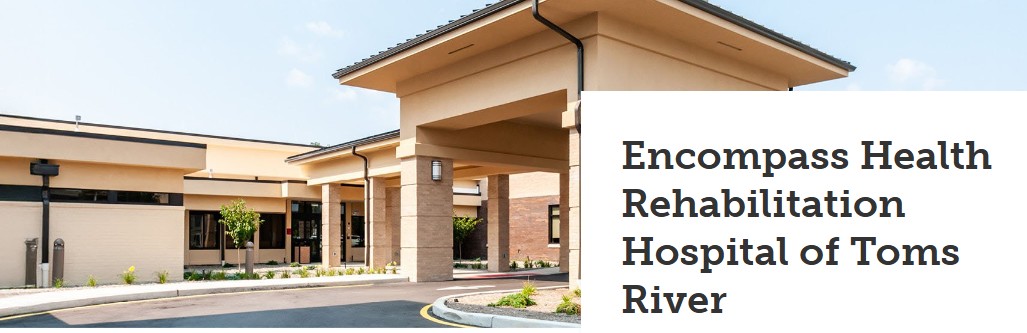
Encompass Health of Toms River and Tinton Falls
For more information about the author, click to view their website: Encompass Health
Jun 24, 2026
New Jersey - Ocean & Monmouth Counties

Email US
Click to Email Us
Why the Right Rehabilitation Setting Matters: Understanding the Encompass Health Difference
When a loved one experiences a stroke, major surgery,
neurological condition, or serious injury, families are often faced with an
important decision after the acute hospital stay: What comes next?
Many people assume all rehabilitation programs are the same.
In reality, the type of rehabilitation setting a patient chooses can
significantly impact recovery outcomes, independence, and quality of life.
For residents of Monmouth and Ocean Counties, Encompass
Health Rehabilitation Hospitals of Tinton Falls and Toms River provide a level
of specialized inpatient rehabilitation that differs from many traditional
post-acute care settings.
Not All Rehabilitation Is the Same
After discharge from an acute care hospital, patients may be
referred to various types of rehabilitation services, including:
- Home
Health Care
- Skilled
Nursing Facilities (SNFs)
- Subacute
Rehabilitation Centers
- Inpatient
Rehabilitation Hospitals
Each serves an important purpose, but patients recovering
from complex conditions often benefit from the higher level of care available
in an inpatient rehabilitation hospital.
Conditions commonly treated include:
- Stroke
- Brain
injury
- Spinal
cord injury
- Parkinson's
disease
- Multiple
sclerosis
- Hip
and knee replacement
- Cardiac
conditions
- Debility
following serious illness
What Makes Encompass Health Different?
Specialized Rehabilitation Hospital Setting
Unlike a skilled nursing facility, Encompass Health is a
dedicated rehabilitation hospital focused entirely on helping patients recover
function and regain independence.
Every aspect of care is centered around rehabilitation and
recovery.
Physician-Led Care
Patients benefit from ongoing physician oversight throughout
their rehabilitation stay. Rehabilitation physicians work closely with the care
team to monitor progress, adjust treatment plans, and address medical needs as
recovery advances.
Intensive Therapy Programs
Many patients participate in multiple therapy disciplines
throughout the day, helping accelerate progress and maximize recovery
potential.
Treatment may include:
- Physical
Therapy
- Occupational
Therapy
- Speech
Therapy
This coordinated approach allows patients to work toward
meaningful goals more efficiently.
24/7 Rehabilitation Nursing
Recovery doesn't stop when therapy sessions end.
Specialized rehabilitation nurses are available around the
clock to reinforce therapy goals, monitor medical conditions, and support
patient progress throughout the day and night.
Team-Based Care
One of Encompass Health's greatest strengths is its
collaborative approach.
Patients are supported by a team that may include:
- Physicians
- Nurses
- Physical
therapists
- Occupational
therapists
- Speech-language
pathologists
- Dietitians
- Case
managers
Together, they create individualized care plans tailored to
each patient's diagnosis, goals, and lifestyle.
Focused on Returning Home
The ultimate goal is not simply completing therapy.
The goal is helping patients return home safely and
confidently.
Whether that means climbing stairs independently, preparing
meals, speaking clearly after a stroke, or returning to favorite activities
along the Jersey Shore, rehabilitation plans are designed around real-life
outcomes.
Serving Monmouth and Ocean County Families
With rehabilitation hospitals in Tinton Falls and Toms
River, Encompass Health provides local access to advanced rehabilitation
services close to family support systems.
For many patients, staying connected to loved ones during
recovery can play an important role in emotional well-being and long-term
success.
According to Marlana Follet, Business Development Director
for Encompass Health Rehabilitation Hospitals of Tinton Falls and Toms River:
"Recovery is about much more than healing from an
illness or injury. Our team focuses on helping patients regain independence,
confidence, and the skills they need to return to the lives they enjoy. We are
proud to provide a level of rehabilitation care that helps patients achieve
their highest possible level of function."
Frequently Asked Questions
Is Encompass Health a nursing home?
No. Encompass Health is a specialized inpatient
rehabilitation hospital focused on intensive rehabilitation and recovery.
What types of patients benefit from inpatient
rehabilitation?
Patients recovering from stroke, neurological conditions,
joint replacement, brain injury, cardiac events, and other complex medical
conditions often benefit from inpatient rehabilitation.
How much therapy do patients receive?
Therapy plans are individualized based on diagnosis, medical
condition, and rehabilitation goals.
Do physicians see patients during their stay?
Yes. Rehabilitation physicians oversee patient care and work
closely with the interdisciplinary team.
Can family members participate in the rehabilitation
process?
Absolutely. Family education and caregiver training are
important components of successful discharge planning.
Learn More
If you or a loved one are facing a rehabilitation decision
after a hospitalization, understanding your options can make all the
difference. Encompass Health Rehabilitation Hospitals of Tinton Falls and Toms
River offer specialized inpatient rehabilitation services designed to help
patients recover more completely and return home with confidence.
More information can be found on their Seniors Blue Book
Listing – HERE
Other Articles You May Like
A Family Caregiver Guide
A Family Caregiver GuideA hospital stay can feel overwhelming at any age.For an older adult, it may involve multiple medications, unfamiliar healthcare professionals, tests, new terminology, changes in routine, and important decisions happening quickly.Family members often become an important source of support during this process.A spouse may remember details about medications. An adult child may take notes during conversations with physicians. Another relative may coordinate transportation, communicate with siblings, or begin planning for what will happen after discharge.For families in Nampa and Canyon County, Idaho, Saint Alphonsus Medical Center Nampa provides 24-hour hospital services at 4300 E. Flamingo Avenue in Nampa. The 100-bed hospital includes a complete diagnostic center, six surgical suites, a 10-bed short-stay observation unit, an 18-bed intensive care unit, private patient rooms, emergency care, rehabilitation, and numerous medical specialties.Knowing how families can participate appropriately in a loved one's care can make a hospital experience feel more organized and manageable.Hospital Care Is Increasingly Important in Growing NampaNampa's population continues to increase.According to the U.S. Census Bureau, the city had an estimated 120,384 residents in 2025, up approximately 19.9% from its 2020 population estimates base. About 14.5% of Nampa residents are age 65 or older.As more adults age in Nampa and Canyon County, more families will navigate hospital stays involving surgery, chronic conditions, falls, emergency care, rehabilitation, and complex medication routines.Saint Alphonsus is also expanding its Nampa hospital in response to regional growth. The health system broke ground on a major expansion in June 2026 that is expected to more than double the facility's size and add 64 medical, surgical, and intensive-care beds, with completion planned for fall 2028.For families, understanding how to prepare for hospital care is an increasingly useful part of aging planning.Choose a Primary Family ContactWhen several relatives are involved, hospital communication can become confusing.One daughter calls the nurse.A son speaks with the physician.Another family member receives information from the patient and shares a different interpretation with everyone else.Whenever possible, families may find it helpful to designate one primary contact person.That person can:Keep notes from important conversationsMaintain an updated medication listShare information with other relativesKeep track of questionsRecord follow-up instructionsOrganize discharge informationThe patient's preferences and privacy rights should always guide who receives medical information.The goal is not to take control away from the older adult. It is to reduce confusion when several people are trying to help.Family Care Tip: Keep one notebook or digital document for hospital information. Record provider names, major updates, medication changes, questions, and discharge instructions in one place instead of relying on memory during a stressful time.Bring a Current Medication ListMedication information can be especially important for older adults.A senior may have prescriptions from several physicians.They may also take vitamins, supplements, or over-the-counter medications.When hospitalization occurs unexpectedly, family members may not know exactly what the patient takes.Before an emergency happens, consider maintaining a list that includes:Medication nameDosageHow often it is takenPrescribing providerOver-the-counter medicationsVitamins and supplementsMedication allergiesKeep the list updated.After hospitalization, compare it with the new discharge medication instructions.Do not guess when instructions appear different. Ask the appropriate physician, pharmacist, nurse, or other qualified healthcare professional for clarification.Saint Alphonsus also provides patient education resources addressing medication management and advance care planning.Ask Questions When Something Is UnclearHospitals use terminology every day that may be unfamiliar to patients and families.It is okay to ask:"What does that mean?""Why is this test being done?""What happens next?""Is this medication new?""Who should we call if this happens after discharge?"Healthcare conversations can move quickly.If you do not understand an explanation, ask the provider to repeat it in simpler language.Writing questions down beforehand can also help.People often think of several questions while sitting alone in the hospital room and then forget them when the care team arrives.Understand Who Is Providing CareHospital patients may meet many professionals during one stay.Depending on the situation, the team might include:Hospital physiciansNursesPharmacistsTherapistsSpecialistsImaging professionalsCase managersDietitiansOther healthcare professionalsEach person has a different role.Families can ask:"Who is the main physician coordinating care today?""Who should we speak with about discharge planning?""Which specialist is managing this particular issue?"Knowing who handles different parts of the patient's care can reduce uncertainty.Tell the Care Team About Changes in the Patient's Usual FunctionA hospital team sees the patient in the context of the current illness or injury.Family members may know what is normal for that person.For example:Dad normally walks independently.Mom usually knows the date and recognizes everyone.Grandpa normally prepares his own meals.A sudden change from that baseline can be meaningful.When appropriate, families can tell the healthcare team what the patient was able to do before hospitalization.Useful information may include changes in:WalkingBalanceMemoryCommunicationEatingPersonal careSleepEnergyMedication managementThis information helps healthcare professionals understand how the current condition differs from the person's usual daily life.Pay Attention to Fall PreventionHospital environments are unfamiliar.An older adult may be weak from illness, taking new medications, recovering from surgery, or connected to medical equipment.Saint Alphonsus provides patient-education materials specifically addressing inpatient fall prevention.Families should follow staff guidance about mobility.Do not assume a loved one can safely walk to the bathroom simply because they did so independently at home before hospitalization.Ask whether assistance is needed before walking or transferring.Patients should also use call systems and mobility equipment as directed by the healthcare team.Visitors Can Provide Support Without Overwhelming the PatientSeeing familiar faces can be reassuring during hospitalization.At the same time, older adults recovering from illness or surgery may become tired quickly.Saint Alphonsus currently states that its hospitals offer visitor access around the clock, although visitor numbers should remain appropriate for available space and the care being provided. The health system generally prefers two to three visitors at a time.Families can help by coordinating visits rather than having everyone arrive at once.A shorter, calm visit may be more useful than a crowded room.Visitors who have cold or flu symptoms should avoid visiting until symptoms resolve, according to current Saint Alphonsus visitor guidance.Use Patient Resources When You Need More InformationHospital stays often generate a large amount of information.Saint Alphonsus provides several online patient resources, including MyChart, which can allow patients to view health records and test results, schedule appointments, communicate with the care team, and manage other healthcare information.The health system also allows patients to request copies of medical records and states that access to personal health information can help people become more informed participants in their own care.Saint Alphonsus Medical Center Nampa currently lists:Main Number: 208-205-1000Emergency Department: 208-205-1100Medical Records: 208-205-2150Patient/Visitor Information: 208-205-1000Families should use the appropriate clinical contactnot general website contact formsfor medical questions.Begin Discharge Planning Before the Last DayOne of the most important parts of a hospital stay happens before the patient goes home.Discharge planning should answer a simple question:What will everyday life look like once this person leaves the hospital?Before discharge, families may want to clarify:Which medications changed?When should each medication be taken?Which symptoms require a phone call?Which symptoms require emergency care?When are follow-up appointments?Is rehabilitation recommended?Are there activity restrictions?Can the patient safely use stairs?Can the patient bathe independently?Can the person prepare meals?Is driving temporarily restricted?Will someone need to stay with the patient?Do not wait until transportation arrives to ask these questions.Think About the Home EnvironmentA medically successful discharge does not necessarily mean the person is ready to resume every previous household routine.Someone may return home weaker than before hospitalization.Consider whether the patient will need temporary help with:MealsTransportationBathingDressingLaundryGrocery shoppingMedication remindersMobilityHousehold choresDepending on the situation, follow-up support might include outpatient rehabilitation, home health, non-medical home care, family assistance, skilled nursing, or another service recommended by the healthcare team.Saint Alphonsus Medical Center Nampa lists physical therapy and rehabilitation among its specialties.Keep Follow-Up Appointments OrganizedHospital discharge is often the beginning of the next stage of care.An older adult may need follow-up with:Primary careA surgeonCardiologyOrthopedicsRehabilitationOncologyAnother specialistWrite appointment dates in one location.Include the provider's name, location, reason for the visit, and any testing required beforehand.Families may also find MyChart useful for accessing appointments, results, and communication tools within Saint Alphonsus.Do Not Forget the Patient's PreferencesWhen an older adult becomes seriously ill, conversations can quickly shift toward what everyone else thinks should happen.Whenever possible, keep the patient involved.Ask:"What questions do you have?""Would you like me to take notes?""Who do you want us to update?""What matters most to you about going home?"For people planning ahead, conversations about healthcare wishes and advance care planning may also be useful before a crisis occurs. Saint Alphonsus includes advance care planning among its patient education resources.These conversations can help families better understand the older adult's preferences if future healthcare decisions become difficult.Emotional and Spiritual Support May Matter TooHospitalization can create fear, uncertainty, grief, and stress.Some patients and families may want spiritual or emotional support in addition to medical care.Saint Alphonsus provides chaplain services for patients and family members experiencing distress, facing difficult decisions, or seeking support related to illness, loss, or advance directives.Families can ask hospital staff how to contact available spiritual-care resources when desired.Support needs are personal, and not every family will want the same services.Frequently Asked Questions About Hospital Stays in NampaWhere is Saint Alphonsus Medical Center Nampa?Saint Alphonsus Medical Center Nampa is located at 4300 E. Flamingo Avenue, Nampa, Idaho 83687, near I-84 and Garrity Boulevard. The hospital is open 24 hours.Can family members visit hospitalized patients?Yes. Saint Alphonsus currently states that its hospitals offer visiting hours 24 hours a day, seven days a week, although the number of visitors should remain appropriate to room size and patient care.Does Saint Alphonsus offer online access to medical information?Yes. MyChart allows patients to access health records and test results, schedule appointments, communicate with the care team, and use other online healthcare tools.Does the Nampa hospital provide rehabilitation?Yes. Physical therapy and rehabilitation are among the specialties currently listed at Saint Alphonsus Medical Center Nampa.Is the Nampa hospital expanding?Yes. Saint Alphonsus broke ground on a major expansion in June 2026. The project is expected to more than double the hospital's size, add 64 medical, surgical, and intensive-care beds, and be completed in fall 2028.Help Make Hospital Care More ManageableA family member cannot replace doctors, nurses, pharmacists, therapists, or other healthcare professionals.But families can still play an important supportive role.They can bring accurate information.Ask questions.Take notes.Explain what the patient was able to do before hospitalization.Help organize appointments.Clarify discharge instructions.Keep medications updated.And make sure the older adult remains involved in decisions whenever possible.For seniors and families in Nampa and Canyon County, Saint Alphonsus Medical Center Nampa provides 24-hour hospital care along with emergency services, intensive care, surgery, imaging, cardiology, orthopedics, oncology, diabetes care, rehabilitation, wound care, and other specialty services.The hospital's continued expansion also reflects the increasing healthcare needs of a growing Nampa and Canyon County population.To learn more about local hospital services and connect with this healthcare resource, visit the Saint Alphonsus of Nampa profile on SeniorsBlueBook.com.A hospital stay may feel complicated, but families do not need to understand everything immediately. Staying organized, asking questions, and planning for the next step can help older adults move through hospitalization with clearer communication and stronger support.
A Guide to Hospital and Specialty Care for Older Adults
A Guide to Hospital and Specialty Care for Older AdultsHealthcare often becomes more complicated with age.A person who once needed little more than an annual physical may eventually find themselves seeing a cardiologist, completing regular imaging, managing diabetes, receiving treatment for joint problems, or attending follow-up visits after a hospital stay.Individually, each appointment may be manageable.The challenge is keeping everything connected.For older adults and families in Nampa and Canyon County, Idaho, having access to hospital and specialty services close to home can make that process easier to navigate.Saint Alphonsus Medical Center Nampa, located at 4300 E. Flamingo Avenue, is a 100-bed hospital serving Canyon County. Its current specialties include cardiology, orthopedics, oncology, diabetes care and education, radiology and medical imaging, wound and hyperbaric care, endoscopy, nutrition, rehabilitation, pharmacy, surgical services, and emergency care. The hospital also includes a complete diagnostic center, 18-bed intensive care unit, six surgical suites, and a short-stay observation unit.For seniors managing several health concerns at once, understanding how these services fit together can help families become more organized and more involved in care.Nampa's Growth Is Increasing the Need for Local HealthcareNampa continues to grow rapidly.The U.S. Census Bureau estimated the city's population at 120,384 residents in 2025, an increase of approximately 19.9% from its 2020 population estimates base. About 14.5% of Nampa residents are age 65 or older.That means thousands of local residents are navigating health concerns associated with aging, chronic conditions, mobility changes, surgery, medications, and specialty care.Saint Alphonsus is also expanding its Nampa hospital in response to continued regional growth. The health system broke ground on the project in June 2026, with completion planned for fall 2028. The expansion is expected to add significant medical, surgical, intensive-care, and inpatient capacity.For Canyon County families, having more healthcare resources available locally can mean less travel when specialized evaluation or hospital-level care is needed.Aging Often Means Managing More Than One Health ConcernOne health issue can influence another.Consider an older adult with arthritis.Joint pain may make walking uncomfortable.Reduced walking can affect strength and mobility.Lower activity may make it harder to manage other health goals.If that same person also has heart disease or diabetes, treatment decisions may involve several providers.This is why families should try to view healthcare as one connected picture rather than a collection of unrelated appointments.A senior's healthcare team might include:A primary care providerCardiologistOrthopedic specialistDiabetes educatorPhysical therapistOncologistPharmacistImaging professionalsHospital physiciansEach professional has a different role.Patients and caregivers can help connect those roles by maintaining accurate information and asking questions when recommendations overlap.Care Coordination Tip: Keep one updated list of medications, medical conditions, specialists, recent hospitalizations, allergies, and important test results. Bring it to appointments rather than assuming every office automatically has the same information.Heart Care Becomes Particularly Important With AgeCardiovascular health is an important part of healthcare for many older adults.Saint Alphonsus lists cardiology among the specialties available through the Nampa medical center. Its Heart Institute also operates heart-care services in Nampa, and Saint Alphonsus has cardiac catheterization laboratories at both its Boise and Nampa hospitals.The Nampa hospital has also received the American College of Cardiology's Chest Pain-MI Registry Silver Performance Achievement Award for 2025. Saint Alphonsus states that the hospital has 24/7 capability to diagnose and treat heart attacks using primary percutaneous coronary intervention.Heart-related care may involve evaluation and treatment for conditions such as:Coronary artery diseaseHeart rhythm problemsHeart valve conditionsChest painVascular diseaseHeart attackNot every patient needs advanced cardiac treatment, but older adults should pay attention to meaningful changes such as unexplained shortness of breath, new chest discomfort, fainting, or significant changes in exercise tolerance.Possible emergency symptoms should be treated as emergencies rather than waiting for a routine appointment.Orthopedic Care Can Support Mobility and IndependenceJoint and musculoskeletal problems can have a major impact on daily life.Pain in the knees, hips, shoulders, or back may make it harder to:WalkUse stairsGet dressedShopExerciseDriveMaintain a homeSaint Alphonsus Medical Center Nampa lists orthopedics among its hospital specialties.For older adults, orthopedic care is often closely connected to independence.A person's main concern may not simply be "How bad is my knee?"It may be:"Can I still walk through the grocery store?""Can I climb the stairs at home?""Can I continue gardening?"Those functional concerns are worth discussing with healthcare professionals.When treatment includes surgery or rehabilitation, families should also think ahead about what support may be necessary during recovery.Diabetes Care Requires Ongoing AttentionDiabetes is another condition that usually requires long-term management rather than a one-time treatment.Saint Alphonsus Medical Center Nampa lists diabetes care and education among its specialties.Diabetes management may involve several aspects of care, including:Blood glucose monitoringMedication managementNutritionPhysical activityLaboratory testingFoot healthVision careCardiovascular riskFor older adults, the plan may need to account for other medical conditions, medications, mobility limitations, or nutritional concerns.Families should avoid assuming that advice suitable for one person with diabetes automatically applies to another.Individualized medical guidance remains important.Diagnostic Imaging Helps Healthcare Teams See the Bigger PictureImaging can play an important role in diagnosing injuries and medical conditions.Saint Alphonsus Medical Center Nampa lists radiology and medical imaging among its specialties.Across the Saint Alphonsus system, imaging services can include technologies such as:X-raysCT imagingMammographyUltrasoundCardiac testingVascular imagingBone-density testingOther specialized imagingNot every imaging service is offered at every Saint Alphonsus location, so patients should confirm the appropriate site when scheduling.Imaging may be recommended to investigate symptoms, monitor an existing condition, evaluate an injury, or prepare for treatment.Patients should feel comfortable asking:Why is this test being ordered?What information is the healthcare team looking for?Will I need preparation beforehand?When should I expect results?Who will discuss those results with me?Understanding the purpose of a test can make the process less intimidating.Oncology Services Can Keep Cancer Care Closer to HomeA cancer diagnosis can bring a large number of appointments.Patients may need laboratory testing, imaging, physician visits, treatment, follow-up care, and coordination with other specialists.Saint Alphonsus Medical Center Nampa lists oncology among its specialties and also maintains an infusion clinic at the hospital.For older adults, cancer care may need to consider more than the cancer itself.Other health conditions, mobility, nutrition, medications, transportation, and family support can all affect the care experience.Families can help by keeping records organized and ensuring that all providers know about medications and other ongoing medical conditions.Wound Care Can Be Important for Older AdultsSome wounds require more than basic home treatment.Diabetes, circulation problems, limited mobility, surgical complications, and other health conditions can sometimes make wounds slower or more difficult to heal.Saint Alphonsus Medical Center Nampa lists wound and hyperbaric care among its specialty services.Patients should follow individualized wound-care instructions closely and contact their healthcare team if they notice concerning changes.Do not assume a wound will simply improve on its own when a medical professional has recommended follow-up.Nutrition Can Connect Many Parts of HealthcareNutrition affects far more than body weight.Food choices may become relevant when managing:DiabetesHeart diseaseRecovery after surgeryCancer treatmentChanges in appetiteUnintentional weight lossOther chronic conditionsSaint Alphonsus Medical Center Nampa lists nutrition among its specialty services.Older adults should be cautious about making dramatic diet changes based only on general health information.A person taking several medications or managing multiple conditions may need individualized nutrition recommendations.The best diet is not necessarily the latest diet.It is the eating pattern that appropriately supports that person's health needs and can realistically be maintained.Rehabilitation Can Help Patients Return to Everyday LifeMedical treatment is often only part of recovery.A senior may leave the hospital medically stable but still have difficulty walking, dressing, climbing stairs, or returning to normal activities.Saint Alphonsus lists physical therapy and rehabilitation among services available at the Nampa medical center.Rehabilitation may help patients work toward practical goals such as:Improving mobilityBuilding strengthRegaining balanceReturning to household activitiesRecovering after surgery or injuryWhen therapy is recommended, families should ask whether it will take place in the hospital, an outpatient setting, at home, or another rehabilitation environment.Knowing the plan before discharge can help prevent gaps in care.Medication Lists Become More Important as Specialists IncreaseThe more healthcare professionals someone sees, the easier it becomes for medication information to become confusing.A cardiologist may prescribe one medication.A primary care provider manages another.A hospital stay may lead to temporary prescriptions.A specialist may change a dosage.Older adults may also take over-the-counter medications and supplements.Maintain one current list containing:Medication nameDoseHow often it is takenWhich provider prescribed itVitaminsSupplementsAllergiesRecently stopped medicationsPatients should not independently stop or alter prescription medications because two instructions appear different.Contact the appropriate healthcare professional or pharmacist for clarification.Use the Patient Portal and Medical Records When AppropriateOne challenge of complex healthcare is keeping information organized.Saint Alphonsus provides patient resources that include MyChart access and medical-record services. The Nampa medical center currently lists a dedicated medical-records contact number as well.Electronic health tools may help patients review:AppointmentsTest resultsCare instructionsMedicationsMessages from healthcare professionalsFamily caregivers may also be able to help manage information when the patient has appropriately authorized access.Privacy and patient preferences should remain central to that process.Prepare Before Every Specialty AppointmentPatients can make specialty visits more productive by preparing beforehand.Write Down the Main ConcernDo not rely on memory during the appointment.Bring Your Current Medication ListInclude nonprescription products and supplements.Know Why You Were ReferredIf the reason is unclear, ask the referring provider.Bring Relevant RecordsThis can include hospital discharge information or outside test results when necessary.Ask What Happens NextBefore leaving, understand whether you need:Another appointmentLaboratory testingImagingMedication changesRehabilitationFollow-up with primary careClear next steps help reduce confusion.Know When a Specialty Concern Becomes an EmergencyRoutine specialty care and emergency care serve different purposes.Saint Alphonsus Medical Center Nampa is open 24 hours and includes emergency services. The hospital is also designated as a Level II Primary Stroke Center and Level III Trauma Center, with additional heart-related emergency capabilities.Patients should not wait for a scheduled specialist visit when potentially life-threatening symptoms develop.Call 911 for emergencies.Timely evaluation is especially important for suspected stroke, heart attack, severe injury, serious breathing problems, or other acute conditions.Nampa's Hospital Is Expanding for Future Community NeedsThe continued growth of Canyon County is shaping local healthcare infrastructure.Saint Alphonsus broke ground in June 2026 on an expansion designed to more than double the size of the Nampa medical center. The project includes a new seven-story tower and additional medical, surgical, intensive-care, and inpatient capacity, with completion expected in fall 2028.The current hospital remains open during this period.For residents, the expansion reflects the growing need for hospital and specialty care in the Nampa area as the local population continues to increase.Frequently Asked Questions About Specialty Care at Saint Alphonsus NampaWhat specialty services are available at Saint Alphonsus Medical Center Nampa?The hospital currently lists cardiology, orthopedics, oncology, diabetes care and education, radiology and medical imaging, wound and hyperbaric care, endoscopy, nutrition, physical therapy and rehabilitation, pharmacy, surgical services, and other specialties.Does Saint Alphonsus Nampa provide heart care?Yes. Cardiology is available at the Nampa medical center, and Saint Alphonsus operates cardiac catheterization capabilities in Nampa. The hospital also has recognized 24/7 heart-attack treatment capabilities.Does the hospital provide medical imaging?Yes. Radiology and medical imaging are among the hospital's listed specialties. Specific imaging services vary by location, so patients should confirm where a particular test is performed.Is rehabilitation available?Yes. Physical therapy and rehabilitation are among the services listed at the Nampa medical center.Where is Saint Alphonsus Medical Center Nampa located?The hospital is located at 4300 E. Flamingo Avenue, Nampa, Idaho 83687. It is open 24 hours, and the main hospital number is 208-205-1000.Keep Complex Healthcare More ConnectedManaging multiple health conditions can sometimes feel like having several separate healthcare systems operating at once.One appointment focuses on the heart.Another focuses on a joint.Another involves imaging.Another involves diabetes.Another may follow a hospital stay.The goal is to keep the personnot the diagnosisat the center of all of those services.For adults and seniors in Nampa and Canyon County, Saint Alphonsus Medical Center Nampa provides access to a broad range of hospital and specialty resources including cardiology, orthopedics, oncology, diabetes education, imaging, rehabilitation, wound care, nutrition, surgery, intensive care, and emergency services.Patients and families can support care coordination by maintaining updated medication lists, sharing relevant medical history, asking questions, keeping appointments organized, and understanding the next steps after every visit.As Nampa continues growing, Saint Alphonsus is also expanding its hospital infrastructure to increase future healthcare capacity in Canyon County.To learn more about Saint Alphonsus of Nampa and connect with this local hospital resource, visit their SeniorsBlueBook.com business profile. Saint Alphonsus of Nampa on SeniorsBlueBook.comHealthcare can become more complicated as needs change, but families do not have to approach every new diagnosis or specialty appointment as an isolated event. Keeping information organized and understanding the resources available locally can make a complex healthcare journey easier to navigate.
A Guide for Older Adults and Families
A Guide for Older Adults and FamiliesA scheduled surgery gives families something an unexpected hospitalization usually does not: time to prepare.That preparation can make a meaningful difference, especially for older adults.Before a procedure, families may need to organize medications, transportation, household responsibilities, and questions for the surgical team. Afterward, the focus may shift to mobility, pain management, follow-up appointments, rehabilitation, meals, and determining how much help will be needed at home.For seniors and families in Nampa and Canyon County, Idaho, Saint Alphonsus Medical Center Nampa provides surgical, diagnostic, inpatient, intensive-care, rehabilitation, and specialty services within a full-service hospital environment at 4300 E. Flamingo Avenue in Nampa. The 100-bed medical center includes six surgical suites, pre- and post-operative areas, a 10-bed short-stay observation unit, and an 18-bed intensive care unit.Preparing for a hospital stay is not only about the procedure itself. Thinking ahead about what happens before admission, during recovery, and after discharge can help older adults and caregivers feel more organized throughout the process.Why Surgical and Recovery Planning Matters in NampaNampa continues to grow quickly.The U.S. Census Bureau estimated the city's population at 120,384 residents in 2025, approximately 19.9% higher than its 2020 population estimates base. About 14.5% of residents are age 65 or older.As Nampa and Canyon County grow, local demand for hospital, surgical, rehabilitation, and specialty care is also increasing.Saint Alphonsus broke ground in June 2026 on a major expansion of the Nampa hospital that is expected to more than double the facility's size, with completion planned for fall 2028. The health system says the project is intended to expand healthcare infrastructure in fast-growing Canyon County.For local families, that continued investment reflects the growing importance of accessible hospital care close to home.Start Preparing Before the ProcedureIf surgery is scheduled rather than emergent, patients can use the days or weeks beforehand to organize practical details.One helpful starting point is creating a written list of questions for the surgical and medical team.Consider asking:What should I expect on the day of surgery?Which medications should I discuss before the procedure?How long might I remain in the hospital?Will I need someone to drive me home?Will I need help at home afterward?Are there lifting, walking, or driving restrictions?Will physical or occupational therapy be recommended?When will follow-up appointments take place?Which symptoms should prompt a call to the doctor?Patients should follow instructions from their own healthcare professionals rather than relying on general recommendations.Every procedure and every patient is different.Surgery Preparation Tip: Begin planning for discharge before surgery takes place. Knowing who will provide transportation, meals, medication support, and household help can reduce last-minute stress when it is time to return home.Bring an Accurate Medication ListMedication management can be especially important for older adults preparing for surgery.Many seniors take several prescriptions, along with vitamins, supplements, or over-the-counter medications.Before hospitalization, prepare a current list that includes:Medication namesDosagesHow often each medication is takenOver-the-counter medicationsVitaminsSupplementsKnown medication allergiesDo not independently stop medications before surgery unless the medical team specifically instructs you to do so.Some medications may require special planning before a procedure, which is why a complete and accurate list matters.Families may also find it useful to keep a copy with the patient's other important medical documents.Understand the Role of Pre- and Post-Operative CareSurgery involves more than the time spent in the operating room.Saint Alphonsus Medical Center Nampa includes six surgical operating suites along with pre-operative holding and post-operative recovery areas. The campus also has diagnostic services and a short-stay observation unit for patients who require additional monitoring.Before surgery, clinicians may review vital signs, medications, allergies, and other relevant medical information.After the procedure, the patient's immediate recovery may involve monitoring areas such as:BreathingBlood pressurePainAlertnessMobilityNauseaSurgical-site concernsThe appropriate amount of observation varies depending on the procedure, anesthesia, medical history, and how the patient responds afterward.Older Adults May Need More Help Than Expected After SurgeryFamilies sometimes assume that if a procedure is successful, the person will quickly return to their usual routine.Recovery may take longer.An older adult who was independent before surgery may temporarily need help with:Getting dressedBathingWalkingPreparing mealsGrocery shoppingLaundryTransportationManaging stairsKeeping follow-up appointmentsFatigue can also be significant.A person may feel relatively well for part of the day and then become tired much more quickly than before surgery.This is one reason discharge planning should include practical questions about everyday lifenot only medical instructions.Rehabilitation Can Be an Important Part of RecoverySurgery, hospitalization, injury, or illness can affect strength, balance, mobility, speech, or the ability to manage everyday activities.Saint Alphonsus offers both inpatient and outpatient rehabilitation services, and its STARS program includes physical therapy, occupational therapy, and speech therapy.Physical therapy may focus on areas such as strength, movement, balance, or walking.Occupational therapy may help someone regain skills needed for everyday activities.Speech therapy may address communication or swallowing needs in appropriate situations.The specific rehabilitation plan depends entirely on the patient's condition and medical recommendations.Nampa Has Multiple STARS Rehabilitation LocationsSaint Alphonsus operates outpatient rehabilitation services in Nampa through its STARS network.Current Nampa locations include 131 Constitution Way, as well as STARS services at 4424 East Flamingo Avenue near the medical center campus.Having rehabilitation services locally can make follow-up therapy more practical for Canyon County residents who need multiple appointments over several weeks.Families should confirm which location, therapist, or rehabilitation program is recommended for the patient's specific condition.Physical Therapy May Help Rebuild MobilityAfter certain surgeries or illnesses, walking can feel very different.An older adult may temporarily use a walker or cane.Getting out of a chair may take more effort.Stairs may become difficult.When prescribed, physical therapy can help patients work toward functional goals such as:Walking more safelyBuilding strengthImproving balanceManaging stairsReturning to daily activitiesThe Saint Alphonsus STARS program provides outpatient physical therapy as part of its rehabilitation services.Patients should follow their therapist's individualized instructions rather than trying to progress faster than recommended.Occupational Therapy Can Focus on Everyday IndependenceRecovery is not just about walking farther.For many older adults, the most meaningful goals involve daily routines.Can I shower safely?Can I prepare breakfast?Can I get dressed?Can I return to my usual activities?Occupational therapy can address functional skills connected to everyday life and is among the rehabilitation disciplines offered through Saint Alphonsus STARS.For seniors who want to return home safely, these everyday abilities can be just as important as medical test results.Prepare the Home Before the Patient ReturnsFamilies can make recovery easier by preparing the home before discharge.Consider practical changes such as:Clearing clutter from walking pathsImproving lighting, especially at nightMoving frequently used items within easy reachPreparing simple mealsArranging transportationMaking sure prescribed mobility equipment is readySetting aside comfortable clothingOrganizing important phone numbersCreating a place for discharge paperworkIf the medical or therapy team recommends specific equipment or home modifications, follow those professional recommendations.Avoid making assumptions about what the patient needs without consulting the appropriate healthcare professional.Ask About Driving RestrictionsDriving can be an important part of independence, but many procedures require temporary restrictions.Before discharge, ask clearly:When may the patient drive again?Do certain medications affect driving?Is there a mobility requirement before driving?Will someone need to provide transportation to follow-up visits?Having transportation arranged in advance can prevent missed appointments and unnecessary frustration.Understand the Discharge InstructionsHospital discharge can feel rushed because families are eager to return home.This is exactly when careful listening matters.Before leaving, make sure someone understands:Medication changesWound or incision instructionsActivity restrictionsDietary instructionsFollow-up appointmentsTherapy recommendationsSymptoms that require medical attentionWho to call with questionsIf something is unclear, ask the care team to explain it again.It is also useful for a family member or caregiver to take notes when the patient agrees.Compare the Old and New Medication ListsSurgery and hospitalization can result in medication changes.A prescription may be added.Another may be temporarily stopped.A dosage may change.After discharge, compare the hospital instructions with the medication routine used before admission.Do not guess if there is a discrepancy.Contact the appropriate healthcare professional or pharmacist for clarification.Maintaining one current medication list can help reduce confusion as the patient moves between the hospital, rehabilitation, primary care, and specialist appointments.Know When Recovery Is Not Going as ExpectedPatients should receive individualized instructions explaining when to call their provider or seek emergency treatment.Families should follow those instructions carefully.Potential concerns vary depending on the procedure and the patient's health.A routine recovery question may require a call to the surgical team, while severe or life-threatening symptoms require emergency evaluation.Saint Alphonsus Medical Center Nampa operates 24 hours a day, and its emergency department at 4300 E. Flamingo Avenue is also open around the clock.For a life-threatening emergency, call 911.Recovery Can Affect Family Caregivers TooWhen an older adult returns home, family members often become part of the recovery team.They may provide transportation, prepare meals, organize appointments, help with laundry, and monitor how the patient is doing.Before discharge, families should realistically consider how much support they can provide.Ask:Who will be available during the first few days?Can someone stay overnight if needed?Who will provide transportation?Who will pick up prescriptions?Who can attend follow-up visits?Is professional home care needed?It is better to identify gaps before the patient arrives home.Keep One Recovery FolderHospitalization produces a surprising amount of paperwork.A simple folder can keep everything organized.Include:Discharge instructionsMedication listFollow-up appointment informationRehabilitation referralsContact information for healthcare providersInsurance informationEmergency contactsIf several family members are helping, knowing where this information is kept can reduce confusion.Saint Alphonsus Nampa Provides Multiple Specialty ServicesRecovery needs may involve more than one department.Saint Alphonsus Medical Center Nampa currently lists services including cardiology, orthopedics, oncology, radiology and medical imaging, endoscopy, diabetes care and education, physical therapy and rehabilitation, wound and hyperbaric care, pharmacy, nutrition, and surgical services.For an older adult with several health conditions, receiving multiple services within one health system may help connect parts of the healthcare journey.Patients should still make sure their primary care providers and outside specialists receive important updates when appropriate.Frequently Asked Questions About Surgery and Recovery in NampaDoes Saint Alphonsus Medical Center Nampa perform surgery?Yes. The medical center includes six surgical operating suites as well as pre-operative and post-operative recovery areas. Surgical services are among the hospital's listed specialties.Does Saint Alphonsus provide rehabilitation in Nampa?Yes. Saint Alphonsus offers rehabilitation services through STARS, including physical, occupational, and speech therapy. There are multiple STARS locations in Nampa.Should families plan for recovery before surgery?Yes. When possible, families should determine who will provide transportation, meals, household help, medication support, and assistance with daily activities before the procedure takes place.Does every older adult need rehabilitation after surgery?No. Rehabilitation needs depend on the procedure, medical condition, mobility, and recommendations from the healthcare team. Some patients may need formal therapy, while others may recover without it.Where is Saint Alphonsus Medical Center Nampa?The hospital is located at 4300 E. Flamingo Avenue, Nampa, Idaho 83687, near I-84 and Garrity Boulevard. The main phone number is 208-205-1000.Plan for the Recovery, Not Just the ProcedureFor older adults, successful surgery is only one part of the healthcare journey.Recovery continues after the operating room.It may involve rehabilitation.Medication changes.Transportation.Household help.Follow-up appointments.Temporary mobility limitations.And gradual progress toward returning to familiar routines.For seniors and families in Nampa and Canyon County, Saint Alphonsus Medical Center Nampa provides hospital-based surgical care, diagnostic services, intensive care, rehabilitation, and a wide range of specialties. The medical center is also undergoing a major expansion intended to substantially increase healthcare capacity in fast-growing Canyon County.Families preparing for a planned hospitalization can reduce stress by starting early.Ask questions.Keep medications organized.Prepare the home.Understand discharge instructions.Arrange transportation.And know what rehabilitation or follow-up care may be needed.To learn more about Saint Alphonsus of Nampa and local hospital resources, visit the Saint Alphonsus of Nampa profile on SeniorsBlueBook.com.A hospital stay may last only a few days, but recovery can continue for weeks or months. Thoughtful preparation can help older adults and their families approach that recovery with a clearer plan and better understanding of the resources available in their own community.