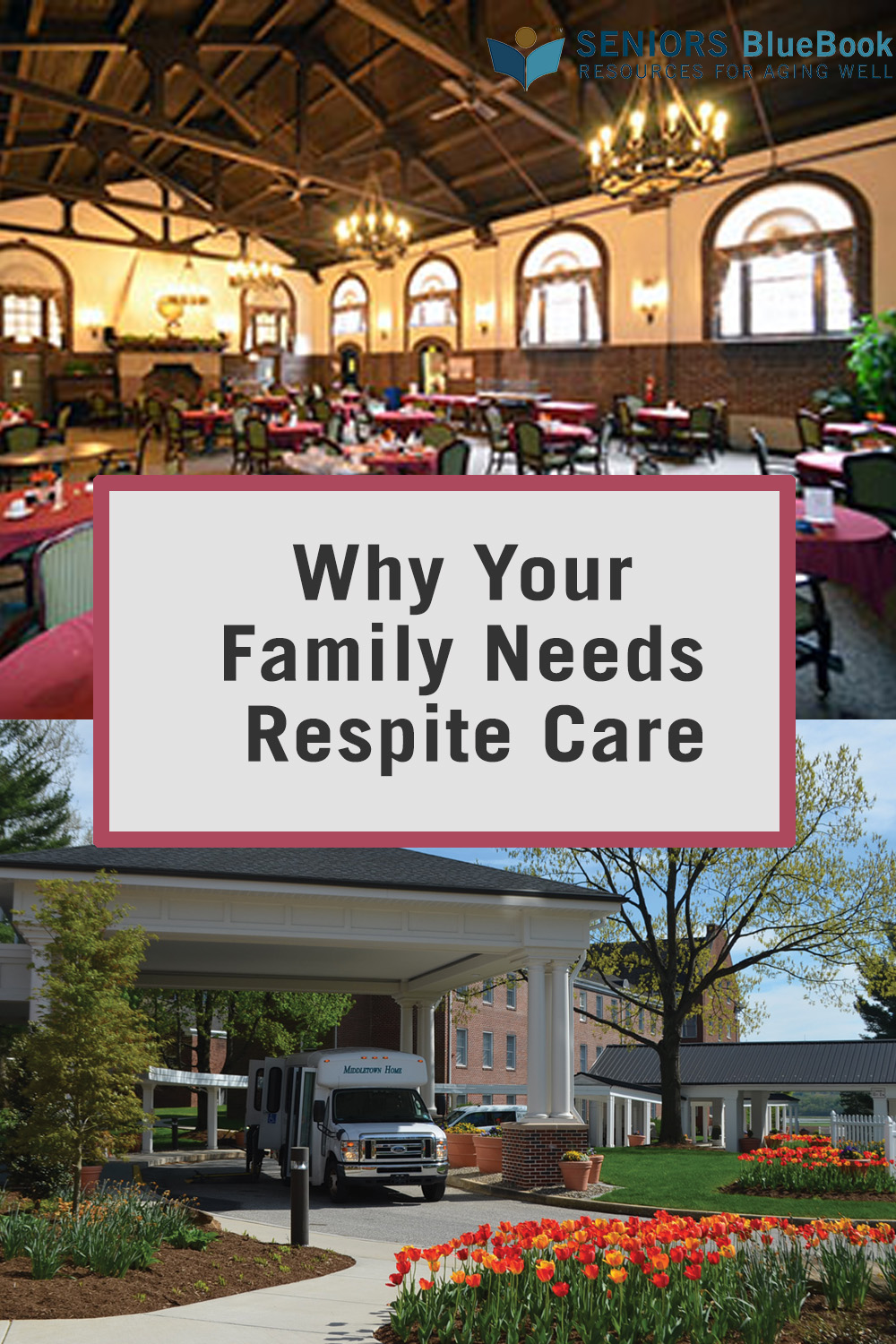
Why Your Family Needs Respite Care
Middletown Home, The
For more information about the author, click to view their website: The Middletown Home
Apr 04, 2023
Pennsylvania - South Central PA

Email US
Click to Email Us
Need short term rest and relief?
Want time to recover safely from surgery or a fall?
A Respite Stay is the answer.
The Middletown Home provides easy, hassle-free Respite Care.
Whether a caregiver needs a break, a family is going on vacation and needs assistance with a loved one, or you need extra support recovering from accident, illness or surgery, we are here for you!
Our fully furnished Respite Rooms take the headache out of a brief stay and are the best option for those needing care for a short time.
Caregivers have no need to feel guilty for placing a loved one in our very capable hands.
Many of our Respite Guests come back year after year. One such gentleman, with a chronic, life-long condition, comes to stay for two weeks each time his wife goes on a ‘Girl’s Trip.’ He claims these respite stays have only served to strengthen their bond and provide her with much needed rest and relaxation.
Age isn’t an issue. While many of our residents and guests may be up in years, The Middletown Home welcomes persons of all ages, who need care, to come stay with us.
The level of care isn’t a problem. The Middletown Home has assisted personal care, as well as skilled nursing Respite Care available.
Experience you can trust. For nearly 100 years, the experts at The Middletown Home have provided care that is first class, compassionate and professional, for the short term and the long term.
We are a 501 (c)(3), non-profit, continuing care community unlike any other. We are committed to providing care to 18 year olds recovering from a knee injury, to 103 year olds with a new hip needing extra time before going home.
Your respite stay can last anywhere from 7 days to several months.
It’s a relief for many to know their loved one has 24/7 access to medical care, as well as being socially engaged, and able to attend exciting activities both here at The Middletown Home, and outside in the Community.
The following features are included with Respite Care:
• Safe and secure location
• Fully furnished accommodations
• Three nutritious meals daily
• Snacks and beverages throughout the day
• Professional medical team onsite 24/7
• Medication administration and management
• Assistance with daily activities like dressing, bathing and grooming
• Incontinence management
• In-house rehab services, no need to leave the building
• Fun activities available daily
At The Middletown Home, we offer a special opportunity for Respite Care, just a minimum 7-day stay is all that’s required.
Whether you’re traveling or simply need a break from caregiving, think of The Middletown Home as your families’ home away from home!
Call 717-944-3351, take a tour and find out more!
Director of Marketing, The Middletown Home.
Other Articles You May Like
Family Caregiver Burnout & Respite Care | Northern Lights Living
Family Caregiver Burnout: Recognizing When You Need HelpLearn 7 warning signs of family caregiver burnout and how respite care from Northern Lights Living in Savage, MN, can help families find balance.Caring for an aging parent, spouse, or loved one is often described as an act of love. And while caregiving can be deeply rewarding, it can also become one of life's most demanding responsibilities.For many Minnesota families, caregiving begins gradually. Perhaps Mom needs help getting to medical appointments. Dad could use assistance with grocery shopping. A spouse needs a little extra support with daily activities.At first, these responsibilities may seem manageable. But over time, the demands can increase, leaving family caregivers juggling careers, children, household responsibilities, and their loved one's growing needs.Somewhere along the way, the caregiver's own well-being can begin to suffer.Recognizing caregiver burnout isn't a sign of failure. It's an important step toward creating a healthier, more sustainable caregiving arrangement for everyone involved.What Is Family Caregiver Burnout?Caregiver burnout is a state of physical, emotional, and mental exhaustion that can develop when the demands of caregiving consistently outweigh a person's available time, energy, and support.Unlike occasional stress after a difficult day, burnout can build gradually over weeks, months, or even years.Family caregivers may become so focused on meeting someone else's needs that they overlook their own health, relationships, and emotional well-being.Many caregivers also experience feelings of guilt.They may believe they should be able to handle everything themselves or worry that asking for assistance means they aren't doing enough.But caregiving was never meant to be a one-person responsibility.Having dependable support can help families continue providing compassionate care without sacrificing their own health.Seven Warning Signs of Caregiver BurnoutCaregiver burnout doesn't always appear suddenly. Often, the warning signs are subtle.Understanding these signs can help families recognize when additional support may be necessary.1. Constant Physical and Emotional ExhaustionFeeling tired after a busy day is normal.However, ongoing exhaustion that doesn't improve with rest may indicate that caregiving responsibilities have become overwhelming.Some caregivers wake up already feeling tired, struggle to complete everyday tasks, or experience difficulty concentrating.When caregiving becomes a constant responsibility without adequate breaks, the body and mind may have little opportunity to recover.2. Increased Irritability or FrustrationHave you noticed yourself becoming impatient over small things?Perhaps conversations that once felt easy now lead to frustration. You may feel irritated with family members who aren't helping or become upset when your loved one asks the same question repeatedly.These reactions can be signs of prolonged stress.Recognizing them early provides an opportunity to adjust caregiving responsibilities before relationships become strained.3. Withdrawing From Friends and ActivitiesFamily caregivers frequently sacrifice their own social lives to accommodate someone else's needs.Dinner with friends gets canceled. Exercise classes are skipped. Weekend activities become difficult to schedule.Over time, caregivers may lose touch with the people and activities that once brought them happiness.Maintaining social connections isn't selfish.It's an important part of emotional health and resilience.4. Changes in Sleep or AppetiteStress can affect everyday routines.Some caregivers struggle to fall asleep because they're worrying about their loved one's safety. Others wake frequently during the night or experience changes in appetite.Persistent sleep problems can make it even harder to manage caregiving responsibilities.If these symptoms continue, discussing them with a healthcare professional may be helpful.5. Feeling Guilty About Taking a BreakOne of the most common emotional challenges caregivers experience is guilt.A daughter may feel uncomfortable leaving her mother alone for an afternoon. A husband may hesitate to ask someone else to care for his wife.Caregivers sometimes convince themselves that they must always be available.However, taking time to rest doesn't diminish the love or commitment behind caregiving.Rest is not a reward for finishing every responsibility. It's a necessary part of being able to continue caring for someone.6. Neglecting Personal HealthWhen schedules become crowded, caregivers often postpone their own medical appointments, skip exercise, or rely on quick meals.Some may ignore symptoms because they feel they don't have time to address them.Unfortunately, neglecting personal health can make caregiving even more difficult.Maintaining regular healthcare appointments, adequate sleep, and healthy routines helps caregivers remain physically and emotionally prepared for their responsibilities.7. Feeling Overwhelmed or HopelessPerhaps the most concerning warning sign is the feeling that caregiving responsibilities have become impossible to manage.A caregiver may feel trapped, constantly anxious, or uncertain about how to move forward.These feelings deserve attention.Talking with a trusted family member, healthcare professional, counselor, or caregiver support organization can help identify practical solutions.If emotional distress becomes severe or persistent, professional mental health support may be especially important.Why Minnesota Family Caregivers Face Unique ChallengesMinnesota families often encounter additional caregiving obstacles related to geography, weather, and changing family dynamics.During the winter months, snow, ice, and freezing temperatures can make transportation and errands more challenging.Adult children may also live in different communities from their aging parents.A daughter working in Minneapolis may be helping a parent in Savage, while another family member lives in another state.Coordinating appointments, meals, household responsibilities, and daily check-ins can quickly become complicated.Many caregivers are also members of the sandwich generationadults who are simultaneously supporting aging parents and raising children.Without a dependable support system, these competing responsibilities can create considerable stress.How Respite Care Can Help Families RechargeRespite care provides temporary assistance for someone who needs support, allowing their regular caregiver to take a break.Depending on the family's needs, respite care may be arranged for a few hours, several days, or on a recurring schedule.For example, a professional caregiver might visit an aging parent twice a week while an adult daughter works, attends appointments, or enjoys time with her own family.Respite care can also provide companionship, assistance with daily routines, meal preparation, and other non-medical services.These breaks give family caregivers opportunities to rest, reconnect with friends, and attend to their personal responsibilities.Even modest amounts of dependable assistance may help reduce stress and make caregiving more manageable.Starting the Conversation About Additional HelpIntroducing professional home care can sometimes be difficult.An aging parent may resist assistance because they fear losing independence.A spouse may insist that outside help isn't necessary.Families can make these conversations more productive by emphasizing the benefits of additional support rather than focusing only on limitations.For example, instead of saying, "You can't manage everything anymore," consider explaining that having someone assist with meals or housekeeping would create more time for enjoyable activities.Whenever possible, include the person receiving care in decisions about scheduling, caregiver preferences, and daily routines.Beginning with companionship or light household assistance may also make the transition easier.The goal is to create a supportive partnershipnot to take control away from the individual.How Northern Lights Living Supports Family CaregiversBased in Savage, Minnesota, Northern Lights Living understands that supporting an older adult often means supporting the entire family.The company provides personalized, non-medical in-home care services designed to help seniors and individuals with disabilities remain comfortable and independent in familiar surroundings.Through companionship, assistance with daily activities, personal care support, and respite services, Northern Lights Living can help families share caregiving responsibilities.The company also emphasizes caregiver compatibility, recognizing that meaningful relationships and consistent routines contribute to a more comfortable care experience.Its care navigation services can help families better understand available resources and options as their loved one's needs evolve.For families throughout the Twin Cities metropolitan area, having dependable assistance can provide reassurance while helping caregivers regain valuable time for themselves.Caring for Yourself Is Part of Caring for Someone ElseFamily caregiving is an important responsibility, but it shouldn't require sacrificing your own well-being.Recognizing the warning signs of burnout, communicating openly with family members, and exploring available support services can help prevent caregiving demands from becoming overwhelming.Sometimes, the most meaningful step a caregiver can take is simply acknowledging that additional help would make life easier.You don't have to do everything yourself to provide exceptional care.With the right support, families can spend less time feeling overwhelmed by daily responsibilities and more time enjoying meaningful moments together.About Northern Lights LivingNorthern Lights Living is a Savage, Minnesota-based provider of personalized, non-medical in-home care and care navigation services for seniors, adults with disabilities, and their families throughout the Twin Cities metropolitan area.The company focuses on compassionate caregiving, individualized support, caregiver compatibility, and helping families navigate changing care needs.Northern Lights LivingSavage, MinnesotaPhone: 651-329-3526Website: www.northernlightsliving.comCompassionate Care for Your Loved One. Peace of Mind for Your Family.
Why Caregiver Matching Matters | Northern Lights Living MN
When families begin searching for in-home care for an aging parent, their first questions often focus on practical needs. Can someone help Mom prepare meals? Will Dad have assistance getting dressed? Is there someone who can provide companionship while family members are at work?These are important considerations. But there's another question that can make an enormous difference in the home care experience:Will my loved one genuinely connect with the person providing their care?Inviting a caregiver into someone's home is personal. It means welcoming a new person into familiar surroundings, sharing daily routines, and sometimes accepting help with activities that were once handled independently.That's why choosing the right caregiver involves more than finding someone who is available and qualified.At Northern Lights Living in Savage, Minnesota, personalized caregiver matching is an important part of creating a positive home care experience.Home Care Is About Relationships, Not Just TasksQuality in-home care certainly involves helping with everyday activities such as meal preparation, personal care, light housekeeping, and companionship.However, the relationship between a caregiver and the person receiving care can be just as important as the services being provided.Imagine two caregivers who are equally qualified to assist an older adult.One is outgoing, enjoys conversation, and loves discussing current events. The other is quieter, patient, and enjoys listening to classical music.Now imagine two seniors.One looks forward to lively conversations over morning coffee. The other prefers peaceful mornings, reading the newspaper, and listening to music.Both caregivers may provide excellent assistance, but the right personality match can make daily interactions more comfortable and enjoyable.The best home care relationships recognize that every senior is an individual with unique preferences, experiences, and routines.Why Caregiver Compatibility Makes a DifferenceAging adults sometimes resist accepting help because they worry about losing independence or privacy.Others may feel uncomfortable having someone unfamiliar in their home.A compatible caregiver can help ease those concerns by building trust gradually.When a caregiver understands a client's personality, interests, and preferences, assistance can begin to feel less like an interruption and more like a natural part of the day.There are several ways caregiver compatibility can improve the overall home care experience.1. Building Trust and Emotional ComfortTrust is especially important when caregivers assist with personal activities such as bathing, dressing, or mobility.Seniors need to feel respected, heard, and comfortable expressing their preferences.A caregiver who takes time to listen, communicate clearly, and understand personal boundaries can help create an environment where clients feel more at ease.This sense of comfort may also make older adults more willing to accept assistance when needed.2. Encouraging Meaningful CompanionshipFor many seniors, companionship is one of the most valuable aspects of in-home care.Social isolation can become a concern when older adults stop driving, experience mobility limitations, or have fewer opportunities to interact with friends.Minnesota's long winters can make these challenges even more noticeable.A caregiver who shares similar interests or enjoys participating in a client's favorite activities can help make visits more engaging.Perhaps a client enjoys baking, gardening, watching Minnesota sports, playing cards, or discussing family history.A caregiver who takes a genuine interest in those activities can turn an ordinary afternoon into something meaningful.Companionship isn't simply about having another person in the room.It's about feeling connected, valued, and understood.3. Respecting Established Daily RoutinesMost people develop routines that bring structure and comfort to their lives.Some seniors enjoy breakfast at 7 a.m. Others prefer sleeping later and beginning the day slowly.One person may enjoy a daily walk, while another looks forward to reading or watching a favorite television program.A personalized caregiver relationship recognizes these preferences.Rather than expecting clients to adjust their lives around a rigid schedule, thoughtful home care seeks to support established routines whenever possible.This approach can help seniors maintain a sense of control over their daily lives.4. Improving Communication With FamiliesAdult children often worry about aging parents, particularly when they live in another city or state.They may wonder whether their loved one is eating regularly, staying socially engaged, or managing everyday activities.A caregiver who develops a strong relationship with a client may become familiar with that person's typical habits and preferences.This familiarity can help caregivers recognize changes that should be communicated to the family or appropriate care professionals.Regular communication also helps families stay informed and involved.At Northern Lights Living, family communication is part of the personalized care approach, with optional updates that may include written notes, photographs, or videos when appropriate and authorized.For families who cannot visit frequently, these connections can provide valuable reassurance.Consistency Matters in Senior Home CareImagine having a different person arrive at your home every few days.Each new caregiver needs to learn where things are located, how meals are prepared, and what daily routines are preferred.For an older adult, constantly adjusting to unfamiliar faces can become frustrating.Caregiver consistency allows relationships to develop naturally over time.A familiar caregiver may learn that a client prefers tea rather than coffee, enjoys a particular television program, or likes to take an afternoon walk when the weather is pleasant.These seemingly small details can make care feel more personal.Consistency is especially helpful for seniors who experience anxiety with unfamiliar situations or have difficulty adjusting to changes in routine.Although staffing needs and schedules sometimes require adjustments, families should ask prospective home care agencies how they approach caregiver continuity.The Importance of Personalized Care PlansNo two seniors have exactly the same needs.One individual may need companionship and assistance with errands, while another requires help with dressing, meal preparation, and household activities.Some families need only a few hours of support each week. Others require more frequent assistance.A personalized care plan considers several important factors:The individual's physical abilities and daily support needs.Personal preferences, interests, and established routines.Communication styles and personality compatibility.Family involvement and expectations.Preferred schedules and the frequency of care.Changes in needs that may require adjustments to services.A thoughtful care plan should evolve as circumstances change.The goal is not to take over activities seniors can still perform independently.Instead, it is to provide assistance where needed while encouraging continued participation in everyday life.Helping Seniors Feel Comfortable Accepting CareOne of the biggest challenges families encounter is convincing an aging parent to accept assistance.A parent may insist, "I don't need someone taking care of me."This response is understandable.For someone who has spent decades managing a household, raising children, and making independent decisions, accepting outside help can feel uncomfortable.Families may find it helpful to introduce home care gradually.Beginning with companionship, meal preparation, or assistance with errands can make the transition less intimidating.It is also important to involve seniors in choosing their caregivers whenever possible.Ask about their preferences.Would they enjoy someone who is talkative or quiet? Do they prefer a caregiver who shares certain hobbies? Are there cultural, language, or personal considerations that matter?When seniors feel included in the decision-making process, they may be more receptive to receiving support.Northern Lights Living: A Personalized Approach to Home CareLocated in Savage, Minnesota, Northern Lights Living believes that successful home care begins with understanding the individual.The company emphasizes matching caregivers and clients based on compatibility, personality, and personal preferences.Rather than treating caregiving as a checklist of tasks, Northern Lights Living focuses on developing meaningful relationships while supporting independence and dignity.Its non-medical home care services help older adults and individuals with disabilities manage everyday activities in familiar surroundings.Northern Lights Living also recognizes the importance of family communication and care navigation, helping families better understand their options as needs change.For families throughout the Twin Cities metropolitan area, this personalized approach offers an alternative to one-size-fits-all caregiving.Choosing a Caregiver Is Choosing a RelationshipWhen evaluating home care providers, families naturally want qualified, dependable professionals.But qualifications are only part of the equation.A caregiver who respects personal preferences, communicates thoughtfully, and develops a genuine connection with a client can make everyday life more comfortable and enjoyable.The right caregiver relationship may help an older adult feel more confident accepting assistance while continuing to enjoy the independence of home.Because great home care isn't simply about what caregivers do. It's about how they make people feel.And when seniors feel respected, understood, and connected, home can continue to be exactly where they want to be.About Northern Lights LivingNorthern Lights Living is a Savage, Minnesota-based provider of personalized, non-medical in-home care services for seniors, adults with disabilities, and families throughout the Twin Cities metropolitan area.The company emphasizes caregiver compatibility, individualized care, meaningful companionship, and family communication.Northern Lights LivingSavage, MinnesotaPhone: 651-329-3526Website: www.northernlightsliving.com
Aging in Place: When Is It Time to Consider In-Home Care
Discover 7 signs your aging parent may need in-home care. Northern Lights Living helps Minnesota seniors remain independent and comfortable at home.For many older adults, there's no place quite like home. It's where memories have been made, family gatherings have taken place, and familiar routines provide comfort and security. Whether it's a longtime family home in Savage, a townhome in Eden Prairie, or a quiet neighborhood in Prior Lake, the desire to remain independent is something many Minnesota seniors share.But as we age, everyday activities can become more challenging. Tasks that once seemed simplepreparing meals, keeping up with household chores, or getting to appointmentsmay gradually require more effort.For families, recognizing when a loved one could benefit from additional support isn't always easy.The good news? Needing a little help doesn't necessarily mean giving up the comfort and independence of home.With the right in-home care services, many older adults can continue living where they feel happiest while receiving the assistance they need.Understanding the Desire to Age in PlaceAging in place means remaining in one's own home and community as needs change with age.For many seniors, this represents more than convenience. It means maintaining control over daily decisions, staying connected to neighbors, and continuing familiar activities.However, successful aging in place often requires planning.As mobility, health, and personal care needs change, families may need to consider additional assistance to maintain a comfortable and supportive living environment.This is where professional in-home care can make a meaningful difference.Rather than replacing independence, home care can help preserve it.Seven Signs It May Be Time to Consider In-Home CareChanges in an aging parent's abilities often happen gradually. Families may notice small differences long before a major concern develops.Here are seven signs that additional support may be beneficial.1. Everyday Household Tasks Are Becoming DifficultIs your loved one's home becoming cluttered? Are dishes piling up or laundry going unfinished?Keeping up with household responsibilities can become physically demanding, especially for seniors experiencing reduced strength, mobility challenges, or fatigue.A professional caregiver can assist with light housekeeping, laundry, meal preparation, and other daily tasks, allowing seniors to conserve their energy for activities they enjoy.2. Personal Hygiene or Grooming Is DecliningChanges in bathing habits, clothing, or personal grooming may indicate that certain activities have become difficult.Some seniors avoid bathing because they worry about slipping. Others may struggle with buttons, shoes, or getting dressed.These changes can be sensitive topics for families.Compassionate in-home caregivers can provide respectful assistance with personal care while helping individuals maintain their dignity and privacy.3. Meals Are Being Skipped or Nutrition Is SufferingTake a look inside the refrigerator during your next visit.Is there fresh food available? Are meals being prepared regularly? Has your loved one experienced unexplained weight loss?Shopping, cooking, and cleaning up afterward can become overwhelming.In-home caregivers can help with grocery shopping, meal preparation, and maintaining regular eating routines.Even a few hours of assistance each week may make a meaningful difference.4. Social Isolation Is Becoming a ConcernMinnesota winters can be particularly challenging for older adults who no longer drive or have difficulty leaving home.When opportunities for social interaction decrease, seniors may experience loneliness, boredom, or withdrawal from activities they once enjoyed.Companionship is an important component of quality home care.A caregiver can provide conversation, encourage hobbies, accompany clients on outings, and help them stay connected with their communities.Sometimes, having someone to share a cup of coffee with can brighten an entire day.5. Mobility and Fall Concerns Are IncreasingHave you noticed your loved one holding onto furniture while walking? Are stairs becoming more difficult? Have there been recent falls or near-falls?Changes in balance and mobility deserve attention.In-home caregivers may assist with routine movement, transfers, and daily activities within their training and authorized scope of care.Families should also consider discussing mobility changes with a healthcare professional and evaluating the home for potential hazards.Simple modifications, combined with appropriate support, may help reduce everyday risks.6. Medication Routines Are Becoming ConfusingManaging multiple prescriptions can become complicated.Missed doses, duplicate doses, or confusion about medication schedules may indicate that additional support is needed.Non-medical home care providers can offer medication reminders when permitted, helping clients follow routines established by their healthcare professionals.Medication management or administration may require appropriately licensed services, depending on the individual's needs.7. Family Caregivers Are Feeling OverwhelmedOften, the first sign that additional help is needed isn't a change in the senior's condition.It's the exhaustion of the family caregiver.Adult children frequently balance careers, children, household responsibilities, and the needs of aging parents.Over time, this can lead to stress, fatigue, and emotional burnout.Professional respite care allows family members to take necessary breaks while knowing their loved one has dependable assistance.Asking for help isn't giving up on caregiving. It's creating a more sustainable way to provide it.Home Care Doesn't Have to Mean Full-Time CareOne of the most common misconceptions about in-home care is that services must be provided around the clock.In reality, many families begin with limited assistance.A caregiver might visit several times each week to help with meals, housekeeping, companionship, or personal care.As circumstances change, families can reassess the level of support needed.Starting with a few hours of assistance can also help seniors become comfortable receiving care from someone outside the family.The goal is to provide the right amount of support while encouraging independence whenever possible.Finding the Right Home Care Provider in MinnesotaChoosing an in-home care provider is an important decision.Families should look beyond basic services and consider how an agency approaches relationships, communication, and individualized care.Important questions include:Will the caregiver be matched to my loved one's personality and preferences?Can care schedules accommodate existing routines?How does the agency communicate with family members?What happens if care needs change?What training and supervision do caregivers receive?Is the agency appropriately licensed for the services being provided?A thoughtful home care provider should take time to understand each person's circumstances rather than offering a one-size-fits-all solution.How Northern Lights Living Supports Aging in PlaceLocated in Savage, Minnesota, Northern Lights Living takes a personalized approach to helping older adults and individuals with disabilities remain comfortable and independent at home.The company emphasizes caregiver compatibility, individualized routines, and meaningful relationships between caregivers, clients, and families.Its non-medical home care services are designed to support daily living while respecting each client's preferences and independence.Northern Lights Living also offers care navigation support, helping families better understand available services and community resources.For adult children navigating the challenges of caring for aging parents, having a knowledgeable and compassionate care partner can provide valuable reassurance.The Best Time to Explore Home Care Is Before a CrisisFamilies sometimes wait until a fall, hospitalization, or unexpected health change before considering professional assistance.However, exploring home care options early allows seniors to participate in decisions about their future.It also gives families time to evaluate providers, discuss preferences, and develop a plan that can evolve as circumstances change.Aging in place doesn't mean doing everything alone.It means having the freedom to remain in familiar surroundings while receiving support when it's needed.With thoughtful planning, open communication, and compassionate in-home care, growing older at home can remain a positive and empowering experience.About Northern Lights LivingNorthern Lights Living is a Savage, Minnesota-based home care provider offering personalized, non-medical in-home care and care navigation services to seniors, adults with disabilities, and their families throughout the Twin Cities metropolitan area.Northern Lights LivingSavage, MinnesotaPhone: 651-329-3526www.northernlightsliving.comWebsite: www.northernlightsliving.comHelping Minnesota families navigate aging with compassion, dignity, and personalized support.
Local Services By This Author

Middletown Home, The
Housing - Other TypesEveryone wants to live here! The Middletown Home is a Continuing Care Community for people of ALL ages with fabulous food, fun events and extraordinary care. Our Summer Concert Series brings in great talent and it attended by folks from all over Central PA.. Our very own Pumpkin Fest is a watched and waited for event year after year! Our care staff is extraordinary,! Our activities too numerous to mention! We are convenient to shopping, Harrisburg International Airport is across the street! The new Middletown Train Station is up the road! Penn State Harrisburg is our back-door neighbor. We truly are the place to live your best life. Just ask our residents!

Middletown Home, The
Independent LivingA New Day, Every Day - At the Middletown Home, every day is an opportunity to explore something new on our growing campus. Whether you feel like visiting with friends at our Middle Ground Cafe or relaxing in the peace and quiet of one of our many outdoor sitting areas, theres something for everyone to enjoy.Our campus also extends into the community surrounding us. We are located a stones throw from shopping and Penn State Harrisburgs campus. And with the airport, bus and train stations just minutes away, transportation is convenient and accessible.

Middletown Home, The
Skilled NursingA New Day, Every Day - At the Middletown Home, every day is an opportunity to explore something new on our growing campus. Whether you feel like visiting with friends at our Middle Ground Cafe or relaxing in the peace and quiet of one of our many outdoor sitting areas, theres something for everyone to enjoy.Our campus also extends into the community surrounding us. We are located a stones throw from shopping and Penn State Harrisburgs campus. And with the airport, bus and train stations just minutes away, transportation is convenient and accessible.Our campus also extends into the community surrounding us. We are located a stones throw from shopping and Penn State Harrisburgs campus. And with the airport, bus and train stations just minutes away, transportation is convenient and accessible.