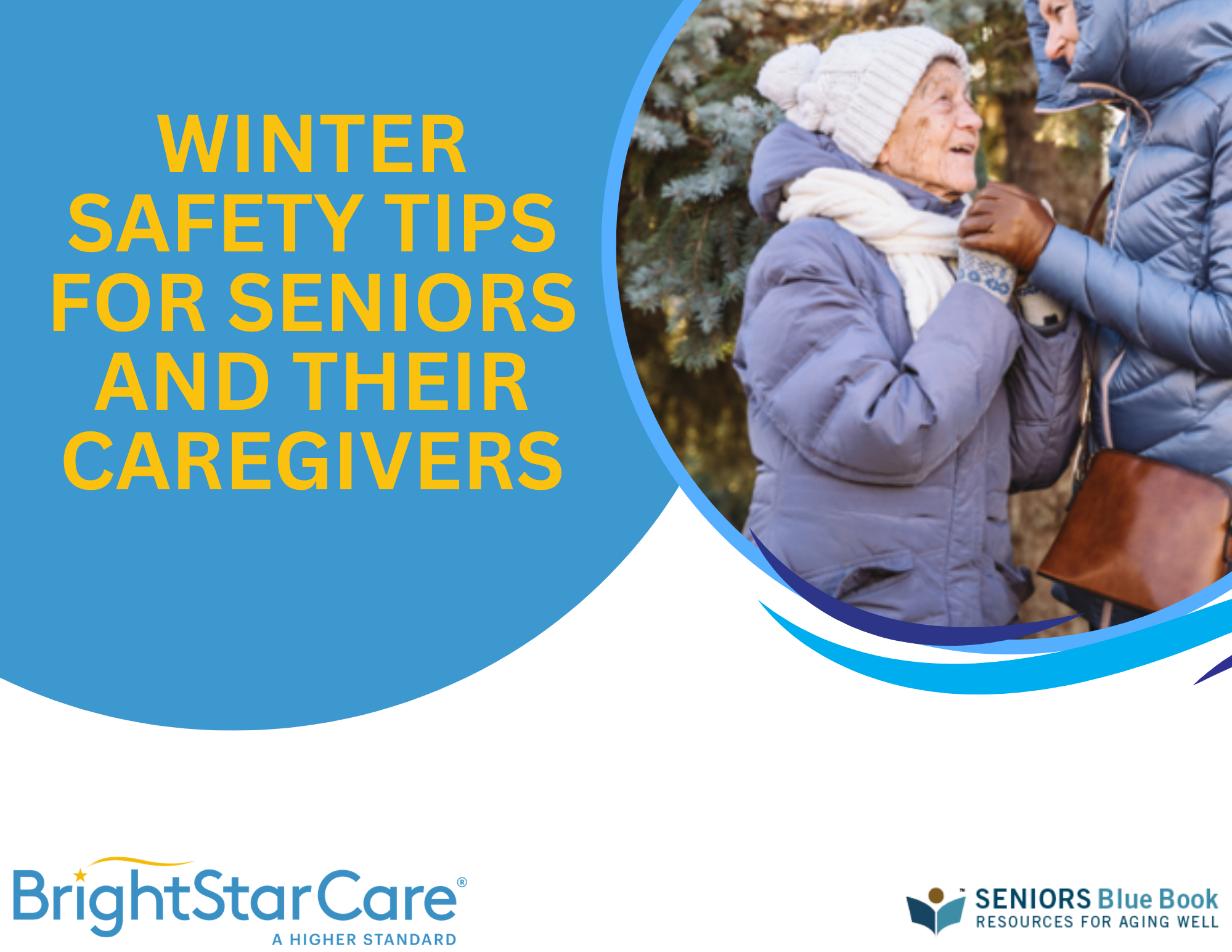
Winter Safety Tips for Seniors and Their Caregivers
BrightStar Care
For more information about the author, click to view their website: BrightStar Care
Sep 03, 2026
Utah - Utah


With cooler temperatures, snowy landscapes, and holiday
gatherings with family and friends, winter is a time of joy and festivity for
many. But this season also brings potential risks for the health and well-being
of older adults.
Proactive planning and preparation can make all the
difference in staying safe and healthy during the colder months. Learn more
about how to avoid weather-related injuries, illnesses, and more in our winter
safety guide below.
Preventing Falls Outside When It's Icy or Snowy
Harsh winter conditions can create more opportunities for
slips and falls among the elderly. Sidewalks, driveways, and stairs can quickly
accumulate snow and ice that can be dangerous and difficult for anyone but is
more so if you have existing mobility issues.
Fortunately, you or your loved one can reduce the risk of falls with some fall prevention
tactics
- Before
the season arrives, install railings along steps and walkways.
- Keep
walkways shoveled and clear of ice. If you’re unable to remove snow and
ice yourself, consider hiring someone to take care of this.
- Wear
rubber-soled, low-heeled footwear with good traction.
- Use
canes, walkers, or other mobility aids for support.
- Stay
indoors if conditions are slick. Delivery services or family and friends
can help bring you any essentials.
Avoiding Outdoor Health Risks in Winter
Cold weather can bring other physical threats if you aren't
cautious. Hypothermia and frostbite are potential risks for anyone, but older
adults may be more susceptible.
Aging often means decreased metabolism and less ability to
regulate body temperature. Seniors who have lost muscle mass, lower levels of
body fat, and thinner skin have less natural insulation. Additionally, people
with conditions like diabetes or heart disease may also have poor circulation,
which makes it harder to retain heat.
Take Safety Precautions When It's Cold
Follow outdoor winter safety best practices to reduce the
risk of hypothermia and frostbite:
- Don't
spend long periods of time outside when the temperature is near or below
freezing.
- If you
do need to go out, dress in warm clothes, including a hat, scarf, and
gloves. Wear a waterproof jacket if it's raining or snowing.
- Let
someone know your plans if you leave home and could be out a long time in
the cold. Take a fully charged cellphone with you, and if practical, have
a blanket and an emergency kit at the ready.
- Eat
enough healthy food to maintain your weight and limit alcohol intake. This
can improve your body's ability to effectively conserve heat.
- Stay
active to keep your blood circulating and your muscles warm.
Know the Signs of Hypothermia
Hypothermia happens when your core temperature falls
below 95°F. That isn’t something you can easily measure, so it’s crucial to
know the signs and symptoms, as hypothermia can quickly develop into a medical
emergency that can lead to heart arrhythmia, heart failure, and kidney or liver
damage.
Symptoms of hypothermia include:
- Cold
hands and feet
- Swollen
face
- Paler
than usual skin
- Shivering
- Slow
or slurred speech
- Sleepiness
- Confusion
With prolonged exposure to cold temperatures, you may notice
jerky movements, slowed breathing or heart rate, or even loss of consciousness.
When to take action: With any signs of hypothermia,
get to a warm location indoors as quickly as you can. Change out of any wet
clothing and put on dry items and wrap up in a coat or blanket. It's the safest
bet to call 911 in all cases, but it's crucial to do so if there are any
cognitive symptoms, movement issues, or breathing difficulty or if you or your
loved one is unable to warm up.
Realize the Dangers of Frostbite
Frostbite can happen any time skin is exposed to a
temperature or wind chill that's at or below the freezing point: 32°F. Hands,
feet, nose, and ears are the most common sites for developing frostbite, which
can cause permanent damage to skin, tissue, nerves, and the musculoskeletal
system. In severe cases, it can lead to gangrene and require amputation.
The first stage is frostnip, where you may feel light pain,
tingling, and numbness. Symptoms that indicate an increasing danger of
frostbite include:
- Hard
and cold skin
- Changes
in skin color (including red, white, blue, gray, purple, or brown)
- Aching
or throbbing
- Joint
stiffness
- Loss
of feeling
When to take action: At the first sign of frostbite,
head indoors as soon as possible. Remove any jewelry from the affected area
before it swells. Contact emergency or urgent care and follow their
instructions. The Mayo Clinic recommends treatment with a slow
rewarming process by soaking the frostbitten area in warm water. Do not use hot
water or apply direct heat, such as from a heater, heating pad, heat lamp, or
blow dryer.
Preparing for Wintertime in Your Home
It's just as important to be cautious when you spend time
inside during cold-weather months. Even indoors, hypothermia can be a risk for
some people. Plus, there are utility, electrical, heat efficiency, and falling
concerns inside the home.
Here are some ways to help keep your home warm and safe throughout winter:
Thermostat Settings
Keep your indoor temperature above 68°F. Officials warn that even
mildly cool homes set at a continuous 60-65°F can lead to hypothermia in older
adults, especially those who are frail and inactive.
Utility and Appliance Checks
Get a check at least once a year that your home's power and
heat sources, including fireplaces—are reliable and safe for use. Be prepared
with plans in case you face an extended outage, gas leak, electrical issue, or
carbon monoxide problem.
Heating Devices
Use caution with space heaters, heating pads, and electric
blankets. Always remember to unplug them after use and whenever you leave your
home. While heating devices can be beneficial for staying warm indoors, they
can be health and fire hazards if not used and maintained properly.
Insulation Hacks
Boost your home's heat efficiency by eliminating drafts
around doors and windows with weather stripping or caulk. On sunny days, open
blinds and curtains to let in natural heat, but close them before nightfall to
help trap the warmth inside.
Fall Prevention Measures
Since it gets dark early, make sure you have good lighting
throughout your home. Wipe floors dry right away if people come inside wearing
wet shoes, and place absorbent, nonslip rugs at entrances and along main
pathways through the house.
Understanding the Impact of Cold on Seniors' Health
Sometimes, cold temperatures can trigger certain health
issues for seniors, while other health issues make it harder for seniors to
tolerate the cold. Factor in seasonal mental health concerns, and there's a lot
to look out for.
Conditions that Get Worse with Cold Weather
Take some precautions if you or your loved one has these
health issues:
- Asthma:
Humidity in the air often drops when the temperature drops, and the
combination can dry out or irritate your airways and trigger asthma flare-ups .
- Eczema:
People with this chronic condition are already dealing with dry skin that
can feel tight, itchy, inflamed, bumpy, or scaly. Cold, blustery winds and
air with low humidity help moisture evaporate faster, making worse.
- Cardiovascular
Disease: Cold temperatures can make blood vessels constrict to keep
blood closer to the core of the body. This increases blood pressure even without any exertion.
- Raynaud's
Syndrome: Exposure to cold can trigger this phenomenon. With Raynaud's , small blood vessels under the skin react
to temperature drops by constricting so much that fingers, toes, and other
extremities can become bloodless and numb.
Conditions that Make It Harder to Handle the Cold
Certain afflictions can prevent aging people from making
themselves warm enough to withstand cold temperatures. Here are some of the
most common issues and the challenges they pose:
|
Health
Issue |
Difficulties
in Cold Weather |
|
Arthritis |
Joint
flexibility challenges can make it difficult to dress in enough layers |
|
Decreased
Muscle Mass and Slower Metabolism |
Body
may be less effective in generating additional heat in response to cold |
|
Diabetes |
Reduced
blood flow can lower ability to produce enough body heat |
|
Hypothyroidism |
Body
less able to regulate temperature |
|
Memory
Conditions (such as Alzheimer’s disease or dementia) |
Can
prevent remembering to dress appropriately for the weather |
|
Parkinson’s
Disease |
Body
less able to regulate temperature; mobility challenges can make it difficult
to dress in enough layers or move to a warmer location |
|
Peripheral
Vascular Disease |
Decreased
circulation can lower ability to produce enough body heat |
|
Stroke |
Can
affect body’s ability to regulate temperature |
Mental Health Considerations for Seniors in Winter
Cold and short days can lead people to feel isolated and
depressed. Seniors need to have someone they can reach out to if the winter
doldrums bring them down.
If you have senior friends or family, take time to check on
them, especially if they don't get out much. Whether indoors when it’s chilly
or outdoors on warmer days, seek out hobbies and social activities that support
seniors' mental and emotional well-being all season.
Forming Good Habits to Fight Winter Illnesses
Although chilly temperatures don't directly cause the common
cold or the flu, they play a role in the spread of respiratory
illnesses.
Cold air with low humidity levels can in the nose and throat and reduce your immune defenses, making it easier for germs and
viruses to take hold. People also usually spend more time indoors during
winter, creating more opportunities for person-to-person contact.
Maintaining healthy habits and preventive care can help you
reduce the risk of getting sick.
- When
going out in public or attending social gatherings, avoid crowds and
people who are sick. Wash your hands frequently and try not to touch your
nose or mouth.
- Eat properly
and stay hydrated. support your immune system and help your body
generate heat and energy. Warm soups, fruits, vegetables, and drinks like
apple cider or tea promote hydration while also keeping you feeling cozy.
- Continue
to visit the doctor for routine appointments and when you don't feel well.
Healthcare shouldn't be put off until spring. Also, stay up to date
on vaccines recommended for seniors, such as flu and
pneumonia.
- Remain
active as much as possible and take in some sunlight when you can. The
increased blood circulation and Vitamin D exposure can help keep your
immune system strong.
Focus on Safety and Health with Help from BrightStar Care
Being proactive and attentive is the key to staying safe and healthy during the holidays. With proper precautions and adequate preparation, you and your loved ones can avoid injury and illness and enjoy the winter season.
- To view the original version of this article visit www.brightstarcare.com/blog/winter-safety-tips-for-seniors/?types=&services=&medicalDiagnosis=&topics=&sortBy=newest&page=5
- Seniors Blue Book was not involved in the creation of this content.
Other Articles You May Like
Personal Care Assistance for Seniors in Ocean County, NJ
Personal Care Assistance for Seniors in Ocean County, NJMaintaining independence is an important priority for many older adults. From choosing what to wear each morning to following a familiar bedtime routine, everyday activities help people feel comfortable, confident, and in control of their lives.As people age, however, some personal care tasks may gradually become more challenging.Changes in balance can make stepping into a shower difficult. Arthritis may complicate fastening buttons or handling grooming tools. Reduced strength can make standing, walking, or transferring between furniture more demanding.For families, recognizing these changes can raise important questions.How can an older adult continue living at home when bathing becomes difficult? What assistance is available for someone who struggles to get dressed? How can personal care be provided while respecting privacy and dignity?For seniors throughout Ocean County, New Jersey, professional in-home personal care assistance offers an option for addressing these everyday needs without immediately changing living arrangements.Home Instead Serving Ocean County provides personalized home care services designed to support older adults who need assistance with activities of daily living.Through appropriately qualified caregivers and individualized care arrangements, Home Instead helps seniors receive practical assistance with bathing, grooming, dressing, mobility, and personal routines in familiar surroundings.Understanding the role of professional personal care can help families make informed decisions about the support their loved ones need.What Is Personal Care Assistance?Personal care assistance focuses on helping individuals complete essential daily activities that may become difficult because of age-related changes, illness, disability, or reduced mobility.These activities are commonly described as activities of daily living, or ADLs.Common Activities of Daily LivingPersonal care assistance may include support with:Bathing and showeringDressing and undressingGroomingToiletingPersonal hygieneWalking and mobilityTransferring between positionsEating and drinkingMorning routinesBedtime routinesThe appropriate level of assistance depends on the individual's functional abilities, preferences, and care plan.Personal Care Is Different From Household AssistanceLight housekeeping, grocery shopping, and general companionship are valuable home care services.However, personal care focuses more directly on assistance with the individual's body, hygiene, physical movement, and daily self-care activities.These tasks may require specific caregiver training or certification.Why Personalization MattersOne older adult may need only steadying assistance while dressing.Another may require more extensive support with bathing and transfers.An effective care plan reflects those differences.Personal Care Services From Home Instead Serving Ocean CountyHome Instead provides in-home support for older adults who want to continue living in familiar surroundings.Its Ocean County services include assistance with personal care activities, mobility, and daily routines.Available Areas of SupportDepending on the individualized care plan, services may include:Bathing assistanceShower supportDressingGroomingToileting assistanceMobility supportTransfersPersonal hygieneMeal-related assistanceMorning and evening routinesAppropriately Qualified CaregiversHome Instead Serving Ocean County employs caregivers with New Jersey Certified Home Health Aide qualifications for assignments requiring that level of personal care.These qualifications are important because personal care tasks must be performed within applicable professional requirements.Care That Respects Individual PreferencesPersonal care involves sensitive activities.A thoughtful approach considers the person's comfort, privacy, abilities, and established routines.Caregivers should encourage participation whenever appropriate rather than automatically taking over every task.Bathing Assistance for Older AdultsBathing is an essential part of personal hygiene, but it can become physically demanding.Wet surfaces, awkward movements, and the need to step over bathtub edges can create additional challenges.Some seniors begin avoiding showers because they worry about losing their balance.Others experience difficulty washing certain areas because of limited flexibility.How Bathing Assistance May HelpDepending on the care plan, assistance may include:Preparing bathing suppliesHelping with safe movement into the bathing areaAssistance with washingProviding appropriate physical supportHelping with dryingAssisting with clean clothingSupporting established hygiene routinesRespecting Personal ComfortSome older adults feel embarrassed about needing assistance with bathing.Caregivers should explain what they are doing, request permission when appropriate, and maintain privacy.Consider the Bathroom EnvironmentFamilies may benefit from reviewing bathroom safety features, including lighting, grab bars, nonslip surfaces, and appropriate bathing equipment.A qualified occupational therapist or other appropriate professional can recommend modifications based on individual needs.Dressing Assistance While Preserving IndependenceGetting dressed may seem simple until arthritis, weakness, limited flexibility, or coordination difficulties make clothing difficult to manage.Buttons, zippers, socks, and shoes can present everyday challenges.Dressing Support May IncludeSelecting appropriate clothingOrganizing garmentsAssisting with buttons and fastenersHelping with socks and shoesSupporting clothing changesManaging seasonal clothing needsAssisting with dressing after bathingEncourage Personal ChoiceClothing is part of individual identity.Older adults should have opportunities to choose their outfits, colors, and preferred styles whenever possible.Adaptive Clothing and AccessoriesSome individuals benefit from clothing with easier fasteners, comfortable fabrics, or footwear designed for stability.Families can seek recommendations from qualified professionals when specific adaptations are needed.Assistance Should Match AbilitiesSomeone who can put on a shirt independently may only need help with shoes.Providing targeted assistance can help maintain existing skills and personal confidence.Grooming and Daily Hygiene SupportGrooming routines contribute to personal comfort and self-expression.Activities such as brushing hair, shaving, and caring for teeth may become difficult when hand strength or coordination changes.Common Grooming ActivitiesPersonal care assistance may involve:Hair brushingHair stylingFace washingOral hygiene assistanceDenture-related routinesShaving assistanceBasic skin hygieneNail care within the caregiver's permitted scopePreparing personal grooming suppliesWhy Familiar Routines MatterAn older adult may have followed the same grooming routine for decades.Maintaining preferred products and habits can help preserve a sense of normalcy.Observe ChangesCaregivers may notice skin irritation, discomfort, or other concerns during everyday assistance.Potential medical issues should be communicated to the appropriate healthcare professional rather than independently diagnosed or treated.Toileting and Incontinence AssistanceToileting assistance is another important area of personal care.Changes in mobility, bladder control, or physical strength may make bathroom routines difficult.Support May IncludeDepending on the individual's needs:Assistance reaching the bathroomHelp with clothingAppropriate toileting supportHygiene assistanceIncontinence product changesMaintaining a comfortable bathroom routineHelping the person return safely to an appropriate positionProtecting DignityToileting is a private activity.Caregivers should approach assistance respectfully, communicate clearly, and avoid unnecessary exposure.When Medical Evaluation Is NeededNew or worsening incontinence, pain, bleeding, or other concerning symptoms should be discussed with a healthcare professional.Personal care assistance supports hygiene and daily routines but does not replace medical evaluation.Mobility Assistance at HomeMoving comfortably through the home is essential for many daily activities.Reduced strength, balance problems, pain, or a recent illness may affect walking and standing.Mobility Support May IncludeAssistance with walkingMoving between roomsAppropriate supervisionHelping maintain clear pathwaysSupporting use of prescribed mobility aidsAssistance with standingTransfers within the caregiver's authorized scopeWhy Mobility Needs Should Be AssessedSome individuals require minimal assistance.Others need more extensive support or specialized equipment.A physical therapist or other qualified healthcare professional can assess functional limitations and recommend appropriate mobility techniques.Avoid Unsafe LiftingCaregivers should not attempt transfers beyond their training, qualifications, available equipment, or the established care plan.Families should communicate significant mobility changes promptly.Safe Transfers Between PositionsA transfer involves moving between positions or surfaces, such as from a bed to a chair.Transfers can become challenging when an older adult has weakness, balance limitations, or reduced coordination.Common Transfer SituationsThese may include:Bed to chairChair to standingWheelchair to another surfaceToilet transfersGetting into or out of bedWhy Proper Techniques MatterIncorrect transfer methods may create risks for both the older adult and caregiver.Appropriate techniques depend on the individual's abilities and the equipment available.Professional Guidance Is ImportantFamilies should seek professional assessment when an older adult requires substantial physical assistance.Caregivers should follow approved care plans and relevant training.Morning Personal Care RoutinesThe first part of the day can involve several activities requiring physical effort.An older adult may need assistance moving out of bed, using the bathroom, getting dressed, and preparing for breakfast.A Morning Care Plan May IncludeAssistance getting upToiletingWashing and groomingDressingMobility supportPreparing for breakfastMaintaining familiar morning habitsWhy Routines Should Be IndividualizedSome seniors prefer an early start.Others feel more comfortable getting ready later in the morning.Care schedules should reflect the person's needs and preferences where practical.Encourage ParticipationA caregiver may prepare supplies or provide physical support while the older adult performs tasks they can still manage.This approach can help preserve everyday involvement.Evening and Bedtime AssistanceEvening routines can be challenging when an older adult experiences fatigue or reduced mobility.Some individuals need assistance preparing for bed but remain comfortable alone during other parts of the day.Evening Support May InvolveChanging into sleepwearWashing and groomingToiletingPreparing the sleeping areaTransferring into bedOrganizing frequently used personal itemsHelping maintain a familiar bedtime routineConsider AccessibilityItems such as glasses, water, telephones, and mobility aids should be positioned appropriately for the individual's needs.When Overnight Support May Be NeededSome older adults require assistance beyond the evening routine.Families should discuss available overnight or extended care options with the provider.Personal Care After HospitalizationReturning home after a hospital stay can bring temporary or ongoing changes in physical functioning.An older adult may feel weaker, tire more quickly, or require help with self-care.Possible Personal Care NeedsThese may include:Bathing assistanceDressingToileting supportMobility supervisionTransfersMorning and evening assistanceHelp maintaining established routinesFollow Discharge InstructionsHospital discharge plans may include activity restrictions, rehabilitation recommendations, or equipment needs.Home care arrangements should be compatible with those instructions.Clinical Care Is SeparateWound treatment, medication administration, medical monitoring, and rehabilitation therapies may require licensed healthcare professionals.Families should clarify which tasks are appropriate for personal care aides and which require separate clinical services.Preserving Dignity During Personal CareAccepting help with bathing or dressing can be emotionally difficult.Older adults who have managed independently for decades may feel uncomfortable relying on someone else.Why Dignity MattersPersonal care involves the body, privacy, and deeply established routines.A supportive caregiver should respect the person's preferences and communicate before assisting.Ways to Encourage ComfortThese may include:Explaining each stepAsking about preferencesMaintaining appropriate privacyAllowing adequate timeAvoiding unnecessary rushingEncouraging independent participationRespecting preferred clothing and grooming habitsBuilding Trust Takes TimeA new care arrangement may require an adjustment period.Families should communicate concerns and preferences so the plan can be refined.Supporting Seniors With Arthritis or Reduced DexterityArthritis and other conditions affecting the hands can interfere with daily self-care.Tasks that require gripping, twisting, or fine movements may become frustrating.Common ChallengesThese may include:Fastening buttonsHandling toothbrushesUsing grooming toolsPulling on socksOpening containersManaging clothing fastenersPractical AssistanceCaregivers can help with tasks the individual finds difficult while allowing them to complete manageable steps independently.Adaptive EquipmentAn occupational therapist may recommend tools such as adapted handles, dressing aids, or other equipment.Such recommendations should match the individual's abilities.Personal Care for Seniors With DementiaDementia can affect the ability to organize and complete personal care activities.A person may forget the order of steps involved in bathing or become confused about dressing.Some individuals may resist care because they do not understand what is happening.Helpful Care ApproachesDepending on individual needs, strategies may include:Maintaining familiar routinesUsing simple explanationsPresenting one step at a timeAllowing additional timeOffering limited clothing choicesReducing unnecessary distractionsRespecting personal preferencesAvoid Unnecessary ConfrontationIf a person becomes distressed, the caregiver should respond according to the established care plan and applicable training.Communicate ChangesNew or worsening confusion, agitation, or physical symptoms should be reported to appropriate healthcare professionals.Home Instead offers dementia-related home care services, and families can discuss how personal care support may fit into an individualized arrangement.Recognizing When Personal Care Assistance May Be NeededSome older adults ask for help directly.Others may minimize difficulties because they worry about losing independence.Families can look for patterns that suggest daily self-care is becoming difficult.Possible IndicatorsThese may include:Difficulty entering or exiting the showerWearing the same clothing repeatedlyTrouble managing buttons or footwearReduced attention to groomingIncreased difficulty walkingNeeding assistance standingConcerns about toiletingFatigue during daily routinesIncreased risk during transfersBegin With Respectful QuestionsRather than focusing only on what the older adult can no longer do, ask which activities would be easier with a little assistance.Avoid Assuming a DiagnosisChanges in self-care may have different causes.A healthcare evaluation can help identify medical or functional concerns.Working With Family CaregiversSpouses and adult children frequently assist with personal care.However, these responsibilities can become physically demanding or emotionally difficult.Common Family ChallengesThese may include:Helping with transfersManaging bathing routinesBalancing care and employmentMaintaining privacyHandling increasing physical needsFinding time for other responsibilitiesProfessional Personal Care SupportScheduled caregivers may help share some of these responsibilities.This can allow family members to focus on companionship and personal relationships.Family Involvement Remains ImportantProfessional caregiving does not eliminate the value of family participation.Clear communication can help everyone understand the care plan and changing needs.Developing a Personalized Personal Care PlanA personal care arrangement should be based on the older adult's actual functional needs.A plan may need to consider physical abilities, personal preferences, mobility, and daily routines.Questions to DiscussWhich bathing tasks require assistance?Can the person dress independently?Are transfers difficult?Is toileting support needed?Does the individual use a walker or wheelchair?Are there cognitive concerns?What time of day is help most important?Does the individual have preferred routines?Are there current medical restrictions?Match Caregiver Qualifications to TasksSome personal care activities require specific training or certification under New Jersey requirements.Families should confirm that the provider assigns appropriately qualified caregivers.Review the Plan When Needs ChangeCare requirements may increase, decrease, or change following illness, recovery, or new mobility concerns.Reassessment can help keep services aligned with the person's needs.Choosing a Personal Care ProviderWhen comparing providers, families should look beyond general descriptions of home care.It is important to understand exactly how hands-on assistance is delivered.Questions to AskAre caregivers qualified to provide hands-on personal care?How are bathing and transfer needs assessed?How is the care plan developed?Can the schedule accommodate morning or evening care?What happens if the regular caregiver is unavailable?How are care changes communicated?Which tasks are outside the caregiver's scope?Are overnight arrangements available?How are personal preferences addressed?What are the service rates and minimum hours?Verify Current DetailsScheduling, staffing, and services may change.Home Instead Serving Ocean County can provide current information about care arrangements and availability.Understanding Personal Care CostsThe cost of personal care assistance depends on factors such as the frequency, duration, and complexity of services.Factors That May Influence PricingThese may include:Number of care hoursDays per weekMorning or evening schedulingOvernight assistanceWeekend coverageMobility-related needsCaregiver qualificationsOther service requirementsInsurance and Benefit ConsiderationsOriginal Medicare generally does not cover ongoing custodial personal care as a standalone service.Certain qualifying home health services may be covered under separate requirements.Other possible funding sources depend on eligibility and policy terms.These may include long-term care insurance, certain public programs, or applicable veterans' benefits.Ask for Clear Written InformationFamilies should request information about costs, minimum visit requirements, cancellations, and service agreements before arranging ongoing care.Expert Tip: Focus on What the Senior Can Still DoPersonal Care Tip: When developing a care plan, identify not only the tasks requiring assistance but also the activities the older adult can complete independently. Ask caregivers to support those abilities whenever appropriate. Helping with a difficult step while preserving the person's participation can promote confidence and respect personal independence.Personal care should provide assistance where needed without unnecessarily taking away choice.Frequently Asked Questions About Personal Care Assistance1. What personal care services does Home Instead Serving Ocean County provide?Home Instead provides assistance with activities of daily living, including bathing, dressing, grooming, toileting, mobility, and transfers, according to individual care needs and caregiver qualifications.2. Can Home Instead help an older adult with bathing and showering?Yes. Bathing assistance is among the personal care services provided by Home Instead. The appropriate level of assistance depends on the person's mobility, care plan, and individual needs.3. Are Home Instead caregivers qualified to provide hands-on personal care?Home Instead Serving Ocean County employs New Jersey Certified Home Health Aides for assignments requiring personal care qualifications. Families should confirm the assigned caregiver's credentials and authorized services.4. Can personal care services help seniors remain in their own homes?Personal care assistance may help older adults manage daily self-care activities while continuing to live at home. Whether remaining at home is appropriate depends on the person's overall health, supervision needs, and available support.5. How can families arrange personal care assistance with Home Instead Serving Ocean County?Families can contact the local Home Instead office to discuss bathing, grooming, dressing, mobility, and other daily living needs. The provider can explain assessment procedures, available care arrangements, staffing, and current costs.Helping Seniors Maintain Comfort, Confidence, and IndependencePersonal care needs can change gradually as older adults experience differences in strength, balance, coordination, or mobility.Activities such as bathing, dressing, grooming, and moving safely through the home may begin to require additional assistance.For many families, professional personal care offers a practical way to address these challenges while preserving familiar surroundings.The goal is not simply to complete tasks.Effective personal care should also respect privacy, maintain dignity, support personal preferences, and encourage independence whenever appropriate.For seniors throughout Ocean County, New Jersey, Home Instead Serving Ocean County provides in-home personal care assistance based on individual needs and daily routines.Its services include help with bathing, dressing, grooming, toileting, and mobility, delivered by appropriately qualified caregivers according to the care arrangement.Families can work with the provider to discuss what assistance is needed and develop a practical schedule.By understanding personal care options and recognizing when additional support may be useful, older adults and their families can approach changing needs with greater confidence.Learn More About Home Instead Serving Ocean CountyLooking for personal care assistance for an older loved one in Ocean County, New Jersey?Visit Home Instead Serving Ocean County on SeniorsBlueBook.com to explore its personal care assistance listing and learn more about services for seniors who need help with everyday activities.Personalized assistance can help older adults maintain familiar daily routines while receiving the support they need to remain comfortable in their own homes.
A Guide to Safer, More Accessible Living
Home Modifications for Seniors in New Jersey: A Guide to Safer, More Accessible LivingA home that once felt easy to navigate can become more challenging as mobility needs change.A few steps at the entrance may become difficult for someone using a walker. A narrow bathroom may make wheelchair access complicated. Stairs that once seemed manageable may now require more strength and balance than before.For older adults living in Bergen County and throughout New Jersey, these challenges can affect everyday comfort, safety, and independence.But changing physical abilities do not always mean a family must consider moving.Thoughtful home modifications can address accessibility barriers and help make familiar living spaces more functional.Amramp Accessibility of Northern & Southern NJ provides home accessibility solutions, including wheelchair ramps, stair lifts, vertical platform lifts, bathroom safety modifications, and professional accessibility assessments.Understanding how different modifications work can help families identify improvements that fit their homes and changing needs.What Are Home Modifications?Home modifications are changes made to a living environment to improve accessibility, usability, or safety.They may involve installing specialized equipment, adjusting existing features, or changing the layout of certain spaces.Some improvements are relatively simple, while others require more extensive planning and installation.Common Home Modifications for SeniorsExamples include:Wheelchair rampsStair liftsVertical platform liftsGrab barsAccessible shower arrangementsBathroom transfer supportsImproved lightingAdjusted door thresholdsWider doorways where feasibleAccessible entrywaysChanges to frequently used living areasThe appropriate improvements depend on the resident's mobility, abilities, and home environment.Why Home Accessibility Matters in New JerseyMany New Jersey homes were designed around traditional layouts rather than universal accessibility.Raised entrances, narrow doorways, multi-level floor plans, and high-sided bathtubs can create difficulties for individuals with mobility limitations.These challenges are particularly relevant for older homeowners hoping to remain in their communities.Bergen County's Aging PopulationAccording to U.S. Census Bureau estimates, approximately 19.8% of Bergen County residents are age 65 or older.This represents a substantial population for whom accessible housing and aging-in-place planning may become increasingly relevant.In communities such as Englewood, Hackensack, Fort Lee, Ridgewood, Teaneck, and Paramus, homeowners may need to adapt existing properties rather than move to different housing.The same consideration applies to families throughout Northern, Central, and Southern New Jersey.For many households, improving the home's accessibility is an important part of long-term planning.Home Modification 1: Accessible Entrances and Wheelchair RampsOne of the first areas to evaluate is the home's entrance.Even one or two steps can create barriers for individuals who use wheelchairs, walkers, or other mobility aids.How Wheelchair Ramps HelpA wheelchair ramp creates a sloped route between elevations, allowing compatible mobility equipment to travel along the pathway.Amramp offers modular and portable wheelchair ramp options, including rental solutions for qualifying short-term needs.When a Ramp May Be AppropriateA ramp may be considered when:A resident uses a wheelchair.Entrance steps have become difficult.Someone is returning home after surgery.A caregiver needs improved mobility access.A family is preparing for future accessibility needs.The design must account for the entrance height, available space, suitable slope, landings, and appropriate safety features.Why Custom Planning MattersAn entrance with several steps may require more ramp length than homeowners initially expect.Limited outdoor space can also affect the design.Professional planning helps determine whether a ramp is practical and which configuration may be suitable.Home Modification 2: Stair Lifts for Multi-Level HomesStaircases are another common source of mobility difficulties.Older adults with arthritis, weakness, or balance limitations may find climbing stairs physically demanding.A stair lift provides a motorized seated travel option between levels.Benefits of Stair LiftsFor an appropriate user, a stair lift may:Reduce the need to climb stairsMake upstairs rooms easier to reachDecrease physical effortSupport daily routinesAllow continued use of a multi-story homeChoosing the Right Stair LiftDifferent staircase configurations require different equipment.Straight staircases may accommodate straight stair lifts, while stairs with turns may require curved systems.The user must also be able to transfer safely and operate the lift.A professional assessment is necessary to determine suitability.Home Modification 3: Vertical Platform LiftsSometimes a ramp is not the most practical solution for a raised entrance.For example, a home may have a significant height difference between the driveway and porch but limited space for a long ramp.A vertical platform lift may be an alternative.How Platform Lifts WorkA vertical platform lift carries the user and compatible mobility equipment between designated elevations.It can provide access to raised entrances or other appropriate areas without requiring a long sloped path.When to Consider a Platform LiftA vertical platform lift may be worth evaluating when:The entrance has substantial elevation.Outdoor space is limited.A wheelchair user requires access between levels.A ramp configuration is impractical.A professional assessment identifies the lift as a suitable option.Platform lifts require appropriate installation, safeguards, power access, and maintenance.Families should also plan for emergencies and electrical outages.Home Modification 4: Bathroom Safety ImprovementsBathrooms deserve special attention in an accessible home.Wet surfaces, limited space, and frequent changes in position can make bathing and toileting difficult for people with reduced mobility.Grab Bar InstallationGrab bars provide designated support points during movements such as entering a shower or rising from a toilet.Their effectiveness depends on proper placement and secure installation.Accessible Shower FeaturesPotential changes include:Shower seatingLower shower thresholdsHandheld showerheadsAppropriate slip-resistant surfacesBetter lightingAccessible transfer arrangementsImproving Toilet AccessSome individuals may benefit from toilet-area grab bars or changes to fixture height.Recommendations should reflect the person's strength, balance, and transfer ability.Amramp provides bathroom safety upgrades as part of its home modification services.Home Modification 5: Improving Everyday MovementNot every accessibility improvement involves large equipment.Changes to the home's layout can also help.Hallways and DoorwaysFamilies should check whether hallways and doorways provide appropriate clearance for the resident's mobility equipment.Furniture may need to be rearranged to improve movement.LightingGood lighting helps users recognize obstacles and changes in flooring.Consider lighting near:StaircasesBathroomsHallwaysBedroomsEntrywaysFlooringLoose rugs, damaged flooring, and slippery surfaces can contribute to fall hazards.Appropriate repairs and maintenance can improve the walking environment.Frequently Used ItemsEssential household items should be stored where they can be reached without unsafe stretching, bending, or climbing.These adjustments can complement larger home accessibility projects.Temporary Versus Long-Term Home ModificationsFamilies often wonder whether they should invest in permanent equipment or choose temporary arrangements.The answer depends on the individual's expected needs.Temporary Accessibility NeedsTemporary solutions may be appropriate following:Joint replacement surgeryAn injuryA rehabilitation stayA short-term mobility restrictionA temporary caregiving arrangementFor example, a ramp rental may help someone navigate the entrance while recovering.Long-Term Accessibility NeedsMore lasting modifications may be appropriate when mobility limitations are expected to continue.These may involve permanently installed equipment or changes to several areas of the home.Questions to AskHow long is the equipment expected to be needed?Could the person's mobility improve?Are future changes likely?What are the rental and purchase costs?Will the equipment require maintenance?Can the modification be removed if no longer needed?A professional evaluation can help families make practical decisions.Home Modifications After Hospital DischargeReturning home after surgery, illness, or rehabilitation can be a major transition.A person who previously walked without assistance may now need a wheelchair, walker, or caregiver support.The home should be evaluated before discharge whenever possible.Preparing the HomeFamilies should consider:Entrance accessCan the individual enter the home using the prescribed mobility equipment?Sleeping arrangementsIs the bedroom accessible without difficult stair climbing?Bathroom accessCan the person safely use the toilet and bathing facilities?Caregiver supportIs there enough space for necessary assistance?Emergency planningCan the individual leave the home safely during an emergency?Equipment readinessWill needed devices and accessibility modifications be available when the person returns?Discharge planners and rehabilitation professionals can help identify mobility requirements.Amramp's accessibility services may help address recommended changes to the home environment.Understanding Home Modification CostsCosts vary widely depending on the equipment, property, and installation requirements.A simple improvement may cost substantially less than an extensive modification involving specialized equipment or construction.Factors That Affect PricingType of accessibility equipmentProperty layoutInstallation complexityMaterials and finishesCustomization requirementsPermit and inspection requirementsElectrical workMaintenance needsRental versus purchase arrangementsFamilies should request a written explanation of what is included before approving work.What About Insurance Coverage?Coverage depends on the insurance plan, type of equipment, and reason for the modification.Original Medicare generally does not cover most structural home modifications, although some other programs and benefits may have different eligibility requirements.Families should confirm available benefits directly with the relevant insurer or program administrator.Local aging services organizations may also be able to identify community resources or potential assistance programs.How Home Modifications Can Support Family CaregiversCaregivers often help older adults with walking, bathing, transfers, and daily activities.When the home is difficult to navigate, these tasks can create additional physical demands.Appropriate modifications may reduce some environmental barriers.For example:A wheelchair ramp may improve entrance access.Grab bars may provide designated support during certain movements.A stair lift may reduce stair-climbing demands for an eligible user.Better bathroom layouts may provide additional space for assistance.However, modifications do not replace professional guidance on safe lifting or transfer techniques.Families should seek appropriate healthcare advice when a loved one requires significant physical assistance.Why a Home Accessibility Assessment Is Worth ConsideringOne of the challenges in home modification planning is knowing where to begin.A family may recognize that the front steps are difficult but overlook bathroom hazards or narrow interior pathways.A home accessibility assessment takes a broader view.What an Assessment May IdentifyEntrance and exit barriersStaircase challengesBathroom safety concernsMobility equipment clearanceUnsafe walking routesEnvironmental fall hazardsAppropriate modification optionsPotential needs associated with changing mobilityThe goal is to create a plan that addresses the individual's actual difficulties.Amramp Accessibility of Northern & Southern NJ offers professional home accessibility assessments and equipment solutions for a range of mobility needs.Expert Tip: Focus on the Whole HomeHome Modification Tip: The most effective accessibility plan considers the complete route through the homefrom the driveway and front door to the bedroom, bathroom, and everyday living areas. Improving one space is helpful, but accessibility works best when the entire environment supports the resident's needs.This approach may help families prioritize improvements and avoid overlooking important barriers.Frequently Asked Questions About Home Modifications1. What are the most common home modifications for seniors?Common improvements include wheelchair ramps, stair lifts, grab bars, bathroom safety upgrades, vertical platform lifts, and adjustments to walking routes and lighting.2. Do I need to remodel my entire home to improve accessibility?Not necessarily. Many accessibility concerns can be addressed through targeted improvements. The extent of the work depends on the property and the individual's needs.3. Can home modifications help after surgery?Yes. Temporary or long-term accessibility improvements may make a home easier to navigate after surgery or rehabilitation. The appropriate changes should reflect healthcare recommendations.4. How do I determine which modifications are necessary?A professional home accessibility assessment can identify barriers and help families evaluate equipment and modification options.5. Can wheelchair ramps and accessibility equipment be removed later?Some modular ramps and other products may be removable or adjustable. Removal requirements depend on the specific equipment and installation. Ask the provider before purchasing or renting.Make Your Home More Accessible With Amramp Accessibility of Northern & Southern NJA safer, more accessible home can help older adults maintain familiar routines and participate more comfortably in everyday life.Whether a family needs wheelchair ramp installation, bathroom safety improvements, stair lift solutions, or a broader home accessibility plan, choosing appropriate modifications begins with understanding the person's needs.Amramp Accessibility of Northern & Southern NJ provides home modification solutions for seniors, individuals with disabilities, caregivers, and families throughout New Jersey.Ready to explore ways to make your home safer and more accessible?Visit Amramp Accessibility of Northern & Southern NJ on SeniorsBlueBook.com to learn more about home modification solutions and connect with the team.Taking a proactive approach to home accessibility can help create a living environment that supports safety, comfort, and independence for years to come.
Simple Changes That Help Prevent Falls
Bathroom Safety for Seniors in New Jersey: Simple Changes That Help Prevent FallsThe bathroom is one of the most frequently used rooms in any home, but it can also present significant challenges for older adults.Slippery surfaces, high bathtub walls, limited space, and a lack of sturdy handholds can turn everyday activities into potential safety concerns.For seniors living in Englewood, Bergen County, and surrounding New Jersey communities, making the bathroom more accessible can be an important step toward maintaining independence.Many families do not consider bathroom modifications until a loved one has experienced a fall or begins struggling with bathing.However, making improvements before an emergency occurs may help reduce risks and make daily routines more comfortable.Amramp Accessibility of Northern & Southern NJ offers bathroom safety solutions, including grab bar installation, shower accessibility improvements, and home safety assessments.Understanding common bathroom hazards and available modifications can help families make informed decisions.Why Bathroom Safety Is Important for Older AdultsBathrooms combine several conditions that can contribute to falls.Floors become wet, movements often require bending or turning, and stepping into a bathtub can challenge someone with limited strength or balance.According to the Centers for Disease Control and Prevention, more than one in four Americans age 65 and older reports falling each year.Falls can cause injuries, reduce mobility, and affect a person's confidence in managing daily activities.Not every fall occurs in the bathroom, but this room deserves special attention because routine activities may involve slippery surfaces and changes in body position.Common Bathroom Safety ConcernsOlder adults may experience difficulty with:Entering and exiting bathtubsStanding for extended periods in the showerRising from a low toiletWalking across wet flooringReaching for towels or toiletriesMaintaining balance while bathingUsing fixtures that are difficult to gripNavigating narrow bathroom spaces with mobility equipmentAddressing these challenges can make bathing and personal care more manageable.The Importance of Accessible Bathrooms in Bergen CountyBergen County has a large population of older adults, with U.S. Census Bureau estimates indicating that approximately 19.8% of residents are age 65 or older.In communities such as Englewood, Teaneck, Hackensack, Fort Lee, and Ridgewood, families may live in homes that were built before modern accessibility features became common.Traditional bathrooms often include high-sided bathtubs, limited floor space, and towel bars that are not designed to support a person's weight.These features may work well for someone without mobility limitations but become less practical as needs change.For older homeowners planning to remain in their properties, bathroom accessibility improvements can be an important part of long-term home planning.Common Signs a Bathroom Needs Safety ImprovementsBathroom accessibility needs do not always appear suddenly.Some changes develop gradually.Warning Signs Families Should NoticeHolding onto towel bars for supportTowel bars are generally not designed to support body weight.Using one for balance can be dangerous.Difficulty stepping over the bathtub wallReduced hip flexibility, knee pain, or poor balance may make entering a traditional tub challenging.Avoiding showersAn older adult may begin bathing less frequently because the process feels physically demanding or unsafe.Needing help standing from the toiletDifficulty rising may indicate that additional support or changes to fixture height should be considered.Experiencing slips or near-fallsEven when no injury occurs, a near-fall can signal that modifications are needed.Increased caregiver assistanceIf a family member must frequently provide physical support during bathing, a professional assessment may help identify safer techniques and equipment.Grab Bars: A Practical Bathroom Safety ImprovementGrab bars are among the most widely recognized bathroom accessibility features.They provide a designated handhold that may help users maintain balance during specific movements.Unlike ordinary towel racks, properly selected and installed grab bars are designed for support.Where Grab Bars May Be UsefulGrab bars may be considered:Near the shower entranceAlong shower wallsBeside a bathtubNear the toiletIn locations where users change positionAt transfer points identified during an accessibility assessmentTheir placement should reflect the user's reach, strength, and movement patterns.Why Professional Grab Bar Installation MattersInstalling grab bars requires more than choosing a convenient wall location.Proper installation must account for the wall structure, mounting method, intended loading, and fixture requirements.A poorly secured grab bar can become dangerous if it detaches when someone relies on it for support.Amramp Accessibility of Northern & Southern NJ provides grab bar installation as part of its bathroom safety services.Families should ask about suitable placement, materials, and installation requirements before proceeding.Creating a Safer Shower EnvironmentShowers can be difficult for individuals who experience fatigue, joint pain, or balance limitations.Improving accessibility may involve a combination of equipment and environmental changes.Shower SeatingA properly selected shower chair or bench can allow some individuals to bathe while seated.This may reduce fatigue associated with standing.However, seating must be stable, properly sized, and appropriate for the shower environment.Handheld ShowerheadsHandheld showerheads can make rinsing easier for individuals who need to remain seated.They may also assist caregivers who provide bathing support.Accessible Shower EntryHigh shower thresholds can make entry difficult for people using walkers or wheelchairs.Depending on the bathroom layout, lower-threshold or roll-in shower configurations may be worth evaluating.Non-Slip SurfacesAppropriate slip-resistant flooring and shower surfaces can improve traction.Families should avoid loose mats that may shift underfoot.Improved LightingAdequate lighting helps users identify fixtures, flooring changes, and obstacles.Lighting should illuminate the shower entrance, toilet area, and walking route.Making Toilet Use EasierToilet transfers can become challenging for older adults with reduced leg strength or joint mobility.An individual may struggle to lower themselves onto the toilet or rise afterward.Potential improvements include:Properly positioned support barsSuitable toilet heightAdequate clearance for mobility aidsImproved lightingClear pathwaysA layout that permits safe transfersThe appropriate arrangement depends on the user's abilities.A healthcare professional or occupational therapist may recommend additional equipment or techniques when transfers are difficult.How Bathroom Modifications Support Aging in PlaceAging in place involves making the home better suited to the person's needs.Because bathing and toileting are essential daily activities, bathroom accessibility has a direct connection to independence.Benefits of a More Accessible BathroomGreater confidenceAn older adult may feel more comfortable using a bathroom designed around their mobility needs.Reduced physical effortSupport bars, seating, and accessible fixtures may make certain movements less demanding.More convenient caregiver assistanceA better layout can provide safer working space for caregivers, although individual transfer and assistance needs must still be assessed.Improved everyday routinesAccessible bathrooms may allow users to participate more actively in personal care.Long-term adaptabilityModifications can be incorporated into a larger aging-in-place strategy as needs change.Bathroom Safety After Surgery or RehabilitationA bathroom may become unexpectedly difficult to use after a hospital stay.Someone recovering from a hip replacement, knee surgery, or another procedure may temporarily experience restrictions on bending, standing, or bearing weight.Before discharge, families should discuss mobility limitations with the healthcare team.Questions to Ask Before Returning HomeCan the person safely enter the shower?Is assistance required during transfers?Would shower seating be appropriate?Are grab bars needed?Can the person reach the toilet safely?Is there room for a walker?Are temporary modifications appropriate during recovery?Planning these details before returning home may help avoid unnecessary difficulties.Amramp's home accessibility services can be useful when families need to evaluate modifications for short-term recovery or ongoing mobility concerns.Bathroom Safety and Family CaregiversHelping someone bathe can involve physical strain, especially when the person has limited balance or mobility.Caregivers may feel pressure to lift or steady their loved one without appropriate equipment.This can create risks for both individuals.Bathroom modifications may help make some tasks more manageable.However, equipment does not replace safe transfer training.Caregivers should seek appropriate professional instruction when substantial physical assistance is required.Expert Tip: Do Not Wait for a FallBathroom Safety Tip: If an older adult is using towel racks, countertops, or shower doors to maintain balance, it may be time for a professional bathroom safety assessment. Everyday fixtures are not necessarily designed to provide dependable physical support.Early evaluation can help families identify concerns before they become emergencies.A Whole-Home Approach to Fall PreventionBathroom improvements are valuable, but other areas of the home also deserve attention.Families should evaluate:Entry steps and outdoor walkwaysStairwaysHallway lightingLoose rugsBedroom accessibilityDoorway clearanceFrequently used furnitureKitchen storage arrangementsAmramp provides broader accessibility services, including ramps, stair lifts, vertical platform lifts, and home modifications.Considering the complete home can help create a more coordinated accessibility plan.Frequently Asked Questions About Bathroom Safety1. Where should grab bars be installed in a bathroom?Placement depends on how the person enters, exits, stands, sits, and transfers. Common locations include the shower, bathtub, and toilet area. A professional assessment can identify appropriate positions.2. Are towel bars safe to use as grab bars?No. Ordinary towel bars generally are not designed to support a person's body weight. Properly installed grab bars should be used where physical support is needed.3. Can bathroom modifications help seniors age in place?Yes. Appropriate modifications may make essential daily activities more manageable and support continued living at home.4. Do bathroom safety improvements require complete remodeling?Not always. Some improvements, such as professionally installed grab bars, may be completed without a full renovation. More extensive changes depend on the bathroom and individual needs.5. When should families arrange a bathroom safety assessment?An assessment is worth considering when someone has difficulty bathing, experiences near-falls, requires increased assistance, or is returning home with new mobility limitations.Create a Safer Bathroom With Amramp Accessibility of Northern & Southern NJBathroom accessibility is an important part of creating a home that supports safety, comfort, and independence.Small improvements may help address everyday challenges, while more extensive modifications can accommodate changing mobility needs.For families in Englewood, Bergen County, and throughout Northern and Southern New Jersey, professional guidance can help determine which options are most appropriate.Amramp Accessibility of Northern & Southern NJ offers bathroom safety installation, grab bars, and other home accessibility solutions tailored to individual circumstances.Interested in making your bathroom easier and safer to use?Visit Amramp Accessibility of Northern & Southern NJ on SeniorsBlueBook.com to learn more about bathroom safety services and connect with the team.A thoughtful bathroom safety plan can help protect independence and make everyday routines more comfortable.
Local Services By This Author
.png)
BrightStar Care Salt Lake City East
Home Health 5320 South 900 East, Salt Lake City, Utah, 84117Personal CareServices OfferedPersonal safetyhome evaluationOutpatient pre- and post-op careFeedingOral and personal hygieneBathingToiletingAmbulationDressing and groomingExpertise with Alzheimers care memory loss, confusionReporting conditions and changes to supervisory RN and/or physicianSenior Companion Home Care ServicesAt BrightStar Care, we have a unique understanding of the issues todays families face, struggling more and more to find time for even the most basic activities amid ever-busier lives. Finding experienced and compassionate caregivers can be a challenge butit doesnt have to be.Our Companion Care servicesOur elderly companion services focus on improving the health and wellbeing of those entrusted to our care and our clients count on us for outstanding care and just about anything else they need, anytime, anywhere so they and their loved ones can get the most out of life.Adult and elderly home companion visitsAssist with writing letters and correspondenceHelp to connect with loved ones through e-mail andsocial mediaExpectant and newmother supportEngage instimulating activitiessuch as art projects and readingSchedule assistanceRespite and family reliefSitter servicesOur senior companion professionalsOurqualified, compassionate caregiversgo above and beyond to make more possible more support, more joy, more laughter in the lives of those we serve by truly engaging those in our care on an individual level. Our companion care services include comprehensive, around-the-clock support for anyone of any age who needs it. Whether its providinghome supportby helping with laundry, light housekeeping and meal planning and cooking, our caregivers are willing to give more of themselves to their work. BrightStar Care care professionals can also provideoutside support, like helping with shopping and errands, adult andsenior transportationto and from doctor appointments and social events in addition to providing travel companionship and more. We strive each and every day to get to know our clients to plan activities that will be both stimulating and enjoyable. Perhaps family and friends live far away, or you just need some relief from caring for a loved one fromrespite careto even the most basic, peer-level companionship, adult and senior assistance, ourcompassionate caregiversgo above and beyond to deliver upon our commitment to providing A Higher Standard of Care for those in our care.Trained, insured and bondedBrightStar Care caregivers will plan activities that will be both stimulating and enjoyable. We can provide any level of companionship you desire to achieve a quality of life you need.
.png)
BrightStar Care - Medical Staffing
5320 South 900 East, Murray, Utah, 84117Healthcare staffing is about more than just having the number of people you need. Its about having access to the people you wantdedicated, experienced professionals of the highest quality. No one understands this more than BrightStar Care of Salt Lake City East. BrightStar Care provides medical staffing solutions featuring the best qualified and most compassionate care professionals. Our commitment to a Higher Standard of Medical Staffing means you have a partner you can trust to provide quality care and the people you need. We provide personnel to hospitals, nursing homes, doctors offices, labs and anywhere healthcare staff is needed. Our nurses and caregivers pass in-depth screening, license verification, and background checks, and receive ongoing training.
.png)
BrightStar Care
Non-Medical 5320 South 900 East, Murray, Utah, 84117Personal CareServices OfferedAt BrightStar Care of Salt Lake City East, personal care services include:Personal safetyhome evaluationOutpatient pre- and post-op careFeedingOral and personal hygieneBathingToiletingAmbulationDressing and groomingExpertise with Alzheimers care memory loss, confusionReporting conditions and changes to supervisory RN and/or physicianSenior Companion Home Care ServicesAt BrightStar Care, we have a unique understanding of the issues todays families face, struggling more and more to find time for even the most basic activities amid ever-busier lives. Finding experienced and compassionate caregivers can be a challenge butit doesnt have to be.Our Companion Care servicesOur elderly companion services focus on improving the health and wellbeing of those entrusted to our care and our clients count on us for outstanding care and just about anything else they need, anytime, anywhere so they and their loved ones can get the most out of life.Adult and elderly home companion visitsAssist with writing letters and correspondenceHelp to connect with loved ones through e-mail andsocial mediaExpectant and newmother supportEngage instimulating activitiessuch as art projects and readingSchedule assistanceRespite and family reliefSitter servicesOur senior companion professionalsOurqualified, compassionate caregiversgo above and beyond to make more possible more support, more joy, more laughter in the lives of those we serve by truly engaging those in our care on an individual level. Our companion care services include comprehensive, around-the-clock support for anyone of any age who needs it. Whether its providinghome supportby helping with laundry, light housekeeping and meal planning and cooking, our caregivers are willing to give more of themselves to their work. BrightStar Care care professionals can also provideoutside support, like helping with shopping and errands, adult andsenior transportationto and from doctor appointments and social events in addition to providing travel companionship and more. We strive each and every day to get to know our clients to plan activities that will be both stimulating and enjoyable. Perhaps family and friends live far away, or you just need some relief from caring for a loved one fromrespite careto even the most basic, peer-level companionship, adult and senior assistance, ourcompassionate caregiversgo above and beyond to deliver upon our commitment to providing A Higher Standard of Care for those in our care.Trained, insured and bondedBrightStar Care caregivers will plan activities that will be both stimulating and enjoyable. We can provide any level of companionship you desire to achieve a quality of life you need.