.JPG)
.png)


About BrightStar Care Salt Lake City East
Personal CareServices OfferedPersonal safetyhome evaluationOutpatient pre- and post-op careFeedingOral and personal hygieneBathingToiletingAmbulationDressing and groomingExpertise with Alzheimers care memory loss, confusionReporting conditions and changes to supervisory RN and/or physicianSenior Companion Home Care ServicesAt BrightStar Care, we have a unique understanding of the issues todays families face, struggling more and more to find time for even the most basic activities amid ever-busier lives. Finding experienced and compassionate caregivers can be a challenge butit doesnt have to be.Our Companion Care servicesOur elderly companion services focus on improving the health and wellbeing of those entrusted to our care and our clients count on us for outstanding care and just about anything else they need, anytime, anywhere so they and their loved ones can get the most out of life.Adult and elderly home companion visitsAssist with writing letters and correspondenceHelp to connect with loved ones through e-mail andsocial mediaExpectant and newmother supportEngage instimulating activitiessuch as art projects and readingSchedule assistanceRespite and family reliefSitter servicesOur senior companion professionalsOurqualified, compassionate caregiversgo above and beyond to make more possible more support, more joy, more laughter in the lives of those we serve by truly engaging those in our care on an individual level. Our companion care services include comprehensive, around-the-clock support for anyone of any age who needs it. Whether its providinghome supportby helping with laundry, light housekeeping and meal planning and cooking, our caregivers are willing to give more of themselves to their work. BrightStar Care care professionals can also provideoutside support, like helping with shopping and errands, adult andsenior transportationto and from doctor appointments and social events in addition to providing travel companionship and more. We strive each and every day to get to know our clients to plan activities that will be both stimulating and enjoyable. Perhaps family and friends live far away, or you just need some relief from caring for a loved one fromrespite careto even the most basic, peer-level companionship, adult and senior assistance, ourcompassionate caregiversgo above and beyond to deliver upon our commitment to providing A Higher Standard of Care for those in our care.Trained, insured and bondedBrightStar Care caregivers will plan activities that will be both stimulating and enjoyable. We can provide any level of companionship you desire to achieve a quality of life you need.Home Health
- www.brightstarcare.com/salt-lake-city-east
- Private Pay, Private Insurance, Long Term Care Insurance, Veterans Administration, Other
- Free Assessment, 24 Hour Care, Activities, Diabetes Teaching Management, Home Health Aides / Assisting ADL, Live-in Services, Non-Medical Home Care, Medication Management
- Cardiac Care, Diabetic Care, Enteral (Tube) Feeding, IV Therapy, Lymphedema Mngt, Medication Mngt, Occupational Therapy, Orthopedic Care, Palliative Care, Physical Therapy, Skilled Nursing, Speech Therapy, Trach Care, Wound Care, Wound Vac, Wound/Ostomy Care Nurse
Additional Levels of Care Offered
.png)
BrightStar Care - Medical Staffing
5320 South 900 East, Suite #280, Salt Lake County, Murray, Utah, 84117Healthcare staffing is about more than just having the number of people you need. Its about having access to the people you wantdedicated, experienced professionals of the highest quality. No one understands this more than BrightStar Care of Salt Lake City East. BrightStar Care provides medical staffing solutions featuring the best qualified and most compassionate care professionals. Our commitment to a Higher Standard of Medical Staffing means you have a partner you can trust to provide quality care and the people you need. We provide personnel to hospitals, nursing homes, doctors offices, labs and anywhere healthcare staff is needed. Our nurses and caregivers pass in-depth screening, license verification, and background checks, and receive ongoing training.
.png)
BrightStar Care
Non-MedicalPersonal CareServices OfferedAt BrightStar Care of Salt Lake City East, personal care services include:Personal safetyhome evaluationOutpatient pre- and post-op careFeedingOral and personal hygieneBathingToiletingAmbulationDressing and groomingExpertise with Alzheimers care memory loss, confusionReporting conditions and changes to supervisory RN and/or physicianSenior Companion Home Care ServicesAt BrightStar Care, we have a unique understanding of the issues todays families face, struggling more and more to find time for even the most basic activities amid ever-busier lives. Finding experienced and compassionate caregivers can be a challenge butit doesnt have to be.Our Companion Care servicesOur elderly companion services focus on improving the health and wellbeing of those entrusted to our care and our clients count on us for outstanding care and just about anything else they need, anytime, anywhere so they and their loved ones can get the most out of life.Adult and elderly home companion visitsAssist with writing letters and correspondenceHelp to connect with loved ones through e-mail andsocial mediaExpectant and newmother supportEngage instimulating activitiessuch as art projects and readingSchedule assistanceRespite and family reliefSitter servicesOur senior companion professionalsOurqualified, compassionate caregiversgo above and beyond to make more possible more support, more joy, more laughter in the lives of those we serve by truly engaging those in our care on an individual level. Our companion care services include comprehensive, around-the-clock support for anyone of any age who needs it. Whether its providinghome supportby helping with laundry, light housekeeping and meal planning and cooking, our caregivers are willing to give more of themselves to their work. BrightStar Care care professionals can also provideoutside support, like helping with shopping and errands, adult andsenior transportationto and from doctor appointments and social events in addition to providing travel companionship and more. We strive each and every day to get to know our clients to plan activities that will be both stimulating and enjoyable. Perhaps family and friends live far away, or you just need some relief from caring for a loved one fromrespite careto even the most basic, peer-level companionship, adult and senior assistance, ourcompassionate caregiversgo above and beyond to deliver upon our commitment to providing A Higher Standard of Care for those in our care.Trained, insured and bondedBrightStar Care caregivers will plan activities that will be both stimulating and enjoyable. We can provide any level of companionship you desire to achieve a quality of life you need.
Videos
Continue Your Search! Explore More Local Options.
Start SearchingLet’s engage and get educated!
Browse through thousands of expert articles in over 100 different categories.
Browse NowArticles You May Like
Why Choose In-Home Care for Seniors
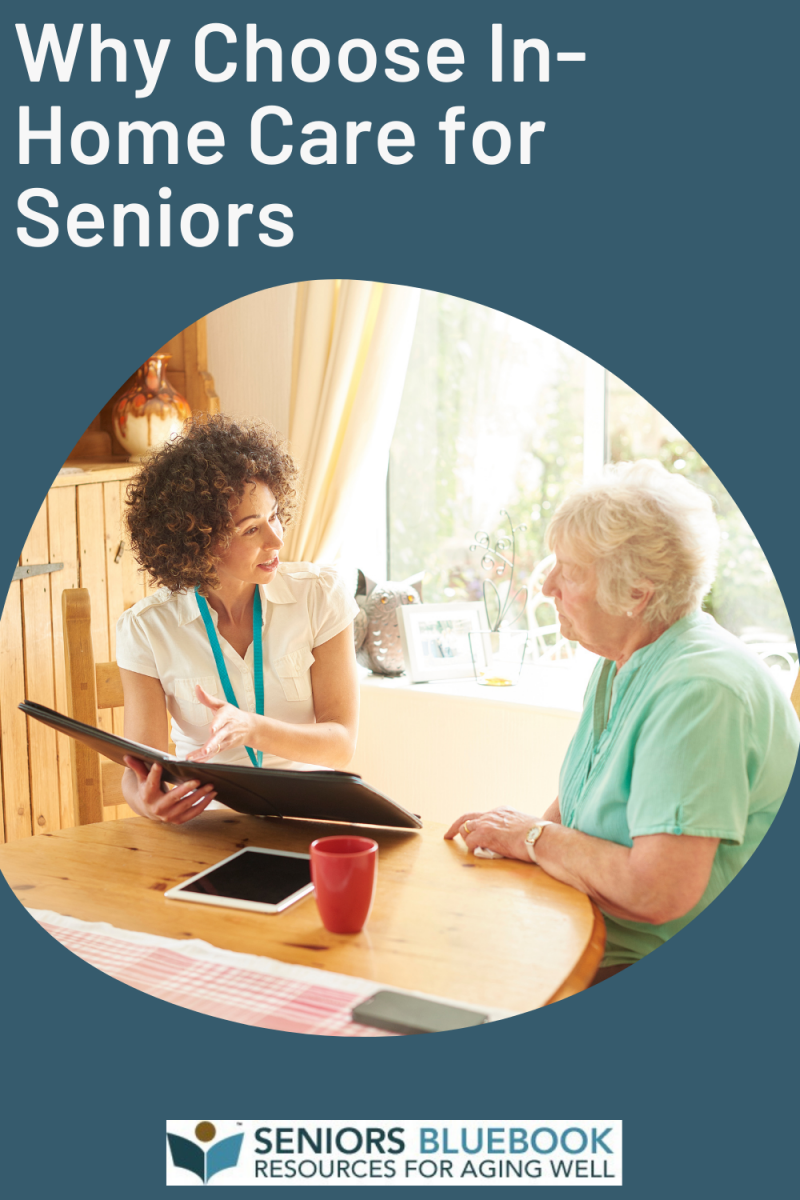
In home care is a great solution for many situations that may arise. It can be used in both short- and long-term circumstances, and can relieve the stress and difficulties that may arise without it. Whether its when caring for a child or an elderly loved one, sometimes we all need a little additional help. Before automatically opting for a nursing home or full-time daycare, consider the option of in-home healthcare that allows your loved one to receive treatment and care within the comfort of her or his own home. With the full continuum of homecare available from newborn care and nanny services to companion care to skilled medical care for the elderly, there is a wide array of situations where in-home caregivers can ease everyday stressors. Top reasons to utilize in-home caregivers: Old Age & Related Issues With old age comes an array of physical and emotional challenges. In-home caregivers can help assist elderly loved ones on a full-time basis or periodically throughout the week. This helps loved ones enjoy the comfort of their own homes and in many situations it allows them to hold on to their independence.Personal Care In-home care providers can take care of bathing, nail trimming, dressing, and toileting. In-home care providers are trained to provide professional service for demands ranging from simple to delicate tasks.Companionship Having someone you trust to spend time with is vital for happiness, and with a capable and kind provider, your loved one will receive consistent companionship with loving care.When a Nurse is Necessary Whether its a broken ankle or hip or a long-term illness, sometimes a regular nurse is necessary. To help keep yourself or loved ones on track with medications and check-ups, an in-home nurse can be very beneficial.Non-Ambulatory Situations Often times our loved ones fall into situations where assistance is required, but an ambulance or hospital is not necessary. In-home caregivers help keep worry at bay and ensure safety for your loved ones who can still be independent, but need someone who is qualified and supportive.When Parents are Sick Sometimes parents get sick and are temporarily unable to care for their young children. Whether its a debilitating illness or temporary illness like the flu, homecare agencies can help provide qualified babysitters on a temporary or long-term basis if the parents do not have the necessary resources.Too Sick for Work From a strong strain of the flu to work-related injuries, sometimes you're too sick for work but that doesn't mean you require hospital care. In situations where a little extra help is necessary, temporary in-home caregivers can provide relief and assistance in a comforting place without being deserted in a hospital setting.Meal Preparation An in-home caregiver can ensure your loved one receives balanced, nutritious meals every day. Plus, they can keep your loved one company while they eat. They are also prepared to meet any dietary restrictions.Errand Running An in-home caregiver can run errands for your loved one, or even bring them along. Grocery shopping can be an enjoyable outing for many seniors if they have a companion.Benefits of Home Care for Elderly Patients. Many doctors feel that a patient best recovers in a clinical, sterile environment. However, this has since been shown to be wrong and it may actually increase the risk of developing a hospital-acquired infection that can be deadly for some people and elderly people are particularly vulnerable, especially when recovering from an illness or injury. Providing care to patients in their homes with an in-home care provider can be helpful and it may also encourage better and faster healing because the patient will be more comfortable in a familiar environment.Elderly people will be able to be around family and friends so that they have the support and socialization necessary for a speedy recovery. Being able to recover at home also offers a degree of dignity and independence that is not usually present in a hospital setting.
Sep 20, 2021
Chronic Headaches: Causes, Symptoms, & Prevention
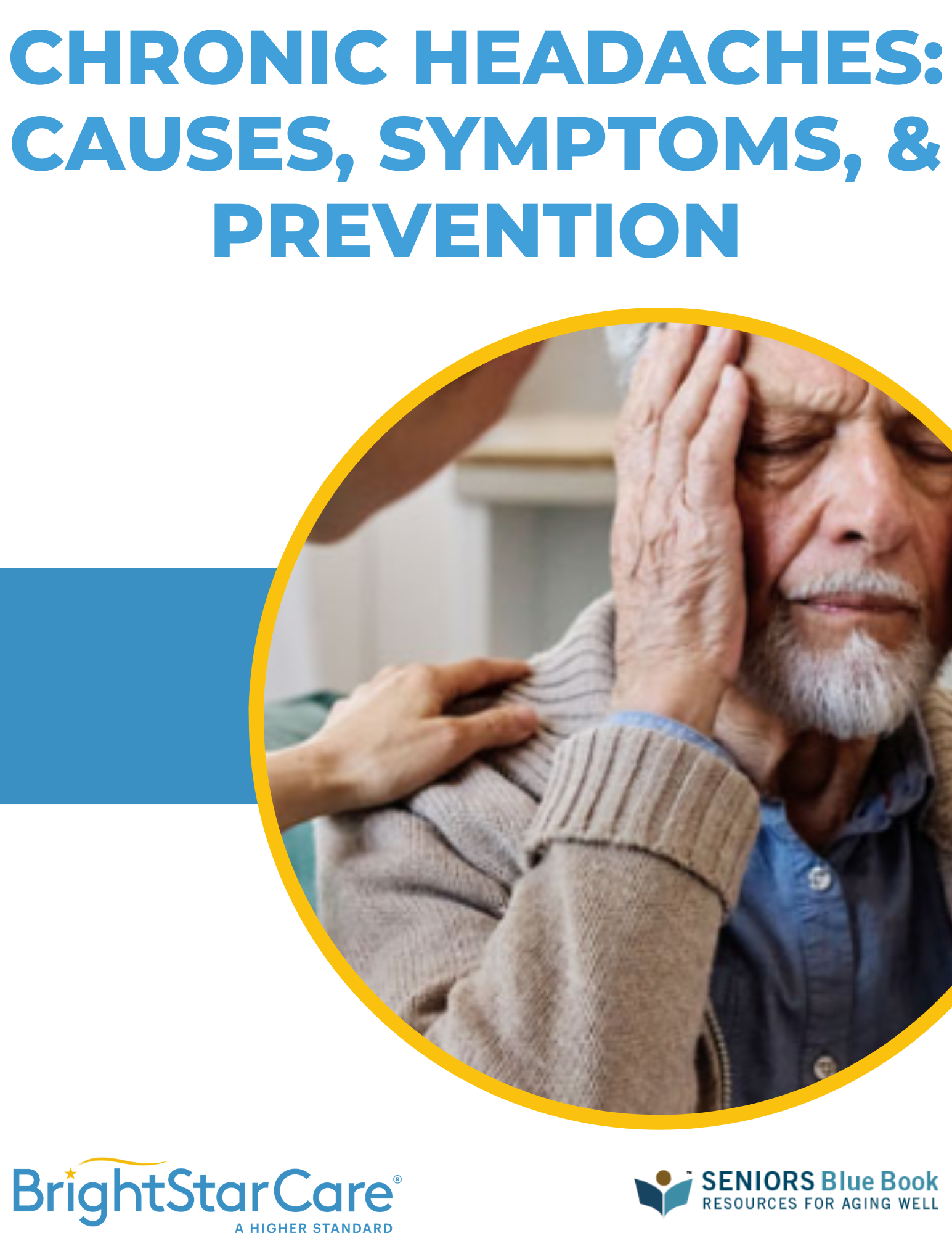
When headaches are chronic, it can be hard for you or your loved one to work, socialize, exercise, read, or engage in other meaningful activities without treatment. Constant or frequently recurring pain can make it harder to function over time, decreasing quality of life. Chronic headaches also may indicate an underlying medical condition that could be serious if left untreated.Recognizing warning signs and understanding potential causes of headaches can help seniors and their loved ones get a diagnosis and incorporate effective headache management strategies to relieve pain and live more comfortably.What Are Chronic Headaches?Chronic headaches occur 15 or more days per month and can stem from muscle tension, stress, fatigue, and other factors, leading to throbbing temples, a stiff neck, watery eyes, and eye strain.Types of Chronic HeadachesChronic headaches can occur for different reasons and may vary in intensity, duration, and symptoms. Understanding the type of headache you or your loved one is experiencing can help you find the right treatment and prevention strategies.Here are some common types of chronic headaches: Tension headaches: Stress and muscle tension in the neck and scalp trigger these headaches. Cluster headaches: Sudden-onset pain on one side of the head for short periods that then repeats several times daily. Medication-overuse headaches: Caused by taking headache-relief medication too often, which can change pain pathways in the brain. Caffeine-withdrawal headaches: If you drink beverages with caffeine on a regular basis, quitting suddenly can cause a headache Dehydration headaches: When you dont drink enough water, it can affect your blood pressure, blood flow, and pain receptors, causing headaches Sinus headache: A sinus infection or severe allergies can cause pain or pressure in the head. Chronic Headaches vs. MigrainesThough often conflated, chronic headaches and migraines are different conditions. The main difference is that a migraine is more severe with pulsing or throbbing pain on one side of the head that can last for hours or days. Migraines are typically triggered by hormones, weather changes, certain foods, sleep disturbances, and stress.While there are several types of migraines the most common are: Migraine without aura: Typical migraine pain, such as throbbing or pulsing on one side of the head, nausea, and sensitivity to lights, sounds, and odors. Migraine with aura: Typical migraine pain preceded by a migraine aura which can include neurological symptoms like dizziness, vision changes, numbness or tingling, tinnitus, or not being able to speak clearly. What Causes Chronic Headaches in Older Adults?Chronic headaches in older adults are usually caused by lifestyle factors, such as stress, poor sleep, too much caffeine, dehydration, poor posture, physical inactivity, and more. Family history of chronic headaches or migraines can also contribute.Additionally, seniors are more likely to develop chronic health conditions with age, which may lead to chronic headaches. For example: Unmanaged high blood pressure can trigger hypertension-related headaches. People with diabetes are more prone to migraines, and poorly managed blood sugar levels can cause headaches. Untreated sleep apnea makes it hard to sleep well, increasing the risk of headaches. Arthritis pain that alters posture can lead to tension headaches. Ignoring vision loss can lead to headaches from eye strain. Withdrawal symptoms of alcohol dependency can include severe headaches. When a Headache Signals Something More SeriousSerious conditions that can cause headache-related symptoms include stroke, hypertension, and traumatic brain injury (TBI).If youre wondering when to be concerned about headaches, consider these factors: Does the pain keep coming back? Are headaches paired with nausea, vomiting, or sensitivity to light or sound? Do you see visual disturbances, such as an aura, flashes of light, or blind spots? Are you experiencing dizziness or balance problems? Do you have a stiff neck, fever, nausea, and vomiting? Did symptoms start after a fall or a bump on the head? If headaches are associated with the following symptoms, seek emergency care: A sudden, intense headache The worst headache of your life Extreme dizziness or confusion Numbness or weakness in your extremities Head pain after a car accident, fall, or other head injury Slurred speech How to Manage & Prevent Chronic HeadachesIt isnt possible to prevent every headache, but you can work to reduce their frequency and severity. These strategies can help you or your loved one manage chronic headaches: Adopt healthy lifestyle habits, such as staying hydrated all day, eating nutritious foods, and getting enough sleep. Manage stress with mindfulness meditation or other relaxation techniques. Maintain a regular fitness routine that includes senior-friendly cardio and mobility exercises. Be sure to consult your doctor before beginning a new exercise program. When headache symptoms become too severe to handle alone, consider these options: Medications: Over the counter (OTC) or prescription pain relievers may help ease symptoms. Before taking any new medication, ask a healthcare provider or pharmacist about potential drug interactions and proper usage to reduce the risk of medication-overuse headaches. Physical Therapy: If tense muscles or poor posture are contributing to headaches, physical therapy can provide simple exercises, stretches, and posture training to alleviate pain. Geriatric Massage: Massages specific to senior needs can reduce stress, loosen tight muscles, and improve mobility to address pain. Frequently Asked Questions About Chronic HeadachesHow can I tell if a headache is serious?A headache is serious if it comes on quickly, causes extreme dizziness or confusion, leads to numbness or tingling in extremities, and/or occurs after a fall or injury to the head. If you or a loved one is experiencing any of these symptoms, seek immediate medical care.Whats the difference between a chronic headache and a migraine?A chronic headache is defined as mild to severe head pain occurring 15 or more days per month. Chronic headaches can be caused by muscle tension, stress, caffeine withdrawal, dehydration, sinus infections, and more.A migraine is more severe head pain that lasts anywhere from a few hours to a few days thats felt on one side of the head along with nausea and sensitivity to light, sound, and/or odor. Migraines are categorized by with aura or without aura and can be caused by hormonal changes, shifts in the weather, poor sleep, stress, and more.How can I support someone with frequent headaches or migraines?If your loved one experiences frequent headaches or migraines, there are many ways you can support them. You can encourage them to get plenty of sleep, maintain healthy eating habits, stay physically active, and focus on reducing stress. Additionally, you can recommend that they speak with their healthcare provider about headache or migraine treatments.When should in-home care be considered for headache management?If you or a senior loved one struggles with completing activities of daily living (ADLs) such as bathing, grooming, or eatingdue to severe or chronic headache symptoms, in-home care can be a helpful solution. Professional caregivers and nurses can assist with senior health goals and proper medication usage at home, while also providing emotional support and companionship.
Sep 03, 2026

Guide to Home Safety
GENERAL: Emergency numbers posted by each telephone. Appliances, lamps, and cords in good condition. All electrical equipment UL labeled. A sufficient number of outlets located in every room. Do not use outlet extensions. Overload protection by circuit breakers or fuses. The water heater thermostat should be set at 110F or lower. Medications should be stored in a safe place per instructions on the container label. Carpeting and rugs not worn or torn, with rug edges secured to the floor. Small, loose rugs should have non-skid backing. Do not place in traffic areas.LIVING ROOM: Electric cords are placed along walls, not under rugs, and away from traffic areas. Sturdy secure chairs and couches. Walkways should be clear.BATHROOM: The bathtub or shower has a non-skid mat or strips in the standing area. Handrails installed in the walls by the bathtub and toilet. Durable towel bars and the soap dish in the shower stall should be firmly installed. Faucet and valve handles should be unbreakable. Keep electrical appliances away from the bathtub or shower area.STAIRWAYS AND HALLS: Steps in good condition and free of objects. Steps have non-skid strips, or carpeting securely fastened and free of holes or fraying. Smoke detectors placed in hallways and near sleeping areas. Hallways and stairs equipped with night lights. Handrails sturdy and securely fastened. Banister supports close enough to prevent a child from placing his head between them. Light switches located at top and bottom of stairways.KITCHEN: The stove and sink areas should be well-lit. Gas stove equipped with pilot lights and an automatic cut-off. The stove should not be located under a window with curtains. The kitchen exhaust discharges directly outside or through ducts to the outside. Hazardous household agents stored out of reach of children. Turn pan handles away from burners and edge of stove. Avoid wearing garments with long or loose sleeves. Keep pot holders near stove. Keep knives in a knife rack or drawer. Keep drawers, cupboards closed. Wipe up grease or liquid spills at once.BEDROOM: Keep lamp or flashlight within reach of bed. Use night lights.OUTDOOR AREA: Steps and walkways should be in good condition. Doorways and stairs should be well-lit. Handrails sturdy, securely fastened.Editors Note: This information was submitted courtesy ofBrightStar Mountainside, Greater Salt Lake Area. They may be reached at(801) 290-1290 or on the web at www.BrightStarCare.com
Sep 22, 2010
Winter Safety Tips for Seniors and Their Caregivers
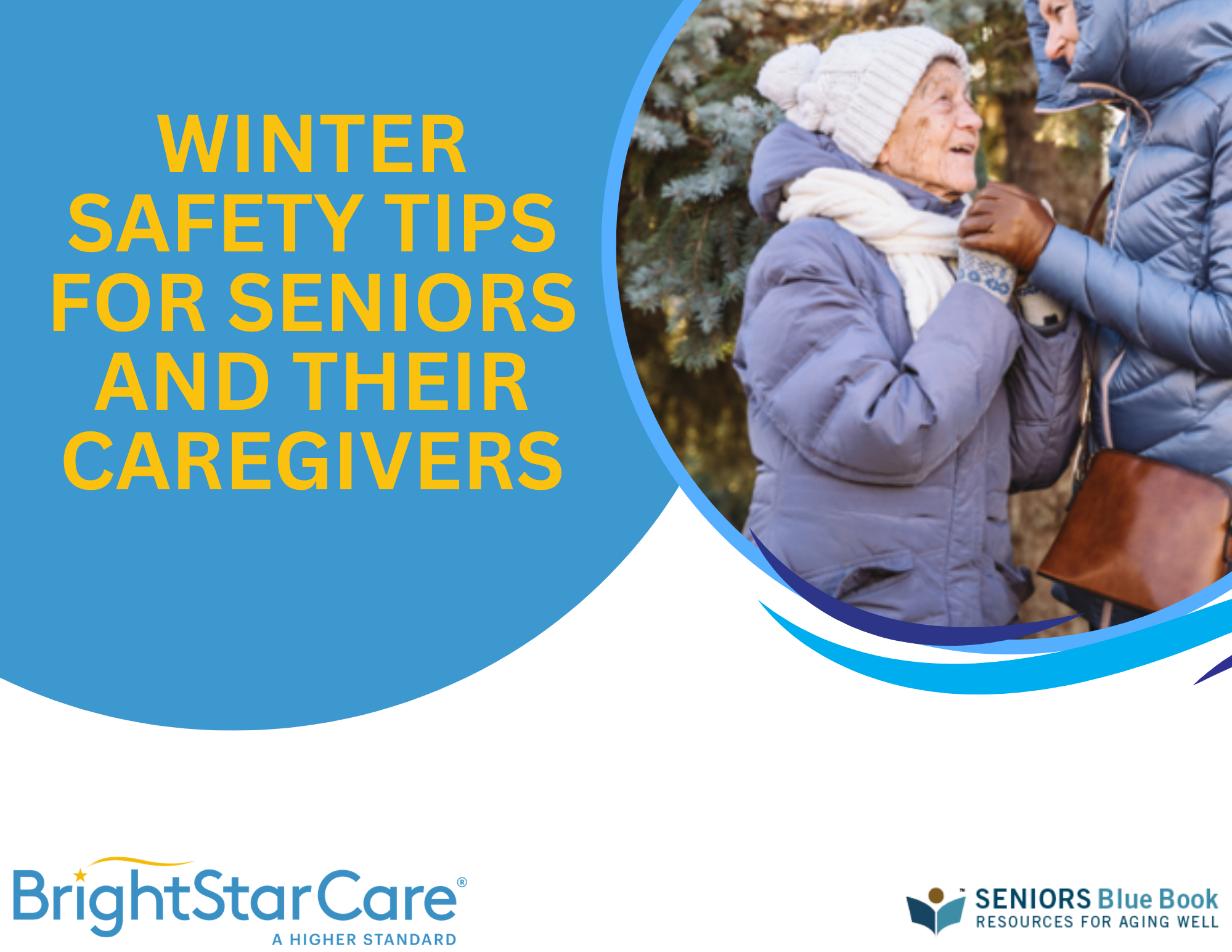
With cooler temperatures, snowy landscapes, and holiday gatherings with family and friends, winter is a time of joy and festivity for many. But this season also brings potential risks for the health and well-being of older adults.Proactive planning and preparation can make all the difference in staying safe and healthy during the colder months. Learn more about how to avoid weather-related injuries, illnesses, and more in our winter safety guide below.Preventing Falls Outside When It's Icy or SnowyHarsh winter conditions can create more opportunities for slips and falls among the elderly. Sidewalks, driveways, and stairs can quickly accumulate snow and ice that can be dangerous and difficult for anyone but is more so if you have existing mobility issues.Fortunately, you or your loved one can reduce the risk of falls with some fall prevention tactics Before the season arrives, install railings along steps and walkways. Keep walkways shoveled and clear of ice. If youre unable to remove snow and ice yourself, consider hiring someone to take care of this. Wear rubber-soled, low-heeled footwear with good traction. Use canes, walkers, or other mobility aids for support. Stay indoors if conditions are slick. Delivery services or family and friends can help bring you any essentials. Avoiding Outdoor Health Risks in WinterCold weather can bring other physical threats if you aren't cautious. Hypothermia and frostbite are potential risks for anyone, but older adults may be more susceptible.Aging often means decreased metabolism and less ability to regulate body temperature. Seniors who have lost muscle mass, lower levels of body fat, and thinner skin have less natural insulation. Additionally, people with conditions like diabetes or heart disease may also have poor circulation, which makes it harder to retain heat.Take Safety Precautions When It's ColdFollow outdoor winter safety best practices to reduce the risk of hypothermia and frostbite: Don't spend long periods of time outside when the temperature is near or below freezing. If you do need to go out, dress in warm clothes, including a hat, scarf, and gloves. Wear a waterproof jacket if it's raining or snowing. Let someone know your plans if you leave home and could be out a long time in the cold. Take a fully charged cellphone with you, and if practical, have a blanket and an emergency kit at the ready. Eat enough healthy food to maintain your weight and limit alcohol intake. This can improve your body's ability to effectively conserve heat. Stay active to keep your blood circulating and your muscles warm. Know the Signs of HypothermiaHypothermia happens when your core temperature falls below 95F. That isnt something you can easily measure, so its crucial to know the signs and symptoms, as hypothermia can quickly develop into a medical emergency that can lead to heart arrhythmia, heart failure, and kidney or liver damage.Symptoms of hypothermia include: Cold hands and feet Swollen face Paler than usual skin Shivering Slow or slurred speech Sleepiness Confusion With prolonged exposure to cold temperatures, you may notice jerky movements, slowed breathing or heart rate, or even loss of consciousness.When to take action: With any signs of hypothermia, get to a warm location indoors as quickly as you can. Change out of any wet clothing and put on dry items and wrap up in a coat or blanket. It's the safest bet to call 911 in all cases, but it's crucial to do so if there are any cognitive symptoms, movement issues, or breathing difficulty or if you or your loved one is unable to warm up.Realize the Dangers of FrostbiteFrostbite can happen any time skin is exposed to a temperature or wind chill that's at or below the freezing point: 32F. Hands, feet, nose, and ears are the most common sites for developing frostbite, which can cause permanent damage to skin, tissue, nerves, and the musculoskeletal system. In severe cases, it can lead to gangrene and require amputation.The first stage is frostnip, where you may feel light pain, tingling, and numbness. Symptoms that indicate an increasing danger of frostbite include: Hard and cold skin Changes in skin color (including red, white, blue, gray, purple, or brown) Aching or throbbing Joint stiffness Loss of feeling When to take action: At the first sign of frostbite, head indoors as soon as possible. Remove any jewelry from the affected area before it swells. Contact emergency or urgent care and follow their instructions. The Mayo Clinic recommends treatment with a slow rewarming process by soaking the frostbitten area in warm water. Do not use hot water or apply direct heat, such as from a heater, heating pad, heat lamp, or blow dryer.Preparing for Wintertime in Your HomeIt's just as important to be cautious when you spend time inside during cold-weather months. Even indoors, hypothermia can be a risk for some people. Plus, there are utility, electrical, heat efficiency, and falling concerns inside the home.Here are some ways to help keep your home warm and safe throughout winter:Thermostat SettingsKeep your indoor temperature above 68F. Officials warn that even mildly cool homes set at a continuous 60-65F can lead to hypothermia in older adults, especially those who are frail and inactive.Utility and Appliance ChecksGet a check at least once a year that your home's power and heat sources, including fireplacesare reliable and safe for use. Be prepared with plans in case you face an extended outage, gas leak, electrical issue, or carbon monoxide problem.Heating DevicesUse caution with space heaters, heating pads, and electric blankets. Always remember to unplug them after use and whenever you leave your home. While heating devices can be beneficial for staying warm indoors, they can be health and fire hazards if not used and maintained properly.Insulation HacksBoost your home's heat efficiency by eliminating drafts around doors and windows with weather stripping or caulk. On sunny days, open blinds and curtains to let in natural heat, but close them before nightfall to help trap the warmth inside.Fall Prevention MeasuresSince it gets dark early, make sure you have good lighting throughout your home. Wipe floors dry right away if people come inside wearing wet shoes, and place absorbent, nonslip rugs at entrances and along main pathways through the house.Understanding the Impact of Cold on Seniors' HealthSometimes, cold temperatures can trigger certain health issues for seniors, while other health issues make it harder for seniors to tolerate the cold. Factor in seasonal mental health concerns, and there's a lot to look out for.Conditions that Get Worse with Cold WeatherTake some precautions if you or your loved one has these health issues: Asthma: Humidity in the air often drops when the temperature drops, and the combination can dry out or irritate your airways and trigger asthma flare-ups . Eczema: People with this chronic condition are already dealing with dry skin that can feel tight, itchy, inflamed, bumpy, or scaly. Cold, blustery winds and air with low humidity help moisture evaporate faster, making worse. Cardiovascular Disease: Cold temperatures can make blood vessels constrict to keep blood closer to the core of the body. This increases blood pressure even without any exertion. Raynaud's Syndrome: Exposure to cold can trigger this phenomenon. With Raynaud's , small blood vessels under the skin react to temperature drops by constricting so much that fingers, toes, and other extremities can become bloodless and numb. Conditions that Make It Harder to Handle the ColdCertain afflictions can prevent aging people from making themselves warm enough to withstand cold temperatures. Here are some of the most common issues and the challenges they pose: Health Issue Difficulties in Cold Weather Arthritis Joint flexibility challenges can make it difficult to dress in enough layers Decreased Muscle Mass and Slower Metabolism Body may be less effective in generating additional heat in response to cold Diabetes Reduced blood flow can lower ability to produce enough body heat Hypothyroidism Body less able to regulate temperature Memory Conditions (such as Alzheimers disease or dementia) Can prevent remembering to dress appropriately for the weather Parkinsons Disease Body less able to regulate temperature; mobility challenges can make it difficult to dress in enough layers or move to a warmer location Peripheral Vascular Disease Decreased circulation can lower ability to produce enough body heat Stroke Can affect bodys ability to regulate temperature Mental Health Considerations for Seniors in WinterCold and short days can lead people to feel isolated and depressed. Seniors need to have someone they can reach out to if the winter doldrums bring them down.If you have senior friends or family, take time to check on them, especially if they don't get out much. Whether indoors when its chilly or outdoors on warmer days, seek out hobbies and social activities that support seniors' mental and emotional well-being all season.Forming Good Habits to Fight Winter IllnessesAlthough chilly temperatures don't directly cause the common cold or the flu, they play a role in the spread of respiratory illnesses.Cold air with low humidity levels can in the nose and throat and reduce your immune defenses, making it easier for germs and viruses to take hold. People also usually spend more time indoors during winter, creating more opportunities for person-to-person contact.Maintaining healthy habits and preventive care can help you reduce the risk of getting sick. When going out in public or attending social gatherings, avoid crowds and people who are sick. Wash your hands frequently and try not to touch your nose or mouth. Eat properly and stay hydrated. support your immune system and help your body generate heat and energy. Warm soups, fruits, vegetables, and drinks like apple cider or tea promote hydration while also keeping you feeling cozy. Continue to visit the doctor for routine appointments and when you don't feel well. Healthcare shouldn't be put off until spring. Also, stay up to date on vaccines recommended for seniors, such as flu and pneumonia. Remain active as much as possible and take in some sunlight when you can. The increased blood circulation and Vitamin D exposure can help keep your immune system strong. Focus on Safety and Health with Help from BrightStar CareBeing proactive and attentive is the key to staying safe and healthy during the holidays. With proper precautions and adequate preparation, you and your loved ones can avoid injury and illness and enjoy the winter season.
Sep 03, 2026

How meditation and yoga can help you handle COVID-19
The COVID-19 pandemic has brought us face to face with many unfamiliar challenges.Consequently, the past year has left many people feeling stressed, anxious, and depressed. If youre a family caregiver, we have a suggestion that may alleviate COVID-19 stress for you and your loved one: yoga.A mind-body practice that combines controlled breathing, meditation or relaxation, and physical poses, yogais knownto manage and improve anxiety.In the short term, yoga helpswith deep breathing and muscle relaxation.Long term,the development of a mind-body connectioncan helppromotea sense of control.The health benefits of yoga are well-documented. Itreducesstress and anxiety, promoting an overall sense of well-being,andalso improves balance, flexibility, range of motion, and strength. It can help reduce risk factors for chronic diseases like heart disease and high blood pressure, and help people manage pain. In some cases, it can even help relieve the symptoms of chronic conditions like chronic obstructive pulmonary disease, asthma, arthritis, and insomnia.It makes sense, then, that yoga for seniors would be beneficial.What makes yoga different from other stretching exercises for seniors is the added component of meditation. The benefits of meditationhave to do withmindfulness. Meditation can reduce and control blood pressure, improveimmune system function, alleviate muscle tension, and lower the risk of diseases like diabetes and hypertension. Further benefits of mindfulness exercise for seniors include:Pain management:The physical perception of pain is linked to the mind, so people who are experiencing stress will feel more pain.Mindful meditation helps control pain, as you focus on breathing and how your body feels in the moment. Chair yoga for seniors is a particularly good way to help manage joint pain.Lowering signs of memory loss:Meditation increases an enzyme called telomerase that can help reduce progressive diseases like Alzheimers.Increasing attention span:Recent studies indicate that meditation can potentially prevent age-related mental decline, because it improves the strength and endurance of the attention span.Improving sleep:Sleep meditation and the practice of using guided meditation to fall asleep can promote healthier sleeping habits and help you sleep more deeply.AtBrightStar Care, we know that caring for a family member can be challenging, and we want to help you find healthy ways to manage your stress. Thatsonereasonwe work hard to deliver the right care for your loved one and to be a partner you can turn to for support. Because we believe that caring is more than just a job, our nurses, therapists, CNAs, and caregivers offer the most professional compassionate care available. In the comforting, familiar surroundings of home, we offer a full range of care services to meet your loved ones needs and help you when you need it most. Learn more about BrightStar Care here:https://www.seniorsbluebook.com/home-health-hospice/brightstar-care-salt-lake-city-ut-2
Apr 08, 2021
Self-Care Tips for Staying Positive During Cancer Treatment
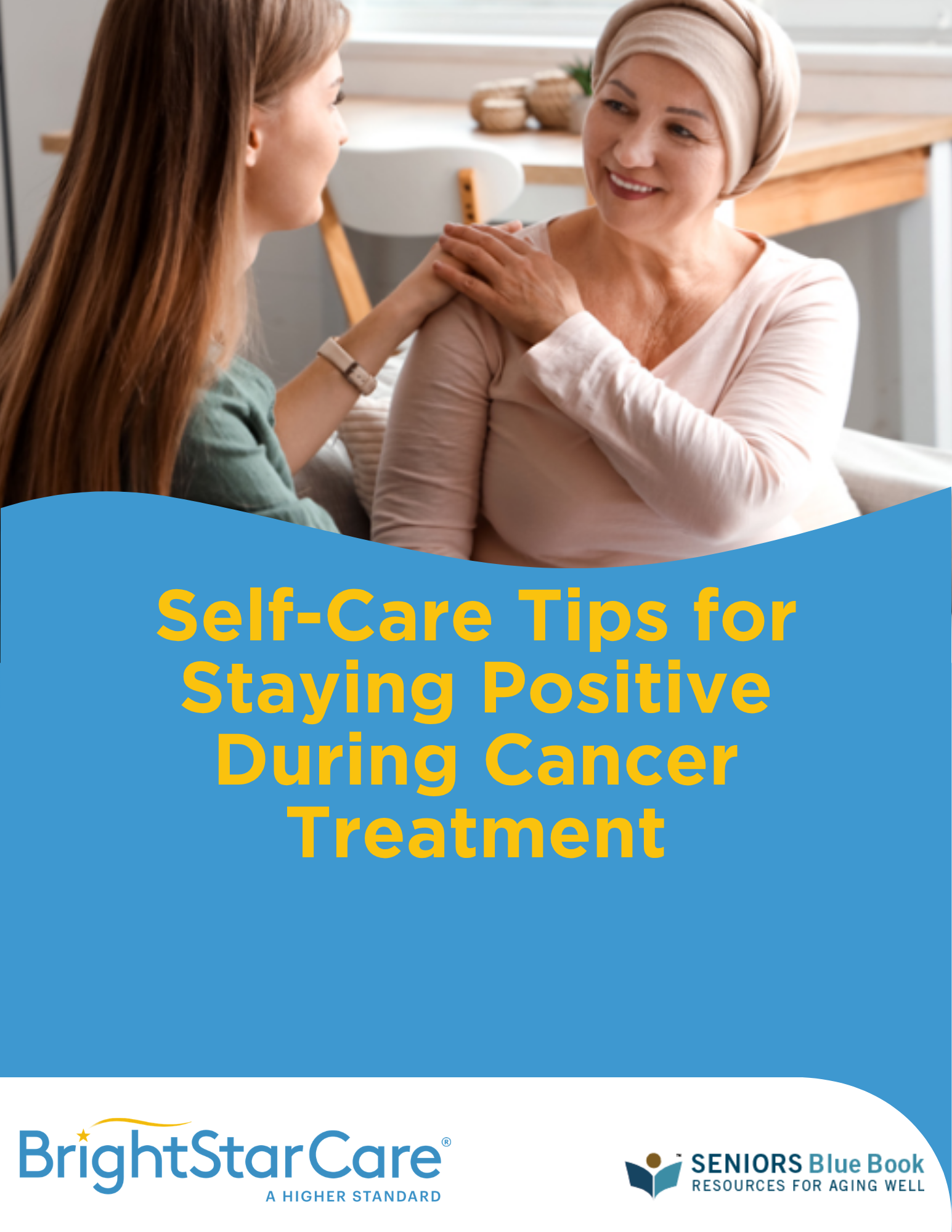
Cancer treatment can be a tough journey, its effects felt by both patients and their loved ones. Staying positive doesnt mean pretending everything is easy or ignoring the hard parts of dealing with cancer, but it can mean finding moments of hope, peace, and connection, even when things feel uncertain.In this guide, youll learn practical tips to feel better during treatment, including self-care strategies and ways to stay resilient.Acknowledging the Cancer JourneyBeing positive starts with understanding that its okay to feel scared, sad, or unsure. While it can be tempting to hide your emotions, honesty and self-kindness are crucial to caring for yourself or a loved one during this process.The American Cancer Society says that facing the reality of a cancer diagnosis and not avoiding it can help improve quality of life. Its normal to have tough or negative emotions while also feeling hopeful. Accepting both your fears and hope can help you process your feelings fully.Notice the hard days but remember that small moments of joy and laughter are still possible. Maybe its enjoying a sunny morning, talking to a friend, or listening to your favorite music. By facing the situation with courage and asking for support, you can build emotional strength and help calm your mind.No matter what you're feeling, your feelings are valid. You can cry, feel frustrated, or be angry at times. Being positive doesn't mean you push emotions away, it means you recognize them and still find ways to experience peace or happiness.Self-Care for Cancer PatientsSelf-care during cancer treatment looks different for everyone, but creating small daily habits that support healing and hope can help you feel your best during a time that's physically and emotionally taxing. In fact, research shows that caring for your body and mind can improve both your treatment experience and overall quality of life.Physical Self-CareCancer treatment is physically exhausting, so it's important to give your body as much energy as possible. Follow these guidelines.Eat WellEating nutritious food helps your body stay strong and manage side effects like nausea or low energy. Include fruits, vegetables, whole grains, and lean proteins. If you dont feel hungry, try smaller meals throughout the day, smoothies, or soups. Simple changes, like adding berries to oatmeal, can make a difference. Dont forget to drink plenty of water to stay hydrated.Stay ActiveGentle movement has a lot of benefits, such as improving mood, energy, and overall health. Walking, stretching, and doing yoga or light strength exercises are all helpful. Even a five-minute walk outside or gentle stretching in bed can reduce anxiety and boost your mood. Studies show that activity can improve how you feel during treatment and help fight fatigue. Always check with your care team before starting new exercises and remember that moving even a little is better than nothing.Prioritize SleepRest is critical for healing. Try to go to bed at the same time each night and wake up at a consistent time. Limit caffeine late in the day and make your bedroom calm and comfortable. Reading a book, listening to soft music, or doing a short meditation before bed can help you sleep better. Good sleep supports recovery, improves mood, and helps you cope with the challenges of treatment.Look and Feel GoodPersonal grooming and comfort can have a big impact on how you feel emotionally. Washing your face, brushing your hair, wearing clothes you enjoy, or using wigs and head coverings can help you feel more like yourself. Feeling confident in how you look can boost your mood and help you feel more in control, and routines can create moments of normalcy during a difficult time.Listen to Your BodyIf you're experiencing medication side effects, talk with your healthcare provider about possible treatments to alleviate them. Your doctor can let you know about options for managing pain, fatigue, nausea, appetite loss, digestive issues, mouth sores, anxiety, and more.Mental Self-CareWhile the physical challenges of cancer treatment are obvious, the process can also affect your mind. Take time for your mental health and get support when you need it.Practice Mindfulness or MeditationA few minutes of deep breathing, guided meditation, or focusing on your senses can help calm your mind and reduce anxiety. To practice, take slow breaths while paying attention to each inhale and exhale, or notice sounds, colors, and textures around you. Mindfulness helps you stay in the present instead of worrying about the future.Journal Your ThoughtsWriting down your feelings creates a private space to recognize your fears, track progress, or notice positive changes. Many people find that journaling helps them see patterns of where they find positivity and can give them a sense of relief. Even jotting down one sentence about how you feel each day can help.Seek SupportTherapists, oncology social workers, and support groups can provide coping strategies and a safe space to talk about feelings. The Cancer Support Community and the American Cancer Society have free resources for patients. Talking to someone trained to help can reduce stress and prevent feelings of isolation.Create RoutinesPredictable daily routines give a sense of stability when life feels unpredictable. Morning tea, short walks, or evening meditation can be comforting. Routines remind your body and mind what to expect and help reduce feelings of chaos or uncertainty.Emotional Self-CareEmbracing self-care in your emotional health can help you be realistic while focusing on the good things in your life. Here are some strategies that can help.Stay ConnectedStrong relationships are essential during the cancer treatment journey. Phone calls, video chats, or short visits remind you that you are not alone. Connection with friends and family provides encouragement and a sense of normalcy.Practice GratitudeFocusing on small daily positives can shift your mindset from fear to hope. You might write down one good thing each day or share something positive with a loved one at dinner. Gratitude can help you notice moments of joy even during hard times.Find JoyDoing activities you enjoy can lift your spirits. Listen to your favorite music, watch a movie you love, read a book, or spend time outdoors. Small pleasures can give you a break from stress and remind you of what makes life meaningful.Lean on EncouragementFamily and caregivers play a vital role in positivity. A kind word, shared memory, or simple act of care can boost morale. Encouragement works both ways; it helps patients feel supported and caregivers feel needed and appreciated.Staying Positive as a Caregiver for a Loved One with CancerCaring for someone with cancer can be meaningful, but it can also be exhausting. Many caregivers for people with cancer feel tired, stressed, or guilty. But remember: Its necessary, not selfish, to realize your limits. Taking time for your own self-care can make the journey easier for both you and your loved one.Watch for early signs of burnout, such as irritability, trouble sleeping, or feeling withdrawn. Take breaks, ask for help, make time for things that are just for you, and seek respite care services, if needed. Caregivers who eat well, rest, and connect with their own supporters can offer stronger emotional support to their loved ones.Special Considerations for Seniors with CancerOlder adults with cancer may face extra challenges, including limited movement, additional health conditions, or feeling lonely. Adjusting self-care to fit energy and ability is important for quality of life.Gentle physical activity, balanced meals, and daily routines can help seniors handle cancer treatment side effects and stay engaged. Even short walks or light stretching can improve mobility and mood. Companionship is also very important. Having a friend, family member, or caregiver to talk with provides comfort and decreases loneliness.Frequently Asked Questions for Staying Positive During Cancer TreatmentsWhat do cancer patients need most?Cancer patients need support, understanding, and encouragement from those they care about. They also need accurate information about their treatment and help with managing side effects. Emotional support, physical comfort, and practical help with daily activities are all important.What helps cancer patients feel better?Eating well, getting gentle exercise, resting, and practicing mindfulness can help. Staying connected with friends and family, keeping a routine, and enjoying small pleasures like music or hobbies can also improve mood.How do you care for cancer patients at home?Offer help with meals, medications, and household tasks. Encourage rest, accompany them to appointments if possible, and listen without judgment. Emotional support and patience are just as important as physical care.
Sep 03, 2026

How to Get Power of Attorney for a Senior Parent
As parents age, it can become harder for them to care for themselves and live independently. Adult children often help through family caregiving, but parents can also specify the type of help theyd like through a power of attorney.A power of attorney (POA) is an important legal tool that lets a person declare who has the authority to make their medical or financial decisions if they are unable. The signed document provides peace of mind for both parties. In this case, senior parents can spell out their wishes, and adult children can then honor them.What Is a Power of Attorney?A power of attorney is a legal document in which a person names who they want to make decisions on their behalf. Within the document, the person will be called the principal, and the person they name as their decision-maker is the agent. The POA authorizes the agent to make decisions for the principal based on specifically stated conditions, including what kinds of decisions can be made in certain situations.POA documents can be drafted for a few different circumstances: Durable Power of Attorney: The principal can name an agent to make medical or financial decisions. The agent will continue making decisions on the principals behalf until they pass away. A durable POA is the most relevant to aging parents when planning end-of-life care. Medical Power of Attorney: The principal can name an agent to make healthcare decisions for them if theyre unable to communicate. This is also known as a healthcare POA. Financial Power of Attorney: The principal can designate an agent to pay their bills, manage their funds, or make other financial decisions on their behalf. Limited Power of Attorney: The principal can assign an agent to perform one or more specific tasks on their behalf, such as selling their home. General Power of Attorney: The principal can name an agent to manage their finances while they are able to make decisions. This POA ends when they become incapacitated. Power of Attorney vs. GuardianshipA power of attorney does not give the agent guardianship of the principal. A POA is an empowering way for a person to choose ahead of time who can make certain decisions for them in specific situations if they become unable to do so. The forms are often standardized and simple to execute, making them a proactive, routine, and inexpensive way to prepare for the future.In contrast, guardianship is a last-resort process that involves the courts. Generally, an attorney will have to help someone make the case that another person cannot care for themselves. It is intentionally very detailed and precise, which can be expensive and time-consuming because it involves a judge making a decision to give a person's civil rights to someone else, who will then be fully responsible for them.Talking about estate documents with your aging parents and encouraging them to get a POA before they need one lets them choose for themselves who can make decisions for them when needed.When Do You Need Power of Attorney for a Parent?A power of attorney for an elderly parent may be necessary if you notice: Theyve forgotten to pay their bills. They seem confused about managing their finances. Theyre unable to take their medications at the correct times. Their safety and well-being are at risk due to confusion or memory lapses. They dont make decisions without input from relatives. Ideally, your elderly parents should have a power of attorney in place before they lose the ability to make decisions, which can happen for several reasons. Cognitive decline due to dementia or Alzheimers isnt the only possibility; a heart attack, stroke, car accident, illness, or hospitalization can also make it impossible for them to weigh in on their care.Some older adults have difficulty managing their finances or navigating medical care in general, even if they arent mentally incapacitated. They might also benefit from a POA.How to Get Power of Attorney for a Parent (Step-by-Step)Your senior parent must complete the POA documents, but you can help the process along.Step 1: Have a ConversationIts a touchy subject, but this may be one of the most important discussions youll have with your parents. Be patient, empathetic, and respectful. Explain that a POA lets them choose the person they want to make decisions for them. Let them know you arent trying to take control. Rather, you can discuss their wishes so you will know what their preferences are, and you can reassure them that you will carry out their requests. Planning ahead makes this possible.Step 2: Determine the Type of POA NeededCan your parents manage everything except selling their home? Do they need someone to pay their bills? Would they like you to weigh in on their healthcare decisions? There are different POA documents for each scenario. Discuss the options to help your parents decide whats best.Step 3: Ensure Your Parent Has Mental CapacityYour parents must understand the POA provisions to sign it. If they were recently diagnosed with dementia and dont have a POA, their physician might write a letter confirming they still have the mental capacity to make decisions. If they act quickly, they might get POA.Step 4: Complete the POA FormPower of attorney forms are available online. Your parents can complete them independently or meet with a lawyer if they have complex requests. Each state has its own POA documents. If you or your parents get forms online, make sure theyre state specific.Step 5: Sign & Notarize the DocumentIf your parents dont have a lawyer, find out how to make their POA legally valid. Rules vary by state. Your parents may need to have the forms notarized and signed by witnesses.Step 6: Distribute Copies to Relevant PartiesA financial POA should go to your parents bank or financial planner. Their healthcare providers should receive their medical POA. Keep the original with your parents important documents, save a copy, and share copies with close relatives.Common Challenges with Power of AttorneySetting up POA is often simple. Other times, it can be challenging because of:Family DisagreementsSiblings may argue over who should be the agent. Its the parents decision, though they may consider the childrens input. Some parents appoint one child as a financial POA and another as a medical POA. In some states, parents can make children co-agents.Parental ResistanceYour parents may not want to discuss POA because end-of-life matters can be upsetting. They might worry about surrendering their independence. Reframe the conversation: POA is designed to protect them, and completing the paperwork now ensures it will be ready when needed.Timing IssuesWaiting too long can prevent your parents from designating a POA if they become mentally incapacitated. Youll have to establish guardianship through the legal system, which is a costly and time-consuming process.How Power of Attorney Helps Seniors & Family CaregiversPOA is an indispensable document. It seamlessly transfers decision-making authority from your parents to the person they believe will keep their best interests in mind for financial or healthcare decisions.Your parents will benefit from a POA because: You can make medical decisions in an emergency It prevents delays in care You can pay your parents bills and manage their funds Family members wont worry about your parents ability to manage finances Family caregivers also benefit from a POA, which makes it easier to: Coordinate doctor visits Manage your parents prescription medications Pay their medical bills Speak with their health insurance company Frequently Asked Questions About Power of Attorney for an Elderly ParentHow much does it cost to get power of attorney for a parent?There are no set fees for a POA. Some people find the documents online and complete them for free. Others meet with a lawyer; fees vary by location.What kind of power of attorney is best for an elderly parent?If your parents want someone to make decisions on their behalf for the rest of their life, they need a durable power of attorney. Other options limit an agents ability to make decisions.Whats the quickest way to get power of attorney?Getting POA documents online doesnt take long. Select the form thats applicable in the state where your parent lives.Do you need a lawyer to get power of attorney?No, lawyers arent always necessary to complete POA documents. Many states permit people to handle the process themselves. However, working with a lawyer ensures accuracy and helps avoid complications. If your parent has a significant financial portfolio or complex family dynamics, a lawyer can offer recommendations. If their situation is straightforward, your parents may choose the do-it-yourself route. Its their judgment call.
Sep 02, 2026
How to Talk to Elderly Parents About Hygiene
Even though you know its coming, the role reversal that comes with caring for aging parents can catch you by surprise. For many, this switch happens when we notice a loved one is starting to struggle with hygiene or personal care.Its not easy to know how to talk to your aging parents about their hygiene, or how to offer your support while still respecting their dignity. Understanding why personal care can be a challenge for some seniors, along with actionable steps you can take to support your loved one's hygiene, can help you handle this sensitive situation with confidence and compassion.Why Do Seniors Struggle with Personal Care?Activities of daily living (ADLs)the basic self-care tasks we perform regularly to stay healthy, such as bathing, dressing, grooming, and toiletingcan be challenging for seniors who have limited mobility, memory loss, or other health conditions associated with aging.Understanding why your older loved one may be struggling can help you approach the topic with more empathy and less frustration. Common challenges include: Physical Limitations: Conditions such as arthritis, reduced mobility, balance issues, and chronic pain may make ADLs difficult or unsafe. Cognitive Decline: Problems with cognition, including dementia and Alzheimers disease, can affect a seniors awareness of hygiene needs. Depression or Social Withdrawal: Loss of motivation for self-care is a common symptom of depression. Fear of Falling: Seniors sometimes avoid bathing or showering because of legitimate safety concerns, such as fall-related injuries. Sensory Changes: Our sense of smell diminishes as we age, so seniors may not notice body odor or other biological reminders that they need to take care of their hygiene. Talking with Seniors About Hygiene & Personal CareTiming, tone, and framing of the conversation all matter when deciding how to talk to someone about hygiene. Now is not the time to rush into a conversation that may come off as a confrontation. Think carefully about how you want to proceed. After all, the goal is to open a door, not win an argument.Before the ConversationAs you prepare for your conversation with your elderly parent, dont just consider how to talk to your loved one about hygiene, but also when and where. Avoid bringing up the topic during or after a stressful or draining event. Instead, choose a calm, quiet moment when you know your loved one is likely to be alert and open to hearing you.Focus on leading with care and concern rather than criticism. For example, you might say, I want to make sure you feel comfortable and well instead of Ive noticed you havent been showering. This allows them to see you as genuinely interested in their well-being, rather than trying to offend them or take away their independence.In some cases, it can help to ask a doctor or trusted friend to introduce the topic first. They may be able to lend credibility to your concerns.During the ConversationAs you talk with your senior parent, use I statements that express your concern for their well-being. For example, instead of saying, You never keep up with hygiene anymore (which can suggest blame or shame), position it as your worry: I want to make sure you have what you need to feel clean and comfortable every day.Avoid using elderspeak, and be respectful. Acknowledge your loved ones desire for independence, and involve them in the solution by asking what would make it easier for them. Giving them the ability to be a part of the solution can help them feel less defensive.Remember to take their concerns seriously, particularly regarding privacy. Many seniors resist help with bathing or toileting out of embarrassment, and these feelings deserve to be addressed and validated. The role reversal that often comes with aging is not just difficult for you; it can be embarrassing for them to accept the change as well.Most importantly, don't make threats. Stay positive and emphasize the connection between hygiene and goals they care about. For example, you might say, I want you to feel confident when the grandkids visit or I know staying in your home matters to you, and good hygiene helps make that possible. Framing it around their prioritiescomfort, independence, family timecenters the conversation on offering support rather than pressure.Routines & Practical Strategies to Support Senior Hygiene at HomeOnce you've had the opportunity to talk about your concerns, work with your senior parent to build practical strategies into their routine. This can make staying on top of hygiene easier and more sustainable for both of you.Bathing & GroomingThe first step for many family caregivers in making bathing safer for seniors is adding fall-preventing features. These simple upgrades can include grab bars, a shower bench, and a handheld showerhead and can go a long way in helping your loved one maintain their dignity and independence.A consistent bath schedule can also be helpful. Many people find comfort in a routine. You can set the schedule according to when your parent typically has the most energy. For days when your loved one doesn't have the energy for a full shower, keep no-rinse bathing products on hand, and walk your loved one through how to use them for freshening up.If hair care is a struggle, it might be time to turn hair appointments or manicures into a regular habit. In-home hair care may be an option if getting to the salon or barbershop is a challenge.Oral HygieneOral hygiene for seniors often slips through the crackswith potentially serious consequences. Poor oral hygiene is linked to aspiration pneumonia (a leading cause of hospitalization) and cardiovascular disease. It can also make diabetes harder to control.Providing your older loved one with an easy-to-manage electric toothbrush and scheduling regular trips to the dentist can help you stop dental problems before they start.If your elderly parent has dentures, remind them to rinse their dentures after eating when possible, and to brush dentures and their own teeth/gums with a soft brush daily. Soaking dentures overnight with a mild soaking solution will also help them stay fresh.Skin CareSeniors skin becomes more fragile naturally during the aging process. It can be prone to issues like dryness, breakdown, and infection. This means moisturizing and checking skin for damage should be part of your loved ones daily care routine.Family caregivers should watch for rashes, cracks, and other sores, and seek medical attention if theres any suspicion the skin is infected or doesn't seem to be healing properly.An easy way to broach this subject is to ask your senior parent if they have enough towels and supplies and can reach the sink easily to wash their face and hands regularly. If it feels like it would be well-accepted, gift them with moisturizing face wipes or lightly scented soap designed for sensitive skin to make a skin care routine more enjoyable and refreshing.When to Consider In-Home Personal Care ServicesFamily caregivers often feel compelled to take on an aging parents personal care tasks themselves. This can be physically and emotionally exhausting for everyone involvedand potentially uncomfortable for your loved one.If you notice any of the following signs, professional in-home personal care may be the right next step: Your loved one resists hygiene help from family members but may accept it from a trained, professional caregiver. Hygiene needs have become a safety issue (e.g., fall risk in the bathroom, development of skin conditions, inability to trim their toenails, etc.). You or other family caregivers are experiencing burnout, or the personal care dynamic is straining the family relationship. Your loved one has been diagnosed with dementia or another condition affecting their ability to manage ADLs independently. Frequently Asked Questions About Senior HygieneWhat happens if a senior doesnt bathe or shower regularly?Not bathing or showering regularly can increase an elderly persons risk of potentially serious health problems. These include skin infections, fungal rashes, and urinary tract infections (UTIs). It can also cause body odor and an unkempt appearance, which may lead to social isolation and, in turn, bring on loneliness or depression.How often should a senior wash their hair?In general, seniors should wash their hair once or twice a week. As we get older, the scalp produces less sebum (i.e., the waxy substance that moisturizes hair and skin), so hair becomes drier. This means hair can be washed less frequently with old age.Dry shampoo and waterless, no-rinse shampoo can be helpful for keeping the hair and scalp clean and odor-free between washes, or even as a substitute for washing on days when showering cant be managed.Why do older people stop bathing or taking care of themselves?There are many reasons why a senior might neglect their personal care or hygiene. They may be facing physical challenges like loss of mobility or cognitive decline. Mental health issues like depression or anxiety about falling are also common reasons some seniors stop bathing or taking care of themselves.How BrightStar Care Supports Seniors' Dignity with Personal Care ServicesHelping an aging loved one with personal care is ultimately about preserving their dignity and quality of life. Its a physically and emotionally taxing job, but you don't have to go it alone.BrightStar Care offers in-home personal care services that can help your senior parent age comfortably in place. Our compassionate caregivers are experienced in assisting with activities of daily living (ADLs), such as bathing, grooming, toileting, eating, and other personal care needs while allowing for as much independence and privacy as possible.