
PHONE
Click to View NumberHome Health
- 04UB7E
- Private Pay, Long Term Care Insurance
- 24 Hour Care, Activities, Diabetes Teaching Management, Home Health Aides / Assisting ADL, Live-in Services, Non-Medical Home Care, Medication Management
- Cardiac Care, Diabetic Care, Enteral (Tube) Feeding, Hospice, IV Therapy, Lymphedema Mngt, Medication Mngt, Occupational Therapy, Orthopedic Care, Palliative Care, Physical Therapy, Pulmonary Care, Skilled Nursing, Trach Care, Wound Care, Wound Vac, Wound/Ostomy Care Nurse
Additional Levels of Care Offered
Extended Family Home Care
Non-MedicalFor over 18 years, the Colorado community has entrusted Extended Family Home Care with the well-being of their loved ones. Founded in 2007, we are proud to be locally owned and operated by a Physician Assistant who began their journey as a caregiver with our company. This unique perspective allows us to provide truly personalized, holistic care from a team that understands the importance of healing at home.We offer 24/7 caregiving and skilled nursing services wherever you call home, ensuring comfort, dignity, and peace of mind for every client and their family. At Extended Family, our name is our promiseour clients are an extension of our own family.With a consistent commitment to excellence, we are honored to be the Best of Mile High in Home Healthcare for 2023, 2024, and 2025, hold an A+ rating with the Better Business Bureau, and maintain a 5-star rating on Google.Let us be your extended family in care.
Continue Your Search! Explore More Local Options.
Start SearchingLet’s engage and get educated!
Browse through thousands of expert articles in over 100 different categories.
Browse NowArticles You May Like

Caring for Aging Parents in Denver Without Burning Out
Caring for Aging Parents in Denver Without Burning OutThere comes a moment in many families when roles quietly begin to shift. The parent who once managed every holiday dinner, drove grandchildren to activities, or offered endless advice now needs support themselves.For adult children in Denver, caregiving often begins gradually. Maybe it starts with helping organize medications or driving to appointments near Anschutz Medical Campus. Then it becomes grocery shopping, meal prep, laundry, and late-night phone calls after a fall scare.Eventually, many families realize they cannot do it all alone.That realization is not failureit is often the beginning of healthier caregiving for everyone involved.Extended Family Home Care works with Denver families navigating the emotional and practical realities of supporting aging loved ones through compassionate non-medical home care.The Hidden Stress of Family CaregivingFamily caregivers rarely describe themselves as caregivers at first.They simply say: Im helping Mom out. Dad needs a little extra support. I check in every day. But over time, responsibilities grow.Many Denver caregivers balance: Full-time jobs Raising children Marriage responsibilities Financial pressures Long commutes Personal health concerns This balancing act can become exhausting.Common Signs of Caregiver BurnoutBurnout can happen slowly. Family caregivers may experience: Irritability Anxiety Sleep issues Emotional exhaustion Depression Physical fatigue Resentment or guilt Many caregivers ignore their own needs because they feel responsible for everything.Why Denver Families Are Seeking Home Care EarlierMore families today understand that bringing in help early can prevent crises later.Non-medical home care provides practical support while preserving independence.Services may include: Meal preparation Medication reminders Bathing assistance Light housekeeping Transportation Companionship Mobility support Even a few hours of weekly help can dramatically reduce family stress.Caregiving should never feel like families have to carry the weight alone, says Brittney Blanchard of Extended Family Home Care. Support allows both seniors and their loved ones to breathe again.The Denver Lifestyle Makes Caregiving ComplicatedDenver families often lead fast-paced, highly active lives. Long commutes, outdoor recreation schedules, and busy professional demands can make caregiving especially challenging.Adult children may live in: Highlands Ranch Parker Lakewood Aurora Boulder Centennial Trying to coordinate daily care across metro Denver traffic can quickly become overwhelming.Home caregivers provide local, consistent support that families can rely on.Safety Concerns Often Trigger the Need for CareMany families first explore home care after a frightening event.Common warning signs include: Falls Missed medications Confusion Wandering Poor nutrition Unsafe driving Hospital discharge needs However, waiting for a crisis can limit options and increase stress.Early support often helps seniors remain safer and more confident at home.Preserving Dignity Through Personalized SupportOne of the greatest fears seniors have is losing independence.Good home care does not remove independenceit supports it.Caregivers can help seniors continue doing the things they enjoy while assisting with tasks that have become difficult.That balance matters emotionally.Seniors often feel more empowered when they can remain: In familiar surroundings Close to friends and neighbors Connected to local routines Involved in community life Communication Is Critical for FamiliesCaregiving can create tension among siblings and relatives, especially when responsibilities are uneven.Professional caregivers can improve communication by: Providing updates Identifying concerns early Creating consistency Reducing misunderstandings Families often find that outside support reduces emotional strain and family conflict.Home Care After Hospital StaysDenver hospitals frequently discharge older adults quickly after surgeries or illnesses.The transition home can be stressful.Seniors may need temporary assistance with: Walking safely Meal preparation Medication schedules Household tasks Transportation to follow-up appointments Non-medical caregivers help bridge the gap between hospital care and full independence.Why Caregiver Relationships MatterThe emotional connection between seniors and caregivers can deeply affect quality of life.Trust develops through: Consistency Kindness Respect Patience Communication Many seniors begin viewing caregivers as trusted companions rather than outsiders.Helping Seniors Stay Connected to Denver LifeDenver seniors often value staying active and engaged.Caregivers can help support activities like: Visiting Red Rocks area parks Attending church services Seeing grandchildren Joining senior recreation programs Enjoying neighborhood walks Remaining involved in meaningful activities supports emotional and cognitive wellness.Planning Ahead Creates Better OutcomesFamilies who plan proactively often experience smoother transitions.Helpful conversations include: Safety concerns Transportation plans Care preferences Emergency contacts Future support needs Starting these discussions early allows seniors to participate in decisions about their care.Home Care Is About Family Wellness TooThe goal of non-medical home care is not only to support seniorsit is also to support the entire family.When caregivers assist with daily responsibilities, family members can spend more meaningful time together instead of constantly managing stress and logistics.That shift can restore relationships and improve overall family wellness.Call to ActionIf your family is navigating the challenges of caring for an aging loved one, visit the Seniors Blue Book listing for Extended Family Home Care to learn more about compassionate in-home support in Denver.FAQsWhen should families consider non-medical home care?Families often begin exploring care when daily tasks, transportation, safety, or isolation become difficult for a senior.Can home care reduce caregiver burnout?Yes. Professional support helps reduce stress and gives family caregivers needed relief.Is home care available after hospital discharge?Absolutely. Many families use short-term support after surgeries or illnesses.Do seniors lose independence with home care?No. Home care is designed to help seniors maintain independence safely.Are care schedules flexible? Yes. Care plans can often be customized based on family and senior needs.
May 14, 2026
Empowering Aging Adults: How Extended Family Enhances Independent Living at Home
As the U.S. population continues to age, more seniors and their families are seeking ways to maintain independence while ensuring safety, comfort, and emotional well-being. Extended Family, based in New Hampshire, offers a unique and effective solution for aging in place. Combining professional caregiving, wellness planning, and innovative technology, Extended Family helps seniors live on their own termsconfidently and securely.This article explores the growing demand for aging in place, the benefits of choosing home-based care, and how Extended Family is setting the standard for high-quality, personalized senior support.The Shift Toward Aging in PlaceAging in placeremaining in ones home and community as one grows olderhas become a central goal for many older adults. According to AARP, nearly 90% of seniors say they want to stay in their own homes as they age. Familiarity, comfort, and autonomy are top reasons for this preference. However, aging in place also presents challenges: Managing chronic health conditions Navigating mobility limitations Maintaining a safe and clean home environment Preventing social isolation This is where companies like Extended Family become essential partners in bridging the gap between independence and care.Who Is Extended Family?Extended Family is a care management and in-home support organization that offers a comprehensive approach to senior living. Their mission is to make it possible for older adults to live independently at home with dignity and peace of mind. Founded in 2004, Extended Family combines the compassion of traditional caregiving with innovative care coordination and wellness planning.The company serves seniors and families throughout New Hampshire and surrounding areas, including Massachusetts and southern Maine. Their staff includes registered nurses, licensed geriatric care managers, trained caregivers, and wellness coaches.What Makes Extended Family Unique?Extended Family provides more than just home carethey offer a coordinated, holistic model of support focused on four pillars:1. Personalized Care ManagementEvery client begins with a comprehensive care assessment. This includes health history, home safety review, and daily routine evaluation. A professional Geriatric Care Manager then designs a custom plan to meet the seniors short- and long-term needs.These care managers act as advocatesliaising with healthcare providers, monitoring health changes, and adjusting plans accordingly.2. In-Home Care ServicesTrained caregivers offer assistance with daily living activities such as bathing, dressing, medication reminders, meal preparation, and light housekeeping. Extended Familys caregivers are carefully screened, trained, and matched with clients based on compatibility and individual needs.3. Health and Wellness CoachingSeniors are supported in achieving wellness goals that promote physical, emotional, and cognitive health. This might include support with fitness routines, healthy eating plans, or memory exercises. The goal is to encourage active aging.4. 24/7 Remote Monitoring and Safety TechnologyExtended Family incorporates non-invasive technology to enhance safety and peace of mind. Their Remote Monitoring service includes: Fall detection systems Motion sensors to track daily routines Emergency alert systems Family dashboards for real-time updates This technology allows care managers and families to monitor a loved ones status without being intrusive, helping detect problems early.Benefits of Choosing Extended FamilyExtended Familys comprehensive services ensure that seniors receive the right level of support at the right time. Some of the key benefits include:A. Peace of Mind for FamiliesLoved ones dont need to worry about whether their family member has taken their medication, eaten well, or made it to a doctors appointment. Everything is tracked and managed by professionals.B. Continuity of CareWhether a senior needs help once a week or daily, Extended Family adjusts its services as needs evolve. This continuity helps avoid unnecessary hospital visits and maintains stability.C. Holistic Focus on WellnessUnlike agencies that only provide task-based care, Extended Family nurtures a seniors physical, emotional, and mental well-being. This approach leads to greater life satisfaction and better health outcomes.D. Aging with DignitySeniors maintain control over their life choices and are empowered to stay active and involved in their own care. The emphasis is always on independence and respect.How Extended Family Supports CaregiversFamily members often take on the role of caregiver, which can be overwhelmingespecially when managing jobs, children, and long-distance caregiving. Extended Family eases this burden through: Care coaching for family members Respite care options Educational resources and support Real-time updates and communication with the care team By partnering with Extended Family, family caregivers can avoid burnout and feel supported in their efforts.Ideal Clients for Extended FamilyExtended Familys services are best suited for: Seniors living alone who need assistance with daily tasks Individuals with chronic illnesses such as Parkinsons, arthritis, or heart disease Seniors recovering from surgery or hospitalization Family caregivers in need of support or respite Adult children living out of state who want reliable local care for their parents Real Client Success StoriesMary, age 82, lives alone in Dover, NH. After a fall that led to a brief hospital stay, her daughter, who lives in Colorado, contacted Extended Family. Within 48 hours, a care manager met with Mary and developed a plan. Today, Mary has help with errands, daily check-ins through motion sensors, and weekly wellness coaching. Her daughter receives regular updates through the family portal.I feel more confident living alone again, Mary said. And my daughter doesnt worry about me anymore.Final ThoughtsAging should be a time of reflection, connection, and fulfillmentnot fear or dependence. With support from companies like Extended Family, seniors can thrive in the comfort of their own homes while families gain peace of mind.From care management to wellness coaching and remote safety solutions, Extended Family is a trusted partner in creating safe, empowered, and joyful aging experiences. To learn more about Extended Family and how they can support your loved ones independence, visit www.extendedfamilyinc.com.
Jul 28, 2025
A Denver Familys Guide to Navigating Home Health for Aging Parents
A Denver Familys Guide to Navigating Home Health for Aging ParentsWhen aging parents begin needing extra support, families often feel uncertain about where to begin. Questions about safety, medical needs, and independence can quickly become overwhelmingespecially when adult children are balancing careers and their own households.For families across Denver, home health care has become an essential resource for helping seniors maintain dignity while receiving professional support in the comfort of home.Understanding What Home Health Really MeansMany families confuse home health with general caregiving services. While both are valuable, home health specifically provides skilled medical care ordered by a physician.Services may include: Nursing care Physical therapy Occupational therapy Speech therapy Medication oversight Wound management Chronic illness monitoring This level of care helps seniors transition safely after hospitalization or manage ongoing health concerns.Why Denver Families Are Turning to In-Home CareDenvers growing senior population reflects a nationwide shift toward aging in place. Many older adults prefer staying close to familiar routines, neighbors, and cherished memories rather than relocating to facilities.Neighborhoods throughout Denverfrom Highlands Ranch to Park Hillhave seen increased demand for in-home healthcare services that support independence while reducing unnecessary hospital visits.Families want reassurance that their loved one is receiving attentive, personalized care, says Brittney Blanchard of Home Is Where the Heart Is Home Health. Home health allows seniors to receive professional support without leaving the comfort of home.The First Signs Families Often NoticeThe need for home health usually develops gradually rather than overnight.Common concerns include:Difficulty Recovering After IllnessA senior may return home from the hospital weaker than expected.Frequent Falls or Balance IssuesMobility changes increase safety risks.Confusion With MedicationsManaging multiple prescriptions becomes challenging.Worsening Chronic ConditionsDiabetes, heart disease, and respiratory illnesses may require closer monitoring.Increased DependenceTasks that were once simple suddenly become exhausting.Recognizing these patterns early allows families to intervene proactively.How Home Health Creates StabilityOne of the greatest benefits of home health is consistency.Instead of multiple stressful appointments across Denver traffic and unpredictable weather, seniors receive care where they feel most secure.Home health professionals also help coordinate communication between physicians, therapists, and family members. This teamwork reduces confusion and improves overall outcomes.Supporting Family CaregiversFamily caregivers often carry enormous emotional pressure. Many worry about making mistakes or failing to recognize medical warning signs.Professional home health services help families by: Monitoring recovery progress Educating caregivers Reducing burnout Offering safety guidance Managing medical needs Providing reassurance This collaborative approach helps families feel supported rather than overwhelmed.Preparing the Home for Safer AgingCreating a safer environment is an important part of home health planning.Recommended adjustments often include: Installing handrails Improving bathroom safety Removing trip hazards Adding brighter lighting Organizing medications Rearranging furniture for easier movement Denvers older homes sometimes require additional modifications to support mobility equipment like walkers or wheelchairs.The Importance of Personalized CareEvery seniors health journey is unique. Personalized care plans focus on individual goals rather than a one-size-fits-all approach.Some seniors may need intensive therapy after surgery, while others require long-term chronic disease management. Tailored care ensures services remain appropriate as needs change over time.Emotional Wellness Is Part of HealthcareFamilies often focus heavily on medical needs while overlooking emotional health.Seniors facing physical decline may experience: Anxiety Frustration Fear of losing independence Depression Social withdrawal Compassionate home health professionals provide encouragement and emotional connection alongside clinical care.Questions Families Should Ask When Exploring Home HealthBefore selecting services, families should discuss: What medical needs require monitoring? How often are visits needed? What therapy services are recommended? How will communication occur? What safety concerns exist at home? Clear communication creates stronger care partnerships.Building Confidence for the FutureHome health care is not about taking independence awayits about preserving it.With the right support system, many Denver seniors continue enjoying family gatherings, neighborhood walks, local activities, and meaningful daily routines while receiving professional medical oversight.Home Is Where the Heart Is Home Health is committed to helping seniors and families navigate aging with compassion, expertise, and dignity.Visit their Seniors Blue Book listing to explore how personalized home health services can support your loved ones safety, wellness, and independence.FAQsWhat qualifies a senior for home health services?Typically, a physician must determine that skilled medical care is medically necessary.Can home health services be temporary?Yes. Some seniors only need short-term support during recovery.Does home health include therapy services?Yes. Physical, occupational, and speech therapy are commonly included.How do families know when its time for home health?Frequent falls, medication issues, chronic illness complications, or difficulty recovering after hospitalization are common indicators.Can seniors still remain independent with home health? Absolutely. Home health is designed to support independence safely.
May 15, 2026
How Home Health Services Help Denver Seniors Maintain Independence
How Home Health Services Help Denver Seniors Maintain IndependenceFor many older adults, independence is deeply connected to the ability to remain at home. Home is where memories are made, routines are established, and comfort is found. When a serious illness, surgery, injury, or chronic condition threatens that independence, families often face difficult decisions about what comes next.Fortunately, advances in healthcare have created new opportunities for seniors to receive professional medical support without leaving the place they love most. Home health services have become an essential part of the modern healthcare system, helping older adults recover, manage ongoing conditions, and maintain their quality of life while remaining in familiar surroundings.Throughout the Denver area, Home Is Where the Heart Is Home Health supports seniors and families by delivering personalized healthcare services directly to the home. This approach allows older adults to receive skilled care while preserving the independence and dignity they value.Why Healthcare Is Moving Beyond Traditional SettingsHealthcare providers increasingly recognize that recovery and wellness do not happen only inside hospitals and clinics.Many seniors continue to require support after discharge from a medical facility, but that support can often be delivered safely at home.The shift toward home-based healthcare is driven by several factors: Improved medical technology Better care coordination Increased patient satisfaction Reduced healthcare costs Stronger recovery outcomes For many older adults, receiving care at home creates a more comfortable and less stressful experience.Denver Seniors Want to Stay Connected to Their CommunitiesDenver is known for its active lifestyle, vibrant neighborhoods, and strong sense of community.Many seniors enjoy spending time: Walking through Washington Park Visiting local restaurants Attending community events Exploring Denver's cultural attractions Spending time with family and friends When health challenges arise, most older adults prefer solutions that allow them to maintain these connections whenever possible.Home health services support that goal by bringing care directly to the individual rather than requiring a move to another setting.What Is Home Health Care?Home health care involves medical services delivered in the patient's residence under the direction of a physician.Services may include:Skilled NursingLicensed nurses provide medical oversight, monitor conditions, manage medications, and coordinate care plans.Physical TherapyTherapists help individuals regain mobility, strength, balance, and endurance.Occupational TherapyPatients learn strategies that improve independence in daily activities.Health EducationPatients and family members receive guidance on managing conditions and preventing complications.The primary objective is helping seniors achieve the highest possible level of function and independence.Recovery Is More Successful When It Feels PersonalOne advantage of home health care is the highly personalized nature of treatment.Unlike busy clinical settings, care providers can evaluate: The home environment Daily routines Family support systems Individual goals Safety concerns This broader perspective allows care teams to develop recommendations that fit naturally into a person's life.As a result, treatment often feels more practical, relevant, and achievable.The Benefits of Healing at HomeMany seniors report feeling more relaxed and motivated when receiving care in familiar surroundings.Home-based care offers several advantages:ComfortPatients remain surrounded by personal belongings and familiar routines.ConvenienceThere is no need to arrange transportation to frequent appointments.Family InvolvementLoved ones can participate more actively in the care process.Individual AttentionCare is focused entirely on the patient's unique needs.These factors contribute to a positive healthcare experience.Managing Chronic Conditions More EffectivelyHome health care is not limited to post-hospital recovery.Many seniors benefit from ongoing support for chronic conditions such as: Heart disease Diabetes COPD Arthritis Neurological disorders Regular monitoring helps identify concerns early and encourages adherence to treatment plans.This proactive approach may reduce complications and improve long-term health outcomes.Safety Starts at HomeOne of the most important aspects of home health care involves identifying potential risks within the living environment.Healthcare professionals can evaluate: Fall hazards Mobility challenges Bathroom safety Medication organization Accessibility concerns Simple adjustments often make a significant difference in helping seniors remain safe and independent.Empowering Patients Through EducationKnowledge is a powerful tool in healthcare.Home health professionals spend time educating patients and families about: Medications Recovery expectations Disease management Nutrition Exercise Preventive strategies This education empowers seniors to take an active role in their own health and wellness.Supporting Family CaregiversFamily members frequently play a major role in senior care.However, caregiving can become overwhelming without professional support.Home health teams provide guidance, expertise, and reassurance that help families navigate complex medical situations with greater confidence.This collaboration creates a stronger support system for everyone involved.Independence Is About More Than Living AloneMany people mistakenly equate independence with doing everything themselves.In reality, true independence often involves having the right support at the right time.Home health care allows seniors to: Continue living at home Maintain personal routines Stay involved in their communities Receive professional healthcare services Preserve their sense of autonomy This balance is one of the reasons home health services continue to grow in popularity.According to Brittney Blanchard of Home Is Where the Heart Is Home Health, "Our goal is to help seniors remain safe, healthy, and independent while receiving the care they need. Every patient deserves a care plan that respects their goals, preferences, and lifestyle."Looking Toward the Future of Senior CareAs Denver's senior population continues to grow, home health services will play an increasingly important role in helping older adults age successfully.By combining clinical expertise with personalized care, home health providers are helping seniors recover more effectively, manage chronic conditions, and maintain the independence they value.For many families, home health care represents the perfect blend of professional healthcare and the comfort of home.Frequently Asked QuestionsWho can receive home health care?Individuals who meet medical eligibility requirements and have a physician's order may qualify for home health services.Does home health care require a recent hospital stay?Not always. Eligibility depends on medical needs and physician recommendations.How often do home health professionals visit?Visit frequency varies based on the individual's condition, treatment plan, and physician orders.Can home health help manage chronic diseases?Yes. Skilled nursing and therapy services often support patients living with ongoing health conditions.Why do seniors prefer home health services?Many seniors appreciate receiving professional healthcare while remaining in familiar surroundings and maintaining their independence.Call to Action If you or a loved one could benefit from professional healthcare services delivered at home, visit the Home Is Where the Heart Is Home Health listing on Seniors Blue Book. Learn how personalized home health care can support recovery, wellness, and independence for seniors throughout Denver and surrounding communities.
Jun 17, 2026

How Compassionate Non-Medical Home Care Helps Denver Seniors Stay Independent Longer
Denver is a city that values independence, connection, and community. From the walkable neighborhoods around Washington Park to the bustling energy of Capitol Hill and the peaceful residential streets in Green Valley Ranch, older adults across the metro area want to continue living in the homes they worked so hard to build. Yet as mobility changes, health needs increase, or a spouse passes away, many families begin to wonder how long home can remain the safest and most supportive place for aging loved ones.Thats where Extended Family Home Care, a trusted non-medical home care agency in Denver, brings hope, stability, and compassionate support. Their mission is simple yet powerful: give seniors the personalized care they need to stay safely at home, while giving families peace of mind.This article explores how non-medical home care services work, why more Denver families rely on them, and how Extended Family Home Care stands out through personalized support and genuine heart.The Growing Need for In-Home Support in DenverDenvers aging population is rising quickly. Neighborhoods such as Highland, Aurora, Lakewood, and Commerce City are seeing more seniors choosing to age in place rather than relocate to senior living communities. According to local demographic trends, many Denver households consist of older adults living alonemaking companionship, safety monitoring, and help with daily tasks more important than ever.Common challenges seniors face include: Falls or mobility limitations Forgetfulness involving medications or meals Social isolation Difficulty managing households Lack of transportation Chronic illness that doesnt yet require skilled nursing These are the exact areas where non-medical home care creates a bridge to safer, more independent living.What Non-Medical Home Care Really ProvidesUnlike skilled nursing or home health, non-medical caregiving focuses on daily living supportthe practical, hands-on help that allows seniors to remain in their familiar space.Extended Family Home Care provides a wide range of services tailored to the client:Personal Care Support Bathing, dressing, grooming Mobility assistance and transfers Toileting support Hygiene and skin care Daily Living & Household Help Meal preparation Light housekeeping Laundry and linens Organizing and decluttering Safety checks around the home Companionship & Social Engagement Conversations and emotional support Games, hobbies, puzzles Walks and outings Technology assistance (tablets, FaceTime, emails) Transportation & Errands Doctors appointments Pharmacy pickups Grocery shopping Support for social activities Respite Care for Family CaregiversDenver families often juggle careers, children, and caregiving. Respite care ensures loved ones are supported while caregivers take needed breaks.A Personal, Heart-Driven Approach to CaregivingExtended Family Home Care is known across Denver for its consistent caregivers, warm communication style, and commitment to treating clients like part of their own family. Rather than cycling caregivers or rushing visits, their team takes the time to build meaningful relationships.Brittney Blanchard, a compassionate leader with the agency, shares: Every senior we care for has a lifetime of stories, strengths, and preferences. Our role is to honor thoseand to provide care with dignity, patience, and genuine heart. We dont just support clients; we support families. Her perspective reflects the agencys mission: care that feels personal, respectful, and empowering.Why Denver Families Choose Extended Family Home Care1. Tailored Care PlansNo two seniors have the same needs. Extended Family Home Care builds a detailed, individualized care plan based on a client's routine, preferences, health concerns, mobility, and goals.2. Consistent CaregiversContinuity matters. Denver families appreciate the effort placed on caregiverclient matching to ensure comfort, trust, and stability.3. Local ExpertiseTheir team understands: Denvers neighborhoods Local healthcare providers Community senior resources Transportation routes Weather-related safety needs This allows them to provide more responsive, realistic support.4. Strong Safety StandardsFrom fall-prevention assessments to medication reminders, safety is central to their care models.5. Communication & TransparencyFamily memberswhether living in Aurora or out of statereceive updates, care notes, and reliable communication.A Denver Story: When Home Still Matters MostIts often a simple change that begins the caregiving journey. One client from Cherry Creek reached out after her spouse passed away. She could still cook but struggled to carry laundry, drive during icy winter months, and keep up with the deep cleaning she once managed with ease.With regular caregiver visits, she regained confidence, resumed daily walks, and even rejoined her local senior center. Her daughter shared that the support gave the family hope and breathing room again.Stories like this are common across Denverand they highlight the power of personalized non-medical home care.Who Benefits the Most from Home Care?Extended Family Home Care often helps: Seniors recovering from illness or hospitalization Adults with chronic conditions such as arthritis or heart disease Those living with early-stage dementia Older adults who want company, routine, and structure Spouses caring for a loved one full-time Families balancing careers, caregiving, and parenting Denvers diverse senior population means that care must be adaptableand this agency excels at meeting clients where they are.How to Get Started With Care in DenverBeginning services is simple and stress-free: Phone Consultation Families explain their needs, concerns, and schedule preferences. In-Home Assessment A care coordinator visits the home to understand routines, mobility, personality, and goals. Caregiver Matching A thoughtful pairing process ensures seniors feel comfortable and supported. Care Begins Flexible schedulingfrom a few hours per week to 24/7 careis available. Ongoing Adjustments Care plans evolve as needs change. FAQs About Non-Medical Home Care in Denver1. How quickly can care start?Most families can begin services within a few days after the initial assessment, sometimes sooner depending on caregiver availability.2. Do caregivers drive clients to appointments?Yes. Transportation for errands, medical appointments, grocery trips, and social outings is available.3. Is home care covered by insurance?Non-medical care is typically private-pay, though some long-term care insurance policies provide coverage.4. Can care be temporary or short-term?Absolutelymany Denver families use home care after hospital discharge, during recovery, or when a primary caregiver needs a break.5. How do I know if my parent needs home care?Warning signs include forgetfulness, poor nutrition, isolation, fall risks, or difficulty with daily tasks like bathing or housekeeping.Call to ActionSupporting a loved one through the aging journey doesnt have to feel overwhelming. With the right team, seniors can continue living safely and joyfully in the homes they love.To learn more about services, caregiver options, or starting care in Denver, visit their Seniors Blue Book listing
Nov 22, 2025

Helping Denver Seniors Age Gracefully in Familiar Surroundings
Helping Denver Seniors Age Gracefully in Familiar SurroundingsFor many older adults, the idea of home extends far beyond four walls and a roof. Home is where holidays were celebrated, milestones were shared, gardens were planted, and countless memories were created. It is a place filled with comfort, familiarity, and personal history.As seniors age, one of their greatest wishes is often to remain in those cherished surroundings for as long as possible. In fact, surveys consistently show that most older adults prefer to age in place rather than move into a care facility.Yet aging in place requires more than determination. As daily tasks become more challenging, seniors often need additional support to remain safe, healthy, and independent.That's where non-medical home care becomes an invaluable resource. Extended Family Home Care helps Denver-area seniors continue living comfortably at home while receiving the assistance they need to thrive.Why Aging in Place Continues to Grow in PopularityToday's seniors have more options than ever before when it comes to long-term care.While some individuals choose retirement communities or assisted living, many prefer remaining in their own homes because it allows them to:Maintain independenceStay connected to familiar neighborhoodsContinue established routinesPreserve personal freedomRemain close to friends and familyEnjoy greater comfortFor many older adults, these factors significantly contribute to emotional and physical well-being.Denver Is an Ideal Community for Aging at HomeDenver offers a unique combination of urban amenities and outdoor recreation.Many seniors enjoy:Walking trailsLocal parksCommunity centersCultural attractionsVolunteer opportunitiesFamily-oriented neighborhoodsRemaining at home allows older adults to continue participating in the activities and communities they value most.However, maintaining an active lifestyle sometimes requires additional support.Understanding Non-Medical Home CareNon-medical home care focuses on helping seniors with everyday tasks rather than medical treatments.Services often include:Companion CareProviding meaningful social interaction and emotional support.Meal PreparationHelping seniors maintain proper nutrition.Transportation AssistanceSupporting access to appointments, errands, and social activities.Light HousekeepingHelping maintain safe and comfortable living environments.Personal Care AssistanceProviding help with dressing, grooming, bathing, and mobility.These services help seniors remain independent while reducing stress for families.Independence Looks Different for EveryoneOne of the greatest misconceptions about home care is that it takes away independence.The reality is quite the opposite.Many seniors discover that accepting support actually allows them to remain independent longer.For example:Transportation assistance may allow continued participation in community activities.Meal preparation support can improve nutrition and energy levels.Housekeeping assistance helps create safer living spaces.Rather than replacing independence, home care helps preserve it.The Emotional Benefits of Staying HomeAging in familiar surroundings offers emotional advantages that are often overlooked.Remaining at home allows seniors to:Keep treasured possessions nearbyMaintain established routinesStay connected to neighborsEnjoy familiar environmentsRetain a sense of controlThese factors often contribute to greater confidence and life satisfaction.Safety Is a Key Part of Successful AgingMany families initially seek home care because of safety concerns.Common challenges may include:Fall risksLimited mobilityDifficulty preparing mealsTransportation limitationsSocial isolationCaregivers help address these concerns while supporting seniors' desire to remain at home.This combination of safety and independence is often the foundation of successful aging in place.Family Members Gain Peace of MindAdult children frequently worry about aging parents who live alone.Questions often arise:Are they eating properly?Are they safe?Are they lonely?Can they manage household tasks?Home care provides reassurance that someone is regularly checking in and providing support.Families can spend less time worrying and more time enjoying meaningful moments together.Personalized Care Creates Better OutcomesEvery senior has unique needs, goals, and preferences.Some individuals may require assistance only a few hours per week.Others benefit from daily support.Personalized care plans ensure services are tailored to:Lifestyle preferencesHealth needsFamily involvementDaily routinesPersonal goalsThis flexibility helps seniors maintain as much independence as possible.Planning Before a Crisis OccursOne of the smartest decisions families can make is exploring home care before an emergency arises.Early planning often provides:More optionsSmoother transitionsGreater senior involvementStronger caregiver relationshipsBetter long-term outcomesProactive planning helps families make thoughtful decisions rather than reacting during a crisis.Brittney Blanchard of Extended Family Home Care explains, "Home care is about empowering seniors to continue living life on their own terms. Our caregivers provide support that helps older adults remain safe, independent, and connected to the people and communities they love."Frequently Asked QuestionsWhat is aging in place?Aging in place means remaining in one's home while receiving the support needed to live safely and independently.What services does non-medical home care provide?Services often include companionship, meal preparation, transportation, housekeeping, and personal care assistance.Can home care help prevent nursing home placement?In many cases, home care helps seniors remain safely at home longer.Is home care customized?Yes. Care plans are tailored to individual needs and preferences.When should families consider home care?It's often beneficial to explore options before a crisis occurs.Learn More Through Seniors Blue BookAging at home remains one of the most desired goals among older adults. Extended Family Home Care helps Denver seniors maintain independence while receiving compassionate, personalized support.Visit their Seniors Blue Book listing to learn more about available services and discover trusted resources that support successful aging in place.
Jun 16, 2026

Extended Family Home Care: Compassionate In-Home Support for Seniors in Denver
Extended Family Home Care: Compassionate In-Home Support for Seniors in DenverAs seniors age, many prefer the comfort and familiarity of staying in their own homes. Home is where memories live, where independence feels strongest, and where dignity is preserved. However, maintaining safety, wellness, and daily routines at home often requires extra help. Thats where Extended Family Home Care steps inproviding personalized, compassionate in-home care services across the Denver metro area.With a mission to treat every client like family, Extended Family Home Care empowers older adults to remain independent while receiving the support they need. Their commitment to excellence, trust, and compassion has made them one of the most respected names in senior home care in Colorado.Why In-Home Care MattersFor many families, the decision between home care and other senior living options is deeply personal. In-home care offers a unique balance of independence and support, allowing seniors to: Remain in familiar surroundings Preserve autonomy and daily routines Receive customized assistance based on individual needs Enjoy the comfort of one-on-one attention Reduce feelings of isolation through companionship Extended Family Home Care specializes in making this option not only possible but enriching.A Full Spectrum of Care ServicesExtended Family Home Care provides a wide range of in-home services designed to adapt as needs change. Whether a senior requires a few hours of help per week or more comprehensive support, their caregivers deliver care tailored to each situation.Personal Care AssistanceHelping seniors maintain daily routines with dignity and respect: Bathing, grooming, and dressing Mobility and transfer support Medication reminders Incontinence care Companion CareLoneliness and isolation can significantly impact health. Extended Family caregivers provide meaningful companionship through: Conversation and social interaction Assistance with hobbies and activities Accompaniment on errands or walks Emotional support and friendship Homemaker ServicesMaintaining a home can be challenging for older adults. Caregivers help by: Preparing nutritious meals Light housekeeping and laundry Grocery shopping and errands Organizing household tasks Specialized CareExtended Family Home Care also offers support for seniors with more complex needs, including: Alzheimers and dementia care Post-hospitalization or surgery recovery Chronic condition support Respite care for family caregivers Alzheimers and Dementia Care ExpertiseOne of the cornerstones of Extended Family Home Care is its specialized dementia and Alzheimers care program. Trained caregivers provide patient, compassionate assistance to help seniors manage the challenges of memory loss while maintaining dignity.Services include: Structured routines to reduce confusion Memory-supportive activities Safety monitoring in the home Ongoing communication with family members This specialized approach ensures seniors with cognitive challenges receive the attention and respect they deserve.Highly Trained and Compassionate CaregiversThe heart of Extended Family Home Care is its team of professional caregivers. Each caregiver is carefully selected, thoroughly trained, and matched thoughtfully with clients to ensure compatibility.Families can feel confident knowing that caregivers are: Experienced in senior care and specialized conditions Compassionate and empathetic by nature Dedicated to treating clients like members of their own family Committed to ongoing training and professional development This combination of skill and heart sets Extended Family Home Care apart.Supporting Families, Not Just SeniorsCaring for an aging loved one often impacts the entire family. Extended Family Home Care understands this and provides support that extends beyond the senior to the family unit.Families benefit from: Peace of mind knowing loved ones are safe and cared for Relief from caregiver burnout through respite services Open communication and regular care updates Guidance in navigating evolving care needs This holistic approach eases stress and ensures families feel supported every step of the way.Flexible and Personalized Care PlansEvery senior is different, and so are their care needs. Extended Family Home Care develops personalized care plans that reflect each clients unique circumstances, health conditions, and preferences. Care plans are flexible and can be adjusted as situations change, ensuring that seniors always receive the right level of support at the right time.Benefits of Choosing Extended Family Home CareFamilies throughout Denver choose Extended Family Home Care for many reasons, including: Compassionate philosophy: Treating every client as extended family Tailored services: From personal care to companionship, services adapt to meet needs Specialized dementia support: Helping seniors with memory challenges live with dignity Trusted caregivers: Trained, dependable, and carefully matched professionals Commitment to independence: Supporting seniors in staying at home safely A Trusted Name in Denver Senior CareWith years of dedicated service in the Denver community, Extended Family Home Care has become a trusted partner for families seeking reliable in-home support. Their reputation is built on consistency, compassion, and resultshelping seniors live safely and happily at home while easing the burden on families.Living at Home, Living with DignityFor seniors, home is more than a placeits a source of identity, comfort, and independence. By choosing in-home care, families make it possible for loved ones to continue enjoying the familiarity of home while receiving professional support.Extended Family Home Care ensures that dignity, respect, and compassion are at the heart of every interaction. From helping with daily routines to offering companionship and specialized dementia care, the organization provides peace of mind for families and meaningful support for seniors.Conclusion: Care That Feels Like FamilyChoosing care for a loved one is one of the most important decisions a family can make. With Extended Family Home Care, families in Denver find more than a service providerthey find a partner who treats every client as if they were their own.Whether the need is for personal care, companionship, homemaker support, or specialized dementia care, Extended Family Home Care delivers with compassion, reliability, and respect. Discover how Extended Family Home Care can provide the support your loved one needs to live independently, safely, and joyfully at home. Schedule a consultation today to experience the difference care that feels like family can make.
Aug 25, 2025
Why Preventative Home Health Care Is Changing Senior Wellness in Denve
Why Preventative Home Health Care Is Changing Senior Wellness in DenverHealthcare conversations often begin after a crisis occursa fall, hospitalization, or worsening illness. But across Denver, more families are discovering the value of preventative home health care before emergencies happen.This proactive approach helps seniors stay healthier, safer, and more independent while reducing avoidable hospital visits.What Is Preventative Home Health Care?Preventative home health focuses on identifying health concerns early instead of reacting only after serious complications develop.Professionals monitor: Vital signs Medication routines Mobility changes Nutrition Chronic condition symptoms Cognitive health Home safety risks By catching problems early, seniors often avoid larger medical setbacks.Why Prevention Matters for Denver SeniorsDenver seniors lead active lifestyles compared to many other regions. Walking trails, outdoor recreation, and community events encourage movement and engagement well into retirement.However, Colorados elevation and climate can also complicate health conditions involving breathing, circulation, or balance.Preventative home health helps seniors maintain wellness while adapting safely to age-related changes.Small health concerns can become major issues if theyre ignored, says Brittney Blanchard of Home Is Where the Heart Is Home Health. Preventative care allows us to support seniors before emergencies occur.Chronic Conditions Require Consistent MonitoringMany older adults live with ongoing conditions such as: Diabetes Heart disease COPD Arthritis Hypertension Even when symptoms appear stable, subtle changes can signal developing complications.Regular home monitoring helps identify: Swelling Shortness of breath Blood pressure changes Medication side effects Reduced mobility Increased confusion Early intervention often prevents hospitalization.Fall Prevention Saves LivesFalls remain one of the leading causes of injury among seniors.Preventative home health teams frequently evaluate: Stair safety Bathroom hazards Lighting Footwear Balance issues Assistive device usage Simple changes can dramatically reduce injury risks.Nutrition Plays a Bigger Role Than Many Families RealizePoor nutrition contributes to weakness, slower healing, and worsening chronic conditions.Some seniors struggle with: Reduced appetite Difficulty cooking Medication-related nausea Dehydration Limited grocery access Home health professionals help identify nutritional concerns before they seriously impact health.Preventing Caregiver BurnoutPreventative care also benefits family caregivers.Adult children often wait until exhaustion sets in before seeking help. Early support provides families with guidance, structure, and reassurance before caregiving responsibilities become overwhelming.Families gain peace of mind knowing professionals are monitoring their loved one consistently.Personalized Wellness Goals MatterPreventative care is not only about avoiding illnessits about supporting quality of life.Goals may include: Walking independently Attending community activities Managing medications confidently Improving strength Staying socially connected Maintaining daily routines These goals help seniors remain active participants in their own lives.Denvers Senior Population Continues GrowingColorados aging population is expanding rapidly, increasing the importance of accessible healthcare solutions.Many seniors want alternatives to institutional care. Home health offers a flexible option that supports medical needs while preserving personal freedom and comfort.This shift reflects broader changes in how families approach aging and wellness.Communication Is Key to Successful PreventionPreventative care works best when healthcare providers, families, and seniors communicate openly.Important discussions include: Changes in energy levels New medications Sleep difficulties Appetite changes Mood concerns Fall history Sharing information early allows care teams to respond quickly and effectively.A More Empowering Approach to AgingPreventative home health reframes aging as something to navigate proactively rather than fearfully.With proper support, many Denver seniors continue enjoying meaningful, independent lives while receiving professional oversight tailored to their needs.Home Is Where the Heart Is Home Health helps seniors focus not only on recoverybut on long-term wellness, safety, and confidence.Families interested in proactive home health support can visit their Seniors Blue Book listing to learn more about personalized services designed to help Denver seniors thrive safely at home.FAQsWhat does preventative home health care include?It includes monitoring chronic conditions, medication management, safety evaluations, therapy, and wellness support.Can preventative home health reduce hospital visits?Yes. Early intervention often prevents complications that lead to hospitalization.Is preventative home health only for very sick seniors?No. Many active seniors benefit from early monitoring and support.How often do home health professionals visit?Visit frequency depends on medical needs and physician recommendations.Why is fall prevention important for older adults? Falls can lead to serious injuries, loss of mobility, and long recovery periods.
May 15, 2026

The Hidden Health Benefits of Companionship for Older Adults
The Hidden Health Benefits of Companionship for Older AdultsWhen people think about senior care, they often focus on physical needs. Assistance with bathing, meal preparation, transportation, and medication reminders frequently comes to mind. While these services are important, there is another factor that plays an equally significant role in healthy aging: companionship.Human connection is essential throughout every stage of life. For older adults, meaningful social interaction can influence emotional well-being, physical health, cognitive function, and overall quality of life. Yet loneliness and isolation remain among the most common challenges facing seniors today.Many families are surprised to learn that companionship itself can have measurable health benefits. A friendly conversation, a shared meal, a walk through the neighborhood, or simply having someone to listen can make a profound difference.Extended Family Home Care helps Denver seniors remain socially connected while continuing to live independently at home. Through compassionate companionship services, caregivers provide more than assistancethey provide meaningful human connection.Loneliness Has Become a Growing ConcernAging often brings life changes that can affect social interaction.Common circumstances include:RetirementLoss of a spouseReduced mobilityAdult children moving awayFriends relocatingTransportation challengesAs social circles shrink, opportunities for regular interaction may decrease.Many seniors spend long periods of time alone, even when family members remain involved and supportive.Loneliness can affect anyone, regardless of age, but older adults are particularly vulnerable.Social Connection Supports Emotional WellnessHuman beings naturally thrive through relationships.Regular social interaction often contributes to:Improved moodGreater confidenceReduced stressIncreased motivationBetter emotional resilienceMeaningful conversations help seniors feel valued, heard, and connected.Having someone who genuinely listens can significantly improve emotional well-being.Denver Seniors Value CommunityDenver has long been known for its strong sense of community.Many older adults enjoy:Neighborhood eventsFaith communitiesVolunteer opportunitiesRecreational programsCultural attractionsFamily gatheringsWhen mobility challenges arise, however, participating in these activities can become more difficult.Companion caregivers help bridge that gap by encouraging engagement and helping seniors remain connected to their communities.Companionship Can Support Physical HealthThe benefits of companionship extend beyond emotional wellness.Studies have shown that socially engaged older adults often experience:Better overall healthImproved physical activity levelsEnhanced recovery from illnessLower stress levelsIncreased motivation to maintain healthy habitsWhen seniors feel connected and supported, they are often more likely to remain active and engaged.Everyday Activities Become More EnjoyableSimple tasks can feel very different when shared with someone else.Caregivers may participate in activities such as:Sharing MealsEating together often makes mealtime more enjoyable and encourages better nutrition.Going for WalksPhysical activity becomes more engaging when accompanied by conversation.Playing GamesBoard games, cards, and puzzles provide both entertainment and mental stimulation.Discussing Current EventsMeaningful discussions help keep seniors connected to the world around them.These moments create opportunities for joy and connection.Mental Stimulation MattersCompanionship often includes activities that support cognitive health.Examples include:Reading togetherCrossword puzzlesMemory gamesStorytellingHobby participationEducational programsThese interactions encourage mental engagement and lifelong learning.Keeping the mind active remains an important part of healthy aging.The Power of ConsistencyOne of the greatest benefits of companion care is consistency.Regular visits help create routines and relationships.Seniors often look forward to seeing familiar caregivers who understand their personalities, preferences, and interests.Over time, these relationships become meaningful sources of support and encouragement.Helping Seniors Maintain PurposePurpose is a powerful contributor to well-being.Many older adults derive purpose from:Family relationshipsFaithVolunteer workHobbiesCommunity involvementCompanion caregivers help seniors continue participating in activities that provide meaning and fulfillment.Even small daily interactions can reinforce a sense of purpose and belonging.Families Gain ReassuranceCompanion care benefits family members as well.Adult children often worry when loved ones spend significant time alone.Questions frequently arise:Are they lonely?Are they staying active?Are they emotionally healthy?Is someone checking in regularly?Companion care helps address these concerns while providing peace of mind.Families know their loved one is receiving both practical support and meaningful social interaction.Recognizing the Signs of IsolationFamilies should pay attention to potential warning signs such as:Withdrawal from favorite activitiesDecreased communicationChanges in moodIncreased sleepLoss of motivationExpressions of lonelinessAddressing these concerns early often leads to better outcomes.Companionship services can provide valuable support before isolation significantly affects well-being.Relationships Matter at Every AgeOne of the greatest misconceptions about aging is that social connection becomes less important.In reality, relationships remain essential throughout life.Meaningful interactions help seniors maintain:ConfidenceJoyPurposeEmotional healthCommunity connectionCompanion care helps make these relationships possible.Brittney Blanchard of Extended Family Home Care explains, "Companionship is one of the most powerful forms of care we provide. Sometimes a conversation, a shared activity, or simply spending time together can make an incredible difference in someone's day."Frequently Asked QuestionsWhat is companion care?Companion care focuses on providing social interaction, emotional support, and assistance with everyday activities.Can companionship improve emotional health?Yes. Meaningful social interaction often contributes to improved mood and reduced feelings of loneliness.Is companion care only for isolated seniors?No. Many active seniors enjoy the additional support and social engagement companion care provides.What activities do companion caregivers provide?Activities may include conversation, games, walks, outings, reading, and participation in hobbies.Can companion care help families?Absolutely. Families often gain reassurance knowing their loved one receives regular social interaction and support.Learn More Through Seniors Blue BookMeaningful relationships play a vital role in healthy aging. Extended Family Home Care helps Denver seniors remain connected, engaged, and supported through compassionate companionship services that enrich daily life.Visit their Seniors Blue Book listing today to learn more about available home care services and discover resources that help seniors thrive while remaining independent at home.
Jun 16, 2026

Helping Denver Seniors Thrive Safely at Home
Why More Families Are Choosing Non-Medical Home CareDenver has long been known for its active lifestyle, scenic mountain views, and vibrant neighborhoods. From Wash Park morning walks to afternoons spent near Cherry Creek or Sloans Lake, many older adults in the Mile High City want to continue enjoying the routines and communities they love for as long as possible. That desire has led to a growing trend among seniors and their families: aging in place.For many Denver families, non-medical home care is becoming the bridge that allows older adults to remain independent while still receiving meaningful daily support. Extended Family Home Care in Denver understands that home is more than a physical locationit is comfort, familiarity, and dignity.What Does Non-Medical Home Care Include?Unlike skilled nursing or medical home health services, non-medical home care focuses on helping seniors with everyday living activities. These services can make a dramatic difference in quality of life while allowing seniors to remain safely at home.Support may include: Meal preparation Medication reminders Light housekeeping Transportation assistance Companionship Help with bathing and grooming Grocery shopping Mobility assistance Families are often surprised to discover how much stress can be relieved by even a few hours of weekly support.The Emotional Benefits of Staying at HomeFor many seniors in Denver, leaving home can feel overwhelming. Familiar surroundings often provide emotional stability, especially for older adults experiencing memory changes, grief, or mobility limitations.Remaining at home allows seniors to: Maintain their routines Stay connected to neighbors and faith communities Keep beloved pets nearby Preserve independence Continue enjoying favorite Denver activities Families sometimes think they need to wait until theres a major crisis before asking for help, says Brittney Blanchard of Extended Family Home Care. But the earlier support begins, the more successful and comfortable aging at home can be.Denvers Growing Senior PopulationColorado continues to see significant growth among adults over age 65, especially throughout the Denver metro area. Neighborhoods like Highlands Ranch, Capitol Hill, Littleton, and Aurora are seeing increased demand for senior-focused resources.As adult children balance careers, parenting, and caregiving responsibilities, home care agencies play a critical role in helping families avoid burnout.Many Denver families live hours away from aging parents or travel frequently for work. Non-medical caregivers provide reassurance that someone trustworthy is checking in consistently.Recognizing the Signs That Help Is NeededFamilies often wonder when it is the right time to explore home care. While every situation is unique, there are several common indicators that support may be beneficial.Physical Signs Missed medications Weight loss Poor hygiene Frequent falls Difficulty climbing stairs Trouble driving Household Changes Unopened mail piling up Expired food in the refrigerator Increased clutter Missed appointments Unpaid bills Emotional and Social Changes Isolation Depression Anxiety Withdrawal from hobbies or church groups Starting care early often allows seniors to maintain more control over the process and build strong relationships with caregivers gradually.Companionship Matters More Than Many Families RealizeLoneliness is one of the most overlooked challenges affecting older adults. Denvers snowy winters and unpredictable weather can sometimes make socialization more difficult for seniors who no longer drive.Companion caregivers provide more than practical assistancethey offer meaningful human connection.Caregivers may: Share meals with clients Play cards or games Accompany seniors on walks Attend community events Help seniors video chat with family These small moments can dramatically improve emotional well-being.Supporting Adult Children Through CaregivingMany family caregivers in Denver are managing demanding schedules while trying to support aging parents. Caregiver stress can impact sleep, mental health, and family relationships.Non-medical home care allows adult children to return to being sons and daughters instead of full-time caregivers.Having professional support in place can: Reduce family conflict Improve communication Prevent caregiver exhaustion Create safer home environments Provide peace of mind Families often say they wish they had started sooner.Why Personalized Care MattersNo two seniors have identical needs. Some may only need companionship twice a week, while others require daily support.The best care plans evolve alongside changing needs.At Extended Family Home Care, personalized care allows families to choose schedules and services that fit their lifestyle and goals. Flexibility is especially important in Denver, where many families juggle active schedules and multigenerational responsibilities.Creating Safer Homes for Aging AdultsHome safety becomes increasingly important with age. Fortunately, many hazards can be addressed without major renovations.Helpful adjustments may include: Removing loose rugs Installing grab bars Improving lighting Adding stair railings Rearranging furniture for mobility Using medication organizers Caregivers can help identify concerns before accidents occur.Denver Seniors Want IndependenceNot IsolationTodays older adults are redefining aging. Many Denver seniors remain socially active, health-conscious, and community-oriented well into their 70s and 80s.Home care helps support that independence rather than limiting it.Whether a senior enjoys visits to the Denver Botanic Gardens, local coffee shops, church gatherings, or family dinners, non-medical care can help make continued participation possible.A Trusted Local Resource for FamiliesFinding care for a loved one can feel emotional and overwhelming. Families often worry about safety, trust, and preserving dignity.Working with an experienced local provider can make the process far less intimidating.Extended Family Home Care understands the unique needs of Denver-area seniors and families, providing compassionate support designed to help older adults remain comfortable and confident at home.Call to ActionTo learn more about compassionate non-medical home care services in Denver, visit the Seniors Blue Book listing for Extended Family Home Care and explore available support options for your loved one.FAQsWhat is the difference between home health and non-medical home care?Non-medical home care focuses on daily living support and companionship, while home health includes medical services provided by licensed healthcare professionals.Can home care services be customized?Yes. Care plans are often tailored based on the seniors schedule, health concerns, and level of independence.Do Denver seniors commonly use part-time home care?Absolutely. Many seniors begin with only a few hours of weekly support before increasing services later.Can caregivers help with transportation?Yes. Many non-medical caregivers assist seniors with errands, appointments, and community outings.Is home care only for seniors with serious health conditions? No. Many active older adults use home care for companionship, household assistance, or extra support after surgery.
May 14, 2026
Making the Transition Easier for Denver Seniors
Making the Transition Easier for Denver SeniorsLeaving the hospital is often a welcome milestone, but it is not always the end of a healthcare journey. In many cases, recovery is just beginning. For older adults, the days and weeks following a hospital stay can be critical. Without proper support, seniors may face challenges that slow recovery, increase stress, or even lead to another hospitalization.This is where home health services play a vital role. By bringing professional healthcare into the home, organizations like Home Is Where the Heart Is Home Health help seniors navigate the transition from hospital to home safely and confidently.For Denver families, understanding the value of post-hospital home health care can make a significant difference in recovery outcomes and long-term wellness.Why the First Few Weeks Matter MostResearch consistently shows that the period immediately following a hospital discharge is one of the most vulnerable times for seniors.During recovery, older adults may need to manage: New medications Follow-up appointments Physical limitations Dietary changes Therapy exercises Ongoing medical monitoring Without appropriate guidance, these responsibilities can quickly become overwhelming.Home health care provides structured support during this critical stage, helping seniors stay on track with their recovery plans.Denver's Healthcare Landscape Supports Aging at HomeDenver is home to world-class hospitals, specialists, and healthcare providers. Yet even with exceptional medical resources, many seniors prefer to complete their recovery at home.Whether residing in Park Hill, Lowry, Cherry Creek, Highlands Ranch, or downtown Denver neighborhoods, older adults often feel most comfortable recovering in familiar surroundings.Home health services allow them to access professional care while maintaining their connection to family, friends, and community.Common Reasons Seniors Need Home Health CareMany people associate home health only with major illnesses, but services support a wide variety of recovery situations.Common reasons include:Orthopedic SurgeryJoint replacements and fracture repairs often require ongoing therapy and monitoring.Cardiac ProceduresPatients recovering from heart surgery or cardiac events frequently benefit from skilled nursing support.Respiratory ConditionsHome health can help individuals recovering from pneumonia and other respiratory illnesses.Stroke RecoveryPhysical, occupational, and speech therapy often continue after discharge.General Medical RecoveryExtended hospitalizations can result in weakness and reduced mobility that require rehabilitation.Building a Recovery Plan That WorksSuccessful recovery rarely happens by accident.Home health professionals work with physicians, patients, and families to create structured care plans that focus on: Medical needs Functional goals Safety concerns Lifestyle preferences Long-term wellness This coordinated approach helps ensure continuity of care.The Role of Skilled NursingSkilled nursing is one of the cornerstones of home health care.Registered nurses may assist with: Medication management Wound care Health assessments Chronic disease monitoring Patient education These services help identify potential complications before they become serious concerns.Regular nursing visits also provide reassurance for both patients and family members.Physical Therapy at HomeOne major advantage of home health is receiving therapy in the actual environment where daily activities occur.Physical therapists help patients improve: Strength Balance Endurance Mobility Fall prevention skills By working within the home, therapists can identify challenges specific to the individual's living environment and develop practical solutions.Occupational Therapy for Everyday SuccessOccupational therapists focus on helping seniors regain independence in daily activities.These may include: Dressing Bathing Meal preparation Household tasks Personal care routines The goal is helping patients perform essential activities safely and confidently.Reducing the Risk of ReadmissionHospital readmissions are a significant concern for older adults.Many readmissions occur because patients struggle with: Medication compliance Symptom management Follow-up care Recovery instructions Home health professionals provide education and monitoring that help reduce these risks.Early intervention often prevents minor concerns from becoming major medical issues.Family Members Benefit TooA hospital discharge can create uncertainty for family caregivers.Questions often arise: Am I providing the right support? What symptoms should I watch for? Is recovery progressing normally? What happens if a problem develops? Home health professionals serve as trusted partners who provide guidance and support throughout the recovery process.This collaboration helps families feel more confident and prepared.The Emotional Side of RecoveryPhysical healing is only one part of the recovery journey.Many seniors experience emotional challenges after a hospitalization, including: Fear of reinjury Anxiety about independence Frustration with limitations Concern about the future Compassionate healthcare professionals help patients navigate these emotions while focusing on achievable recovery goals.Positive encouragement often plays an important role in successful rehabilitation.Recovery Happens One Step at a TimeOne of the greatest benefits of home health care is its ability to focus on incremental progress.Small victories matter.Examples include: Walking independently to the mailbox Preparing a meal without assistance Climbing stairs safely Managing medications correctly Resuming favorite activities These milestones help build confidence and motivation.According to Brittney Blanchard of Home Is Where the Heart Is Home Health, "Recovery isn't about rushing the process. It's about helping each individual make steady progress while feeling supported, safe, and empowered every step of the way."Why Home Health Continues to GrowAs healthcare becomes increasingly patient-centered, home health services are playing a larger role in supporting successful recoveries.Families appreciate the combination of: Professional medical care Personalized attention Convenience Independence Comfort For many Denver seniors, this approach provides the ideal pathway back to health and normal daily life.Frequently Asked QuestionsHow soon after leaving the hospital can home health begin?Services often begin shortly after discharge once physician orders are in place.Is home health only for short-term recovery?No. Some individuals receive services for longer periods depending on medical needs and physician recommendations.Can therapists visit the home?Yes. Physical, occupational, and speech therapists may provide services directly in the patient's residence.How does home health improve recovery?Home health supports medical oversight, therapy, education, and care coordination during recovery.Why do families choose home health after hospitalization?It allows seniors to recover in familiar surroundings while receiving professional healthcare support.Call to Action If you or a loved one are preparing to transition from hospital care back home, visit the Home Is Where the Heart Is Home Health listing on Seniors Blue Book. Discover how professional home health services can help support recovery, improve confidence, and promote independence throughout the healing journey.
Jun 17, 2026
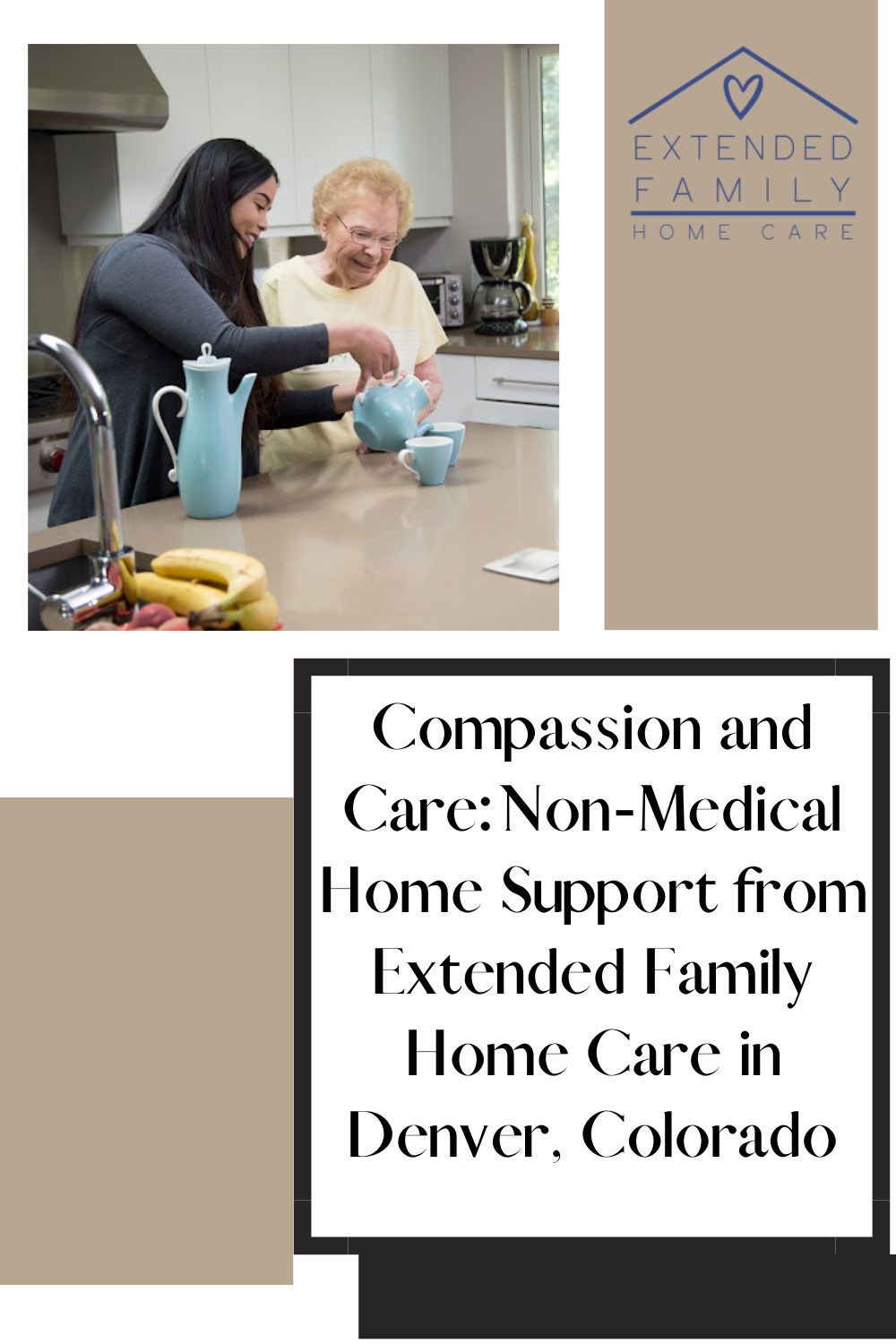
Non-Medical Home Support from Extended Family Home Care in Denver, Colorado
Non-Medical Home Support from Extended Family Home Care in Denver, ColoradoWhen aging loved ones begin to need help at home, families often face a tough question how to ensure safety, comfort, and independence without losing the warmth of familiar surroundings. Thats where Extended Family Home Care, based in Denver, Colorado, comes in. Their compassionate, non-medical home care services allow seniors to thrive at home with dignity, respect, and genuine connection.What Is Non-Medical Home Care?Non-medical home care refers to the essential daily support services that help seniors maintain independence while living at home. Unlike medical or skilled nursing care, non-medical services focus on assistance with daily livingrather than medical treatment.At Extended Family Home Care, these services include:Companionship and social engagementMeal preparation and light housekeepingPersonal care assistance such as bathing, dressing, and groomingMedication remindersTransportation and errandsRespite care for family caregiversThese services are invaluable for older adults who dont need full-time nursing but still benefit from reliable, compassionate support in their day-to-day life.A Trusted Name in Denvers Senior Care CommunityDenver, with its nearly 120,000 residents aged 60 and older, continues to see a growing demand for quality senior care options. The citys aging population values independence and many prefer to age in place, surrounded by community, neighbors, and the comfort of home.Thats why Extended Family Home Care has become a trusted partner for families across Denver County and surrounding areas. Their mission is simple but powerful: to treat every client as part of their own family.Why Families Choose Extended Family Home CareChoosing the right home care provider is about more than checking boxes its about finding people who truly care. Extended Family Home Care stands out for its local roots, compassionate team, and dedication to personalized service.1. Locally Owned, Locally ConnectedUnlike large franchises, Extended Family Home Care is a locally owned and operated company. They understand the neighborhoods of Denver from Washington Park to Highlands Ranch, from Aurora to Lakewood and take pride in serving seniors throughout the Denver Metro area.2. Compassionate and Reliable CaregiversEach caregiver is carefully screened, trained, and matched with clients based on personality, preferences, and specific needs. Whether helping with meals, offering companionship, or simply being a friendly face, caregivers build meaningful relationships that make every visit special.Our caregivers are more than helpers theyre companions and extended family, shares Brittney Blanchard from the Extended Family Home Care team.We focus on building trust, consistency, and genuine human connection.3. Personalized Care PlansNo two seniors are alike. Thats why Extended Family Home Care designs individualized care plans tailored to each persons routines, needs, and goals. Families can choose hourly, part-time, or around-the-clock care depending on what fits best.4. Peace of Mind for FamiliesFor adult children who live far from their parents or who juggle work, family, and caregiving having a trusted partner like Extended Family Home Care means peace of mind. They know their loved one is in capable, caring hands.The Value of Non-Medical Home CareNon-medical home care plays a critical role in maintaining independence and improving quality of life for seniors. These services bridge the gap between full independence and the need for medical assistance helping seniors stay safely at home longer.Here are some of the ways non-medical home care makes a difference:1. Promotes IndependenceHaving support for daily activities allows seniors to remain active and independent in familiar surroundings something many older adults deeply value.2. Prevents IsolationSocial connection is vital for emotional and mental well-being. Companionship care helps prevent loneliness, depression, and cognitive decline.3. Supports Family CaregiversFamily caregivers often carry heavy emotional and physical responsibilities. Non-medical care provides essential respite, allowing them to rest and recharge.4. Reduces Hospital ReadmissionsConsistent, attentive care at home can prevent accidents, medication mismanagement, and other issues that often lead to hospital visits.Local Insight: Denvers Growing Senior PopulationDenvers senior population has grown significantly in the past decade. According to the Denver Office on Aging, by 2030, one in five Denver residents will be 60 or older. This shift highlights a growing need for quality, non-medical in-home support that keeps older adults safe and comfortable in their homes.With rising living costs and the emotional value of remaining in familiar surroundings, aging in place is increasingly preferred over institutional care. Non-medical services, like those offered by Extended Family Home Care, make that possible.Real Support. Real Relationships.At the heart of Extended Family Home Cares philosophy is the belief that seniors deserve to be treated with the same kindness, patience, and respect as one would show a family member.Their caregivers dont just provide help they build relationships. They share meals, conversations, and laughter. They celebrate birthdays and milestones. For many seniors in Denver, caregivers become a lifeline of companionship and comfort.As Brittney Blanchard explains,Its not just about completing a checklist. Its about showing up with heart every day.How to Get Started with Extended Family Home CareThe process of beginning non-medical care is simple and transparent. Heres what families can expect:Free Consultation A care coordinator discusses your loved ones needs, preferences, and schedule.Customized Care Plan A personalized plan is designed to match the seniors lifestyle and goals.Caregiver Matching Extended Family Home Care carefully matches a caregiver whose personality and skills best fit your loved one.Ongoing Support Care plans are reviewed regularly to ensure they continue meeting the familys needs.This hands-on, responsive approach ensures that care evolves as the clients situation changes providing consistent comfort and reliability.Frequently Asked Questions About Non-Medical Home Care1. Whats the difference between medical and non-medical home care?Non-medical home care focuses on daily living activities like bathing, cooking, cleaning, and companionship. Medical home care involves licensed healthcare services, such as skilled nursing or physical therapy.2. Who can benefit from non-medical home care?Seniors who need help with daily tasks, have mobility challenges, live alone, or simply need companionship can benefit. Its also ideal for individuals recovering from illness or surgery who dont require skilled nursing.3. Is non-medical home care covered by insurance?While non-medical home care is usually private pay, some long-term care insurance plans may cover part of the cost. Extended Family Home Care helps families explore their options during consultation.4. How do I know if my loved one needs home care?Common signs include missed meals, unwashed dishes, forgetfulness, mobility issues, or increasing isolation. If these signs appear, it may be time to discuss in-home support.5. Can I change or cancel services anytime?Yes. Extended Family Home Care offers flexible care arrangements that can be adjusted as needs change no long-term contracts required.Why Extended Family Home Care Stands Out in DenverWhat makes Extended Family Home Care special isnt just what they do its how they do it. They go beyond basic assistance to create meaningful relationships that nurture emotional and physical well-being. Every act of care is guided by empathy, integrity, and a deep sense of purpose.Their team members often describe their mission as care that feels like family and in Denvers tight-knit community, that message resonates deeply.Connect with Extended Family Home CareWhen youre ready to explore non-medical home care options in Denver, turn to the trusted professionals at Extended Family Home Care. Their team will guide you through every step with compassion, clarity, and respect. Learn more or contact them directly via theirSeniorsBlueBook.com listingBecause when care comes from the heart, home truly feels like home.
Oct 22, 2025

How Companion Care Helps Denver Seniors Stay Social, Safe, and Engaged
How Companion Care Helps Denver Seniors Stay Social, Safe, and EngagedIn a city as energetic as Denver, staying connected to community life matters at every age. Yet many older adults quietly struggle with loneliness, transportation challenges, and reduced social interaction. Adult children may notice parents spending more time alone, skipping favorite activities, or withdrawing from social circles.Companion care has emerged as one of the most valuable forms of non-medical support for older adults across Denver. Through meaningful conversation, routine assistance, and emotional encouragement, companion caregivers help seniors remain connected to the lives they love.Extended Family Home Care helps local families understand that emotional wellness is just as important as physical health.Loneliness Among Seniors Is More Common Than Many RealizeIsolation can affect seniors for many reasons: Retirement Loss of a spouse Limited mobility Adult children living out of state Driving limitations Health concerns Even in active Denver neighborhoods, many seniors spend large portions of the day alone.Studies continue to show that social isolation can contribute to: Depression Anxiety Cognitive decline Poor sleep Increased health risks Companion care addresses these concerns through consistent human interaction and supportive routines.What Companion Care Looks Like Day to DayCompanion care is highly personalized. Some seniors want someone to share coffee and conversation with. Others appreciate help attending local activities or staying organized at home.A caregiver may help by: Going on neighborhood walks Preparing meals together Playing games or cards Assisting with errands Encouraging hobbies Helping with technology Providing transportation to appointments For seniors in Denver who enjoy staying active, companionship can help maintain confidence and independence.Companion care isnt just about tasks, says Brittney Blanchard of Extended Family Home Care. Its about helping seniors feel seen, heard, and connected every single day.Denver Offers Seniors Incredible Community OpportunitiesOne reason so many retirees love Denver is the variety of opportunities available for older adults.Seniors frequently enjoy: Farmers markets Community recreation centers Senior fitness classes Art walks Church gatherings Outdoor parks Volunteer opportunities However, transportation or mobility concerns can make participation difficult.Companion caregivers can provide the support seniors need to continue engaging with the city they love.Transportation Challenges and Senior IndependenceDriving can become stressful with age, especially during winter weather or busy Denver traffic conditions.Unfortunately, losing the ability to drive often leads to isolation.Companion caregivers help bridge that gap by assisting seniors with: Grocery shopping Medical appointments Hair appointments Family gatherings Social outings This support allows older adults to maintain routines without relying entirely on family members.Emotional Wellness Is Part of Healthy AgingMental and emotional health often receive less attention than physical wellness, yet both are deeply connected.Simple companionship can improve: Mood Confidence Motivation Appetite Cognitive stimulation Meaningful conversations and daily interaction provide reassurance and structure for many seniors.Supporting Seniors After LossGrief can significantly affect older adults, especially after losing a spouse or close friend.Companion care can offer emotional consistency during difficult transitions.Caregivers provide: Gentle conversation Encouragement Daily structure Emotional support Connection to activities and community For families in Denver, having additional support during periods of grief can bring tremendous peace of mind.Why Families Benefit TooAdult children often carry emotional guilt when they cannot visit regularly.Between work schedules, raising children, and distance, caregiving can become overwhelming.Companion care provides reassurance that: Someone is checking in consistently Meals are being prepared The senior is socially engaged Daily needs are being monitored Families can spend quality time together instead of focusing only on caregiving responsibilities.The Importance of RoutineRoutine creates stability for seniors, especially those experiencing mild cognitive changes.Caregivers help establish consistency through: Scheduled meals Medication reminders Daily activities Exercise encouragement Organized appointments Predictable routines often reduce stress and improve overall wellness.Home Care Can Prevent Bigger Problems LaterFamilies sometimes delay seeking support because they think home care means losing independence.In reality, early intervention often helps seniors remain independent longer.By reducing isolation, improving safety, and maintaining routines, companion care may help prevent: Falls Hospitalizations Depression Nutritional decline Caregiver burnout Choosing the Right Care Partner in DenverFinding the right caregiver relationship matters deeply.Families should look for providers that prioritize: Compassion Communication Flexibility Reliability Personalized support Local experience is especially valuable because Denver seniors often have active lifestyles and unique community ties.A Community-Focused Approach to Senior CareDenver has always been a city built around community connection. That spirit continues through compassionate home care services that help seniors remain active participants in everyday life.Companion care is not about taking overit is about walking alongside seniors as they continue living life on their terms.Call to ActionFamilies looking for compassionate companionship and non-medical support can learn more through the Seniors Blue Book listing for Extended Family Home Care today.FAQsWhat is companion care for seniors?Companion care provides emotional support, social interaction, and help with daily routines for older adults living at home.Can companion caregivers drive seniors to appointments?Many caregivers assist with transportation to appointments, errands, and community activities.Is companion care helpful for seniors living alone?Yes. Companion care can reduce loneliness and improve emotional well-being for seniors who live independently.How often can companion care visits occur?Schedules vary widely and may range from a few hours weekly to daily visits.Does companion care include medical services? No. Companion care is non-medical and focuses on support, safety, and social engagement.
May 14, 2026
How Denver Seniors Can Safely Recover at Home After a Hospital Stay
How Denver Seniors Can Safely Recover at Home After a Hospital StayRecovering from surgery, illness, or a hospital stay can feel overwhelming for older adults and their families. In a busy city like Denver, where families often balance work, commuting, and caregiving responsibilities, many seniors are looking for ways to heal comfortably without unnecessary stress. Home health services have become one of the most effective solutions for helping older adults regain strength while staying in familiar surroundings.For many Denver families, the question is no longer whether home-based care worksits how quickly they can arrange the right support.Why Recovery at Home MattersResearch consistently shows that seniors often recover faster at home than in institutional settings. Familiar environments can reduce anxiety, improve sleep, and encourage emotional well-being. Whether a senior lives near Washington Park, Capitol Hill, or the quieter suburban neighborhoods around southeast Denver, the comfort of home can make a significant difference during recovery.Home health services typically include: Skilled nursing care Medication management Physical therapy Occupational therapy Wound care Fall prevention education Chronic disease monitoring These services are especially important for older adults managing conditions such as heart disease, diabetes, COPD, or post-surgical complications.The Denver Advantage: Healing in a Community-Focused CityDenvers active senior population benefits from a city designed around wellness. Many retirees enjoy local parks, community recreation centers, and family-oriented neighborhoods. However, Colorados altitude and changing seasons can create additional challenges during recovery.Cold winter weather and icy sidewalks increase fall risks. High altitude can also impact breathing and energy levels for seniors recovering from illness. Receiving care at home allows older adults to recover safely without frequent travel to appointments.Families often underestimate how exhausting recovery can be for seniors, says Brittney Blanchard of Home Is Where the Heart Is Home Health. Our goal is to help clients regain independence while reducing stress for everyone involved.Common Signs a Senior May Need Home Health ServicesFamilies sometimes wait too long before asking for professional help. A senior may appear stable after discharge, but subtle warning signs often emerge within days.Watch for:Difficulty Managing MedicationsMissed doses, confusion about prescriptions, or duplicate medications can quickly create complications.Increased FatigueExcessive sleeping, weakness, or inability to complete daily activities may indicate the need for skilled monitoring.Mobility ProblemsTrouble walking, climbing stairs, or transferring safely from bed to chair can raise fall risks.Changes in AppetitePoor nutrition and dehydration are common concerns after hospitalization.Frequent ReadmissionsIf a senior repeatedly returns to the hospital, additional home support may help stabilize their condition.The Emotional Side of RecoveryHome health is not only about physical healing. Emotional recovery matters just as much.Many seniors fear losing independence after a medical setback. Others feel embarrassed needing assistance. Compassionate caregivers help restore confidence by encouraging gradual progress instead of focusing on limitations.Family members also benefit emotionally. Adult children often experience guilt, burnout, or anxiety while trying to coordinate care. Professional home health services create reassurance and structure during uncertain periods.Building a Personalized Care PlanNo two seniors recover the same way. A personalized care plan considers: Current medical conditions Mobility level Home safety risks Nutritional needs Family involvement Therapy goals Physician recommendations Home Is Where the Heart Is Home Health works closely with healthcare providers and families to ensure every senior receives individualized support.Safety Improvements That Make a Big DifferenceSmall home adjustments can dramatically reduce risks during recovery.Helpful modifications may include: Removing loose rugs Installing grab bars Improving hallway lighting Using shower chairs Rearranging furniture for walker access Adding medication reminders In Denvers older historic neighborhoods, homes may require additional safety updates due to stairs or narrow layouts.Supporting Independence Instead of Taking It AwayOne misconception about home health is that it replaces independence. In reality, the opposite is often true.The right care helps seniors stay independent longer by: Improving mobility Preventing complications Monitoring chronic illnesses Encouraging physical activity Reducing hospital readmissions This proactive approach helps many Denver seniors remain in the homes and communities they love.When Families Should Start the ConversationThe best time to discuss home health is before a crisis occurs. Families who plan ahead tend to experience smoother recoveries and less stress.Questions to ask include: Is the home safe for recovery? Who will assist with medications? Can family members realistically provide care? Does the senior have transportation limitations? Are therapy services needed? Starting these conversations early creates better outcomes for everyone involved.Helping Denver Seniors Thrive at HomeDenver families increasingly recognize that quality healthcare extends beyond hospital walls. Home health services provide the bridge between medical treatment and long-term wellness.Whether recovering from surgery, managing a chronic condition, or rebuilding strength after illness, seniors deserve compassionate care that respects their dignity and independence.Home Is Where the Heart Is Home Health is dedicated to helping Denver seniors recover safely while remaining connected to the community they love.Visit their Seniors Blue Book listing to learn more about available home health services and how compassionate in-home care can support your loved ones recovery journey.FAQsWhat is the difference between home health and non-medical home care?Home health involves skilled medical services such as nursing and therapy prescribed by a physician, while non-medical care focuses on companionship and daily living assistance.Does Medicare cover home health services in Denver?Many medically necessary home health services are covered by Medicare if eligibility requirements are met.How quickly can home health services begin after hospital discharge?In many cases, services can begin within 2448 hours after discharge coordination.Can home health help prevent hospital readmissions?Yes. Skilled monitoring and therapy often reduce complications that lead to readmissions.Are home health services available throughout the Denver metro area? Most agencies serve multiple Denver neighborhoods and surrounding communities.
May 15, 2026

The Hidden Health Risks of Senior Isolation in Denver
The Hidden Health Risks of Senior Isolation in DenverDenver is known for its beautiful mountain views, active lifestyle, and strong sense of community. Yet many older adults quietly struggle with isolation, especially after retirement, illness, or the loss of a spouse. While loneliness may seem like an emotional issue, healthcare professionals now recognize it as a serious medical concern for seniors.Home health providers across Denver are seeing firsthand how social isolation affects physical and cognitive healthand why proactive support matters more than ever.Why Isolation Is a Growing Concern for SeniorsAs adults age, social circles naturally become smaller. Children move away, friends relocate, and driving may become difficult. Even seniors living in vibrant Denver neighborhoods can experience profound loneliness.Isolation has been linked to: Increased fall risks Depression and anxiety Memory decline Heart disease Poor nutrition Higher hospitalization rates For seniors managing chronic illnesses, these risks become even greater.Colorado Weather Can Increase IsolationDenvers climate adds another layer of difficulty for older adults. Winter storms, icy sidewalks, and sudden temperature changes may discourage seniors from leaving home.Even active older adults who once enjoyed outings to Cherry Creek, Red Rocks, or local community events may begin staying home more frequently after health changes occur.When seniors stop engaging socially, we often notice declines in both physical and emotional health, explains Brittney Blanchard of Home Is Where the Heart Is Home Health. Consistent support and meaningful interaction can truly improve quality of life.The Connection Between Loneliness and Physical HealthIsolation impacts more than mood. Seniors who lack regular interaction may:Miss Medical AppointmentsTransportation challenges or lack of family support can lead to delayed care.Neglect NutritionCooking for one often feels unmotivating, resulting in skipped meals or poor dietary choices.Become Less ActiveReduced movement contributes to muscle weakness and increased fall risks.Experience Medication ErrorsWithout oversight, seniors may forget medications or take them incorrectly.Home health professionals help identify these warning signs before they escalate into emergencies.How Home Health Encourages EngagementHome health care provides more than clinical support. Regular visits create opportunities for conversation, encouragement, and emotional reassurance.Care teams often help seniors: Rebuild daily routines Participate in light exercise Stay connected to family Improve confidence after illness Maintain safer living environments This structure helps older adults remain engaged with life rather than withdrawing from it.Denver Families Often Face Caregiving ChallengesMany adult children in Denver balance careers, parenting, and caregiving simultaneously. Traffic, commuting, and demanding schedules can make daily visits difficult.Home health services help bridge those gaps by ensuring seniors receive consistent attention and monitoring even when family members cannot always be present.This partnership often reduces stress for everyone involved.Small Interactions Create Big ChangesSometimes improvement begins with simple moments: A nurse asking how a senior slept Encouragement during physical therapy Friendly conversation during care visits Celebrating recovery milestones Supporting hobbies and routines These interactions may seem small, but they help seniors feel seen, valued, and connected.Technology Helpsbut Human Connection Matters MostVirtual communication tools can help families stay in touch, especially when loved ones live out of state. However, technology alone cannot replace in-person care and observation.Professional home health staff can notice subtle changes in: Mobility Breathing patterns Skin condition Mood Appetite Cognitive function Early intervention often prevents larger medical complications.Supporting Seniors Aging in PlaceMost Denver seniors prefer to remain at home as they age. Aging in place supports independence, familiarity, and emotional well-being.Home health services make this possible by combining medical oversight with compassionate support tailored to individual needs.Whether someone lives in a downtown condo or a suburban family home, personalized care helps seniors continue living safely in the environment they know best.Encouraging Families to Start Conversations EarlyIsolation often develops gradually, making it difficult for families to recognize.Signs may include: Withdrawing from activities Increased forgetfulness Poor housekeeping Sleeping excessively Loss of interest in hobbies Avoiding phone calls or visitors Starting conversations early allows families to explore supportive options before health declines worsen.Compassionate Care Strengthens CommunitiesDenvers senior population continues to grow, increasing the need for healthcare solutions that support both physical and emotional wellness.Home Is Where the Heart Is Home Health understands that healing involves more than medical treatment. Compassion, connection, and dignity remain central to quality senior care.Families seeking guidance and dependable home health support can visit their Seniors Blue Book listing to learn how personalized in-home services help Denver seniors remain healthier, safer, and more connected.FAQsCan loneliness really affect a seniors physical health?Yes. Studies show isolation increases risks for heart disease, depression, cognitive decline, and hospitalization.How does home health help isolated seniors?Regular visits provide medical monitoring, emotional support, encouragement, and structured routines.What are signs a senior may be socially isolated?Withdrawal, missed appointments, decreased activity, poor hygiene, and changes in mood are common warning signs.Is home health only for seniors recovering from surgery?No. Home health also supports chronic illness management, mobility challenges, and long-term wellness.Are Denver seniors increasingly choosing aging in place? Yes. Many older adults prefer remaining at home with supportive healthcare services.
May 15, 2026

Creating a Safer Home for Aging Loved Ones
Creating a Safer Home for Aging Loved OnesFor many Denver families, the decision to help an aging parent or loved one remain at home comes with a mix of hope and concern. Home provides familiarity, comfort, and independence, but it can also present unexpected safety risks as people age.A loose rug, poor lighting, cluttered walkways, or a slippery bathroom may seem minor to younger adults. For seniors, however, these common household features can increase the risk of falls, injuries, and loss of independence.Fortunately, creating a safer home environment does not always require major renovations. In many cases, small changes combined with supportive home care services can significantly improve safety and confidence.Extended Family Home Care helps Denver seniors age in place successfully by providing compassionate non-medical assistance while helping families identify practical ways to create safer living environments.Why Home Safety Matters More with AgeAs people grow older, physical changes naturally occur.These may include:Reduced balanceSlower reaction timesVision changesDecreased strengthJoint stiffnessMobility limitationsWhile these changes are normal, they can make everyday household hazards more dangerous.Falls remain one of the leading causes of injury among older adults.Many accidents occur in places where seniors spend the most timetheir own homes.Denver Seniors Want to Remain IndependentDenver's active senior population values independence.Many older adults enjoy:GardeningWalking local trailsAttending community eventsVisiting family and friendsParticipating in volunteer activitiesCreating a safe home environment helps support these lifestyles by reducing injury risks and promoting confidence.When seniors feel secure at home, they are more likely to remain active and engaged.Common Home Hazards Families OverlookMany safety concerns are easy to miss because they develop gradually over time.Common risks include:Poor LightingDim hallways and staircases can make navigation difficult.Loose RugsArea rugs may slide or create tripping hazards.Cluttered WalkwaysFurniture, cords, and household items can obstruct safe movement.Bathroom HazardsWet surfaces increase the likelihood of slips and falls.Difficult-to-Reach ItemsClimbing or stretching to access belongings can lead to injuries.Recognizing these hazards is the first step toward prevention.The Bathroom Deserves Special AttentionBathrooms are among the most common locations for falls.Helpful modifications may include:Grab barsNon-slip matsShower chairsRaised toilet seatsImproved lightingThese relatively simple changes can dramatically improve safety and confidence.How Caregivers Help Reduce RisksProfessional caregivers often notice safety concerns that family members may overlook.Home care services can help by:Assisting with MobilityCaregivers provide support when moving throughout the home.Monitoring ChangesThey can identify evolving challenges before they become major problems.Supporting Daily TasksAssistance with chores reduces the need for risky activities such as climbing ladders or carrying heavy objects.Encouraging Safe HabitsCaregivers help reinforce routines that promote safety and wellness.These services work together to support successful aging at home.Fall Prevention Goes Beyond Physical SafetyMany people focus on the physical consequences of falls.However, falls often affect emotional well-being as well.After experiencing a fall, seniors may become:Less confidentMore fearfulLess activeMore socially isolatedPreventing falls helps preserve both physical health and independence.Confidence plays a major role in quality of life.Creating Comfortable Living SpacesSafety improvements do not need to make a home feel clinical.The best solutions often blend seamlessly into everyday living.Families can focus on:Better organizationImproved accessibilityComfortable furnitureClear walking pathsStrategic lightingThese adjustments support both safety and comfort.The Role of Family MembersFamily involvement remains important even when professional caregivers are present.Loved ones can help by:Discussing concerns openlyParticipating in safety assessmentsEncouraging proactive planningSupporting home modificationsWorking together often leads to better outcomes.Planning Ahead Prevents EmergenciesMany families address safety concerns only after an accident occurs.However, proactive planning offers significant advantages.Early intervention can:Reduce injury riskIncrease confidenceSupport independenceDelay higher levels of careImprove quality of lifeSmall improvements today can prevent major problems tomorrow.Safety and Independence Work TogetherSome seniors resist home modifications because they worry changes signal a loss of independence.In reality, the opposite is often true.Safety improvements help seniors maintain control over their lives.When homes are safer, individuals can continue participating in daily activities with greater confidence and less risk.A Personalized Approach MattersEvery home and every senior is different.Safety plans should reflect:Individual mobility levelsHealth conditionsHome layoutsLifestyle preferencesFamily involvementPersonalized solutions tend to be the most effective and sustainable.Brittney Blanchard of Extended Family Home Care explains, "Creating a safer home isn't about limiting independence. It's about making sure seniors can continue living confidently and comfortably in the place they love most."Frequently Asked QuestionsWhat are the most common causes of falls among seniors?Falls often result from poor lighting, clutter, slippery surfaces, mobility limitations, and balance issues.Can home care help prevent falls?Yes. Caregivers assist with daily activities, monitor safety concerns, and encourage safe routines.Do home safety improvements require expensive renovations?Not necessarily. Many effective changes are simple and affordable.Why is fall prevention so important?Falls can lead to injuries, reduced confidence, and loss of independence.When should families begin evaluating home safety?Ideally, before significant mobility challenges or accidents occur.Learn More Through Seniors Blue BookCreating a safe home environment is one of the most important investments families can make in successful aging. Extended Family Home Care helps Denver seniors maintain independence while receiving compassionate support that promotes safety, confidence, and peace of mind.Visit their Seniors Blue Book listing today to learn more about available home care services and discover trusted resources for aging in place.
Jun 16, 2026
Why More Denver Families Are Choosing Home Health Care After a Hospita
Why More Denver Families Are Choosing Home Health Care After a Hospital Stay Recovering from an illness, surgery, or injury can be challenging at any age. For older adults, the transition from hospital to home often requires additional support to ensure a safe and successful recovery. While hospitals provide critical treatment, healing frequently continues long after discharge. That's where home health care can make a meaningful difference. Across Denver, more families are discovering the benefits of receiving professional healthcare services in the comfort of home. Home Is Where the Heart Is Home Health helps bridge the gap between hospital care and independent living by bringing skilled support directly to seniors where they feel most comfortable. Home health care is changing the way older adults recover, allowing them to receive personalized attention while remaining connected to their routines, loved ones, and familiar surroundings. The Growing Preference for Home-Based Recovery Healthcare has evolved significantly over the last decade. Advances in medical technology, care coordination, and clinical practices have made it possible for many seniors to recover safely at home rather than remaining in institutional settings. Many older adults prefer home-based recovery because it allows them to: Sleep in their own bed Follow familiar routines Remain close to family Avoid unnecessary disruptions Maintain a sense of independence These factors often contribute to a more positive recovery experience. Why Denver Seniors Benefit from Home Health Services Denver offers an active lifestyle that many seniors wish to continue enjoying even after experiencing health challenges. Whether living near Washington Park, Cherry Creek, Sloan's Lake, or Capitol Hill, older adults often have strong ties to their communities. Home health care helps preserve these connections by allowing seniors to remain where they are most comfortable while receiving necessary medical support. This approach reduces stress and promotes continuity throughout the recovery process. Understanding Home Health Care Home health care differs from non-medical home care because it focuses on clinical services provided under physician supervision. Depending on individual needs, services may include: Skilled Nursing Licensed nurses monitor health conditions, manage medications, and provide ongoing assessments. Physical Therapy Therapists help patients regain strength, mobility, and balance following illness or injury. Occupational Therapy Patients receive assistance with relearning daily activities and improving functional independence. Health Monitoring Regular evaluations help identify potential concerns before they become serious complications. The goal is to support recovery while promoting long-term wellness. The Importance of Personalized Care Every senior's health journey is different. A person recovering from knee replacement surgery will have different needs than someone recovering from pneumonia or managing a chronic condition. Effective home health care focuses on individualized treatment plans that consider: Medical history Recovery goals Lifestyle preferences Home environment Family support systems This personalized approach helps ensure that care remains both effective and meaningful. Reducing Hospital Readmissions One of the primary goals of home health care is preventing unnecessary hospital readmissions. After discharge, patients may face challenges such as: Medication confusion Mobility limitations Nutritional concerns New medical routines Professional oversight helps identify problems early and provides interventions before they escalate. This proactive approach benefits both patients and families. The Comfort of Familiar Surroundings Research continues to show that environment plays a role in healing. Home offers advantages that cannot easily be replicated elsewhere: Familiar furniture Personal belongings Family photos Favorite pets Established routines These comforts often contribute to emotional well-being and a more positive outlook during recovery. Supporting Family Caregivers Family members often become primary caregivers after a loved one returns home. While rewarding, caregiving can also be demanding. Responsibilities may include: Managing appointments Monitoring medications Assisting with mobility Coordinating care Home health professionals provide expertise and support that help reduce caregiver stress while ensuring seniors receive appropriate care. Building Confidence Through Recovery Recovery is about more than physical healing. Many seniors experience anxiety after a hospitalization. Questions such as "Will I get back to normal?" or "Can I safely live independently?" are common. Home health care helps rebuild confidence by providing guidance, encouragement, and measurable progress toward recovery goals. According to Brittney Blanchard of Home Is Where the Heart Is Home Health, "Recovery happens best when people feel supported, comfortable, and empowered. Our mission is to help seniors heal safely at home while maintaining their dignity and independence." Looking Ahead As healthcare continues shifting toward personalized, patient-centered care, home health services are becoming increasingly important. For many Denver seniors, healing at home offers the ideal combination of professional medical support and personal comfort. The ability to recover in familiar surroundings while receiving expert care helps older adults move forward with confidence and maintain the quality of life they value most. Frequently Asked Questions What is home health care? Home health care provides clinical services such as skilled nursing and therapy under physician supervision within a patient's home. Who qualifies for home health services? Eligibility is typically determined by a physician based on medical needs and recovery requirements. How does home health differ from home care? Home health focuses on medical services, while home care generally provides non-medical assistance with daily activities. Can home health help after surgery? Yes. Many patients receive home health services following orthopedic procedures, cardiac events, and other surgeries. Why do seniors prefer recovering at home? Home offers comfort, familiarity, family support, and greater independence during the recovery process. Call to Action If you or a loved one are preparing for recovery after a hospitalization or medical event, visit the Home Is Where the Heart Is Home Health listing on Seniors Blue Book to learn more about professional home health services available throughout Denver and surrounding communities.
Jun 17, 2026
Why Non-Medical Support Makes a Difference After Surgery or Illness
Why Non-Medical Support Makes a Difference After Surgery or IllnessHospital stays are often shorter than families expect. A Denver senior may undergo surgery, experience a health setback, or spend several days in the hospitalonly to return home quickly with a long recovery still ahead.For many families, the transition home becomes the most stressful part of the process.Who will help with meals? Who will make sure medications are taken properly? What happens if mobility is limited? How can families balance work while supporting recovery?Non-medical home care has become an essential recovery resource for Denver families navigating post-hospital care. Extended Family Home Care helps older adults recover safely and comfortably in familiar surroundings while providing families with peace of mind.Recovery at Home Comes With ChallengesAfter surgery or illness, even simple tasks can suddenly feel difficult.Seniors may struggle with: Fatigue Limited mobility Pain Medication schedules Fall risks Transportation needs Household responsibilities Without proper support, recovery complications can increase.Why the First Few Weeks Matter MostThe period immediately after returning home is often the most vulnerable.Seniors may face: Balance issues Weakness Confusion about medications Difficulty preparing meals Trouble navigating stairs Having consistent support during this time can reduce stress and improve recovery outcomes.Denver Seniors Often Prefer Recovering at HomeMany older adults feel more comfortable healing in familiar surroundings instead of rehabilitation facilities.Home recovery allows seniors to: Sleep in their own bed Maintain routines Stay close to pets and family Avoid unfamiliar environments Feel emotionally secure That emotional comfort can positively affect physical recovery as well.Recovery isnt only physical, says Brittney Blanchard of Extended Family Home Care. Seniors heal better when they feel supported, comfortable, and confident in their environment.What Non-Medical Caregivers Can Help WithNon-medical caregivers provide practical support that helps seniors focus on healing.Services may include: Meal preparation Medication reminders Transportation to appointments Bathing assistance Light housekeeping Mobility support Companionship Caregivers also help families monitor recovery progress and identify concerns early.Preventing Falls During RecoveryFalls are one of the greatest risks for seniors recovering at home.Temporary weakness, dizziness, or medication side effects can increase danger significantly.Caregivers can help by: Assisting with walking Keeping pathways clear Monitoring mobility Helping with transfers Encouraging safe movement Simple support often prevents serious setbacks.Nutrition Plays a Bigger Role Than Families RealizeProper nutrition is essential after surgery or illness, yet many seniors lose appetite during recovery.Caregivers can assist with: Grocery shopping Meal preparation Hydration reminders Healthy snacks Monitoring eating habits Good nutrition supports energy, healing, and overall wellness.Transportation Challenges After SurgeryDriving restrictions are common after procedures or illnesses.In Denver, transportation can become especially difficult because of weather, traffic, and distance between appointments.Caregivers can help seniors safely attend: Follow-up appointments Physical therapy Pharmacy visits Lab work Community activities Reliable transportation reduces missed appointments and recovery delays.Supporting Emotional Health During RecoveryRecovering seniors often feel frustrated or discouraged by temporary limitations.Companion caregivers provide emotional encouragement through: Conversation Routine Positive reinforcement Social interaction Daily engagement Emotional support can make recovery feel less isolating.Family Members Need Support TooAdult children frequently try to manage recovery alone.However, balancing caregiving with work and personal responsibilities can quickly become overwhelming.Home care allows families to: Rest Maintain work schedules Avoid burnout Focus on emotional connection instead of constant tasks Professional support creates healthier recovery environments for everyone involved.Short-Term Care Can Make a Long-Term DifferenceSome families assume home care must be permanent.In reality, many seniors only need temporary assistance during recovery.Short-term support can: Prevent readmissions Improve confidence Encourage safe healing Reduce family stress Flexible schedules allow families to adjust care as recovery progresses.Denvers Active Seniors Want to Regain Independence QuicklyMany Denver older adults are accustomed to active lifestyles that include walking trails, community events, volunteering, and spending time outdoors.Recovery support helps seniors rebuild confidence so they can safely return to the activities they enjoy.The right assistance often speeds emotional recovery alongside physical healing.Choosing Local Support You Can TrustSelecting a home care provider during a stressful medical situation can feel intimidating.Families should seek caregivers who offer: Compassion Reliability Communication Personalized care Flexibility Local providers familiar with Denver-area families can better understand the needs of seniors recovering at home.Call to ActionIf your loved one is recovering after surgery, illness, or hospitalization, visit the Seniors Blue Book listing for Extended Family Home Care to learn more about compassionate non-medical recovery support in Denver.FAQsCan non-medical caregivers help after surgery?Yes. Caregivers often assist with meals, mobility, transportation, and daily routines during recovery.Is home care temporary or long-term?It can be either. Many families use short-term care during recovery periods.Can caregivers help reduce fall risks?Yes. Caregivers provide mobility assistance and monitor safety concerns at home.Do caregivers provide medication reminders?Yes. Non-medical caregivers can help seniors stay organized with medication schedules.Why do seniors often recover better at home? Familiar surroundings can reduce stress and provide emotional comfort during recovery.
May 14, 2026

A Smarter Approach for Denver Seniors
A Smarter Approach for Denver SeniorsGrowing older often means learning how to manage one or more chronic health conditions. From heart disease and diabetes to arthritis and respiratory illnesses, millions of seniors navigate ongoing medical challenges every day. While these conditions may not always require hospitalization, they do require careful monitoring, education, and consistent care.For many older adults in Denver, managing chronic conditions at home has become the preferred approach. Home health services allow seniors to receive professional healthcare support while maintaining independence and continuing to enjoy their daily lives. Home Is Where the Heart Is Home Health helps seniors take control of their health through personalized care plans designed to support long-term wellness.The goal isn't simply treating illness. It's helping older adults live fuller, healthier lives while remaining in the place they feel most comfortable.Chronic Conditions Are Becoming More CommonAccording to national healthcare data, a significant percentage of adults over age 65 live with multiple chronic health conditions.Common diagnoses include: Diabetes Congestive heart failure COPD Hypertension Arthritis Parkinson's disease Kidney disease While these conditions often require ongoing management, many seniors can continue living independently with the right support system in place.Why Home-Based Care Makes SenseManaging a chronic illness can involve numerous appointments, medications, lifestyle adjustments, and monitoring requirements.Receiving healthcare services at home offers several advantages:ConvenienceFrequent trips to medical facilities can be physically demanding.ComfortPatients often feel more relaxed in familiar surroundings.PersonalizationCare teams gain a better understanding of daily routines and environmental factors.Family ParticipationLoved ones can become active partners in care planning.These benefits help create a more patient-centered healthcare experience.Denver's Active Seniors Want to Stay IndependentOne reason Denver attracts retirees is its emphasis on healthy living.Many older adults remain active through: Walking trails Community centers Volunteer programs Outdoor recreation Faith communities Social clubs Chronic health conditions can sometimes threaten this independence.Home health care helps seniors continue participating in these activities by providing the support necessary to manage symptoms and maintain wellness.The Importance of Consistent MonitoringMany chronic conditions can worsen gradually if not properly managed.Regular monitoring helps identify changes before they become serious complications.Home health professionals often assist with: Blood pressure monitoring Medication management Symptom tracking Weight monitoring Health assessments This proactive approach can help reduce emergency room visits and hospitalizations.Education Is a Powerful ToolOne of the most valuable aspects of home health care is patient education.Many seniors are asked to manage complex treatment plans involving: Multiple medications Dietary changes Exercise recommendations Medical equipment Symptom management Healthcare professionals provide practical guidance that helps patients understand their conditions and make informed decisions about their health.Knowledge often leads to better outcomes.Medication Management MattersMedication errors remain one of the leading causes of preventable health complications among older adults.Seniors may struggle with: Multiple prescriptions Changing dosages Complex schedules Potential interactions Home health professionals help ensure medications are taken safely and correctly.This support can significantly improve treatment effectiveness.Creating Realistic Wellness GoalsSuccessful chronic disease management is rarely about perfection.Instead, it focuses on achievable goals that improve quality of life.Examples may include: Increasing physical activity Improving blood sugar control Reducing shortness of breath Preventing falls Maintaining healthy nutrition Small improvements often lead to meaningful long-term benefits.Supporting Emotional Well-BeingLiving with a chronic condition can affect more than physical health.Many seniors experience: Anxiety Frustration Isolation Depression Home health professionals understand the emotional side of healthcare and provide encouragement throughout the care journey.Regular interaction with compassionate caregivers can help reduce feelings of isolation while promoting emotional resilience.Building Strong Partnerships With FamiliesChronic disease management often involves family members as well as healthcare providers.Families frequently help with: Appointment coordination Medication reminders Transportation Daily support Home health teams work collaboratively with families to create comprehensive care plans that address both medical and personal needs.This teamwork often results in stronger outcomes and greater confidence for everyone involved.The Value of Preventive CareOne of the biggest advantages of home health services is the ability to focus on prevention.Rather than responding only when problems arise, care teams help seniors develop habits that support long-term health.Preventive strategies may include: Regular assessments Nutrition education Exercise recommendations Fall prevention planning Medication reviews Preventive care helps seniors remain healthier and more independent over time.A Personalized Approach to Every PatientNo two seniors experience chronic conditions in the same way.Effective home health care considers: Personal goals Health history Living environment Family involvement Individual preferences This personalized approach ensures care remains meaningful, practical, and focused on improving daily life.According to Brittney Blanchard of Home Is Where the Heart Is Home Health, "Managing a chronic condition doesn't mean giving up independence. With the right education, support, and care plan, seniors can continue living active, fulfilling lives while successfully managing their health."Looking Forward With ConfidenceChronic health conditions may be lifelong challenges, but they do not have to define a person's quality of life.Through consistent support, education, and proactive care, home health services help seniors remain engaged, independent, and confident in managing their health.For Denver families seeking solutions that prioritize both wellness and independence, home health care provides a valuable path forward.Frequently Asked QuestionsWhat chronic conditions can home health help manage?Home health services commonly support individuals living with heart disease, diabetes, COPD, arthritis, neurological disorders, and other chronic conditions.Does home health replace physician care?No. Home health works alongside physicians and other healthcare providers to support ongoing treatment plans.How often do home health professionals visit?Visit frequency depends on medical needs, physician recommendations, and individual care plans.Can home health help prevent hospitalizations?Yes. Regular monitoring and early intervention often help identify problems before they become serious.Why do seniors prefer chronic disease management at home?Many seniors appreciate receiving professional healthcare while remaining in familiar surroundings and maintaining their independence.Call to Action If you or a loved one are managing a chronic health condition, visit the Home Is Where the Heart Is Home Health listing on Seniors Blue Book. Learn how personalized home health services can support long-term wellness, independence, and quality of life for seniors throughout Denver and the surrounding communities.
Jun 17, 2026

How Home Care Helps Seniors Maintain Dignity and Confidence
How Home Care Helps Seniors Maintain Dignity and ConfidenceOne of the most challenging aspects of aging is not necessarily managing health conditions or medical appointments. For many older adults, the greatest frustrations come from changes in everyday abilities.Tasks that once required little thought may gradually become more difficult. Getting dressed, preparing meals, organizing medications, doing laundry, or maintaining a home can become physically demanding. Yet many seniors hesitate to ask for help because they fear losing their independence.In reality, accepting assistance often allows older adults to maintain their independence far longer than they otherwise could.Non-medical home care is designed to provide support without taking away personal choice or dignity. Extended Family Home Care helps Denver seniors navigate everyday challenges while preserving confidence, autonomy, and quality of life.Independence Is About More Than Doing Everything AloneMany people define independence as the ability to complete every task without assistance.However, true independence often means having the ability to make choices and continue living according to personal preferences.For example:A senior who receives transportation assistance can still attend favorite activities.Someone who receives help with housekeeping can continue living at home safely.A person who receives support with dressing may conserve energy for meaningful activities.Support services often enhance independence rather than diminish it.The Reality of Everyday ChallengesPhysical changes associated with aging can affect many aspects of daily life.Common challenges include:Reduced strengthArthritis painLimited mobilityVision changesBalance concernsFatigueChronic health conditionsThese issues may not require medical intervention, but they can significantly impact quality of life.Many seniors become frustrated when once-simple tasks begin taking longer or requiring more effort.Denver Seniors Want to Stay ActiveDenver's senior population enjoys an active and engaged lifestyle.Many older adults participate in:Community programsVolunteer activitiesReligious servicesFamily eventsOutdoor recreationSocial gatheringsRemaining active often requires conserving energy for the activities that matter most.Home care assistance allows seniors to focus on meaningful experiences rather than exhausting household responsibilities.Preserving Dignity Through Personalized SupportDignity is one of the most important considerations in senior care.Older adults deserve support that respects their preferences, routines, and individuality.Effective home care focuses on partnership rather than control.Caregivers work alongside clients to provide assistance while encouraging as much independence as possible.This collaborative approach helps seniors feel respected and empowered.Personal Care Assistance Builds ConfidencePersonal care services often address activities such as:Dressing AssistanceHelping seniors safely manage clothing while maintaining comfort and personal style.Grooming SupportAssistance with personal appearance can improve confidence and self-esteem.Mobility AssistanceHelping seniors move safely throughout the home.Bathing SupportProviding safety and comfort during one of the most personal daily activities.When delivered respectfully, these services help seniors maintain both safety and dignity.Small Tasks Can Have a Big ImpactMany people underestimate the emotional impact of everyday challenges.Struggling with routine activities can affect:ConfidenceMotivationSelf-esteemEmotional well-beingReceiving appropriate support often helps seniors regain a sense of control and accomplishment.The ability to participate successfully in daily life contributes significantly to overall happiness.Creating Safer Living EnvironmentsHome care also supports safety.Caregivers can help reduce common risks by assisting with:Household organizationFall preventionMeal preparationTransportationRoutine monitoringThese services help create environments where seniors can continue living comfortably and confidently.Families Often Notice Positive ChangesAdult children frequently report improvements after introducing home care.Common observations include:Improved moodBetter nutritionIncreased activityGreater confidenceReduced stressFamilies often realize that support services benefit emotional wellness just as much as physical safety.Building Trusting RelationshipsOne of the most valuable aspects of home care is the relationship between caregiver and client.Trust develops over time through:ConsistencyReliabilityRespectCompassionCommunicationMany seniors come to view caregivers as trusted companions who genuinely care about their well-being.These relationships often become important sources of encouragement and support.Home Care Helps Families Focus on RelationshipsWithout support, family visits sometimes become centered on tasks and responsibilities.Adult children may spend their time:CleaningGrocery shoppingManaging appointmentsCompleting household choresProfessional caregiving assistance allows families to focus more on enjoying time together.This shift often strengthens family relationships and reduces stress.Knowing When to Ask for HelpMany seniors wait until challenges become overwhelming before seeking assistance.However, early support often leads to better outcomes.Home care may be beneficial when:Daily tasks become exhaustingSafety concerns emergeHousehold responsibilities become difficultFamily caregivers feel overwhelmedSocial isolation increasesSeeking help is a sign of wisdom, not weakness.Maintaining Control Over Daily LifeOne of the greatest advantages of non-medical home care is flexibility.Services can often be adjusted based on changing needs and preferences.This allows seniors to remain in control while receiving the assistance necessary to continue living comfortably at home.Brittney Blanchard of Extended Family Home Care shares, "The goal of home care is not to take over someone's life. It's to provide support that helps seniors continue doing the things they love while maintaining dignity, confidence, and independence."Frequently Asked QuestionsWhat is personal care assistance?Personal care assistance helps seniors with activities such as bathing, dressing, grooming, and mobility.Does accepting help reduce independence?No. Appropriate support often helps seniors remain independent longer.Can home care be customized?Yes. Services are tailored to individual needs and preferences.How do caregivers maintain dignity?Caregivers provide respectful, compassionate support while encouraging independence whenever possible.When should families consider personal care assistance?It's often beneficial to explore options when daily activities begin becoming difficult or stressful.Learn More Through Seniors Blue BookEvery senior deserves to age with dignity, confidence, and independence. Extended Family Home Care provides compassionate non-medical home care services that help Denver seniors navigate everyday challenges while continuing to live life on their own terms.Visit their Seniors Blue Book listing today to learn more about available services and discover resources that support successful aging at home.