
PHONE
Click to View NumberNon-Medical
- Private Pay, Long Term Care Insurance, Veterans Administration, Medicaid, Managed Care Benefits
- 0
- Housekeeping, 24 Hour Contact, Free Assessment
- 24 Hour Care, Home Care/Personal Assistance/Companion, CNA on Staff, RN on Staff, Alzheimer's/Dementia Care
Additional Levels of Care Offered
A Life To Live Home Care
Respite CareAt A Life to Live Home Care, our purpose is to provide compassionate assistance to individuals in the comfort of their own homes. We are dedicated to crafting creative and personalized solutions to everyday challenges, helping our clients navigate the complexities of care coordination so they can focus on living life to the fullest. By taking on these responsibilities, we aim to alleviate stress and create an environment where clients and their families can enjoy a greater sense of ease and balance.Our vision is to redesign home care by returning to its roots: genuine care and support that empowers individuals to thrive in every aspect of their lives, not merely to exist. We believe that every person deserves the opportunity to experience fulfillment, joy, and dignity, regardless of the challenges they may face.Through our services, we strive to provide families and loved ones with peace of mind, knowing that their cherished family member is in capable and caring hands.By managing the details of care, we enable families to focus on what truly matterstheir relationship with their loved oneand create lasting moments of connection and joy. At A Life to Live Home Care, our mission is to enrich lives, inspire confidence, and make every day a little brighter for the people we serve. Home Care, Advocacy, Personal Care Assistance, Respite Care, Advocacy for Seniors, Advocacy for Patients
A Life To Live Home Care
Personal Care AssistanceAt A Life to Live Home Care, our purpose is to provide compassionate assistance to individuals in the comfort of their own homes. We are dedicated to crafting creative and personalized solutions to everyday challenges, helping our clients navigate the complexities of care coordination so they can focus on living life to the fullest. By taking on these responsibilities, we aim to alleviate stress and create an environment where clients and their families can enjoy a greater sense of ease and balance.Our vision is to redesign home care by returning to its roots: genuine care and support that empowers individuals to thrive in every aspect of their lives, not merely to exist. We believe that every person deserves the opportunity to experience fulfillment, joy, and dignity, regardless of the challenges they may face.Through our services, we strive to provide families and loved ones with peace of mind, knowing that their cherished family member is in capable and caring hands.By managing the details of care, we enable families to focus on what truly matterstheir relationship with their loved oneand create lasting moments of connection and joy. At A Life to Live Home Care, our mission is to enrich lives, inspire confidence, and make every day a little brighter for the people we serve. Home Care, Advocacy, Personal Care Assistance, Respite Care, Advocacy for Seniors, Advocacy for Patients
Continue Your Search! Explore More Local Options.
Start SearchingLet’s engage and get educated!
Browse through thousands of expert articles in over 100 different categories.
Browse NowArticles You May Like
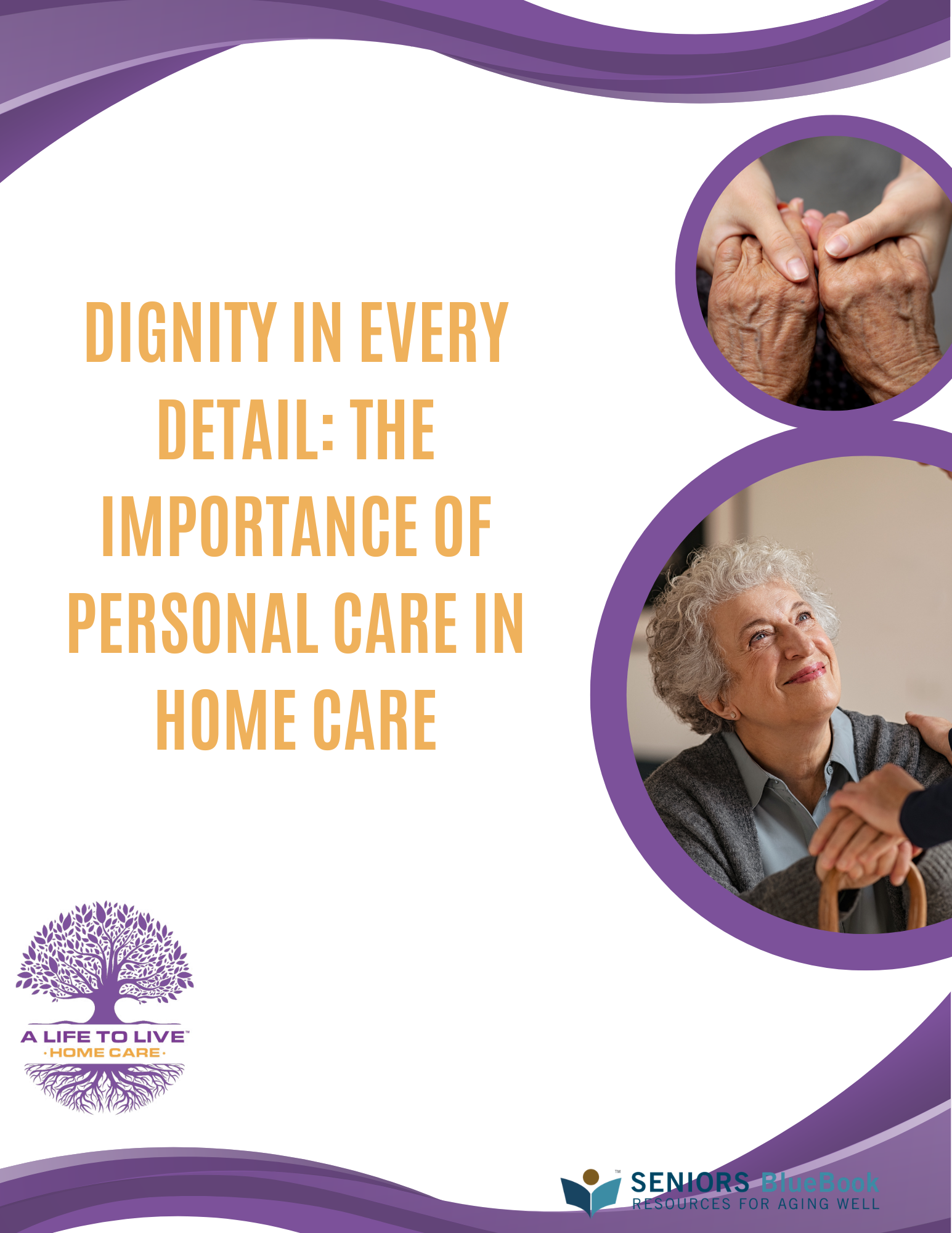
Dignity in Every Detail: The Importance of Personal Care in Home Care
There are few things more personal than the daily rituals that make us feel like ourselves. A morning shower. Clean clothes. A brushed smile in the mirror. These small, private moments of hygiene and grooming are deeply tied to self-worth, comfort, and the sense that life still has order and normalcy no matter what health challenges may be present.When illness, aging, or disability makes those rituals difficult to manage alone, the kind of help a person receives matters enormously. Not just in terms of safety and practicality, but in terms of how it feels to receive that help.At A Life to Live Home Care, personal care is delivered with one unwavering commitment at its center: dignity.What Personal Care Actually InvolvesPersonal care encompasses the full range of daily hygiene and grooming tasks that most people perform without a second thought until the day they can't. For clients who need assistance, these tasks can include: Bathing and showering ensuring cleanliness, skin health, and safety in the bathroom, one of the most common locations for falls in the home Dressing selecting appropriate clothing and assisting with the physical process of getting dressed, which requires both patience and attentiveness to a client's preferences and comfort Toileting providing discreet, respectful assistance with one of the most sensitive aspects of daily life Oral care maintaining dental hygiene, which is closely linked to overall health and often neglected when someone struggles with dexterity or motivation Incontinence support managing incontinence with professionalism, sensitivity, and care that preserves the client's comfort and self-respect at all times Each of these tasks requires a caregiver who is not only skilled and attentive, but genuinely compassionate someone who understands that they are entering an intimate space and treats that privilege with the seriousness it deserves.The Connection Between Personal Care and Self-ConfidenceIt might seem like a small thing whether someone's hair is combed, whether their clothes match, whether they feel clean and fresh. But the psychological impact of personal presentation runs deep.Research consistently shows that grooming and hygiene routines are closely linked to mental and emotional well-being. When people feel clean and cared for, they feel more like themselves. They are more likely to engage with others, to participate in activities, to maintain a sense of purpose and identity. When those routines break down when personal care becomes irregular or is handled without sensitivity the effects on mood, self-esteem, and overall quality of life can be significant.A Life to Live caregivers understand this connection. They don't rush through personal care tasks or treat them as chores to be completed. They approach them as meaningful parts of a client's day opportunities to reinforce routine, restore a sense of normalcy, and remind each person that they are worthy of care and attention.Safety in the Most Vulnerable MomentsThe bathroom is statistically one of the most dangerous rooms in the home for older adults and individuals with mobility challenges. Wet surfaces, confined spaces, and the physical demands of bathing and toileting create real risks risks that are dramatically reduced when a trained caregiver is present to assist.Beyond the bathroom, dressing and grooming also carry their own physical challenges. Reaching overhead, bending down, managing buttons and zippers these movements can be difficult or even dangerous for someone with limited strength, balance issues, or joint pain. Caregiver assistance transforms these potentially risky moments into safe, supported routines.Safety during personal care isn't just about preventing accidents, either. It's about monitoring. A caregiver who assists with bathing has an opportunity to notice skin changes, bruising, swelling, or other physical signs that might indicate an emerging health concern observations that can be communicated to family members or healthcare providers before a small issue becomes a serious one.Respecting Privacy and PreferenceGood personal care is never one-size-fits-all. Every client has their own preferences, their own routines, their own sense of how they like to look and feel. Some people have followed the same morning routine for decades. Others have strong preferences about clothing, fragrance, or the order in which things are done. These preferences are not trivial they are expressions of identity and autonomy that deserve to be honored.A Life to Live caregivers take the time to learn each client's individual preferences and routines. Care plans are personalized, and caregivers follow the client's lead wherever possible offering assistance without overriding independence, providing support without removing choice.Preserving Independence Through SupportThere is an important distinction between doing something for someone and doing something with someone. The goal of personal care is never to take over it is to fill the gap between what a client can manage on their own and what they need help with, in a way that preserves as much independence as possible.A caregiver might steady a client while they wash their own face, or lay out clothing choices and let the client decide what to wear. These small acts of collaboration keep clients engaged in their own care, reinforce their sense of agency, and send a powerful message: you are still in charge of your own life.That message matters. Feeling capable even in a limited way is profoundly important to emotional well-being, particularly for individuals who have experienced significant loss of function due to illness or aging.For Families: The Relief of Knowing It's Done RightFor family members, personal care can be one of the most emotionally complex aspects of a loved one's care. Many adult children or spouses want to help but find that taking on intimate personal care tasks strains the relationship in unexpected ways. Role reversals can be uncomfortable for both parties. And the sheer time and physical demands of daily personal care can be exhausting for family caregivers who are already stretched thin.Professional personal care support relieves that burden not by pushing family members out of the picture, but by ensuring that the most physically and emotionally demanding tasks are handled by trained, compassionate professionals. This allows family relationships to return to what they are meant to be: sources of love, connection, and emotional support, rather than obligation and stress.Dignity Is Non-NegotiableAt the heart of everything A Life to Live Home Care does in personal care is a belief that every person, regardless of age, ability, or condition, deserves to be treated with dignity. Not dignity as an abstract concept, but dignity in the most practical, tangible sense in how they are spoken to, how they are touched, how their preferences are honored, and how their privacy is protected.Personal care done well is invisible in the best possible way. The client feels clean, comfortable, and confident. They feel like themselves. And that, more than anything else, is the goal.Because every person deserves to start their day feeling cared for, respected, and ready to meet the world whatever that world looks like for them right now.
Jun 11, 2026
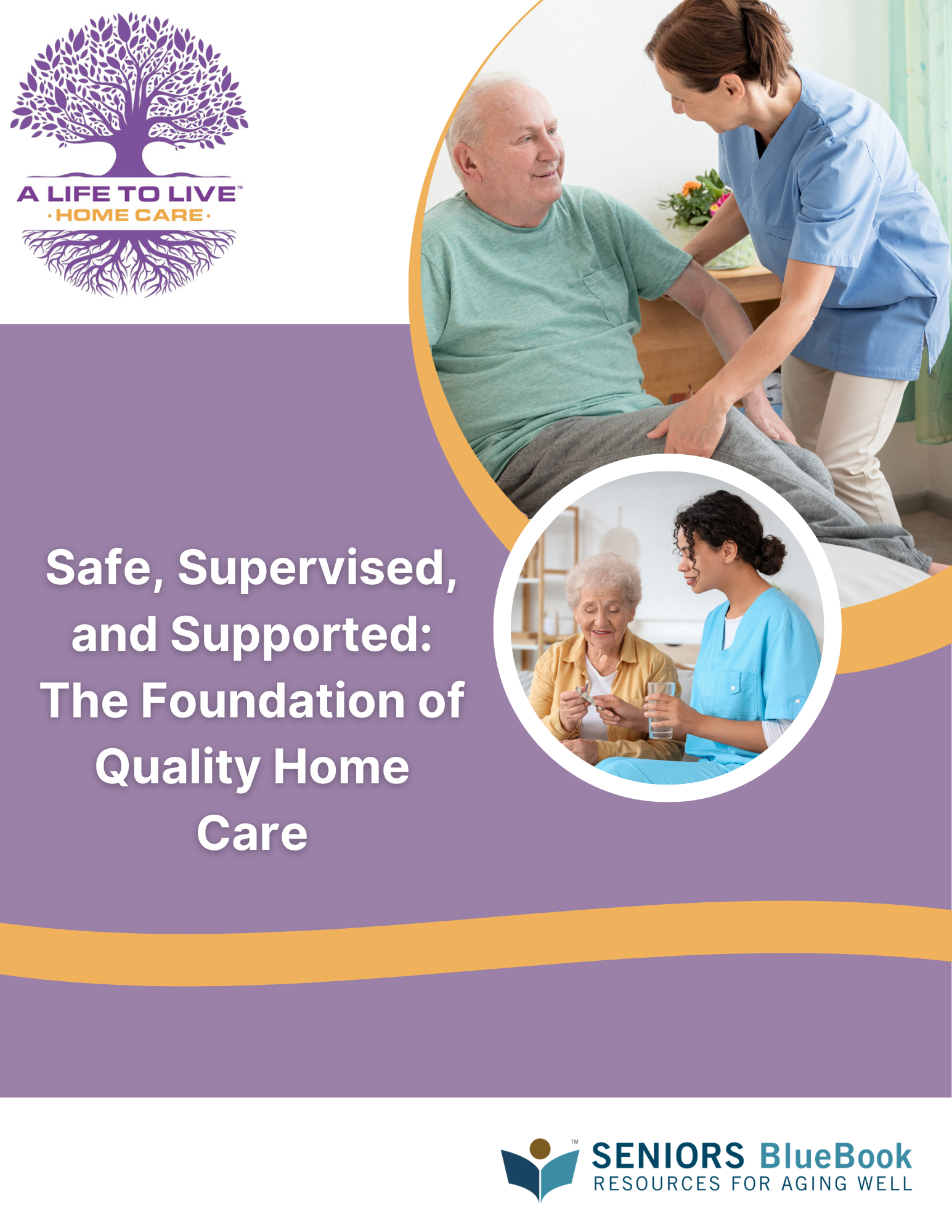
Safe, Supervised, and Supported: The Foundation of Quality Home Care
When a loved one begins to need extra help at home, safety quickly becomes the central concern for families. Will they be okay on their own? Who will be there if something goes wrong? These are questions that keep family members up at night and they are exactly the questions that dedicated home care supervision is designed to answer.At A Life to Live Home Care, safety isn't a feature. It's a foundation.Attentive Supervision That Never Sleeps on the JobThe risks that come with aging or living with a chronic condition are real and varied. Falls are among the leading causes of injury in older adults. Wandering is a serious concern for those living with dementia or Alzheimer's. Sudden changes in health a drop in blood pressure, a medication reaction, a shift in mental status can escalate quickly without someone present to notice.A Life to Live caregivers are trained to stay alert to all of these possibilities. Their supervision isn't passive. It's attentive, proactive, and personalized to each client's specific risk profile. Whether stationed nearby during a client's daily routine or actively engaged in companionship activities, caregivers maintain a watchful presence that families can trust.Fall Prevention: Small Steps, Big DifferenceFalls don't always happen dramatically. Often, they result from a momentary loss of balance, a slippery floor, or an attempt to reach something just out of range. For older adults, even a minor fall can lead to serious injury, hospitalization, or a long recovery.Caregivers take a hands-on approach to fall prevention assisting with movement, helping clients navigate stairs and uneven surfaces, ensuring walkways are clear, and providing a steady arm whenever it's needed. This kind of consistent, attentive physical support dramatically reduces the likelihood of an accident occurring in the home.Wandering Safety for Those with Memory ConditionsFor clients living with dementia or cognitive decline, wandering poses one of the most serious safety risks. A moment of confusion can lead someone out the front door, down the street, or into a dangerous situation before anyone realizes what has happened.Caregivers trained in memory care understand how to create calm, structured environments that reduce the urge to wander. They also know how to respond with patience and reassurance when a client becomes disoriented redirecting gently, without alarm or conflict. Their presence alone is often enough to provide the stability a client needs.Monitoring for Specific Health ConditionsBeyond physical safety, caregivers also play a critical role in monitoring clients with particular health needs. This can include watching for signs of infection, tracking changes in mood or cognition, noting shifts in appetite or sleep patterns, and flagging anything unusual to family members or medical professionals.This kind of ongoing observation bridges the gap between medical appointments catching concerns early, before they become crises.Companionship as a Safety ToolIt may not be the first thing that comes to mind, but companionship is itself a form of supervision. A caregiver who is engaged with a client sharing a conversation, working on a puzzle, watching a favorite show together is also a caregiver who is present, aware, and positioned to respond the moment something changes.At A Life to Live Home Care, safety and connection go hand in hand. A secure environment doesn't have to feel clinical or restrictive. It can feel warm, familiar, and full of life.Peace of Mind: For Clients and Families AlikeUltimately, comprehensive safety and supervision serves two audiences. For clients, it means living at home with confidence knowing that help is close, risks are being managed, and they are never truly alone. For families, it means being able to step back from constant worry and trust that their loved one is genuinely cared for.That peace of mind isn't a small thing. For many families, it changes everything.A Life to Live Home Care is committed to delivering it one attentive, compassionate caregiver at a time.
Jun 11, 2026
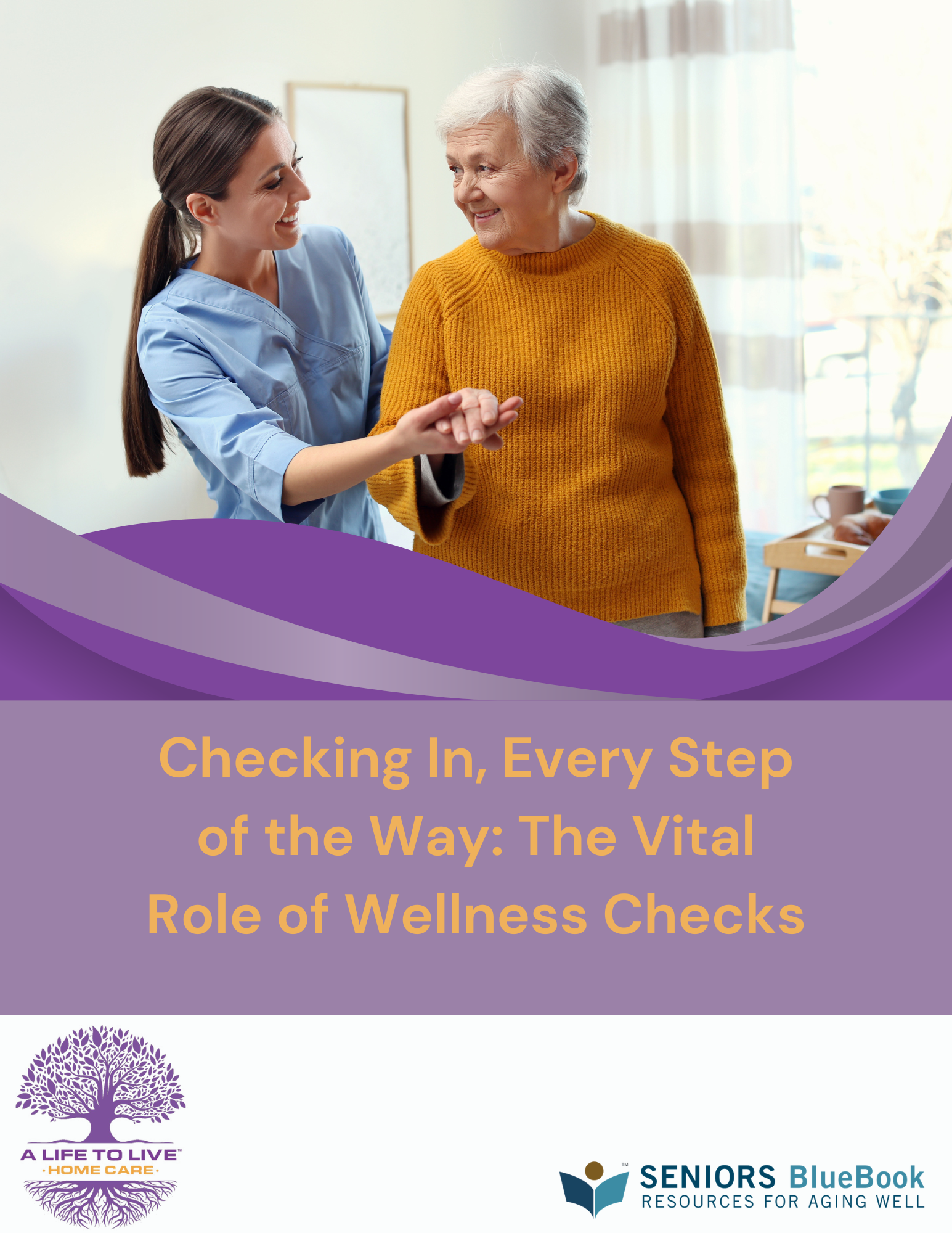
Checking In, Every Step of the Way: The Vital Role of Wellness Checks
Checking In, Every Step of the Way: The Vital Role of Wellness Checks in Home CareGood health isn't always loud. Sometimes it slips away quietly in small changes that are easy to overlook, gradual shifts that go unnoticed until they become something much harder to address. For seniors and individuals receiving care at home, regular wellness checks are one of the most powerful tools available to stay ahead of those changes before they turn into serious concerns.At A Life to Live Home Care, wellness checks aren't a formality. They are a lifeline.What a Wellness Check Really MeansThe term "wellness check" might bring to mind a quick look-in a knock at the door, a brief hello, a box checked. But meaningful wellness monitoring is far more thorough than that.A Life to Live caregivers approaches each visit with trained, observant eyes. They are looking at the whole person not just whether someone is upright and breathing, but whether they seem like themselves. Is their energy level different today? Has their appetite changed? Are they moving more slowly, speaking less clearly, or seeming more withdrawn than usual? These are the kinds of subtle signals that matter enormously in home care, and they are exactly what attentive caregivers are equipped to catch.Monitoring Physical Well-BeingPhysical health can shift in ways that a client may not immediately recognize or report. Pain tolerance, the desire not to worry family members, or simply the gradual nature of change can all lead someone to minimize symptoms that deserve attention.Caregivers watch for a wide range of physical indicators, including changes in mobility or balance, unusual fatigue or weakness, skin condition, appetite and hydration levels, and any signs of discomfort or pain. When something looks or feels off even if the client insists they are fine a trained caregiver knows how to take notes, ask the right questions, and escalate concerns appropriately.Monitoring Emotional Well-BeingPhysical health is only half the picture. Emotional well-being is equally important to a person's overall health, and it is often even easier to miss.Loneliness, anxiety, depression, and grief are common experiences among older adults and those managing chronic illness. Yet they frequently go unaddressed, either because they are mistaken for normal aging or because the person experiencing them doesn't feel comfortable raising the subject.Regular caregiver visits create a consistent, trusted relationship in which emotional shifts are more likely to surface. A caregiver who knows their client well can recognize when someone seems unusually quiet, irritable, tearful, or disconnected and can respond with compassion while also making sure the concern is communicated to those who need to know.The Bridge Between Home and HealthcareOne of the most valuable aspects of regular wellness checks is the communication they enable. Caregivers serve as a critical link between clients and their broader circle of support including family members and healthcare providers.When a caregiver notices something concerning, that observation doesn't stay in the room. It gets shared. Families are kept informed so they can make timely decisions. Doctors and nurses receive the kind of on-the-ground detail that a brief office visit rarely captures. This continuity of communication ensures that care is truly coordinated not fragmented across separate appointments and conversations that never quite connect.Early Intervention Saves LivesThe medical community has long understood that early detection and prompt intervention lead to dramatically better outcomes across almost every health condition. What wellness checks provide, in practical terms, is exactly that an early warning system built into everyday care.A urinary tract infection caught early is treated with a course of antibiotics. Caught late, it can cause dangerous confusion, hospitalization, or worse. A change in mood identified early might lead to a helpful conversation with a doctor or a counselor. Left unaddressed, it can deepen into serious depression. The difference between these outcomes often comes down to whether someone was paying attention and wellness checks ensure that someone always is.Consistency Is the KeyA single wellness check has value, but the real power lies in consistency. When caregivers visit regularly and build genuine familiarity with a client, they develop a baseline understanding of who that person is how they look, how they move, how they talk, what they care about. Any deviation from that baseline becomes noticeable in a way it simply wouldn't be to someone meeting them for the first time.This is why A Life to Live Home Care places such emphasis on continuity in caregiver relationships. Familiar faces build trust. Trust opens communication. And open communication is what makes wellness monitoring actually work.For Families: Confidence Between VisitsFor family members who cannot be present every day, wellness checks offer something that is hard to put a price on confidence. Confidence that someone dependable is looking in on their loved one. Confidence that changes will be caught and reported. Confidence that their family member is not simply getting by, but truly being looked after.That peace of mind ripples outward. It allows family members to go about their own lives, their own work, their own responsibilities, without the constant low-level anxiety of wondering whether everything is okay at home.At A Life to Live Home Care, regular wellness checks are a promise that no one will fall through the cracks, that no change will go unnoticed, and that every client will receive the prompt, attentive care they deserve.Because good health is worth checking on. Every single day.
Jun 11, 2026

Getting There with Confidence
Getting There with Confidence: How Reliable Transportation Transforms Home CareFor many seniors and individuals living with disabilities or chronic conditions, something as simple as getting to a doctor's appointment can feel like an insurmountable challenge. Transportation barriers are among the most underrecognized obstacles in home care yet they have a profound impact on health outcomes, social connection, and overall quality of life.At A Life to Live Home Care, transportation is treated as an essential part of comprehensive care, not an afterthought.More Than a RideThe transportation services provided go far beyond simply driving a client from point A to point B. Caregivers offer true door-to-door support walking alongside clients from inside their home to the vehicle, and from the vehicle into their destination. For those with mobility challenges, this kind of hands-on assistance can make the difference between safely attending an important appointment and missing it altogether.Every journey is designed to be stress-free. Caregivers are trained to move at the client's pace, assist with walkers, wheelchairs, or other mobility aids, and ensure that getting in and out of the vehicle is handled with care and dignity.Where Clients Need to GoTransportation support covers a full range of everyday needs: Medical appointments from routine check-ups and specialist visits to lab work, physical therapy, and follow-up care Errands grocery shopping, pharmacy pickups, banking, and other day-to-day tasks that maintain independence Visiting loved ones staying connected with family and friends, which is vital to emotional well-being Community activities attending religious services, senior centers, recreational programs, or social events These aren't luxuries. They are the building blocks of an active, engaged, and healthy life.The Ripple Effect of Staying ConnectedResearch consistently shows that social isolation is one of the greatest health risks facing older adults. When transportation isn't reliable, missed appointments become missed diagnoses. Skipped errands become unmet needs. Cancelled visits become loneliness. Over time, these small losses compound into a diminished quality of life.Dependable transportation services help break that cycle. By ensuring clients can get where they need to go safely, comfortably, and with the support they need A Life to Live Home Care helps people remain active participants in their own lives and communities.Peace of Mind for FamiliesFor family members who can't always be available to drive their loved ones, knowing that a trusted caregiver is handling transportation provides enormous peace of mind. There's no need to worry about ride-share apps, public transit, or relying on neighbors. Professional, compassionate support is already built into the care plan.Reliable transportation isn't just a convenience it's a lifeline. And for clients of A Life to Live Home Care, it's always within reach.
Jun 11, 2026
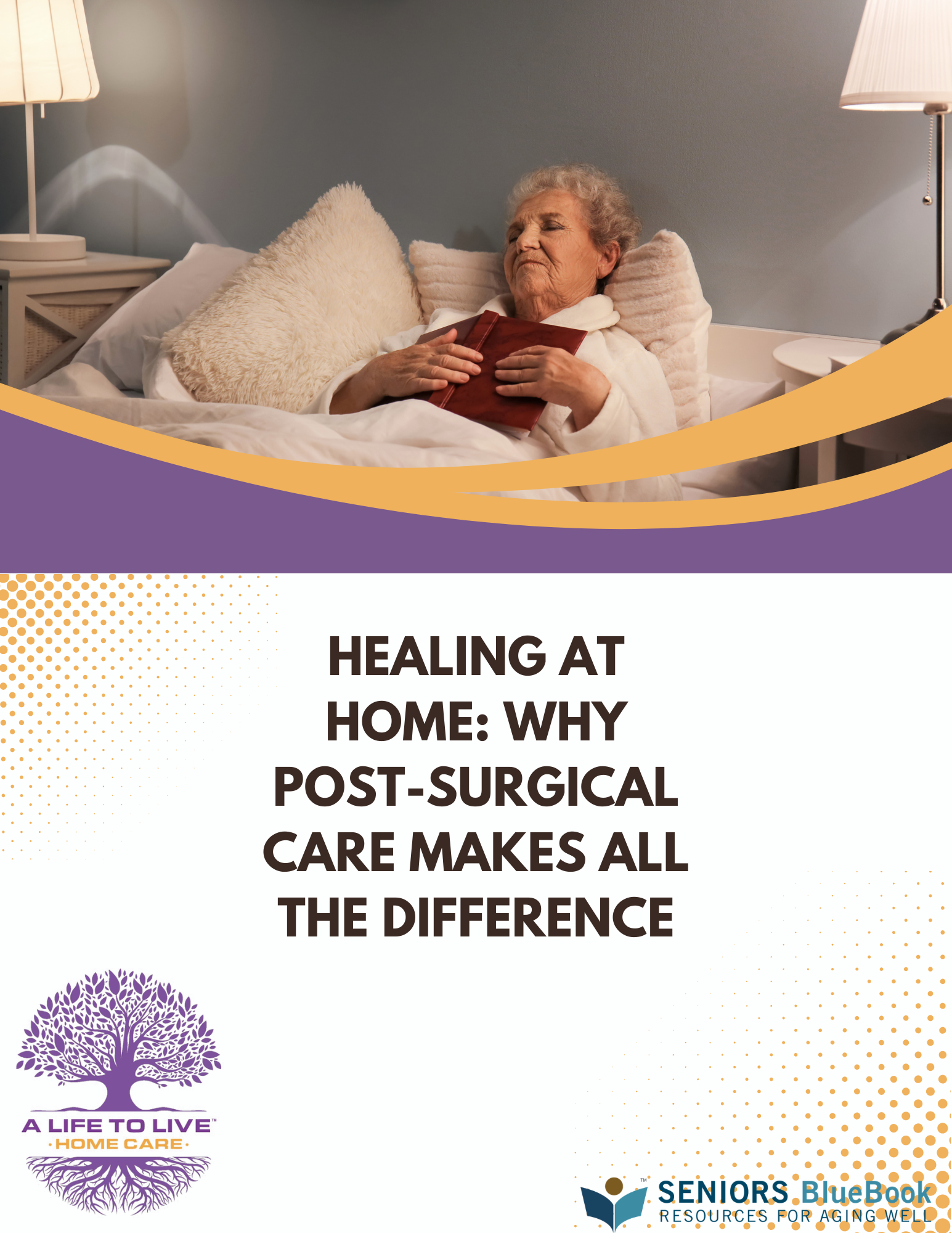
Healing at Home: Why Post-Surgical Care Makes All the Difference
Surgery, no matter how routine or complex, takes something out of a person. The body has been through a significant event, and recovery real recovery requires more than rest and good intentions. It requires attentive support, careful monitoring, and the kind of consistent patient assistance that allows healing to happen at its own pace, without setbacks or unnecessary stress.For many patients, the journey home from the hospital marks the beginning of the hardest part. The clinical support of nurses, monitors, and on-call medical staff disappears, and suddenly the responsibility for recovery falls on the patient and whoever happens to be nearby. For those who live alone, that can mean navigating the most vulnerable days of their healing process without adequate help. For those with family support, it can mean placing an enormous physical and emotional burden on loved ones who want to help but may not know how.At A Life to Live Home Care, post-surgical care bridges that gap bringing professional, compassionate support directly into the home, right when it is needed most.The Critical Window After SurgeryThe days and weeks immediately following surgery represent a critical window in the healing process. During this time, the risk of complications is highest, the body's need for rest and proper care is greatest, and the temptation to push through and resume normal activity before the body is ready is a constant challenge.Patients are often sent home with detailed discharge instructions medication schedules, activity restrictions, wound care protocols, follow-up appointments that can feel overwhelming to manage independently, especially while dealing with pain, fatigue, or the lingering effects of anesthesia. Missing a medication dose, overexerting too soon, or failing to notice a warning sign can derail a recovery that was otherwise on track.This is precisely where a skilled, attentive caregiver becomes invaluable.Medication Reminders: Staying on SchedulePost-surgical medication management is one of the most important and most mishandled aspects of recovery at home. Patients may be managing multiple medications simultaneously pain relievers, antibiotics, anti-inflammatory drugs, blood thinners each with its own dosage schedule and set of instructions. Some must be taken with food. Some cannot be taken together. Some require careful timing to maintain consistent levels in the bloodstream.When pain, fatigue, or mental fogginess make it difficult to track all of this independently, mistakes happen. A missed antibiotic dose can open the door to infection. An accidental double dose of pain medication can cause serious harm. Stopping medication too early because symptoms seem to have improved is a common mistake with real consequences.A Life to Live caregivers provide consistent medication reminders that keep clients on schedule throughout their recovery not administering medication but ensuring that the right medications are taken at the right time, every time. This steady, reliable oversight takes an enormous cognitive burden off the patient and provides families with confidence that the medical plan is being followed.Mobility Support: Moving Safely Through RecoveryOne of the greatest physical risks during post-surgical recovery is movement or rather, the wrong kind of movement at the wrong time. Getting in and out of bed, navigating stairs, walking to the bathroom, sitting down and standing up all these ordinary actions can become genuinely difficult and potentially dangerous following surgery.The consequences of a fall or strain during recovery can be severe. A patient recovering from hip replacement surgery who loses their balance reaching for a glass of water may undo weeks of surgical work in an instant. Someone recovering from abdominal surgery who tries to lift something before their incision has fully healed risks reopening the wound or causing internal damage.Caregivers trained in post-surgical mobility support know how to assist clients through these movements safely providing a steady arm, helping with transfers, ensuring that assistive devices like walkers or crutches are used correctly, and adapting support as the client's strength and confidence gradually return. They move at the patient's pace, neither rushing nor allowing unnecessary risk.Assistance with Daily ActivitiesSurgery doesn't pause the rest of life. Meals still need to be prepared. Personal hygiene still needs to be attended to. The home still needs a basic level of upkeep. For a patient focused entirely on recovery, these ordinary demands can feel overwhelming and attempting to manage them without help often leads to overexertion that sets the healing process back.Post-surgical caregivers take on the practical tasks of daily life so that clients can focus their limited energy on getting better. This includes preparing nutritious meals that support healing, assisting with bathing and dressing in ways that protect the surgical site, handling light household tasks, and running errands as needed. By managing these logistics, caregivers remove a significant source of stress from the recovery environment and create the conditions in which the body can do what it is designed to do heal.A Stress-Free Environment for RecoveryThe connection between stress and healing is well established in medical literature. Elevated stress hormones interfere with immune function, disrupt sleep, increase pain sensitivity, and slow the body's natural repair processes. A recovery environment that is calm, organized, and free from unnecessary demands gives the body its best chance at a full and timely recovery.This is one of the less obvious but deeply important contributions of professional post-surgical care. When a client knows that their medications are being tracked, that someone is there to help them move safely, that meals will be prepared and the household will keep functioning, the psychological burden of recovery lifts considerably. Anxiety decreases. Sleep improves. The healing process accelerates.A Life to Live caregivers bring not just physical support but a calming, reassuring presence that transforms the recovery environment into a genuine place of rest.Working Closely with Medical TeamsEffective post-surgical care doesn't happen in isolation. It requires coordination with the broader medical team surgeons, primary care physicians, physical therapists, and home health nurses who are overseeing the recovery process and whose instructions must be followed carefully and consistently.A Life to Live caregivers understand their role within this larger care team. They are not making medical decisions, but they are an essential link in the chain of communication that keeps everyone informed. When a caregiver notices that a client's wound appears to be changing, that their pain seems to be increasing rather than decreasing, or that they are running a fever, that observation is communicated promptly to family members and healthcare providers so that it can be assessed without delay.This kind of vigilant, communicative caregiving is what transforms home care from a comfort service into a genuine clinical support system one that works in concert with the medical team to ensure that recovery stays on course.Knowing When to ActPart of what makes post-surgical home care so valuable is having someone present who knows the difference between normal recovery discomfort and a warning sign that warrants immediate attention. Redness, swelling, warmth, or discharge around a surgical site can indicate infection. Sudden shortness of breath or chest pain following certain surgeries may signal a blood clot. Confusion or extreme drowsiness may suggest a medication reaction.A family member without medical training may not know which symptoms to take seriously and which to wait out. An experienced caregiver does. Their presence during the post-surgical period means that nothing concerning goes unnoticed or unreported and that if something does require urgent attention, it receives it quickly.For Families: Support Without SacrificeMany families step up to provide post-surgical care for their loved ones out of love and dedication and quickly find themselves exhausted, stretched beyond their abilities, or uncertain whether they are doing things correctly. Caring for someone recovering from surgery is demanding work, and without proper training, even the most devoted family member can inadvertently cause harm through well-intentioned but incorrect assistance.Professional post-surgical care allows families to be present in the way that matters most as sources of emotional support, encouragement, and love without carrying the full weight of medical and physical caregiving. It is not a replacement for family involvement. It is the support structure that makes family involvement sustainable.Recovery Is a Process, Not an EventSurgery may be over in a matter of hours, but recovery unfolds over days, weeks, and sometimes months. The needs of a post-surgical patient change as healing progresses the intensity of support required immediately after discharge gradually decreases as strength and independence return. A Life to Live caregivers adapt to those changing needs, providing more intensive support in the early days and stepping back thoughtfully as the client's confidence and capability grow.The goal, always, is to support recovery in a way that moves the client toward independence rather than dependence to be the scaffolding that holds everything in place while healing happens, and then to step away once that scaffolding is no longer needed.At A Life to Live Home Care, that is exactly what post-surgical care looks like. Professional. Compassionate. Coordinated. And completely centered on the wellbeing of the person doing the hard, important work of getting better. Because recovery deserves more than getting by. It deserves genuine, expert support every step of the way home.