
PHONE
Click to View NumberNon-Medical
- Private Pay, Long Term Care Insurance, Veterans Administration, Medicare, Other
- 0
- Activities, Housekeeping, Meals/Meal Options, Transportation, Medication Reminders, 24 Hour Contact, Live-In Care, Free Assessment, Yard Work, Home Health Aides / Assisting ADL
- 24 Hour Care, Doctor Visits, Home Care/Personal Assistance/Companion, Incontinence Care, CNA on Staff, RN on Staff, Alzheimer's/Dementia Care
- Bonded, Insured, Workmans Comp
- B
Continue Your Search! Explore More Local Options.
Start SearchingLet’s engage and get educated!
Browse through thousands of expert articles in over 100 different categories.
Browse NowArticles You May Like

Why Social Connection Matters for Denver Seniors
Why Social Connection Matters for Denver SeniorsAging involves more than physical health. Emotional wellness, human connection, and daily interaction play equally important roles in helping older adults maintain quality of life. In , many seniors live independently but quietly struggle with loneliness after retirement, mobility changes, or the loss of close friends and spouses.Companion-focused non-medical home care is helping older adults remain socially engaged while continuing to live comfortably at home.Loneliness Can Affect Senior Health SignificantlyIsolation among older adults has become a growing concern nationwide. Seniors who spend long periods alone may experience: Depression Anxiety Cognitive decline Reduced physical activity Poor sleep patterns Declining motivation Even seniors with loving families may still feel isolated if relatives live far away or maintain busy schedules.Companionship is one of the most valuable forms of care we can provide, says . Simple human connection can improve emotional wellness in remarkable ways.Companion Care Focuses on Meaningful Daily InteractionCompanion caregivers help seniors remain emotionally connected and engaged through everyday activities.Support may include: Friendly conversation Shared meals Walks around the neighborhood Transportation to social events Assistance with hobbies Reading together Light household help These interactions help seniors feel valued and connected rather than isolated.Denver Offers Excellent Opportunities for Active AgingDenvers vibrant atmosphere gives older adults many opportunities to stay involved in community life.Seniors throughout the area often enjoy: City parks and trails Cultural events Coffee shops and restaurants Recreation centers Community classes Faith-based gatherings Companion caregivers can help seniors safely continue participating in activities they enjoy.Emotional Wellness Supports Physical HealthResearch consistently shows that emotional connection affects overall physical wellness.Seniors with strong social support often experience: Better memory retention Lower stress levels Improved mobility Greater appetite Higher activity levels Companionship encourages healthier daily routines and emotional stability.Families Cannot Always Be Present DailyAdult children frequently balance caregiving with careers, parenting, and personal obligations. Even highly devoted family members may struggle to provide regular companionship every day.Professional companion caregivers help fill emotional gaps while allowing families to focus more on quality time instead of constant caregiving pressure.Companion Care Supports Seniors Living AloneMany Denver seniors prefer remaining independent in their own homes for as long as possible.However, living alone can increase risks related to: Isolation Missed meals Depression Reduced activity Safety concerns Regular caregiver visits provide structure, monitoring, and social engagement that improve overall well-being.Caregivers Encourage Daily ActivityCompanion care also helps motivate seniors to remain active physically and mentally.Activities may include: Walking outdoors Gardening Games and puzzles Music and art Community outings Staying mentally and physically engaged supports long-term cognitive health.Personalized Relationships MatterStrong caregiving relationships develop through trust, patience, and consistency.Seniors often feel more comfortable when caregivers: Respect routines Listen attentively Encourage independence Share genuine conversation Adapt to individual personalities These relationships become deeply meaningful for many older adults.Small Moments Can Have a Big ImpactCompanion care may seem simple, but small moments often carry tremendous emotional value.Something as ordinary as: Sharing coffee Talking about memories Watching a favorite movie Taking a short walk can brighten a seniors entire day.Helping Seniors Feel Connected and ValuedGrowing older should not mean growing isolated. Compassionate companion care helps seniors remain emotionally connected, socially engaged, and confident while continuing to live independently.For families throughout Denver, ACASA SeniorCare Denver provides thoughtful non-medical support centered on companionship, dignity, and quality of life. Visit their Seniors Blue Book listing to learn more about companion care and in-home senior support services.FAQsWhat is companion care?Companion care provides emotional support, conversation, and assistance with everyday activities for seniors living at home.Why is social connection important for seniors?Social interaction supports emotional wellness, cognitive health, and overall quality of life.Can companion caregivers help with errands?Yes. Many caregivers assist with transportation, grocery shopping, and appointments.Does companion care replace family involvement?No. Companion care complements family support while helping reduce caregiver stress.Who benefits most from companion care? Seniors living alone, experiencing isolation, or needing additional emotional support often benefit greatly.
May 08, 2026
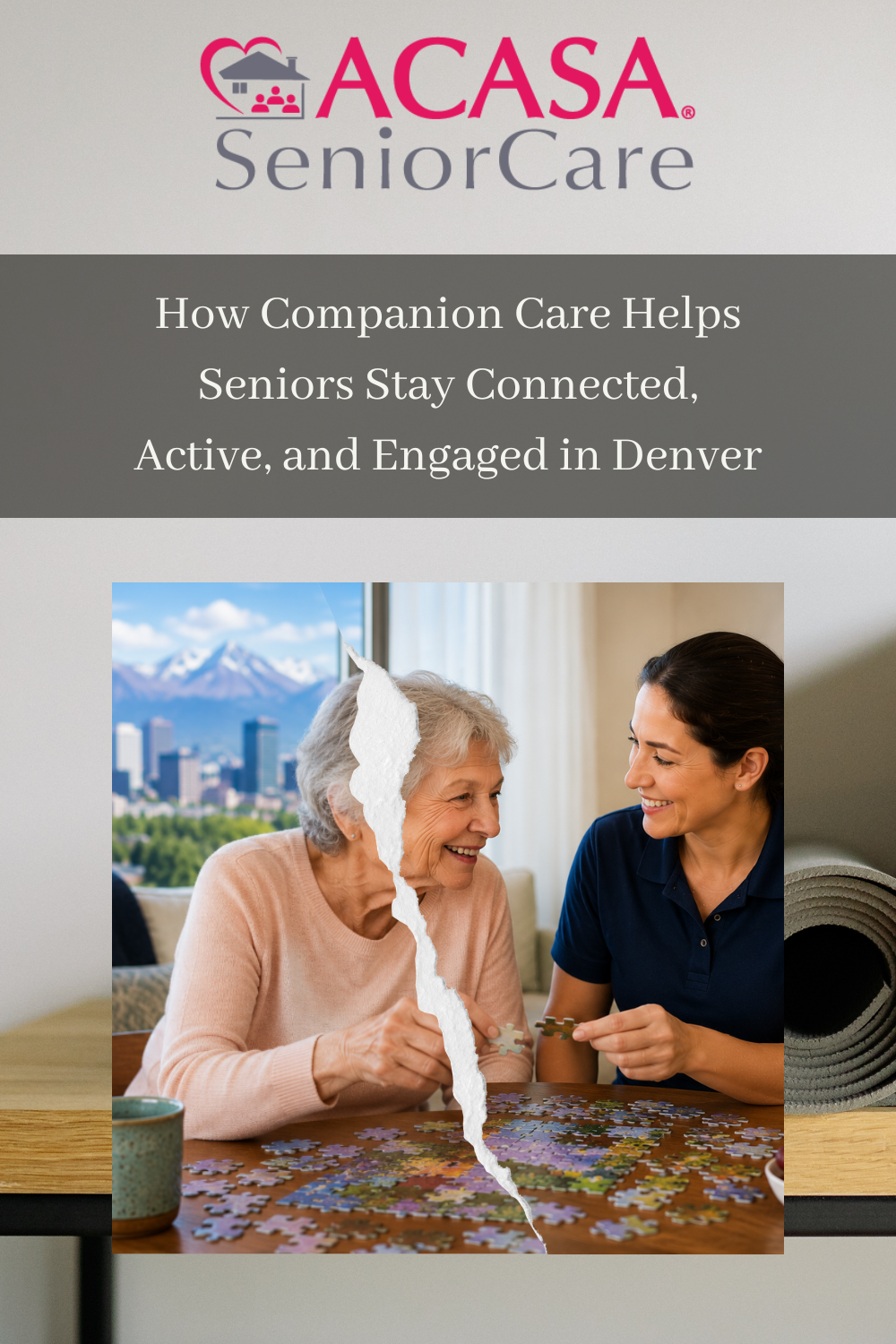
How Companion Care Helps Seniors Stay Connected, Active, and Engaged i
How Companion Care Helps Seniors Stay Connected, Active, and Engaged in DenverAging brings many opportunities. Retirement can provide more freedom, additional time for hobbies, and greater flexibility to enjoy family and community activities. Yet for many older adults, aging also introduces challenges that are not always obvious.One of the most significant concerns facing seniors today is social isolation.While healthcare discussions often focus on medical conditions, medications, and physical wellness, emotional health and social connection play equally important roles in healthy aging. Research continues to show that meaningful relationships and regular social interaction contribute significantly to quality of life.For seniors throughout Denver, companion care has become an important solution for maintaining social engagement, emotional well-being, and overall independence.Organizations like ACASA SeniorCare Denver provide non-medical companion care services that help older adults remain active participants in their communities while enjoying the benefits of trusted support and meaningful human connection.The Growing Challenge of Senior IsolationMany older adults experience changes that affect their social lives.Common factors include:Retirement from long-term careersLoss of a spouse or close friendsFamily members relocatingReduced driving abilityMobility limitationsHealth concernsThese life changes can gradually reduce opportunities for interaction.What begins as occasional loneliness may eventually become ongoing isolation.According to numerous studies, prolonged social isolation can affect both physical and emotional health.Potential consequences include:Increased risk of depressionAnxietyCognitive declineReduced physical activityLower overall life satisfactionThis is why maintaining social connections remains a critical component of successful aging.What Is Companion Care?Companion care is a non-medical service focused on enhancing a senior's quality of life through social interaction, engagement, and support.Unlike skilled healthcare services, companion care centers on helping older adults remain connected and involved.Services may include:Meaningful ConversationProviding regular opportunities for social interaction.Recreational ActivitiesParticipating in hobbies, games, crafts, or favorite pastimes.Transportation AssistanceHelping seniors attend appointments, events, and outings.Community ParticipationSupporting involvement in local activities and programs.Emotional SupportOffering encouragement, companionship, and a listening ear.These services help create a more fulfilling and connected lifestyle.Why Human Connection MattersHumans are social beings.Connection contributes to emotional resilience, cognitive stimulation, and personal fulfillment.For seniors, regular interaction can provide:A sense of belongingIncreased confidenceReduced lonelinessImproved moodEnhanced mental engagementSometimes the simple act of sharing a conversation can brighten an entire day.Companionship reminds seniors that they remain valued, appreciated, and connected to others.Staying Active Through Shared ExperiencesMany people are more likely to participate in activities when they have someone to enjoy them with.Companion caregivers often encourage seniors to remain engaged by participating in:Walking programsCommunity eventsArts and craftsReading activitiesCard gamesGardeningCultural outingsThese experiences provide both enjoyment and opportunities for continued growth.Denver Offers Endless Opportunities for EngagementDenver is a city rich with opportunities for active aging.Seniors can enjoy:Denver Botanic GardensCity ParkMuseums and cultural attractionsCommunity recreation centersVolunteer programsSenior-focused educational opportunitiesLocal festivals and eventsCompanion caregivers help seniors take advantage of these opportunities by providing transportation, encouragement, and support.Remaining engaged in the community often improves both emotional and physical wellness.Cognitive Benefits of Social InteractionMental stimulation is an important part of maintaining cognitive health.Companion care often incorporates activities that encourage thinking, conversation, and engagement.Examples include:Sharing StoriesDiscussing personal experiences and memories.Current Events DiscussionsTalking about news, sports, and community happenings.Games and PuzzlesEncouraging problem-solving and concentration.Learning New SkillsExploring hobbies or interests.These activities help keep the mind active while creating enjoyable experiences.The Impact on Physical WellnessCompanionship influences physical health as well.Seniors who remain socially engaged are often more likely to:Stay activeFollow routinesAttend appointmentsEat regularlyParticipate in community activitiesEmotional wellness and physical wellness are closely connected.When seniors feel motivated and connected, they are often more likely to maintain healthy habits.Families Benefit TooCompanion care does not only support seniors.It also provides peace of mind for family members.Adult children often worry about aging parents who spend large portions of the day alone.Questions commonly include:Is Dad feeling isolated?Is Mom staying active?Is someone checking in regularly?Are they still enjoying life?Companion caregivers provide reassurance that seniors have ongoing support and social engagement.Families gain confidence knowing their loved one has another trusted person in their corner.Building Genuine RelationshipsOne of the most meaningful aspects of companion care is the relationships that develop over time.Caregivers often become trusted friends and confidants.These relationships are built through:ConsistencyTrustShared experiencesMutual respectMany seniors look forward to visits because they know someone genuinely cares about their well-being.These connections often become an important source of comfort and joy.Independence Through EngagementSome families hesitate to explore companion care because they fear it may reduce independence.In reality, companion care often supports independence.When seniors remain socially active and emotionally engaged, they are more likely to continue participating in activities they enjoy.Companion care encourages:ConfidenceCommunity involvementPersonal choiceActive lifestylesThis support helps individuals maintain control over their daily lives.According to Michael Gundzik of ACASA SeniorCare Denver, "Companion care is about much more than providing assistance. It is about helping seniors stay connected to the people, places, and experiences that bring meaning and joy to their lives."Small Moments Create Lasting ImpactThe benefits of companion care often come from seemingly simple interactions.A walk through a neighborhood park.A favorite board game.A conversation about grandchildren.A visit to a community event.These moments may appear small, but together they create a stronger sense of connection, purpose, and fulfillment.Helping Denver Seniors ThriveHealthy aging involves more than managing health conditions.It also means nurturing relationships, remaining active, and continuing to engage with life.Companion care helps seniors achieve these goals while supporting emotional wellness and independence.For many Denver families, it has become one of the most valuable resources available for helping older adults thrive.Learn More About ACASA SeniorCare DenverIf you or a loved one could benefit from companionship and non-medical support, ACASA SeniorCare Denver can help.Visit their Seniors Blue Book listing to learn more about their personalized companion care services and discover how they help seniors throughout Denver remain connected, active, and engaged.Frequently Asked QuestionsWhat is companion care?Companion care provides social interaction, emotional support, transportation assistance, and engagement for seniors.Does companion care include medical services?No. Companion care is non-medical and focuses on quality of life and social connection.Can companion care reduce loneliness?Yes. Regular interaction and meaningful activities help reduce feelings of isolation.How often can companion care visits occur?Services are customized and may range from occasional visits to daily support.Why is companion care beneficial for Denver seniors?Companion care helps older adults remain engaged with Denver's many community resources, activities, and social opportunities.
Jun 09, 2026
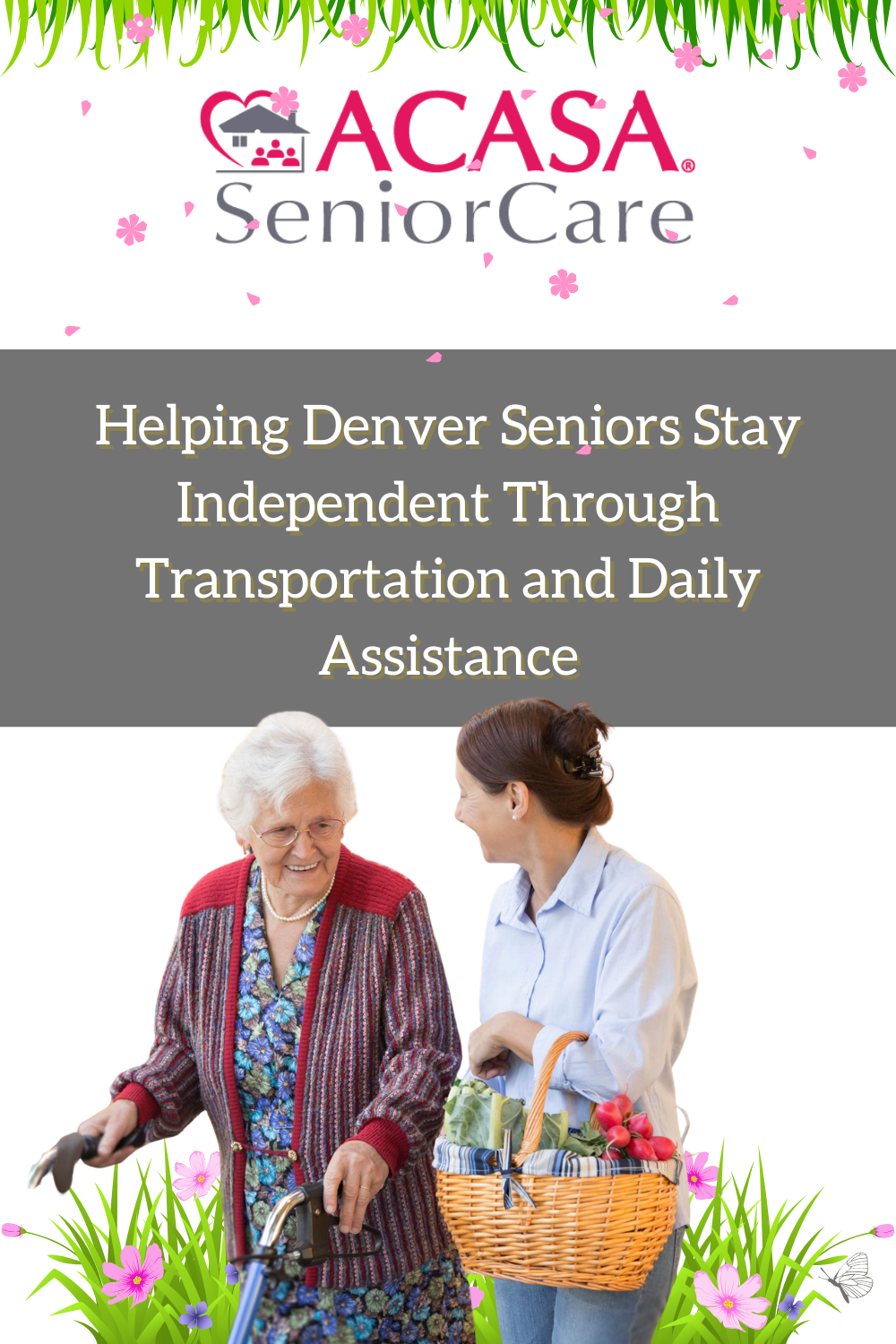
Helping Denver Seniors Stay Independent Through Transportation and Dai
Helping Denver Seniors Stay Independent Through Transportation and Daily AssistanceFor many older adults in , maintaining independence is closely tied to the ability to manage daily routines. Something as simple as grocery shopping, attending appointments, or visiting friends can dramatically influence a seniors confidence and quality of life.As mobility challenges and driving concerns increase with age, however, many seniors begin feeling disconnected from the activities that once kept them active and engaged.Non-medical home care services provide practical support that helps older adults maintain freedom and continue participating fully in community life.Losing Transportation Can Lead to IsolationDriving often represents independence for older adults. When driving becomes unsafe due to vision changes, slower reflexes, or medical concerns, seniors may suddenly experience: Isolation Missed medical appointments Reduced social interaction Difficulty accessing groceries Emotional frustration Without reliable transportation, seniors may gradually withdraw from important routines and relationships.Helping seniors stay connected to their communities is one of the most important parts of caregiving, explains . Maintaining independence often starts with helping people continue everyday activities safely.Denvers Busy Environment Can Become ChallengingDenvers traffic, weather changes, and fast-growing population can make driving stressful for older adults.Seniors may feel uncomfortable navigating: Congested roadways Downtown parking Winter weather conditions Night driving Long-distance appointments Transportation assistance helps reduce these risks while allowing seniors to remain active.Daily Assistance Helps Preserve RoutinesNon-medical caregivers often support seniors with tasks that become physically exhausting or overwhelming over time.Assistance may include: Grocery shopping Meal preparation Laundry Light housekeeping Prescription pickups Appointment transportation Organizational support This practical help allows seniors to focus their energy on activities they enjoy most.Maintaining Community Involvement Supports WellnessOlder adults who remain socially engaged often experience stronger emotional and cognitive health.Caregivers may help seniors continue participating in: Volunteer opportunities Religious services Exercise classes Family gatherings Community events Senior center programs Remaining active within the Denver community helps seniors maintain purpose and connection.Home Care Encourages ConfidenceMany seniors hesitate to ask for help because they fear losing independence. In reality, receiving practical support often allows seniors to remain independent longer.Instead of struggling alone, seniors gain reliable assistance that helps them continue living safely and confidently at home.Families Gain ReassuranceAdult children often worry about loved ones driving unsafely or missing important appointments.Professional caregiving support helps families feel more confident knowing seniors have reliable transportation and daily assistance.This reassurance often reduces stress and family tension significantly.Flexible Care Fits Different LifestylesEvery seniors needs are different. Some older adults may only require occasional transportation help, while others benefit from more frequent assistance.Flexible care plans may include: Weekly errands Appointment accompaniment Daily household support Companion outings Evening assistance Personalized services adapt as needs evolve over time.Safety Remains a Top PriorityTransportation and daily support services also improve safety by reducing risks related to: Falls while shopping Driving accidents Missed medications Poor nutrition Overexertion Early support often prevents larger health concerns later.Emotional Benefits Matter TooBeyond practical help, caregivers provide emotional encouragement and companionship throughout the day.Simple interactions during errands or appointments can brighten moods and reduce feelings of loneliness.Seniors often appreciate having someone dependable who genuinely listens and cares.Supporting Independence Through Everyday AssistanceMaintaining independence does not mean handling everything alone. With compassionate daily support, seniors can continue enjoying active, connected lives while remaining safely at home.For families throughout Denver, ACASA SeniorCare Denver offers thoughtful non-medical services designed to support independence, mobility, and quality of life. Visit their Seniors Blue Book listing to learn more about transportation assistance and in-home caregiving support.FAQsCan caregivers provide transportation for seniors?Yes. Many non-medical caregivers assist with appointments, errands, and community outings.Why is transportation important for older adults?Reliable transportation helps seniors remain socially engaged and maintain healthcare access safely.Does non-medical care include household assistance?Yes. Caregivers often help with meal preparation, laundry, housekeeping, and errands.How does daily support improve senior independence?Practical assistance allows seniors to continue living safely at home while maintaining routines.Who benefits from transportation support services? Seniors who no longer drive or feel uncomfortable driving often benefit greatly.
May 08, 2026

When Its Time to Ask for Help
When Its Time to Ask for HelpFor many families, caregiving begins with a simple act of love.An adult child starts helping a parent with grocery shopping. A spouse takes on additional household responsibilities after a medical diagnosis. A family member begins providing rides to appointments or checking in more frequently.At first, these tasks often feel manageable.Over time, however, caregiving responsibilities can grow in ways families never anticipated.What starts as occasional assistance may evolve into managing medications, coordinating healthcare appointments, preparing meals, handling transportation, monitoring safety, and providing emotional support.While caregiving can be deeply rewarding, it can also become physically demanding and emotionally exhausting.Across Denver, thousands of family caregivers quietly shoulder these responsibilities every day. Many do so without realizing that support is available.Non-medical home care services offered by organizations like ACASA SeniorCare Denver help families create sustainable caregiving plans that protect both the senior receiving care and the loved ones providing it.The Hidden Challenges of Family CaregivingFamily caregivers often place their loved one's needs ahead of their own.As responsibilities increase, many caregivers begin sacrificing:Personal timeHobbiesSocial activitiesSleepExerciseHealthcare appointmentsThis pattern can continue for months or even years.Many caregivers do not recognize the impact until they begin experiencing symptoms of burnout.Understanding Caregiver BurnoutCaregiver burnout is a state of physical, emotional, and mental exhaustion caused by prolonged caregiving responsibilities.Common warning signs include:Physical FatigueFeeling tired even after rest.Emotional StressExperiencing frustration, anxiety, sadness, or irritability.Social WithdrawalSpending less time with friends, family, and enjoyable activities.Difficulty ConcentratingFeeling overwhelmed or forgetful.Health ProblemsDeveloping headaches, sleep difficulties, or increased illness.These symptoms can affect both the caregiver and the person receiving care.Why Caregivers Often Avoid Asking for HelpMany family members struggle with accepting assistance.Common reasons include:Feeling responsible for doing everything themselvesBelieving no one can provide care as well as they canFeeling guilty about seeking supportWorrying their loved one may resist helpAssuming assistance is only needed during a crisisWhile these concerns are understandable, they often prevent families from accessing valuable resources.Seeking help is not a sign of weakness.It is a strategy for sustaining care over the long term.Caregiving Is Changing in DenverLike many communities across Colorado, Denver is experiencing significant growth in its senior population.As people live longer, more families are finding themselves in caregiving roles.Many caregivers are balancing multiple responsibilities simultaneously:Full-time employmentParenting responsibilitiesHousehold managementFinancial obligationsCaregiving dutiesThis balancing act can become overwhelming without additional support.The Importance of Respite CareOne of the most valuable services available to family caregivers is respite care.Respite care provides temporary relief by allowing caregivers to take a break while ensuring their loved one continues receiving quality support.A caregiver can use this time to:Attend appointmentsExerciseMeet friendsTravelRestFocus on personal responsibilitiesEven a few hours each week can make a meaningful difference.Regular breaks help caregivers maintain their physical and emotional well-being.How Non-Medical Home Care HelpsMany families assume home care is only for seniors with significant health challenges.In reality, non-medical home care can support a wide range of needs.Services often include:CompanionshipProviding social interaction and emotional support.Meal PreparationHelping ensure proper nutrition.TransportationAssisting with appointments and errands.Light HousekeepingSupporting a safe and organized home environment.Daily Living AssistanceHelping seniors maintain independence and routine.These services reduce caregiver workload while enhancing quality of life for seniors.Benefits for SeniorsProfessional support does more than assist family caregivers.It also benefits older adults directly.Seniors often gain:Greater social interactionIncreased independenceEnhanced safetyImproved routine consistencyMore opportunities for engagementMany seniors appreciate having another trusted person involved in their support network.Benefits for CaregiversFamily caregivers often experience immediate relief after introducing home care services.Common benefits include:Reduced stressImproved work-life balanceBetter emotional healthMore personal timeGreater confidencePerhaps most importantly, caregivers can focus more on their relationship with their loved one rather than constantly managing tasks.Creating a Sustainable Care PlanOne of the biggest misconceptions about caregiving is that families must do everything alone.The most successful care plans often involve teamwork.Support may come from:Family membersFriendsHealthcare professionalsCommunity organizationsHome care providersBuilding a support network helps ensure long-term success.Denver Families Have Valuable Resources AvailableDenver offers numerous programs and services designed to support seniors and caregivers.From recreation programs and senior centers to healthcare providers and home care agencies, families have access to a wide range of resources.Professional caregivers help bridge gaps that families may struggle to address on their own.This collaborative approach promotes healthier outcomes for everyone involved.Recognizing the Right Time to Seek HelpFamilies often ask, "How do we know when it's time for home care?"Common indicators include:Caregiver exhaustionMissed appointmentsIncreased safety concernsDifficulty managing household tasksSocial isolationFamily stressThe best time to seek support is often before a crisis occurs.Early intervention provides greater flexibility and prevents small challenges from becoming major problems.Preserving RelationshipsOne of the greatest advantages of home care is its ability to preserve family relationships.When caregiving responsibilities become overwhelming, interactions can become focused on tasks and stress.Introducing support allows families to spend more quality time together.According to Michael Gundzik of ACASA SeniorCare Denver, "Families often wait too long to ask for help. Bringing in support early allows caregivers to focus on what matters mostmaintaining meaningful relationships while ensuring their loved ones receive the care they deserve."You Don't Have to Do It AloneCaregiving is an act of love, but even the most devoted caregivers need support.Accepting help does not diminish the care you provide.Instead, it strengthens your ability to continue supporting your loved one while protecting your own health and well-being.The goal is not perfection.The goal is sustainable, compassionate care.Learn More About ACASA SeniorCare DenverIf you are caring for an aging loved one and feeling overwhelmed, ACASA SeniorCare Denver can help.Visit their Seniors Blue Book listing to learn more about their personalized non-medical home care services and discover how professional support can benefit both seniors and family caregivers.Frequently Asked QuestionsWhat is caregiver burnout?Caregiver burnout is physical, emotional, and mental exhaustion caused by ongoing caregiving responsibilities.How can home care help family caregivers?Home care provides assistance with daily tasks, companionship, transportation, and respite support.What is respite care?Respite care provides temporary relief that allows caregivers to rest and focus on personal needs.When should families consider home care?Families should explore support when caregiving responsibilities begin affecting health, stress levels, or daily routines.Does home care replace family involvement?No. Home care complements family caregiving and helps create a more sustainable support system.
Jun 09, 2026

The Small Moments That Make a Big Difference
The Small Moments That Make a Big DifferenceAt first glance, caregiving may seem straightforward.People often picture a caregiver helping with meals, providing transportation, or assisting with daily routines. While these tasks are certainly important, they only tell part of the story.Professional caregiving is ultimately about relationships.It is about helping older adults maintain dignity, independence, and purpose while continuing to live fulfilling lives. It is about showing up consistently, offering encouragement, and creating moments of connection that often have a greater impact than families realize.Across Denver, professional caregivers from organizations like ACASA SeniorCare Denver support seniors in ways that extend far beyond practical assistance. Through compassion, trust, and genuine human connection, they help older adults thrive in their own homes while giving families valuable peace of mind.To truly understand the value of non-medical home care, it helps to walk through a typical day in the life of a caregiver.Starting the Day with PurposeEvery caregiving relationship begins with understanding the individual.No two clients are exactly alike.Some seniors enjoy quiet mornings with coffee and conversation.Others prefer a structured routine that includes exercise, breakfast, and planning for the day ahead.A professional caregiver begins each visit by focusing on what matters most to the person receiving care.The goal is not simply to complete tasks.The goal is to support a lifestyle.That distinction makes all the difference.Morning Routines Build ConfidenceMany seniors value independence deeply.Even small challenges with daily routines can feel frustrating.Caregivers often provide support with activities such as:Meal preparationMedication remindersLight housekeepingMobility assistancePersonal organizationRather than taking over, skilled caregivers encourage participation whenever possible.This approach helps seniors maintain confidence while preserving their sense of control.The Power of ConversationOne of the most important aspects of caregiving is often the simplest: conversation.Many older adults live alone or have limited opportunities for regular social interaction.A caregiver may become one of the few people a senior sees consistently throughout the week.Conversations may include:Family storiesCommunity newsFavorite memoriesCurrent eventsPersonal interestsThese discussions help seniors feel connected and engaged.What may seem like casual conversation often provides meaningful emotional support.Helping Seniors Stay ActivePhysical activity plays a critical role in healthy aging.Caregivers frequently encourage movement and participation in enjoyable activities.Depending on individual abilities and interests, this might include:Neighborhood WalksEnjoying fresh air and light exercise.GardeningSupporting physical movement while pursuing a favorite hobby.Community OutingsVisiting local parks, shops, or events.Recreational ActivitiesPlaying games, completing puzzles, or participating in crafts.Denver offers numerous opportunities for active aging, and caregivers help seniors remain connected to the activities they enjoy.Transportation Creates OpportunitiesDriving often becomes more difficult as people age.However, losing access to transportation should not mean losing access to life.Caregivers frequently assist with transportation to:Medical appointmentsGrocery storesReligious servicesCommunity programsSocial gatheringsThese outings allow seniors to maintain independence and remain active participants in their communities.Building Trust Through ConsistencyTrust is one of the most important elements of caregiving.Families invite caregivers into deeply personal aspects of their lives.That trust is earned through:ReliabilityRespectCommunicationCompassionProfessionalismOver time, many caregiving relationships develop into genuine friendships.Seniors often look forward to visits not because of the assistance provided, but because of the relationship itself.Supporting Emotional Well-BeingAging often involves significant life changes.Seniors may experience:RetirementHealth challengesLoss of loved onesReduced mobilityChanges in social circlesCaregivers provide emotional support during these transitions.Sometimes that means listening.Sometimes it means offering encouragement.Sometimes it simply means being present.These small acts of kindness can have a profound impact.The Importance of Observing Small ChangesProfessional caregivers often notice subtle changes that others might miss.Because they interact regularly with clients, they may recognize:Changes in appetiteAltered moodReduced activityIncreased confusionMobility concernsCommunicating these observations to family members helps ensure seniors receive appropriate support when needed.This extra layer of awareness provides valuable reassurance.Lunchtime and Meaningful EngagementMeals are about more than nutrition.They are opportunities for connection.A caregiver may prepare lunch while discussing family memories, favorite recipes, or upcoming plans.These interactions transform routine tasks into meaningful experiences.Shared meals often become highlights of the day.Afternoon Activities That Promote PurposePurpose remains important throughout life.Caregivers frequently help seniors participate in activities that provide fulfillment and enjoyment.Examples include:Organizing photographsWriting lettersVolunteeringWorking on hobbiesConnecting with family membersMaintaining purpose contributes significantly to emotional well-being.Helping Families Feel ReassuredFamily members often worry about loved ones living independently.Questions commonly arise:Is Mom eating properly?Is Dad staying active?Is someone checking in regularly?Are they safe?Caregivers provide reassurance through consistent support and communication.Families gain confidence knowing a trusted professional is involved in their loved one's daily life.Why Small Moments Matter MostWhen families think about caregiving, they often focus on major responsibilities.Yet caregivers frequently remember something different.They remember:Shared laughterFavorite storiesCelebrating birthdaysSolving puzzles togetherEnjoying a walk through the neighborhoodThese seemingly ordinary moments often become the most meaningful.They remind us that caregiving is ultimately about human connection.A Career Built on CompassionProfessional caregiving requires more than technical skills.It requires patience, empathy, flexibility, and genuine care for others.According to Michael Gundzik of ACASA SeniorCare Denver, "The most meaningful part of caregiving is often found in the small moments. Whether it's sharing a conversation, helping someone remain independent, or simply being there when needed, those moments create lasting impact."This philosophy guides caregivers every day.The Value of Personalized Home CareEvery senior deserves support that respects their individuality.Professional caregivers help older adults maintain independence while preserving dignity, comfort, and quality of life.Through practical assistance and meaningful relationships, they help transform ordinary days into positive experiences.Learn More About ACASA SeniorCare DenverIf you or a loved one could benefit from personalized non-medical home care, ACASA SeniorCare Denver is here to help.Visit their Seniors Blue Book listing to learn more about their compassionate caregiving services and discover how they support seniors throughout Denver and surrounding communities.Frequently Asked QuestionsWhat does a non-medical caregiver do?Non-medical caregivers provide companionship, transportation, meal preparation, household support, and assistance with daily routines.Can caregivers help seniors remain independent?Yes. Caregivers provide support that allows many seniors to continue living safely and comfortably at home.Is companion care part of caregiving services?Absolutely. Companionship and emotional support are important components of non-medical home care.How do caregivers help families?Caregivers provide assistance, monitor well-being, and offer peace of mind through regular support and communication.Why are caregiver relationships so important?Trusting relationships help seniors feel comfortable, supported, and connected while improving overall quality of life.
Jun 09, 2026

Empowering Independence: How ACASA SeniorCare Supports Denver Seniors at Home
Empowering Independence: How ACASA SeniorCare Supports Denver Seniors at HomeFor many families across Denver, Colorado, supporting an aging loved one involves balancing safety, dignity, and comfort. As seniors choose to remain at home longer, the demand for trusted non-medical home care has grown significantly. Families are searching for services that go beyond basic help they want companionship, consistency, and a personalized approach that honors every seniors story.Thats where ACASA SeniorCare Denver stands out. With deep roots in the Denver community and a commitment to compassionate, non-medical support, their team helps seniors live independently while giving families peace of mind.Why Non-Medical Home Care Matters in Denver TodayAging in place has become a core priority for older adults nationwide, and Denver is no exception. According to the Colorado State Demography Office, nearly 16% of Denvers population is now age 60 and older, and that number continues to grow as more retirees move to the area for its quality of life, access to nature, and vibrant culture.Yet with this growth comes real challenges: Seniors living alone often need help with daily routines. Adult children may live in different cities and cannot provide full-time support. Transportation, mobility, and cognitive changes can make independent living more difficult. Non-medical home care fills this gap beautifully by offering assistance with everyday activities, emotional support, and meaningful companionship all without disrupting a seniors familiar surroundings.What Is Non-Medical Home Care?Non-medical home care focuses on helping seniors with daily living tasks that do not require nursing or clinical services. These services are ideal for older adults who want to maintain independence but need reliable support to stay safe and comfortable at home.Common non-medical services include: Personal care (bathing, grooming, dressing support) Light housekeeping and laundry Meal planning and preparation Transportation to appointments and errands Medication reminders Companionship and social interaction Mobility assistance Safety supervision This type of care is especially beneficial for seniors managing chronic conditions, recovering from illness, or experiencing loneliness which affects an estimated one in four older adults nationally.A Local Team Who Knows Denver SeniorsChoosing the right caregiver is deeply personal. Families want someone who understands not only the tasks, but the local culture, neighborhoods, and the unique needs of seniors in the Denver metro area.ACASA SeniorCare Denver is built on that foundation.Their caregivers live and work in the same communities they serve from Capitol Hill to Aurora, Highlands Ranch to Lakewood. Many have firsthand experience supporting parents and grandparents of their own, which fuels their commitment to treating every senior with dignity and respect.The ACASA Approach: Personalized, Reliable Non-Medical SupportWhat makes ACASA SeniorCare Denver truly different is their relationship-based approach. Their non-medical care is not one-size-fits-all each care plan is designed around a seniors daily patterns, health goals, preferences, and personality.Heres what families appreciate most:1. Consistency of CareSeniors are matched with caregivers who genuinely connect with them, promoting comfort, trust, and stability.2. Flexible SchedulingFrom a few hours a week to full-time support, ACASA adjusts to what each family needs.3. Family-Centered CommunicationFamilies receive updates and ongoing communication, ensuring everyone stays informed and confident in the care being provided.4. Comprehensive Non-Medical SupportTheir caregivers support everything from personal care to companionship always with compassion.Callout Tip from the Team Non-medical care is more than helping with tasks its about preserving a persons independence and identity. When we focus on who the senior is, not just what they need, everything else falls into place. Michael Gundzik, ACASA SeniorCare Denver Team The Power of Companionship in Senior WellnessLoneliness is one of the biggest risks to senior health. In Denvers urban/suburban environment, transportation challenges, weather changes, and mobility limitations can all contribute to social isolation.This is why non-medical companionship care is so powerful.Companionship support may include: Conversation and emotional connection Playing cards or doing puzzles Going on walks Attending community events Helping with hobbies or interests Studies continue to show that seniors who stay socially engaged experience better mood, improved cognitive health, and a stronger sense of purpose.How Non-Medical Care Supports Family CaregiversFamily caregivers are often juggling full-time jobs, children, and aging parents. This emotional and physical load can become overwhelming, especially when loved ones need supervision or assistance throughout the day.ACASAs caregivers offer respite and relief allowing families to recharge while knowing their loved one is safe.This support helps families: Prevent burnout Maintain their own health and work responsibilities Strengthen their relationship with their loved one Focus on meaningful moments instead of stressful caregiving tasks Why Denver Families Trust ACASA SeniorCare DenverThe ACASA team understands the importance of trust. Their commitment to quality, compassion, and transparency has made them a trusted option for thousands of families across the region.Families choose ACASA for: Experienced, carefully screened caregivers A strong local reputation Personalized attention Flexible care options Consistent communication A genuine dedication to serving Denver seniors To learn more or explore services, families can visit their detailed profile on Seniors Blue Book here: https://seniorsbluebook.com/home-health-hospice/acasa-seniorcare-denverFrequently Asked Questions (FAQ)1. What exactly is non-medical home care?Non-medical home care provides assistance with daily living activities such as bathing, grooming, housekeeping, meal preparation, transportation, and companionship. It supports seniors who want to live independently but need help with everyday tasks.2. Do caregivers provide hands-on personal care?Yes. Caregivers can assist with personal care such as dressing, grooming, bathing, toileting, and mobility support but they do not provide medical procedures or clinical services.3. Is non-medical care appropriate for seniors with dementia?Absolutely. Many seniors with Alzheimers disease or dementia benefit greatly from non-medical care. Consistent routines, safety monitoring, and compassionate companionship can help reduce confusion and anxiety.4. How do I know if my loved one needs non-medical home care?Signs may include difficulty with household tasks, reduced mobility, frequent falls, loneliness, forgetfulness, lack of proper nutrition, or trouble managing personal hygiene. If any of these are present, non-medical care may be a great fit.5. How quickly can services begin?In many cases, ACASA SeniorCare Denver can start services within days sometimes even sooner depending on caregiver availability and the level of care required.Take the Next Step: Connect with ACASA SeniorCare Denver TodaySupporting an aging loved one doesnt have to feel overwhelming. With compassionate, reliable non-medical care, seniors can enjoy the independence of staying in their own home, while families gain peace of mind.To learn more, explore services, or request a personalized care consultation, visit the ACASA SeniorCare Denver listing on Seniors Blue Book Let ACASA SeniorCare Denver be your partner in creating a safer, more comfortable, and more meaningful life for your loved one right here in Denver.
Nov 11, 2025

Why Personalized Home Care Helps Seniors with Dementia Feel More Secur
Why Personalized Home Care Helps Seniors with Dementia Feel More SecureFor families in , watching a loved one experience memory loss can feel heartbreaking and overwhelming. Dementia affects not only memory, but also routines, emotional stability, communication, and confidence.As symptoms progress, many families search for ways to help loved ones remain safe while preserving dignity and familiarity. Personalized non-medical home care is becoming an increasingly valuable solution for seniors living with dementia and related cognitive conditions.Familiar Environments Reduce AnxietyOne of the greatest benefits of in-home dementia support is allowing seniors to remain in familiar surroundings.Known environments often help reduce: Confusion Anxiety Agitation Disorientation Familiar furniture, routines, photographs, and daily habits can provide emotional comfort and stability.Consistency and patience are extremely important when supporting someone with memory challenges, says . Personalized care helps seniors feel calmer, safer, and more supported.Dementia Affects Daily Life in Many WaysSeniors experiencing memory loss may struggle with: Medication schedules Meal preparation Personal hygiene Wandering risks Missed appointments Communication difficulties Families often feel uncertain about when additional support becomes necessary.Structured Routines Improve ComfortCaregivers help create consistent daily routines that reduce confusion and emotional stress.Daily structure may include: Regular mealtimes Medication reminders Gentle exercise Social interaction Familiar activities Calm evening routines Predictable schedules help many seniors feel more secure and emotionally balanced.Denver Families Often Need Additional SupportAdult children caring for parents with dementia frequently juggle: Careers Parenting responsibilities Emotional stress Healthcare coordination Professional caregivers provide valuable relief while ensuring seniors receive attentive support throughout the day.Companion Care Encourages Mental EngagementCognitive stimulation remains important for seniors living with dementia.Caregivers may encourage: Music activities Conversation Memory-sharing Simple games Art projects Walks and outdoor time These interactions help maintain emotional connection and engagement.Safety Monitoring Helps Prevent EmergenciesMemory loss increases risks related to: Wandering Falls Leaving appliances on Missed medications Poor nutrition Caregivers provide supervision and gentle reminders that improve daily safety.Emotional Support Helps Families TooDementia caregiving can become emotionally exhausting for family members.Professional support often helps families: Reduce stress Prevent burnout Gain caregiving guidance Improve communication Focus on meaningful moments Families frequently report feeling less isolated after bringing in additional help.Care Should Respect Individual PersonalityEvery senior experiences dementia differently. Personalized care focuses on each individuals preferences, history, and personality rather than using a one-size-fits-all approach.Caregivers often learn: Favorite routines Preferred hobbies Communication styles Comforting activities Family traditions These details help build trust and emotional connection.Home Care Helps Preserve DignitySeniors living with dementia still deserve independence, respect, and meaningful daily experiences.Compassionate caregivers encourage seniors to participate in routines whenever possible while offering assistance gently and respectfully.Maintaining dignity remains a central part of quality dementia care.Supporting Families Through the Dementia JourneyMemory loss affects entire families, but compassionate in-home support can help seniors remain comfortable while easing caregiving pressures.For families throughout Denver, ACASA SeniorCare Denver offers personalized non-medical care designed to support seniors living with dementia safely and compassionately. Visit their Seniors Blue Book listing to learn more about memory support services and in-home caregiving solutions.FAQsHow does home care help seniors with dementia?Home care provides supervision, routine support, companionship, and safety monitoring in familiar surroundings.Why are routines important for dementia patients?Consistent routines help reduce confusion, anxiety, and emotional distress.Can caregivers provide companionship for seniors with memory loss?Yes. Conversation, activities, and emotional connection are important parts of dementia support.When should families seek dementia care assistance?Families should seek help when safety concerns, caregiver stress, or memory-related challenges begin affecting daily life.Does dementia care focus only on safety? No. Quality dementia care also emphasizes dignity, emotional wellness, and meaningful engagement.
May 08, 2026

Helping Seniors Recover Emotionally After Hospital Stays Through Non-M
Helping Seniors Recover Emotionally After Hospital Stays Through Non-Medical Home CareA hospital stay can affect seniors in ways that go far beyond physical recovery. After surgery, illness, or emergency treatment, many older adults in return home feeling emotionally vulnerable, fatigued, and uncertain about regaining independence.While medical recovery often receives the most attention, emotional healing and daily support are equally important. Non-medical home care helps seniors transition back home more confidently after hospitalization.Returning Home Can Feel OverwhelmingMany seniors experience anxiety after leaving the hospital.Common concerns include: Fear of falling Difficulty managing medications Reduced mobility Fatigue Confusion about discharge instructions Worry about being alone Without support, these challenges may slow recovery and increase emotional stress.Hospital recovery is not only physical, explains . Seniors often need reassurance, encouragement, and practical support as they regain confidence.Non-Medical Care Bridges the Transition HomeNon-medical caregivers provide support that helps seniors adjust safely and comfortably after returning home.Care may include: Meal preparation Medication reminders Mobility assistance Transportation to follow-up appointments Household help Companionship Fall prevention support This assistance allows seniors to focus energy on healing.Emotional Recovery Deserves AttentionAfter hospitalization, many older adults feel discouraged or emotionally drained.Caregivers help reduce feelings of: Isolation Anxiety Frustration Loss of independence Consistent support and companionship encourage emotional reassurance during recovery periods.Denver Seniors Benefit from Active RecoveryDenvers sunny climate and active lifestyle encourage seniors to remain engaged during recovery when appropriate.Caregivers may help older adults gradually resume: Short walks Outdoor time Community outings Gentle routines Family activities Remaining connected to daily life often improves emotional outlook.Fall Prevention Becomes Especially ImportantSeniors face increased fall risks after illness or surgery due to weakness or reduced mobility.Caregivers help improve safety by: Assisting with transfers Monitoring walking stability Keeping pathways clear Encouraging proper use of assistive devices Early support may help prevent additional injuries or hospital readmissions.Families Often Need Extra Reassurance TooAdult children frequently feel anxious after loved ones return home.Questions may include: Are medications being taken correctly? Is the senior safe alone? Are symptoms improving? Is recovery progressing normally? Caregiving support provides reassurance that seniors are not navigating recovery alone.Personalized Assistance Encourages IndependenceOne major benefit of non-medical home care is encouraging seniors to participate actively in their recovery.Rather than taking over completely, caregivers often assist gradually while promoting safe independence whenever possible.This balanced approach helps rebuild confidence.Nutrition and Hydration Affect HealingRecovery often becomes more difficult when seniors struggle with appetite, cooking, or hydration.Caregivers help support healthy healing by assisting with: Meal planning Grocery shopping Healthy snacks Hydration reminders Proper nutrition plays a major role in physical recovery and energy levels.Recovery Feels Easier with Compassionate SupportHealing after illness or hospitalization takes time. Emotional encouragement, companionship, and practical assistance help seniors feel more secure during the process.For families throughout Denver, ACASA SeniorCare Denver offers compassionate non-medical home care designed to support smoother, safer recoveries at home. Visit their Seniors Blue Book listing to learn more about transitional caregiving and in-home recovery support services.FAQsHow does non-medical care help after hospitalization?Caregivers assist with daily tasks, mobility, meal preparation, and emotional support during recovery.Why are seniors vulnerable after hospital stays?Weakness, medication changes, and mobility limitations may increase risks after hospitalization.Can caregivers help prevent falls during recovery?Yes. Caregivers provide mobility support and help maintain safer home environments.Does emotional support matter during recovery?Absolutely. Emotional reassurance and companionship help seniors regain confidence and motivation.When should families arrange recovery support? Support should ideally begin immediately after discharge to improve safety and comfort at home.