


.jpg)



About Adoration Home Health (formerly Abode)
Home Health
- https://adorationhealth.com/location/adoration-home-health-pueblo-colorado/
- Private Pay, Private Insurance, Medicaid, Medicare, Managed Care Benefits
- Diabetes Teaching Management, Home Health Aides / Assisting ADL, Med-Alert Available, Medication Management
- Cardiac Care, Diabetic Care, Enteral (Tube) Feeding, IV Therapy, Lymphedema Mngt, Medication Mngt, Occupational Therapy, Orthopedic Care, Physical Therapy, Skilled Nursing, Speech Therapy, Wound Care, Wound Vac, Wound/Ostomy Care Nurse
Continue Your Search! Explore More Local Options.
Start SearchingLet’s engage and get educated!
Browse through thousands of expert articles in over 100 different categories.
Browse NowArticles You May Like

Why Southern Colorado Seniors Are Choosing Home Health Care Over Hospital Stays
For many older adults across Southern Colorado, healing doesnt feel right under fluorescent hospital lights or in unfamiliar clinical settings. True recovery often happens at homesurrounded by familiar routines, favorite chairs, family photos, and the comfort of ones own space. As healthcare continues to evolve, more seniors and families in communities like Colorado Springs, Pueblo, Fountain, Caon City, and surrounding areas are discovering that high-quality medical care doesnt always require extended hospital stays.This growing shift is why home health care has become one of the most trusted options for seniors recovering from illness, surgery, or managing chronic conditions. Adoration Home Health (formerly Abode) is at the center of this movement in Southern Colorado, delivering skilled, physician-directed care directly to where seniors feel safest and most at easetheir homes.Why Healing at Home Matters for Older AdultsHospital environments are essential for acute medical needs, but they can also present challenges for seniors. Long stays may increase the risk of infection, confusion, sleep disruption, and physical deconditioning. For many older adults, even a short hospital stay can lead to setbacks in mobility and independence.Home health care addresses these concerns by allowing seniors to recover in a familiar environment while still receiving professional medical support. Being at home helps patients: Maintain daily routines Rest more comfortably Stay connected to loved ones Feel more in control of their recovery Home provides a sense of comfort and confidence that you simply cant replicate in a hospital setting, says Alison Brinkley of Adoration Home Health. When care comes to the patient, healing becomes more personal and more effective.The Growing Need for Home Health Care in Southern ColoradoSouthern Colorados senior population continues to grow as more adults choose to age in place rather than relocate to larger metropolitan areas or institutional care settings. With that growth comes increased demand for healthcare solutions that are: Flexible Cost-effective Focused on independence Many seniors live with chronic conditions such as heart disease, diabetes, respiratory illness, or mobility challenges. Frequent hospital visits are not only exhausting but can be avoidable with the right level of skilled care at home.Home health services help bridge the gap between hospital care and long-term independencesupporting seniors who are not sick enough to remain hospitalized, yet still need professional oversight.What Makes Home Health Care DifferentHome health care is often misunderstood as simple assistance with daily tasks. In reality, it is skilled medical care, ordered by a physician and delivered by licensed professionals.Adoration Home Health provides comprehensive services that may include: Skilled nursing care for medication management, wound care, injections, and chronic condition monitoring Physical therapy to improve strength, balance, and mobility Occupational therapy to help seniors safely manage daily activities like bathing and dressing Speech therapy for swallowing, communication, or cognitive challenges Care coordination with doctors, hospitals, and family caregivers Every care plan is customized based on the patients medical needs, goals, and home environmentensuring care is never one-size-fits-all.Reducing Hospital Readmissions Through Proactive CareOne of the most significant benefits of home health care is its ability to reduce hospital readmissions. Many readmissions occur because symptoms go unnoticed, medications are misunderstood, or follow-up care is delayed.Home health professionals monitor patients closely and intervene early when issues arise. This proactive approach helps: Catch complications before they escalate Ensure medications are taken correctly Reinforce discharge instructions Provide ongoing education for patients and families Our goal is to keep people safe, stable, and confident at home, explains Alison Brinkley. When patients understand their care and feel supported, outcomes improve dramatically.Local Expertise Makes a DifferenceSouthern Colorado presents unique healthcare challengesfrom rural access barriers to weather-related travel difficulties. Adoration Home Health understands the local landscape, healthcare systems, and community resources, allowing care teams to respond quickly and effectively.Whether serving seniors near downtown Colorado Springs, in Pueblo neighborhoods, or in surrounding communities, Adoration Home Health ensures continuity of care without unnecessary delays or disruptions.Supporting Families and CaregiversHome health care doesnt just benefit seniorsit also supports families who often shoulder caregiving responsibilities. Care teams provide education, reassurance, and clear communication so loved ones feel confident and informed.Families gain: Clear guidance on what to watch for Training on medications and safety Regular updates on progress A trusted professional resource for questions This partnership reduces stress and helps families focus on meaningful time together rather than constant medical worry.Is Home Health the Right Choice?Home health care is ideal for seniors who: Are recovering from surgery or illness Have chronic conditions that require monitoring Want to avoid unnecessary hospital visits Need skilled care but prefer to remain at home With physician oversight and licensed professionals, home health offers both safety and independence.Frequently Asked QuestionsIs home health care covered by Medicare? In many cases, yes. Medicare often covers medically necessary home health services ordered by a physician.How long does home health care last? Services are short-term and goal-based, continuing as long as skilled care is medically necessary.Does the patient need to be completely homebound? Patients must have difficulty leaving home without assistance, but they can still attend medical appointments.Can home health prevent nursing home placement? Often, yes. Proper support at home can delay or prevent the need for facility-based care.How quickly can services start? Typically within 2448 hours after referral.Healing Where It Matters MostFor seniors across Southern Colorado, healing at home offers comfort, dignity, and personalized care without sacrificing medical quality. Adoration Home Health continues to help older adults recover safely, manage health conditions, and maintain independenceright where they want to be. More information can be found on their Seniors Blue Book listing
Dec 11, 2025
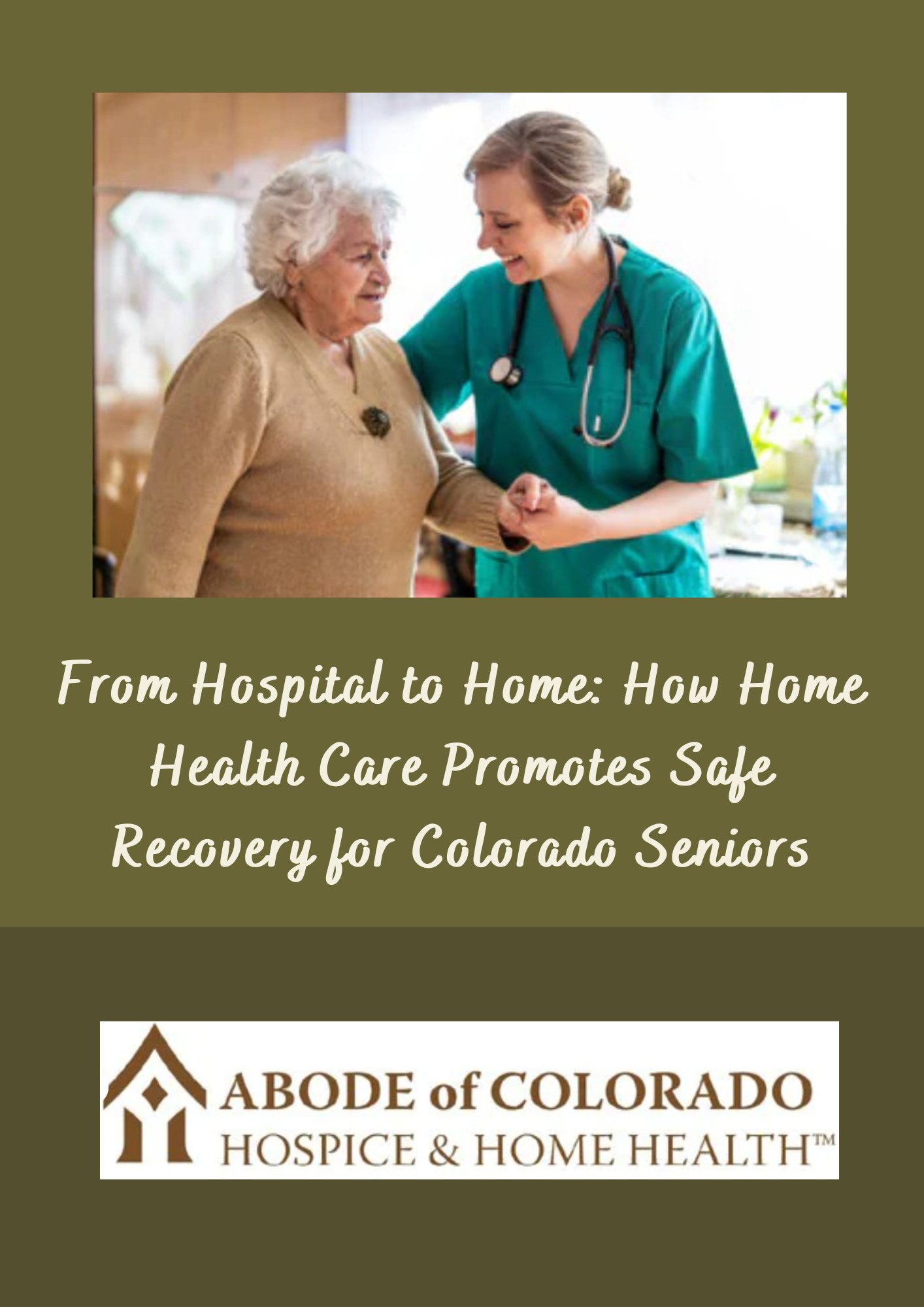
From Hospital to Home: How Home Health Care Promotes Safe Recovery for Colorado Seniors
Coming home after a hospital stay should be a reliefbut for many older adults, it can also be overwhelming. New medications, follow-up appointments, wound care, and mobility concerns can make recovery difficult without professional support. Thats where home health care becomes invaluable.In Colorado, Abode Home Health of Colorado bridges the gap between hospital and home, ensuring that seniors receive the skilled care and guidance they need to recover safely and confidentlywithout sacrificing the comfort and independence of home.The Critical Transition: Why Hospital-to-Home Care MattersLeaving the hospital too soon or without proper follow-up can lead to complications or readmission. According to national health studies, nearly 1 in 5 older adults are readmitted to the hospital within 30 days of dischargeoften because of medication errors, unmanaged pain, or lack of follow-up care.Home health care addresses these challenges head-on by providing continuous, physician-directed medical care in the home environment. For Coloradans recovering from surgery, stroke, injury, or illness, Abodes skilled team helps make the transition smooth, safe, and successful.What Is Home Health Care?Home health care is a medical service that brings licensed professionalsnurses, therapists, and medical social workersinto a patients home to provide treatment and recovery support. Its not to be confused with non-medical home care.Home health care typically includes:Skilled nursing for wound care, injections, IV therapy, and medication managementPhysical, occupational, or speech therapy to rebuild strength and mobilityPain management and post-operative supportChronic disease monitoring (heart failure, diabetes, COPD, etc.)Patient and caregiver education to ensure proper follow-throughAll services are prescribed by a physician and are often covered by Medicare or insurance, making them accessible to most qualifying patients.Why Colorado Seniors Benefit Most from Home HealthColorados population of older adultsmore than 16% of the statecontinues to grow rapidly. In communities from Denver to Grand Junction, seniors often live independently or in rural areas where traveling to frequent appointments can be challenging.For these individuals, home health care offers:Less travel stress: Providers come directly to the home, saving time and energy.Improved outcomes: Skilled oversight reduces emergency visits and readmissions.Personalized care: Each plan is designed for the patients health goals and lifestyle.Peace of mind: Families know their loved one is being monitored by licensed professionals.Home health care allows Colorados seniors to enjoy the best of both worldsprofessional medical care and the familiarity of home.The Abode Approach: Compassionate Care with Clinical ExcellenceAt Abode Home Health of Colorado, every care journey begins with listening. The team collaborates with patients, families, and physicians to create a personalized plan that promotes healing and independence.Step 1: Hospital Discharge CoordinationAbode works directly with hospital discharge planners to ensure that each patient leaves the hospital with a detailed, structured care plan.Step 2: Skilled Nursing OversightRegistered nurses oversee every aspect of care, from wound treatment to medication monitoring. Their experience helps detect early warning signs of infection or complicationsbefore they become emergencies.Step 3: Physical and Occupational TherapyRebuilding strength after hospitalization is critical. Abodes licensed therapists develop home-based exercise programs to restore balance, mobility, and confidence.Step 4: Emotional Support and EducationAbodes caregivers understand that recovery isnt just physical. They offer encouragement, education, and reassurance to patients and families during every step of healing.As Alison Brinkley from the Abode team explains:Our goal is to make coming home after hospitalization feel safe and supported. We guide patients through recoverystep by stepso they can focus on getting stronger, not worrying about what comes next.Common Conditions Supported by Home Health CareHome health care can help a wide range of recovery needs, including:Orthopedic surgeries: hip/knee replacements, fractures, or back surgeryCardiac conditions: heart attack, heart failure, or cardiac rehabStroke recovery: regaining speech, mobility, and coordinationRespiratory illness: pneumonia, COPD management, oxygen therapyWound and IV care: surgical sites, diabetic ulcers, or infection preventionEach plan is customized, ensuring that every patient receives the right combination of services and frequency of visits to promote steady progress.The Benefits of Post-Hospital Home Health CareHome health care provides measurable benefits for recovery and overall well-being.1. Reduced Hospital ReadmissionsSkilled nurses and therapists monitor progress closely, catching potential issues before they require another hospital visit.2. Faster, Safer HealingFamiliar surroundings reduce stress and promote comfort, both key factors in recovery.3. Personalized AttentionUnlike hospitals, where care can feel rushed, Abodes team provides one-on-one attention and education tailored to each patients pace.4. Cost-Effective CareHome health care is typically less expensive than an extended hospital stay or rehabilitation facility, without sacrificing medical quality.5. Family InvolvementAbode encourages families to participate in the recovery process, empowering them with information and guidance.A Colorado Focus: Serving Communities StatewideAbode Home Health of Colorado proudly serves seniors and families across the statefrom the Front Range to the Western Slope. Their clinicians are familiar with local hospitals, primary care networks, and community programs, making collaboration seamless.Colorados commitment to aging in place aligns perfectly with Abodes missionto help older adults live independently, safely, and confidently in their homes. Whether in Denvers suburbs or the scenic mountain towns, Abodes team ensures that every client receives top-tier medical support with a hometown touch.What Families Should ExpectIf you or your loved one has recently been hospitalized, heres what to expect from starting home health care with Abode:Physician Referral Your doctor or hospital discharge planner initiates a referral.Initial Assessment A registered nurse visits your home to assess needs and safety.Customized Care Plan Together with your physician, Abode develops a plan for skilled care, therapy, and support.Ongoing Visits Nurses and therapists visit regularly to deliver care and monitor progress.Communication and Adjustments Care plans are reviewed frequently and adjusted as recovery progresses.Its a proactive, transparent process designed to deliver comfort, confidence, and peace of mind.Frequently Asked Questions (FAQ)1. Is home health care only for seniors?No. While many patients are older adults, anyone recovering from surgery, illness, or injury and requiring skilled medical care at home may qualify.2. How soon after discharge can services begin?In most cases, services begin within 2448 hours after discharge to ensure continuity of care.3. What if I still need help after home health ends?Abode can help families connect with long-term care or non-medical home care options to continue support.4. Can home health help prevent another hospital stay?Yes. Regular visits and monitoring reduce complications and detect early signs of problems, helping patients stay safe at home.5. How do I know if my insurance covers it?Most home health care, when ordered by a physician, is covered by Medicare, Medicaid, or private insurance. Abodes team assists families in confirming coverage before care begins.Partnering with a Team That CaresTransitioning home after a hospital stay can be one of lifes most vulnerable momentsbut you dont have to go through it alone.With Abode Home Health of Colorado, patients receive the right blend of professional skill and genuine compassion. The teams nurse-led care model and local commitment make them a trusted choice for families across Colorado.As Alison Brinkley notes,Our work is about helping people get back to living their livesstronger, safer, and surrounded by the comfort of home.If you or a loved one are recovering from a hospital stay and want professional, compassionate care at home, connect with Abode Home Health of Colorado today.Learn more or reach out through their Seniors Blue Book listing: Abode Home Health of Colorado SeniorsBlueBook.comBecause healing doesnt just happen in hospitalsit happens where you feel most at home.
Oct 16, 2025

A Safer Transition for Southern Colorado Seniors
For many seniors in Southern Colorado, leaving the hospital is supposed to feel like a relief. Yet for families, discharge day often brings a new wave of concern. Medications change, follow-up appointments pile up, mobility may be limited, and warning signs can be confusing. Without the right support, the days immediately after discharge can become one of the most vulnerable times in a seniors health journey.Thats where professional home health care plays a critical role. Adoration Home Health (formerly Abode) helps older adults across Colorado Springs, Pueblo, Fountain, Caon City, and surrounding Southern Colorado communities transition safely from hospital to homereducing complications, preventing readmissions, and restoring confidence for both patients and families.Why the First 30 Days After Discharge Matter MostResearch consistently shows that seniors are at the highest risk of complications within the first few weeks after leaving the hospital. Even when discharge instructions are thorough, older adults may struggle with: Understanding new medications Managing wounds or medical equipment Recognizing early warning signs Regaining strength and mobility For seniors living alone or with limited support, these challenges can quickly lead to emergency room visits or rehospitalization.The transition home is one of the most important moments in a patients recovery, says Alison Brinkley of Adoration Home Health. Having skilled professionals involved early can make all the difference in preventing setbacks.How Home Health Bridges the Gap Between Hospital and HomeHome health care is designed specifically to support patients during recovery periods when ongoing medical oversight is neededbut hospitalization is no longer required. Adoration Home Health works closely with hospital discharge planners, physicians, and families to ensure care continues seamlessly at home.Transition-focused home health services may include: Skilled nursing visits to monitor vital signs, manage medications, and address post-hospital symptoms Wound and incision care following surgery or injury Physical therapy to rebuild strength, balance, and endurance Occupational therapy to safely manage daily activities like bathing, dressing, and meal preparation Patient and caregiver education to ensure understanding of care plans and red flags These services help patients regain stability while remaining in a familiar, comfortable environment.Reducing Hospital Readmissions Through Proactive MonitoringHospital readmissions are often preventable. Common causes include medication errors, unmanaged symptoms, and delayed follow-up care. Home health professionals are trained to spot subtle changes before they become emergencies.By providing regular check-ins and clinical assessments, Adoration Home Health helps: Identify early signs of infection or complications Ensure medications are taken correctly and consistently Reinforce physician instructions Communicate concerns promptly to doctors This proactive approach reduces stress for families and improves overall outcomes for seniors.The Advantage of Local Care in Southern ColoradoSouthern Colorados healthcare landscape is unique. Seniors may live in urban centers like Colorado Springs or in more rural communities where access to follow-up care can be challenging. Weather, transportation, and distance often complicate recovery plans.Adoration Home Health understands these regional challenges and delivers care accordingly. Local teams are familiar with: Area hospitals and physician networks Community resources and support services The specific needs of Southern Colorados aging population This local expertise allows for faster coordination, fewer delays, and more personalized care.Empowering Seniors to Regain IndependenceOne of the most overlooked aspects of post-hospital recovery is confidence. After an illness or surgery, many seniors fear falling, making mistakes with medications, or overexerting themselves.Home health professionals dont just provide carethey coach and encourage. Through guided therapy, education, and reassurance, patients gradually rebuild confidence in their abilities.Recovery isnt just physical, explains Alison Brinkley. Its about helping people feel capable again in their own homes.Supporting Families During a Stressful TimeFamilies often become informal care coordinators after a loved one comes home from the hospital. Home health care eases that burden by providing professional oversight and clear communication.Families benefit from: Regular updates on progress Education on how to support recovery A trusted point of contact for questions or concerns Peace of mind knowing a licensed professional is monitoring health changes This support allows families to focus on being present rather than worrying about every medical detail.Who Benefits Most from Post-Hospital Home Health CareHome health transition services are especially beneficial for seniors who: Have been hospitalized for heart failure, pneumonia, COPD, or stroke Are recovering from surgery or injury Have multiple chronic conditions Are taking new or complex medications Want to avoid returning to the hospital With physician oversight and skilled clinicians, home health provides a safety net during recovery.Frequently Asked QuestionsHow soon should home health start after discharge? Typically within 2448 hours after returning home.Is home health care temporary? Yes. Services are goal-oriented and continue only as long as skilled care is medically necessary.Does Medicare cover post-hospital home health? In many cases, yeswhen services are ordered by a physician.Can family members attend home health visits? Absolutely. Family involvement is encouraged.What if the patients condition worsens? Home health professionals communicate directly with physicians to adjust care or escalate when needed.A Safer Way HomeLeaving the hospital shouldnt mean leaving care behind. For seniors across Southern Colorado, Adoration Home Health provides the skilled support needed to recover safely, confidently, and comfortably at homereducing complications and helping patients move forward with greater independence. More information can be found on their Seniors Blue Book listing
Dec 11, 2025
Home Health Care in Colorado: How Abode Home Health of Colorado Makes a Difference
When families think about home health care, they often imagine hospital-level medical support delivered in the comfort of ones own home. Thats exactly the promise of home health services. For Colorado seniors and their families, Abode Home Health of Colorado delivers that promisehelping clients heal, stay independent, and age in place with dignity.In this article, well explore:What home health really meansWhy it matters especially in ColoradoHow Abode stands out locallyKey questions families askHow you can connect with Abode via their SeniorsBlueBook listingLets begin.What Is Home Health Care?Home health (sometimes called skilled home care) refers to medically oriented care and therapies delivered in a persons residence. Unlike non-medical home care, home health is overseen by licensed professionals (nurses, therapists, social workers) and often prescribed by physicians.Typical home health services may include:Skilled nursing (wound care, medication management, IV therapy)Physical, occupational, or speech therapyHealth monitoring and chronic disease managementTransitional care after hospital staysTelehealth support or remote monitoringThe goal? To help clients recover faster, avoid hospital readmissions, and maintain independence longer.Why Home Health Is Critical for Colorados Aging PopulationColorados Senior Demographics & TrendsAs of 2023, about 16.0 % of Colorados population is age 65 or older. America's Health RankingsColorado is projected to see the number of 65+ households increase by nearly 58 % between 2023 and 2050. Common Sense InstituteOne in seven Coloradans is currently 65+. In coming decades, that share is set to rise. Colorado Health InstituteOlder adults in Colorado have high rates of health insurance coverage95 % of those 65+ are covered by public health programs such as Medicare. Colorado Health InstituteThese numbers underscore why home health is not a niche serviceits becoming essential. As more Coloradans live longer and prefer to stay in their homes, demand for skilled home health support is growing.Rising Demand and Workforce GapsAcross the state, providers of in-home care are struggling to keep up with demand. AgeWise ColoradoMany older adults would prefer alternatives to institutional care. In fact, when more funding is allocated to community-based supports, nursing home admissions tend to decline. REDI Colorado State UniversityCaregiver shortages, especially in rural areas, continue to be a challenge in meeting home health needs. AgeWise Colorado+1In short: as Colorado ages, home health isnt optionalits critical.Why Choose Abode Home Health of Colorado?Abode is part of the Abode Hospice & Home Health network, a well-established name in Colorados care space. Abode Hospice+3Abode Hospice+3Abode Hospice+3What Sets Abode ApartNurse-driven leadership: Registered Nurses guide the care model and ensure clinical excellence. Abode HospiceLower patient-to-nurse ratios: Abode prioritizes time and quality, not rushing visits. Abode HospiceComprehensive service offerings: From transitional care and cardiac support to chronic disease management, Abodes home health team is equipped to address many complex needs. Abode Hospice+1Local commitment: Abode clinicians live in the community, attend local events, and emphasize continuity of care. Abode HospiceAs Alison Brinkley (from the Abode team) notes:We view each client as a neighbor firstour role is to bring clinical excellence into the home and support families as partners in care.This philosophy reflects Abodes approach: supportive, relational, and expert.How Home Health Helps Clients & FamiliesHome health offers advantages that go beyond convenience. Heres what clients and families often gain:Faster recovery: Healing in a familiar environment often reduces stress and speeds rehabilitation.Reduced hospital readmissions: Skilled oversight helps catch complications early.Cost efficiency: Avoiding inpatient care can save money for families and insurers.Independence and dignity: Clients can remain in their homes with safety and support.Care coordination: Abode works closely with physicians, specialists, and caregivers to ensure seamless continuity.In Colorados more remote or mountainous regions, the ability to access care at home can mean avoiding long travel or difficult terrain challenges.Local Insights: Colorado & Senior Health TrendsColorado is often praised for its health culture and outdoor lifestyle, but older adults still carry chronic conditions. Colorado Health InstituteState policymakers emphasize supporting older adults in their communities to reduce institutionalization. The Bell Policy Center+1Older Coloradans report relatively good perceptions of their own healthover 80 % rate their health as excellent, very good, or good. Colorado Health InstituteWith costs rising and care demand rising, families are looking for trusted service providers that blend medical quality with compassion.Given the growth of the older adult population and increased pressure on health systems, Abodes presence in home health is timely and vital.When comparing home health providers, families should look for key qualities that indicate professionalism and reliability. These include licensed and accredited staff, nurse oversight with manageable staff ratios, and personalized care plans tailored to each individuals needs. Clear communication, transparency, and a strong local presence with consistent caregivers are also essential. On the other hand, red flags to watch out for include unclear staff credentials, overworked or rushed caregivers, one-size-fits-all programs, poor communication, and agencies that frequently rotate caregivers. Abode strives to excel in all these areasespecially through its community involvement, nurse leadership, and commitment to continuity of care.Here are some common questions families and professionals often ask about home health:1. What is the difference between home health and home care?Home care typically offers nonmedical assistance (help with bathing, errands, housekeeping). Home health refers to skilled medical servicesnurses, therapists, monitoringand must generally be prescribed by a physician.2. Who pays for home health services?In many cases, Medicare (Part A or B), Medicaid, or private insurance can cover home health services if eligibility criteria are met. Abodes team can help determine coverage and assist with claims.3. How long does home health last?The duration depends on the clients condition and goals. For acute recovery, 26 weeks might suffice; for chronic conditions, longer care may be needed. Progress is reviewed regularly.4. Can home health reduce hospital readmissions?Yes. Skilled oversight and ongoing monitoring can help detect complications early, adjust care plans, and prevent unnecessary return trips to the hospital.5. How often will professionals visit?Visits vary by clinical orders and client needssome come daily, others 23 times per week, or less frequently for maintenance. Abode tailors its visit schedule to each client.Next Steps: Getting Started with Abode Home Health of ColoradoIf you or a loved one may benefit from home health care, heres what to do:Review Abodes profile on SeniorsBlueBook here: Abode Home Health of ColoradoRequest a free consultationAbode will assess risks, goals, and needs.Ask questions about care plans, staff credentials, costs, and communication.Begin services with confidence, knowing youre working with a provider committed to quality, compassion, and local accountability.Home health is no longer an optional luxuryits essential infrastructure for Colorados aging population. With seniors increasingly wishing to age in place and the care system under strain, having a trustworthy, clinically strong provider is key.Abode Home Health of Colorado offers a blend of medical excellence and local presence that makes a difference in everyday life. From transitional care to chronic disease support, their services can help ensure safety, dignity, and quality recovery in your own home.If youre exploring home health options in Colorado, start by visiting Abodes SeniorsBlueBook listing. Abode Home Health of Colorado and reach out to schedule a consultation. Let Abodes experience, local commitment, and compassionate care be your guide on this journey. By choosing wisely, you help ensure that a loved ones home continues to be their safest place.
Oct 16, 2025
Personalized Home Health Care for Chronic Conditions in Southern Colorado
For many seniors across Southern Colorado, managing a chronic health condition is not a short-term challengeit is part of everyday life. Conditions such as heart disease, diabetes, respiratory illness, neurological disorders, and mobility limitations often require ongoing monitoring, education, and skilled medical support. While frequent doctor visits and hospital stays were once the norm, todays seniors and families are increasingly choosing a more comfortable, effective option: professional home health care.Adoration Home Health (formerly Abode) provides personalized, physician-directed home health services that allow older adults in Colorado Springs, Pueblo, Fountain, Caon City, and surrounding Southern Colorado communities to manage chronic conditions safely at home while maintaining independence and quality of life.Why Chronic Condition Management Requires Skilled SupportChronic illnesses rarely remain static. Symptoms can fluctuate, medications may change, and complications can develop without warning. For seniors, even small health setbacks can quickly escalate into emergencies if left unaddressed.Home health care offers ongoing clinical oversight that helps prevent complications before they require hospitalization. Skilled nurses and therapists regularly assess patients, adjust care plans, and communicate with physicians as conditions evolve.Living with a chronic condition doesnt mean giving up independence, says Alison Brinkley of Adoration Home Health. With the right support and education, seniors can remain active participants in their own care.Common Chronic Conditions Supported by Home Health CareAdoration Home Health works with seniors managing a wide range of chronic diagnoses, including: Heart failure and cardiovascular disease Diabetes and blood sugar management Chronic obstructive pulmonary disease (COPD) and other respiratory conditions Neurological conditions such as Parkinsons disease or stroke-related impairments Arthritis and mobility-limiting conditions Each care plan is individualized, recognizing that no two patientsor homesare the same.How Home Health Care Supports Daily LifeOne of the key advantages of receiving care at home is the ability to tailor medical support to real-life routines. Home health professionals observe patients in their natural environment, allowing them to identify risks and opportunities that may be missed in a clinical setting.Home health services may include: Medication management and education to reduce errors and interactions Symptom monitoring to identify early warning signs Wound and skin care for patients with limited mobility or circulation issues Therapy services to maintain strength, balance, and functional independence Education for patients and caregivers to encourage confidence and self-management This holistic approach helps seniors remain safer and more comfortable in their daily lives.Preventing Hospitalizations Through Early InterventionHospitalizations for chronic conditions are often preventable. Many occur because symptoms worsen gradually or medications are misunderstood. Home health professionals are trained to recognize subtle changes that signal a need for intervention.By addressing concerns early, Adoration Home Health helps: Reduce emergency room visits Minimize hospital readmissions Slow disease progression when possible Improve overall quality of life Our focus is on proactive care, explains Alison Brinkley. When we catch changes early, we can often prevent serious complications.The Importance of Education and EmpowermentEducation is a cornerstone of effective chronic condition management. Home health professionals take time to teach patients and families about: Disease processes and expectations Proper medication use Nutrition and lifestyle considerations Recognizing warning signs When to contact a healthcare provider Empowered patients are more likely to follow care plans, communicate concerns, and remain engaged in their health.Local, Compassionate Care Across Southern ColoradoSouthern Colorados aging population is diverse, spanning urban neighborhoods and rural communities. Adoration Home Healths local teams understand the regions healthcare resources, transportation challenges, and community needs.This local presence allows care teams to respond quickly and coordinate effectively with area physicians, specialists, and hospitalsensuring continuity of care regardless of location.Supporting Families and CaregiversChronic conditions often affect entire families. Loved ones may feel overwhelmed by medical responsibilities, unsure how to help, or anxious about potential emergencies.Home health care supports families by: Providing clear guidance and training Offering reassurance through regular visits Serving as a professional point of contact Helping caregivers feel confident and informed This partnership allows families to focus on relationships rather than constant medical concerns.Who Can Benefit from Chronic Condition Home Health CareHome health services are ideal for seniors who: Live with one or more chronic illnesses Experience frequent health fluctuations Need skilled nursing or therapy support Want to remain at home safely Require education and monitoring between doctor visits Services are physician-ordered and adjusted as needs change over time.Frequently Asked QuestionsIs home health care long-term? Home health is typically short-term and goal-focused, though services can resume if conditions change.Does Medicare cover chronic condition home health? Often, yeswhen skilled services are medically necessary and ordered by a physician.Can therapy help with chronic conditions? Yes. Physical, occupational, and speech therapy can improve function and quality of life.Are family caregivers included in the care plan? Absolutely. Education and involvement are strongly encouraged.What happens if symptoms worsen? Home health professionals communicate directly with physicians to adjust care promptly.Living Well at Home with Chronic ConditionsManaging a chronic illness doesnt have to mean constant hospital visits or loss of independence. With skilled support, education, and compassionate care, seniors across Southern Colorado can continue living safely and comfortably at home.Adoration Home Health remains a trusted partner in helping older adults manage chronic conditions while preserving dignity, independence, and peace of mind. More information can be found on their Seniors Blue Book listing
Dec 11, 2025

Empowering Independence: The Role of Home Health Care in Helping Colorado Seniors Age Gracefully
For many older adults, independence is more than just a wordits a way of life. It means having the freedom to wake up in your own bed, enjoy your morning coffee, and live life on your own terms. Yet as health needs change with age, maintaining that independence can become challenging.Thats where home health care makes a real difference. In Colorado, Abode Home Health of Colorado provides compassionate, professional medical care that allows seniors to stay safely at home while receiving the skilled support they need.Their approach empowers older adults to live life fullycomfortably, confidently, and independently.What Is Home Health Care?Home health care is a medical service delivered in the home by licensed healthcare professionalsnurses, therapists, and medical social workers. Its designed for individuals recovering from surgery, illness, or managing chronic conditions who need skilled care but dont require hospitalization.Unlike non-medical home care, which focuses on personal assistance and companionship, home health care offers clinical expertise, including:Skilled nursing for medication management, wound care, and injectionsPhysical, occupational, and speech therapyMonitoring of chronic illnesses such as diabetes, heart disease, or COPDPain management and post-surgical recoveryEducation for patients and caregiversThe goal is simple: help people regain strength, manage health safely, and maintain independence at home.Why Independence Matters for SeniorsIndependence is closely linked to emotional well-being. Studies show that seniors who remain in familiar surroundings experience:Lower stress levelsImproved recovery timesGreater motivation to follow care plansBetter overall life satisfactionFor many older adults, home represents more than a physical spaceits their history, memories, and sense of control. Home health care makes it possible to preserve that environment while receiving professional medical attention.Colorados Aging Population and the Need for Home HealthColorado is one of the fastest-aging states in the nation. Nearly 16% of Coloradans are now aged 65 or older, and that number will continue to climb. Communities like Grand Junction, Fort Collins, Denver, and Colorado Springs are seeing a rising demand for senior services that prioritize aging in place.Colorados active lifestyle, strong sense of community, and scenic beauty inspire many seniors to remain in their homes as long as possible. But as mobility declines or chronic illnesses emerge, they need care that adapts to their lifestylenot the other way around.Thats where Abode Home Health of Colorado steps in, offering skilled, individualized care that supports independence and well-being across the state.How Abode Home Health of Colorado Helps Seniors Stay IndependentAbode Home Health of Colorado blends clinical excellence with personalized care to help seniors live well at home.Personalized Care PlansEach patients journey is unique. Abodes team collaborates with physicians, patients, and families to create customized care plans that align with each individuals medical needs, preferences, and goals.Skilled Nursing and Therapy at HomeFrom wound management to post-operative recovery, Abodes nurses and therapists deliver evidence-based care in the home setting. Their physical and occupational therapy programs are designed to restore strength, balance, and mobilitycritical to preventing falls and supporting independence.Nurse-Led OversightRegistered nurses oversee all aspects of care, ensuring continuity, safety, and proactive health management.Family CollaborationAbode keeps families informed and involved, empowering them to support loved ones effectively while maintaining peace of mind.As Alison Brinkley from the Abode team explains:Independence looks different for everyone, but our goal is always the sameto help each person live safely, comfortably, and confidently at home. We bring care to where life happens.The Benefits of Home Health Care for IndependenceConfidence in Daily LivingWith professional support, patients can handle daily routines more easily, from medication schedules to physical therapy exercises.Reduced Hospital VisitsOngoing monitoring helps prevent complications or flare-ups that might otherwise lead to hospitalizations.Safety and Fall PreventionTherapists assess home environments and recommend modifications to improve safety and mobility.Emotional Well-BeingFamiliar surroundings, family connection, and compassionate caregivers all contribute to reduced anxiety and increased happiness.Holistic SupportAbodes team addresses the whole personnot just symptomsby combining medical care, education, and emotional encouragement.Empowering Seniors Across ColoradoAbode Home Health of Colorado serves communities across the state, from bustling cities to quieter mountain towns. Whether in Denvers urban neighborhoods or Western Slopes rural areas, the team adapts to each communitys unique needs.Their locally based clinicians understand Colorados diverse senior population, lifestyle, and health priorities. That local knowledge allows them to deliver care thats both personal and practical.Abodes services extend beyond treating illnessthey help seniors thrive in familiar surroundings, maintain community ties, and enjoy the beauty of Colorado well into their golden years.The Link Between Home Health and Aging GracefullyAging gracefully isnt about avoiding changeits about adapting to it with dignity and support.Home health care helps older adults embrace this stage of life by:Supporting safe recovery after illness or surgeryHelping manage chronic conditions without institutional careOffering therapies that restore movement and functionProviding education that encourages self-care and confidenceAbodes approach promotes aging as a positive, empowered experiencehelping each person stay engaged, active, and independent.What Families Can ExpectWhen you choose Abode Home Health of Colorado, you can expect a smooth, supportive process:Referral & Initial Assessment A nurse visits to assess health needs, medications, and home safety.Care Plan Development The Abode team collaborates with your physician to design a customized plan.Regular Visits Nurses and therapists provide treatment, monitor progress, and adjust as needed.Education & Empowerment Patients and families learn how to manage care between visits.Ongoing Support Abode remains in close contact, ensuring comfort, safety, and progress every step of the way.Frequently Asked Questions (FAQ)1. Can home health care help prevent nursing home placement?Yes. By addressing medical needs early and maintaining safety at home, home health care can delay or prevent the need for institutional care.2. Is home health care covered by Medicare or insurance?In most cases, yes. If a physician orders skilled care and eligibility requirements are met, Medicare typically covers home health services.3. What if my loved one lives alone?Abodes nurses and therapists are trained to monitor health, identify risks, and communicate regularly with families to ensure safetyeven for patients living alone.4. How often will caregivers visit?Visit frequency depends on the patients condition and recovery plan. It could range from several times a week to daily visits in the early stages of care.5. What makes Abode different from other home health providers?Abode combines nurse-led clinical care with a neighborly, community-based approachensuring patients receive professional treatment and genuine human connection.A Partner in Your Journey Toward IndependenceFor seniors across Colorado, independence and safety go hand in hand. With the right medical support, its possible to manage health challenges while staying at homesurrounded by the comfort and memories that matter most.Abode Home Health of Colorado is more than a care providerits a trusted partner in every step of your journey toward living well and aging gracefully.As Alison Brinkley shares,Were honored to help people live their best lives at home. Every day, we see the strength and resilience of Colorado seniors, and were proud to support that independence.If you or someone you love could benefit from skilled home health care, contact Abode Home Health of Colorado today. Their compassionate, local team is ready to answer your questions and guide you toward safe, independent living at home.Learn more or connect directly through their Seniors Blue Book profile:Abode Home Health of Colorado SeniorsBlueBook.comEmpower your independence. Heal at home. Live life your waywith the trusted care of Abode Home Health of Colorado.
Oct 16, 2025
Comparing Palliative & Hospice Care
Some older adults and people with serious illnesses, unfortunately, experience the end of life in certain healthcare settings that do not align with their desired wishes. If you have a serious illness or are a caregiver of someone planning end-of-life care, knowing the difference between palliative care and hospice care can help you make an informed decision when the time comes to transition to one of these healthcare settings.What Is Palliative Care?Palliative care is a form of care that focuses on improving your quality of life and that of your family when you are living with a serious illness. It focuses on your whole-person health rather than only on your condition. If you are receiving palliative care, your treatment plan may focus on reducing symptoms of your illness and on improving secondary conditions such as depression, sleep deprivation, and side effects of medications.Palliative care may be given in various healthcare settings, such as at the hospital, a residential care facility, or your home. Anyone can receive this type of care regardless of age or the severity of their condition.If you receive palliative care, you may work with and be treated by various healthcare professionals, including doctors, nurses, social workers, pharmacists, physical therapists, counselors, and nutritionists. If you need spiritual care, your palliative care team may even include a chaplain. The healthcare professionals that make up your palliative care team will depend mainly on your recovery needs and level of care.Studies show that palliative care offers many benefits, including:Reduction in pain, nausea, and shortness of breathImproved communication among patients, their loved ones, and their healthcare providersIncreased emotional supportHigh-quality care that aligns with the patients wishesReduction in stressIncreased confidence surrounding decision-making related to careAbility to meet the emotional and spiritual needs of the patients and their loved onesWhat Is Hospice Care?Hospice care focuses on improving your comfort and quality of life when you are nearing the end of your life. This type of care is usually given in circumstances in which an illness continues to progress despite treatment or when the patient chooses not to receive certain treatments. Hospice care is similar to palliative care in that it provides comfort care and support for the family. However, treatments are not given to improve the illness.Like palliative care, hospice care can be given in many different healthcare settings, though it is most frequently given at your home, where you can be most comfortable and spend quality time with your loved ones. In addition, it is typically given when your healthcare provider believes you have no more than six months to live. Some benefits of hospice care include 24/7 access to nurses and healthcare workers who can address and relieve symptoms and side effects and access to medical equipment and medications that can reduce your discomfort.Many of the same types of healthcare professionals that make up a palliative care team will also be part of your hospice care team. This includes doctors, nurses, social workers, chaplains, and volunteers who dedicate their time to giving you the support you need and making you feel as comfortable as possible during your final months.To be eligible for hospice care, you will discontinue aggressive treatment efforts to combat your terminal illness (such as experimental surgeries, aggressive chemotherapy, or other treatments that require prolonged hospitalization and recovery). However, you may continue to receive treatments for other conditions, such as antidepressants to treat depression or insulin medicines to control Diabetes. What Is Comfort Care and End-of-Life Care?Comfort care and end-of-life care are both terms that describe the type of care you receive when you are near the end of your life and are no longer receiving treatment for your illness. It is highly similar to palliative care in providing you with whole-person care that focuses on your physical, social, emotional, and spiritual health. Comfort care and end-of-life care may include palliative care or hospice care, or a combination of both.What Are the Main Differences Between Palliative Care and Hospice Care?Sometimes, palliative care is given as part of hospice care, and both types share many similarities. For instance, the goal of both palliative and hospice care is to improve your quality of life and help you find relief from painful and severe symptoms and side effects of treatment. Both types of care also focus on whole-person health. However, there remain many differences between palliative care and hospice care.Some of these differences are:Palliative care can be given to anyone with a serious illness, regardless of the stage of their disease. In comparison, hospice care is typically only given when a person has less than six months to live and is at the end of their life.Palliative care can be given simultaneously when the patient receives other treatments for their condition, such as chemotherapy or radiation therapy. Hospice care is usually given when treatment for the illness has stopped, and the goal of care is to manage the patients symptoms for the remainder of life.The healthcare professionals on a palliative care team work separately from the patients primary care team that is treating the illness. In comparison, the healthcare professionals on a hospice care team handle the majority of the care and collaborate with the patients primary care team as necessary.Who Should Consider Palliative Care?You may want to consider palliative care if you or your loved one has a serious illness or chronic condition that requires long, intensive care or that causes severe physical symptoms and/or emotional distress. For example, cancer, heart disease, AIDS, and kidney failure are some of the many conditions that can benefit from palliative care.Additionally, palliative care may benefit you if you:Want relief from severe physical pain you are experiencing due to your illnessAre experiencing emotional pain or psychological conditions that you are unable to controlWant to continue to receive treatment for your conditionWant tips and guidance on how to effectively manage your conditionNeed guidance with choosing the best treatmentNeed help understanding your illnessWant to receive treatment at home or outside of a traditional hospital settingHave loved ones who are involved with your treatmentNeed help transitioning from one treatment setting to anotherWhen Would Someone Transition From Palliative Care To Hospice Care?A person may transition from palliative care to hospice care if their doctor thinks they have no longer than six months to live. Sometimes, it can be difficult for doctors to predict exactly how long it will take for a particular disease to run its course or how long a person has left to live if their health is in decline. In these circumstances, its important to consider how transitioning to hospice care could improve your quality of life during your final months.According to the National Library of Medicine (NLM), doctors should strongly consider referring chronically ill patients to hospice care if they spend more than half their time in bed, are unable to function efficiently, and are experiencing both physical and psychological distress. The NLM adds that hospice referrals are usually necessary when the patients condition has progressively declined to the point that their highest priority is to take control of their healthcare and achieve the greatest possible comfort in their homes as they near the end of life.Talk to your doctor if you think you may need hospice care but arent sure when you should transition out of palliative care. Your doctor can talk to you at length about your options and the benefits of transitioning to hospice care based on your condition and unique circumstances.Taking advantage of hospice care as soon as its needed could result in access to quality care and lots of extra quality time to spend with your loved ones. Additionally, studies show that patients who plan their care in advance are more likely to be satisfied with their care, given how they can make decisions that align with their end-of-life wishes.How to Get Palliative Care or Hospice CareConsult with your healthcare provider if you or your loved one is interested in learning more about palliative care or hospice care. Your doctor can refer you to a palliative or hospice care specialist who can answer all your questions and help you determine which of these services may be more ideal.Palliative care and hospice care are covered by many major health insurance providers, including Medicare. The exact benefits covered will vary based on your health plan. Benefits covered may include medical equipment and supplies, skilled nursing care, bereavement support, and medications to provide comfort, among many others.Hospice At Your Side has resources for home health and hospice services throughout the United States. Specialty services we offer include diabetes care, orthopedics, and pain management. Call us today to learn more about our many home healthcare services.
Mar 06, 2023

The Healing Power of Home Health Care: How Abode Home Health of Colorado Supports Seniors Statewide
When health challenges arise, most people share one wishto recover in the comfort of home. That wish is at the heart of home health care, a service designed to bring skilled, compassionate medical care directly to the patients doorstep.For Colorado seniors, Abode Home Health of Colorado provides that balance of medical expertise and human connection, helping individuals heal faster, stay independent longer, and live life with dignityall from the familiar surroundings of their own homes.What Is Home Health Care?Home health care (sometimes called skilled home care) is a clinical service prescribed by a physician and provided by licensed healthcare professionals such as nurses, therapists, and medical social workers.Unlike non-medical home care, which focuses on personal assistance and companionship, home health care offers medical-level support that can include: Skilled nursing care (wound management, injections, medication management) Physical, occupational, and speech therapy Chronic disease management (diabetes, COPD, heart conditions) Post-surgical recovery and rehabilitation Health education for patients and family caregivers This level of care bridges hospital and home, providing the safety net many families need during recovery.The Growing Importance of Home Health Care in ColoradoColorados aging population is expanding quickly. As of 2024, more than 16% of Coloradans are aged 65 and older, and that number is expected to rise steadily through the coming decades. Seniors in communities like Grand Junction, Denver, Loveland, and Colorado Springs are choosing to age in place, valuing their homes as spaces of comfort, familiarity, and independence.Yet with chronic illnesses, hospital readmissions, and mobility challenges on the rise, the demand for skilled in-home health services continues to grow.Home health care meets that demanddelivering medical expertise in a way thats both cost-effective and compassionate. Families can rest easier knowing their loved one is cared for by professionals who not only monitor physical health but also provide reassurance, education, and emotional support.Why Choose Abode Home Health of Colorado?Abode Home Health of Colorado stands apart as a trusted local provider with deep roots in the community. Their mission is simple yet powerful: to offer comprehensive, patient-centered care that allows individuals to heal and thrive in their own environment.Heres what sets Abode apart:A Team Built on Expertise and HeartAbodes staff includes skilled nurses, licensed therapists, and social workersall united by a shared commitment to personalized care. Each care plan is customized to meet the patients unique needs, medical conditions, and goals for independence.Nurse-Led OversightEvery case is carefully monitored by registered nurses to ensure quality and safety. Whether its managing complex wound care or monitoring medications, Abodes clinical team provides peace of mind through professional oversight.Coordination with Physicians and FamiliesAbode acts as a communication bridge between hospitals, doctors, and families. Their team keeps everyone informed, ensuring seamless transitions and better outcomes.A Local TouchServing communities across Colorado, Abodes team understands the states diverse populationfrom urban seniors in Denver to retirees in the scenic Western Slope. Their staff live and work locally, so care is not only skilled but also community-minded.As Alison Brinkley from the Abode team shares: Our goal is to bring hospital-level care into the home with warmth, understanding, and expertise. We dont just treat conditionswe care for people. The Benefits of Home Health CareHome health care offers benefits that extend beyond convenienceit can dramatically improve both recovery and quality of life.1. Faster Recovery Research shows that patients recover faster and with fewer complications when cared for in a familiar environment.2. Lower Risk of Hospital Readmission Skilled home monitoring allows providers to catch potential issues early, reducing the likelihood of returning to the hospital.3. Cost-Effective Care Home health care often costs less than extended hospital or facility stays while maintaining a high standard of medical oversight.4. Family Involvement Caregivers and family members can participate actively, helping patients feel supported and informed.5. Emotional Well-Being Being surrounded by personal comforts, pets, and loved ones can reduce stress and anxietycritical factors in recovery.Home Health Care vs. Home Care: Knowing the DifferenceFamilies often confuse home health with home care, but they serve distinct roles.Home Health CareHome CareMedical and skilled care (nursing, therapy, etc.)Non-medical support (companionship, meal prep, housekeeping)Requires a physicians orderNo medical prescription neededOften covered by Medicare or insuranceTypically private payFocused on recovery and treatmentFocused on daily living and comfortMany families find that combining bothmedical home health care followed by ongoing home carecreates a full continuum of support.Colorados Approach to Aging and Care at HomeColorado is often ranked among the nations healthiest states, with seniors who enjoy outdoor recreation, community engagement, and longevity. However, the Colorado Health Institute reports that even healthy older adults need more access to in-home health services to remain independent as they age.Statewide initiatives continue to prioritize aging in place, recognizing that quality home health services can reduce nursing home admissions and emergency visits.For seniors recovering from surgery, illness, or managing chronic disease, Abode Home Health of Colorado fills that essential gapproviding skilled, compassionate care exactly where its needed most.What Families Can Expect When Starting Home Health CareAbodes process is simple and transparent: Referral & Assessment: After a doctors referral, a nurse visits to evaluate medical needs and home safety. Personalized Plan: A customized care plan is created with input from the patient, family, and healthcare providers. Professional Visits: Nurses and therapists visit regularly to monitor progress, provide treatment, and adjust care as needed. Ongoing Support: The Abode team remains accessible for questions, education, and emotional support throughout the process. This hands-on approach ensures that every patient feels secure and empowered on their journey to better health.Frequently Asked Questions (FAQ)1. Who qualifies for home health care?Home health care is typically prescribed by a physician for patients recovering from surgery, illness, or managing chronic conditions that require medical supervision at home.2. Does Medicare cover home health services?Yes. If eligibility requirements are metsuch as being homebound and needing skilled servicesMedicare often covers home health care in full or in part.3. How often do nurses or therapists visit?Frequency depends on each care plan. Some patients receive daily visits; others may need two or three visits per week.4. How is Abode different from other providers?Abode combines clinical excellence with compassionate, local care. Their teams nurse-led model ensures every patient receives personal attention and continuity of care.5. Can home health care help prevent hospital readmission?Absolutely. Ongoing monitoring, medication management, and communication with physicians help detect issues early, reducing readmission risks.A Local Partner You Can TrustChoosing a home health provider is one of the most important decisions a family can make. You need a team that treats your loved one with the same care and respect you would.At Abode Home Health of Colorado, thats exactly what youll findskilled professionals who see their patients as neighbors, not numbers.Their mission is to make every day safer, stronger, and more comfortable for seniors across Colorado.Call to ActionIf you or someone you love could benefit from home health services, reach out to Abode Home Health of Colorado today. Their compassionate team will answer your questions, explain coverage options, and guide you through next steps.Learn more or connect directly through their Seniors Blue Book profile:Abode Home Health of Colorado SeniorsBlueBook.com Because healing happens best at homeand Abode is here to make that possible.
Oct 16, 2025

A Trusted Partner for Aging in Place in Southern Colorado
For many older adults across Southern Colorado, the idea of aging in place goes far beyond convenience. It represents independence, dignity, and the ability to remain connected to the neighborhoods, routines, and people that have shaped their lives. Whether its enjoying morning coffee while looking out at Pikes Peak, tending a small garden in Pueblo, or staying close to lifelong friends and family, home holds deep meaning.Adoration Home Health (formerly Abode) understands that aging in place isnt just a preferenceits a goal that requires the right medical support at the right time. By delivering skilled, physician-directed home health care throughout Colorado Springs, Pueblo, Fountain, Caon City, and surrounding Southern Colorado communities, Adoration Home Health helps seniors remain safely at home while addressing changing health needs.What Aging in Place Really MeansAging in place is often misunderstood as simply staying home without assistance. In reality, it means having access to appropriate care and resources that evolve as health needs change. For seniors managing chronic conditions, recovering from illness, or adjusting to mobility challenges, aging in place requires professional support.Home health care allows seniors to: Receive skilled medical care without relocating Maintain familiar daily routines Reduce stress associated with facility transitions Preserve autonomy and personal choice Every individuals journey is different, says Alison Brinkley of Adoration Home Health. Our role is to support people where they aremedically, emotionally, and physicallyso they can continue living at home safely.How Home Health Supports IndependenceOne of the greatest advantages of home health care is its ability to adapt to each stage of aging. Rather than a fixed care model, services change as a seniors condition improves or stabilizes.Adoration Home Healths services may include: Skilled nursing care to manage medications, monitor health changes, and address medical concerns Physical therapy to improve balance, strength, and mobility Occupational therapy to help seniors safely perform daily activities Speech therapy to support communication or swallowing needs Care coordination with physicians and specialists By addressing health concerns early, home health care helps seniors remain active and engaged in daily life.The Emotional Benefits of Staying HomeBeyond physical health, aging in place supports emotional well-being. Familiar surroundings can reduce anxiety, improve mood, and support cognitive healthparticularly for seniors experiencing memory changes.Remaining at home allows older adults to: Stay connected to neighbors and community Maintain cherished routines Feel a sense of control and comfort Avoid the emotional disruption of frequent moves Home health professionals become trusted partners, offering reassurance and continuity during times of change.Local Care Rooted in Southern ColoradoSouthern Colorados diverse communitiesfrom bustling Colorado Springs neighborhoods to quieter rural areasrequire healthcare providers who understand the local landscape. Adoration Home Healths local teams are familiar with area hospitals, physician networks, and community resources.This local presence ensures: Faster response times Seamless coordination with providers Care plans tailored to regional needs Reliable service despite weather or travel challenges Local expertise strengthens trust and continuity of care.Supporting Families Along the Aging JourneyAging in place often involves family members stepping into caregiving roles. While rewarding, caregiving can also be overwhelming without professional guidance.Home health care supports families by: Providing education and training Offering regular updates and communication Serving as a professional resource for questions Reducing caregiver stress and burnout Our team works closely with families, explains Alison Brinkley. When caregivers feel supported, everyone benefits.A Flexible Approach to Changing NeedsHealth needs rarely remain the same over time. Home health care allows services to be adjusted as conditions evolvewhether a senior is recovering from surgery, managing a chronic illness, or navigating age-related changes.Care plans are reviewed regularly and updated based on physician guidance, ensuring seniors receive the right level of care without unnecessary services.Who Is a Good Candidate for Aging in Place with Home Health CareHome health services are well-suited for seniors who: Want to remain in their own homes Need skilled medical support or therapy Have difficulty traveling to appointments Are recovering from illness or injury Have family support but need professional oversight Services are physician-ordered and focused on safety, recovery, and independence.Frequently Asked QuestionsCan home health care delay assisted living placement? In many cases, yes. Skilled support at home can help seniors remain independent longer.Is home health available in rural areas of Southern Colorado? Yes. Services extend throughout Southern Colorado communities.Does home health replace family caregivers? No. It complements family care by providing medical expertise.Are doctors involved in home health care? Absolutely. All services are coordinated with the patients physician.How do we start home health services? A physician referral begins the process, often after a hospital stay or clinic visit.A Partner You Can TrustAging in place is about more than staying homeits about living well, safely, and with dignity. With compassionate care, clinical expertise, and deep roots in Southern Colorado, Adoration Home Health stands as a trusted partner for seniors and families navigating the aging journey. More information can be found on their Seniors Blue Book listing