
PHONE
Click to View NumberNon-Medical
- $39.00
- Private Pay, Private Insurance, Long Term Care Insurance, Veterans Administration, Managed Care Benefits, ASAP (MA-Only)
- 1
- Activities, Housekeeping, Meals/Meal Options, Med-Alert Available, Transportation, Medication Reminders, 24 Hour Contact, Live-In Care, Free Assessment, Home Health Aides / Assisting ADL
- 24 Hour Care, Doctor Visits, Home Care/Personal Assistance/Companion, Incontinence Care, Alzheimer's/Dementia Care
- Bonded, Insured, Workmans Comp
- B
Continue Your Search! Explore More Local Options.
Start SearchingLet’s engage and get educated!
Browse through thousands of expert articles in over 100 different categories.
Browse NowArticles You May Like
How Families Can Stay Involved Without Being There Every Day
Long-Distance Caregiving in Fort Collins: How Families Can Stay Involved Without Being There Every DayThe phone rings at 7:15 p.m.Everythings fine, Dad says.But you live several hours away, and fine can cover a lot of ground. Did he eat dinner? Did he make it to his appointment? Is the laundry still sitting at the bottom of the stairs? Has he been getting out of the house? Is he really doing well, or is he trying not to worry you?Long-distance caregiving often comes with this uncomfortable mix of love, responsibility, and uncertainty.For families supporting an older adult in Fort Collins from another city or state, non-medical home care can provide something technology cannot: reliable, in-person assistance with everyday life.Almost Family in Fort Collins helps older adults remain at home with practical support tailored to their routines and abilities. For relatives who cannot be physically present every day, that assistance can also create a stronger care network around someone they love.Distance Changes Caregiving, But It Does Not End ItLong-distance caregivers still do a tremendous amount.They schedule appointments. They order groceries. They make phone calls. They research services. They remind parents about important dates and try to judge how things are going through FaceTime or a five-minute conversation.What they cannot easily do is see the little things.A refrigerator that is emptier than usual.A pile of unopened mail.A favorite activity that has quietly stopped.A shower that keeps getting postponed because getting ready feels tiring.These are not necessarily emergencies. Often, they are signs that an older adult could use a little more support with daily routines.That is where non-medical home care in Fort Collins can become part of a family's plan.Start by Separating Care From CrisisFamilies sometimes wait to explore home care because they associate caregiving with advanced illness or round-the-clock supervision.In reality, support can begin much earlier.Almost Family's Fort Collins Seniors Blue Book listing identifies services including companionship, personal assistance, meals, housekeeping, transportation, medication reminders, doctor-visit support, Alzheimer's and dementia care, and assistance with activities of daily living. A parent might not need someone present all day. Instead, the family might need help answering very specific questions: Who can help Mom prepare meals a few times a week? Who can accompany Dad on errands? Who can assist with bathing or dressing when those tasks become difficult? Who can provide companionship when family cannot visit? Who can help maintain a more consistent household routine? Those are everyday needs, not necessarily crises.Addressing them earlier can make caregiving feel more intentional and less reactive.Build a Local Care Circle Around Your Loved OneLong-distance caregiving works better when responsibility does not rest on one person.Think of support as a care circle rather than a single caregiver.Family Still Has an Important RoleLiving elsewhere does not make family involvement less meaningful.Adult children and relatives can continue to: Participate in care-planning conversations Schedule regular phone or video calls Help coordinate appointments Manage appropriate paperwork Arrange grocery or household deliveries Visit when possible Stay connected with the older adult's interests and relationships Professional home care adds another layer. It does not have to replace family participation.Morgan Lindsey is the Director of Almost Family's Fort Collins location, according to the company's leadership page. Her perspective captures why outside assistance can matter: Caregiving shouldnt come at the cost of family relationships. When support is in place, families get to be family again. Morgan Lindsey, Almost Family For a daughter calling from another state, that may mean conversations with Mom can once again include grandchildren, gardening, recipes, and family news instead of becoming a daily checklist of chores.Create a Routine That Answers the Questions You Actually HaveA care schedule should solve real problems.Before deciding how much assistance is needed, write down what worries the family most.Maybe the concern is nutrition.In that case, support around grocery shopping and meal preparation may matter more than morning visits.Maybe Dad has stopped driving.Transportation and accompaniment to errands or appointments may become the priority.Perhaps Mom lives independently but feels lonely several days each week. Regular companionship and shared activities may add structure to the week.Almost Family says its senior home care is personalized around individual and family needs rather than following one standard care plan. The company also notes that weekend and overnight help may be available depending on staffing and scheduling. The point is not to fill every hour.It is to identify which hours matter most.Use Fort Collins Resources Alongside Home CareOne advantage of aging in Fort Collins is that families do not have to build a support system from scratch.The Larimer County Office on Aging serves adults age 60 and older, people living with disabilities, and caregivers. Its services include options counseling, resource navigation, caregiver support, respite resources, and information about help available in the community. For families who live elsewhere, that can be particularly helpful. The Office on Aging can help caregivers understand the broader network of local services available in Larimer County.Fort Collins also has a dedicated Senior Center at 1200 Raintree Drive, offering fitness, arts, travel, outdoor recreation, special events, and social opportunities, with programming particularly focused on adults 50 and older. Home support and community involvement can work together.A senior might receive help getting ready for the day, participate in a local activity, and continue enjoying familiar routines rather than becoming increasingly homebound simply because transportation or daily tasks have become harder.Why This Matters in Northern ColoradoFort Collins had an estimated population of 171,500 in 2025, and about 12.8% of residents were age 65 or older, according to the U.S. Census Bureau. That represents more than 20,000 older residents living in a wide variety of circumstances.Some have children down the street.Others have family in Denver, another state, or farther away.Some are highly independent but need occasional assistance. Others require increasingly hands-on support.Aging services work best when families avoid assuming that every senior needs the same solution.Make Communication Part of the Care PlanFor long-distance families, the practical care schedule is only part of the equation.Communication matters too.When interviewing a non-medical home care provider, ask:Who is the main family contact?Choose one person when possible so communication remains organized.How are changes communicated?Ask what families should expect if routines, needs, or concerns begin changing.How consistent will the caregiver be?Familiarity can make accepting help easier, particularly for someone who values privacy or routine.How can services change over time?A parent who needs six hours of support this month may need a different schedule later.Who should the family contact after hours?Almost Family states that its offices are on call 24/7 and that calls are answered by a live person from the local office. Having these expectations clear from the beginning can reduce confusion for everyone involved.When a Weekly Phone Call Is No Longer EnoughThere is no single moment when long-distance families should arrange help.Instead, pay attention to patterns.It may be worth exploring additional support if: Meals are becoming irregular. Personal care is being postponed. The home is becoming harder to maintain. Transportation is limiting appointments or activities. Your loved one is spending most days alone. One nearby relative is carrying nearly all the responsibility. Phone conversations leave you with more questions than answers. Support can start before independence disappears.In fact, the most useful care plans often build around what the person can still do.About Almost Family in Fort CollinsAlmost Family's Fort Collins office is located at 3307 S College Avenue, Suite 218, Fort Collins, CO 80525, with a listed phone number of 970-225-0916. The company provides senior in-home care focused on daily living assistance, companionship, and maintaining independence. For families living elsewhere, local help can provide something more valuable than simply checking tasks off a list: a dependable presence close to home.Frequently Asked QuestionsCan Almost Family help if I live outside Colorado?The care itself is provided locally in Fort Collins, but an out-of-area relative can still be involved in planning and family communication. Ask the Fort Collins team how they typically coordinate with long-distance family members.Does my parent have to need full-time care?No. Almost Family's Seniors Blue Book listing shows a one-hour minimum per visit, along with options that extend to more substantial care when appropriate. Can caregivers help with appointments and errands around Fort Collins?Transportation and doctor-visit support are included among the services listed for the Fort Collins location. Families should confirm exactly what transportation arrangements are available when creating the care plan. Where can Fort Collins caregivers find additional local resources?The Larimer County Office on Aging offers caregiver consultations, resource navigation, classes, respite information, and other programs for older adults and caregivers. What should we discuss before contacting a home care provider?Start with the difficult parts of your loved one's week. Write down concerns involving meals, hygiene, mobility, transportation, housekeeping, companionship, or family workload. Specific examples make care planning much easier.Stay Close, Even When You Live Far AwayDistance may change how a family provides care, but it does not have to leave an older adult without dependable support.With a thoughtful combination of family involvement, local resources, and non-medical home care, Fort Collins seniors can continue living in familiar surroundings while relatives remain meaningfully involved from wherever they live.For more information about Almost Family's non-medical home care services in Fort Collins and Northern Colorado, visit their Seniors Blue Book listing.
Sep 21, 2026
How Almost Family Supports Seniors in Fort Collins
How Almost Family Supports Seniors in Fort CollinsFor many older adults, the idea of receiving help at home can feel uncomfortable at first. Accepting assistance often comes with concerns about independence, privacy, and whether care will feel personal or intrusive. What most seniors want isnt just help with tasksthey want support that feels familiar, respectful, and trustworthy.Thats the foundation behind Almost Family in Fort Collins. Their non-medical home care services are designed to feel less like services and more like support from someone who truly knows and cares. By focusing on relationships, consistency, and individualized care, Almost Family helps seniors remain safe and comfortable at homewithout losing the sense of normalcy that makes home feel like home.Non-Medical Home Care Rooted in Everyday LifeNon-medical home care focuses on helping seniors with the daily activities that can become more difficult with age, illness, or limited mobility. Almost Family delivers this support in a way that blends naturally into each clients routine.Services may include: Assistance with bathing, dressing, and grooming Light housekeeping and laundry Meal preparation and hydration reminders Medication reminders (non-clinical) Transportation to appointments or errands Companionship and conversation Rather than following a rigid checklist, caregivers adapt their support to each individuals habits, preferences, and pacehelping seniors maintain control over their daily lives.Why Relationships Matter in In-Home CareThe quality of home care often comes down to one thing: trust. Seniors are more comfortable accepting help when they know who is coming into their home and feel understood by that person.Almost Family prioritizes relationship-based care by: Thoughtfully matching caregivers with clients Striving for consistency in caregiving assignments Encouraging caregivers to learn personal routines and preferences Building genuine rapport over time As Morgan Lindsey of Almost Family shares, Care works best when theres a real relationship. When seniors feel comfortable and understood, support becomes part of their lifenot a disruption.That emphasis on familiarity helps reduce anxiety and builds confidence for both seniors and families.Supporting Aging in Place in Fort CollinsFort Collins is a community where many seniors want to remain deeply connectedto their neighborhoods, friends, and familiar routines. Aging in place allows older adults to maintain that connection while preserving independence.Almost Family supports aging in place by: Providing help only where its needed Encouraging independence whenever possible Adjusting care plans as needs change Offering flexible scheduling, from a few hours to extended support This approach allows seniors to stay at home longer while families gain peace of mind.Companionship That Brings Comfort and ConnectionLoneliness can quietly impact seniors emotional and physical health, especially for those living alone. Companionship is a vital part of Almost Familys care philosophy.Caregivers provide companionship through: Meaningful conversation and listening Shared activities like cooking, walking, or hobbies Accompaniment on local outings Gentle encouragement of daily routines These everyday interactions often become the most meaningful part of care, helping seniors feel valued and connected.Thoughtful Support for Memory ChangesEarly memory changes can make daily life more stressful for seniors and families alike. Familiar surroundings and consistent caregivers play an important role in reducing confusion and anxiety.Almost Family offers non-medical memory support that focuses on: Predictable routines Gentle reminders and redirection Safety awareness and supervision Calm, patient communication This approach often helps individuals with early dementia or memory loss remain at home longer while families feel supported.A Trusted Partner for Family CaregiversFamily caregivers frequently balance caregiving with work, parenting, and other responsibilities. Even when families are deeply involved, having additional support can prevent burnout and stress.Almost Family partners with families by offering: Respite care when caregivers need a break Flexible scheduling to fill gaps Clear communication and updates Reliable support when families cant be present This partnership allows families to focus on being daughters, sons, spouses, or friendsnot just caregivers.The Value of Local, Community-Based CareAs a local provider, Almost Family understands the Fort Collins community and the needs of Northern Colorado seniors. Local care brings a level of responsiveness and accountability that families often value.Benefits of working with a local provider include: Faster response times Familiarity with local resources Personalized service and attention Long-term relationships built on trust That local presence helps ensure care remains consistent and dependable.When Is Non-Medical Home Care the Right Fit?Non-medical home care may be appropriate when a senior: Wants to remain at home but needs daily assistance Is recovering from illness or surgery Lives alone and could benefit from companionship Has early memory challenges Needs help with routine tasks to stay safe Almost Family helps families explore care options thoughtfully and adjust support as circumstances evolve.Frequently Asked Questions About Non-Medical Home Care in Fort CollinsIs non-medical home care medical? No. It focuses on daily living support, companionship, and safetynot clinical care.Can care start with just a few hours a week? Yes. Care plans are flexible and tailored to individual needs.Are caregivers consistent? Consistency is a priority whenever possible.Does home care replace family involvement? No. It complements family care and reduces stress.Can services increase over time? Absolutely. Care plans evolve as needs change.Find Trusted In-Home Care Through Seniors Blue BookIf youre exploring non-medical home care in Fort Collins or Northern Colorado, choosing a provider that values relationships and reliability matters. Almost Family offers thoughtful, consistent support that helps seniors remain safe, comfortable, and truly at home. Visit their Seniors Blue Book listing to learn more, explore services, and connect with a local care team committed to treating your loved one like family.
Feb 03, 2026

Building Everyday Confidence for Seniors in Fort Collins
Building Everyday Confidence for Seniors in Fort Collins In Fort Collins, aging well often means staying connectedto routines, to neighbors, and to the familiar comforts of home. For many older adults, the challenge isnt medical care; its navigating the everyday moments that make life feel steady and dignified. Thats where Almost Family comes in, offering non-medical home care that focuses on confidence, continuity, and genuine human connection. Rather than rushing in with a checklist, Almost Family starts with listening. Their approach is grounded in the idea that seniors thrive when support fits seamlessly into daily lifewhether thats a helping hand with meals, a steady companion for errands, or reassurance that someone is there to notice the small changes that matter. The Power of Routineand Why It Matters Here Fort Collins is known for its walkable neighborhoods, active seniors, and a strong sense of communityfrom Old Town coffee shops to the trails along the Cache la Poudre River. Many older residents want to remain part of that rhythm. Non-medical home care helps bridge the gap between independence and safety by reinforcing routines that keep seniors engaged with the life they love. For families, routine also brings peace of mind. Knowing that Moms mornings follow a familiar pattern or that Dad has a consistent companion for afternoon walks can reduce stress and prevent small challenges from becoming crises. We see how much confidence grows when seniors can keep their own routines, says Morgan Lindsey of Almost Family. Our role is to support what already works in their lives, not replace it. What Non-Medical Home Care Really Looks Like Non-medical care isnt about doing everything for someoneits about doing things with them. Almost Family tailors support to each clients preferences and abilities, recognizing that independence looks different for everyone. Common ways care supports daily life: Personal assistance with bathing, grooming, and dressingalways respectful and unrushed Meal preparation that aligns with personal tastes and dietary needs Light housekeeping to keep the home safe and comfortable Transportation and errands around Fort Collins, from grocery runs to library visits Companionship for conversation, hobbies, and shared activities This flexibility is especially important in Northern Colorado, where seasonal weather can affect mobility and access. Having dependable, local caregivers helps seniors stay safe without feeling confined. A Community-Focused Approach in Northern Colorado Fort Collins has a growing senior population, supported by resources like senior centers, wellness programs, and cultural events through Colorado State University and the citys parks and recreation offerings. Almost Family works alongside this ecosystem, encouraging clients to stay connected rather than isolated. Caregivers often become familiar faces at local spotswalking clients through City Park, accompanying them to medical appointments, or attending community gatherings. That consistency builds trust and helps seniors feel seen and valued. Why local care makes a difference: Caregivers understand neighborhoods, traffic patterns, and seasonal conditions Schedules adapt to local events and routines Families benefit from clear communication and nearby support Supporting Families, Not Just Clients Adult children and spouses often carry the emotional weight of caregiving. Almost Family recognizes that supporting a senior also means supporting the family. Clear care plans, regular updates, and responsive communication help families stay informed without hovering. This partnership approach aligns with best practices in senior careproactive, preventive, and centered on quality of life. By focusing on daily stability, families can spend more time enjoying visits instead of managing logistics. Experience, Trust, and Everyday Expertise Quality non-medical care requires more than good intentions. It demands training, reliability, and empathy. Almost Family prioritizes caregivers who are not only skilled, but also patient and attentivepeople who notice when a clients appetite changes or when a favorite activity no longer brings the same joy. That attentiveness is part of demonstrating real expertise: understanding aging as a lived experience, not a list of tasks. Its what allows care to adapt as needs evolve. Choosing Non-Medical Care in Fort Collins: What to Look For When evaluating non-medical home care providers in Northern Colorado, families should consider: Customization: Does the care plan reflect personal routines and preferences? Consistency: Will the same caregivers return regularly? Communication: Are updates timely and transparent? Local knowledge: Does the provider understand Fort Collins and its resources? Almost Familys approach checks these boxes by design, emphasizing relationships as much as reliability. Frequently Asked Questions What is non-medical home care? Non-medical home care focuses on daily living supportsuch as personal care, meals, companionship, and errandsrather than clinical or medical services. Who benefits most from non-medical care in Fort Collins? Seniors who want to remain independent at home but need extra support with daily tasks, as well as families seeking peace of mind. Can care schedules be flexible? Yes. Care can range from a few hours a week to daily support, adjusting as needs change. How does non-medical care support safety? By assisting with mobility, monitoring routines, and maintaining a safe home environment, caregivers help reduce fall risk and prevent isolation. Is non-medical care only for seniors? While commonly used by older adults, non-medical care can also support individuals recovering from illness or surgery. Take the Next Step Toward Confident Living Aging at home in Fort Collins doesnt have to mean doing everything alone. With the right support, seniors can maintain routines, relationships, and the independence that defines their quality of life. To learn more about services, availability, and how non-medical home care can fit your familys needs, visit Seniors Blue Book and explore the Almost Family listing today.
Jan 28, 2026
Non-Medical Home Care in Fort Collins That Helps Seniors Stay Independent, Safe, and Connected at Home
Non-Medical Home Care in Fort Collins That Helps Seniors Stay Independent, Safe, and Connected at HomeFort Collins is known for its friendly neighborhoods, tree-lined bike paths, and a lifestyle that blends independence with strong community ties. For older adults, staying at homesurrounded by familiar routines, cherished belongings, and neighbors theyve known for yearsis often the key to aging with dignity and joy. But as mobility, memory, or daily tasks become harder, many families begin to wonder how to keep their loved ones safe without disrupting their independence.Thats where Almost Family, one of Fort Collins most trusted non-medical home care providers, plays an essential role. Almost Family delivers personalized, compassionate in-home support that helps seniors live comfortably at homewhile giving families peace of mind and confidence in their loved ones wellbeing.A Personalized Approach to In-Home SupportEvery senior is unique. Some need companionship and light help with chores, while others require hands-on support with bathing, dressing, or mobility. Almost Family offers flexible care plans that adapt to individual needs, including: Companionship and social interaction Meal preparation and grocery help Light housekeeping and laundry Medication reminders Transportation to appointments and errands Mobility support and fall prevention Assistance with hygiene and dressing Respite care for family caregivers Safety monitoring and daily check-ins These services allow seniors to maintain their routines, stay active, and avoid unnecessary facility placement.We Focus on Independence, Confidence, and Quality of Life.Almost Familys philosophy centers on enabling seniors to live fulfilling lives at homenot just meeting basic needs.Morgan Lindsey, a dedicated representative of Almost Family, shares: We focus on independence, confidence, and quality of life. Our caregivers support seniors in ways that empower them, not limit them. Its about enhancing safety and comfort while honoring their individuality.This approach resonates deeply with Fort Collins families who want compassionate, respectful care for their loved ones.Caregivers With Heart, Skill, and PurposeThe strength of Almost Family lies in its highly trained caregiverspeople chosen not only for their skills but their kindness, reliability, and genuine desire to help others.Caregivers receive training in: Aging-related challenges Dementia-friendly communication Safe mobility and transfer techniques Emergency response procedures Professional boundaries and confidentiality But beyond training, Almost Family looks for caregivers who bring patience, warmth, and steady encouragementqualities families regularly praise in reviews.Supporting Seniors With Memory LossWhile Almost Family is a non-medical provider, they are experienced in caring for seniors living with early to moderate dementia. Their dementia support includes: Creating a safe, calming environment Offering cueing, redirection, and routine support Preventing wandering or unsafe behaviors Encouraging meaningful, familiar activities Providing companionship and reducing confusion This support helps families delay or avoid transitions into memory care communities.Helping Seniors Stay Active and Engaged in the CommunityFort Collins offers rich opportunities for social and recreational activities, from visiting the Gardens on Spring Creek to attending senior center programs. Almost Family helps seniors stay engaged by: Providing transportation Accompanying them to outings or events Encouraging gentle movement and daily walks Supporting hobbies and cognitive activities Staying active not only boosts mood and energy but also promotes cognitive wellness.Partnering With Families Through Every StepCaring for an aging loved one brings emotional and logistical challenges. Almost Family supports families by: Offering respite care so caregivers can rest Communicating openly about changes in condition Helping families maintain healthy boundaries Providing flexible scheduling (from a few hours to 24/7 care) Adjusting care plans as needs evolve Families often describe Almost Family as a second set of hands and a true partner in care.A Trusted Option for Seniors Who Want to Remain at HomeNon-medical home care is often the perfect solution for seniors who: Need help with daily tasks but want to stay home Are recovering after hospitalization Have mild cognitive decline Need companionship or safety monitoring Want to maintain independence while staying safe Have family caregivers who need extra support Almost Family makes aging in place not only possible, but enriching and empowering.Promoting Safety and Preventing FallsHome safety is one of the most important benefits of non-medical care. Almost Family caregivers help prevent falls and injuries by: Assisting with mobility Ensuring pathways are clear Monitoring medication reminders Supporting safe bathing and dressing Noticing and reporting changes in balance or abilities This proactive support lowers the risk of emergency room visits and helps seniors stay stronger for longer.Why Fort Collins Families Choose Almost FamilyFamilies select Almost Family because the organization offers: Reliable, compassionate caregivers Flexible service plans tailored to unique needs Affordable alternatives to facility-based care Respectful, empowering care philosophies A strong local reputation for consistency and kindness Support that honors the seniors dignity, autonomy, and personality Almost Family doesnt just provide helpthey provide connection, comfort, and companionship.Call to ActionIf you're searching for reliable non-medical home care in Fort Collins, visit the Seniors Blue Book listing for Almost Family to learn more, schedule a consultation, or request a personalized care plan.FAQs for Fort Collins Families1. How many hours per week can care be provided?Almost Family offers hourly, daily, overnight, and 24/7 care depending on the family's preferences.2. Can caregivers help with dementia-related challenges?Yes, caregivers are trained in dementia communication and can support seniors with memory loss.3. Do caregivers assist with personal hygiene?Yes, non-medical caregivers can help with bathing, dressing, grooming, and other ADLs.4. Can they provide transportation?Yes, caregivers can accompany seniors to appointments, errands, and social activities.5. Is non-medical home care covered by Medicare? Medicare typically does not cover non-medical care, but long-term care insurance may.
Nov 24, 2025
How a Few Supported Hour Can Help Fort Collins Senior Stay Independent
The Evening Care Gap: How a Few Supported Hours Can Help Fort Collins Seniors Stay IndependentLate afternoon can be an unexpectedly difficult part of the day for an older adult living at home.Morning routines may still feel manageable. A family member may call at lunch. Medical appointments are finished, errands are winding down, and then 4:30 or 5:00 p.m. arrives.Dinner needs to be prepared. Medication needs to be remembered. The dog still needs attention. A shower may feel more tiring than it did earlier in the day. In winter, darkness comes sooner. And an adult child who lives across Fort Collins or elsewhere in Northern Colorado may still be finishing the workday.This is the evening care gap, and it does not necessarily mean someone needs round-the-clock care.For many families, a few well-planned hours of non-medical home care in Fort Collins can provide the right amount of help while allowing an older adult to keep the home, habits, and independence that matter to them.Aging at Home Is an Important Local ConversationFort Collins continues to be home to a significant population of older adults. U.S. Census Bureau estimates place the city's 2025 population at approximately 171,500, with about 12.8% of residents age 65 or older. Those numbers represent thousands of individual situations.One person may live independently but no longer feel comfortable driving after sunset. Another may need help preparing a nutritious dinner. Someone living with early memory changes may do well during the morning but become less organized when tired later in the day.Families may also be managing care alongside careers, children, appointments, and their own households.The goal does not always have to be adding more care. Sometimes the better question is:Where during the day would support make the biggest difference?What Evening Non-Medical Home Care Can Look LikeNon-medical care is different from skilled home health care. Larimer County's aging-resource materials distinguish home care agencies as providers of non-medical assistance through home care aides and certified nursing assistants, while medical home health may involve nurses and rehabilitation professionals. For an older adult who does not require a medical visit but could use practical daily assistance, the evening hours can be especially valuable.Almost Family's Fort Collins listing identifies services that include: Personal assistance and help with activities of daily living Meal support Light housekeeping Transportation Medication reminders Companionship Alzheimer's and dementia care Assistance related to doctor visits Incontinence care 24-hour care options Free assessments Almost Family also states that its Fort Collins location provides in-home care and that support may be available on weekends and overnight, depending on scheduling and individual needs. That flexibility can allow families to concentrate care during the hours when it is actually needed.A Three-Hour Visit Can Accomplish More Than It Sounds LikeImagine an older Fort Collins resident who remains largely independent but has become less confident in the evening.A caregiver arrives before dinner.First: Reset the HomeThe caregiver checks in and sees how the day has gone. Perhaps laundry needs to be transferred, the kitchen needs light tidying, or a walking path through the home needs to stay clear.The emphasis is not on taking over the household. It is on making everyday life easier to manage.Next: Prepare for DinnerMeal preparation can become surprisingly demanding when arthritis, fatigue, balance concerns, or memory changes enter the picture.A caregiver might assist with preparing dinner, setting things out safely, encouraging hydration, and cleaning the kitchen afterward.Then: Support the Evening RoutineDepending on the person's care plan, support might include dressing, grooming, mobility assistance, a medication reminder, or preparing items needed the following morning.And there is another element that is easy to underestimate: company.Eating dinner with another person, talking about the day, working on a puzzle, or simply having someone nearby can turn an otherwise quiet evening into a more connected one.Good Home Care Should Protect Independence, Not Erase ItAccepting assistance can be emotionally difficult.Older adults may hear the words "home care" and worry that someone is about to take control of their schedule. Adult children may unintentionally add to that worry by focusing only on what their parent can no longer do.A better approach starts with ability.What can the person still do comfortably? What activities are becoming frustrating? Where would an extra set of hands improve safety without unnecessarily reducing independence?That philosophy is reflected in comments from Morgan Lindsey, Director of Almost Family's Fort Collins location. The company's team page identifies Lindsey as the local director. "Caregiving shouldn't come at the cost of family relationships. When support is in place, families get to be family again." Morgan Lindsey, Almost Family That distinction matters.An adult daughter can return to being a daughter instead of spending every visit doing laundry and preparing meals. A spouse can enjoy dinner with their partner without handling every task alone.Professional support can complement the family rather than replace it.Staying Connected to Fort CollinsAging at home should not mean becoming disconnected from the community.The Fort Collins Senior Center, located on Raintree Drive, offers recreational, fitness, arts, travel, social, and other programming and specializes in opportunities for adults age 50 and older. Larimer County's Office on Aging is another local resource. Its Aging and Disability Resource Center provides options counseling, information about long-term services, transition support, and family caregiver programs, including respite-related resources. Home care can work alongside resources like these.A caregiver might help someone prepare for an outing, provide transportation when included in the care plan, or simply make the home routine manageable enough that the senior still has energy for community activities.Signs the Evening Hours May Need More SupportFamilies do not have to wait for a major incident before considering help.It may be worth discussing non-medical home care when you begin noticing: Dinner is frequently skipped or replaced with snacks. Your loved one avoids bathing because it feels tiring or unsafe. Evening medications are becoming inconsistent. Household tasks are accumulating. Driving after dark has become uncomfortable. A spouse or adult child is becoming exhausted from daily caregiving. Your loved one seems increasingly isolated. Confusion or anxiety becomes more noticeable later in the day. Family members are making repeated evening trips simply to make sure everything is okay. None of these automatically means someone needs full-time care. They are reasons to look more closely at the routine.Questions to Ask Before Starting Home CareA good assessment should go beyond asking how many hours of care you want.Families can ask:Which hours of the day are actually difficult? Identifying the pressure points can prevent paying for care that is not necessary.Can the schedule change as needs change? A senior who begins with several evening visits may eventually need different support.How are caregivers matched with clients? Personality, communication style, routine, and comfort all matter.How will the family receive updates? Clarify who communicates changes and what happens when concerns arise.Is backup coverage available? Ask what happens if the regular caregiver becomes unavailable.Almost Family says its offices provide live-person phone availability around the clock and work with families to develop individualized support. Local Non-Medical Care From Almost FamilyAlmost Family's Northern Colorado office is located at 3307 S. College Avenue, Suite 218, Fort Collins, CO 80525, and its published phone number is 970-225-0916. The Seniors Blue Book listing identifies the provider as serving Larimer, Morgan, and Weld counties. For some families, aging in place does not require changing an entire life.It may simply mean identifying the hardest part of the day and putting dependable support there.When dinner is prepared, the evening routine feels safer, and family members know someone trustworthy is present, those few hours can influence the entire day.Frequently Asked Questions About Non-Medical Home Care in Fort CollinsDoes my parent need full-time care to use Almost Family?Not necessarily. Almost Family's Seniors Blue Book listing notes a one-hour minimum per visit, while the company also offers extended and 24-hour options depending on need and availability. Can non-medical caregivers help someone living with dementia?Almost Family's Fort Collins listing includes Alzheimer's and dementia care among its care options. Families should discuss the individual's stage, behaviors, safety needs, and required level of supervision during an assessment. Can a caregiver help with transportation around Fort Collins?Transportation is among the services listed for Almost Family. Families should confirm the specific transportation arrangements, scheduling, and destinations when establishing the care plan. What local resources are available to family caregivers?The Larimer County Office on Aging offers caregiver support, options counseling, resource information, and other aging-related programs for Northern Colorado families. How do we know how many hours of care to begin with?Start by looking at the times when safety, nutrition, personal care, companionship, or family workload becomes most challenging. An assessment can then help determine whether a few targeted visits or more ongoing support makes sense.Learn More About Almost Family in Fort CollinsIf someone you love could benefit from extra support at home, consider starting with a conversation about the parts of the day that have become most difficult. A thoughtful care plan can provide assistance while preserving familiar routines, choices, and independence.Visit Almost Family's Seniors Blue Book listing to learn more about their non-medical home care services in Fort Collins and Northern Colorado. View the Almost Family Seniors Blue Book Listing
Sep 21, 2026

Almost Family Non-Medical Home Care in Northern Colorado
Compassion. Care. Comfort.At Almost Family, we provide non-medical home care in Northern Colorado with compassion, reliability, and personalized attention. Families in Fort Collins, Loveland, Greeley, Windsor, and surrounding communities trust us to support seniors and adults who want to remain safe, comfortable, and independent in their own homes.Why Choose Almost Family?Choosing the right in-home care provider in Northern Colorado is about more than finding help with daily activitiesits about finding a partner who truly cares. At Almost Family, we treat every client like family. We believe dignity, respect, and comfort should always come first.Our guiding principlesCompassion, Care, and Comfortshape everything we do. From companion care to respite care, our services are designed to enrich daily life and give families peace of mind.Personalized Non-Medical Home CareEvery person has unique needs. Thats why we begin by creating a customized home care plan for each client. Whether you need a few hours of assistance per week or daily support, Almost Family adapts to your lifestyle and changing needs.Our services include: Companion Care Conversation, shared activities, and social connection. Meal Preparation Healthy, home-cooked meals tailored to preferences. Light Housekeeping Keeping the home safe, clean, and comfortable. Transportation & Errands Rides to medical appointments, shopping, and community activities. Personal Assistance Help with dressing, grooming, and daily reminders. Respite Care Short-term relief for family caregivers who need a break. By focusing on non-medical care, we empower seniors to age in place safely while enjoying the familiarity of home.Serving Northern Colorado with CareAlmost Family is proud to serve Northern Colorado seniors and families, including those in: Fort Collins Loveland Greeley Windsor Surrounding communities We understand the spirit of Northern Coloradoneighborly, supportive, and community-focused. Thats why we bring not just services, but genuine friendship and reassurance into every home.Trusted Caregivers You Can Rely OnThe heart of Almost Family is our caregiving team. Each caregiver is: Carefully screened and background-checked Trained to provide compassionate non-medical care Dedicated to building lasting relationships with clients Families often tell us their Almost Family caregivers feel like extended family members, providing comfort, companionship, and trust.Affordable Home Care in Northern ColoradoWe know affordability matters. Almost Family offers affordable home care services designed to bridge the gap between independence and full-time medical care. By choosing non-medical in-home care, families save money while ensuring loved ones receive the support they need.Our reliable scheduling and flexible care plans give families peace of mind without overwhelming costs.The Comfort of HomeTheres no substitute for the comfort of home. Our mission is to make it possible for seniors to enjoy independence, dignity, and companionship right where they feel most secureat home.With Almost Family, youll find more than a service provider. Youll find a team that values relationships, emotional well-being, and community connection.Contact Almost Family TodayIf youre looking for non-medical in-home care in Northern Colorado, Almost Family is here to help. Call today to speak directly with one of our home care experts and learn how we can support your family. At Almost Family, were more than caregiverswere partners in your journey. Together, well provide the compassion, care, and comfort your loved one deserves.
Sep 24, 2025
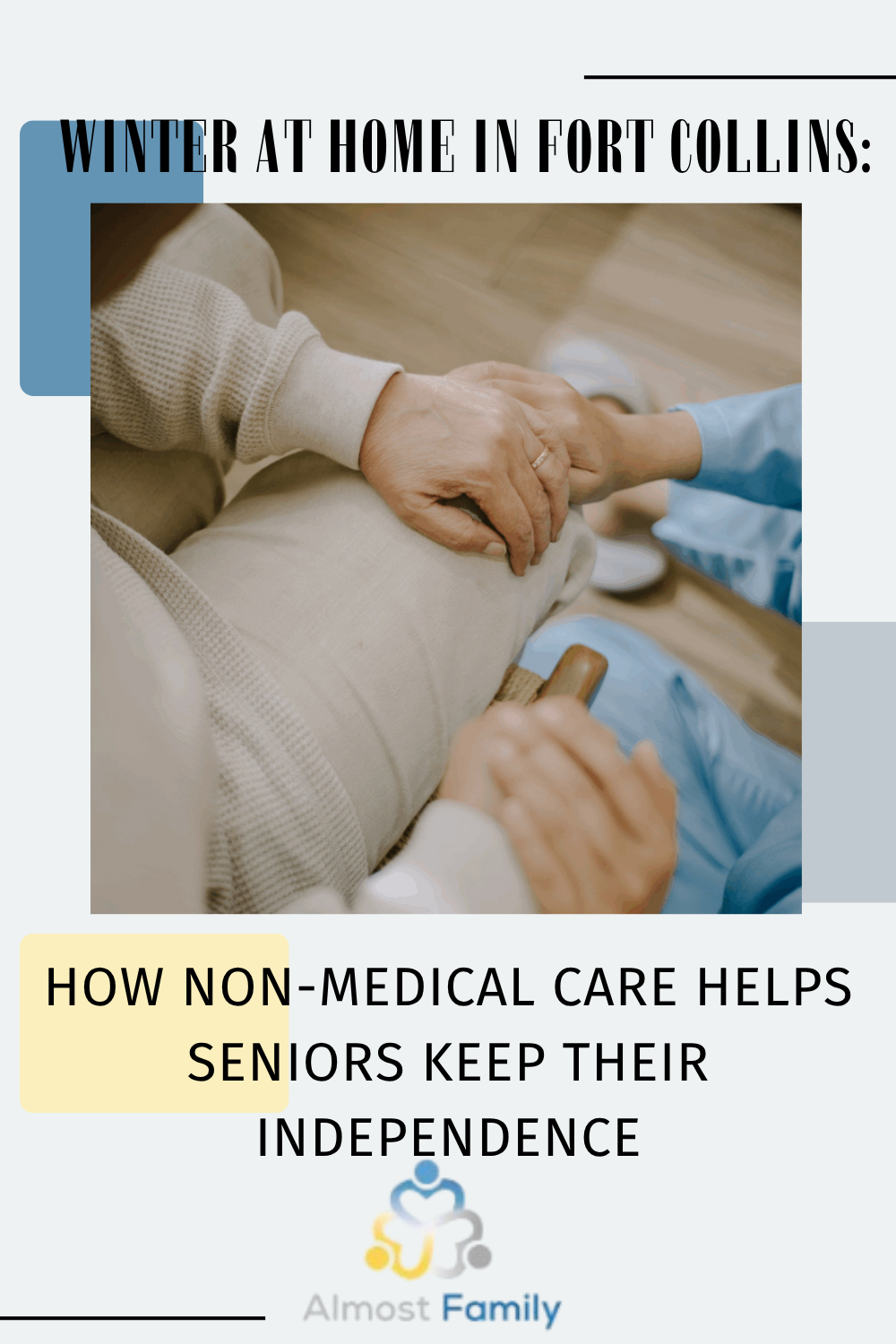
How Non-Medical Care Helps Seniors Keep Their Independence
Winter at Home in Fort Collins: How Non-Medical Care Helps Seniors Keep Their IndependenceIn Northern Colorado, winter changes the rhythm of everyday life.A quick grocery run can become harder when sidewalks are icy. Shorter daylight hours may make an older adult less comfortable driving. Cold mornings can make arthritis or mobility challenges more noticeable. Even something as ordinary as preparing dinner can feel like more work when a person has spent the day conserving energy.For older adults who want to remain in their own homes, these seasonal changes do not automatically mean it is time for a major move or a dramatic increase in care.Sometimes the most useful solution is simply having the right help at the right time.For families in Fort Collins, non-medical home care can provide practical assistance, companionship, and personal support while helping older adults continue living according to their own routines.Winter Can Expose Small Gaps in an Otherwise Independent RoutineAn older adult may manage very well for most of the year. Then colder weather arrives and tasks that once seemed routine become noticeably harder.Consider what winter can change: Driving may feel less comfortable after dark or during poor road conditions. Grocery shopping may involve navigating wet or icy parking lots. Mobility can become more difficult when joints feel stiff. Social activities may decrease when getting out of the house becomes harder. Family members may have longer or more complicated drives when checking on a loved one. Household chores may become more tiring. A senior living alone may spend longer stretches without face-to-face interaction. None of these situations necessarily calls for medical care. But together, they can gradually make staying at home more difficult.That is the space where non-medical support can be especially useful.What Non-Medical Home Care Actually ProvidesAlmost Family's approach to in-home care focuses on helping people with the everyday activities that support safety, comfort, and independence.According to Almost Family, in-home support may include personal care assistance, bathing and hygiene support, dressing and grooming, mobility assistance, medication reminders, light housekeeping, laundry, grocery shopping, meal preparation, companionship, and accompaniment to appointments. That distinction is important.A non-medical caregiver is not there to replace a physician, nurse, physical therapist, or other clinical professional. Instead, the caregiver helps address the practical parts of daily life that can become harder with age.For a Fort Collins senior, that might mean assistance preparing lunch, putting away groceries, getting dressed safely, organizing the day's routine, or simply having another person present for conversation and companionship.Think of Winter Care as a Support Plan, Not a TakeoverOne of the biggest misconceptions about home care is that starting care means giving up independence.Good support should do the opposite.If someone can prepare breakfast but struggles with dinner, there is no reason to take breakfast away from them. If they enjoy choosing their own clothes but need assistance fastening buttons or maintaining balance while dressing, the caregiver can help only where needed.That philosophy is particularly relevant to Almost Family's Fort Collins team. Morgan Lindsey is identified by the organization as Director of its Fort Collins location. As Lindsey has explained: Our role is to support what already works in their lives, not replace it. Morgan Lindsey, Almost Family That is a useful way for families to think about aging in place.The question is not, "What can Mom no longer do?"A more productive question may be, "What small amount of support would make it easier for Mom to keep doing the things she still enjoys?"Build a Fort Collins Winter Routine Around the Difficult PartsHome care does not have to be identical every day.Families can look at the older adult's routine and identify where assistance would have the greatest impact.Morning SupportCold mornings can be especially challenging for someone experiencing stiffness, reduced strength, or balance concerns.A caregiver might assist with: Dressing and grooming Personal hygiene Preparing breakfast Light household organization Medication reminders Mobility around the home Once the morning routine is complete, the senior may be comfortable managing independently for several hours.Errands and AppointmentsTransportation needs can become more noticeable during a Northern Colorado winter.Non-medical support may help with grocery shopping, errands, and accompaniment to appointments when those services are part of the individual's care arrangement. Almost Family specifically identifies grocery shopping and accompaniment to appointments among common in-home support services. This can also help seniors remain connected to the community instead of gradually reducing activities because driving has become uncomfortable.Evening SupportEvenings present a different set of challenges.Help may focus on preparing a meal, tidying the kitchen, completing personal care, getting comfortable for the night, or simply providing companionship during hours that otherwise feel long and quiet.The care plan can reflect the person's actual needs instead of forcing the individual into a standard schedule.Staying Home Should Still Mean Staying ConnectedFort Collins has resources designed specifically to help older adults remain engaged.The Fort Collins Senior Center at 1200 Raintree Drive offers recreation, fitness, art, travel, outdoor activities, special events, and opportunities to socialize. Although the facility is open to adults generally, its programming particularly serves adults age 50 and older. For someone who no longer drives regularly, reaching activities like these can become harder even when the person still wants to participate.That matters because aging at home should not mean simply remaining inside the house.Independence includes maintaining relationships, participating in favorite activities, attending appointments, and remaining connected to the community whenever possible.Fort Collins Has a Growing Need for Aging SupportFort Collins is home to approximately 171,500 residents, based on the U.S. Census Bureau's July 2025 population estimate. About 12.8% of the city's residents are age 65 or older. That represents thousands of older residents, each with different levels of independence and different family situations.Some have relatives nearby. Others have adult children who live elsewhere in Colorado or out of state. Some live with a spouse who is also aging. Others manage their homes alone.Northern Colorado also has a broader support network available to families. The Larimer County Office on Aging, the county's Area Agency on Aging, serves adults age 60 and older, people living with disabilities, and caregivers. Its Aging and Disability Resource Center provides information, options counseling, resource navigation, caregiver programs, and other assistance. Professional home care and community resources do not have to compete with one another. They can be different pieces of the same aging-in-place plan.Five Questions to Ask Before Winter Gets DifficultFamilies often begin looking for care after something has already gone wrong. A more comfortable approach is to discuss support while everyone still has time to make thoughtful decisions.Consider asking: Which daily tasks are becoming noticeably harder? Is driving limiting activities or appointments? Are meals becoming less regular or nutritious? Is one family member carrying most of the caregiving responsibility? Would companionship or several scheduled visits each week make living at home easier? Almost Family notes that care may range from a few hours of assistance to more consistent support, depending on the individual's needs. The organization also states that weekend and overnight staffing may be available depending on scheduling. Starting small can give families an opportunity to see what works and adjust as circumstances change.About Almost Family in Fort CollinsAlmost Family provides in-home care from its Fort Collins office at 3307 S. College Avenue, Suite 218, Fort Collins, CO 80525. The office can be reached at 970-225-0916. Its non-medical services can support older adults with personal care, household routines, meals, companionship, mobility, errands, and other everyday needs.For many families, the value is not simply completing a list of tasks. It is giving an older adult enough support to keep participating in their own life.Frequently Asked QuestionsCan Almost Family help a senior who only needs a few hours of assistance?In-home care can be tailored to different levels of need. Almost Family states that support may range from a few hours to more consistent daily care. Does non-medical home care include medication administration?Non-medical caregivers commonly provide medication reminders, but families should distinguish reminders from clinical medication administration. Specific needs should be discussed with the care provider and appropriate medical professionals.Can care continue during weekends?Almost Family states that staff may be available on different days and at different times, including weekends and overnight. Families should confirm current availability with the Fort Collins office. Where can Larimer County families find additional aging resources?The Larimer County Office on Aging provides information, caregiver support, options counseling, resource navigation, and assistance connecting with local programs. Is home care only for seniors with significant limitations?No. Some older adults need hands-on personal assistance, while others may benefit mainly from meals, errands, housekeeping, transportation support, or companionship. Care can be matched to the person's current abilities and preferences.Keep Winter From Shrinking the Life You LoveCold weather may change how an older adult moves through Fort Collins, but it does not have to take away the routines, relationships, and independence that make home feel like home.With thoughtfully planned non-medical support, families can address the difficult parts of the day while allowing seniors to continue doing as much as possible for themselves.To learn more about Almost Family and its non-medical home care services in Fort Collins and Northern Colorado, visit their Seniors Blue Book listing.
Sep 21, 2026

How Fort Collins Families Use Non-Medical Support to Keep Life Feeling Normal
How Fort Collins Families Use Non-Medical Support to Keep Life Feeling NormalIn Fort Collins, people value relationships. Its a city where neighbors become friends, routines matter, and quality of life isnt measured only by healthbut by independence, dignity, and staying connected to the rhythms of everyday living.Thats why, when an older adult starts needing help at home, families often feel conflicted. They dont just want care. They want someone who feels familiar. Someone who respects routines, listens to stories, and understands that helping with daily life is about more than checking tasks off a list.Thats where non-medical home care can make a meaningful differenceespecially when its delivered with consistency and heart.Almost Family, a non-medical caregiving provider in Fort Collins, Northern Colorado, supports seniors with everyday assistance that helps life continue as normally as possible. Their caregivers focus on companionship, personal care, household support, and respitecreating a sense of stability for both seniors and their families.As Morgan Lindsey from Almost Family shares, The goal isnt to change someones lifeits to support the life they already love. When care feels personal, seniors stay more engaged, and families feel more at ease.This article takes a community-focused angle: how non-medical caregiving helps Fort Collins seniors maintain routine, identity, and connectionwhile giving families breathing room.Why Just a Little Help Can Make a Big DifferenceMany seniors dont need medical carebut they do need support with the small things that quietly pile up: Showering safely Getting dressed on stiff mornings Preparing meals regularly Remembering medications Keeping the house manageable Running errands or getting to appointments Having someone to talk to Without help, these gaps often lead to bigger problems: skipped meals, isolation, falls, caregiver burnout, or a sudden crisis that forces rushed decisions.Non-medical caregiving fills the space between independence and intervention.The Fort Collins Lifestyle FactorFort Collins seniors often want to stay active and connectedto their neighborhood, favorite coffee shop, church, trails, or family routines. But driving less, fatigue, or mobility changes can shrink that world quickly.Non-medical caregivers help seniors stay engaged by supporting: Safe mobility around the home Outings for errands or social connection Light exercise or walks Familiar routines that give the day structure Staying home isnt just about locationits about preserving identity.What Non-Medical Care Looks Like Day-to-DayUnlike skilled medical care, non-medical caregiving focuses on daily living and emotional well-being. Services often include:Personal Care Support Bathing and grooming assistance Dressing and hygiene routines Mobility support and fall awareness Household Help Light housekeeping Laundry and linen changes Meal preparation and hydration reminders Companionship Conversation and shared activities Reading, games, or hobbies Emotional reassurance and presence Transportation & Errands Grocery shopping Prescription pick-ups Appointments and community outings Family Respite Scheduled breaks for family caregivers Coverage during work hours or travel Peace of mind knowing someone trusted is there Almost Familys approach emphasizes consistencyhaving familiar caregivers who understand preferences, routines, and personality.When Families Start to Feel the StrainMany families in Northern Colorado step into caregiving gradually. At first its manageable. Then life fills up.Signs it may be time for additional support include: Youre constantly checking in just to be sure Your loved ones hygiene or nutrition is slipping The house feels harder to keep up with Youre missing work or feeling overwhelmed Tension is growing among siblings about responsibilities Youre worried about safety when youre not there Getting help early often prevents crisisand preserves relationships.As Morgan Lindsey notes, Caregiving shouldnt come at the cost of family relationships. When support is in place, families get to be family again.Building a Care Schedule That Actually WorksNon-medical care doesnt have to be all-or-nothing. Many Fort Collins families start small.Light Support (610 hours/week) A few visits per week Meal prep, housekeeping, companionship Great for seniors who are mostly independent Moderate Support (1525 hours/week) Weekday assistance Personal care + meals Errands and transportation Ongoing Support (30+ hours/week) Daily routines supported Hands-on personal care Ideal when family caregivers are stretched thin Care can grow and change as needs evolvewithout forcing a sudden transition.Why Familiarity Matters in Dementia or Cognitive ChangesFor seniors with early memory changes, consistency is critical. A familiar caregiver: Reduces anxiety Supports routine Encourages engagement Helps maintain independence longer Non-medical caregivers often become trusted companionssomeone who understands triggers, preferences, and what helps a senior feel safe.Questions to Ask a Non-Medical Care ProviderWhen exploring caregiving in Fort Collins, ask: How are caregivers matched with clients? Will we have consistent caregivers? How flexible are schedules? How is communication handled with families? Can care increase if needs change? What training do caregivers receive? The right provider focuses on fit, not just availability.FAQs: Non-Medical Home Care in Fort Collins, Northern Colorado1) Is non-medical care the same as home health?No. Non-medical care supports daily living and companionship. Home health involves skilled medical services like nursing or therapy.2) Can caregivers help with medications?Caregivers can provide reminders and routine support but typically do not administer medications.3) Do seniors usually accept help easily?It varies. Many are more comfortable when care starts gradually and feels like supportnot control.4) Can non-medical care delay assisted living?Often, yes. The right level of support can help seniors remain safely at home longer.5) Is respite care available for family caregivers?Yes. Non-medical care is often used to give family caregivers regular breaks or coverage during busy periods.Support That Feels Like FamilyCare works best when it respects who someone isnot just what they need help with. For Fort Collins seniors who want to stay home and families who want peace of mind, non-medical caregiving can restore balance and connection. If your loved one could benefit from dependable, relationship-centered support, visit the Almost Family listing on Seniors Blue Book to learn more and connect with their team.
Jan 26, 2026
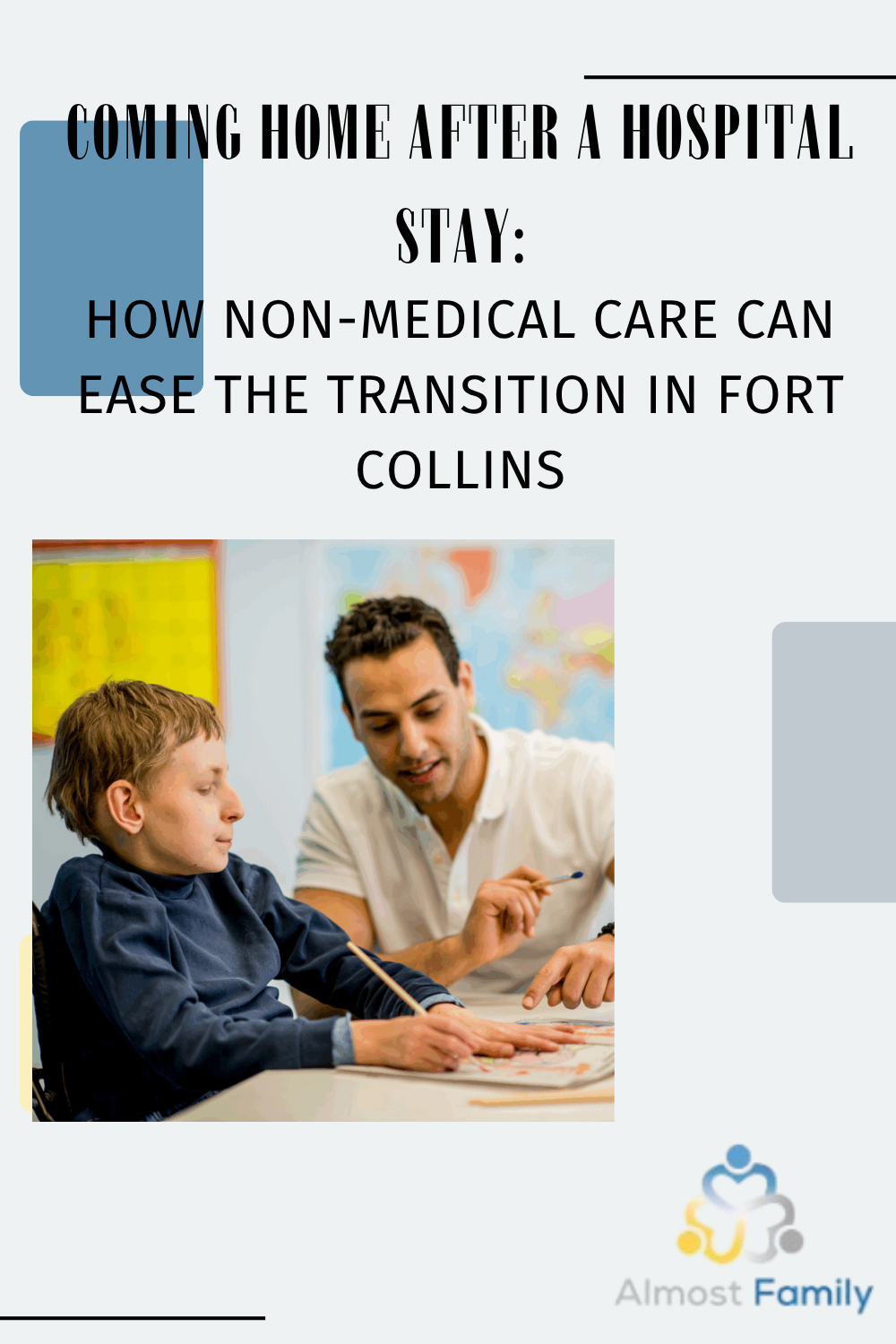
How Non-Medical Care Can Ease the Transition in Fort Collins
Coming Home After a Hospital Stay: How Non-Medical Care Can Ease the Transition in Fort CollinsThe car pulls into the driveway. Bags are brought inside. Discharge paperwork lands on the kitchen counter.For the first time in several days, Mom or Dad is home.That moment can bring enormous relief to a family. It can also reveal a new question almost immediately: How are we going to manage everything now?Returning home after a hospital stay, rehabilitation visit, illness, or procedure can be an adjustment even when skilled nursing is not required. An older adult may be medically cleared to return home but still feel weaker than usual. Making lunch suddenly takes more energy. Getting dressed takes longer. Laundry piles up. Driving to a follow-up appointment may not feel realistic.For families in Fort Collins and throughout Northern Colorado, non-medical home care can help fill this practical gap. Almost Family provides in-home support designed to help older adults continue their routines while receiving assistance with the everyday tasks that can become harder during a transition.Home Does Not Always Mean Back to NormalHospital discharge is an important milestone, but recovery rarely happens instantly.Someone who was fully independent before an illness may return home needing temporary help. Another senior may already have been managing a few challenges before hospitalization, and the transition home makes those needs more noticeable.The first days can involve dozens of small tasks: Preparing meals Getting dressed and groomed Moving safely through the house Picking up groceries Keeping the home organized Remembering the day's routine Getting to follow-up appointments Managing laundry and light housekeeping Having someone nearby for reassurance and companionship Individually, these may sound minor. Together, they can be exhausting for someone rebuilding strength.This is where families sometimes discover that medical readiness for discharge and practical readiness to manage alone are two different things.What Non-Medical Home Care Can Do After DischargeNon-medical caregivers are not substitutes for nurses, physicians, physical therapists, or other licensed healthcare professionals.Their role is different.Almost Family describes its senior home care as assistance with daily living, companionship, and support that promotes independence. Its Fort Collins services can include personal assistance, meal preparation, grocery help, light housekeeping, laundry, transportation, medication reminders, mobility support, hygiene and dressing assistance, respite care, and routine safety monitoring. That kind of help can be especially valuable once the clinical appointment ends and everyday life begins again.A Caregiver Might Help With the Morning RoutineA senior who is tired after hospitalization might need additional time getting ready.A caregiver may assist with dressing, grooming, bathing, or moving around the home according to the established care plan.The goal is not necessarily to perform every task for the person. Good home care identifies what the individual can comfortably continue doing and provides assistance where it is useful.Meals Can Become Part of Recovery SupportFamilies frequently focus on follow-up appointments while overlooking how demanding meal preparation can feel after illness.A caregiver can help prepare meals, organize the kitchen, assist with grocery shopping, encourage the established daily routine, and clean up afterward.These ordinary activities help make the home manageable again.Transportation Can Remove Another Family StressorFollow-up visits are often part of returning home.Fort Collins families may find themselves coordinating work schedules, transportation, and other responsibilities just to make sure an older relative reaches appointments or completes necessary errands.Almost Family lists transportation to appointments and errands among the support available through its Fort Collins services. Families should confirm the details of transportation assistance directly when developing a care plan. The Best Transition Plans Preserve What Still WorksAfter hospitalization, families understandably want to protect their loved one. Sometimes that instinct leads everyone to start doing too much for the older adult.But maintaining appropriate independence matters too.If Dad can still make his own breakfast, he may want to continue doing it. If Mom enjoys folding laundry but carrying the basket has become difficult, the caregiver can assist with the physically demanding part.Morgan Lindsey, Director of Almost Family's Fort Collins location, describes that philosophy simply: Our role is to support what already works in their lives, not replace it. Morgan Lindsey, Almost Family That approach can be particularly valuable after a health event.Recovery is not only about completing tasks. It can also involve rebuilding confidence.When an older adult is encouraged to remain involved in safe, familiar activities, care can feel less like losing control and more like receiving useful backup.Why This Conversation Matters in Fort CollinsFort Collins had an estimated 171,500 residents in 2025, and approximately 12.8% of the city's population was age 65 or older, according to the U.S. Census Bureau. That means thousands of households are navigating questions about aging, independence, family caregiving, and support at home.Northern Colorado families also have access to community resources beyond private home care. The Larimer County Office on Aging connects older adults and caregivers with information, options counseling, caregiver programs, and other aging-related services.Home care can fit into that larger support network rather than functioning as an all-or-nothing solution.A senior might receive medical follow-up from healthcare professionals, assistance from family, community resources through Larimer County, and a few scheduled home-care visits during the week.The right combination depends on the individual.Build a First Week Home Plan Before DischargeFamilies do not need an elaborate system. A simple plan can reveal where support is needed.Identify the Most Difficult Times of DayAsk when the person is likely to need the most help.Morning?Mealtime?Bathing?Evening?Appointments?Targeted assistance can be more useful than adding hours without a specific purpose.Walk Through the Home RoutineThink about what will happen once everyone else leaves.Can the person comfortably: Get out of bed and dressed? Prepare food? Reach commonly used items? Complete personal care? Move between rooms? Handle routine household tasks? Attend follow-up appointments? These questions are not meant to remove independence. They help families identify the places where a small amount of support may prevent frustration.Decide Who Is Doing WhatFamily caregiving becomes stressful quickly when everyone assumes someone else is covering a task.Write down responsibilities.Perhaps one sibling handles medical communication, another orders groceries, and an in-home caregiver provides personal assistance and meal support.Clarity helps.Know When the Need Is MedicalNon-medical home care has important boundaries.A caregiver can provide everyday assistance and observe changes, but new or worsening medical symptoms should be directed to the appropriate healthcare professional.Families should follow discharge instructions and seek clinical guidance for concerns such as significant changes in breathing, pain, consciousness, wound condition, or other symptoms identified by the person's healthcare team.Home care works best when everyone understands the difference between daily living support and medical treatment.Almost Family's Fort Collins TeamAlmost Family's Fort Collins office is located at 3307 S College Avenue, Suite 218, Fort Collins, CO 80525, and the company lists 970-225-0916 as its local phone number. Morgan Lindsey is identified by Almost Family as the Director of the Fort Collins location. Almost Family states that its in-home care services can be personalized around individual needs and that assistance may be available on weekends and overnight depending on staffing and scheduling. The company also states that its offices provide live-person phone availability 24/7. For a family preparing for a transition home, asking about support before discharge can create more options than waiting until everyone is overwhelmed.Frequently Asked Questions About Home Care in Fort CollinsCan Almost Family provide temporary help after a hospital stay?Almost Family offers personalized in-home care that can be adjusted according to an individual's needs. Families should contact the Fort Collins team to discuss the expected length of support and current scheduling availability.Is Almost Family the same as skilled home health care?No. Non-medical home care focuses on daily activities such as personal care, meals, companionship, housekeeping, transportation, and routine support. Skilled medical services should be provided by appropriately licensed healthcare professionals.Can a caregiver take my parent to follow-up appointments in Fort Collins?Transportation to appointments and errands is listed among Almost Family's Fort Collins services. Confirm transportation arrangements when establishing the care plan. What if my parent only needs a little assistance?Home care does not necessarily have to be around-the-clock. Almost Family emphasizes individualized care plans, so families can discuss where support is most needed and what schedule may be appropriate. Should we arrange care before the hospital discharge date?When possible, planning early can make the return home smoother. Families can identify difficult tasks, coordinate responsibilities, and discuss care availability before the first evening back at home.Make the Return Home Feel More ManageableA hospital discharge should feel like progress, not the beginning of a scramble.The right non-medical support can help bridge the space between being medically ready to go home and feeling confident managing everyday life there. For some Fort Collins families, that might mean several hours of personal assistance. For others, it may be help with meals, transportation, errands, companionship, or household routines while strength returns.The goal is not to take over.It is to make home work again.For more information about Almost Family and its non-medical home care services in Fort Collins and Northern Colorado, visit their Seniors Blue Book listing. Learn More on the Almost Family Seniors Blue Book Listing
Sep 21, 2026

Familiar, Everyday Support That Feels Like Home in Fort Collins, Colorado
Familiar, Everyday Support That Feels Like Home in Fort Collins, ColoradoIn Fort Collins, people take pride in staying active, connected, and independent for as long as possible. Whether its meeting friends in Old Town, enjoying time with family, or simply waking up in a familiar home, these everyday moments matter. When age, illness, or life changes make daily tasks harder, many seniors dont want medical carethey want dependable help from someone who feels familiar and trustworthy.Thats exactly the role Almost Family fills. Serving Fort Collins and Northern Colorado, Almost Family provides non-medical home care that supports daily living while preserving independence, dignity, and a sense of normalcy.Non-Medical Care Designed Around Real LifeNon-medical home care is often the missing link between full independence and more intensive care options. Almost Family focuses on the practical, human side of supporthelping with everyday needs that quietly determine whether someone can continue living comfortably at home.Their services commonly include: Assistance with bathing, dressing, and grooming Meal preparation and light housekeeping Transportation to appointments, errands, or social outings Medication reminders (non-clinical) Companionship and supervision For many Fort Collins seniors, this type of care provides just enough support to keep life moving forwardwithout disrupting routines or taking away control.Care That Feels Personal, Not ClinicalOne of the most important differences between non-medical care and clinical services is the relationship. Almost Family intentionally focuses on creating genuine, consistent connections between caregivers and clients.Care plans are built around: Individual preferences and routines Comfort levels with assistance Cultural values and personal history Family involvement and communication needs This personalized approach allows care to feel natural rather than intrusivemore like help from someone you trust than a service being delivered.Morgan Lindsey of Almost Family explains their philosophy clearly: Our goal is to support people in a way that feels respectful and familiar. When care feels natural, seniors are more comfortable accepting help and staying engaged in their own lives. Companionship That Reduces IsolationLoneliness can be just as challenging as physical limitations. Even in a vibrant city like Fort Collins, many older adults spend long stretches alone due to mobility issues, driving limitations, or family living elsewhere.Almost Family places a strong emphasis on companionshipbecause being present matters.Caregivers may spend time: Sharing meals and conversation Accompanying clients on walks or outings Helping with hobbies, puzzles, or reading Simply providing reassurance and company These moments often become the most meaningful part of care, improving emotional well-being and overall quality of life.Supporting Independence, Not Replacing ItA common concern among seniors is losing independence once help begins. Almost Family addresses this by offering support that complements ability rather than replacing it.Caregivers are trained to: Encourage participation in daily activities Provide assistance only where needed Reduce fall and safety risks without limiting freedom Adapt support as abilities change For example, a caregiver may assist with balance during a shower or help organize mealsallowing the client to remain actively involved. This approach reinforces confidence while improving safety.Local Care That Understands Fort CollinsFort Collins has a unique blend of college-town energy, outdoor culture, and long-established neighborhoods. Almost Familys local presence means caregivers understand the rhythms of life herefrom navigating seasonal weather to supporting seniors who want to stay connected to their community.Care often includes help with: Errands at familiar stores and pharmacies Transportation to local appointments or activities Maintaining daily routines within the neighborhood That local familiarity helps care feel grounded and relevant, not generic.A Reliable Partner for FamiliesMany families supporting loved ones in Fort Collins dont live nearby. Adult children may be managing care from another city or state, often feeling anxious about safety and daily needs.Almost Family helps bridge that gap by providing consistent, reliable support in the home. Families value: Clear communication and responsiveness Flexibility as needs change Peace of mind knowing someone dependable is present This partnership allows families to stay involved without carrying the full burden alone.Flexible Care That Evolves Over TimeNon-medical care is not one-size-fits-alland needs often change. Almost Family offers flexible scheduling that can grow with the client.Care may begin with: A few hours per week for companionship or errands And later expand to: Daily assistance with personal care and household support This adaptability allows seniors to receive the right amount of help without committing to more care than necessary.When Non-Medical Home Care Is a Good FitAlmost Family is often a strong option for individuals who: Want to remain at home but need help with daily tasks Are recovering from illness or surgery and need temporary support Are experiencing reduced mobility or stamina Feel isolated and would benefit from companionship Have family caregivers who need extra support Because care is non-medical, services can be highly personalized and lifestyle-focused.Built on Trust, Consistency, and RespectInviting someone into your home is a significant decision. Almost Family takes that responsibility seriously by emphasizing caregiver matching, reliability, and respect.Their approach prioritizes: Caregivers selected for compassion and dependability Respect for privacy and personal boundaries Clear expectations and communication Continuity whenever possible These values help create a sense of comfort and trust that is essential in non-medical care.Frequently Asked Questions About Non-Medical Care in Fort CollinsWhat is non-medical home care? It focuses on daily living support and companionship, not clinical or nursing services.How many hours of care are required? Care can range from a few hours a week to daily support, depending on needs.Can care be temporary? Yes. Many clients use care short-term after illness or during transitions.Do caregivers help with transportation? Yes. Transportation to errands, appointments, and activities is commonly included.Is non-medical care helpful for early memory changes? Yes. Routine support and companionship can be very beneficial in early cognitive decline.Support That Makes Staying Home PossibleAging doesnt mean giving up independenceit means adapting with the right support. With compassionate, consistent help, seniors in Fort Collins can continue living life on their own terms. Almost Family provides non-medical care that feels familiar, respectful, and genuinely supportive. To learn more or explore whether their services are right for you or a loved one, visit their Seniors Blue Book listing and take the next step toward care that truly feels like family.