AmazingCare Home Health Services - South
2821 South Parker Road, Ste. 615, Aurora, Colorado, 80014
Counties Served: Colorado - Adams, Arapahoe, Boulder, Denver, Douglas, Jefferson, Larimer, Pueblo, Weld, Broomfield
Home Health

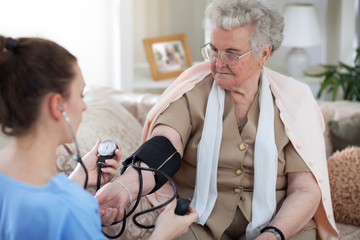
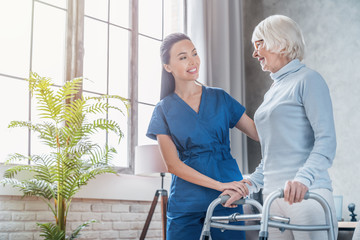



About AmazingCare Home Health Services - South
At Amazing Care our goal is to provide skilled home health services in collaboration with physicians, thereby allowing clients to remain in their own homes. We believe that by providing continuing care to clients at home, home health services minimize the effects of illness, accident, or disability. We are dedicated to helping all persons, including the elderly or those with disabilities to retain or regain their maximum participation in society. In providing care to our clients, Amazing Care recognizes that clients and their families have certain rights to self determination. They have the right to participate in planning for their care, to make decisions about their health care, and to maintain their independence as long as possible. Our mission is to let compassion and quality of service lead the way.Home Health
- https://amazingcare.com/locations/aurora/
- 04X761
- Private Pay, Private Insurance, Medicaid, Medicare, Long Term Care Insurance, Veterans Administration, Managed Care Benefits, Other
- 24 Hour Care, Diabetes Teaching Management, Home Health Aides / Assisting ADL, Non-Medical Home Care, Social Worker, TeleHealth, Medication Management
- Cardiac Care, Diabetic Care, Enteral (Tube) Feeding, IV Therapy, Medication Mngt, Occupational Therapy, Physical Therapy, Skilled Nursing, Speech Therapy, Trach Care, Wound Care, Wound Vac, Wound/Ostomy Care Nurse
Continue Your Search! Explore More Local Options.
Start SearchingLet’s engage and get educated!
Browse through thousands of expert articles in over 100 different categories.
Browse NowArticles You May Like

Why Home Health Services Matter for Aurora Seniors
Why Home Health Services Matter for Aurora SeniorsAfter a hospitalization, surgery, or major illness, many older adults in Aurora want nothing more than to return home. Familiar surroundings often provide emotional comfort and motivation during recovery. However, healing at home can still require professional medical support, rehabilitation, and close monitoring to ensure seniors regain strength safely.That is where home health services play an essential role.AmazingCare Home Health Services helps Aurora-area seniors recover comfortably at home through skilled healthcare support designed to improve safety, healing, and long-term independence.What Is Home Health Care?Home health care provides licensed medical services delivered directly in a seniors home.Unlike non-medical caregiving, home health may include: Skilled nursing Physical therapy Occupational therapy Speech therapy Wound care Medication management Chronic disease monitoring These services help seniors continue healing in familiar environments while receiving professional clinical oversight.Why Recovery Can Be More Difficult for Older AdultsSeniors often experience more complicated recoveries due to: Reduced mobility Chronic medical conditions Balance concerns Medication interactions Lower energy levels Even after hospital discharge, many older adults still require additional support before safely returning to full independence.Recovery is not only about medical treatmentit is about helping seniors rebuild confidence and regain quality of life, says Wyndam Reeve of AmazingCare Home Health Services - South. Home health allows people to heal where they feel most comfortable.Home Health Helps Reduce Hospital ReadmissionsOne major concern after hospitalization is the risk of returning to the hospital unexpectedly.Home health professionals help reduce this risk by monitoring: Medication routines Vital signs Wound healing Mobility progress Nutritional intake Early identification of complications can prevent more serious setbacks.Physical Therapy Supports Mobility and StrengthMany seniors recovering from surgery, injury, or illness experience temporary mobility limitations.Physical therapists help patients improve: Strength Balance Walking ability Flexibility Fall prevention skills Receiving therapy at home allows seniors to practice movement safely within their actual living environments.Occupational Therapy Helps Seniors Regain IndependenceOccupational therapists focus on helping seniors safely manage everyday tasks such as: Dressing Bathing Cooking Grooming Home navigation These therapies help older adults regain confidence while improving safety during daily routines.Aurora Seniors Benefit from Aging at HomeAurora offers a welcoming environment for older adults with access to parks, healthcare systems, recreation programs, and diverse neighborhoods.Many seniors strongly prefer remaining at home because it allows them to maintain: Familiar routines Emotional comfort Community connections Independence Home health services make this possible for many individuals recovering from health challenges.Family Members Gain Peace of MindAdult children often worry about loved ones recovering alone after hospitalization.Questions may include: Are medications being managed correctly? Is recovery progressing normally? Are falls or complications likely? Home health professionals provide reassurance by monitoring progress regularly and communicating updates to families.Personalized Care Improves OutcomesEvery recovery journey is different.Some seniors need intensive rehabilitation after surgery, while others require chronic disease management or short-term nursing support.Personalized care plans help ensure treatment aligns with: Medical needs Home safety Recovery goals Mobility levels Family involvement This individualized approach creates more effective recovery experiences.Emotional Wellbeing Influences Healing TooRecovery can feel emotionally difficult for older adults adjusting to temporary limitations.Seniors may experience: Frustration Anxiety Fear of falling Isolation Healing at home often provides emotional reassurance while allowing patients to remain close to loved ones and familiar environments.Medication Management Is Critical During RecoveryOlder adults recovering from illness or surgery may juggle multiple prescriptions.Home health nurses help monitor: Medication schedules Side effects Dosage accuracy Treatment adherence Proper medication management plays a major role in successful recovery.Supporting Long-Term Health at HomeHome health services are not limited to short-term recovery. Many seniors also benefit from ongoing support for chronic conditions such as: Heart disease Diabetes COPD Neurological conditions Continued monitoring and therapy help seniors remain stable and independent longer.Helping Aurora Seniors Heal with Comfort and ConfidenceRecovering at home often provides both physical and emotional benefits for older adults navigating illness, injury, or surgery.AmazingCare Home Health Services - South helps Aurora-area seniors receive professional medical support, therapy services, and personalized care that promote healing, safety, and independence within the comfort of home.To learn more about home health resources and recovery support, visit their Seniors Blue Book listing today.FAQsWhat is home health care?Home health care provides licensed medical services such as nursing and therapy directly in a patients home.Can home health help after surgery?Yes. Many seniors receive home health services following surgery or hospitalization.What therapies are included in home health?Home health may include physical, occupational, and speech therapy services.Why do seniors prefer recovering at home?Home environments often provide comfort, familiarity, and emotional reassurance during recovery.Can home health reduce hospital readmissions? Yes. Monitoring and professional support help identify complications early.
May 11, 2026
Why More Aurora Families Are Choosing Home Health Services After a Hos
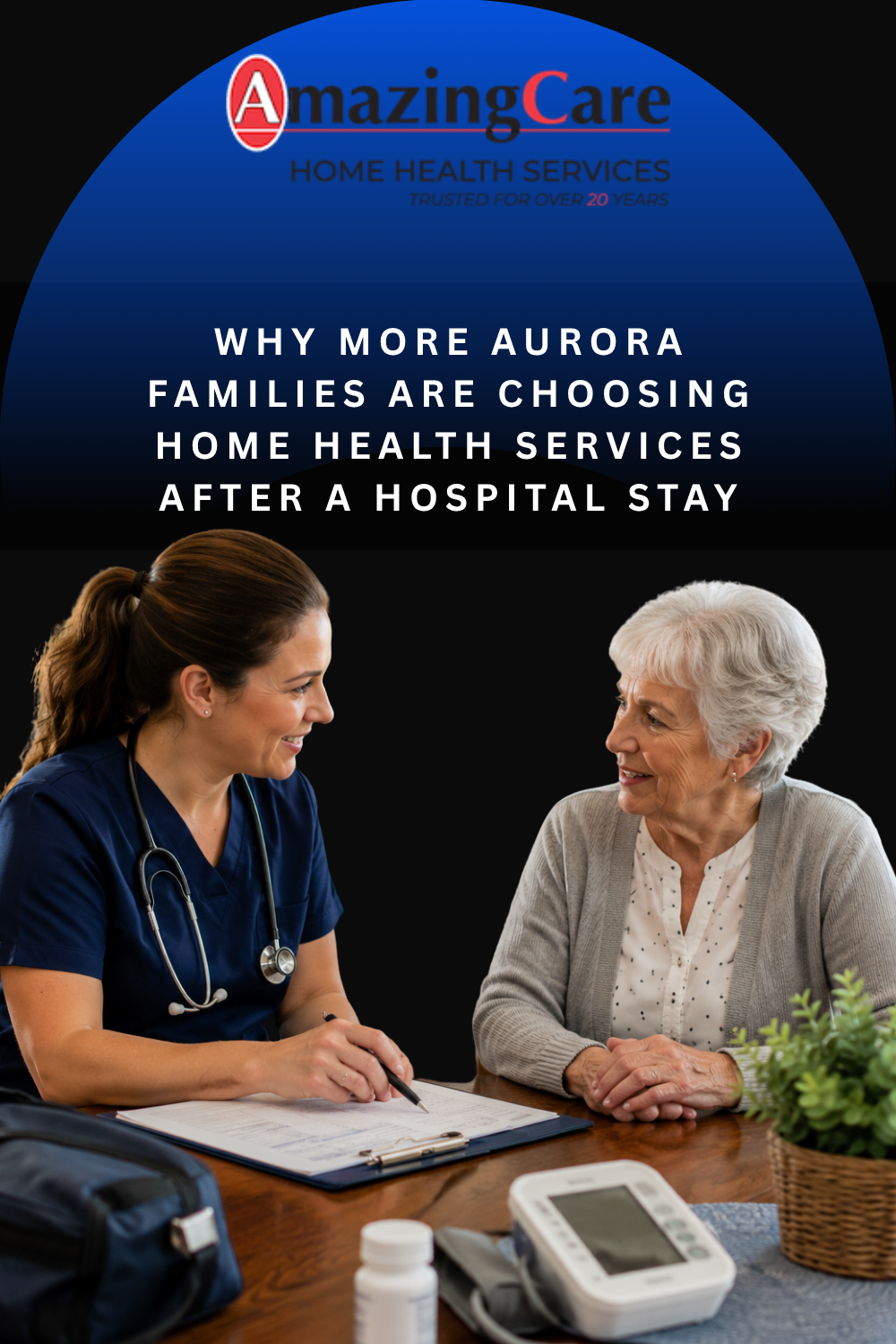
Why More Aurora Families Are Choosing Home Health Services After a Hospital StayAmazingCare Home Health Services SouthA hospital discharge is often viewed as a positive milestone.The procedure is complete.The illness has stabilized.The doctors have approved the next step.Yet for many seniors and families, returning home marks the beginning of a new phase of recovery rather than the end of treatment.After surgery, illness, injury, or a medical event, older adults frequently need ongoing clinical support, therapy, and monitoring to regain strength and independence. While some individuals transition to rehabilitation facilities, many are able to continue healing in the place they feel most comfortabletheir own home.Home health services have become an increasingly important part of modern healthcare because they allow patients to receive skilled medical care while remaining in familiar surroundings. In Aurora and throughout the Denver metro area, families are discovering that home health care can improve comfort, support recovery, and reduce unnecessary hospital readmissions.At AmazingCare Home Health Services South, patients receive professional healthcare services delivered directly to their homes, helping them achieve recovery goals while maintaining dignity and independence.Understanding Home Health CareMany people confuse home health care with non-medical home care.While both services support older adults, home health care involves licensed medical professionals providing clinical services under a physician's direction.Home health services may include:Skilled nursing carePhysical therapyOccupational therapySpeech therapyWound careMedication managementDisease educationPost-surgical recovery supportThese services help patients continue progressing toward recovery without requiring extended facility-based care.Why Recovery at Home MattersThe environment in which a person recovers can significantly affect both emotional and physical well-being.Home offers several important advantages.Familiar SurroundingsPatients often feel more comfortable and relaxed in their own environment.Personal RoutinesMaintaining familiar habits can support emotional stability and confidence.Family InvolvementLoved ones can remain actively involved in the recovery process.Reduced StressHome environments typically involve fewer disruptions than institutional settings.For many individuals, these factors contribute positively to healing.Aurora's Growing Senior PopulationAurora continues to be one of Colorado's fastest-growing communities.The city's diverse neighborhoods, healthcare resources, parks, and community services attract residents across all stages of life, including retirees and older adults.As the senior population expands, so does the demand for healthcare services that support aging in place.Many families prefer solutions that allow loved ones to remain at home whenever medically appropriate.Home health services help make this possible by bringing professional care directly to patients.Common Conditions That Benefit from Home HealthHome health care serves a wide range of medical situations.Patients frequently receive services following:Joint Replacement SurgeryTherapy helps improve mobility and restore strength.Stroke RecoveryPatients may benefit from nursing care, physical therapy, and speech therapy.Cardiac EventsHome health teams assist with monitoring and education.Respiratory ConditionsOngoing management helps reduce complications and improve outcomes.Chronic Disease ManagementConditions such as diabetes and heart failure often require continued oversight.Every care plan is tailored to the individual's medical needs and recovery goals.The Role of Skilled NursingSkilled nurses play a central role in home health care.They provide clinical services that help patients recover safely at home.Responsibilities may include:Health assessmentsMedication educationWound careVital sign monitoringSymptom managementCoordination with physiciansThese services help identify concerns early and reduce the risk of complications.Physical Therapy in the HomeMany patients are surprised to learn they can receive therapy services without leaving home.Physical therapists help individuals:Improve balanceIncrease strengthRestore mobilityReduce fall risksBuild enduranceTherapy sessions often focus on practical daily activities that support independence.Because treatment occurs within the home environment, therapists can address real-world challenges directly.Occupational Therapy and Daily Living SkillsOccupational therapy focuses on helping individuals safely perform everyday activities.Examples include:DressingBathingMeal preparationHousehold tasksMobility within the homeTherapists may recommend adaptive strategies or equipment that improves safety and independence.These interventions often make a significant difference in long-term recovery outcomes.Reducing Hospital ReadmissionsOne of the most important benefits of home health care is reducing preventable hospitalizations.Patients recovering from illness or surgery may face challenges such as:Medication confusionMobility limitationsChronic disease complicationsLack of follow-up careHome health professionals help address these concerns before they escalate.Through education, monitoring, and intervention, they support safer recoveries and improved outcomes.Family Members Become Part of the Care TeamHome health care is often most effective when families remain involved.Professional caregivers provide education and guidance that help family members better understand:Treatment plansRecovery expectationsWarning signsMedication routinesSafety considerationsThis collaborative approach helps everyone feel more confident throughout the healing process.According to Wyndam Reeve of AmazingCare Home Health Services South, "Recovery doesn't stop when a patient leaves the hospital. Home health care provides the clinical support, education, and encouragement needed to help individuals regain confidence and achieve the best possible outcomes."Supporting Independence Throughout RecoveryMany seniors worry that accepting healthcare services means giving up independence.In reality, home health care is specifically designed to help patients regain and maintain independence.The objective is to provide temporary or ongoing support that enables individuals to safely manage their daily lives and achieve their highest level of function.A Healthcare Solution Built Around the PatientModern healthcare increasingly recognizes that patient-centered care leads to better outcomes.Home health care places the individual at the center of the recovery process by delivering services where they are most comfortable.The result is often a more personalized experience that supports both healing and quality of life.Visit Their Seniors Blue Book ListingTo learn more about AmazingCare Home Health Services South and discover how home health care supports recovery and independence throughout Aurora, visit their Seniors Blue Book listing.Frequently Asked QuestionsWhat is home health care?Home health care provides skilled medical services in the patient's home under a physician's direction.Who qualifies for home health services?Eligibility depends on medical needs and physician recommendations.Can therapy be provided at home?Yes. Physical, occupational, and speech therapy services are commonly delivered through home health programs.Is home health care covered by insurance?Coverage varies depending on individual insurance plans and eligibility requirements.Does home health care replace family caregivers?No. Home health services complement family support and often provide education that helps caregivers participate more effectively.
Jun 10, 2026

How Home Health Care Helps Seniors Stay Safe, Healthy, and Independent
How Home Health Care Helps Seniors Stay Safe, Healthy, and IndependentAmazingCare Home Health Services SouthFor generations, growing older often meant moving into a healthcare facility when medical needs became more complex.Today, that expectation has changed dramatically.Most older adults express a strong desire to remain in their homes as they age. They want to continue enjoying familiar surroundings, established routines, treasured memories, and close connections to their communities. Fortunately, advances in healthcare delivery have made aging in place more achievable than ever before.Home health care plays a critical role in helping seniors maintain independence while receiving the medical support they need. Rather than requiring frequent trips to clinics or extended stays in healthcare facilities, professional healthcare services can be delivered directly to the home.For families throughout Aurora and the Denver metro area, home health care offers an effective solution that balances safety, wellness, and independence.AmazingCare Home Health Services South helps seniors continue living where they feel most comfortable while receiving personalized clinical support designed to improve health outcomes and quality of life.What Does Aging in Place Mean?Aging in place refers to the ability of older adults to live safely and independently in their own homes regardless of age or changing health needs.Many seniors choose this approach because home provides:Familiar surroundingsEmotional comfortPersonal freedomCommunity connectionsGreater privacyEstablished routinesHowever, successful aging in place often requires support systems that help individuals manage evolving health challenges.This is where home health services become essential.Why More Aurora Seniors Are Choosing to Stay HomeAurora offers an ideal environment for older adults.The city combines access to exceptional healthcare resources with beautiful parks, active neighborhoods, cultural attractions, and convenient transportation options.Many seniors have spent decades building lives in Aurora and naturally wish to remain connected to the community they know and love.Home health care allows them to continue enjoying those connections while receiving professional medical support.The Health Challenges That Come With AgingGrowing older often brings increased healthcare needs.Common concerns may include:Heart diseaseDiabetesArthritisCOPDBalance issuesMobility limitationsNeurological conditionsRecovery after illness or surgeryManaging these conditions effectively often requires ongoing monitoring, education, and therapy.Without proper support, health concerns can escalate and potentially lead to hospitalizations or reduced independence.Bringing Healthcare Directly to the PatientHome health services allow licensed healthcare professionals to provide care where patients live.Services may include:Skilled NursingNurses assess health status, manage medications, monitor symptoms, and provide education.Physical TherapyTherapists help improve strength, balance, mobility, and fall prevention.Occupational TherapyPatients learn strategies that support safe and independent daily living.Speech TherapySpeech-language pathologists address communication, cognition, and swallowing concerns.Care CoordinationHealthcare teams communicate with physicians and family members to ensure continuity of care.This comprehensive approach helps patients receive personalized support without leaving home.Preventing Falls Before They HappenFalls remain one of the leading causes of injury among older adults.Home health professionals play an important role in reducing fall risks.They assess factors such as:LightingFlooring hazardsBathroom safetyMobility challengesStrength and balance deficitsRecommendations may include home modifications, exercise programs, or adaptive equipment that improves safety.Prevention strategies often help seniors maintain independence longer.Managing Chronic Conditions EffectivelyMany older adults live with one or more chronic health conditions.Managing these illnesses successfully requires consistency and education.Home health professionals help patients understand:Medication schedulesSymptom monitoringNutrition recommendationsExercise guidelinesDisease management techniquesThis education empowers individuals to take an active role in their own healthcare.Supporting Family CaregiversFamily members often provide substantial assistance as loved ones age.While caregiving can be rewarding, it can also create stress and uncertainty.Home health teams provide guidance that helps caregivers better understand:Medical conditionsRecovery expectationsWarning signsSafety precautionsTreatment plansThis support helps families feel more confident while reducing caregiver burden.Therapy Focused on Real-Life GoalsOne advantage of home-based therapy is its practical focus.Rather than practicing tasks in a clinical environment, patients work on activities directly related to their daily lives.Examples include:Safely navigating stairsGetting in and out of bedPreparing mealsBathing independentlyWalking through the homeThese functional goals help patients maintain meaningful independence.Monitoring Changes EarlyAging adults often experience gradual changes that may be difficult for family members to recognize.Home health professionals are trained to identify subtle concerns before they become major problems.Examples may include:Increased fatigueChanges in mobilityMedication issuesWeight fluctuationsCognitive changesEarly intervention frequently prevents complications and improves outcomes.The Emotional Benefits of Remaining at HomePhysical health is only part of the equation.Remaining in familiar surroundings often supports emotional well-being.Many seniors report benefits such as:Reduced anxietyGreater comfortImproved confidenceBetter quality of lifeIncreased motivation during recoveryThese emotional factors contribute significantly to overall wellness.Building a Personalized Healthcare ExperienceNo two individuals age the same way.Home health care recognizes this reality by creating personalized care plans tailored to each patient's unique circumstances.Care plans often reflect:Medical needsFunctional abilitiesPersonal goalsHome environmentFamily involvementThis individualized approach helps maximize effectiveness while respecting patient preferences.According to Wyndam Reeve of AmazingCare Home Health Services South, "Aging in place is about much more than remaining at home. It's about helping seniors stay healthy, safe, and engaged in the lives they've built. Home health care provides the professional support that makes that possible."Looking Toward a Healthier FutureThe desire to remain independent is universal.With the right healthcare support, many seniors can continue enjoying the comfort and familiarity of home while effectively managing health challenges.Home health services help bridge the gap between medical care and everyday living, allowing individuals to age with dignity, confidence, and greater peace of mind.Visit Their Seniors Blue Book ListingLearn more about AmazingCare Home Health Services South and discover how their home health programs support aging in place for seniors throughout Aurora by visiting their Seniors Blue Book listing.Frequently Asked QuestionsWhat is aging in place?Aging in place refers to remaining safely and independently in one's own home while managing changing health needs.Can home health care help prevent hospitalizations?Yes. Skilled monitoring, education, and early intervention often reduce the risk of complications.Who benefits from home health services?Seniors recovering from illness, surgery, injury, or managing chronic health conditions frequently benefit.Does home health care support family caregivers?Absolutely. Home health teams provide education, guidance, and resources that assist family members.Can therapy be provided in the home?Yes. Physical, occupational, and speech therapy services are commonly delivered through home health programs.
Jun 10, 2026
How Home Health Services Improve Quality of Life for Patients and Fami
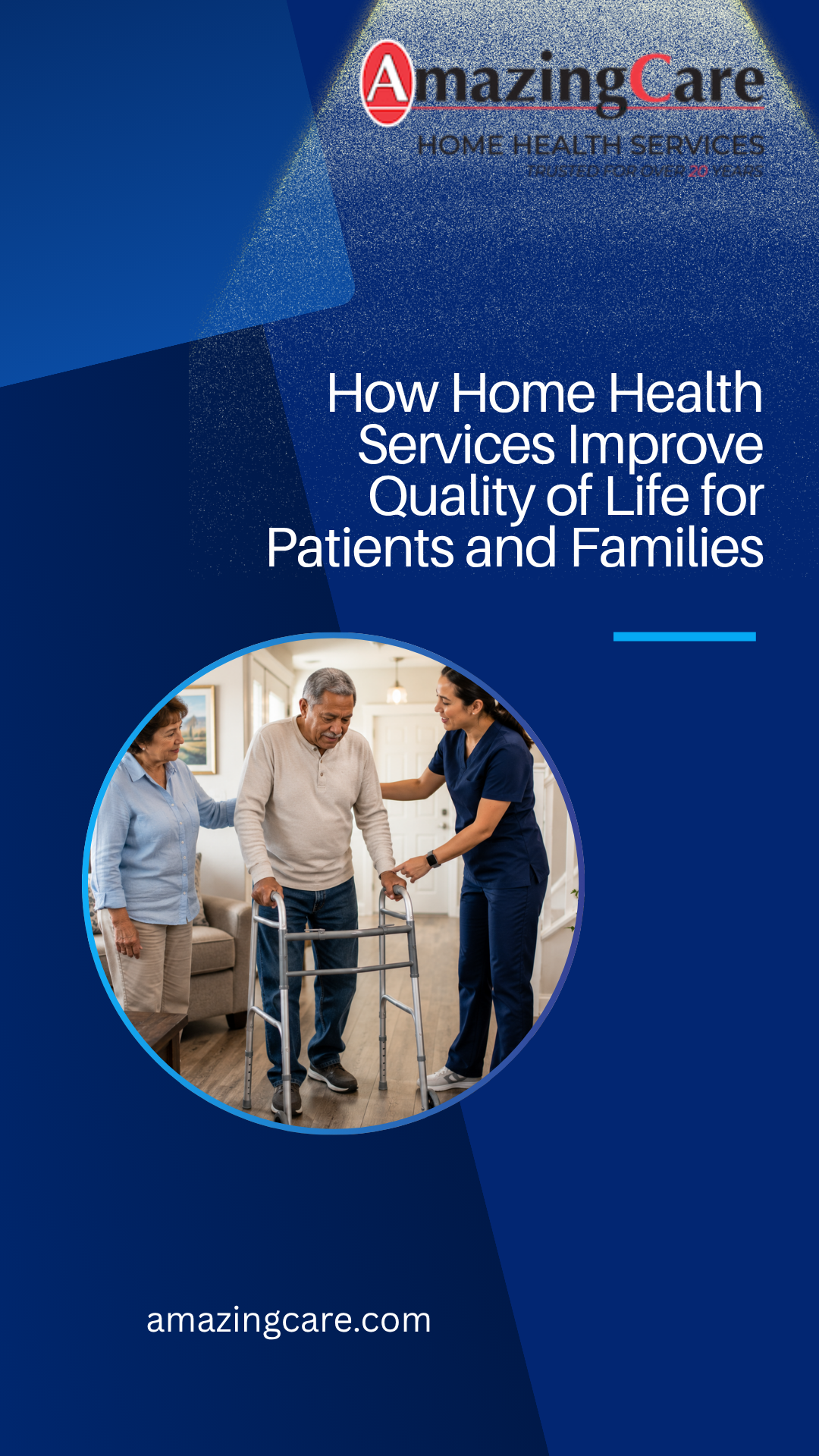
How Home Health Services Improve Quality of Life for Patients and FamiliesAmazingCare Home Health Services SouthHealthcare has changed dramatically over the past decade.Years ago, many treatments, therapies, and recovery services required extended stays in hospitals, rehabilitation facilities, or outpatient clinics. Today, advances in healthcare delivery allow patients to receive high-quality clinical services in the comfort of their own homes.This shift has transformed the experience of recovery for seniors, individuals with chronic health conditions, and families seeking personalized care solutions.Home health services provide much more than convenience. They offer a patient-centered approach that focuses on improving outcomes, supporting independence, and enhancing quality of life.For residents throughout Aurora and the surrounding Denver metro area, home health care is helping individuals remain where they feel most comfortable while receiving the professional healthcare services they need.At AmazingCare Home Health Services South, the goal is simple: bring compassionate, skilled healthcare directly to patients, helping them achieve their highest level of wellness without sacrificing the comfort and familiarity of home.Why Home Matters During RecoveryWhen someone faces a serious illness, surgery, injury, or chronic health condition, the environment around them can significantly influence recovery.Home provides several unique advantages that healthcare facilities cannot always replicate.Patients often benefit from:Familiar surroundingsPersonal routinesFamily supportReduced stressGreater comfortImproved emotional well-beingThese factors contribute to both physical healing and mental wellness.Many patients feel more relaxed and motivated when recovering in a place filled with familiarity and personal meaning.Aurora's Healthcare Landscape Continues to EvolveAurora has become one of Colorado's leading healthcare hubs.The city is home to major medical centers, specialty clinics, rehabilitation providers, and healthcare professionals serving a rapidly growing population.As more residents seek alternatives to prolonged facility-based care, home health services have become an increasingly important component of the healthcare continuum.Families appreciate the ability to access professional medical support while allowing loved ones to remain active participants in their own recovery.What Home Health Care IncludesHome health services encompass a wide range of clinical care provided under physician supervision.Depending on individual needs, services may include:Skilled NursingLicensed nurses provide assessments, education, monitoring, and clinical care.Physical TherapyTherapists help improve strength, mobility, balance, and endurance.Occupational TherapyPatients learn techniques that support safe performance of everyday tasks.Speech TherapyTherapy may address communication, cognition, and swallowing challenges.Chronic Disease ManagementOngoing support helps individuals better manage long-term health conditions.The exact combination of services depends on each patient's unique circumstances.Supporting Individuals with Chronic ConditionsMillions of Americans live with chronic health conditions that require ongoing management.Common examples include:Heart diseaseDiabetesCOPDParkinson's diseaseMultiple sclerosisNeurological disordersWithout proper support, these conditions can lead to hospitalizations and declining quality of life.Home health professionals provide education and monitoring that help patients manage symptoms more effectively.This proactive approach often leads to improved outcomes and greater confidence.Personalized Care Plans Lead to Better ResultsNo two patients are exactly alike.Effective home health care begins with a thorough evaluation of:Medical historyCurrent conditionRecovery goalsFunctional abilitiesHome environmentBased on these factors, a customized care plan is developed.Personalized care helps ensure that services address each patient's specific needs rather than relying on generalized treatment approaches.Helping Patients Stay IndependentOne of the primary goals of home health care is preserving independence.Many individuals fear that accepting healthcare services means losing control over their lives.In reality, home health care is designed to do the opposite.Therapists and nurses work with patients to:Improve mobilityIncrease confidenceEnhance safetyBuild strengthSupport self-management skillsThese improvements often allow individuals to remain independent longer.The Value of Family ParticipationHome health care naturally encourages family involvement.Because services are delivered in the home, loved ones often have opportunities to:Learn about medical conditionsUnderstand treatment plansAsk questionsObserve therapy sessionsParticipate in care planningThis collaboration creates stronger support systems and better continuity of care.Families frequently feel more empowered when they understand how to support recovery efforts.Preventing Complications Before They OccurOne of the greatest strengths of home health services is early intervention.Healthcare professionals visiting the home can identify concerns before they become serious problems.Examples include:Medication issuesMobility challengesFall risksChanges in symptomsNutritional concernsAddressing these issues promptly often prevents hospitalizations and improves long-term health outcomes.Therapy in Real-Life EnvironmentsTraditional therapy settings are valuable, but home-based therapy offers unique advantages.Therapists can observe how patients function in their actual living environments.This allows them to provide practical recommendations related to:Home safetyMobility challengesBathroom accessibilityKitchen navigationDaily routinesThese personalized insights often improve effectiveness and safety.Compassion Is Part of Clinical CareHealthcare is not solely about medical procedures and treatment plans.Human connection matters.Patients recovering from illness often face emotional challenges including:AnxietyFrustrationIsolationFearUncertaintyCompassionate healthcare professionals provide encouragement and support that positively influence recovery experiences.According to Wyndam Reeve of AmazingCare Home Health Services South, "The best healthcare combines clinical excellence with genuine compassion. When patients feel supported, educated, and empowered, they are better positioned to achieve successful outcomes."Looking Beyond RecoveryHome health care is not only about helping individuals recover from immediate health events.It also focuses on promoting long-term wellness.Patients often gain valuable skills related to:Self-careMedication managementExerciseDisease managementSafety awarenessThese tools support healthier, more independent lives long after formal services conclude.Healthcare Designed Around the IndividualEvery patient deserves care that respects their goals, preferences, and unique circumstances.Home health services provide an opportunity to deliver healthcare in a way that prioritizes comfort, independence, and personalized attention.For many families, it represents the ideal balance between professional medical support and maintaining life at home.Visit Their Seniors Blue Book ListingTo learn more about AmazingCare Home Health Services South and their comprehensive home health care programs serving Aurora families, visit their Seniors Blue Book listing today.Frequently Asked QuestionsWhat types of patients benefit from home health care?Individuals recovering from illness, surgery, injury, or managing chronic conditions often benefit from home health services.Is home health care only for seniors?No. Home health care can serve patients of various ages depending on medical needs.Do physicians oversee home health services?Yes. Home health care is typically provided under physician direction and supervision.Can therapy services be provided at home?Absolutely. Physical, occupational, and speech therapy are common components of home health programs.Does home health care improve independence?Yes. Many services focus specifically on helping patients regain skills and maintain independence.
Jun 10, 2026
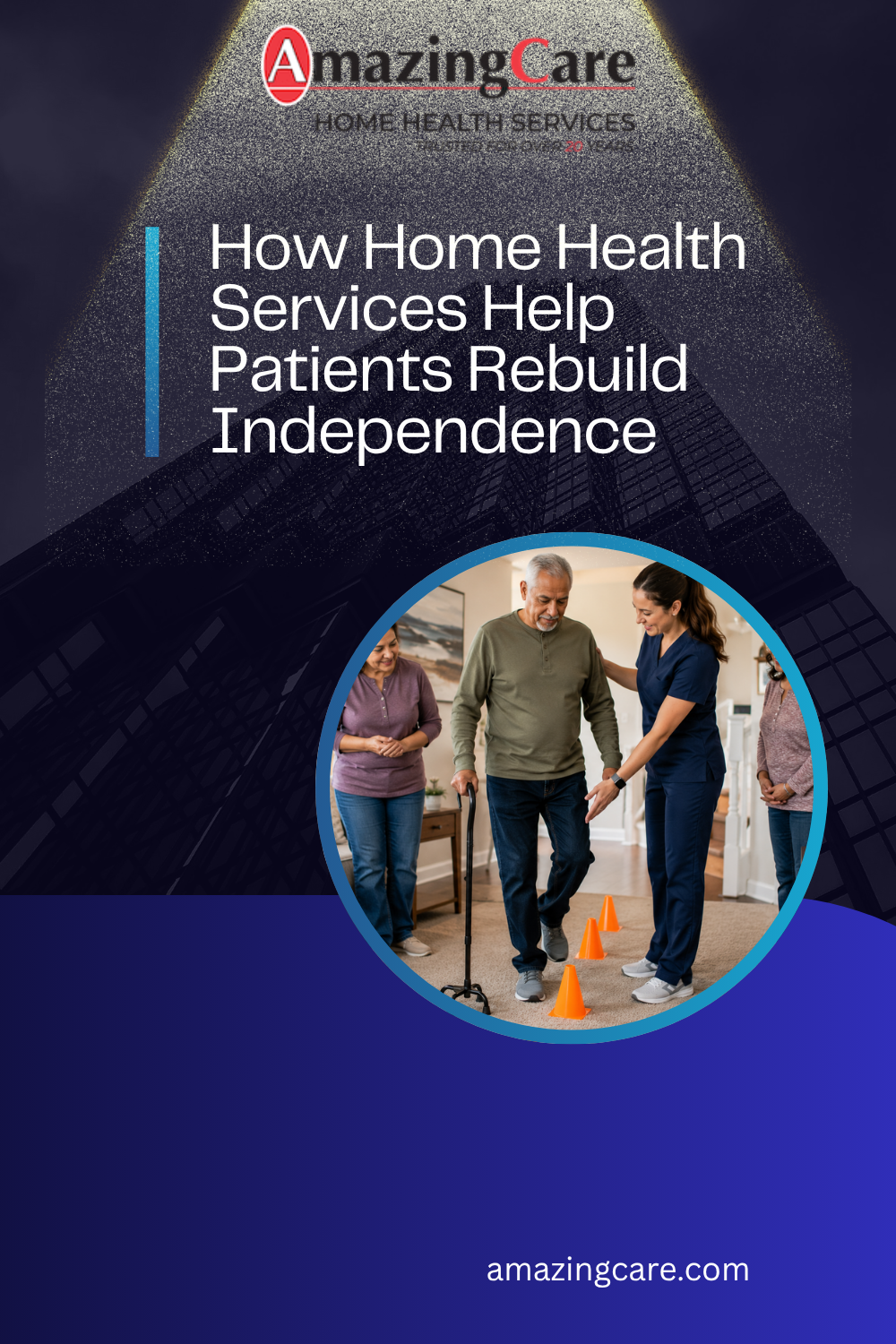
How Home Health Services Help Patients Rebuild Independence
How Home Health Services Help Patients Rebuild IndependenceAmazingCare Home Health Services SouthA stroke can change life in an instant.One moment, an individual is managing daily routines independently. The next, they may face challenges with walking, speaking, eating, memory, or performing basic tasks. For families, the experience is often overwhelming. Questions arise immediately about recovery, rehabilitation, and what the future may hold.The good news is that many stroke survivors make significant progress with the right support.Recovery does not happen overnight. It requires patience, determination, skilled medical guidance, and a carefully structured rehabilitation plan. Increasingly, healthcare providers are recognizing the benefits of allowing stroke survivors to continue much of their recovery at home.Home health services provide a bridge between hospital care and long-term independence, offering professional support in a familiar environment where patients feel most comfortable.For families throughout Aurora and the Denver metro area, home health care has become an essential resource in helping stroke survivors regain confidence, improve function, and rebuild quality of life.At AmazingCare Home Health Services South, the focus is on helping patients recover safely while maximizing independence and long-term wellness.Understanding Stroke RecoveryEvery stroke affects the brain differently.As a result, recovery experiences vary significantly from one individual to another.Some patients experience:Weakness on one side of the bodyBalance problemsSpeech difficultiesMemory challengesFatigueReduced coordinationSwallowing concernsRecovery often involves addressing multiple areas simultaneously.The process requires collaboration among healthcare professionals, patients, and family members.Why Home-Based Recovery Can Be EffectiveHospitals and rehabilitation centers play critical roles immediately following a stroke.However, many patients eventually transition home to continue therapy and recovery efforts.Home-based rehabilitation offers several advantages.Real-World PracticePatients work on skills within the environment where they will actually use them.Familiar SurroundingsComfortable settings often reduce anxiety and encourage participation.Family InvolvementLoved ones can actively participate in recovery strategies.Personalized CareHealthcare professionals can tailor interventions to the patient's specific home environment.These benefits help create meaningful and practical rehabilitation experiences.Aurora's Growing Need for Recovery ServicesAurora's aging population continues to increase, resulting in greater demand for rehabilitation and recovery resources.Fortunately, the city offers access to outstanding healthcare providers and home health programs that support patients throughout the recovery process.Families increasingly seek solutions that allow loved ones to remain at home while receiving professional care.Home health services provide exactly that balance.The Role of Skilled Nursing After a StrokeNurses often serve as a central component of post-stroke care.Their responsibilities may include:Monitoring health statusManaging medicationsAssessing symptomsEducating patients and familiesCoordinating care with physiciansStroke survivors frequently have additional health conditions such as hypertension, diabetes, or heart disease.Skilled nursing support helps ensure these factors remain properly managed during recovery.Physical Therapy: Rebuilding Strength and MobilityFor many stroke survivors, physical therapy becomes one of the most important aspects of recovery.Therapists help patients improve:BalanceStrengthEnduranceWalking abilityCoordinationFall prevention skillsHome-based therapy allows professionals to address mobility challenges specific to the patient's living environment.For example, therapists can evaluate:Stair navigationBathroom safetyBedroom accessibilityEntryways and walkwaysThese practical interventions directly support independence.Occupational Therapy and Daily Living SkillsA stroke can affect the ability to perform routine activities.Occupational therapists focus on helping patients regain skills needed for daily life.Areas of focus may include:DressingGroomingCookingHousehold managementPersonal hygieneTherapists often introduce adaptive techniques that make tasks safer and more manageable.These improvements can significantly increase confidence and self-sufficiency.Speech Therapy and Cognitive RecoveryMany stroke survivors experience challenges related to communication or cognition.Speech-language pathologists help address issues involving:SpeakingUnderstanding languageSwallowingMemoryProblem-solvingAttentionConsistent therapy helps patients strengthen these abilities while developing strategies that support daily functioning.Supporting Emotional RecoveryStroke recovery involves more than physical rehabilitation.Patients often experience emotional challenges such as:FrustrationAnxietyDepressionFearUncertaintyThese feelings are normal.Home health professionals provide encouragement and support that help patients remain motivated throughout the recovery process.Positive reinforcement and achievable goals often contribute to emotional resilience.Family Members Become Recovery PartnersFamilies play a crucial role in stroke rehabilitation.Home health teams help loved ones understand:Recovery expectationsTherapy goalsSafety measuresCommunication techniquesHome modificationsThis education empowers families to participate effectively while avoiding unnecessary stress.When everyone works together, outcomes often improve.Preventing Secondary ComplicationsStroke survivors face elevated risks for complications including:FallsInfectionsMedication errorsReduced mobilityHospital readmissionsHome health professionals monitor for warning signs and intervene early when concerns arise.This proactive approach helps protect patient health while supporting ongoing progress.Celebrating Small VictoriesRecovery is rarely a straight line.Progress often occurs through small but meaningful achievements.Examples may include:Walking independently to the mailboxPreparing a simple mealSpeaking more clearlyClimbing stairs safelyCompleting daily routines without assistanceEach milestone represents an important step toward greater independence.According to Wyndam Reeve of AmazingCare Home Health Services South, "Stroke recovery requires patience, persistence, and professional support. Our goal is to help patients achieve meaningful progress while providing the encouragement and clinical care needed throughout the journey."Looking Toward the FutureMany stroke survivors go on to lead active and fulfilling lives.While recovery may require adjustments, ongoing rehabilitation often produces remarkable results.Home health care helps patients focus on possibilities rather than limitations.By combining clinical expertise with personalized support, healthcare professionals help individuals regain confidence and maximize their quality of life.Visit Their Seniors Blue Book ListingLearn more about AmazingCare Home Health Services South and discover how their home health programs support stroke recovery and rehabilitation throughout Aurora by visiting their Seniors Blue Book listing.Frequently Asked QuestionsCan stroke survivors recover at home?Many patients can safely continue rehabilitation at home with professional home health support.What therapies are commonly used after a stroke?Physical therapy, occupational therapy, speech therapy, and skilled nursing services are frequently included.How long does stroke recovery take?Recovery timelines vary depending on the severity of the stroke and individual circumstances.Why is home health care beneficial after a stroke?Home health services provide personalized rehabilitation within a familiar environment while supporting independence.Can family members participate in recovery?Yes. Home health professionals often educate and involve family members throughout the rehabilitation process.
Jun 10, 2026

The Importance of Social Interaction for Seniors and How to Facilitate It
Social interaction is a cornerstone of health and well-being, particularly for seniors. Engaging in social activities can significantly impact their mental, emotional, and physical health. This post aims to underscore the importance of socializing your parents or elderly loved ones and provide practical suggestions for encouraging meaningful social engagement.Research has consistently shown that seniors who maintain active social lives enjoy numerous health benefits, including reduced risks for chronic diseases, lower blood pressure, and decreased rates of depression and anxiety. Social interactions can also play a critical role in preserving cognitive function, thereby potentially delaying the onset of dementia and Alzheimers disease.However, fostering social connections for seniors can sometimes be challenging. Mobility issues, health conditions, and the loss of peers can make it difficult for them to maintain their social networks. Here are several ways to help your elderly loved ones stay connected and engaged:Leverage Community Events: Many communities offer events tailored to seniors, such as exercise classes, art workshops, and social clubs. Encourage your loved ones to participate in these activities, which can be great opportunities to meet peers with similar interests.Embrace Technology: Online platforms and social media can be invaluable for seniors, allowing them to connect with friends and family members despite physical distances. Introducing your parents to simple-to-use apps and devices can open up a world of interaction.Encourage New Friendships: Help your elderly loved ones find new social circles by encouraging them to join clubs or groups based on their interests. Whether its a book club, a gardening group, or a cooking class, these activities can provide both a sense of community and a chance to learn something new.Volunteer Together: Volunteering is not only a way to give back but also a powerful method for socializing. Engaging in volunteer work allows seniors to feel connected to their communities and provides a sense of purpose.Schedule Regular Visits: Regular visits from family members, friends, or caregivers can significantly boost a seniors mood and sense of belonging. Even short, frequent visits can make a big difference in their overall well-being.Facilitating social interaction for seniors is about creating opportunities for connection and ensuring they have the support needed to engage with their community. By prioritizing social activities and leveraging resources both offline and online, we can help enrich the lives of our elderly loved ones, contributing to their happiness and health. If you have any questions, please contact AmazingCare at 303-755-3170.
Jun 13, 2025
Helping Aurora Seniors Manage Chronic Conditions Through Home Health C
Helping Aurora Seniors Manage Chronic Conditions Through Home Health CareLiving with chronic health conditions can make everyday life more complicated for older adults. Seniors in Aurora managing illnesses such as heart disease, diabetes, COPD, or neurological conditions often require ongoing medical monitoring and support to remain stable and independent.For many families, home health care provides a valuable solution that combines skilled clinical services with the comfort of remaining at home.AmazingCare Home Health Services helps Aurora-area seniors manage chronic health concerns through personalized home-based medical care designed to improve quality of life and reduce unnecessary hospitalizations.Chronic Illness Requires Consistent MonitoringMany chronic conditions change gradually over time. Small symptoms can quickly become more serious if left unnoticed.Home health professionals help monitor: Blood pressure Oxygen levels Blood sugar Mobility changes Medication adherence Respiratory symptoms Early intervention often prevents larger complications later.Consistent medical support helps seniors remain healthier and more confident at home, says Wyndam Reeve of AmazingCare Home Health Services - South. Our focus is helping patients manage conditions safely while maintaining independence.Why Seniors Often Prefer Home-Based CareMany older adults feel more comfortable receiving care in familiar surroundings.Home environments provide: Emotional reassurance Greater privacy Established routines Family involvement Reduced transportation stress Remaining at home also allows healthcare professionals to evaluate real-life safety concerns and mobility challenges directly.Skilled Nursing Plays a Major RoleLicensed nurses provide essential clinical oversight for seniors with ongoing medical needs.Services may include: Medication management Disease education Wound care Symptom monitoring Coordination with physicians These services help patients follow treatment plans more effectively while reducing confusion and complications.Managing Heart Disease at HomeHeart conditions remain one of the most common health concerns affecting older adults.Home health nurses help monitor symptoms such as: Swelling Shortness of breath Fatigue Blood pressure changes Education about diet, medications, and activity levels also helps seniors better manage daily health routines.Diabetes Management Requires Careful AttentionOlder adults living with diabetes may struggle with: Medication schedules Dietary planning Blood sugar monitoring Vision changes Mobility limitations Home health professionals help patients stay organized while recognizing warning signs early.Therapy Services Improve Daily FunctioningMany seniors with chronic conditions benefit from rehabilitation therapies designed to maintain strength and independence.Physical TherapyPhysical therapists help seniors improve: Balance Walking ability Endurance Fall prevention Occupational TherapyOccupational therapists assist patients with safely performing daily tasks such as dressing, bathing, and meal preparation.These therapies support long-term independence while reducing injury risks.Auroras Growing Senior Population Needs Flexible Care OptionsAurora continues expanding as a healthcare hub within the Denver metro area, offering seniors access to hospitals, specialists, and community resources.Home health care complements these services by allowing patients to receive professional support without leaving home unnecessarily.This flexibility becomes especially valuable for seniors with mobility challenges or transportation limitations.Family Caregivers Benefit from Professional SupportAdult children often become heavily involved in managing chronic illnesses for aging parents.Responsibilities may include: Coordinating appointments Managing medications Monitoring symptoms Providing transportation Home health professionals help relieve some of this burden while improving communication and consistency in care.Emotional Health Matters TooLiving with chronic illness can affect emotional wellbeing just as much as physical health.Seniors may experience: Anxiety Depression Frustration Social withdrawal Receiving compassionate care at home often helps patients feel more secure and emotionally supported during ongoing treatment.Personalized Care Plans Lead to Better ResultsNo two seniors experience chronic illness the same way.Home health plans are tailored based on: Medical diagnoses Mobility levels Home environments Personal goals Family involvement This individualized approach helps patients maintain higher quality of life while managing long-term health concerns.Home Health Encourages IndependenceOne major benefit of home health care is helping seniors remain active participants in their own care.Rather than removing independence, supportive medical services help older adults continue living safely at home while receiving the professional oversight they need.Supporting Aurora Seniors Through Every Stage of HealthManaging chronic illness successfully often requires consistent support, education, and professional medical monitoring.AmazingCare Home Health Services - South helps Aurora-area seniors navigate ongoing health challenges with compassionate home health care focused on stability, independence, and long-term wellbeing.To learn more about home health services and senior care resources, visit their Seniors Blue Book listing today.FAQsWhat conditions can home health care help manage?Home health commonly supports seniors with heart disease, diabetes, COPD, neurological conditions, and recovery needs.Can nurses visit seniors at home regularly?Yes. Skilled nursing visits are often scheduled based on medical needs and physician recommendations.What therapies are available through home health?Home health may include physical, occupational, and speech therapy services.Why do seniors benefit from home-based care?Home care allows seniors to remain comfortable in familiar surroundings while receiving professional support.Can home health help reduce hospital visits? Yes. Ongoing monitoring and education help identify problems early before they worsen.
May 11, 2026

Helping Aurora Families Understand the Difference Between Home Health
Helping Aurora Families Understand the Difference Between Home Health and Non-Medical CareWhen families first begin exploring senior care options in Aurora, one of the most common sources of confusion is understanding the difference between home health care and non-medical home care.Both services support older adults living at home, but they serve very different purposes. Knowing which type of care is appropriate can help families make more informed decisions while ensuring loved ones receive the right level of support.AmazingCare Home Health Services helps Aurora seniors receive professional medical care at home while supporting recovery, chronic illness management, and long-term independence.What Is Home Health Care?Home health care provides licensed medical services delivered in a patients home under physician direction.Services may include: Skilled nursing Physical therapy Occupational therapy Speech therapy Wound care Medication monitoring Home health focuses on medical treatment, rehabilitation, and clinical oversight.What Is Non-Medical Home Care?Non-medical care focuses on assistance with daily living activities rather than healthcare services.Support may include: Companionship Meal preparation Housekeeping Transportation Grocery shopping Personal care assistance These services help seniors maintain independence but do not involve licensed medical treatment.Why Families Often Need Both Types of CareMany seniors benefit from combining medical and non-medical support.For example, an older adult recovering from surgery may receive: Home health nursing visits Physical therapy Companion care Meal assistance Transportation help Combining services creates a more complete support system during recovery.Every seniors needs are different, says Wyndam Reeve of AmazingCare Home Health Services - South. Understanding the distinction between care types helps families build the right plan for long-term success.Home Health Often Begins After HospitalizationMany seniors receive home health services following: Surgery Hospital stays Illness Falls Stroke Injury Doctors may recommend home health when patients still require skilled care but are healthy enough to remain at home safely.Skilled Nurses Provide Clinical OversightHome health nurses monitor important medical concerns such as: Medication management Vital signs Wound healing Chronic disease symptoms Recovery progress This ongoing oversight helps identify complications early while supporting healing.Therapy Services Improve IndependenceHome health therapists work with seniors to improve daily functioning and mobility.Physical TherapyFocuses on: Strength Balance Walking ability Fall prevention Occupational TherapyHelps seniors safely perform daily activities such as bathing, dressing, and meal preparation.Speech TherapySupports communication and swallowing recovery after neurological conditions or strokes.Aurora Seniors Prefer Recovering at HomeMany older adults feel more emotionally comfortable receiving care in familiar surroundings.Benefits of home-based care include: Reduced transportation stress Greater privacy Familiar routines Family involvement Increased comfort Home health allows seniors to receive professional care while remaining connected to their homes and communities.Family Caregivers Gain Important SupportAdult children often struggle to manage complex medical routines independently.Home health professionals help families understand: Treatment plans Medication schedules Therapy exercises Safety concerns This guidance reduces stress while improving consistency in care.Personalized Care Plans MatterNo two seniors have identical medical or personal needs.Home health plans are tailored based on: Diagnoses Recovery goals Home environments Mobility levels Family support systems This individualized approach improves overall care quality and outcomes.Home Health Encourages Safer RecoveriesRecovering at home does not mean recovering alone.Professional oversight helps seniors navigate healing safely while reducing risks associated with: Falls Medication mistakes Hospital readmissions Mobility complications This support creates greater confidence for both patients and families.Long-Term Independence Is Often the GoalOne of the biggest benefits of home health services is helping seniors regain or maintain independence for as long as possible.Therapies and skilled care often improve: Mobility Strength Safety awareness Confidence These improvements help older adults continue living comfortably at home.Helping Aurora Families Make Informed Care DecisionsUnderstanding senior care options can feel confusing without professional guidance.AmazingCare Home Health Services - South helps Aurora-area seniors and families navigate medical recovery and chronic health management through compassionate home health services focused on safety, healing, and long-term wellbeing.To learn more about home health resources and care options, visit their Seniors Blue Book listing today.FAQsWhat is the difference between home health and non-medical care?Home health provides licensed medical services, while non-medical care focuses on daily living support and companionship.Who qualifies for home health services?Home health is typically recommended by physicians after illness, surgery, injury, or hospitalization.Can seniors receive therapy at home?Yes. Home health often includes physical, occupational, and speech therapy services.Does home health include medication management?Yes. Skilled nurses help monitor medications and treatment plans.Why do seniors prefer home-based care? Many older adults feel more comfortable healing and receiving care in familiar surroundings.
May 11, 2026

Navigating Health Insurance: Covering the Costs of Home Care
Understanding the financial aspects of home care is crucial for many families. Its about knowing your options, who to talk to, and where to begin. At Amazing Care, were here to help you navigate through the maze of home care payment options, ensuring you make informed decisions regarding paying for home care services.Home care, an essential service for many, can sometimes be a financial burden. However, with the right information and resources, you can find ways to manage these costs effectively. Amazing Care offers several payment options to alleviate this burden.Medicaid: A viable option for those who meet certain income and health requirements. Amazing Care accepts Medicaid for qualifying services, providing a lifeline for many in need of home care without the financial means to afford it out-of-pocket. For more detailed information on how you can utilize Medicaid for services at Amazing Care, visit our Medicaid payment options page.Medicare: Typically, Medicare covers medically necessary home health care services. If you or your loved one is a Medicare beneficiary, you might be eligible for coverage of Amazing Cares services. This includes nursing care, physical therapy, and more under certain conditions outlined by Medicare guidelines. To understand how Medicare can help cover your home care needs with Amazing Care, check out Amazing Cares Medicare guide.Private Insurance: Home care covered by insurance is available, and many private health insurance policies include home care services. Coverage details can vary widely, so its essential to contact your insurance provider to understand the specifics of your policy. Amazing Care works with numerous private insurance plans, assisting you in maximizing your benefits. For insights on navigating private insurance with Amazing Care, visit our private insurance payment options page.Starting this journey can be overwhelming, but youre not alone. The first step is to contact Amazing Care to discuss your needs and payment options. Our team is dedicated to guiding you through the process, ensuring you access the care you need without undue financial stress. By exploring Medicaid, Medicare, and private insurance options, youll find a path to covering the costs of home care. Questions, please contact us at 303-755-3170.
Jun 13, 2025

Lets Be Real: Setting Realistic Goals for the New Year
Focusing on health and wellness is one of the most common New Years resolutions that people set. The issue is many are unable to keep those resolutions.Dani Johnson, a wellness physical therapist with the Mayo Clinic Healthy Living Program, offers tips to make it easier to stick to a resolution to get in shape:1.) Make sure you start with realistic goals.2.) Think about what you enjoy doing and try to find exercises you will enjoy.3.) Consider your time commitment 20 to 30 minutes, three times a week may be a reasonable start.Watch this video to learn more:
Jun 13, 2025
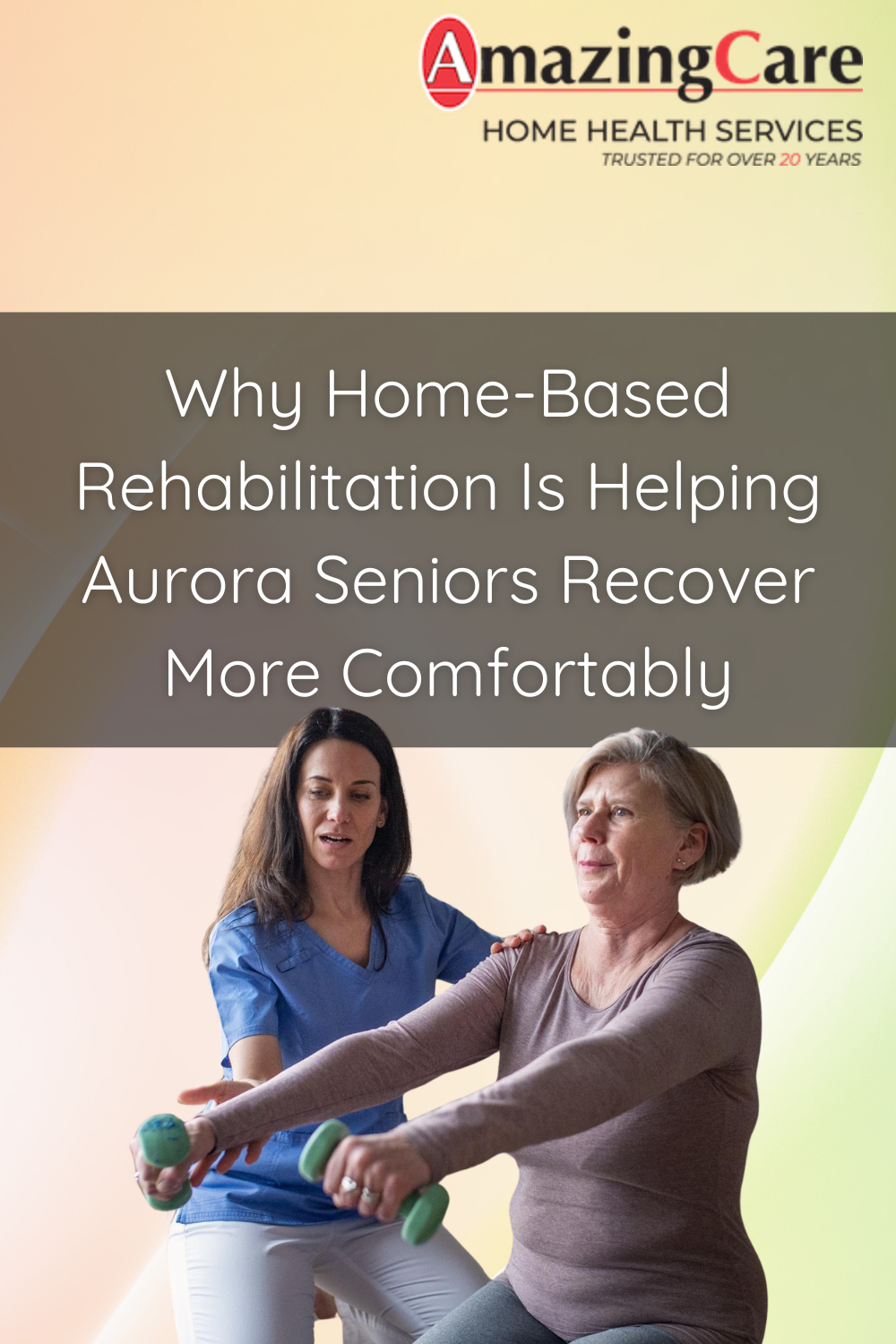
Why Home-Based Rehabilitation Is Helping Aurora Seniors Recover More C
Why Home-Based Rehabilitation Is Helping Aurora Seniors Recover More ComfortablyRehabilitation after illness, injury, or surgery can feel physically exhausting and emotionally frustrating for older adults. Many seniors in Aurora want to regain strength and independence but struggle with transportation challenges, fatigue, or anxiety about attending outpatient therapy appointments.Home-based rehabilitation services are helping older adults recover in more familiar, supportive environments while still receiving professional clinical care.AmazingCare Home Health Services provides home health rehabilitation support designed to help Aurora seniors rebuild mobility, confidence, and daily functioning from the comfort of home.Why Recovery Looks Different for SeniorsOlder adults often require longer and more carefully monitored recoveries than younger patients.Common factors affecting rehabilitation include: Balance concerns Reduced muscle strength Chronic health conditions Fatigue Pain management challenges Home-based rehabilitation allows therapy professionals to tailor treatment plans around each individuals environment and abilities.Physical Therapy Helps Seniors Regain ConfidenceMany seniors lose confidence after falls, surgeries, or hospitalizations.Physical therapy focuses on improving: Walking stability Strength Endurance Balance Coordination Therapists may also identify fall hazards directly within the home environment, creating safer recovery conditions.Rehabilitation should support both physical healing and emotional confidence, says Wyndam Reeve of AmazingCare Home Health Services - South. Helping seniors regain independence at home can make a tremendous difference in overall recovery.Home Rehabilitation Removes Transportation BarriersOne of the biggest obstacles seniors face during recovery is traveling to appointments.Transportation difficulties may include: Limited mobility Driving restrictions Fatigue Pain after surgery Receiving therapy at home reduces these challenges while making rehabilitation more accessible and consistent.Occupational Therapy Improves Everyday IndependenceOccupational therapists help seniors safely manage daily routines during recovery.This may include assistance with: Dressing Bathing Cooking Transferring safely Navigating stairs These therapies focus on helping seniors regain practical independence within their own homes.Home Environments Reveal Important Safety RisksOne major advantage of in-home rehabilitation is the ability to assess real-life living conditions.Therapists can identify hazards such as: Loose rugs Narrow walkways Poor lighting Unsafe furniture placement Addressing these concerns helps reduce fall risks and improve long-term safety.Aurora Seniors Benefit from Personalized CareAuroras growing senior population continues increasing demand for healthcare services that prioritize flexibility and comfort.Many older adults prefer home-based rehabilitation because it allows them to: Heal in familiar surroundings Maintain routines Stay close to family Avoid unnecessary travel This comfort often improves emotional wellbeing during recovery.Speech Therapy Helps Some Seniors Recover Communication SkillsHome health rehabilitation may also include speech therapy for individuals recovering from: Stroke Neurological conditions Swallowing difficulties Speech therapists work with seniors to improve communication abilities and support safe eating practices.Family Members Become Part of the Recovery ProcessHome rehabilitation often encourages stronger family involvement.Loved ones can: Observe therapy exercises Learn safety strategies Understand progress goals Support routines between visits This collaborative approach helps create more consistent recovery experiences.Emotional Health Influences Physical HealingSeniors recovering from injuries or illnesses may feel discouraged by temporary limitations.Healing at home often provides emotional reassurance while helping patients feel more relaxed and motivated.Maintaining familiar routines and environments can positively influence overall recovery outcomes.Preventing Future Injuries Matters TooRehabilitation is not only about healing current injuriesit is also about preventing future problems.Therapists often help seniors improve: Fall prevention awareness Safe mobility techniques Strength and endurance Home safety habits These skills support long-term independence and wellbeing.Personalized Rehabilitation Plans Produce Better ResultsNo two recovery journeys are identical.Home health rehabilitation plans are customized based on: Medical diagnoses Mobility levels Personal goals Home layouts Family involvement This individualized approach helps seniors progress safely and comfortably.Helping Aurora Seniors Heal at Home with Dignity and SupportRecovering from illness or injury requires professional guidance, emotional encouragement, and personalized care tailored to each individuals needs.AmazingCare Home Health Services - South helps Aurora-area seniors regain strength and independence through compassionate home-based rehabilitation services focused on comfort, safety, and quality of life.To learn more about rehabilitation and home health resources, visit their Seniors Blue Book listing today.FAQsWhat is home-based rehabilitation?Home-based rehabilitation provides therapy services such as physical and occupational therapy directly in a patients home.Why do seniors benefit from home therapy?Home therapy removes transportation barriers and allows recovery in familiar surroundings.Can therapists identify safety hazards at home?Yes. Home therapists often assess fall risks and recommend safety improvements.What conditions may require rehabilitation?Seniors recovering from surgery, falls, strokes, or illness commonly benefit from rehabilitation services.Is family involvement important during recovery? Yes. Family participation often improves consistency and emotional support during rehabilitation.