Home Instead
Home Health







About Home Instead
Home Health
- https://www.homeinstead.com/home-care/usa/co/denver/292
- Private Pay, Private Insurance, Long Term Care Insurance, Veterans Administration, Medicaid, Medicare, Other
- Free Assessment, 24 Hour Care, Activities, Diabetes Teaching Management, Home Health Aides / Assisting ADL, Live-in Services, Non-Medical Home Care, Social Worker, Medication Management
- Diabetic Care, Enteral (Tube) Feeding, IV Therapy, Medication Mngt, Respiratory Therapy, Skilled Nursing, Wound Care, Wound/Ostomy Care Nurse
Additional Levels of Care Offered
Home Instead
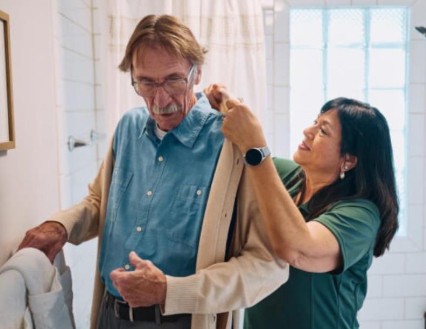
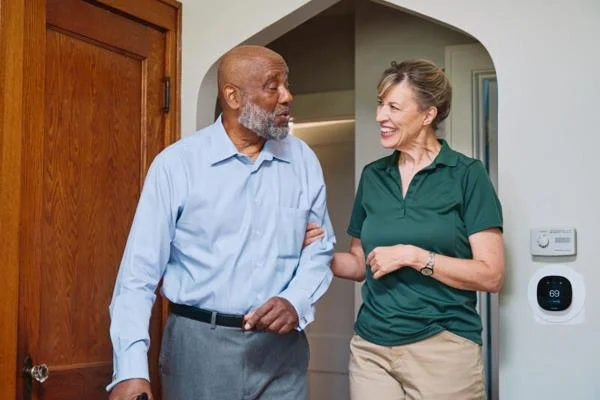
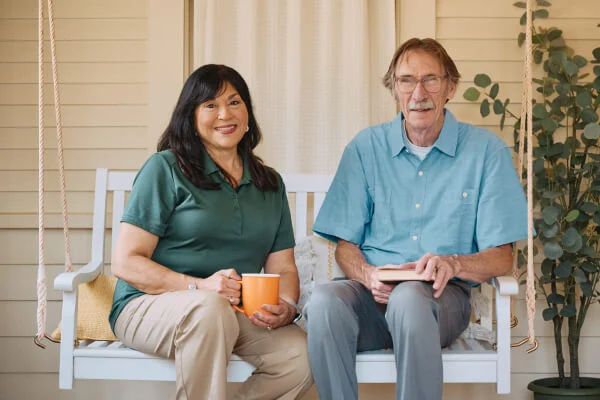
Non-Medical 4704 North Harlan Street, Suite 100, Jefferson County, Denver, Colorado, 80212Since 1994, Home Instead Denver North has been dedicated to providing high-quality, non-medical home care for seniors and adults who need assistance with daily activities. Our experienced, professional Care Professionals offer compassionate support designed to enhance the quality of life while preserving dignity and independence. Whether your loved one needs companionship, personal care, Alzheimer~s and dementia care, respite care, or 24/7 assistance, we provide customized in-home care services to meet their unique needs.At Home Instead Denver North, we understand that every senior deserves personalized and compassionate care in the comfort of their own home. Our non-medical home health services focus on supporting seniors with daily activities, allowing them to maintain their routines and age in place safely and comfortably.Personal Care Assistance: Our personal care services help seniors with:Bathing, grooming, and hygieneDressing assistanceMobility support and transfersIncontinence care and toileting assistanceMedication remindersThese essential services enable seniors to maintain their personal independence while receiving dignified support from a trusted Care Professional.Companionship and Social Engagement: Social interaction is vital for emotional and mental well-being. Our companionship care services provide:Engaging conversation and emotional supportEncouragement for hobbies and activitiesTransportation to social outings and appointmentsMeal preparation and shared dining experiencesBy fostering meaningful connections, our Care Professionals help reduce loneliness, isolation, and depression in seniors.Home Helper Services: Maintaining a household can become challenging for seniors, especially those with limited mobility or chronic conditions. Our home helper services include:Light housekeeping and laundryMeal planning and grocery shoppingErrands and prescription pickupsPet care assistanceWith our non-medical home care support, your loved one can continue to enjoy a clean, organized, and safe home environment.Alzheimer~s and Dementia Care: Caring for a loved one with Alzheimers or dementia can be overwhelming. Our specialized memory care services provide:Structured routines to reduce anxietyCognitive stimulation activitiesCompassionate redirection techniquesWandering prevention and safety monitoringOur Care Professionals receive advanced dementia training, ensuring that seniors receive the gentle, understanding, and patient care they deserve. Respite Care for Family Caregivers: Family caregivers often experience stress and burnout. Our respite care services provide:Temporary relief for primary caregiversFlexible scheduling (a few hours to overnight stays)Peace of mind knowing your loved one is in good handsBy allowing family caregivers to rest and recharge, we help maintain a balanced and healthy caregiving relationship.24/7 and Live-In Home Care: For seniors who require around-the-clock supervision, we offer:24-hour care with rotating shiftsLive-in care for continuous companionshipOvernight supervision for safety and comfortWhether your loved one has complex care needs or simply feels more secure with overnight assistance, our team is here to ensure their well-being 24/7.Hospice Support and Transitional Care: We provide compassionate support for families navigating end-of-life care or hospital-to-home transitions. Our services include:Comfort-focused assistance for hospice patientsEmotional support for familiesPost-hospitalization care for a smooth recoveryOur goal is to ensure dignity, comfort, and peace of mind during lifes most challenging transitions.At Home Instead Denver North, we are committed to delivering reliable, professional, and personalized care. Heres what sets us apart:Highly Trained Care Professionals Compassionate and skilled caregivers who undergo extensive background checks and specialized training.Customizable Care Plans Flexible, tailored care solutions to fit your loved ones unique needs and preferences.Trusted Senior Care Provider Over 30 years of experience in non-medical home health care services.Support for Families Regular updates, communication, and guidance to help families navigate their loved ones care journey. Locally Owned and Operated As part of the Home Instead network, we are proud to serve Denver North with compassion, integrity, and commitment.If you are looking for trusted, high-quality non-medical home care in Denver North, Home Instead is here to help. We offer free consultations to assess your loved ones needs and create a personalized care plan.Call us today to speak with a care expert and schedule a complimentary in-home consultation.Let Home Instead Denver North provide the compassionate in-home support your loved one deserves while giving your family peace of mind.
Continue Your Search! Explore More Local Options.
Start SearchingLet’s engage and get educated!
Browse through thousands of expert articles in over 100 different categories.
Browse NowArticles You May Like

Home Instead: Delivering Warm, Caring In-Home Support for Seniors in Denver
Home Instead: Delivering Warm, Caring In-Home Support for Seniors in DenverAs adults age, many find deep comfort in remaining in their own homessurrounded by familiar surroundings, possessions, and routines. But maintaining safety, health, and companionship at home often requires reliable, compassionate support. Thats where Home Instead steps in. Serving the Denver community, they provide trusted, personalized in-home care to help seniors live independentlyand with joy.A Local Presence with Global ExperienceHome Instead combines the advantage of a global home care network with dedicated, locally managed service in Denver. This means clients benefit from proven home care methodologies while receiving tailored care grounded in the nuances of the local community.Personalized Care Plans Built Around YouRecognizing that every seniors journey is unique, Home Instead creates customized care plans aligned with individual preferences, schedules, and needs. Services include: Personal care assistance: Help with dressing, grooming, bathing, toileting, and moreall delivered with respect and attentiveness. Companionship and social support: Friendly visits, conversations, games, walks, and meaningful connection that alleviate loneliness. Meal preparation and nutritional support: Fresh and thoughtful meals paired with assistance in dietary routines. Errands and errands support: Help with grocery shopping, prescriptions, and practical daily tasks. Alzheimers and dementia-specific care: Specialized support that prioritizes safety, familiarity, and compassionate engagement. Hospital transition and recovery care: Support for routines and recovery in the days and weeks following hospitalization. This flexible arrangement allows families to scale services up or down as needs evolve, making in-home care truly responsive.Companionable Care That Feels Like FamilyAbove all, Home Insteads greatest strength lies in its people. Caregivers are selected not just for skills, but for caring hearts. Many families recount how caregivers became significant sources of comfort, friendship, and peacenot just professional support.Well-Supported, Trained CaregiversBehind every caregiver is a full support team. Home Instead ensures caregivers receive orienting training, continued education, and managerial backingensuring consistency, trust, and quality in every engagement.Alzheimers & Dementia Care That Honors DignityHome Insteads approach to dementia is rooted in empathy and dignity. They employ person-centered care techniques, predictable routines, engaging memory-based activities, and gentle communicationall designed to foster connection and comfort amid cognitive changes.Local Knowledge, Expert CoordinationOperating out of Denver, Home Instead combines local sensitivity with medical and community coordination. Their caregivers understand neighborhood services, healthcare networks, and cultural preferencesmaking scheduling, communication, and coordination smooth for families.Resilience Through Partnerships and Transition SupportFrom hospital discharge to daily transitions, Home Instead serves as a stabilizing partner. They work with healthcare providers to ensure care continuityhelping clients avoid readmission and empowering families to provide support with confidence.Why Families Choose Home Instead in DenverFamilies seeking in-home care often emphasize: Trust-building partnerships that feel comfortable and stable. Tailored, flexible care plans that align with real-life routines. Professionalism rooted in compassionwarmth without compromise. Experienced care for cognitive challenges, while prioritizing dignity. Local experience and responsiveness, paired with proven systems. Home Instead delivers on all these fronts, giving seniors space to remain safe, energized, and emotionally supported at home.Aging in Place with ConfidenceAging at home is about living on ones own terms. With Home Insteads support, seniors and families can focus less on day-to-day logistics and more on meaningful experiences. Care becomes a collaborative, lasting solution that supports wellness, independence, and connection.Snapshot of ServicesOffered ServiceBenefits DeliveredPersonal care and hygieneEveryday comfort and dignity preservedCompanionshipImproved mood, social connection, and reduced isolationMeal prep and nutritionHealthful choices paired with culinary comfortGo-with-you errandsSafe, easy completion of errandswithout leaving homeDementia-specific supportGentle, engaging routines that foster safety and calmHospital transition careSeamless recovery supported by skilled caregiversA Thoughtful Home-Based SolutionHome Instead is more than a home care providerits a partner in living well at home. Their balance of professional excellence, local commitment, and heartfelt support turns homes into places of possibility, purpose, and renewed energy.Conclusion: Care That Fits Into Your Life, Not the Other Way AroundWhen families seek in-home care, theyre looking for a solution grounded in reliability and compassion. Home Instead Greater Denver offers precisely that: respectful care tailored around real needs and everyday life. Whether its joining for a walk, preparing a favorite recipe, or assisting with daily routines, their caregivers bring competence, heart, and stability. Discover how Home Instead can help your loved one remain independent, safe, and emotionally nourished in the comfort of home. Schedule a meeting today to see how personalized in-home care can transform daily life.
Aug 26, 2025

How Non-Medical Home Care Helps Denver Seniors Thrive at Home
How Non-Medical Home Care Helps Denver Seniors Thrive at HomeFor many older adults in Denver, home represents comfort, familiarity, and independence. Whether it is a longtime family house near Washington Park, a condo downtown, or a quiet suburban neighborhood in the Greater Denver area, seniors often want to remain in the place they know best for as long as possible.However, aging at home can gradually become more challenging. Tasks that once felt routine may begin taking more time, energy, and physical effort. Families may notice changes in mobility, memory, nutrition, or social engagement and begin wondering how to provide support without taking away independence.This is where non-medical home care services from Home Instead can make an enormous difference.Rather than relocating seniors away from familiar surroundings, non-medical home care allows older adults to receive personalized support directly in their homes while maintaining routines, comfort, and dignity.What Non-Medical Home Care Actually IncludesMany people hear the term home care and immediately think of medical services like nursing or physical therapy. Non-medical home care is different.The focus is on helping seniors safely manage daily living while maintaining quality of life.Services often include: Companionship Meal preparation Medication reminders Transportation assistance Light housekeeping Personal care support Grocery shopping Mobility assistance Help with errands These services help seniors continue living independently while reducing risks and stress.At Home Instead, we believe aging should never mean losing dignity or personal connection, says Kristin Dahlquist. Our caregivers focus on helping seniors feel supported, respected, and empowered in their own homes.That philosophy has become increasingly important for Denver families navigating the realities of aging.Denver Seniors Want Active, Independent LifestylesColorados culture strongly encourages activity and community engagement. Many seniors in Denver remain socially involved and physically active long after retirement.Older adults throughout the city enjoy: Walking trails and parks Community classes Family gatherings Volunteer opportunities Cultural events Coffee shops and neighborhood activities Because of this active lifestyle, many seniors prefer receiving support at home rather than transitioning immediately into assisted living.Non-medical home care helps preserve those routines by assisting with the tasks that may have become physically difficult or emotionally exhausting.Instead of spending all their energy managing household chores, seniors can focus on enjoying the activities and relationships that matter most.Loneliness Can Affect Senior HealthOne of the most overlooked challenges seniors face is social isolation.Even independent older adults can become lonely after: Retirement Driving limitations Loss of friends or spouses Mobility changes Family members moving away Research consistently links isolation among seniors to: Depression Cognitive decline Anxiety Poor sleep Increased health risks Companionship care addresses this issue in meaningful ways.Home Instead caregivers provide conversation, emotional connection, and social engagement that help seniors remain mentally and emotionally active.Sometimes the smallest interactions become the most important: Sharing meals Talking about family memories Taking walks Playing games Attending local activities together These moments help seniors feel seen, valued, and connected.Family Caregivers Need Support TooAdult children often try to manage caregiving responsibilities on their own for as long as possible.However, balancing caregiving with: Careers Parenting Household responsibilities Personal health can quickly become overwhelming. Many family caregivers experience emotional burnout long before they ask for help.Non-medical home care allows families to share responsibilities while preserving healthier relationships.Instead of focusing entirely on caregiving tasks, loved ones can spend more meaningful time together.This support can also reduce guilt and anxiety by providing reassurance that someone is regularly checking on a loved ones safety and well-being.Small Changes Often Signal Bigger NeedsFamilies sometimes wait for major medical emergencies before considering home care.In reality, smaller warning signs often appear much earlier: Missed medications Weight loss Difficulty keeping up with housekeeping Isolation Trouble driving Fatigue after errands Increased forgetfulness Starting support early can prevent crises later.Home Instead helps families create flexible care plans that evolve gradually based on changing needs.Some seniors may only require companionship visits once or twice weekly, while others benefit from more consistent daily assistance.Why Personalized Care MattersEvery senior experiences aging differently.Some clients prioritize social interaction. Others need mobility support, meal preparation assistance, or transportation help.Personalized care plans allow seniors to maintain routines that feel comfortable and familiar.Home Instead focuses on individualized care that adapts to each persons preferences and lifestyle.This flexibility helps seniors feel empowered rather than restricted by care services.Families also appreciate consistency because trusted caregivers often become important parts of daily life.Denvers Seasons Create Additional ChallengesColorado winters can make independent living more complicated for seniors.Snow and icy sidewalks increase fall risks. Driving becomes more stressful. Cold weather can discourage seniors from leaving the house regularly.Home care services become especially valuable during these periods.Caregivers help seniors remain safer by assisting with: Grocery shopping Transportation Meal preparation Household organization Mobility support This extra assistance helps seniors continue aging comfortably in place year-round.Choosing a Home Care ProviderFamilies searching for home care in Denver should ask providers thoughtful questions before making decisions.Important considerations include: Caregiver training Background checks Communication practices Scheduling flexibility Emergency procedures Personalized care planning Families should also evaluate whether caregivers demonstrate warmth, patience, and genuine compassion.Successful home care depends heavily on trust and relationship-building.Aging at Home With ConfidenceGrowing older does not mean surrendering independence.With the right support system, many seniors continue living active, fulfilling lives in the comfort of their own homes.Home Instead helps Denver-area families create personalized care solutions that prioritize safety, emotional wellness, and dignity.For seniors who want to remain connected to their communities while receiving practical support, non-medical home care offers an ideal balance between independence and assistance.Families interested in learning more are encouraged to visit Home Insteads Seniors Blue Book listing to explore available services and discover how compassionate home care can help older adults thrive at home.FAQs About Non-Medical Home CareWhat is non-medical home care?Non-medical home care provides assistance with daily living tasks such as companionship, meal preparation, transportation, and personal care support.Can seniors remain independent while receiving home care?Yes. Home care is designed to support independence while helping seniors manage daily challenges more safely.How often can caregivers visit?Care schedules are flexible and may range from occasional visits to full-time support.Does home care help with loneliness?Yes. Companionship services help seniors remain socially connected and emotionally engaged.When should families consider home care? Families often begin exploring home care when daily tasks become difficult or isolation and safety concerns increase.
May 26, 2026

Helping Denver Seniors Age at Home With Confidence and Compassion
Helping Denver Seniors Age at Home With Confidence and Compassion For many older adults in Denver, home is more than a place to live. It is where family memories were made, daily routines feel familiar, and independence remains deeply meaningful. As seniors age, however, everyday responsibilities can gradually become more difficult. Cooking, housekeeping, bathing, transportation, and companionship may become areas where extra support is needed. That is where non-medical home care can make a meaningful difference. Home Instead in Denver provides personalized in-home support designed to help older adults remain safe, comfortable, and connected while continuing to live in the place they know best. For families, this kind of care offers reassurance that a loved one can receive compassionate assistance without immediately leaving home. What Non-Medical Home Care Means Non-medical home care focuses on daily living support rather than medical treatment. Caregivers assist with tasks that help seniors maintain dignity, independence, and quality of life. Common services may include: Companionship and conversation Meal preparation Light housekeeping Laundry Medication reminders Transportation to appointments Grocery shopping and errands Personal care assistance Mobility support This type of care is especially helpful for seniors who do not require skilled nursing but need dependable assistance with everyday routines. Why Aging at Home Matters to Denver Seniors Denver offers a unique lifestyle for older adults. From quiet neighborhoods near Washington Park and Park Hill to family communities across southeast and northwest Denver, many seniors have spent decades building meaningful connections in the city. Remaining at home allows seniors to stay close to: Familiar neighbors Favorite local shops Faith communities Healthcare providers Family members Personal routines For many aging adults, staying in a familiar environment reduces stress and supports emotional well-being. Support That Adapts to Each Person Every senior has different needs. Some may need help a few hours each week with errands and companionship. Others may benefit from daily support with meals, bathing, dressing, and transportation. A personalized home care plan can help seniors receive the right level of care without feeling like independence is being taken away. Kristin Dahlquist of Home Instead shares, The goal of home care is to support seniors in a way that honors their routines, preferences, and dignity. Even small amounts of help can make daily life safer and more enjoyable. That individualized approach is one reason families often choose home care before a crisis occurs. Companionship Can Improve Quality of Life Loneliness is a serious concern for many older adults, especially those who live alone or no longer drive. Social isolation may affect mood, motivation, appetite, and overall wellness. A caregiver can provide more than practical help. They can offer: Friendly conversation Shared meals Walks around the neighborhood Help with hobbies Encouragement to stay active Emotional reassurance For seniors who spend long stretches of time alone, regular companionship can bring joy, structure, and comfort back into the day. Helping Families Avoid Caregiver Burnout Many adult children begin by helping parents on their own. They may stop by after work, manage appointments, pick up groceries, or assist with household chores. Over time, these responsibilities can become overwhelming. Home care supports families by providing reliable help when they cannot be there. This can reduce stress for family caregivers while ensuring seniors receive consistent support. It also allows family visits to feel more personal and less focused only on tasks. Safety at Home Becomes Easier With Support Aging at home can be safe and successful when the right supports are in place. Caregivers may help reduce common risks such as: Falls Missed meals Medication confusion Unsafe transfers Cluttered walkways Isolation They may also notice changes in mood, mobility, or daily habits that families might not see right away. Transportation Helps Seniors Stay Connected Driving can become difficult for older adults, especially during Denvers winter weather or busy traffic. Transportation support helps seniors continue attending: Doctor appointments Grocery trips Hair appointments Family gatherings Community programs Religious services Maintaining access to the community helps older adults feel independent and engaged. When to Consider Home Care Families may begin exploring home care when they notice: Daily tasks are becoming harder Cooking, laundry, cleaning, or personal care may start to feel overwhelming. A senior is spending more time alone Isolation can affect emotional and physical health. Driving has become stressful Transportation support can preserve independence safely. Family caregivers feel stretched thin Outside help can prevent burnout. Safety concerns are increasing Falls, missed medications, or poor nutrition may signal the need for support. Supporting Independence With Dignity Non-medical home care is not about taking control away from seniors. It is about helping them continue living with confidence, comfort, and dignity. For Denver families, Home Instead offers a compassionate care option that supports aging in place while giving loved ones peace of mind. To learn more about Home Instead, visit their Seniors Blue Book listing and connect with their team for additional information about non-medical home care services in Denver. FAQs About Non-Medical Home Care in Denver What is non-medical home care? Non-medical home care provides help with daily living tasks such as companionship, meals, housekeeping, transportation, and personal care. Does home care include nursing? No. Non-medical home care does not provide skilled nursing or medical treatment. Can care be scheduled part-time? Yes. Many families use home care for a few hours per week, daily visits, or temporary support. How does home care help seniors remain independent? Caregivers assist with tasks that may be difficult while allowing seniors to stay in familiar surroundings. Is home care helpful for family caregivers? Yes. Home care can provide respite, reduce stress, and help families balance caregiving with other responsibilities.
May 19, 2026

How Home Care Improves Everyday Life for Denver Seniors
How Home Care Improves Everyday Life for Denver SeniorsWhen families think about senior care, they often focus on major health concerns, medical conditions, or emergency situations. Yet some of the most meaningful aspects of aging well come from the small moments that make up everyday life. Sharing a meal, taking a walk, attending a favorite community event, or simply having someone to talk to can dramatically influence a senior's happiness and well-being.As more older adults choose to remain in their homes, personalized home care has become one of the most valuable resources available. Home Instead helps Denver seniors continue enjoying the routines, relationships, and independence that bring meaning to daily life while providing support where it matters most.For many families, home care is not just about assistanceit's about preserving quality of life.Why Daily Living MattersMost seniors don't wake up thinking about care plans or support services. They think about everyday activities that help them feel independent and connected.These may include: Morning coffee routines Gardening Visiting friends Shopping locally Attending church services Spending time with grandchildren As mobility challenges or health concerns develop, these simple activities can become more difficult.Home care helps seniors continue participating in the moments that make life enjoyable.The Denver Lifestyle Seniors LoveDenver offers countless opportunities for active older adults.Residents enjoy: City Park Denver Botanic Gardens Red Rocks events Neighborhood coffee shops Farmers markets Community programs Senior recreation centers Many longtime residents have deep connections to their neighborhoods and communities.Remaining at home allows seniors to stay involved in these activities while maintaining familiar routines.Home Care Is About More Than AssistanceProfessional caregivers provide practical help, but their impact often extends much further.A caregiver may assist with: Transportation Meal preparation Light housekeeping Personal care Medication reminders Grocery shopping However, they also provide encouragement, companionship, and emotional support.These human connections can significantly improve a senior's day-to-day experience.Fighting Senior IsolationLoneliness has become one of the biggest challenges facing older adults.Changes such as retirement, reduced mobility, or the loss of friends and family members can decrease social interaction.Regular caregiver visits help seniors maintain:ConversationMeaningful discussions stimulate the mind and provide emotional connection.EngagementActivities and outings encourage participation in daily life.ConfidenceKnowing someone is available for support helps reduce anxiety.RoutineConsistent schedules create stability and structure.Maintaining Independence at HomeMany seniors worry that accepting help means losing independence.In reality, the opposite is often true.Support services allow individuals to continue managing their lives safely and comfortably.For example: Transportation assistance allows seniors to keep appointments. Meal preparation helps maintain proper nutrition. Household support reduces physical strain. Companionship encourages social engagement. These services make it possible for many seniors to remain at home longer.The Importance of Personalized CareNo two seniors have identical needs.A personalized care plan considers: Physical abilities Medical conditions Family involvement Personal preferences Daily routines Some individuals may only require a few hours of support each week.Others may benefit from more frequent visits.Flexible care plans allow services to adapt as circumstances change.Helping Families Worry LessFamily members often spend considerable time worrying about aging loved ones.Questions frequently arise such as: Are they eating properly? Are they taking medications? Are they getting enough social interaction? Are they safe at home? Professional home care helps answer those concerns while giving families peace of mind.The result is often a healthier relationship focused on spending quality time together rather than managing caregiving tasks.Supporting Healthy HabitsMaintaining healthy habits becomes increasingly important with age.Caregivers often encourage: Proper nutrition Hydration Physical activity Social engagement Consistent routines These seemingly simple actions can have a significant impact on overall wellness.Creating Meaningful DaysSuccessful aging isn't measured solely by health outcomes.It is also measured by fulfillment, happiness, and purpose.Home care supports meaningful living by helping seniors continue activities they enjoy.Whether it's: Taking a neighborhood walk Visiting a favorite restaurant Attending community events Working on hobbies Connecting with family These experiences contribute to a richer and more satisfying life.According to Ricky Anderson of Home Instead, "The small moments often make the biggest difference. Our caregivers help seniors maintain routines, relationships, and activities that bring joy and purpose to everyday life."Planning for the FutureMany families wait until challenges become overwhelming before seeking help.Starting home care earlier often creates better outcomes because seniors can: Develop trust with caregivers Maintain greater independence Prevent avoidable complications Enjoy support before a crisis occurs Early planning allows care to be introduced gradually and comfortably.Why Home Care Continues to GrowAs more seniors prioritize independence and aging in place, home care has become one of the fastest-growing areas of senior services.Families increasingly recognize that professional support can help older adults remain in the homes they love while maintaining dignity, safety, and quality of life.For Denver seniors, home care offers the opportunity to continue enjoying Colorado living while receiving the assistance needed to thrive.Frequently Asked QuestionsWhat services are commonly included in home care?Services may include companionship, meal preparation, transportation, light housekeeping, personal care assistance, and medication reminders.Can home care be customized?Yes. Care plans are tailored to meet each senior's unique needs and preferences.Is home care appropriate for active seniors?Absolutely. Many active seniors use home care to simplify daily tasks and maintain independence.How does home care benefit family caregivers?It provides support, reduces stress, and allows family members to focus on meaningful time together.Why do Denver seniors choose home care?Home care allows seniors to remain in familiar surroundings while receiving personalized assistance and companionship.Call to Action If your family is exploring home care options in Denver, visit the Home Instead listing on Seniors Blue Book to learn more about personalized in-home support services that help seniors stay connected, independent, and engaged in the life they love.
Jun 17, 2026

A Denver Family Guide to Memory Support
A Denver Family Guide to Memory SupportMemory changes affect more than remembering names, appointments, or where an item was placed.They can change the rhythm of an entire household.A spouse may begin repeating reminders throughout the day. An adult child may worry every time a parent does not answer the phone. A once-confident senior may feel embarrassed when routines become confusing or when an ordinary task suddenly feels overwhelming.For Denver families, the first instinct is often to solve every problem quickly. But memory support at home usually works best when it begins with something more personal: understanding what helps the older adult feel familiar, capable, and calm.Home Instead provides Alzheimers and dementia support, personal care, companionship, home-helper services, transportation, respite care, chronic illness care, and hospice support through its Denver office. The local team says care plans are personalized and can evolve as a familys needs change.Start With a Medical ConversationMemory loss and sudden confusion should not be treated as the same thing.A rapid change in thinking, behavior, awareness, or ability to complete familiar tasks may require prompt medical attention. Families should contact the appropriate healthcare professional when they notice new symptoms, sudden confusion, a major behavior change, or safety concerns.Once a clinician has evaluated the situation, non-medical home care can help with everyday routines and companionship. It does not replace medical diagnosis, nursing care, therapy, medication management by licensed clinicians, or emergency services.Colorado recognizes a distinction between personal-care home services and skilled healthcare services. Class B home care agencies provide personal-care services only and are not permitted to provide skilled healthcare services.Think Familiar, Not PerfectWhen memory changes are present, families may feel pressure to create the perfect routine. That is rarely realistic.A more helpful goal is to create familiar anchors in the day.These anchors may include:Breakfast at a consistent timeFavorite music in the morningA regular place for glasses, keys, and mailFamiliar meals or simple household activitiesA short walk or quiet time in a preferred roomA calming evening routine with fewer decisionsThe goal is not to control every hour. It is to reduce unnecessary stress by making the next step easier to understand.For some people, folding towels, watering plants, sorting recipes, or looking through old photographs can feel more meaningful than a formal activity. These familiar tasks can offer comfort while helping the person stay engaged.Use Communication That Protects DignityMemory changes can make ordinary conversations more difficult. A senior may repeat questions, become frustrated, or insist something happened differently than others remember.Correcting every detail can create more distress.Instead, focus on the emotion behind the moment. If someone is worried, reassure them. If they are frustrated, pause and simplify the situation. If a task becomes overwhelming, offer one choice at a time.Helpful approaches may include:Speaking slowly and using simple, respectful languageAvoiding arguments about small detailsOffering reassurance before redirectionBreaking tasks into smaller stepsGiving the person time to respondPreserving choices whenever possibleThese approaches do not mean ignoring important safety concerns. They simply help families respond with patience rather than turning daily moments into conflict.Build a Home Environment That Supports RoutineA familiar home can remain a meaningful place for someone living with memory changes, but it may need a few thoughtful adjustments.Start by reducing clutter in walking paths and keeping frequently used items in consistent locations. Good lighting can make rooms easier to navigate. Labels, calendars, and visible reminders may help some people, while too much visual information may feel overwhelming to others.Families may also consider:Keeping medications and cleaning supplies securedMaintaining clear walking pathsReducing background noise during meals or conversationsUsing familiar photos or objects to identify roomsSetting up a predictable spot for mail, keys, and glassesChecking that smoke detectors and emergency contacts are currentThe right setup depends on the persons strengths and needs. A care professional or healthcare provider may offer additional guidance if safety concerns increase.The Role of a Consistent CaregiverA caregiver relationship can be especially valuable when memory changes make unfamiliar situations more difficult.Consistency allows the caregiver to learn what brings comfort: favorite foods, preferred routines, family stories, hobbies, music, and ways the person likes to communicate. It also allows the older adult to become more comfortable with support over time.Home Insteads Denver office describes Alzheimers and dementia care as individualized, beginning with an in-home assessment and adjusting as the persons needs change.Depending on the care plan, support may include:Companionship and conversationPersonal-care routines such as grooming and dressingMeal preparation and light household helpReminders and support with daily structureAccompaniment to errands or appointments, when availableSupervision and caregiver relief for family membersEach care plan should be tailored to the seniors routine and current abilities.Support the Spouse and Family CaregiverMemory-related care can gradually change a relationship.A spouse may become the person who manages every reminder, meal, appointment, and safety concern. Adult children may feel pressure to visit more often, coordinate care remotely, or make decisions before they feel ready.This is where respite can become essential.Home Instead offers respite support for family caregivers, including options that can be scheduled around regular routines or changing needs.A few dependable hours may allow a spouse to attend an appointment, rest, see friends, or simply leave the house without worry. Adult children may gain time to manage work and family obligations while knowing their parent has support at home.In a Home Instead announcement, Kristin Dahlquist said she was extremely excited and humbled to continue providing care and support for Denver seniors.That commitment reflects an important truth: families facing memory changes need both practical help and compassionate guidance.Know When the Plan Needs to ChangeMemory support should not be treated as a fixed arrangement.A persons needs may change after a hospital stay, a fall, a move, a change in mobility, or increased confusion. Review the care plan regularly and ask whether routines still feel safe, calm, and respectful.Questions to revisit include:Is the senior eating and sleeping consistently?Are personal-care needs changing?Is the home still safe to navigate?Is the family caregiver getting enough rest?Are there new behaviors or symptoms that should be discussed with a clinician?Does the current schedule still match the persons best times of day?Adjusting support is not a failure. It is part of creating care that fits real life.Begin With One Familiar StepFamilies do not need to have every answer before exploring support.A first step may be a companion visit during the afternoon, help with meals, a consistent caregiver during a spouses appointment, or a conversation about how routines can become less stressful.For Denver families supporting a loved one with memory changes, Home Instead may offer a personalized starting point for non-medical care at home. Visit the Home Instead listing on Seniors Blue Book to learn more about memory support, companion care, and family respite options.Frequently Asked QuestionsWhat is non-medical memory support at home?It provides practical support with routines, companionship, personal care, meals, household tasks, and caregiver relief for someone living with memory changes.Does Home Instead provide Alzheimers and dementia support in Denver?Yes. The Denver office lists Alzheimers and dementia care as one of its available home-care services.Can memory support help a spouse who is caregiving?Yes. Respite care can give family caregivers planned time away while a trusted caregiver supports the older adult at home.What should I do if my parent suddenly becomes confused?Seek prompt guidance from the appropriate healthcare professional. Sudden confusion can be caused by medical issues that require evaluation.Can care begin before a crisis happens?Yes. Starting with a consistent routine or companion visit may help a senior build comfort with support before needs become more urgent.
Jul 02, 2026

Why Companionship in Non-Medical Home Care Matters for Seniors in Denv
Why Companionship in Non-Medical Home Care Matters for Seniors in Denver, COWhen families begin looking into home care, the first things they often think about are practical needshelp with bathing, meal preparation, medication reminders, transportation, and household tasks. These services are important, but there is another benefit of home care that is equally powerful and often underestimated: companionship.For many older adults, loneliness becomes one of the most difficult challenges of aging.As life changes, seniors often experience retirement, reduced mobility, loss of close friends, or family members moving farther away. Over time, these transitions can lead to social isolation and emotional lonelinesseven for seniors who appear physically healthy and independent.That is why non-medical home care provides value far beyond practical assistance.In Denver, providers like Home Instead help seniors remain socially connected, emotionally supported, and engaged through compassionate companionship. Sometimes, the most meaningful care is not just helping with daily tasksit is being present, listening, and creating connection.Human connection plays a vital role in healthy aging.The Emotional Side of AgingAging brings many life changes that can impact emotional well-being.Older adults often experience transitions such as:Retirement from workLoss of a spouseChanging health needsReduced mobilityLess frequent social interactionThese changes can gradually affect emotional health.Many seniors experience feelings of:LonelinessSadnessIsolationAnxietyLoss of motivationThese emotions can affect both mental and physical well-being.Unfortunately, loneliness among seniors is more common than many people realize.Why Loneliness Is a Serious ConcernLoneliness affects more than emotions.Research continues to show that social isolation may contribute to:DepressionAnxietyMemory declineIncreased stressReduced physical wellnessSeniors who spend long periods alone may become less active and less engaged in daily life.This can gradually impact confidence, independence, and quality of life.That is why emotional support matters just as much as physical support.Meaningful interaction can significantly improve a seniors overall well-being.What Is Companion Care?Companion care is an important part of non-medical home care.It focuses on providing emotional support, social connection, and meaningful daily interaction.Companion care may include:Friendly conversationShared mealsPlaying gamesWatching favorite showsGoing for walksRunning errands togetherParticipating in hobbiesThese activities may seem simple, but they can have a profound impact.Companionship helps seniors feel valued, heard, and supported.Sometimes a simple conversation can brighten an entire day.Why Denver Supports Aging in PlaceDenver is an excellent city for seniors who want to age in place.Denver offers a blend of healthcare access, community resources, and vibrant neighborhoods that support independent living.Seniors benefit from:Strong healthcare networksCommunity programsTransportation optionsParks and outdoor spacesSenior-focused servicesDenvers active lifestyle and community-centered neighborhoods make it especially appealing for older adults.With the right support, seniors can continue enjoying life at home while remaining connected to their community.The Benefits of Companionship in Home CareCompanion care creates meaningful benefits for seniors.These benefits extend beyond emotional wellness.Better Emotional HealthRegular interaction helps reduce loneliness and feelings of isolation.Improved Cognitive EngagementConversation and activities stimulate the mind.Increased ConfidenceSeniors often feel safer and more supported.Greater MotivationCompanionship encourages movement and engagement.Improved Quality of LifeDaily connection often leads to greater happiness.These benefits can significantly improve overall well-being.Families Gain Peace of MindCompanionship benefits families too.Adult children often worry about loved ones who live alone.Common concerns include:Are they lonely?Are they socially isolated?Are they emotionally well?Are they staying engaged?Home care helps address these concerns.Families gain reassurance knowing someone is regularly providing support, conversation, and meaningful connection.That peace of mind reduces stress and helps families feel more confident.Personalized Care Makes the DifferenceEvery senior has unique emotional and practical needs.Some seniors need companionship a few times per week. Others benefit from more frequent support.That is why personalized care plans are so important.Home Instead creates individualized care plans designed around each seniors routines, preferences, and lifestyle.Kristin Dahlquist shares:Care is about more than helping with daily tasks. Its about creating meaningful relationships that help seniors feel valued, connected, and supported in their everyday lives.This compassionate approach creates better experiences for seniors and their families.Signs Your Loved One May Benefit From Companion CareFamilies should consider companion care if they notice:Increased isolationWithdrawal from social activitiesSadness or depressionReduced motivationAnxietyLess engagement in daily routinesEarly support can make a meaningful difference.Even regular companionship can greatly improve emotional wellness.Frequently Asked QuestionsWhat is companion care?Companion care focuses on emotional support and social interaction for seniors.Does companion care include personal care?It can. Many care plans combine companionship with daily living support.How often can caregivers visit?Schedules are flexible and can be customized.Can companion care help with loneliness?Yes. Regular interaction helps reduce isolation and improve emotional well-being.Is companion care only for seniors living alone?No. Many seniors benefit from companionship regardless of living arrangements.Discover Compassionate Home Care in DenverThe best senior care supports more than physical needsit nurtures emotional wellness too.Companionship can help seniors feel happier, healthier, and more connected while aging safely at home.Home Instead proudly serves seniors and families in Denver with compassionate non-medical home care focused on dignity, independence, and meaningful connection.Visit their Seniors Blue Book listing today to learn how Home Instead can help your loved one thrive at home.
Jun 25, 2026

Why Personalized Senior Care Matters for Denver Families
Why Personalized Senior Care Matters for Denver FamiliesAging changes daily life in ways many families do not immediately notice.At first, the signs may appear subtle. A parent forgets appointments occasionally. Grocery shopping becomes tiring. Household chores take longer than they used to. Social outings happen less frequently. Over time, these small shifts can affect confidence, safety, and emotional wellness.For many Denver seniors, the goal is not simply receiving help it is maintaining dignity, independence, and meaningful routines while continuing to live at home.That is exactly where Home Insteads non-medical home care services provide support.By helping older adults remain safe and connected in familiar surroundings, home care allows seniors to preserve the lifestyle they value most while receiving practical assistance tailored to their individual needs.Home Means More Than a Physical SpaceFor seniors, home often represents stability and identity.A familiar environment provides: Emotional comfort Daily structure Community connection Personal independence Family memories Older adults living throughout Denver neighborhoods often feel deeply connected to their homes and communities.Remaining in familiar surroundings can positively affect emotional health and confidence, especially for seniors experiencing mobility changes or mild memory concerns.At Home Instead, we focus on helping seniors continue living life in a place where they feel secure and comfortable, says Kristin Dahlquist. Personalized care helps older adults maintain confidence while still receiving the support they need.This approach has become increasingly valuable for families hoping to avoid unnecessary disruption during the aging process.Everyday Activities Can Become More DifficultMany seniors remain mentally sharp and socially active even while physical tasks become more challenging.Simple activities such as: Cooking Laundry Bathing Driving Housekeeping Managing medications may gradually become stressful or exhausting.Without support, seniors sometimes begin skipping meals, avoiding errands, or isolating themselves socially.Non-medical caregivers help reduce these challenges while preserving independence.At Home Instead, caregivers provide assistance that fits naturally into each clients daily routine rather than completely taking over.Emotional Wellness Is Essential for Healthy AgingFamilies often focus primarily on physical safety when considering senior care. However, emotional health is equally important.Loneliness among seniors continues increasing nationwide, particularly among older adults living alone.Isolation can contribute to: Depression Anxiety Memory decline Reduced physical activity Poor appetite Companionship care helps seniors remain emotionally connected through regular social interaction.Caregivers may: Share conversations Play games Accompany seniors on walks Attend appointments Participate in hobbies together These interactions help older adults maintain emotional engagement and mental stimulation.Denver Seniors Value IndependenceColorados active culture influences how many seniors approach aging.Many Denver retirees continue enjoying: Outdoor recreation Volunteer work Community gatherings Local restaurants and parks Fitness and wellness activities Non-medical home care supports these lifestyles by helping seniors manage practical challenges more easily.Instead of exhausting themselves with household chores or transportation concerns, older adults can focus energy on meaningful experiences and relationships.Home Care Also Supports FamiliesFamily caregivers often carry significant emotional and logistical responsibilities.Adult children frequently coordinate: Medical appointments Transportation Meal planning Medication reminders Safety monitoring Balancing caregiving alongside work and parenting responsibilities can quickly become overwhelming.Home care services help families share these responsibilities while reducing stress and burnout.Many families discover that once caregiving tasks are supported professionally, they can spend more enjoyable and meaningful time with their loved ones.Personalized Care Makes a DifferenceEvery senior experiences aging differently.Some individuals need: Transportation assistance Mobility support Meal preparation Companionship visits Others may require more comprehensive daily support.Home Instead develops individualized care plans designed around each clients: Health needs Personality Lifestyle preferences Family goals This customized approach helps seniors feel respected and empowered rather than limited by care services.Denvers Climate Adds Additional ChallengesWinter weather in Colorado can increase risks for older adults living independently.Snow and icy conditions may create: Fall hazards Transportation difficulties Reduced mobility Increased isolation Caregivers help seniors remain safer and more comfortable during these seasonal changes.Support with errands, meals, and transportation becomes especially important when outdoor conditions become difficult.Starting Care Earlier Can Improve OutcomesMany families postpone home care conversations until after a fall, hospitalization, or crisis occurs.However, beginning support earlier often leads to smoother transitions and better long-term outcomes.Early assistance can help seniors: Maintain routines longer Avoid preventable injuries Stay socially engaged Build trusting caregiver relationships Reduce stress and fatigue Home Instead encourages proactive planning that focuses on preserving quality of life rather than reacting only during emergencies.Building Trust Through Compassionate CareSuccessful home care depends on relationships built through consistency, kindness, and communication.Families searching for home care providers should consider: Caregiver training Communication policies Reliability Compassion Flexibility At Home Instead, relationship-centered care remains central to the caregiving experience.Caregivers are not simply assisting with tasks. They are helping seniors feel safe, respected, and supported in their everyday lives.Aging at Home With Support and ConfidenceGrowing older does not mean giving up independence or connection.With compassionate support, many Denver seniors continue living vibrant and meaningful lives at home while receiving assistance tailored to their evolving needs.Home Instead helps families navigate aging with personalized non-medical home care focused on dignity, emotional wellness, and practical daily support.Families interested in learning more are encouraged to visit Home Insteads Seniors Blue Book listing to explore available services and discover how in-home care can help seniors thrive comfortably at home.FAQs About Home Care ServicesWhat services does non-medical home care include?Services often include companionship, meal preparation, housekeeping, transportation, and personal care assistance.Can seniors receive home care temporarily?Yes. Some families use short-term care after hospital stays or during caregiver absences.Does home care replace family involvement?No. Home care supports families while allowing loved ones to focus more on relationships rather than caregiving tasks.How does companionship improve senior wellness?Regular social interaction helps reduce loneliness and supports emotional and cognitive health.Why are more Denver families choosing home care? Many families prefer solutions that allow seniors to remain safely in familiar surroundings while maintaining independence.
May 26, 2026

Why More Denver Seniors Are Choosing to Age in Place with Professional
Why More Denver Seniors Are Choosing to Age in Place with Professional Home Care SupportFor generations, growing older often meant moving away from the home where countless memories were made. Today, however, many seniors are choosing a different path. They want to remain in familiar surroundings, stay connected to their communities, and maintain as much independence as possible. This growing trend, known as "aging in place," has transformed how families approach senior care.In Denver, where neighborhoods blend urban convenience with Colorado's active lifestyle, aging in place has become an increasingly popular choice. Home care providers like Home Instead help make this goal possible by offering personalized support that allows older adults to continue living safely and comfortably in their own homes.For many families, home care provides an ideal solution that balances independence with professional assistance.The Meaning of Aging in PlaceAging in place means remaining in one's home safely and comfortably while receiving the support necessary to maintain quality of life.Many seniors prefer this option because home represents: Familiar routines Lifelong memories Close neighbors Personal independence Comfort and security Remaining at home can provide emotional benefits that contribute significantly to overall well-being.Why Denver Seniors Value Staying HomeDenver offers a unique environment for older adults. Residents enjoy access to excellent healthcare, beautiful parks, cultural attractions, and vibrant neighborhoods.Many seniors have spent decades building lives in communities near: Washington Park Cherry Creek Highlands Capitol Hill Sloan's Lake Leaving those familiar surroundings can feel overwhelming.Home care allows older adults to remain connected to the places and people they cherish most.The Challenges of Independent LivingWhile aging in place is appealing, it can become increasingly difficult without support.Common challenges include:Household TasksCleaning, laundry, and meal preparation may become physically demanding.TransportationDriving may become more difficult due to vision changes, mobility limitations, or medical concerns.Medication ManagementManaging multiple prescriptions can become complicated.Social IsolationMany seniors experience loneliness after retirement or the loss of a spouse.Professional caregivers help address these challenges while promoting independence.What Home Care Can ProvideHome care services are highly personalized.Depending on individual needs, support may include: Companionship Meal preparation Light housekeeping Medication reminders Transportation assistance Personal care support Grocery shopping Help with daily routines This flexibility allows care plans to evolve as needs change.The Power of CompanionshipOne of the most valuable aspects of home care is often the simplest: human connection.Loneliness has become a growing concern among older adults.Regular visits from a caregiver can provide: Meaningful conversation Emotional support Shared activities Encouragement Social engagement These interactions contribute significantly to mental and emotional wellness.Supporting Families Along the WayHome care doesn't only benefit seniors.Family caregivers often juggle: Careers Parenting responsibilities Household obligations Caregiving duties This balancing act can lead to burnout and stress.Professional home care offers families reassurance that their loved one is receiving support while allowing them to focus on quality time together.Personalized Care Makes the DifferenceEvery senior's situation is unique.Some individuals need only a few hours of support each week. Others may require more comprehensive assistance.A quality home care provider develops individualized care plans based on: Lifestyle preferences Physical abilities Health conditions Family involvement Personal goals This customized approach ensures seniors receive appropriate support without sacrificing independence.The Emotional Benefits of Remaining HomeThe emotional impact of staying in familiar surroundings should not be underestimated.Home often provides: Comfort Confidence Routine Familiarity Personal identity These factors can contribute to better emotional health and greater life satisfaction.According to Ricky Anderson of Home Instead, "Many seniors thrive when they're able to remain in the homes and communities they know. Our role is to provide support that enhances independence while giving families confidence and peace of mind."Planning Ahead Creates Better OutcomesOne common mistake families make is waiting until a crisis occurs before seeking assistance.Proactive planning allows seniors to: Build relationships with caregivers Adjust gradually to support services Maintain greater control over decisions Avoid emergency care situations Early intervention often results in smoother transitions and improved quality of life.FAQsWhat is the difference between home care and home health care?Home care typically focuses on non-medical assistance with daily activities and companionship, while home health care provides clinical services prescribed by a physician.How often can caregivers visit?Care schedules are customized based on individual needs and may range from a few hours per week to daily assistance.Can home care help seniors avoid moving into a facility?In many cases, home care can help seniors remain safely at home longer by providing additional support.Does home care only benefit seniors with health issues?No. Many older adults use home care services for companionship, transportation, and assistance with everyday tasks.When should families begin exploring home care?It's often best to begin before care becomes urgently needed, allowing time to develop a personalized support plan.Call to Action If you or a loved one are exploring options for aging in place in Denver, visit the Home Instead listing on Seniors Blue Book to learn more about personalized home care services that support independence, safety, and quality of life.
Jun 17, 2026
How In-Home Support Helps Denver Seniors Stay Connected
How In-Home Support Helps Denver Seniors Stay ConnectedFor many Denver seniors, the ability to stay connected is closely tied to one simple thing: getting where they need to go.A medical appointment, lunch with a friend, pharmacy pickup, haircut, exercise class, or family celebration can all become more complicated when driving no longer feels comfortable. Traffic can be stressful, weather can be unpredictable, and a routine errand may require more energy than it once did.When outings begin to feel difficult, some older adults slowly start saying no. They may postpone appointments, skip a favorite community activity, or rely on family members who are already balancing work, children, and responsibilities of their own.Non-medical home care can help bridge that gap. Home Instead serves Denver and nearby communities including Aurora, Littleton, Lakewood, Centennial, Englewood, Cherry Creek, and surrounding areas. Its local services include companionship, transportation, personal care, home-helper support, chronic illness care, and specialized memory support.For families, support does not have to mean taking away a loved ones freedom. It can mean helping them remain part of the life they already enjoy.When Driving Becomes the First Thing to ChangeMany older adults do not stop driving all at once. They may begin avoiding unfamiliar routes, nighttime travel, busy intersections, snow, or long trips across the metro area. Eventually, they may decide it is easier to stay home.That decision can be sensible, but it may also affect independence in ways families do not immediately notice.Without reliable transportation or accompaniment, a senior may struggle to:Attend routine medical and dental appointmentsPick up groceries or prescriptionsVisit friends or family membersParticipate in faith, recreation, or volunteer activitiesKeep up with errands that support daily livingFeel confident leaving home aloneThe problem is not always the destination itself. It is the planning, walking, waiting, lifting, remembering, and navigating that happen around it.Home Insteads Denver office specifically identifies errands and appointment accompaniment as part of its local support options, helping older adults get to activities and places around town.A Better Question Than Can You Still Drive?Families sometimes approach the subject by asking, Should Dad still be driving?That question can feel threatening. Driving is connected to independence, identity, and control. A parent may hear it as a judgment rather than a concern.A more useful conversation begins with what the person wants to continue doing.Try asking:What places are becoming harder to get to?Would you enjoy having someone go with you to appointments?What activities have you stopped doing because transportation feels stressful?Would help with errands give you more energy for the things you enjoy?What would make it easier to stay connected to friends and family?This approach keeps the focus on possibility rather than limitation.Companion Care Can Turn an Errand Into an OutingA support visit does not need to revolve around a task list.For one person, a grocery trip may become a chance to choose favorite foods and talk through meal ideas. For another, a ride to an appointment may feel less stressful when someone is available to provide calm companionship before and after the visit. A quick stop for coffee, a walk through a familiar store, or a conversation on the drive home can make an ordinary outing feel more enjoyable.Home Instead describes its companion-care approach as practical and social, with support that may include errands, transportation, meals, conversation, and activities that help older adults remain engaged.The goal is not to rush a senior from place to place. It is to support the routines that make the week feel full.Prepare for Appointments Without the Stress SpiralMedical appointments can create anxiety for older adults and families alike. There may be paperwork to gather, questions to remember, a waiting room to navigate, and a long list of follow-up instructions afterward.A non-medical caregiver cannot provide medical advice or replace a licensed clinician. But practical support can make the day easier.A care plan may include help with:Getting ready and leaving the house on timeGathering a list of questions or items to bringProviding transportation or accompaniment, as availablePicking up groceries or household supplies afterwardPreparing a meal after a tiring dayHelping the senior settle back into a familiar routineFamilies should confirm what transportation and accompaniment services are available in their area and direct medical questions to the appropriate healthcare professionals.Colorado distinguishes personal-care services from skilled healthcare services. A Class B home care agency may provide personal care but may not provide skilled services that require licensed medical professionals.Keep the Family Connected Without Making One Person Responsible for EverythingAdult children often become the default transportation plan. One sibling may handle every ride to the doctor. Another may spend weekends grocery shopping and completing errands. A spouse may feel unable to leave the house because their partner needs help getting around.This arrangement can work for a while, but it can become exhausting.In-home support can help families share responsibilities more sustainably. A caregiver may assist with a standing weekly errand, companionship during an afternoon outing, or transportation coordination while family members focus on other parts of their loved ones life.Kristin Dahlquist, DSW, MPH, is the owner and president of Home Instead serving the Denver area. In a local Home Instead announcement, she described helping neighbors remain safe and comfortable at home as an incredibly rewarding experience.That philosophy matters because support is not only about completing an errand. It is about helping a person stay connected to the places, routines, and people that make home feel meaningful.Create a Weekly Connection PlanFamilies can start with a simple list of what the older adult wants to continue doing.For example:Monday: grocery planning and meal preparationWednesday: medical appointment or pharmacy pickupFriday: lunch, a favorite activity, or a family callWeekend: time with relatives, a faith service, or a local outingThe schedule does not need to be full. It simply needs to reflect the persons preferences and give everyone clarity about how support will be provided.A care plan can begin with a few hours a week and change as routines or needs evolve. Home Instead states that its Denver services are personalized and may range from occasional help to more ongoing support.Keep Life Moving ForwardAging at home should not mean life gets smaller.For Denver seniors, non-medical home care can make it easier to attend appointments, complete errands, maintain social connections, and keep the week filled with familiar routines. The right support should help a loved one continue choosing where they go, who they see, and how they spend their time.Visit the Home Instead listing on Seniors Blue Book to learn more about personalized non-medical home care and discuss support options for a loved one in Denver.Frequently Asked QuestionsCan companion care help with errands and appointments?Yes. Home Insteads Denver office lists errands and appointment accompaniment among its available in-home support options.Does non-medical home care replace medical transportation?No. Families should ask the provider about available transportation support and use appropriate medical transportation or emergency services when needed.Can a caregiver go with my parent to an appointment?Care plans may include accompaniment or transportation support, depending on the local office and the familys needs. Confirm details directly with the provider.What if my parent is reluctant to stop driving?Focus on the activities they want to preserve rather than framing the conversation around loss. Starting with occasional support can make the transition feel more gradual.Can home care start with only one weekly outing?Yes. Many families begin with a small schedule built around a recurring errand, appointment, or social activity.
Jul 02, 2026

Helping Denver Seniors Age Safely at Home With Personalized Home Healt
Helping Denver Seniors Age Safely at Home With Personalized Home Health SupportFor many older adults in Denver, independence means everything. Whether it is enjoying coffee on a Highlands patio, attending church gatherings, spending time with grandchildren, or walking through neighborhood parks, seniors want to continue living life on their own terms for as long as possible.Yet aging often brings new physical and medical challenges that make daily life more complicated. Tasks like managing medications, recovering from illness, or moving safely around the home can gradually become difficult.Home health services provide seniors with professional support that helps them remain safe, comfortable, and independent while continuing to live at home.Home Instead helps Denver families navigate aging with compassionate home health support tailored to each seniors unique needs.Why Aging at Home Matters to SeniorsMost older adults prefer to remain in familiar surroundings rather than move into institutional care settings.Aging at home allows seniors to: Maintain routines Stay connected to neighbors and family Preserve independence Feel emotionally comfortable Continue familiar activities Remaining at home often improves emotional wellness and quality of life significantly.Every senior deserves care that supports both independence and dignity, says Ricky Anderson of Home Instead. Personalized home health services allow older adults to remain active participants in their own lives.Home Health Support Goes Beyond Medical NeedsMany people assume home health focuses only on medical care. In reality, effective home health services often support both physical and emotional wellness.Services may include: Medication support Mobility assistance Personal care Recovery support Health monitoring Meal preparation Transportation coordination Family communication These services help seniors remain safer and more comfortable at home.Denvers Active Senior Lifestyle Requires Flexible SupportDenver seniors often lead highly active lifestyles.Older adults throughout the metro area frequently enjoy: Recreation programs Volunteer opportunities Community events Outdoor activities Family gatherings Home health support helps seniors continue participating in these routines while receiving assistance tailored to changing health needs.Preventing Health Setbacks EarlyMinor health concerns can quickly become larger medical issues for older adults if left unnoticed.Home health caregivers help identify early warning signs such as: Increased weakness Mobility changes Appetite loss Medication confusion Fatigue Balance issues Early intervention often prevents emergency situations and hospitalizations.Managing Chronic Conditions at HomeMany Denver seniors live with chronic conditions requiring ongoing monitoring and support.Home health services may help seniors manage: Diabetes Heart disease COPD Arthritis Stroke recovery Mobility limitations Consistent support helps improve daily comfort and long-term wellness.Home Safety Becomes Increasingly ImportantFalls remain one of the biggest risks for aging adults.Caregivers can help improve home safety by: Monitoring mobility Reducing household hazards Encouraging safe movement Supporting use of walkers or canes Assisting with transfers Simple adjustments often help seniors remain independent longer.Emotional Wellness and Companionship MatterIsolation can negatively affect both physical and mental health for older adults.Compassionate caregivers provide: Conversation Emotional encouragement Daily interaction Social engagement Reassurance These relationships often improve mood and reduce feelings of loneliness.Families Gain Reassurance Through Professional SupportAdult children frequently feel overwhelmed balancing caregiving responsibilities alongside work and family life.Home health services provide peace of mind by ensuring: Seniors receive consistent support Health concerns are monitored Safety issues are addressed Daily routines remain manageable Families can spend more meaningful time together instead of focusing only on caregiving tasks.Personalized Care Makes a DifferenceNo two seniors have identical healthcare needs or lifestyles.Personalized care plans allow support to adjust based on: Health conditions Mobility levels Recovery progress Daily routines Emotional preferences This individualized approach creates better experiences for seniors and families alike.Aging at Home With ConfidenceGrowing older does not mean giving up independence or quality of life.With the right support system, seniors can continue enjoying meaningful routines, relationships, and activities while receiving the healthcare assistance they need to remain safe and comfortable.Call to ActionTo learn more about personalized home health support in Denver, visit the Seniors Blue Book listing for Home Instead today.FAQsWhat does home health care include?Home health services may include recovery support, mobility assistance, medication management, and personal care.Can home health services help seniors remain independent?Yes. Home health support is designed to help seniors continue living safely at home.Are home health services helpful for chronic conditions?Absolutely. Many seniors use home health support to help manage chronic illnesses.Can caregivers help reduce fall risks?Yes. Safety monitoring and mobility support help prevent falls.Why do families choose home health care? Families often choose home health services to improve safety, recovery, and quality of life while allowing seniors to remain at home.
May 14, 2026

Recognizing When an Aging Parent May Need Extra Help at Home
Recognizing When an Aging Parent May Need Extra Help at HomeMany families do not notice changes in an aging parents daily life all at once. Instead, concerns often appear slowly. A missed appointment here, an empty refrigerator there, a cluttered home, or a parent who seems less social than before may all point to a growing need for support.For families in Denver, understanding these early signs can help prevent emergencies and make aging at home safer. Home Instead provides non-medical home care that helps older adults maintain independence while receiving compassionate assistance with daily routines.Choosing home care early can make a seniors life easier, safer, and more connected.Small Changes Can Signal Bigger NeedsAging does not always mean a senior needs full-time care. However, small changes may indicate that everyday tasks are becoming harder.Families should pay attention to changes in: Hygiene Nutrition Home cleanliness Mobility Mood Memory Social habits Driving confidence These signs do not always mean a crisis is near, but they can be important clues that additional support would help.Sign 1: The Home Looks DifferentA parent who once kept a tidy home may begin struggling with cleaning, laundry, dishes, or trash removal. This may happen because of pain, fatigue, poor balance, or memory changes.Home care can help with light housekeeping, laundry, organizing common areas, and maintaining a safer living environment.For seniors, a clean and comfortable home can improve both safety and emotional well-being.Sign 2: Meals Are Being SkippedNutrition often changes as seniors age. Some older adults lose interest in cooking, struggle with grocery shopping, or rely too heavily on snacks and convenience foods.Warning signs may include: Spoiled food in the refrigerator Weight loss Low energy Empty cupboards Repeated takeout meals Caregivers can help with grocery shopping, meal preparation, hydration reminders, and shared meals. This support can make healthy eating feel less overwhelming.Sign 3: Driving Has Become StressfulDenver traffic, changing weather, and nighttime driving can become difficult for older adults. Families may notice dents on the car, missed appointments, or a parent avoiding errands.Transportation support can help seniors safely attend: Medical appointments Pharmacy visits Grocery trips Social outings Family gatherings This preserves independence without the risks of unsafe driving.Sign 4: A Parent Seems LonelySocial isolation can quietly affect older adults, especially after retirement, widowhood, or mobility changes. A senior may stop attending activities, avoid phone calls, or spend most days alone.Companion care provides meaningful connection through conversation, activities, walks, games, and shared routines.Kristin Dahlquist of Home Instead explains, Families often call because they need help with tasks, but companionship quickly becomes one of the most meaningful parts of care.Human connection can bring comfort, motivation, and joy into everyday life.Sign 5: Personal Care Is Becoming DifficultChanges in bathing, grooming, dressing, or hygiene may indicate that a senior needs more support. These topics can feel sensitive, so families should approach them with kindness and respect.Caregivers can assist with personal care in a way that protects privacy and dignity.Support may include: Bathing assistance Dressing help Grooming reminders Mobility support Toileting assistance The goal is to help seniors feel comfortable and confident.Sign 6: Family Caregivers Feel OverwhelmedCaregiving can become demanding for spouses and adult children. Many families try to manage everything alone until they feel exhausted.Signs of caregiver burnout may include: Constant worry Missed work Poor sleep Emotional fatigue Feeling resentful or overwhelmed Home care provides respite and practical support so families can focus more on quality time with loved ones.Denver Families Benefit From Local SupportDenvers neighborhoods offer many opportunities for seniors to stay connected, from local parks and libraries to community centers and healthcare services. But accessing those resources can become harder without support.Home care helps seniors remain connected to their city while continuing to live safely at home.Whether a senior lives near City Park, Cherry Creek, Montclair, or another Denver neighborhood, in-home care can be tailored to their daily routine.Starting Care Before a CrisisMany families wait until after a fall, hospitalization, or emergency before seeking help. While home care can certainly assist during recovery, starting earlier often leads to better outcomes.Early support may help: Prevent falls Improve nutrition Reduce isolation Support medication routines Ease family stress Preserve independence longer Even a few hours per week can make a noticeable difference.How to Talk With a Parent About Home CareDiscussing care can be emotional. Seniors may worry about losing control or being treated like they cannot manage their own lives.Families can make the conversation easier by focusing on support rather than limitations.Helpful phrases may include: We want you to stay home safely. This could make errands easier. A little help might give you more energy. You would still make your own choices. Respect, patience, and listening are key.Home Care Supports the Whole FamilyNon-medical home care is not only for seniors. It supports the entire family by reducing stress, improving communication, and ensuring loved ones have dependable assistance.Home Instead helps Denver seniors receive compassionate support with daily life while remaining in the homes and neighborhoods they love.Families interested in learning more can visit Home Insteads Seniors Blue Book listing to explore services and connect with their care team.FAQs About Home Care for Aging ParentsHow do I know if my parent needs home care?Signs may include missed meals, poor housekeeping, isolation, difficulty driving, hygiene changes, or caregiver burnout.Can home care begin with only a few hours per week?Yes. Many families start with part-time support and adjust as needs change.Will home care take away my parents independence?No. Home care is designed to support independence by helping with tasks that have become difficult.Can caregivers provide companionship?Yes. Companionship is a major part of non-medical home care.Is home care helpful after a hospital stay? Yes. Non-medical caregivers can assist with meals, transportation, mobility, and household tasks during recovery.
May 19, 2026

How Home Health Services Help Seniors Heal Safely and Comfortably
How Home Health Services Help Seniors Heal Safely and ComfortablyFor many older adults in Denver, returning home after surgery, illness, or hospitalization feels like a major milestone. Yet recovery at home often comes with unexpected challenges. Tasks that once felt simplewalking safely, managing medications, bathing, or preparing mealsmay suddenly become difficult.Families frequently underestimate how much support seniors need after leaving the hospital. Adult children may try to juggle caregiving with work and family obligations, while seniors themselves often become frustrated by temporary limitations.Home health services have become an essential resource for helping Denver seniors recover safely while remaining in familiar surroundings. Home Instead provides compassionate home health support that helps older adults heal with dignity, comfort, and personalized care.Why Recovery at Home Is Often PreferredMost seniors strongly prefer recovering in familiar environments rather than remaining in healthcare facilities for extended periods.Healing at home allows older adults to: Sleep in their own bed Maintain familiar routines Stay close to loved ones Keep pets nearby Feel emotionally secure These comforts can positively affect emotional wellness and overall recovery outcomes.Home can be one of the most powerful healing environments for seniors, says Ricky Anderson of Home Instead. The right support helps older adults recover more confidently and comfortably.What Home Health Services Can IncludeHome health services help seniors manage recovery while receiving professional support in their homes.Depending on needs, support may include: Medication reminders Mobility assistance Recovery monitoring Bathing and grooming support Transportation assistance Meal preparation Therapy coordination Fall prevention support Personalized care plans help families create the right level of assistance during recovery.Denver Seniors Lead Active LivesDenver seniors often value staying active and connected to their communities. Many older adults enjoy: Walking trails Community events Volunteer work Outdoor recreation Time with grandchildren Neighborhood gatherings After illness or surgery, home health services help seniors work toward safely returning to these meaningful routines.Preventing Falls During RecoveryFalls are one of the greatest risks seniors face after hospitalization or surgery.Temporary weakness, dizziness, or medication side effects can significantly increase danger.Caregivers help improve safety by: Assisting with walking Monitoring mobility Keeping pathways clear Supporting safe transfers Encouraging proper use of mobility equipment Preventing falls often prevents additional hospital visits and setbacks.Medication Management Becomes More Important After HospitalizationSeniors recovering at home may suddenly face complex medication schedules involving: New prescriptions Dosage changes Pain management medications Antibiotics Blood pressure monitoring Medication mistakes can quickly lead to complications.Home health support helps seniors remain organized and consistent with recovery routines.Nutrition Supports HealingMany seniors lose appetite during recovery, yet proper nutrition is critical for rebuilding strength.Home caregivers often help with: Grocery shopping Meal preparation Hydration reminders Healthy snacks Monitoring eating habits Balanced nutrition helps improve energy, healing, and overall wellness.Emotional Recovery Matters TooRecovery affects emotional health as much as physical health.Seniors recovering from illness may feel: Isolated Frustrated Depressed Anxious Fearful of falling Compassionate caregivers provide emotional encouragement and companionship that help seniors feel more supported and motivated.Transportation Challenges During RecoveryDriving restrictions are common after surgery or illness.Denver traffic, winter weather, and mobility concerns can make transportation especially difficult for recovering seniors.Home health support may include assistance with: Follow-up appointments Physical therapy visits Pharmacy pickups Grocery shopping Reliable transportation reduces stress for both seniors and families.Families Need Support During Recovery TooAdult children often attempt to coordinate recovery care on their own.This can quickly lead to: Caregiver burnout Sleep deprivation Emotional stress Scheduling challenges Home health services allow families to focus more on emotional connection instead of trying to manage every caregiving responsibility alone.Personalized Care Creates Better Recovery ExperiencesEvery recovery journey is different.Some seniors may need only short-term assistance after surgery, while others require ongoing support due to chronic conditions.Flexible care plans allow services to evolve alongside changing needs.Healing With Dignity and IndependenceHome health services are designed to help seniors recover while preserving dignity and independence.Rather than taking over daily life, compassionate support helps older adults remain involved in routines, decisions, and meaningful activities throughout recovery.Call to ActionTo learn more about home health services and recovery support in Denver, visit the Seniors Blue Book listing for Home Instead today.FAQsWhat is home health care?Home health care provides supportive healthcare services for seniors recovering at home after illness, surgery, or hospitalization.Can home health services help prevent falls?Yes. Mobility assistance and safety monitoring help reduce fall risks during recovery.Do home health caregivers assist with transportation?Many caregivers help seniors attend appointments and manage errands safely.Is home health care temporary or long-term?Services may be short-term during recovery or ongoing based on senior needs.Why do seniors often recover better at home? Familiar surroundings can reduce stress and improve emotional comfort during healing.
May 14, 2026

Helping Seniors Age Comfortably at Home
Helping Seniors Age Comfortably at HomeFor many older adults, home is much more than a place to liveit is where life happened. It holds memories of family dinners, celebrations, milestones, and everyday routines. That emotional connection is one reason why so many seniors prefer to remain at home as they age.Aging in place offers familiarity, comfort, and independence. But as seniors grow older, daily tasks that once felt simple can become more challenging.Preparing meals, managing medications, maintaining the home, and handling personal care can gradually feel overwhelming. Families often notice these changes and begin asking an important question: How can we help our loved one stay safe and comfortable at home?That is where non-medical home care makes a meaningful difference.In Denver, providers like Home Instead help seniors continue living independently at home with compassionate support tailored to their needs. Non-medical home care provides assistance with everyday routines while helping seniors preserve dignity, comfort, and quality of life.The right support can transform the aging experience for both seniors and families.What Is Non-Medical Home Care?Non-medical home care provides support for seniors who need assistance with daily living activities but do not require clinical or medical treatment.Unlike skilled nursing or home health services, non-medical home care focuses on practical support and companionship.Services often include:Personal care assistanceBathing and dressing supportMeal preparationMedication remindersLight housekeepingLaundry assistanceTransportationErrandsMobility supportCompanionshipThis level of care helps seniors maintain independence while receiving the assistance needed to remain safe at home.For many families, it offers the ideal balance between independence and support.Why Aging in Place Matters to SeniorsMost seniors strongly prefer aging in place.There are several reasons why.Home provides:Familiar routinesEmotional comfortPrivacyIndependenceCommunity connectionRemaining in familiar surroundings often improves emotional well-being and reduces stress.Seniors frequently feel more confident and secure in environments they know well.For older adults in Denver, aging at home also allows them to remain connected to the neighborhoods, family members, and communities they value.Common Challenges Seniors Face at HomeEven highly independent seniors can begin facing challenges with daily living.These changes often happen gradually.Common concerns include:Mobility limitationsIncreased fall riskDifficulty cookingHousehold clutterMissed medicationsReduced hygieneSocial isolationFamily members may notice signs such as:Missed appointmentsWeight lossUnopened mailDeclining housekeepingLess social interactionRecognizing these signs early can help prevent larger issues.Early support often leads to better outcomes.Why Denver Is Ideal for Aging in PlaceDenver offers many advantages for seniors who want to remain at home.The city combines strong healthcare access with senior-friendly resources and vibrant communities.Seniors benefit from:Access to healthcare providersCommunity programsTransportation optionsParks and recreationFamily-friendly neighborhoodsDenvers strong support systems make aging in place a realistic and appealing option for many older adults.With the right care in place, seniors can safely remain at home longer.Companionship Improves Quality of LifeOne of the most valuable aspects of home care is companionship.Loneliness is a major concern among older adults.Isolation can contribute to:DepressionAnxietyCognitive declinePoor physical healthCaregivers offer more than practical support.They also provide:Meaningful conversationEmotional supportDaily encouragementSocial interactionThese connections help seniors feel valued and supported.For many seniors, companionship becomes one of the most important parts of care.Supporting Families Through Home CareHome care also helps families.Caring for an aging loved one can become physically and emotionally demanding.Family caregivers often juggle:CareersParentingHousehold responsibilitiesCaregiving dutiesOver time, this can create significant stress.Home care provides reliable support that reduces caregiver burden.Families gain peace of mind knowing their loved one is receiving compassionate care.This allows family visits to feel less stressful and more meaningful.Personalized Care MattersEvery senior has unique needs.Some need occasional support with errands and meals. Others need daily assistance with personal care and mobility.That is why personalized care is essential.Home Instead builds individualized care plans tailored to each seniors lifestyle, preferences, and care needs.Kristin Dahlquist explains:Every senior deserves the opportunity to age with dignity and comfort in the place they know best. Our goal is to provide compassionate care that helps seniors thrive at home while giving families peace of mind.This personalized approach creates better outcomes for everyone involved.Signs It May Be Time for Home CareFamilies should consider home care if they notice:Increased fall riskMissed medicationsDifficulty managing daily tasksIsolationHousehold neglectCaregiver burnoutEarly intervention often improves safety and quality of life.Frequently Asked QuestionsWhat is non-medical home care?Non-medical home care provides daily living support without medical treatment.Does home care include companionship?Yes. Companionship is a major benefit of non-medical home care.Can care schedules be flexible?Yes. Care plans are typically customized.Is home care better than assisted living?It depends on the seniors needs and preferences.Can home care help seniors stay home longer?Yes. Home care often helps seniors age safely in place.Discover Trusted Home Care in DenverThe right home care services can help seniors remain safe, comfortable, and independent at home.With compassionate support and personalized care, seniors can enjoy greater confidence and a better quality of life.Home Instead proudly serves seniors and families in Denver with trusted non-medical home care focused on dignity, independence, and compassionate support.Visit their Seniors Blue Book listing today to learn how Home Instead can support your family.
Jun 25, 2026
Personalized Care from Home Instead
Because Home Is Where the Heart Is: Personalized Care from Home InsteadTheres something comforting about being home the familiar scent of morning coffee, the sound of a favorite song, the warmth of a well-worn armchair. For older adults in Denver, those small comforts matter more than ever. Thats why Home Instead of Denver has become a trusted name for families who want compassionate, personalized, and reliable non-medical home care.At Home Instead, every interaction is guided by one simple truth: seniors deserve to live life on their own terms, in the place they love most.The Heart Behind the Home Instead MissionSince opening its doors, Home Instead has served thousands of families throughout the Denver metro area, offering care that prioritizes dignity, connection, and consistency. Their caregivers known affectionately as Care Professionals go through extensive training to provide not just practical help, but emotional support as well.From companionship and personal care to memory care and respite support, Home Insteads services empower seniors to continue living independently with confidence.Curt Foust, a leader on the Denver Home Instead team, explains:Were not just caregivers were partners in independence. Every visit is about building trust and helping our clients live life their way. Its an honor to serve Denvers seniors in the homes they love.A Personal Approach to CareNo two seniors are alike, and Home Insteads customized care plans reflect that. Each clients daily routines, medical conditions, preferences, and personality are carefully considered. The result? Care that feels natural and respectful.Care may include:Companionship and meaningful conversationAssistance with bathing, dressing, and groomingMedication remindersLight housekeeping and meal preparationTransportation for errands or appointmentsAlzheimers and dementia supportPost-hospital recovery assistanceFamilies can choose from part-time visits to full-time, 24-hour care, depending on their needs.Living Well in the Mile High CityDenver offers seniors a unique lifestyle sunshine year-round, easy access to world-class healthcare, and a rich mix of arts and outdoor recreation. Home Insteads caregivers understand the rhythm of Denver life. Many accompany clients on strolls through City Park, lunch outings near Cherry Creek, or simply to enjoy the scenic mountain views that make the area so beloved.Whether its helping a client attend a family gathering or supporting a morning walk in Washington Park, the focus is always on promoting joy and engagement.The Home Instead DifferenceWhat makes Home Instead stand out is its balance of professionalism and heart. Each caregiver is thoroughly vetted, trained, and matched with clients based on compatibility personality, interests, and care needs. Families often describe their caregiver relationships as like family, a reflection of Home Insteads people-first philosophy.Their Denver office also coordinates with local healthcare professionals to ensure smooth communication between families, doctors, and caregivers bridging the gap between home support and overall wellness.Supporting Families Every Step of the WayFamily caregiving can be both rewarding and exhausting. Home Insteads respite care services offer loved ones time to rest, recharge, and maintain balance while ensuring their family member continues receiving excellent care. This holistic approach recognizes that caring for one person often means caring for the entire family.FAQs About Home Care with Home Instead1. What services does Home Instead provide?Non-medical care including companionship, personal care, transportation, and dementia support.2. How are caregivers selected?Through background checks, in-depth interviews, reference verification, and specialized training.3. Can I adjust services as needs change?Yes care plans are flexible and can be modified anytime.4. Is Home Instead available nights and weekends?Yes, they offer 24/7 care options, including holidays.5. What areas of Denver do you serve?The Denver Metro area, including Lakewood, Englewood, Centennial, and Aurora.Find Support That Feels Like FamilyIf your loved one needs compassionate, dependable care at home, Home Instead of Denver is here to help. Visit their Seniors Blue Book Listing to learn how their experienced team can make every day safer, happier, and more fulfilling.
Oct 24, 2025

How Home Instead Helps Seniors Thrive with Compassionate Non-Medical Home Care
Denver is home to one of the most active and fast-growing senior populations in the Rocky Mountain region. Older adults in communities like Wash Park Lakewood and Wheat Ridge value independence, mobility, and staying connected to the lifestyles theyve built over decades. As daily routines become more challenging or chronic conditions create new limitations, many seniors begin to need extra support at home help that preserves dignity without compromising independence. This is where Home Instead makes an extraordinary impact. As a trusted non-medical home care provider serving the Greater Denver Metro area, Home Instead delivers compassionate, personalized support that helps older adults remain safely in the comfort of their own homes. Their mission is simple: empower seniors to live life on their terms while providing families the reassurance that their loved ones are supported, respected, and cared for. This article explores Denvers growing need for non-medical support, how Home Instead blends professionalism with heartfelt care, and why families across the region rely on them as a trusted partner in aging. Why Non-Medical Home Care Is Essential for Denver Seniors Colorados senior population is rising rapidly, and with that growth comes an increased need for care that helps older adults remain at home for as long as possible. Many seniors want to avoid moving to a facility, maintain familiar routines, and stay connected to their neighborhoods and communities. Non-medical home care provides essential support with: Daily living activities Meal preparation and nutrition Personal care (bathing, grooming, dressing) Companion care Light housekeeping Medication reminders Safety monitoring Transportation and errand support With shorter hospital stays, rising housing costs, and a growing desire for independence, families are turning to non-medical care to help bridge gaps in daily life and prevent avoidable complications. Local Factors Increasing the Need for Support Denvers unique environment plays a big role in senior wellness: Altitude can worsen fatigue and breathing concerns. Winter weather increases fall risks outdoors and indoors. Urban sprawl makes errands and appointments difficult without reliable transportation. Chronic conditions such as arthritis, heart disease, and cognitive decline are growing more common. Non-medical home care helps seniors remain safe and supported without needing to navigate transportation challenges, unpredictable weather, or the physical demands of community living. A Blend of Professionalism and Heartfelt Support What makes Home Instead stand out is their ability to combine reliability and professionalism with genuine human connection. Seniors and families consistently describe the caregivers as warm, patient, and nurturing people who treat clients like family. Curt Foust shares this perspective clearly: Non-medical care gives seniors the freedom to stay where they feel most comfortable at home. Our goal is to provide reliable support delivered with kindness, dignity, and compassion. This philosophy shapes every service Home Instead provides, ensuring each client receives individualized care rooted in respect. Comprehensive Non-Medical Home Care Services Home Instead offers a wide range of non-medical services that support aging adults in maintaining strength, independence, and emotional well-being. Personal Care Assistance Caregivers help with essential daily tasks such as: Bathing and showering Dressing and grooming Toileting assistance Mobility help and safe transfers Hygiene support These services reduce fall risk and help seniors feel confident at home. Companionship & Engagement Loneliness is one of the biggest challenges facing aging adults today. Home Insteads caregivers provide: Conversation and social interaction Games, hobbies, and activities Walks and outdoor time Transportation to community events Emotional encouragement This companionship improves mood, cognitive stimulation, and quality of life. Meal Preparation & Nutrition Support Healthy meals play a vital role in senior wellness. Caregivers assist with: Meal planning Grocery shopping Cooking nutritious meals Hydration reminders This is especially helpful for seniors managing chronic conditions or recovering from health setbacks. Medication Reminders & Daily Routines Although they do not administer medications, caregivers help keep seniors on schedule by offering gentle reminders and support with routines. Light Housekeeping A safe environment is essential for wellness. Services include: Laundry Dusting Kitchen cleaning Changing linens Organization Trash removal Keeping the home tidy reduces fall hazards and creates a more peaceful living environment. Transportation & Errands Navigating Denvers traffic, weather, or long distances can be challenging for older adults. Caregivers assist with: Grocery trips Pharmacy pickups Doctor appointments Social outings Personal errands This support keeps seniors connected and active in their community. Why Families Across Denver Trust Home Instead 1. Reliable, Highly Trained Caregivers Home Instead has strict hiring and training standards, ensuring that caregivers are skilled, professional, and compassionate. 2. Completely Personalized Care Plans Each plan is tailored to meet the persons lifestyle, health needs, home setup, and personal preferences. 3. Consistent Communication Families receive updates and reassurance, and caregivers coordinate with other providers to help maintain continuity. 4. Designed to Prevent Crises and Keep Seniors Independent By supporting daily needs, monitoring safety, and encouraging healthy routines, caregivers help prevent falls, confusion, and complications. 5. Deep Community Roots Home Instead has long served the Denver Metro area, giving them a strong understanding of the regions diverse communities. Denvers Lifestyle and Senior Wellness Needs Many older adults in Denver want to remain active walking in City Park, gardening, shopping in Cherry Creek, biking along local trails, or enjoying meals with family. Non-medical home care helps them maintain these activities safely. Home Instead supports seniors navigating: Difficulty getting to appointments Changing mobility needs Risks associated with icy sidewalks Energy changes related to altitude Limited family availability due to busy work schedules Ongoing management of chronic conditions Each client receives customized care built around their goals, routines, and comfort. The Emotional Value of Non-Medical Home Care Physical comfort is only part of the equation. Seniors supported by Home Instead often experience: Reduced anxiety More predictable daily routines Improved confidence Better social engagement Stronger emotional well-being Decreased loneliness A sense of independence For many families, the biggest benefit is peace of mind knowing their loved one is safe, supported, and not alone. Frequently Asked Questions 1. What is the difference between home health and non-medical home care? Non-medical care provides daily living support; home health provides skilled nursing or therapy. 2. Is non-medical home care covered by Medicare? Medicare typically does not cover non-medical care, but long-term care insurance and private pay are common options. 3. Do caregivers assist with medications? Caregivers provide reminders but do not administer medications. 4. Is non-medical care available in assisted living? Yes. Many families use Home Instead to supplement support in independent or assisted living communities. 5. How quickly can services begin? Services often start within days, depending on scheduling and care needs. Call to Action To explore non-medical home care services or request a customized care consultation, visit Home Insteads Seniors Blue Book listing to get connected with their Denver team.
Nov 23, 2025
Supporting Seniors with Alzheimers: In-Home Care Strategies That Make a Difference
As the aging population in the United States continues to grow, so too does the number of individuals affected by Alzheimers disease and other forms of dementia. Providing meaningful and compassionate care for those navigating memory loss requires a blend of expertise, patience, and flexibility. For families in Denver, Home Instead is a trusted provider of personalized in-home care services, offering seniors the support they need to live safely and comfortably in familiar surroundings.In this article, we explore key strategies for caring for seniors with Alzheimers at homeemphasizing approaches that support dignity, promote well-being, and reduce caregiver stress.Understanding Alzheimers and Its ImpactAlzheimers disease is a progressive neurological disorder that affects memory, thinking, and behavior. While there is no cure, quality care and support can greatly enhance a seniors quality of life. Families often face difficult decisions, such as whether to move a loved one to a memory care facility or pursue in-home care.For many, aging in place is the preferred option. Familiar environments provide comfort and can help reduce confusion and anxiety often associated with dementia. Home Instead in Denver specializes in helping families maintain this important sense of stability.1. Create a Safe, Supportive Home EnvironmentSafety is a top priority for individuals with Alzheimers. Wandering, forgetfulness, and decreased judgment are common concerns. Caregivers should: Remove trip hazards (e.g., rugs, cords) Install grab bars in bathrooms and stair rails Use safety locks on cabinets and doors Label rooms or items to reduce confusion Home Insteads professional caregivers are trained to assess the home for safety risks and make practical recommendations to promote independence while minimizing danger.2. Build a Consistent Daily RoutineConsistency provides a sense of structure and reduces stress for seniors with dementia. Daily routines should include: Regular times for meals, bathing, and bedtime Gentle activities like walks, puzzles, or music Time for rest and quiet reflection Home Instead caregivers work with families to build and maintain routines that align with their loved ones needs and habits.3. Encourage Meaningful EngagementMental stimulation is essential for slowing cognitive decline. Activities should be simple, familiar, and enjoyable, such as: Looking through photo albums Gardening or watering plants Listening to favorite songs Folding laundry or setting the table These activities are more than tasksthey are moments of connection. Home Instead caregivers understand the importance of engagement and are trained in techniques to encourage participation.4. Communicate with Patience and CompassionSeniors with Alzheimers may struggle to express themselves or understand others. Effective communication strategies include: Using short, clear sentences Making eye contact and speaking calmly Giving ample time to respond Using non-verbal cues and touch (as appropriate) Home Instead provides caregivers with specialized dementia training to help them communicate effectively and respectfully, even as verbal abilities change.5. Support Personal Hygiene and NutritionAs Alzheimers progresses, tasks like bathing, dressing, and eating can become more difficult. Compassionate assistance with personal care helps maintain dignity and health. Caregivers should: Offer choices (e.g., between two outfits) Use gentle prompts and physical cues Prepare easy-to-eat meals with nutritional value Ensure hydration throughout the day Home Insteads care plans are tailored to individual needs, ensuring seniors receive respectful assistance with daily routines.6. Offer Respite for Family CaregiversFamily caregivers often experience burnout, guilt, and exhaustion. Hiring a professional caregiver from Home Instead gives family members time to recharge, knowing their loved one is in capable hands.Whether for a few hours a week or full-time support, respite care helps families maintain balance and prevent emotional strain.7. Plan for Changing NeedsAlzheimers is a progressive disease, which means care needs will evolve over time. A proactive care plan includes: Ongoing communication with healthcare providers Regular evaluations of mobility, cognition, and behavior Adjustments to the care routine as needed Home Instead offers flexible services that can adapt alongside a seniors journey, ensuring continuity of care and peace of mind for families.Why Choose Home Instead in Denver?Home Instead is a nationally respected home care provider with a local office serving the Denver community. Their Alzheimers and dementia care services are rooted in compassion, professionalism, and personalized support. Services include: Specialized memory care Personal care (bathing, grooming, toileting) Companionship and engagement activities Meal preparation and medication reminders Light housekeeping and transportation Home Instead caregivers receive ongoing dementia training and are matched with clients based on personality and compatibility, ensuring strong, trusting relationships.Testimonials from Denver Families"Home Instead has made such a difference in my mothers life. Their caregivers are kind, patient, and really understand Alzheimers. I finally feel like I have a partner in this journey." Sarah P., Denver"We were overwhelmed until we found Home Instead. Now, we have consistent help, and my dad is thriving at home." James R., LakewoodFinal ThoughtsCaring for a loved one with Alzheimers at home is challenging, but its also deeply rewarding. With the right support, seniors can continue to live meaningful, connected lives in familiar surroundings. Home Instead in Denver is here to walk that path with youoffering expert care, comfort, and peace of mind. To learn more or schedule a free consultation, visit Home Instead Denver.