


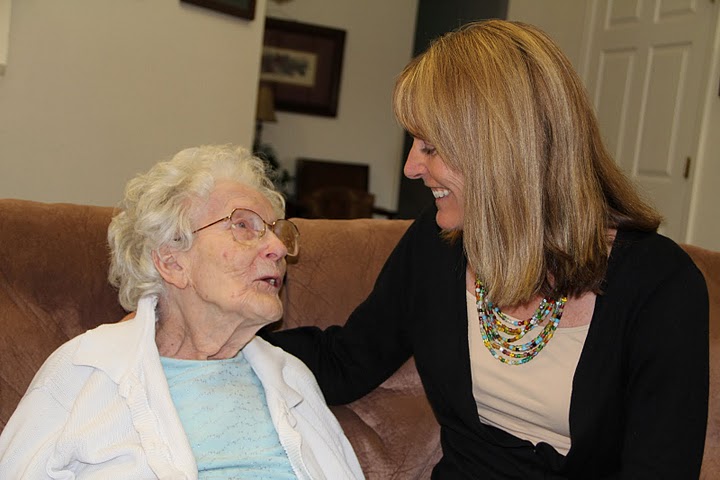





About Stacy's Helping Hand
Let us help you find the best care and housing option for your loved one - Assisted Living, Independent Living, Memory Care or Skilled Nursing. As Senior Care Advisors with over 12 years experience, we know the level of care each community or small home provides, their reputation and cost. We will help determine your loved ones physical care needs and what will be the best fit for them socially. As a neutral party, we tour the communities/homes with you and help you ask the right questions. We stay with you as your liaison, sounding board, and advocate for 3 months after you move in. Read our 5 Star reviews on Google and Yelp!General Property Features
Assisted Living
Additional Levels of Care Offered
Stacy's Helping Hand
Memory Care 1040 South Gaylord Street, Ste 20, Denver County, Denver, Colorado, 80209Let us help you find the best care and housing option for your loved one - Assisted Living, Independent Living, Memory Care or Skilled Nursing. As Senior Care Advisors with over 12 years experience, we know the level of care each community or small home provides, their reputation and cost. We will help determine your loved ones physical care needs and what will be the best fit for them socially. As a neutral party, we tour the communities/homes with you and help you ask the right questions. We stay with you as your liaison, sounding board, and advocate for 3 months after you move in. Read our 5 Star reviews on Google and Yelp!

Stacy's Helping Hand
Housing Placement & Resource Specialists 1040 South Gaylord Street, Ste 20, Denver County, Denver, Colorado, 80209Let us help you find the best care and housing option for your loved one - Assisted Living, Independent Living, Memory Care or Skilled Nursing. As Senior Care Advisors with over 16 years experience, we know the level of care each community or small home provides, their reputation and cost. We will help determine your loved ones physical care needs and what will be the best fit for them socially. As a neutral party, we tour the communities/homes with you and help you ask the right questions. We stay with you as your liaison, sounding board, and advocate for 3 months after you move in. Read our 5 Star reviews on Google and Yelp!
Continue Your Search! Explore More Local Options.
Start SearchingLet’s engage and get educated!
Browse through thousands of expert articles in over 100 different categories.
Browse NowArticles You May Like

Alzheimers Versus Dementia: What Are They?
AlzheimersAccording to the Alzheimers Association, Alzheimers is a type of dementia that causes problems with memory thinking and behavior. Alzheimers worsens over time No cure has been found for Alzheimers but there are treatments to calm symptoms Symptoms of Alzheimers can be difficult to recognize Challenges remembering recently learned things is the earliest symptom Alzheimers is common in seniors Severe symptoms that develop over time include:Changes in mood and behaviorDisorientationConfusion about times, places and eventsSevere memory lossChallenges with speechChallenges with swallowingDifficulty walkingDementia:The Alzheimers Association says, Dementia is a general term for a decline in mental ability severe enough to interfere with daily life. Dementia symptoms can reverse Alzheimers is the most common type Vascular Dementia is the second most common type, occurring after having a stroke Can be caused by Hyper/Hypothyroidism Can be caused by a lack of essential vitamins (depends on the person) Symptoms of Dementia vary, but are easier to spot:Impaired memoryImpaired communication and speakingWeakened Visual perceptionDifficulty focusingLack of reasoning and judgmentMany people experience memory loss, but that does not necessarily mean they have Dementia or Alzheimers; however, early detection can treat worsening symptoms. If you or a loved one is experiencing any of the symptoms listed above, you may be eligible for a proper diagnosis by your health care provider.If Dementia or Alzheimers apply to you or a loved one, we can help you find a proper senior care or Assisted living Denver options in the Metro area that accommodates you or your loved ones specific circumstances. Consult a professional healthcare provider first for professional medical attention.
Sep 28, 2022
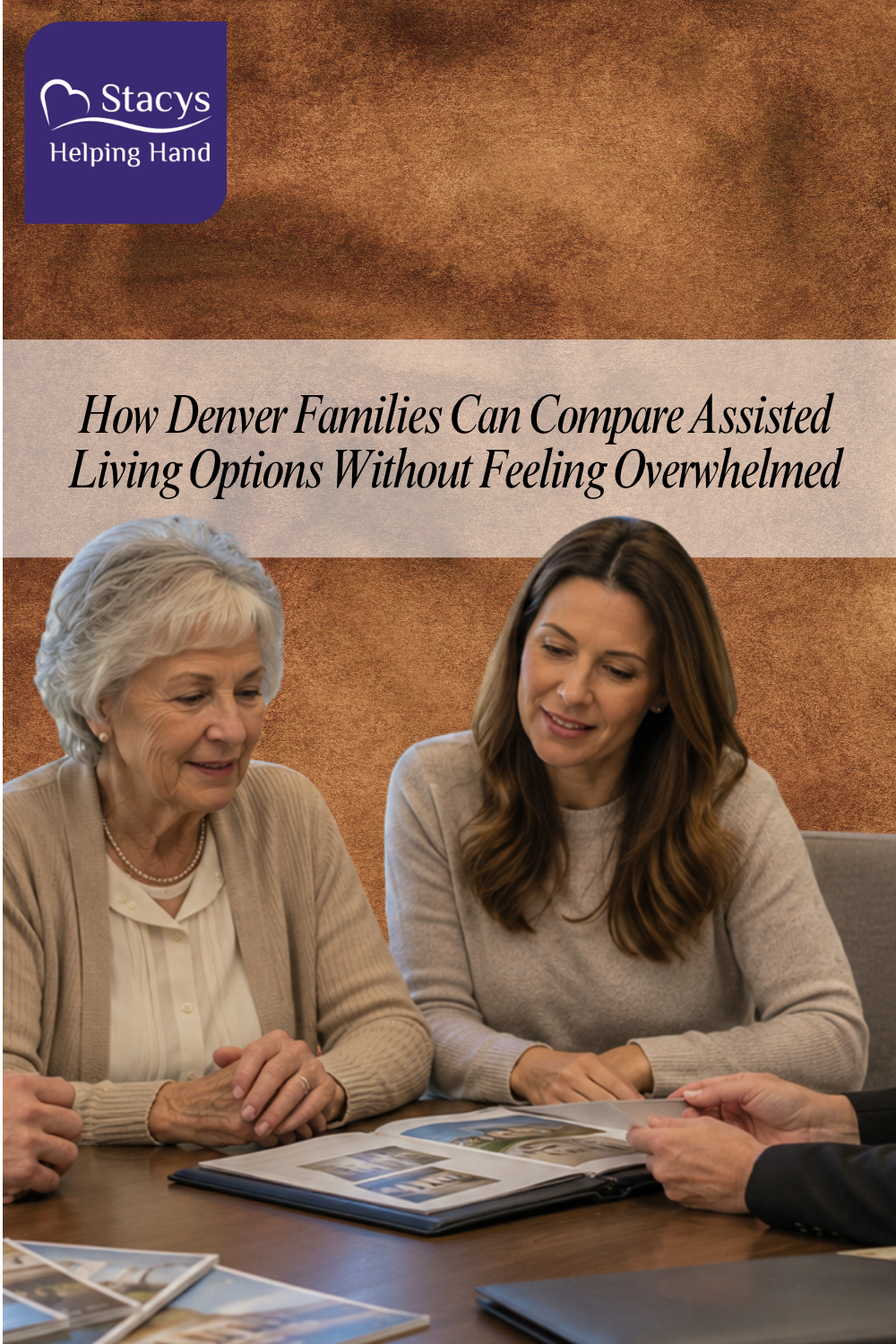
How Denver Families Can Compare Assisted Living Options Without Feelin
How Denver Families Can Compare Assisted Living Options Without Feeling OverwhelmedThe search for assisted living often begins with urgency. A parent has fallen. A hospital discharge is approaching. A caregiver is exhausted. A senior living at home is no longer safe alone. Suddenly, a family must compare communities, understand pricing, evaluate care, and make a decision that may affect every part of a loved ones daily life.For families in Denver, the number of choices can feel both helpful and confusing. There are large assisted living communities, smaller residential care homes, memory care neighborhoods, independent living campuses, and skilled nursing options throughout the metro area. Each offers something different, and the best choice depends on the individual senior.Stacys Helping Hand, owned by Pam Silverberg, helps families make sense of these options. As a Denver senior care and housing resource, Stacys Helping Hand supports families looking for assisted living, independent living, memory care, and skilled nursing.Why Comparing Assisted Living Is So DifficultFamilies often start by searching online. They may make a list of communities near Denver, call for pricing, read reviews, and schedule tours. But it is easy to become frustrated because the information is not always easy to compare.One community may advertise a base rate but charge separately for care. Another may look beautiful but may not be the right fit for a senior with mobility challenges. A smaller home may provide a calm environment but fewer organized activities. A larger community may offer amenities but feel overwhelming to someone who prefers quiet routines.The challenge is not simply finding available rooms. The challenge is identifying the setting where a senior can receive the right support and feel comfortable living day to day.Starting with the Seniors Real NeedsBefore families compare buildings, they should understand the seniors needs. Stacys Helping Hand helps families look at the whole person, not just the immediate concern.Important factors include:Mobility and fall riskMedication managementBathing, dressing, and grooming needsMemory and judgmentDiet and dining preferencesSocial personalityBudget and financial limitationsTransportation needsMedical conditionsFamily involvementPreferred locationA senior who needs only light support may do well in a more independent assisted living environment. Someone with increasing memory issues may need a community prepared to support cognitive decline. A person who values personal attention may prefer a smaller setting.Pam Silverbergs approach can be summarized this way: A good placement begins with listening. Families need to understand what the senior needs physically, emotionally, socially, and financially before they choose a community.Understanding Care LevelsOne reason assisted living searches become confusing is that assisted living can mean different things from one provider to another. Some communities are best suited for residents who are mostly independent. Others can support higher care needs.Families should ask:How are care needs assessed?What happens if care needs increase?Are there additional care charges?Is staff available overnight?How often are care plans updated?Can the community support mobility changes?How does the community communicate with families?Understanding care levels helps families avoid choosing a community that may not be able to support the senior long term.Looking Beyond the BrochureA brochure may show attractive dining rooms, landscaped courtyards, and smiling residents. Those details matter, but families should pay attention to the daily rhythm of the community.During a tour, notice:Are residents greeted by name?Do staff seem rushed or engaged?Are common areas active or empty?Is the dining room welcoming?Are residents dressed and groomed appropriately?Does the atmosphere feel calm, cheerful, or tense?Are activities meaningful or generic?Is the building easy to navigate?Stacys Helping Hand helps families ask practical questions and notice details that may not be obvious during a first visit.Considering Location in the Denver Metro AreaLocation matters, but it should not be the only deciding factor. Some families want a community close to a daughter in Washington Park, a son in Lakewood, or medical appointments near downtown Denver. Others may consider nearby cities such as Littleton, Aurora, Englewood, Wheat Ridge, or Arvada if the right care fit is there.A nearby community is helpful when family members visit often. However, the closest option is not always the best match. Families should balance convenience with care quality, affordability, and personal fit.The Role of Cost and BudgetAssisted living pricing can vary widely. Families should ask what is included in the monthly fee and what may cost extra.Questions to ask include:What is the base monthly rate?Are care fees separate?Is medication management included?Are meals, laundry, and housekeeping included?Are there move-in fees?How often do rates increase?What happens if the residents care needs change?Are there financial resources that may help?A senior care advisor can help families understand how costs compare and avoid surprises.Helping Families Ask Better QuestionsMany families tour communities without knowing what to ask. They may focus on room size, meal menus, or decorations while missing important details about staffing, care plans, communication, and future needs.Stacys Helping Hand supports families by helping them ask questions that reveal whether a community is truly appropriate. This guidance can make tours more productive and reduce second-guessing later.When a Fast Decision Is NeededSometimes families do not have the luxury of a long search. A senior may need placement after a hospital stay or rehabilitation discharge. In those moments, local knowledge becomes especially valuable.Stacys Helping Hand can help families narrow choices more quickly by focusing on realistic options based on care needs, location, reputation, and cost. This can reduce panic and help families make a thoughtful decision even under pressure.Visit Stacys Helping Hand on Seniors Blue BookComparing assisted living options in Denver does not have to be overwhelming. With experienced local guidance, families can move from confusion to clarity and choose a setting that supports safety, comfort, dignity, and connection.Visit Stacys Helping Hands Seniors Blue Book listing to learn more about assisted living and senior housing guidance in Denver.Frequently Asked QuestionsWhat should I compare when choosing assisted living?Compare care levels, costs, staffing, safety, dining, activities, location, communication, and whether the community feels like a good social fit.Are assisted living prices the same in every Denver community?No. Pricing varies based on location, apartment size, care level, services, and community type.Can a senior care advisor help narrow options?Yes. Stacys Helping Hand helps families identify realistic communities based on care needs, budget, reputation, and personality fit.Should I choose the closest assisted living community?Location matters, but the closest community is not always the best match. Care quality and fit should also be considered.Does Stacys Helping Hand help with memory care searches too?Yes. Stacys Helping Hand assists with assisted living, independent living, memory care, and skilled nursing options.
Jul 08, 2026

Understanding the Growing Cost of Senior Living
The COVID-19 pandemic brought many changes to the senior living world- including an increase in cost. From staff shortages, to increased cleaning protocols and general costs of business management senior living options are experiencing a rapid increase in costs, especially here in Colorado. Understanding the cost of various care options can help to prepare you for the future and ensure that your loved one is getting their moneys worth when it comes to care.Its important to note that all of these prices represent the average. Depending on the residence, costs could rise dramatically. For example, while the average for Denvers assisted living may be around $5500, depending on the residence and the care provided, residents could pay closer to $6,000, or even more.Independent Living communities allow your loved one the benefit of managing their day-to-day life on their own, with the peace of mind knowing that there are other seniors and some staff around in the event of an emergency. The nationwide average base cost of independent living is $2,552, with Colorado hovering just below that nationwide average at $2,286 a month. Different communities may include different amenities within this cost- for example, meals, laundry, and sometimes medication management services.Assisted living communities provide a much wider range of services. They provide support with activities of daily living- bathing, dressing, using the bathroom, and more. They also can provide support with medications, meals, as well as fun activities. The cost of assisted living can vary significantly. Some assisted living may have an all-inclusive cost, while others may have a base pay and then, as your loved ones needs change, you can add more services, for a higher cost.In 2014, assisted living in Colorado averaged $3,771, but more recent data from Genworths Cost of Care Survey shows the current average at $4,700 for the state, above the nationwide average by $400. There is some change in cost depending on geography within Colorado- with Denvers average at the peak at $5,500. This puts the Denver area nearly one thousand over the state average- and steadily growing. These numbers are rapidly increasing, especially here in Colorado, with the 2020 average cost, 11% higher than the 2019 cost.Often found within assisted living communities, memory care neighborhoods can provide assisted living services for individuals living with memory impairments. In addition to their assistance with personal care, memory care neighborhoods provide a secured neighborhood, staff specifically trained in dementia care, and programming geared towards these individuals. Memory care neighborhoods costs are typically 20-30% higher than assisted living communities. This puts Colorados average at just about $5600 per month.Skilled nursing facilities are available for those with a high level of personal care needs. For semi-private rooms, the Colorado average is $8,567 with a private room at $9,726. Denvers average for a private room sits closer to $10k.Skilled nursing facilities can generally be paid for with Medicaid for those who are eligible.When considering the cost of senior living, its important to keep in mind that the rates proposed are base rates. They do not include all amenities such as certain engagement programs, medications and medication management, in-house doctors and salon service, and more. These additional costs can easily add up to hundreds over the base rate. Working with our team can help you be prepared and know up front what your monthly expenses will come out to be and ensure that your loved one is getting the most out of their community.Paying for care isnt impossible- it just takes some planning, both financially and to find the best fit for your loved one. Making the transition to assisted living can be an emotional one, adding to the difficulties of navigating the logistics of costs and amenities. Let us be there for you to help make the best choice for your loved one and ensure a smooth transition. Give us a call at 720-248-7758, and lets have a conversation.
Sep 28, 2022

How Small Assisted Living Communities Create More Personalized Senior
How Small Assisted Living Communities Create More Personalized Senior Care in DenverChoosing assisted living for a loved one is one of the most emotional decisions families face. Adult children often struggle with concerns about safety, independence, social connection, and overall quality of life. Many families worry whether their loved one will feel comfortable, respected, and genuinely cared for after moving into a senior living community.In Denver, more families are beginning to explore smaller assisted living environments that offer a more personal and intimate approach to care. Communities like Stacys Helping Hand are helping seniors receive individualized support in environments that feel warm, welcoming, and relationship-centered.For many older adults, personalized care and emotional connection matter just as much as medical support.What Assisted Living Really MeansAssisted living is designed for seniors who need help with certain daily activities while still maintaining as much independence as possible.Residents may receive assistance with:Medication managementDressingBathingMeal preparationMobility supportHousekeepingTransportation coordinationUnlike skilled nursing facilities, assisted living communities focus heavily on balancing support with independence and quality of life.Many residents remain socially active and engaged while benefiting from added assistance and supervision.Why Personalized Care MattersEvery older adult has unique routines, personalities, preferences, and emotional needs.Large institutional settings may sometimes struggle to provide individualized attention consistently. Smaller assisted living communities often create stronger personal relationships between caregivers and residents.This relationship-centered environment allows staff to better understand:Personal routinesDietary preferencesEmotional needsFamily dynamicsHealth changesSocial interestsResidents deserve care that feels personal and compassionate, says Pam Silverberg of Stacys Helping Hand. Building genuine relationships helps seniors feel safe, comfortable, and respected.Denver Seniors Are Seeking More Comfortable Care EnvironmentsDenver continues attracting retirees because of its active lifestyle, healthcare access, and vibrant community atmosphere.However, many seniors want more than convenience alone when choosing assisted living. Families increasingly prioritize:Comfortable home-like settingsPersonalized attentionSmaller communitiesMeaningful social interactionWarm caregiver relationshipsSmaller assisted living environments often provide calmer, less overwhelming experiences for seniors transitioning from private homes.Emotional Wellbeing Is a Critical Part of Senior CareMoving into assisted living can feel emotional for older adults.Many seniors worry about:Losing independenceLeaving familiar homesAdjusting to new routinesFeeling isolatedLosing control over daily decisionsSupportive assisted living communities help ease these fears by creating environments focused on dignity, comfort, and emotional reassurance.Pam Silverberg believes emotional support should always remain a priority.Seniors need to feel heard and valued, she explains. Compassion and patience make an enormous difference during transitions.Smaller Communities Often Foster Stronger ConnectionsOne major benefit of smaller assisted living communities is the opportunity for stronger personal relationships.Residents often become familiar with:Care staffFellow residentsDaily routinesCommunity traditionsThis consistency can create greater comfort and emotional security, especially for seniors who feel anxious about change.Families also frequently appreciate more direct communication with caregivers and administrators.Social Engagement Supports Healthy AgingIsolation among older adults has become a growing concern nationwide.Seniors living alone may face:DepressionAnxietyCognitive declineReduced physical activityEmotional lonelinessAssisted living communities encourage connection through:Shared mealsGroup activitiesSocial eventsDaily interactionRecreational opportunitiesSmaller communities often create more natural opportunities for residents to build meaningful friendships.Assisted Living Helps Families TooFamily caregivers often carry significant emotional and physical stress before transitioning loved ones into assisted living.Adult children may spend years balancing:Medication managementTransportationMeal preparationHousehold supportHealthcare coordinationOver time, caregiving responsibilities can become overwhelming.Assisted living communities provide support that allows family members to shift from full-time caregivers back into more balanced family relationships.Families often report improved peace of mind knowing loved ones receive consistent support and supervision.What Families Should Look For During ToursChoosing assisted living involves much more than evaluating appearance alone.Families touring communities should observe:Staff interactions with residentsResident happiness and engagementCleanlinessSafety measuresDining atmosphereOverall warmth and cultureImportant questions may include:How are care plans personalized?What activities are available?How does staff communicate with families?How are emergencies handled?What is the caregiver-to-resident relationship like?The emotional atmosphere often reveals as much as the physical environment itself.Denver Offers Strong Resources for SeniorsDenver provides seniors with access to:Healthcare systemsCommunity programsCultural attractionsOutdoor recreationTransportation resourcesAssisted living communities throughout Denver help older adults remain connected to these opportunities while receiving supportive care tailored to changing needs.The citys active culture encourages seniors to continue participating in meaningful activities and relationships.Assisted Living Can Preserve Independence LongerMany people mistakenly assume assisted living limits independence. In reality, supportive care often helps seniors maintain independence longer.With assistance for difficult tasks, residents frequently experience:Reduced stressImproved safetyBetter nutritionMore social interactionIncreased confidenceInstead of struggling alone with daily challenges, residents gain support that enhances overall quality of life.Creating a Home-Like Environment MattersFor many seniors, feeling emotionally comfortable is just as important as receiving physical assistance.Smaller assisted living communities often emphasize:Familiar routinesComfortable spacesPersonalized attentionWarm relationshipsEmotional connectionThese factors help residents feel more at home during major life transitions.Pam Silverberg believes assisted living should feel nurturing and supportive.Our goal is to create an environment where residents feel cared for like family, she says.Finding Compassionate Assisted Living in DenverChoosing assisted living is never easy, but personalized, relationship-centered care can make transitions feel far less overwhelming.Stacys Helping Hand provides Denver seniors with compassionate assisted living support focused on dignity, comfort, safety, and meaningful human connection.Whether your family is beginning to explore assisted living or actively seeking care solutions, finding the right environment can make a lasting difference in wellbeing and peace of mind.Visit Stacys Helping Hands Seniors Blue Book listing to learn more about assisted living services in Denver.Frequently Asked QuestionsWhat is assisted living?Assisted living provides support with daily activities such as bathing, medication management, meals, and mobility while allowing seniors to maintain independence.Why do families choose smaller assisted living communities?Smaller communities often provide more personalized care, stronger relationships, and home-like environments.Can assisted living help reduce loneliness?Yes. Assisted living communities encourage social interaction through activities, shared dining, and daily connection with caregivers and residents.What should families look for when touring assisted living?Families should observe staff interactions, cleanliness, resident engagement, safety features, and overall atmosphere.Is Denver a good place for senior living?Yes. Denver offers healthcare access, recreational opportunities, community programs, and senior-focused resources throughout the metro area.
May 28, 2026
The Role of Senior Placement Services in Navigating Assisted Living Options
overwhelmed by the countless options and complex decisions. From understanding levels of care to evaluating financial considerations and visiting multiple facilities, the process can be emotionally and logistically exhausting. Thats where senior placement services play a vital role in guiding families through this journey with compassion and expertise.One such trusted organization in the Denver metro area is Stacys Helping Hand, a senior placement agency dedicated to helping families find the right care solution for their aging loved ones. Their experienced advisors are committed to making this transition smoother, more informed, and less stressful for everyone involved.Why Senior Placement Services MatterSenior placement services provide personalized assistance to families navigating senior living options, such as assisted living, memory care, or independent living. These services have become increasingly important as the senior population grows and the number of care communities multiplies.Common Challenges Families Face: Lack of Time or Local Knowledge: Many adult children live far away or have full-time jobs, limiting their ability to research or visit multiple communities. Information Overload: There are hundreds of facilities in the Denver metro area alone, and not all provide the same level or type of care. Emotional Strain: Deciding that a loved one can no longer live independently is difficult. Families often need emotional support alongside practical advice. Financial Confusion: Understanding costs, payment structures, and financial aid options can be daunting without professional help. Stacys Helping Hand bridges these gaps by offering tailored advice and vetted recommendations based on each individuals needs.How Stacys Helping Hand Supports FamiliesUnlike national referral agencies that provide a list of facilities based on zip code, Stacys Helping Hand provides a hands-on, local approach. Heres how their process stands out:1. In-Depth AssessmentThey begin with a thorough assessment of your loved ones physical, cognitive, emotional, and social needs. This includes reviewing medical conditions, care needs (e.g., medication management, mobility), lifestyle preferences, and budget.2. Curated Facility RecommendationsUsing their extensive knowledge of Denvers senior care landscape, they narrow down options that truly fit the seniors profile. This ensures you arent wasting time touring facilities that dont match your criteria.3. Personalized ToursA representative from Stacys Helping Hand accompanies you on facility tours, helping you ask the right questions and evaluate subtle but crucial factorslike staff interaction, cleanliness, and resident satisfaction.4. Financial NavigationThey help clarify the costs of each community and explore options for long-term care insurance, VA benefits, and Medicaid waiver programs, where applicable.5. Continued SupportThe relationship doesnt end once a placement is made. Stacys Helping Hand continues to offer support through follow-up and additional referrals as needs evolve.Benefits of Using a Senior Placement AgencyUsing a senior placement agency like Stacys Helping Hand offers numerous advantages over going it alone: Saves Time: Families can focus on spending time with their loved one instead of doing extensive research. Reduces Stress: Having an expert guide you through decisions brings peace of mind. Better Outcomes: Seniors are more likely to thrive in a setting thats been thoughtfully matched to their care needs and personality. Local Expertise: Agencies like Stacys Helping Hand have relationships with reputable facilities and know their real-world performance, beyond online reviews or marketing materials. What to Look for in a Senior Placement PartnerNot all placement agencies offer the same level of service. Here are some questions to ask when choosing one: Are they locally based or part of a national network? Do they visit facilities regularly? Will they accompany you on tours? Do they receive commissions from facilities, and how does that affect their recommendations? Do they offer help with financial planning or benefits navigation? Stacys Helping Hand meets these standards and goes further by offering compassionate, unbiased advice and acting as an advocate for both the family and the senior.Real-Life Success StoryOne Denver family recently shared their experience: We were at our wits end trying to find memory care for our mom. Stacys Helping Hand personally met with us, got to know Moms background, and took us to two communities that were a perfect fit. We never would have found them on our own. They even helped us apply for VA benefits, which made the care affordable. Mom is now thrivingand we can finally sleep at night. This type of support can make all the difference during one of lifes most challenging transitions.Final Thoughts: Your Trusted Partner in Senior Living DecisionsChoosing an assisted living community is more than just picking a placeits about choosing a new chapter of life where your loved one can be safe, supported, and happy.Stacys Helping Hand is proud to be a locally owned agency that walks with families through every step of this journey. Their personalized approach ensures each senior is matched with the care, environment, and people that meet their unique needs. To learn more or schedule a consultation, visit Stacys Helping Hand today.
Jul 29, 2025
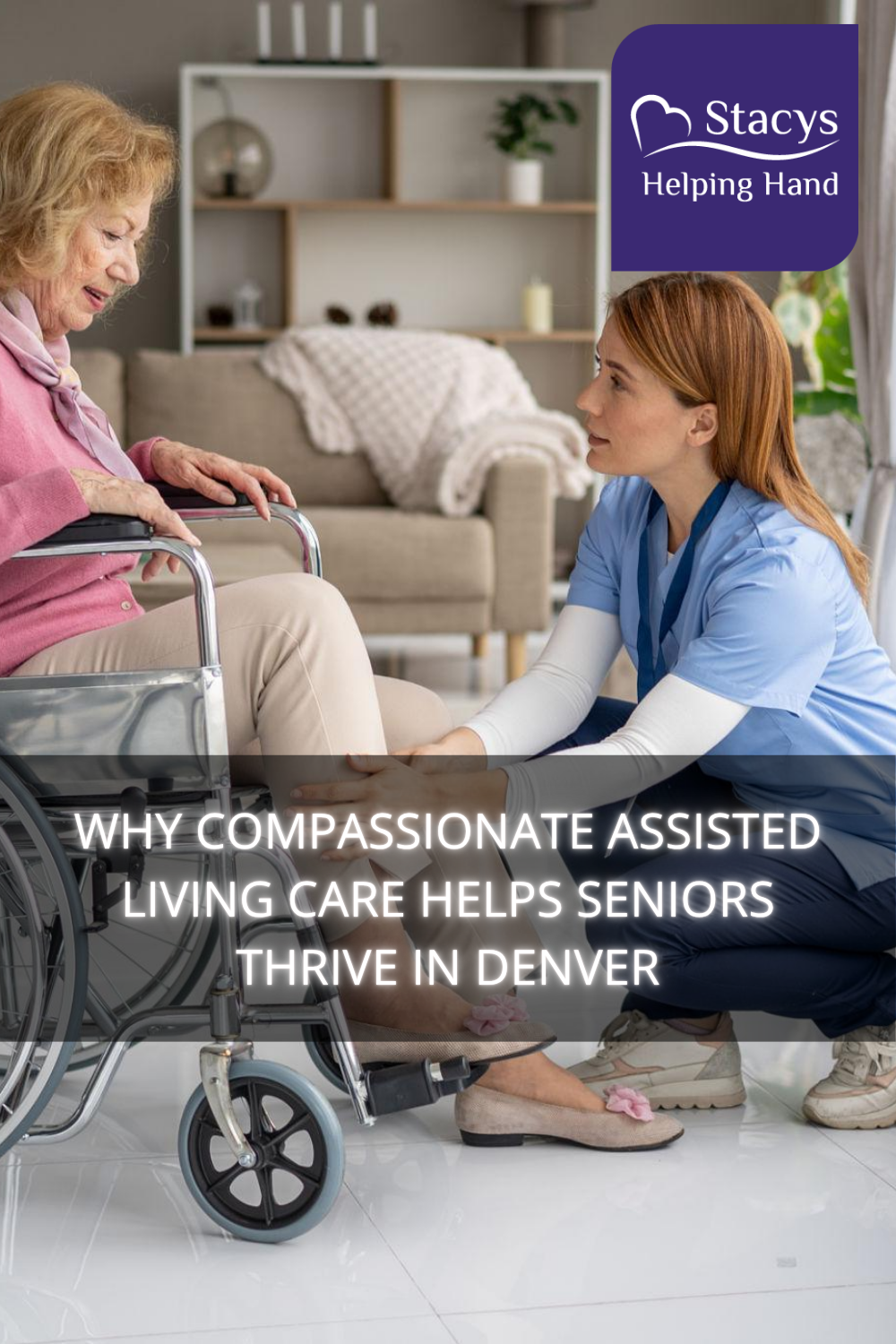
Why Compassionate Assisted Living Care Helps Seniors Thrive in Denver
Why Compassionate Assisted Living Care Helps Seniors Thrive in DenverAs seniors age, daily tasks that once felt simple can gradually become more difficult. Cooking, managing medications, maintaining a home, and navigating mobility challenges may slowly create physical and emotional stress. At the same time, many older adults continue wanting independence, meaningful relationships, and active routines.Assisted living communities help bridge that gap by providing support while preserving dignity and personal freedom.In Denver, communities like Stacys Helping Hand are helping seniors maintain quality of life through compassionate care environments focused on comfort, safety, and emotional wellbeing.For many families, assisted living becomes less about giving up independence and more about creating opportunities for healthier, safer, and more connected living.Understanding the Purpose of Assisted LivingAssisted living is designed for seniors who need some support with daily activities but do not require intensive medical care provided by skilled nursing facilities.Residents often receive help with:Medication remindersBathing and dressingMeal supportMobility assistanceHousekeepingTransportation coordinationAt the same time, residents continue making choices about their routines, activities, and lifestyles.Modern assisted living focuses heavily on balancing support with autonomy.Denvers Senior Population Continues GrowingDenvers aging population has increased demand for supportive senior housing options throughout the metro area.Seniors are drawn to Denver because of:Access to healthcareOutdoor recreationCultural activitiesWalkable neighborhoodsCommunity engagement opportunitiesAs more older adults seek supportive living arrangements, families increasingly prioritize environments that feel compassionate, comfortable, and personalized rather than institutional.Pam Silverberg believes emotional comfort matters tremendously during senior transitions.Assisted living should feel supportive and welcoming, she says. Residents deserve care that honors their individuality and dignity.Emotional Health Is Just as Important as Physical CareOne major misconception about assisted living is that it focuses only on physical support.In reality, emotional wellbeing often plays an equally important role in healthy aging.Older adults living alone may experience:LonelinessDepressionAnxietyFear of fallingSocial isolationAssisted living communities help reduce these risks by creating opportunities for:Daily interactionShared activitiesFriendshipStructured routinesEmotional reassuranceSupportive relationships with caregivers and fellow residents often improve overall happiness and emotional stability.Transitioning Into Assisted Living Can Feel EmotionalMoving from a longtime family home into assisted living is a major life transition.Seniors may feel:Nervous about changeWorried about losing independenceSad about downsizingUncertain about new routinesFamilies often feel guilt or anxiety about making care decisions.Compassionate communities help ease this adjustment process by creating welcoming environments that emphasize dignity and personal connection.Pam Silverberg notes that patience and understanding are essential.Transitions take time, she explains. Residents need reassurance, kindness, and support as they adjust.Personalized Care Creates Better ExperiencesEvery senior has different needs, habits, personalities, and preferences.Personalized assisted living care may include:Customized daily routinesIndividualized care plansPreferred meal accommodationsActivity choices based on interestsFlexible support levelsCommunities that prioritize individualized attention often create more comfortable and satisfying experiences for residents.Families also gain confidence knowing loved ones receive care tailored to their unique situations.Social Engagement Supports Cognitive and Emotional WellnessResearch continues showing strong connections between social interaction and healthy aging.Regular social engagement may help:Improve moodReduce isolationEncourage movementSupport cognitive functionIncrease overall quality of lifeAssisted living communities provide opportunities for connection through:Group activitiesShared diningRecreational programsHoliday celebrationsCasual conversationFor many seniors, these interactions become valuable sources of joy and companionship.Safety and Supervision Provide Peace of MindFamilies often worry about aging loved ones living alone, especially after falls, medication mistakes, or medical emergencies.Assisted living communities help reduce these risks through:Staff supportSafer environmentsEmergency response systemsMedication oversightMobility assistanceThis added supervision often provides reassurance for both residents and family members.Smaller Communities Can Feel More ComfortableMany seniors prefer smaller assisted living environments because they feel:More personalLess overwhelmingMore relationship-centeredMore home-likeResidents often become familiar with caregivers, routines, and fellow residents more quickly in smaller communities.This consistency can create stronger emotional comfort during transitions.Denver Offers Opportunities for Active Senior LivingDenvers community atmosphere encourages older adults to remain engaged with:Outdoor recreationLocal eventsCultural attractionsWellness activitiesFamily gatheringsAssisted living communities help seniors continue enjoying these opportunities while receiving the support they need for daily life.Families throughout Denver increasingly seek communities that balance care with active living and emotional wellness.Assisted Living Can Improve Family RelationshipsCaregiving responsibilities can create stress and exhaustion for adult children and spouses over time.Families often struggle balancing:CareersParentingMedical coordinationHousehold responsibilitiesEmotional caregivingAssisted living support allows family members to focus more on quality time and emotional connection rather than constant caregiving tasks.Many families describe improved relationships after transitioning loved ones into supportive communities.Choosing the Right Community MattersWhen touring assisted living communities, families should pay attention to:Resident engagementStaff warmth and responsivenessCleanlinessSafety featuresCommunity atmosphereCommunication practicesThe emotional environment often matters just as much as physical amenities.Residents deserve spaces where they feel respected, valued, and emotionally secure.Finding Assisted Living Support in DenverChoosing assisted living can feel overwhelming initially, but compassionate guidance and supportive environments make a meaningful difference.Stacys Helping Hand provides Denver seniors with assisted living care focused on dignity, connection, personalized support, and emotional wellbeing.Whether your family is beginning to explore care options or actively seeking supportive living arrangements, finding the right community can improve quality of life for everyone involved.Visit Stacys Helping Hands Seniors Blue Book listing to learn more about assisted living services in Denver.Frequently Asked QuestionsWhat services are included in assisted living?Assisted living may include medication support, meals, bathing assistance, housekeeping, transportation, and social activities.How is assisted living different from nursing homes?Assisted living focuses on daily support and independence, while nursing homes provide more advanced medical care and supervision.Why are social activities important for seniors?Social interaction helps support emotional wellbeing, cognitive health, and overall quality of life.Can assisted living help seniors remain independent?Yes. Assisted living provides support with difficult tasks while allowing residents to maintain personal routines and decision-making.Why do seniors choose assisted living in Denver?Denver offers healthcare access, active lifestyles, cultural attractions, and supportive senior living communities throughout the metro area.
May 28, 2026

3 Reasons You Get So Angry with Your Loved Ones Mental Health Issues
Caring for a senior who has mental health issues can be one of the hardest challenges someone faces in their life. A family caregiver might be able to face the daily challenges with grace, but sometimes, transferring a loved one into Senior living, Assisted Living or a Nursing Home is necessary. Making the decision to transfer can be exceptionally difficult because caregivers often feel like they should be able to care for their elderly mom or dad.The hardest part is initiating the process. Families often hesitate to call us for help because they feel embarrassed or worried about how their unpredictable loved ones are going to react. You dont have to find a good fit on you own. Stacys Helping Hand, Inc (Senior living) specializes in senior behavioral and mental health care. And, regardless of your situation, we will find a facility where your loved one has compassionate caregivers who can provide the needed support. We empower seniors with mental health issues to take ownership and find purpose in their lives. It is never too late.1. Likely They Had No Therapy or Took MedicationBecause of the time period your loved one was born, their Mental Health issues were likely either undiagnosed, denied or kept behind closed doors due to the stigma attached with a Mental Health diagnosis. Luckily today with modern science, doctors have a better understanding of what neurotransmitters are deficient and modern medicine can help improve their symptoms.2. Manipulation Is Interwoven with SymptomsAnother big factor can be the component of manipulation and using their illness as an excuse. Or they are not even aware of how manipulative they are being. We tell families that if dementia has set in, working through the manipulation may or may not be an option.3. Just Like a Child There Is No Manual to FollowTo put it bluntly, you may be worn out and cant see past the manipulation. It truly is hard to distinguish where the brain chemistry imbalances end and the manipulations begins. Mental health behaviors can be like a rope where you have to unwind the chords.Let Us Help. The First Step Is to Call Us.Your loved needs to help themselves and take ownership for their wellbeing. Asking a 3rd party professional to help your loved one transition can be a lifesaver for you. We can facilitate the process and make it the best experience possible. Each step is another weight off of your shoulders.Our senior care process is flexible for each individuals situation. As we get to know your loved one, you might be surprised by how well they respond to our questions. We have the ability to empower people with mental health issues so that they dont feel threatened. This is partly due to the fact that we are outside of the existing family dynamics, which certainly helps. But its also due to our expertise and approach a little compassion and understanding goes a long way.Our goal is to help your loved one re-discover the kid in themselves. It takes facilities a while to learn your loved ones needs. Most times manipulation is an unmet need, and the need to be in control of something. Unfortunately, the facility may or may not be able to make them happy, but they can have compassion.
Aug 29, 2023

Why the Right Community Matters
Why the Right Community MattersAssisted living is often discussed in terms of safety, medication support, meals, and personal care. Those services are essential, but they are not the whole story. A seniors quality of life also depends on connection, belonging, routine, and purpose.For many older adults in Denver, isolation can become a serious concern. Friends move away. A spouse passes. Driving becomes difficult. Health changes limit outings. Adult children may be supportive but busy. Over time, a senior who once enjoyed community life may spend more and more time alone.The right assisted living setting can help rebuild daily connection. Stacys Helping Hand, owned by Pam Silverberg, helps Denver families find senior living options that support not only care needs but also emotional wellbeing and social fit.Why Social Fit Should Be Part of the SearchWhen families look for assisted living, they often start with practical questions. Is the community close to home? What does it cost? Can staff help with bathing or medications? Is there availability?These questions matter, but families should also ask whether the senior will feel comfortable there. A persons daily happiness may depend on whether the communitys pace, activities, dining style, residents, and staff interactions feel like a good match.A senior who loves conversation may thrive in a lively community with group programs and shared meals. Someone who prefers quiet routines may feel more comfortable in a smaller residential home. A person who enjoys music, faith-based programs, gardening, games, art, walking clubs, or cultural outings may need a community that supports those interests.Pam Silverbergs placement philosophy can be expressed this way: A successful move is not just about finding care. It is about finding a place where the senior can feel seen, welcomed, and connected.The Impact of Isolation on Older AdultsIsolation can affect more than mood. When seniors live alone without enough support, they may become less active, eat poorly, miss appointments, neglect personal care, or feel less motivated to participate in life. Families may notice sadness, irritability, anxiety, or withdrawal.Assisted living can help by creating built-in opportunities for daily engagement. Residents may share meals, attend activities, join exercise classes, participate in outings, or simply enjoy regular conversations with staff and neighbors.For many seniors, having someone nearby makes daily life feel less uncertain.What Meaningful Engagement Looks LikeNot every activity calendar creates true connection. Families should look for communities that offer programs residents actually enjoy and attend.Meaningful engagement may include:Small group discussionsMusic or art programsFitness and balance classesGardening or outdoor timeSpiritual servicesGames and triviaMovie afternoonsVolunteer-style projectsHoliday celebrationsLocal outingsFamily eventsPet visitsMemory-supportive activitiesThe best activities reflect residents interests and abilities. They should feel respectful, not childish or forced.Dining as a Social ExperienceMeals are a major part of assisted living life. Dining is not only about nutrition. It is also a daily social anchor.Families touring assisted living communities should observe the dining room. Are residents talking with one another? Does the atmosphere feel warm? Are staff attentive? Do meals look appetizing? Are special diets handled respectfully?For a senior who has been eating alone at home, shared meals can become one of the most important benefits of assisted living.Choosing a Community Based on PersonalityPersonality matters. A senior who enjoys an energetic atmosphere may not be happy in a very quiet home. A private person may feel overwhelmed in a large community. Someone who has always loved the outdoors may appreciate courtyards, walking paths, or mountain views. A resident who enjoys structure may benefit from a full activity calendar.Stacys Helping Hand helps families think beyond care checklists. Their guidance includes social and emotional fit so families can choose a setting where the senior is more likely to adjust well.Denvers Variety of Senior Living OptionsThe Denver metro area offers many assisted living choices. Families may consider communities in central Denver, Lakewood, Aurora, Littleton, Centennial, Englewood, Wheat Ridge, Arvada, and surrounding neighborhoods. Each area has different advantages depending on family location, medical providers, budget, and lifestyle preferences.Some seniors want to remain close to longtime neighborhoods, churches, friends, or doctors. Others may move closer to adult children. Stacys Helping Hand helps families evaluate options with both practical and personal needs in mind.Questions to Ask About Social LifeDuring tours, families should ask:How do you help new residents adjust?What activities are most popular?Are residents encouraged to participate?Do you offer outings?How are birthdays and holidays celebrated?Are there quiet spaces for residents who do not like large groups?How do staff support residents who are shy or grieving?Can families join events?Are activities adapted for mobility or memory changes?These questions can reveal how much attention the community gives to emotional wellbeing.Helping Seniors Transition SociallyEven after choosing a strong community, adjustment takes time. Families can help by encouraging involvement while respecting the seniors pace.Helpful steps include:Attend the first meal togetherIntroduce the senior to activity staffBring familiar photos and decorEncourage one or two activities at firstVisit regularly but allow space for independenceAsk staff which programs seem like a good fitCelebrate small signs of adjustmentA move may feel difficult at first, but many seniors begin to enjoy the structure, companionship, and support once they feel settled.Visit Stacys Helping Hand on Seniors Blue BookAssisted living should provide more than safety. It should help older adults feel connected, valued, and comfortable in daily life. Stacys Helping Hand helps Denver families find senior living options that consider care needs, cost, location, personality, and social wellbeing.Visit Stacys Helping Hands Seniors Blue Book listing to learn more about assisted living guidance in Denver and connect with a trusted local resource.Frequently Asked QuestionsWhy is social fit important in assisted living?Social fit affects how comfortable and engaged a senior feels after moving. A community should match the residents personality, interests, and preferred pace.Can assisted living help reduce loneliness?Yes. Assisted living can provide shared meals, activities, outings, staff support, and daily opportunities for connection.What should families ask about activities?Ask which activities residents actually attend, how new residents are encouraged, and whether programs are adapted for different abilities.Should families choose assisted living based only on care needs?No. Care is essential, but families should also consider atmosphere, social life, dining, location, and emotional comfort.Can Stacys Helping Hand help compare different community styles?Yes. Stacys Helping Hand helps families compare larger communities, smaller homes, memory care, independent living, and skilled nursing options.
Jul 08, 2026

3 Things That Can Help Your Loved One Transition to Memory Care
Transitions are never really easy, but they can be especially difficult for people with Alzheimers or dementia. Everything in Tips for Visiting a Loved One After a Transition still applies, but with Alzheimers and dementia, the process can be more involved. Anxiety often runs high, so any tactics that involve fond, comforting memories will help. You just keep trying different approaches until something works. Sometimes you have to think a little bit outside of the box in order to achieve a good outcome. Here are a few things that have worked for our clients at Stacys Helping Hand, Inc to soothe people in memory care:1. Baby Dolls for WomenTo an outsider, giving baby dolls to elderly loved one might seem a bit strange, but the calming effect can be life changing. To those with dementia, the baby doll is real. The baby dolls provide a deep sense of calm and purpose over an extended period of time. When they show the baby to their other friends in memory care, many will feel similarly. Some memory care units even have baby stations.While the baby doll approach isnt limited to only women, men might respond to tools, stuffed animals, woodworking and other crafts. The theme here is that when facilities figure out what your loved one was interested in as children, they can help recreate aspects of those interests. You might have key insights that can lead to a breakthrough.2. Music and EntertainmentFavorite games and TV shows can be great for your loved one, but their focus is fading. Forgetting moves in a game or the plot of a TV show can cause frustration. When other forms of entertainment fail, music can be a shortcut into positive emotions and memories. Figure out what they used to listen to and load a CD or iPod with their favorite tunes. The effect can be profound.3. Snacks and FoodThe fastest way to many of our hearts, at just about any time of our lives, is with food. If there is a food they like that had a strong flavor or smell, it might work even better. As we age, our sense of smell can fade, so food that is bright and familiar will make more of an impact.If you would feel more comfortable talking to a Senior Transition expert to get answers to your questions, call our team at Stacys Helping Hand, Inc at 720-248-7758 .
Aug 29, 2023

How Does Colorado Medicaid Pay for Assisted Living?
Does Medicaid pay for Assisted Living? Medicaid is funded in part by the federal government and in part by the states. If you are confused about Medicaid, you arent alone. The Federal and State government are continuously changing rules surrounding healthcare, making it difficult for many people to know if they are using the correct information and making the right choices. Below, weve gathered some of the main benefits and drawbacks as well as some links to our vetted resources. Or, feel free to give our team at Stacys Helping Hand, Inc a call at the number above if you would like a Denver assisted living expert to help provide some clarity.Does Medicaid Pay for Assisted LivingIn Colorado, you can apply directly to Medicaid on your own, or you can choose to get Medicaid through the PACE program. In the Denver area, the program is called the InnovAge Greater Colorado PACE. We recommend utilizing InnovAge if the centers are conveniently located due to the fact that many of the assisted living facilities that dont accept Medicaid will accept payments through InnovAge. The drawback is that InnovAge centers are in limited zip codes and require that you go through their network of experts. For difficult cases, you might need to talk to a local medicaid expert.Medicaid BenefitsIf you have limited assets, low income and you need help paying for nursing home or assisted living care, Medicaid might help you pay for part of your care. Nursing home and assisted living services are considered types of long-term care. Long-term care consists of not just medical services, but also personal services. For example, a resident in a nursing home might pay for assistance with bathing and dressing in addition to medical treatment. Medicaid rules for long-term care are significantly different in many ways than their rules for other services.Medicaid DrawbacksMedicaid may not be the best source of funding for assisted living depending on your situation. The first questions most often asked is whether Medicare will pay for assisted living. The answer is no. Medicare is strictly health insurance. Long Term Care Medicaid pays about 30% less than whats needed for most assisted living costs. Medicaid will cover up to $2250 a month at most.Since Medicaid reimbursement rates for assisted living facilities are not high, many assisted living communities dont accept Medicaid. The ones that do are often shared living communities. Also, given the limited range of services for which Medicaid provides assistance and the enrollment caps and waiting lists for Medicaid waivers, many families might benefit by finding affordable assisted living outside of the Medicaid system.EligibilityFor those who need help with assisted living in Denver, adults without dependent children whose household income does not exceed 133% Federal Poverty Level can apply here and will also need to apply for an Elderly Blind and Disabled Waiver (EBD Waiver). If they already have Colorado Medicaid Insurance, then they would apply for the Medicaid EBD Waiver. This waiver is what will contribute to covering the costs of assisted living.Weve written in more depth about the financial eligibility aspects of Long Term Care Medicaid (EBD Waiver) in Paying for Assisted Living Facilities: Spend Downs. In a nutshell, Long Term Care Medicaid requires you to contribute most of your income for room and board when you are living in an assisted living and the EBD Waiver will supplement the facility for your care. You are allowed to keep a small fixed amount of money as a personal needs allowance to pay for snacks, clothing and personal products.There are spousal protection rules, but if you need that much detail, wed recommend talking to a local expert. You can give us a call at Stacys Helping Hand, Inc at 720-248-7758
May 16, 2024
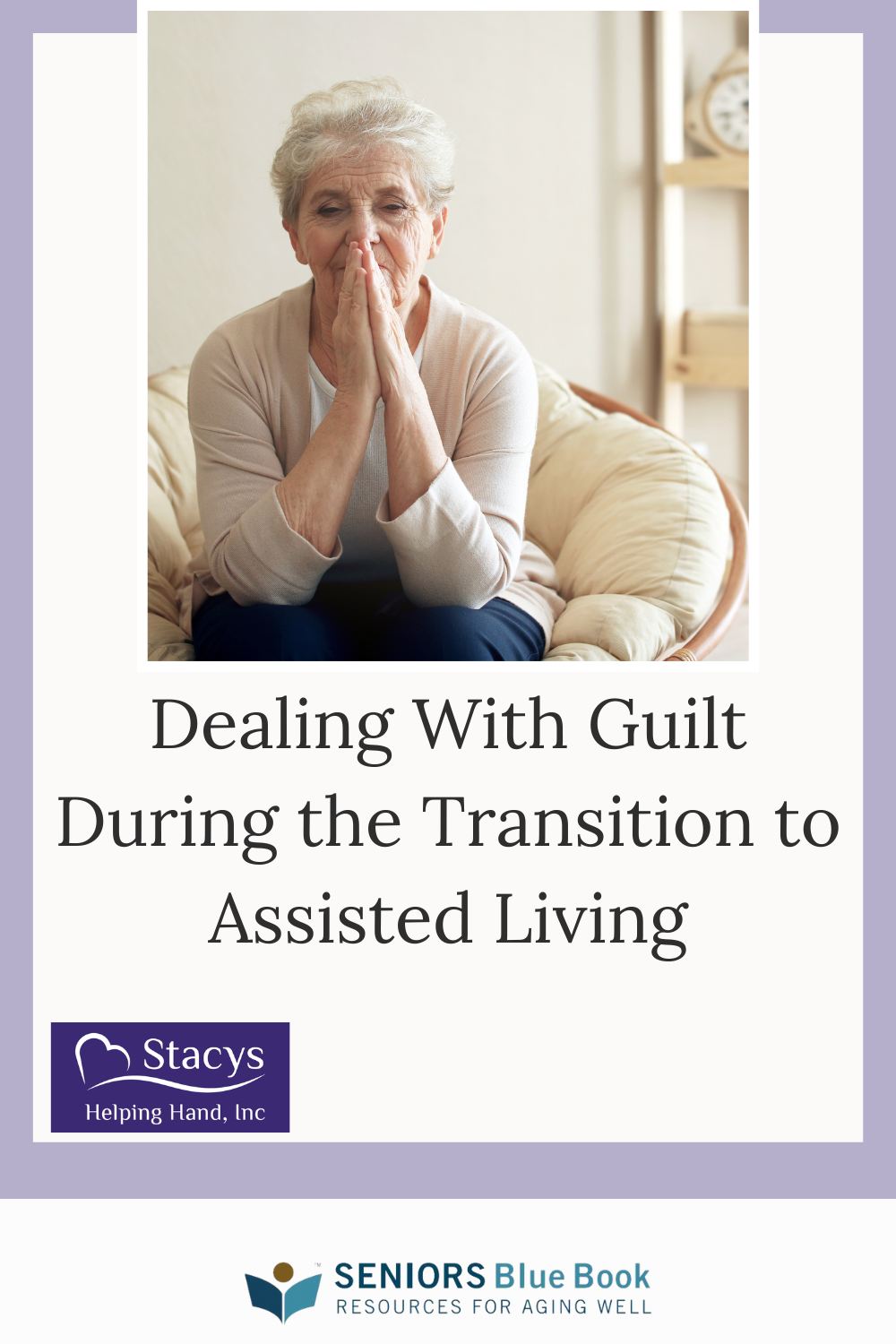
Dealing With Guilt During the Transition to Assisted Living
Are you feeling overwhelmed going through the process of researching and deciding if its time for your loved one to enter assisted living? Youre not alone. This is almost never an easy time for families. We understand. In addition to having assisted hundreds of Colorado families through this tough time, we have personally been through the process. As Denvers Assisted Living Experts, the team at Stacys Helping Hand, Inc are advocates for you and your loved one through this transition. Our promise is to not only help your loved one find the best environment for their physical and mental well-being, but to support you and your family during this emotional journey.Guilt The Invisible HurdleOther than a significant amount of paperwork, the actual move-in process can be quite quick if you choose a facility that can provide a bed and furniture. Of course, moving in will take some additional time if you have to get the furniture moved in before your loved one moves in and gets settled. Finding the best facility, filling out the paperwork, and making the actual move are all time consuming and can be overwhelming. But, for caregivers and family members the toughest hurdle is not an actual to do on the checklist.The decision to move puts many wheels in motion. Over the coming weeks, youll face many important decisions, but beware of one of the largest hurdles weve witnessed present itself: guilt. During a transition to Assisted Living Facilities, guilt is one of the most prevailing emotions caregivers experience. You dont see it coming and you may not have even realized you were feeling it. This is especially challenging when loved ones stoke the flames of guilt. Ugh. It is very common, and there is actually a 7-Step Method that can help you check-in and move forward with less weight on your shoulders. Give it a try:Recognize your guilt. If you dont know you feel guilty, there is no way of improving.Connect with others. When we share our experiences, it lightens the load.Catch yourself in the act. We have the power to observe our inner dialogue. Guilt sounds like, I should or could _______.Dont be hard on yourself. Guilt can easily pile on itself. You have to let it go.Be OK with good enough. Guilt comes from falling short of your own expectations. Keep your expectations reasonable.Ask for help. Get help from family, friends, trusted advisers, counselors, or experts in the field.Let go. You arent a superhero, so stop trying to be one.There is a light at the end of the tunnel. In our experience working with families and seniors, the average period of time that it will take for your loved one to feel more at home and comfortable, referred to as the the transition period, is typically 45 to 60 days. At that point, your loved one is more comfortable, and the staff has had a chance to get to know your loved ones physical and emotional needs.There is no simple answer or single, right way to help your loved one transition to Assisted Living. But the challenges that are ahead can be manageable. If you would like to learn some self help tools such as EFT Tapping to manage your stress, contact Release the Wait LLC.If you would feel more comfortable talking to a Senior Transition expert to get answers to your questions, Contact Us or Call our team at Stacys Helping Hand, Inc at 720-248-7758
Aug 29, 2023
Guiding Denver Families Through Memory Care Decisions With Compassion, Expertise, and Local Insight
When a loved one begins showing signs of Alzheimers or dementia, families often feel overwhelmed, scared, and unsure where to turn. The emotional weight of watching cognitive decline unfoldcombined with the pressure to make the right care decisionscan leave even the most prepared families struggling for answers.In the Denver metro area, where care options vary widely across neighborhoods like Littleton, Aurora, Lakewood, Highlands Ranch, and central Denver, finding the right community can feel like searching through a maze. Every family wants safety, compassion, structure, and trustbut not every setting offers all these things.Thats why Stacys Helping Hand, Denvers dedicated placement and advocacy service, has become a lifeline for families navigating the challenging world of assisted living. For more than a decade, the team has helped older adults find safe, appropriate, and supportive care environmentswhile bringing relief, clarity, and empowerment to stressed families.A Denver-Based Advocate for Families Facing Memory LossUnlike national referral agencies that rely on online databases and automated systems, Stacys Helping Hand offers something truly rare: local, personalized, hands-on guidance from professionals who understand the nuances of memory care in Colorado.Denvers senior population is rapidly growing, and so is the need for dementia-friendly care settings. With communities spanning from Arvada to Castle Rock, the options can feel endlessbut also inconsistent in quality, staffing, culture, environment, and cost. Thats why local expertise matters.The team at Stacys Helping Hand visits communities regularly, builds relationships with care teams, and maintains an up-to-date understanding of: Assisted Living and Memory care pricing and fees Staffing levels and training Activity programming Resident-to-staff ratios Safety protocols Community culture and environment Best fits for different forms of dementia Their mission is simple: ensure that every senior in Denver experiencing memory loss can live in a place that truly supports their wellbeing.Person-Centered Support from the First Phone CallThe process begins with a compassionate conversationone where families feel seen, heard, and supported. Many caregivers share that Stacys Helping Hand was the first time they felt understood during their memory care search.Pam Silverberg, a compassionate leader at Stacys Helping Hand, describes their approach: When families come to us, theyre often overwhelmed and unsure what to do next. Our role is to understand their loved onenot just the diagnosisand help them find a place where they can feel safe, respected, and truly cared for. This personalized approach sets the foundation for every recommendation the team makes.A Guided, Stress-Free Process for FamiliesNavigating memory care alone can feel intimidating. Stacys Helping Hand simplifies the entire journey by walking families through each stepacting as a partner and knowledgeable advocate.1. Understanding Each Familys Unique StoryBefore recommending a memory care community, the team gathers detailed insight into: Symptoms, behaviors, and progression Mobility and personal care needs Medical conditions Social preferences Personality and background Family budget and financial considerations This allows recommendations to be both practical and meaningful.2. Recommending Communities That Truly FitBecause the team personally visits and evaluates memory care communities across Denver, their recommendations go beyond what a website or online search could offer.They consider: Staff stability and training Safety design (wander protection, secure courtyards, etc.) Noise and stimulation levels Cultural values Personalization of care Sensory-friendly environments How the community supports behaviors like sundowning or anxiety This ensures seniors find not just a place, but a place where they can genuinely thrive.3. Accompanied Tours for Support and ClarityFamilies are not asked to navigate tours alone. A representative from Stacys Helping Hand typically joins themasking the right questions, pointing out details, and evaluating the environment through a senior in need lens.This gives families confidence, direction, and reassurance during a time when emotions often run high.4. Continued Follow-Up After Move-InSupport doesnt end once a senior transitions to a community. Stacys Helping Hand continues to check in, ensuring the placement is successful, the senior is adjusting well, and any concerns are addressed.This level of follow-up is almost unheard of in the senior placement industryanother reason why Denver families continuously recommend the organization.Why Their Denver-Focused Expertise Makes All the DifferenceAssisted Living and Memory Care is not a one-size-fits-all solution. Communities differ significantly based on: Location Staff training Care philosophy Design and layout Activities and engagement Culture and communication Having a guide who knows these differences firsthand helps families make choices that align with their loved ones needsnot just marketing brochures or online listings.Stacys Helping Hand has deep familiarity with communities across: Denver Littleton Centennial Aurora Thornton Parker Highlands Ranch Arvada Lakewood Their local insight often saves families weeksor even monthsof uncertainty, research, and stress.Supporting Families Emotionally, Not Just LogisticallyMemory loss impacts everyonethe person living with dementia, their spouse, children, and extended family. Emotions like guilt, confusion, grief, and fear are common.Stacys Helping Hand offers a safe, supportive space for families to process these emotions while making decisions rooted in wisdom rather than panic.Many caregivers describe the team as: Compassionate Patient Honest Knowledgeable Nonjudgmental Highly skilled in dementia care This combination of expertise and empathy is what transforms desperation into hope.A Service That Brings Dignity Back Into the Memory Care JourneyAt its core, Stacys Helping Hand believes that every person with dementia deserves: Respect Safety Independence where possible Opportunities for engagement A meaningful quality of life Their recommendations always prioritize environments where these values are upheld.Call to ActionTo learn more about memory care placement services or to schedule a consultation, visit their Seniors Blue Book listingFrequently Asked Questions (Denver-Focused)1. Is there a cost to families for using Stacys Helping Hand?Most placement agencies are paid by the communities, but Stacys Helping Hand also offers additional advocacy services for families who need deeper guidance.2. What if my loved one has complex behaviors like wandering or aggression?Their team specializes in understanding behavioral symptoms and can recommend communities equipped for higher needs.3. Can you help if we need memory care placement urgently?Yes. They frequently support families during crisis situations.4. Do you visit the communities you recommend?Yesthey personally visit and evaluate Denver-area communities regularly.5. Can you help families outside of Denver? Yes. They assist families across nearby areas like Aurora, Lakewood, Arvada, and Highlands Ranch.
Nov 26, 2025

Paying for Assisted Living Facilities: Spend Downs
Spend Downs at Assisted Living Facilities in the DenverWhen professionals in the senior living industry discuss ways, an individual can pay for care and housing, you may hear terms such as private pay, spend down, and straight Medicaid. It can be confusing! In the Denver Metro area there are many assisted living facilities that only accept private pay funds for care and housing. They are not licensed to receive Medicaid funds from the state of Colorado.Many facilities choose to only accept private pay residents because the Medicaid reimbursement rate is much lower than they can receive from residents who are able to private pay. Other facilities accept private pay and spend downs, while some facilities accept private pay and straight Medicaid. When a resident is allowed to private pay for a certain period of time and then go onto Medicaid, it is known as a spend down. The term Straight Medicaid is generally used for facilities that accept Medicaid payment without requiring a spend down; in this scenario a resident can move in if they are approved for Medicaid or are enrolled in the InnovAge PACE program, depending upon the facility.A resident is not eligible for Medicaid at an Assisted Living Facility until they have less than $2,000 in assets and less than $2,094 per month in income. If the resident spends their assets for their care and housing at the Medicaid approved facility, but still has more than $2,094/month in income, the facility that accepts Medicaid will work with the resident and either allow the resident to pay the Medicaid rate or require that the resident pay their monthly income to the facility (and allow the resident to keep what they could keep for spending money on Medicaid approximately $105/month).There are a few Large assisted living facilities and numerous Residential Assisted Living facilities (also known as Personal Care and Boarding Homes) that will allow a one to two year spend down. Facilities which allow a resident to spend down, will either accept 1) Medicaid, 2) Medicaid and InnovAge, or 3) InnovAge, depending upon the facility. If a resident is enrolled in the InnovAge PACE program, facilities are reimbursed by InnovAge, and in turn, Medicaid reimburses InnovAge for the residents care.If you refer to the Denver Metro Senior Blue book, it appears that there are lots of facilities that accept Medicaid, but there is one BIG caveat. Many of the facilities require an individual to pay privately for one to two years before they will accept Medicaid reimbursement. Some indicate that they accept Medicaid, but when you contact them, they actually accept InnovAge.On another note, we also find many families are misguided and believe Medicare or supplemental health insurance will pay for care and housing. Medicare DOES NOT cover care and housing. Only private funds, Medicaid and InnovAge pay for care in Assisted Living facilities. Medicare may cover temporary stays at Rehab facilities, but never long-term care at an Assisted Living Facility.Still confused or unfamiliar with the InnovAge PACE program? Our Advisors would be happy to discuss with you what would be your best option, based on your finances and care requirements.
Sep 28, 2022

Helping Denver Seniors Stay Engaged, Comfortable, and Connected
Helping Denver Seniors Stay Engaged, Comfortable, and ConnectedAging often brings change, but growing older does not mean seniors should lose opportunities for joy, independence, or meaningful daily experiences. Many older adults still want active routines, friendships, hobbies, and community involvement even as they begin needing extra support with everyday tasks.For families in Denver, assisted living communities can provide an important balance between care and independence. Communities like Stacys Helping Hand focus not only on physical support but also on helping seniors maintain emotional wellbeing, social connection, and overall quality of life.Modern assisted living is about much more than assistance with daily routines. It is about creating environments where seniors can continue living fulfilling lives with dignity and comfort.Why Quality of Life Matters in Senior CareWhen families first explore assisted living, they often focus on practical concerns such as:SafetyMedication managementMealsMobility assistanceHealthcare coordinationWhile these factors are essential, emotional wellbeing is equally important.Seniors thrive when they continue experiencing:PurposeFriendshipChoiceComfortCommunity involvementEnjoyable routinesPam Silverberg of Stacys Helping Hand believes quality of life should remain central to senior care.Residents deserve opportunities to feel happy, connected, and respected every day, she says. Care should support both physical and emotional wellbeing.Assisted Living Helps Reduce Daily StressLiving alone can gradually become physically and emotionally exhausting for some seniors.Older adults may struggle with:CookingCleaningTransportationMedication schedulesHome maintenanceGrocery shoppingThese responsibilities can create stress that affects overall health and happiness.Assisted living communities help remove many of these burdens while allowing seniors to continue enjoying daily life.Residents often feel relieved knowing help is available when needed.Denver Provides an Active Environment for SeniorsDenvers culture naturally encourages activity and engagement.Seniors throughout the metro area enjoy:Parks and outdoor recreationLocal restaurants and shoppingCommunity eventsCultural attractionsFamily gatheringsWellness programsAssisted living communities help residents remain connected to these opportunities while providing supportive care.The citys active atmosphere supports healthier and more socially engaged retirement experiences.Social Engagement Supports Emotional WellnessOne of the biggest challenges older adults face is loneliness.Seniors living alone may experience fewer opportunities for:ConversationShared mealsRecreationCommunity involvementIsolation can contribute to:DepressionAnxietyReduced physical activityCognitive declineAssisted living communities naturally encourage social interaction through:Group activitiesShared diningHoliday eventsRecreational programsCasual daily interactionThese relationships often improve emotional wellbeing significantly.Personalized Care Helps Residents Feel ValuedEvery senior has unique preferences, routines, and personality traits.Communities focused on individualized care may adapt support based on:Preferred schedulesDietary needsSocial interestsMobility concernsEmotional comfort levelsThis personalized approach helps residents feel more respected and understood.Pam Silverberg explains that relationships matter deeply in caregiving.Getting to know each resident personally allows us to provide more meaningful support, she says.Smaller Assisted Living Communities Often Feel More ComfortableMany seniors prefer smaller assisted living environments because they feel:Less overwhelmingMore familiarMore relationship-focusedMore home-likeResidents often become comfortable with caregivers and fellow residents more quickly in smaller settings.These consistent relationships help create emotional security and stronger trust.Families frequently appreciate the more personal communication style smaller communities provide as well.Maintaining Independence Is Still ImportantA common misconception about assisted living is that seniors lose independence after moving into care communities.In reality, supportive services often allow residents to maintain independence longer.With help managing difficult tasks, seniors can continue focusing on:HobbiesSocial activitiesFamily relationshipsRecreationWellness routinesRather than struggling alone, residents gain support that helps preserve energy and confidence.Nutrition and Wellness Play Important RolesHealthy aging involves more than medical care alone.Good nutrition, hydration, movement, and emotional wellbeing all contribute to quality of life.Assisted living communities often support wellness through:Balanced mealsActivity programsSocial engagementRoutine supportComfortable living environmentsConsistent routines can improve both physical and emotional stability for older adults.Family Caregivers Also BenefitFamily caregivers often experience emotional exhaustion after years of supporting aging loved ones alone.Adult children may juggle:CareersParentingMedical appointmentsMedication managementHousehold responsibilitiesAssisted living communities help reduce caregiver burnout while improving safety and support for seniors.Families often find they can focus more on meaningful time together rather than constant caregiving responsibilities.Transitioning Into Assisted Living Takes PatienceMoving into assisted living can feel emotional initially.Seniors may worry about:Leaving familiar homesAdjusting to new environmentsLosing routinesBuilding new relationshipsSupportive communities help ease transitions by creating welcoming, emotionally supportive environments.Patience, reassurance, and compassionate communication help residents adjust more comfortably over time.Assisted Living Should Support the Whole PersonQuality senior care involves more than meeting physical needs.Residents deserve environments that support:Emotional healthSocial connectionPersonal dignityComfortJoyMeaningful routinesCommunities focused on whole-person care often create healthier and happier experiences for seniors.Denver Families Seek More Personalized Senior CareFamilies throughout Denver increasingly prioritize assisted living communities that feel warm, relationship-centered, and compassionate.Smaller communities like Stacys Helping Hand often create stronger caregiver relationships and more individualized experiences for residents.For many seniors, feeling emotionally supported makes an enormous difference in overall wellbeing.Finding Assisted Living Support in DenverChoosing assisted living is a deeply personal decision for families and seniors alike.Stacys Helping Hand provides Denver seniors with compassionate assisted living services focused on dignity, connection, comfort, and personalized support.Whether your family is just beginning to explore senior living or actively searching for care options, finding the right environment can improve quality of life for everyone involved.Visit Stacys Helping Hands Seniors Blue Book listing to learn more about assisted living services in Denver.Frequently Asked QuestionsWhat services does assisted living provide?Assisted living may include medication support, meals, housekeeping, bathing assistance, mobility support, and social activities.Why is social engagement important for seniors?Social interaction helps reduce loneliness while supporting emotional, cognitive, and physical wellbeing.Can assisted living improve quality of life?Yes. Assisted living often improves safety, social connection, nutrition, and emotional wellbeing for seniors.Why do families choose smaller assisted living communities?Smaller communities often provide more personalized care, stronger relationships, and home-like environments.Is Denver a good city for senior living?Yes. Denver offers healthcare access, community programs, recreational opportunities, and active senior lifestyles.
May 28, 2026

Assisted living or Memory Care: What Does My Loved One Need?
Across the Denver metro area there are a variety of senior living care options. Each provides a range of options all providing varying levels of support- independent living, assisted, memory care, or skilled nursing. A simple google search of assisted living communities in Denver can bring a range of results. A Senior Care Advisor can assist you in untangling the results and understanding what each option entails.For many, a trigger to senior living comes from difficulty living at home independently. Because of this, when families are exploring senior care, they are often looking at either assisted living or memory care neighborhoods.ADLS & IADLS: Understanding Your Loved Ones NeedsFirst, its helpful to understand the terms Activities of Daily Living (ADLs) and Instrumental Activities of Daily Living (IADLs). These terms are generally used to describe the care that can be provided within senior care residences, and the criteria to help gauge where a resident would receive the most appropriate support. When it comes to ADLs and IADLs for individuals with memory loss, it may not be that they cant do these tasks, but rather they dont remember to do them without prompting.Activities of Daily Living include basic self-care activities, shown below:BathingDressingEatingTransferringToiletingContinenceOverall HygieneInstrumental Activities of Daily Living are tasks that require more advanced planning but help to manage the home and personal needs.LaundryMedication ManagementErrandsCookingBill PayingUsing the phone (or other ways to communicate and call for help! )Assisted Living Facilities: What They Do and Dont DoAssisted living facilities are large residences with around 100+ residents. Assisted living residences offer assistance with all the ADLs and IADLs listed above. They have resident aides who can provide light assistance with these tasks. Resident aides are often referred to as caregivers or care partners. They may have experience as home health aides or certified nursing assistants. The ratio of residents to staff is usually low, with around 1 staff member to 8 residents (on average).Assisted living residences generally offer medication assistance, laundry services and transportation to local appointments. The assisted living also offers engaging activities throughout the day; including local excursions at times. These programs are encouraged, but optional. It is generally up to the resident to determine how many activities they attend, and which ones. Residents also have the independence to come and go as they please, as long as they are signing out of the building.Generally, residents in assisted living may have physical challenges, or mild cognitive impairments. Despite their memory loss, they are likely able to navigate their daily activities with minimal cueing and support. Assisted living residences are great for offering support for your loved one, while retaining independence.Assisted Living HomesAssisted living homes are a unique care option to Colorado. This type of residence is usually licensed to have 8-12 residents- significantly smaller than the larger assisted living facilities described above.Since it is a home setting there are naturally more eyes on, individuals with higher physical needs or cognitive impairments may receive the support they need without the dementia specific care found in a memory care neighborhood. Staff can provide more attention to and likely develop a closer relationship with your loved one, helping them to know best ways to support them. In many cases, a person living with a cognitive impairment may avoid a memory care unit due to the benefits of more eyes on.Due to their smaller size, they often have a more homey atmosphere. Engagement can be tailored to the unique interests of the current residents. Assisted living homes can be a great fit for someone who needs a higher level of supervision and support.Memory Care Communities: A Special ApproachIn addition to assisted living residences, the Denver area has a variety of memory care neighborhoods. These neighborhoods average 25 residents. Memory care communities may be neighborhoods within an assisted living, or a stand-alone community. Memory care communities provide a higher level of support for their residents with cognitive impairments. They also offer the same assistance with ADLs and IADLs. However, their support is often in the form of cueing and reminders, rather than the physical assistance that residents in assisted living may require. The staff is required to have more intense training in supporting people with memory loss in order to learn best approaches to care for this population. For example, staff should be well versed in providing support for someone who may not be aware that they need any assistance.The activities in memory care communities are geared towards people living with cognitive impairments. There is more encouragement for residents to participate in programming as it allows for residents to have increased structure- something that is critical for people living with a cognitive impairment. While there may be scheduled excursions and family members can take their loved ones out, memory care neighborhoods are secured in order to decrease the chance of wandering and becoming lost.The goal of a memory care neighborhood is to provide each resident with the support they need to perform at their best and emphasize their strengths to increase independence. If your loved one is experiencing memory loss and benefits from significant encouragement, a memory care neighborhood within assisted living may be the best fit.Finding the Appropriate ResidenceIts not always clear cut which is the appropriate level of care for your loved one assisted living or memory care. Some individual residences may have their own criteria to determine which level of care an individual is best fit for. Senior care advisors are the key to finding the best fit and being your advocate throughout the searching process. Let Stacys Helping Hands help you to find the best fit. From Castle Rock to Aurora, all across Denver, we can help you navigate your choices and support you in making a decision.
Sep 28, 2022
Why Is My Elderly Loved One Paranoid?
Your loved one with Alzheimers or dementia might become suspicious of the people around them. Changes can be stressful for anyone, but they are especially difficult for a person with dementia or Alzheimers disease. Dementia can increase feelings of fear and fatigue from trying to make sense out of an increasingly confusing world. The good news is that if you are dealing with paranoid behaviors, there are things you can do to minimize the outburst and reduce their chances of recurring. Below, our team at Stacys Helping Hand, Inc shares steps you can take and tips to help your loved one.In the MomentSuspicions can come out as hurtful accusations of theft, infidelity or other bad behavior. When these situations occur, the key is to stay patient. With patience, you can take the following steps to alleviate the tension of the moment:Dont take offenseKeep your demeanor and voice calmUse words and nonverbal cues like hugs to reassureAcknowledge the feeling behind the accusationKeep answers simpleDont argue or try to convinceSwitch the focus to something elseUnderstanding the TriggersTry to understand the reasons behind each behavior. Identifying what has triggered a behavior can often help in selecting the best approach to dealing with it. Some triggers might be necessary even if they cause temporary turmoil, such as:Moving to a new residence or nursing homeChanges in a familiar environment or caregiver arrangementsAdmission to a hospitalBeing asked to bathe or change clothesMedicationsYou cant control everything in your loved ones environment, especially during times of transition. But, try to reduce these triggers as much as possible:Create a calm environment. Avoid noise, glare, insecure space and too much background distraction, including television. Maintain a comfortable room temperature. Get replacements of commonly lost items. Let them keep a small amount of cash.Monitor their health and and everyday comfort levels. Check for pain, hunger, thirst, constipation, full bladder, fatigue, infections and skin irritation. Allow adequate rest between stimulating events. Provide a security object. Limit caffeine, sugar and junk food. Maintain as much structure as possible.Talk to OthersConsult a physician to identify any causes related to medications or illness like the below:Drug side effects: Prescription medications might have side effects or interactions and can affect behavior.Discomfort from infections or other conditions: Those with Alzheimers can have increasing difficulty communicating with others about their experience. This can make explaining symptoms difficult. Unspoken pain from infections of the urinary tract, ear or sinuses may lead to restlessness or agitation.Uncorrected problems with hearing or vision: The inability to adequately hear or see can contribute to confusion and frustration and create a sense of isolation.Let other family members know, so they also know what to do and can help. Also, maybe neighbors, or close friends and/or family members of their friends can help.Mostly, we just want you to know you are not alone and you shouldnt feel like you have to handle this all on your own. Our team for Senior Care Facilities can help you through this trying time.Questions, pleases call us at 720-248-7758.
Aug 29, 2023
Creating a Safe and Supportive Environment for Seniors in Assisted Liv
Creating a Safe and Supportive Environment for Seniors in Assisted Living CommunitiesSafety becomes an increasingly important concern as older adults age. Families often begin noticing subtle changes that raise questions about whether loved ones can continue living comfortably and independently at home. Missed medications, mobility difficulties, falls, isolation, and household maintenance challenges may gradually create risks that affect both physical and emotional wellbeing.For many Denver families, assisted living communities offer a solution that balances safety with independence. Communities like Stacys Helping Hand provide supportive environments where seniors receive personalized assistance while continuing to enjoy meaningful routines, social interaction, and emotional comfort.Choosing assisted living is not about taking freedom away from seniors. In many cases, it is about creating safer environments that allow older adults to live with greater confidence and peace of mind.Why Safety Concerns Increase With AgeAging naturally introduces changes that may impact everyday routines.Older adults may experience:Reduced balanceVision changesMemory concernsMedication complicationsSlower mobilityIncreased fall riskTasks that once felt simple can become more physically demanding or potentially dangerous over time.For seniors living alone, these risks may increase due to delayed emergency response or limited daily support.Pam Silverberg of Stacys Helping Hand believes safety should always be approached with compassion and respect.Seniors deserve support that helps them remain comfortable and independent while also protecting their wellbeing, she says.Falls Are One of the Biggest Risks for Older AdultsFalls remain one of the leading causes of injury among seniors nationwide.Even minor falls can lead to:FracturesHospitalizationReduced mobilityFear of movementLoss of confidenceHomes that were once safe may eventually contain hidden hazards such as:StairsLoose rugsPoor lightingSlippery bathroomsCluttered pathwaysAssisted living communities are designed with senior safety in mind.Features may include:Accessible layoutsHandrailsEmergency call systemsStaff supportMobility-friendly spacesThese adjustments help reduce injury risks while supporting independence.Medication Management Becomes More ComplexMany seniors take multiple medications daily, making medication management increasingly difficult over time.Mistakes involving medications can lead to:Missed dosesDangerous interactionsHospital visitsConfusionSerious health complicationsAssisted living communities often provide medication support that helps residents maintain consistent routines safely.This oversight provides valuable reassurance for both residents and family members.Isolation Can Affect Both Physical and Emotional HealthSafety is not only physical. Emotional wellbeing matters too.Seniors living alone sometimes experience increasing social isolation, especially after retirement, loss of a spouse, or reduced mobility.Loneliness may contribute to:DepressionAnxietyCognitive declinePoor nutritionReduced physical activityAssisted living communities encourage connection through:Shared mealsActivitiesDaily interactionSocial eventsSupportive caregiver relationshipsSmaller communities often create especially warm, relationship-focused environments where seniors feel emotionally connected and supported.Denver Seniors Benefit From Community-Centered LivingDenvers active culture encourages seniors to stay involved in community life.Older adults throughout the metro area enjoy:Outdoor recreationCommunity eventsArts and cultural activitiesSenior wellness programsFamily gatheringsAssisted living communities help residents remain connected to these experiences while providing support for daily needs.For families, Denvers strong healthcare access and senior resources create additional reassurance when evaluating assisted living options.Personalized Assistance Helps Preserve IndependenceOne misconception about assisted living is that residents lose independence after moving into care communities.In reality, many seniors become more independent once they receive support for difficult daily tasks.Rather than struggling alone with:CookingCleaningMedication managementTransportationMobility challengesresidents can focus on activities they enjoy and routines that bring fulfillment.Pam Silverberg explains that individualized support often improves overall confidence and wellbeing.Residents often feel less stressed and more capable when they know help is available when needed, she says.Families Also Gain Peace of MindFamily caregivers frequently experience constant worry before transitioning loved ones into assisted living.Adult children may feel anxious about:FallsMedication mistakesMissed mealsEmergenciesIsolationAssisted living communities help reduce these concerns through:Staff supervisionSafer environmentsDaily supportEmergency response systemsStructured routinesFamilies often report feeling emotionally relieved after loved ones move into supportive environments.Emotional Comfort Is Essential During TransitionsMoving into assisted living can feel emotional for seniors.Leaving a longtime home may create:AnxietySadnessFear of losing controlUncertainty about changeCommunities that prioritize emotional support help residents adjust more comfortably.Smaller assisted living environments often provide:Familiar routinesConsistent caregiversMore personal relationshipsHome-like atmospheresThese factors can significantly ease transitions.Social Activities Encourage EngagementMaintaining social and mental engagement plays an important role in healthy aging.Assisted living communities often offer:Arts and craftsGamesExercise programsHoliday celebrationsMusic activitiesCommunity gatheringsThese activities encourage seniors to remain mentally stimulated and socially connected.Residents frequently form meaningful friendships that improve emotional wellbeing and daily enjoyment.Choosing the Right Assisted Living CommunityFamilies touring assisted living communities should evaluate more than physical appearance.Important factors include:Staff warmth and responsivenessResident happinessCleanlinessCommunication practicesSafety measuresPersonalized care approachesThe overall atmosphere often reveals whether residents genuinely feel comfortable and supported.Assisted Living Should Feel Supportive, Not InstitutionalModern assisted living increasingly emphasizes dignity, comfort, and quality of life.Seniors deserve environments where they feel:RespectedSafeConnectedEmotionally supportedComfortable expressing themselvesRelationship-centered communities help residents maintain identity and confidence while receiving assistance.Finding Compassionate Assisted Living in DenverChoosing assisted living can feel overwhelming, but compassionate care environments help seniors and families navigate transitions more comfortably.Stacys Helping Hand provides Denver seniors with supportive assisted living focused on personalized attention, emotional wellbeing, safety, and dignity.Whether your family is beginning to explore senior living or actively seeking supportive care, finding the right environment can greatly improve quality of life and peace of mind.Visit Stacys Helping Hands Seniors Blue Book listing to learn more about assisted living services in Denver.Frequently Asked QuestionsWhat safety features are common in assisted living communities?Features may include emergency response systems, accessible layouts, handrails, medication support, and staff supervision.Can assisted living help reduce fall risks?Yes. Assisted living communities are designed to support mobility and reduce hazards that may contribute to falls.Why is social interaction important for seniors?Social engagement supports emotional wellbeing, cognitive health, and overall quality of life.Does assisted living include medication management?Many assisted living communities provide medication reminders or management support depending on resident needs.What should families look for during community tours?Families should observe staff interactions, resident engagement, safety practices, cleanliness, and overall atmosphere.
May 28, 2026
5 Tips for Preparing a Move to Assisted Living
By the time the actual day comes for your loved one to move, there is a mixed bag of emotions for everyone involved. The process is challenging, but if you stay positive and ask for help, you can overcome the temporary stress. There is plenty of work to go around so conduct a family meeting to prepare, plan and delegate:1) Paperwork and FinancesThere is a seemingly endless flow of paperwork during the transition process. Whoever gets to deal with the paperwork and finances might need Power of Attorney, so getting a lawyer involved early in the process is important. Forms range from detailed health records that require a doctor to sign off on while others might just require a signature.Sometimes the paperwork consists of a large binder that needs to be completed prior to move-in. While the binder approach is common, some facilities handle paperwork digitally which can be easier if the person who is handling the paperwork is computer savvy.There are two digital approaches, one allows people to sign off within their browser using a hyperlink that the facility emails to you which is really convenient. The other approach is when facilities simply scan paperwork and email the PDF to you which is a little less convenient. Normally, people will print and scan the signed documents and email or fax them back. But, there is an easier way to sign documents that How to Geek has outlined here that doesnt require printing and scanning.2.) The RoomPreparing the room can be a really fun, albeit bittersweet, process. The goal is to create a familiar setting, like home. Pick out your loved ones favorites. Put up pictures, hang art on the walls and put up window treatments. While space for furniture might be limited, you still have pillows, blankets, photos and books that can help turn a room into a new home.3.) Clothes and ToiletriesIdentifying your loved ones favorites really helps out almost every part of the process. Almost everyone has clothes that we love to wear or toiletries that we have to have. Moving with the right clothes and toiletries can be underappreciated. Pay attention to the details and the transition will be much easier on your loved one.4.) The MoveWhile the move often looms large over peoples heads, it really shouldnt. The move can wait until after your loved one is comfortable in their new setting. Then, when the time comes for the move, these jobs can easily be handled by experts. Organizers, packers, real estate sale agents, movers, cleaners and storage facilities are all prepared to help during this stage of life. Almost everyone in the senior care industry has connections, but you have to ask.5.) Your Loved OneThe most important part in every step of this process is to listen to your loved one. This is a big change. Hear their concerns and address them when possible. Reassure them they arent going to be left alone. You can help them get familiar with care givers and introduce them to other residents prior to moving if necessary. Plan visits and communication so that they know when to expect you. If you stay positive and flexible throughout this process, your loved one probably will too.If you would feel more comfortable talking to a Senior Transition expert to get answers to your questions, for looking for Assisted Living in Denver Colorado, call our team at Stacys Helping Hand, Inc at 720-248-7758. Families we help tell us how the process has felt less daunting once they reached out for help and that they wished they had known about our service sooner.
Aug 29, 2023

Help With VA Assisted Living Benefits
here are three tiers of VA benefits for older wartime veterans and their dependents. Basic Pension can be considered the first tier, Housebound the second tier, and Aid and Attendance (A&A) the third tier. At Stacys Helping Hand, Inc weve learned that many people dont know about Aid and Attendance and if they do, theyve probably avoided trying since so many people are denied. Often, veterans who need help often dont have the expertise necessary for conveying their needs in order to receive the A&A benefits. There is an art to receiving the benefits, and many more details that can result in a denial. One problem many veterans encounter is that they are supposed to apply for A&A before Medicaid.When veterans seek out Aid and Attendance, many are turned down by the VA because they dont meet the activities of daily living (ADL) or financial qualifications required. The physical requirements seem straightforward:The aid of another person is needed in order to perform personal functions required in everyday living, such as bathing, feeding, dressing, toileting, adjusting prosthetic devices, or protecting himself/herself from the hazards of his/her daily environment; orThe claimant is bedridden, in that his/her disability or disabilities require that he/she remain in bed apart from any prescribed course of convalescence or treatment; orThe claimant is in a nursing home due to mental or physical incapacity; orThe claimant is blind, or so nearly blind as to have corrected visual acuity of 5/200 or less, in both eyes, or concentric contraction of the visual field to 5 degrees or less.Even with the seemingly straightforward nature of the requirements, they are a barrier that stop many veterans in the process. Even if they meet the ADLs, the financial requirements make the process even murkier. If veterans and their caregivers seek expert help early in the process, they will have a much better chance of qualifying.VA Aid and Attendance BenefitsThe VA does not pay for Veterans Assisted Living, which usually includes basic services, but with the right help, the VA may pay for some of the extra services the Veteran may need in an Assisted Living Facility. For example, some services are included with the price of renting a room while other services may be provided by VA or the facility. Most Assisted Living Facilities in Denver Colorado provide:For Veterans:Help with your activities of daily living (e.g., bathing and getting dressed)Help taking your medicationsSome nursing assistance (varies by state and facility)Some or all of your meals (varies from place to place)Planned recreational and social activitiesFor Caregivers:Round-the-clock assistance for the VeteranPeace of mind when Home Care services can no longer meet all the Veterans needsA place to enjoy spending time with the Veteran without the daily responsibilities of caregivingOur Assisted Living Denver Experts have experience in helping veterans receive the benefits they deserve. Give our team at Stacys Helping Hand a call today to discuss your A&A case, or arrange an appointment or claim through the Colorado Division of Veterans Affairs. Or click here for more information about filing a claim.
Oct 18, 2022
Why Smaller Assisted Living Communities Are Becoming Popular in Denver
Why Smaller Assisted Living Communities Are Becoming Popular in DenverSafety becomes an increasingly important concern as older adults age. Families often begin noticing subtle changes that raise questions about whether loved ones can continue living comfortably and independently at home. Missed medications, mobility difficulties, falls, isolation, and household maintenance challenges may gradually create risks that affect both physical and emotional wellbeing.For many Denver families, assisted living communities offer a solution that balances safety with independence. Communities like Stacys Helping Hand provide supportive environments where seniors receive personalized assistance while continuing to enjoy meaningful routines, social interaction, and emotional comfort.Choosing assisted living is not about taking freedom away from seniors. In many cases, it is about creating safer environments that allow older adults to live with greater confidence and peace of mind.Why Safety Concerns Increase With AgeAging naturally introduces changes that may impact everyday routines.Older adults may experience:Reduced balanceVision changesMemory concernsMedication complicationsSlower mobilityIncreased fall riskTasks that once felt simple can become more physically demanding or potentially dangerous over time.For seniors living alone, these risks may increase due to delayed emergency response or limited daily support.Pam Silverberg of Stacys Helping Hand believes safety should always be approached with compassion and respect.Seniors deserve support that helps them remain comfortable and independent while also protecting their wellbeing, she says.Falls Are One of the Biggest Risks for Older AdultsFalls remain one of the leading causes of injury among seniors nationwide.Even minor falls can lead to:FracturesHospitalizationReduced mobilityFear of movementLoss of confidenceHomes that were once safe may eventually contain hidden hazards such as:StairsLoose rugsPoor lightingSlippery bathroomsCluttered pathwaysAssisted living communities are designed with senior safety in mind.Features may include:Accessible layoutsHandrailsEmergency call systemsStaff supportMobility-friendly spacesThese adjustments help reduce injury risks while supporting independence.Medication Management Becomes More ComplexMany seniors take multiple medications daily, making medication management increasingly difficult over time.Mistakes involving medications can lead to:Missed dosesDangerous interactionsHospital visitsConfusionSerious health complicationsAssisted living communities often provide medication support that helps residents maintain consistent routines safely.This oversight provides valuable reassurance for both residents and family members.Isolation Can Affect Both Physical and Emotional HealthSafety is not only physical. Emotional wellbeing matters too.Seniors living alone sometimes experience increasing social isolation, especially after retirement, loss of a spouse, or reduced mobility.Loneliness may contribute to:DepressionAnxietyCognitive declinePoor nutritionReduced physical activityAssisted living communities encourage connection through:Shared mealsActivitiesDaily interactionSocial eventsSupportive caregiver relationshipsSmaller communities often create especially warm, relationship-focused environments where seniors feel emotionally connected and supported.Denver Seniors Benefit From Community-Centered LivingDenvers active culture encourages seniors to stay involved in community life.Older adults throughout the metro area enjoy:Outdoor recreationCommunity eventsArts and cultural activitiesSenior wellness programsFamily gatheringsAssisted living communities help residents remain connected to these experiences while providing support for daily needs.For families, Denvers strong healthcare access and senior resources create additional reassurance when evaluating assisted living options.Personalized Assistance Helps Preserve IndependenceOne misconception about assisted living is that residents lose independence after moving into care communities.In reality, many seniors become more independent once they receive support for difficult daily tasks.Rather than struggling alone with:CookingCleaningMedication managementTransportationMobility challengesresidents can focus on activities they enjoy and routines that bring fulfillment.Pam Silverberg explains that individualized support often improves overall confidence and wellbeing.Residents often feel less stressed and more capable when they know help is available when needed, she says.Families Also Gain Peace of MindFamily caregivers frequently experience constant worry before transitioning loved ones into assisted living.Adult children may feel anxious about:FallsMedication mistakesMissed mealsEmergenciesIsolationAssisted living communities help reduce these concerns through:Staff supervisionSafer environmentsDaily supportEmergency response systemsStructured routinesFamilies often report feeling emotionally relieved after loved ones move into supportive environments.Emotional Comfort Is Essential During TransitionsMoving into assisted living can feel emotional for seniors.Leaving a longtime home may create:AnxietySadnessFear of losing controlUncertainty about changeCommunities that prioritize emotional support help residents adjust more comfortably.Smaller assisted living environments often provide:Familiar routinesConsistent caregiversMore personal relationshipsHome-like atmospheresThese factors can significantly ease transitions.Social Activities Encourage EngagementMaintaining social and mental engagement plays an important role in healthy aging.Assisted living communities often offer:Arts and craftsGamesExercise programsHoliday celebrationsMusic activitiesCommunity gatheringsThese activities encourage seniors to remain mentally stimulated and socially connected.Residents frequently form meaningful friendships that improve emotional wellbeing and daily enjoyment.Choosing the Right Assisted Living CommunityFamilies touring assisted living communities should evaluate more than physical appearance.Important factors include:Staff warmth and responsivenessResident happinessCleanlinessCommunication practicesSafety measuresPersonalized care approachesThe overall atmosphere often reveals whether residents genuinely feel comfortable and supported.Assisted Living Should Feel Supportive, Not InstitutionalModern assisted living increasingly emphasizes dignity, comfort, and quality of life.Seniors deserve environments where they feel:RespectedSafeConnectedEmotionally supportedComfortable expressing themselvesRelationship-centered communities help residents maintain identity and confidence while receiving assistance.Finding Compassionate Assisted Living in DenverChoosing assisted living can feel overwhelming, but compassionate care environments help seniors and families navigate transitions more comfortably.Stacys Helping Hand provides Denver seniors with supportive assisted living focused on personalized attention, emotional wellbeing, safety, and dignity.Whether your family is beginning to explore senior living or actively seeking supportive care, finding the right environment can greatly improve quality of life and peace of mind.Visit Stacys Helping Hands Seniors Blue Book listing to learn more about assisted living services in Denver.Frequently Asked QuestionsWhat safety features are common in assisted living communities?Features may include emergency response systems, accessible layouts, handrails, medication support, and staff supervision.Can assisted living help reduce fall risks?Yes. Assisted living communities are designed to support mobility and reduce hazards that may contribute to falls.Why is social interaction important for seniors?Social engagement supports emotional wellbeing, cognitive health, and overall quality of life.Does assisted living include medication management?Many assisted living communities provide medication reminders or management support depending on resident needs.What should families look for during community tours?Families should observe staff interactions, resident engagement, safety practices, cleanliness, and overall atmosphere.
May 28, 2026
Finding the Right Assisted Living Fit in Denver with Stacys Helping H
Finding the Right Assisted Living Fit in Denver with Stacys Helping HandChoosing assisted living in Denver is rarely a simple search. Families often begin with one question Where should Mom or Dad live? and quickly discover that the answer depends on many details: care needs, budget, personality, location, safety, dining, transportation, medication support, social connection, and the comfort level of everyone involved.For older adults, the decision can feel emotional. Leaving a longtime home, even for a supportive environment, may bring uncertainty. For adult children, the process can feel overwhelming because there are so many communities, floor plans, pricing structures, and care levels to compare.Stacys Helping Hand, led by Pam Silverberg, helps Denver-area families navigate this important transition with local knowledge, compassion, and practical guidance. As a senior care and housing resource, Stacys Helping Hand assists families exploring assisted living, independent living, memory care, and skilled nursing options.Assisted Living Is About More Than a Place to StayAssisted living is designed for older adults who need some help with daily life but still want independence, routine, dignity, and meaningful connection. Support may include help with bathing, dressing, medication reminders, meals, housekeeping, transportation, and safety monitoring.However, assisted living communities are not all the same. Some are larger communities with many amenities and activity programs. Others are smaller residential homes that provide a more intimate setting. Some may be better suited for active seniors who need light support, while others may offer higher levels of hands-on care.That is why families benefit from expert guidance. A beautiful building is not enough. The right fit should support the seniors physical needs, emotional comfort, personality, budget, and long-term wellbeing.Why Denver Families Need Local Senior Living GuidanceDenver offers many senior living choices across neighborhoods and nearby communities such as Lakewood, Littleton, Aurora, Centennial, Arvada, Englewood, and Wheat Ridge. The variety is helpful, but it can also make decision-making difficult.A family may wonder:Which communities have the right level of care?What is included in the monthly rate?Are care fees separate?How do we compare small homes and larger assisted living communities?What questions should we ask during tours?Which option will feel socially comfortable for our loved one?How do we know if a community can support future changes?Stacys Helping Hand helps families sort through these questions. Their team understands that families are not simply choosing a room. They are choosing a daily environment where an older adult should feel safe, supported, respected, and connected.A Personal Approach to Assisted Living PlacementPam Silverberg brings years of experience and a local understanding of Denver senior care. Her work is rooted in helping families understand the difference between available options instead of leaving them to search alone.A helpful perspective from Pam Silverberg is: The best assisted living choice is not always the biggest or the closest. It is the one that truly matches the persons care needs, personality, and quality-of-life goals.This kind of guidance matters because families often focus first on location or price. Those factors are important, but they are only part of the decision. A senior who enjoys conversation may need a community with strong social programming. A person with mobility limitations may need a layout that is easy to navigate. Someone who is quiet or easily overwhelmed may do better in a smaller, calmer setting.What Families Should Look For During a TourTouring assisted living communities can be emotional. Families may feel pressured to make a quick decision or may focus on surface details. Stacys Helping Hand helps families slow down and ask useful questions.Important things to observe include:How staff interact with residentsWhether residents appear engaged and comfortableCleanliness and safety of common areasMeal quality and dining atmosphereActivity options and participationMedication management processStaffing patterns and response timesTransportation availabilityCare levels and future care optionsCommunication with familiesFamilies should also ask how the community handles changes in care needs. A senior may need light support today but more assistance later. Understanding those possibilities early can prevent another stressful move.Matching Social Needs with Care NeedsOne overlooked part of assisted living placement is social fit. A community may be clinically appropriate but still not feel right for the person. Social connection plays a major role in emotional health, especially for older adults who may be grieving a spouse, adjusting after a move, or leaving a familiar neighborhood.Denver seniors come from many backgrounds and lifestyles. Some want fitness classes, outings, and lively dining rooms. Others prefer quiet routines, faith-based activities, gardening, music, or small-group conversations. Stacys Helping Hand helps families consider these preferences along with care requirements.Reducing Stress for Adult ChildrenMany adult children are balancing careers, parenting, caregiving, and their own daily responsibilities. Searching for assisted living can quickly become a second full-time job. They may spend hours calling communities, comparing prices, reading reviews, and wondering whether they are missing something important.Working with a knowledgeable senior care advisor can reduce that burden. Stacys Helping Hand helps families narrow options, prepare for tours, compare communities, and understand what questions matter most.This support can be especially valuable when siblings disagree or when family members live outside Colorado. A neutral guide can help keep the conversation focused on the seniors needs.When to Start the Assisted Living SearchFamilies do not have to wait until a crisis. In fact, the best time to explore assisted living is often before an emergency hospital discharge or sudden care need.It may be time to begin looking if:A senior is becoming isolated at homeFalls or safety concerns are increasingMedication management is becoming difficultFamily caregivers are overwhelmedMeals, laundry, or housekeeping are neglectedMemory changes are affecting daily routinesA spouse can no longer provide enough supportStarting early gives families more choices and helps the senior participate in the decision.Visit Stacys Helping Hand on Seniors Blue BookFinding assisted living in Denver should not feel like guesswork. With local insight, compassionate guidance, and a careful understanding of care needs, Stacys Helping Hand helps families identify senior living options that support safety, dignity, and quality of life.Visit Stacys Helping Hands Seniors Blue Book listing to learn more about assisted living guidance in Denver and connect with a trusted senior care advisor.Frequently Asked QuestionsWhat does assisted living provide?Assisted living typically offers help with daily activities such as bathing, dressing, meals, medication support, housekeeping, transportation, and social activities.How do I know if my parent needs assisted living?Warning signs may include falls, missed medications, poor nutrition, isolation, caregiver burnout, or difficulty managing daily routines safely.Does Stacys Helping Hand only help with assisted living?No. Stacys Helping Hand helps families explore assisted living, independent living, memory care, and skilled nursing options.Why use a senior care advisor in Denver?A local advisor understands care levels, community reputations, costs, and social fit, helping families make a more informed decision.Can Stacys Helping Hand tour communities with families?Yes. Their Seniors Blue Book listing notes that they tour communities or homes with families and help them ask the right questions.
Jul 08, 2026

8 Ways to Pay for Assisted Living in Denver Colorado
8 Ways to Pay for Assisted Living in Denver ColoradoFiguring out how to pay for assisted living can be terrible, but its also unavoidable. A little preparation can go a long way. If you arent prepared to pay out of pocket, then you should probably reach out to our team of local experts who can help you explore in more detail the ways you can pay for Assisted Living.Eight Ways to Pay for Assisted living in DenverAt Stacy's Helping Hand, Inc we advise families with the following eight ways to cover the costs of assisted living in Denver:1.Plan Ahead and BudgetWhile this seems smart, most people do not put the money aside. Life can be hectic and unexpected. For those who are planning on the unexpected well ahead of time might also consider2.Long Term Care Insurance (LTCI)Long term care insurance is for the lucky few people whove prepared and put the money aside for the specific purpose of needing it for long term care in the future. While this is a great benefit to have built-in to your plans, the benefits vary dramatically from one plan to another. Payouts range from $50 to $300 a day and are contingent on meeting certain diagnoses. LCTI may not be an option due to policy requirements, but many people have another form of insurance that can be useful.3.Your Existing Life Insurance PolicyMany life insurance policies allow you to cash-in for accelerated benefits that you can use while you are still alive. Even for plans that dont have this option, you can transfer the plan to another policyholder that will offer cash out option. Your life insurance is like a deferred Annuity that you created a long time ago and forgot about, but if you didnt get life insurance when you were young, you can still get an4.Immediate AnnuityAnnuities can be pretty tricky business. You shouldnt consider one unless you are using the guidance of a financial advisor who is looking out for your best interests. In the case that an annuity isnt an option, many people can still5.Sell, Rent or Reverse Mortgage a HomeMany middle class Americans dont have much retirement savings to speak of, but they do own homes. Home ownership has been an especially valuable source of retirement savings for seniors in the Denver Metro area. As a result of appreciating home values and rising rent, seniors can sell, rent or reverse mortgage their homes to help pay for assisted living. If the need for money is more immediate and assets havent sold yet, people can get a6.Bridge LoanFor those who need cash now, but need time for their valuable assets to sell, such as their home, a bridge loan can help seniors pay for Assisted Living Facilities to fill the gap between when they need cash and when they have cash from their sale. For those who dont have as much cash or income, there are still options such as7.SSI/Medicaid/InnovAgeMedicare and regular Medicaid doesnt cover long term care such as Assisted Living, but if you dont have savings or assets, you can apply for a Home and Community Based Services (HCBS) waiver through Medicaid. In the Denver area, there is an organization that can help people who need Colorado-specific Medicaid through the government-backed non-profit InnovAge. You apply for Medicaid through the InnovAge program, and they handle your case. For more complicated cases or if you want someone to hold your hand through the process, a Medicaid specialist such as a local Colorado company, Helping Hands Consulting is a good idea.The typical Medicaid payout is $700/month but assistance goes as high as $2,250/month and supplements SSI and SSDI. Medicaid wont entirely cover the cost of Assisted Living, but it can make a large dent. Only some assisted living communities will accept Medicaid, and Medicaid beds are usually limited, but either way, seeking professional help throughout the Medicaid process can alleviate the stress and ensure that all the information is provided when the application is submitted.8.VA BenefitsVeterans benefits can be used to pay for residential care in a variety of situations. One set of benefits is available to those with service-related injuries or disabilities; another set of benefits, known as Aid and Attendance, is available to any veteran or surviving spouse whos disabled and whose income is below a certain limit.Receiving Medicaid and VA Benefits can be a tricky and time-consuming process. If you reach out to us today, we can help you navigate these complex systems and find you the right Assisted Living facility for your needs in the Denver Metro area.Finding the best Assisted Living community options for seniors is our specialty. If you have a question about Assisted Living in Denver CO metro area, give us a call at the number above.
Aug 28, 2023

Assisted Living Guidance for Denver Seniors
Assisted Living Guidance for Denver SeniorsMany families notice changes slowly. A parent who once kept a spotless kitchen now has expired food in the refrigerator. A loved one who always managed medications begins missing doses. A spouse becomes exhausted from helping with bathing, meals, transportation, and nighttime safety. A senior who was once socially active now spends most days alone.These moments can be painful because they raise a difficult question: Is it time to consider assisted living?In Denver, assisted living can provide support, safety, meals, social opportunities, and daily assistance for older adults who need more help than they can comfortably receive at home. Stacys Helping Hand, led by Pam Silverberg, helps families explore senior living and care options with compassion and local expertise.Recognizing the Signs That More Support May Be NeededFamilies often delay assisted living conversations because they want to honor a loved ones independence. That is understandable. Most seniors want to remain in familiar surroundings as long as possible.However, independence should not come at the cost of safety or wellbeing. Assisted living may be worth exploring when daily life at home becomes stressful, isolating, or risky.Warning signs may include:Frequent falls or near fallsMissed medicationsPoor nutrition or weight lossTrouble bathing or dressingUnpaid bills or confusion with mailIncreasing isolationUnsafe drivingCaregiver exhaustionDecline in housekeepingMemory lapses that affect safetyOne sign alone may not mean assisted living is necessary. But several signs together may suggest that a more supportive environment could improve quality of life.Assisted Living Can Support IndependenceSome families think assisted living means giving up independence. In many cases, it can actually preserve independence by providing the right amount of help.A senior who struggles at home may spend most of the day alone, worried about falling, skipping meals, or avoiding showers because bathing feels unsafe. In assisted living, that same person may receive support with daily tasks while still choosing activities, meals, friendships, routines, and personal preferences.Assisted living can offer:Private or semi-private living spaceMeals and snacksHelp with personal careMedication supportHousekeeping and laundrySocial programsTransportationSafety monitoringStaff availabilityFamily communicationThe goal is not to remove choice. The goal is to create a safer structure around daily life.Pam Silverbergs guidance reflects this balance: Assisted living should help seniors feel supported, not diminished. The right environment gives families peace of mind while helping the resident stay engaged and respected.Why Families Should Not Search AloneDenver has many senior living options, and families may not know which ones can meet their loved ones needs. Online searches can provide names and photos, but they do not always reveal care quality, atmosphere, costs, or whether a community is appropriate for a specific person.Stacys Helping Hand helps families understand the differences between communities and care settings. Their advisors know that each family has unique concerns. One family may need help after a hospital discharge. Another may be planning slowly for a widowed parent. Another may need a small setting for a loved one who becomes anxious in large groups.A guided search can help families avoid touring places that are not a realistic fit.The Emotional Side of the MoveMoving to assisted living is not only a logistical change. It can bring grief, fear, relief, guilt, hope, and uncertainty all at once.Seniors may worry about losing privacy. Adult children may feel guilty for suggesting a move. Spouses may feel sadness if they can no longer provide all the care alone. These emotions are normal.A compassionate senior care advisor can help families talk through the decision with sensitivity. Stacys Helping Hand supports families by focusing on the seniors needs, preferences, and dignity.Choosing Between a Larger Community and a Smaller HomeDenver families may find both larger assisted living communities and smaller residential care homes. Each can be helpful, depending on the senior.A larger community may offer:More activitiesDining varietyTransportationFitness programsMultiple apartment stylesMore residents for socializationA smaller home may offer:A quieter environmentMore personal attentionA family-like settingLess walkingA calmer routineA better fit for seniors who dislike crowdsStacys Helping Hand helps families compare these settings based on care needs, personality, budget, and comfort.Making the Transition EasierOnce a family chooses assisted living, the next step is helping the senior adjust. A smoother transition may include:Bringing familiar furniture and photosVisiting during meals or activitiesMeeting staff earlyKeeping routines consistentEncouraging participation without pressureGiving the senior time to adaptCommunicating concerns with staffStaying positive about the benefits of supportAdjustment takes time. Some seniors settle quickly, while others need reassurance and patience.Local Denver ConsiderationsDenver seniors may want to remain close to familiar neighborhoods, churches, physicians, parks, friends, or adult children. Families may search within Denver or consider nearby areas like Lakewood, Aurora, Englewood, Littleton, Wheat Ridge, or Arvada.Local guidance helps families understand which areas and communities may offer the right balance of care, cost, convenience, and atmosphere.Visit Stacys Helping Hand on Seniors Blue BookIf home no longer feels as safe or manageable as it once did, assisted living may provide the support your loved one needs to live with greater comfort and confidence.Stacys Helping Hand helps Denver families explore assisted living and senior housing options with knowledge, compassion, and personal attention.Visit Stacys Helping Hands Seniors Blue Book listing to learn more and connect with a trusted Denver senior care advisor.Frequently Asked QuestionsHow do I know when assisted living is needed?Assisted living may be needed when a senior has trouble with safety, meals, medications, hygiene, mobility, or social isolation at home.Can assisted living help with medication reminders?Many assisted living communities offer medication support, but families should ask each community exactly what services are provided.Is assisted living the same as memory care?No. Memory care is designed specifically for people with Alzheimers disease or dementia. Some assisted living communities also offer memory care.Can Stacys Helping Hand help after a hospital stay?Yes. Their guidance may be helpful when families need to quickly explore senior living or care options after hospitalization or rehabilitation.What areas does Stacys Helping Hand serve?Stacys Helping Hand is a Denver-area senior care and housing resource helping families explore care and housing options in the region.
Jul 08, 2026

How to Avoid Common Pitfalls When Researching Assisted Living Facility in Denver
Researching care facilities online isnt as easy as you might expect. Each Assisted Living Facility decides what level of care they will offer. They are all different and offer a wide range of services that differ from facility to facility. Assistance ranges from very little to a very high level of assistance. Also, its confusing, because prices vary considerably and how they charge can be different which makes it difficult to compare by price. If you choose to go it alone with a free online resource, avoid these common pitfalls assembled by our team.Free Online Assisted Living Referral ServicesOnline sites provide information, but quickly turn into a sales machine for care facilities when you submit your contact information.Pitfalls:Online referral businesses tailor their sites to the facilities that pay them for the opportunity to market to potential customers and sell/share your private information that bombard you with marketing emails and countless calls.Since facilities pay these sites for leads, you never get a full view of your best options in Denver.Searches result in several landing pages that are just directories of care facilities. As you continue clicking, they dont show you how the assisted living facilities look, or how to pay.When you hit a dead end online and make a call, you arent likely to get all of the information you needed.Online chat/phone care operators dont have experience and arent trained in elder care. They are salespeople.The expectation is that you will visit each facility to learn more. The reality is, they are paid higher commissions for brokering certain deals and push you to those facilities.Knowledge about facilities/communities is not very detailed. Most often they have not toured them or know what care they specifically do and do not offer.Recommended resource: The New York Times wrote an article about a potential headache of online research: Online Referral Services. A Helping Hand, Paid on Commission which stated it succinctly, You think youve found an ally when youve really found a salesperson. (Also, check out the comments section of the article if you have time.)Recommended resource: The Questionable Lure Of Free Long-Term Care Placement Services by David Spiegel. He put it this way, referral services are free to hire whomever they choose, irrespective of training and prior job experience. The primary job requirement to use industry lingo may simply be the marketing skill of putting a head in the bed.A Better Free AlternativeThe Seniors BlueBook is a good resource that lists almost every assisted living facility in the Denver Metro Area, but it is essentially just a database. They do not receive broker commissions or sell your contact information.Pitfalls:You will have to do all of the legwork and research on your own which can be very time consuming.Not enough specific useful information about the care each facility provides and the associated cost.Pitfalls to both Free Online Referral Services and The Seniors Blue Book:You wont learn a facilitys reputation for providing a quality level of care.You still have to visit numerous facilities to see if they would be a good optionYou may not ask the right questions.Starting rates many times do not include care, so you are surprised when it is not in your price range.You could be touring with high-pressured facility sales/marketing people who have quotas to fill.Maybe researching online alone isnt for you? For more answers, read our blog post Do You Need an Expert in Assisted Living Denver? Or, call and talk to one of our local experts at Stacys Helping Hand, Inc for a free phone consultation at 720-248-7758 .
Sep 28, 2022

Thing to Look Out for Before the Move to Assisted Living Facility
Once youve decided on an assisted living facility for your loved one the transition process might feel like a whirlwind, but facilities will help guide the process. Theyll want to review the finances and youll need to go through mounds of paperwork. Doctors also need to sign off that your loved one needs assisted living. One main thing our team at Stacys Helping Hand, Inc looks for after picking an Assisted Living Facility is to check that the facility is prepared to adequately care for your loved one. This sounds like a minor detail, but its really important and often overlooked.Whats the Catch?In Colorado, facilities are required to do an eyes-on physical assessment in order to ensure that they will be able to take care of your loved one. A large part of the assessment is based on what you tell them about your loved one. People have a tendency to leave out important details during this critical stage because even if you fall in love with a specific facility, this isnt a guarantee that the facility will be the best fit. Your loved one has to be in the care of an Assisted Living Facility that is suited to their specific needs.Prepare the Assisted Living FacilityWhen the time comes, you need to provide as much information about your loved one as possible. Yes, it is uncomfortable to divulge all of the details, past and present events, behaviors, and daily routines of your loved one. But, youll be better off telling a facility these things before they have to tell you. In a worst case scenario, facilities can and will tell you when your loved one isnt a good fit. Everyone is better off if this happens before your loved one moves.Talking to Your Loved OneNothing about this transition is easy, and that is especially true for sensitive matters. Start by seeking help. These matters should be reviewed with trusted advisors, lawyers and doctors:Power of Attorney or ConservatorshipLiving wills and EstatesHealth Care Directives, DNRs, DNIs, and POLSTsThese matters might feel as though they loom over the process, but to your loved one, they might actually be minor details. To them, the things that will affect their daily life often matter much more:Who will handle food?How does laundry get done?If something goes wrong or becomes a problem, who should they talk to?Discussing all of the daily details ahead of time with the facility and your loved one will help ensure a smooth transition. Over the coming weeks and months, the facility will get to know your loved one and their social needs. But during the time of transition, youll help them create the initial care plan. Creating a care plan is more than just working through activities of daily life, its a way for your loved one to maintain a high self esteem.If you would feel more comfortable talking to a Senior Transition expert to get answers to your questions, Contact Us or Call our team at Stacys Helping Hand, Inc at 720-248-7758 .