Hello, I am Heather Rivera, Publisher. Thank you for supporting the Seniors Blue Book of Idaho. We are your local Senior Resource Specialists. Whether it it is Assisted Living, Home Health or anything in between, we are happy to help you find what you need. Enjoy our new local homepage! Look for current Articles, Specials, Education, and view the current edition of the book and so much more. To our local healthcare professionals see how we can help you with networking, education, events, and see how you can showcase your services for seniors in the upcoming edition of the Seniors Blue Book of Idaho. Contact us today! Thank you and enjoy!

Browse through the most recent copy of your local SBB!
Click to view
Browse through the most recent copy of your local DPRN!
Click to view
.png)
.png)

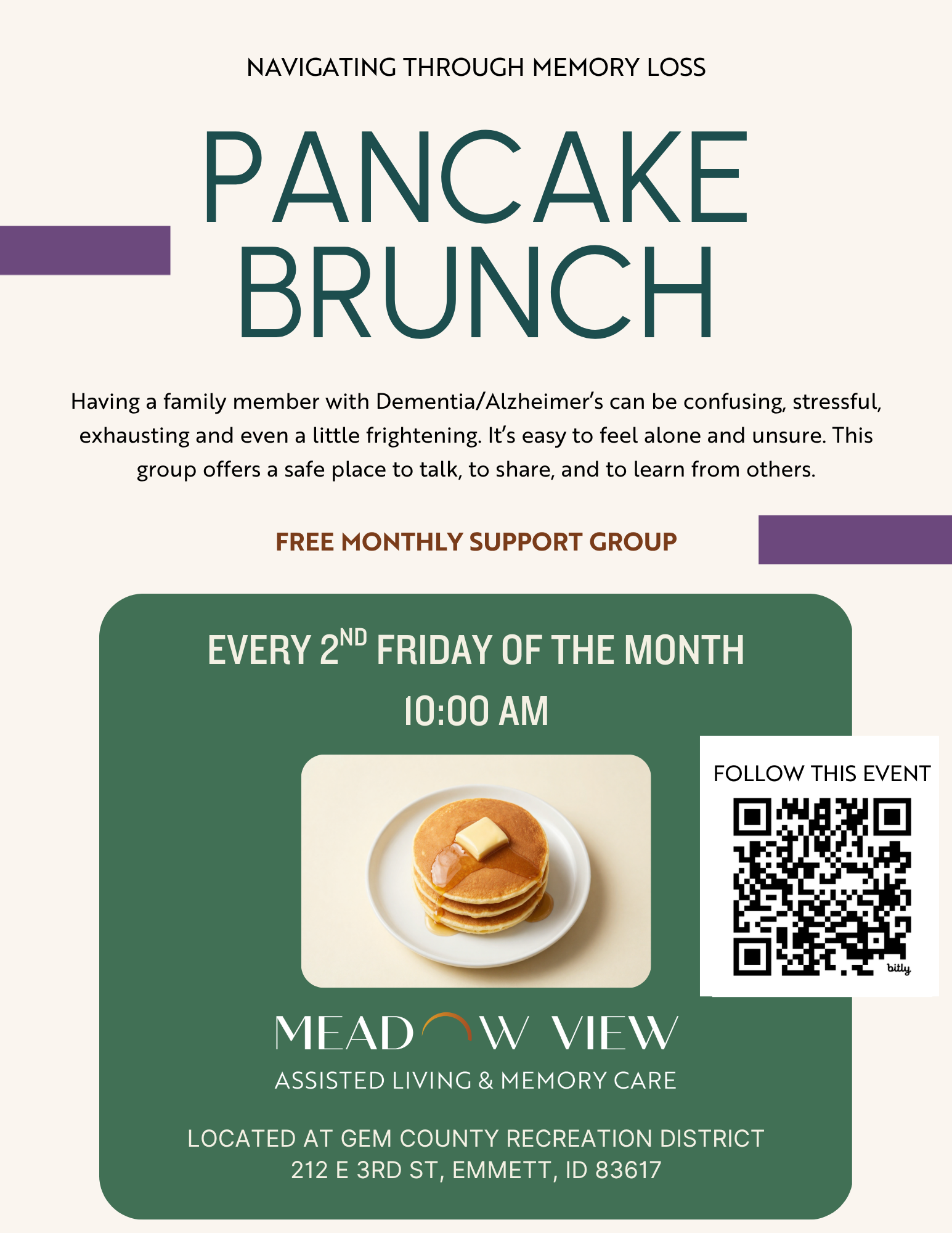
Aug 14, 2026 10:00 AM - 11:00 AM
We would love your help sharing our Navigating Through Memory Loss Monthly Support Group with any families, caregivers, or community members who may benefit from attending. Ive attached the flyer with all the details.Our goal is to create a welcoming space where family caregivers can connect with others, gain helpful insight into the caregiving journey, and find resources and support along the way.If youre interested in joining us as a guest speaker and sharing information or resources that may support caregivers, wed love to have you be part of it!Thank you!MARISA MOSSI208-365-1122 | C: 208-283-6025Director | Sales & Marketingmeadowviewal.com LinkedIn | Facebook | Instagram
Quality Home Care You Can Trust, Assisting Hands provides professional in-home health care services allowing our clients to remain safely and comfortably in their own homes. Their Mission Statement: To offer our clients personalized non-medical support services in their homes, assisting the elderly, disabled and others needing assistance to maintain quality of life. Our services support the individuals choices and preferences in order to maintain their dignity and independence. We assist clients in a spirit of concern for their welfare, gaining satisfaction and a sense or pride for the value that we add to their lives.
Assisted Living Fruitland Idaho - A Picturesque Retirement PlaceHome / Assisted Living Fruitland Idaho A Picturesque Retirement PlaceDiscover the unparalleled charm of senior living at Grace Assisted Living in Fruitland, Idaho. Our retirement community stands out with its unique blend of tranquility and scenic beauty, offering residents views of Farmland and captivating sunsets daily.LocationAt our assisted living facility in Fruitland, Idaho we prioritize care, attention, and love for our seniors. Our community is conveniently situated in the heart of Fruitland, ID off Highway 95 and just minutes away from Ontario, Oregon and other neighboring areas such as Payette, New Plymouth, Nyssa, Weiser and Cambridge. Furthermore, its only an hour away from Boise, 35 minutes away from Nampa and 30 minutes away from Middleton and Caldwell. Here at Grace Assisted Living you can experience the perfect combination of relaxation, convenience and beauty in the scenic landscape of Fruitland, Idaho.Assisted Living Fruitland Idaho Where Friendships Are MadeIn the images above you can clearly see the high standard of our facilities, from the cosy lounges with fireplaces to our stylish home cinema and specially equipped health and fitness center. What you cant see are the close bonds and friendships made between fellow residents and staff, along with the warm, inviting atmosphere.And while were not sure how you found us today, whether youve been searching online for assisted living Fruitland, or assisted living Ontario, Oregon or Assisted Living Idaho. But what we are certain of is that this is the perfect place for your loved one to enjoy a rich retirement in beautiful surroundings. This developing area also offers new little neighborhoods, small businesses, and professional and medical offices nearby.Assisted Living Floor PlansStudio1 BedroomLarge 1 Bedroom2 BedroomIndependent Living Floor PlansStudio1 BedroomLarge 1 Bedroom2 BedroomServices IncludedWeekly personal laundry service (clothing, bedding, towels)Weekly housekeeping and daily trash removal3 gourmet, dietitian-approved meals and snacks served dailyWeekly social, educational, spiritual, and recreational activitiesTransportation to local medical appointments (typically within a 10-mile radius)Scheduling of in-house services, such as doctor, therapist, dentist or lab visits24-hour stafng by Certied Nursing Assistants and Caregivers to assist and monitor the health of each resident (blood pressure, blood sugar, weight, etc).Care and Assistance OfferedMedication assistanceShower/bathing assistanceEscort assistance to and from dining room and activitiesDressing and personal appearance assistanceToileting needsIncreased toileting needs, bedbound, feeding careRegistered Nurse on staff to complete regular assessments and medication reviews; identify changes and monitor issues or concerns24-hour stafng by Certied Nursing Assistants and Caregivers to assist and monitor the health of each resident (blood pressure, blood sugar, weight, etc.)Amenities IncludedSingle level community (no stairs)Utilities, cable TV, and Wifi internet servicesStudio, deluxe studio, 1BR, Large 1BR and 2BR apartmentsTwo-way voice intercom to the nurses stationLarge closets and storage shelves in apartmentsSalon: beautician, barber, foot clinic, private spa bathBistro, library, walking paths, movie theatre, exercise roomElegant furnishings/decor, generous media/TV lounge and entertainment areasSpacious dining room with full service, private dining areaOutdoor courtyard (raised garden beds and pet-friendly spaces)Beautifully landscaped grounds with regular maintenanceThe latest in security, safety and re, with sprinkling equipmentThe Perfect Retirement Location Your Loved One DeservesOur residents, like those in most senior living communities, appreciate a quiet setting close to things they and their families like to do.Beautiful fireplaces surrounded by sofas and chairs make a family visit extremely comfortable for small or large groups. Meanwhile, the fireplace and comfortable furnishings in the library make it a favorite spot for the card-playing group and for those who just enjoy relaxing by the warm fire.Luxury indoorsOur private dining room is perfect for special occasions and family birthday parties. The piano in the dining area is often used and appreciated by the residents and by the musicians who come often to provide entertainment.All residents enjoy the movie theater with big lounge chairs and a popcorn machine.The game tables and activity rooms are popular, while our gym and salon keep everyone looking and feeling their best.Enjoying the outdoorsResidents enjoy covered parking, private patios, and plenty of sidewalks for those who like a fresh air stroll.The Grace bus provides day trips and is equipped with motorized lifts for wheelchairs so that residents of every ability level can join the fun. Our mystery rides and country drives with ice cream stops are not to be missed.The bus is also convenient for residents shopping trips and medical appointments. Meanwhile, our Lunch Bunch group loves taking the bus to their favorite restaurants.Chefs delicious foodDelicious, nutritious meals at Grace Assisted Living Fruitland are thoughtfully planned by a professional chef and prepared and served by well-trained staff (and yes, dessert is always served!)Our dedicated Activity Director also makes sure there is always something fun or interesting to do, from jigsaw puzzles, bingo, table games, cards, and crafts to ice cream socials, holiday celebrations, and musical performances.Expert careThe care of every individual at Grace Assisted Living Fruitland is a big part of the senior living experience. Our team of RNs, LPNs, CNAs and Medication Technicians are carefully trained for assisted living communities.Most recently, Dr. Aaron Moorhouse and Dr. Jason Ludwig joined the Grace team as our Medical Directors. Grace Assisted Living is excited to announce our new hospice company, Grace Care Hospice, which provides a variety of health care services through our affiliated companies including home health nursing, rehabilitation, and counseling.Sufficient support as we age is a familys number one concern. And it takes the burden off our residents shoulders when they know a little help is just a button push away someone is always there.We know the importance of good communication with families and pride ourselves on building strong relationships with relatives. Thats why our administrator and their staff are an important part of the bridge that Grace builds between the senior living Fruitland community and residents families. Family members appreciate being able to ask questions and get answers as they help their loved one settle comfortably into their new environment.
Quality Home Care You Can Trust, AssistingHands provides professional in-home health care services allowing our clientsto remain safely and comfortably in their own homes. Their Mission Statement:To offer our clients personalized non-medical support services in their homes,assisting the elderly, disabled and others needing assistance to maintainquality of life. Our services support the individuals choices and preferencesin order to maintain their dignity and independence. We assist clients in a spiritof concern for their welfare, gaining satisfaction and a sense or pride for thevalue that we add to their lives.
Welcome to Our HospitalWe know that choosing where to receive care after a life-changing illness or injury is an important decision for you and your loved ones. At Saint Alphonsus Regional Rehabilitation Hospital, an affiliate of Encompass Health, we are committed to helping you get back to what matters most. Located in Boise, we are a leading provider of inpatient rehabilitation for stroke, brain injury, hip fracture and other complex neurological and orthopedic conditions.When you choose Saint Alphonsus Regional Rehabilitation Hospital, an affiliate of Encompass Health for your rehabilitation, you receive compassionate care from an expert team of physical, occupational and speech therapists; physicians; nurses; dietitians; pharmacists; and case managers who work together to create a plan to help you meet your unique goals.At our hospital you will receive:Three hours of therapy, five days per week24/7 nursing care, including nurses who specialize in rehabilitationFrequent visits from a physician**We provide access to independent physicians.LEARN WHAT TO EXPECT DURING INPATIENT REHABILITATIONBetter Rehabilitation Starts HereEach patients recovery is different. At Saint Alphonsus Regional Rehabilitation Hospital, an affiliate of Encompass Health, our expert clinicians combine the latest technologies, real-world simulations and advanced therapies into a treatment plan that helps you achieve whats important to you. Our specialties include but are not limited to: NEUROLOGICAL REHABILITATION ORTHOPEDIC REHABILITATION STROKE REHABILITATION SPINAL CORD INJURY REHABILITATION Superior Amenities at Our Hospitals40 Private roomsCourtyardFree WiFiTelevisionsTelephonesPets, approval requiredNonsmokingStudent observation hours
For many older adults, the hardest part of moving to independent living is not choosing a new community.It is deciding what to do with everything that has accumulated over a lifetime.A longtime home may hold decades of family photographs, holiday decorations, furniture, books, tools, dishes, artwork, keepsakes, and everyday objects that carry memories. Even when someone is excited about moving to a more convenient, maintenance-free lifestyle, sorting through those belongings can feel overwhelming.That is why downsizing works best when it is treated as a transitionnot simply a cleaning project.For older adults considering independent living in Meridian and Ada County, Idaho, The Pointe at Meridian offers private independent living residences along with senior townhomes, dining, transportation, housekeeping, activities, fitness and creative spaces, outdoor areas, and other community amenities. Its current Seniors Blue Book profile lists one- and two-bedroom independent living residences, while the community also offers 14 two-bedroom townhomes across from the main building.Planning the move thoughtfully can help a new residence feel less like leaving something behind and more like creating a simpler version of home. Independent Living Is Becoming a Relevant Choice in Growing MeridianMeridian continues to grow rapidly.The U.S. Census Bureau estimated the city's population at 142,988 residents in 2025, an increase of approximately 21.4% from its 2020 population estimates base. About 14.8% of Meridian residents are age 65 or older.That represents thousands of older adults making decisions about retirement, housing, travel, home maintenance, and future planning.Not everyone considering independent living needs help with personal care.Many are active adults who simply no longer want the responsibilities that come with owning or maintaining a larger home.The decision may begin with thoughts such as:The house feels too large for one or two people.Yardwork takes more energy than it used to.Home repairs are becoming frustrating.Several rooms are rarely used.Travel would be easier without worrying about the house.More social opportunities would be welcome.A smaller, easier-to-manage residence sounds appealing.Independent living can provide a way to simplify without giving up autonomy. Start With the Life You Want, Not the Things You OwnDownsizing becomes harder when families begin with the question:What should we get rid of?A more useful starting point may be:What do I want everyday life in my new home to look like?Imagine an ordinary morning.Where will you drink coffee?Do you want a comfortable reading chair?Do you enjoy having family over?Do you need a second bedroom for hobbies, guests, or an office?Will you still drive?Do you want room for a pet?Thinking about the lifestyle first helps determine which possessions deserve space in the next home.Downsizing Tip: Choose belongings based on the life you are moving towardnot simply the size of the home you are leaving. Understand the New Floor Plan Before Sorting EverythingDo not begin giving away furniture until you understand the size and layout of the residence you are considering.The Pointe at Meridian's Seniors Blue Book profile lists one-bedroom and two-bedroom independent living residences. Its separate senior townhome neighborhood includes 14 two-bedroom homes with attached garages.The townhomes currently include two primary layouts:A two-bedroom, one-bathroom option of approximately 1,015 square feetA two-bedroom, two-bathroom option of approximately 1,325 square feetKnowing the dimensions helps families make practical decisions.Measure:Bedroom wallsLiving-room spaceDoorwaysClosetsDining areasFurniture placementStorage areasThen measure the furniture that might come along.A beloved dresser may fit perfectly.A twelve-person dining table probably will not.Making those decisions using actual measurements reduces guesswork. Choose the Furniture That Supports Everyday LifeDownsizing does not require replacing everything.Familiar furniture can make a new residence feel comfortable quickly.Prioritize pieces that are:ComfortableUsed regularlyEasy to navigate aroundMeaningfulAppropriate for the available spaceThat may include:A favorite reclinerBed and nightstandsSmall dining tableDeskBookshelfSide tablesLampsFamily photographsLarge furniture that rarely gets used may not deserve valuable space simply because it has always been there.The goal is not recreating the old house room for room.It is creating a comfortable new home. Do Not Start With the Most Sentimental ItemsPhotographs, letters, children's artwork, heirlooms, and family keepsakes are often the hardest belongings to sort.Starting there can make downsizing emotionally exhausting before much progress has been made.Begin with easier spaces instead.Consider starting with:PantryLinen closetExtra bathroomGarage shelvesLaundry roomStorage areasThese spaces usually contain more practical items and fewer emotional decisions.Early progress can build confidence before the family moves on to sentimental belongings. Use Simple Sorting CategoriesTrying to decide immediately whether every object should be kept or discarded can make the process stressful.Instead, create four categories:Take to the new homeGive to family or friendsDonate or sellDecide laterThe final category is important.Some decisions need time.A person may initially feel unable to part with an object and then feel differently several weeks later.There is no need to turn downsizing into a contest to see how quickly everything can disappear. Take Photographs of Items You Cannot KeepAn object can carry an important memory even when the object itself is no longer practical.Perhaps there is a large dining table where every Thanksgiving dinner took place.A woodworking bench belonged to a spouse.A china cabinet came from a parent.These items may not fit into an independent living apartment.Before letting them go, photograph them.Families can create a digital or printed memory album containing photographs of:The longtime homeFavorite roomsFurnitureGardensFamily heirloomsHoliday decorationsCollectionsThis allows memories to remain accessible without requiring every physical object to move too. Let Family Members Choose Meaningful ItemsDownsizing can also become an opportunity to share family possessions intentionally.Adult children and grandchildren may be interested in:ArtworkFurnitureBooksJewelryKitchenwareFamily photographsHoliday decorationsInstead of guessing what someone might want, ask.An item that seems insignificant to one person may hold a strong memory for another.This can make the process feel more like passing along family history than simply getting rid of belongings. Avoid Filling the New Residence Before Move-InOne common mistake is bringing too much and planning to sort it later.That often creates a crowded new home immediately.A smaller residence feels more comfortable when there is room to move.Leave open space around furniture.Keep pathways clear.Avoid filling every wall and shelf simply because something was available.The new home should feel functional first.Additional belongings can always be added later. Consider What the Community Already ProvidesOne advantage of independent living is that residents may no longer need certain household items because services and amenities are already nearby.The Pointe at Meridian's published independent living features include housekeeping, meals and meal options, transportation, activities, social programs, a fitness center, and anytime dining.Its townhome residents also have access to amenities including:Private dining and bistroLibraryTheaterFitness centerCreative arts studioCourtyardWalking pathsCommunity gardenTransportationHousekeeping and maintenanceLinen servicesMost utilitiesThese services may change what someone needs to bring.For example, a person moving from a large house may no longer need extensive exercise equipment if they plan to use the community fitness center.Someone who expects to use community dining frequently may need fewer kitchen items.Touring the community before downsizing can help families identify what will actually be useful. Townhomes May Appeal to Someone Who Wants More SpaceNot every person considering independent living wants apartment-style living.The Pointe at Meridian's townhomes are located across from the main community while remaining close to its services and amenities. Each includes two bedrooms and an attached garage.That arrangement may appeal to someone who wants:Additional living spaceA guest roomHobby room or officeGarageMore residential separationAccess to community dining and amenitiesA townhome may also allow someone to bring more familiar furniture than a smaller apartment.The right choice depends on how the person expects to use the space. Consider Your Pet During the MovePets can be an important part of home.The Pointe at Meridian's Seniors Blue Book listing states that pets are considered, while its townhome information describes the community as pet-friendly.Families planning a move with a pet should ask about current:Pet policiesFeesSize or breed requirementsWalking areasVaccination requirementsA familiar pet can make the transition significantly easier for some older adults. Bring Items That Immediately Make the Space Feel FamiliarMoving day is not the time for every decorative decision to be perfect.Start with familiar items.Set up:BedFavorite chairFamily photographsFamiliar beddingLampsArtworkBooksFavorite coffee mugSmall keepsakesThese details can make the new residence feel personal very quickly.A home does not feel familiar because everything is expensive or new.It feels familiar because the person recognizes themselves in it. Moving Earlier Can Give Older Adults More ControlIndependent living does not have to be a decision made after a crisis.Choosing to move while someone is active and healthy can provide several advantages.The older adult can:Tour communities personallyChoose the residenceDecide which furniture to bringParticipate fully in downsizingMeet neighborsExplore activitiesEstablish routines graduallyThis is different from making a housing decision immediately after hospitalization or another emergency.For many older adults, planning proactively can make the transition feel like a lifestyle decision rather than something imposed by circumstances. Make the First Weeks About Exploring, Not Doing EverythingMoving into a new community does not mean someone needs to participate in every activity immediately.Take time to settle in.Walk around the community.Find the dining areas.Visit the library.Explore outdoor walking paths.Learn where the fitness center and theater are located.The Pointe at Meridian currently lists amenities such as a library, theater, fitness center, creative arts studio, courtyard, walking paths, and community garden.The first weeks can be about learning what is available.A resident can gradually decide which activities and spaces actually fit their interests. Keep Family Traditions GoingMoving to independent living should not mean familiar relationships disappear.Continue:Family dinnersBirthday celebrationsHoliday traditionsRegular phone callsGrandchildren's visitsFavorite outingsThe address changes.The family relationship does not.In fact, some families may find that visits become easier when they are no longer focused on helping with home repairs, landscaping, or other chores. Ask Practical Questions Before Signing an AgreementBefore moving, families should understand exactly what the community provides.Ask about:Current residence availabilityMonthly ratesDepositsLease termsHousekeepingUtilitiesDiningTransportationParkingPetsGuest policiesMaintenanceRate increasesMove-out requirementsSeniors Blue Book recommends comparing communities based not only on apartments and amenities but also on what services are included, how pricing works, and what may happen if needs change later.Current rates and availability should always be confirmed directly with the community because they can change. Consider Future Needs Without Planning Your Entire FutureOne advantage of The Pointe at Meridian is that the broader community includes more than independent living.Published information currently lists independent living, assisted living, memory care, and short-term respite options.That does not mean an independent living resident will eventually need those services.But it can be useful to ask:What happens if a resident's needs change?Are transitions between living levels possible?Is availability guaranteed?What happens if one spouse needs more care than the other?Can outside services be used if occasional support becomes necessary?Planning ahead does not mean expecting something to go wrong.It simply helps families understand their options. Frequently Asked Questions About Downsizing for Independent Living in MeridianHow much space does The Pointe at Meridian offer for independent living?The Seniors Blue Book profile currently lists one- and two-bedroom independent living residences. The community also offers two-bedroom townhomes across from its main building.What size are the townhomes?The Pointe currently lists a two-bedroom, one-bathroom townhome of approximately 1,015 square feet and a two-bedroom, two-bathroom townhome of approximately 1,325 square feet.Is housekeeping available?Yes. Housekeeping is listed among the independent living property services, while townhome services include housekeeping, maintenance, and linen services.Can residents bring pets?The current Seniors Blue Book listing says pets are considered, and The Pointe describes its townhomes as pet-friendly. Families should confirm current pet policies directly before moving.Where is The Pointe at Meridian located?The Pointe at Meridian is located at 3123 South Titanium Avenue, Meridian, Idaho 83642. Make Downsizing About Creating the Next HomeDownsizing can be emotional because possessions represent years of life.But moving to independent living does not require leaving every meaningful part of home behind.Favorite furniture can move.Photographs can move.Books can move.A beloved pet may be able to move.Family traditions can continue.What changes most is the amount of responsibility attached to maintaining the home.For older adults in Meridian and Ada County, The Pointe at Meridian offers independent living residences and senior townhomes alongside dining, transportation, housekeeping, maintenance, social programming, fitness and creative spaces, walking areas, and other amenities designed to support a more convenient lifestyle.The goal of downsizing is not to fit an entire lifetime into a smaller space.It is to choose the parts of that lifetime that make the next home comfortable, familiar, and personal.To learn more about residence options and independent living in Meridian, connect with The Pointe at Meridian through its SeniorsBlueBook.com business profile.A smaller home can still hold the things that matter mostand it may create more time for the people, experiences, and activities someone wants to enjoy in retirement.
Read MoreMemory loss can change far more than a person's ability to remember names, appointments, or recent conversations. It can also change how comfortable a family feels going out. A spouse may worry that a loved one will become confused in a restaurant. An adult child may hesitate to bring a parent to community events because they are not sure how others will respond. The person experiencing memory loss may become less confident participating in activities they once enjoyed. Over time, both the person living with memory changes and the family caregiver may become more isolated. For families in Boise, Ada County, and the greater Treasure Valley, Jannus Aging Strong's Memory Caf provides a different kind of support. It is not a medical clinic. It is not dementia treatment. It is a welcoming social program where people experiencing memory loss and their family caregivers can spend time together, participate in activities, meet others in similar situations, and feel less alone. Aging Strong currently describes Memory Caf as a safe and engaging environment offering socialization, planned activities, guest speakers, shared stories, mutual support, laughter, and assistance from trained and vetted Aging Strong volunteers. What Is a Memory Caf? A Memory Caf is a community gathering designed for people experiencing memory loss and the family members or caregivers who support them. Unlike traditional caregiver respite programs, the caregiver and loved one generally attend together. That distinction matters. Families do not have to find separate care before attending. Instead, both people can participate in an environment where memory changes are understood. At Aging Strong's Memory Caf, participants may: Socialize with other families Join planned activities Listen to guest speakers Share experiences Enjoy conversation and laughter Connect with trained volunteers Aging Strong emphasizes that the program is designed to help participants recognize that they are not navigating memory loss alone. Family Tip: A Memory Caf can be especially useful for families who want social connection but have started avoiding ordinary community activities because memory changes make those environments feel stressful. Memory Caf Is Social Support, Not Medical Treatment It is important to understand what a Memory Caf does and does not provide. A Memory Caf does not diagnose Alzheimer's disease. It does not prescribe medication. It does not replace a neurologist, primary care physician, memory specialist, therapist, or professional dementia-care service. Seniors Blue Book describes Memory Caf programming as supportive social engagement rather than clinical dementia treatment and encourages families to continue using medical and other professional services separately when needed. The purpose of Memory Caf is connection. That may sound simple, but for families affected by memory loss, having a place where no one needs to explain every behavior can be deeply valuable. Why Families May Withdraw After Memory Changes Begin Memory loss can make social situations less predictable. Someone may: Repeat a story several times Forget someone's name Become confused about where they are Need a caregiver's help during conversation Lose track of an activity Become tired more quickly Families may worry that these situations will feel embarrassing. The caregiver may also become so focused on managing the outing that it stops feeling enjoyable. As a result, families sometimes begin staying home more often. That can reduce opportunities for both the person living with memory loss and the caregiver to interact with other people. A Memory Caf is designed around the expectation that memory challenges may be present. Participants do not need to pretend everything is unchanged. Shared Experiences Can Reduce Isolation One of the most difficult parts of caregiving is feeling as though no one else understands the experience. Aging Strong says its Memory Caf provides mutual support, shared stories, laughter, and reassurance that participants are not alone. That support does not necessarily require a formal group discussion. Sometimes simply being in a room with other families who understand memory loss can reduce pressure. A caregiver may hear another person describe a familiar situation and realize: We are not the only family dealing with this. That realization can be comforting. Activities Give Families Something Positive to Do Together Memory Caf is not designed solely around discussing problems. Planned activities are an important part of the program. Aging Strong describes its gatherings as opportunities for engagement and socialization in addition to support and education. That may be especially important because many family relationships gradually become dominated by caregiving tasks. Instead of every interaction being about: Medications Appointments Safety Meals Reminders Memory Caf can create opportunities to simply participate in something together. The activity may be less important than the shared experience. Volunteers Help Create a Welcoming Environment Aging Strong uses trained and vetted volunteers at Memory Caf gatherings to help participants have a positive experience. Volunteers may help: Welcome families Support activities Encourage participation Help create a comfortable atmosphere Aging Strong also includes Memory Caf volunteering among current opportunities available through its Retired and Senior Volunteer Program, or RSVP. Adults age 55 and older can apply for flexible volunteer roles supporting programs like Memory Caf. That gives the program a community-based feel rather than a purely professional or clinical one. Boise Currently Has Two Memory Caf Locations Aging Strong currently lists two Boise Memory Caf gatherings in its 2026 schedule. Ada Community Library Victory Branch 10664 W. Victory Road Boise, Idaho 83709 The current Memory Caf schedule lists this Boise gathering on the third Wednesday of each month from 1:00 to 2:30 p.m. The Ada Community Library independently confirms the Victory Branch address at 10664 W. Victory Road. Bown Crossing Public Library Aging Strong currently lists another Boise Memory Caf at Bown Crossing Public Library on the third Thursday of each month from 1:00 to 2:30 p.m. Because community schedules and location details can change, families should contact Aging Strong before attending. Memory Caf Is Available Beyond Boise Aging Strong's current schedule also includes Memory Caf opportunities in: Meridian Kuna Nampa Mountain Home Weiser Online The online Memory Caf is offered in collaboration with the Saint Alphonsus Memory Center, according to Aging Strong's current schedule. This wider network may be helpful for families who live outside central Boise or prefer a location closer to home. Aging Strong currently describes its overall Memory Caf network as offering eight locations or access options throughout the Treasure Valley region. Online Participation Can Help Families Who Have Difficulty Traveling Leaving home can become difficult for some families affected by dementia. The person with memory loss may have: Mobility limitations Fatigue Anxiety in unfamiliar places The caregiver may also have difficulty managing transportation. Aging Strong currently offers an online Memory Caf and asks participants to contact Karen Kouba-McIver for the meeting link. Online participation may provide another option when attending an in-person gathering is difficult. Families should contact Aging Strong for current online dates, technology requirements, and participation instructions. Memory Caf Can Support the Caregiver Too Although Memory Caf is designed for both the person experiencing memory loss and their caregiver, caregivers may gain their own form of support. They may meet others who understand: Repeated questions Changing routines Social withdrawal Caregiving fatigue The uncertainty of what comes next The gathering may also provide information through guest speakers and informal conversations. It is not a replacement for a caregiver education program like Powerful Tools for Caregivers, but the two services can complement each other. Aging Strong offers both programs as part of its larger caregiver-support network. Memory Caf and Powerful Tools Serve Different Purposes Families may wonder whether they should attend Memory Caf or Powerful Tools for Caregivers. The programs serve different needs. Memory Caf Memory Caf is a shared social program for someone experiencing memory loss and their caregiver. Powerful Tools for Caregivers Powerful Tools is a structured educational workshop for caregivers that focuses on stress management, communication, goal setting, decision-making, and community resources. A family may benefit from both. One program focuses more on shared social engagement. The other focuses more on caregiver skills and education. Aging Strong Also Offers a Transition Caf Aging Strong currently lists a separate Transitions Caf in Meridian. This program is designed for people who have lost a loved one and are beginning to reconnect socially, share experiences, and explore new meaning and purpose. It currently meets on the second Thursday of each month from 1:00 to 2:30 p.m. at Norco in Meridian. This is distinct from Memory Caf. Families should ask Aging Strong which program best fits their situation. Local Support Matters in Boise Boise continues to have a substantial older-adult population. The U.S. Census Bureau estimates Boise's population at 238,429 in 2025, with approximately 16.2% of residents age 65 or older. That represents tens of thousands of older residents, along with spouses, adult children, friends, and other people involved in their support. Memory loss affects families differently. Some are just beginning evaluation. Others are already providing significant daily care. Community programs like Memory Caf can become one part of a larger network that may also include medical care, home care, caregiver education, respite, and long-term planning. How to Prepare for a First Memory Caf Visit Families do not need to arrive with a formal agenda. A few simple steps can make the first visit easier. Contact Aging Strong First Confirm the current date, time, and location. Tell Your Loved One What to Expect Simply There is no need to create a complicated explanation. You might say: We're going to meet some people and spend some time together. Bring What Helps the Person Feel Comfortable That may include: Glasses Hearing aids Mobility equipment Water Any usual personal items Do Not Expect Perfect Participation Someone may prefer to observe at first. That is okay. The goal is comfort and connection rather than performance. What Families Should Ask Before Attending Consider asking Aging Strong: Is registration required? Can a new family attend anytime? Are caregivers expected to remain for the entire gathering? Are activities appropriate for different levels of memory loss? Is the location accessible for walkers and wheelchairs? Is there any cost? What should we bring? Are online options available? Program policies and schedules may change, so confirming current details is worthwhile. Aging Strong Memory Caf Contact Information For current Memory Caf locations, schedules, and participation information: Karen Kouba-McIver Caregiver Team Lead, Memory Caf and Powerful Tools for Caregivers Phone: 208-947-4283 Aging Strong's staff page currently identifies Karen Kouba-McIver as the team lead for both Memory Caf and Powerful Tools for Caregivers. Jannus C/O Aging Strong 3501 W. Elder Street, Suite 104 Boise, Idaho 83705-4986 General Program Phone: 208-947-4282 Frequently Asked Questions About Memory Caf Is Memory Caf only for people with Alzheimer's disease? Aging Strong describes the program more broadly for people experiencing memory loss and their caregivers. Families can contact the program directly to determine whether it fits their situation. Does the caregiver attend too? Yes. Aging Strong specifically describes Memory Caf as a program for family caregivers and their loved ones experiencing memory loss. Does Memory Caf provide dementia treatment? No. Memory Caf is a social and support program, not medical treatment or diagnostic care. Are there Boise locations? Yes. Aging Strong's 2026 schedule currently includes Boise gatherings at the Ada Community Library Victory Branch and Bown Crossing Public Library. Is there an online option? Yes. Aging Strong currently lists an online Memory Caf in collaboration with the Saint Alphonsus Memory Center. Participants should contact Karen Kouba-McIver for access information. Memory Loss Does Not Have to Mean Losing Community Families affected by memory loss often spend significant time thinking about what has changed. What someone no longer remembers. Which routines are becoming harder. What care may be needed next. Those concerns are important. But people living with memory loss still benefit from laughter, conversation, activities, familiar companionship, and opportunities to be part of a community. Their caregivers need connection too. Through Jannus Aging Strong's Memory Caf, Boise-area families can spend time in an environment intentionally designed for people experiencing memory loss and the people who care for them. The program combines socialization, planned activities, guest speakers, trained volunteers, mutual support, and shared experiences across several Treasure Valley locations. Families can also find Jannus Aging Strong under Support Groups & Services on SeniorsBlueBook.com, where its Memory Caf and related programs are included among local resources for older adults and caregivers. A Memory Caf cannot remove the challenges of dementia. But it can offer something families sometimes lose along the way: A place to go. People who understand. Something enjoyable to do together. And a reminder that memory loss does not have to mean facing the future alone.
Read MoreFor many older adults, staying at home is not simply about remaining in a familiar house.It means continuing to use the front door independently. Reaching an upstairs bedroom. Getting into the bathroom safely. Moving from the driveway to the porch without worrying about steps.As mobility changes, however, features that once seemed ordinary can become real obstacles.A staircase may become exhausting after surgery. Two steps at the front entrance may be difficult for someone using a walker. A wheelchair user may suddenly realize that the home's main entrance is no longer practical. Family caregivers may also struggle with transfers or moving mobility equipment between levels.For seniors and caregivers in Meridian and Ada County, Idaho, mobility equipment and home-accessibility modifications can help address these barriers without automatically requiring a move.101 Mobility of Boise, also listed locally as 101 Mobility-Idaho, operates from 905 S. Industry Way, Suite 107 in Meridian. The company provides accessibility products including stairlifts, wheelchair ramps, vertical platform lifts, home elevators, patient lifts, bathroom-safety solutions, and other mobility equipment for homes throughout the Treasure Valley. Mobility Equipment Is About Access, Not Just DevicesThe term mobility equipment can mean many different things.Some equipment helps a person move through the house.Other products help someone enter or leave the home.Still others make transfers easier for caregivers.At 101 Mobility of Boise, current home-accessibility categories include:StairliftsWheelchair rampsVertical platform liftsHome elevators and home liftsPatient liftsBathroom safety solutionsOutdoor accessibility equipmentVehicle and mobility-aid solutions The right solution depends on the person's abilities, the layout of the home, the mobility device being used, and whether the need is temporary or long term.Home Safety Tip: Start with the obstacle, not the product. Instead of asking, Do we need a stairlift? ask, Which part of the home has become difficult or unsafe to use? That makes it easier to identify an appropriate solution. Start by Identifying the Most Difficult Areas of the HomeFamilies sometimes assume they need to modify the entire house.Often, the most useful starting point is identifying the specific places causing problems.Walk through a normal day.Ask:Can the person enter and exit the home safely?Are stairs difficult?Is the bathroom accessible?Can a wheelchair or walker move through major pathways?Is getting from a bed to a chair difficult?Is one floor of the home becoming inaccessible?101 Mobility offers complimentary in-home consultations and states that its team evaluates the actual staircase, entrance, or living environment rather than assuming a standard configuration.That matters because two Meridian homes may require completely different solutions even when the residents have similar mobility needs. Wheelchair Ramps Can Improve Everyday Entry and ExitA few porch steps may not seem significant until walking becomes difficult.For someone using a wheelchair, scooter, or walker, those same steps can become the biggest barrier between the person and the outside world.101 Mobility of Boise currently offers several ramp options, including:Aluminum modular rampsPortable or multi-fold rampsRubber threshold rampsModular entry solutions The appropriate ramp depends on factors such as:The height of the entranceAvailable spaceMobility deviceWhether the need is temporaryWhether the installation is residential or commercial101 Mobility notes that ramp length is affected by the rise of the entrance and available space, which is why an on-site assessment is important.A ramp that is too short may create an incline that is difficult or unsafe to navigate. Stairlifts Can Make a Multilevel Home Easier to UseStairs are another common reason families begin researching mobility equipment.An older adult may still feel comfortable living at home but become increasingly concerned about:Knee painWeaknessBalance problemsShortness of breathFalling on the stairs101 Mobility of Boise provides straight, curved, and outdoor stairlifts, along with stairlift rental options. Rails are fitted to the individual staircase rather than attached to the walls.A stairlift may be worth exploring when a senior can safely transfer into and out of the chair but climbing the stairs themselves has become difficult.Families should ask:Is the staircase straight or curved?How wide is it?Where will the lift park?Is the person able to transfer safely?Will another family member still be able to use the stairs?An in-home assessment can help determine whether a stairlift is practical for the property. Not Every Staircase Requires the Same EquipmentStraight stairlifts are designed for staircases without turns.Curved staircases require customized rails.Outdoor stairlifts are designed for exterior environments and may be used where steps lead to a porch, deck, or other outdoor area.101 Mobility's Boise location carries multiple stairlift configurations and states that curved options are custom-built for the individual staircase.Families should avoid purchasing mobility equipment based only on online measurements or photographs when custom fitting and installation are required.The equipment needs to work with both the home and the user. Vertical Platform Lifts May Be an Alternative to a Long RampSometimes a ramp would require too much space.This can occur when a porch or entry is significantly higher than ground level.A vertical platform lift, commonly called a VPL, can raise a wheelchair user vertically between levels without requiring the long footprint of a traditional ramp.101 Mobility of Boise offers vertical platform lifts as part of its home-accessibility product line. The company describes VPLs as a space-efficient option for moving between elevations where a full ramp may not be practical.Whether a VPL is appropriate depends on:HeightAvailable spaceProperty layoutUser needsLocal installation requirementsThese are installed products and should be professionally evaluated. Home Elevators and Home Lifts Can Address Multiple FloorsSome families want a more comprehensive long-term accessibility solution.101 Mobility offers residential elevators and home lifts designed to provide access between floors. Current offerings include traditional residential elevator systems as well as compact home lifts.A home elevator may be considered when:Several levels need to remain accessibleA household includes a wheelchair userStair use is no longer practicalThe family intends to remain in the home long termThese projects are more involved than installing a simple threshold ramp or straight stairlift, so cost, construction requirements, space, and timeline should all be discussed during an evaluation. Patient Lifts Can Help With TransfersMobility challenges do not only involve moving through the house.Transfers can also become difficult.A caregiver may need to help someone move:From bed to wheelchairFrom wheelchair to another seatBetween other daily positions101 Mobility offers patient-handling solutions, including portable patient lifts, intended to make transfers safer and less physically demanding for caregivers and the person receiving assistance.Families considering a patient lift should involve appropriate healthcare professionals when possible.A physical therapist, occupational therapist, nurse, or other clinician may help determine the person's functional needs and whether a particular transfer method is appropriate.The equipment alone does not replace proper training. Bathroom Safety Should Be Part of the ConversationBathrooms combine several common challenges:Wet floorsStepping over thresholdsStanding from a toiletLimited spaceTransfers101 Mobility lists bathroom safety among its comprehensive home-accessibility solutions, ranging from smaller modifications to more extensive accessibility work.Families should consider asking an occupational therapist or another qualified professional whether the senior would benefit from modifications or adaptive equipment.The goal should be a bathroom that fits the person's actual mobility rather than simply adding equipment because it is commonly marketed to seniors. Short-Term Recovery and Long-Term Needs May Require Different SolutionsNot every mobility limitation is permanent.Someone recovering from:Hip surgeryA fractureHospitalizationIllnessRehabilitationmay need accessibility equipment temporarily.101 Mobility of Boise offers rental options for some equipment, including certain stairlifts and ramps, and its local guidance notes that families facing short-term recovery may consider rental while long-term aging-in-place needs may make purchasing more practical.Before buying, ask:How long is the equipment expected to be needed?Can the person's mobility improve?Is renting available?Can the equipment be removed later?Would a permanent modification provide better long-term value?These questions can help families avoid overbuilding for a temporary need. Professional Installation and Ongoing Service MatterMobility equipment is not simply furniture.Many products involve:Weight-bearing structuresMotorsRailsBatteriesElectrical systemsSafety mechanisms101 Mobility of Boise states that it provides consultation, installation, maintenance evaluations, and ongoing support. Its local website also advertises a one-year local service warranty with installations in addition to applicable manufacturer coverage.Families should ask before purchasing:Who installs the equipment?Who services it later?What warranty applies?What maintenance is required?Who should be called if the equipment stops working?Long-term service can be just as important as the original product. A Local Showroom Can Help Families Compare OptionsSome mobility products can be difficult to understand from photographs.101 Mobility of Boise operates its regional showroom at:905 S. Industry Way, Suite 107Meridian, Idaho 83642Official local phone: 208-271-9559The showroom is listed by 101 Mobility as open Monday through Friday from 9:00 a.m. to 5:00 p.m. Current hours should be confirmed before visiting.The company also offers free in-home consultations, which may be more practical when the main question involves a specific staircase, doorway, or entrance. 101 Mobility Serves Meridian and the Treasure ValleyAlthough the local franchise is branded 101 Mobility of Boise, its showroom is physically located in Meridian.Its local service information lists coverage throughout communities including:MeridianBoiseNampaCaldwellEagleKuna The Seniors Blue Book profile for 101 Mobility-Idaho lists an even broader set of counties served, including Ada, Canyon, Elmore, Gem, Owyhee, Payette, Twin Falls, Valley, and Washington counties.Families outside Meridian should verify current service coverage for their exact address directly with the provider. Why Mobility Equipment Matters in MeridianMeridian continues to grow rapidly.The U.S. Census Bureau estimated the city's population at 142,988 in 2025, an increase of approximately 21.4% from its 2020 estimates base. About 14.8% of Meridian residents are age 65 or older.As the local population grows and more residents age in place, home accessibility becomes increasingly important.Many homes were designed around the assumption that occupants could:Climb stairsStep over thresholdsUse standard bathroomsWalk easily from the driveway to the entranceMobility equipment can help adapt the home when those assumptions no longer match the resident's abilities. How to Get Started With a Mobility AssessmentFamilies do not need to know which product they need before making the first call.A useful process is:Identify the mobility problem.Talk with the senior about their goals.Ask a healthcare professional for input when appropriate.Schedule an accessibility assessment.Compare possible solutions.Review purchase, rental, installation, and service costs.Confirm warranties and maintenance requirements.101 Mobility of Boise offers complimentary home consultations and evaluates the specific environment before recommending an installation. Frequently Asked Questions About Mobility EquipmentDoes 101 Mobility of Boise serve Meridian?Yes. The company's regional showroom is actually located in Meridian at 905 S. Industry Way, Suite 107, and its published service area includes Meridian and surrounding Treasure Valley communities.Does 101 Mobility offer wheelchair ramps?Yes. Current options include modular aluminum ramps, portable and multi-fold ramps, rubber threshold ramps, and other entry solutions.Can stairlifts be installed on curved stairs?Yes. 101 Mobility offers both straight and custom curved stairlift configurations, along with outdoor stairlifts.Can mobility equipment be rented?Some products have rental options. Availability depends on the equipment and local inventory, so families should confirm directly with the Meridian showroom.Should a therapist be involved in choosing mobility equipment?For people with significant mobility limitations, involving a physical therapist, occupational therapist, or medical provider can be helpful. The clinician can identify functional needs while the mobility-equipment provider evaluates the home and installation requirements. The Right Equipment Can Change How a Home WorksA staircase is only a staircase until climbing it becomes difficult.A front porch is only a porch until the steps prevent someone from leaving home independently.The right mobility equipment can change those barriers.At 101 Mobility-Idaho, families can explore stairlifts, wheelchair ramps, platform lifts, home elevators, patient-handling solutions, bathroom-safety products, and other accessibility equipment designed around individual homes and mobility needs.Families researching mobility equipment in Meridian and Ada County can also connect with 101 Mobility-Idaho through its SeniorsBlueBook.com profile, which lists the Meridian showroom, service counties, website, and provider information.Mobility equipment should not simply add another device to the house.It should solve a real problem.The most useful question is:What is preventing this person from moving through their home safely and independently?Once that barrier is clear, families can begin exploring the accessibility solution that best fits the person, the property, and the way they want to continue living.
Read MoreOne of the hardest questions adult children ask is also one of the most common:"How do I know when Mom or Dad should move to assisted living?"There is rarely one dramatic moment that provides the answer.More often, families begin noticing small changes.The refrigerator contains expired food. Medications are missed. Laundry piles up. A parent stops driving at night. There is another fall. A spouse who has been providing care becomes exhausted.Each individual problem may seem manageable.Together, they may indicate that living completely independently is becoming difficult.For families exploring assisted living in Boise, Idaho, recognizing these changes early can create time to compare options thoughtfully rather than making a rushed decision during a crisis.Boise Care Connections helps Treasure Valley families evaluate assisted living and memory care options through a free, nurse-led housing placement service. The process considers health, lifestyle, budget, location, and level of care before families begin touring communities. Assisted Living Does Not Mean Giving Up IndependenceMany seniors resist assisted living because they imagine losing control of their lives.That fear is understandable.But assisted living is generally intended for adults who can still participate actively in daily life while receiving support with certain tasks.The Idaho Department of Health and Welfare describes assisted living as a senior living option for people who have relatively limited needs for assistance with everyday living and care, with the purpose of helping adults remain as independent as possible in a safe environment.Support can vary depending on the community and resident.It may include:MealsHousekeepingMedication assistanceBathingDressingMobility supportScheduled transportationSocial activitiesEmergency responseHelp with other activities of daily livingFor the right person, receiving help with these tasks may actually preserve independence.A senior no longer struggling with grocery shopping, home repairs, medication organization, or preparing every meal may have more energy for friends, hobbies, exercise, and family. Sign 1: Falls Are Becoming More FrequentOne fall does not necessarily mean a person needs assisted living.Repeated falls deserve more attention.Ask what is contributing to them.Is the senior:Becoming weaker?Dizzy because of medication?Using stairs unsafely?Struggling to get in and out of the shower?Forgetting to use a walker?Falling during nighttime bathroom trips?Families should discuss new or increasing falls with the person's health care provider.From a housing standpoint, repeated falls may also be a sign that the home environment or current level of support is no longer enough. Sign 2: Medications Are Being Missed or DuplicatedMedication errors can happen quietly.A family member may discover several unused doses in a pill organizer or notice that prescriptions are running out too quickly.Possible warning signs include:Forgotten dosesTaking medication twiceMixing up morning and evening pillsDifficulty ordering refillsConfusion about new prescriptionsTaking discontinued medicationMedication needs vary widely between senior living communities.A local senior placement specialist in Boise can help families identify questions to ask regarding medication assistance, administration, pharmacy coordination, and changes in care needs. Sign 3: Nutrition Is DecliningLook beyond whether there is food in the house.Ask whether the senior is actually eating regular, nutritious meals.Changes may include:Unexplained weight lossSkipping mealsLiving primarily on snack foodsDifficulty cookingSpoiled food in the refrigeratorForgetting whether meals were eatenInability to shop independentlyDehydrationSometimes the problem is physical.Sometimes it is cognitive.Sometimes a person simply does not want to cook for one after losing a spouse.Assisted living dining can provide both nutrition and social contact. Sign 4: Personal Care Is Becoming DifficultChanges in grooming can be sensitive to discuss.Approach them respectfully.A decline in personal hygiene may indicate that bathing, dressing, laundry, or other activities have become physically challenging.It can also be associated with depression, cognitive changes, pain, fear of falling, or fatigue.Support with personal care is one of the reasons many families begin considering assisted living.Care Planning Tip: Instead of asking only, "Can Mom still live alone?" ask, "What does it currently take for Mom to live alone safely?" If several people are constantly filling gaps, her true support needs may be greater than they appear. Sign 5: The House Is Becoming Too Much to ManageA senior may be perfectly capable of making decisions while finding home maintenance increasingly burdensome.Look for:Unfinished repairsOvergrown landscapingUnopened mailClutter creating fall hazardsBroken appliancesDifficulty taking trash outsideMissed utility paymentsProblems managing seasonal maintenanceA large home that worked beautifully for decades may no longer match the person's current lifestyle.That does not represent failure.Needs change. Sign 6: Social Isolation Is IncreasingSafety is important, but quality of life also matters.An older adult may technically be managing at home while spending almost every day alone.Driving changes, hearing loss, mobility challenges, death of friends, and retirement can gradually shrink someone's social world.Senior living communities may provide:Shared mealsGroup activitiesExerciseGamesReligious servicesOutingsClubsInformal neighbor interactionThe right environment depends on personality.An outgoing senior may want a busy community calendar.Someone more private may prefer a smaller residence with quieter spaces.This is one reason assisted living placement in the Treasure Valley should consider lifestyle rather than medical needs alone. Sign 7: The Family Caregiver Is Running Out of EnergyThe senior is not the only person whose needs matter.Spouses and adult children frequently take on increasing responsibilities without realizing how much the role has changed.They may be:Preparing every mealManaging medicationsHandling transportationCleaning the homeHelping with bathingCoordinating appointmentsResponding to nighttime callsManaging financesMissing workEventually, the caregiving arrangement may stop being sustainable.Waiting until the caregiver is completely exhausted can make the transition more stressful for everyone. Sign 8: Memory Changes Are Affecting SafetyOccasional forgetfulness does not automatically mean dementia or memory care.However, safety concerns deserve medical evaluation.Examples include:Leaving the stove onGetting lostRepeatedly forgetting medicationsWanderingAllowing strangers into the homeFalling for financial scamsForgetting how to use familiar appliancesSignificant nighttime confusionIn some cases, traditional assisted living may still be appropriate.In others, specialized memory care may offer a safer environment.Boise Care Connections helps families compare both assisted living and memory care options based on the senior's health and support needs. The Boise and Treasure Valley ContextSenior housing decisions are becoming increasingly important across southwest Idaho.Boise had an estimated 238,429 residents in 2025, and about 16.2% of the city's population was age 65 or older. Ada County grew more than 10% from its 2020 population base to its 2025 estimate, illustrating how quickly the region continues to change.Families may therefore be comparing communities across a broad area rather than only within Boise city limits.A Meridian community may be closer to one child.An Eagle location may keep a senior near longtime friends.A Boise residence may provide easier access to established physicians.A Nampa option may better fit another family's budget or location needs.There is no universally "best" assisted living community.The goal is the best realistic fit for one particular person. How a Housing Placement Specialist Can Narrow the SearchOnce a family agrees that additional support may be needed, another challenge appears: where should the person move?Boise Care Connections begins with a needs assessment and then helps families compare participating communities according to factors including care, price, location, and lifestyle.The organization can also provide current availability information and help schedule tours for self-pay assisted living options.That can save families from repeatedly explaining the same situation to numerous communities that ultimately cannot meet the senior's needs. What to Bring to the First ConversationIt helps to have basic information available, including:Current diagnosesMobility needsMedication assistance needsMemory concernsRecent hospitalizationsPreferred neighborhoodsApproximate monthly budgetLong-term care insurance informationDesired apartment styleFamily contact informationExpected move timelineDo not worry if you do not have every answer.The initial conversation can help identify what information still needs to be gathered. FAQ: Housing, Estate Planning, Conservatorship, and Elder LawDoes moving to assisted living require changing a will or estate plan?Not automatically. However, a major move or health change can be a sensible time to review estate planning documents with a qualified attorney.What if my parent has a financial power of attorney?Whether and how an agent can use a power of attorney depends on the document and applicable law. A housing placement specialist does not determine legal authority. Consult an attorney when there is uncertainty.What if my parent has a conservator or guardian?The court order determines the conservator's or guardian's authority. Families should consult the applicable legal documents and attorney before signing agreements or making significant decisions on the person's behalf.Can an elder law attorney help with paying for senior care?Elder law attorneys may advise clients about legal and financial issues related to aging, including certain public-benefit and long-term care planning matters. Boise Care Connections focuses on housing placement rather than legal advice.Is the Boise Care Connections placement service free?The company states that its nurse-led placement service is free to families because it is funded by its provider network. Start Before the Situation Becomes an EmergencyFamilies frequently wish they had started researching senior living sooner.Beginning early does not mean a move has to happen tomorrow.It simply creates options.A senior can participate in tours, compare locations, understand pricing, and think about what kind of environment feels comfortable.Boise Care Connections helps families throughout Boise and the Treasure Valley understand assisted living and memory care choices through local, nurse-led guidance.When you are ready to explore your options, connect with Seniorsbluebook.com or call 208-917-3776.Seniors Blue Book can also help families explore related local resources as care needs change.
Read More