
PHONE
Click to View NumberGeneral Property Features
- Private Rooms, Furnished Apts Available
- Secured Memory Care Unit
- All Pets Considered
Memory Care
- 23R660
- 16
- $8,000.00
- Price All Inclusive
- Doctor Visits, Off Campus Outings, Alz/Dementia Residents Only, Secured Courtyard
- Yes
Continue Your Search! Explore More Local Options.
Start SearchingLet’s engage and get educated!
Browse through thousands of expert articles in over 100 different categories.
Browse NowArticles You May Like
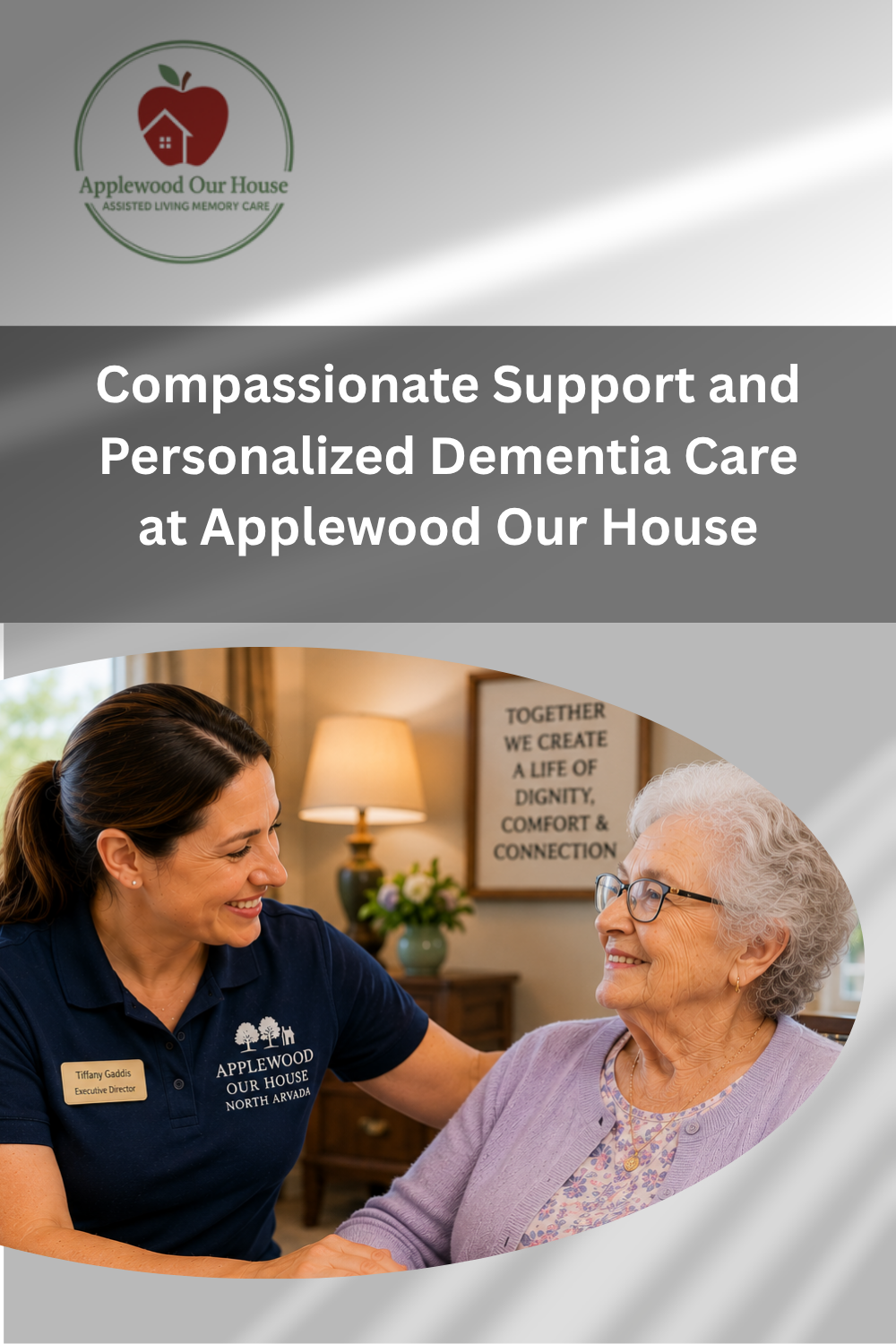
Personalized Alzheimers Support at Applewood Our House North Arvada
Personalized Alzheimers Support at Applewood Our House North ArvadaWhen a loved one begins experiencing memory loss, daily life can change in ways families never expected. What may start as occasional forgetfulness can gradually develop into confusion, disorientation, safety concerns, and difficulty with routine activities.For families, this journey can feel emotional, overwhelming, and deeply personal.Questions often arise such as: Is it safe for my loved one to continue living at home? How do we preserve dignity while ensuring safety? What type of support is needed now? When should we consider specialized memory care? These decisions are never easy.Memory-related conditions like Alzheimers disease and dementia affect not only the individual but also every family member involved in caregiving. As needs become more complex, professional support can make a meaningful difference.For families in Arvada, Applewood Our House - North Arvada offers specialized memory care designed to support seniors with compassion, dignity, and personalized attention.By creating a safe and nurturing environment, Applewood Our House helps residents experience comfort, connection, and meaningful daily routines.Understanding Memory CareMemory care is a specialized type of senior living designed specifically for individuals living with Alzheimers disease, dementia, or other cognitive conditions.Unlike traditional senior living options, memory care communities focus on addressing the unique needs associated with memory loss.Services often include: 24/7 supervision Personalized care plans Medication management Assistance with daily activities Secure environments Structured routines Cognitive engagement programs Social opportunities Dementia-trained caregivers The goal is to provide safety, comfort, and the highest possible quality of life.Memory Loss Affects More Than MemoryOne of the biggest misconceptions about dementia is that it only affects memory.In reality, memory-related conditions can impact: Decision-making Communication Behavior Mood Physical safety Daily routines Families may notice changes such as: Increased confusion Repetition Wandering Mood changes Difficulty completing familiar tasks Forgetting medications Over time, these challenges often make independent living increasingly difficult.Specialized memory care provides professional support tailored to these changing needs.Why Arvada Is an Excellent Location for Memory CareArvada is one of Colorados most welcoming communities for seniors and families seeking quality care.Families appreciate Arvada for its balance of community charm, healthcare access, and peaceful neighborhoods.Key benefits include: Strong senior care resources Excellent healthcare access Quiet residential areas Easy access to Denver Beautiful parks and outdoor spaces Residents enjoy nearby locations such as: Ralston Central Park Two Ponds National Wildlife Refuge This peaceful environment helps create stability and comfort for seniors living with memory challenges.What Makes Applewood Our House DifferentApplewood Our House - North Arvada focuses on delivering personalized memory care in a home-like setting where comfort and connection are priorities.Their care philosophy emphasizes: Compassion Dignity Safety Routine Meaningful engagement This personalized approach helps residents feel supported while reducing stress and anxiety.Why Personalized Memory Care MattersNo two residents experience dementia the same way.Each persons cognitive journey is unique.Thats why individualized care planning is essential.Care plans may consider: Cognitive health Medical needs Daily routines Personal preferences Emotional wellness Tailored support helps improve both care quality and resident comfort.Routine Creates StabilityRoutine plays a major role in successful memory care.Consistent schedules help reduce: Confusion Anxiety Agitation Stress Predictable daily routines create comfort and familiarity.This stability helps residents feel more secure and confident.Even small routines can make a significant difference.Meaningful Engagement Improves Daily LifeQuality memory care is about more than safety.Meaningful engagement helps residents maintain emotional connection and purpose.Activities often support: Cognitive stimulation Social interaction Emotional wellness Familiar experiences Joyful daily moments Examples may include: Music Puzzles Conversation Art Gentle exercise Memory-based activities These moments help improve quality of life and emotional well-being.Safety Is Essential in Memory CareSafety is one of the biggest reasons families seek specialized care.Seniors with dementia may face increased risk of: Wandering Falls Confusion Medication errors Memory care communities are designed to minimize these risks.Secure environments provide families with peace of mind while preserving dignity and comfort for residents.Tiffany Gaddis on Compassionate Memory CareTiffany Gaddis believes exceptional memory care starts with empathy and meaningful connection.She shares: Memory care is about much more than safety. Its about understanding each residents journey, preserving dignity, and creating moments of comfort, joy, and connection every single day. That philosophy helps define exceptional care.Questions Families Should Ask About Memory CareChoosing a memory care community requires thoughtful consideration.Important questions include: What dementia training does staff receive? How are care plans created? How are routines structured? What activities are available? How is family communication handled? These questions help families make informed decisions.FAQs About Memory Care in ArvadaWhat is memory care?Memory care is specialized senior care designed for individuals with Alzheimers disease or dementia.How is memory care different from assisted living?Memory care offers specialized dementia support, secure settings, and structured routines.When should families consider memory care?When memory loss creates safety concerns or significantly impacts daily life.Does memory care help reduce wandering?Yes. Memory care communities are designed to reduce wandering risks.Why choose memory care in Arvada?Arvada offers excellent senior care resources, healthcare access, and supportive community living.Compassionate Care Brings ConfidenceMemory loss creates challenges, but families do not have to face them alone.The right care environment can improve safety, comfort, and quality of life for both seniors and loved ones.For families in Arvada, Applewood Our House - North Arvada provides trusted memory care focused on compassion, dignity, and personalized support. Visit their Seniors Blue Book listing today to learn more about their memory care services and supportive care approach.
Jun 23, 2026
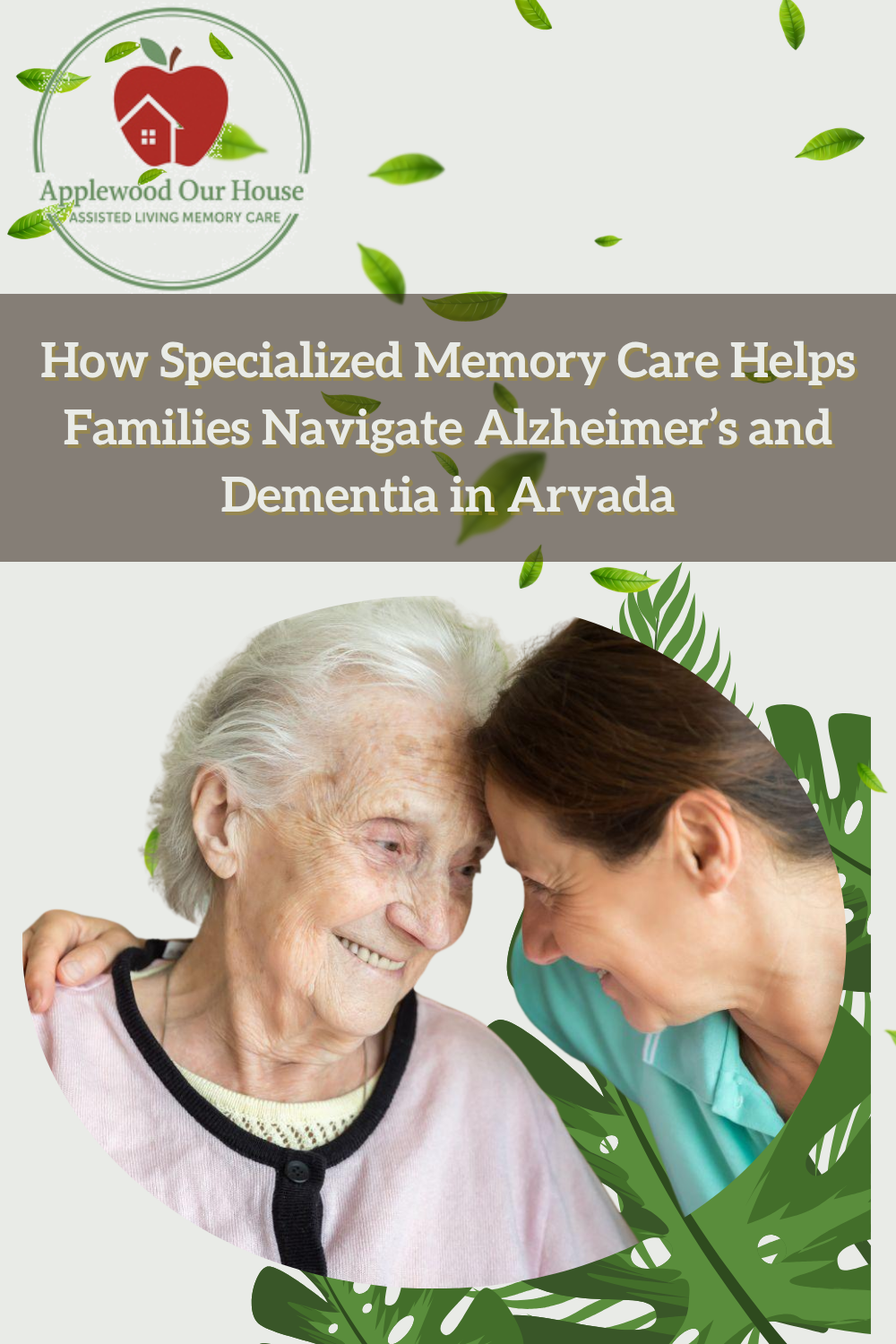
How Specialized Memory Care Helps Families Navigate Alzheimers and De
How Specialized Memory Care Helps Families Navigate Alzheimers and Dementia in ArvadaWatching a loved one experience memory loss can be one of the most emotional challenges a family faces. What often begins as occasional forgetfulness may gradually evolve into confusion, personality changes, wandering, or difficulty performing everyday tasks. Families frequently find themselves stepping into caregiving roles without fully knowing how to manage the complex needs that dementia can bring.In Arvada, memory care communities like Our House Assisted Living Homes provide families with compassionate support designed specifically for seniors living with Alzheimers disease and other forms of dementia. Applewood Our House - North Arvada focuses on creating a calm, secure, and relationship-centered environment where residents can receive individualized care while maintaining dignity and emotional connection.As awareness about dementia continues growing, more families are discovering how specialized memory care can improve quality of life not only for seniors, but for entire families navigating the caregiving journey.Understanding Dementia Beyond ForgetfulnessMany people assume dementia simply means memory problems, but cognitive decline affects much more than remembering names or appointments.Dementia may impact: Communication abilities Decision-making Mood and behavior Sleep patterns Physical coordination Emotional regulation Daily functioning For seniors, these changes can feel frightening and disorienting. Familiar routines may suddenly become difficult, while overstimulation or environmental changes may trigger anxiety or confusion.Family caregivers often experience emotional exhaustion trying to balance safety, emotional support, and daily care responsibilities.This is where specialized memory care becomes essential.What Makes Memory Care Different?Memory care communities are specifically designed to support individuals experiencing cognitive decline. Unlike traditional assisted living, memory care includes enhanced supervision, structured routines, dementia-trained caregivers, and environments tailored to reduce confusion and stress.Specialized memory care often includes: Secure environments Personalized care plans Structured daily schedules Cognitive engagement activities Behavioral support Assistance with daily living tasks Calm, familiar surroundings The goal is not simply supervision. Quality memory care focuses on helping residents feel emotionally supported, comfortable, and connected.Why Smaller Memory Care Communities MatterMany families are now seeking smaller residential-style memory care settings because they often provide more personalized attention and a calmer atmosphere.Smaller communities may offer: Lower resident-to-caregiver ratios More consistent caregiver relationships Reduced noise and overstimulation Greater familiarity More individualized routines For seniors with dementia, feeling overwhelmed by large environments can increase agitation or withdrawal. Home-like settings often create a stronger sense of security.Tiffany Gaddis of Applewood Our House - North Arvada shares, We focus on creating meaningful relationships with residents and families. Familiarity and trust become incredibly important when caring for individuals living with memory loss.That relationship-centered approach can make daily life feel more reassuring and comfortable for residents.Arvadas Community Atmosphere Supports Senior WellnessFamilies often appreciate Arvadas quieter suburban environment when choosing memory care for loved ones. Located northwest of Denver, Arvada offers scenic neighborhoods, parks, and a strong sense of community that appeals to many retirees and aging adults.The area provides: Peaceful residential surroundings Convenient healthcare access Family-oriented neighborhoods Outdoor beauty and walking areas Easy accessibility for visiting loved ones Remaining close to familiar communities and family support systems can positively affect emotional well-being for seniors with dementia.Daily Routines Help Reduce AnxietyFor seniors living with memory loss, predictability often creates emotional comfort.Structured daily routines may include: Consistent meal times Morning and evening rituals Scheduled activities Quiet rest periods Gentle exercise Familiar caregiver interactions These repeated patterns help residents feel safer because they know what to expect throughout the day.Routines also help minimize confusion and behavioral distress that can arise from sudden changes or overstimulation.Meaningful Activities Encourage ConnectionMemory care activities are thoughtfully designed to engage residents while supporting emotional wellness and cognitive stimulation.Residents may enjoy: Music therapy Reminiscence activities Art and crafts Gardening Sensory engagement Light physical movement Social interaction Activities are adapted based on each residents abilities and interests rather than following a one-size-fits-all approach.Music can be especially meaningful because familiar songs often trigger emotional memories even during advanced stages of dementia.Safety Is a Major Priority in Memory CareAs dementia progresses, safety risks can increase significantly for seniors living independently.Common concerns include: Wandering Falls Medication confusion Leaving appliances on Difficulty recognizing danger Poor nutrition or dehydration Memory care communities are specifically designed to help reduce these risks while preserving residents dignity and comfort.Safety features often include: Secure entrances and exits Staff supervision Simplified layouts Emergency response systems Safe outdoor areas These environments allow residents greater freedom within protected settings.Supporting Emotional Well-BeingEmotional care is just as important as physical care in memory support communities.Seniors with dementia may experience: Fear Frustration Sadness Isolation Anxiety Compassionate caregivers use calm communication, reassurance, and patience to help residents feel emotionally secure.Simple moments sharing a meal, listening to music, or sitting together quietly often provide tremendous comfort.Families Also Need SupportMemory loss affects spouses, children, and entire families emotionally. Many family caregivers experience burnout after months or years of providing care at home.Common challenges include: Sleep deprivation Emotional exhaustion Constant worry Difficulty balancing work and caregiving Stress about safety concerns Memory care communities help relieve these pressures while ensuring loved ones receive professional support around the clock.Families can return to focusing more on emotional connection rather than full-time caregiving responsibilities.Nutrition and Personal Care AssistanceAs dementia progresses, seniors may need increasing assistance with activities of daily living.Caregivers may help residents with: Bathing Grooming Dressing Mobility support Eating assistance Medication reminders Compassionate support helps residents maintain dignity while receiving the care they need.Structured dining routines and comfortable meal settings can also encourage better nutrition and hydration.Recognizing When Memory Care May Be NeededFamilies often wonder when it is time to transition from home caregiving to specialized memory care.Some common signs include:Increased Wandering or Unsafe BehaviorSafety concerns may become difficult to manage at home.Escalating Caregiver StressFamily caregivers may feel physically or emotionally overwhelmed.Difficulty Managing Hygiene or MealsDaily routines may become inconsistent or neglected.Social Withdrawal or AgitationBehavioral changes may increase over time.Frequent Confusion or DisorientationLoved ones may struggle recognizing familiar places or routines.Seeking support earlier often allows for smoother transitions and improved quality of life.Compassionate Memory Care Focuses on Quality of LifeTodays memory care communities are designed not simply to manage symptoms, but to create meaningful daily experiences for residents living with cognitive decline.The best memory care environments focus on: Emotional comfort Personalized attention Relationship-centered caregiving Familiarity Dignity Safety Families often find reassurance knowing their loved one is supported by caregivers who understand the unique challenges of dementia.Finding the Right Memory Care Community in ArvadaChoosing memory care is a deeply personal decision. Touring communities and asking thoughtful questions can help families identify environments that feel welcoming and supportive.Important questions may include: How are caregivers trained? How are activities personalized? What safety measures are in place? How does the community communicate with families? What is the caregiver-to-resident ratio? Finding the right fit can make an enormous difference in a loved ones emotional comfort and overall well-being.Families interested in learning more about Applewood Our House - North Arvada can visit their Seniors Blue Book listing to explore memory care services and connect with their caregiving team.FAQs About Memory Care in ArvadaWhat is memory care?Memory care is specialized senior care designed for individuals living with Alzheimers disease, dementia, or other cognitive conditions.How does memory care differ from assisted living?Memory care provides enhanced supervision, structured routines, specialized caregiver training, and dementia-focused support.Are smaller memory care communities beneficial?Smaller communities often provide more personalized attention, calmer environments, and stronger caregiver relationships.What activities are available in memory care?Activities may include music therapy, sensory experiences, art, gardening, social interaction, and reminiscence programs.When should families consider memory care? Families often explore memory care when safety concerns, wandering, caregiver burnout, or increasing cognitive decline affect daily life.