
PHONE
Click to View NumberGeneral Property Features
- Private Rooms
- Secured Memory Care Unit
- All Pets Considered
Memory Care
- 23M589
- 19
- $7,800.00
- Price All Inclusive
- Doctor Visits, Off Campus Outings, Alz/Dementia Residents Only, Secured Courtyard
- Yes
Continue Your Search! Explore More Local Options.
Start SearchingLet’s engage and get educated!
Browse through thousands of expert articles in over 100 different categories.
Browse NowArticles You May Like
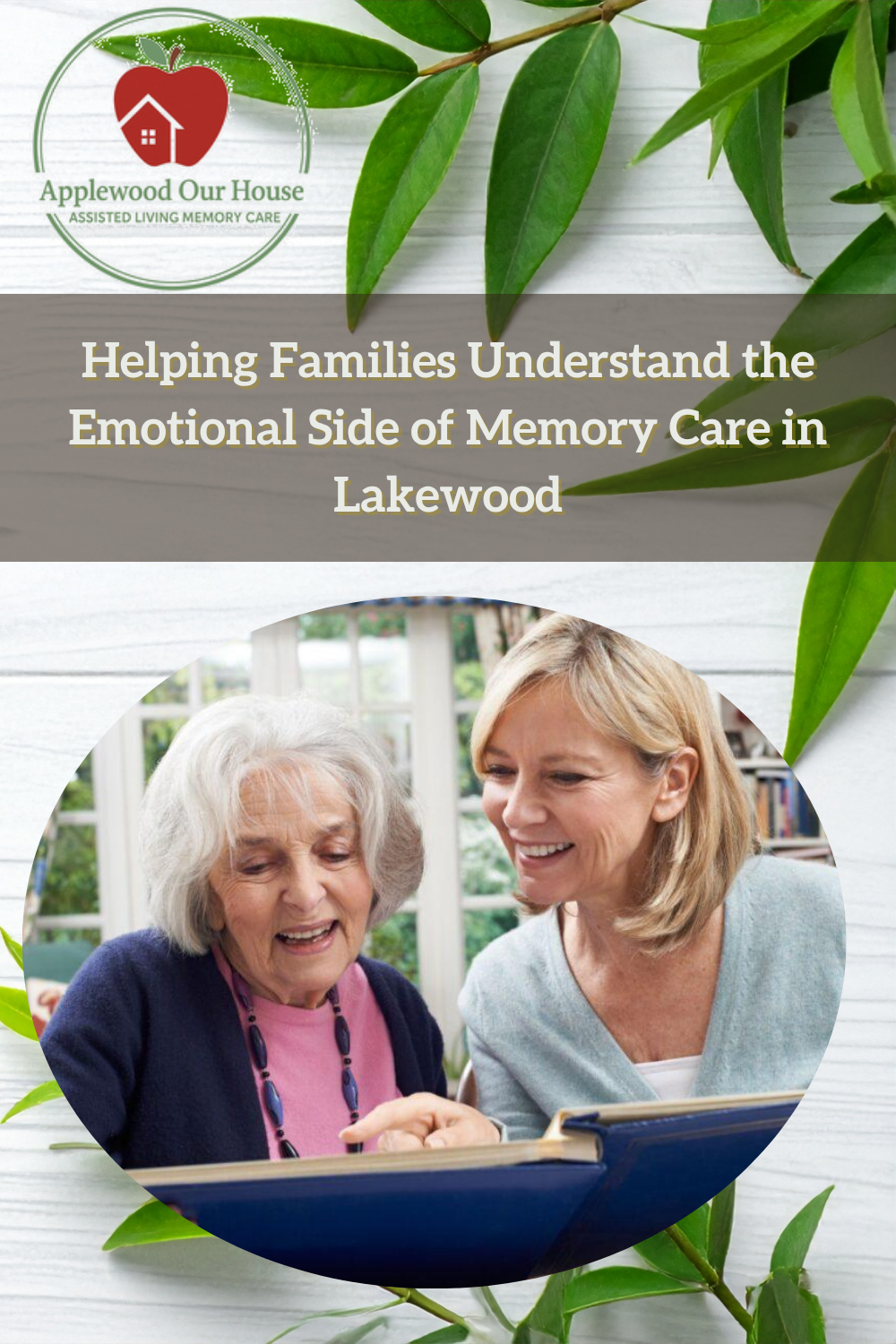
Helping Families Understand the Emotional Side of Memory Care in Lakew
Helping Families Understand the Emotional Side of Memory Care in LakewoodWhen families first begin exploring memory care options for a loved one, most conversations focus on safety, medical needs, or daily assistance. While those practical concerns are important, there is another equally critical part of dementia care that often goes unspoken: emotional well-being.For seniors living with Alzheimers disease or other forms of dementia, emotions often remain deeply felt even as memory changes progress. Feelings of fear, frustration, loneliness, confusion, and anxiety can become common experiences when familiar routines and surroundings begin to feel uncertain.In Lakewood, memory care communities like Our House Assisted Living Homes focus not only on physical support, but also on creating emotionally comforting environments for residents and their families. Applewood Our House - South Lakewood provides specialized memory care centered around compassion, familiarity, and meaningful human connection.As dementia care evolves, families are increasingly recognizing that emotional support plays a major role in quality of life for seniors experiencing cognitive decline.Dementia Changes How Seniors Experience the WorldAlzheimers disease and other forms of dementia affect much more than short-term memory. Cognitive decline can influence how seniors process emotions, communicate, respond to stress, and interact with others.A senior with dementia may experience: Confusion in unfamiliar settings Anxiety during routine changes Frustration with communication difficulties Withdrawal from social interaction Fear when unable to recognize surroundings Emotional distress during overstimulation These experiences can feel overwhelming, especially when a senior no longer understands why things feel different.Memory care communities are designed to help reduce those emotional triggers while creating calm and reassuring daily experiences.Emotional Comfort Is a Core Part of Memory CareModern memory care focuses on the whole person, not simply the diagnosis.This means supporting: Emotional wellness Social engagement Familiar routines Comfort and reassurance Meaningful daily experiences Relationship-centered caregiving Residents living with dementia often respond positively to calm environments, compassionate communication, and familiar caregivers.Tiffany Gaddis of Applewood Our House - South Lakewood explains, Even when memory changes occur, emotional connection remains incredibly important. Residents deserve to feel safe, respected, and cared for every single day.That sense of emotional security can significantly improve a residents overall well-being.Why Smaller Memory Care Environments Often Feel Less StressfulMany families are now choosing smaller residential memory care settings over large institutional communities.Smaller environments may help reduce: Overstimulation Confusion Anxiety Wandering behaviors Social withdrawal Home-like settings often feel calmer and more familiar for seniors living with dementia.Residents may benefit from: Consistent caregivers Quieter surroundings Personalized attention Familiar daily routines Stronger emotional relationships For many seniors, these smaller settings create a stronger sense of comfort and stability.Lakewoods Calm Community Atmosphere Benefits SeniorsLocated just west of Denver, Lakewood offers a peaceful suburban setting that many families find ideal for memory care.The area is known for: Scenic parks and outdoor beauty Residential neighborhoods Convenient healthcare access Community-focused living Easy accessibility for family visits For seniors with dementia, calmer surroundings can help reduce stress and emotional overwhelm.Remaining close to familiar family members and local routines may also help residents feel more connected and reassured.Familiar Routines Help Residents Feel SecureRoutine is one of the most important tools in memory care.Structured daily schedules help residents know what to expect throughout the day, which can reduce fear and confusion.Typical routines may include: Consistent waking times Shared meals Gentle exercise Activity periods Relaxation time Evening calming routines Predictability helps many seniors feel emotionally grounded even when memory becomes impaired.Simple consistency can make daily life feel far less overwhelming.Meaningful Activities Encourage Joy and ConnectionMemory care activities are designed to engage residents emotionally rather than pressure them cognitively.Residents may participate in: Music therapy Art and crafts Gardening Storytelling Sensory activities Holiday celebrations Gentle movement exercises These activities create opportunities for connection, creativity, and enjoyment.Music can be especially powerful because familiar songs often trigger emotional memories and comforting responses.Compassionate Communication Makes a DifferenceCommunication changes are common with dementia, but compassionate caregiving can still create meaningful interaction.Experienced memory care caregivers often use: Calm tones Gentle reassurance Simple instructions Positive redirection Patience and active listening Rather than correcting or arguing, caregivers focus on helping residents feel emotionally safe and understood.This approach helps reduce frustration and behavioral distress.Families Often Carry Emotional Stress TooCaring for a loved one with dementia can become emotionally exhausting for spouses and adult children.Family caregivers frequently experience: Guilt Anxiety Burnout Grief Sleep disruption Constant worry about safety Memory care communities help families transition from overwhelmed caregivers back into more supportive emotional roles.Knowing a loved one is receiving specialized care often provides tremendous relief and reassurance.Safety and Emotional Wellness Work TogetherSafety remains an essential part of memory care, but the best communities balance protection with dignity and emotional comfort.Memory care environments often include: Secured entrances Supervised common areas Simplified layouts Emergency response systems Calm, structured spaces These features help reduce risks related to wandering, falls, or confusion while still allowing residents to move freely within supportive environments.Nutrition and Personal Care SupportAs dementia progresses, seniors may require assistance with: Bathing Grooming Dressing Eating Medication reminders Mobility support Caregivers provide help respectfully while encouraging independence whenever possible.Structured meal routines and calm dining settings also help residents maintain healthy nutrition and hydration habits.Recognizing When Memory Care May Be NeededFamilies often delay exploring memory care because they hope to continue caregiving at home for as long as possible. However, seeking support early can improve quality of life for everyone involved.Some signs that memory care may be beneficial include:Increased Wandering or Safety RisksSeniors may become unsafe living independently.Escalating Anxiety or AgitationBehavioral changes may become difficult to manage at home.Difficulty Managing Daily TasksPersonal hygiene, meals, or medication routines may decline.Caregiver BurnoutFamily members may become emotionally or physically overwhelmed.Isolation or WithdrawalSeniors may disengage from activities and social interaction.Early transitions often allow seniors to adapt more comfortably to supportive routines and environments.Memory Care Is About Preserving Humanity and DignityA dementia diagnosis changes many aspects of life, but it does not erase a persons need for love, comfort, connection, and respect.The best memory care communities focus on helping residents continue experiencing: Joy Purpose Familiarity Emotional comfort Compassionate connection Families often find peace knowing their loved one is living in an environment designed specifically to support emotional and cognitive needs with dignity.Finding the Right Memory Care Community in LakewoodEvery memory care community offers a different atmosphere and caregiving philosophy. Families should take time to tour communities, ask questions, and observe how staff interact with residents.Helpful questions include: How are caregivers trained in dementia care? How are routines personalized? What activities are available? How does the community communicate with families? What emotional support approaches are used? Finding the right environment can make an enormous difference in daily comfort and quality of life.Families interested in learning more about Applewood Our House - South Lakewood can visit their Seniors Blue Book listing to explore memory care services and connect with their caregiving team.FAQs About Memory Care in LakewoodWhat is memory care?Memory care is specialized senior care designed for individuals living with Alzheimers disease, dementia, or other cognitive conditions.Why is emotional support important in memory care?Seniors with dementia often experience anxiety, confusion, and emotional distress. Compassionate support helps residents feel safe and reassured.What activities are common in memory care communities?Activities may include music therapy, art, sensory stimulation, gardening, storytelling, and gentle exercise.Are smaller memory care homes beneficial?Smaller environments often provide calmer surroundings, more personalized care, and stronger caregiver relationships.When should families consider memory care? Families may consider memory care when safety concerns, cognitive decline, behavioral changes, or caregiver burnout begin affecting daily life.