Aspen Ridge Alzheimer's Special Care Center
622 28 1/4 Road, Grand Junction, Colorado, 81506
Memory Care$5,780/month


About Aspen Ridge Alzheimer's Special Care Center
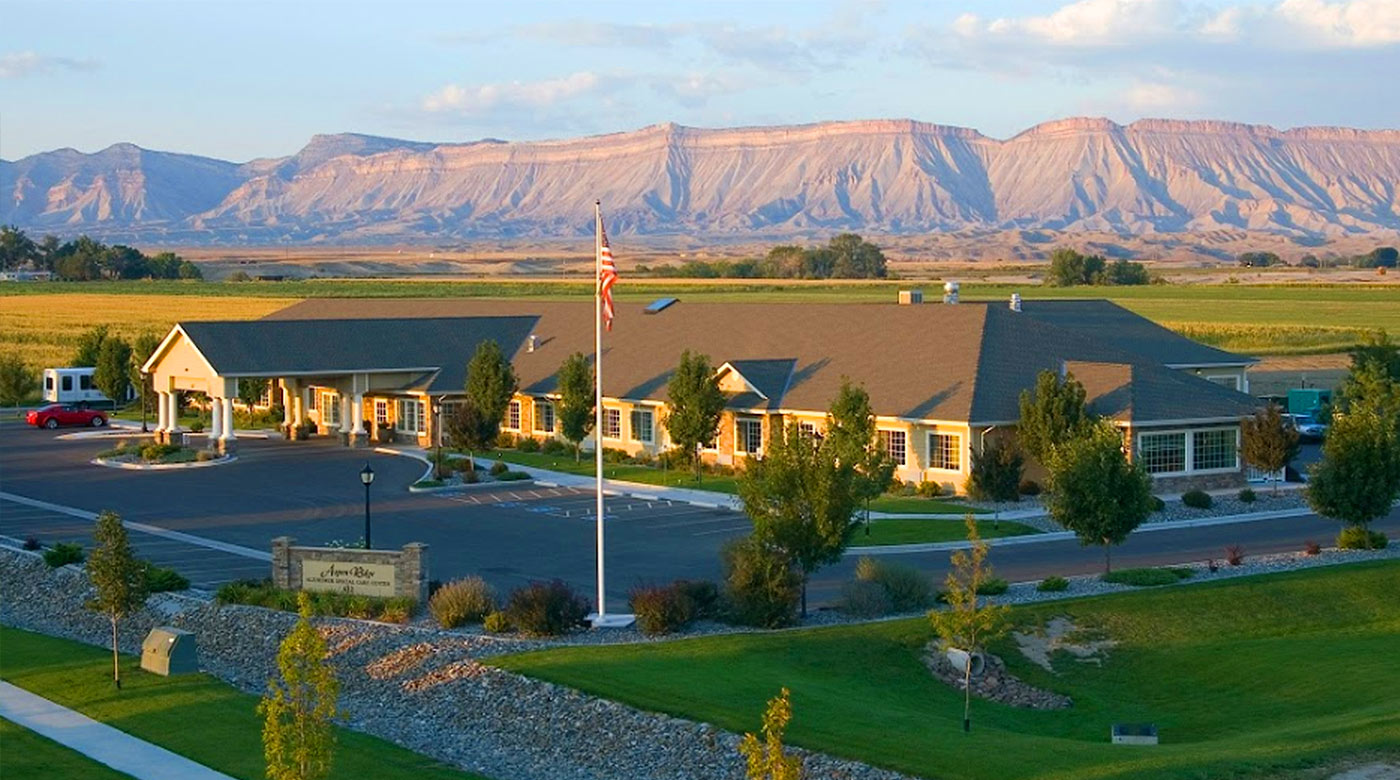
Aspen Ridge is a secured memory care community serving the Grand Junction area. We offer memory care and respite care services. Our approach of honoring aging provides our resident families with peace of mind and instills confidence in trusting us with their loved one's care. Our team provides a warm and meaningful assisted living environment that includes family and friends. We welcome and encourage you to join us in the many activities we offer at Aspen Ridge.
General Property Features
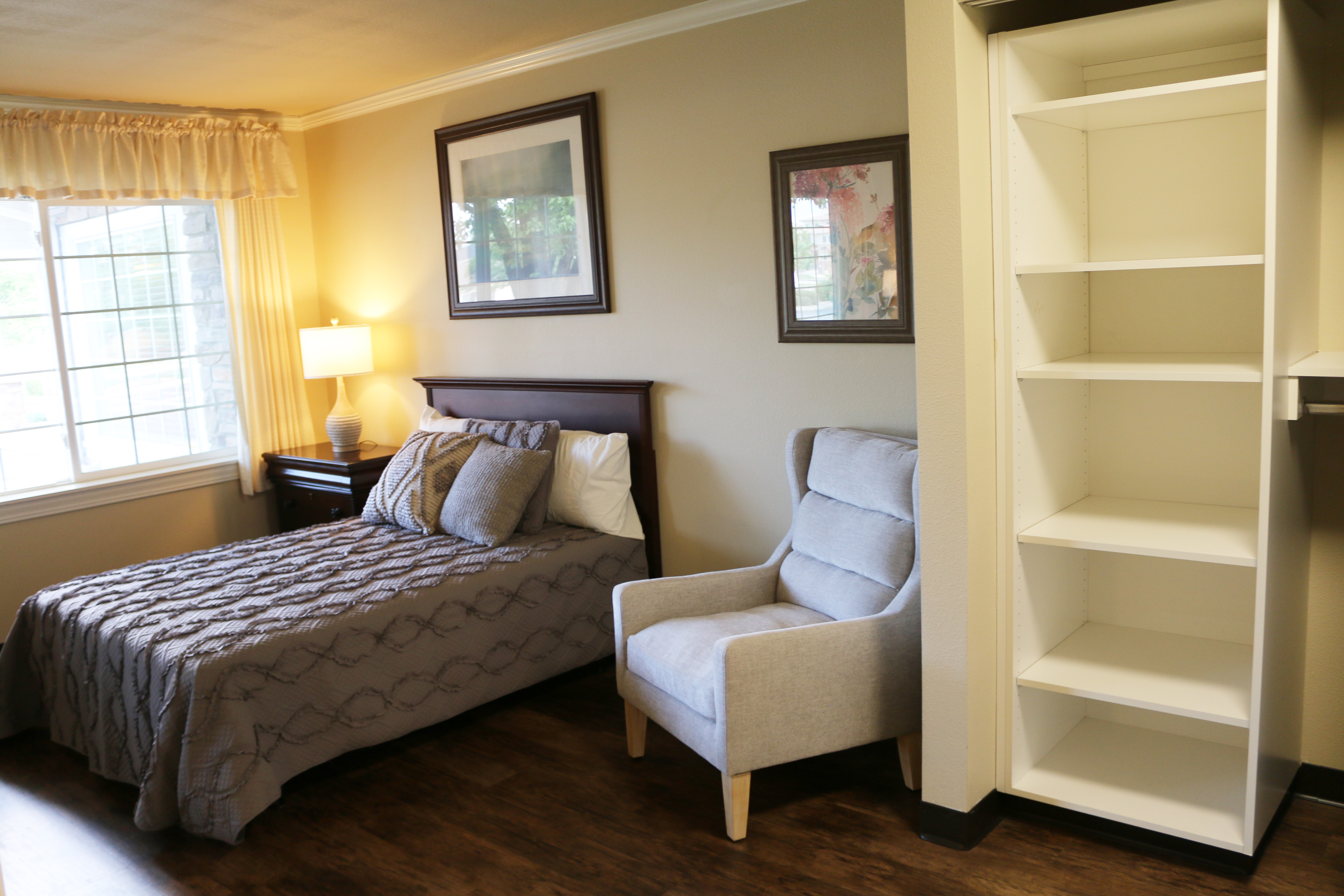
- Private Rooms, Semi-Private Rooms, Furnished Apts Available
- Bi-Lingual Staff, Nurse on Staff, Respite/Short Term Stay
- Assisted Living Community, Secured Memory Care Unit
- Cats Only
Memory Care
- www.aspenridgealz.com
- 54
- $5,780.00
- Price Dependent Levels of Care
- Studio, 1 BR
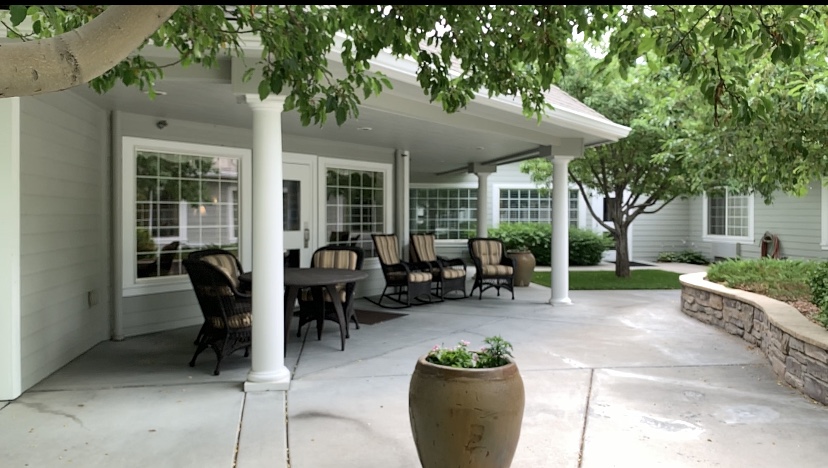
- Adult Day Programs, Off Campus Outings, Alz/Dementia Residents Only, Secured Courtyard, Activities, Memory Care Only Community
Continue Your Search! Explore More Local Options.
Start SearchingLet’s engage and get educated!
Browse through thousands of expert articles in over 100 different categories.
Browse NowArticles You May Like

Creating Safety, Purpose, and Connection for Those Living With Alzheim
Creating Safety, Purpose, and Connection for Those Living With Alzheimer'sAlzheimers disease and other forms of dementia change more than memorythey affect daily routines, relationships, and a persons sense of identity. For families in Grand Junction and across Colorados Western Slope, finding the right memory care support is often one of the most emotional and complex decisions they will ever face. Loved ones want more than supervision; they want reassurance that their family member will be understood, respected, and cared for with dignity.Specialized memory care communities are designed to meet those needs in ways that traditional senior living cannot. Aspen Ridge Alzheimers Special Care Center in Grand Junction focuses exclusively on supporting individuals living with Alzheimers disease and related dementias, offering an environment where safety, structure, and compassion work together to enhance quality of life. Memory care is about more than managing symptomsits about creating moments of connection and purpose every single day, says Ivone Rodriguez. When residents feel safe and understood, theyre able to experience more joy and less anxiety. Why Specialized Memory Care MattersDementia affects each person differently, but common challenges include confusion, wandering, agitation, and difficulty with communication. Families often try to manage these changes at home for as long as possible, but as the disease progresses, care needs can quickly exceed what loved ones can safely provide.Specialized memory care offers: Secure environments designed to prevent wandering Staff trained specifically in dementia care Structured routines that reduce confusion and stress Purposeful activities that support cognitive engagement In a community like Grand Junctionwhere families value both independence and close personal connectionshaving access to specialized memory care close to home is essential.A Community Designed for Safety and ComfortMemory care environments are intentionally designed to support residents at every stage of cognitive decline. Aspen Ridge Alzheimers Special Care Center incorporates thoughtful layouts, calming spaces, and visual cues that help residents navigate their surroundings with confidence.Key design elements often include: Secured entrances and exits for safety Easy-to-navigate floor plans Familiar, home-like dcor Outdoor spaces that allow safe access to fresh air These features reduce anxiety and promote a sense of comfort, helping residents feel more at ease throughout the day.Structured Routines That Bring Peace of MindFor individuals living with Alzheimers, predictability can be incredibly calming. Structured daily routines help reduce agitation, improve sleep, and support emotional well-being.Memory care communities focus on: Consistent meal and activity schedules Gentle transitions between daily tasks Familiar faces and surroundings Reassuring cues that guide residents through their day Ivone Rodriguez explains, When residents know what to expect, they feel more secure. That sense of stability makes a real difference in their behavior and mood.Meaningful Activities That Support Cognitive HealthEngagement is a cornerstone of quality memory care. Purposeful activities are designed not just to pass time, but to spark memories, encourage movement, and foster connection.Activities may include: Music and reminiscence therapy Art and sensory-based experiences Gentle physical movement Group and one-on-one social interaction These experiences are adapted to individual abilities, ensuring residents can participate successfully and feel a sense of accomplishment.Compassionate, Specialized Care TeamsOne of the most important aspects of memory care is the staff. Caregivers in specialized communities receive ongoing training in dementia-specific techniques, including communication strategies, behavior support, and person-centered care.This expertise allows caregivers to: Respond calmly to challenging behaviors Recognize non-verbal communication Build trust and familiarity with residents Support dignity at every stage of the disease Families often find comfort in knowing their loved one is cared for by professionals who truly understand Alzheimers and related conditions.Supporting Families Through the JourneyAlzheimers affects entire families, not just the individual diagnosed. Memory care communities provide support and education to help families navigate the emotional and practical challenges that come with dementia.Support may include: Regular communication and care updates Guidance on disease progression Emotional support during difficult transitions Resources for caregiver stress and burnout For many families, having a trusted memory care partner brings relief and reassurance during an otherwise overwhelming time.The Value of Local Memory Care on the Western SlopeGrand Junction serves as a healthcare hub for the Western Slope, but long-distance travel for specialized care can be stressful for both residents and families. Choosing a local memory care community allows loved ones to remain involved and visit regularlymaintaining strong emotional bonds.Local care also reflects regional values: personal relationships, community connection, and respect for each individuals story.Knowing When Its Time for Memory CareFamilies often struggle with the timing of a memory care transition. Signs that additional support may be needed include increased wandering, safety concerns, caregiver burnout, or escalating behavioral challenges.While the decision is never easy, earlier transitions often lead to smoother adjustments and better outcomes for both residents and families.A Place Where Understanding Comes FirstMemory care is about honoring the person behind the diagnosis. With specialized support, structured routines, and compassionate professionals, individuals living with Alzheimers can experience comfort, dignity, and meaningful connection.To learn more about specialized memory care options in Grand Junction, visit Aspen Ridge Alzheimers Special Care Centers Seniors Blue Book listing and connect with their team today.FAQs Memory Care in Grand JunctionHow is memory care different from assisted living? Memory care provides specialized support, secure environments, and dementia-trained staff not typically found in assisted living.Is memory care appropriate in early stages of Alzheimers? Some individuals benefit from early memory care, especially if safety or caregiver stress is a concern.Are activities adapted to different stages of dementia? Yes. Activities are tailored to residents abilities and cognitive levels.Can families visit often? Absolutely. Family involvement is encouraged and supported. Does memory care address behavioral changes? Yes. Trained staff use person-centered approaches to manage behaviors compassionately.
Feb 09, 2026
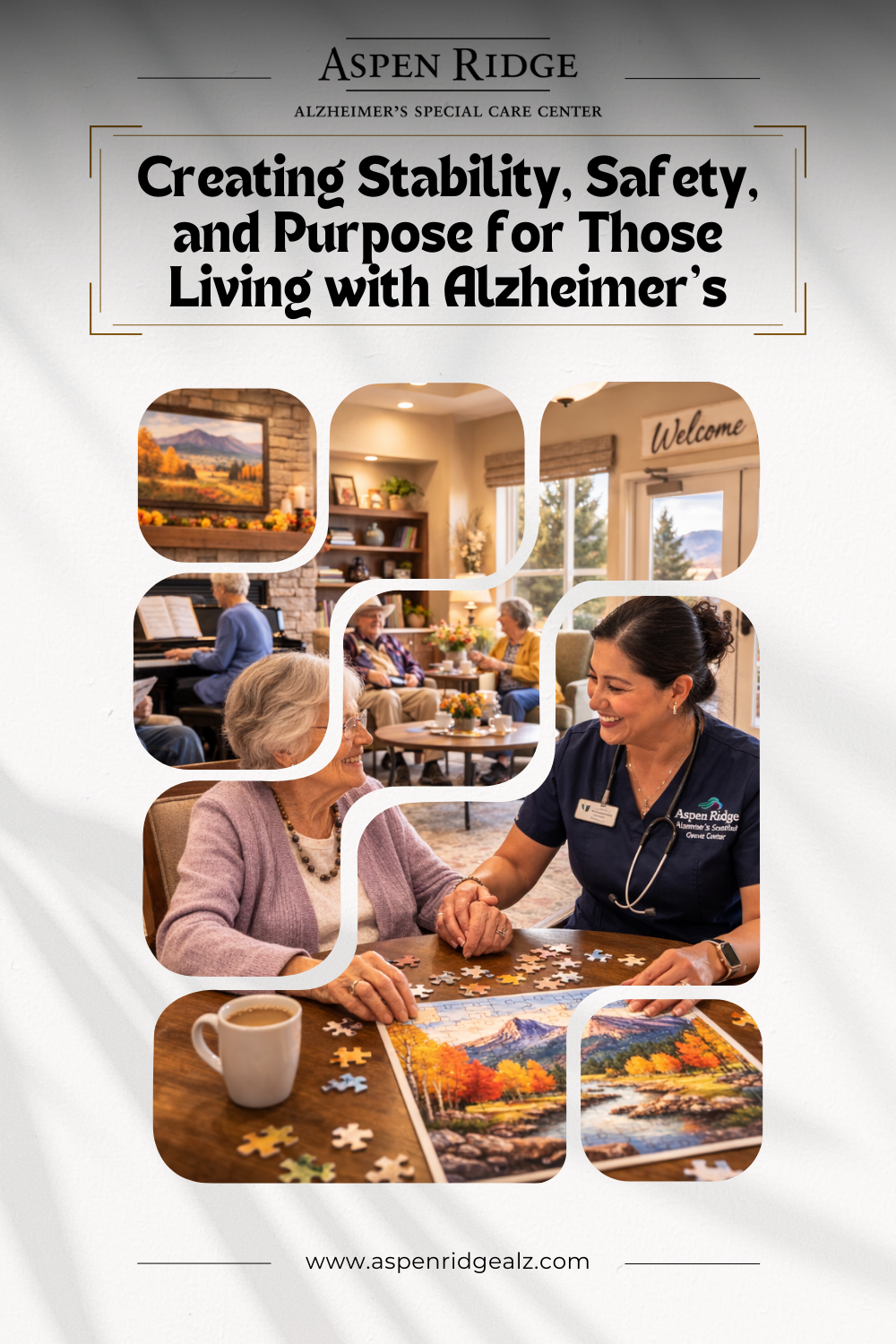
Creating Stability, Safety, and Purpose for Those Living with Alzheime
Creating Stability, Safety, and Purpose for Those Living with AlzheimersOn Colorados Western Slope, life is built around familiarity familiar mountain views, familiar neighbors, familiar routines. For seniors living in Grand Junction, Fruita, and Palisade, routine often defines comfort.But when Alzheimers disease or another form of dementia begins to affect memory and behavior, familiarity can slowly fade for both the individual and their family.The progression of memory loss can feel overwhelming. Families may try to manage at home for as long as possible, but eventually, safety and specialized support become essential.Thats where Aspen Ridge Alzheimers Special Care Center in Grand Junction, led by Ivone Rodriguez and her team, provides focused, compassionate memory care designed specifically for those living with cognitive decline.Memory care isnt just about supervision, Ivone says. Its about creating an environment where residents feel secure, valued, and engaged even as their memory changes.Why Memory Care Is Different from Assisted LivingMany families initially explore assisted living when a loved one begins showing signs of dementia. But Alzheimers and related dementias require a higher level of specialization.Memory care communities like Aspen Ridge provide: Secure environments to prevent wandering Staff trained specifically in dementia care Structured daily routines Cognitive-focused programming Personalized behavior management strategies Unlike general senior living, memory care is built around understanding how the brain changes and how to respond with patience and expertise.Recognizing When Its Time for Specialized Memory SupportFamilies across Mesa County often ask: How do we know when home care is no longer enough?Warning signs may include: Wandering or getting lost Increased agitation or confusion Nighttime restlessness Missed medications Safety risks (stove use, falls, door alarms) Caregiver burnout Dementia progression is unpredictable. What works one month may no longer be safe the next.Aspen Ridge helps families transition before a crisis occurs.A Secure and Supportive Environment in Grand JunctionLocated in the heart of the Western Slope, Aspen Ridge provides a thoughtfully designed memory care setting.Features often include: Secured outdoor spaces for safe walking Clearly structured daily schedules Smaller resident-to-staff ratios Visual cues to support orientation Comfortable, home-like living areas For many residents who have spent decades enjoying the beauty of Grand Mesa or Colorado National Monument, access to safe outdoor space remains important even in memory care.Security does not mean restriction. It means protection.The Power of Routine in Dementia CareRoutine is a stabilizing force for individuals living with Alzheimers.Daily programming at Aspen Ridge may include: Music therapy Reminiscence activities Gentle movement exercises Sensory engagement Guided social interaction Structured meal schedules Consistency reduces anxiety and confusion.Ivone explains, We focus on what residents can still do not what theyve lost. Purpose and engagement are essential to dignity.Supporting Families Through the JourneyAlzheimers affects entire families.Adult children in Grand Junction, often balancing careers at St. Marys Medical Center or local businesses downtown, may struggle emotionally with placement decisions.Spouses may feel guilt or exhaustion after years of caregiving.Aspen Ridge provides: Education about disease progression Transparent communication Family support meetings Encouragement and reassurance Memory care is not a sign of failure. Its a step toward safety and specialized support.Understanding the Stages of AlzheimersDementia progresses differently for every individual, but common stages include:Early Stage Mild forgetfulness Word-finding difficulty Subtle personality changes Middle Stage Increased confusion Difficulty recognizing familiar people Behavioral changes Need for daily assistance Late Stage Significant cognitive decline Full assistance with personal care Limited verbal communication Aspen Ridges trained team understands how to adapt care as residents move through these stages.Nutrition, Health, and Wellness in Memory CareProper nutrition and hydration are critical in dementia care.Memory-focused communities monitor: Meal intake Weight changes Swallowing safety Medication adherence Staff are trained to observe subtle health changes often before families notice symptoms.This proactive care helps reduce hospitalizations and improve overall quality of life.Frequently Asked Questions About Memory Care in Grand JunctionWhat is the difference between memory care and assisted living?Memory care provides specialized dementia training, secured environments, and structured routines designed specifically for cognitive decline.Is memory care covered by Medicare?Medicare does not typically cover long-term residential memory care, but families can explore long-term care insurance, VA benefits, or Medicaid options.How do I know if my loved one is wandering?Signs include attempting to leave home frequently, confusion about location, or being found outside unsafely.Can families visit often?Yes. Family involvement is encouraged and remains an important part of resident well-being.What if my loved ones condition worsens?Aspen Ridge adapts care plans as cognitive needs evolve.Choosing Safety, Dignity, and CompassionAlzheimers disease is challenging but families dont have to navigate it alone.Aspen Ridge Alzheimers Special Care Center in Grand Junction offers: Specialized dementia-trained staff Secure, supportive living spaces Engaging daily programming Family-centered communication Compassion rooted in respect For Western Slope families facing the realities of memory loss, having a trusted local resource makes all the difference. Visit Aspen Ridge Alzheimers Special Care Center on SeniorsBlueBook.com to learn more and schedule a conversation with Ivone Rodriguez and her team today.
Feb 25, 2026

Specialized Alzheimer's Support in Grand Junction
Specialized Alzheimer's Support in Grand JunctionOn the Western Slope, family roots run deep. Many seniors in Grand Junction have spent decades building lives here hiking the Colorado National Monument, volunteering at local churches, gathering peaches in nearby Palisade, and watching grandchildren grow.So when Alzheimers disease or another form of dementia begins to change a loved ones personality, memory, and independence, families often feel unprepared.Memory loss doesnt just affect one person. It reshapes the entire family dynamic.Thats where Aspen Ridge Alzheimers Special Care Center in Grand Junction provides something more than housing it offers structured, research-based memory care designed specifically for individuals living with Alzheimers and related dementias.Understanding Alzheimers in Mesa CountyMesa County has a growing aging population. As life expectancy increases, so does the prevalence of dementia-related conditions. Alzheimers disease is progressive, meaning symptoms worsen over time. Early signs may include: Forgetting recent conversations Misplacing items frequently Repeating questions Difficulty managing finances Changes in mood or personality As the condition progresses, individuals may experience: Confusion about time and place Wandering behaviors Increased anxiety Difficulty recognizing loved ones Need for assistance with daily living Caring for someone with dementia at home can become emotionally and physically exhausting.Why Specialized Memory Care MattersMemory care is not the same as assisted living.While assisted living supports seniors with daily tasks, memory care communities are specifically structured for cognitive support. That includes: Secure environments to prevent wandering Predictable daily routines Specialized dementia training for staff Purpose-driven activities Cognitive stimulation programming Aspen Ridge focuses exclusively on Alzheimers and dementia care, allowing the team to tailor every aspect of the environment to cognitive needs.Ivone Rodriguez emphasizes the importance of specialized care: Memory care requires understanding the person behind the diagnosis, says Ivone Rodriguez. We focus on dignity, structure, and connection so residents feel safe and valued every day. That philosophy creates stability in an otherwise uncertain journey.Creating Structure in a World That Feels ConfusingFor someone living with Alzheimers, unpredictability can increase anxiety. A consistent daily schedule provides comfort.At Aspen Ridge, days may include: Guided exercise programs Music therapy Sensory-based activities Reminiscence sessions Structured meal times Small-group engagement These activities are not random. They are designed to stimulate memory pathways and maintain cognitive function as long as possible.Safety Without RestrictionOne of the most difficult stages of dementia for families is wandering. In Grand Junction, with open neighborhoods and nearby busy roads like Patterson or North Avenue, wandering can quickly become dangerous.Memory care communities are secured to ensure residents cannot exit unnoticed, but the goal is not confinement its protection.Residents are encouraged to move freely within a safe, thoughtfully designed space.This balance between freedom and safety reduces family anxiety while preserving resident dignity.Supporting the Whole FamilyWhen a loved one transitions into memory care, emotions are complex. Guilt, relief, sadness, and hope can coexist.Aspen Ridge supports families by: Providing regular care updates Encouraging family visits Offering education about dementia progression Hosting family support gatherings Families are not stepping away from caregiving they are partnering with professionals.That partnership often restores relationships. Instead of being exhausted caregivers, family members can return to being daughters, sons, and spouses again.Recognizing When Its Time for Memory CareFamilies often ask, How do we know when home is no longer safe?Signs may include: Repeated wandering incidents Aggressive or unsafe behaviors Increased falls Caregiver burnout Sleep disruptions affecting the household Inability to manage medications Waiting too long can create crisis situations. Early planning allows families to tour communities and make thoughtful decisions rather than rushed ones.The Importance of EnvironmentThe physical environment in memory care plays a crucial role in reducing confusion.Design elements may include: Clear signage Color-coded hallways Secured outdoor spaces Familiar home-like furnishings Calm lighting These design strategies help residents navigate with less frustration.Nutrition and Health MonitoringDementia can impact appetite and hydration. Memory care communities monitor: Nutritional intake Weight changes Medication compliance Behavioral shifts In Grand Junction, where many seniors have access to strong medical systems, collaboration between memory care staff and healthcare providers ensures comprehensive oversight.Preserving Identity and Personal HistoryOne of the greatest fears surrounding Alzheimers is loss of identity. Memory care programs focus on honoring each residents life story.Staff members often learn: Former occupations Hobbies Family traditions Favorite music Faith background Personalized engagement helps residents maintain a sense of self.A Community of UnderstandingPerhaps one of the most overlooked benefits of memory care is community.Residents interact with peers facing similar challenges. Staff are trained to respond calmly and compassionately to behavioral changes.Families are surrounded by others who understand the journey.In a close-knit community like Grand Junction, that shared understanding makes a difference.Planning for the FutureAlzheimers is progressive. Planning ahead allows families to: Understand financial considerations Explore long-term care insurance options Consider veterans benefits Tour facilities before urgency increases Taking proactive steps reduces stress during later stages.Taking the Next Step Toward Specialized CareIf your loved one in Grand Junction or the surrounding Western Slope is experiencing cognitive decline, you dont have to navigate it alone.Visit Aspen Ridge Alzheimers Special Care Centers listing on Seniors Blue Book to learn more about specialized memory care services and connect with their compassionate team.When memory changes, care should adapt with expertise and heart.Frequently Asked Questions About Memory Care in Grand JunctionHow is memory care different from assisted living?Memory care offers secured environments and staff specifically trained in dementia care.Can families visit anytime?Visitation policies vary, but families are encouraged to remain involved and connected.What types of dementia are supported?Communities typically support Alzheimers disease and other related dementias.Is memory care covered by Medicare?Memory care is usually private pay, though certain services may be covered under specific conditions.How do I begin the assessment process? Contact the community directly to schedule a tour and assessment.
Feb 12, 2026
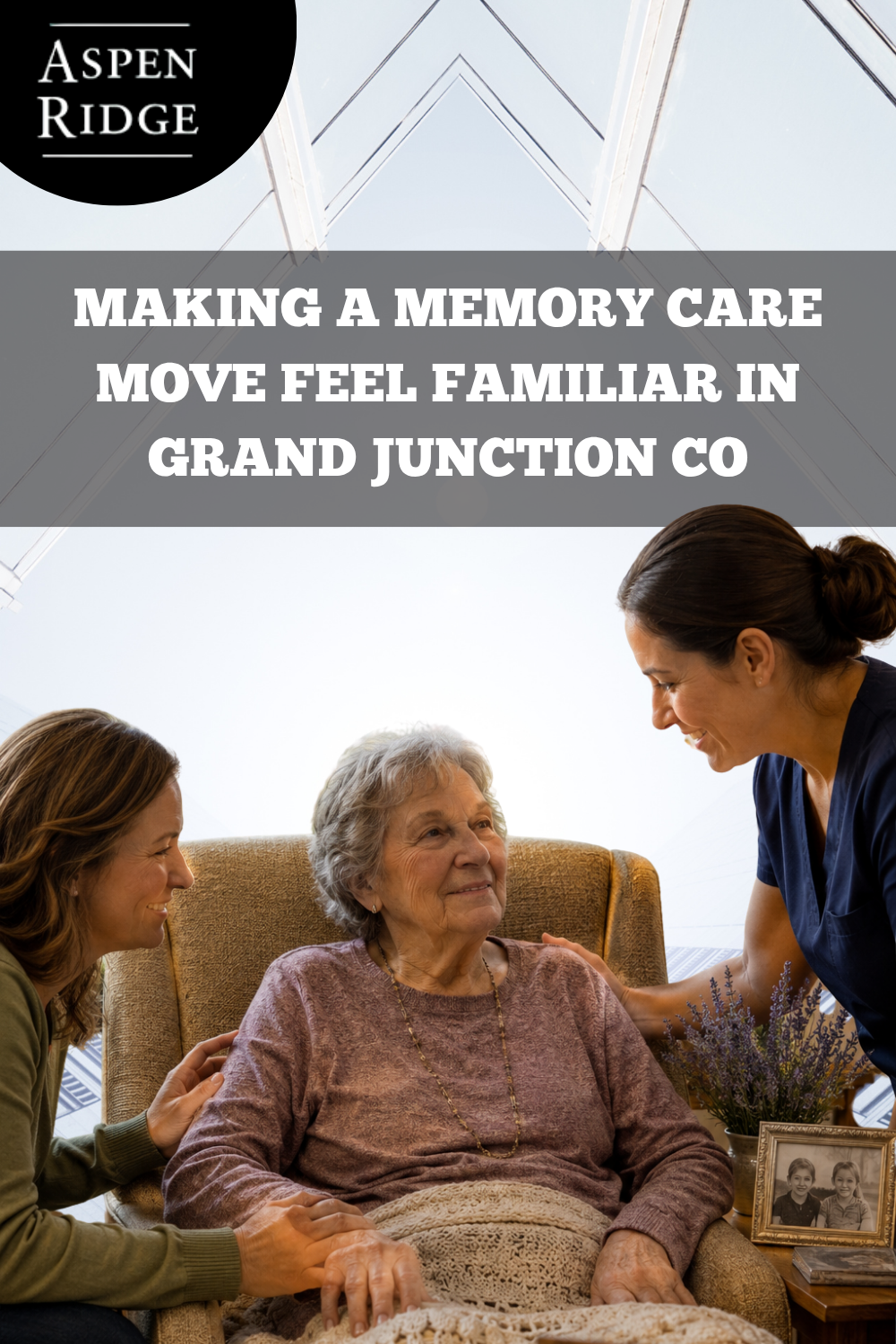
Making a Memory Care Move Feel Familiar in Grand Junction CO
Making a Memory Care Move Feel Familiar in Grand Junction COThe first morning in memory care may begin with small questions: Where is my sweater? What time is breakfast?For a person living with Alzheimers disease or another form of dementia, a move can feel unfamiliar even when it was carefully planned. Families may understand that specialized support is needed, yet still worry about whether their loved one will feel comfortable and connected.A successful transition is not only about moving furniture. It is about carrying a persons identity, routines, relationships, and life story into the new environment.Aspen Ridge Alzheimers Special Care Center provides memory care and respite care in Grand Junction. Located at 622 28 1/4 Road, the community is positioned on Colorados Western Slope with views of Grand Mesa. Jacob Duke is listed by the Grand Junction Area Chamber of Commerce as Aspen Ridges executive director.Families know their loved ones story better than anyone, says Jacob Duke. When they share the routines, interests, and memories that matter most, the care team can create a more personal and reassuring daily experience.Editorial note: This quote is written for Jacob Dukes review and approval before publication.Why Familiarity Matters During a Memory Care TransitionDementia can affect memory, judgment, communication, orientation, and the ability to complete familiar tasks. Symptoms may include getting lost in familiar places, forgetting appointments, struggling with meal preparation, and having difficulty managing everyday responsibilities.A new setting adds different rooms, new faces, changed meal times, and unfamiliar sounds. Families can reduce disruption by planning with the community.The National Institute on Aging recommends maintaining consistent routines for people with dementia, including regular times for bathing, dressing, and meals. Familiar activities can also be adapted to match the persons current abilities.Begin With the Persons Life StoryA diagnosis describes a health condition, but it does not describe the whole person.Before move-in, families can prepare a short profile that includes:Preferred name and former occupationImportant family relationshipsFavorite music, foods, and hobbiesDaily habits and preferred wake-up timeReligious or spiritual traditionsSituations that may cause worryHelpful phrases or calming approachesAspen Ridge uses Sinceri Senior Livings Meaningful Moments approach. The program begins by learning about each residents passions, achievements, career, family, hobbies, and interests so staff can build engagement around the individual.A former teacher may enjoy reading aloud. A gardener may respond to flowers. A lifelong homemaker may find purpose in folding towels. Meaningful activities do not need to be complicated.Choose Belongings That Create RecognitionFamilies often want to recreate an entire home inside a residents new room. Too many items, however, can make the space crowded or confusing.Start with a smaller collection of recognizable belongings:A familiar quilt or bedspreadClearly framed family photographsA favorite chair, when allowedAn easy-to-read clockFamiliar artwork or a lampComfortable clothing arranged simplyA labeled memory box near the doorwayAsk what furniture is provided, which personal items are permitted, and how valuables should be stored.Keep the First Days Calm and PredictableMove-in day does not need to become a large family gathering. Too many visitors, decisions, and emotional goodbyes may be overwhelming.A calmer approach may include:Scheduling the move at a time recommended by the care team.Setting up the room before the resident arrives.Bringing only one or two trusted relatives.Keeping explanations simple and reassuring.Following the communitys advice about visits.Adjustment takes time, so families should not judge the entire transition by the first visit.Make Visits About Connection, Not Memory TestingFamily members sometimes ask, Do you remember who I am? or What did you have for lunch? These questions may unintentionally create pressure.Instead, offer information and connection:Hi, Mom. Its Susan. Im happy to see you.I brought the music you always liked.Lets sit by the window together.Would you like to take a short walk?The National Institute on Aging advises speaking calmly, allowing time for responses, limiting distractions, and avoiding arguments when communicating with someone who has Alzheimers disease.Music, photographs, a snack, or quiet companionship can communicate affection without requiring a long conversation.Look Beyond the Activity CalendarActivities matter, but families should ask how programs are adapted for different abilities and stages of dementia.Aspen Ridge lists arts and crafts, cooking classes, gardening, games, religious services, outings, walking paths, live performances, and family celebrations among its amenities and programming. It also describes a secured setting with restaurant-style dining and housekeeping. Availability may depend on each residents needs and the current schedule.During a tour, ask:How does staff encourage participation without forcing it?Are activities offered in small groups?How are residents supported when overstimulated?Can families share music, recipes, or traditions?How does the team communicate changes?Consider Respite Care Before a Permanent DecisionRespite care may provide temporary support while a caregiver travels, rests, or evaluates longer-term options.Aspen Ridge offers respite care in addition to memory care. Its published information describes short-term stays with personalized support, accommodations, and community activities. Families should ask about availability, assessments, included services, and medication arrangements.Frequently Asked QuestionsWhat Type of Care Does Aspen Ridge Provide?Aspen Ridge provides specialized memory care for people living with Alzheimers disease, dementia, and other cognitive conditions. It also offers respite care and companion living options.Is Aspen Ridge a Secured Memory Care Community?Yes. Aspen Ridge lists a secured community among its amenities. Families should ask during a tour how entrances, outdoor spaces, emergency procedures, and visitor access are managed.Can Families Participate in Activities?Aspen Ridges Meaningful Moments model is family-centered, and the community describes family and holiday celebrations as part of its programming. Confirm current visiting policies and event schedules directly with the community.How Can a Family Arrange a Tour?Aspen Ridge is located at 622 28 1/4 Road in Grand Junction and currently lists 970-254-1233 as its main phone number. In-person and virtual tours are available.Find Memory Care Support in Grand JunctionA move to memory care can bring grief, relief, uncertainty, and hope at the same time. Families do not have to create a perfect transition. They can focus on preserving what is familiar: a favorite song, a trusted routine, a meaningful photograph, and the reassurance of being known as a whole person.Visit the Aspen Ridge Alzheimers Special Care Center listing on SeniorsBlueBook.com to learn more about its Grand Junction memory care services, connect with Jacob Duke, and explore whether the community may be appropriate for your loved one.
Jul 13, 2026

Creating Comfort, Structure, and Purpose at Aspen Ridge
Creating Comfort, Structure, and Purpose at Aspen RidgeWhen a loved one is diagnosed with Alzheimers disease or another form of dementia, families often feel like the ground has shifted beneath them. Familiar routines change. Communication becomes different. Safety concerns grow. And in a community like Grand Junction where many seniors have spent decades building homes, careers, and deep local roots the thought of transitioning to memory care can feel overwhelming.At Aspen Ridge Alzheimers Special Care Center, memory care isnt just a service line its the sole focus.Dedicated exclusively to individuals living with Alzheimers and other forms of dementia, Aspen Ridge provides structured, research-informed care designed to support cognitive health, safety, and dignity in the heart of the Grand Valley.Memory loss doesnt erase a persons story, says Ivone Rodriguez of Aspen Ridge. Our team works every day to honor who each resident is not just their diagnosis.Why Specialized Memory Care MattersNot all assisted living communities are equipped to support advanced cognitive decline. Dementia presents unique challenges that require: Specialized staff training Secured environments Structured daily routines Behavioral understanding Therapeutic engagement In Mesa County, where the senior population continues to grow, the need for dedicated memory care has never been more critical.Alzheimers disease and related dementias affect: Short-term memory Judgment and decision-making Communication Mobility over time Mood and personality A specialized memory care environment is intentionally designed to reduce anxiety and confusion.A Secure, Purposeful Environment in Grand JunctionSafety is one of the first concerns families raise.Aspen Ridge offers a secure setting that allows residents freedom of movement without the risk of wandering. The environment is carefully structured to promote: Clear visual cues Predictable daily routines Calm, supportive spaces Safe outdoor access In Grand Junction, where sunshine and outdoor scenery are part of daily life, having secure access to fresh air can make a meaningful difference in mood and engagement.The physical environment itself becomes part of the therapeutic approach.Understanding the Power of RoutineFor individuals living with dementia, routine reduces anxiety.A structured day at Aspen Ridge may include: Gentle morning engagement Music and memory therapy Light physical movement Cognitive stimulation activities Shared meals Quiet rest periods Predictability provides comfort.Our residents thrive when they know what to expect, Ivone Rodriguez explains. Structure builds confidence, even in later stages of memory loss.The Role of Specialized Staff TrainingMemory care requires more than patience it requires expertise.Staff at Aspen Ridge receive specialized dementia training focused on: De-escalation techniques Redirection strategies Behavioral triggers Communication adaptations Compassionate cueing Rather than correcting or confronting confusion, trained caregivers meet residents in their reality.This approach reduces distress and enhances dignity.Supporting Families Through the JourneyDementia doesnt just impact the individual it affects spouses, adult children, and entire families.Common emotions families experience include: Guilt Grief Relief Fear Uncertainty Transitioning to memory care often follows months or years of at-home caregiving.Aspen Ridge supports families by: Providing education about disease progression Offering open communication Encouraging involvement in care Hosting family-centered events Families are part of our care team, Ivone Rodriguez says. We walk this journey together.Recognizing When Its Time for Memory CareFamilies often ask how to know when a move is necessary.Signs may include: Wandering or exit-seeking behaviors Medication mismanagement Increased falls Aggression or agitation Caregiver burnout Unsafe cooking or household habits In Grand Junction, where many seniors live in single-family homes, safety concerns can escalate quickly.Early transition allows for smoother adjustment and greater quality of life.Therapeutic Engagement: More Than ActivitiesMemory care engagement isnt about busy calendars its about purposeful interaction.Aspen Ridge focuses on: Reminiscence therapy Music therapy Sensory stimulation Gentle movement exercises Life story integration Even small moments hearing a familiar song or folding towels can spark meaningful recognition.Maintaining purpose supports emotional well-being.The Western Slope ConnectionGrand Junctions strong community culture makes local memory care especially meaningful.Residents may have: Worked in local orchards Raised families in Mesa County Enjoyed decades of Western Colorado traditions Built deep social ties Care teams who understand local culture can incorporate personal history into daily interactions strengthening connection and comfort.Frequently Asked Questions About Memory Care in Grand JunctionHow is memory care different from assisted living?Memory care provides specialized support, secure environments, and dementia-trained staff tailored to cognitive decline.Can residents age in place within memory care?Yes. Many memory care communities are designed to support residents through advanced stages of dementia.Is memory care covered by Medicare?Medicare does not typically cover long-term residential memory care, though some insurance and long-term care policies may assist.How do families stay involved?Families are encouraged to visit, participate in events, and maintain connection through meaningful engagement.What if my loved one resists moving?Resistance is common. Early conversations and supportive transitions can ease adjustment.Compassionate Memory Care in the Grand ValleyAlzheimers disease changes the path of life but it does not erase dignity, personality, or worth.Aspen Ridge Alzheimers Special Care Center in Grand Junction provides a secure, structured, and compassionate environment where residents can live with comfort and purpose.If your loved one is experiencing cognitive decline and safety concerns are growing, now may be the time to explore specialized memory care. Visit Aspen Ridge Alzheimers Special Care Centers listing on Seniors Blue Book to learn more and connect with their team today.