$4,400/month
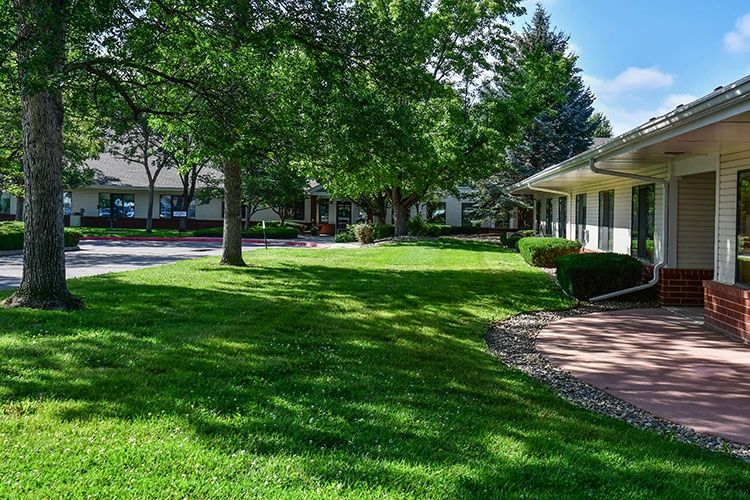
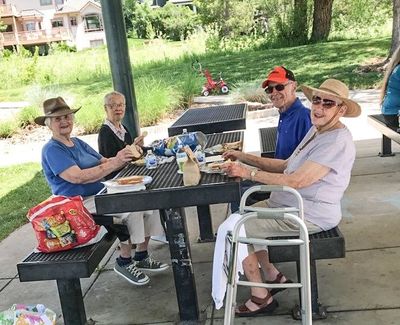
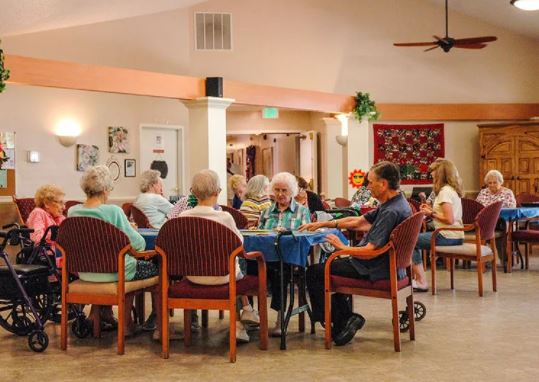
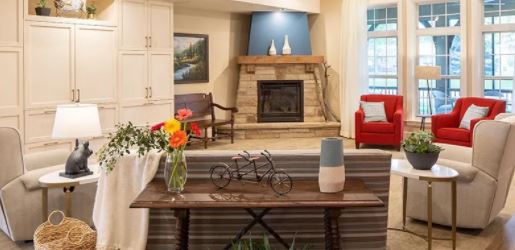

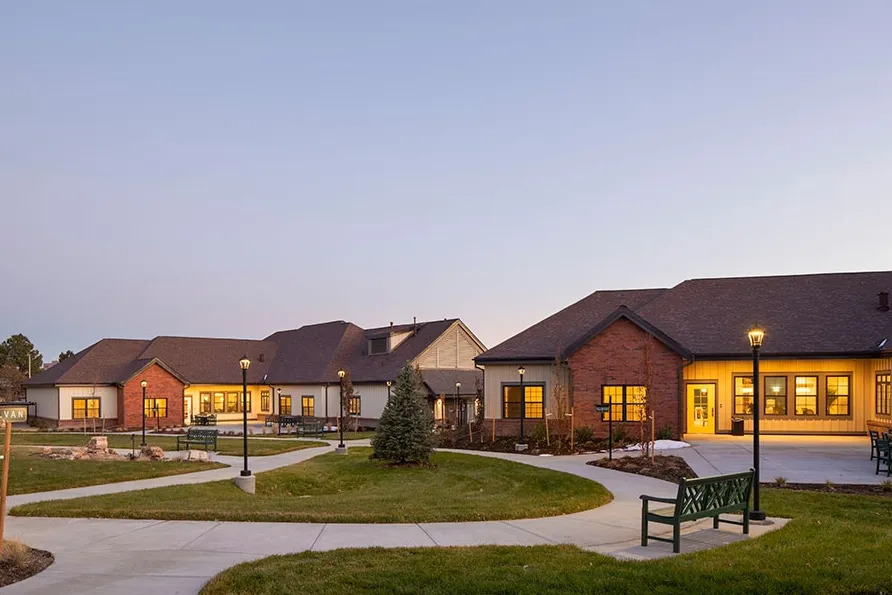
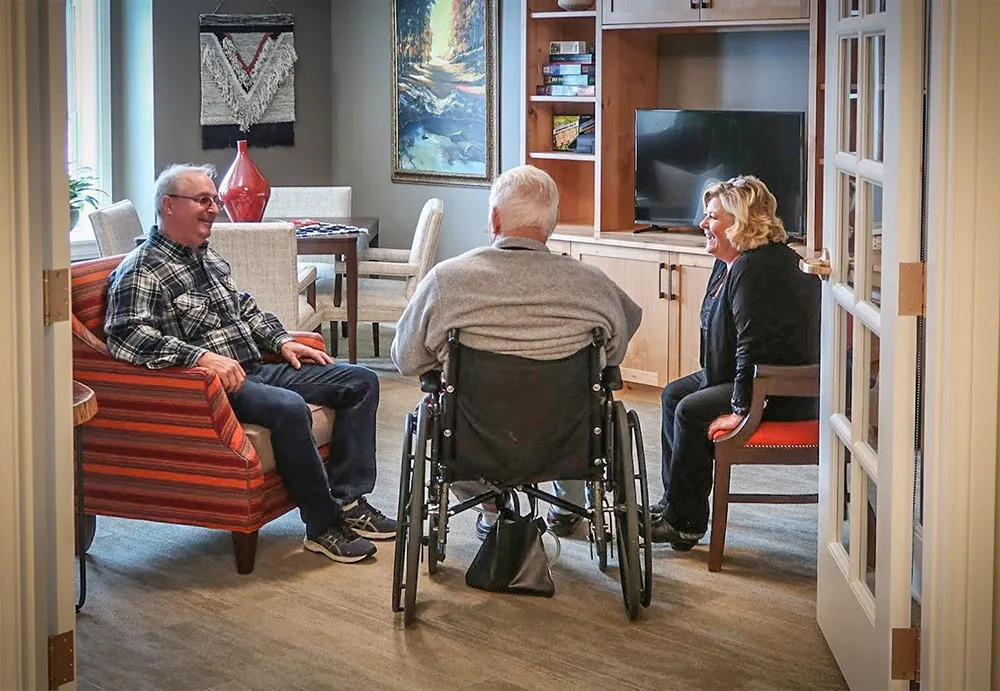




About Beatrice Hover Assisted Living
Hover Community Senior Living traditions were established by the Hover Family. We believe in the importance of things like affordability, attentiveness and compassion. Our residents enjoy a lifestyle that is secure, comfortable, stimulating and well-balanced. Our staff is dedicated to assisting residents with respect and consideration. From a wide range of activities to a comfortable and pleasant atmosphere, Hover Community is organized to provide seniors with a home choice where they can age with dignity and continue to grow.General Property Features
- Age Restrictions, Private Rooms, Semi-Private Rooms
- Respite/Short Term Stay, Scheduled Transportation, Transportation, Activities
- Assisted Living Community, CCRC Campus
- Small Pets
Assisted Living
- www.hovercommunity.org
- 55
- $4,400.00
- Private Pay, Other
- Studio
- Assisted Living Facility (PA-Only)
Continue Your Search! Explore More Local Options.
Start SearchingLet’s engage and get educated!
Browse through thousands of expert articles in over 100 different categories.
Browse NowArticles You May Like
Assisted Living That Supports Independence
Assisted Living That Supports IndependenceAssisted living is designed for seniors who value independence but benefit from assistance with certain daily tasks. At Beatrice Hover Assisted Living, residents receive personalized support that allows them to maintain control over their routines while enjoying the reassurance of professional care.Services typically include: Assistance with bathing, dressing, and grooming Medication management and reminders Nutritious meals and dining support Housekeeping and laundry services 24-hour staff availability By providing support behind the scenes, assisted living allows residents to focus on relationships, hobbies, and activities they enjoy. Our residents come to us with unique stories, preferences, and needs, says Lisa Bryant of Beatrice Hover Assisted Living. Our role is to support them in a way that respects their independence while ensuring they feel safe, valued, and at home. A Community-Centered Approach in LongmontLongmont is known for its welcoming neighborhoods, access to outdoor spaces, and strong sense of community. Beatrice Hover Assisted Living reflects these values by creating an environment that feels connected, warm, and familiar rather than institutional.Residents benefit from: Opportunities to build friendships Group activities and shared experiences Welcoming common areas Engagement that promotes emotional wellbeing Community-centered living helps reduce isolation, which is a common challenge for seniors living alone.Personalized Care Plans That Evolve Over TimeNo two residents have the same needs, and Beatrice Hover Assisted Living recognizes that care should adapt as circumstances change. Care plans are developed in collaboration with residents, families, and healthcare providers to ensure services align with current and future needs.Personalized care planning supports: Flexibility as health conditions change Proactive rather than reactive care Clear communication with families A sense of continuity and stability This individualized approach helps residents remain comfortable and confident in their living environment.Supporting Daily Wellness and Quality of LifeAssisted living is about more than assistanceits about wellbeing. Beatrice Hover Assisted Living encourages residents to stay engaged physically, socially, and mentally through a variety of daily opportunities.Wellness-focused elements may include: Gentle exercise and movement programs Social gatherings and group activities Creative and recreational offerings Opportunities for relaxation and reflection These activities help residents maintain a sense of purpose and enjoyment in everyday life.A Smooth Transition for Seniors and FamiliesMoving into assisted living can be an emotional transition. Beatrice Hover Assisted Living works closely with families to make the process as supportive and transparent as possible.Families can expect: Clear communication during the move-in process Ongoing updates and collaboration Opportunities to remain involved in care A welcoming environment for visits This partnership approach helps families feel confident and reassured about their loved ones care.Why Location Matters in LongmontRemaining local can make a significant difference for seniors and their families. Beatrice Hover Assisted Livings location in Longmont allows residents to stay near familiar places, healthcare providers, and loved ones.Benefits of staying local include: Easier family visits Continued connection to the Longmont community Access to nearby medical services Familiar surroundings that support emotional comfort For many seniors, staying close to home provides peace of mind and stability.Assisted Living as a Proactive ChoiceSome families wait until a crisis occurs to explore assisted living, but many find that making the move earlier can improve overall quality of life. Assisted living can help prevent falls, medication errors, and isolation while providing daily support.Choosing assisted living proactively can: Reduce caregiver stress Improve safety and wellbeing Support independence longer Create opportunities for social engagement Beatrice Hover Assisted Living helps families explore timing and readiness with compassion and clarity.Frequently Asked Questions (FAQs)What level of care does assisted living provide?Assisted living offers help with daily activities while encouraging independence and autonomy.Are care plans customized?Yes. Each resident receives a personalized care plan based on their needs and preferences.Can families visit often?Yes. Family involvement and visits are encouraged and supported.Is Beatrice Hover Assisted Living only for Longmont residents?No. Residents come from Longmont and surrounding Northern Colorado communities.How do families know when its time for assisted living?Common signs include difficulty with daily tasks, safety concerns, and caregiver burnout.Explore Assisted Living Options Through Seniors Blue Book Finding the right assisted living community starts with trusted information and local insight. Beatrice Hover Assisted Living is featured in Seniors Blue Book, making it easier for families to explore reliable assisted living options in Longmont and Northern Colorado.
Jan 05, 2026
How Assisted Living Creates Connection and Comfort in Longmont
How Assisted Living Creates Connection and Comfort in LongmontFor many seniors, the idea of assisted living isnt about giving up independenceits about finding the right balance of support, connection, and comfort. In Longmont, smaller assisted living communities offer a unique advantage: a close-knit environment where residents are truly known, routines are personalized, and care feels relational rather than institutional.Assisted living in a smaller setting can be especially appealing to seniors who value familiarity, meaningful relationships, and a sense of belongingwhile still having access to the help they need to live safely and confidently.What Makes Smaller Assisted Living Communities DifferentWhile larger senior living campuses can offer a wide range of amenities, smaller assisted living communities focus on personalization and consistency. Residents often benefit from stronger relationships with caregivers and fellow residents.Key advantages include: More personalized care and attention Consistent caregivers and staff Familiar daily routines A quieter, more homelike atmosphere Easier navigation for residents with mobility or memory challenges In Longmont, where community connections matter, this model aligns well with seniors seeking comfort and stability.Assisted Living That Supports IndependenceAssisted living is designed to help seniors with daily taskswithout taking away choice or autonomy. Residents decide how their day unfolds, with support available as needed.Common areas of support include: Bathing, dressing, and grooming Medication reminders and management Nutritious meals and dining support Housekeeping and laundry Mobility assistance and safety monitoring By reducing daily stressors, assisted living allows residents to focus on what brings them joy. Assisted living should feel like home, not a facility, says Lisa Bryant. When care is personal and relationships are strong, residents feel more comfortable, confident, and engaged. Why Longmont Is an Ideal Place to AgeLongmonts blend of neighborhood charm, accessible healthcare, and proximity to family-friendly areas makes it an appealing place for older adults. Many seniors have lived in the area for decades and want to remain close to familiar surroundings.Local assisted living communities support this by: Encouraging family visits and involvement Creating welcoming, community-centered environments Staying connected to local services and healthcare providers Remaining close to home often improves emotional well-being and eases transitions.Building Meaningful Daily RoutinesStructure and routine provide a sense of comfortespecially for seniors experiencing mild cognitive changes. Assisted living communities offer gentle structure while allowing flexibility.Daily routines may include: Shared meals Light exercise or wellness activities Social gatherings or hobbies Quiet time for rest or reflection This balance helps residents feel grounded while maintaining independence.Social Connection Without PressureLoneliness can affect seniors at any stage of aging. Assisted living creates natural opportunities for social interactionwithout forcing participation.Residents may: Enjoy conversations over meals Join optional group activities Spend time in shared living spaces Maintain privacy when desired This respectful approach supports both connection and personal space.Safety and Peace of MindOne of the biggest benefits of assisted living is safety. With staff available around the clock, residents and families gain reassurance.Safety features often include: Emergency call systems Supervision and regular check-ins Secure entrances Accessible layouts These features help reduce risk while supporting confidence.Supporting Families Through the TransitionFamilies often feel relief mixed with emotion when a loved one moves into assisted living. Smaller communities help ease this transition through communication and partnership.Families benefit from: Regular updates and transparency Opportunities to stay involved Trust in consistent caregiving staff A welcoming environment for visits When families feel supported, residents thrive.When Assisted Living May Be the Right ChoiceAssisted living is often considered when: Daily tasks become difficult Safety concerns arise at home Social isolation increases Family caregiving becomes overwhelming Seniors want support without losing independence Exploring options early allows for thoughtful planning.Frequently Asked Questions (FAQs)Do residents have private rooms? Many assisted living communities offer private or semi-private options.Is assisted living appropriate for active seniors? Yes. Many active seniors appreciate the convenience and social connection.Are families encouraged to visit? Absolutely. Family involvement is welcomed and supported.How is care adjusted over time? Care plans are reviewed regularly and adapted as needs change.Is assisted living the same as nursing care? No. Assisted living provides daily support, not continuous medical care.A Place to Feel Known and SupportedAssisted living in a smaller community offers seniors the opportunity to live with comfort, dignity, and meaningful connection. In Longmont, this approach helps residents feel truly at homesupported by caregivers who know them and neighbors who become friends. To learn more about assisted living options in Northern Colorado, visit the Beatrice Hover Assisted Living listing on Seniors Blue Book and explore care designed to support independence with heart.
Jan 08, 2026
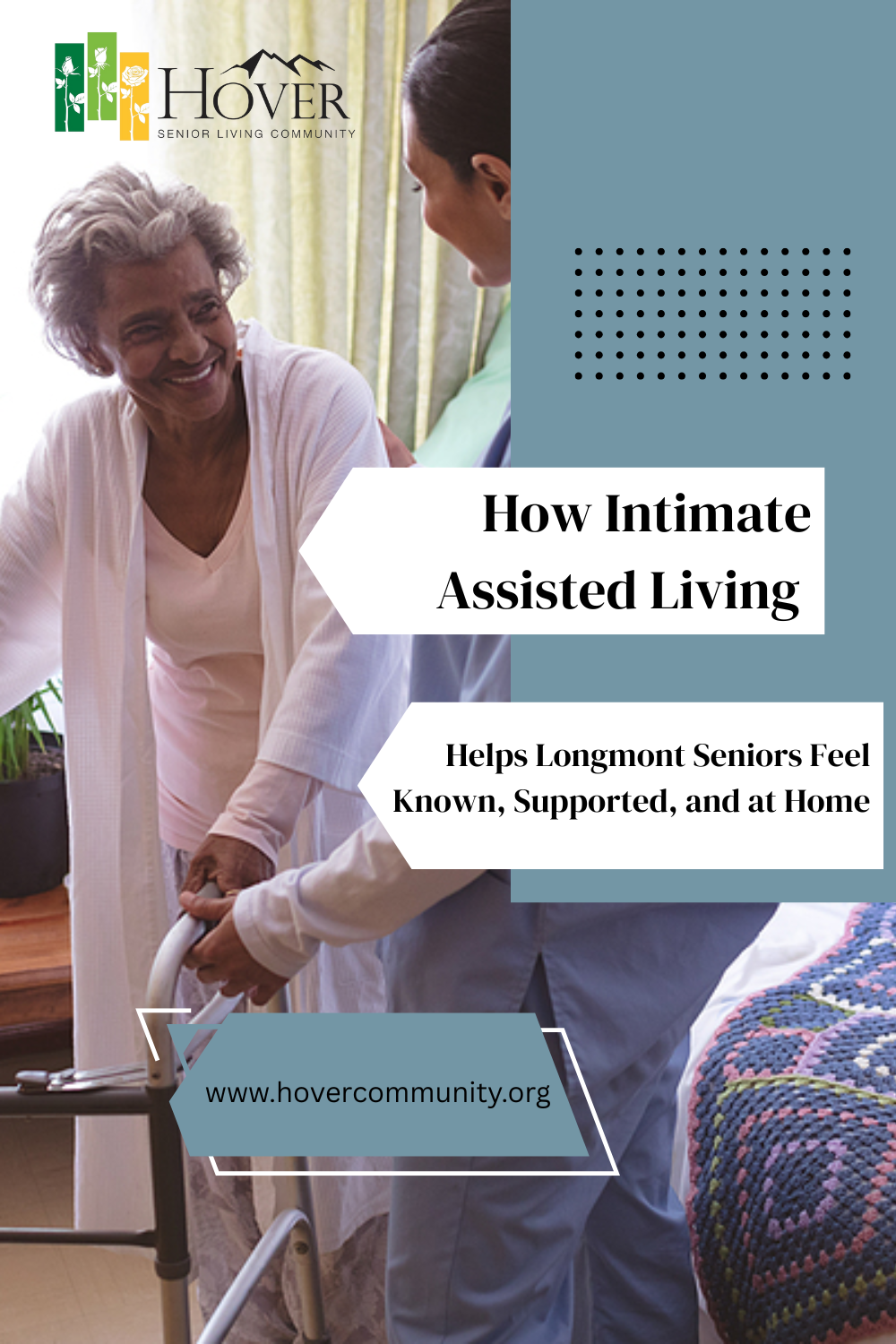
How Intimate Assisted Living Helps Longmont Seniors Feel Known, Supported, and at Home
How Intimate Assisted Living Helps Longmont Seniors Feel Known, Supported, and at HomeWhen families begin exploring assisted living, many worry that their loved one will feel lost in a large, unfamiliar environment. Seniors often express the same concern: Will anyone really know me here? For older adults who value routine, familiarity, and meaningful relationships, smaller assisted living communities can make a profound difference.That personalized approach is at the heart of Beatrice Hover Assisted Living. Serving seniors in Longmont, Beatrice Hover Assisted Living offers a more intimate, relationship-centered environment where residents are known by name, preferences are honored, and care feels personal rather than institutional.This article explores why smaller assisted living settings matter, how personalized care improves quality of life, and why many Longmont families seek out communities that feel like homenot a facility.Why Size Matters in Assisted LivingLarger communities can offer amenities, but they may also feel overwhelming for some seniorsespecially those who value calm, routine, and close relationships.Smaller assisted living communities offer: More consistent caregiver relationships Quieter, less chaotic environments Easier navigation and orientation Greater personalization in daily care For many seniors, feeling known is just as important as receiving help.Assisted Living That Feels Familiar and ComfortableTransitioning into assisted living is easier when the environment feels residential rather than clinical. Smaller communities often resemble a shared home more than a large complex.This atmosphere supports: Reduced anxiety during transitions Faster adjustment to new routines Greater sense of safety and belonging Emotional comfort through familiarity Comfort promotes confidence and well-being.According to Lisa Bryant, When residents feel comfortable and recognized, care becomes a relationshipnot a routine. Personalized Care That Reflects Individual NeedsIn a smaller setting, caregivers can tailor support to each residents habits, preferences, and rhythms.Personalized care may include: Assistance with bathing, dressing, and grooming Medication reminders and management Support with mobility and daily routines Flexible scheduling that respects preferences Care adapts to the personnot the other way around.Supporting Independence While Offering Daily AssistanceAssisted living works best when it supports independence wherever possible. Smaller communities often excel at striking this balance.Residents are encouraged to: Make choices about their daily routines Participate in activities at their own pace Maintain autonomy with gentle support Continue familiar habits and interests This balance preserves dignity and self-confidence.The Importance of Consistent CaregiversConsistency builds trust. Seeing familiar caregivers each day helps seniors feel secure and understood.Benefits of caregiver consistency include: Better understanding of resident needs Faster recognition of health or behavior changes Stronger emotional bonds Improved communication with families These relationships enhance both safety and satisfaction.Longmont Living: Staying Connected to CommunityMany seniors prefer to remain in Longmont near family, healthcare providers, and familiar neighborhoods. Local assisted living allows residents to stay rooted in the community they know.Local benefits include: Easier family visits Continuity with local doctors Familiar surroundings and routines Reduced stress from relocation Staying local often makes transitions gentler.Daily Life in a Small Assisted Living CommunityLife in an intimate assisted living setting emphasizes routine, comfort, and connection rather than rigid schedules.Daily life may include: Shared meals in a relaxed setting Light activities and conversation Time for rest and reflection One-on-one engagement with staff This rhythm supports both physical and emotional well-being.Peace of Mind for FamiliesFamilies often worry about whether their loved one will receive enough attention in assisted living. Smaller communities provide reassurance through visibility and communication.Families benefit from: Knowing staff recognize their loved one Regular updates and open communication Reduced fear of residents being overlooked Confidence in personalized oversight Peace of mind strengthens family trust.When Is a Smaller Assisted Living Community the Right Fit?Smaller assisted living settings may be ideal when: Seniors feel overwhelmed in large environments Personalized attention is a priority Consistent caregiver relationships matter Calm, home-like settings are preferred Families value close communication Choosing the right environment supports long-term happiness.Choosing Assisted Living With IntentionWhen touring assisted living communities, families should consider not just amenitiesbut atmosphere.Helpful questions include: Do staff know residents by name? Does the environment feel calm and welcoming? How personalized is daily care? Are routines flexible? The feel of a community often reveals the most.A Place Where Seniors Are Truly KnownAssisted living should offer more than servicesit should offer belonging. In smaller, relationship-focused communities, seniors receive care that honors their individuality while supporting daily needs.For Longmont families seeking assisted living that feels personal, attentive, and home-like, Beatrice Hover Assisted Living offers a setting where residents are truly known and supported. To learn more about care options and community life, visit Beatrice Hover Assisted Livings Seniors Blue Book listing and explore whether this intimate approach is the right fit for your loved one.Frequently Asked QuestionsIs assisted living in a small community still safe? Yes. Smaller communities often provide close supervision and familiarity.Do residents still have independence? Absolutely. Independence is encouraged while support is available.Are families involved in care planning? Yes. Families are encouraged to participate and communicate regularly.Is assisted living appropriate before care needs become urgent? Often, yes. Earlier transitions can be easier and more positive. Do smaller communities offer activities? Yes. Activities are typically smaller-scale and personalized.
Jan 09, 2026
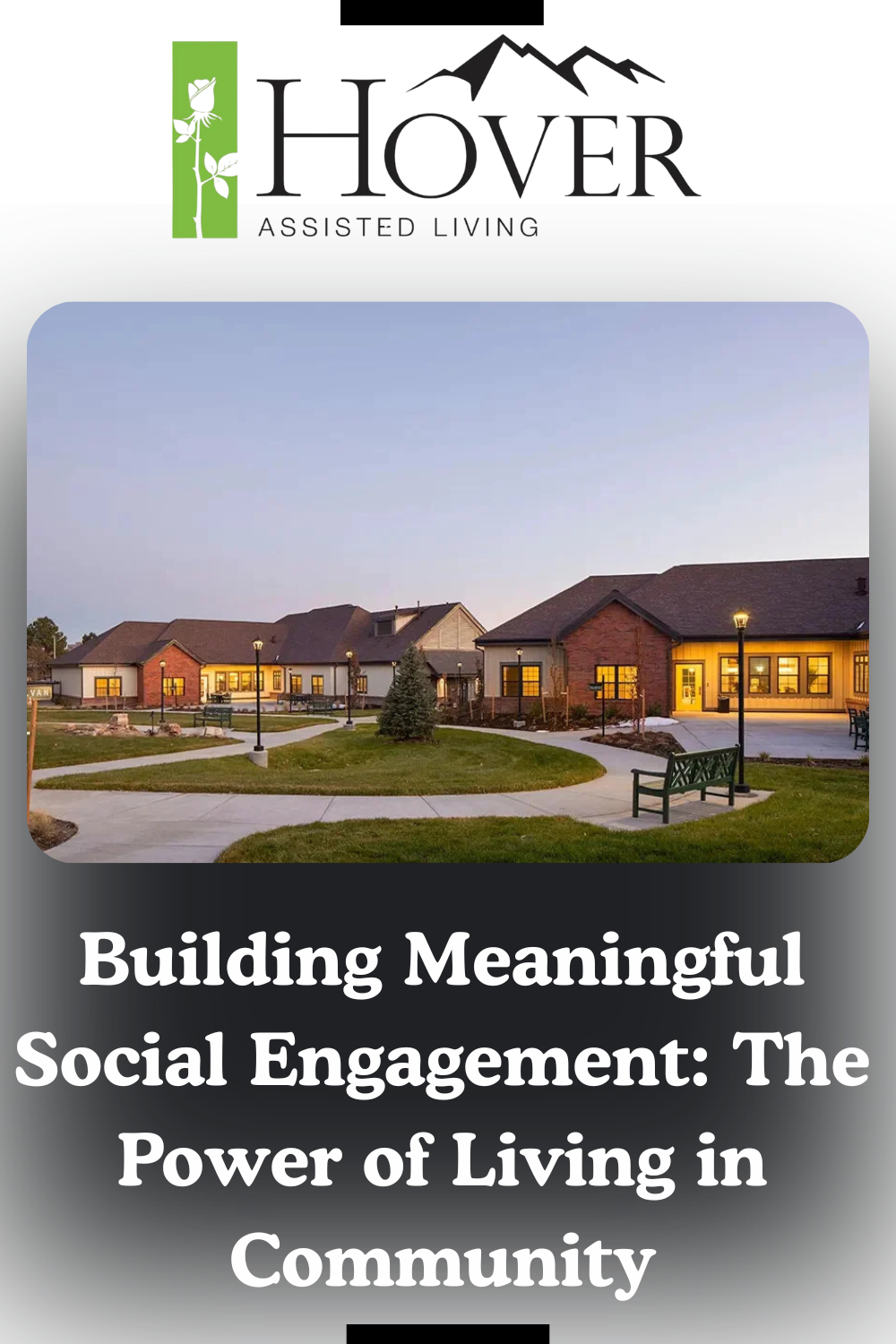
Building Meaningful Social Engagement: The Power of Living in Community
Human connection isnt just a pleasant addition to life, it is one of the strongest predictors of health, happiness, and longevity. For older adults, staying socially engaged is more than a pastime; it is essential nourishment for emotional well-being, cognitive resilience, and a deep sense of purpose.Experts agree: community is more than shared walls. It is shared experiences, familiar laughter echoing down the hall, and the comfort of knowing you are surrounded by people who understand your journey because they are walking their own version of it right alongside you.And when seniors engage with others regularly, something remarkable happens.Mood ImprovesDaily conversation and companionship reduce feelings of loneliness and depression. Even small interactionschatting with a neighbor over coffee or joining a morning walking groupcan uplift spirits and strengthen emotional health. Research consistently shows that strong social ties act as a protective buffer against stress and sadness.Minds Stay ActiveGames, discussions, hobbies, and group activities stimulate memory, language, and reasoning skills. Social engagement encourages curiosity and learning, which supports cognitive health. Scientists have found that older adults who regularly participate in social activities are less likely to experience cognitive decline and often maintain sharper thinking skills well into later years.Health StrengthensStaying socially connected is linked to lower stress, better sleep, stronger immune function, and reduced risk of chronic conditions. Seniors who feel supported by a community often take part in more physical activities, attendhealth appointments more consistently, and experience a greater sense of security, each of which contributes to better overall wellness.Purpose GrowsBeing part of a community brings renewed meaning. Whether contributing to an activity, offering support to a neighbor, or forming a new friendship, seniors find that their presence matters. That sense of purpose fuels motivation, creativity, and joy. Purpose is not a luxury, its a lifeline.The Power of Living in CommunityLiving in a community creates a natural rhythm that supports each person. Its easier to stay engaged, try new things, and build lasting relationships when youre surrounded by peers who encourage, inspire, and walk alongside you.In a supportive community, older adults gain: A built-in social network: Opportunities for connection are right outside the door - meals, clubs, celebrations, and simple everyday interactions. Shared safety and comfort: Knowing help is nearby reduces anxiety and makes it easier to stay active and involved. Spontaneous joy: From hallway conversations to impromptu music sessions, community life is filled with small, meaningful moments. Interdependence: Everyone has something to offer, and everyone benefits from the contributions of others. That reciprocity strengthens confidence and belonging. Greater resilience: During challenging timesillness, grief, transitionscommunity members support one another, easing burdens and nurturing hope.Living in community doesnt erase the complexities of aging, but it softens them. It creates a space where older adults can thrive rather than simply endure, where laughter and learning are woven into daily life, and where every person is seen, valued, and included.Meaningful social engagement isnt something that just happensits something we build. And the foundation is community.Because where people gather, purpose grows.Where connection thrives, wellness follows.And where community is strong, so are the individuals who call it home.Lisa BryantDirector of Community Awareness and DevelopmentHover Senior Living CommunityTo Learn more about Beatrice Hover Assisted Living visit their Seniors Blue Book Listing
Nov 19, 2025
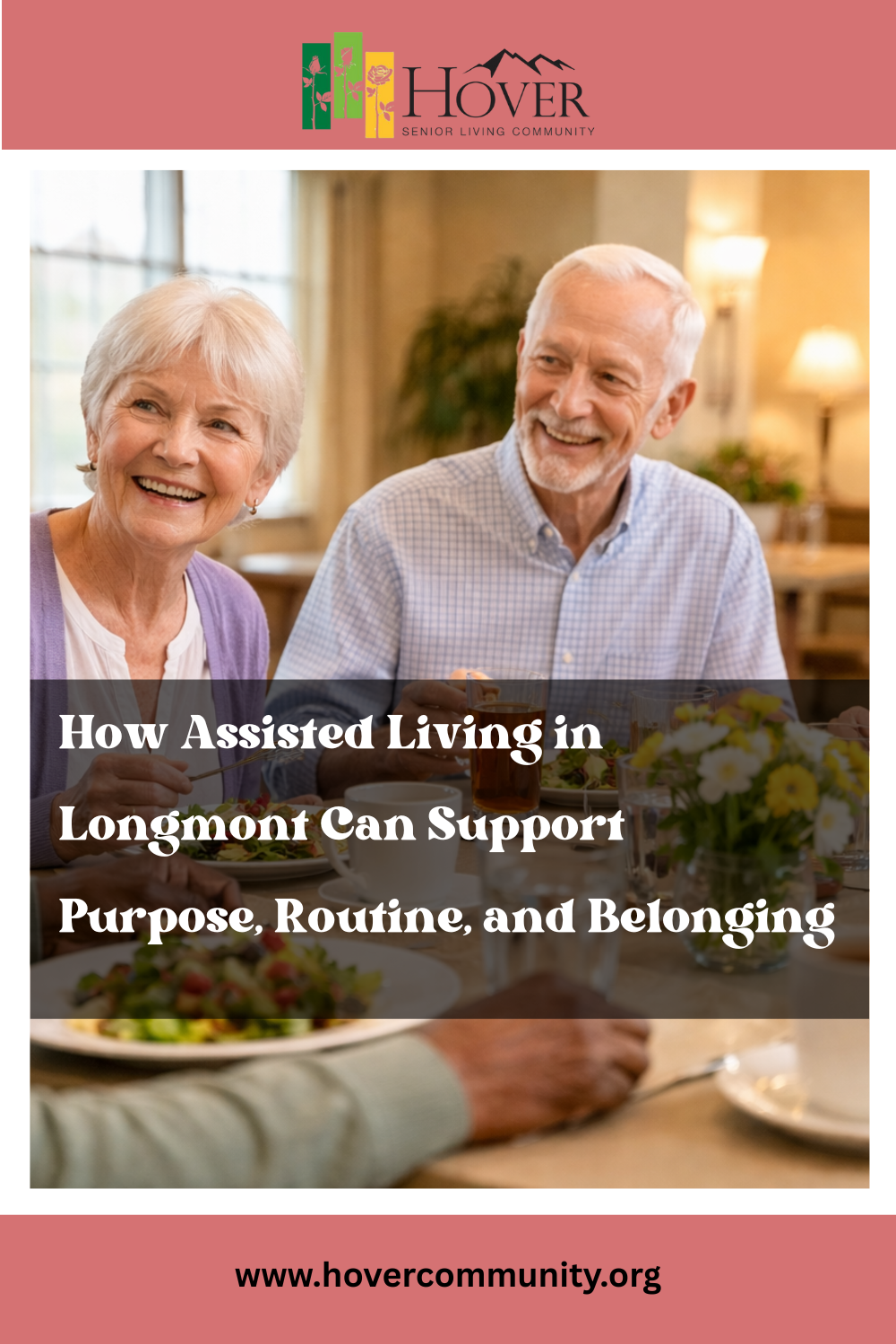
How Assisted Living in Longmont Can Support Purpose, Routine, and Belonging
How Assisted Living in Longmont Can Support Purpose, Routine, and BelongingWhen families first start exploring assisted living, they often focus on the practical questions: Is it safe? Will someone help with medications? What about meals? Those questions matterbut theyre not the full story. For many seniors, the most meaningful part of assisted living isnt the tasks that get easier. Its the small moments that become possible again: getting dressed with confidence, sharing a meal with others, laughing during an activity, or feeling recognized and known.In Longmont, where community ties run deep and local life has a comfortable pace, many older adults want the same thing as they age: to feel safe and to feel like they still belong. Beatrice Hover Assisted Living supports seniors in Longmont and Northern Colorado with assisted living services that help residents maintain dignity, routine, and connectionso life can feel steady and meaningful.Assisted Living Isnt About Losing IndependenceIts About Protecting ItOne of the hardest parts of assisted living conversations is the fear that moving means giving up independence. But in reality, many seniors lose independence before they movewhen daily tasks become exhausting, unsafe, or emotionally overwhelming.Assisted living commonly supports: Bathing, dressing, grooming support Medication reminders or management Mobility help and fall-risk reduction Nutritious meals and hydration Housekeeping, laundry, and linens Transportation coordination (varies) Social engagement and daily activities 24/7 staff availability for safety and reassurance When those supports are in place, seniors often regain energy for the parts of life they enjoybecause theyre no longer spending all their strength just trying to keep up.Why Routine is a Form of WellnessAs people age, routine becomes a stabilizing force. When seniors live alone and begin to struggle, routine often breaks down first: Meals become inconsistent Hygiene becomes harder to manage Medication schedules get confusing Sleep patterns shift The home becomes cluttered or unsafe Social connection decreases Assisted living can restore routine without rigidity. A steady rhythmmeals at consistent times, gentle reminders, predictable supportcan reduce anxiety and make the day feel manageable.For many residents, that steady routine is what brings the biggest relief.The Power of Being KnownSeniors dont just need carethey need to feel seen. Assisted living is at its best when residents feel recognized as individuals, not just as people who need help.This can look like: Staff remembering preferences (tea vs. coffee, morning routines, favorite activities) Familiar faces that build trust Gentle encouragement without pressure Emotional safety, not just physical safety Lisa Bryant, who works closely with residents and families at Beatrice Hover Assisted Living, often highlights how personal connection impacts well-being: When residents feel known and respected, everything changes. Theyre more comfortable, more engaged, and families feel reassured that their loved one isnt just cared forbut truly supported. That sense of being known creates belongingand belonging supports health.Purpose Doesnt RetireFamilies sometimes worry that moving to assisted living means their loved one will just sit around. But the opposite can happen. With less burden and more social opportunity, many seniors reconnect with purpose.Purpose can be simple: Being part of a community Helping with small tasks Participating in discussions or activities Sharing stories and life experience Feeling useful and included A good assisted living environment creates opportunities for residents to contribute in ways that match their abilitieswithout forcing participation.Social Connection as a Health SupportLoneliness is more than a feelingit can affect sleep, mood, appetite, and even physical health. Seniors living alone may have fewer interactions, especially if driving becomes difficult or friends move away.Assisted living helps reduce isolation through: Shared meals that naturally create conversation Activities that dont require planning or transportation Daily check-ins and friendly interactions Community events that encourage connection at a comfortable pace In Longmont, where community matters, this built-in connection can be a major benefit for seniors and families alike.Supporting Families Through a Major TransitionAssisted living is also a shift for adult children and caregivers. Families often carry constant worry: What if theres a fall? What if medications are missed? What if Mom is lonely?Assisted living can reduce that mental load by providing: 24/7 support and oversight A safer environment designed for older adults Consistent routines and meal support Communication and partnership with families When families arent in constant crisis mode, visits become more meaningfulmore about connection, not just tasks.When Assisted Living Might Be the Right Next StepEvery familys situation is different, but common signs include: Frequent falls or near-falls Missed medications or confusion about schedules Weight loss or inconsistent meals Declining hygiene or home safety Increased isolation or depression Family caregiver burnout and constant worry Many families wait until a crisis. Exploring options earlier often leads to a smoother transition and better emotional outcomes.FAQs: Assisted Living in Longmont1) Is assisted living the same as nursing care?No. Assisted living supports daily activities and routine. Skilled nursing provides higher medical care and clinical oversight.2) Do residents have to give up independencex independence?Not at all. Assisted living supports independence by making daily tasks easier and safer.3) What if a resident needs more care later?Some residents may transition to higher care levels, depending on the communitys offerings and changing needs.4) Can families visit often?Yes. Many communities encourage family involvement and regular visits.5) How do we help a loved one adjust to assisted living?Consistency helps: personalize the space, visit regularly, maintain familiar routines, and give time for emotional adjustment.A Place Where Life Can Feel Steady AgainAssisted living is often about creating a safer foundationbut the real goal is something bigger: helping seniors feel comfortable, connected, and purposeful in daily life. In Longmont, Beatrice Hover Assisted Living supports residents with routines that reduce stress and relationships that foster belonging. To learn more about Beatrice Hover Assisted Living and explore assisted living options in Longmont, visit their Seniors Blue Book listing and connect with a trusted Northern Colorado resource.