


About Bethany Village
Bethany Village is a not for profit community with a long standing reputation as the areas leader in quality service. With a focus on enhancing the vibrant and healthy lifestyles todays adults are leading, Bethany Village offers wellness initiatives and preventative services. Bethany Village boasts numerous residential options as well as superior assisted living, memory support and skilled nursing services.General Property Features
- Age Restrictions, Covered Parking, Fitness Center, Pool/Spa, Guest Parking, Handicap Access, Wheelchair Accessible
- Scheduled Transportation, Transportation, Activities, Social Programs, Housekeeping, Meals/Meal Options
- Assisted Living Community, Secured Memory Care Unit, Skilled Nursing Facility, Retirement Community, CCRC Campus
- All Pets Considered
Independent Living
- https://www.asbury.org/bethany-village/independent-living/?utm_medium=banner&utm_source=Senior%20Blue%20Book&utm_campaign=2020_03
- $2,014.00
- $159100
- 391
- 1 BR, 2 BR
- Luxury Day Trips
- Assisted Living Facility (PA-Only)
- Lease/Buy In (to come), Freestanding Homes/Villas
Additional Levels of Care Offered

MapleWood Assisted Living At Bethany Village
Respite Care 325 Wesley Dr, Cumberland County, Mechanicsburg, Pennsylvania, 17055Bethany Village is a nationally accredited, not for profit community with a long standing reputation as the areas leader in quality service. With a focus on enhancing the vibrant and healthy lifestyles todays adults are leading, Bethany Village offers wellness initiatives and preventative services. Bethany Village boasts numerous residential options as well as superior assisted living, memory support and skilled nursing services.
Golden Maple Memory Care At Bethany Village
Memory Care 5225 Wilson Lane, Cumberland County, Mechanicsburg, Pennsylvania, 17055Bethany Village is a not for profit community with a long standing reputation as the areas leader in quality service. With a focus on enhancing the vibrant and healthy lifestyles todays adults are leading, Bethany Village offers wellness initiatives and preventative services. Bethany Village boasts numerous residential options as well as superior assisted living, memory support and skilled nursing services.
Golden Maple Memory Care At Bethany Village
Respite Care 325 Wesley Dr, Cumberland County, Mechanicsburg, Pennsylvania, 17055Bethany Village is a nationally accredited, not for profit community with a long standing reputation as the areas leader in quality service. With a focus on enhancing the vibrant and healthy lifestyles todays adults are leading, Bethany Village offers wellness initiatives and preventative services. Bethany Village boasts numerous residential options as well as superior assisted living, memory support and skilled nursing services.
MapleWood Assisted Living At Bethany Village
Assisted Living 5225 Wilson Lane, Cumberland County, Mechanicsburg, Pennsylvania, 17055Bethany Village is a not for profit community with a long standing reputation as the areas leader in quality service. With a focus on enhancing the vibrant and healthy lifestyles todays adults are leading, Bethany Village offers wellness initiatives and preventative services. Bethany Village boasts numerous residential options as well as superior assisted living, memory support and skilled nursing services.
Videos
Continue Your Search! Explore More Local Options.
Start SearchingLet’s engage and get educated!
Browse through thousands of expert articles in over 100 different categories.
Browse NowArticles You May Like
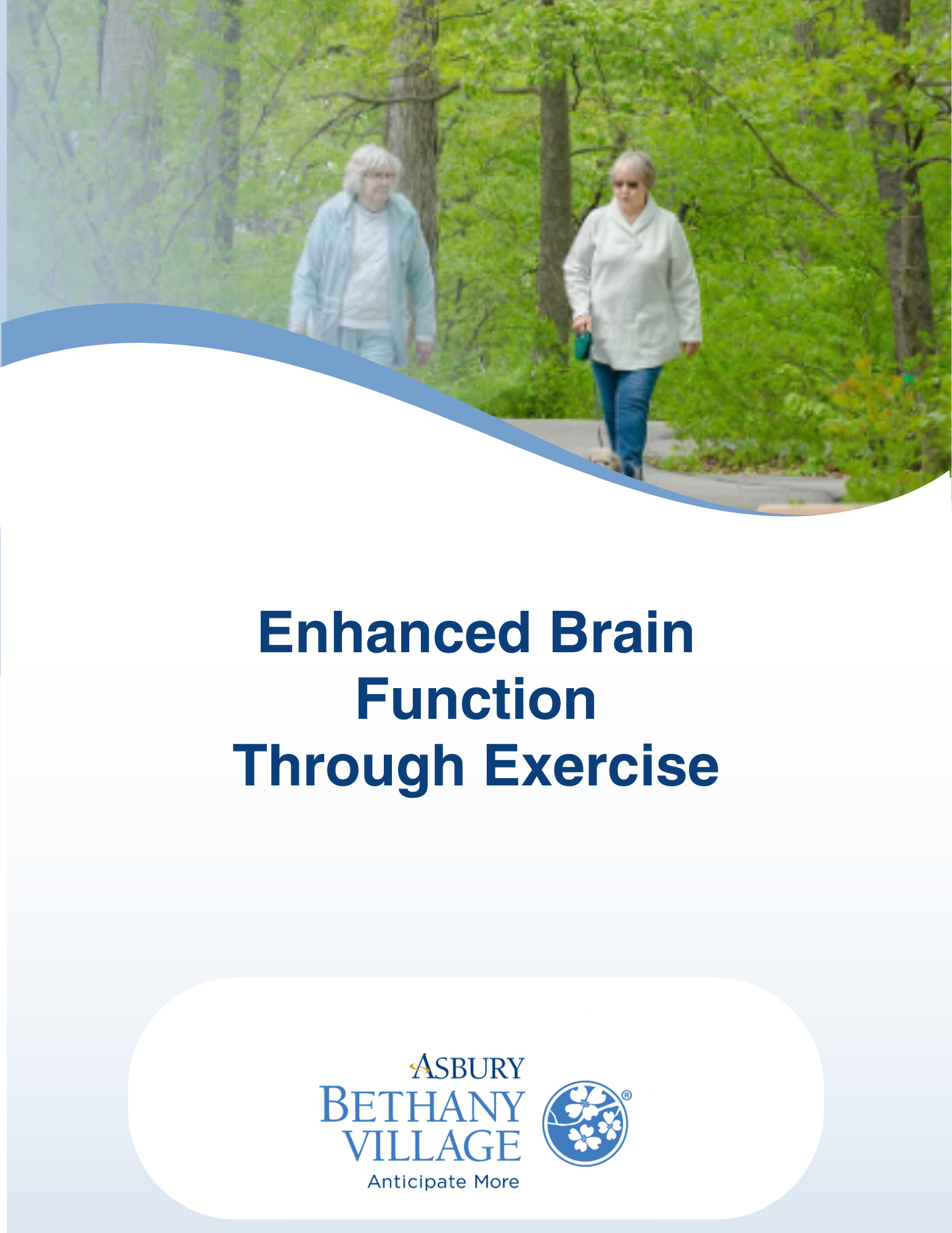
Enhanced Brain Function Through Exercise
Researchers have long linked the role that exercise plays in keeping your brain healthy. And two new studies provide fresh evidence that any level of exercise has a positive effect on brain health including a better memory and improved problem-solving, attention span and reaction time. In what is the largest study to date, an international collaboration of researchers from Canada, Switzerland, and the United States, using genetic data collected from 350,000 people, showed the connection between exercise and how it can sharpen thinking and reduce, or at least stave off, Alzheimers and other types of dementia. The good news is that it doesnt have to be a lot of exercise. Both vigorous and moderate physical activity boosted cognitive function in the study participants. And heres the kicker: the cognitive benefits of moderate physical activity (comparable to jogging) were 50 percent greater than those of vigorous physical activity, suggesting that you dont need to push yourself to run marathons or tackle triathlons to get the benefits. The other encouraging news from this study is that the brains of even once-sedentary older people benefit from exercise. In the study, subjects experiencing signs of cognitive decline were able to improve their brain connections and thinking with just a few hours of walking each week. But to get the maximum brain benefits from exercise, start while youre young. A Florida Atlantic University study on mice suggests exercising over your lifetime helps the brain build up a reserve of healthy neurons and connections. Dissecting our DNA What separates this study from others are the substantial number of participants and the use of a technique called Mendelian randomization, which uses DNA to study behaviors that cause disease. Researchers looked at the cognitive tests of a group of people born with genes that predispose them to exercise more. While these gene variants have no known effect on cognitive function, the people carrying these exercise genes, most of whom did exercise, scored better on cognitive tests, suggesting that their higher levels of exercise made the difference. Miracle-Gro for the brain Just why is exercise so good for our brains? A new study published in the Journal of Physiology offers some insight. Exercise increases blood levels of something called brain-derived neurotrophic factor or BDNF, which researchers often refer to as Miracle-Gro for the brain. BDNF is a protein released during aerobic exercise which acts like a fertilizer for brain neurons, preventing them from dying and triggering the growth of new brain cells and synapses. In this experiment, 12 healthy young people rode an exercise bike at a leisurely pace for 90 minutes, followed by six minutes of high-intensity intervals. Blood levels of BDNF were measured before, during and after each session. Researchers also tracked levels of lactate; an organic acid released by muscles during exercise. Lactate travels to the brain where, among other things, it prompts the production of BDNF. While levels of BDNF and lactate rose during the leisurely pedaling, they soared during and after the interval training. Researchers found that BDNF rose by 4 to 5 times and lactate increased sixfold. The good news here: Any level of exercise is good for your brain. And the more you move and the earlier you start, the bigger the benefits.
May 19, 2026
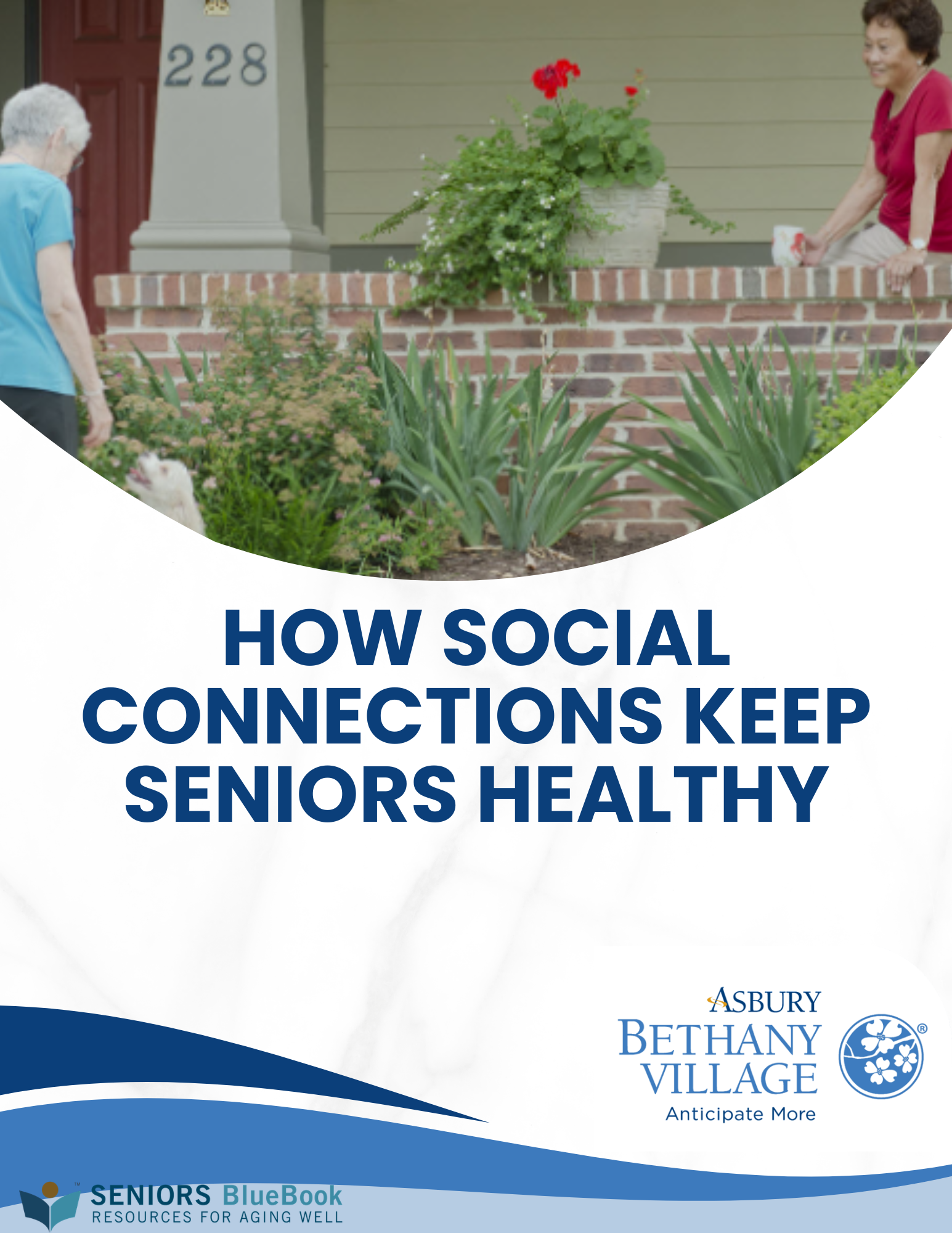
How Social Connections Keep Seniors Healthy
The biological need for socialization dates back to the 1940s when Abraham Maslows Hierarchy of Needs Pyramid concluded that humans need to feel a sense of belonging, acceptance, and connection to other people, not just family. Without it, people become susceptible to loneliness, depression, and anxiety.A key goal of senior living, and especially continuing care retirement communities, is to foster engagement and connection through the campus design, programs and services. The value of this grows as we become older and often face more physical limitations and lose existing social networks.Socialization and senior healthWell-run senior living and assisted living communities follow a philosophy of multi-dimensional wellness, starting with creating a community environment where people feel safe, and ensuring that the programs and events they offer touch on physical, mental, social, emotional, and cognitive well-being.Residents vocations are also incorporated into the communities offerings as they work with campus administration to create clubs and initiatives on issues they are passionate about. Youth mentoring and tutoring, wildlife conservation, delivering Meals on Wheels, and protecting the Chesapeake Bay are just a few areas where Asbury residents have used their professional experience to create something new at the community they join. Providing additional opportunities for seniors to stay engaged in the world around them and feeling purposeful are positive side effects of the expanded social networks they gain after moving.Think of socializing as a whole-body exercise for the mind. Its not just about doing one thing, its about doing many things in many ways recalling memories, having conversations, meeting someone who shares the same interest, listening and thinking about responses, and reading reactions and recognizing emotions. Joining in a group event, even if it is online, or conversing one-on-one gets a lot of gears moving in the brain, with positive effects on your overall wellness.Better nutrition Seniors who stay social are more likely to eat more regularly, maintaining a better diet and keeping their body powered for activity, which in turn contributes to better overall physical health. (The Journals of Gerontology)Better sleep Seniors who are feeling less lonely tend to keep better routines and sleep schedules, which helps to optimize their physical wellness. (National Institute on Aging)Better physical function Seniors who keep socially active, including exploring new social opportunities, tend to be physically more active thanks in part to the format of many social activities like walking groups, aerobics, crafting, and more. These bodies in motion experience additional health benefits such as lower blood pressure, less joint stiffness, slower loss of bone or muscle tissue, better circulation which also benefits their brain, and boosted immune systems. (Mather Institute Age Well Study)Better cognitive function Seniors who maintain communication with others are more likely to maintain cognitive function for longer than those who do not engage in forms of communication regularly. (Stanford Health)Better mood Seniors who engage in social connections several times a week tend to be happier, keep a lighter mood, feel less stressed and more supported, are more confident, and maintain a more positive outlook. (The Harvard Study on Aging)Asbury strives to maintain retirement lifestyles full of activity, socialization and purpose for residents, offering countless opportunities to make new friends, gain new skills and have novel experiences which promote brain health and do more of what they enjoy.Feeling socially isolated can be as toxic to healthy brains and bodies as smoking, says Laura L. Carstensen, director of Stanford Universitys Longevity Center. Its important to find the right environment that provides the right kind of social engagement and connection. Especially for seniors.Research shows these top 10 benefits of social engagement Higher levels of social support and lower levels of loneliness Positive perceptions of social relationships lead to higher levels of overall health Loneliness can lead to depression, anxiety, and feelings of isolation Social environments stimulate important brain functions that impact overall wellness Isolation can lead to cognitive decline Social stimulation promotes brain health Greater feeling of neighborhood cohesion enhances mental well-being Staying active in social settings promotes more focus on physical wellness and nutrition Social settings improve mood and happiness Social happiness improves sleep quality With a 90-plus year legacy of serving seniors, Asbury Communities understands the importance of socialization and other key factors to aging well. Moving to a senior living community before you need to is the best way to develop a strong social network and benefit from the communitys focus on wellness and engagement. Learn how Asbury communities are continuing to provide social, wellness-focused opportunities for residents by contacting a retirement counselor today or by contacting us through our online form here!
May 19, 2026
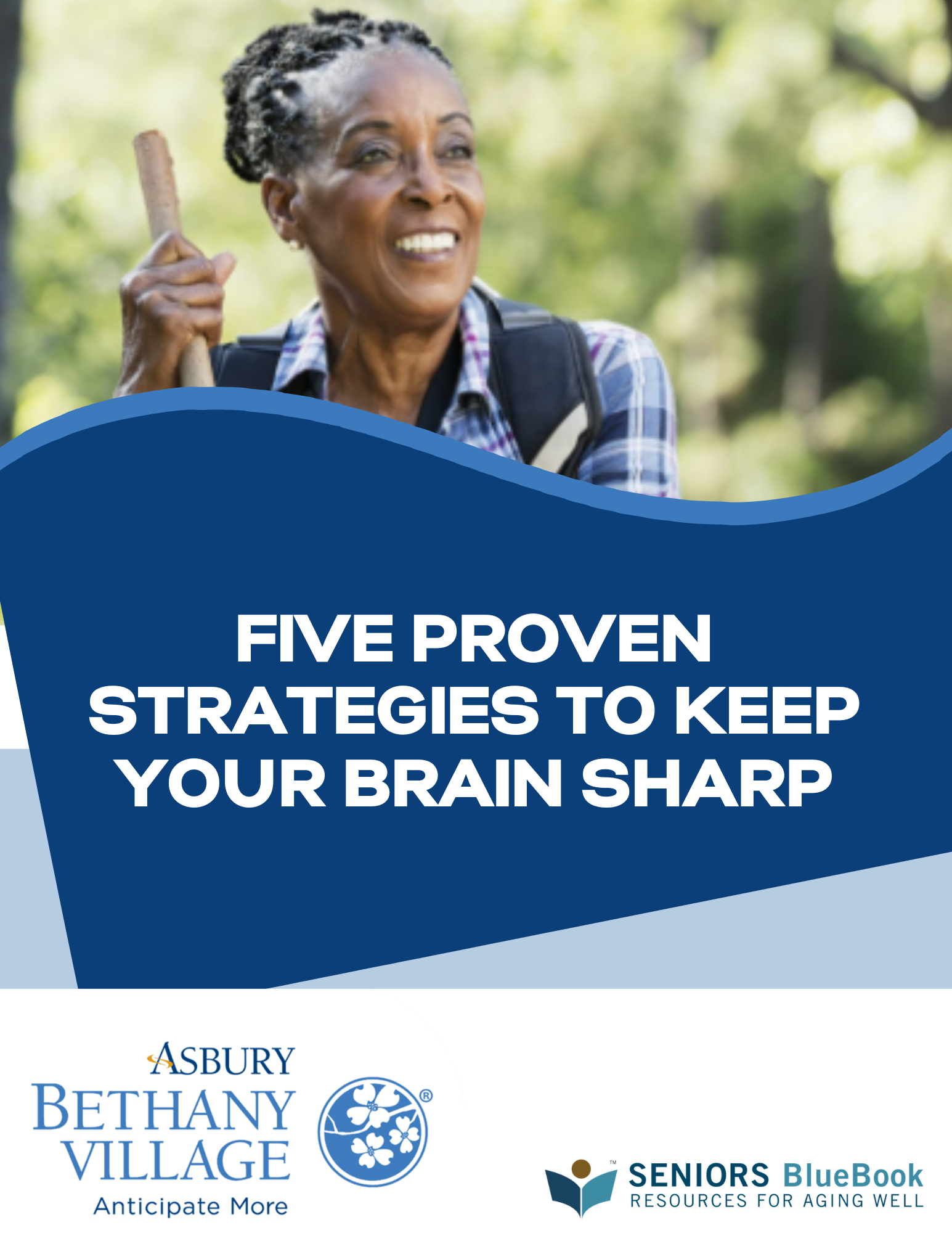
Five Proven Strategies to Keep Your Brain Sharp
Your brain is the most amazing part of your body. Its a storage facility for a lifetime of memories, it comes up with creative ways to express thoughts and emotions, and coordinates movements from skiing a slalom course to peeling an apple.So, its no surprise that dementia prevention and supporting healthy brain function is a top priority for adults of all ages and seniors in particular.Asbury Methodist Village recently opened the Rosborough Wellness & Brain Health Center for Excellence, which uses cutting-edge, science-based brain health practices and tools. Well-Being Director Sue Paul an occupational therapist and dementia specialist built the Centers program around five strategies for keeping your brain at its best and shares them here.Seek novel experiences. By the time we reach retirement age our brains have mastered many tasks. Nows the time to challenge the status quo by adding randomness and surprise the unpredictable element that challenges your brain. Change your routines, take a new route to the grocery store, and use a map instead of GPS. New hobbies activate new areas of the brain and can lead to new friendships. Take language or music lessons. The goal is not to become a pro but to have fun and learn! At our new Brain Health Center, we intentionally added amenities you dont routinely find in senior living: a rock wall, boxing studio, and exergaming. These tools and fitness classes that engage the brain and body simultaneously kick up the brain benefits.Nurture with nature. Forest bathing may sound strange, but its really just about being mindful in nature a practice that helps your brain de-stress, refocus, and revitalize. Taking a walk in the woods or a nearby park immerses you in the sights, sounds and smells of nature. Human beings respond to the natural world in an instinctual, appreciative way. Theres an added benefit to your brain from a cognitive standpoint, too. Feeling the breeze or a gust of wind, the instability of a grassy surface, and the reflexive avoidance of a puddle require the brain and body to work together to navigate a changing environment.Be Social. Spending time talking, laughing, and empathizing with others is like doing exercises for your brain. Socialization can even help prevent mental decline and lower the risk of dementia. A 2017 study published by researchers at the Cognitive Neurology and Alzheimers Disease Center of Northwestern University found that individuals 80 and above with the mental agility of 50-year-olds all had one factor in common: A close-knit group of friends.Keep Moving. Any physical activity is great because it pumps oxygen-rich blood to all regions of the brain. Experts agree that aerobic exercise has the greatest rewards in helping your brain stay young. But when your brain and body work simultaneously, the benefits are exponential. Climbing a rock wall, for example, creates a strong mind-body connection because you must focus on the task at hand; you cant just treadmill away. The longer you climb, the more your brain zeroes in on the physical movements, the problem-solving, and the exertion. My parents said it. Maybe yours did, too. If it doesnt challenge you, it doesnt change you.Eat Well. Good nutrition can benefit the brain in several ways. To keep the arteries in your heart and your brain from getting stiff and clogged with fat, eat plenty of fruits, veggies, leafy greens, and whole grains. Stick with healthy fats such as those in nuts, avocados, and olive oil. Include plenty of lean protein and fiber to round things out. Try to fill half your plate at each meal with fruits and vegetables. They are full of antioxidants and supply important nutrients. Avoid white flour. Losing those extra pounds helps too. Studies show maintaining a healthy weight equals a better chance at a healthy brain.Sue Paul is the Senior Director of Well-Being and Brain Health for Asbury Communities. She is an occupational therapist, a Certified Health Coach with the American Council on Exercise, a Functional Aging Specialist, and a published author on dementia prevention and brain health strategies. Learn more about the Asbury Methodist Village senior brain health program here.
May 19, 2026
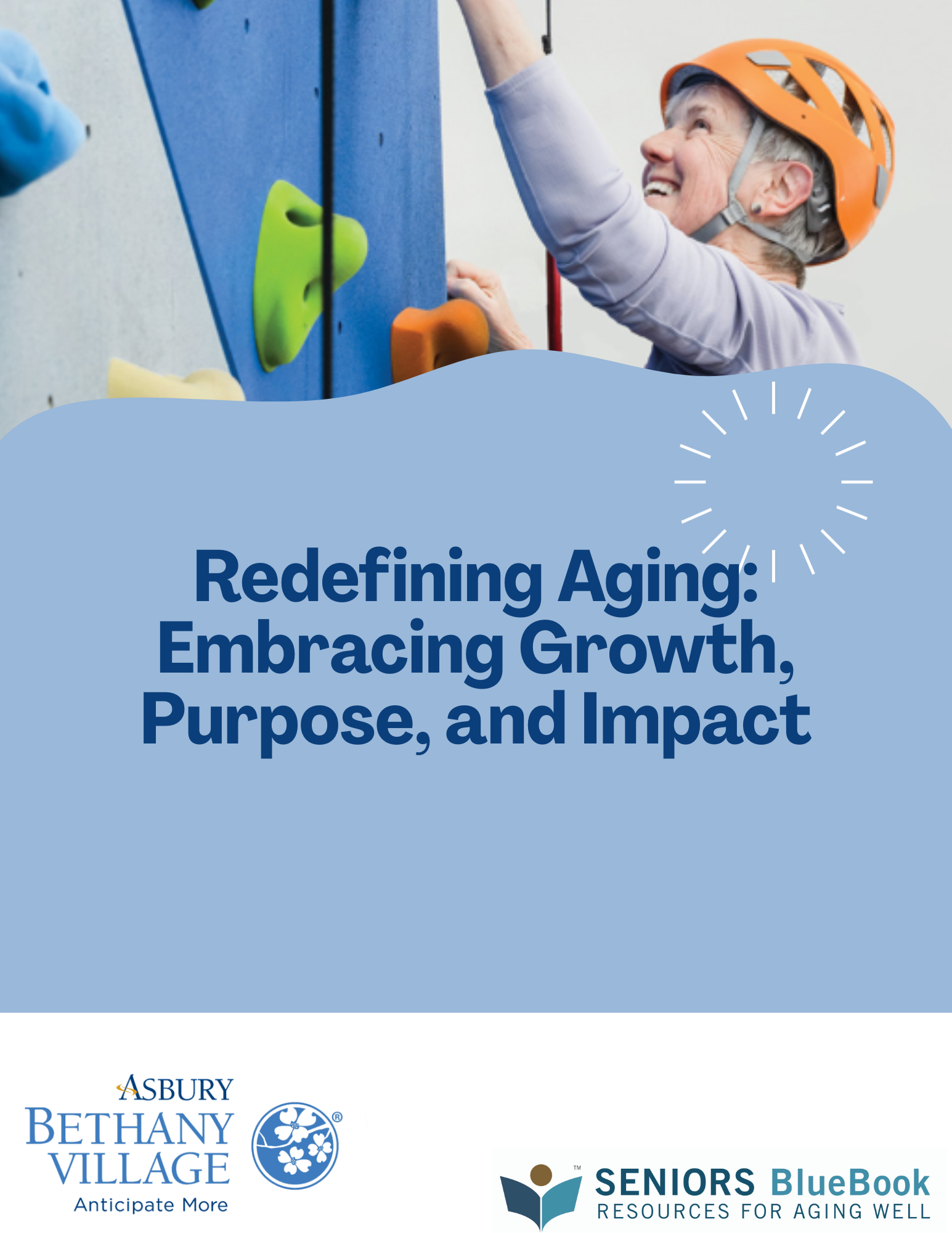
Redefining Aging: Embracing Growth, Purpose, and Impact
From the desk of Doug Leidig President & CEO of Asbury Communities:Each May, Older Americans Month invites us to celebrate the incredible contributions of older adults. But at Asbury, we believe we are called to do more than celebratewe are called to lead a movement that reshapes how society views aging.As I reflect on the conversations weve had in recent leadership training sessions, about the trends shaping our future and the kind of organization we strive to be, one core belief keeps resonating with me: Our vision for the future is rooted in how we honor the human experience at every age.When I first stepped into senior living at age 16, I never imagined how deeply this work would shape my perspective. Like many, I accepted age-related phrases without question: You dont look your age. Thats just a senior moment. Too old to change.But over time, I realized how limiting and negative these words can be. A recent study from the University of California, Berkeley, confirms what many of us have felt: internalizing negative stereotypes around aging can accelerate health decline. The way we talk about aging mattersit shapes how people feel about themselves and how society treats them.Thats why I believe its time to reframe the narrative.Aging is not a decline; its a dynamic stage of growth, purpose, and reinvention. At Asbury, we witness this truth every day. Whether its learning new technologies, mentoring younger generations, leading committees, or creating change through service, older adults are proving that age doesnt define capabilityit enhances it.Consider this: While overall volunteerism in the U.S. has declined, the participation of seniors aged 65 and older has increased significantlyrising from 18% to 29% of all volunteers between 2002 and 2021, according to AARP.At Asbury, we see this spirit of service every day. Our residents dedicate countless hours to strengthening their communities, both on and beyond campus. They mentor young people, teach English to first-generation Americans, and bring their talents to life through arts, entertainment, and well-being programs.And their impact doesnt stop there. In 2024 alone, charitable gifts and commitments from across the Asbury system totaled more than $10.5 million, funding scholarships, benevolent care programs, and even community projects like dog parks.These arent just acts of generositythey are bold statements: Aging is a time of meaningful contribution.Throughout this year, well continue to share stories of residents who are redefining what it means to grow olderpeople who are embracing wellness, sparking joy, and living with impact. I invite you to follow along on our social media channels, share your own stories, and engage in this important conversation.We know the future of senior living isnt just about buildings or servicesits about culture. And shifting culture begins with language, mindset, and each of us. Lets continue to be bold in how we speak about aging and honor it not as a challenge to overcomebut as a season of opportunity to embrace.