
PHONE
Click to View NumberGeneral Property Features
- Private Rooms, Furnished Apts Available
- Nurse on Staff, Respite/Short Term Stay
- Secured Memory Care Unit
Memory Care
- RC-1209
- 9
- Price All Inclusive
- Alz/Dementia Residents Only, Secured Courtyard, Activities, Memory Care Only Community
- Yes
Continue Your Search! Explore More Local Options.
Start SearchingLet’s engage and get educated!
Browse through thousands of expert articles in over 100 different categories.
Browse NowArticles You May Like

When Is It Time for Memory Care- 8 Signs Your Loved One May Need More
When Is It Time for Memory Care? 8 Signs Your Loved One May Need More SupportOne of the hardest questions families face is knowing when a parent or spouse needs more help.At first, memory changes may seem manageable.Maybe Mom forgets an appointment.Dad occasionally repeats a story.Someone leaves the stove on once.But over time, small incidents can become patterns.Eventually, families may find themselves asking:"Is it time to consider memory care?"There isn't one answer that applies to everyone. However, there are signs that additional supervision and specialized support may be appropriate.1. Safety Concerns Are IncreasingSafety is often one of the biggest reasons families begin exploring memory care.Consider whether your loved one has experienced: Wandering Falls Leaving appliances on Medication mistakes Difficulty using household appliances Getting lost in familiar places Problems navigating the home When safety becomes difficult to manage, additional support may be necessary.2. Daily Tasks Are Becoming DifficultSomeone living with dementia may gradually struggle with activities that once seemed automatic.These could include: Dressing Bathing Eating Using the bathroom Managing medications Preparing meals Keeping a regular routine Memory care can provide assistance while encouraging residents to maintain as much independence as possible.
Sep 04, 2026

Preserving Dignity and Independence in Memory Care in Eagle, Idaho
Preserving Dignity and Independence in Memory Care in Eagle, IdahoWhen someone begins needing memory care, families naturally focus on safety.Is Mom taking her medication correctly?Can Dad still shower without falling?What happens if a loved one wanders outside?Will someone be available during the night?Those are important questions. Yet good memory care involves more than keeping someone physically safe. It should also recognize that a person living with Alzheimer's disease or another form of dementia still has preferences, routines, relationships, abilities, and a lifetime of experiences that deserve respect.For families searching for memory care in Eagle, Idaho, preserving dignity and independence can be just as important as providing supervision.Care Moore Homes Memory Care at Prickly Pear, located at 4073 W. Prickly Pear Drive in Eagle, provides dedicated memory care in a small residential setting. Its current Seniors Blue Book listing describes a nine-unit residential memory care home with private rooms, a nurse on staff, activities, a secured courtyard, respite or short-term stays, and an all-inclusive pricing structure.That smaller environment can provide opportunities to focus not simply on what residents can no longer do, but on what they can still do with the right level of support.Dementia Changes Abilities, but It Does Not Erase IdentityA dementia diagnosis can quickly become the main way people talk about an older adult."She has Alzheimer's.""He has memory loss.""Mom can't remember anymore."But those descriptions capture only one part of a person's life.A resident may also be:A retired teacherA parent and grandparentA gardenerA veteranA lifelong Idaho residentA musicianA former business ownerSomeone who loves dogsSomeone who always drinks coffee before breakfastSomeone who has attended the same church for decadesThose details matter.Memory care should recognize the person behind the diagnosis.Care Moore Homes describes its residential model as focusing on personalized attention, dignity, familiar routines, personal choice, and an environment designed to feel more like a home than a traditional institution.For families, this means sharing more than medical history when a loved one moves into care.Tell caregivers about the person's life.What did they enjoy?What made them laugh?What frightened them?What did a normal morning look like?What music did they listen to?What foods did they love?Those details can help caregivers understand how to connect with the resident as an individual.Independence Does Not Have to Mean Doing Everything AloneFamilies sometimes think of independence as an all-or-nothing concept.Either someone can complete a task independently, or a caregiver must do everything for them.Memory care can take a different approach.A resident may no longer be able to prepare breakfast alone, but perhaps they can help stir ingredients or set napkins on the table.Someone may need help choosing appropriate clothing but still be able to select between two shirts.A resident may require assistance showering but still be able to wash their face or brush their hair.The goal can be to provide just enough support while allowing the person to participate wherever possible.That participation matters.Being able to make small decisions and complete familiar parts of a routine can help preserve dignity and a sense of control.Memory Care Tip: Instead of automatically asking, "What does my loved one need help with?" also ask, "What can they still do safely with a little support?"That question can change the way families think about memory care.Choice Can Still Be Part of Everyday LifeDementia can affect complex decision-making, but many residents can continue making simple choices.Small choices might include:Which shirt to wearWhether to sit indoors or outsideCoffee or teaWhich music to playWhether to participate in an activityWhich dessert sounds goodWhere to sit during a mealWhether to rest or take a short walkOffering too many choices can sometimes feel overwhelming, particularly as dementia progresses.Instead of asking an open-ended question such as, "What do you want to wear today?" a caregiver might offer two appropriate choices."Would you like the blue sweater or the green one?"This allows the resident to participate without making the decision unnecessarily complicated.Respecting these small preferences helps reinforce that the resident still has a voice in daily life.A Smaller Setting Can Make Preferences Easier to KnowCare Moore Homes Memory Care at Prickly Pear is listed by Seniors Blue Book as a nine-unit residential memory care home. Its listing also identifies a secured memory care unit, nurse on staff, private rooms, activities, and a secured courtyard.Care Moore Homes' Seniors Blue Book content describes its broader approach as providing professional caregivers at approximately a 1-to-6 caregiver-to-resident ratio, along with private rooms, welcoming common spaces, and home-cooked meals.A smaller resident population may make it easier for caregivers to become familiar with individual patterns.They may learn that one resident prefers to wake later.Another becomes restless in the afternoon.Someone else enjoys listening to music after lunch.One resident may love conversation while another needs more quiet time.Knowing these patterns can help caregivers respond to residents as individuals rather than expecting everyone to follow exactly the same routine.Personal Care Should Protect Privacy and RespectBathing, dressing, toileting, and grooming can become difficult as dementia progresses.These are also deeply personal activities.Someone who has spent decades independently caring for themselves may feel embarrassed, frightened, or frustrated when assistance becomes necessary.Caregivers can help protect dignity by:Explaining what they are doingMoving at a comfortable paceProviding privacyEncouraging participationOffering simple choicesMaintaining familiar routinesAvoiding unnecessary correctionSpeaking respectfullyA resident may not fully understand why help is needed.They may insist that they already showered or that they do not need assistance.Rather than treating resistance as misbehavior, dementia-aware care looks for the reason behind the reaction.Is the resident cold?Are they frightened?Do they feel rushed?Is the bathroom unfamiliar?Would another time of day work better?Understanding the reason behind a behavior can often lead to a better solution.Communication Should Adapt as Memory ChangesCommunication is another area where dignity matters.As dementia progresses, a person may have difficulty finding words, following long explanations, remembering questions, or communicating exactly what they need.That does not mean they should be excluded from conversations.Helpful communication may include:Making eye contactSpeaking calmlyUsing short, clear sentencesGiving the person time to respondAsking one question at a timeAvoiding arguments over minor inaccuraciesPaying attention to facial expressions and body languageCorrecting every memory mistake is not always helpful.Imagine a resident says, "I need to pick up my children from school," even though those children are now adults.Responding, "Your children are 55 years old. That's wrong," may create confusion or embarrassment.A caregiver might instead explore the emotion."You always took good care of your children."Then gently redirect to something comforting or meaningful.The objective is not to win an argument about facts.It is to communicate in a way that helps the resident feel heard and secure.Familiar Routines Can Support ConfidenceRoutine can provide useful structure for someone experiencing memory loss.A resident may not remember the day of the week, but familiar patterns can still create a sense of predictability.Morning grooming.Breakfast.A favorite television program.Time outdoors.Lunch.A rest period.Music in the afternoon.Dinner.A quieter evening.Care Moore Homes' description of its smaller residential model emphasizes individualized experiences rather than a rigid schedule designed around large numbers of residents.That flexibility can be helpful because dementia affects each person differently.One resident may enjoy being involved in activities throughout the day.Another may prefer a quieter routine with occasional social interaction.The best daily rhythm is the one that works for the resident.Meaningful Activities Can Reinforce PurposeMemory care activities do not always need to look like organized entertainment.Sometimes purpose comes from ordinary tasks.A resident might enjoy:Folding towelsWatering plantsSorting photographsSetting a tableListening to musicWorking on a simple puzzleWalking outdoorsLooking through a photo albumHelping prepare a snackTalking about a former careerParticipating in a familiar spiritual activitySomeone who spent years managing a household may enjoy helping fold laundry.A former gardener may enjoy watering flowers.A retired teacher might enjoy reading aloud.The activity itself may be simple, but the sense of familiarity can be meaningful.Care Moore Homes Memory Care at Prickly Pear lists activities among its memory care services, along with access to a secured courtyard where residents can spend time outdoors within a protected setting.Meals Can Offer More Than NutritionFood is tied closely to memory, routine, culture, and family.The smell of a favorite breakfast or the experience of gathering around a dining table can feel familiar even when other memories become harder to access.Care Moore Homes' information about the Prickly Pear residence describes home-cooked meals and individualized dining, including the ability to accommodate resident preferences.Families researching memory care should ask:How are meals prepared?Can residents request favorite foods?How are dietary restrictions handled?What happens if a resident refuses a meal?Are snacks available?Is assistance available for residents who need help eating?How does the team encourage hydration?A resident's favorite foods can be one more way of preserving familiarity.Private Rooms Can Preserve Personal SpaceHaving a private space can also support dignity.The current Seniors Blue Book listing for Care Moore Homes Memory Care at Prickly Pear identifies private rooms and notes that furnished options are available.Families may choose to personalize a room with:Family photographsFavorite beddingFamiliar artworkBooksMeaningful keepsakesA favorite blanketReligious itemsPersonal decorationsThese familiar items can help a new environment feel less unfamiliar.They also tell caregivers something about the person.A photograph of grandchildren can open a conversation.A military keepsake may reveal an important part of someone's history.A favorite quilt may simply provide comfort.Family Involvement Helps Preserve IdentityFamilies carry information that no medical chart can fully capture.They know how Dad takes his coffee.They know Mom always loved country music.They know which family stories make someone smile and which topics create anxiety.That knowledge remains valuable after a loved one moves into memory care.Care Moore Homes' Seniors Blue Book content emphasizes maintaining communication between families and senior living teams so relatives remain informed and involved.Family members can continue supporting a loved one by:VisitingSharing stories with caregiversBringing photographsParticipating in activitiesAttending care meetingsSharing favorite foods when appropriateReporting changes they noticeHelping caregivers understand lifelong routinesMoving to memory care changes the family's role.It does not eliminate it.Why This Matters in Eagle, IdahoEagle has a particularly large older-adult population.The U.S. Census Bureau estimated the city's population at 34,658 in 2025, with 24.3% of residents age 65 or older. That is notably higher than Idaho's statewide percentage of 18.7%.Eagle's population has also grown considerably, increasing an estimated 11.2% from its April 2020 population base to July 2025.As more local households navigate retirement, dementia, caregiving, and senior housing decisions, families need memory care options that offer different environments and care models.For some families, proximity matters too.Choosing memory care in Eagle can help keep a loved one close to family, familiar neighborhoods, local providers, and the community where they have built their life.Frequently Asked Questions About Personalized Memory CareCan someone with dementia still make decisions?Many people living with dementia can continue making certain everyday choices, although their ability to make complex decisions may change over time.Offering simple choices, such as selecting between two outfits or choosing an activity, can help preserve participation and independence.Does helping a resident with daily tasks reduce independence?Not necessarily.Appropriate assistance can actually support independence by allowing residents to continue participating in tasks that would otherwise become unsafe or frustrating.The goal is to provide the amount of help needed without automatically doing everything for the person.Why might a smaller memory care home work well for someone with dementia?Some residents may feel more comfortable with fewer unfamiliar people, smaller common areas, familiar caregivers, and a household-style environment.Care Moore Homes Memory Care at Prickly Pear has nine units and is designated as a residential, memory-care-only community.Does Care Moore Homes Memory Care at Prickly Pear have nursing support?Yes. The current Seniors Blue Book listing identifies a nurse on staff, and local Seniors Blue Book information notes Registered Nurse involvement in individualized care planning for residents.Is there outdoor space at Prickly Pear?Yes. The Seniors Blue Book listing identifies a secured courtyard as one of the community's memory care features.Memory Care Should Support the Whole PersonDementia changes many things.It can affect memory, communication, judgment, safety awareness, and the ability to complete familiar tasks.But the person remains.They still deserve respect.They still have preferences.They still benefit from familiar routines, favorite foods, meaningful activities, personal space, family relationships, and opportunities to participate in everyday decisions.For families searching for memory care in Eagle and Ada County, Care Moore Homes Memory Care at Prickly Pear offers a small residential approach designed specifically for people living with Alzheimer's disease and other forms of dementia.The community is located at 4073 W. Prickly Pear Drive, Eagle, ID 83616, offers nine memory care units, private rooms, nursing support, activities, a secured courtyard, and respite or short-term stay options. Seniors Blue Book currently lists 208-520-1111 as the contact number.Families can review additional community details and connect directly with Care Moore Homes Memory Care at Prickly Pear through its SeniorsBlueBook.com business profile. Care Moore Homes Memory Care at Prickly Pear on Seniors Blue BookChoosing memory care should not be only about finding someone to complete tasks for a loved one.It should also be about finding an environment where that person can continue being treated as an individual, participating in daily life, maintaining meaningful relationships, and experiencing dignity through every stage of memory loss.
Sep 21, 2026

What Should You Look For When Choosing Assisted Living?
What Should You Look for When Choosing Assisted Living in Boise or Meridian?Choosing assisted living for a parent, spouse, or loved one can feel overwhelming.There are communities to compare, care levels to understand, costs to consider, and countless questions to ask.And beyond all the practical considerations, there's one question that matters most:"Will my loved one be happy here?"Finding the right assisted living community means looking beyond the building itself.Here are some of the most important things to consider.1. Does It Feel Like Home?First impressions matter.When you walk through the front door, does the community feel warm and inviting?Does it feel residential?Can you imagine your loved one sitting in the living room, enjoying a meal, or visiting with other residents?CareMoore Homes was specifically designed around a home-like residential model rather than a traditional institutional setting. Its homes typically accommodate 812 residents. 2. What Is the Caregiver-to-Resident Ratio?The number of caregivers available can significantly influence the level of attention residents receive.Ask: How many caregivers are working during the day? How many work overnight? Are caregivers consistent? How familiar are staff members with individual residents? CareMoore Homes highlights its high caregiver-to-resident ratio as one of the features distinguishing its approach to care. 3. Is Care Personalized?No two seniors have exactly the same needs.One person might need minimal assistance while another may need help with several activities throughout the day.Ask how the community develops individual care plans and how those plans change as residents' needs evolve.4. How Does the Community Communicate With Families?Communication is extremely important.Adult children often want to know: How is Mom doing? Is Dad eating well? Has anything changed? Is there anything we should know? How is my loved one's mood? CareMoore Homes emphasizes regular communication and family involvement as part of its family-focused approach. 5. What Does Dining Look Like?Food is about more than nutrition.Meals can be one of the most important social experiences of the day.When touring an assisted living community, ask about: Meal schedules Menu options Dietary accommodations Dining environment Snacks Hydration Resident preferences CareMoore Homes includes dining among its senior living services and resources. 6. Is Memory Care Available?Even if your loved one doesn't currently require memory care, it's worth understanding whether the community has experience supporting residents with changing cognitive needs.A person's care needs may change over time.7. Are Residents Treated With Dignity?Watch how staff interact with residents.Do they make eye contact?Do they speak respectfully?Do residents appear comfortable around caregivers?Do staff members know residents by name?These observations can tell you a great deal.8. Visit More Than OnceA community can feel completely different at different times of the day.If possible, visit during: Morning Mealtime Afternoon Evening Pay attention to the environment and interactions.9. Talk to the People Who Live ThereIf appropriate, talk with residents and families.Ask what they like.Ask what surprised them.Ask what they wish they had known before moving in.10. Trust Your InstinctsAfter gathering the facts, consider how you feel.Does your loved one appear comfortable?Can you envision them living there?Does the staff seem compassionate?Does the environment feel welcoming?Sometimes those impressions are just as important as the checklist.Assisted Living in the Treasure ValleyCareMoore Homes currently lists locations in Boise, Meridian, and Eagle, giving families several options when exploring residential-style assisted living and memory care. The company's approach centers around care, comfort, dignity, personalized attention, and creating a place that feels like home.
Sep 04, 2026

What to Look for When Choosing Memory Care in Eagle, Idaho
What to Look for When Choosing Memory Care in Eagle, IdahoSearching for memory care for a parent, spouse, or other loved one can feel very different from making almost any other decision.Families are not simply comparing bedrooms, dining rooms, or amenities. They are deciding who will help their loved one get dressed in the morning, who will notice when something seems different, who will provide reassurance during moments of confusion, and who will be there if that person wakes up frightened during the night.Those are deeply personal considerations.For families exploring memory care in Eagle, Idaho, taking time to compare communities carefully can help identify an environment that matches a loved one's personality, cognitive needs, mobility, daily routines, and family preferences.One local option is Care Moore Homes Memory Care at Prickly Pear, located at 4073 W. Prickly Pear Drive in Eagle. Its current Seniors Blue Book profile identifies Prickly Pear as a nine-unit residential memory care home with private rooms, a nurse on staff, a secured memory care environment, activities, respite or short-term stays, and a secured courtyard.Knowing those facts is useful.But choosing memory care requires looking beyond a list of services.The best tour questions often focus on what everyday life actually looks like.Start With the Person, Not the CommunityBefore scheduling tours, families may want to create a simple picture of what their loved one needs.Ask:How much assistance is currently needed with bathing and dressing?Can the person safely walk without assistance?Is wandering a concern?Are medications becoming difficult to manage?Does the person become anxious in busy environments?Do they prefer quiet settings or frequent social activity?What routines are especially important?Is nighttime supervision needed?Are there mobility or transfer needs?What types of activities does the person still enjoy?These questions help families compare communities based on fit, rather than simply choosing the one with the longest list of amenities.Someone who has always preferred quiet evenings and small groups may respond very differently to a large senior living campus than someone who enjoys constant activity and meeting new people.Neither model is automatically better.The goal is to find the environment that makes sense for the individual.Consider the Size and Atmosphere of the CommunityMemory care communities can range from small residential homes to large purpose-built campuses.Care Moore Homes Memory Care at Prickly Pear follows the smaller residential model. Seniors Blue Book currently lists nine units and identifies it as a residential home dedicated to people living with Alzheimer's disease and dementia.A smaller environment may appeal to families looking for:Fewer residentsFamiliar caregiversShorter distances between roomsSmaller social groupsLess environmental noiseHome-style shared areasA predictable household rhythmBy comparison, larger memory care communities may offer more extensive activity calendars, multiple dining areas, larger social groups, and broader campus amenities.During a tour, imagine your loved one actually living there.Would they enjoy the amount of activity?Would the hallways be easy to navigate?Does the environment feel calm or stimulating?Can you picture your loved one feeling comfortable there?These observations can be just as important as the information in a brochure.Memory Care Tip: Visit during a normal part of the day, such as mealtime or an activity. Watching how caregivers and residents naturally interact can tell you more than an empty building tour.Ask About Staffing, Not Just ServicesA community can advertise many services, but families should also understand who provides the care.Useful questions include:How many caregivers are typically working during the day?What does overnight staffing look like?Is a nurse available?How consistent is the caregiving team?What dementia-specific training do caregivers receive?How are new team members introduced to residents?How does the community handle call-offs or staffing shortages?Care Moore Homes' current Seniors Blue Book content describes its residential model as providing approximately a 1-to-6 caregiver-to-resident ratio. The Prickly Pear profile also lists a nurse on staff.Consistency can be especially meaningful for someone living with dementia.Repeatedly meeting unfamiliar caregivers can be confusing, while familiar faces may make personal care and daily routines feel more predictable.Find Out How Care Plans Are CreatedDementia does not affect everyone the same way.One resident may still walk independently but need substantial memory support.Another may communicate clearly but require assistance with most personal care.Someone else may have changing mobility needs or require specialized transfer equipment.That is why individualized care planning matters.Seniors Blue Book's current Eagle memory care guide states that Care Moore Homes Memory Care at Prickly Pear uses a Registered Nurse to develop an individualized care plan for each resident. It also notes that the home can accommodate some residents with higher-acuity mobility needs, including people who use Hoyer lifts or similar equipment.Families should ask:Who completes the initial assessment?How often is the care plan reviewed?What happens when dementia progresses?How are mobility changes handled?How are families involved?What changes would require a different level of care?The answers can help families understand whether a community may continue meeting needs as they evolve.Look Closely at Safety and Wandering PreventionSafety is often one of the primary reasons families begin exploring memory care.Someone with dementia may become lost in familiar surroundings, leave home unexpectedly, forget whether an appliance is turned on, or become confused about the time of day.Memory care environments should therefore have systems designed specifically around cognitive impairment.The Prickly Pear Seniors Blue Book profile identifies the home as a secured memory care unit and lists a secured courtyard among its features.During a tour, ask about:Exterior doorsAlarm or sensor systemsOutdoor accessNighttime supervisionWandering proceduresFall preventionEmergency responseHow residents are monitored without unnecessarily restricting themSafety matters, but families should also observe whether residents still appear able to move around, spend time outdoors, and participate in normal daily activities.Memory care should create protection without making everyday life feel clinical.Ask What a Normal Day Actually Looks LikeA detailed activity calendar may look impressive, but it is worth asking what daily life really feels like.Questions might include:What time do residents typically wake up?Can someone sleep later if that has always been their routine?Are activities optional?Is there quiet time?Can residents spend time outdoors?Are activities adapted to different cognitive abilities?What happens if someone does not want to participate?Care Moore Homes' residential philosophy emphasizes individualized schedules rather than requiring every resident to follow the same rigid daily routine. Its Seniors Blue Book materials describe personalized attention, home-style surroundings, meals, and activities as part of the model.This flexibility can be especially valuable for dementia care.Someone who spent a lifetime waking at 8:00 a.m. may not suddenly feel comfortable with a 6:30 a.m. routine simply because they moved.Observe How Caregivers Speak to ResidentsOne of the most revealing parts of a memory care tour may have nothing to do with the physical building.Watch the interactions.Do caregivers make eye contact?Do they speak directly to residents?Do they use people's names?Do they appear patient when a resident repeats a question?Do residents seem comfortable approaching them?These small interactions can show whether dignity and respect are part of everyday care.Memory care residents may eventually need assistance with very personal activities such as bathing, dressing, toileting, eating, and mobility.The manner in which that assistance is provided matters.Professional care should recognize that needing help does not eliminate someone's right to privacy, choice, respect, or personal preferences.Explore Dining and NutritionMeals can become increasingly complicated as dementia progresses.A resident may forget to eat, lose interest in food, struggle with utensils, or have difficulty explaining what they want.For this reason, families should look beyond the printed menu.Ask:Are meals prepared at the home?Can individual preferences be accommodated?What happens if a resident refuses a meal?Are snacks available?How is hydration encouraged?Is assistance available during meals?How are dietary restrictions handled?Care Moore Homes describes home-cooked meals as part of its residential model, while the Prickly Pear profile lists all-inclusive pricing that includes the community's memory care services.Mealtimes also provide routine.Breakfast, lunch, and dinner can help give structure to a day that may otherwise feel confusing.Ask How Families Are Kept InformedWhen a loved one moves into memory care, families do not stop caring.Their role changes.Instead of personally handling every medication, meal, nighttime concern, or safety issue, family members can work alongside the care team.Regular communication can help families stay connected.Ask:Who will be my primary contact?How are changes in health communicated?Will I hear about changes in appetite or behavior?How are medication changes discussed?How often are care-plan meetings held?Can families call caregivers with questions?What happens after a fall or other significant event?Care Moore Homes' Seniors Blue Book content specifically emphasizes regular communication and family involvement as part of its approach.For a person living with dementia, family members can also provide valuable information to caregivers about history, preferences, routines, and personality.Understand the Full Cost Before Making a DecisionMemory care represents a significant financial commitment, so families should ask for detailed pricing information.Do not assume that every community structures rates the same way.Possible models can include:Base monthly rent plus care chargesTiered levels of careMedication feesAdditional personal-care chargesCommunity or move-in feesSeparate supply costsAll-inclusive pricingCare Moore Homes Memory Care at Prickly Pear is currently listed on Seniors Blue Book as using an all-inclusive pricing structure. Families should still contact the community directly to confirm current rates, exactly what is included, and whether any circumstances could result in additional charges.Getting costs in writing makes comparison easier.Why Choosing Memory Care Locally Can Matter in EagleEagle's senior population makes these conversations increasingly important.The U.S. Census Bureau estimates Eagle's 2025 population at 34,658, with 24.3% of residents age 65 or older. The city's estimated population increased 11.2% from its April 2020 population base to July 2025.Behind those numbers are thousands of local families navigating retirement, caregiving, memory loss, and changing support needs.Having memory care available in Eagle can also make continued family involvement easier.A nearby community may mean shorter drives for spouses, adult children, grandchildren, and friends.It may make attending care meetings, stopping in for lunch, celebrating birthdays, or simply spending an afternoon together more practical.Visit More Than Once When PossibleA community may feel different depending on when you visit.Consider touring during:Morning routinesLunch or dinnerAfternoon activitiesA quieter part of the daySeniors Blue Book guidance specifically recommends touring during active parts of the day and, when possible, visiting more than once. This allows families to observe normal interactions rather than relying only on a prepared presentation.Pay attention to:Noise levelCleanlinessResident engagementStaff responsivenessDining atmosphereOutdoor accessHow residents appear emotionallyWhether caregivers seem rushedYou may notice things on a second visit that were not apparent during the first.Frequently Asked Questions About Choosing Memory CareWhat should I ask first when touring memory care?Start with staffing, resident capacity, nursing support, safety, care planning, and what happens when needs change.Then ask about the everyday experience: meals, routines, activities, family communication, and personal preferences.Is a smaller memory care home better than a large community?Not automatically.Some people prefer small residential environments with fewer residents and familiar caregivers. Others enjoy larger communities with broader social programs and amenities.The appropriate choice depends on the person's personality, dementia symptoms, mobility, social preferences, and care requirements.How many residents does Care Moore Homes Memory Care at Prickly Pear have?The current Seniors Blue Book profile lists nine memory care units and identifies Prickly Pear as a residential, memory-care-only home.Does Prickly Pear offer private rooms?Yes. Its Seniors Blue Book profile lists private rooms and notes that furnished options are available.Does the community offer respite or short-term stays?Yes. Seniors Blue Book currently lists respite and short-term stays among the services available at the Prickly Pear location. Families should contact the community to confirm current availability and eligibility.Finding the Right Memory Care Fit in EagleChoosing memory care should not be reduced to comparing buildings.The more important questions involve people and everyday life.Who will care for your loved one?Will they learn their routines?How will they respond when dementia causes confusion?Can the community accommodate changing needs?Will family members remain involved?Does the environment feel comfortable?Most importantly, can you imagine your loved one feeling safe, respected, and at home there?For families exploring memory care in Eagle and Ada County, Care Moore Homes Memory Care at Prickly Pear offers a small residential option specifically dedicated to Alzheimer's and dementia care. The current Seniors Blue Book profile lists nine units, private rooms, a nurse on staff, a secured courtyard, activities, respite or short-term stays, and all-inclusive pricing.The community is located at 4073 W. Prickly Pear Drive, Eagle, ID 83616, and its listed phone number is 208-520-1111.Families can review additional information and connect directly with the community through the Care Moore Homes Memory Care at Prickly Pear Seniors Blue Book profile.The right memory care choice is ultimately the one that matches the individual.Taking time to tour, ask detailed questions, observe everyday interactions, and think carefully about your loved one's personality and needs can help your family make that decision with greater confidence.
Sep 21, 2026

Why Small, Home-Like Memory Care Can Matter in Eagle, Idaho
Why Small, Home-Like Memory Care Can Matter in Eagle, IdahoChoosing memory care for a parent, spouse, or other loved one is rarely just about finding a place with available rooms.Families are looking for much more than that.They want to know whether their loved one will feel safe. They want to know whether caregivers will recognize changes in behavior or health. They want reassurance that daily routines will not feel rushed or impersonal. And perhaps most importantly, they want a place that still feels like a home.For families searching for memory care in Eagle, Idaho, smaller residential communities can provide an alternative to larger senior living campuses.Care Moore Homes Memory Care at Prickly Pear, located at 4073 W. Prickly Pear Drive in Eagle, is one example of this approach. Seniors Blue Book identifies the Prickly Pear location as a nine-resident memory care home built specifically around dementia care. The community offers individualized care planning, private rooms, home-cooked meals, and a residential environment for people living with Alzheimer's disease and other forms of dementia.For some seniors, a smaller environment can make an unfamiliar stage of life feel more manageable.Memory Care Needs Are Growing in EagleEagle has become one of the Treasure Valley's fastest-growing communities.The U.S. Census Bureau estimates that Eagle reached approximately 34,658 residents in 2025, up about 11.2% from its April 2020 population base. Nearly 24.3% of Eagle residents are age 65 or older, substantially higher than Idaho's statewide percentage of 18.7%.That means almost one in four Eagle residents is now 65 or older.Across Ada County, the population was estimated at 546,141 in 2025, with about 18.1% age 65 or older.As more families navigate aging, Alzheimer's disease, dementia, caregiving, and changing safety needs, access to different types of memory care becomes increasingly important.Not every senior needs the same environment.Some people may enjoy the energy and amenities of a larger community.Others may feel more comfortable in a smaller setting that resembles the scale and rhythm of a traditional home.What Makes Residential Memory Care Different?Memory care can be provided in many different settings.Some communities are located within large senior living campuses with assisted living, independent living, and memory care all under one roof.Residential memory care takes a different approach.Instead of creating a large facility, care is provided in a smaller home-style environment with a limited number of residents.Care Moore Homes describes its model as providing assisted living and memory care in residential-style homes designed to feel like real homes rather than traditional facilities.That distinction may matter for someone living with dementia.A large building can involve:Long hallwaysMultiple dining spacesElevatorsMany unfamiliar residentsFrequent staff changesMore noise and activityLarger group programmingA smaller residential setting can offer a more limited number of rooms and faces to learn.For someone whose memory and ability to process new information are changing, that simplicity may feel less overwhelming.Memory Care Tip: When touring memory care, do not focus only on how attractive the building looks. Pay attention to whether your loved one seems calm, whether staff know residents personally, and whether the daily environment feels easy to understand.Fewer Residents Can Make Personal Preferences Easier to LearnDementia does not affect every person the same way.One resident may be physically active but frequently confused about time.Another may remember people well but need help with bathing and dressing.Someone else may become anxious around loud environments.That is why personalized care matters.Care Moore Homes Memory Care at Prickly Pear is listed by Seniors Blue Book as a small home with nine residents, and related Care Moore Homes information describes professional caregivers supporting residents at approximately a 1-to-6 caregiver-to-resident ratio.A smaller resident population can make it easier for caregivers to learn details such as:Preferred wake-up timeFavorite foodsTypical bedtimeMusic preferencesFamily members' namesHobbiesCommunication styleThings that create anxietyActivities that are calmingHow much assistance is needed with daily tasksThese details may seem small, but they can make everyday care feel much more personal.Memory Care Should Recognize the Person Behind the DiagnosisA dementia diagnosis can quickly become the focus of conversations.But dementia is only one part of someone's story.A resident may also be:A retired teacher.A grandparent.A gardener.A veteran.A longtime business owner.A musician.A parent who raised four children.A person who always drank coffee at 6:30 in the morning or listened to the same radio station every afternoon.Good memory care should preserve as much of that identity as possible.Families can help by sharing information about a loved one's past, including:CareerFamily historyHobbiesFavorite musicFavorite foodsReligious traditionsTravelImportant accomplishmentsPersonalityDaily routinesThis information gives caregivers more ways to connect with the resident beyond completing daily care tasks.Familiar Spaces Can Reduce OverstimulationPeople living with dementia may become overwhelmed more easily by busy environments.Multiple conversations, television noise, large crowds, constant movement, and unfamiliar surroundings can be difficult to process.Smaller memory care homes may provide fewer sources of stimulation.Care Moore Homes describes its residential communities as offering comfortable shared spaces, outdoor areas, individualized routines, and an environment intended to feel more like a home than a large institution.This can be especially helpful for residents who prefer:Quiet conversationSmaller social groupsFamiliar seating areasA predictable dining routineShort walksTime outdoorsCalm activitiesThe goal is not isolation.It is creating an environment where social interaction happens at a manageable pace.Private Rooms Can Help Preserve FamiliarityMoving to memory care is a major change.One way families can make the transition easier is by creating a familiar personal space.Current Seniors Blue Book information for Care Moore Homes Memory Care at Prickly Pear describes private rooms as part of the residential setting.Families may personalize the room with items such as:Family photographsFavorite beddingFamiliar artworkA favorite blanketPersonal keepsakesBooksReligious itemsFamiliar decorationsThese items can provide continuity between a person's previous home and the new environment.A photograph may not restore every memory, but it can still create familiarity.A familiar blanket may provide comfort.A favorite chair may make a room feel less temporary.Mealtimes Can Feel More Like HomeMeals are an important part of memory care.They provide nutrition, but they also provide structure and social connection.Breakfast helps mark the beginning of the day.Lunch creates a natural pause.Dinner can signal that evening is approaching.Care Moore Homes emphasizes home-cooked meals as part of its residential senior care model. Its Prickly Pear listing similarly highlights home-cooked food and community spaces designed to create a comfortable residential atmosphere.Families touring memory care may want to ask:Are meals prepared on-site?Are residents encouraged to eat together?How are dietary needs handled?What happens if someone does not like the scheduled meal?Are snacks available?How is hydration encouraged?Can caregivers assist someone who has difficulty eating independently?For someone living with dementia, the routine and familiarity of meals may be almost as important as the food itself.Safety Still Matters in a Home-Like EnvironmentA residential atmosphere does not eliminate the need for memory care safety.People living with Alzheimer's disease or dementia may experience:WanderingDisorientationDifficulty recognizing hazardsConfusion about timeTrouble navigating unfamiliar spacesMedication errorsChanges in balance or mobilityMemory care should balance independence with appropriate supervision.Care Moore Homes' residential approach emphasizes safety and individualized care while still trying to preserve a home-like atmosphere. Seniors Blue Book lists Prickly Pear specifically as a dedicated memory care option in Eagle.Families should ask about:Entrance and exit securityOvernight supervisionOutdoor areasFall-prevention strategiesMedication supportEmergency proceduresHow staff respond to wanderingHow changes in health are communicatedThe best safety measures should support residents without making everyday life feel unnecessarily restrictive.Nursing Involvement Can Support Changing NeedsDementia care needs rarely remain exactly the same.A resident who needs minimal help today may require more assistance months or years later.Seniors Blue Book's Eagle memory care guide notes that Care Moore Homes Memory Care at Prickly Pear has a Registered Nurse involved in developing individualized care plans for residents.Nursing involvement can help support care planning as needs change.Families may want to ask:Who evaluates new residents?How often are care plans reviewed?How are medication changes handled?How are families notified when needs change?What happens after a hospital stay?How are changes in mobility, appetite, sleep, or behavior addressed?These questions are important because dementia care is not static.Family Communication Should Be Part of Memory CareAdult children often worry that moving a parent into memory care means losing visibility into their daily life.That should not be the goal.Care Moore Homes' own Seniors Blue Book content emphasizes that family communication remains an important part of senior living and memory care.Families still play a valuable role after a move.They can:VisitParticipate in care planningShare family historyBring photographsAttend celebrationsJoin activitiesCommunicate changes they noticeHelp caregivers understand preferencesProfessional care does not replace family relationships.Ideally, it allows family members to spend less time managing every practical caregiving task and more time simply being a spouse, son, daughter, grandchild, or friend.Questions to Ask When Touring a Small Memory Care HomeFamilies comparing memory care in Eagle may want to ask questions such as:How many residents live here?Smaller residential communities can offer a very different atmosphere from larger campuses. Care Moore Homes Memory Care at Prickly Pear is currently identified as a nine-resident home.How consistent is the caregiving team?Familiar caregivers may be especially helpful for people living with dementia.How are activities personalized?Ask whether residents participate only in scheduled group activities or whether caregivers can adapt activities to individual preferences.How are meals handled?Ask about food preparation, dietary accommodations, snacks, and help with eating.How do you communicate with families?Ask how often families receive updates and whom they should contact when they have questions.How are changing needs handled?Dementia progresses over time, so it is important to understand how additional assistance is introduced.Frequently Asked Questions About Memory Care in Eagle, IdahoWhat is residential memory care?Residential memory care provides dementia-focused support in a smaller, home-style environment rather than a large institutional campus. Residents typically receive help with daily activities, supervision, meals, routines, and safety in a more intimate setting.Is Care Moore Homes Memory Care at Prickly Pear located in Eagle?Yes. Care Moore Homes lists the Prickly Pear residence at 4073 W. Prickly Pear Drive, Eagle, ID 83616.How many residents live at Prickly Pear?Seniors Blue Book currently describes the Prickly Pear location as a nine-resident memory care home.Does Care Moore Homes at Prickly Pear offer private rooms?Yes. Seniors Blue Book information for the community describes private rooms as part of its residential memory care setting.How do I know whether a smaller memory care home is right for my loved one?Consider your loved one's personality, care needs, tolerance for noise and activity, preferred social environment, mobility, safety needs, and response to unfamiliar surroundings.The best way to compare options is to tour several communities and observe the environment in person.Finding Memory Care That Still Feels Like HomeMoving into memory care is a significant transition.Families naturally focus on supervision, medication, safety, and care needs.Those things matter.But so do comfort, familiarity, relationships, favorite foods, meaningful routines, and the feeling that someone still belongs.For some families, that is where a smaller residential model may be especially appealing.Care Moore Homes Memory Care at Prickly Pear provides dedicated memory care in Eagle within a small, residential-style home. The community is located at 4073 W. Prickly Pear Drive, Eagle, ID 83616, and Care Moore Homes lists 208-520-1111 as its main contact number.Families can also learn more about the Prickly Pear community through its SeniorsBlueBook.com profile and local memory care resources.With nearly one-quarter of Eagle residents now age 65 or older, local families have an increasing need for memory care choices that reflect different personalities, needs, and preferences.For some seniors, the right environment may not feel like a facility at all.It may simply feel like a smaller home where caregivers know their name, meals are familiar, routines make sense, and support is available when they need it.
Sep 21, 2026

Assisted Living vs. Memory Care: Understanding Which May Be Right
Assisted Living vs. Memory Care: Understanding Which Senior Living Option May Be Right for Your Loved OneWhen families begin researching senior living, they often encounter two terms repeatedly:Assisted living and memory care.Although they have similarities, they are designed to meet different needs.Understanding the difference can make the search for senior living in Boise, Meridian, or Eagle much easier.What Is Assisted Living?Assisted living is designed for seniors who may need help with some daily activities but don't necessarily require constant medical supervision.A resident might need assistance with: Dressing Bathing Grooming Meals Medication reminders or management Mobility Household tasks At the same time, many residents can continue participating in activities, socializing, and making everyday choices.What Is Memory Care?Memory care is designed specifically for individuals living with Alzheimer's disease, dementia, or other cognitive impairments.In addition to assistance with daily activities, memory care typically places greater emphasis on: Safety Supervision Structured routines Cognitive support Dementia-informed caregiving Environmental design Personalized approaches to changing behaviors The Biggest DifferenceThe simplest way to think about the difference is:Assisted living primarily supports physical and daily-living needs.Memory care adds specialized support for cognitive and memory-related needs.Of course, every person's situation is different.When Assisted Living May Be AppropriateAssisted living may be a good option when a senior: Can communicate their needs Wants additional help around the home Needs assistance with personal care Shouldn't live completely alone Wants more social opportunities Needs help maintaining a safe daily routine When Memory Care May Be More AppropriateMemory care may be worth considering when a person is experiencing: Significant memory loss Wandering Increasing confusion Medication safety concerns Difficulty navigating familiar environments Behavioral changes associated with dementia Increasing need for supervision Caregiver burnout The Environment MattersFor both assisted living and memory care, the physical environment can make a difference.CareMoore Homes offers both assisted living and memory care within community-style residential homes. The company's homes are designed to provide a smaller, more familiar environment with personalized attention and 24/7 caregiver support. Small Communities Can Provide FamiliarityFor seniors, familiarity can be comforting.Knowing the caregivers.Recognizing neighbors.Eating meals in a familiar setting.Following a predictable routine.These things can help create a sense of belonging.CareMoore Homes' residential model is built around this concept of creating an environment that feels more like home than a traditional facility. What If Needs Change?One of the most important questions to ask when choosing senior living is:"What happens if my loved one's needs change?"A person's care requirements can evolve.When evaluating a community, families should understand how the provider handles changing care needs and whether assisted living and memory care options are available.Start the Conversation EarlyFamilies sometimes wait until there is an emergency before discussing senior living.That can make the process much more stressful.Starting the conversation early allows everyone to: Tour communities Compare care options Discuss preferences Understand costs Talk about location Evaluate safety Give the senior a voice in the decision Finding the Right FitThere isn't a single "best" senior living option for everyone.The right choice depends on the person's health, cognitive needs, independence, personality, preferences, budget, and family situation.CareMoore Homes offers both assisted living and memory care in residential-style homes in the Boise, Meridian, and Eagle areas. Its approach emphasizes personalized care, comfort, dignity, family communication, and a home-like setting. The goal isn't simply to find a place for your loved one to live. It's to find a place where they can continue to feel valued, respected, safe, and at home.
Sep 04, 2026
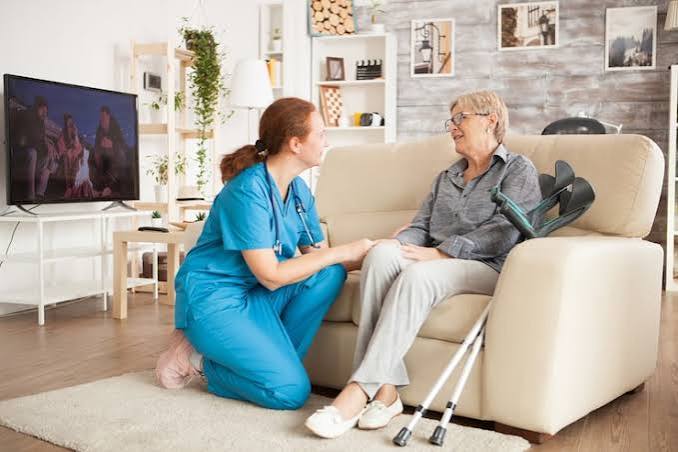
Why Small, Home-Like Assisted Living Communities Can Make A Difference
Why Small, Home-Like Assisted Living Communities Can Make a Big Difference for SeniorsChoosing assisted living is a major decision. Families aren't simply looking for a place where their loved one can receive help with daily activities. They're looking for somewhere that feels safe, comfortable, welcoming, andmost importantlylike home.For many seniors, the transition from living independently to assisted living can be emotional. A large community or institutional environment may feel overwhelming. That's why a smaller, residential approach to senior living can offer an appealing alternative.At CareMoore Homes, assisted living and memory care are provided in residential-style homes designed to feel like real homes rather than traditional facilities. The homes typically feature 812 bedrooms, creating a more intimate environment where residents can receive personalized attention and develop familiar relationships with caregivers and neighbors. What Makes a Small Senior Living Home Different?Size can influence the overall experience of senior living.In a smaller community, residents may have more opportunities to know the people caring for them. Caregivers can become familiar faces instead of a rotating group of strangers.That familiarity can be especially valuable for seniors who are experiencing changes in mobility, memory, or independence.CareMoore Homes emphasizes a high caregiver-to-resident ratio, allowing its team to provide more individualized attention while developing trust and familiarity with residents. A Home Instead of a FacilityThere's a psychological difference between walking into a large institutional building and walking into a comfortable home.A home-like environment can include familiar living spaces, dining areas, bedrooms, outdoor areas, and opportunities for residents to socialize naturally.Instead of feeling like they have moved into an institution, residents can have the experience of becoming part of a household.That philosophy is central to CareMoore Homes' approach to senior living.Personalized Care MattersEvery senior is different.One person may need assistance with bathing and dressing but remain highly independent in other areas. Another may require more support throughout the day.Personalized care allows services to be tailored to the individual's needs instead of expecting every resident to follow the same routine.CareMoore Homes describes its approach as personalized support designed around each resident's unique needs. Family Members Benefit, TooMoving a parent into assisted living can be difficult for adult children.Many family members experience guilt or worry that they are somehow abandoning their loved one.A family-focused senior living community can help ease those concerns through communication and regular updates.CareMoore Homes emphasizes open communication with families so loved ones can remain involved in their parent's care and daily life. The Goal Is More Than SafetySafety is importantbut seniors deserve more than simply being safe.They deserve opportunities for: Social interaction Meaningful activities Comfortable meals Personal choice Familiar routines Friendship Independence Dignity Purpose Senior living should support the whole person.Finding the Right Assisted Living CommunityWhen touring assisted living communities in Boise, Meridian, or Eagle, families should consider more than appearance.Ask questions about: Caregiver-to-resident ratios Staff consistency Personalized care plans Family communication Dining Activities and wellness Safety Memory care services The size and atmosphere of the community Most importantly, pay attention to how the environment feels.Does it feel like a place your loved one could call home? For families exploring assisted living in the Treasure Valley, CareMoore Homes offers a residential alternative focused on comfort, personalized attention, dignity, and family connection. Its current locations include homes in Boise, Meridian, and Eagle.
Sep 04, 2026

When Is It Time for Memory Care in Eagle, Idaho?
When Is It Time for Memory Care in Eagle, Idaho?For many families, caring for a loved one with dementia begins with small adjustments.Someone starts helping with grocery shopping. An adult child takes over paying bills. A spouse organizes medications. Family members stop by more often to make sure everything is okay.For a while, these changes may be enough.But Alzheimer's disease and other forms of dementia are progressive conditions. As memory, judgment, communication, and daily functioning change, the amount of support someone needs can gradually increase.Families in Eagle and Ada County, Idaho, may eventually find themselves asking a difficult question:Is our loved one still safe at home, or would specialized memory care provide the level of support they now need?There is no single answer that applies to every family.However, recognizing certain patterns can help families determine when it may be time to explore residential memory care.Care Moore Homes Memory Care at Prickly Pear, located at 4073 W. Prickly Pear Drive in Eagle, offers memory care in a small residential setting specifically designed for individuals living with dementia. Seniors Blue Book identifies Prickly Pear as a nine-resident memory care home where a Registered Nurse develops individualized care plans for residents.Dementia Care Often Becomes More Complex Over TimeThe early stages of memory loss may involve forgetfulness that families can manage with reminders and occasional supervision.Over time, the situation may change.A person may begin having difficulty with:Medication managementCookingBathing and dressingEating regularlyRecognizing hazardsFinding their way homeSleeping through the nightUsing household appliances safelyManaging financesCommunicating needsRemembering familiar routinesFamily members often adapt little by little.What begins as one weekly visit may become a daily visit.Daily help may eventually turn into morning and evening supervision.Eventually, someone may need another person nearby most of the time.That gradual change can make it hard for families to recognize just how demanding caregiving has become.Dementia Caregiving Is a Major Responsibility in IdahoFamilies throughout Idaho are navigating these same challenges.The Alzheimer's Association's 2026 data estimates that about 74,000 Idaho caregivers provide approximately 118 million hours of unpaid care to people living with Alzheimer's disease or other dementias.Separate Idaho caregiving data found that more than one in five caregivers in the state provides care to someone with Alzheimer's disease or another form of dementia. Among dementia caregivers, many provide personal care such as bathing or feeding as well as household assistance such as managing finances.This matters because dementia care can gradually become much more than helping someone remember appointments.It can become a full-time responsibility.Memory Care Tip: Instead of asking only, "Can we keep caring for Mom at home?" also ask, "Can we continue providing the level of supervision she needs safely and sustainably?"Both questions matter.Sign 1: Wandering or Getting Lost Is Becoming a Safety ConcernWandering is one of the clearest reasons families begin considering memory care.Someone living with dementia may leave the house because they believe they need to:Go to workPick up a childWalk homeVisit a family memberComplete an old routineFind a familiar placeThe problem is that once outside, they may become disoriented.A person who has lived in the same neighborhood for decades may suddenly have difficulty finding the way home.Families may notice:Repeated attempts to leaveWalking outside late at nightBecoming lost in familiar areasChecking doors frequentlySaying they need to "go home" while already homeTrying to drive somewhere unexpectedlyOnce wandering becomes frequent, family caregivers often feel they must watch the person continuously.That level of supervision can be difficult to sustain in a private home.Sign 2: Medications Are No Longer Being Taken SafelyManaging medications requires memory, judgment, and organization.Dementia can affect all three.Someone may:Forget to take medicationTake the same dose twiceTake medication at the wrong timeMix different pills togetherStop understanding what a medication is forRefuse medication because they no longer recognize itFamilies often try pill organizers, alarms, written reminders, or daily phone calls.Those strategies can work for a period of time.Eventually, reminders may no longer be enough.When someone requires direct medication supervision every day, the overall care plan may need to change.Sign 3: Cooking and Household Tasks Are Becoming UnsafeMany people with dementia retain pieces of familiar skills long after other abilities begin changing.A person may still know how to turn on the stove but forget that food is cooking.They may remember where cleaning supplies are stored but forget that certain products should never be mixed.They may turn on the water and walk away.Warning signs can include:Burned cookwareFood left on the stoveAppliances left runningSpoiled food in the refrigeratorFaucets left onDoors left unlockedUnexplained household damageIncreasing difficulty using familiar appliancesOne incident does not automatically mean someone needs residential care.A pattern of unsafe behavior deserves closer attention.Sign 4: Personal Hygiene Is DecliningBathing, dressing, grooming, and toileting involve many individual steps.Dementia can make those sequences difficult to remember.Families may notice that a loved one:Wears the same clothing repeatedlyStops bathingDresses inappropriately for the weatherHas difficulty brushing teethNeeds increasing help with toiletingBecomes resistant to personal careThese changes are not necessarily intentional.Someone may honestly believe they already showered.They may forget how to operate a shower.They may feel frightened when a caregiver tries to help because they do not understand what is happening.Trained memory care staff are accustomed to adapting these routines and providing assistance while trying to preserve dignity and independence.Sign 5: Eating and Drinking Are Becoming DifficultNutrition can become another challenge.Someone living with dementia may forget to eat or no longer recognize hunger and thirst cues.You may notice:Unexplained weight lossEmpty cupboardsSpoiled foodRepeatedly skipped mealsVery limited food choicesSigns of dehydrationDifficulty preparing mealsTrouble using utensilsRegular meals can become harder to manage when someone lives alone.A residential memory care environment can provide consistent mealtimes, snacks, hydration opportunities, and supervision.Care Moore Homes highlights home-cooked meals as part of its smaller residential care model.Sign 6: Nights Are Becoming HarderDementia does not follow normal business hours.Some families manage fairly well during the day but struggle at night.A loved one may:Wake repeatedlyWander through the houseAttempt to leaveConfuse night with daytimeBecome more anxious in the eveningCall family members throughout the nightRequire repeated reassuranceThis can be exhausting for a spouse or adult child.A caregiver who rarely gets uninterrupted sleep may eventually become unable to provide safe care themselves.Over time, chronic exhaustion can affect concentration, physical health, mood, and decision-making.Sign 7: Your Loved One Needs Increasing SupervisionOne useful question is:How long can my loved one safely be left alone?Several hours?Thirty minutes?Not at all?When someone cannot safely remain alone, the demands on family caregivers increase dramatically.A family may start coordinating schedules so someone is always present.One child covers mornings.Another covers afternoons.A spouse manages nights.This arrangement may work temporarily.But if the person needs continuous supervision for months or years, families may need a more sustainable solution.Sign 8: The Family Caregiver Is Becoming OverwhelmedCaregiver exhaustion is not a minor issue.Idaho dementia caregiving data shows significant health burdens among caregivers, including poor physical and mental health, depression, and social isolation.Caregiver burnout may appear as:Constant fatigueAnxietyIrritabilityDifficulty sleepingMissing medical appointmentsSocial isolationFeeling trappedTrouble keeping up with workNeglecting other relationshipsBecoming physically unable to assist with transfers or personal careFamilies sometimes feel guilty acknowledging these problems.But a care plan that is harming the caregiver may eventually become unsafe for both people.Moving to memory care does not mean the family has stopped caring.It may mean that the care required has grown beyond what one household can reasonably provide.Sign 9: Social Isolation Is IncreasingSafety concerns can gradually shrink someone's world.Families may stop taking a loved one to restaurants because outings become difficult.Church attendance may end.Visits with friends decrease.Someone who once enjoyed neighborhood walks may no longer be able to go alone.Eventually, days can become quiet and repetitive.Appropriate memory care can create opportunities for social contact and meaningful activity within a supervised environment.Activities do not have to be complicated.Residents may enjoy:MusicGardeningArtPuzzlesGentle exerciseWalkingSimple household tasksConversationOutdoor timeLooking at photographsSeasonal celebrationsThe purpose is not simply filling time.It is giving residents opportunities to participate in daily life.Why a Smaller Memory Care Home May Appeal to Some FamiliesMemory care communities vary significantly in size and atmosphere.Care Moore Homes Memory Care at Prickly Pear uses a smaller residential model.Seniors Blue Book currently identifies the Eagle residence as a nine-resident home designed specifically around dementia care. The listing also notes Registered Nurse involvement in individualized care planning.Related Care Moore Homes information describes its residential approach as including approximately a 1-to-6 caregiver-to-resident ratio, private rooms, welcoming shared spaces, and home-cooked meals.For some people living with dementia, a smaller setting may mean:Fewer unfamiliar peopleLess noiseEasier navigationMore familiar caregiversSmaller social groupsA predictable household rhythmMore opportunity for caregivers to learn individual preferencesSome seniors may prefer larger communities with extensive amenities.Others may respond better to an environment that feels closer to the scale of the home they previously knew.Why Memory Care Matters Locally in EagleMemory care is especially relevant in Eagle because the community has a significant senior population.The U.S. Census Bureau estimates that Eagle had approximately 34,658 residents in 2025, with 24.3% age 65 or older. The city's estimated population also grew 11.2% from its April 2020 population base to July 2025.That means nearly one in four Eagle residents is 65 or older.As the community grows and ages, more local families will likely face questions involving Alzheimer's disease, dementia, caregiving, and long-term care.Having memory care available within Eagle can also help families keep a loved one closer to familiar neighborhoods, physicians, friends, and relatives rather than traveling farther into the Treasure Valley for specialized care.Do Not Wait for a Crisis to Start LookingFamilies often begin researching memory care after something happens.A parent wanders away.Someone falls.A caregiver becomes sick.A hospitalization occurs.Medication is accidentally taken twice.Those moments create urgency.When possible, start researching earlier.Touring communities before a crisis allows families to:Compare environmentsAsk about staffingDiscuss care needsReview costsUnderstand room availabilityEvaluate safety measuresLearn how care plans are developedDecide whether a smaller or larger community feels appropriateEven if your loved one is not ready to move today, understanding local options can make future decisions less stressful.Questions to Ask When Touring Memory CareHow many residents live in the community?Community size can significantly affect the atmosphere. Care Moore Homes Memory Care at Prickly Pear currently serves a small number of residents in a residential home setting.Who develops the care plan?Ask whether nursing professionals participate and how frequently the plan is reviewed as dementia progresses.How do caregivers respond to wandering?Ask about entrances, outdoor spaces, nighttime supervision, and other safety procedures.How consistent is staffing?Familiar faces may be particularly valuable for residents experiencing memory loss.How are families kept informed?Ask who communicates changes in health, behavior, appetite, sleep, or mobility.What does a typical day look like?Understanding meals, activities, personal care, rest, and outdoor time can help families picture actual daily life.Frequently Asked Questions About Memory Care in Eagle, IdahoDoes a dementia diagnosis automatically mean someone needs memory care?No.Many people remain at home safely during earlier stages of dementia, particularly with family support or home care.Memory care becomes more relevant when safety, supervision, personal care, behavior changes, or caregiver demands become difficult to manage consistently.Is wandering enough reason to explore memory care?Repeated wandering or becoming lost can represent a significant safety risk.Families should discuss changes with appropriate health professionals and reassess whether the current living environment can provide adequate supervision.How do I know whether caregiver stress has become too much?If caregiving is causing ongoing sleep deprivation, health problems, severe anxiety, missed work, social isolation, or an inability to safely complete caregiving tasks, the current arrangement deserves reevaluation.What is different about Care Moore Homes at Prickly Pear?Care Moore Homes Memory Care at Prickly Pear follows a small residential model rather than a large campus model. Seniors Blue Book identifies it as a nine-resident memory care home in Eagle with Registered Nurse involvement in individualized care plans.Where is Care Moore Homes Memory Care at Prickly Pear?The community is located at 4073 W. Prickly Pear Drive, Eagle, ID 83616. Seniors Blue Book lists 208-520-1111 as the contact number.Choosing Support Before Home Care Becomes UnsustainableThe decision to consider memory care is rarely simple.A person with dementia may still laugh with family, recognize favorite songs, enjoy meals, and participate in meaningful activities while simultaneously needing more supervision than one family can safely provide.Those realities can exist together.Families do not need to wait until everything has gone wrong.Increasing wandering, medication problems, nutrition concerns, personal-care difficulties, nighttime supervision, caregiver exhaustion, and social isolation can all be signals that it is time to explore additional support.For families considering memory care in Eagle and Ada County, Care Moore Homes Memory Care at Prickly Pear offers a small residential option specifically centered on dementia care. The Eagle home serves nine residents and includes individualized care planning with Registered Nurse involvement.Families can learn more and connect with Care Moore Homes Memory Care at Prickly Pear through its SeniorsBlueBook.com listing and Eagle memory care resources.Starting the conversation does not mean committing to an immediate move.It means giving your family time to understand the options, ask thoughtful questions, and decide what level of support can best meet your loved one's changing needs.
Sep 21, 2026

The Importance of Family Communication in Senior Living
The Importance of Family Communication in Senior LivingWhen a parent moves into assisted living or memory care, adult children often worry about one thing above everything else:"How will I know how they're doing?"For families, communication isn't a luxury.It's an essential part of feeling connected to a loved one.Moving a parent into senior living doesn't mean becoming less involved in their life. In many ways, it can allow families to focus more on the relationship and less on the day-to-day demands of caregiving.The Transition Can Be EmotionalMoving from a private home into senior living represents a significant change.Adult children may experience: Guilt Relief Anxiety Sadness Uncertainty Concern about adjustment The senior may experience many of the same emotions.Open communication can help everyone navigate the transition.Families Want to Know the Little ThingsCommunication shouldn't only happen when there's a problem.Families want to hear about the everyday moments.Did Mom enjoy lunch?Did Dad participate in an activity?Did she have a good conversation with another resident?Was he smiling today?Those seemingly small details can make families feel connected.Consistency Builds TrustWhen families regularly interact with caregivers, they become more familiar with the people responsible for their loved one's care.Caregivers also learn more about the resident.They may discover that a resident loves a particular breakfast, enjoys listening to certain music, or becomes more comfortable when following a familiar morning routine.That knowledge can improve personalized care.Family Members Remain Part of the Care TeamA senior's family knows things caregivers cannot always know.They may understand: Childhood stories Family traditions Favorite foods Hobbies Career history Personality Important relationships Previous routines This information can help caregivers understand the personnot simply their care needs.Memory Care Makes Communication Even More ImportantFor residents living with dementia, communication between families and caregivers becomes particularly valuable.Families can share changes they've noticed.Caregivers can communicate changes in behavior, mood, appetite, or daily routines.Together, everyone can work toward providing consistent and personalized support.Technology Can Help Families Stay ConnectedToday's families often live in different cities or states.Regular phone calls, video calls, photos, messages, and visits can help family members remain involved even when they cannot be physically present every day.CareMoore Homes' Family-Focused PhilosophyCareMoore Homes specifically identifies its family-focused approach as one of the things that makes its communities unique.The company emphasizes regular updates, open communication, and peace of mind for loved ones. That philosophy recognizes an important reality:When a senior moves into assisted living, the family relationship doesn't end.Instead, it changes.From Caregiver to Family MemberPerhaps one of the greatest benefits of senior living is that adult children may no longer have to spend every visit managing medications, preparing meals, coordinating care, or worrying about safety.Instead, they can spend their time being Mom's daughter.Being Dad's son.Being a spouse.Being a grandparent.Being family. That is something worth protecting.